Sep 20, 20266 min read
A Guide to Diving in Greece: Everything you Need to KnowJul 24, 2026
5 MIN READ
Writer
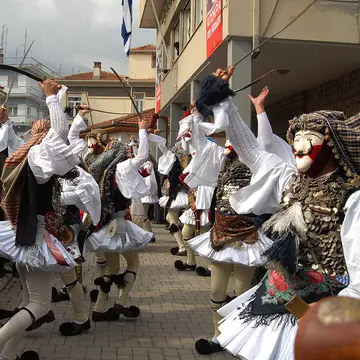
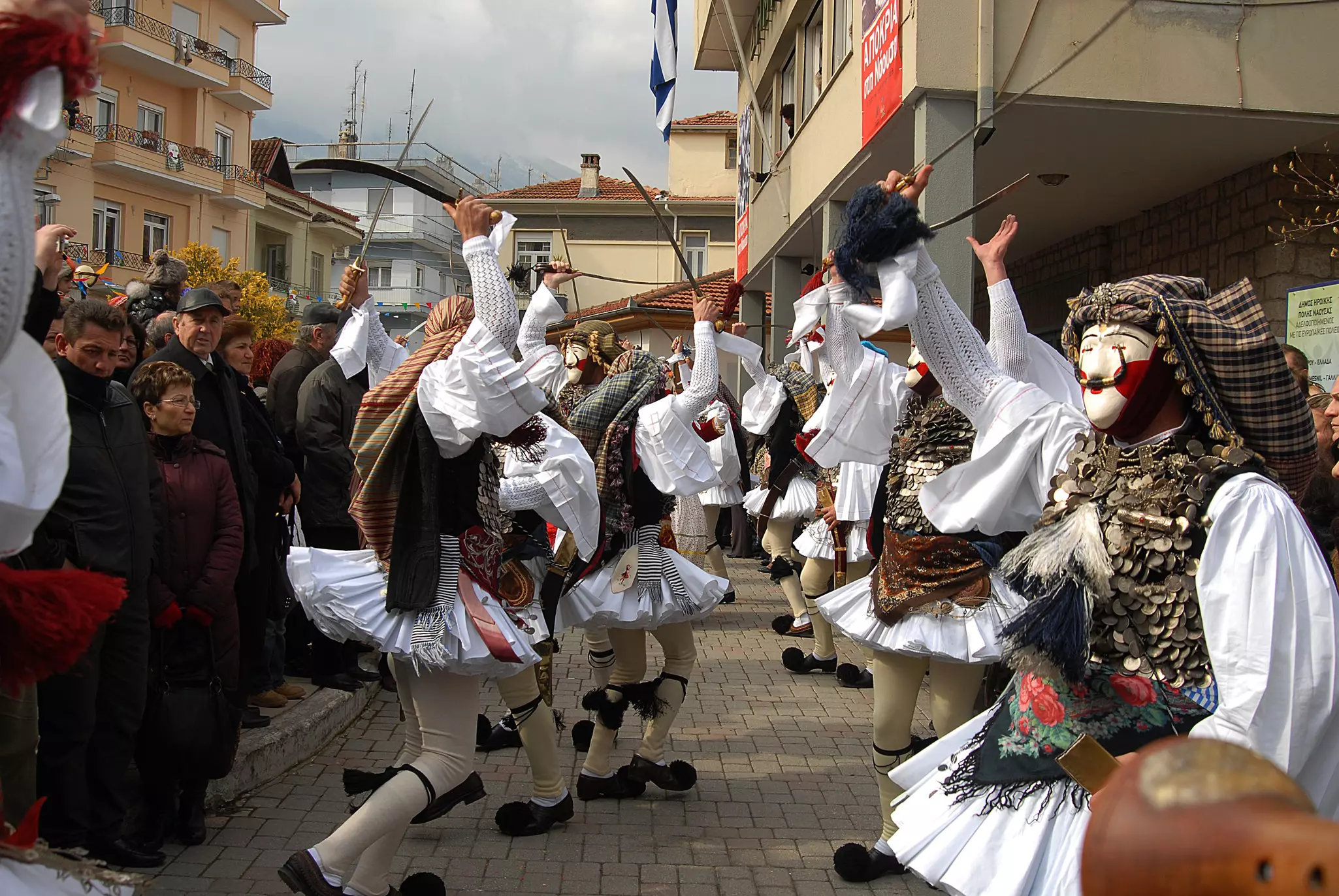
Carnival in Naoussa on Paros, Greece. Xydas Yiannis/Shutterstock
Writer
Highlights
Athens-based writer Vangelis Koronakis picks six Greek festivals worth traveling for.
Catch Release Athens for rock headliners or the Athens Epidaurus Festival for theater and opera.
Orthodox Easter fills Greece with lamb feasts; August moon opens historic sites for free concerts.
Head to Thessaloniki for indie film in November, or to Patras for the Apokries street carnival.
Lonely Planet may earn a commission from affiliate links on our site. All recommendations and reviews reflect our own independent opinions.
Hardly a week goes by in Greece without some kind of festival or celebration. Such events range from small village observances to internationally famous blowouts, with the calendar most packed (naturally) in the summer.
Many of these festivals connect with Greece's ancient heritage, while others are tied to the Orthodox church, which continues to play an important role in the nation’s social fabric. Other exciting events are purely secular – celebrating music, the arts and, well, the art of just having a great time.
Here are our six favorite Greek festivals, each one worth planning a trip around.
Release Athens is the Greek entry on the circuit of must-visit European rock festivals. The event spans several weeks at Plateia Nerou, an open space next to Flisvos Marina, and over the years it has drawn such headliners as Arctic Monkeys, Primal Scream, the Pet Shop Boys, Iggy Pop, New Order, Kylie Minogue and Duran Duran, as well as top heavy-metal bands.
Other notable Greek music festivals include Rockwave in Terra Vibe, just outside Athens in Malakasa; and the Ejekt festival, held at the Athens Olympic Stadium. The Athens Jazz at Technopolis and the Athens City Festival – with its more than 200 events held in public spaces every May – are free for everyone.
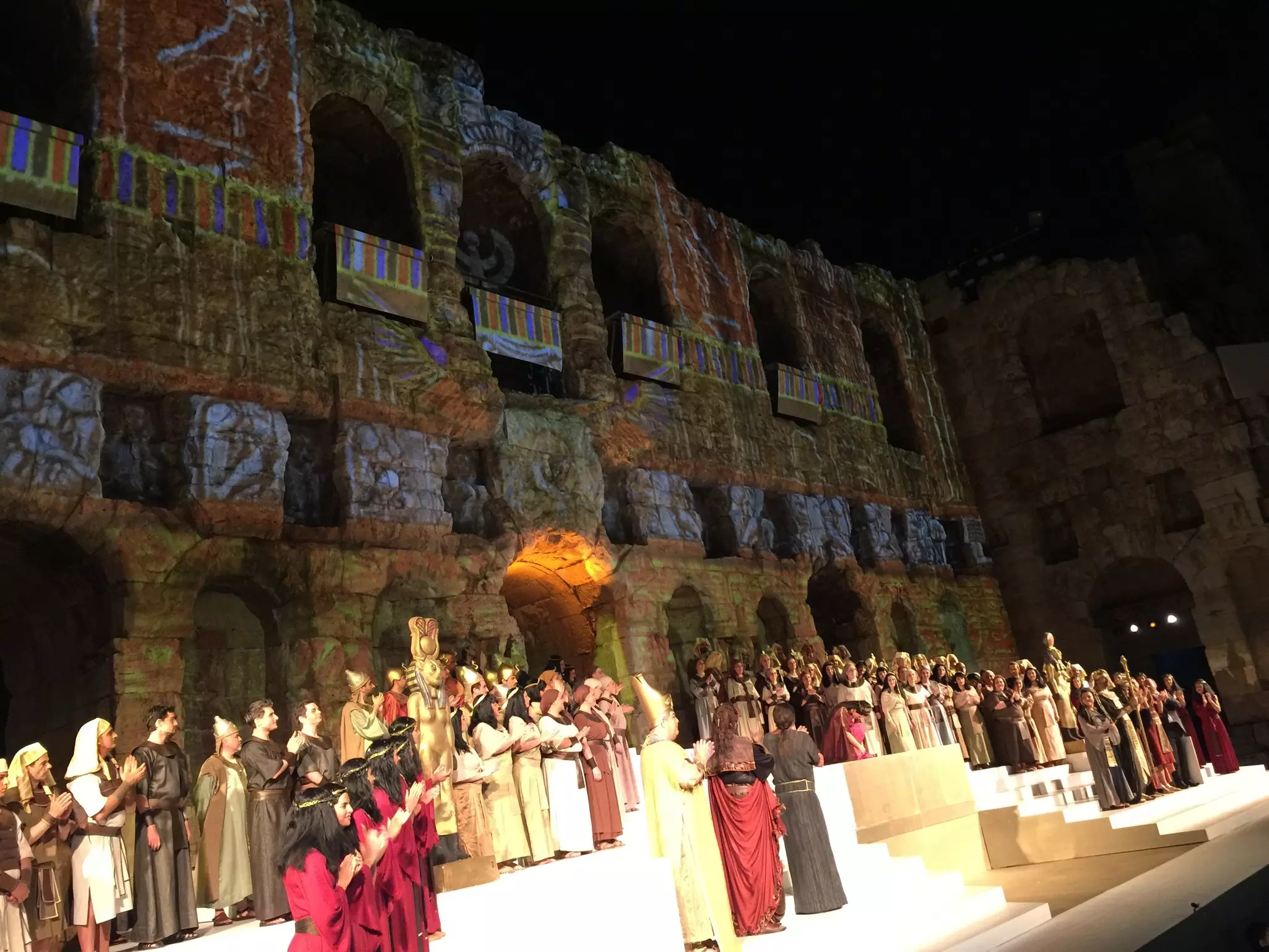
For 70 years, the Athens Epidaurus Festival has been a highlight of Greece’s cultural calendar, earning international acclaim for its world-class shows. Theater, drama, dance, opera, and classical and contemporary music are presented throughout the summer in venues that range from ancient sites to abandoned warehouses.
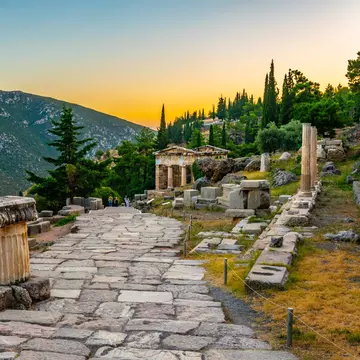
Top among them is the Theater of Epidaurus, a UNESCO World Heritage Site dating to the late 4th century BCE that’s less than a 2-hour drive from the capital. Ancient drama performances take place at the amphitheater every Friday and Saturday during the summer months, and watching a staging the way the ancient Greeks did is a once-in-a-lifetime experience.

Greece’s second-largest city takes the spotlight in November during the Thessaloniki International Film Festival, a significant stop on the international film circuit that draws filmmakers and passionate film buffs.
Emphasizing new, offbeat and independent productions, the program crams in more than 100 films over barely 10 days. Retrospectives and special programs focus on the works of individual filmmakers, and the festival also includes panel discussions and seminars on film production. The Golden Alexander is the top prize.
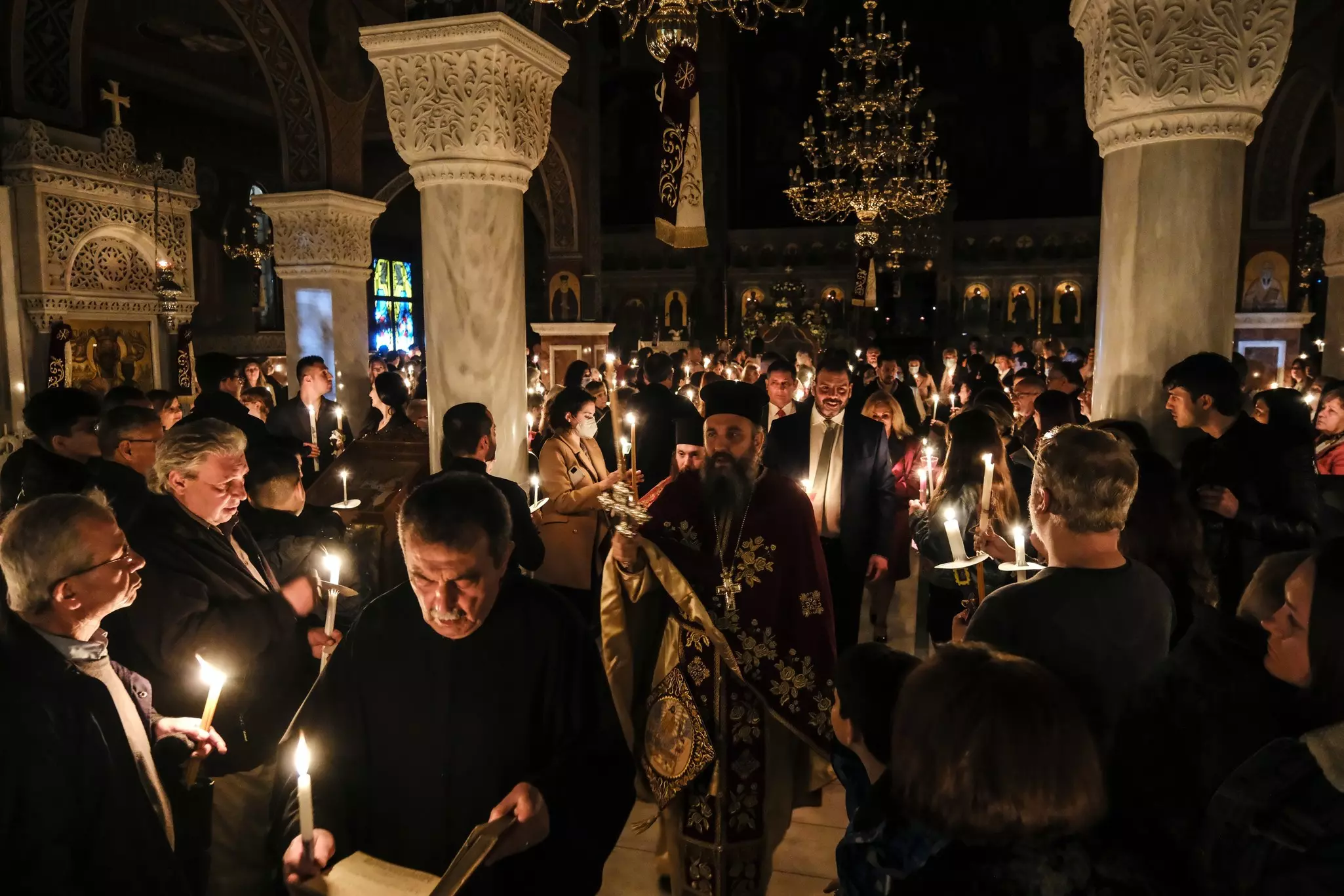
In the Greek Orthodox Church, Easter is the biggest holiday of the year, observed universally and with reverence. Just before Easter in March or April, Holy Week marks the climax of Lent, a period of devotion when even Greeks who aren’t deeply religious attend church. Falling in spring, Easter has deep seasonal symbolism, as nature itself sees a resurrection after the cold winter months. Indeed, the scent of flowers in the warm air adds an added sensory richness to the celebration.
All churches hold evening services during Holy Week, many featuring beautiful Orthodox hymns. Good Friday is the peak of Holy Week, and most shops remain closed until the afternoon. While the faithful pack churches, hordes of less-religious Athenians fill every fish restaurant and ouzerie in town to consume copious amounts of seafood.
On Easter Sunday, you’ll find lamb served everywhere, either roasted whole on a spit or chopped and grilled in the oven, while wine, beer and ouzo flow freely. Throughout the day, people crack countless red eggs against each other: in Orthodox Christian tradition, the red dye represents the blood of Christ, and the cracking of eggs symbolizes his resurrection from the dead.
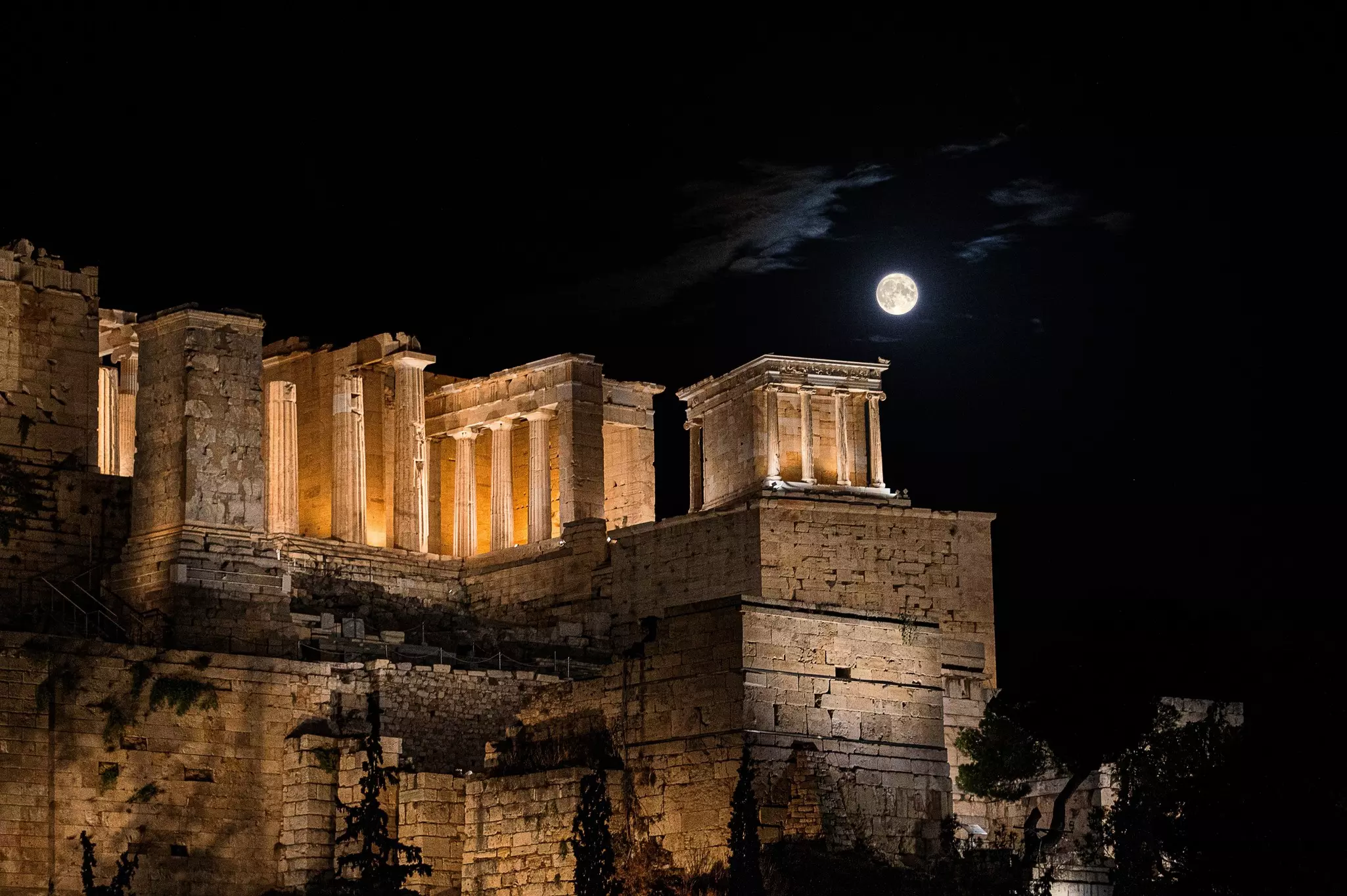
No matter where you are in Greece, the night of the August full moon is cause for celebration – a tradition that dates back millennia.
In Athens, archaeological sites like the Acropolis and the Agora become venues for concerts and performances, while more than 100 other historic sites throughout Greece host concerts, dance, poetry readings, plays, art exhibitions, film screenings and tours. All the events are free, including those on the sacred island of Delos, near Mykonos – and it’s well worth the journey there for this special time.
Just like the date of the August full moon, the venues and lineups change every year, so check local listings.
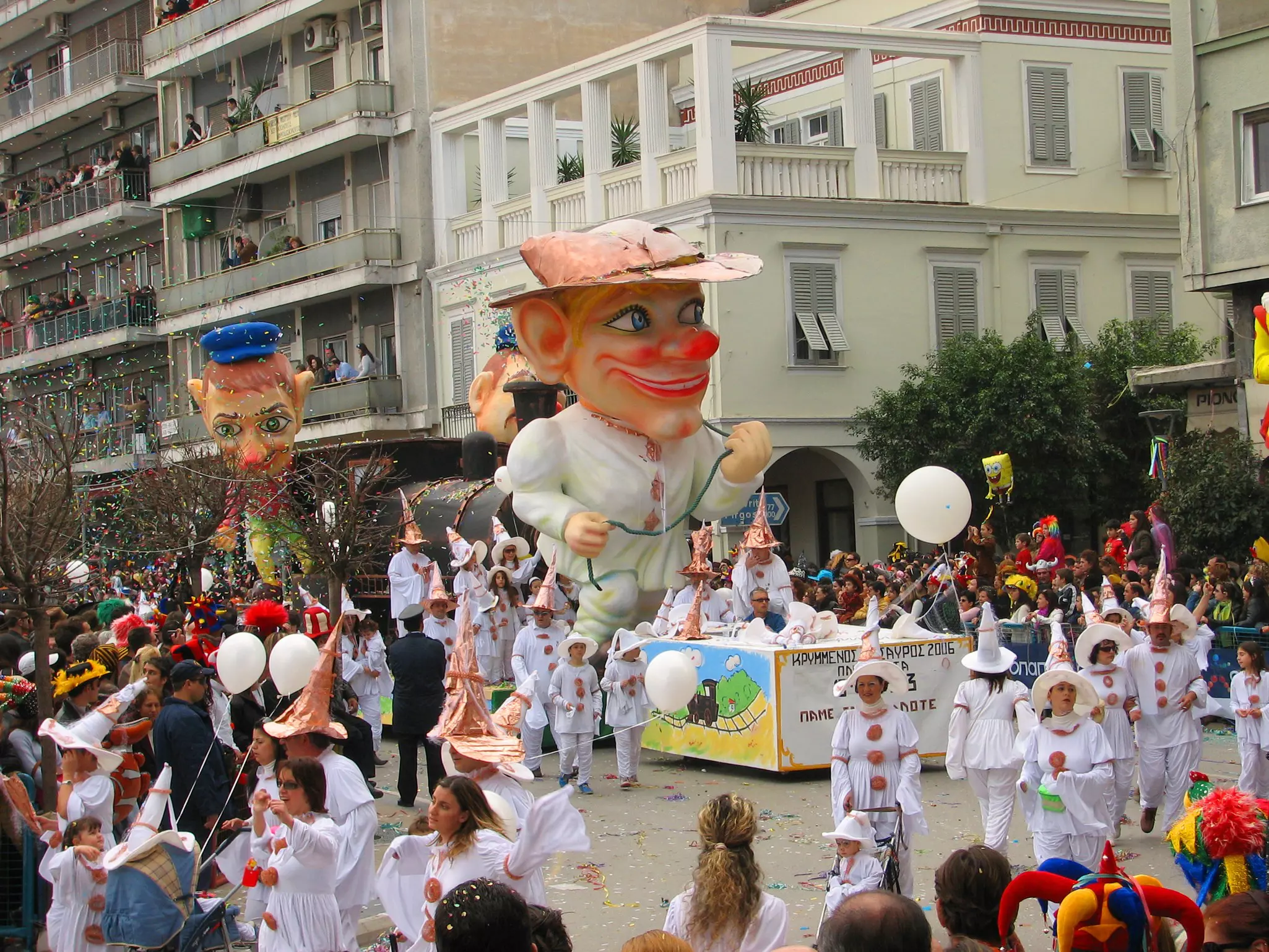
In the three weeks leading up to the start of Lent in February or March, Greeks celebrate the carnival season known locally as Apokries. While the festivities are tied to the Christian calendar, they have roots in ancient festivals honoring Dionysus, the god of wine and fertility. Greeks love participating in the fun atmosphere of Apokries, and it is a wonderful time to visit the country.
In cities, nightlife gets revived after the quiet weeks following Christmas and New Year’s. Bars and clubs throw theme parties, and dressed-up revelers of all ages are a common sight in the streets and on public transportation. The festivities peak on the last weekend – particularly on Sunday, when numerous outdoor celebrations, masquerades and parades take place.
While every part of the country has distinct customs and celebrations, we recommend traveling to Patras in the Peloponnese during the third weekend. The city fully embraces the festivities, with its giant Sunday parade bringing to mind images of Carnaval in Brazil. Just make sure you book a hotel well in advance – unless you’re up for a sleepless 3-day party (you wouldn’t be the only one).
Book your Greece trip with Lonely Planet Journeys
See Greece how it's meant to be seen
Accommodations, activities and ground transportation all taken care of, so you can focus on the fun part. Tell us what your dream trip to Greece looks like, and our local experts will build it from scratch. Or start with one of our itineraries and make it your own.

Explore related stories