Sep 20, 20267 min read
A Guide to Seeing Alaska from AboveApr 21, 2026
10 MIN READ
Writer
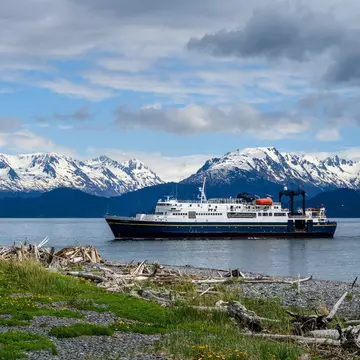
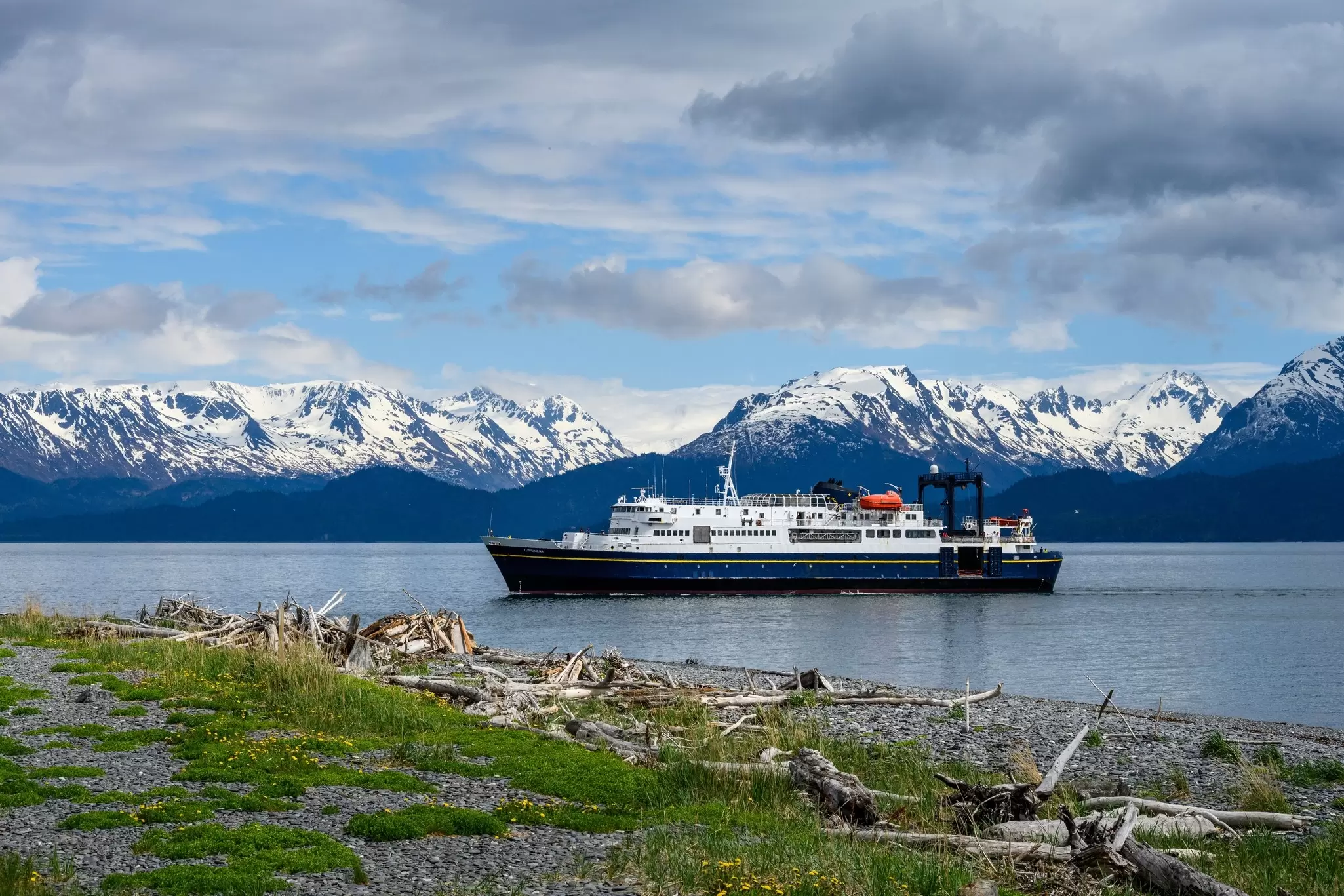
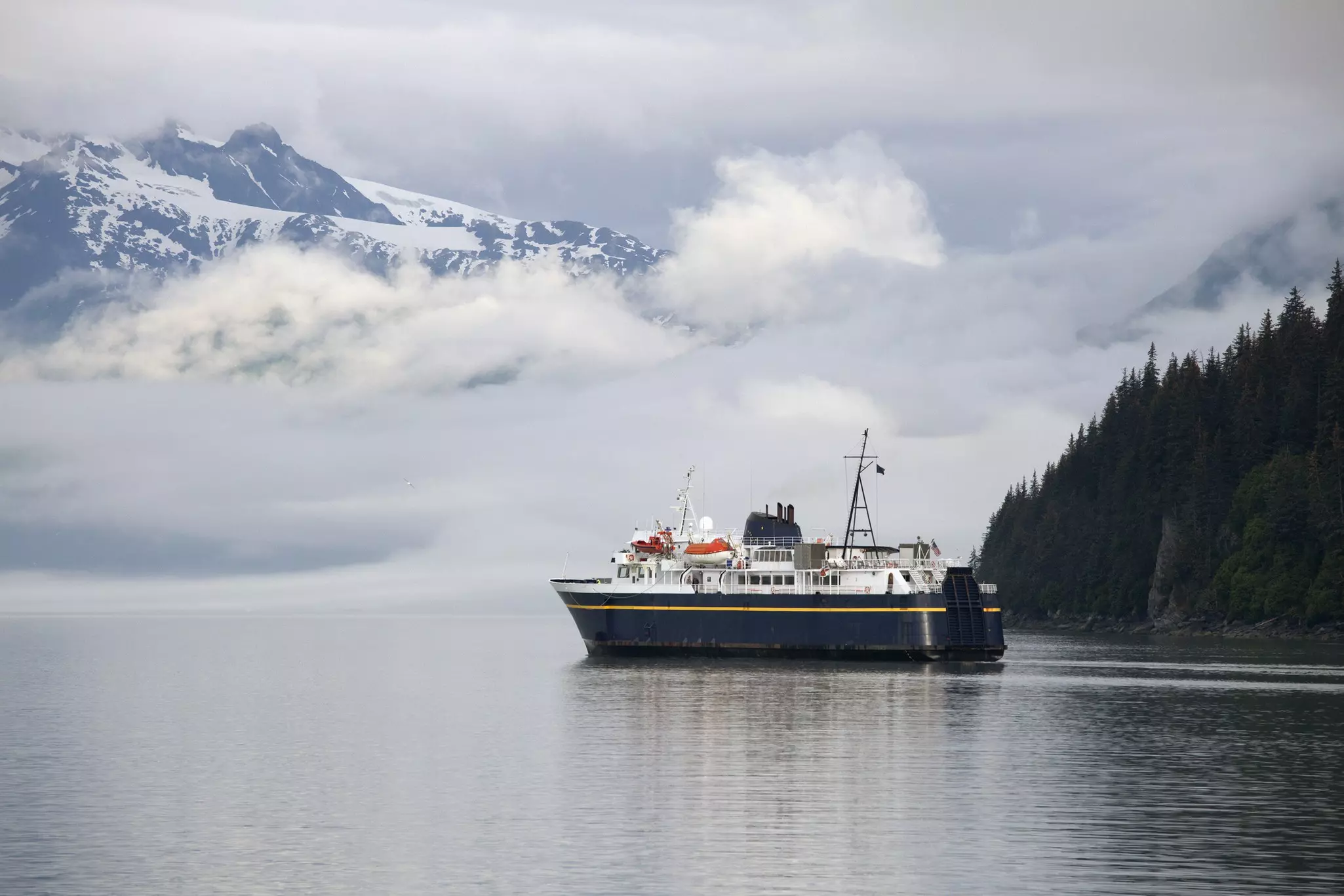
An Alaska Marine Highway System ferry on Katchernak Bay in Homer, Alaska. knelson20/Shutterstock
Writer
Lonely Planet may earn a commission from affiliate links on our site. All recommendations and reviews reflect our own independent opinions.
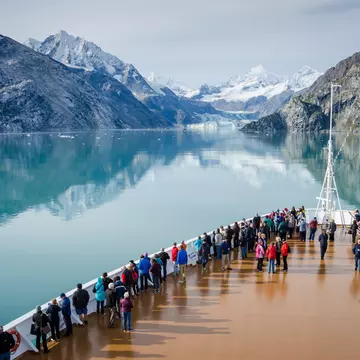
Traveling aboard the Alaska Marine Highway System (AMHS) – the ferry network that connects Alaska's coastal communities – offers the same views as the cruise ships but without the fluff. It also allows visitors to experience smaller communities that cruise ships typically skip.
Passengers see glimpses of glaciers, wildlife and lush forests, but also meet the residents that rely upon ferries to get them to and from other places. To really understand what it’s like to live in rural Alaska and see amazing places without the huge price tag that comes with a cruise, this is the way to travel.
Ferry travel requires advance planning and execution, as the Alaska Marine Highway is a designated All-American Road. It is the first waterway to be named such, and its 3500-mile scenic byway is popular with independent travelers and their cars, RVs, bicycles and motorcycles. Limited service to some areas makes tickets a hot commodity in-season.
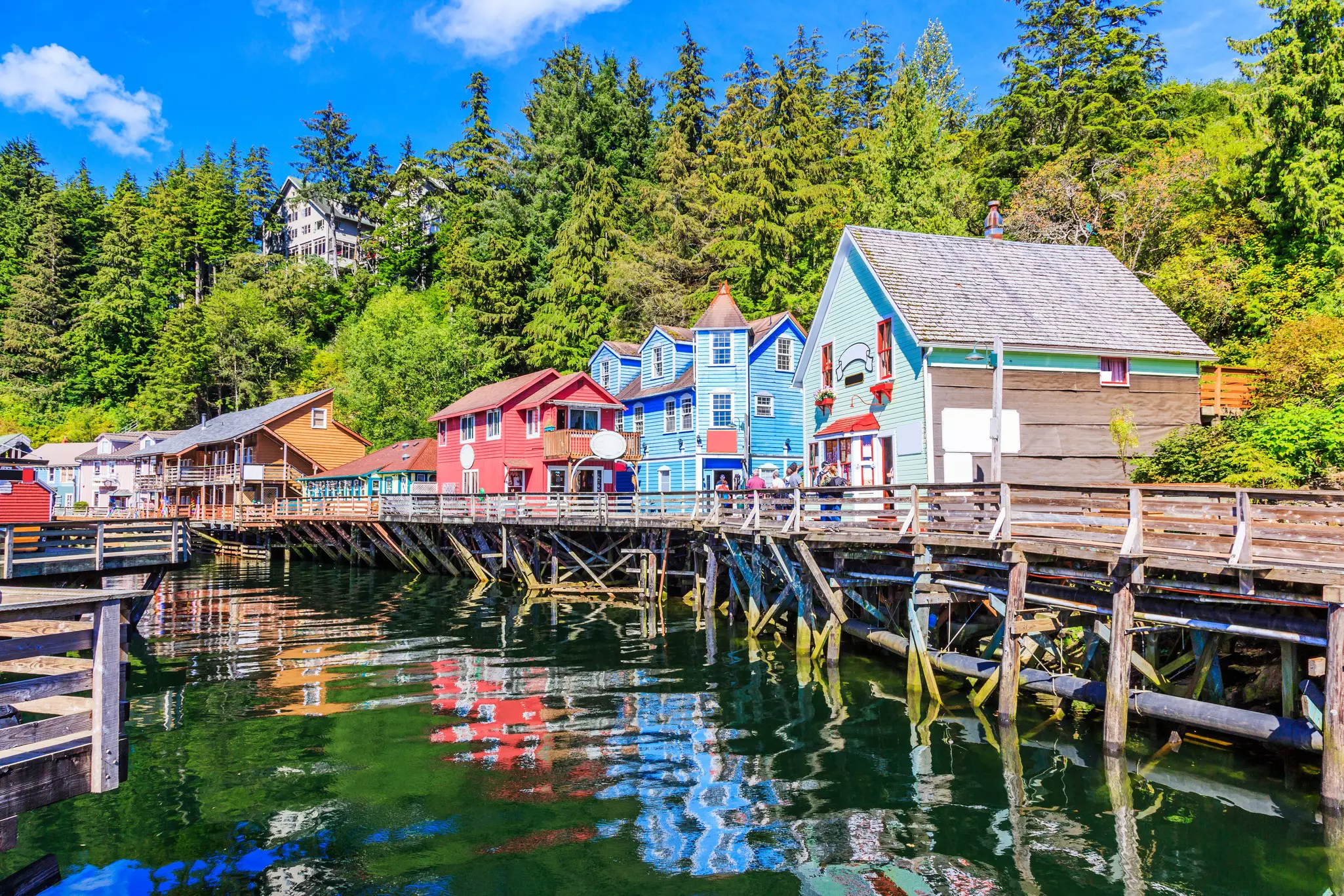
Known fondly as the "blue canoes" by residents, the state-owned and operated ferries of the AMHS are integral to basic living and commerce for coastal communities of the state. The system started in 1948 as a small marine transport that two brothers established when they saw a need to help get residents and products between the small towns of Haines, Skagway and Tee Harbor in Southeast Alaska. This evolved into the system of today, which didn't become a state entity until 1963. Then the newly launched MV Malaspina arrived in Ketchikan to much fanfare because, as one resident said, “We could finally go somewhere!”
Of Alaska's five regions, three are along the coastline – Southeast, Southcentral and Southwest – and the Alaska Marine Highway’s fleet of vessels is critical to transporting people and goods over a 30-route system.
Alaska State Ferry routes vary in distance and length, from a few hours to more than a day, depending upon the communities served. The entire length of the system stretches from Bellingham, Washington, to Dutch Harbor in Alaska’s Aleutian Islands, servicing more than 30 communities along the way. The longest running time point-to-point is 38 hours from Bellingham to Ketchikan.
Looking for a snapshot of Alaska’s coastal regions with plenty of activities and stunning scenery? The following itineraries are a great trip to tack on to land-based travel, or as a full vacation in themselves.
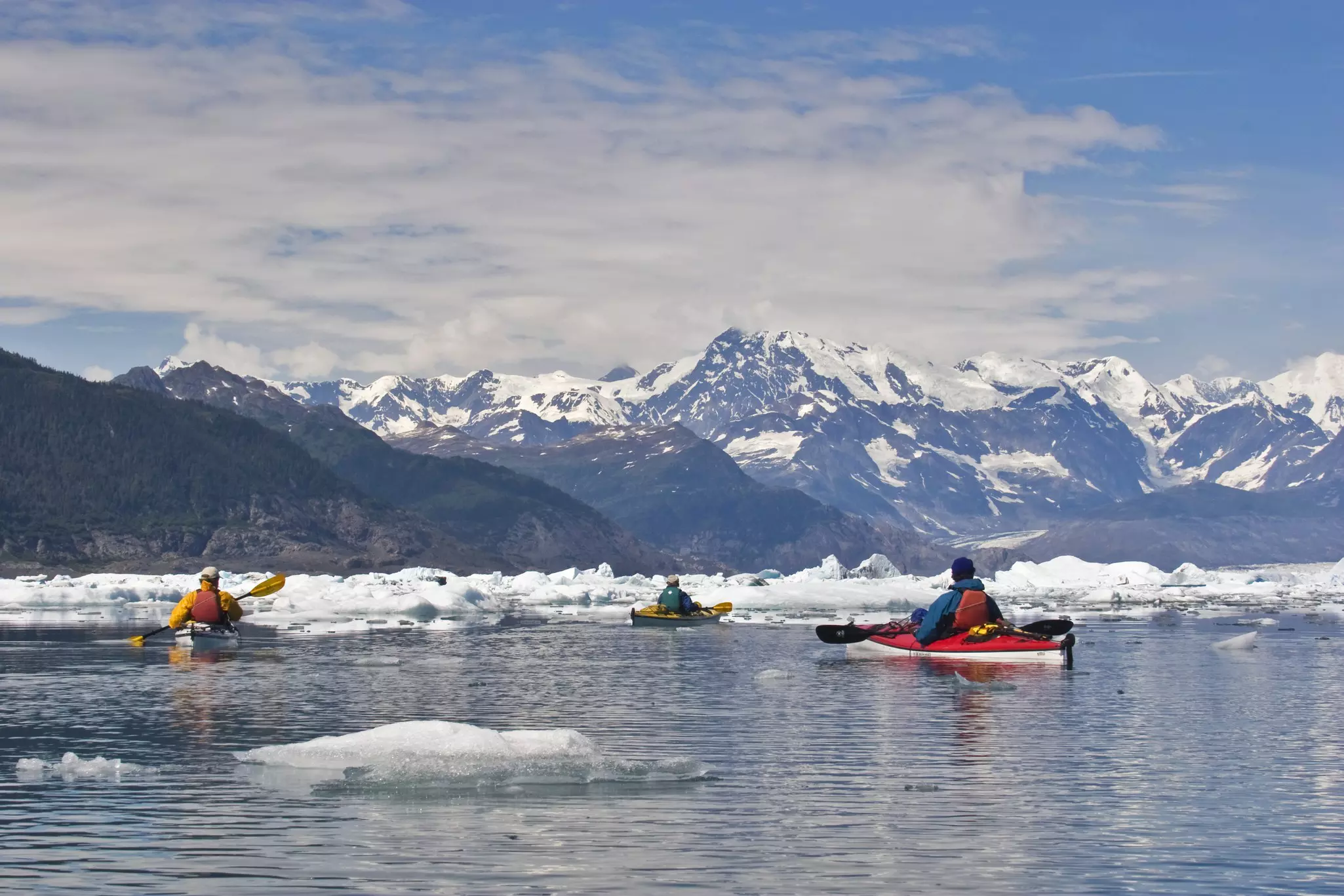
The fishing industry is one of Alaska’s top economic engines, so traveling Prince William Sound during the summer months means a front-row seat to the vessels and people working nets and lines. This five-hour trip sails among the placid bays and craggy coves of the sound, with the stunning Chugach National Forest as a backdrop. Popular because of its sail-drive connection via the Richardson and Glenn Highways between Anchorage, Whittier and Fairbanks, this is a wonderful route for those looking for a round-trip journey. Watch for fishing boats, kayakers camping on the shoreline and "bergy bits" from the massive Columbia Glacier as you get closer to Valdez, then stay overnight in town before hitting the road north or west.
Once you arrive in Valdez, make sure to stop at the Valdez Museum for a dive into the area's history, including events like a 9.2 earthquake in 1964 and the Exxon Valdez oil spill in 1989. Old Town Valdez is the former downtown district before the 1964 quake, when a tsunami destroyed nearly every building and the entire community relocated to its current site.
A few miles out of town, Solomon Gulch Hatchery is a great place to watch sea lions and the occasional brown or black bear fishing for pink salmon returning to the hatchery. A glacier and wildlife cruise departing from the Valdez harbor can provide up-close views of these rivers of ice and whales cavorting in Prince William Sound.
Other routes to consider: If you’re based in Anchorage, you can travel the Alaska Marine Highway ferry system between Whittier, Cordova and Valdez, then drive back to Anchorage for a loop. This trip showcases Prince William Sound and provides more opportunities for wildlife viewing and hiking local trails in Cordova.
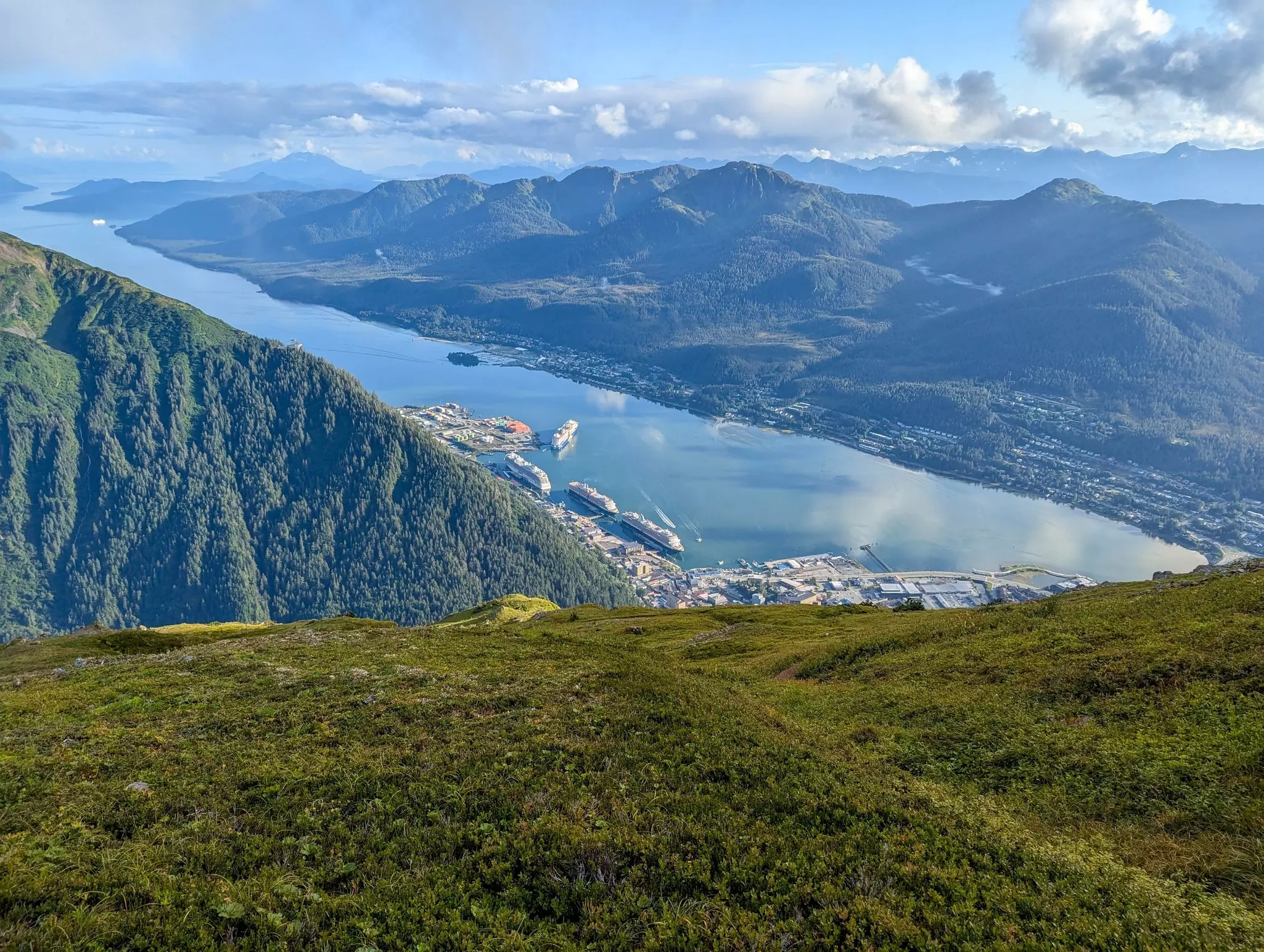
Departing from Auke Bay, a short distance from downtown Juneau, the sail to Haines is just under four hours and is frequently traveled by residents going back and forth for shopping, appointments or sports contests. Look for whales, seals and eagles as you move along the Inside Passage before turning into scenic Lynn Canal.
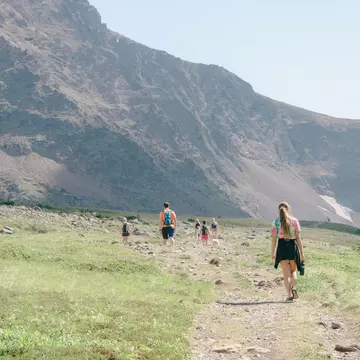
Haines itself is a quaint little town that happens to be located a mere 45 miles from the Canadian border, and is one of few Southeast Alaska communities that is accessible by road, water and air. Unlike neighboring Skagway (just 20 more miles up Chilkoot Inlet), Haines has resisted the tourist trappings of a cruise ship port city, and visitors wanting to hike, paddle or experience museums and cultural centers without heavy crowds will enjoy this destination.
Haines is also a great jumping-off city for road-tripping into Canada's Yukon Territory and then back into Alaska via the famous Alaska Highway (or ALCAN Highway). Note that a passport is required for multiple border crossings.
Other routes to consider: If you're basing yourself in Juneau, consider adding a weekend in Angoon (5 hours), Hoonah (3½ to 7 hours) or Skagway (6 hours). Both Angoon and Hoonah are in the pristine Tongass National Forest and offer many opportunities for fishing, kayaking and wildlife viewing. They are also both home to the Tlingit people, with the largest community being in Hoonah. Skagway, meanwhile, preserves history with the Klondike Gold Rush National Historical Park.
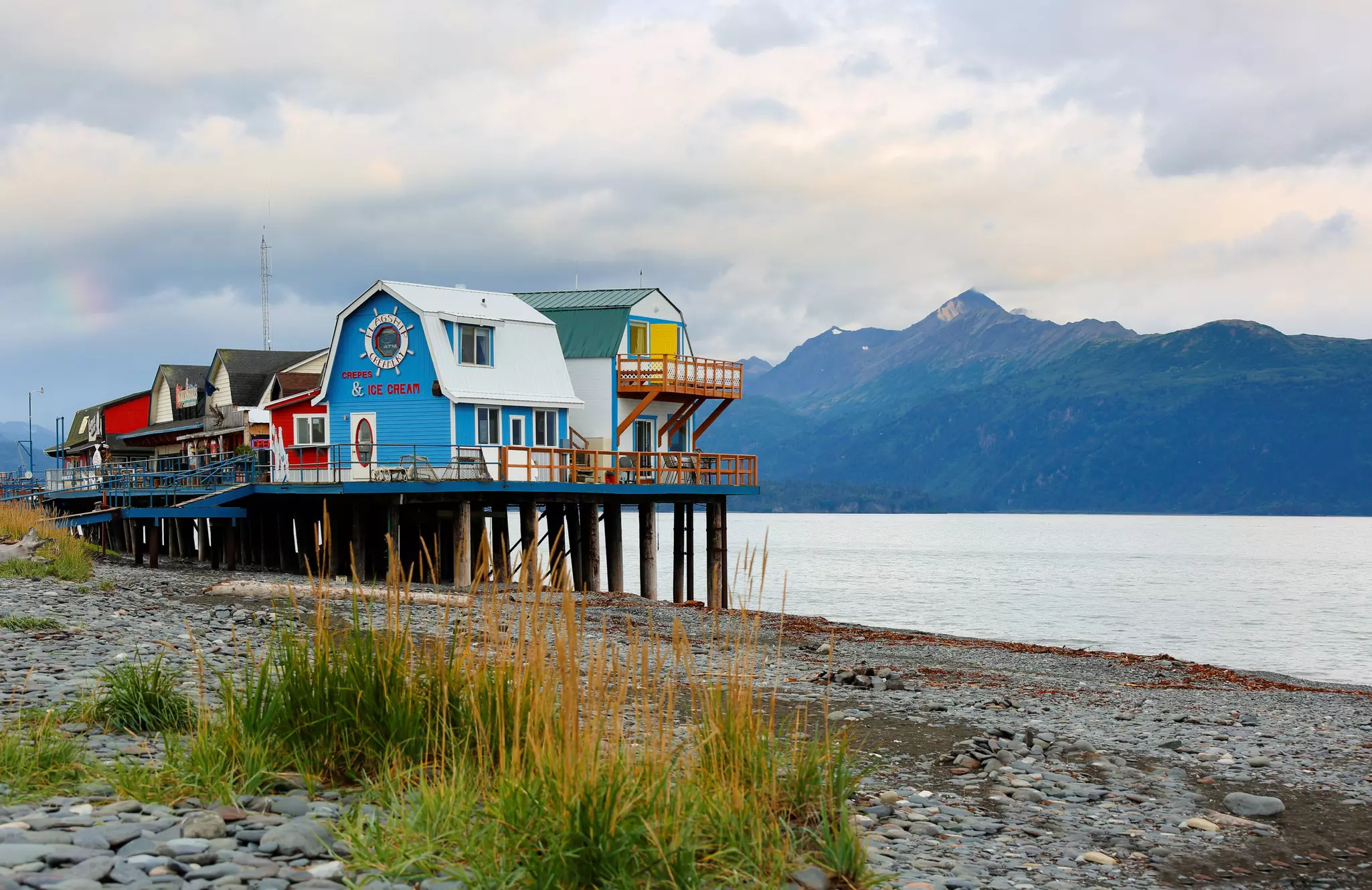
This is the route for serious adventurers who want to explore remote coastal Alaska. The Southwest route begins in the small town of Homer at the end of Southcentral Alaska's Kenai Peninsula. Located just over 200 miles south of Anchorage (about a five-hour drive), Homer is known for its thriving halibut fishing and access to a plethora of hiking and camping across scenic Kachemak Bay.
Typically, the ferry departs in the evening for an overnight Gulf of Alaska crossing, arriving in Kodiak city on Kodiak Island early the following morning. From Kodiak, the ferry proceeds across Shelikof Strait toward the Alaska Peninsula before reaching the Aleutian Islands. Often, travelers can see steam rising from one of the many active volcanoes in the region and the occasional whale spouting off in the distance.
Booking online is the easiest way to score your tickets on the Alaska State Ferry. The website is run by the State of Alaska and has its quirks, but reservation agents are very helpful on the phone (1-800-642-0066). Keep in mind that onboard amenities are basic, not at all comparable to a cruise. All ferries operating on an Alaska State Ferry route have elevators, and all vessels with staterooms have at least one stateroom that is wheelchair accessible.
If you choose a multi-day sailing, a stateroom is a much better option than sleeping in the main common areas or on deck. Cabins are single or double occupancy with bunk-bed style berths, and most have a private bathroom. Reserve these as far in advance as possible, as they sell out quickly.
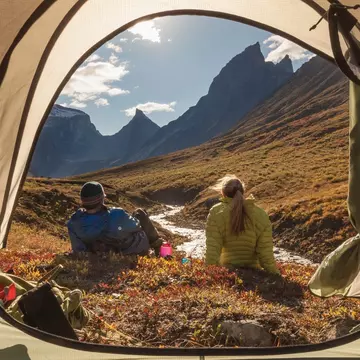
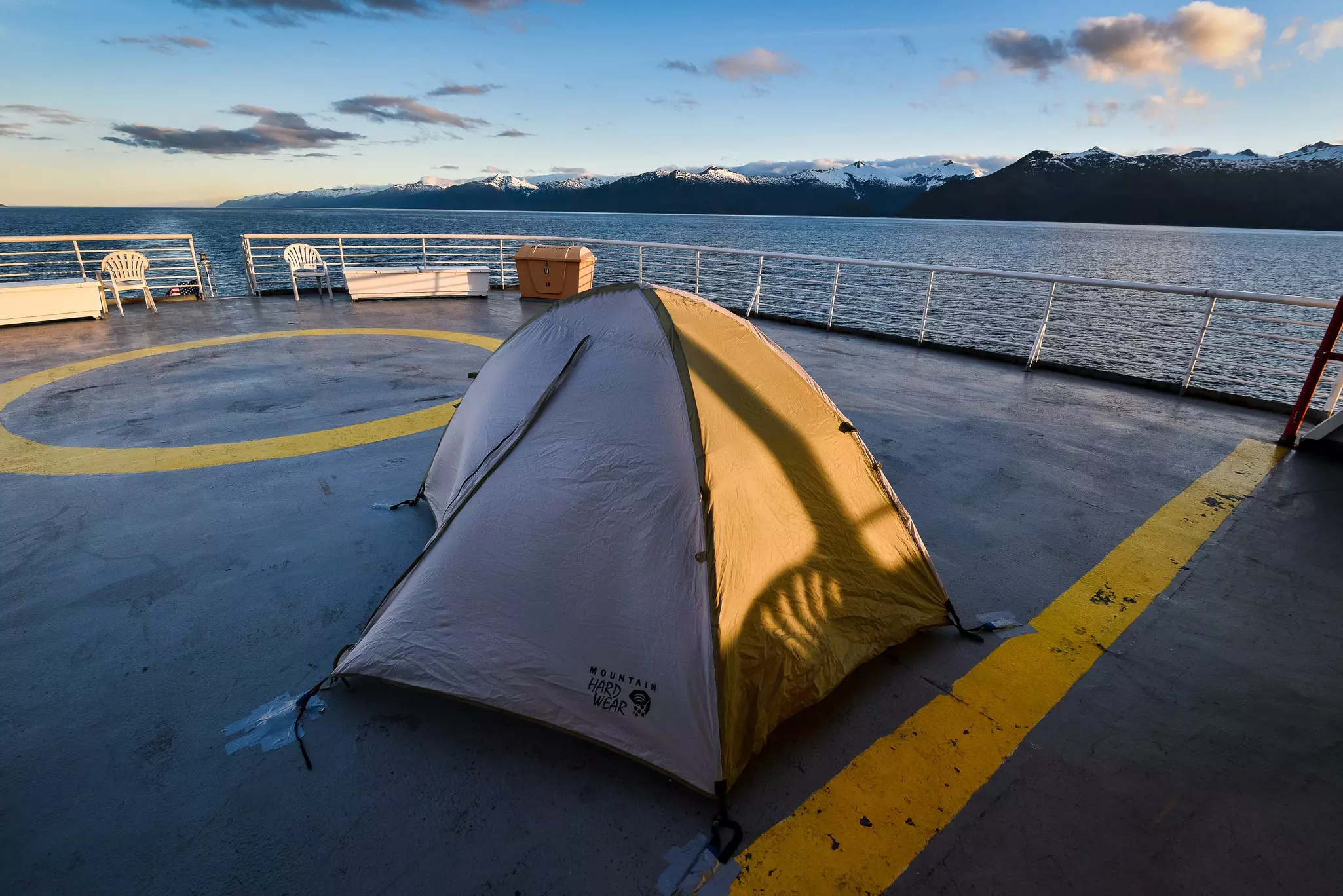
If the idea of sleeping al fresco on deck sounds like an Alaska-themed must-do adventure, pay attention to posted placards letting passengers know where they may and may not sleep outside. Small tents are permitted to be pitched on some upper decks, but it is imperative they be secured with duct tape to keep them from blowing away during the trip. Deck lounge chairs under heat lamps in the solarium spaces may be accessible to overnighters as well, but not every ferry has them. Use lockers inside common areas for stashing valuables, as gear will be open to both the elements and other people otherwise.
The Alaska Marine Highway System releases its summer schedules in early spring each year, and tickets for popular Southeast and Southwest routes are at a premium. A good strategy is to follow the AMHS's social media channels and check the website frequently. Be as flexible as possible with travel dates, since long weekends and holidays are extremely busy.
Personal food and non-alcoholic beverages are permitted in the cafeteria area. Bring a cooler for perishable items. Food is also available for purchase. Alcohol is permitted only in staterooms.
Bring warm clothing and rain gear to spend ample time outdoors on deck. Non-slip waterproof shoes are a must for wet conditions.
If you plan to camp, bring all the gear you need, including a tent and sleeping bag. Gear is not available for rent or purchase on board.
Pack binoculars to spot whales and other wildlife. Ferry crew members usually announce when animals or birds are seen.
Pack a government-issued ID, charging cords, and cash or credit cards to purchase food and other items on board.
Dogs and cats are permitted, but only on the car deck and in an approved travel carrier or in a vehicle. US Coast Guard regulations restrict access to the car deck while sailing is underway, so pet owners cannot spend the entire trip with their pets. On extended sailings, pet relief calls are announced at the discretion of the captain approximately every eight hours.
Service animals are permitted to accompany a person with a disability at all times. Comfort/therapy animals are subject to the same restrictions as other pets.
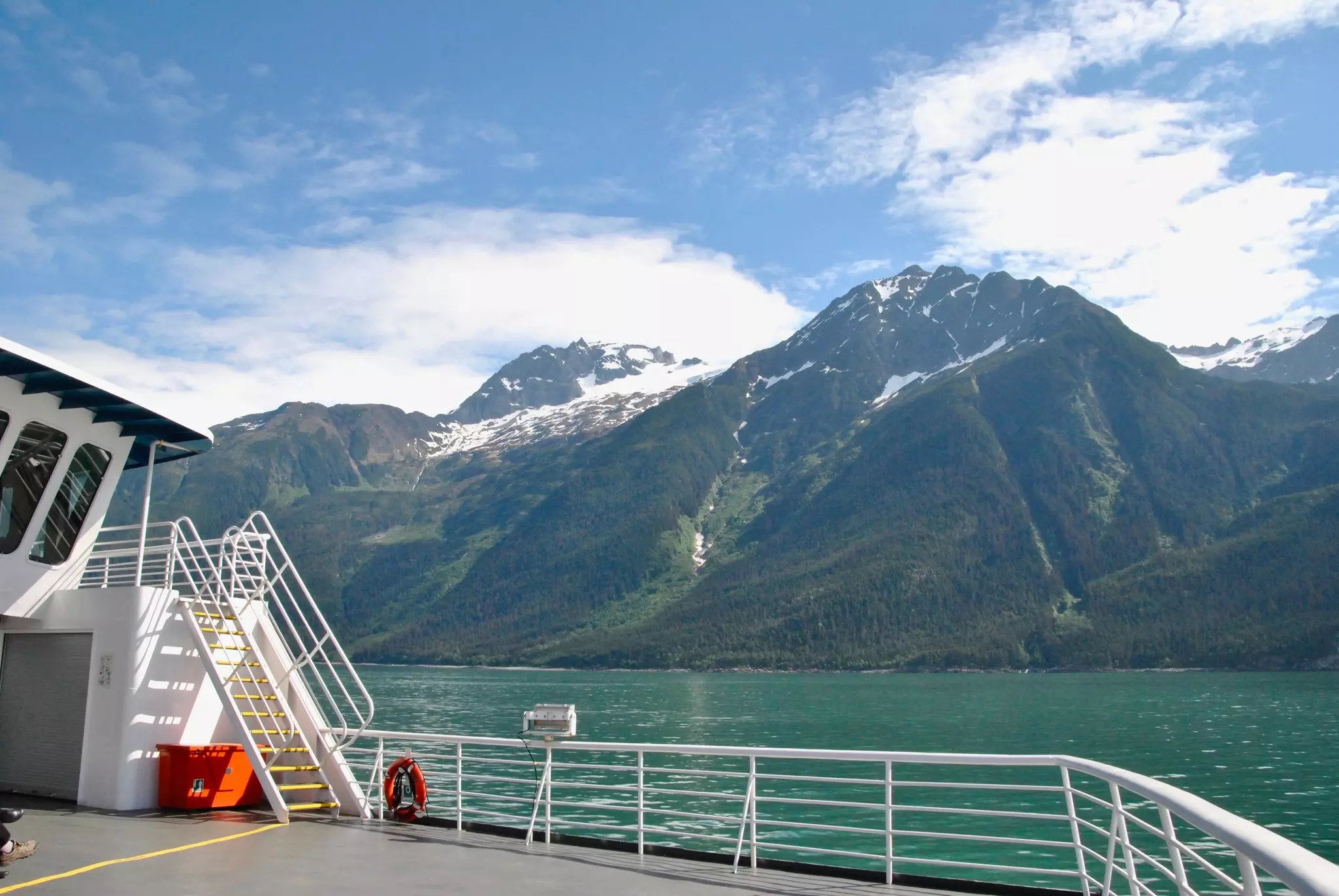
The Alaska Marine Highway System ferries are very busy in the summer months, with passengers staking claims in all common spaces for the duration of a trip. If you do not reserve a stateroom, bring coins for lockers to secure valuables and jump into the spirit of independent travel.
Make time to dine in the vessel’s cafeteria and meet other travelers; this is an excellent opportunity to become acquainted with life on Alaska's coast.
Consider bringing your own water bottle, mug for coffee or tea, and snacks/camp-style meals if you are on a multi-day itinerary.
Add on to your ferry experience:
The bus system in Anchorage is fairly robust and connects to transportation elsewhere in the state. Check out the Alaska Native Heritage Center if you won't have the time to experience local culture firsthand.
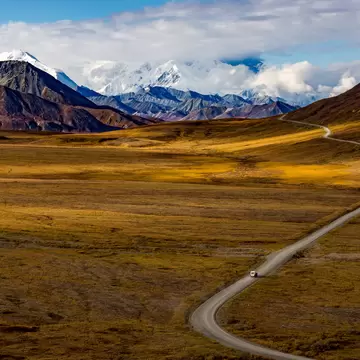
Mixing cities and towns with the wilderness is part of the classic Alaska experience. Park Connection buses provide transport to Denali National Park and Talkeetna from Anchorage and Seward.
If you want to explore a bit by plane, consider a milk run with Alaska Airlines, which always departs from Anchorage or Seattle. Many villages are only accessible by air, especially in the winter.
Consider a trip on the Alaska Railroad, which is considered one of the most scenic rides in the world. The train will slow or stop for wildlife viewing while en route. Take the train from Anchorage or Seward to Denali or Fairbanks, the only interior “city” in all of Alaska and the most easily accessible place with a chance to view the northern lights.
Book your Alaska trip with Lonely Planet Journeys
See Alaska how it's meant to be seen
Accommodations, activities and ground transportation all taken care of, so you can focus on the fun part. Tell us what your dream trip to Alaska looks like, and our local experts will build it from scratch. Or start with one of our itineraries and make it your own.

Explore related stories