

Sponsored by
Holafly
ESIM TRAVEL HACK
Holafly eSIM gets you unlimited data with no extra fees in all our Best in Travel destinations. Use code LONELYPLANET for an exclusive discount.
Learn more
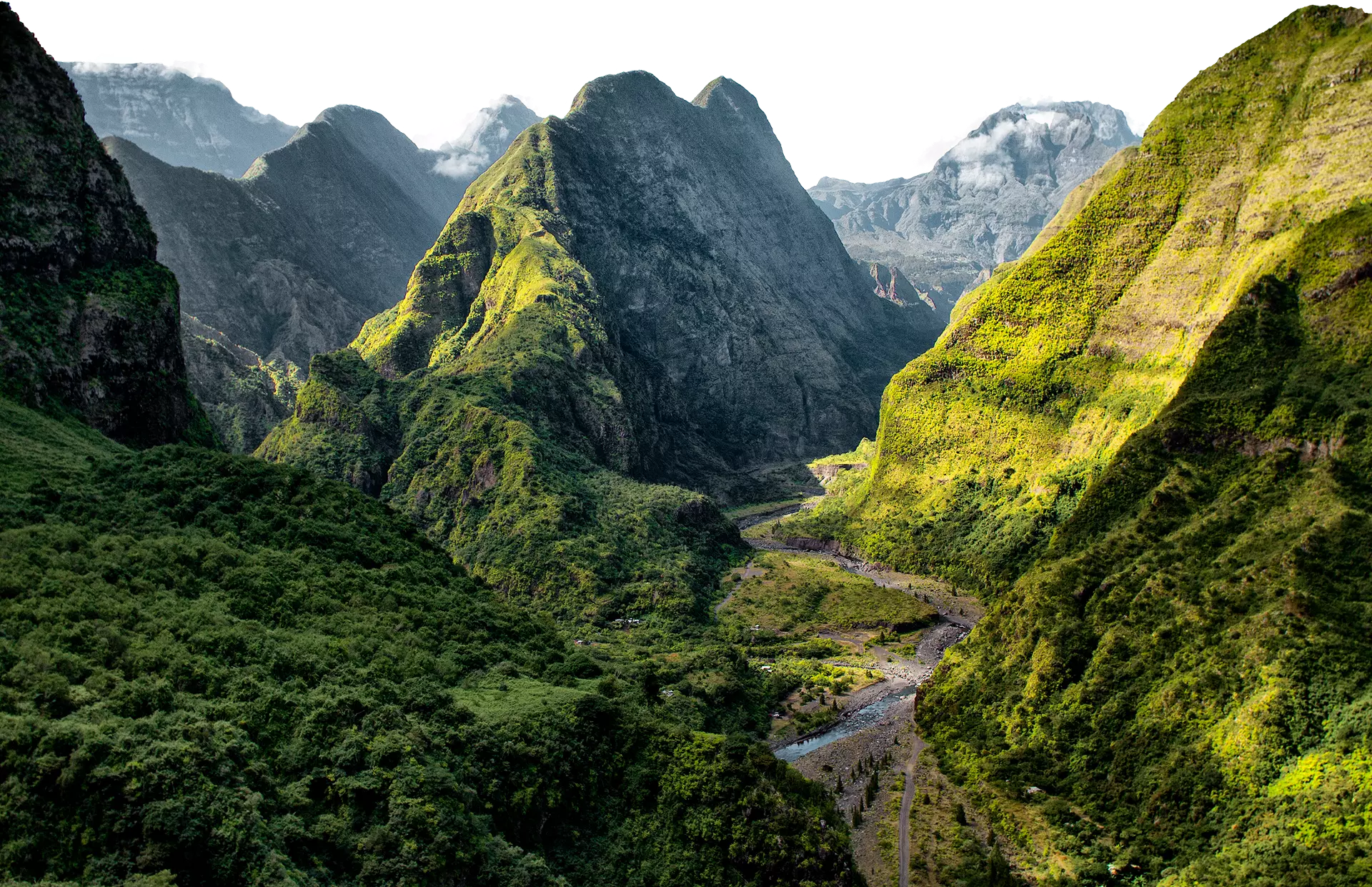
Opener image credits: Simeon/Getty Images; Romain Philippon; Lauryn Ishak for Lonely Planet

Welcome to Lonely Planet’s Best in Travel, your guide to the world’s most inspiring journeys for the year ahead. Our team of travel experts have selected 25 must-visit destinations and 25 unforgettable experiences. And this year, you can book trips inspired by the list. Now go!

These are the cities, islands and countries you absolutely must see to believe.
Maine
Best for dreamy and delicious New England summers
It’s hard to explain to a Mainer that their state is trendy. They’ll let out a sardonic laugh, roll their eyes, or both – an expression that has a salty kind of New Englandness to it.
But this state, the first place in the continental USA to see the sunrise each morning , feels like it’s been renewed in the past decade. Seaside Portland, its largest city, has become the spot in New England to open a new restaurant, particularly for chefs who have big-city training and cred, yet fear the price of entry in Boston or New York. The result is a James Beard award or nomination on every downtown corner. After wandering the cobblestone streets of the old center, belly full, you must move on. There is, after all, a lot to see here.
TAKE A TRIP

10 days / 9 nights
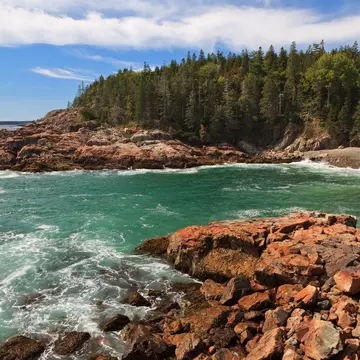
You’ll need a car. The coastal hikes will take you past seaside towns teetering on stilts and emerald islands offshore , including those in Maine’s crown jewel: Acadia National Park. The islands are what people come for – plus the lighthouses, which continue to blink along the coast. But take time to head inland too. Whether you are at Mt Katahdin at sunrise or relaxing in a sun chair on a nameless pond as a loon sings its loopy serenade, these places are as precious in Maine as any coastal spot. And no one will roll their eyes at that.
Take a walk, whether it’s on a quiet wooded path or along a dramatic sea cliff. Among the most serene routes are the carriage roads at Acadia National Park, which see less foot traffic than other parts of the park. For the ultimate seaside stroll, head to Marginal Way, which winds along the shore in Ogunquit.
– Laura Motta
Jonathan Stokes for Lonely Planet
Best for culture, cuisine and island adventures
Family-run homestays like the Malabar Home Stay have been reviving Jaffna as a cultural travel destination since the civil war ended in 2009. To understand Jaffna’s nuanced history, visit the restored Jaffna Public Library, which was set on fire during the war; the pentagonal-shaped Jaffna Fort, originally built by the Portuguese in 1619; and the two bunkers turned into museums at the luxury Fox Jaffna resort.
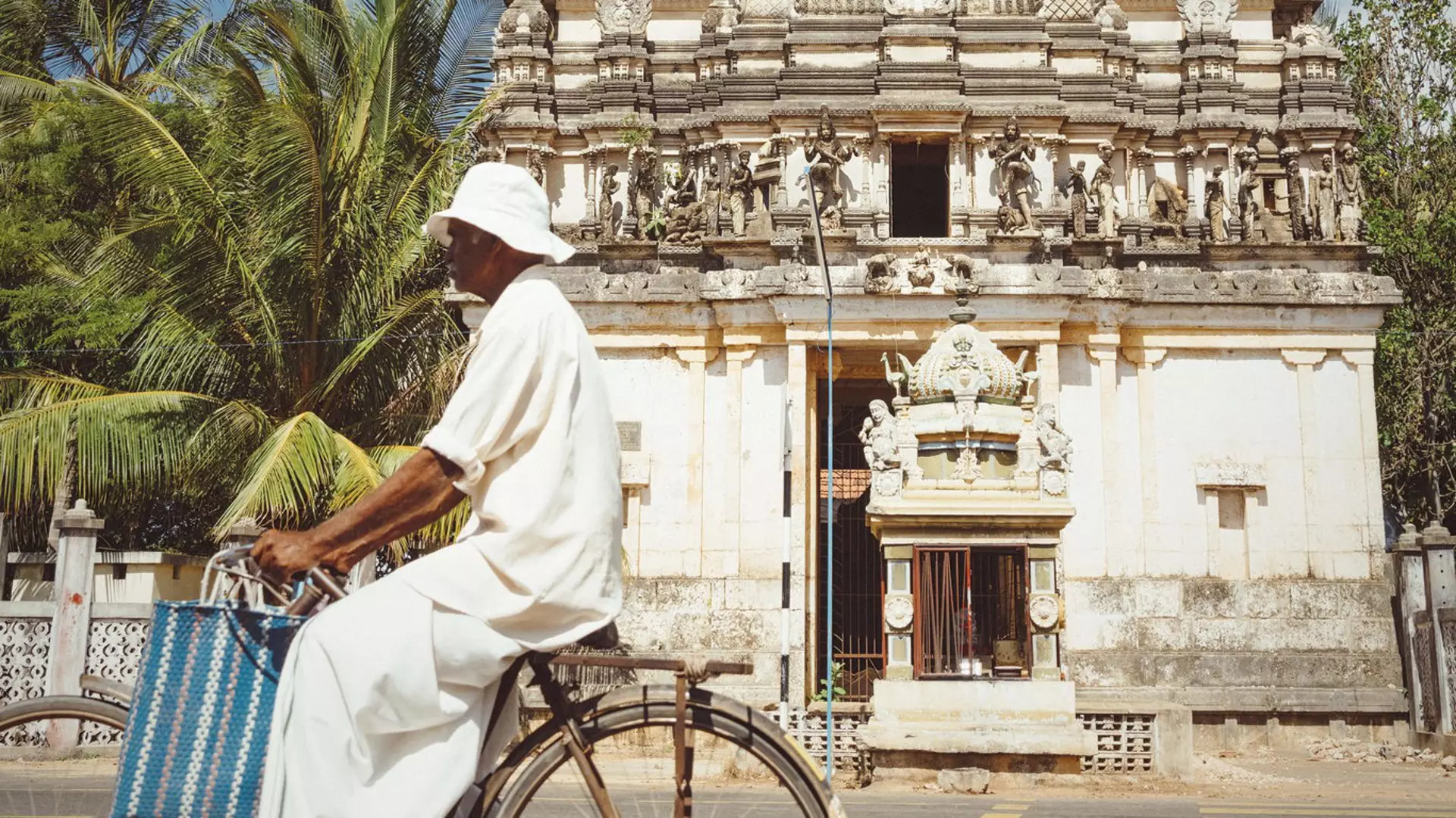
An hour-long ferry from Jaffna is tiny Delft. With a shallow reef, coral-fenced houses and homestays like the Delft Village Stay, the sleepy island is ideal to slowly cycle around between home-cooked meals.
TAKE A TRIP

Traveling to Jaffna is easy by cycle, tuk tuk, bus or ferry, while trains and buses connect the city with the Sri Lankan capital Colombo and direct flights operate from Chennai. But above all, hospitality runs deep here, where warm smiles, cups of frothy tea and crab curry feasts are aplenty.
Take the ferry to Nainativu, which holds two temples: the Hindu Naga Pooshani Amman Kovil and the Buddhist Nagadeepa Temple. According to legend, Buddha arrived here during his second visit to Sri Lanka, while the island itself derives its name from the Naga people often mentioned in Sri Lankan folklore.
– Zinara Rathnayake
Romain Philippon
Best for delving into a unique natural and multicultural heritage
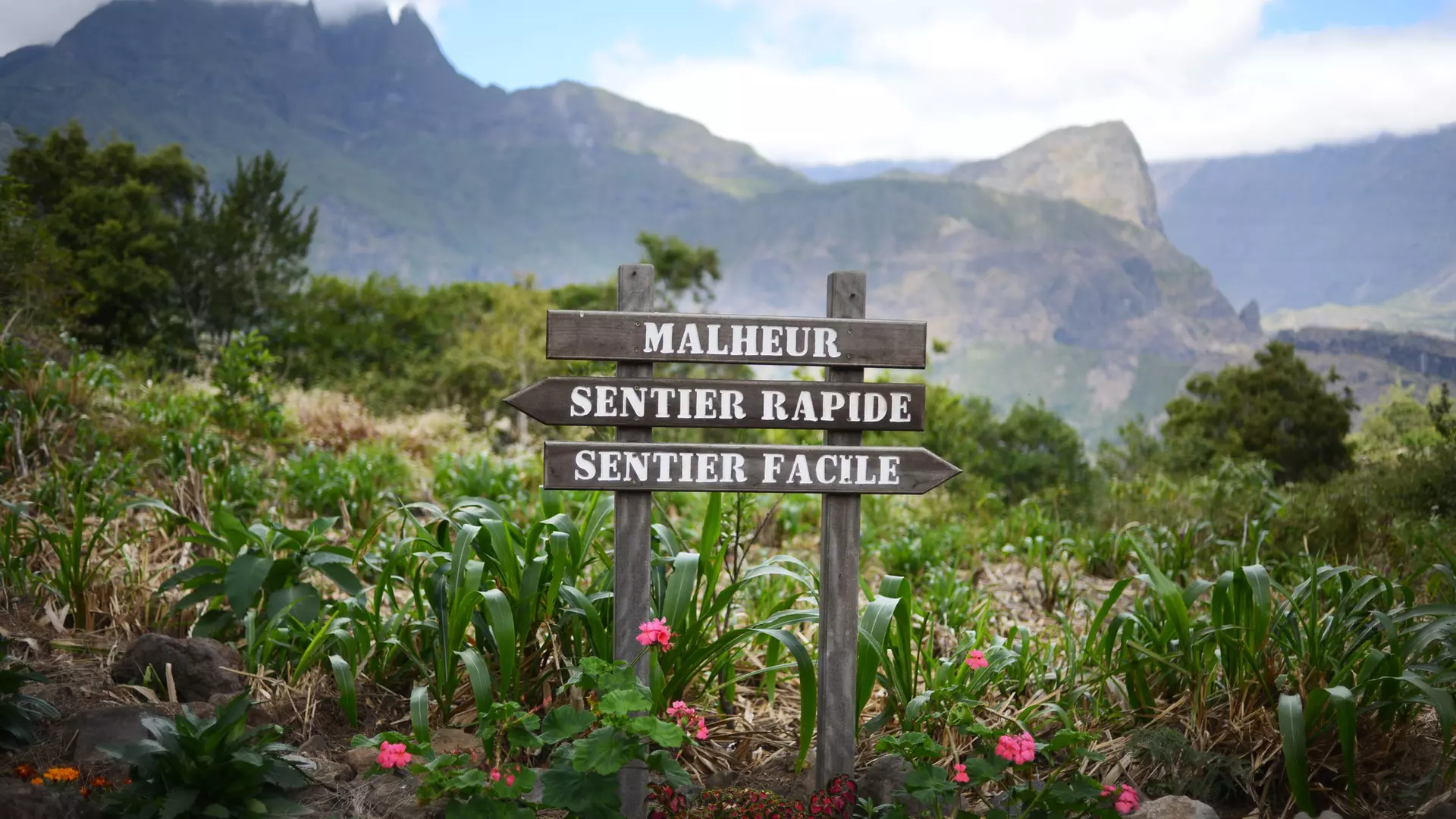
Florebo quocumque ferar: “I will flourish wherever I’m carried.” Réunion’s motto is as multifaceted as the Réunionnais themselves. Flourishing comes naturally to the island, as a morning visit to the outdoor markets will confirm. A couple centuries of immigration – both voluntary and forced – from four continents has shaped a unique population: you will hear people from Chinese, Malagasy, Indian, African and European descent bargain in Creole and French. Scattered across the island, the churches, mosques, and Hindu and Chinese temples are yet another expression of multiculturalism.
Réunion’s remarkable diversity is mirrored by its breathtaking natural backdrop. Packed into 2500 sq km (965 sq miles) are 400 microclimates, maybe half as many endemic species, plus mountains, ridges and valleys listed as a UNESCO World Heritage site. And then there’s Piton de La Fournaise, the island’s volcano, one of the most active in the world.
Plan like a pro

Lonely Planet's Mauritius, Reunion and Seychelles is our most comprehensive guide that extensively covers all the country has to offer, with recommendations for both popular and lesser-known experiences. Hike through Cirque de Mafate, relax in wat...
Although there are endless ways to experience Réunion’s culture and history, the cirque of Mafate stands out in travelers’ tales. This deep amphitheater-like valley is one of the three central cirques born from the collapse of an ancient volcano. It is home to a few Creole villages today, lost between tree-fern-covered mountains and winding trails. Mafate is accessible only by foot or helicopter, making it one of the best kept secrets in the world.
Be sure to see the island’s cirques: Mafate, Salazie and Cilaos. While hikers may prefer Mafate for its untouched wilderness, Salazie offers a glimpse into history, especially with the well-preserved Creole village of Hell-Bourg. Cilaos, the southernmost cirque, is reached via an extremely winding road and boasts some of the island’s most breathtaking ridges and waterfalls.
– Fabienne Fong Yan
BlueOrange Studio/Shutterstock
Best for finding happiness in wild places
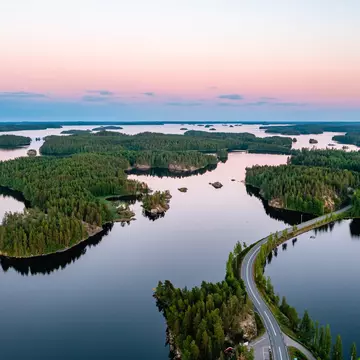
Pick up a map of Finland and it’s a bewildering mass of forests and lakes. Where to begin? With its Baltic breezes and easygoing air, Helsinki is an enticing springboard, with upbeat food, art and design scenes. Don’t miss Suomenlinna, a UNESCO World Heritage fort, and Tuomiokirkko, a neoclassical cake-topper of a cathedral. Explore further and you’ll love the laid-back beat in towns and cities like island-skipping, castle-topped Turku; cultured, lakeside Tampere; and riverside Oulu, with its lively market square, Kauppatori.
TAKE A TRIP

But these are just the prelude for Finland’s truly great outdoors. Whether you are paddling through Finnish Lakeland in the golden light of a midsummer evening, feeling the heartbeat of Sámi reindeer-herding culture in Inari or embracing the bitter cold of Lapland on a dogsled ride as the northern lights come out to play, you will realize that Finnish happiness is tuning into nature, in touch with your inner child.
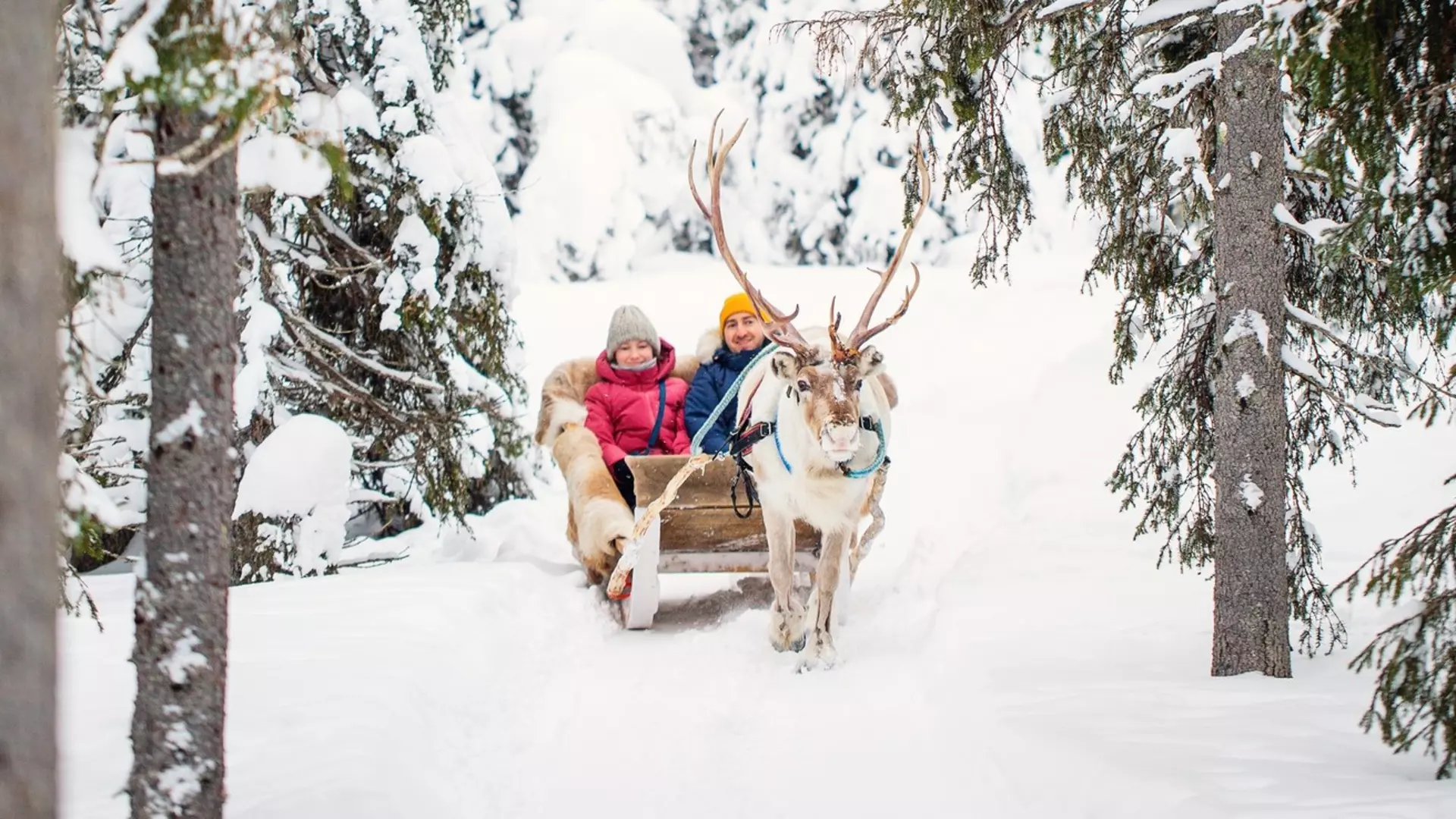
Embrace Sámi culture in Lapland. Give Santa the slip and head to Inari or, further north still, Utsjoki, for reindeer-driven sleigh rides and joik (rhythmic poems) sung around a flickering campfire in a simple lavvu tent. Go for the whole Arctic shebang with husky mushing, snowshoeing and ice fishing, then hole up in a log cabin, igloo or aurora-gazing dome to watch the flakes silently fall.
– Kerry Walker
Tipperary Tourism
Best for hiking, history and food
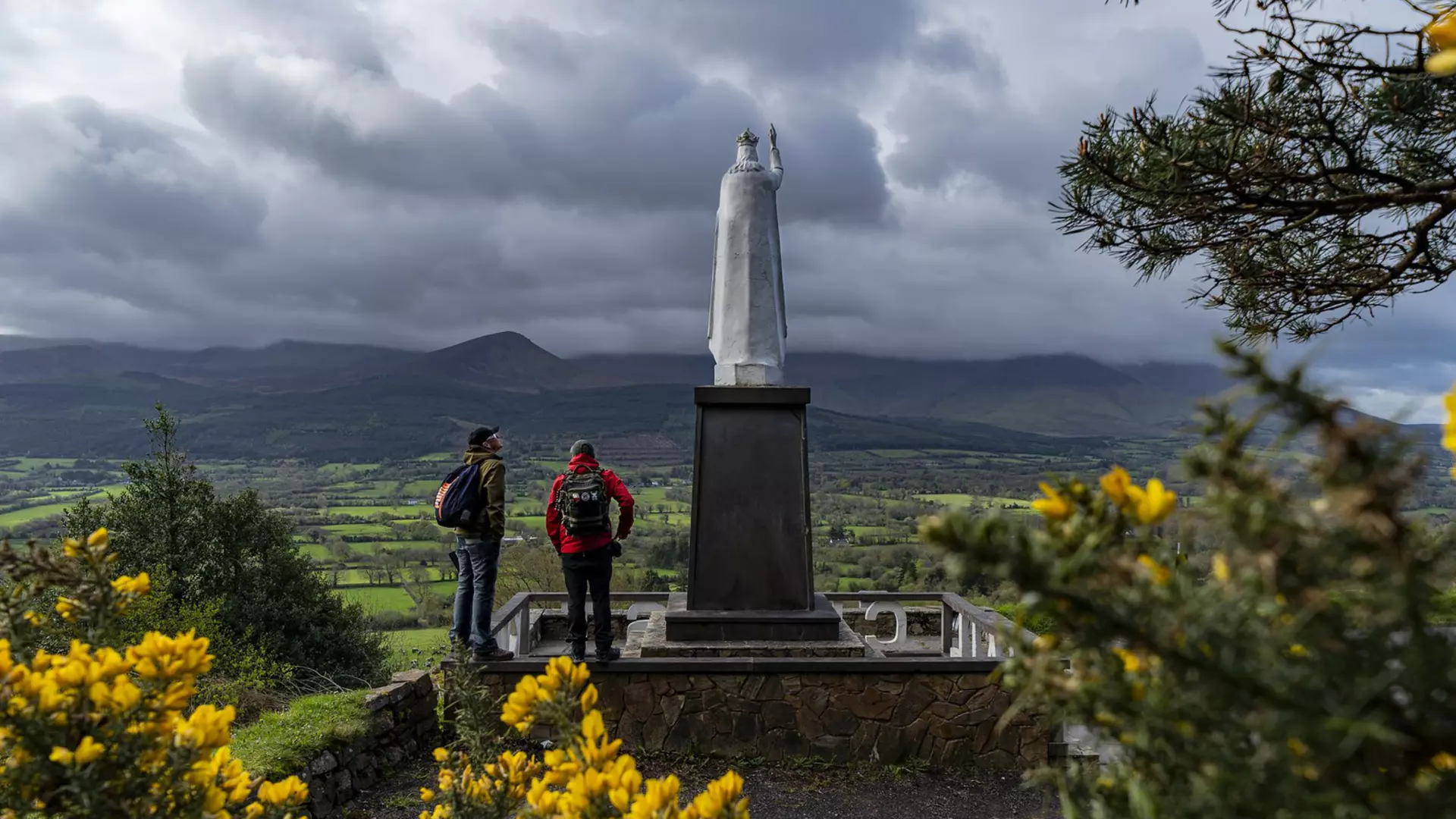
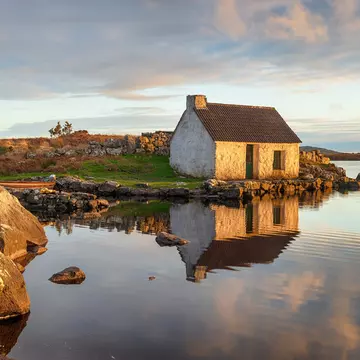
Nature is on an epic scale in Tipperary, and nowhere more so than the Glen of Aherlow, a ridiculously scenic valley flanked by the Galtee Mountains and Slievenamuck. It’s perfect for hiking rugged trails, fishing, swimming and even horseback riding across open terrain. The light here is something else, casting the open valley in striking tones that shift throughout the day.
The food is just as impressive. Tipperary apples are legendary, used in everything from tarts to world-famous ciders like Bulmers (Magners). Cashel Blue cheese is also worth traveling for: creamy, tangy and perfect with almost everything, especially locally produced crisps (chips) like hand-cooked O’Donnells or Blanco Niño. Restaurants take advantage of all this bounty: Mikey Ryan’s in Cashel serves locally reared lamb and beef, while the nearby Bishop’s Buttery is known for using local produce in French-inspired dishes.
TAKE A TRIP

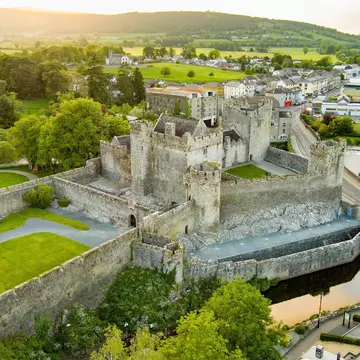
Tipperary’s history is everywhere; you’ll find castles scattered all over the place. The 12th-century Rock of Cashel and Cahir Castle are cinematic standouts, while you can explore 3km (1.8 miles) of historic passages in Mitchelstown Cave. More walking trails through woodlands, river valleys and ancient boglands are well developed and gloriously uncrowded.
Evenings in Tipperary are best spent at one of its many friendly pubs, like the Thatch in Cloneen, run by the same family for seven generations, or Jim of the Mills, a Thursday-only spot that attracts folk and traditional musicians.
The Vee, a v-shaped stretch of road in the Knockmealdown Mountains, is considered one of Ireland’s most scenic routes. It’s beautiful at any time but especially early summer, when the landscape is a riot of rhododendron, blanket heather and rocky headlands.
– Sasha Brady
Best for Inca history and epic meals
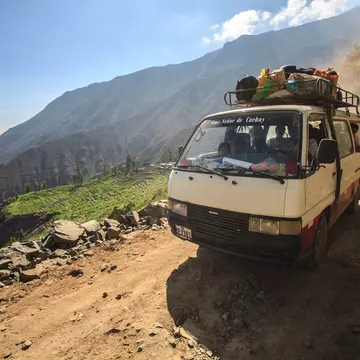
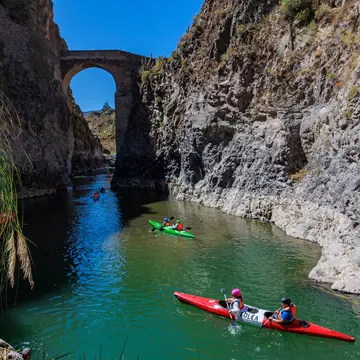
Peru – with its ancient ruins and modern cities, deep traditions and pioneering cuisines – is racing toward the future while also carving out space to honor its illustrious past. For visitors, it’s never been easier to get around Peru, thanks to a slew of infrastructure developments, including new airports in both the political capital Lima and the adventure capital Huaraz, plus a soon-to-open airport near Cusco, the one-time capital of the Inca empire. Machu Picchu recently implemented three new circuits, with 10 tourist routes, in an effort to combat overtourism. Increasingly, visitors are also hiking to lesser-visited ruins like Choquequirao or along the stone-paved Qhapaq Ñan Andean Road System, which once linked Cusco with the vast Inca empire.
TAKE A TRIP

14 days / 13 nights
Meanwhile, Peruvian gastronomy has been on the cusp of global dominance for years, with Lima fast becoming one of the world’s great food capitals. Momentum continues to rise on the tide of emerging local trends, including the Japanese-Peruvian Nikkei cuisine, with star dishes like tiradito (sashimi draped over colorful sauces). Completely different in style and form are the spicy creole foods from Peru’s second-largest city, Arequipa, which has grown in popularity since it became a UNESCO City of Gastronomy in 2019.
The stone paths of the Qhapaq Ñan – an ancient highway that linked the Inca empire from Colombia to Chile, covering nearly 30,600km (19,000 miles) – all lead to Cusco, uniting the various ruins on its periphery. The Inca Trail is the most famous route today, but many more are begging to be discovered.
– Mark Johanson
Best for Carnaval, fine food and flamenco
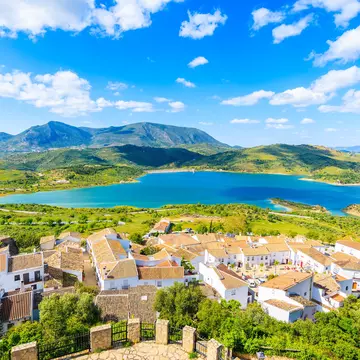
Cádiz’s Carnaval is Spain’s biggest annual party, bringing extravagantly costumed revelers to its streets for 10 days of parades, fireworks, singing and dancing in February or March, to the accompaniment of more than 300 local murgas (bands). Pack a costume and book your accommodations months in advance or commute from nearby El Puerto de Santa María.
While you’re in El Puerto de Santa María, catch one of the numerous daily ferries across the bay to enjoy choice tipples at sherry wineries. Alternatively, sip sherries straight from the barrel at Cádiz’s Taberna La Manzanilla. And what’s good wine without good food? Cádiz’s dining scene ranges from old-school tapas bars clustered around Barrio de la Viña to fusion restaurants, found in the streets around Plaza Candelaria and Plaza de la Catedral.
TAKE A TRIP

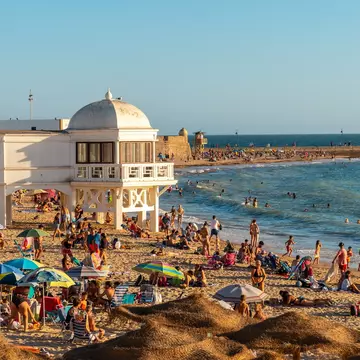
Cádiz’s other big draw is its millennia-long history as a port city. Vestiges of ancient civilizations include the Teatro Romano and the atmospherically lit remains of Phoenician and Roman streets at Yacimento Arqueológico Gadir. And unusually for a port, Cádiz boasts a string of gorgeous white sand beaches.
Watch a flamenco performance with local aficionados at the cavernous Peña Flamenca La Perla. Alternatively, opt for a more touristy (yet no less impassioned) tablao (choreographed flamenco show) at the intimate La Cava. If the dancers leave you spellbound by their footwork, express your appreciation by shouting “Viva la máquina escribir!” (“Long live the typewriter!”). The compliment harkens back to an age when audiences thought that the noise made by the dancers’ rapid footwork resembled the clack of a typewriter.
– Anna Kaminski
Best for raw and real wildlife experiences
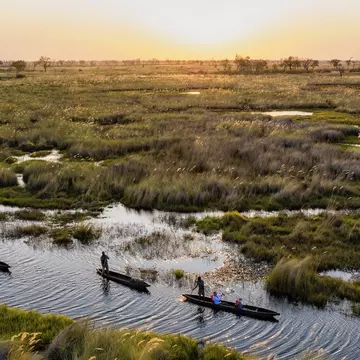
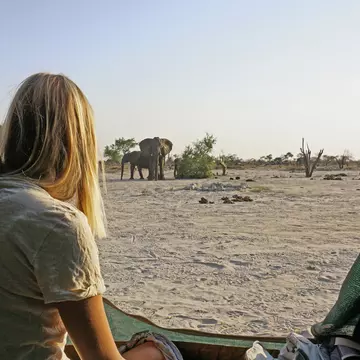
An African safari is on many a bucket list – and for good reason. Of all the candidates, perhaps no country is as deserving of its safari accolades as Botswana. With landscapes spanning from delta to desert and a lack of light pollution, so every star and comet blazes in the dark sky, Botswana has earned its place alongside popular safari destinations like Tanzania and South Africa.
Warm and welcoming, the people of Botswana are proud of their country’s natural beauty and abundance of wildlife and are always ready to teach and share. The craftsmanship of Botswana’s artisans may become most apparent to you in the form of woven baskets, both functional and stylish, displayed in thoughtfully appointed gift shops at &Beyond and Wilderness DumaTau camps .
TAKE A TRIP

9 days / 8 nights
The country’s low-impact, high-value tourism ethos is reflected in the limits placed on the number of guests, beds and vehicles allowed in a private concession area. And the conservation efforts show as safari travelers are treated to herds of elephants, coalitions of majestic male lions and prides of lionesses and cubs with nary another person in sight.
Game drives out here become addictive and also cultivate patience. As one guide put it, “The guides never lose patience, only the guests.”
Traveling with a legacy outfitter that knows the area and its wildlife patterns nearly guarantees you’ll spot a predatory kill – a lioness catching a waterbuck or a wild dog snatching a baby buffalo – in the rawest display of the circle of life.
– Stacey Lastoe
Best for vibrant nightlife and history
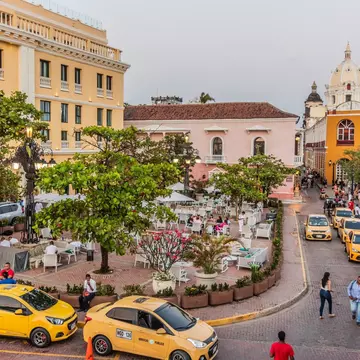
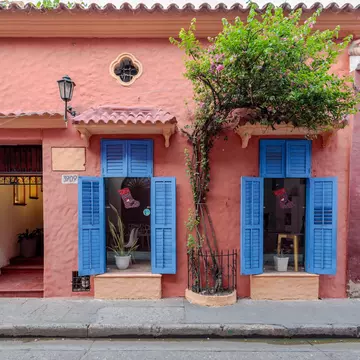
Enclosed by a fortified stone wall that once kept foes at bay, Cartagena de Indias’ historic center overflows with charm, attracting visitors with its well-preserved Spanish architecture. Once the homes of Spanish sea merchants, military officers and well-to-do families, the city’s grand mansions now house chic boutique hotels, stylish shops and candlelit rooftop restaurants like Mar y Zielo, where Colombia’s rich gastronomic diversity shines.
Beyond its picturesque beauty, Cartagena tells a story of resilience and resistance. Visit the Museo de Oro Zenú to see exquisite gold artifacts crafted by the Zenú, an Indigenous group that thrived in the Caribbean lowlands before the Spanish conquest. Their descendants fight to preserve their cultural legacy to this day. Across Plaza de Bolívar, the Museo Histórico de Cartagena reveals the city’s darker past in exhibits on the Spanish Inquisition and the transatlantic slave trade.
Venture into Getsemaní, a once overlooked neighborhood now bursting with colorful street art. Wander down the flag-strewn Calle de la Sierpe, lined with murals that have turned crumbling walls into living canvases. Streets converge at the Plaza de la Trinidad, which bustles after dark with street food, music and impromptu dance performances.
Ready to join in? Real Experience Cartagena offers rooftop lessons in salsa, bachata and Afro-Colombian champeta, so you’ll be ready to hit the dance floor at Club de los Carpinteros, where locals and travelers move to the rhythm of Cartagena’s unstoppable beat.
Take a boat trip to the Islas de Rosario. Diving Planet’s snorkel tour includes two excursions in the crystal-clear water. You may spot an octopus munching on coral or a jellyfish bouncing past as you drift by.
– Laura Watilo Blake
Fabrezio Cortesi/Alamy
Best for culture without the crowds
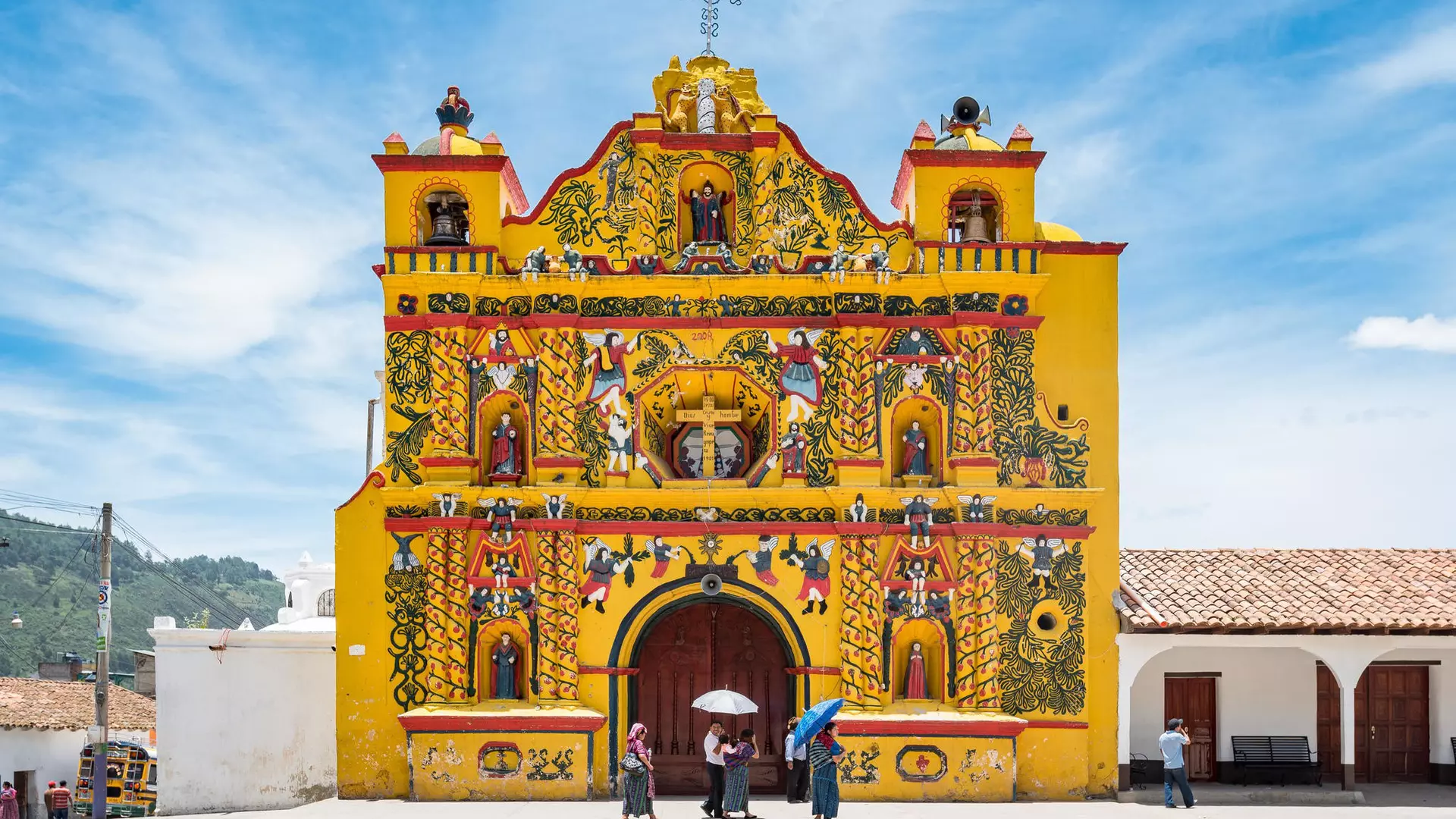
Quetzaltenango (Xela) is a city with beautiful architecture, fascinating festivals, great food and few crowds. Its grand squares sport stunning buildings and its narrow alleys have wonderful bars and cafes. Foodies love to dig into both its fine dining and street eats. You might find yourself enjoying dinner in a quiet cafe while a grand festival marches by or playing chess outside as crowds surround the table to see who wins.
The city has two names: Quetzaltenango, given by the Spanish, and Xela, a Maya name. The latter is increasingly preferred as Maya pride and indigenous rights grow. This duality is part of Xela’s charm, seen in the blend of Spanish cathedrals and Maya monuments, ancient and modern architecture side by side. Food lovers will find everything from avocado toast and lattes at Baviera Café to Italian-Guatemaltean fusion at Restaurante Tertulianos.
Plan like a pro

Lonely Planet's Guatemala is our most comprehensive guide that extensively covers all the country has to offer, with recommendations for both popular and lesser-known experiences. Visit Tika's monumental restored temples, admire picture-postcard v...
Xela is also great for day trips to quirky sites like the curious canary-yellow church in San Andrés Xecul or the wild pilgrimage site of Volcán de Cerro Quemado. The Festival de Venado, held around Christmas, showcases a mix of native culture and Catholicism, with masked dancers and fireworks – one of the city’s many fascinating traditions.
Stop for people watching at the Parque Centro America, with its columned rotunda dedicated to composer Rafael Álvarez Ovalle, who wrote Guatemala’s national anthem. Women in traje (traditional Maya dress) wait to braid customers’ hair, while children play with balloons from street vendors. At night, couples dip into the park to hold hands on benches.
– Ray Bartlett
Manuela Lourenço for Lonely Planet
Best for a crossroads of culture and cuisine
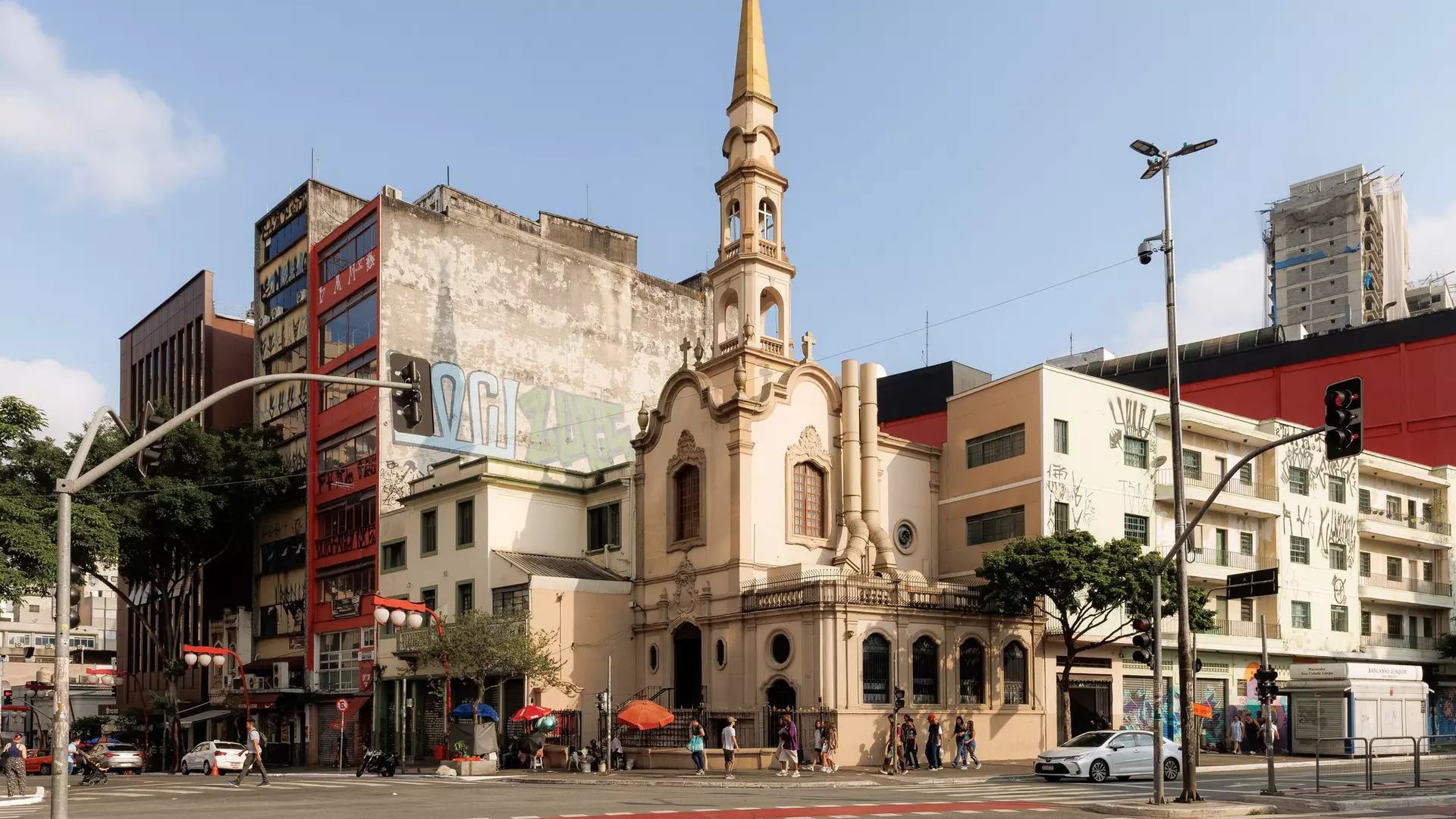
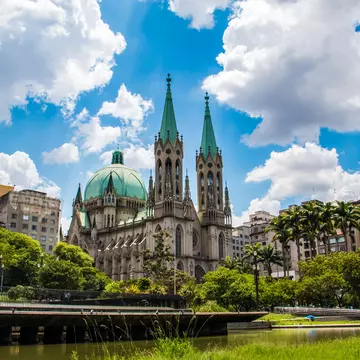
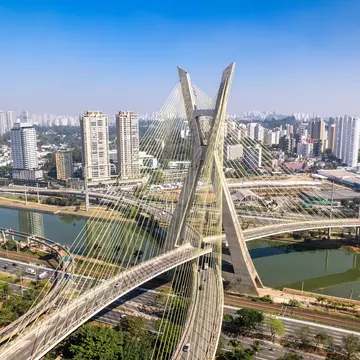
Red lanterns let you know you’ve arrived in São Paulo’s Little Japan, one of the most popular neighborhoods in the city for shopping and snacking on Asian cuisine. Discover the history of the city’s Brazilian-Japanese community at the Museu Histórico da Imigração Japonesa, and don’t neglect to uncover its Afro-Brazilian origins and a memorial to a difficult past at the Chapel of the Afflicted. Offering new perspectives on Brazilian heritage and history, Liberdade is one of the best neighborhoods for finding color and excitement in the often gritty urban center.
Plan like a pro

Lonely Planet's local travel experts reveal all you need to know to plan a multi-week adventure to Brazil. Relax on laid-back beaches, spot an elusive jaguar in the wild, eat freshwater fish from the Amazon, with our classic travel guide that's pa...
Start your gastronomic journey at the weekends-only Feira da Liberdade, a street food fair with Japanese and Brazilian favorites, and save room for the delicious ramen at Lamen Kazu or the Malaysian food at Laomazi. The red lamp posts will lead you through the neighborhood as you explore built-in spaces for tranquility like the Oriental Garden or the private collection of Lohan Temple, a martial arts and religious center. In this neighborhood, let your nerd flag fly and join the crowds of families and teenagers posing in front of anime-inspired street art and perusing shopping malls for memorabilia from every corner of pop culture and anime fandom imaginable.
For fans of grocery store stops when traveling, Liberdade has some of the best grocery stores in São Paulo. Aisles are full of imported snacks and rare combos of classic Brazilian ingredients, Japanese sweets and salty snacks.
– Jamie Ditaranto
Best for a tapestry of creative energy
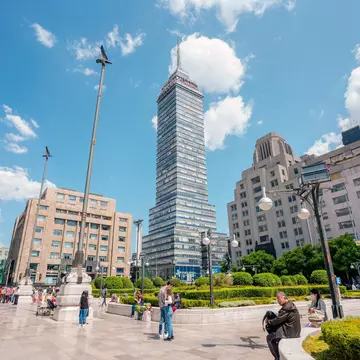
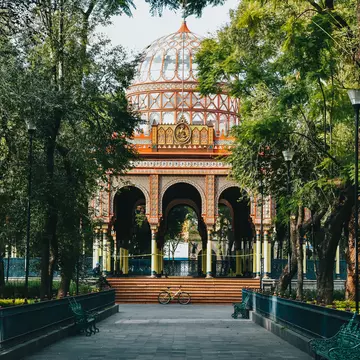
This is the city of Frida Kahlo and Diego Rivera – artistic smarts are sewn into the very fabric of Mexico City. World-class museums cover every era of Mexico’s cultural history, and murals installed on the walls of public buildings are a picture book of the people’s past – from the Aztecs to the present-day residents of the largest Spanish-speaking city in the world. History is potent here, yet Mexico City has all the modern comforts of cheap rideshares and cocktail bars. Passing from plaza to plaza, you can feel the energy of a city waking up to its creative life force.
TAKE A TRIP

Lots of the city’s leafy neighborhoods have become popular with digital creatives. However, with recent protests against gentrification in these areas, the city is tightening the rules on non-Mexican nationals living temporarily in the capital. We suggest choosing locally owned and operated hotels and patronizing local businesses.
Step into Mercado Medellín and sniff out the whole of Mexico City in one of its best markets: pungent cempasúchiles (marigolds) around Día de Muertos (Day of the Dead) alongside musky guava, smoky sacks of dried chilies and mole pastes. Sheets of chicharrón (pork crackling) glow under hot lamps, while perming lotions waft from nearby beauty salons and incense drifts from burning effigies.
– Phillip Tang
Samira Kafala for Lonely Planet
Best for a relaxing European weekend
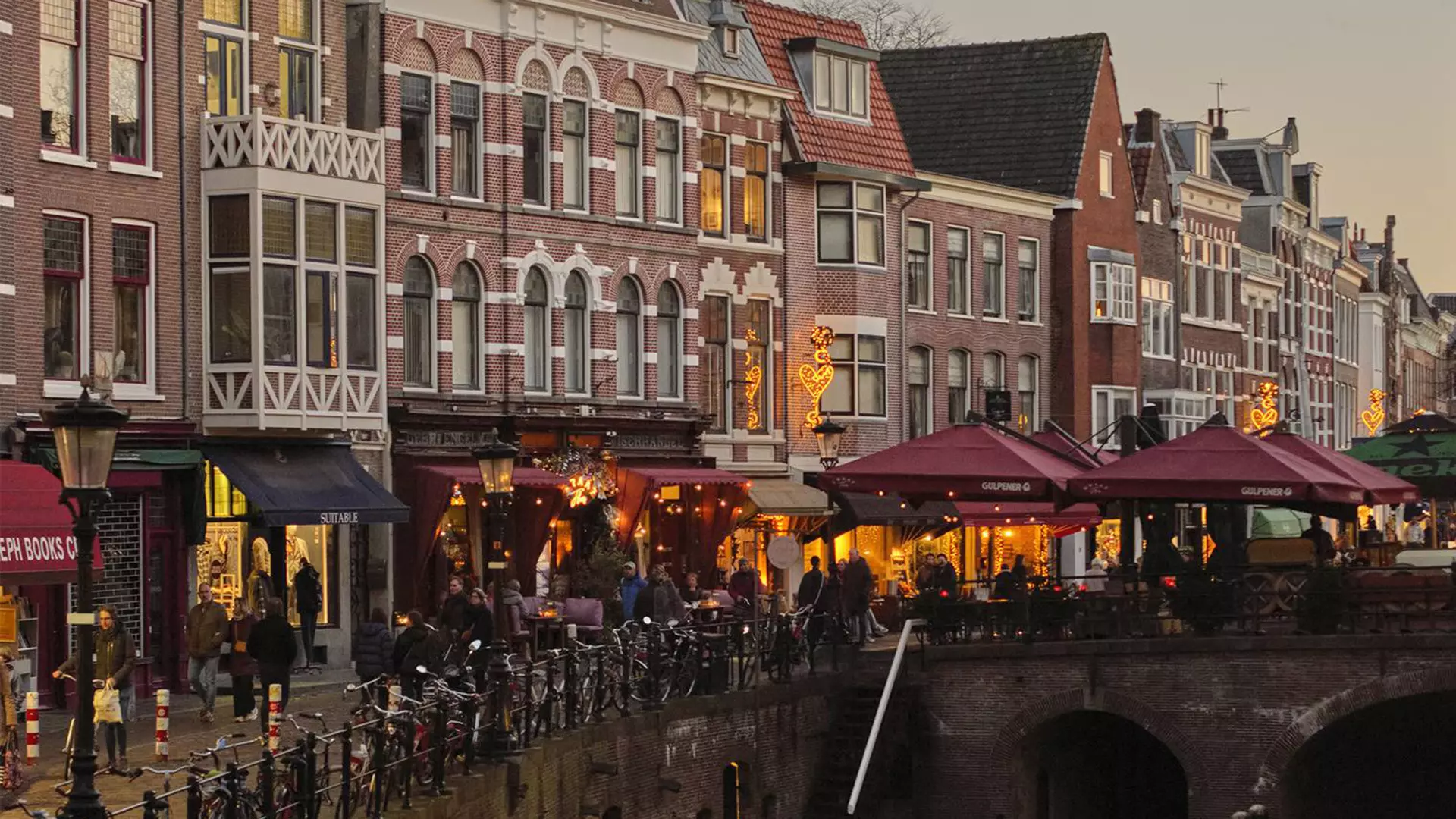
Easily accessible from Amsterdam by train, Utrecht is a brilliant destination for a weekend break. You’ve got a compact medieval center, gabled houses that belong in a Vermeer painting and a bounty of bookshops, restaurants and museums to dig into.
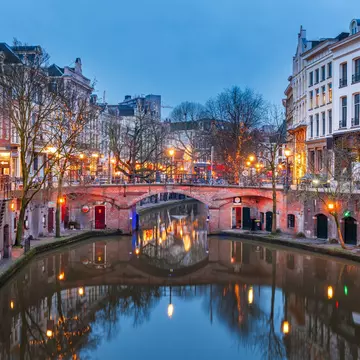
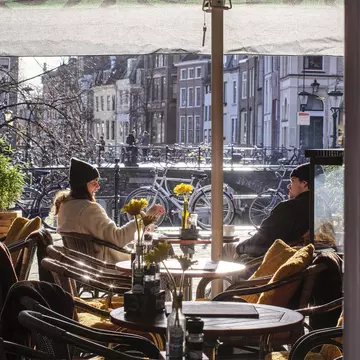
One of the loveliest things about Utrecht is its canals. Canals are ubiquitous in the Netherlands, but Utrecht’s are unique because they’re designed on two levels, creating an almost underground world beneath the busy streets above. While bikes rattle over the cobblestones on street level, follow the stone steps down to the peaceful water-level walkways lined with trees and 13th-century vaulted cellars. Medieval merchants once stored goods in these spaces; now the centuries-old brick buildings house quiet cafes, small art galleries and guesthouses. Sit by the water with a coffee like the locals or duck into one of the converted cellars for a beer.
Plan like a pro

Lonely Planet's local travel experts reveal all you need to know to plan a multi-week adventure to the Netherlands. Explore moving WWII museums, discover pristine white beaches, boat along pretty canals, with our classic travel guide that's packed...
Wander over to the Gothic Domtoren, which looms over the city. Climb the tower’s 465 steps for views stretching to Amsterdam, then descend to DOMunder, where Roman foundations and medieval artifacts tell 2000 years of buried history. Don’t miss the UNESCO-listed Rietveld-Schröderhuis, an art installation with movable walls that transform rooms and geometric furniture.
Utrecht’s independent shopping scene is a real delight too. Curated bookshops, one-of-a-kind boutiques and artisan craft stores will make you regret not arriving with an empty suitcase. And as you wander the city, keep your eyes peeled for Miffy, the iconic picture book bunny whose pointy-eared silhouette has become a cherished symbol of the city.
At Boekehandel Den Boer, an old wood-paneled bookshop, the shelves threaten to collapse under an eclectic mix of titles. Even though the decor hasn’t changed in this art nouveau building since 1887, the selection of books is constantly updated.
– Sasha Brady
© Kyle Babb / Lonely Planet
Best for culture, coastlines and celebrations
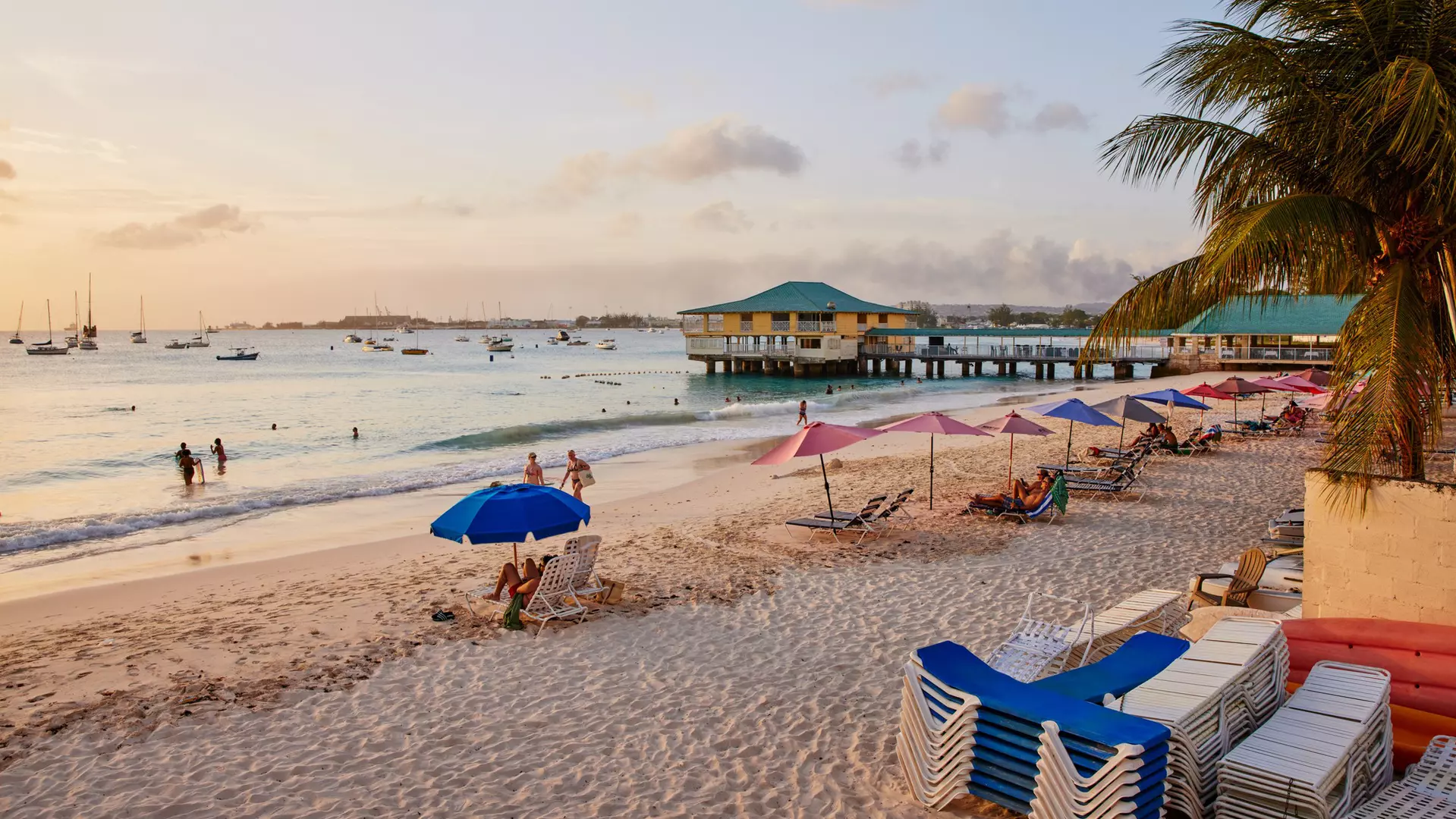
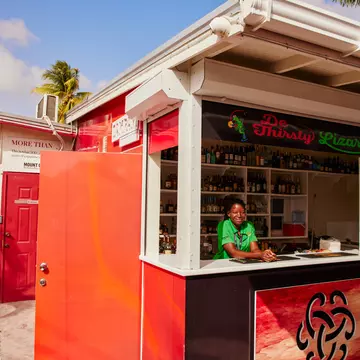
Barbados isn’t just an island; it’s an experience. Start in the UNESCO-listed capital, Bridgetown, where stores and historic landmarks flank the streets. Meander along Broad St for duty-free shopping and a stop in St Michael’s Cathedral, a coral limestone landmark with stained glass windows. Continue to the Garrison Savannah Area, home to 18th-century military barracks and the Barbados Museum and Historical Society. Nearby, Chamberlain Bridge is the perfect perch for watching boats drift lazily in the harbor.
If the beach is calling, head south to Carlisle Bay. The water is impossibly clear, and the snorkeling is top-notch. You’ll come upon shipwrecks, sea turtles and schools of colorful fish gliding beneath the surface. Friday nights are earmarked for Oistins Fish Fry. The vibe is unmatched – flying fish sizzling on the grill, the unmistakable slap of a competitive dominoes game and the sweet sounds of Bajan kaiso (calypso music).
Plan like a pro

Lonely Planet’s Caribbean Islands is our most comprehensive guide that extensively covers all the country has to offer, with recommendations for both popular and lesser-known experiences. Set sail from Tortola, snorkel in Aruba's clear waters, and...
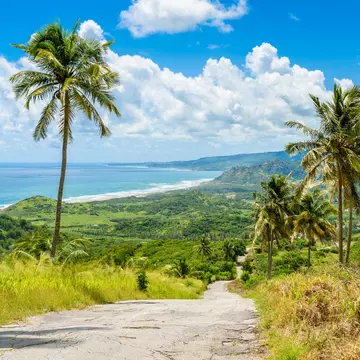
Inland, the magical Harrison’s Cave tram tours open a portal to glimmering limestone chambers. On the east coast, Bathsheba Beach is all dramatic surf and wild beauty, while the Andromeda Botanic Gardens is where you’ll want to slow down and soak it all in.
During summer, the Crop Over harvest festival will sweep you into a whirlwind of revelry. Or journey north to the Animal Flower Cave; the reflective pools and expansive ocean views provide a satisfying finale.
Harrison’s Cave is an enchanting underground world of limestone formations and peaceful waterways. Stalactites and stalagmites shape a labyrinth of caverns, while streams flow gently through the cave, reflecting its ethereal beauty. It’s like something plucked from a fantasy novel. You’re stepping into a secret passage that reveals the natural artistry hidden beneath Barbados’ lush surface.
– Nasha Smith
Best for embracing nature
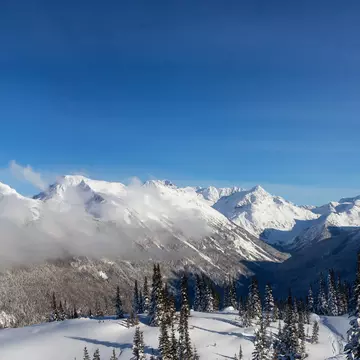
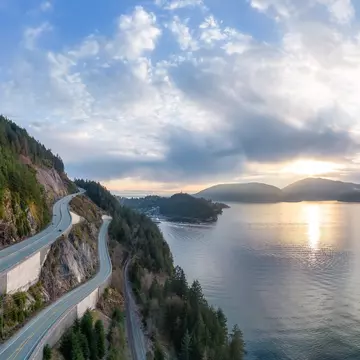
Mossy forests, saw-toothed mountains, white water rivers and wildlife-rich ecosystems: British Columbia (BC) is the kind of place that makes you want to dash out of your hotel room and energetically embrace the natural elements.
Beyond the wilderness, more human elements beckon. Multiculturalism is an increasingly important part of the fabric of BC. Not only is the province the ancestral home of 204 First Nations, whose heritage is visible in everything from totem poles to ceremonial masks, but its largest city, Vancouver, has developed into a rich mélange of international food and culture. The province is also a powerhouse of fruit growing and viticulture. The wine industry has exploded in recent years, with the number of wineries tripling between 2004 and 2024.
TAKE A TRIP

13 days / 12 nights
With only 5.5 million inhabitants, BC has plenty of room to explore. It has seven national parks – more than any other Canadian province – with an eighth, South Okanagan-Similkameen, in the planning phase. It’s also home to Whistler, North America’s largest ski resort, which hosted the first ever winter Invictus Games in February 2025, along with Vancouver. The event nurtured an international pedigree first cemented during the 2010 Winter Olympics. Continuing the tradition, Vancouver will cohost the 2026 FIFA World Cup.
Visit the North Shore Mountains, flush against the northern suburbs of Vancouver, with its winding network of well-marked trails around craggy peaks, narrow ridges and swimmable lakes. Within a couple of hours, you can be transported from the streets of North Van into a vast primordial backcountry with only bears and eagles for company.
– Brendan Sainsbury
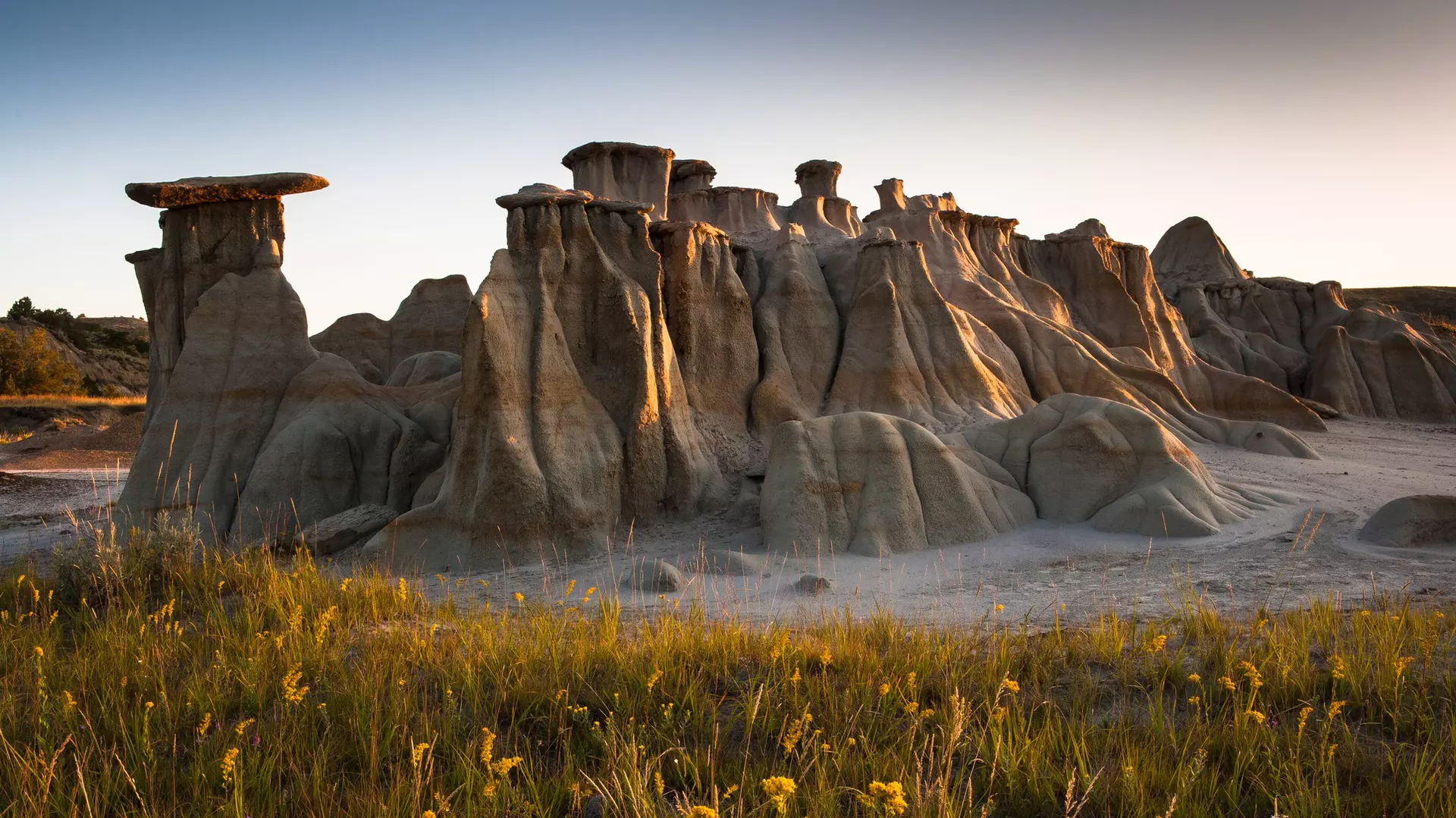
Laurens Hoddenbagh/Shutterstock
Best for vast prairies meeting open sky
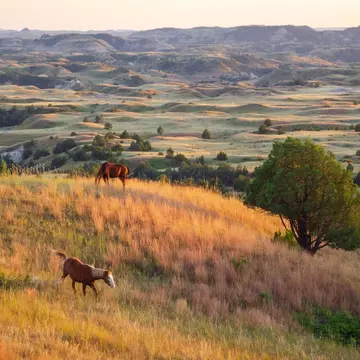
Roaming bison, prairie dog colonies so large that they might as well be metropolises, painted canyons, bizarre rock formations, dark-sky gazing – these are the North Dakota Badlands sights that enraptured the 26th US President Theodore Roosevelt. The region’s natural splendor inspired Roosevelt to buy a cattle ranch in 1883, then to retreat there following the deaths of his mother and wife on the same day: Valentine’s Day 1884. Today, Theodore Roosevelt National Park honors the naturalist president by protecting 70,000 acres (28,327 hectares) of prairie and Great Plains wildlife, inviting travelers to explore the same terrain and cowboy culture that he did 140 years ago.
Plan like a pro

Lonely Planet's Great Lakes and the Midwest USA's National Parks is your passport to the most relevant, up-to-date advice on what to see and skip. Roam idyllic Isle Royale, sail in Voyageurs and explore Wind Cave; all with your trusted travel comp...
On July 4, 2026, his legacy will expand with the opening of the new Theodore Roosevelt Presidential Library. Located just outside the park’s South Unit in Medora, the entirely sustainable building features an earthen roof sloped into a hill that visitors can ascend to view the surrounding Badlands. Inside, artifacts and immersive galleries invite you into TR’s life. Outside, guests can stroll the mile-long (1.6km) boardwalk loop for access to panoramas and nature trails.
The park consists of the South Unit, home to a scenic byway and TR’s tiny Maltese Cross Cabin; the North Unit, for more rustic camping and recreation; and the remote Elkhorn Ranch Unit, with what’s left of TR’s humble ranch home, in a grassy, peaceful bend between the foothills and river.
Adjust your sleep schedule for dark-sky stargazing to see planets, constellations, meteor showers and maybe even the aurora borealis. The park’s annual September Dakota Nights Astronomy Festival welcomes volunteers who share their mighty telescopes to tour the night sky for astronomical wonders.
– Kelsy Chauvin
Best for a wild island escape
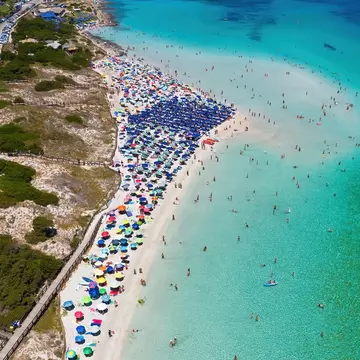
Sardinia’s pristine beaches may draw millions of visitors each year, but its natural and cultural riches extend well beyond the umbrella-dotted coast that tourists covet during the summer months. Shaped by its location in the heart of the Mediterranean, Sardinia stands apart from mainland Italy with a distinctive identity that you’ll notice as soon as you land on this sparsely populated island.
Sardinian, an endangered language recognized as one of the 12 protected minority languages in Italy, is spoken beside the Catalan-influenced tongue of Alghero, a legacy of medieval Aragonese conquests. Linguistic diversity offers an entry into the region’s character, but not all traces of Sardinia’s complex history are immaterial. Archeology enthusiasts will marvel at thousands of nuraghi, Bronze Age stone structures unique to Sardinia. Nuraghe Su Nuraxi, a UNESCO World Heritage site, is the best place to delve into the obscure nuraghic civilization.
TAKE A TRIP

10 days / 9 nights
Sardinia’s natural attractions are equally diverse. A couple of hours from each other, the much-publicized Costa Smeralda draws celebrities to its luxury resorts and yacht clubs, while the island of Asinara, once a maximum security prison, is now a wildlife haven uninhabited by humans for most of the year. Enjoy snorkeling, diving and caving along the coast, or explore the lesser-known interior by hiking a long-distance trail, such as the 500km (310-mile) Cammino di Santa Barbara, or by cycling any of the new paths being developed as part of the region’s infrastructural shift toward sustainability.
Though crowded in summer, Sardinia reveals its hospitality and hidden wonders in the quieter offseason, making it an unforgettable destination for travelers seeking both relaxation and discovery.
Forget about Venice’s Carnevale and head to the small town of Mamoiada in January for the eerie procession of mamuthones. Covered in furs and hiding behind dark wooden masks, these spine-chilling figures continue a folk festival tradition believed to date back to the Middle Ages, although the exact origins remain a mystery.
– Angelo Zinna
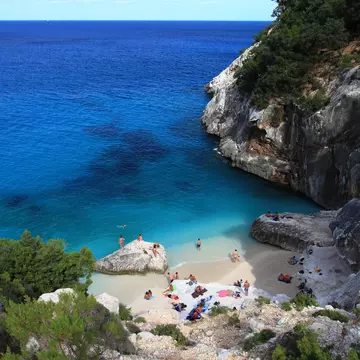
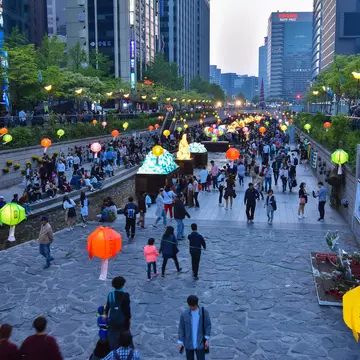
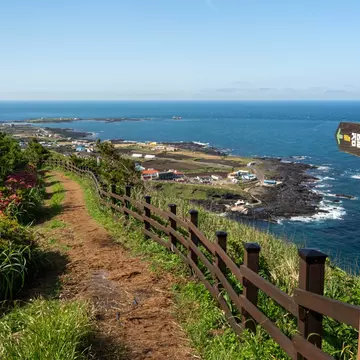
Best for soothing the soul, one step at a time
Just over an hour flight south of Seoul, Jeju-do is an outdoor adventure playground. Summiting Hallasan, the 1947m (6388ft) volcano at the heart of South Korea’s largest island, is the ultimate Jeju high. The warm oceans around the southern city of Seogwipo are perfect for diving among soft coral, kelp and tropical fish.
The 27 hiking routes of the Jeju Ole Trail cover the island’s extraordinary natural beauty and its culture one step at a time. Don’t miss the smaller, outer islands, including Gapado, where each May the buttery yellow wildflowers sway amid the stone-walled fields of green barley.
TAKE A TRIP

13 days / 12 nights
A highlight of Jeju-si, the island’s capital, is the impressive contemporary art collection at the Arario Museum, including pieces by luminaries such as Gilbert & George, Damien Hirst and Anslem Kiefer. Dazzling digital art is screened at the Arte Museum and Bunker des Lumiêres, while the colorful works of Korean artists Lee Jung-Seop and Lee Wal-chong adorn streets and museums in Seogwipo.
No visit to Jeju is complete without tasting freshly grilled seafood at seaside shacks manned by the island’s famed haenyeo (women free divers). At the lively Dongmun Market of Jeju-si and the Seogwipo Maeil Olle Market, tuck into the island’s juicy mandarin oranges and other local culinary treats.
You’ll never forget first seeing the majestic Seongsan Ilchul-bong, emerging from the sea like an enormous stone-carved, moss-coated punch bowl. It’s traditional to climb this 182m (597ft) extinct tuff volcano in the early hours of the morning to catch the sunrise over the seaside village of Seongsan-ri and its crescent-shaped beaches.
– Simon Richmond
Hien Phung Thu/Shutterstock
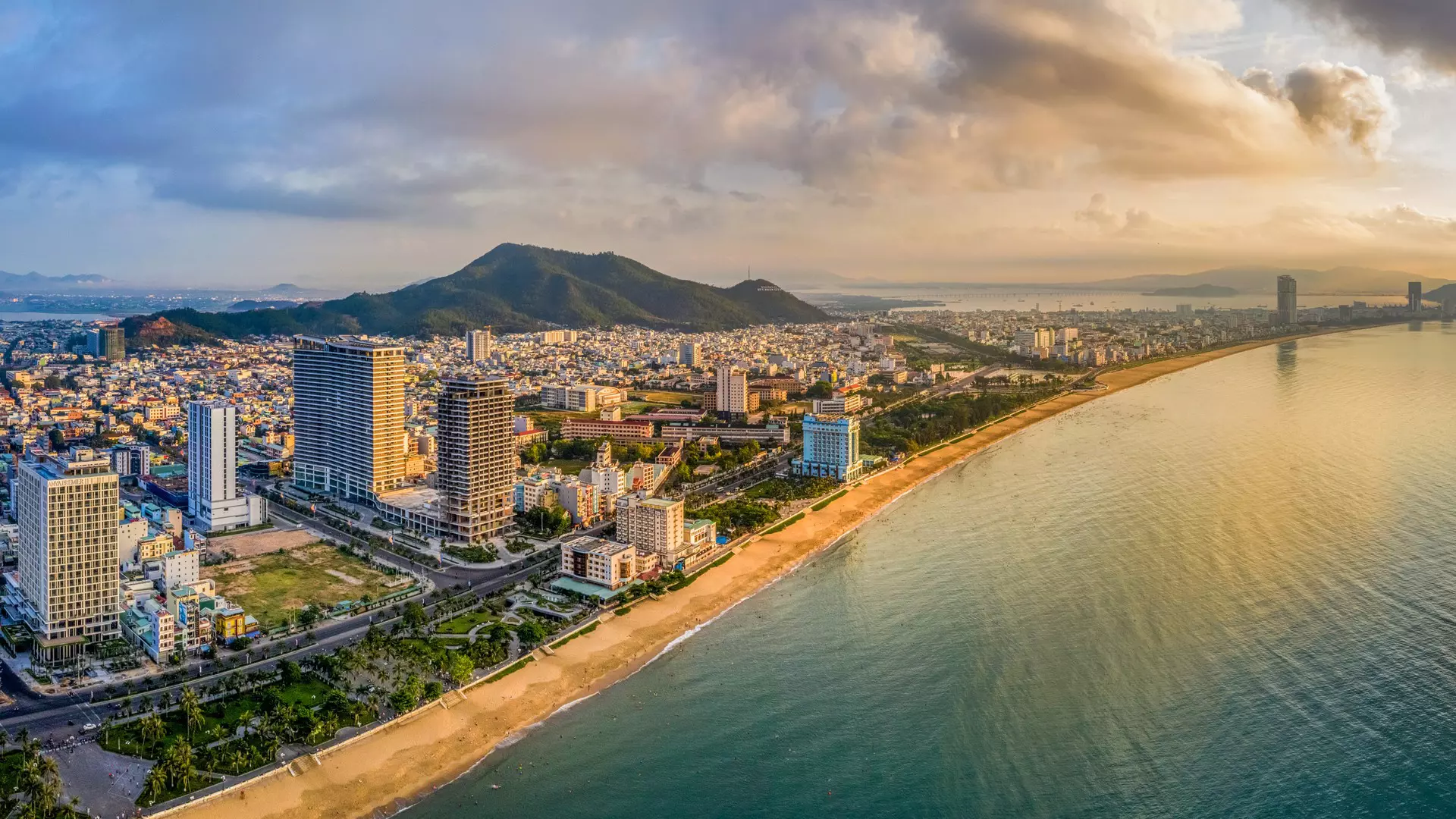
Best for coastal adventures and seafood delights
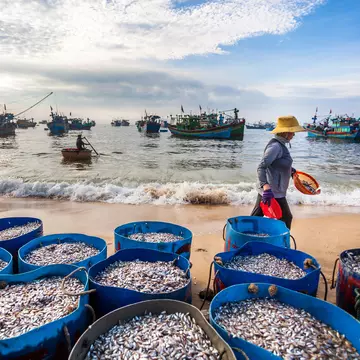
Set between Vietnam’s rolling mountains and calm lagoons, Quy Nhon is a coastal city where natural beauty and culture seamlessly intertwine. Soft sandy beaches meet ancient Cham temples, fishing villages and a thriving culinary scene.
The city’s biggest draw lies in its laid-back atmosphere, made all the more inviting by the absence of heavy tourist crowds. Stroll along the well-kept promenade at sunset, savor towering plates of fresh seafood, and end your evening at a cozy cocktail lounge or beachside bar.
Plan like a pro

Lonely Planet's local travel experts reveal all you need to know to plan a multi-week adventure to Vietnam. Watch the sun rise from stunning beaches, slurp delicious pho, wander atmospheric Old Town lanes, with our classic travel guide that's pack...
To explore beyond the city’s bounds, hop on a motorbike and wind your way to secluded coves and pristine beaches. Local favorites include the crescent-shaped Ky Co Beach and the peaceful cove of Bai Xep, which transforms into an open-air dining spot as night falls. Early risers can explore the mazelike alleyways of nearby villages, where street vendors tempt with delicacies like banh xeo muc (crispy squid pancakes) for breakfast.
With Cham ruins scattered across the landscape, history is never far in Quy Nhon. The Thap Doi Cham Towers, set in the heart of the city, and the Banh It Cham Towers, perched high on a hill, stand as silent reminders of a once-thriving civilization.
Take a spiritual detour to Ong Nui Temple, just north of Quy Nhon, where after 600 steps, you’ll be rewarded with one of Southeast Asia’s largest seated Buddha statues, watching over the region’s rugged coastline. The statue sits atop a circular temple, with thousands of smaller gilded Buddhas in niches recessed into the walls.
– Karla Foronda
Mark Read/Lonely Planet
Best for spiritual days and spirited nights
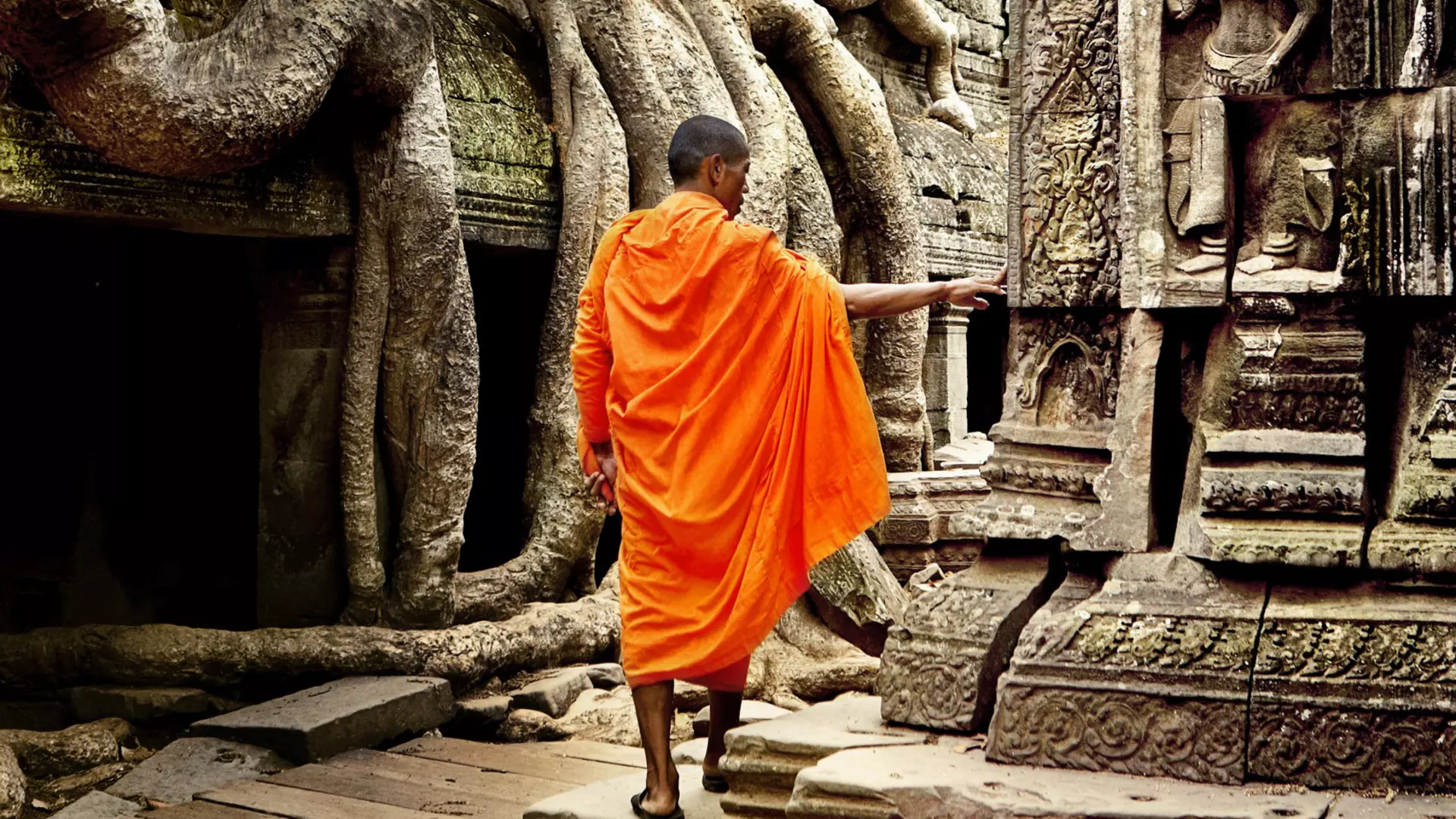
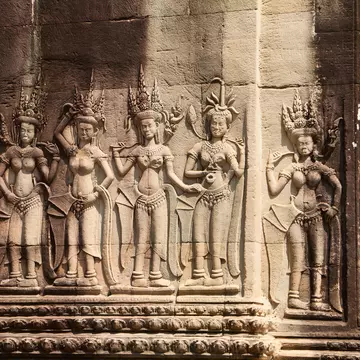
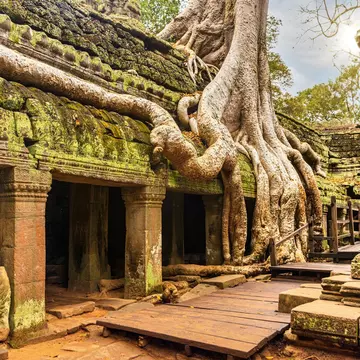
The city offers great value in an absurdly affordable region, as well as Angkor Wat, the world’s largest religious building, one that overshadows all others. But Angkor is more than its temple, and there are dozens more attractions, including the enigmatic faces of the Bayon, the Tomb Raider trees of Ta Prohm and the exquisite carvings of Banteay Srei – all world-beaters in their own right.
If you prefer an adrenaline rush, Siem Reap has activities aplenty, including the high-wire Angkor Zipline, sunset quad biking, the brilliant bunch of clowns at Phare, the Cambodian Circus, and the infamous Pub St. For a more extensive walk on the wild side, head to Kulen Elephant Forest, where these majestic creatures roam in retirement.
Plan like a pro

Lonely Planet's local travel experts reveal all you need to know to plan a multi-week adventure to Cambodia. Marvel at epic temples, discover floating villages, laze on picture-perfect white sand beaches, with our classic travel guide that's packe...
Angkor is the diva that will lure you in, and Siem Reap gives you a reason to stay with its hip hostels and boutique hotels, but the real characters in this blockbuster story are the Cambodian people. Their warmth and spirit will leave an indelible mark on your soul.
The cycling track connecting Siem Reap to the Angkor area follows jungle paths long used by locals to move between village and temple. Ride past the ancient walls of Angkor Thom, linking the Gate of the Dead (East) with the South Gate, passing the 13.2km (8.2-mile) moat, a trough so vast that it could make a European castle blush. Up in the jungle treetops, birds dart about, and you may even spot a gibbon or otter.
– Nick Ray
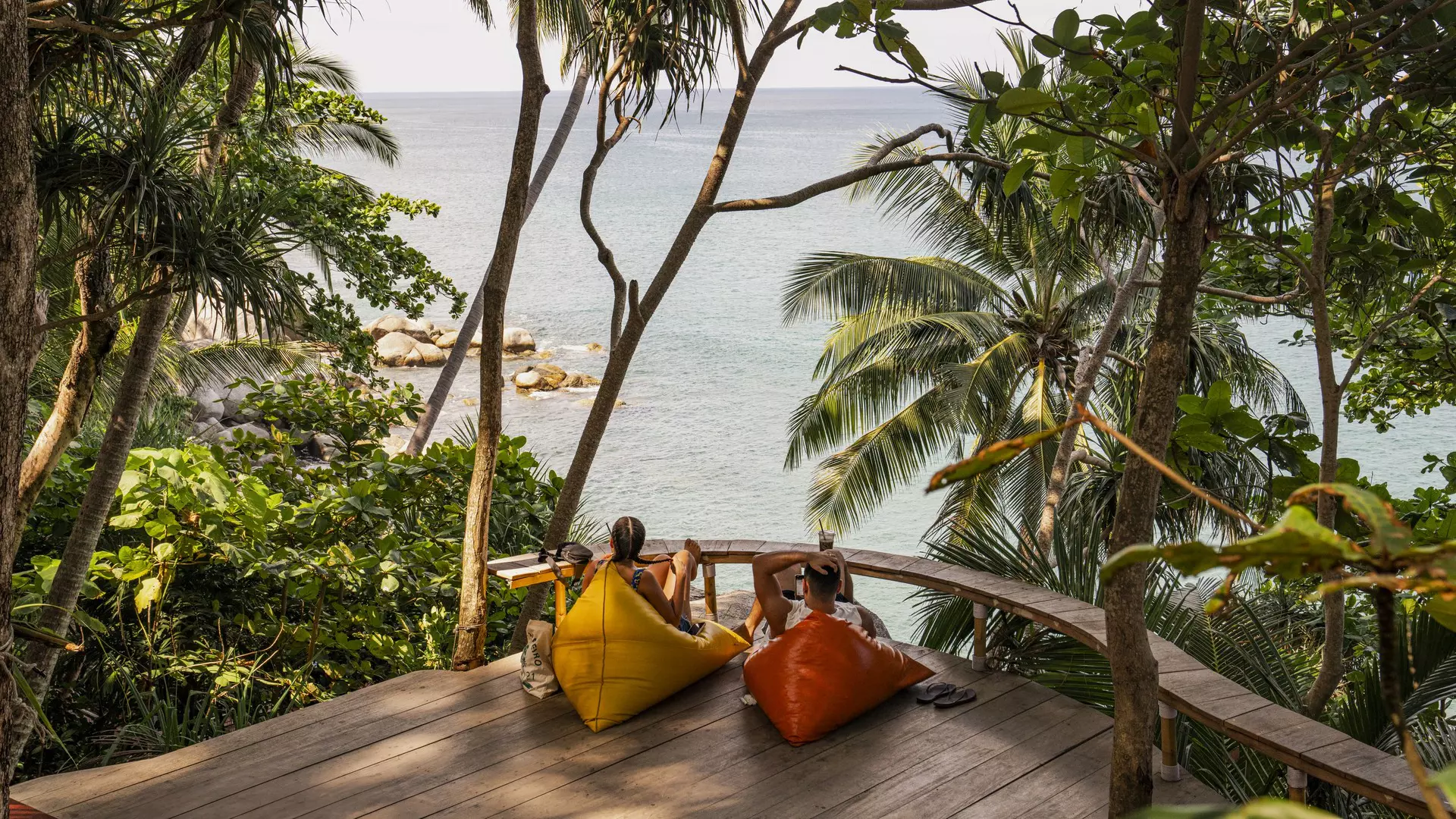
Lauryn Ishak for Lonely Planet
Best for fiery food and tropical idyll
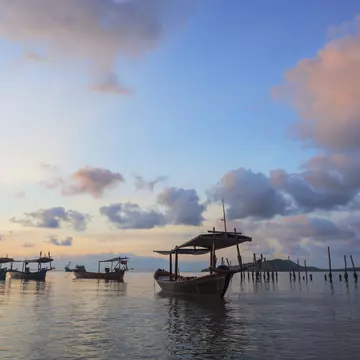
Phuket is easy, breezy coastal living spiked with urban adventure. With expansive white sands, verdant jungles and trendy social hangouts galore, the island is a fabulous work-and-travel combo spot. Throw in Thailand’s digital nomad visa and it’s easy to see why young professionals are flocking here.
The island is southern Thailand’s prime jumping-off point for sailing expeditions and deep-sea diving around the Andaman Sea. To the north, even more world-class dive sites and little-visited islands cluster around the limestone cliffs and emerald isles of Phang-Nga Bay. Island hopping and underwater adventures are possible in just a single day; with the comfort of modern resort life waiting back on Phuket by dinnertime.
The island’s 50km (31-mile) coastline has more than 30 gold-blond strands laced with jungle-covered mountaintops. Hit some of Thailand’s best surf spots along Phuket’s western coast and southern tip; try out kitesurfing, paragliding and paddling sea canoes.
TAKE A TRIP
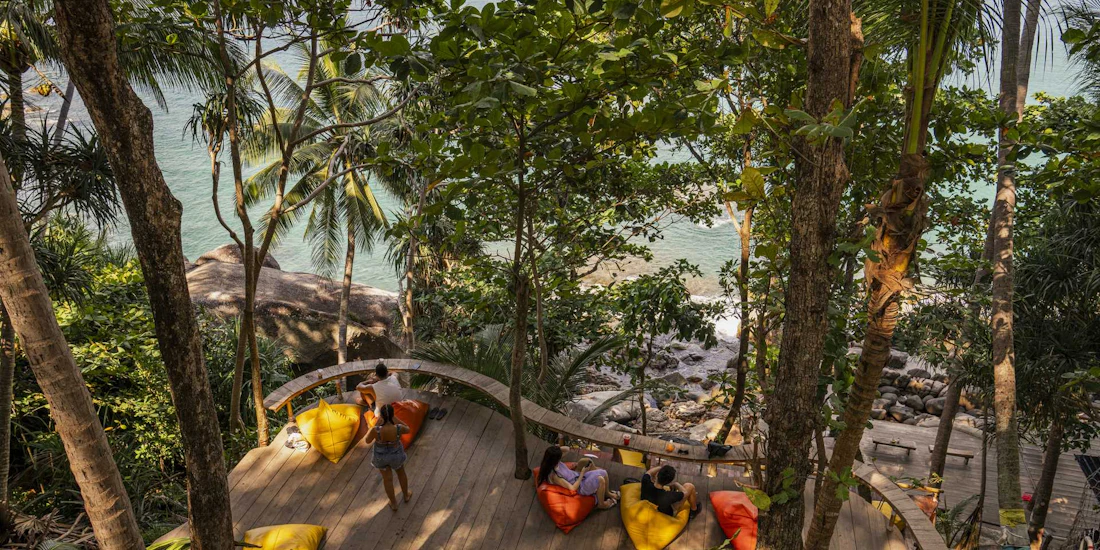
Apart from nature’s solitude, Phuket boasts a lively yet unpretentious social scene. Soak up multicultural gastronomy and trendy cafes by day, as well as diverse evening entertainment. Cliffside bamboo hideaway A Blanket & A Pillow and underground techno lair Shelter are party-hearty favorites; Phuket’s lively night market scene includes standouts like Phuket Town’s Lard Yai on Sundays and Fridays on Boat Ave.
Dance barefoot on the white sands of Natai Beach as an international DJ spins deep house under disco lights strung through the mangroves. Just 30km (18 miles) north of Phuket airport, this stretch feels worlds away – usually serene and private but now pulsing with energy at one of Baba Beach Club’s underground parties, a secret shared only by those truly in the know.
– Barbara Woolsey
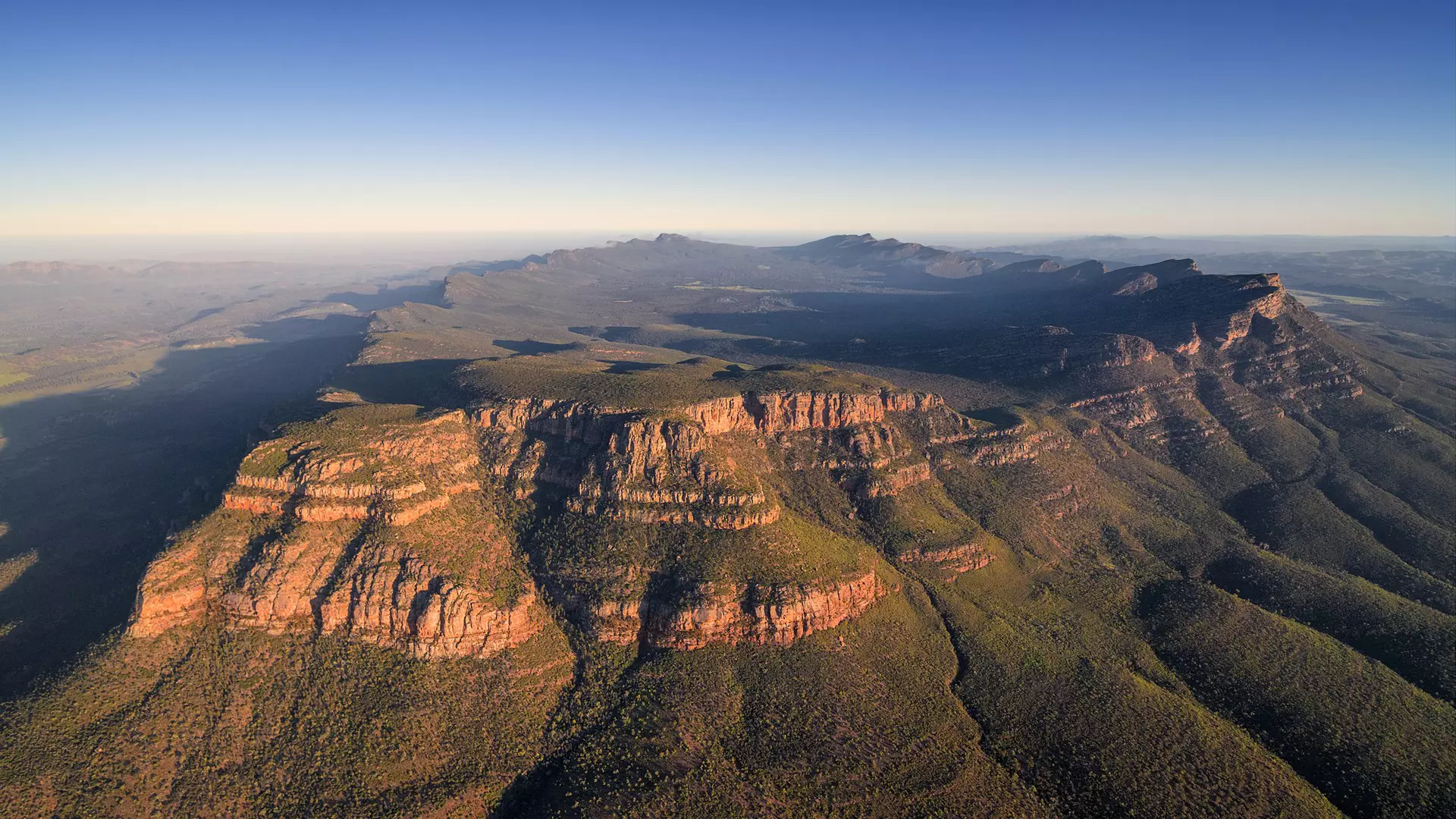
Southern Lightscapes-Australia/Getty Images
Best for brilliant sunsets and a colossal outback adventure
There’s an otherworldly beauty to the Ikara-Flinders Ranges National Park that is unlike anywhere else in the Australian outback. A five-hour drive north of South Australia’s cultured capital Adelaide (save a detour to riesling country in the verdant Clare Valley) and you’ll be rewarded with a sprawling, scrubby, lunarlike landscape.
According to the land’s Traditional Owners, the Adnyamathanha people, the mountainous walls of Ikara (Wilpena Pound) are the bodies of two intertwined Akurra (giant serpents). The pound’s short day hikes snake alongside gum-tree-lined gullies leading to ancient Indigenous rock paintings.
Plan like a pro

Lonely Planet’s South Australia & Northern Territory is your passport to the most relevant, up-to-date advice on what to see and skip, and what hidden discoveries await you. Gaze at Uluru, explore the outback, and spot wildlife on Kangaroo Island;...
A further three hours north is Arkaroola Wilderness Sanctuary, crowned as an official International Dark Sky Sanctuary in 2023; accommodations range from campsites to lodge rooms. Guests can choose from a menu of experiences at the on-site observatory – the 4WD adventure to a ridgetop sleepover in swag tents is the most immersive.
Adding to the region’s mystical beauty are its high-salinity pink lakes. (Yes, pink!) The best vantage points of the bubblegum hues – like those at Kati-Thanda-Lake Eyre, Australia’s largest salt lake – are from the air.
Toast the sunset with a glass of South Australian bubbly on a guided sunset tour (make sure you pick one with charcuterie included). As the colors bleed between the sky and the mountaintops, you’ll be left in awe at the simplicity and quiet beauty of this stunning landscape.
– Chris Zeiher
Best for cultural tourism that gives back
Aotearoa (New Zealand’s Māori language name) has emerged as a world leader in regenerative tourism. This is in no small part due to te ao Māori (the Māori worldview), which emphasizes concepts like kaitiakitanga (guardianship and protection of the environment) and manaakitanga (caring for others) while focusing on relationships, including those between ancestors and future generations.
Across Te Ika-a-Māui (the North Island), Māori tour operators dedicated to uplifting their communities have emerged. Murupara’s Kohutapu Lodge, for example, creates economic opportunities in one of the country’s most socially and economically disadvantaged areas. Visitors can learn to do the haka or take a guided walking tour to ancient rock carvings, and as a result, Kohutapu has been able to invest more than $500,000 (US$295,000) in the community.
Further afield in Te Tai Tokerau (Northland), you’ll find Manea Footprints of Kupe, a cultural center that shares the story of Polynesia explorer Kupe. It’s the region’s third-largest employer, with all of the profits going back into the community.
TAKE A TRIP

North of Wellington, Māori-owned Kapiti Island Nature Tours acts as kaitiaki (guardians) of the predator-free island. Stay the night in a glamping tent and you may encounter one of the island’s 1200 little spotted kiwi, now extinct on the mainland.
Meanwhile, in the Hawke’s Bay wine-producing region, viticulturalists no longer rely on “terroir” to describe provenance. Instead, they’re increasingly using tūrangawaewae. It roughly translates to “a place to stand,” but the term embodies more than just the soil in which the grapes are grown; it also refers to a multigenerational connection to the land.
For centuries, the North Island has been renowned for its geothermal wonders and rich cultural experiences, and these local businesses are ensuring that will be true for centuries to come.
Taking a dip in the geothermally heated waters. At Wai Ariki, a luxurious new hot springs and spa on the shores of Lake Rotorua, experience the centuries-old practices of local iwi (tribe) Ngāti Whakaue. It’s the area’s first and only spa and wellness center developed, owned and run by Māori.
– Jess Lockhart
Severine Sajous
Best for desert and coast adventures
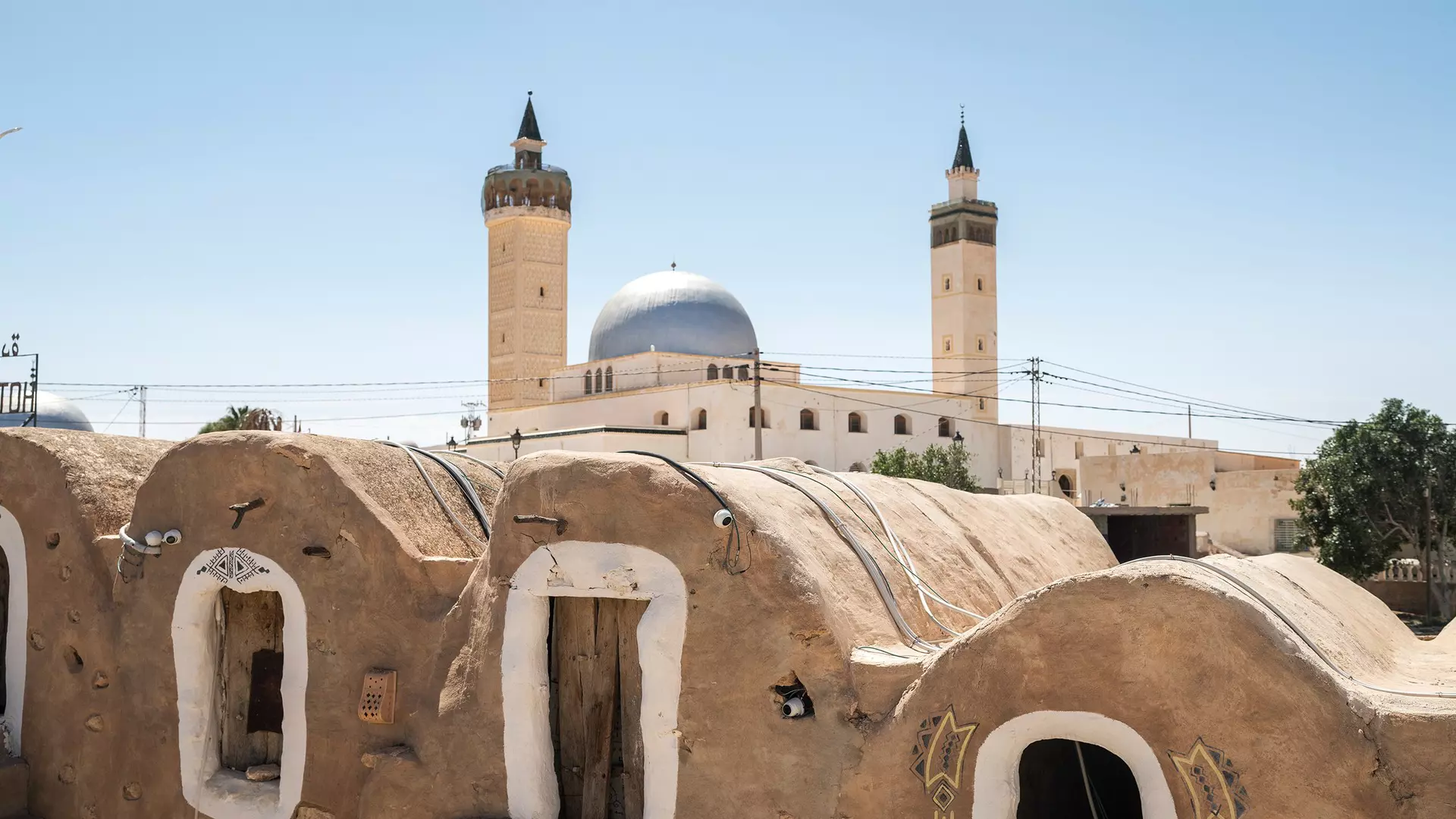
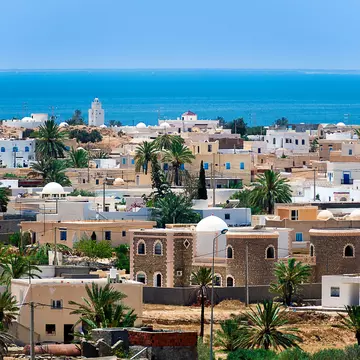
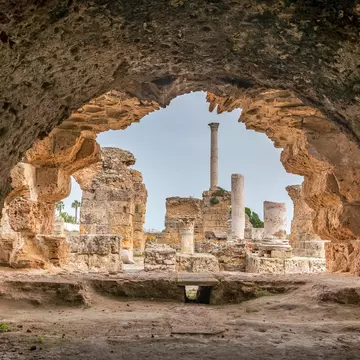
It’s interesting times in Tunisia, a country that feels suspended between an old world of romantic Roman ruins and vintage beach resorts and a new world of possibilities birthed by the Arab Spring in 2011. The country’s laid-back atmosphere makes it easy to forget the import of those events, which gave voice to an intense desire to construct a new future. Since then, Tunisia has been hard at work realizing that vision, cultivating a growing community of artists, entrepreneurs and intellectuals. These individuals are redefining Tunisia in their own image and surfacing its multiethnic history.
Plan like a pro

Lonely Planet's Africa is our most comprehensive guide that extensively covers all the continent has to offer, with recommendations for both popular and lesser-known experiences. Visit wineries on the cape, swim the turquoise waters of Mozambique ...
For travelers, the country’s small size and good infrastructure – all international car agencies are present, and road and rail networks are good – are a gift, allowing for a multitude of wildly different experiences. Taking just eight hours to drive from north to south, you can dip your toes in the sea in the morning and walk the Sahara at night. In between, be sure to layer your experience with Tunisia’s fabulous Jewish-North African cuisine, amazing Roman ruins, treasure-filled antiquity museums and atmospheric medinas. Then round things off with some beachside hedonism or an unforgettable camel trek into the desert to sleep beneath a sky filled with a million stars.
Try Sawa’s four-day immersive culinary journey, which involves cooking classes, market tours and seasonal tastings. With North African and Sicilian heritage, Lamia Temimi is a fabulous guide to Tunisia’s complex fusion cuisine, which blends Arab, African, Mediterranean and Jewish influences.
– Paula Hardy
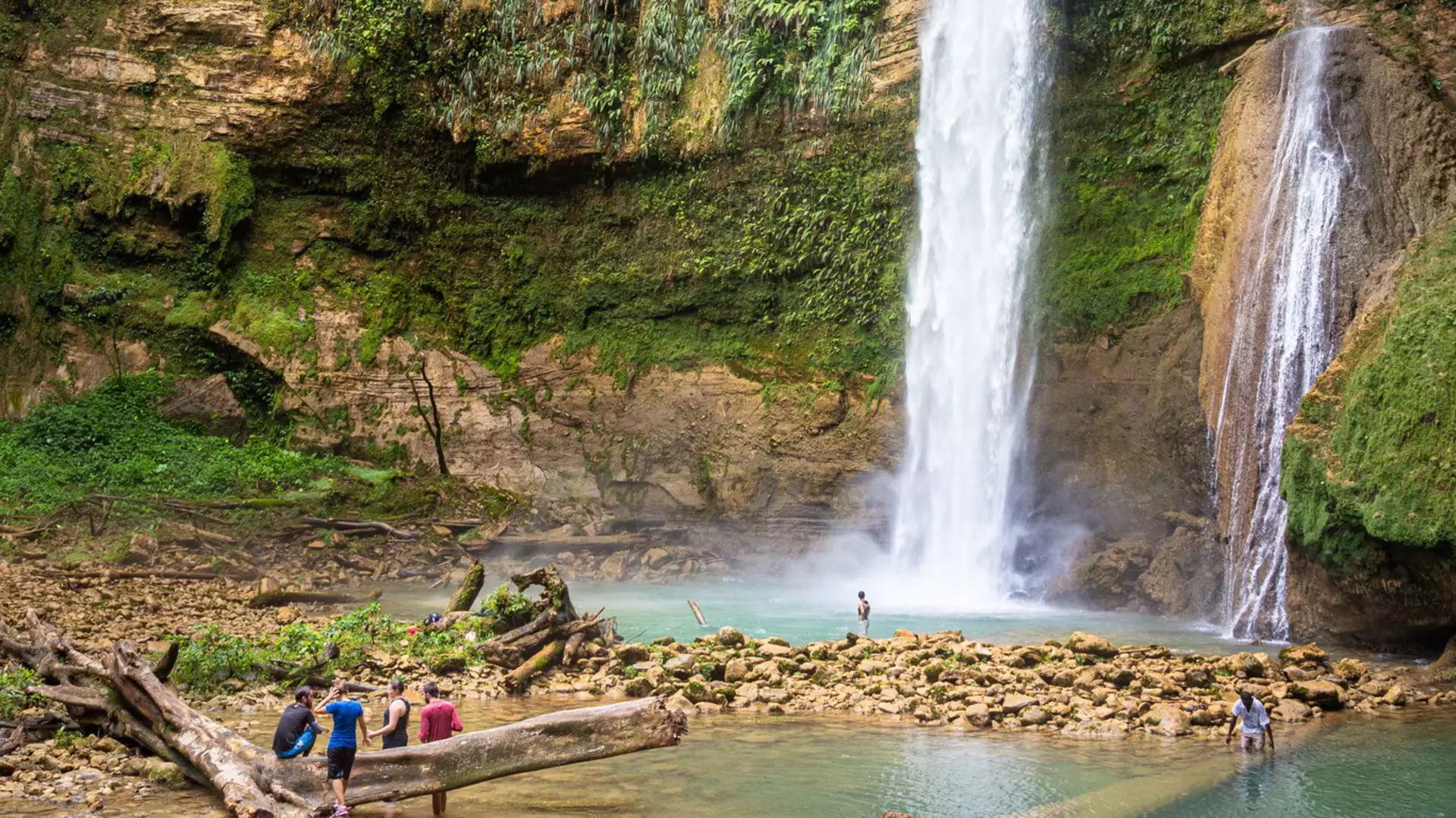
Sam Lawrence Photography/Shutterstock
Best for island-hopping adventures
A short boat ride from the overwater bungalows of Fatboys Resort, waves crest and plunge toward the shore, creating both left- and right-hand surf breaks – an incredible swell waiting to be discovered. The same could be said of the rest of the Solomon Islands. Just 26,000 visitors come to shore annually, but that may change, with the Pacific Island nation poised to become a sought-after adventure destination.
With 5750 sq km (2220 sq miles) of reefs, boasting the second-highest coral diversity on earth, the Solomons are already one of the South Pacific’s best diving destinations. Most visitors don’t stray far from the crystal-clear waters encircling the country’s 992 islands and coral atolls. But a journey into the Solomons’ mountainous interiors reveals rich biodiversity – including 4500 plant species and 72 endemic bird species – and an even more vibrant culture.
Plan like a pro

Lonely Planet's Experience South Pacific travel guide reveals exciting new ways to explore this iconic region with one-of-a-kind adventures at every turn. Laze on white sand beaches, learn traditional Tahitian dance, hike through lush rainforests ...
Visitors can see evidence of the head-hunting past on Skull Island or watch shell money (traditional currency) being traded on Malaita. On Savo Island, hikers can take a dip in a sacred waterfall (steaming hot, courtesy of an active volcano).
Island-hopping is easy, with Solomon Airlines servicing 23 domestic destinations, as is getting there: it’s a three-hour direct flight from Brisbane, Australia.
Watch a cultural performance in Kuila, just off the coast of Honiara. In this traditional village of roughly 200, residents speak the endangered Savosavo language, one of over 60 languages spoken in the Solomon Islands. Ask the experts at nearby Savo Sunset Lodge to help you plan a visit.
– Jessica Lockhart
Ready to take the trip you’ve always dreamed of? Check out our favorite bookable trips inspired by the winners of Lonely Planet’s Best in Travel 2026.




Overland or underwater or right by a volcano, these are the things you must do before the year is out.
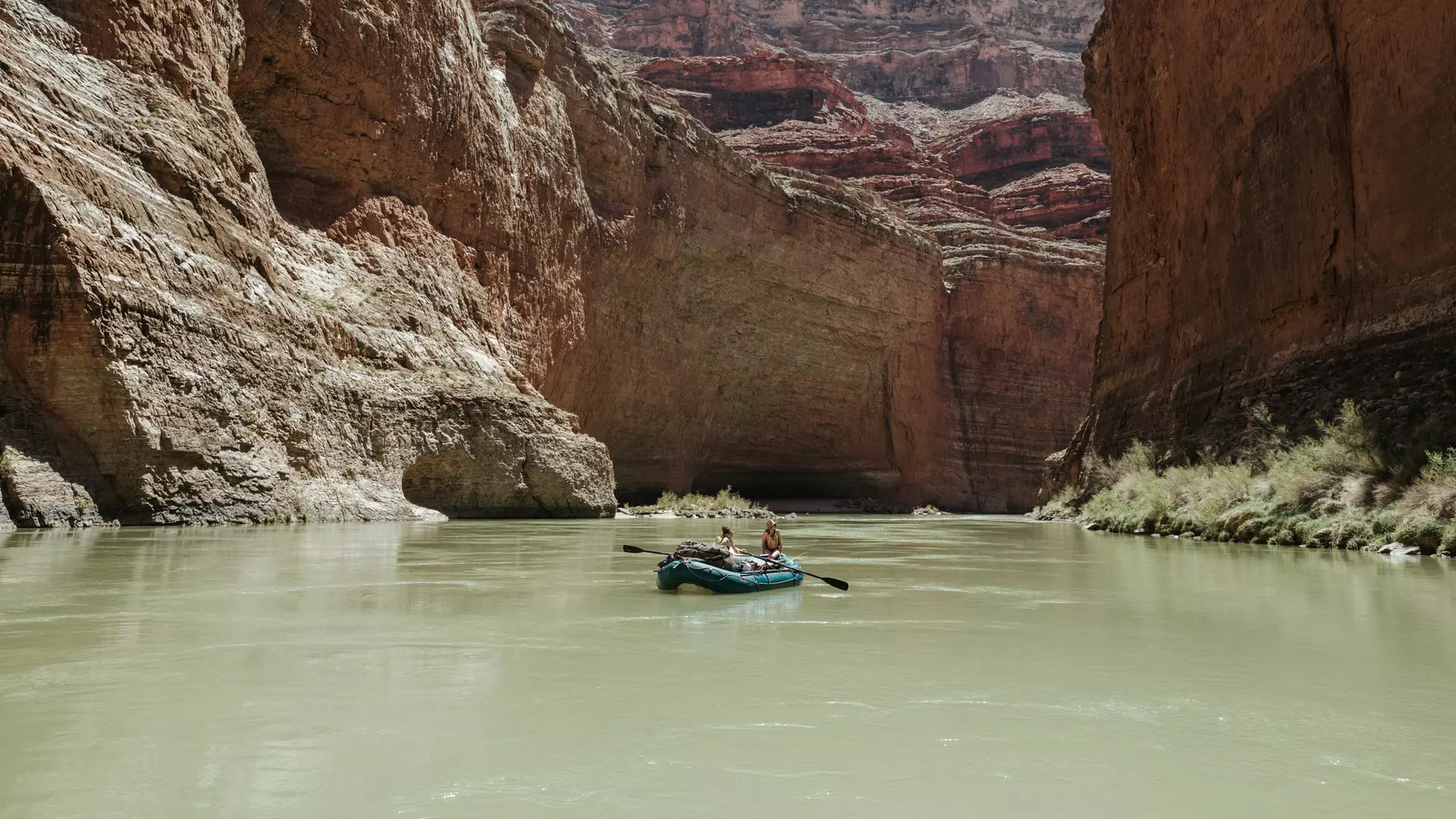
Raft the Colorado River
Raleigh Gambino
Best for unadulterated nature and adventure
There may come a time when you question your decision to go white water rafting through the Grand Canyon. It could be the moment that your cell service cuts out for a week, or OK, three. Or it could hit you when you’re introduced to the “groover,” a bathroom system consisting of a bucket and sawdust. But all of these negatives pale in comparison to the overwhelming joy of being immersed in unadulterated nature. While rafting the Colorado, you have the sense of being in an untouched sliver of the country, as raw as it ever was.
For a self-organized expedition, engage a soup-to-nuts tour company like Oars or Azra, or an outfitter like Ceiba Adventures, to ensure that you’re well prepared with all of the food and gear you’ll need. Creature comforts will be far from mind, however, as you marvel at the splendor of a night sky so thick with stars that you’ll need an eye mask to sleep outside.
Plan like a pro

Lonely Planet's Grand Canyon National Parks is your passport to the most relevant, up-to-date advice on what to see and skip. Hike the Hermit trail, swim in Oak Creek, and ride the Colorado river; all with your trusted travel companion. Get to the...
On a trip like this, you may find that what you first feared, you come to value the most. Opportunities to truly disconnect from the grind of modernity are increasingly rare: the lasting gift of rafting in the Grand Canyon is an ineffable constant that ignores your daily to-do list.
A typical travel itinerary has no place here. Instead, adapt to the canyon. Wake up, read the water, work with its flow to forge on, build a campfire, sleep, repeat. It’s a privileged existence if you can come by it. While there, you’re suspended – physically and otherwise – and come out the other side changed for the better. Whatever your initial trepidations or misgivings may have been, you’ll come to dread one part the most: going home.
On a trip that necessitates so much time off, your senses are rewired to notice things differently: a rustling bush that could indicate an animal running past, the colors of the sky bruising into night, the sound – or lack thereof – of a nighttime float. Being truly absent from devices and in the presence of such nature is a trip, in every sense of the word.
– Annie Greenberg

Kara Santos
Best for slow cyclists and solo travelers
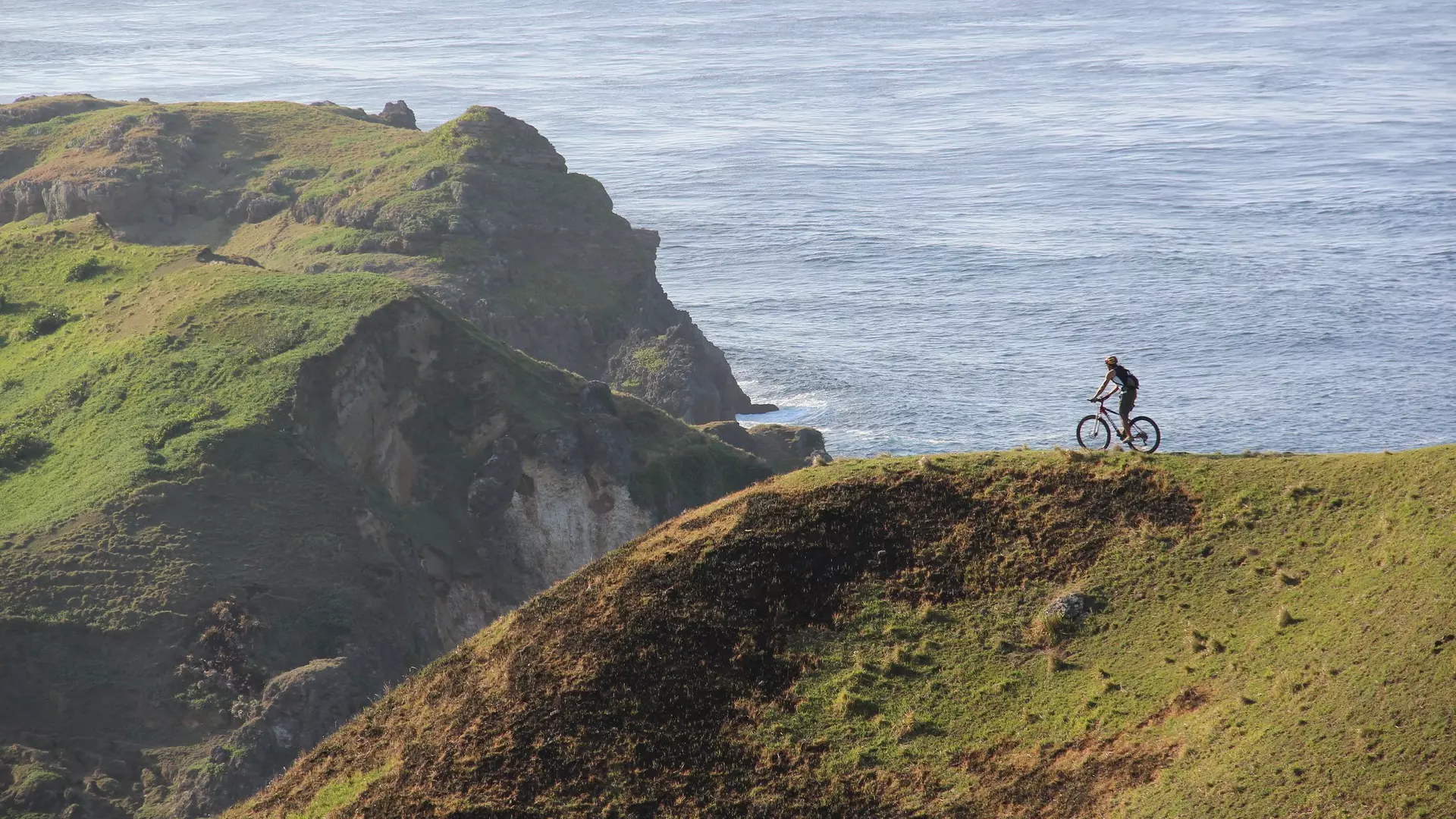
Imagine biking along traffic-free islands where every bend leads to landscapes of grazing land and endless blue water. The Batanes in the Philippines are island living a universe away. The country’s smallest province, on its northernmost tip, consists of three main inhabited islands: Batan, Sabtang and Itbayat. While van tours are available, the best way to appreciate this windswept landscape that’s remained unchanged for decades is on two wheels.
Plan like a pro

Lonely Planet's local travel experts reveal all you need to know to plan the trip of a lifetime to the Philippines.Discover popular and off the beaten track experiences from visiting Boracay Island's stunning White Beach to sinking into a blissful...
Rent a bike as soon as you land in the capital Basco. Pedal to Basco Lighthouse in Naidi Hills, enjoy stunning views of Mt Iraya, and explore boulder-strewn beaches. Spend a day looping the roads around the island, soaking in the idyllic views, especially at Racuh a Payaman (aka Marlboro Country), with its vast pasturelands. Consider bringing the bike on the faluwa (traditional boat) to Sabtang Island, where traditional stone houses still stand; good for a day trip or overnight stay.
Biking around the Batanes may not be the longest in terms of total distance, but the journey there and the region’s untamed beauty make it one of the best cycling destinations in the country.
Pedal on coastal roads to where the land, sea and sky meet in postcard perfection in Marlboro County. Park at the hilltop and you’ll see sweeping views of rolling hills and the rugged Pacific coastline beyond stretches of vast pastureland dotted with grazing cows.
– Kara Santos
Inkaterra
Best for jungle immersion
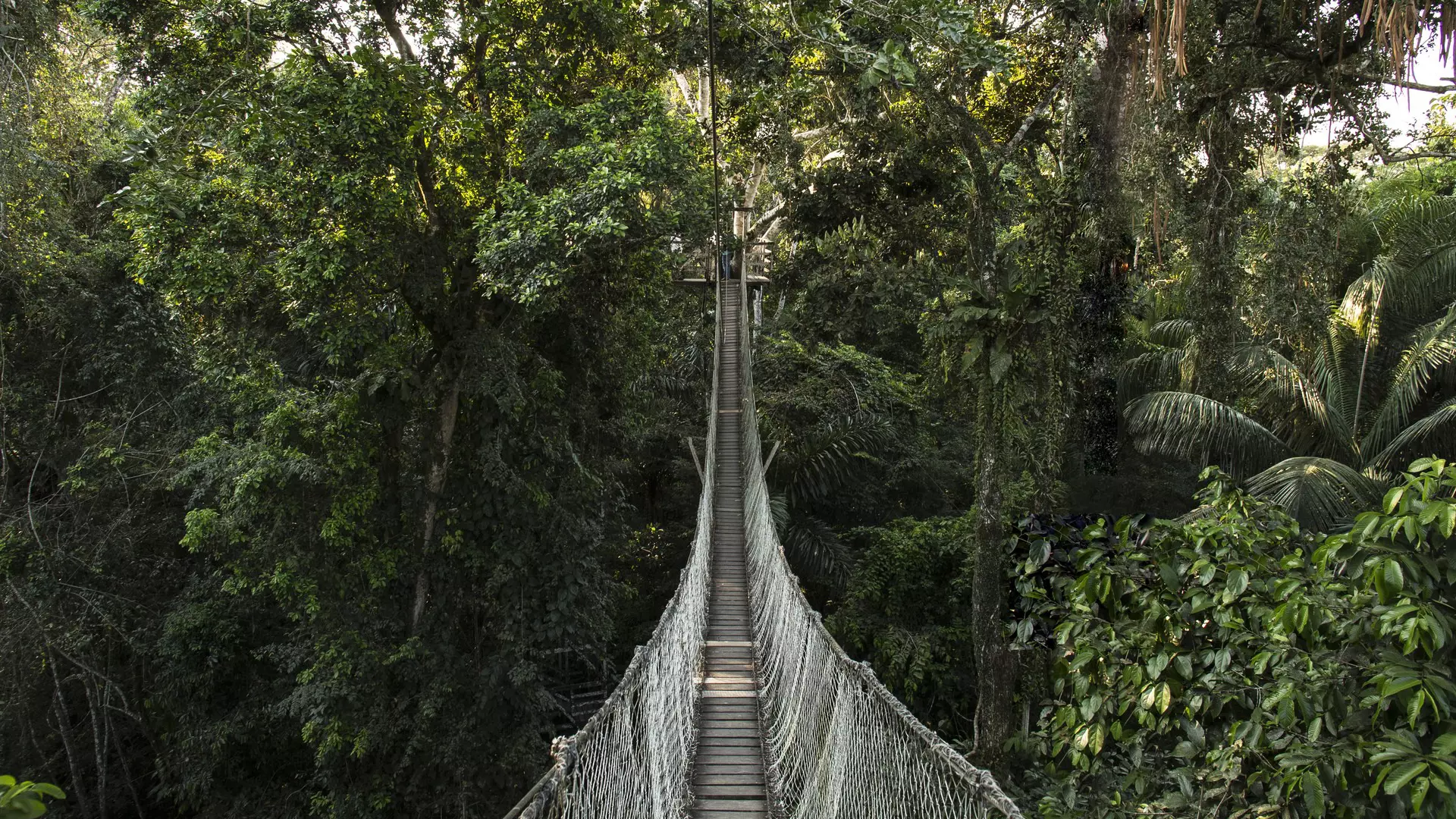
Roaring howler monkeys and flamboyantly feathered macaws await visitors at the 2758 sq km (1061 sq mile) Reserva Nacional Tambopata, one of the world’s last easily accessible virgin tropical rainforests. Located near Puerto Maldonado, Tambopata has emerged as the epicenter of the hands-on, educational approach to Amazon ecotourism pioneered by Rainforest Expeditions. Its groundbreaking Wired Amazon program pairs field biologists with travelers who transform into citizen scientists. One day, visitors might place camera traps at strategic jaguar migration paths; another, set light traps in the forest to discover novel bug species, fly drones to monitor the health of Brazil nut trees or record the calls of eight primate species to aid in bioacoustics research.
TAKE A TRIP

Nearby, Inkaterra, the world’s first climate-positive hotel brand, encourages guests to document regional flora and fauna in the lands surrounding its two Tambopata lodges and Amazon field station. Trips like these speak to the power of regenerative travel, one of the buzziest concepts in the industry, prizing transformative experiences that leave destinations better than you found them.
Not only does your money actively fund conservation but your hands-on work adds to a growing body of research helping to protect Amazonian flora and fauna. What could be more win-win than that?
Tambopata is the best place on earth to spot macaws in their natural habitat. Up to 500 of these large parrots gather at riverside clay licks each morning in a rainbow of tropical hues. Birders and wildlife photographers wake well before dawn to arrive at first light and enjoy the spectacle.
– Mark Johanson

Matthew Figg / Shutterstock
Best for bonding over beers with sore-throated fans
For followers of English football (not soccer please!), a pilgrimage to a Premier League match at one of England’s football cathedrals is the ultimate sporting experience. Going to a match is not just visiting a stadium; it opens a window into the country’s passions and character that you’d struggle to see doing anything else.
The only thing the English seem to agree on is that they love their teams and the referees are out to get them. Underneath the exuberant support, grudges are held for generations. Local rivalries are intense, as are traditional matchups fizzing with historical animosity.
TAKE A TRIP

11 days / 10 nights
The Premier League – sometimes called the EPL – is made up of 20 clubs spread unevenly across England, including several in London, the Midlands and the northwest. Games take place most weekends from August to May, with occasional and very atmospheric midweek games under floodlights. Seats are much sought-after, and most games sell out far in advance. Start planning as early as you can with the club – or clubs – you aim to watch. Membership schemes and (pricier) hospitality packages are the most likely route to a ticket.
The pandemonium in the stadium when a ball hits the back of the net for the home team is often accompanied by bear hugs and deafening yells. Depending on the team, there can be over 50,000 people all letting off steam in a moment of collective joy – which is celebrated with even more gusto if they’re getting one over a rival team in the process. Warning: you may end up several feet from where you started, minus your hat, but with a few new friends.
– Tom Hall

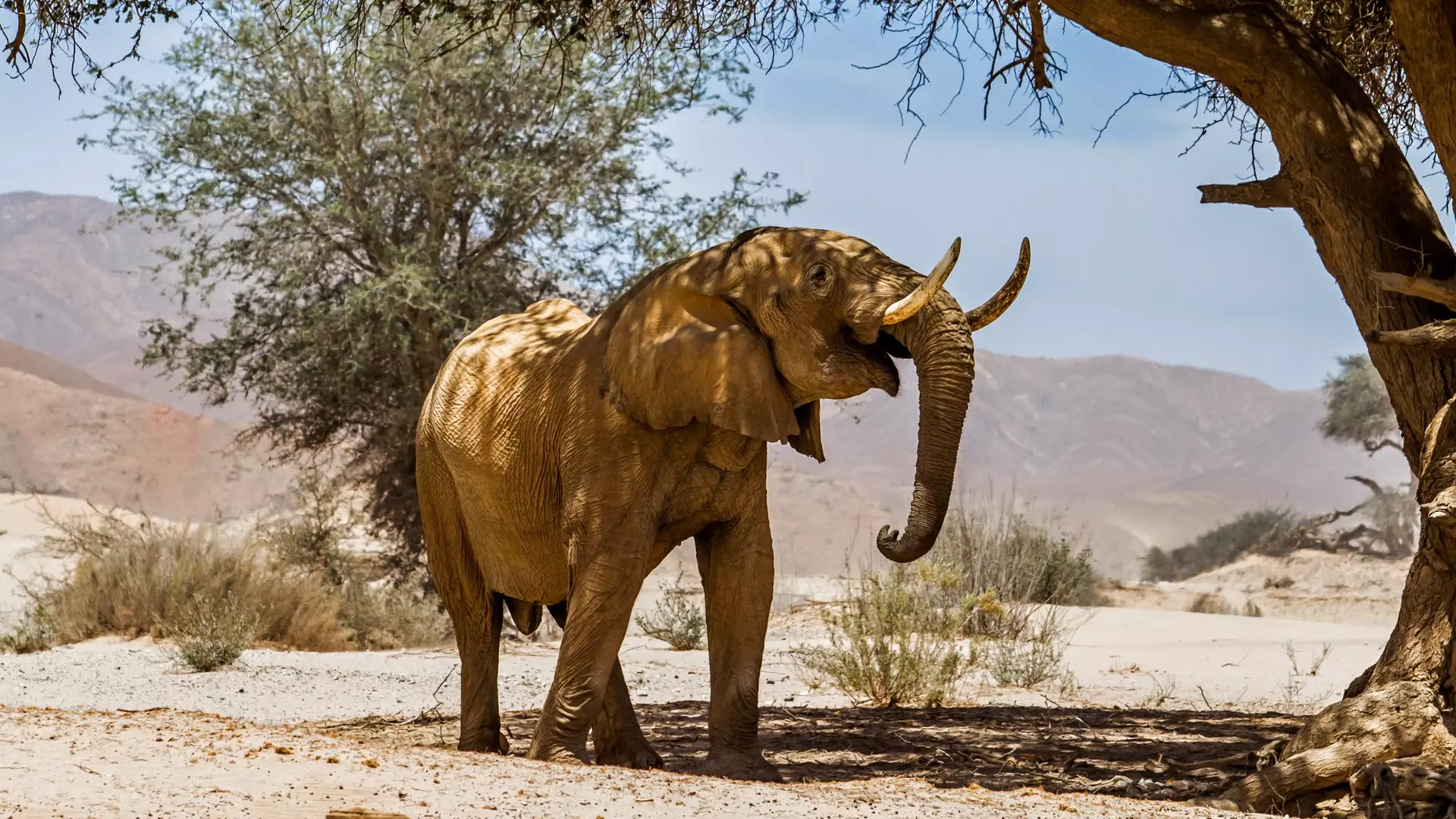
Henk Bogaard/Shutterstock
Best for wildlife lovers and desert devotees
Pack your sense of awe and wonder as you join a guide to track elephants across the Namibian desert. Marvel at the massive footprints of these desert-dwelling pachyderms and follow their footsteps alongside a handful of dry and ephemeral riverbeds in northwest Namibia. Watch the enormous adults stretch their trunks high into trees to grab food, while playful calves twirl their trunks.
Only two populations of desert-dwelling elephants live on earth, and Namibia is the place to see them. These animals are not a separate species or subspecies; they are endangered African savannah, or bush, elephants that have adapted to desert conditions. While there were once far more elephants in the Namibian desert, fewer remain.
Plan like a pro

Lonely Planet's Botswana and Namibia is our most comprehensive guide that extensively covers all the region has to offer, with recommendations for both popular and lesser-known experiences. Spot jackals in Etosha National Park, explore the German ...
For the best chance of spotting them, hire a guide with a well-equipped vehicle and the local knowledge to safely search for the elephants. Sightings aren’t guaranteed, but pack your binoculars and long camera lenses, and also bring a bandana or face covering, since the riverbeds can get dusty. Elephant-Human Relations Aid also has an Elephant Education Centre, located near the Ugab River bridge, where you can check out the exhibits to learn more about these amazing elephants.
The grit of dust in the air, the earthy scent of desert plants as elephants crunch leaves and snap branches nearby, a young calf twirling its trunk playfully – it’s a moment that stays with you, simple, wild, unforgettable.
– Kristen Pope
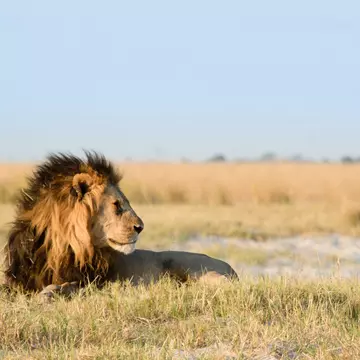
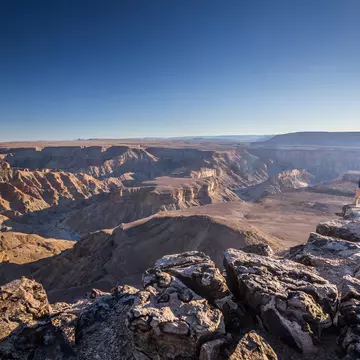
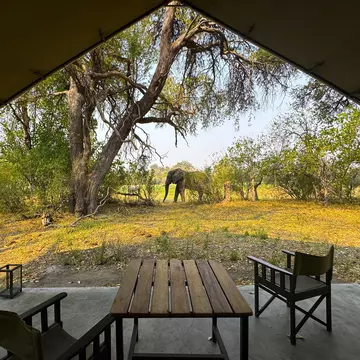
Best for rethinking what a safari can be
Suspended above the Sabie River on a century-old railway bridge, Kruger Shalati: The Train on the Bridge reclaims a historic vantage point that helped establish Kruger as a national park in the 1920s.
The lodge’s wood-encased infinity pool, cantilevered above the river, invites you to trade an afternoon game drive for the sheer pleasure of watching wildlife drift into view. In your carriage suite, floor-to-ceiling windows mean you’re never cut off from the landscape – elephants passing below, hippos bobbing like half-sunken buoys and the wide-open bushveld rolling away on all sides.
TAKE A TRIP

10 days / 9 nights
There are no tired safari tropes at Kruger Shalati. Neutral tones are accented by shades of red and ochre in the woven rugs, carved wooden screens, textured furnishings and local art. Thoughtful touches are everywhere. Basotho-inspired blankets draped over king-sized beds. A soaking tub and rainfall shower are both angled toward the view, and a silky handmade robe hangs at the ready.
Each detail is an invitation to linger. Some travelers will still rise before dawn to seek the Big Five on guided drives, and that’s wonderful. But at Kruger Shalati, you can have both – the magic of a safari and the quiet joy of staying put while the wildlife comes to you.
As dusk begins to fall, make your way to the restored carriage bar and order a vintage cocktail or glass of South African pinotage. Claim a corner of the infinity pool – your own watering hole above the Sabie – while elephants gather below at theirs.
– Sophie Baker
We are Content(s)/National Monuments Center
Best for fans of modernist design
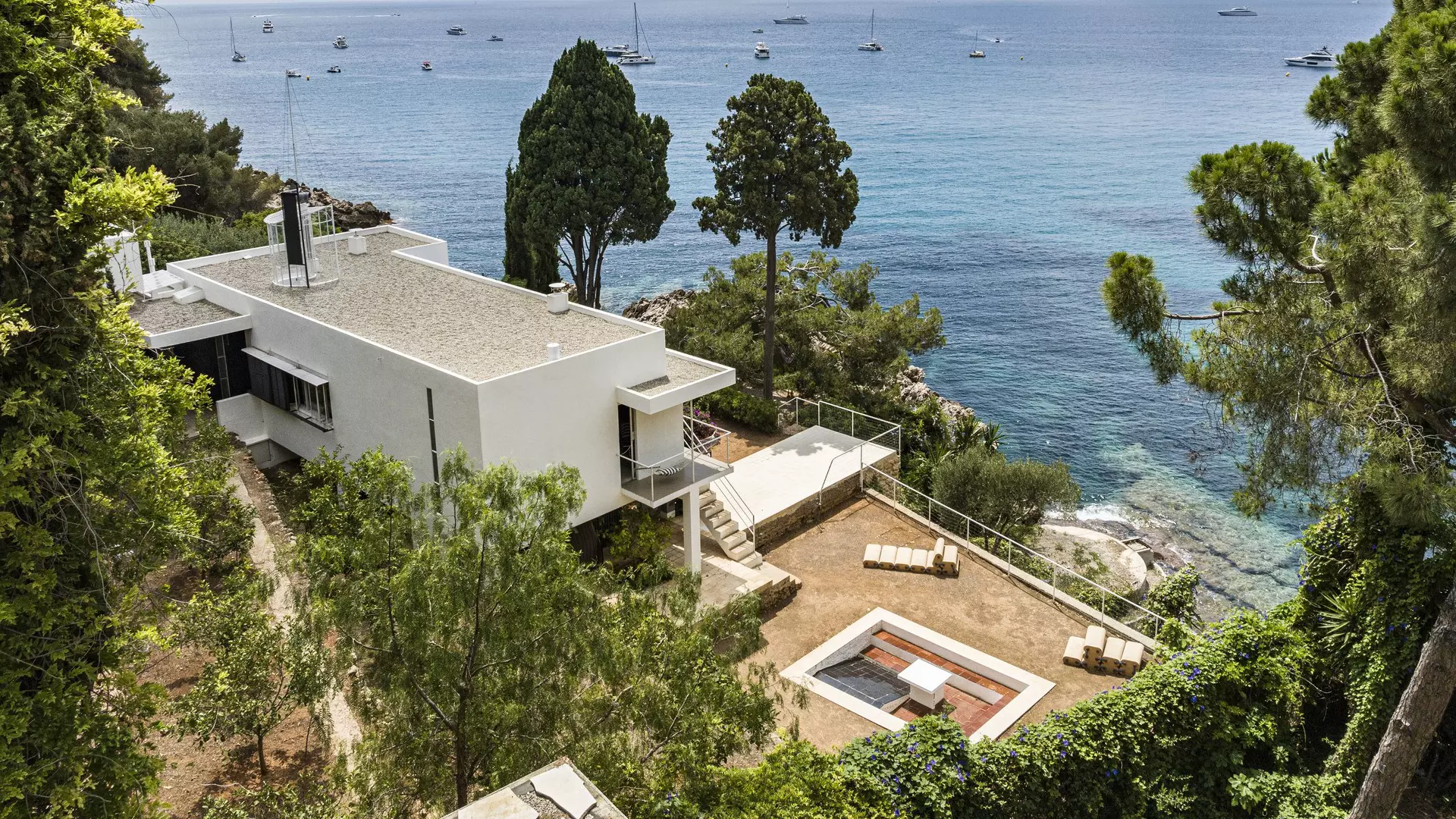
Gray was an Irish-born designer who brought her genius for interiors into the realm of architecture. Villa E-1027 was her first major project, and it is often cited as a masterpiece that has gone on to inspire generations of designers. Her bespoke modular furniture, meticulous attention to detail and seamless indoor-outdoor transitions – unusual for the period – made the villa a standout. At a time when heavy ornamentation and traditional forms were the norm, Gray’s practical, minimal approach was groundbreaking.
Another well-known architect, Le Corbusier, was so inspired by Gray’s villa that he bought a property next door, now the site of Cabanon, his vacation home.
Plan like a pro

Lonely Planet's local travel experts reveal all you need to know to plan a multi-week adventure to Provence & the Cote d'Azur. Roam alpine villages, hit up little-known ski resorts, relax on dazzling beaches, with our classic travel guide that's p...
After years of neglect and deliberate damage during WWII, Villa E-1027 fell into disrepair, until it was purchased by conservationists, who restored the villa, preserving Gray’s vision for future generations.
Whether you’re an architecture enthusiast or simply in search of Riviera charm, the sunlit terrace and timeless design make Villa E-1027 a must visit.
Gazing from the sun-drenched gardens nestled within the lush Mediterranean landscape, you’ll understand why Gray’s villa is considered a love letter to the coast. The design deliberately blurs indoor and outdoor living, emphasizing a harmony with nature that was perhaps inspired by her Japanese apprenticeship.
– Chloé Braithwaite
Natalie Naccache for Lonely Planet
Best for peripatetic food-lovers
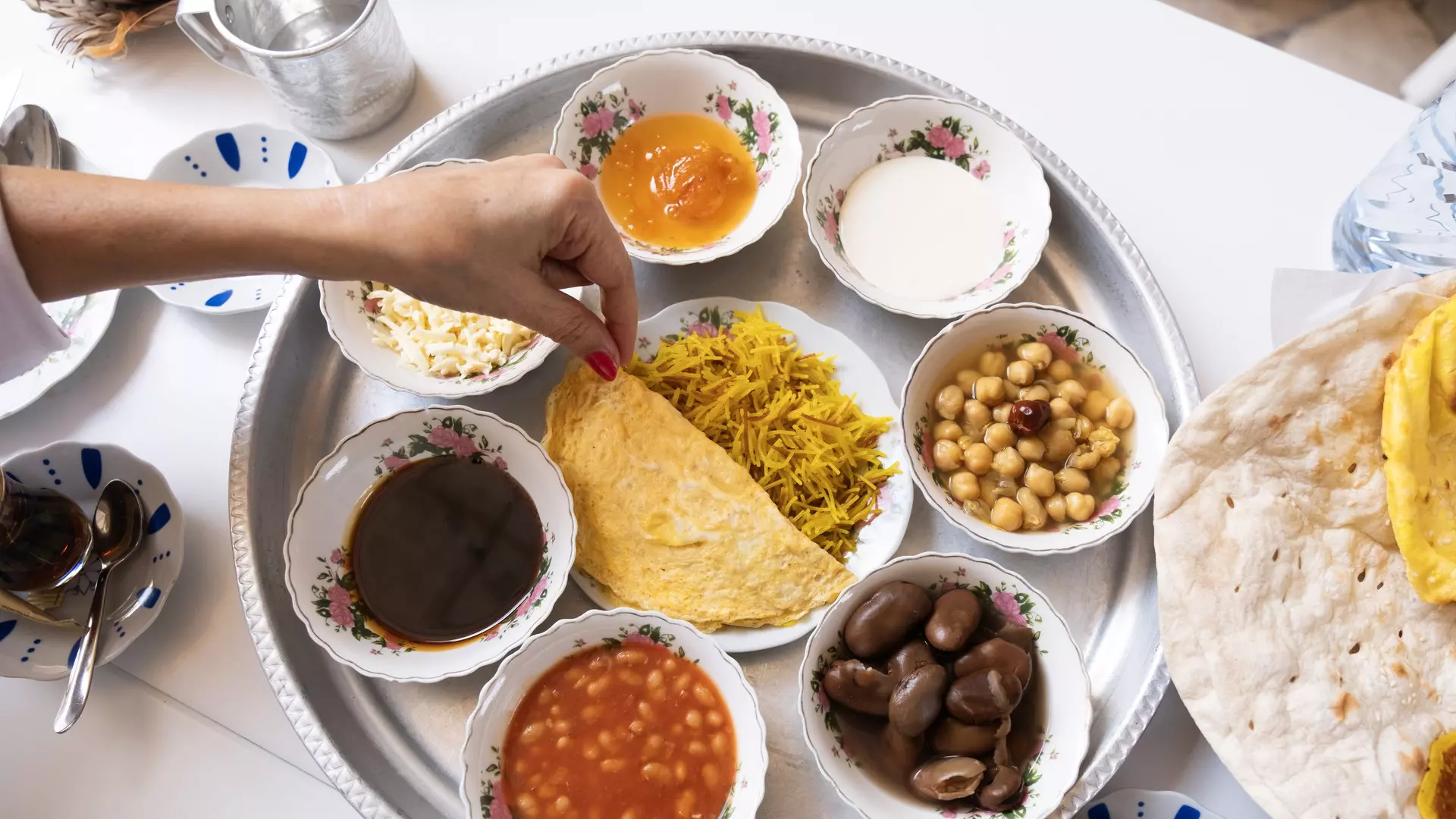
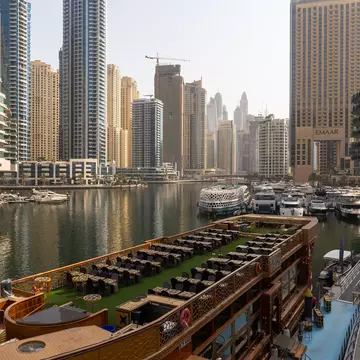
The majestic minarets and vibrant souks of Old Dubai, the ancient pearl-diving and trading hub that sprawled around Dubai Creek before the oil boom, are a striking contrast to the city’s shimmering skyscrapers. Culinary influences from Iran, the Indian subcontinent and as far as East Africa shape Emirati cuisine and Dubai’s food culture. A walking food tour of Old Dubai reveals the diverse cuisines that define the city today.
Begin in the Al Fahidi Historic District along Dubai Creek, where restored 19th-century houses have been transformed into restaurants, museums and boutique hotels. At Arabian Tea House, family recipes inspire hearty Emirati dishes like balaleet (omelet-topped vermicelli), machboos (spiced rice with meat or fish) and saloona (vegetable and meat stew). Nearby, the Bayt Al Khanyar Museum showcases rare Emirati daggers and historical photographs.
Plan like a pro

Lonely Planet's local travel experts reveal all you need to know to plan the trip of a lifetime to Dubai & Abu Dhabi.Discover Dubai & Abu Dhabi's most popular experiences and best kept secrets - neighbourhood by neighbourhood - from sightseeing on...
Visit the Sheikh Mohammed Centre for Cultural Understanding for insights into traditions like gahwa (coffee) and Arabic calligraphy. Explore Dubai’s culinary subcultures through curated food walks with Frying Pan Adventures.
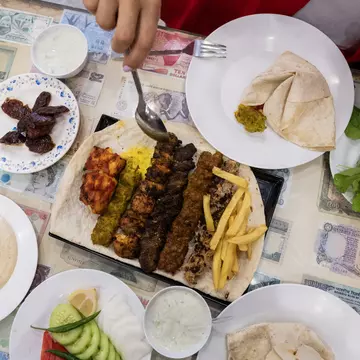
Walk to Bur Dubai Souq to browse pashmina shawls, colorful pottery and rugs. From Bur Dubai Abra Station, take an abra (water taxi) across Dubai Creek to Deira Old Souq Abra Station. Grab an Iranian faloodeh (frozen vermicelli dessert) at Jafer Biman Ali Cafeteria, a classic example of Dubai’s beloved cafeterias. Continue through the Spice Souq, where spices and frankincense fill the air, and the glittering Gold Souq. Head to Shiraz Nights for a shawarma sandwich – the city’s favorite street food. Return to Al Fahidi and finish your culinary journey at Al Ustad Special Kebab, a no-frills family-run institution serving juicy kebabs and butter-drenched rice since 1978.
Watch the yellow-beaked seagulls spread their slender wings over abras crossing Dubai Creek. Passengers put away their phones to appreciate the views of colorful wooden dhows (traditional Arabian cargo ships), minarets, heritage architecture, bustling souqs and the city’s first skyscrapers. At this seawater inlet between Bur Dubai and Deira, time seems to stand still in a city that changes frequently.
– Natasha Amar
Victor Moriyama/Redux
Best for big cats and big adventure
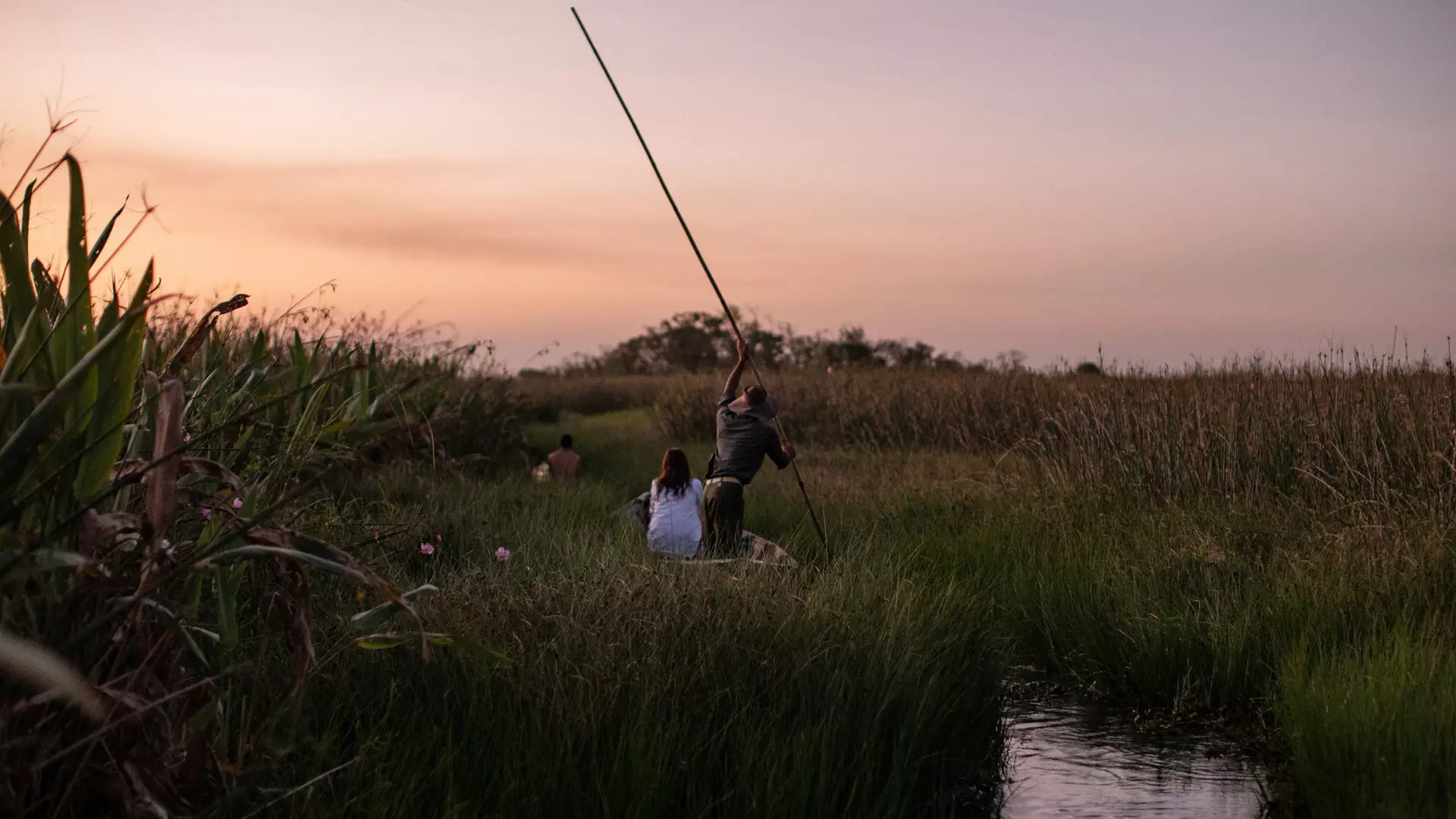
The meandering waterways of the Iberá Wetlands in northern Argentina seem barely contained by the flat landscape. Tall red pampas deer graze in the grasslands. Caimans glide noiselessly through the streams, bogs and marshes – watched closely by large groups of capybaras. And increasingly, jaguars survey their domain.
Conservationists from Rewilding Argentina, an offshoot of Tompkins Conservation, estimated that as of 2024, its jaguar reintroduction program had repopulated 25 jaguars back into the Iberá Wetlands, after a 70-year absence from this landscape. As that wild population grows, sightings of jaguars in Iberá become more and more likely with each passing year. This is tantalizing news for adventurous nature lovers tempted to try their luck in the remote, vast and little-visited Iberá Provincial Reserve.
Plan like a pro

Lonely Planet's local travel experts reveal all you need to know to plan the trip of a lifetime to Argentina.Discover popular and off the beaten track experiences from marvelling at Iguazú Falls jaw-dropping waterfalls with rainbows, to watching w...
Wildlife sightings are never guaranteed, but keep binoculars and cameras at the ready during explorations of the area in motorboats, on horseback and in horse-drawn canoes. Local guides, adept at scanning the tall grass, dense undergrowth and still waters for signs of the area’s apex predator, increase the chance of spotting a jaguar – if only for a thrilling, fleeting moment.
Feel the thrill of sharing an environment with wild jaguars and the satisfaction of knowing that these top predators are returning to their rightful place in the landscape. And even if you don’t see a jaguar in Iberá, odds are now pretty good that one will see you.
– Karen Catchpole
Jonatas Neiva/Shutterstock
Best for sweeping views, staggering heights and would-be cowboys
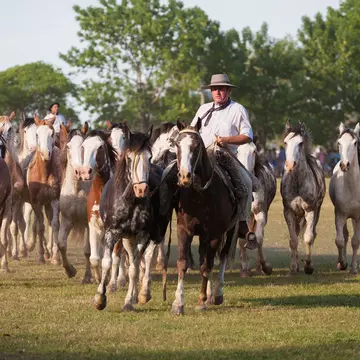
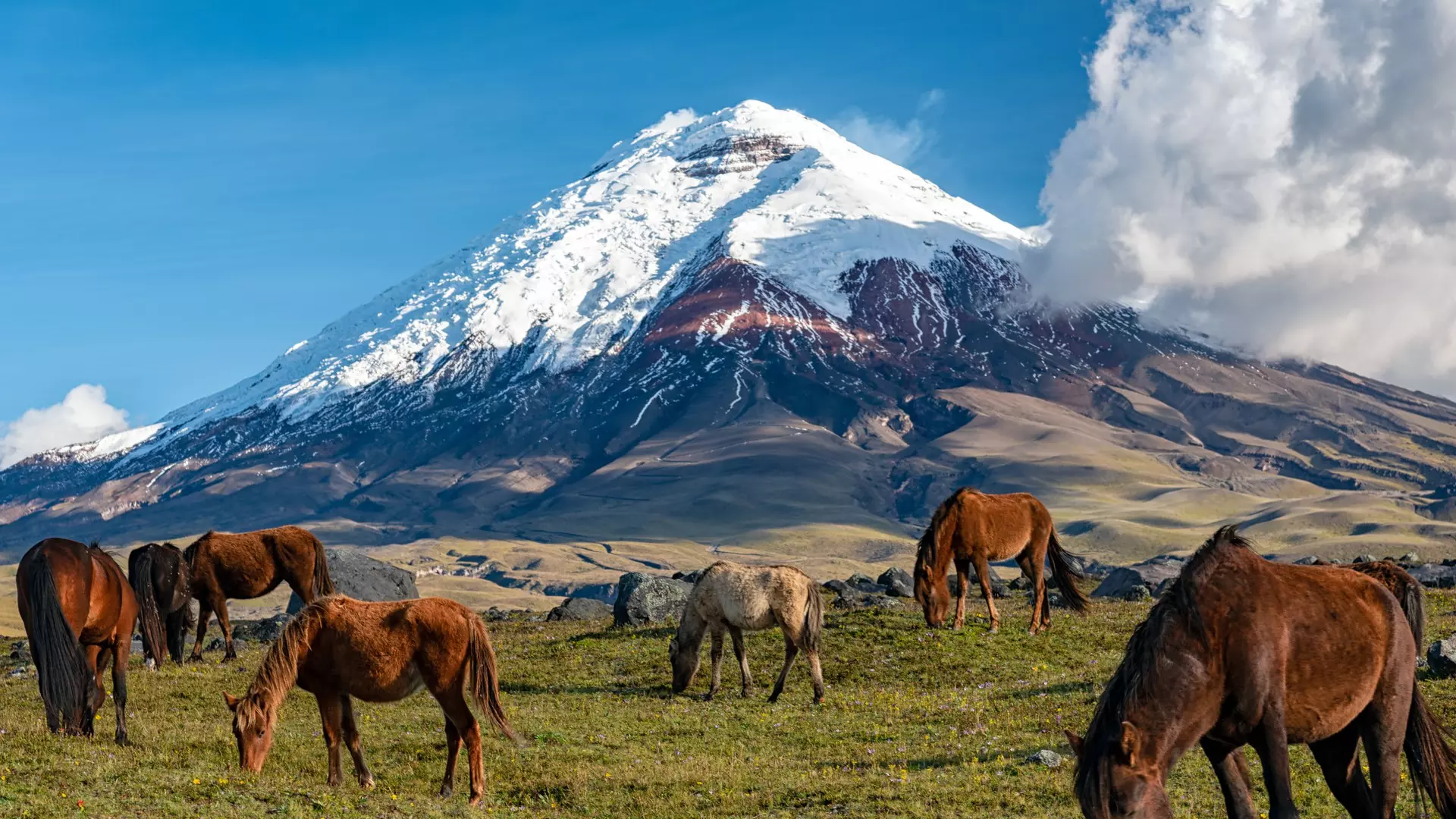
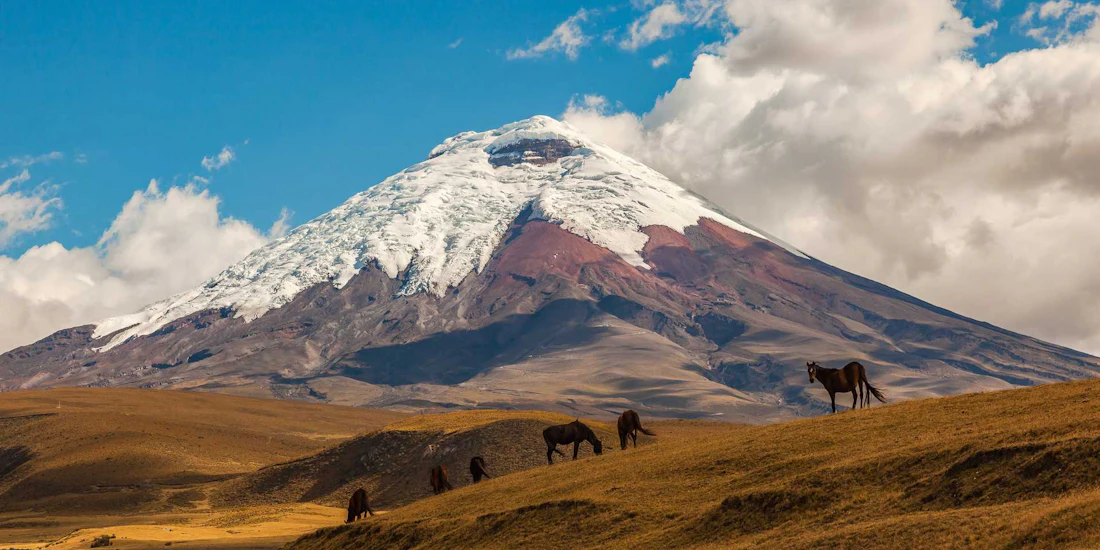
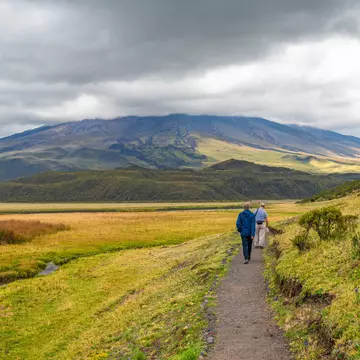
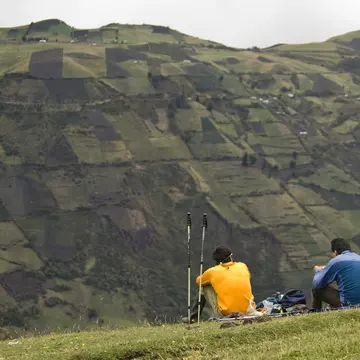
High in the Andes mountains, at 2600m (11,800ft), los chagras (Andean cowboys) have been roaming the region’s majestic terrain for centuries. Known as the Spirits of the Highlands, los chagras are skilled on horses, dedicated to their animals and to preserving the land. Ride among them, following their lead and charging (OK, ambling) across the Andean highlands with the awe-inspiring Volcán Cotopaxi (Cotopaxi Volcano) as a backdrop.
At century-old Hacienda el Provenir, a working ranch and hotel, guests dress in traditional chagra garments: vertically striped wool ponchos, chaps and brimmed hats (though inexperienced riders should strap on a helmet too). The circular route is gentle, and the ride is deliberately slow, but you’ll want to hold the reins tightly to control the horse – they find stopping to eat grass quite tempting. You won’t be galloping on this two-hour excursion; instead, the horses and their riders stroll en masse.
TAKE A TRIP
10 days / 9 nights
After you reach the viewpoint for Cotopaxi, hop off your mount and sip a cup of steaming mint-flavored muña tea, a regional herb that combats altitude sickness. From this lookout, you will see the perfectly symmetrical Cotopaxi in the distance, towering high above you despite the steady climb, while Andean condors soar in the sky.
Spending time in such a beautiful location, surrounded by volcanoes and wildlife, is a privilege. And participating in a centuries-old tradition that can only take place in this extraordinary locale is nothing short of an honor. This is an experience to be relished and remembered: immersing yourself in an ancient culture in an authentic, tactile way.
– Chamidae Ford
James Zandecki / Shutterstock
Best for farm-fresh produce and quaint country inns
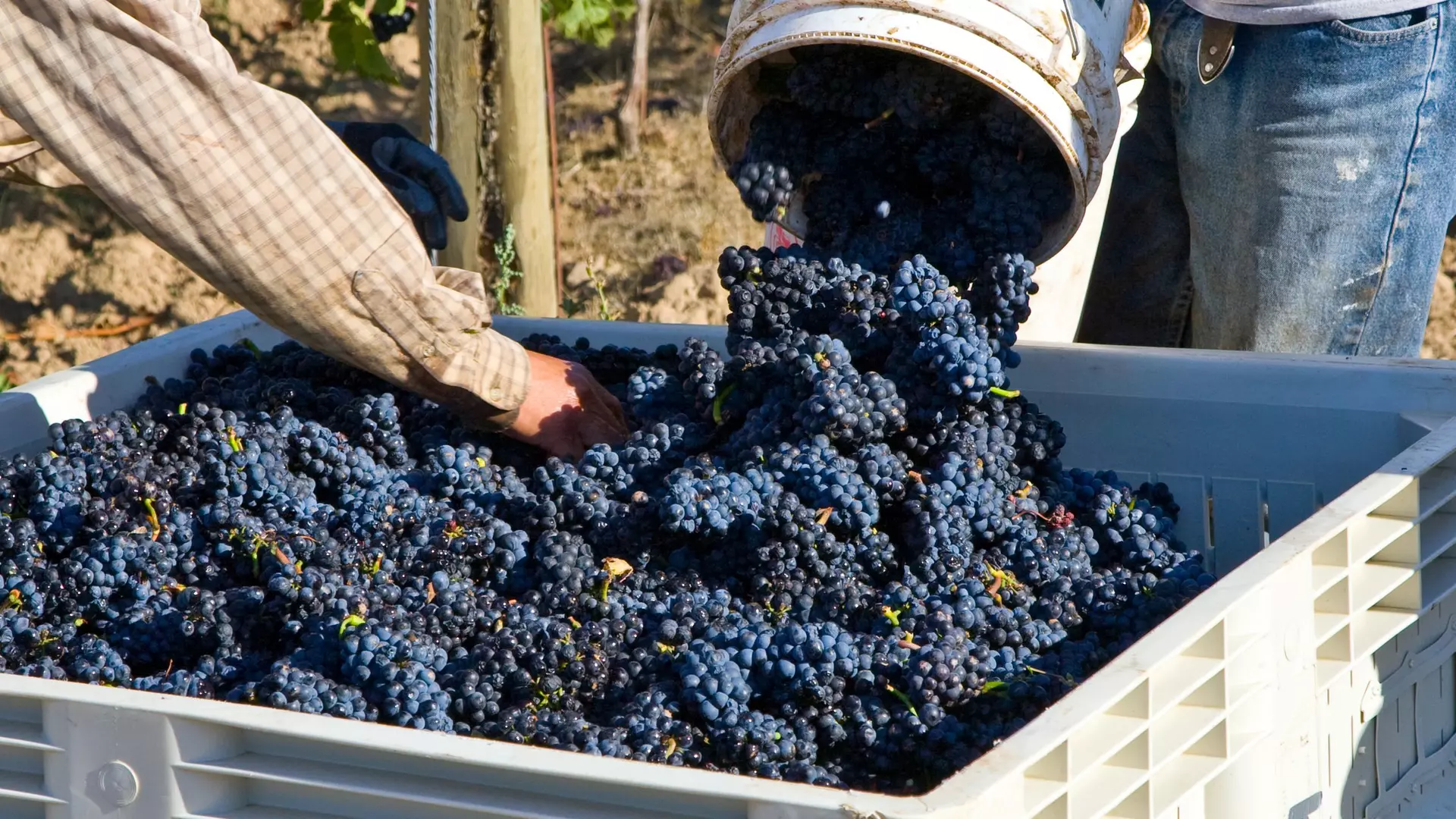
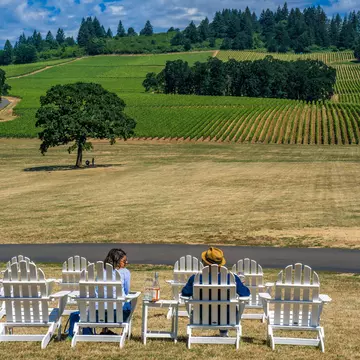
The world has many gorgeous wine terroirs: Napa, Mendoza, Douro, Tuscany, Bordeaux. If you’re in search of something more unsung, with fewer tourists and more accessible vintners, make your next wine country experience the Willamette Valley in Oregon, easily accessed from either Portland or Salem.
There are ample ways to find your bliss in this part of the USA, from an afternoon tasting to a long (extra long) weekend of tastings. Why the Willamette? Because its roadside inns, restaurants and towns are lovely with not the tiniest bit of pretension. Wine tasting in the Willamette is the embodiment of simplicity, like pulling a pear from a tree and taking a bite. It’s familial and timeless. If you happen to feel like you’re driving a Citroen through Burgundy in 1976, so much the better. The only question you might ask: Why haven’t I done this sooner?
Plan like a pro

Lonely Planet's local travel experts reveal all you need to know to plan an unforgettable trip to Portland & the Willamette Valley. Visit wineries, explore gardens, roam vibrant art districts, with the latest edition of our Pocket travel guide and...
Make this perfect trip even more so and split your time between the Allison Inn and Spa in Newberg and Inn the Ground near Carlton. Multiple visits to McMinneville guarantee you’ll drink and eat well at a panoply of excellent tasting rooms and restaurants. Make sure that Hayward and The Diner are on your hit list.
Book a tasting at Eyrie Vineyards in McMinnville, where Oregon’s pinot noir production began. This is the best place to learn about the vintner’s 60-year history and perhaps taste or buy an early vintage. After your tastings are done for the day, make your way to Grounded Table for an unfussy farm-to-table dinner.
– Brekke Fletcher
Chambers Media Solutions
Best for revelers and music lovers
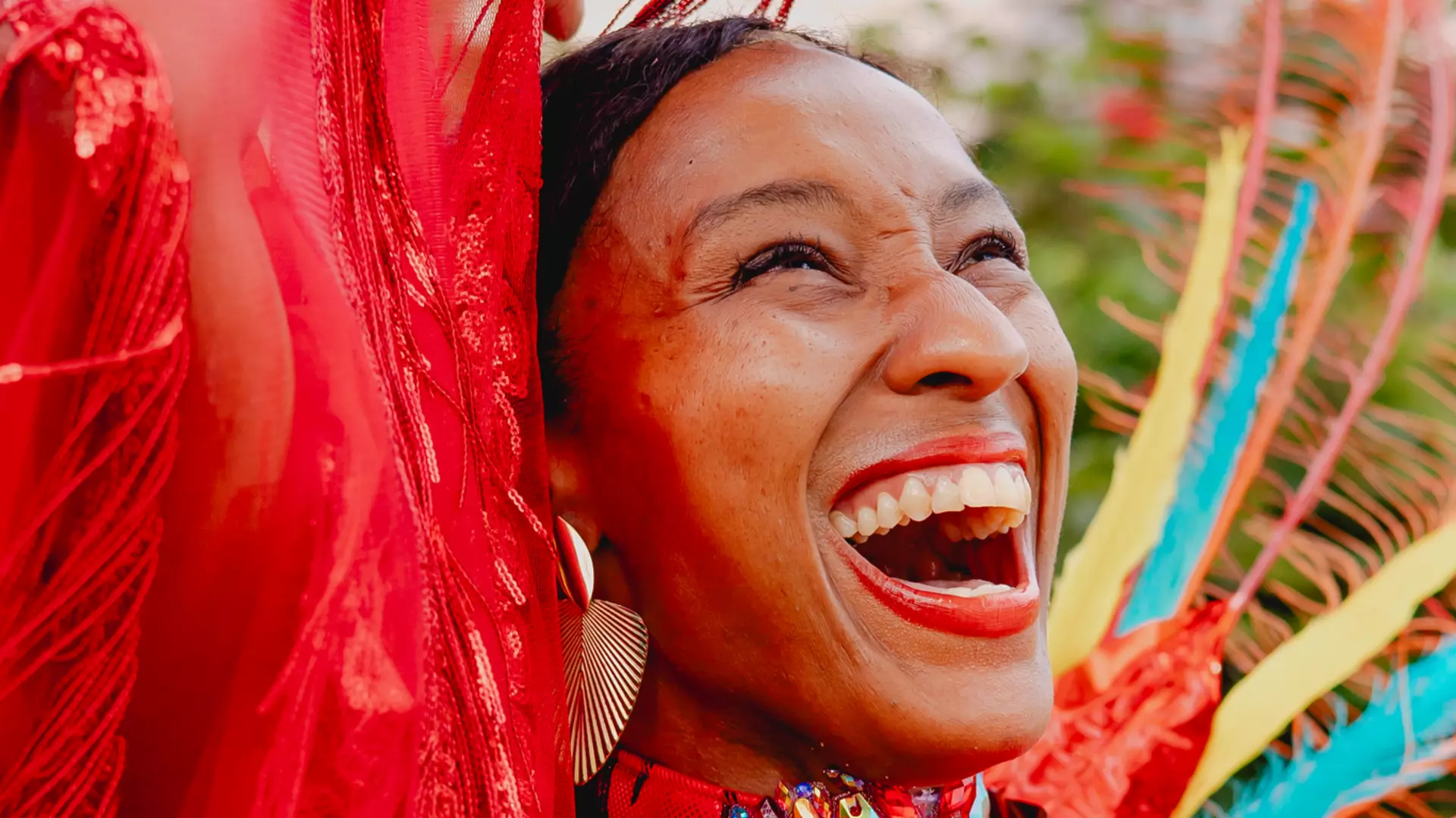
The energy in Grenada never stops; it just moves from season to season. There’s Lush, an all-white New Year’s Eve party; the Colours Fete, an Independence Day celebration in February; and of course, Spicemas, which kicks off in April, with the biggest events in August. The rhythmic melodies of soca and, during Spicemas, the heavy thumping of drums for Jab Jab (oil-covered figures with horns and chains) draw people from all over the world to join in on the fun.
Outside of popular themed parties thrown by promoters throughout the year, there’s always something going on over the weekend. Places like Lavo Lanes, Junction and West Indies Beer Company (known locally as the Brewery) are favored by Grenadians and visitors alike. The vibe at these establishments is more laid-back and usually less expensive than the themed parties. There’s less focus on dress code, and the music touches on everything from dancehall to hip-hop. Heck, the Brewery even hosts line dancing.
Plan like a pro
Lonely Planet’s Caribbean Islands is our most comprehensive guide that extensively covers all the country has to offer, with recommendations for both popular and lesser-known experiences. Set sail from Tortola, snorkel in Aruba's clear waters, and...
But the biggest party of the year is Spicemas, an annual Carnival that culminates with a massive costumed celebration through the streets of Grenada. It’s pageantry, it’s Grenadian culture, it’s just one big fete – and everyone is welcome!
The only thing better than covering yourself in oil and paint is covering others in oil and paint. The messiness of J’ouvert gets everyone out of bed for this sunrise celebration. Consider purposefully wearing white just to prove how much mess is possible. Turns out, quite a bit!
– Alicia Johnson

Daniel James Clarke
Best for isolated, untamed landscape
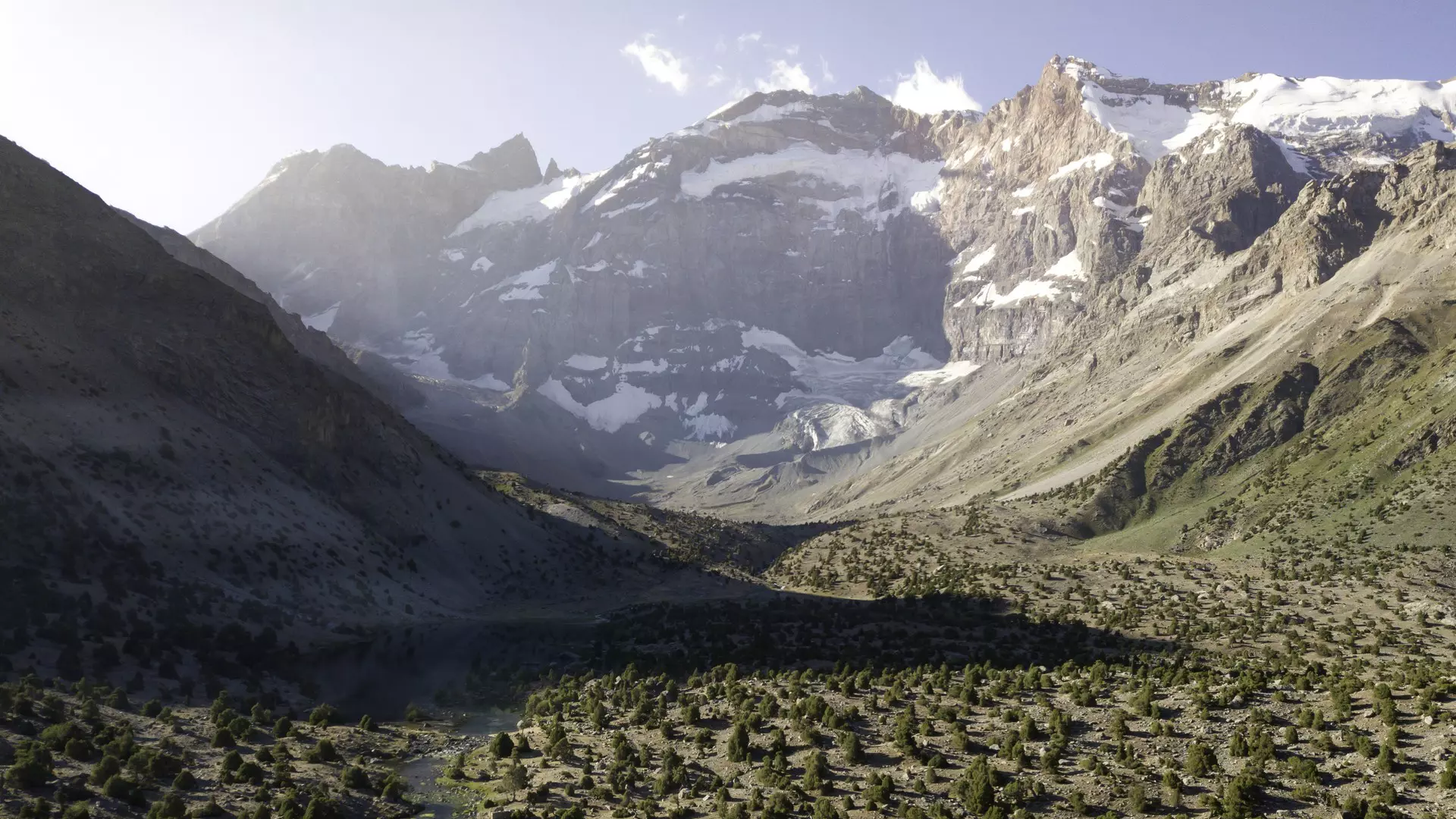
With a topography that’s 93% mountainous, Tajikistan should be synonymous with hiking. But perplexingly, this Central Asian nation’s affordable, unsupported treks remain largely overlooked. Heed the invitation and the Fan Mountains will roll out one of the world’s finest wild camping carpets, furnishing life-affirming cinematic lakes and peaks that sparkle seconds from your sleeping bag.
Start leisurely at the Shing Valley’s Seven Lakes, a string of pristine pools and stone-built hamlets traversable by foot or car. Then tackle the demanding multiday loop trail. Outlandish saw-toothed scenes unfurl as you schlep saddles, stories of the Silk Road and Sogdiana’s ancient Iranian civilization whisper on the eagle-swooped breeze, and pure glacial lakes mirror snow-pinnacled massifs. It’s phenomenal.
Plan like a pro

Lonely Planet's local travel experts reveal all you need to know to plan a multi-week adventure to Central Asia. Explore bustling bazaars, hike past snowcapped mountains, watch a rocket blast into space, with our classic travel guide that's packed...
Unzipping your tent to frame the Alovaddin Lakes, scintillating in cyan to psychedelic green, or the fertile Kulikalon basin elicits bona fide backpacking bliss. You’ll feel humbled, ecstatic, serene and vivaciously alive – even after lugging your load up strenuous gravel saddles.
En route, society is scarce. Still, invites to experience Tajikistan’s endless hospitality aren’t unlikely. Be it a shepherd sharing fire-cooked oshi palav (pilaf) and a swig of vodka under the Milky Way or an unprompted offer of donkey support to ascend a pass, such encounters are as seismic as the scenery.
Tajik hospitality is endless. Even out here, you’ll likely stumble into a spontaneous invite. Helping a fisher reel in their lake catch might end up with a camp stove feast as a reward. The kindhearted, impromptu encounters are as unforgettable as what prompted them.
– Daniel James Clarke
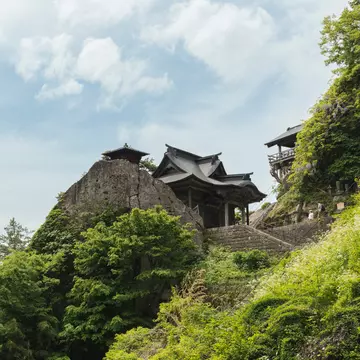
Best for a mindful getaway
Don’t come to a ryokan if you’re looking for a large-screen television, a business center to take conference calls or an espresso bar to fuel your packed itinerary. Instead, expect tatami mats, shoes off, elaborate set meals, common bathing facilities and futon bedding.
The pace is downright languid in these traditional Japanese inns: a kimono clad-attendant glides down a hallway before disappearing behind a sliding paper door; a murmur of conversation comes from a dining room; a susurrus of bamboo and maple leaves whispers in from the garden.
TAKE A TRIP

The ideal form is the onsen ryokan, an inn that includes natural hot spring baths, often open air, like the multiple baths at Ginzanso in Yamagata Prefecture. To slip into a hot spring is to commune with the earth’s molten core – heated by magma, elementally nourished.
The standard stay comes with two gourmet meals, highly seasonal and elaborately presented. Menus are preset, but many inns can accommodate dietary needs with advance notice. A sample sumptuous vegetarian spread from Tamagoyu in Fukushima Prefecture includes tempura, sweet potato dumplings, grilled and marinated eggplant, gingko nuts and sakura mochi (rice cake confections).
Each season has its own recommendations. In winter, snowflakes dissolve as they meet the steam, creating a particularly atmospheric scene. In spring, tender local vegetables star in the cuisine. Summer retreats offer a respite from urban heat, and the blazing colors of autumn foliage make the perfect backdrop for a relaxing idyll.
Dressed only in a thin robe and wooden sandals, pick your way around the milky blue hot spring pools of Tamagoyu. The December air will nip at your skin, raising goose bumps as a creeping sulfurous mist gives the scene a mysterious tinge. Strip off your yukata (light cotton kimono) and step into a gloriously toasty pool, the steam catching in the branches of the vermillion maples in attendance.
– Selena Hoy

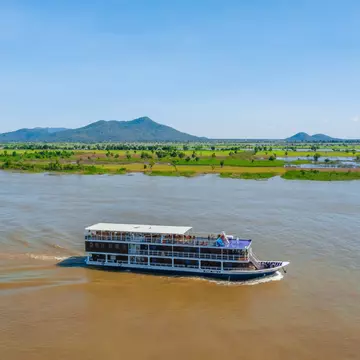
Best for a no-hassle adventure
Crisscrossed by thousands of kilometers of waterways from the various tributaries of the Mekong River, the vast Mekong Delta in southern Vietnam is known as the country’s Rice Bowl for its bounty of rice and fruit. Life here is lived mainly on or by the water, making river cruising the ideal way to experience the Mekong Delta between Vietnam and Cambodia.
Cruising encourages traveling low and slow, allowing you to soak in the feast of sights and sounds. On excursions along the shore, canoes glide on a carpet of aquatic plants, while cycling trips lead to craft villages and colorful temples. Time spent on board is no less enjoyable, watching the ever-changing scenery go by, curled up with a book or a cocktail in the soft pink glow of sunset.
TAKE A TRIP

River cruise guests see the very best of the delta in perfectly measured doses. Active excursions break up slothful days. Noisy traffic is replaced by the countryside’s quiet. Scenery that can quickly become monotonous during long hours on a bus is nothing short of magical from the seat of a bicycle or a canoe. Welcome to the very best version of the Mekong Delta.
Some of the best experiences come from visiting places with few tourists, like Kampong Tralach. Sitting in its more than 300-year-old pagoda surrounded by gorgeous murals as a Khmer monk speaks about his life is one of those ‘I can’t believe I’m here’ moments.
– James Pham
Ben Savage/Visit Victoria
Best for open-air relaxation
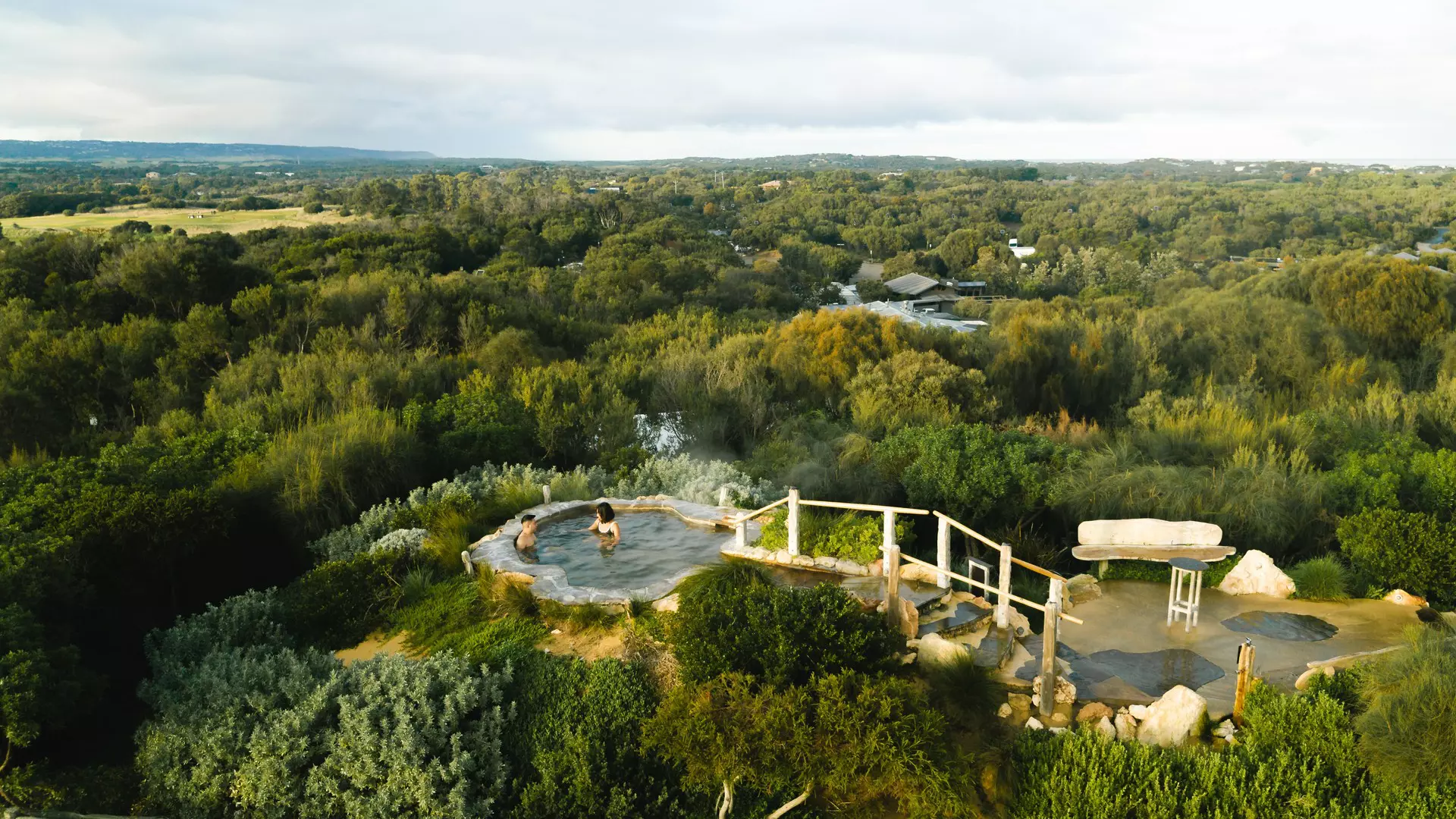
Famous for its sandy beaches, Victoria in southern Australia is in the midst of a bathing revolution. The new 885km (550-mile) Great Bathing Trail links historic and newly built springs and beach baths for a rejuvenating road trip across the state. Luxuriating in steaming stone pools while overlooking verdant farmlands is the name of the game, but along the way stop to hike coastal trails, join yoga classes, learn about First Nations culture and graze on regional produce at farm gates.
The trail is open year-round, but the best time to visit is from March to November, when the weather cools. After picking up your rental car, it’s merely a matter of pointing your wheels west, north or east.
Plan like a pro

Lonely Planet's Best Road Trips Australia reveals 38 incredible escapes - with maps - so you can experience the freedom of the open road.Get ready for a road trip like no other and discover unforgettable drives across Australia that range from 2-d...
Head west to Geelong – with its family-friendly sea baths and Great Ocean Road, which culminates in the Twelve Apostles – and soak in the Deep Blue Hot Springs in Warnambool. Alternatively, head north to Daylesford, an alpine town renowned for its botanic gardens, acclaimed restaurants and historic Hepburn Bathhouse.
Along the Mornington Peninsula, Peninsula Hot Springs and Alba Thermal Springs & Spa present contrasting bathing experiences, while further east at Gippsland’s Metung Hot Springs you can indulge in a massage inspired by Indigenous larn’wa healing techniques.
As twilight descends on the hilltop pool at Peninsula Hot Springs, the growing darkness heightens the senses. The air is alive with chittering insects and birds nestling down to sleep. Slide deeper into the water and it rises to meet your chin. A slow exhale joins the evening chorus.
– Justin Meneguzzi
Henner Damke/Shutterstock
Best for ethical wildlife watching
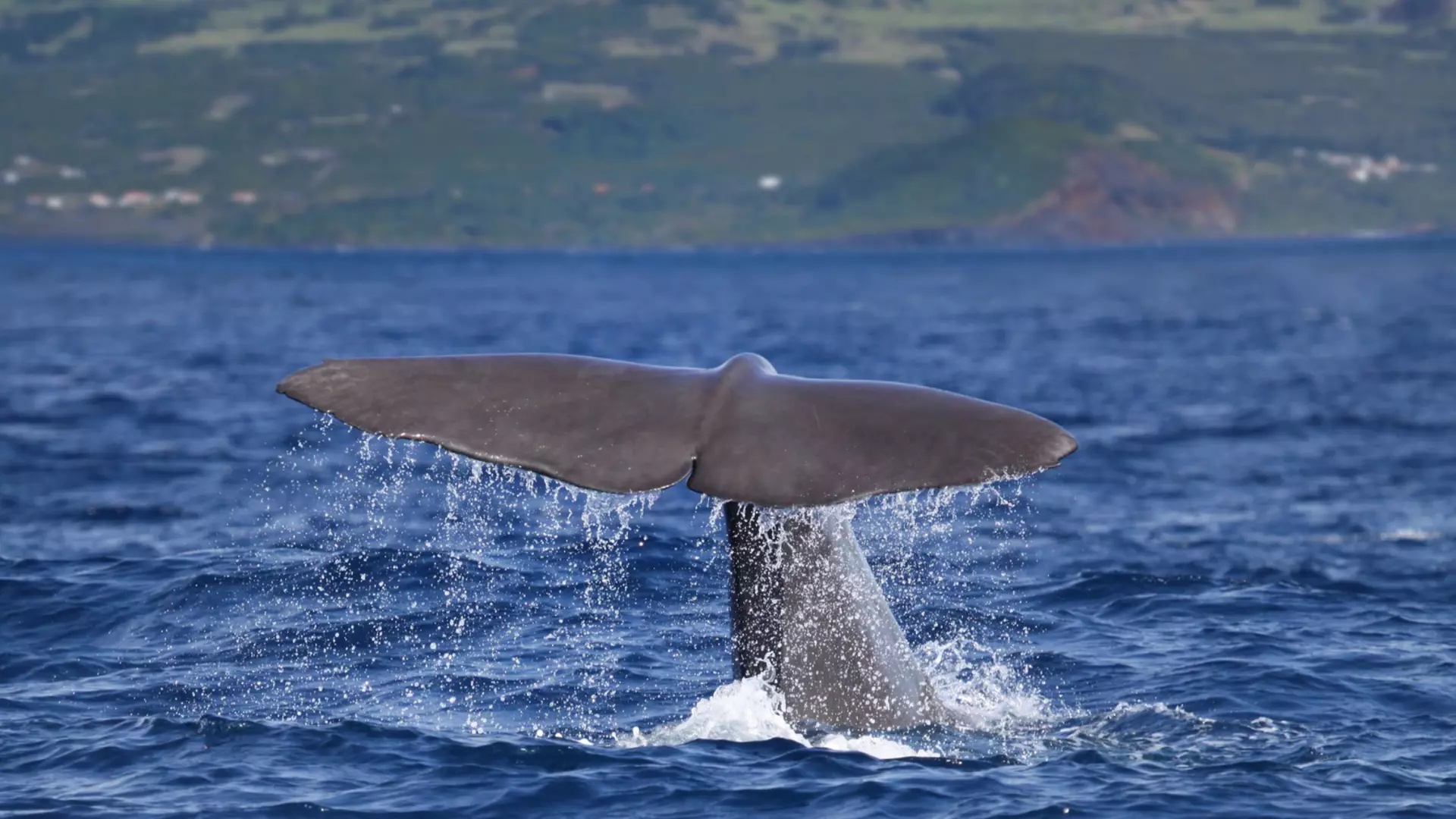
The nine islands scattered in the middle of the vast emptiness of the North Atlantic Ocean that constitute the Azores have never been more popular. And almost every single visitor is going whale watching.
The islands are one of the best places in the world to see whales and dolphins; sightings are almost guaranteed. Tour boats embark from most of the islands, but Ponta Delgada in São Miguel is the most popular departure port.
The best time to go is between April and early July, since the whales are on their annual migration and more species are in the surrounding water, including the elusive orcas. But the ocean surrounding the Azores is teeming with life year-round and, yes, that includes those friendly dolphins and pilot whales. The only thing that may stop you is the also year-round unpredictability of the weather.
TAKE A TRIP

Trips last more than three hours, so operators can follow tips about where the wildlife have recently been sighted. No doubt you’ll wobble off the boat at the end with a full camera roll, a great story and hair full of windblown knots.
If you perch at the front of the boat, you’ll likely see dolphins chasing one another and racing the boat in front of you. You’ll be so close that the sunlight will reflect in turns off the rippling water and the dolphins’ slick skin while they dive in and out of the waves. It may be the closest you’ll ever get to wild dolphins; don’t be surprised if it’s emotional.
– Annemarie McCarthy
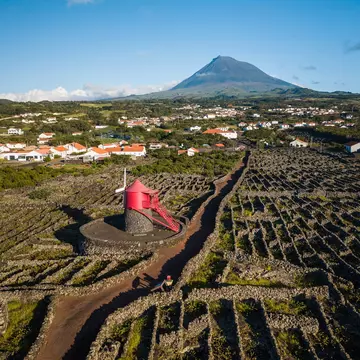
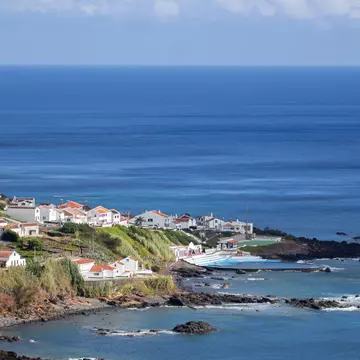
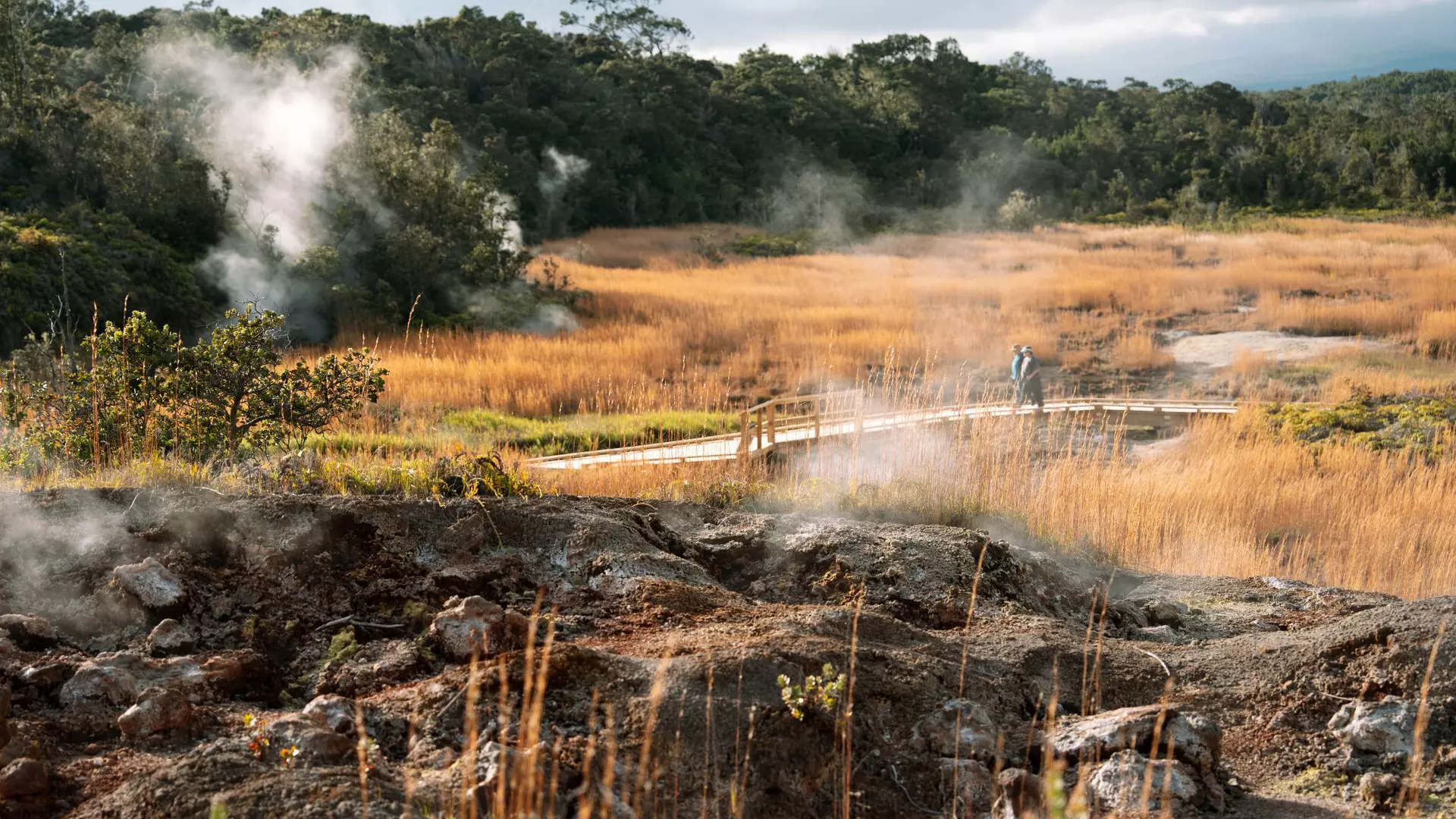
Michelle Mishina Kunz for Lonely Planet
Best for lovers of lava and the outdoors
Hoping for the breathtaking sight of a volcanic eruption, people line up to visit the Kīlauea volcano at Hawai‘i Volcanoes National Park, a UNESCO Heritage Site and International Biosphere Reserve. Kīlauea is the world’s most active volcano. Its monthslong 2018 eruption forever altered the island (and destroyed nearby residential areas).
One of the most immersive ways to experience the power and beauty of Kīlauea is a stay at the affordable Volcano House (rates start at $100 per night). The original one-room structure, built in 1846 (and visited by Mark Twain in 1866), has been rebuilt multiple times. Now a 33-room lodge, the rustic and modest property has a decidedly 1960s Hawai‘i feel in a setting that is nothing short of mind-blowing.
Plan like a pro

Lonely Planet's local travel experts reveal all you need to know to plan the trip of a lifetime to Hawai'i the Big Island.Discover popular and off the beaten track experiences from visiting the 44ft 'Akaka Falls surrounded by lush rainforests to s...
Request a crater-view room to (potentially) witness spurts of lava outside your window. Alternatively, Volcano House manages 10 camper cabins and campsites, should that be more your speed. You can also stop by for a sunset meal at its restaurant, The Rim, or a drink at Uncle George’s Lounge. Awakening within this hallowed area inspires an indelible feeling – one that can only be experienced in this precious place.
If you stay here during an eruption, you’ll witness the greatest show on earth: the massive steaming crater within a crater, Halemaʻumaʻu, spewing lava as it has for much of the past quarter century. How active the volcano will be when you visit is subject to the whims of the Hawaiian deity Pele, goddess of fire and volcanoes. So ask her for admittance to increase your chances.
– Brekke Fletcher
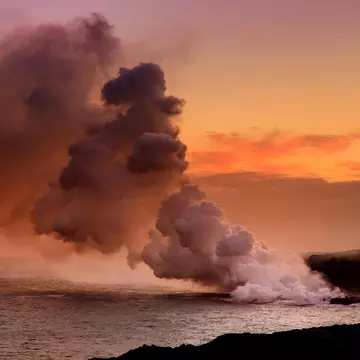
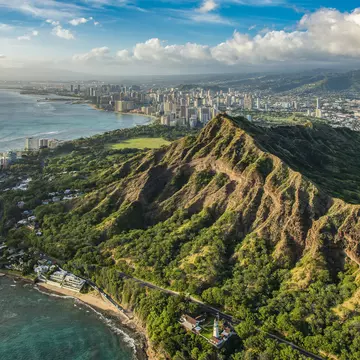

KC Grad
Best for hidden clubs and underground beats
Few cities can rival Belgrade’s raw energy after dark. Its ability to transform industrial spaces into vibrant cultural hubs make a night out in Serbia’s capital unforgettable.
Start off your evening along its lively Danube and Sava riverbanks, where industrial neighborhoods like Savamala come alive at night – warehouse venues like KC Grad buzz with more than 200 music events annually. For large-scale beats, part of the city’s cargo and passenger port has transformed into a thumping venue; Hangar Luka Beograd hosts massive electronic events like the Illusion Festivals in March. During the summer, the river’s splavoi (floating nightclubs) fizz with energy, with the likes of Leto running pop, funk and R&B nights and Lasta hosting a weekly Sunday matinee to keep the party going.
Plan like a pro

Lonely Planet's local travel experts reveal all you need to know to plan a multi-week adventure to the Western Balkans. Hike craggy mountains, roam historic marble streets, wild swim in crystal-clear lakes, with our classic travel guide that's pac...
Away from these shores, the night continues. For something traditional, hit the pretty bohemian quarter of Skadarlija to see Belgrade’s kafanae. These traditional Serbian taverns fuse food, drink and live music perfectly. Around the corner in Cetinjska, graffiti-covered venues like Berlin Monroe and Sprat Bar keep the underground scene pulsing in what was once a derelict brewery.
For craft beer, head to the hip Dorćol neighborhood to try Gunners Pub or Krafter. Craving techno? Cult club and former slaughterhouse Drugstore rolls beats until dawn, proving why Belgrade is Europe’s after-dark capital: raw, authentic and impossible to resist.
At 3am on a cold morning, rain comes down hard outside Karmakoma Club on the edge of town, but none of the club goers care. They’re not leaving. Acid trance pumps out from the DJ’s box as the intimate crowd dances amid swirls of cigarette smoke. The party is nowhere near over. This is pure hedonistic pleasure at its best.
– Robyn Wilson
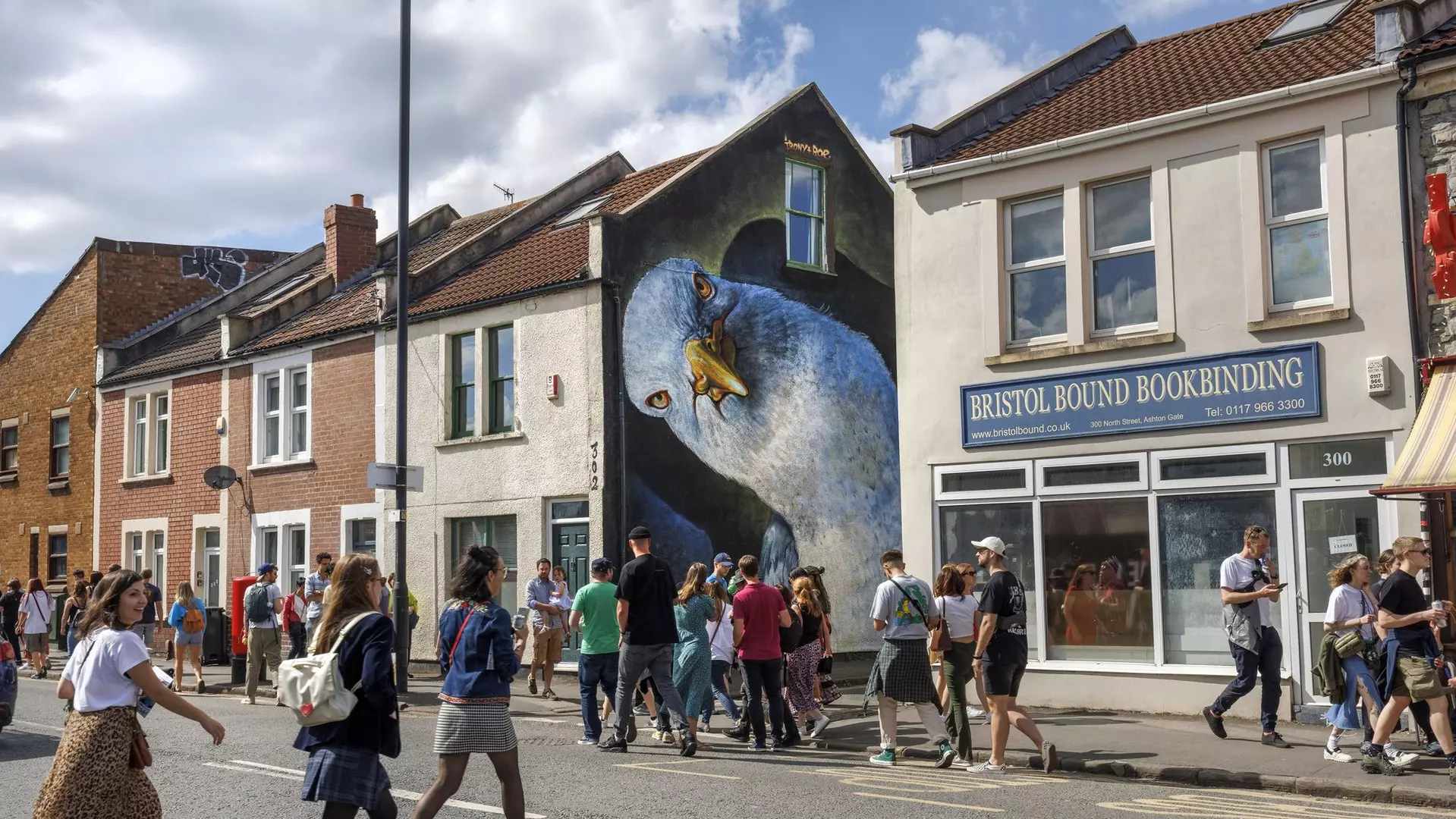
Paul BOX/REPORT DIGITAL-REA/Redux
Best for art lovers and neighborhood wanderers
Bristol’s penchant for color is clear on arrival, with the rainbow row of houses on Richmond St visible from the Temple Meads station platform. But Bristol’s allure is far more intricate than those hilltop Monopoly homes.
Often thought-provoking and political, street art has been part of Bristol’s identity since the early 1980s, with American hip-hop and graffiti culture influencing a host of aspiring artists and, eventually, the iconic and elusive Banksy. Head to the subversive Stokes Croft neighborhood for a glimpse at Banksy’s earliest work, including The Mild Mild West on the Jamaica St junction and Rose on a Mousetrap on Thomas St (prepare your legs for a steep walk first). In the city center, Nelson St provides a towering canvas for several artists, with some fascinating neck-craning murals giving character to brutalist buildings that have no business being so interesting.
TAKE A TRIP

12 days / 11 nights
Upfest attracts artists from all over the world, with North St in Bedminster at the hub for live painting and tours. Seek out the poignant stenciled piece Stop Bullying by French artist Goin on the corner of the Spotted Cow pub to feel Upfest’s global draw. Upfest Presents returns in February 2026, but Bristol’s street art is an ever-evolving beast that inspires any time of year.
Some murals are harder to find than others, and finally discovering Banksy’s Girl with the Pierced Eardrum is a satisfying delight. Hiding at the end of a small dockyard alley on Spike Island, it’s a playful take on Johannes Vermeer’s 1665 painting Girl with a Pearl Earring. Enjoy the hunt!
– James March
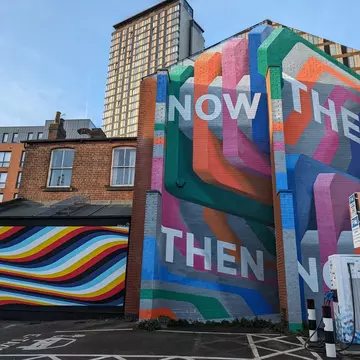
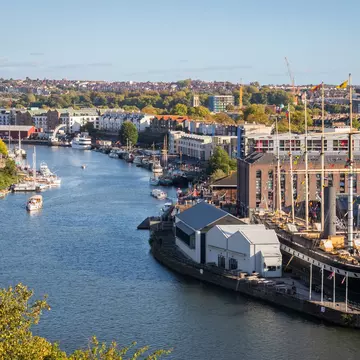

Hans Wagemaker/Alamy
Best for bespoke astronomy experiences
Becoming the world’s first Dark Sky Nation is an audacious goal. In fact, it’s a certification that doesn’t exist yet. But if it did, New Zealand would be first in line. Already, Aotearoa (the country’s Māori language name) boasts eight certified Dark Sky Places.
Nowhere do the stars shine quite as brightly as they do in the Wairarapa, the country’s most accessible Dark Sky Reserve. Situated just over an hour east of Wellington, the 3665 sq km (1415 sq mile) reserve is easily explored by foot, bike or car – but you don’t even have to leave your accommodations. Instead, stay at a countryside short-term rental or lodge and an experienced astronomer from Under the Stars will bring a telescope right to you.
If you’d prefer to stay in town, book a tour at Star Safari’s observatory and visit Stonehenge Aotearoa, a stone circle constructed for the southern hemisphere’s celestial patterns. Time your visit for mid-June, when Matariki (a cluster of stars also known as the Pleiades) rises over the horizon, marking the Māori new year, or for Carterton Space Week in October.
TAKE A TRIP

During the day, explore the Wairarapa’s historic villages, including Greytown, with its carefully preserved Victorian-era main street, or Martinborough, home to more than 20 vineyards. Then add in an outdoor adventure for good measure and hike through the limestone chasm at Patuna Farm or visit the seal colony at Cape Palliser. Don’t forget to nap, though. You’ll need to stay awake when the skies come alive.
For every world-class attraction in New Zealand, there’s one that reflects the quirkiness and curiosity of Kiwis. Case in point: Stonehenge Aotearoa. Gazing up at the night sky, it’s hard not to feel in awe of both the universe and the ingenuity of the people who built the strange structure.
– Jessica Lockhart
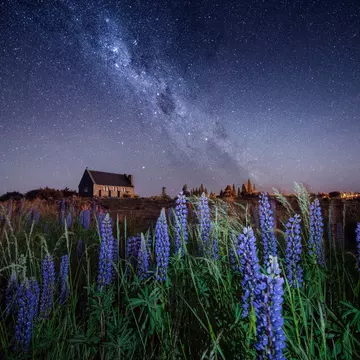
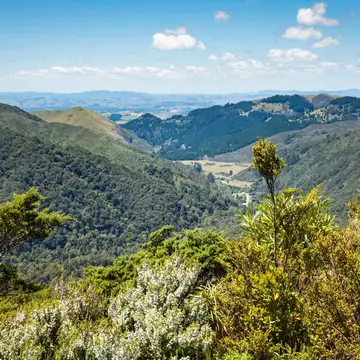
Best for gastronomic adventurers
The bewitching South Indian state of Kerala might be famed for languid backwaters rippling beneath electric green palms but it is now quietly putting itself on the map as one of the country’s most thrilling culinary destinations. Mention the region’s coconut-fueled food scene to any Keralite and they’ll probably gush about wafer-thin masala dosa (curried vegetables inside a lentil crepe) served with kaapi (South Indian filter coffee) or pollichathu (fish marinated in spices and grilled inside banana leaves).
A food-focused journey through this unhurried southwest pocket of India not only reveals the sizzling secrets and traditional roots of its kitchens but also spotlights an intriguing history in which locally grown spices – pepper, cardamom, turmeric – have always played a key role. Even within Kerala, cuisine varies enormously, from the rich Mappila cooking of the northern Malabar region to the south coast’s coconut-laden stews mopped up with fluffy appam (rice pancake).
TAKE A TRIP

One of the most inspiring places to dive in is ancient Kochi (Cochin), an under-the-radar culinary hub where flavors from across India mingle with spiderlike cheenavala (Chinese fishing nets), an evocative old quarter and a thriving arts scene. Join an evening food walk with Kochi Heritage Project to discover the street food culture in the lively, spice-trading Mattancherry district, which over the centuries has become home for about 30 communities from across India.
However you end up digging in, Kerala’s immense flavors are sure to linger long after you leave its tropical, golden-hued shores.
A lovingly prepared sadya (a traditional vegetarian banquet served on a banana leaf) perfectly captures the region’s food-loving soul. Particularly popular during the Onam festival (but still easily found at other times), the parade of home-cooked side dishes – thoran (vegetables stir-fried with coconut), aromatic rasam (South Indian tomato and tamarind soup), mango chutney – are served with rice and papad (dough made from bean flour) on a fresh banana leaf. Don’t miss it.
– Isabella Noble
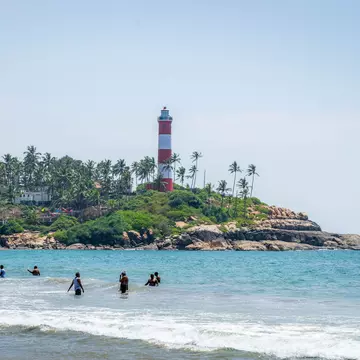
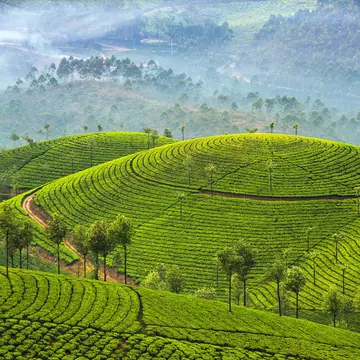
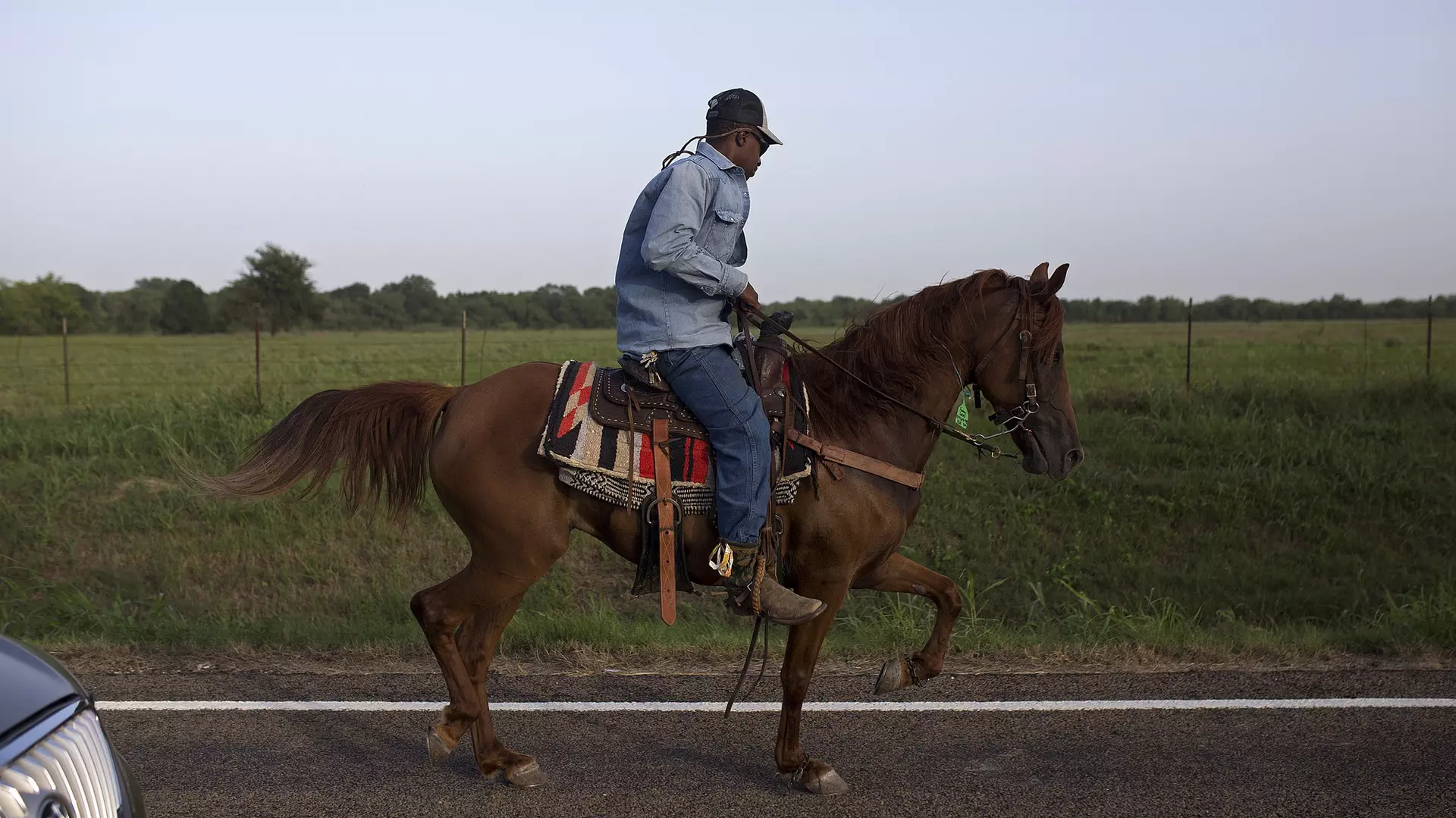
Stephanie Foden
Best for experiencing American roots
In rural Louisiana and eastern Texas, horses trot, boots stomp and wagons bounce along country roads in a long procession known as a Creole trail ride. These community events celebrate African American Creole culture and descend from the first US cowboys in the 18th century. Everyone is welcome as long as they’re respectful.
At a trail ride, hundreds of cowboys trot along a trail for an hour or two. If you don’t have a horse, you’ll ride in a wagon pulled by a pickup truck likely blasting hip-hop or zydeco music, a genre played with a frottoir (a wearable washboard instrument) and accordion. You may also ask politely to be let up on a horse.
Plan like a pro

Discover the freedom of the open road with Lonely Planet’s Florida & the South’s Best Trips. This trusted travel companion features 30 amazing road trips, from 2-day escapes to 2-week adventures. Trace the iconic Appalachian Trail or explore the r...
The procession culminates at a hall for a live concert or in a field for a dance party. Mimic others in a coordinated line dance or ask someone to show you the zydeco two-step. Expect lots of Creole cuisine, including gumbo (a seafood or meat stew).
While on a trail ride, keep your ears open for Louisiana Creole, or Kouri-Vini, a language similar to French spoken by Louisiana Creoles. Kouri-Vini is definitely dwindling in popularity and, some argue, faces extinction. But passionate local scholars, writers and musicians are working to revive it by teaching classes, writing books and recording songs in the language.
–Joel Balsam
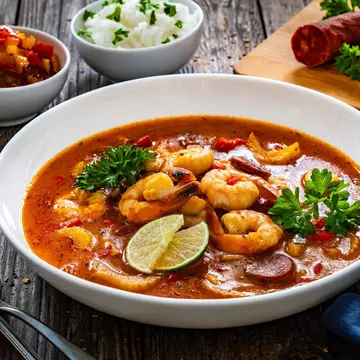
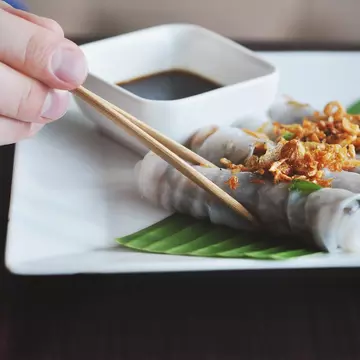

Sarah Pannell for Lonely Planet
Best for adventurous foodies
Eclectic, energetic and experimental, Melbourne’s food scene is the envy of the world. This is Australia’s cuisine capital, where the menu moves from the flavors of the Mediterranean to zesty Asian bites to the sweet spices of Africa – all served as stylish yet affordable plates.
Wander the lanes in Melbourne’s Central Business District, bursting with boisterous and ever-changing street art, to drink in some Aussie cafe culture. Opt for a takeaway piccolo latte before joining the line at Lune Croissanterie, where one bite of a boldly flavored seasonal cruffin (croissant-muffin) will have you understanding the fervor. Jump on tram 96 and head to the South Melbourne Market for a pitstop at Juju’s Deli. Fueling up on its Chicken Schnitty Sanga (that’s a chicken schnitzel sandwich, for the uninitiated) might be the most Australian thing you can ever do.
Plan like a pro

Lonely Planet's local travel experts reveal all you need to know to plan the ultimate short trip to Melbourne - and discover twice the city in half the time!Discover Melbourne's most popular experiences, must-see attractions, and unexpected surpri...
Secreted away in the backstreets of West Brunswick north of the city, Vola Foods specializes in spicy Cameroonian delicacies; the rich tomatoey jollof rice will beckon you back for seconds. In Coburg, Beit Siti serves up incredible Palestinian food via a rotating seasonal menu. Hotel Jesus in Collingwood delivers seriously scrumptious street tacos.
There’s no shortage of incredible Asian cuisine in and around Melbourne, but Hanoi Mee in the bayside suburb of Port Melbourne should be on every culinary traveler’s must-dine list. Have your fill of the green rice fried tiger prawns but save room for the mouthwatering caramelized pork hock.
– Chris Zeiher
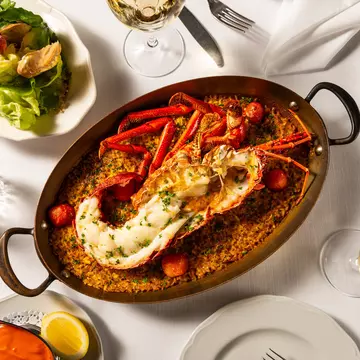
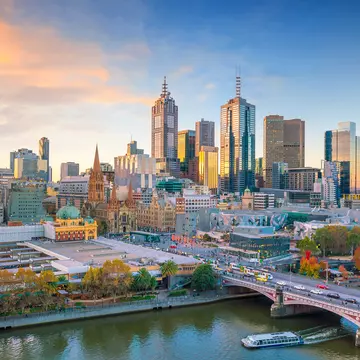

Luisa Dorr
Best for lovers of indigenous culture
In Bolivia, the Cholitas, strong Aymará women known for their colorful skirts, long braids and bowler hats, have taken up Mexico’s lucha libre wrestling. But this isn’t just for fun; it’s full of pride, power and centuries of history. These women bring fierce energy to the ring, standing tall for their culture.
If you go, grab a front-row seat and a beer; you’ll be part of the action too. The wrestlers often interact with the crowd, and you might find yourself dancing with the cheering crowd before the match kicks off. Once it begins, it’s wild. The Cholitas jump, slap and even yank each other down by the braids. Some are heroes, others villains, and they all wear full costumes – with just kneepads for protection.
Plan like a pro

Lonely Planet's local travel experts reveal all you need to know to plan a multi-week adventure to Bolivia. Scout stunning street murals, explore a bonanza of plant life, see salt flats with shimmering lakes, with our classic travel guide that's p...
Even the referee plays a part, usually siding with the bad guys. Fights often spill out of the ring, where fans get splashed with beer and caught in the chaos. It’s loud, funny and a little crazy, especially when the local crowd joins in, shouting and cheering with passion.
The women smash nearly full beer cans on each other’s heads, soaking everything (and everyone) nearby. Popcorn and drinks fly through the air, while front-row fans either laugh or duck. Locals love to join in the spectacle.
– Brian Kluepfel
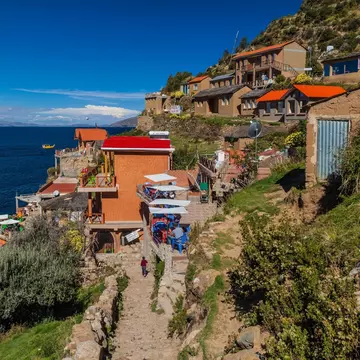
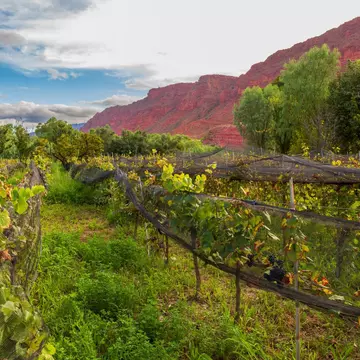
Get access to everything Lonely Planet, plus 20% off your first order.
Subscribe to our newsletters and promotions. Read our Privacy Policy.