Jul 13, 20268 min read
A guide to staying in hostelsFeb 2, 2026
14 MIN READ

Writer
Infinity pool views at Impression Isla Mujeres by Secrets. Fernando Farfán for Lonely Planet

Writer
Lonely Planet may earn a commission from affiliate links on our site. All recommendations and reviews reflect our own independent opinions.
Perhaps the biggest question we ask ourselves when planning a trip is: how much am I willing to spend?
Even those of us who work in travel – especially those of us who work in travel – grapple with how on earth we’ll afford our next big adventure. Luckily, our staff have plenty of experience figuring it out. These are our top tips for budgeting for your next trip.
I do one whopper of a trip every year, and in order to afford it, I basically go on a money diet the first three months of the year, spending as little as possible to save up so that by the time I'm leaving, the whole thing is all but paid for.
- Brekke Fletcher , Senior Director of Content
Put away a little money here and there where you can. (Look for a high-interest savings account so you can gain interest on it as well.) An added benefit: you can order a separate debit card for this account and use it when you travel - then if it gets lost or stolen, it isn't connected to your main account.
- Melissa Yeager , Destination Editor for the Western USA and Canada
In Ireland (where I live), it's quite uncommon for people in their 20s to 40s to own a credit card, so budgeting is essential if you want to travel each year. For that reason, it's always been the norm to set up a separate savings account. Many people I know use Revolut these days and usually put away somewhere between €50 to €200 a month.
- Ru Ogata , Senior Designer
Granted, that's a sizeable number, but any combination of emergencies or can't-live-without souvenirs will throw the original number off. If you don't dip into that money, great – pack it onto the next trip or add a weekend getaway to your year.
- Akanksha Singh , Destination Editor for Central Asia and the Indian Subcontinent
For example, you can definitely find some deals on flights if you book early enough, have a healthy bank of points, fly on off-peak days and seasons, etc. But flights from New York City to visit my family in Birmingham will almost always be upwards of US$500, so that's a fixed cost I'll always lock into my overall budget. That tour or show that's a non-negotiable for me? Fixed cost. Accommodation, on the other hand? You've got way more options for all sorts of budgets. The same goes for restaurants.
- Ann Douglas Lott , Digital Editor

I am always determined to have my travels paid for before I take them, so I usually start planning future trips (mostly trips that require further travel/longer duration) well ahead. I have a travel budgeter I created using Airtable that has a breakdown of all items I would need to budget for – from flights, to Lyfts to and from hotels, foods, snacks, museums, side tours. I usually plan out my dream trip, how much I have to feed from my normal budget, and that tells me when I can take that trip. If I want to take it sooner, items have to be cut down (a 5-day stay instead of 8, for example). But I live and breathe by my Airtable budget expense calculator, and I perpetually have a set amount from every paycheck going into a travel fund (High Yield Savings for the win!).
- Nicole Valdez, Sr Manager Publicity
My wife and I use an app called YNAB (You Need a Budget) to plan all our expenses, including travel. We keep a running “vacation” fund, and for bigger trips we set additional savings goals based on past trips plus major costs like flights and accommodation. It takes the guesswork out of “can we afford this?” and makes it easier to book confidently when we find a good deal.
- Alexander Howard , Editorial Director - Destinations
This will surprise no one who actually knows me: I am a spreadsheet person. Annual breaks get worked into my budget (and all real spreadsheet people know there is no better time to budget than January!), and I account for stuff like lodging, visas, flights, big-ticket expenses (eg, shows I want to take in, workshops I want to take) and souvenirs. I know some people will find this tedious, but I see budgeting as a means of envisioning a trip (and who doesn't like spending hours scouring the internet for "best pottery courses in Uzbekistan"?).
- Akanksha Singh
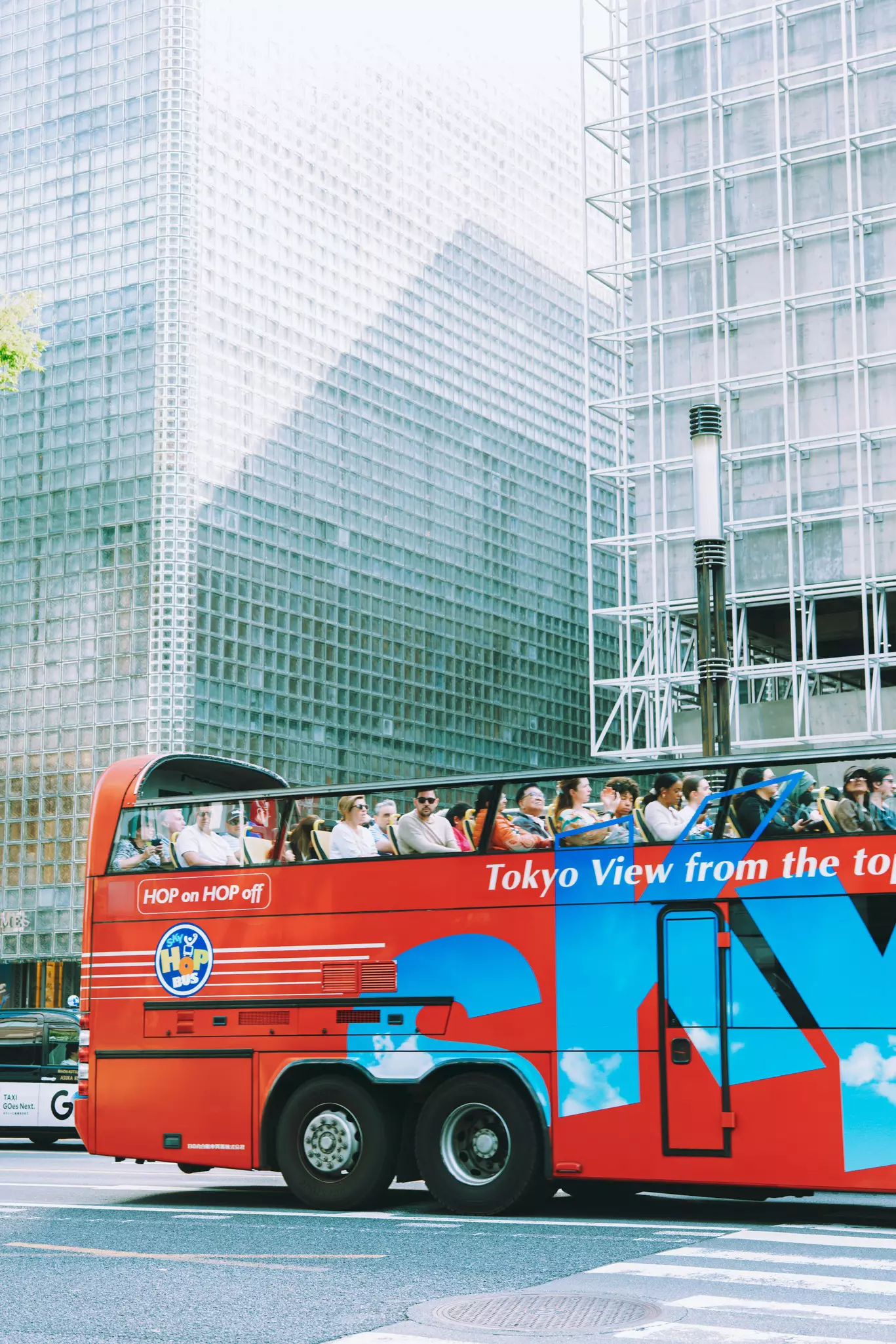
I'll check out city passes for new cities and work out whether they're worth it. If you plan on doing a lot and using public transport, you can really save. The same goes for Hop-On, Hop-Off buses, which can be an economical way to get an overview of the destination on the first day to better decide which areas to revisit.
- James Pham , Destination Editor, Southeast Asia
If I'm super organized, I'll check social buying sites, download local restaurant reservation apps (which often feature discounts for early-bird seating) and free museum days (lots of cities have a list of free museums on certain days or evenings). I recently visited the Museum of Turkish & Islamic Arts in Istanbul for free, had an amazing dinner in Prague for half the price and even did a bookmaking workshop in Bangkok at a discount.
- James Pham

For example, every time I fly to Europe from NYC, I check Air France for deals when I book with miles.
- Serina Patel , Lifecycle and Programming Lead
They lose value every single day. I use my American Express Platinum Card and Delta Reserve Card to bank points that I can use on hotels and flights, and I use them as soon as I can. There are also perks with Uber and Resy that give me rebates. Use them or lose them!
- Brekke Fletcher
Time and anxiety cost more than money. Most of the time, price drops are marginal, so pull the trigger and book your flights and hotels early.
- Craig Zapatka , Vice President of Lonely Planet Journeys
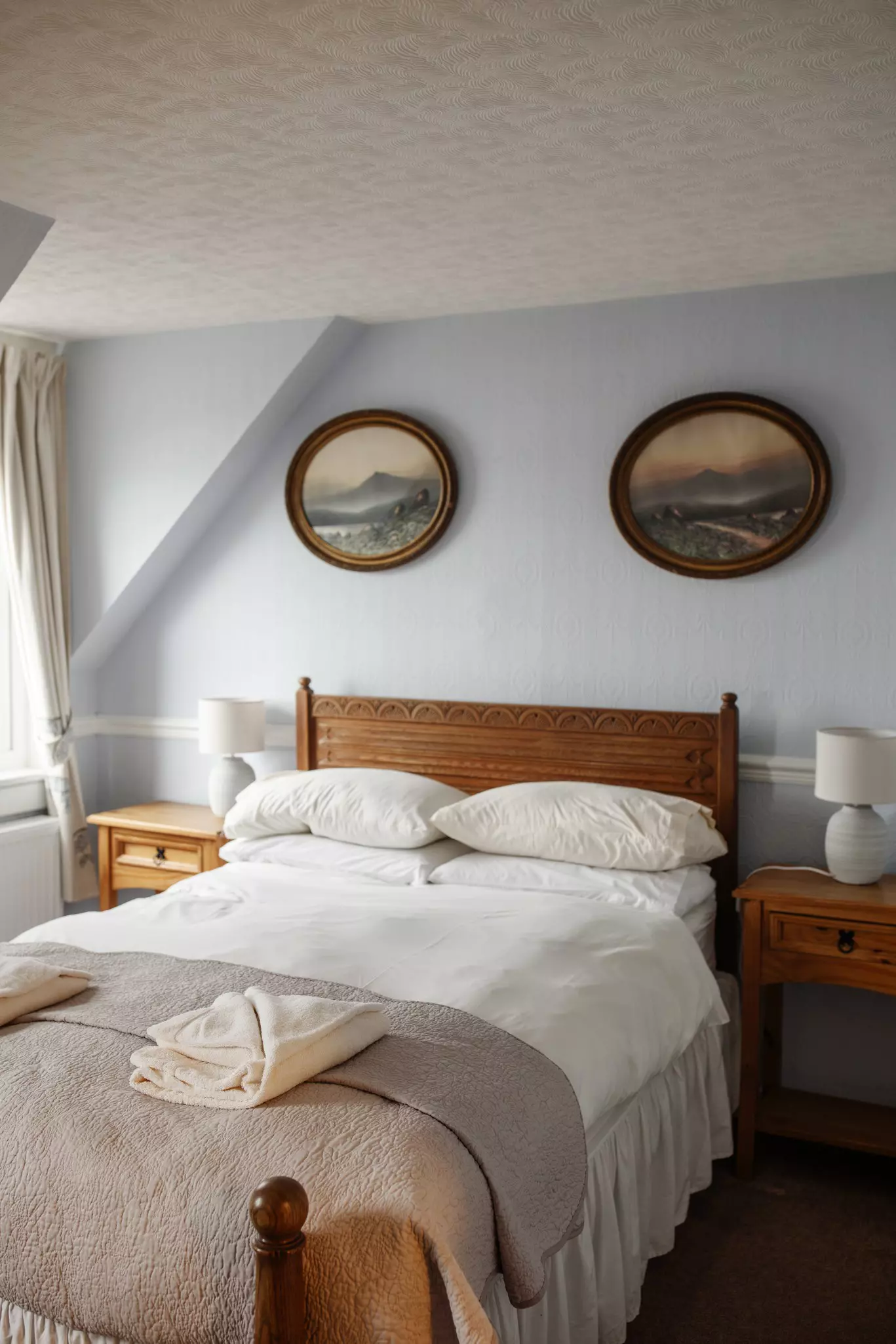
Many family-owned properties fall in the 3-star range because they don't have the amenities required for 4 or 5 stars (for instance, a 24-hour front desk or a pool), but they're still great experiences at a lower price point.
- Melissa Yeager
I book refundable flights, set up a Google flight alert and rebook if the fare goes down. It's a bit of a gamble because if the price doesn't come down, I've paid a premium for something I didn't need. But over the course of the year, I definitely save more than I spend. I've already saved money on flights by rebooking this year.
- Brekke Fletcher
In most cases, accommodation eats most of people's budget when traveling, so if funds are limited, look at free options like home exchanging or minding people's pets.
- Ru Ogata
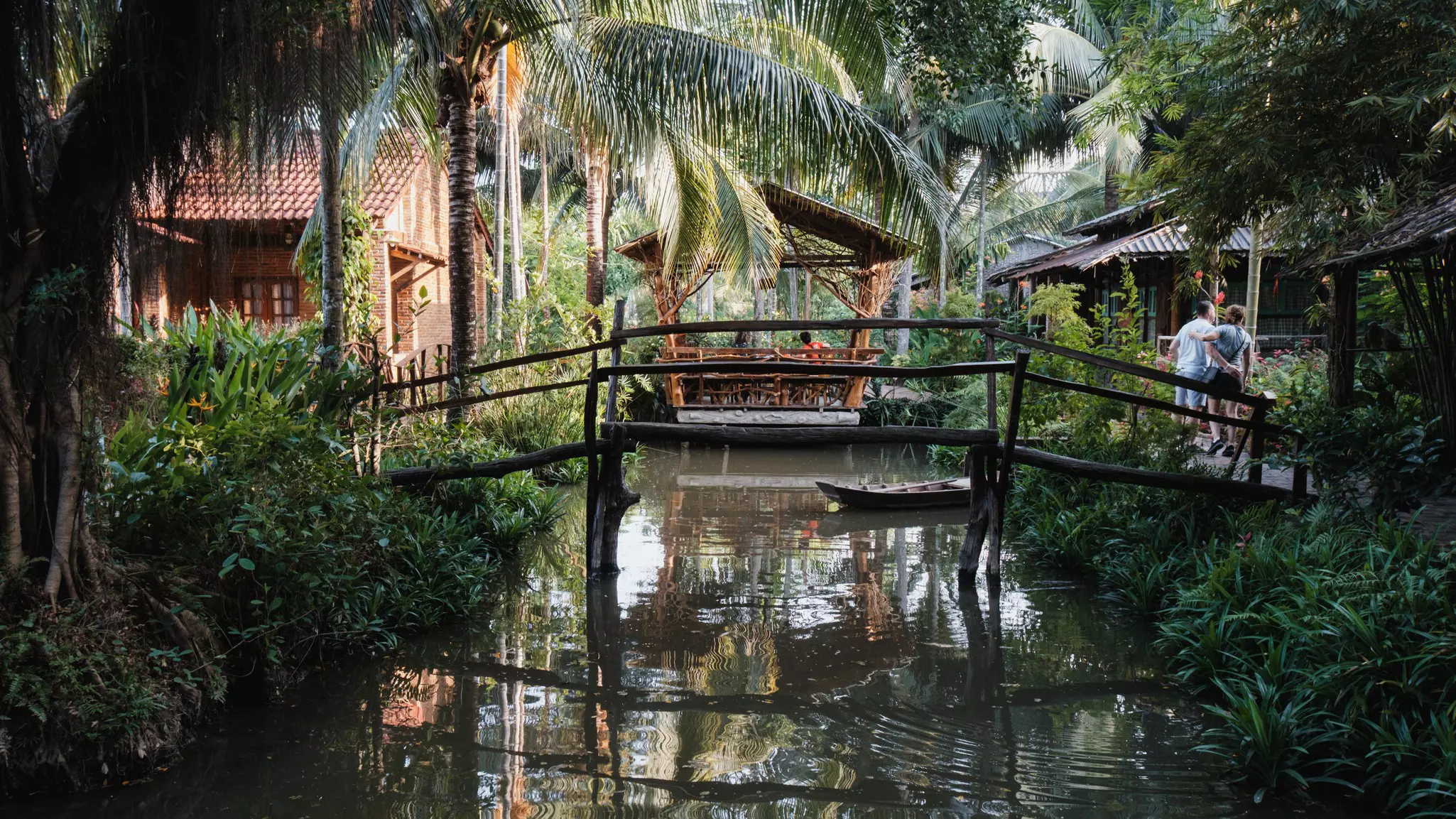
I'll do some generic/budget stays for a few days so that I can also splurge on a spendier hotel that I really want to enjoy. I especially do this when traveling alone, where I might even stay in a (nice) hostel for a few nights so that I can also splurge on a resorty place for a few nights. Also do this for eating out. Inexpensive lunch, so you can splurge on dinner, or splurge on lunch and have a casual dinner.
- Caroline Trefler , Destination Editor for the Eastern USA and Canada
Living in Ireland, it's easy to take cheap flights for granted. With a bit of planning, I can often fly to somewhere like Spain for under €50. But the headline price is rarely what you actually end up paying. Budget airlines now make much of their money through add-ons, charging for things that used to be included in the ticket price. Seats, cabin baggage, and the expectation of bringing a change of clothes and some toiletries, all now come at an extra cost. Cabin baggage can, if you are not careful, cost more than the flight itself. What was once a standard 10kg carry-on is now an "optional extra" with Ryanair, costing €35 if added at the time of booking, and closer to €60 if you add it at the airport. If your bag exceeds the 10kg limit, you're charged €11 for every additional kilo at the airport. It's surprisingly easy to go over. And if your bag doesn't fit into the airline's metal bag sizer at the gate, that's another €75, or you won't board. To avoid these unknowns and packing stresses, I now budget for a checked 20kg bag (€48). In many cases, it works out cheaper than paying for cabin baggage and potential overweight fees, and it removes the stress of weighing, repacking, and second-guessing what I can bring.
- Fionnuala McCarthy , Editorial Director
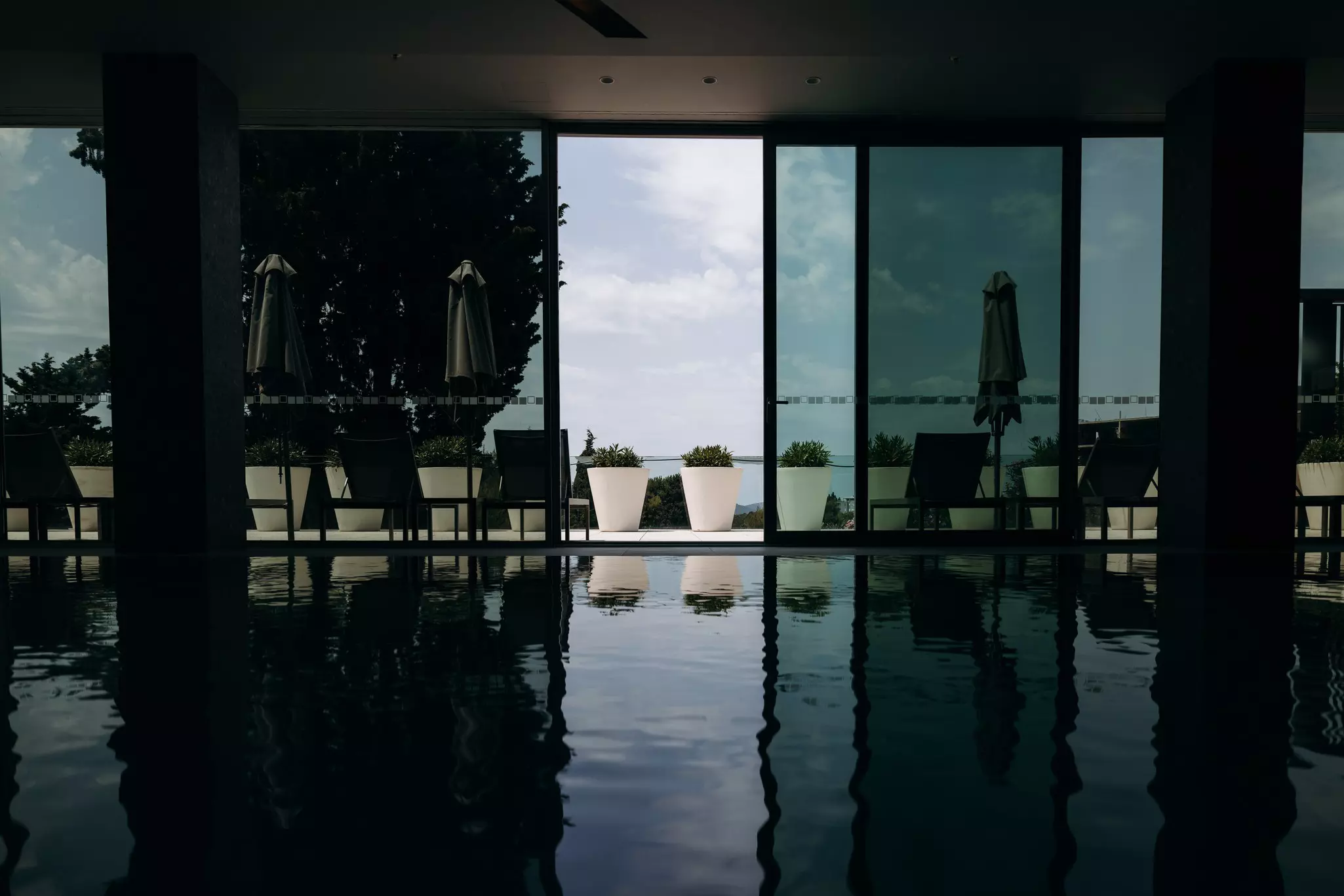
For example, I love museums and chic hotels, but I'm not obsessed with being right in the city center or going on major adventures in-destination. So, for me, I try to plan trips around free hotel days, and I know going in I'm going to drop some $$$ on a hotel, but I'm not going to spend a bunch on excursions, and I might do more walking than someone who'd rather be in the middle of it all.
- Rachel Lewis , Senior Social Media Manager
A unique experience, the coolest hotel, a "top restaurant in the world"-type meal... whatever you know will make that trip most memorable. Sticking to a stricter budget on the rest, knowing that agreement with yourself from the get-go always helps me.
- Bridget FitzGibbons, Director of Brand Marketing
At the moment, for example, I am planning my trip to Busan this summer and looking at my options for panoramic views over the city and beaches. You can visit BUSAN X the SKY, which is about €15/US$18, or Busan Tower, which is half the price at €7/$US8.40, or you can climb Bongnaesan Mountain or up to the Hwangnyeongsan Beacon, which are both free.
- Ru Ogata
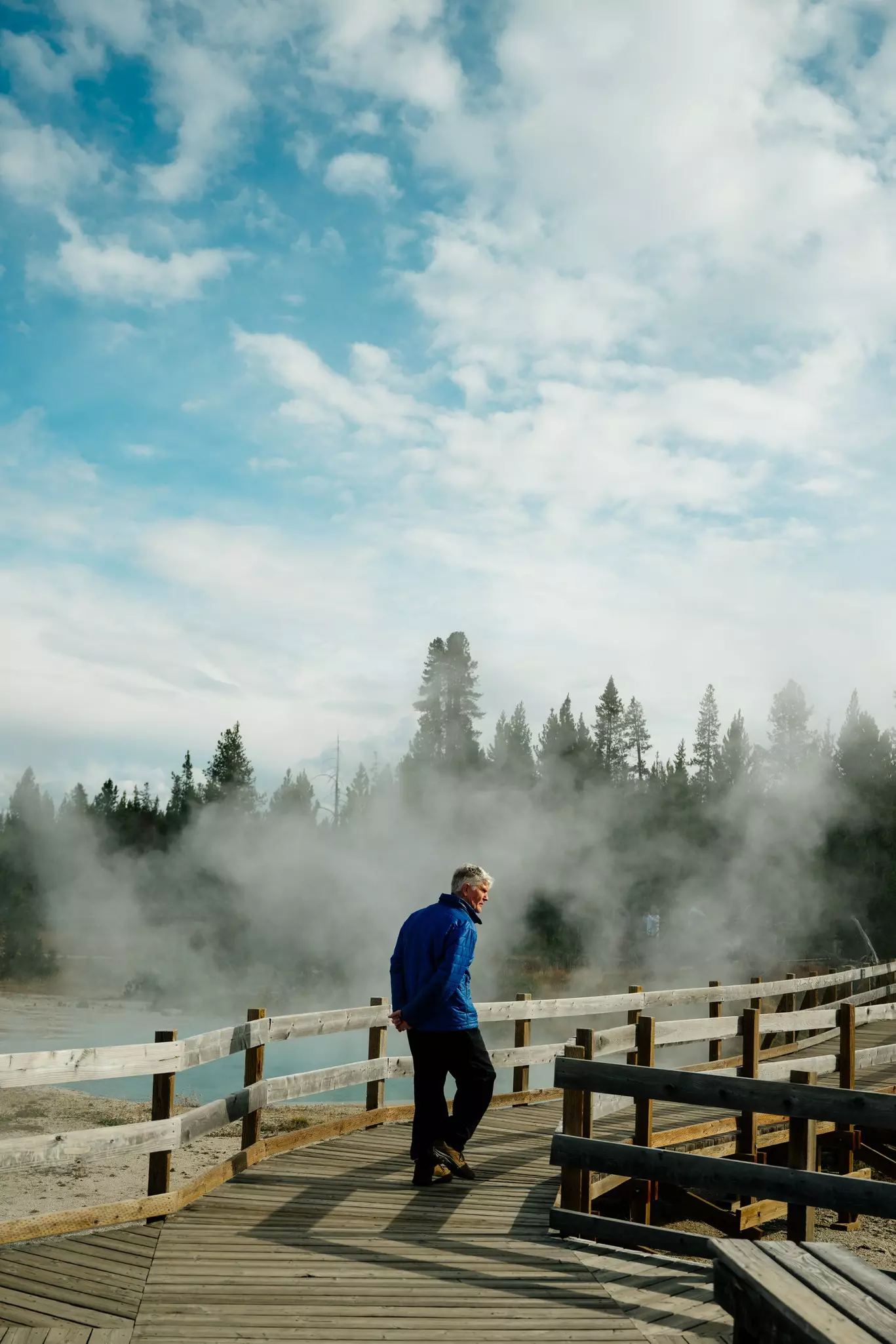
I don't often need, nor do I want, really fancy meals out. And my kids tend to get overstimulated in restaurants. I'm happy to save money on food, either preparing certain meals myself or eating at the quaint establishments, and then choosing to spend more on experiences that I really want to do. Recently, in Alaska, we took cup noodles and sandwich supplies with us when we went to Borealis Basecamp, so we could fully enjoy our amazing room and cool experiences the resort offered.
- Sarah Stocking , Digital Editor
You do not need a clothing haul for every single trip. You can wear the same coat every time you travel (one might even say that's cooler). You don't have to visit every single "must-see" if it's going to knock you over budget and isn't even that important to you personally. It's better to have a trip that's true to you than a trip that's going to make you feel like you did a place the way you're supposed to.
- Rachel Lewis
I tend to go budget on accommodations (as long as it's clean, safe and well-located, I'm good) because hotels are rarely a part of my travel memories. But I will splurge on things and experiences that I cannot get anywhere else. Walking with lions in Zambia? Small plane flight over Everest? That Greek ring that feels like it was just unearthed from an archaeological site? YASSSS.
- James Pham
I have more money than time and patience at this stage in my life, so spending a bit more for decent flights and connections is worth it to me. However, I do try and save on the little things. I always pack a bag of snacks and instant drinks (coffee, tea, Pocari Sweat) to avoid overpriced food/drink at the airport. Bring a good insulated water bottle, as most airports now have hot and cold water dispensers. I also pack moist towelettes to use at restaurants, as the ones on the table in Asia are chargeable.
- James Pham
I try to spend $0 at the airport by packing snacks and food in my bag, and bringing an empty, reusable water bottle to avoid paying $9 for a small bottle. Make sure to pack 2x or go to the grocery store in your travel destination before your flight back, too!
- Serina Patel
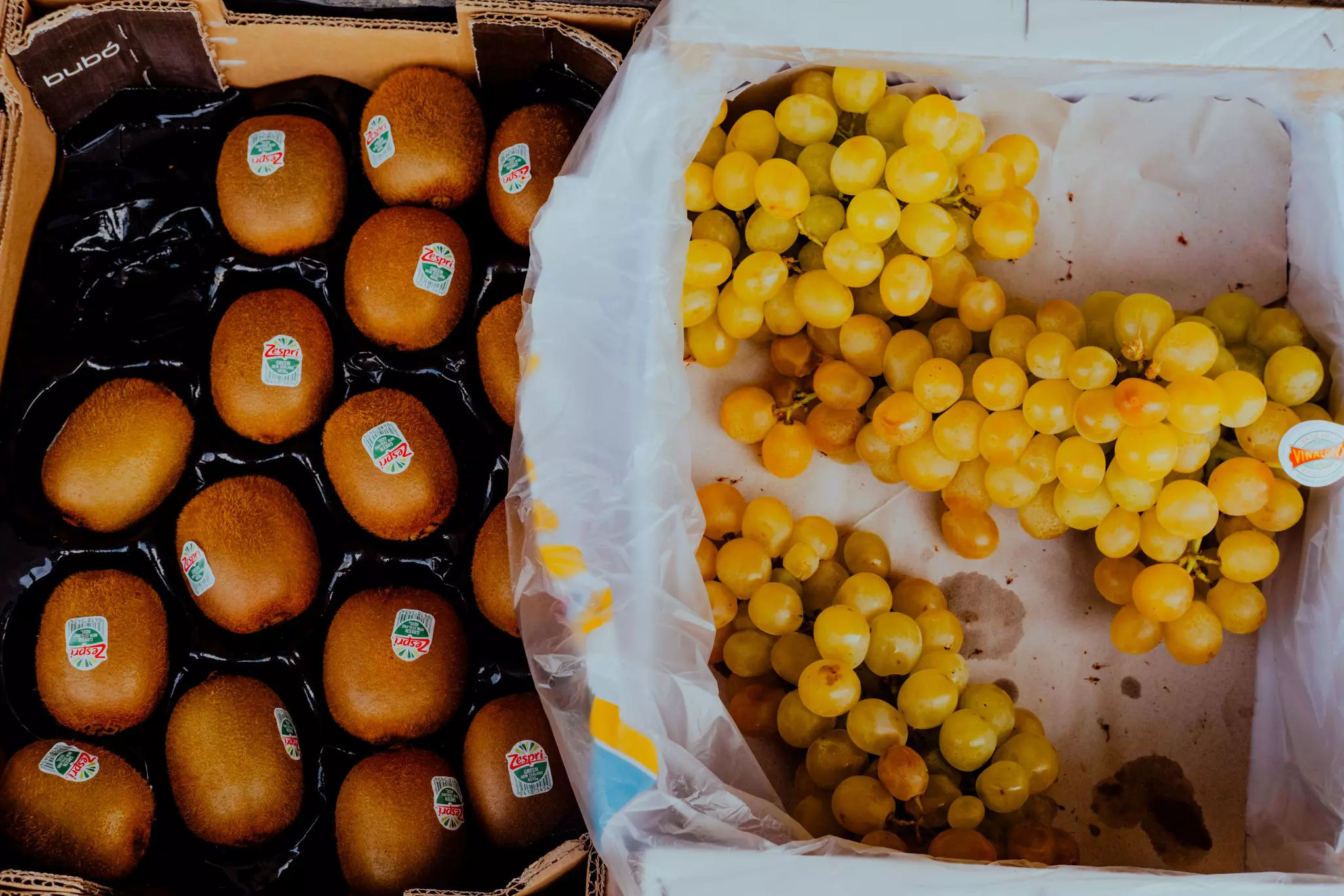
I love perusing a local grocery store on my first day and buying some snacks and coffee for the trip, especially if I have a kitchen or mini fridge. First of all, these stores can be so fascinating, and they're such a great way to get a taste of daily life. My parents still talk about how French people listen to the crunch of the bread to determine how fresh it is, and I could wander around the FamilyMarts in Tokyo forever. But, more importantly, having a few snacks on hand lets me save my energy and money for the important meals instead of desperately shelling out for something convenient when I get hangry on a long day. It also saves me some time and brainpower in the morning, when I really just need a little yogurt and caffeine before wandering the streets.
- Acacia Gabriel , Associate Editor
I use public transportation to and from the airport unless it's late at night or early in the morning. It saves so much money, especially in NYC and most European cities. And in NYC, where I live, public transportation is often faster or about the same amount of time.
- Caroline Trefler
Sometimes it feels as though the world is becoming a cashless society, but there are always times you need cash when traveling. ATM fees can add up quickly, especially abroad. It can seem small at first, but over time, it can quietly drain your budget. Withdrawing small amounts frequently means you pay those fees over and over again. Just be sure to split your cash between your wallet and a hidden pouch!
- Aoife Breslin , Marketing and PR Coordinator
Explore related stories