Sep 28, 202610 min read
10 Best Places to Visit on the Amalfi CoastSep 28, 2026
10 MIN READ
Contributors
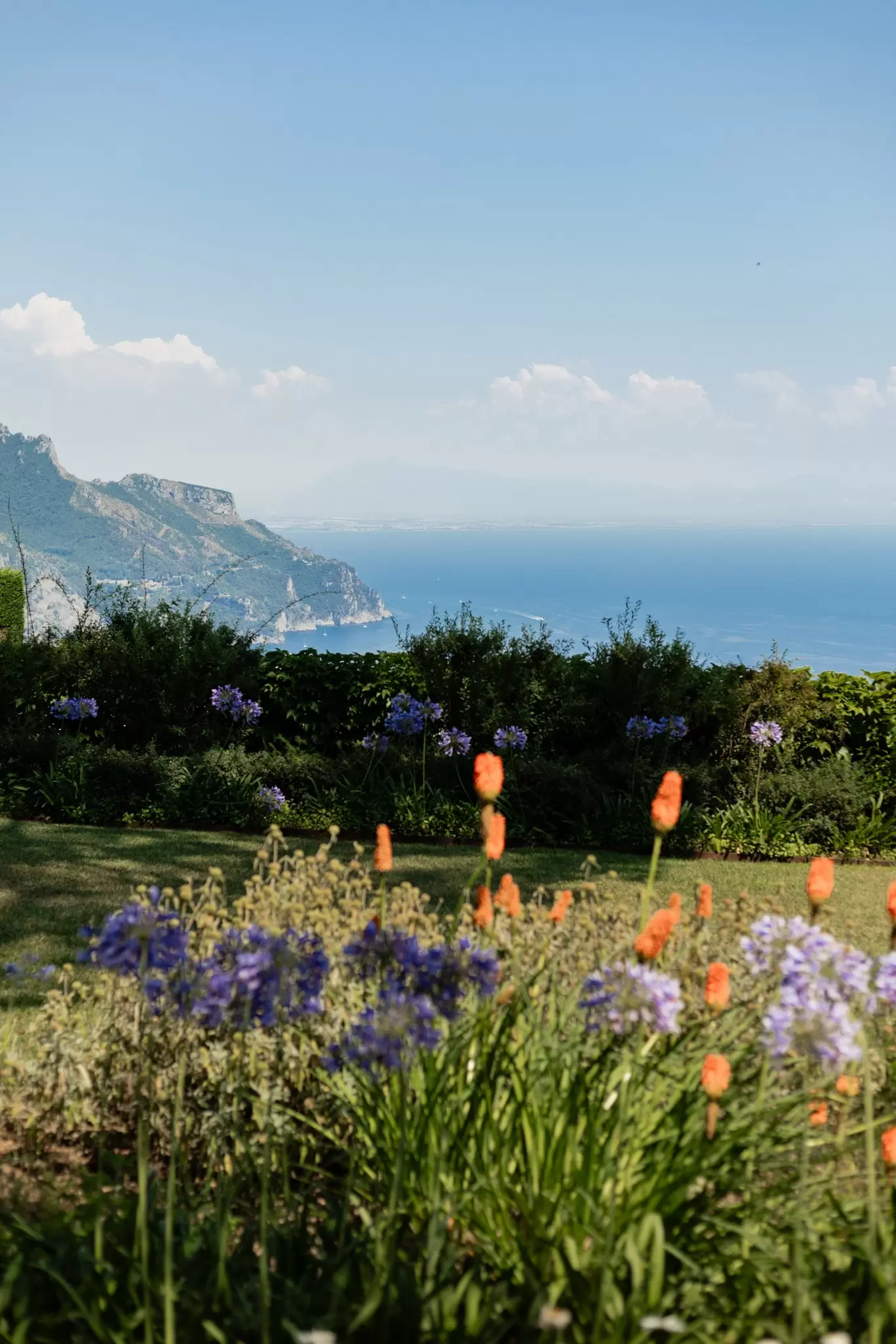
Villa Rufolo in Ravello, on Italy’s Amalfi Coast. Alexis Doyle for Lonely Planet
Contributors


Abigail Blasi, Eva Sandoval
Highlights
Writers Abigail Blasi and Eva Sandoval pick 10 stops from Sorrento to Salerno.
For coastal chic, head to Positano; Ravello rewards visitors with cliff-top sea views.
Walk the Path of the Gods, seemingly suspended between the clouds and the earth.
Visit Amalfi’s 12th-century cathedral, then boat out to Capri for la dolce vita.
Lonely Planet may earn a commission from affiliate links on our site. All recommendations and reviews reflect our own independent opinions.
The Amalfi Coast may be on too many bucket lists for its own good, with travelers coming in droves for its heady mix of pastel villages, glinting majolica domes, lemon groves and terraced vineyards, all edged by the kingfisher-blue Tyrrhenian Sea. The crowds can be overwhelming from Easter until October, but even in the tourist honeypots, you can usually find quieter corners if you’re willing to get a little further off the beaten track.
This 50km stretch of Southern Italian splendor runs from Sorrento to Salerno. You could drive the coast in one day (in 2 to 4 hours depending on traffic), but you’re not here to drive straight through. You’ll want to stop and take it all in. Here are 10 standout places for travelers to put on their Amalfi Coast itinerary, including the savviest ways to see them.
To continue planning your trip, download the Lonely Planet app, or check out our Naples, Pompeii & the Amalfi Coast guidebook.
Best for coastal chic
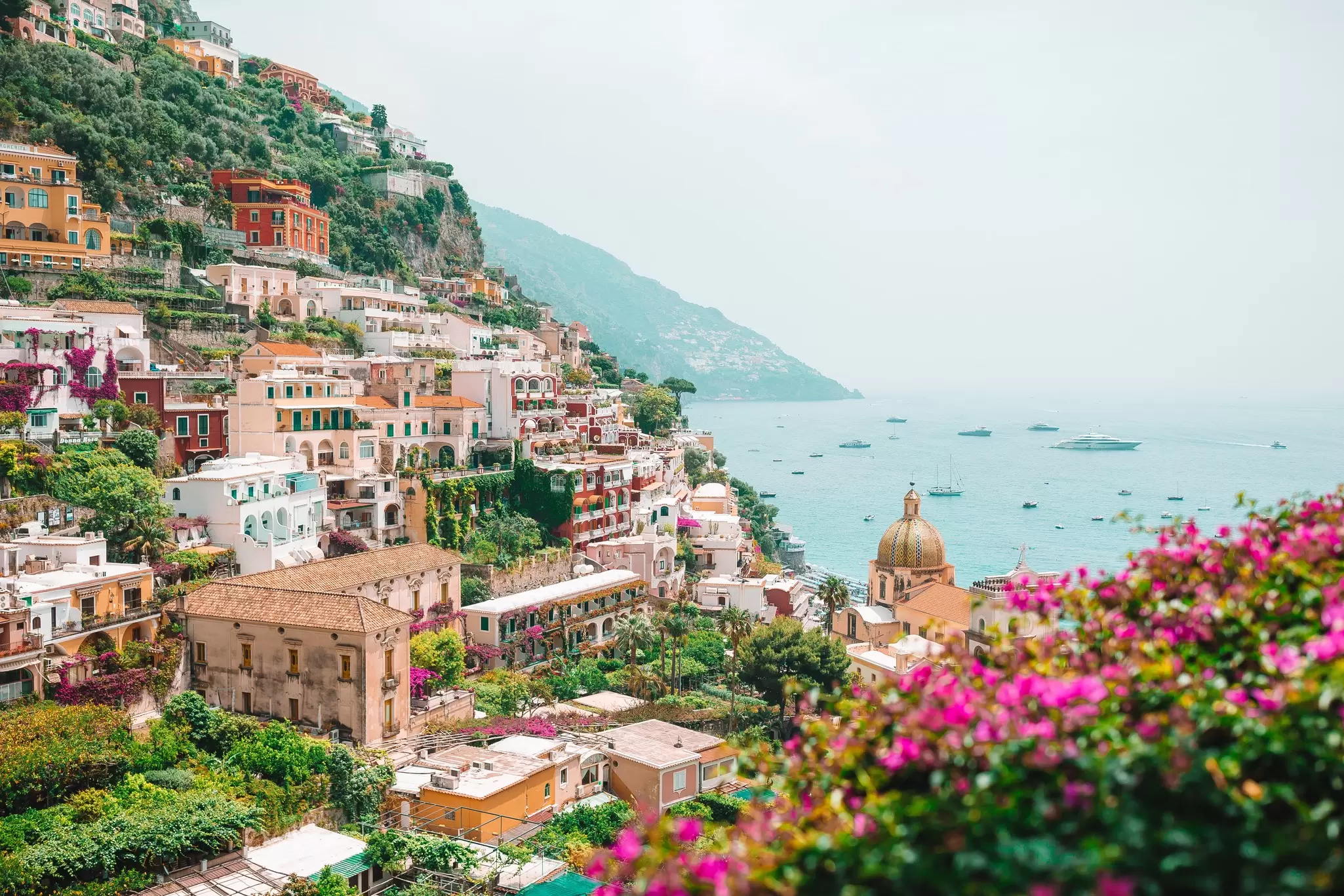
With lemon- and mandarin-colored houses clinging to wooded hills like an amphitheater, Positano has turned from a humble fishing village to the playground of the international glitterati. Its beauty is arguably best viewed from the water by boat; after you moor up and climb the many steps, you’ll pass designer boutiques, plus restaurant terraces cloaked in bougainvillea, before being rewarded with soaring coastal panoramas at the town’s summit. Stop for an aperitivo (predinner drink) on the terrace of the historic hotel Le Sirenuse, and gaze down at the Gulf of Naples with a Negroni in hand.
Planning tip: Accommodation prices are high, with room rates hovering around €260, with many more over €1000 a night, so unless you’re feeling flush, Positano is not the ideal base for travelers on a budget.
Best for walking
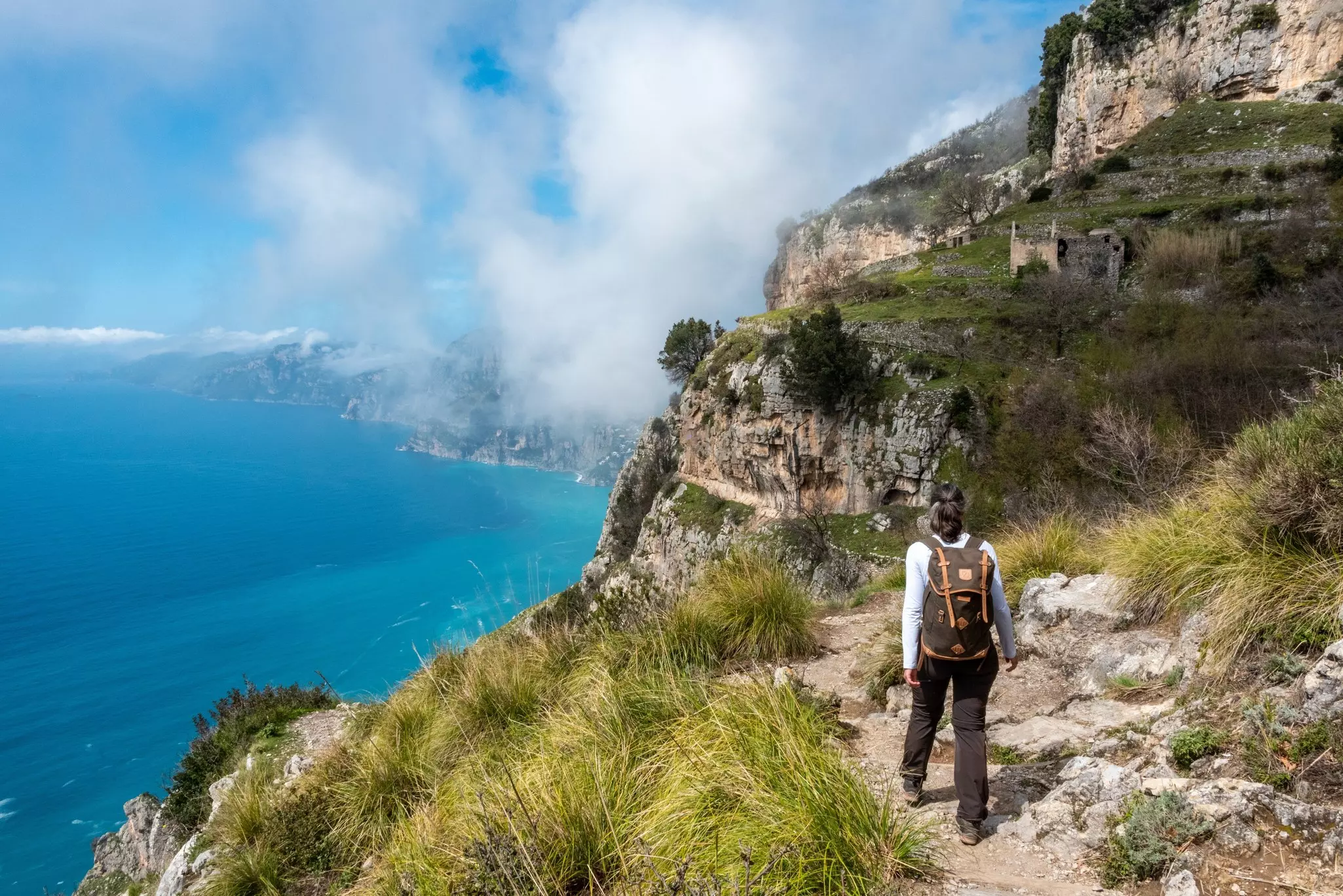
The Path of the Gods (Il Sentiero degli Dei) is a 7km stretch of mule path through rosemary-perfumed Mediterranean shrubland, a staggering 630m above sea level, seemingly suspended between the clouds and the earth. It’s so-named as it was said to have been cut into the earth by the gods stampeding down from heaven to save Ulysses from the Sirens’ song, but it feels like it could refer to the views, which are simply heavenly.
The medium-difficulty trail has several entry and end points, but the best approach is to start in the mountain village of Agerola (Bomerano) and end in Nocelle with a refreshing lemon slushie from the granita stand, Lemon Point, before hiking the 1700 stone steps down to Positano (alternatively, avoid the steps and walk back to Bomerano).
Planning tip: Hit this trail in spring or autumn, or start out as early as possible during summer and winter months to beat the heat and other walkers (for the former) and to maximize daylight (for the latter). Trail shoes are a must.
Best for dramatic scenery
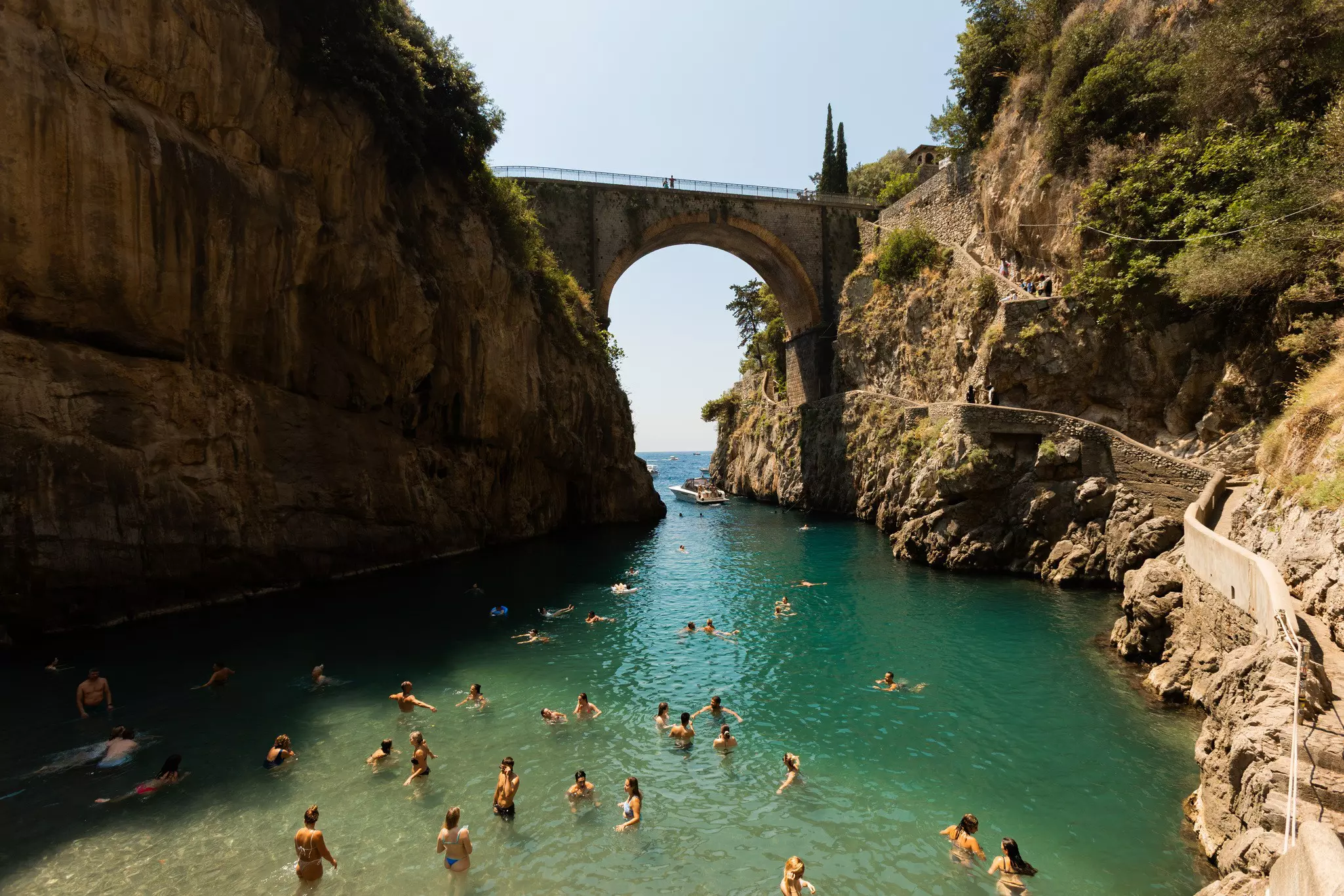
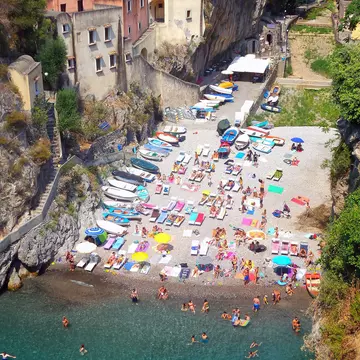
The “fjord” in Fiordo di Furore is not strictly accurate: fjords are formed by glaciers, whereas this craggy inlet was carved into the cliffs by the Schiato stream. Descend hundreds of stone steps and you’ll reach a tiny pebbly beach between sheer cliffs that are linked by a soaring arched bridge over sea as clear as glass.
Planning tip: Head east on the SS163 state road by car or 5070 SITA bus to the hamlet of Furore, where you'll find the staircase leading to the beach just outside the Marisa Cuomo Winery. You can swerve the steps by arriving directly by boat or water taxi.
Best for medieval architecture

Amalfi is the town that gives the coast its name. The former head of the medieval Maritime Republic showcases splendid architecture that dates to this boom time. Its apex is the Piazza Duomo, where a dramatic 62-step staircase leads to the 12th-century Cattedrale di Sant’Andrea and reliquary. Don’t miss the square’s historic pastry shop, Pasticceria Pansa.
Amalfi is not only the epicenter of the coast’s lemon cultivation but has produced artisanal paper since the Middle Ages. Stroll down Via Lorenzo D’Amalfi – the main drag – to the edge of town and you can examine this productive heritage at the Museo della Carta, housed in an original 13th-century paper press. Nearby is the Amalfi Lemon Experience, lemon groves run by the same family for six generations: take a tour or cooking class, have a meal, or sample the house limoncello (lemon liqueur).
Planning tip: Time your visit for May, June, September or early October, when the weather is still usually fantastic and the town will be less crowded.
Best for villas and views

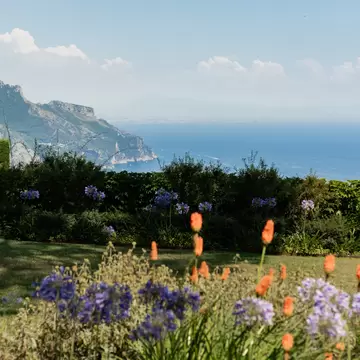
Ravello has a soaring perch above the coast, with rose-pink medieval villas draped in vines and bougainvillea, and views of the forget-me-not sea merging with the periwinkle sky. It’s 5.7km inland, built to be less accessible to Barbarian invaders in the 5th century. Famous artists who have taken refuge in Ravello include Richard Wagner and DH Lawrence; Gore Vidal loved it so much that he lived here for 30 years, in La Rondinaia, now a hotel.
Stone-paved streets lead from Ravello’s lively Piazza Duomo to Villa Cimbrone, a romantic cliff-top mansion whose rose-scented gardens include the 365m-high Terrazza dell’Infinito (Terrace of Infinity), the coast’s most sought-after view. The town’s other greatest house, Villa Rufolo, includes a Moorish cloister, formal gardens and equally entrancing sea views.
Planning tip: The Ravello Festival takes place from July to September, with orchestral performances on the town’s epic sea-view terraces.
Best for ceramics

Vietri sul Mare has been a ceramics center since the Roman era. Today, the coast’s easternmost village is an open-air gallery, where ceramics line almost every surface and the San Giovanni Batista’s majolica-tiled dome glints in the sunshine. Artisans are hard at work crafting vases and tableware all around town, but the best place to head is the Ceramica Artistica Solimene, with its Gaudí-esque tiled exterior. When you've crammed your suitcase full of handmade ceramics (check out the bargain seconds), head down to the Villa Comunale, with more Gaudí-style tiling and terraces overlooking the sea.
Planning tip: More sprawling Vietri makes for a less-crowded base than picture-perfect places such as Positano westwards along the coast.
Best for artisans

Seaside Sorrento is on the Sorrento Peninsula and technically not part of the Amalfi Coast. However, at only 30 minutes west of Positano, it’s so close that it would be rude not to make a detour.
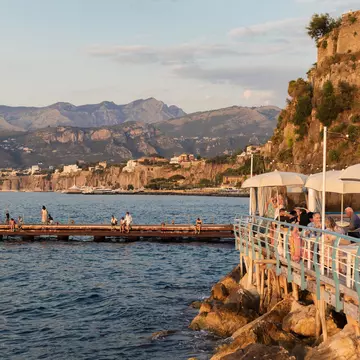
Its heart is Piazza Tasso, next to which is an ancient quarter full of artisanal shops; the town is famous for its marquetry furniture. Seek out treasure trove Gargiulo & Jannuzzi, with artisans at work. Stroll past grand villas and the Villa Comunale gardens overlooking the Gulf of Naples, then take a minute in the shaded, colonnaded 14th-century Chiostro di San Francesco. Cap things off with an oceanfront dinner at Porta Marina Seafood, with your toes almost in the sea.
Planning tip: Sorrento is the birthplace of limoncello, with lemon-yellow bottles almost everywhere you look. Skip anything mass-produced and head to the gloriously central Giardini di Cataldo lemon grove for an artisanal tipple.
Best for a Roman bath
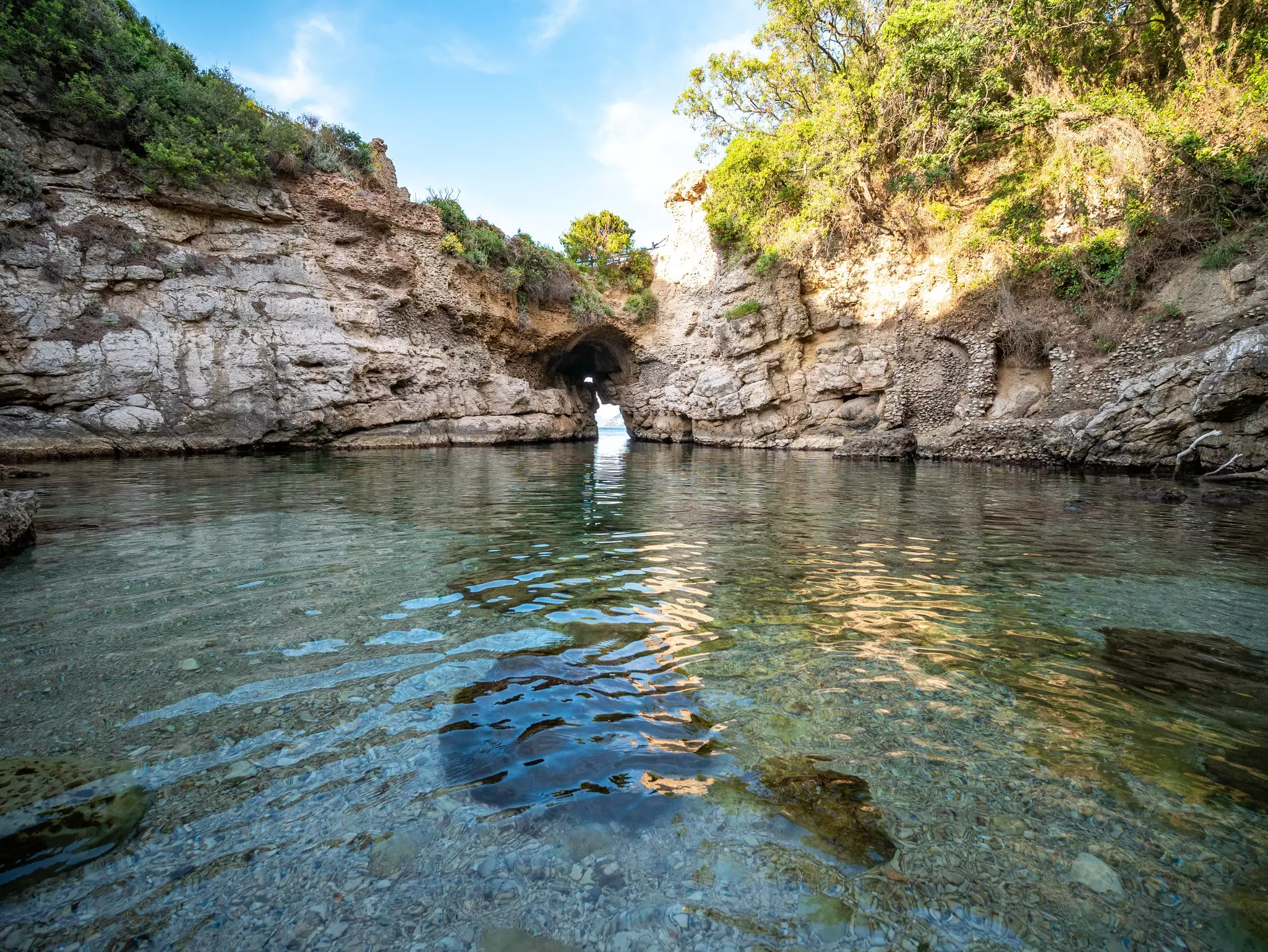
Bagni della Regina Giovanna (Baths of Queen Giovanna) is a tiny gem of a beach, approached by a steep path, 3.6km west of Sorrento. It’s overlooked by what was the beautifully located seaside escape of the Roman nobleman Pollio Felix. Some of the 1st-century villa’s ruins are sunken and visible beneath the surface of the clear water. Thrill-seekers dive off the villa’s rooftop into the Gulf of Naples – a 46m drop of pure pagan joy.
Planning tip: Take some appropriate shoes as the routes to both the beach and the ruins are narrow and uneven.
Best for secluded swims

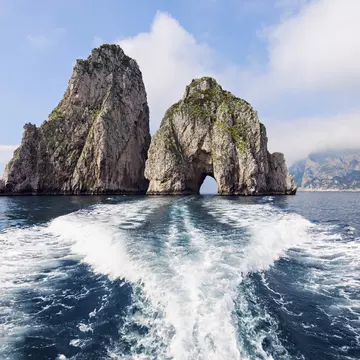
Also on the Sorrento Peninsula, this dazzling, secret-feeling cliff beach – the name means Sacred Bay – is a 45-minute hike from the village of Nerano. The trek starts gently, but the last 15 minutes are more intense, leading you down a rocky slope to reach the hidden bay, with an amazing view of the faraglioni (rock towers) of Capri. This is another spot where Ulysses is believed to have resisted the Sirens, who made music so entrancing that it would lure sailors to their death.
Planning tip: Bring food for a picnic as there’s no kiosk on this beach; water is essential.
Best for la dolce vita

Favored holiday escape of the notorious Emperor Tiberius, the beautiful island of Capri is easily accessed by boat from the Amalfi Coast, only a 25-minute trip from Sorrento. In summer there are crossings from Amalfi and Positano. The port of Marina Grande, where you arrive, is off-puttingly busy, as is Capri Town, but if you climb the streets away from the center, you’ll soon escape the crowds. Walk up to the ruins of Tiberius’ Villa Jovis to head-spinningly wonderful views.
Another way to see Capri at its best is to hire a boat, with or without a skipper, and stop off at coves only accessible from the water. It only takes around an hour to circumnavigate the island.
Planning tip: Use Capri’s cooperative porter service, available at Marina Grande, to deliver your luggage to your accommodation, to ease your journey by funicular.
If you only have one day, plan to wake up in romantic Ravello and greet the day in the gardens of Villa Rufolo and Villa Cimbrone, gazing out over the sea like Wagner once did. Next, lunch lazily in town before catching a bus down to Amalfi to explore its extraordinary cathedral. Refuel with espresso and pastries, then catch a ferry to Positano in time for dinner and drinks beside Spiaggia Grande.
With more time you’d also catch a ferry to Sorrento, hop on a bus and explore the Sorrento Peninsula’s spectacular southern tip. From Sorrento, head west on the minor coastal road, admiring the view of Capri from the lookout in Massa Lubrense and continuing south to dramatic Punta Campanella. You can walk to Nerano and on down to Baia di Ieranto; the energetic can carry on to tranquil Sant’Agata sui due Golfi before bussing it back to Sorrento.
Thanks to its precipitous topography, the Amalfi Coast never benefited from a railway line. Instead, modern train passengers are off-loaded in Salerno (in the east) or Sorrento (in the west). From there, you can take your life into your own hands and rent a car, or – slightly less risky – put your life into someone else’s hands and hop onto one of the region’s blue SITA buses. The SITA bus service runs between Sorrento, Positano, Amalfi, Salerno and all the villages in between.
Scooters and e-bikes are useful for exploring inland (note: it’s hilly away from the coast road), as are your own two legs: the area has an inexhaustible patchwork of walking trails.
Book your Italy trip with Lonely Planet Journeys
See Italy how it's meant to be seen
Accommodations, activities and ground transportation all taken care of, so you can focus on the fun part. Tell us what your dream trip to Italy looks like, and our local experts will build it from scratch. Or start with one of our itineraries and make it your own.


Explore related stories