Jul 10, 20266 min read
The Ultimate Week in the AzoresJul 10, 2026
6 MIN READ

Writer
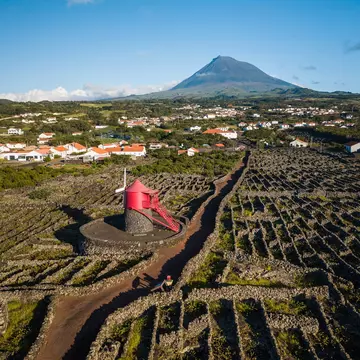
Vineyards below Mt Pico in the Azores, Portugal. Carlos.S.Pereira/Shutterstock

Writer
Highlights
Lonely Planet writer Sandra Henriques maps a week across São Miguel, Terceira and Pico.
Ponta Delgada, Sete Cidades' twin lakes and steamy Furnas fill the first 3 days.
Head to Terceira for Angra do Heroísmo and a road trip north to Biscoitos.
Pico brings vineyard trails and whale watching.
Lonely Planet may earn a commission from affiliate links on our site. All recommendations and reviews reflect our own independent opinions.
I was born and raised on the Azores, and there are two questions that people ask me the most: Is it always raining? And which islands should I visit? Answering the first is easy because it isn't always raining in the Azores, but as for the second, that's a bit more involved. Sometimes I'll mark spots on a map of the archipelago and ask lots of follow-up questions.
This 1-week itinerary covers the three largest islands: São Miguel, Terceira and Pico. (To explore all of the islands in the Azores, you'll have to book a second trip!)
When to arrive: The best time to visit the Azores is between June and August. The weather is warmer, it’s beach season, it’s the best time for whale watching, and you’ll find more cultural events and festivals.
How to get from the airport: Driving is the best option to travel between the airports and the islands’ main cities. Getting around the islands on public transit is hit-and-miss, plus understanding each network is confusing and time-consuming.
Getting around: To travel between islands, optimize your time by choosing the earliest flights possible and the ones with the shortest layovers. Research and book flights using the multicity option with Azores Airlines.
What to pack: A light, waterproof jacket is your best friend in the Azores. Although it's not always raining, the weather can shift quickly throughout the day. In summer, pack swimwear; there's always a place for an ocean dip.
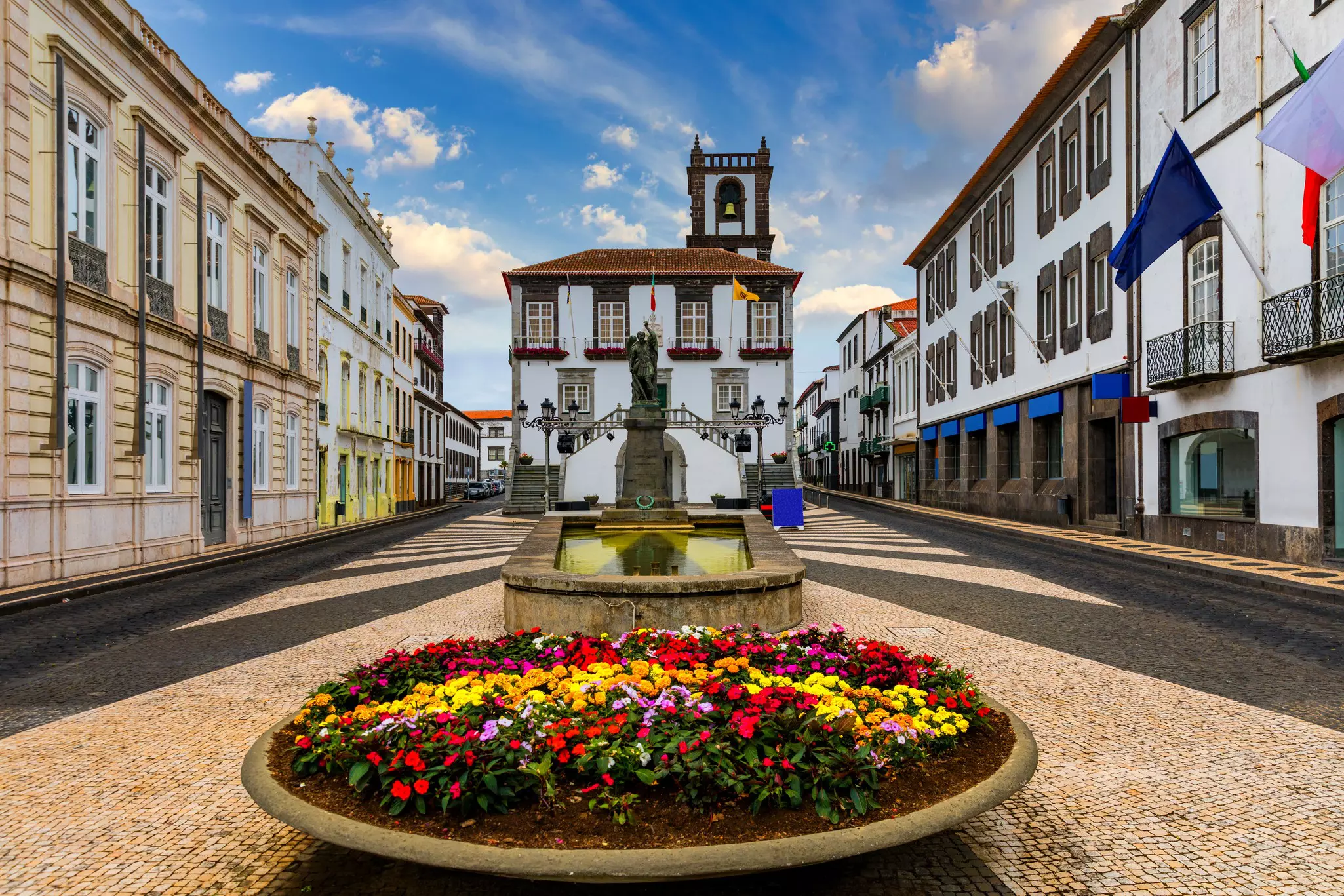
Most international flights land in Aeroporto João Paulo II on the largest island, São Miguel. I call it the gateway island, and it is a comfortable place to ease into the Azores experience – not too remote to feel isolated but far enough from mainland Portugal.
Shake off any jet lag or drowsiness while exploring the historic center of the main city, Ponta Delgada. Walk along the black-and-white patterned pavement, and take in the deep blue Atlantic and sea air.
Try A Tasca for your first taste of traditional Azorean cuisine with grilled local fish.
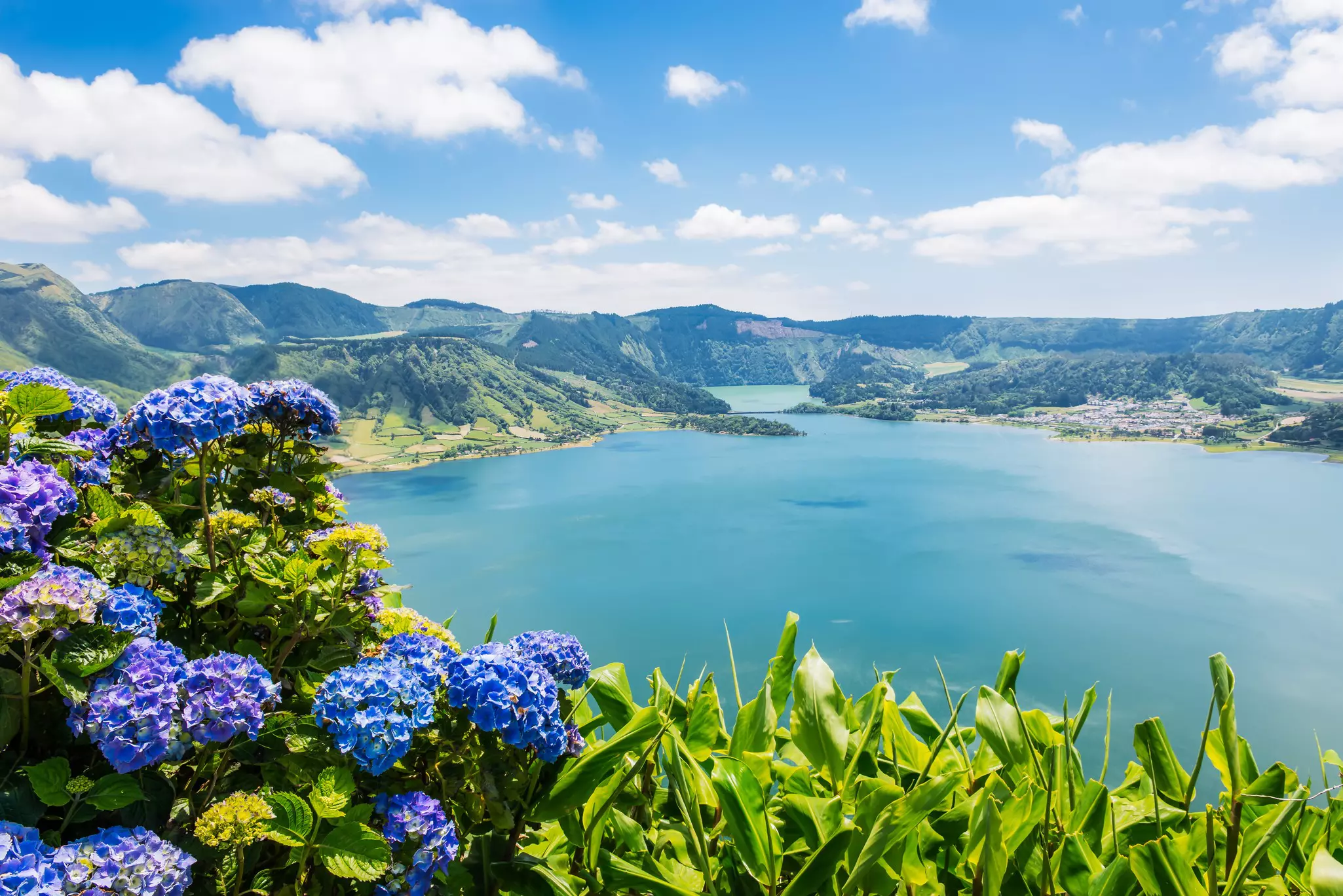
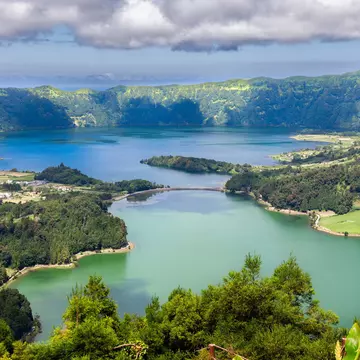
Hire a taxi or drive from Ponta Delgada to Sete Cidades (30km). Most travelers head straight to Miradouro da Vista do Rei for the views over the blue and green lakes. Although stopping here is a must, after seeing São Miguel’s most famous landscape, drive down the winding road that leads to the center of the quiet lakeside village.
Head to Casa de Chá O Poejo for a light lunch. Weather permitting, ask for it to be packed up so you can have an impromptu picnic by the lake.
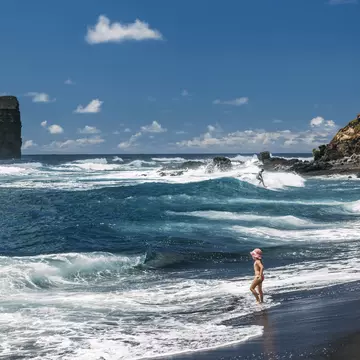
One of the top beaches in São Miguel, Praia dos Mosteiros, is a 10km drive from Sete Cidades. A well-known spot for experienced surfers, it's also a family favorite in the summer. Whether it's a good day for a swim or to relax by the shore, stick around for the sunset.
Ponta Delgada’s artistic district, O Quarteirão, has some of the best restaurants in town, including the local institution Rotas da Ilha Verde, one of the city’s first vegan and vegetarian restaurants.

Stay connected abroad with an eSIM
Holafly eSIM provides unlimited mobile data with no hidden fees, giving you peace of mind wherever you travel. Stay connected even after your plan ends with Always On. Use code LONELYPLANET for an exclusive discount.
Lonely Planet may earn a commission from affiliate links on our site. All recommendations and reviews reflect our own independent opinions.
If you still have the energy, wrap up your day with a cocktail at Résvés.
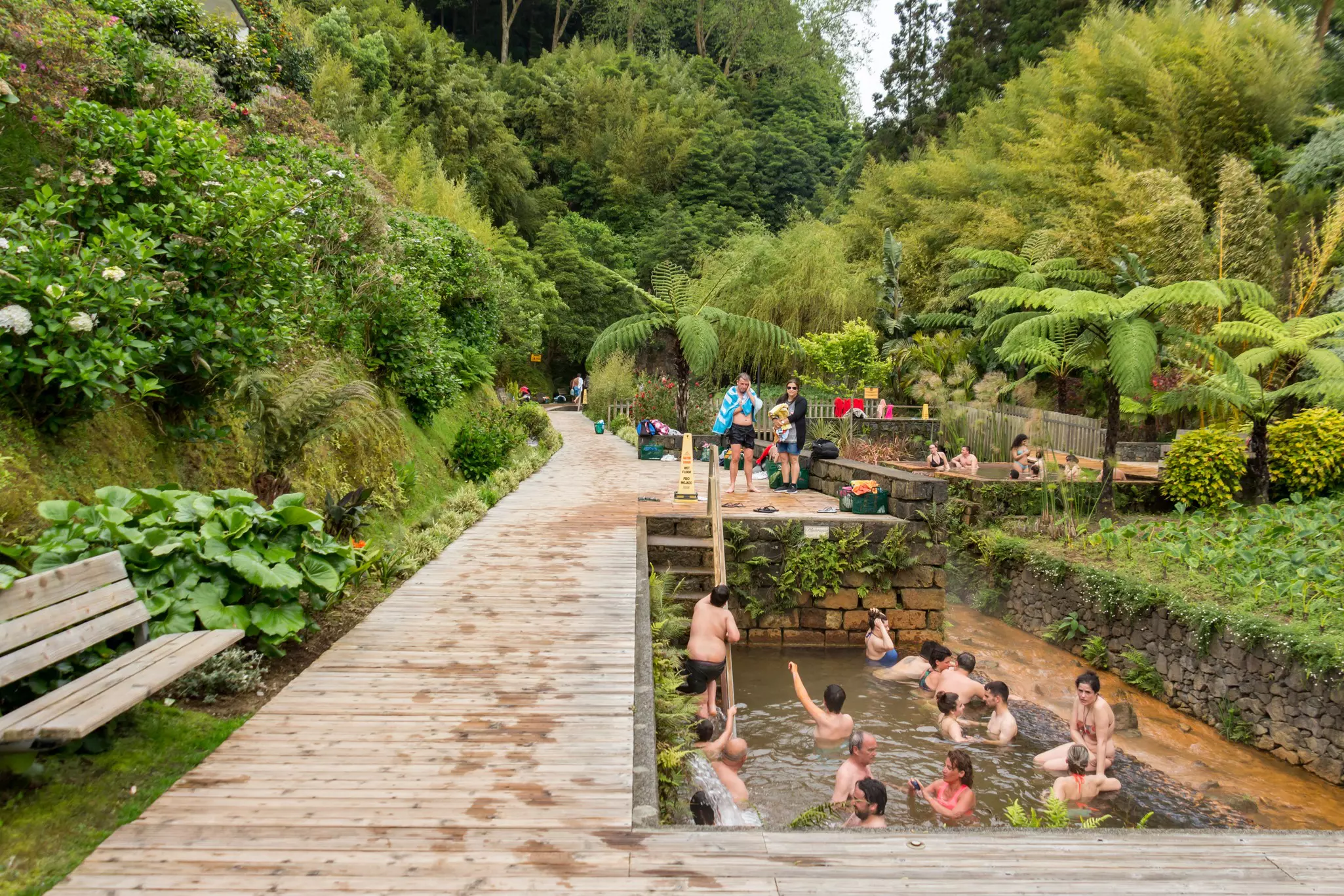
Start early for a drive on the scenic road EN1-1A toward Furnas. It’s a long and curvy trip (45km), so I suggest a stop midway in Vila Franca do Campo to stretch your legs and see the islet from Miradouro Ilhéu da Vila.
Plan to reach Furnas around midmorning. You’ll want to explore the walking paths of Parque Terra Nostra, soak in its pool of naturally heated water and visit the caldeiras (puddles of scalding water in the village center) before lunch. The shallow pools at Poça da Dona Beija are safer for nonswimmers.
After lunch, whether you had the traditional cozido (meat and potato stew cooked underground in volcanic steam) or not, stop by Padaria Glória Moniz for coffee and a few bolos lêvedos (traditional sweet bread) for the road.
Head to the fishing town Rabo de Peixe for an early dinner at Botequim Açoriano. For cozido das Furnas, make reservations at least one week in advance. Restaurante Tony’s is one of the best spots to try this local dish.
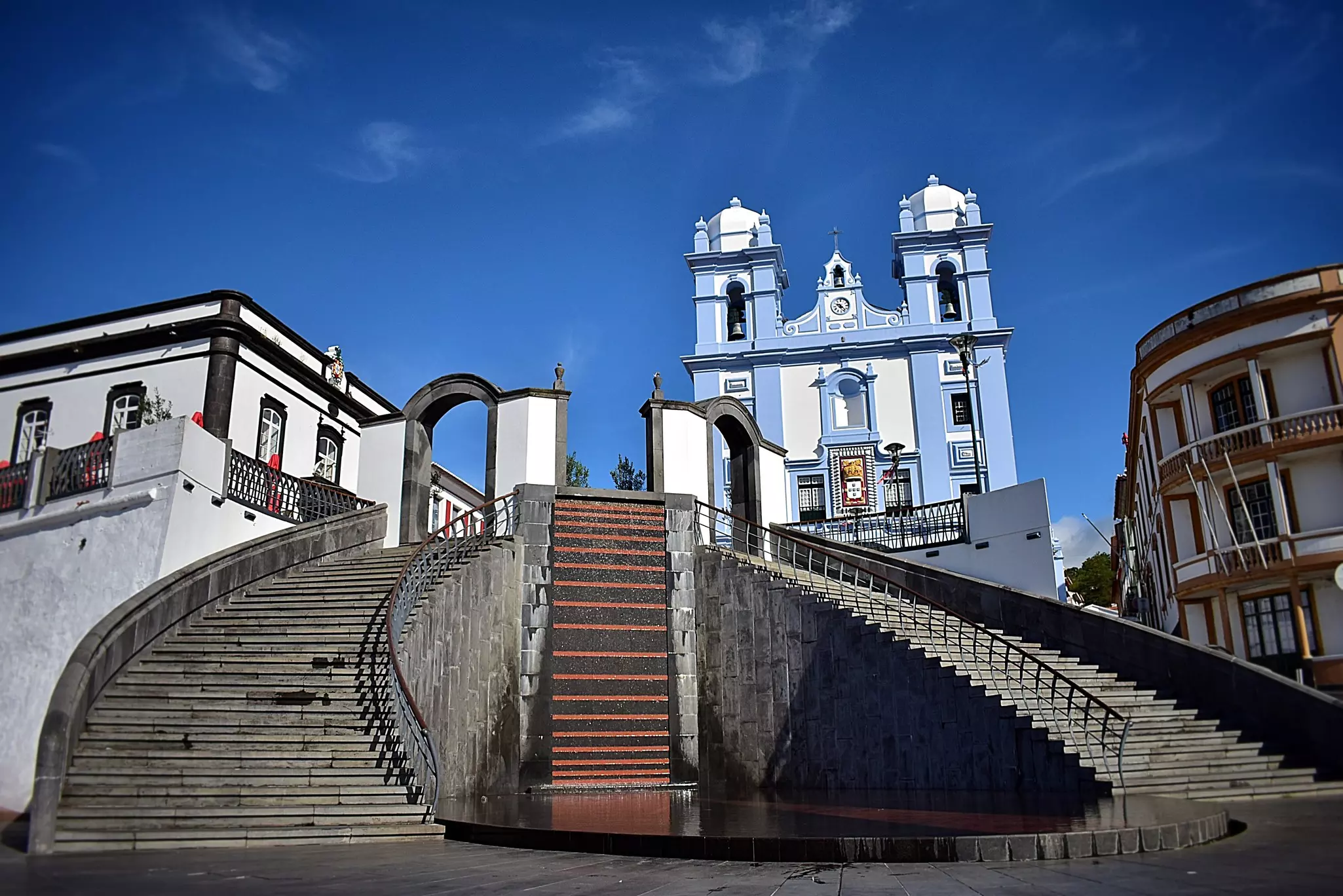
After landing on Terceira, head straight to Angra do Heroísmo (20km). Get lost in the streets of the city’s historic center, a UNESCO World Heritage Site since 1983, where colorful buildings line narrow cobblestone streets and picturesque squares. Depending on the weather, either hike to Monte Brasil to see the views from Miradouro do Pico das Cruzinhas, or learn about Terceira’s rich history at Museu de Angra do Heroísmo.
Unwind with a coffee or a glass of wine at the cozy family-owned bookstore, cafe and cultural venue Lar Doce Livro. With its busy calendar, you'll likely stumble on an event with local artists.
You can’t leave Terceira without trying alcatra (stew in a clay pot). Boca Negra is one of the best places to have it.
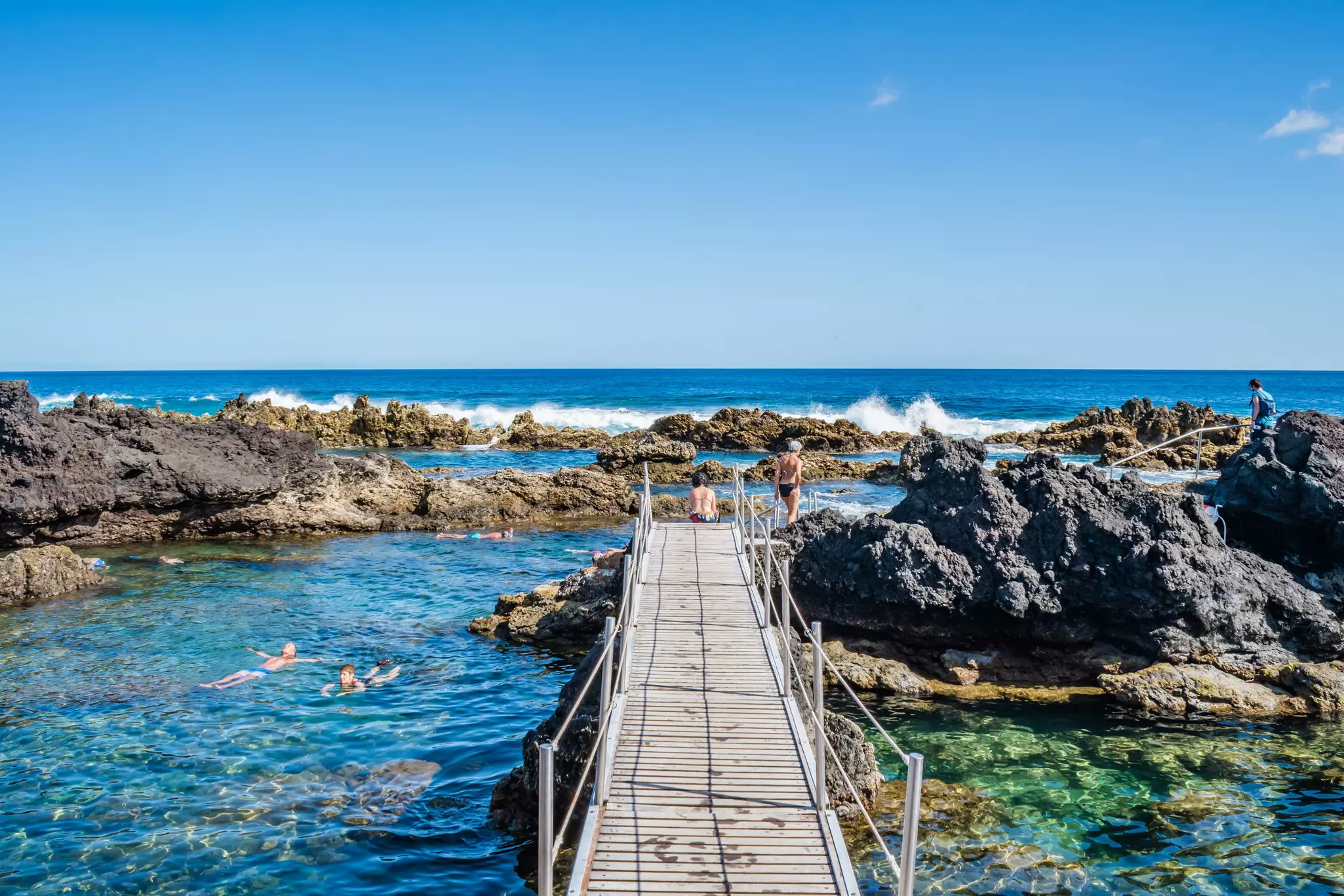
Drive from Angra do Heroísmo to Serra de Santa Bárbara Interpretation Center to learn about one of the volcanoes that formed Terceira. Take in the views from Miradouro de Santa Bárbara, then head north to Biscoitos. One of the busiest beach destinations in the summer, this town is also known for its wine.
Drive along the coast to Praia da Vitória to grab dinner at O Pescador, a traditional seaside restaurant known for fish dishes.
A postdinner walk along the promenade by the beach before driving back to Angra is a great way to say goodbye to Terceira.
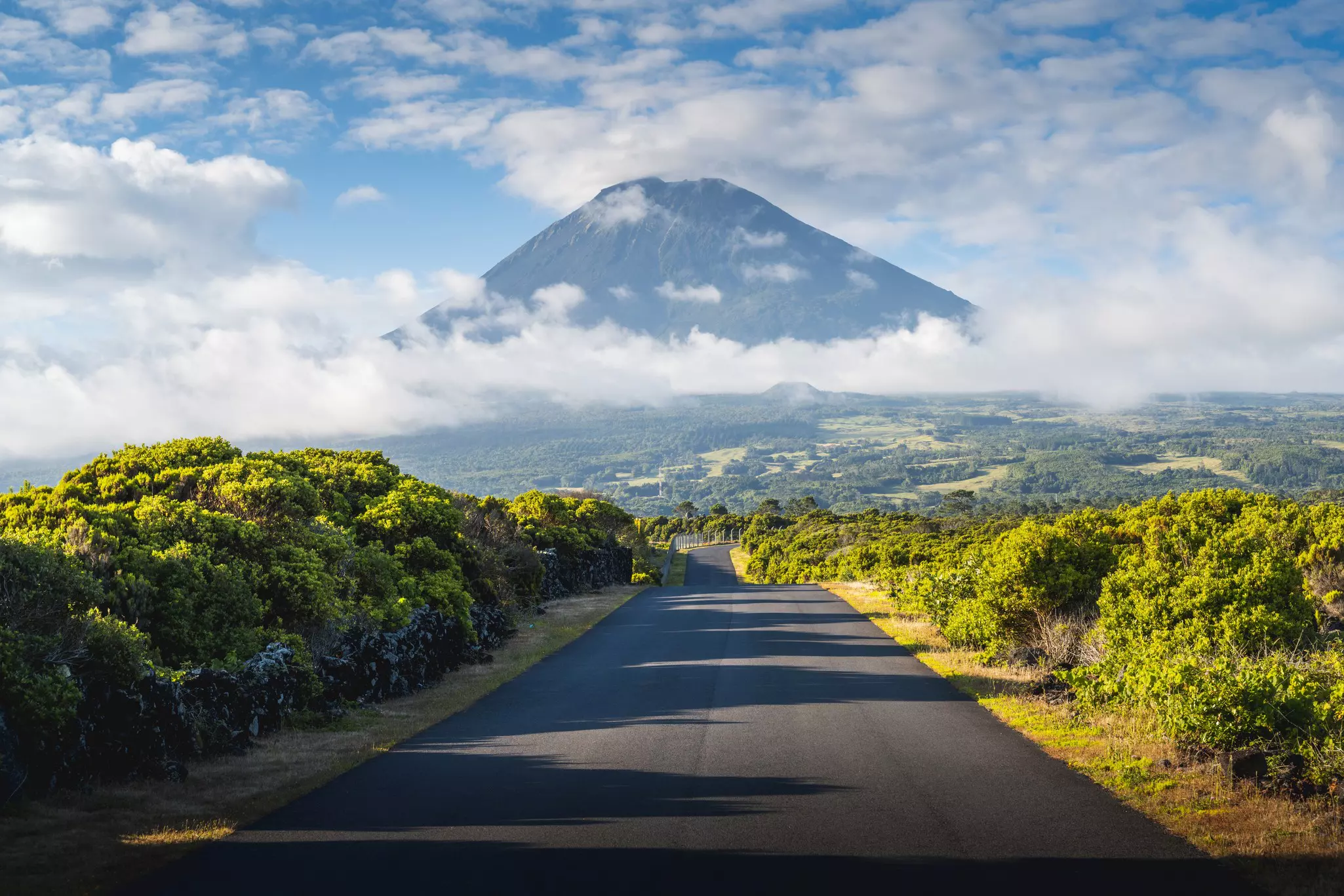
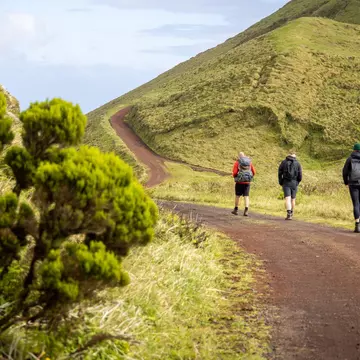
After your flight lands in Pico, get to know Madalena, then learn about Pico’s wine industry at Museu do Vinho. Afterward, head to Porto da Areia Larga – the starting point of a hiking trail to the vineyards at Criação Velha.
When walking back to Madalena, stop by Atlântico Tea and Wine House for petiscos (food to share) and local wine by the glass.
On a short trip, you're unlikely to have time to climb Mt Pico (it takes at least 8 hours), but you certainly won't be able to miss seeing the mountain.
Make reservations for one of the tasting menus paired with selected local wines at Azores Wine Company, or choose one of the small plate menus.
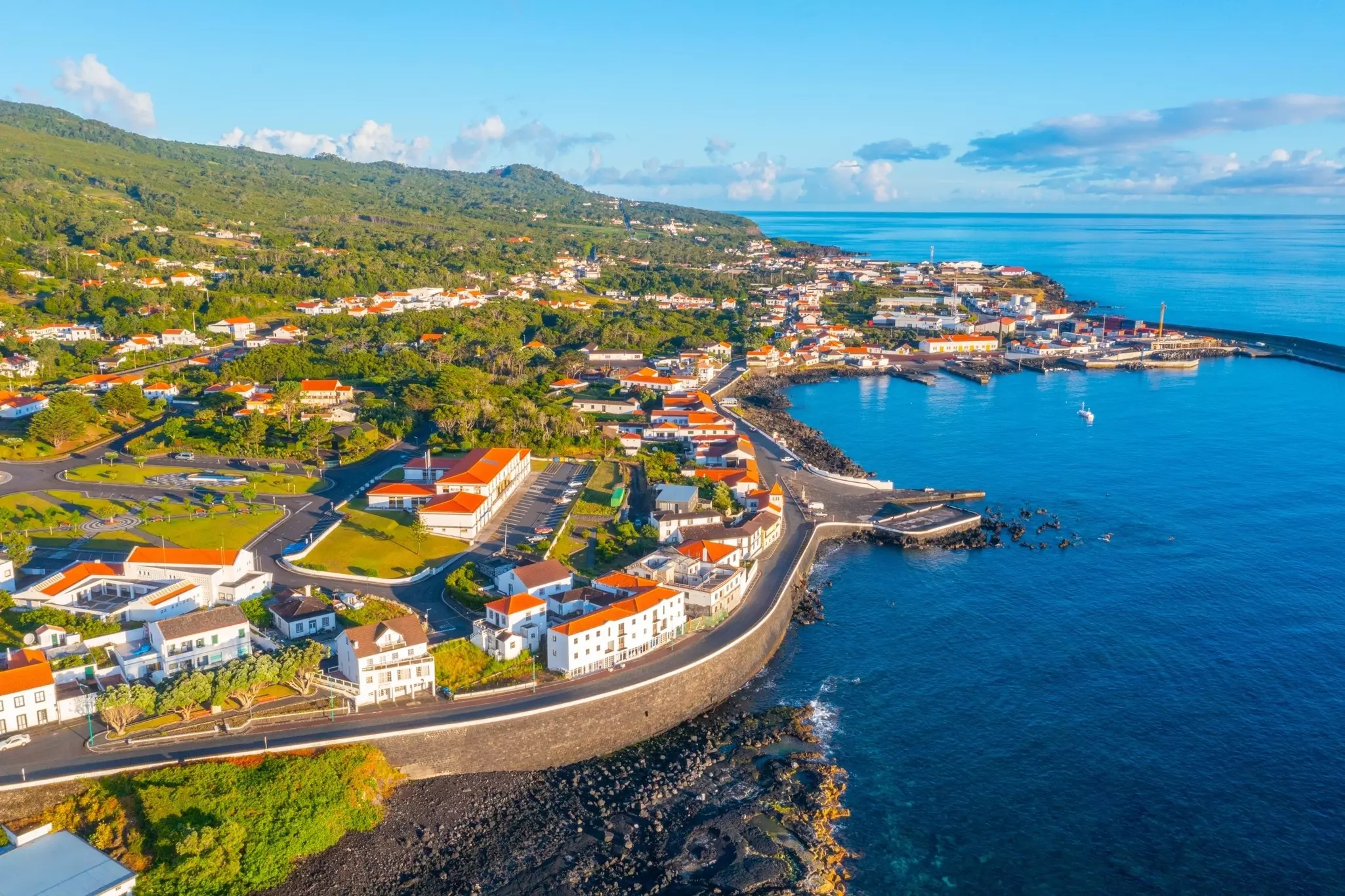
The whaling industry was a crucial source of income in the Azores, and its legacy is strongest in Pico. Reach one of the whalers’ towns, São Roque, via the scenic road EN-3, to visit Museu da Indústria Baleeira and check out the view of São Jorge. Then drive south to Lajes do Pico, and if you’re visiting during peak season, book a half-day afternoon whale-watching tour with Futurismo.
Have a sushi dinner made with local products at Mar, a Japanese restaurant with a view about 5km from Lajes.
A trip to Pico isn’t complete without a visit to Cella Bar. Order a tasting flight to bid the Azores farewell.
Explore related stories