Jun 24, 20267 min read
How to Get Around in PeruJun 24, 2026
7 MIN READ

Writer
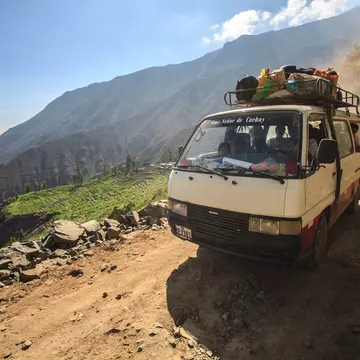
A bumpy ride on a dirt road through the Peruvian Andes. Christian Vinces/Getty Images

Writer
Highlights
Peru-based contributor Agnes Rivera breaks down the best ways to get around Peru.
Ride micros (buses) or combis (vans) around city centers for under 4 sol.
Intercity coaches like Cruz del Sur and Oltursa link major regions economically.
Trains reward the scenic journey to Machu Picchu; planes reach distant regions but lack atmosphere.
Lonely Planet may earn a commission from affiliate links on our site. All recommendations and reviews reflect our own independent opinions.
Peru stretches between the Pacific Coast and Amazon rainforest, with the majestic Andes Mountains running down its spine. The nation is a patchwork of contrasting regions, each with its own unique landscapes and ecosystems.
While such unique geography makes Peru an exciting country to visit, it can make getting around a challenge. Paved roads between regions are often absent. The railway network is sparse. And most flights require a connection through the capital of Lima, even if that involves backtracking.
But don’t let the logistics discourage you – for exploring this country is a real adventure, and the extra planning pays off in spades. Get going on making your dream trip happen with our guide to getting around Peru.
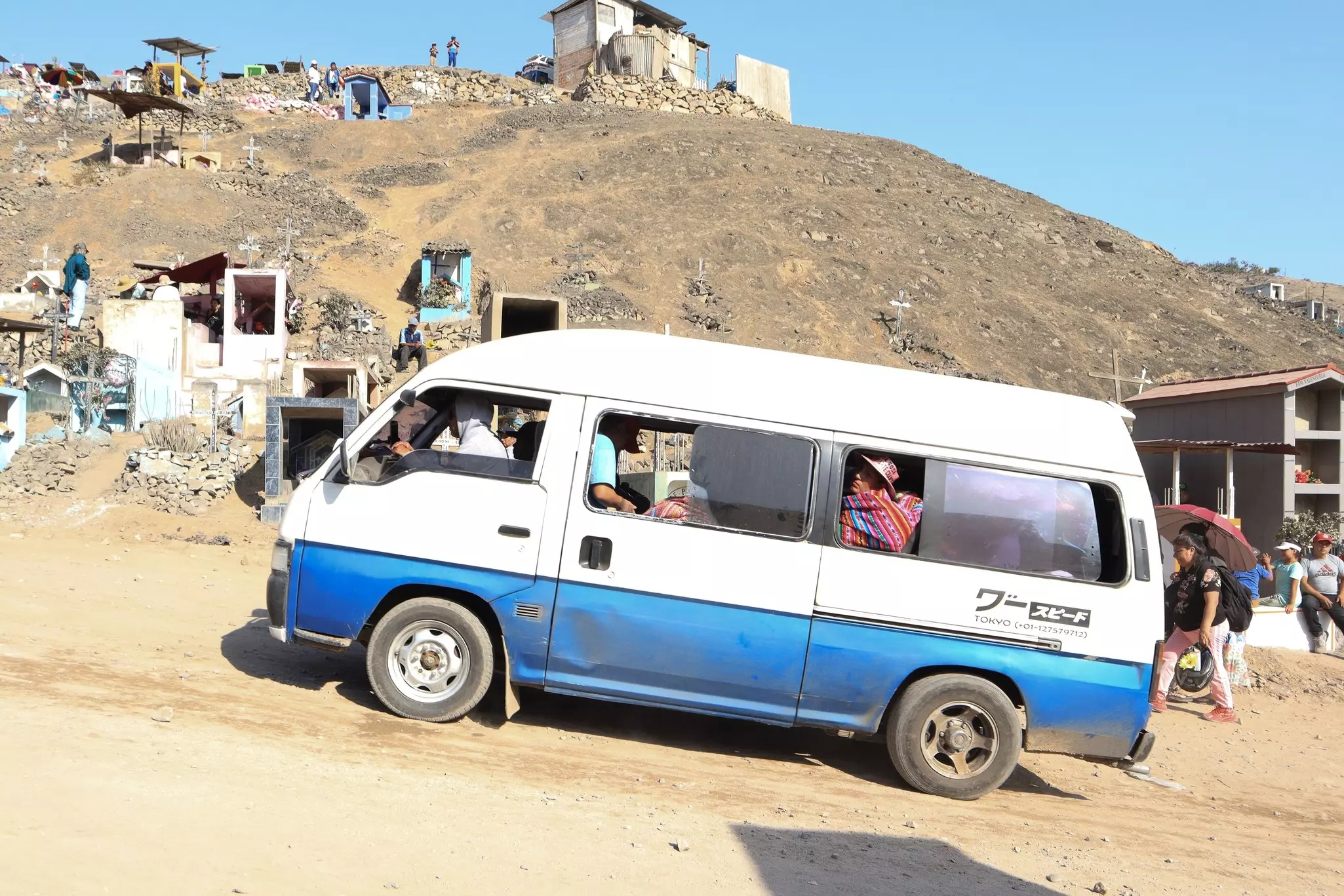
Once travelers arrive in Lima, they’ll quickly spot micros (buses) and combis (vans) barreling down its avenues and residential streets. Public-transport passengers should be aware of certain road safety concerns (erratic driving and speeding top the list), and know that set schedules aren’t really a thing. They’ll also soon realize that these options offer extremely cheap and easy ways to get around in Peru.
In metropolitan cities such as Lima, Arequipa, Cuzco, and Trujillo, passengers can commute by bus to the other side of the city for less than 4 Peruvian sol. With constant drop-offs and pick-ups, however, travelers should not expect to get where they’re going swiftly. (The 40km bus ride from Comas district in the north end of Lima to Chorrillos in the south, for example, can take up to 2 hours.)
For an exceptionally local (albeit nail-biting) experience, combis are fast-driving, overly packed vans that turn into discos at night, blaring reggaeton and illuminating the streets with their fluorescent lights.
There is no set schedule for micros or combis, and the routes are not readily available online, so ask locals waiting at the bus stop for timing and route details. Alternatively, the cobrador (the person who assists the driver by receiving each passenger’s fare) can tell you where to get off.
Planning tip: Most visitors will arrive in Peru at Lima’s international airport. Fast and safe, Airport Express has an hourly shuttle service with seven stops throughout Miraflores. There's no bag limit and it has free wi-fi, USB chargers and restrooms on board.
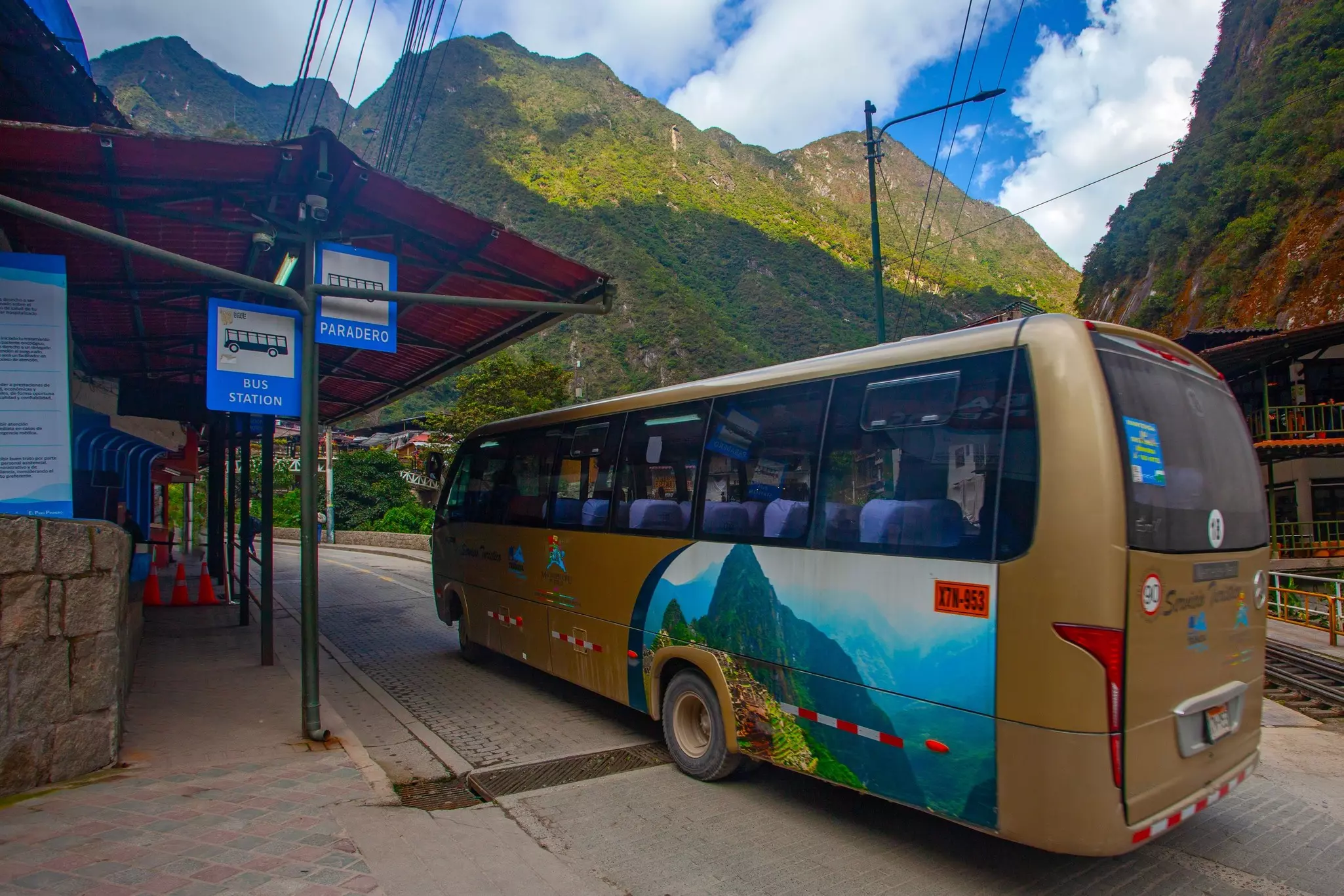
For longer, interregional routes, various companies offer scheduled coach services, and they’re one of the most economical ways to get around Peru. But do your research, since not all services are created equal.
One of the most reputable bus companies is Peru Hop, which caters to tourists rather than local families and business travelers. The service allows passengers to hop on and off along the route, with travelers deciding how much time they want to spend at each destination before continuing their journey. Keep in mind that the bus routes are largely limited to the south of Peru. Multiple-day, multi-stop passes start at US$170.

Stay connected abroad with an eSIM
Holafly eSIM provides unlimited mobile data with no hidden fees, giving you peace of mind wherever you travel. Stay connected even after your plan ends with Always On. Use code LONELYPLANET for an exclusive discount.
Lonely Planet may earn a commission from affiliate links on our site. All recommendations and reviews reflect our own independent opinions.
If you’re itching to head up north to the beaches of Máncora (15 hours by bus from Lima), the quaint jungle town of Oxapampa (10 hours), or perhaps toward Huaraz (8 hours) in the Andes, recommended bus companies include Cruz del Sur, Oltursa and Movil Tours.
Planning tip: Buses in the highlands can be significantly delayed during the rainy season (January to April), particularly in the highlands and the jungle.
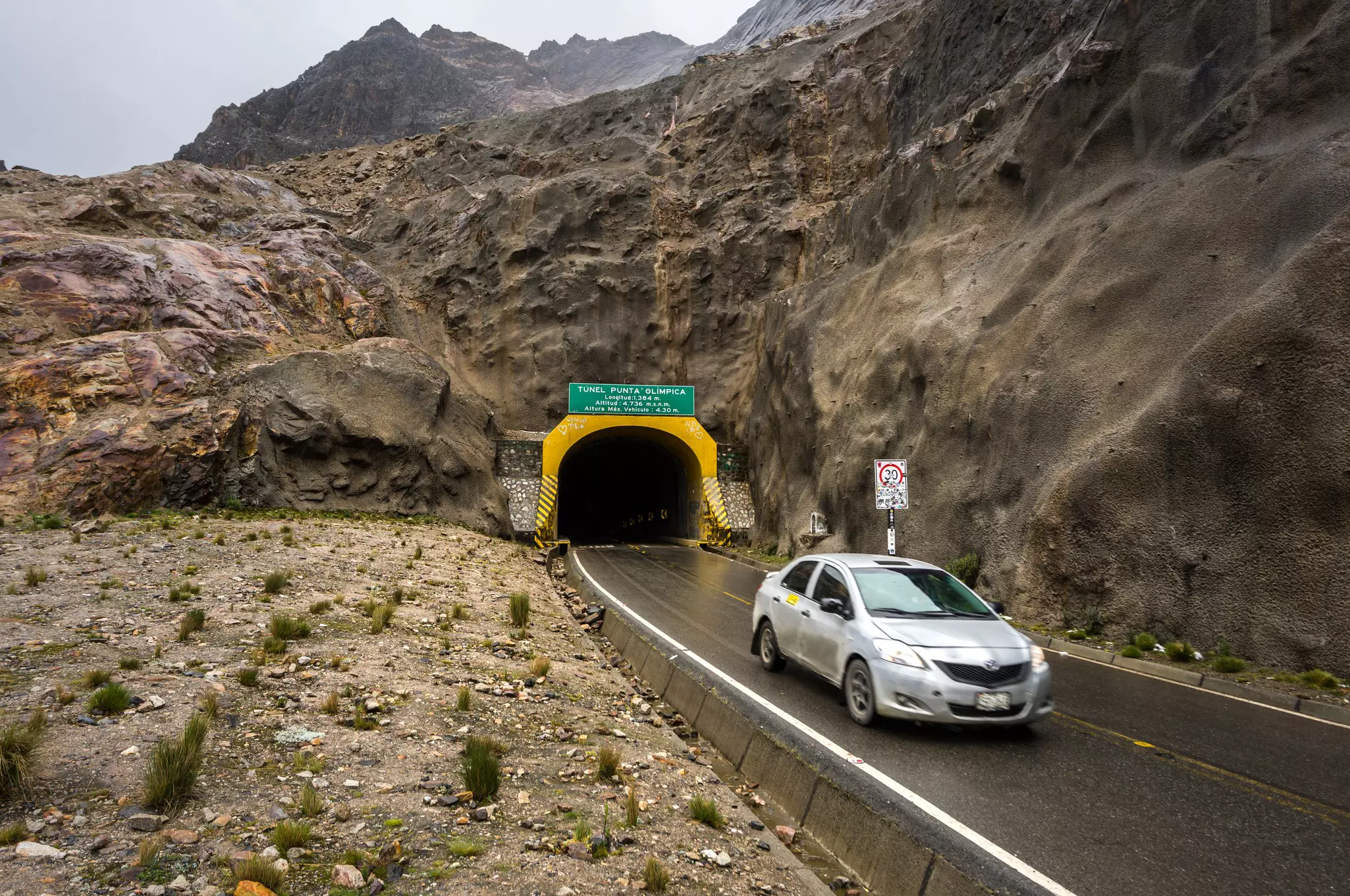
Getting around Peru in your own car is a real adventure – but should only be undertaken by those with time on their side, a forgiving budget and a tolerance for chaotic traffic.
Traversing the entire country from north to south, the most important highway in Peru is the Carretera Panamericana, part of the Pan-American Highway that runs from Alaska to Patagonia. Long stretches of the coastal desert can become dreary at times, though you can always look forward to stopping for a fresh-out-of-the-oven pan a la leña (fresh bread) when heading south, or discovering a secluded beach en route north.
Rental cars are not cheap in Peru, making them more suited to a 2- or 3-day “trip within a trip” than a complete tour of the country. When renting a car, opt for a model with 4WD due to the rough terrain – especially if heading toward the jungle or Andes.
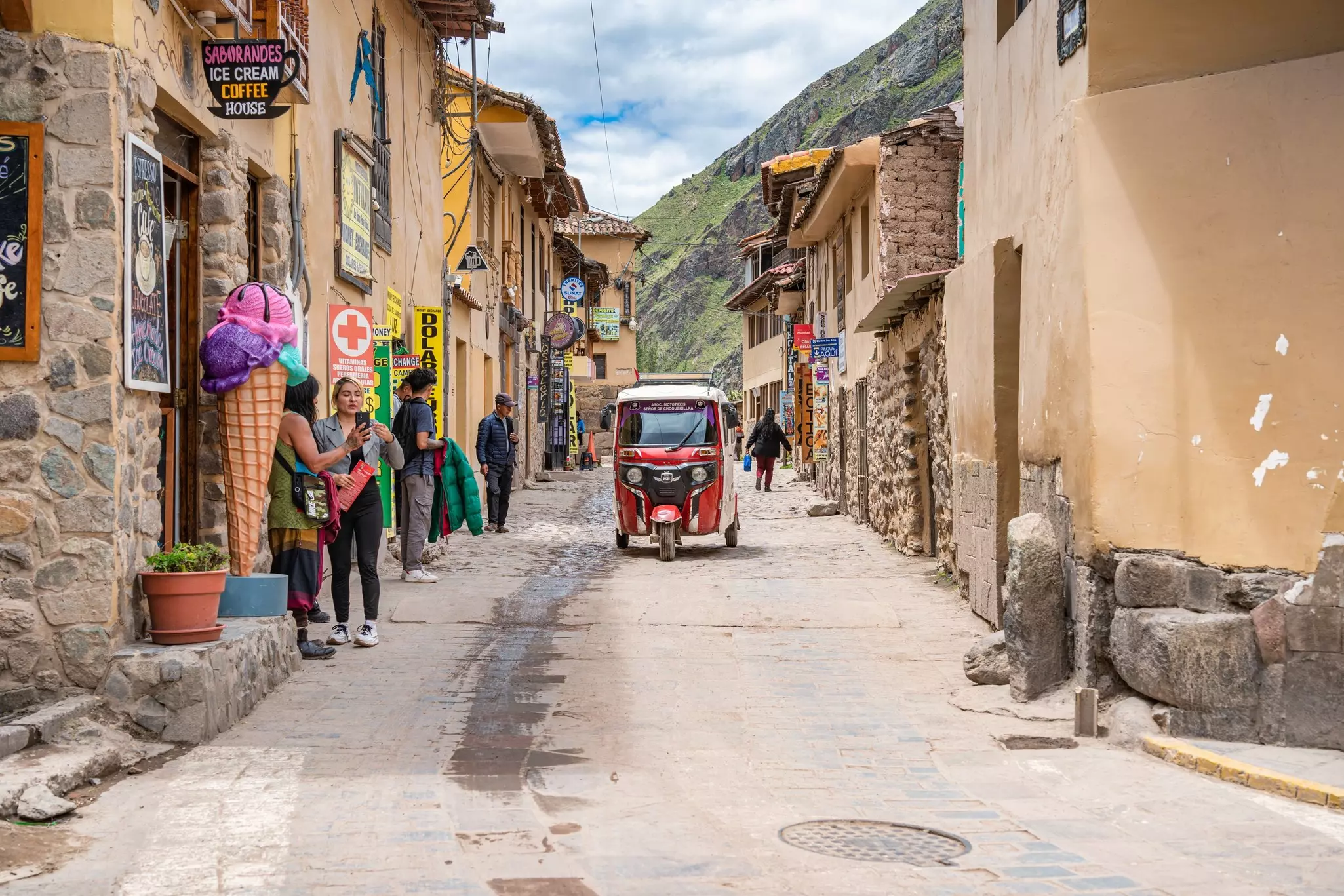
Taxis can move you from place to place within a city or town quickly and relatively cheaply. Just be sure to ask locals about standard pricing so as not to pay the “foreigner's special” (a hiked fare that only applies to tourists).
Lima is by far the most expensive city in Peru for transportation – and most things, in fact. Yet compared to those in the US and Europe, Lima’s taxis are incredibly cheap, with an average fare usually running no more than US$4.
Taxis in major cities can be waved down on the street. For greater safety and consistent pricing, you can also order through a rideshare app such as Uber (available in Arequipa, Cusco and Lima).
In smaller jungle and highland towns, mototaxis replace the conventional offering and are far cheaper. Spotting a throng of these (Peru’s answer to Thailand’s tuk-tuks) when arriving somewhere is a great sign that the place has yet to be gentrified. Most rides will cost no more than S4.
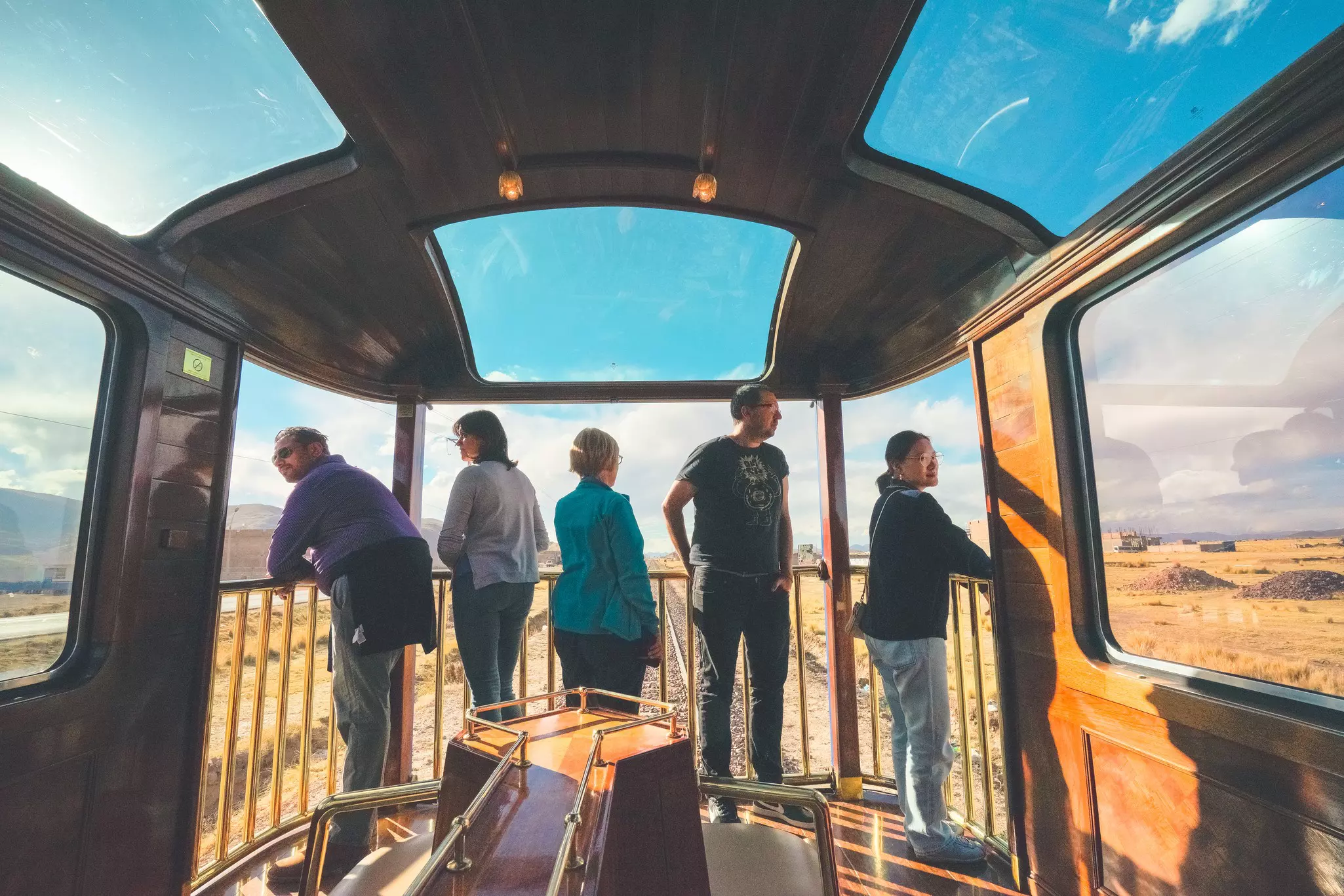
Trains only serve a handful of destinations within Peru – but what destinations! Indeed, the landscapes along these routes are so impressive that it’s worth shaping an itinerary around a train trip.
Peru’s most famous (and popular) train ride is the scenic journey to the Inca citadel of Machu Picchu. Departing from Cusco or the Sacred Valley town of Ollantaytambo, passengers can take in views of the Vilcanota River and watch verdant valley hills begin to mix with the Amazon rainforest upon nearing the final stop, Aguas Calientes. From there, it’s a 30-minute bus ride on to the UNESCO World Heritage Site. Two rail companies serve the route: PeruRail and Inca Rail, which both offer various price points and levels of comfort.
For those looking to savor every transition in Peru’s geography, PeruRail’s Andean Explorer is a luxury sleeper train between Cusco and Puno (think of it as a picturesque commute to Lake Titicaca). The Cusco–Puno–Arequipa route brings passengers to the Ciudad Blanca (White City).
Besides buses, planes are one of the most common and efficient ways for travelers to reach all the country’s regions. Peru’s main airline is LATAM, operating internationally as well as between major cities within Peru.
Small domestic airlines offer cheaper prices but have limited departures. StarPerú offers flights to Cajamarca, Huanuco, Iquitos, Lima, Pucallpa and Tarapoto, for example. You can all but count on a connection in Lima if you want to fly between two regional cities.
While planes are a convenient way to get from A to B for those low on time, they lack the atmosphere travelers find on Peru’s long-distance buses or trains. They’re also much more harmful to the environment.
Planning tip: Many international flights arrive in Lima in the wee hours; jet-lagged travelers would be wise to book a nearby hotel in advance.
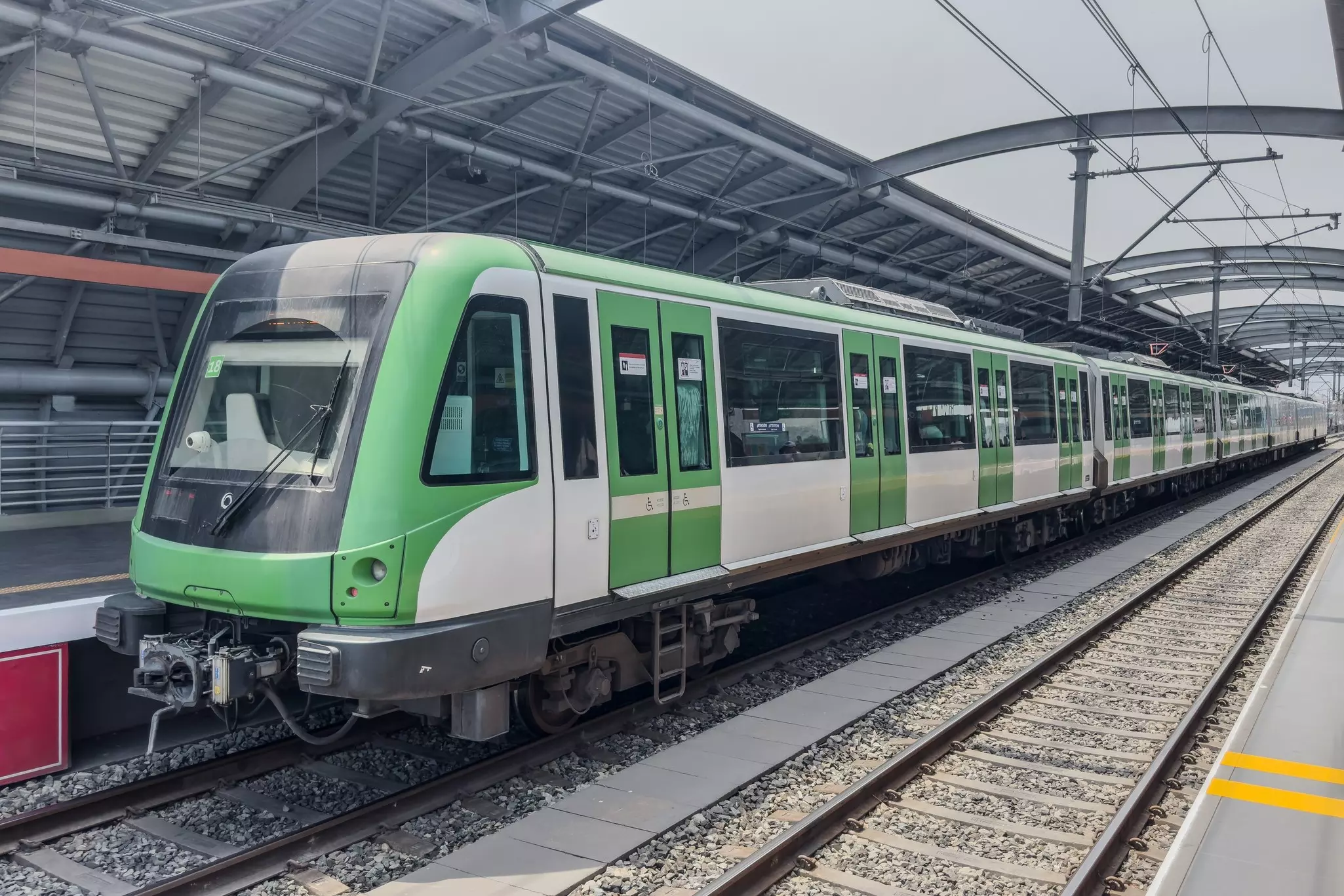
While Peru has a long way to go in terms of inclusive access and accommodations for travelers with mobility issues, Lima has built new infrastructure in recent years. Ramps and elevators are becoming more common in places like shopping centers.
Unfortunately, basics such as smooth, wide sidewalks, signs in braille and phones for the hearing impaired are few and (very) far between. In other regions and provinces, they are non-existent.
Lima’s light rail does have wheelchair access and fellow passengers are obliged by law to give preferential access to those who are disabled. The current single line offers a smooth ride, with 26 stops around the city.
Useful resources for disabled travelers in Peru include Conadis, a government agency offering information and advocacy for people with disabilities in the country; and Apumayo Expediciones, one of a handful of adventure-tour companies that runs trips for travelers with mobility issues to Machu Picchu and other historic sites in the Sacred Valley.
Book your Peru trip with Lonely Planet Journeys
See Peru how it's meant to be seen
Planned by local experts and tailored to you, Lonely Planet Journeys handles the logistics so you can just enjoy the trip. Tell us what you want and we'll build your Peru itinerary from scratch, or browse our bookable trips to get inspired.


Explore related stories