Oct 24, 20268 min read
Everything You Need to Know About Visiting an Onsen in JapanMay 26, 2026
20 MIN READ
Writer
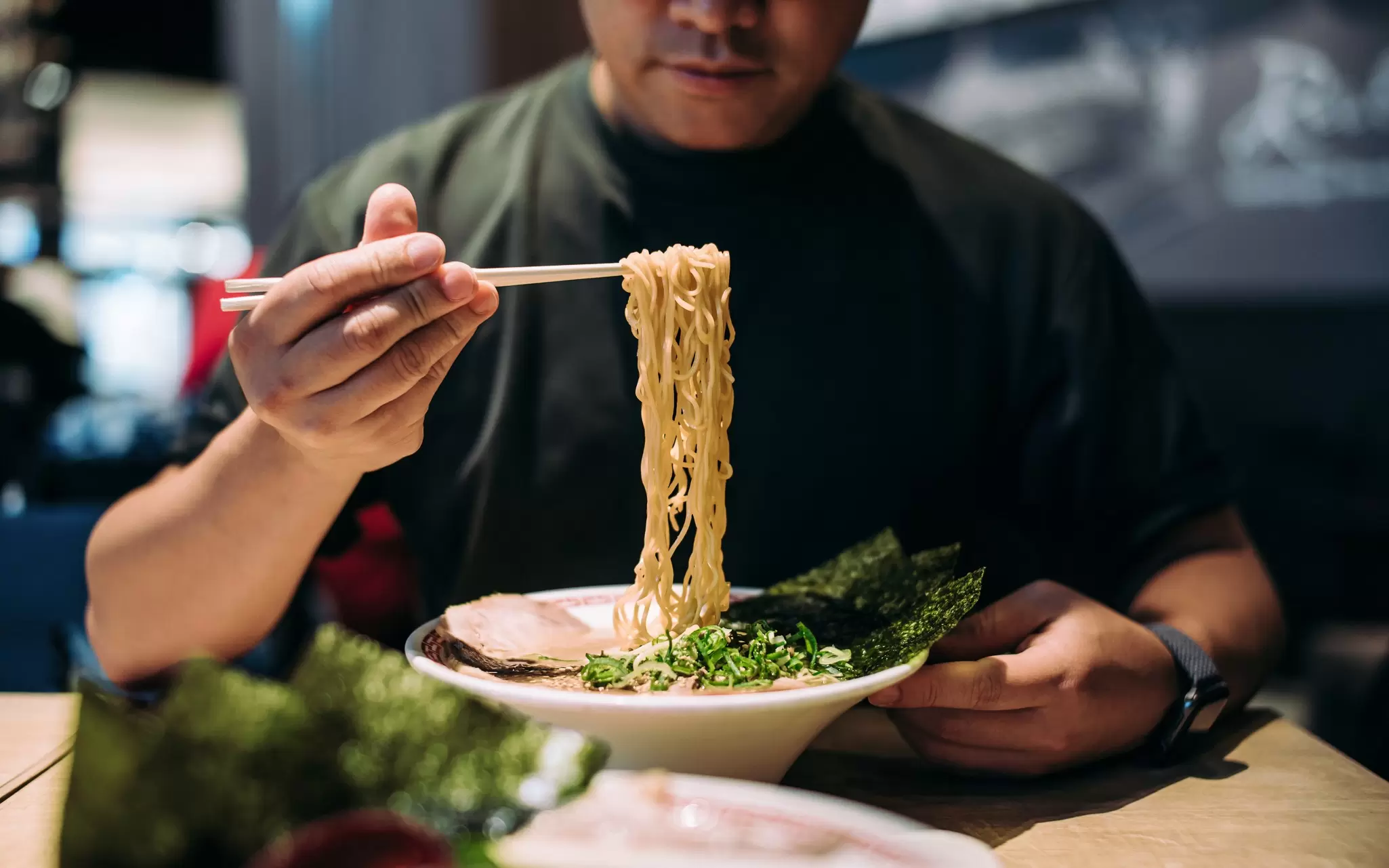
Japanese ramen. d3sign/Getty Images
Writer
Highlights
Writer Phillip Tang picks 26 Japan experiences from cherry blossoms to capsule hotels.
Slurp ramen in Tokyo, try kaiseki in Kyoto and pick fresh onigiri from a konbini.
Take the shinkansen (bullet train) between cities to reach ski slopes, onsen and castles.
Art lovers should visit Naoshima's Yayoi Kusama sculpture or Hakone's open-air museum.
Lonely Planet may earn a commission from affiliate links on our site. All recommendations and reviews reflect our own independent opinions.
Temple bells, capsule hotels and breezy cat islands. Outdoor sculptures, pine-forest hot springs and umami flavors.
Japan activates all the senses.
Yet accessing this unique and uniquely delightful country can feel overwhelming for visitors. Where does one begin? Start with our roundup of both celebrated and under-the-radar recommendations: the best things to do in Japan.
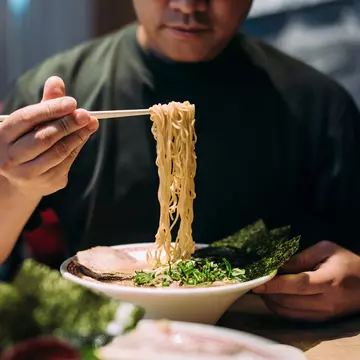
Is it a bowl of noodles in a dashi broth topped with sliced roast pork, or is it a cult? Ramen is both. Evangelists insist that the best ramen is at nothing-fancy ramen-ya (ramen diners), which boomed after WWII. Today, you can slurp the dish the way you like: shōyu(soy sauce) ramen, miso (soybean paste) ramen, Kitakata ramen (pork shōyu), dipping ramen, or – the most famous internationally – tonkotsu(pork bone) ramen.
A few ramen restaurants in Tokyo, where the fusion started, even hold Michelin Bib Gourmand ratings: Nakiryu, Konjiki Hototogisu and Ginza Hachigo.
Each Japanese region has its own spin on the meal, from thin noodles in a clear soup (closer to its Chinese origins) to a thick ginger broth. Nearly all offer an optional side dish of gyōza(pork dumplings) and a heavenly gooey egg.
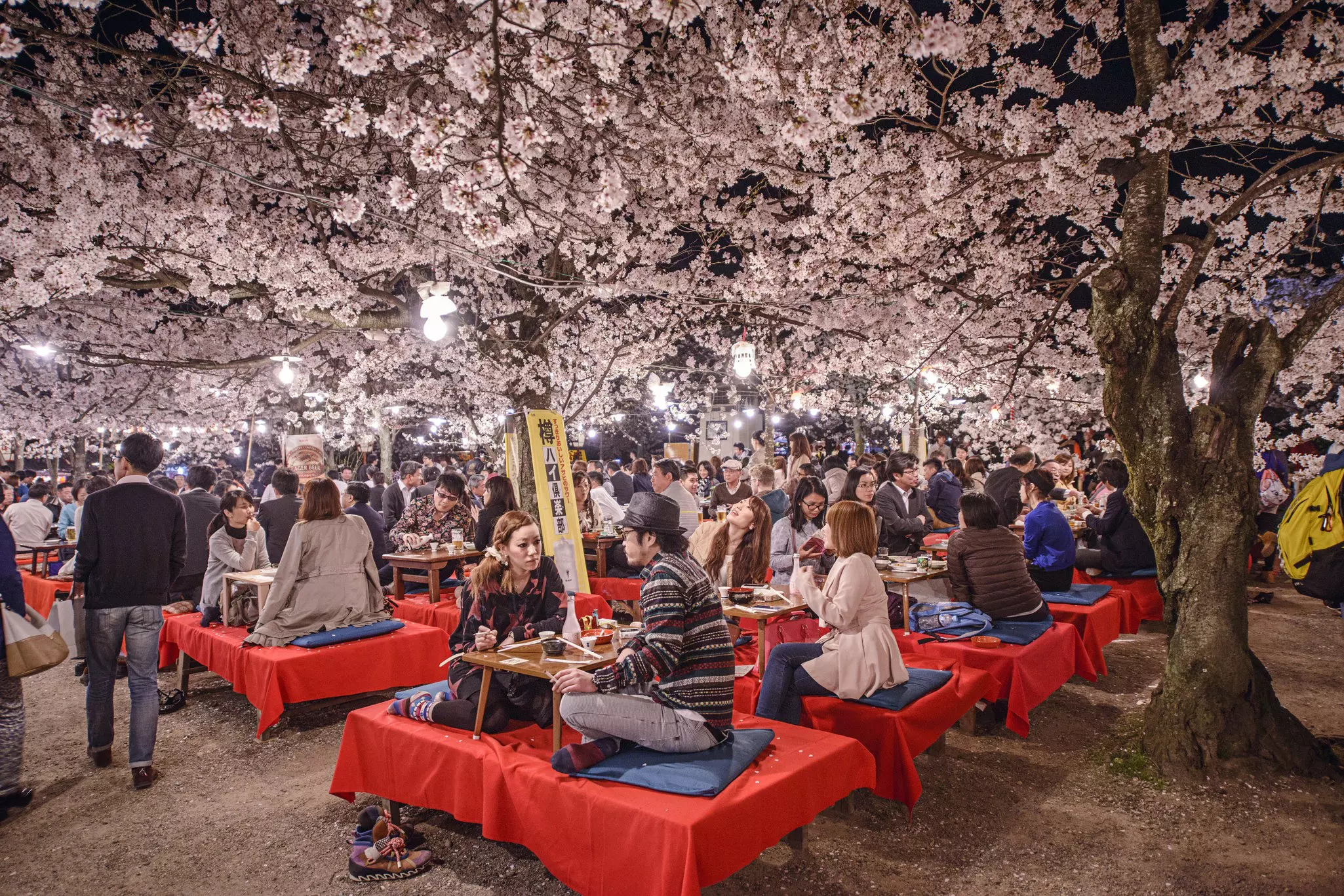
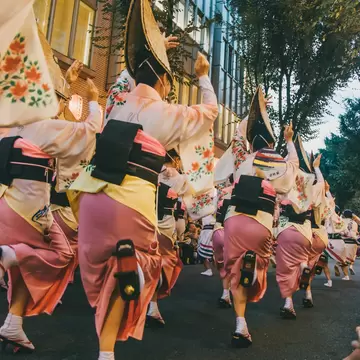
Japan loves a festival. Throughout the year, numerous matsuri (festivals) celebrate snow, summer, music...or any subject you can dream up. These celebrations are an entertaining way to watch dancers and drummers in the traditional dress of each region; enjoy some street food; and be dazzled by lanterns and fireworks. Most of them are family-friendly, too.
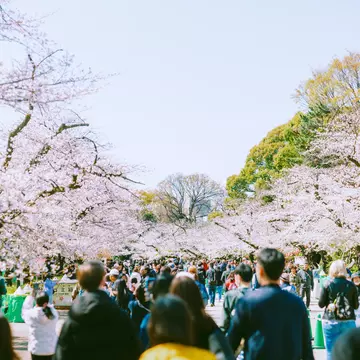
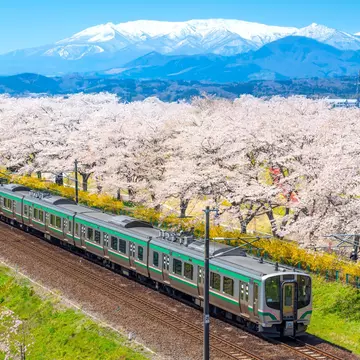
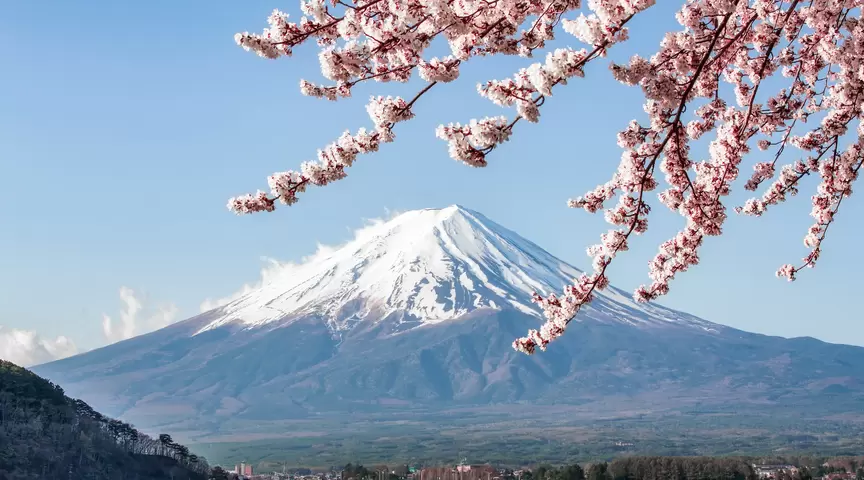
Every year, the arrival of pink and white cherry blossoms attracts a global crowd. The top spots to see loads of flowers are Mt Yoshino, the Fuji Five Lakes region, castles like Hirosaki-jō and all across Kyoto.
Other big festivals worth planning for include Kyoto’s summer bash, Gion Matsuri, in July, when you can catch giant floats and locals dressed in elegant yukata (cotton robes). Sapporo’s annual snow festival in early February, Yuki Matsuri, includes an international snow-sculpture contest, ice slides and mazes for kids.
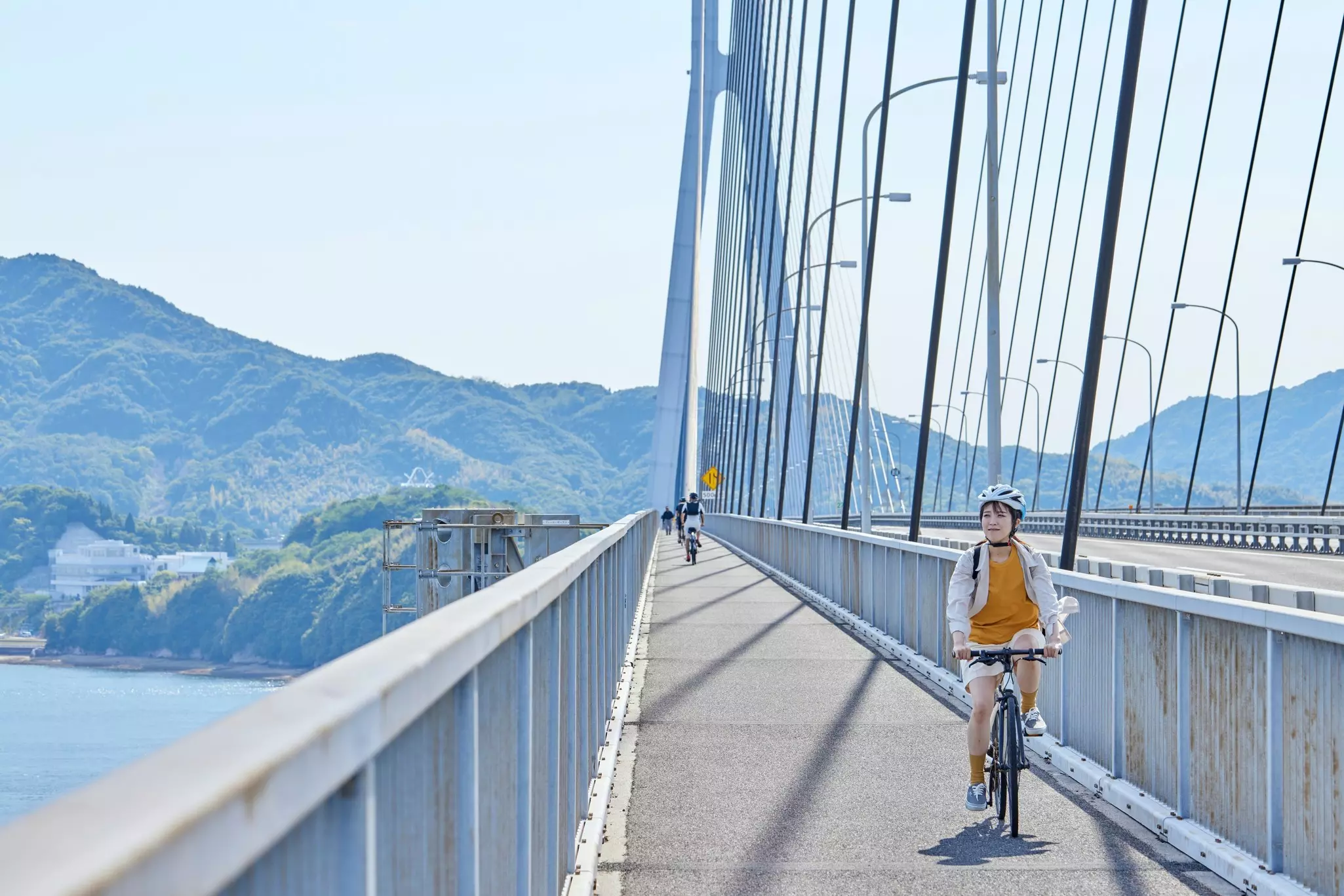
The Shimanami Kaidō is a cyclist’s fantasy. A 70km, blue-painted cycle route unfurls across six islands, taking in jade mountains, orange groves and sea air. From Onomichi on Honshū to Imabari on Shikoku, you can make stops to swim at secluded beaches, visit a museum dedicated to local painters, and enjoy shrines with sea views all to yourself.
Detour: To get even further off the beaten track, take the Tobishima Kaidō cycle route.
Wafting aromas of charcoal yakitori (chicken skewers with sweet teriyaki sauce). The sizzle of okonomiyaki(seafood-and-cabbage pancakes) on the hot plate. Everywhere you turn in Japan, restaurants and tiny diners whip up magnificent dishes. Osaka and Fukuoka’s yatai (moveable stalls) make for a street-food paradise, and trying different flavors every day is one of the most exciting Japanese experiences.
For casual eating for couples and groups, a cavernous izakaya is a great choice. These common establishments are part bar, part restaurant – and always dependable for a good-value meal of nabemono (hot pot dishes), Kobe and Wagyu beef, sashimi and grilled fish. Alternatively, pick out sushi from a kaiten-zushi conveyor-belt restaurant such as Numazukō in Tokyo.
Some modern Japanese snacks children love include cartoonishly fluffy hotcakes, omurice(rice-filled omelet and ketchup) and pyramids of strawberry-and-cream sando(sandwiches).
Plenty of small restaurants specialize in just one dish, such as kara-age (fried chicken), udon (thick wheat noodles), soba (thin buckwheat noodles) or katsu-kare (crumbed pork cutlet in mild curry). Even small yakitori(barbecued chicken skewers) bars can wow you with their simple smoky flavors that pair perfectly with a glass of sake.
Local tip: A teishoku (set menu) lets you try a bit of everything (rice and miso soup included). This is a popular choice for lunch or a casual dinner.
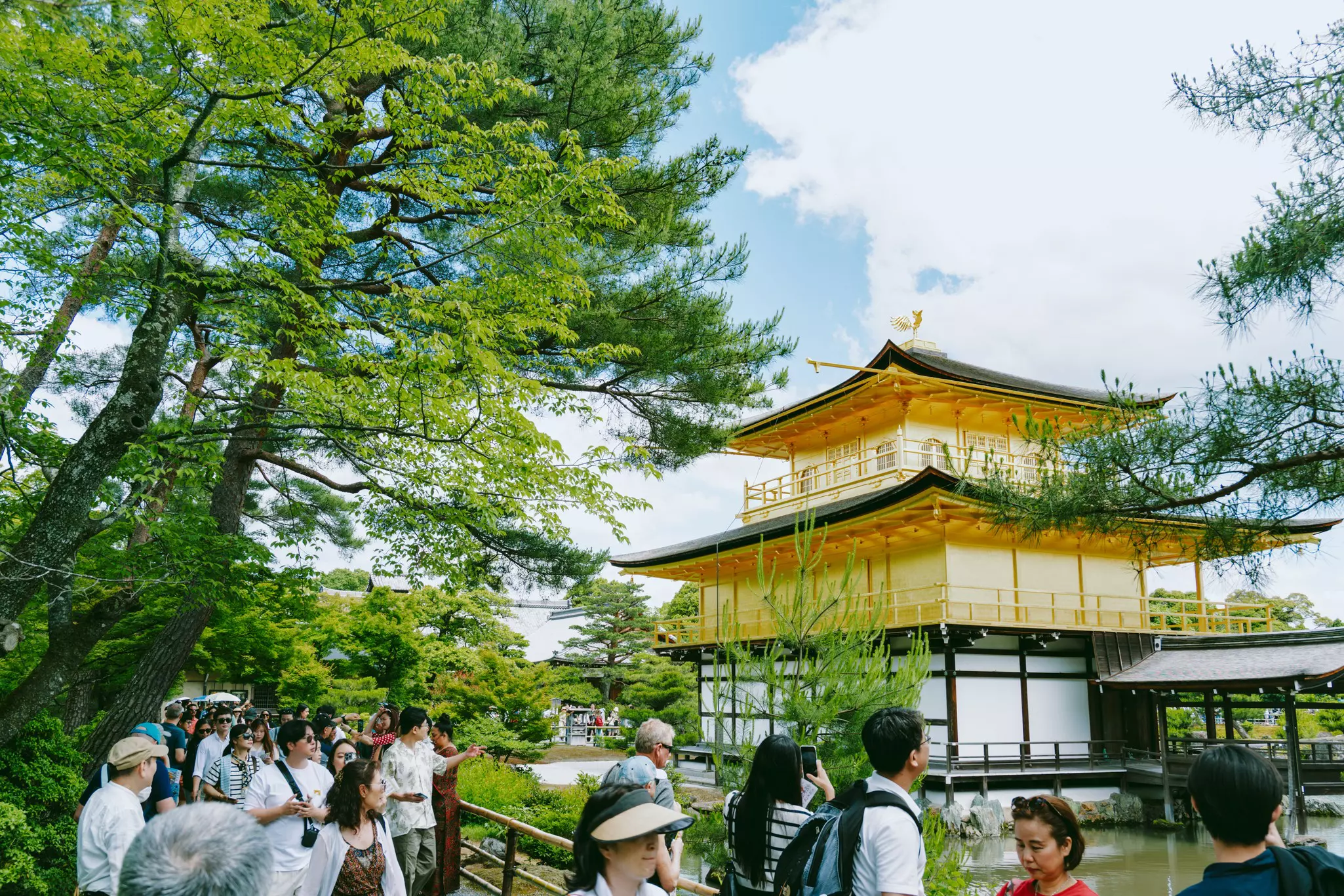
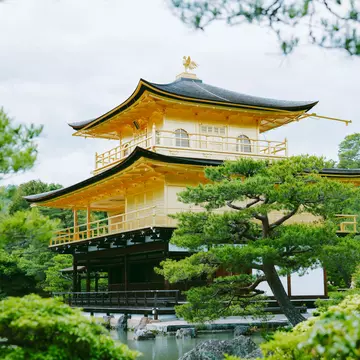
With more than 2000 exquisite temples, as well as splendid gardens and ceremonial teahouses, Kyoto is where you can get closest to traditional Japan. One of the most exquisite sights in all of Japan is the gold-leaf tiers of Kinkaku-ji. Its temple beams gloriously in the sun, with a mirror image in the pond below, framed by layers of pine trees.
Japanese gardens have minimalist designs to facilitate meditation and reflection, and the gardens of Kyoto have close ties to monks, emperors and philosophers. The finest ones show personality through subtle touches: a weathered bridge to represent the march of time, say, or unique pebbles. The most intriguing Zen garden is Ryōan-ji, a mysterious arrangement of 15 rocks.
Planning tip: There is a lot to love in Kyoto, so arrive early on a weekday to beat intense crowds and enjoy a peaceful time reflecting on Japan’s living traditions. Come evening, stroll through lantern-lit streets lined with 17th-century traditional restaurants and teahouses in Gion, the quarter for entertainment and geisha (known locally as geiko) quarter.
Lift the small cup with two hands, one supporting the bottom. Admire the gold leaf dancing on the clear sake. Sip and feel the smooth, crisp liquid go down, chased with a hint of plum. Then it’s on to the brewery next door.
The process of transforming rice into alcohol goes back 2000 years, and some still-operating Saijō breweries date back 150 years. The town is an austere set of eight white-washed breweries with brick chimney stacks proclaiming the name of each one in Japanese.
Begin your taste-testing at the Kamotsuru Sake Brewing Company, where you can learn about and watch the brewing process. Feudal lords drank here during the Edo period (1603–1868), and it was this brewery that produced a gold-leaf sake that President Barack Obama tried in Tokyo, poured by late Japanese Prime Minister Abe Shinzō. The experience may even entice you to declare your devotion to the god of sake.
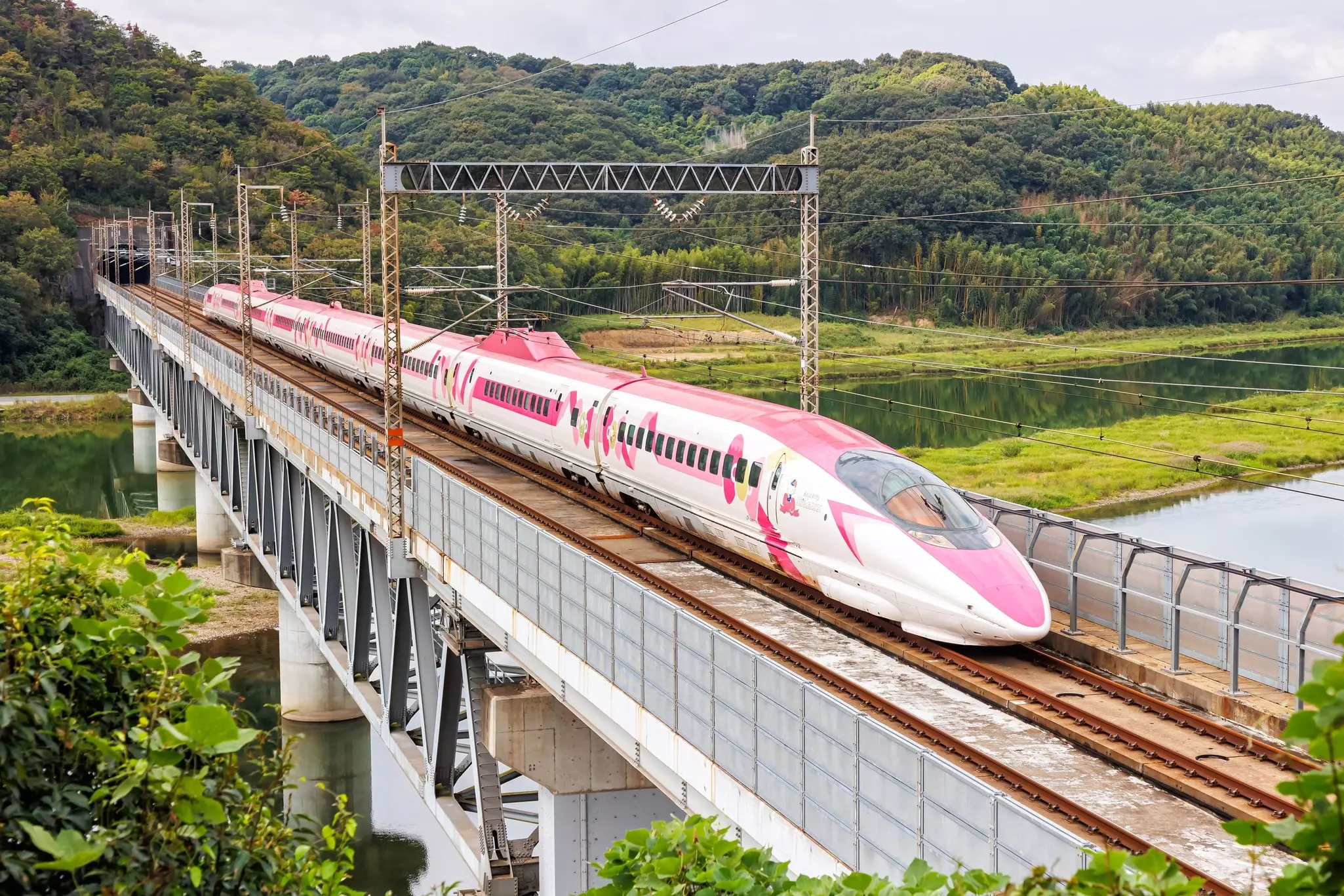
Its space shuttle nose glides into the station as if arriving from another galaxy. In Japan, high-speed trains zip between cities at up to 320km/h – and in unparalleled comfort. From the clean, comfortable seats, you can watch skyscrapers whoosh by, transforming into pines and rural countryside in a flash.
There's a touch of yesteryear in the hard-wearing carpets and putty-colored luggage racks of some train models, but nothing looks weathered. Expect carriage loads of retro-futuristic charm.
Planning tip: The JR Pass and other all-inclusive train tickets can save you money and time. Some are cheaper to buy before arriving in Japan, though the ticketing system across the country’s various rail operators can be complicated to comprehend. Use the Japan Official Travel App to plan trips and compare costs with and without a pass.
Akihabara in Tokyo and Den Den Town in Osaka are heaven for anime otaku (fanatics). Even if you aren’t a fan, these specialist districts are worth visiting to experience the height of artistic obsession done the Japanese way.
In Japan, anime is more than something you watch. The phenomenon encompasses toys, video games, fashion...a whole way of life. Anime characters even emblazon credit cards, trains and government brochures. Lose yourself in these neighborhoods and see fans bringing characters to life in costume.
It’s easy to be dazzled and transported into a world of cartoons (and consumerism). Under towers of bright lights in Akihabara, French-style maids and cosplay characters beckon you to enter themed cafes. Hundreds of stores have enough manga (comics), gachapon (gumball toy machines), retro collectibles and cutting-edge tech gadgets to satisfy the heart of any otaku (a person obsessed with Japanese pop-culture).
Detour: If you – or the kids – prefer a calmer way to be spirited away by anime, the Ghibli Museum in western Tokyo is magical.

Lonely planet’s trusted travel insurance provider
Travel with confidence. Protect your trip and your wallet.
We don’t represent World Nomads, we receive a fee from quotes using this link. This is not a recommendation to buy travel insurance.
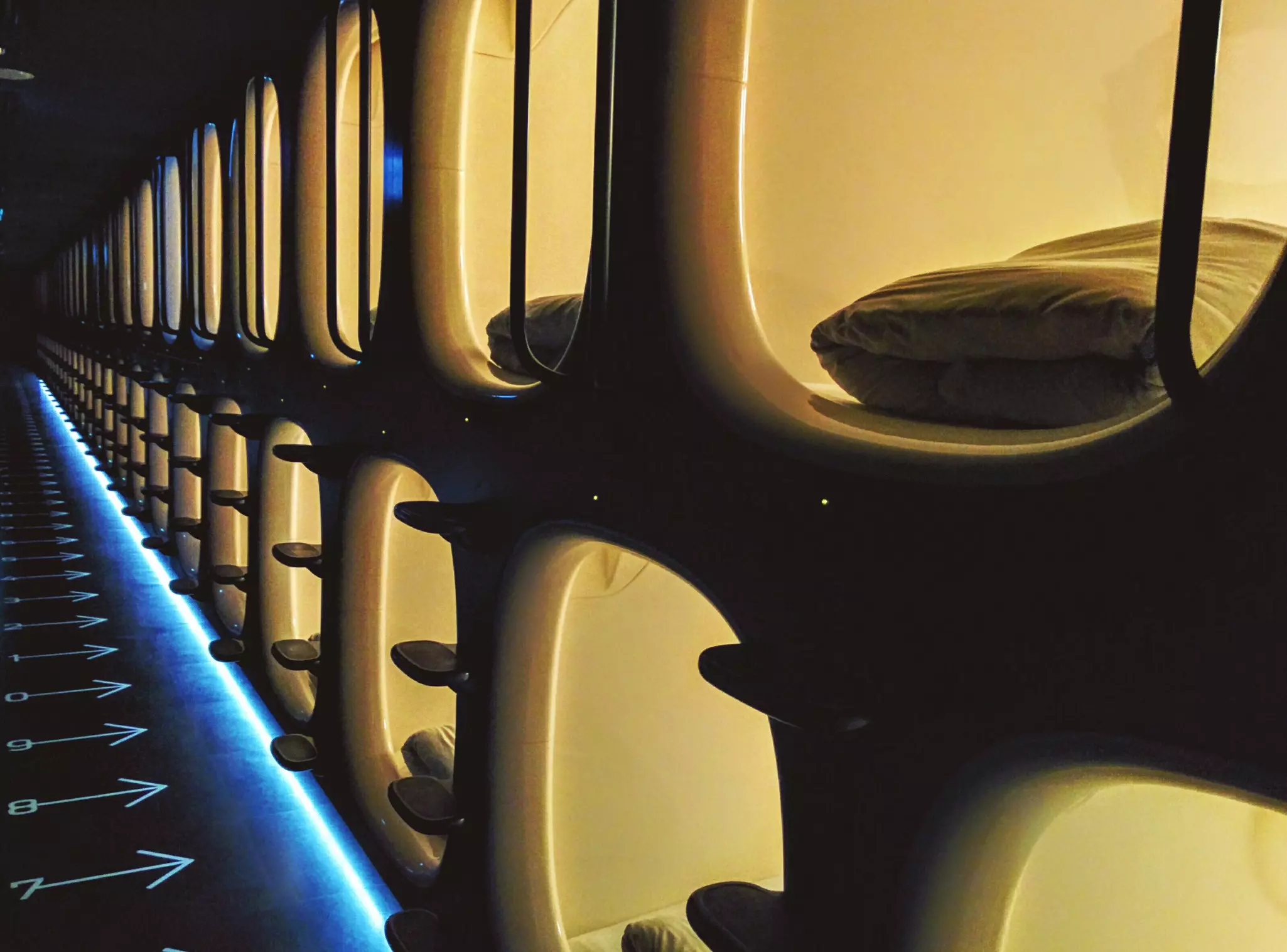
Scan the stacks of capsules and step up the ladder into your “space pod” – and plunge into an only-in-Japan experience. As you sit cross-legged (there’s enough room, barely), you’ll enjoy a plush mattress and the feeling of being cocooned in comfort.
At capsule hotels, a bed provides simply a good night’s sleep, as well as privacy – paramount in Japan. Fortunately, guests will find plenty of space in the communal bathrooms, which usually have ample shower cubicles.
On the weekends, cheaper capsule hotels might attract drunken revelers who snore, but on the whole guests are generally very respectful. They are not places for socializing, – heaven for travelers who just want a good night’s rest in what looks like a spotless space station.
Planning tip: Capsules are separated into men’s and women’s sections. While they were originally intended for businessmen, today there are several women-only capsule hotels.
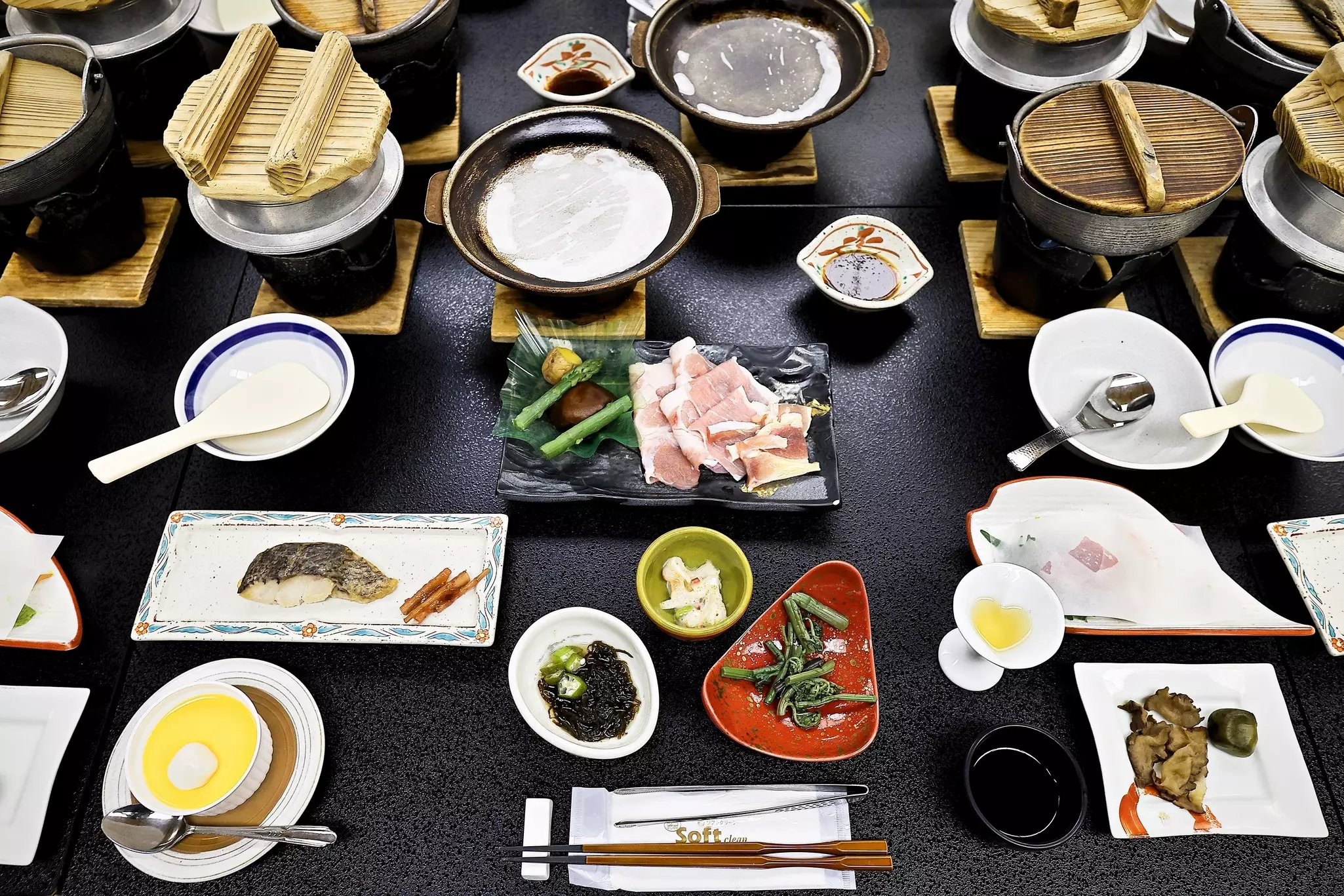
Capturing ingredients at the height of their freshness is the essence of Japanese kaiseki. With roots in 16th-century tea ceremonies, these haute meals are where the pinnacle of Japanese design meets natural beauty and flavor.
In-season ingredients are key to kaiseki, which might start with a course of sea urchin and horsehair crab, then move on to a soup and a seasonal platter of dishes like sushi and Kameoka beef.
Subsequent courses might be dedicated to in-season sashimi, color-coordinated vegetables and tofu, grilled seasonal fish, sake, rice in a clay hot pot, and dessert. In spring, expect a budding cherry blossom to decorate your plate. Every course is a gasp-inducing journey through Japanese ceramics and presentation.
Local tip: You'll find some of the best kaiseki in Kyoto; consider Kikunoi. If your budget can't stretch to the full kaiseki experience, attending a Japanese tea ceremony is an elegant way to come close to the rituals and traditions associated with tea.
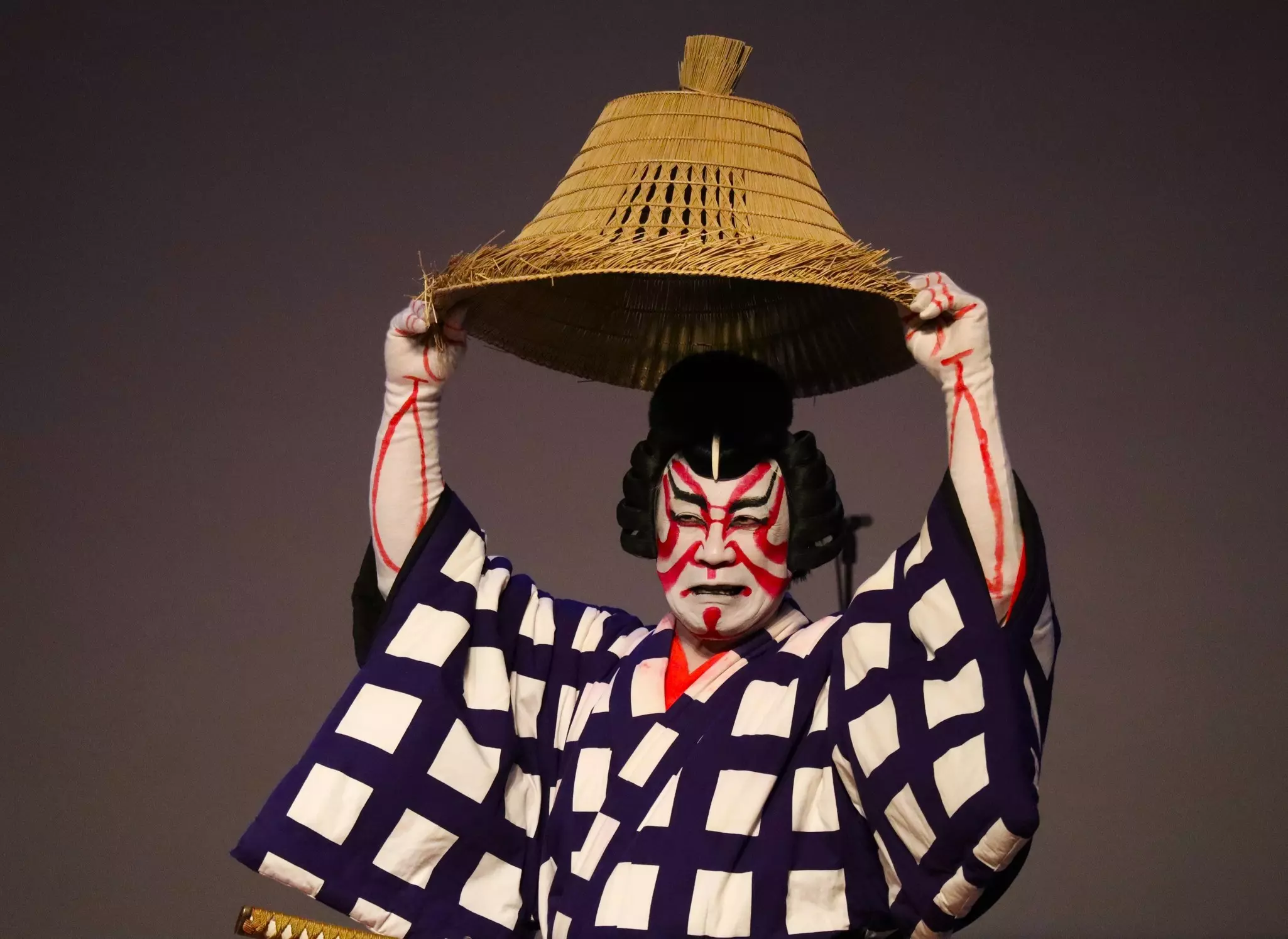
Kabuki is a true spectacle, with each three- to four-act show lasting about an hour. Programs often depict dramatized events from history; the most famous is the Chūshingura, which tells the tale of the 47 rōnin, a group of lordless samurai who avenge the death of their master.
Dramatic makeup, elaborate costumes, exaggerated movements in tune with the live music, impeccable stagecraft: it’s easy to see how this art form has managed to captivate audiences for centuries.
Planning tip: Adorned with red lanterns and towering banners, Kabukiza Theater is Tokyo’s premier spot to take in kabuki.
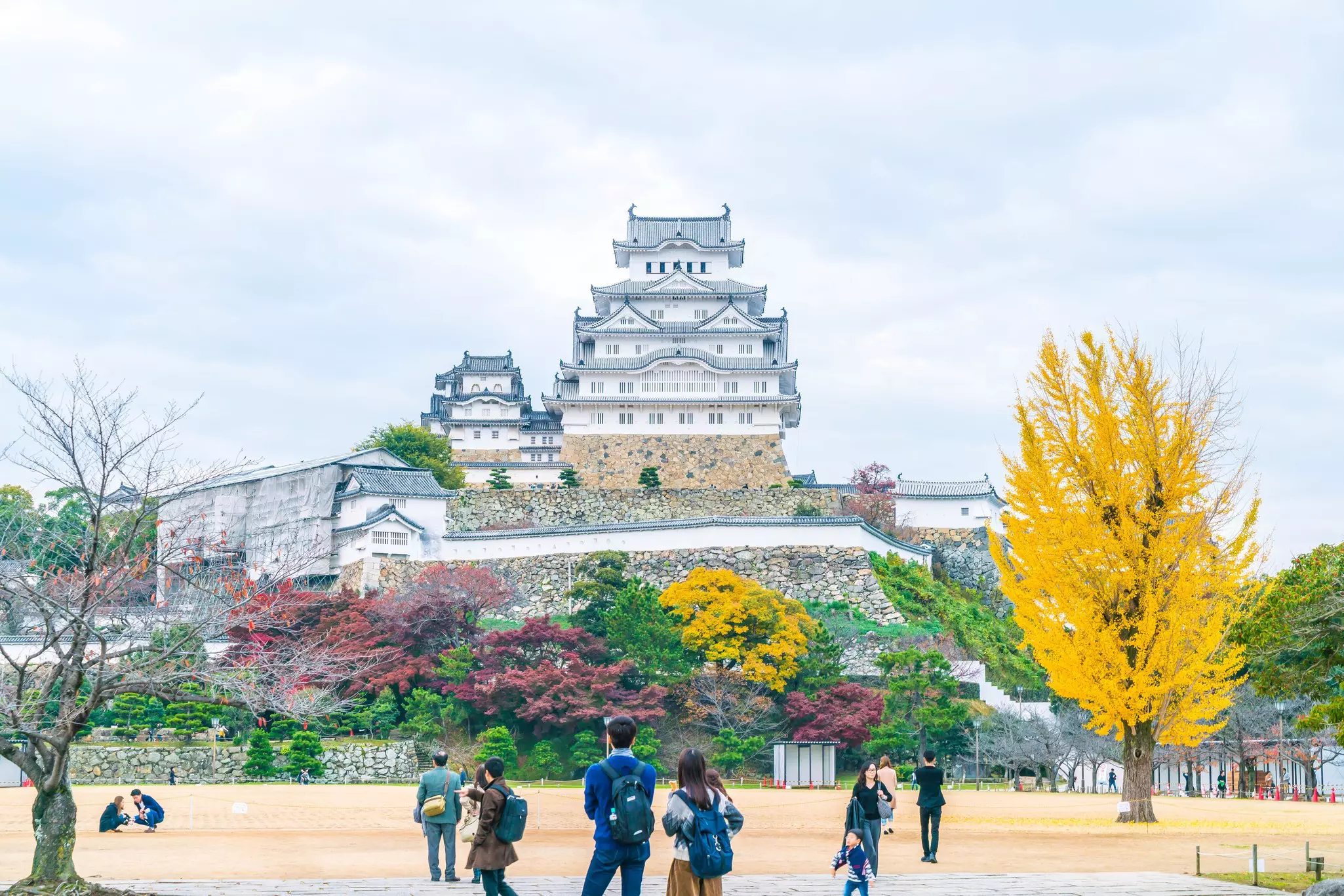
Samurai warriors once ruled Japan, residing in castles that still exude an aura of power today. Crane your head up in Himeji to behold Himeji-jō (1580) – a heavenly, remarkably intact fortress (and UNESCO World Heritage Site). Explore the complex via its labyrinth of paths, especially beautiful in spring when thick with cherry blossoms. Inside the six-story castle keep, you can peek inside the residence of a former princess – the stuff of peak Japanese fantasy.
Even though its castle has crumbled, samurai residences live on in Tsuwano, a Japanese mountain town where time seems in no hurry. Zigzag up to its hillside temple through the many torii gates. In the heart of town, surrounded by sleepy sake storefronts, you can step into former samurai houses, once off-limits to commoners. As they have for two centuries, golden carp swim the narrow canal running through the town center.
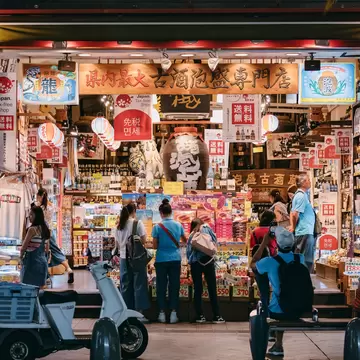
Ubiquitous throughout the country, konbini (convenience stores) are one of Japan’s most fun local eating experiences. While far from fine dining, they surprise most visitors with high-quality snacks wherever they are in the country, 24 hours a day. They’re also a key part of many Japanese bullet train journeys.
Tasty sushi, onigiri(rice balls filled with tuna, meat or plum) and grilled-fish bento box meals are delivered to the stores around the clock, so you will likely get something fresh. You’ll find additional novelty and an explosion of choice (and matcha flavors) in the candy, beer and green tea aisles.
Planning tip: The most reliably good konbini are Family Mart, 7-Eleven and Lawson, which all have ATMs that accept foreign cards.
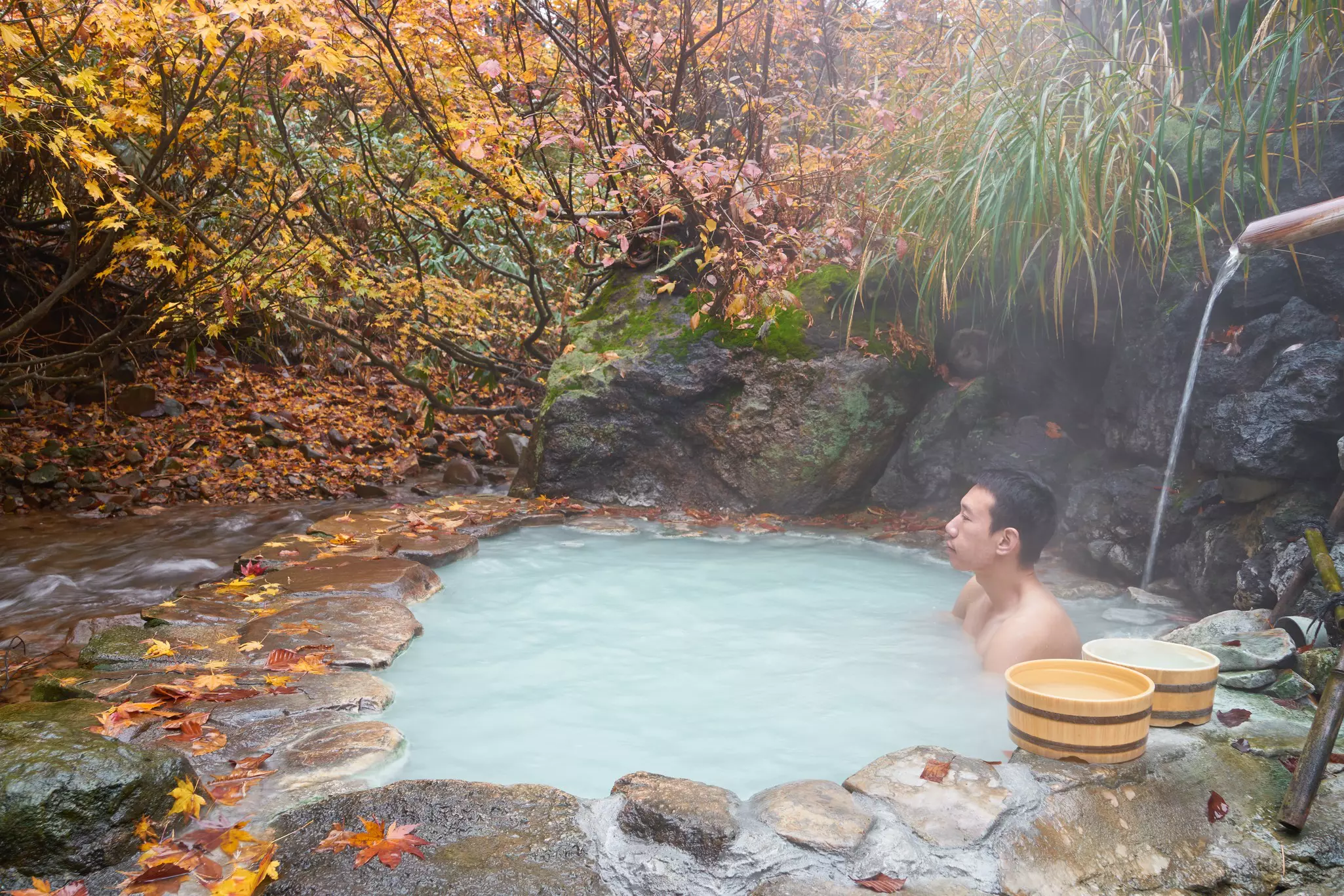
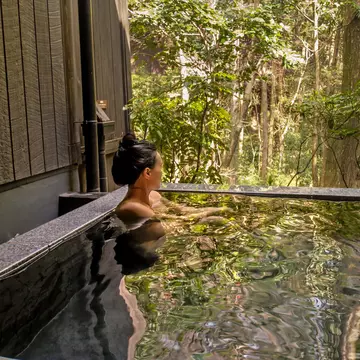
An onsen (hot spring) takes volcanic energy and converts it to a hot bath – with the power to evaporate your worries. A 3000-year tradition, onsen are found all over Japan, and they rank among the most authentically Japanese experiences you can have, whether you're bathing at humble public bathhouses or in Zen gardens. Seeking out an onsen in natural setting, you’ll savor the delicious contrast of the hot water with the pine-fresh open air.
You can try them in many ryokan (traditional inns) and in resort towns such as Kusatsu and Beppu, where budget-friendly soaks are available at public bathhouses. To literally dip your toes in, there are free outdoor public foot baths in onsen towns.
Local tip: You have to bathe thoroughly at separate facilities before getting into the hot pools. Expect to get completely naked (modesty towels are allowed at some modern baths) and refreshed head to toe.
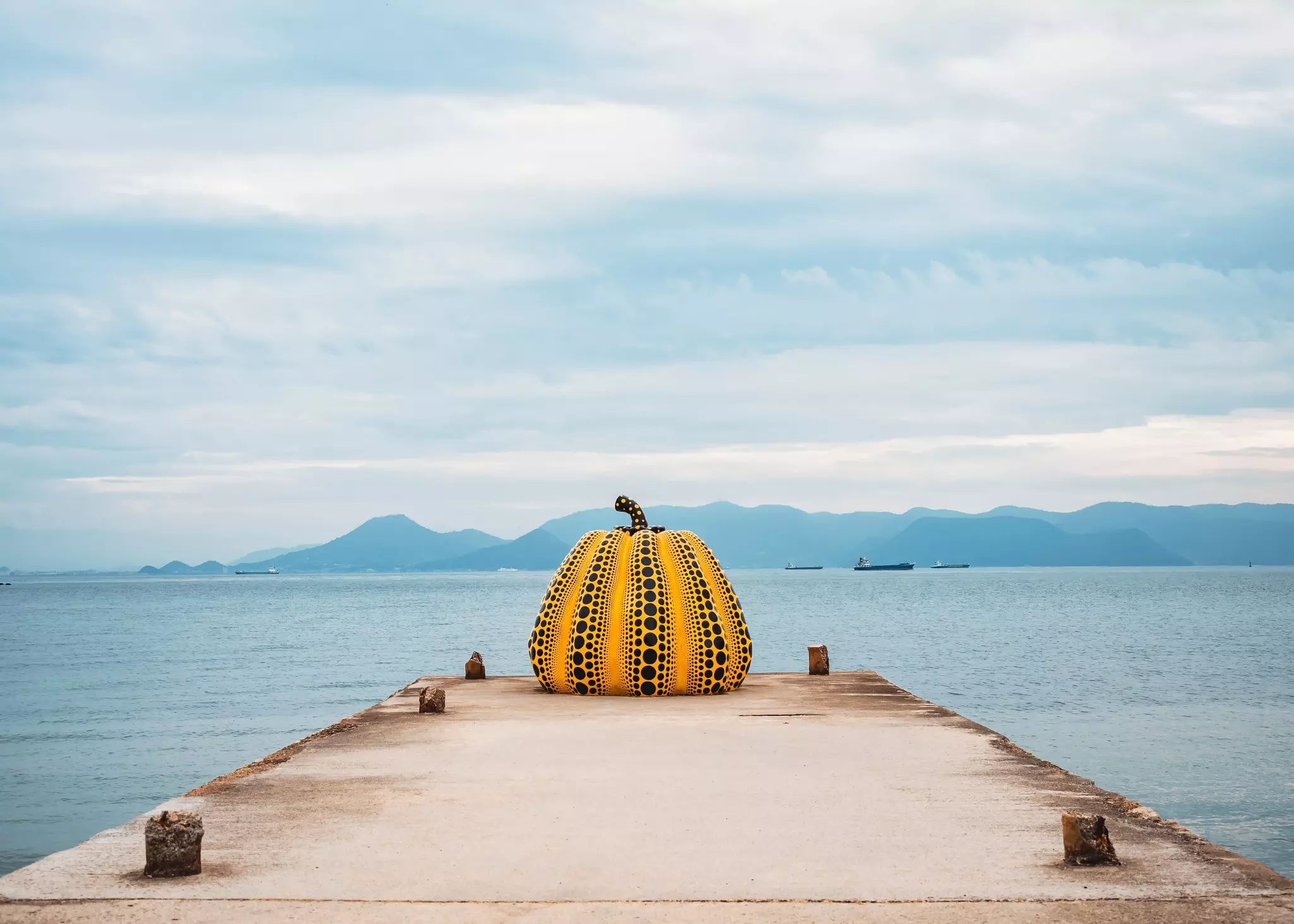
The sight of contemporary artworks on an island village is a delight. On Naoshima and the surrounding islands, the Benesse Art Site is a series of Japanese buildings converted into modern art installations incorporating the island’s history, with the sunshine and sea air adding an extra layer of sensory magic. One of the most famous and joy-filled works is the Yayoi Kusama Yellow Pumpkin sculpture, waiting for you at the end of a jetty.
Nearer to Tokyo, more than 100 monumental sculptures pepper the hills of Hakone Open-Air Museum. In this magical setting, works by Japanese and international artists such as Takao Tsuchida, Henry Moore and Picasso seem to transform with the seasons.
At its best, a stay at a traditional inn known as a ryokan is an experience fit for a feudal lord. When you arrive, you remove your slippers, slide open the shōji paper-screen door and step across the tatami mat floor of your room to the window. When ready, change into your yukata (traditional cotton robe) and head to the dining room for a multicourse kaiseki meal featuring the region’s cuisine. Afterward, take a dip in the onsen or slip straight into your reassuringly firm bed.
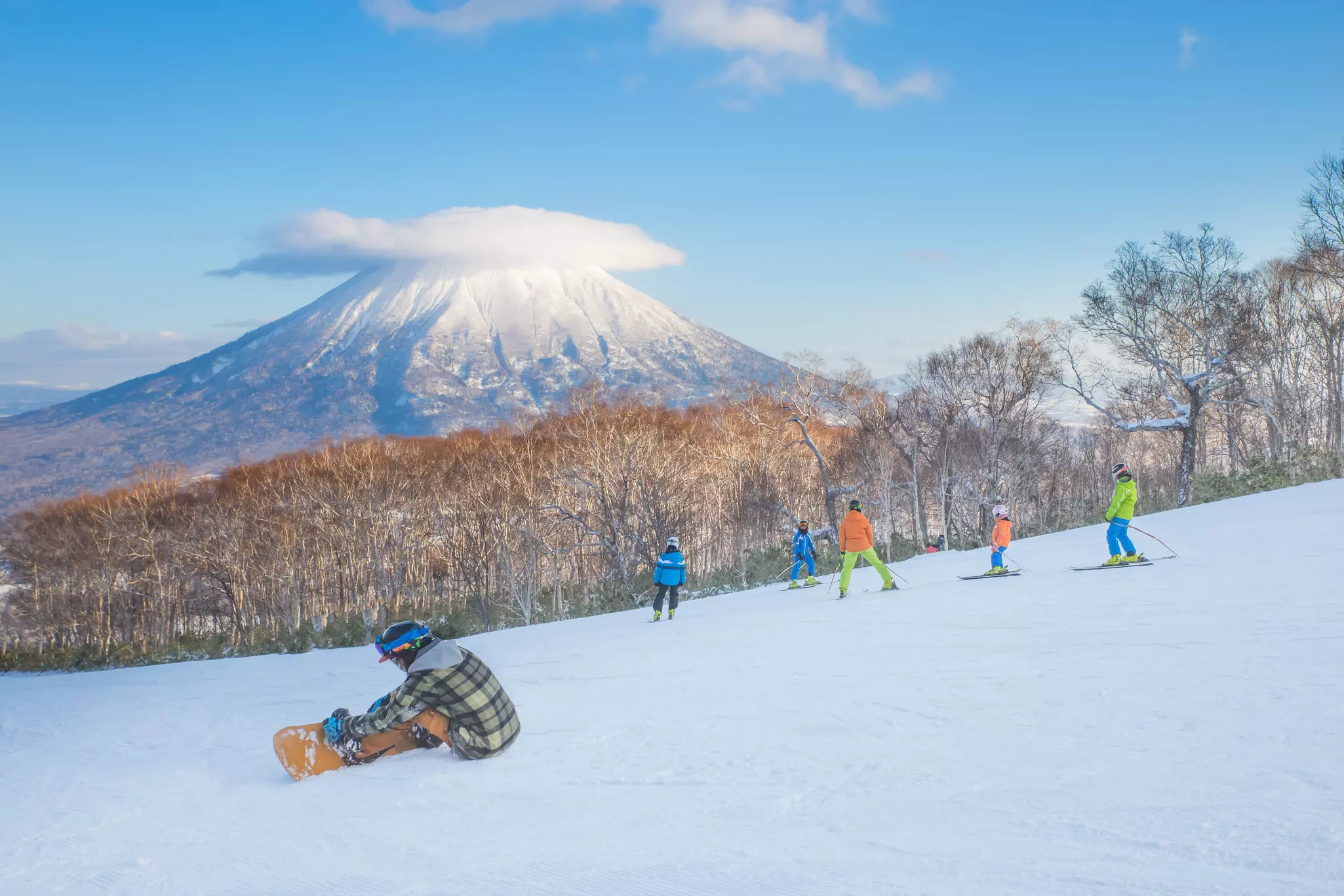
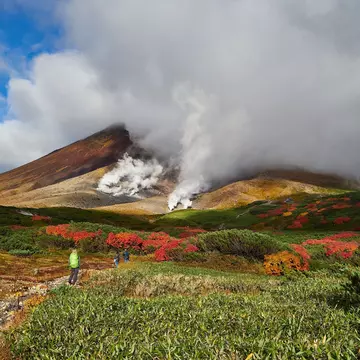
Snow accumulated on the eaves of temples. Trees glazed with ice. Steam wafting over the onsen. January and February are the perfect months for skiing and hiking across powdery snow in the wilds of Hokkaidō. Inside, you can enjoy the Japanese art of coziness in izakaya (taverns) with winter comfort dishes like oden fishcakes in a dashi broth.
For families, the ice sculptures of the Sapporo Snow Festival and the bathing wild monkeys of Jigokudani Monkey Park are fun for all ages. You might even spot Japan’s iconic red-crowned cranes.
Detour: A side trip for taste-testing at Nikka Whisky is a warming delight.
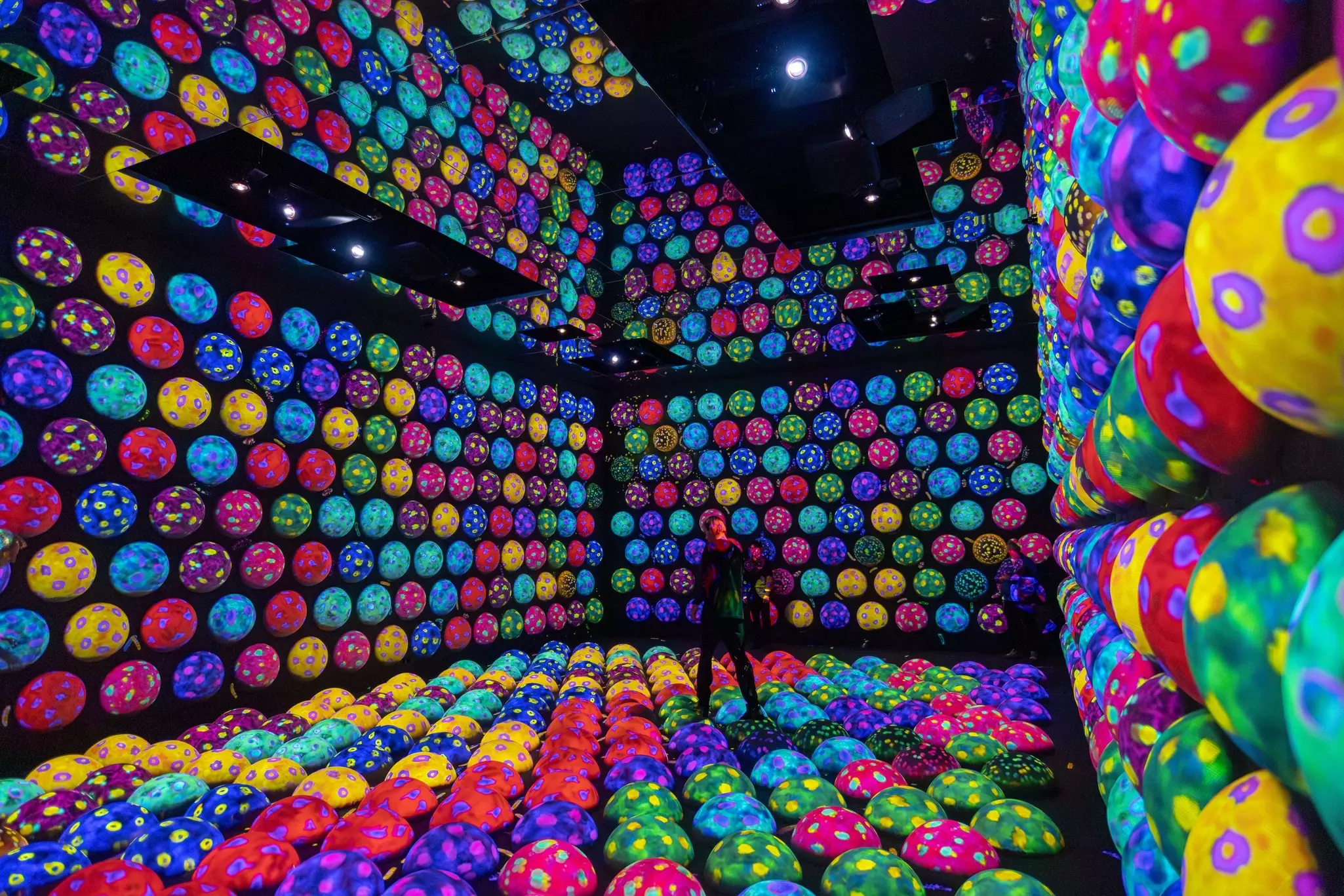
Visitors find plenty of themed museums in Japan – and the most avant garde of the lot is teamLab Planets. Every surface is a digital screen that displays an ever-shifting world of flowers, animals and scenery that transports you to another “planet.” Prepare to get your feet wet as you walk on water, causing ripples and digital koi goldfish to dart.
Detour: Check out a Pokémon-themed cafe, Nintendo-themed cafe or Tokyo Character Street if you’re visiting Tokyo with kids. Tokyo Disneyland and DisneySea are also easily accessible from the capital.
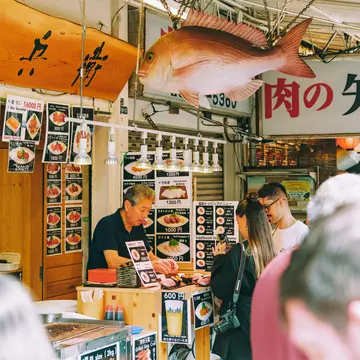
Japan is the largest fish-eating nation in the world. Preparing fish and seafood is a high art here, and its fish markets are the life force of that tradition. Visitors are amazed at the impeccably cleanliness of these places, which have barely any fishy smells.
Early risers can catch the wholesale auctions at Tokyo's Toyosu Market from behind glass. (The lanes of its former home at Tsukiji Market have become a tourist-focused attraction.) And restaurants across the country, especially in coastal towns, still sell excellent platters of sashimi and sushi prepared before you.
If it’s all a little confusing, choose sushi sets in sushi-ya (sushi restaurants and bars). Or trust the chef at omakase restaurants, where your personal chef will prepare in-season and classic sushi and sashimi in front of you based on your tastes. Be prepared for a hefty bill.
Local tip: Karato Ichiba in Shimonoseki is a favorite market for a local vibe. On weekends, fisher folk set up stalls selling bentō of sashimi and cooked dishes of the local specialty, puffer fish (with the deadly parts removed, of course).
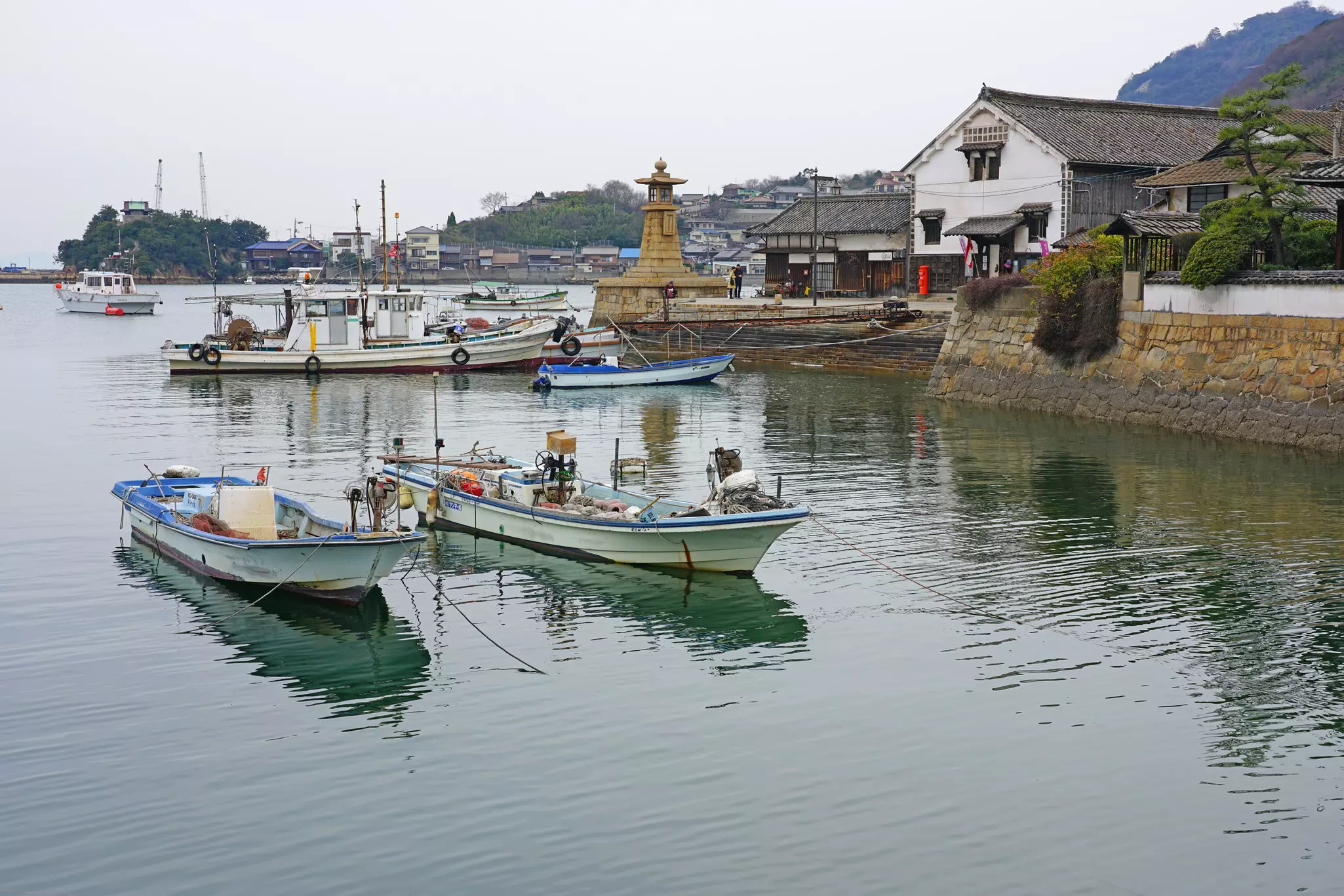
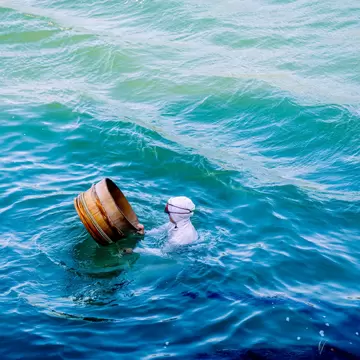
Japan is a country born of the sea. And in its thousands of seaside towns, you’ll be able to spot squid drying on spinning racks in the sun, eat the freshest sashimi, find wooden shopfronts of yesteryear and soak up the lazy rays.
The port town of Tomonoura inspired anime maestro Hayao Miyazaki to create the 2008 animated film Ponyo on the Cliff by the Sea. You’ll likely be entranced by the green hills that shelter a port of bobbing white boats. In Kamakura, near Tokyo, stroll from a giant Buddha statue to the black-sand beach and admire sunsets from Enoshima Island.
Indeed, Japan has an amazing 260 inhabited islands to retreat to. The Oki Islands are an oasis of sea coves, the highest sea cliffs in Japan and pristine waters all to yourself. If you really want to slow down, set off for Okinawa, an island dreamland with its own distinct culture and cuisine.
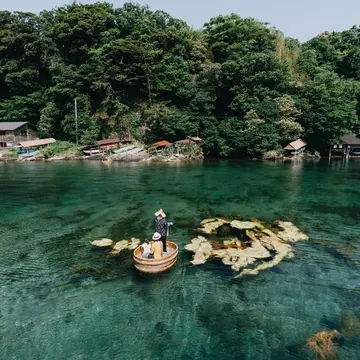
There are a handful of cat islands where hundreds of spoiled felines roam near the ports; from Tokyo, the most convenient is Tashirojima. Cats have wandered this island for hundreds of years: they were first imported control the mice that were eating the island’s silkworms, then as a lucky companion to fisherfolk.
Local tip: Matsue has one of the best sunsets in all of Japan: the giant red orb seems to melt into the water, with a silhouette of a torii gate visible on a distant shimmering island.
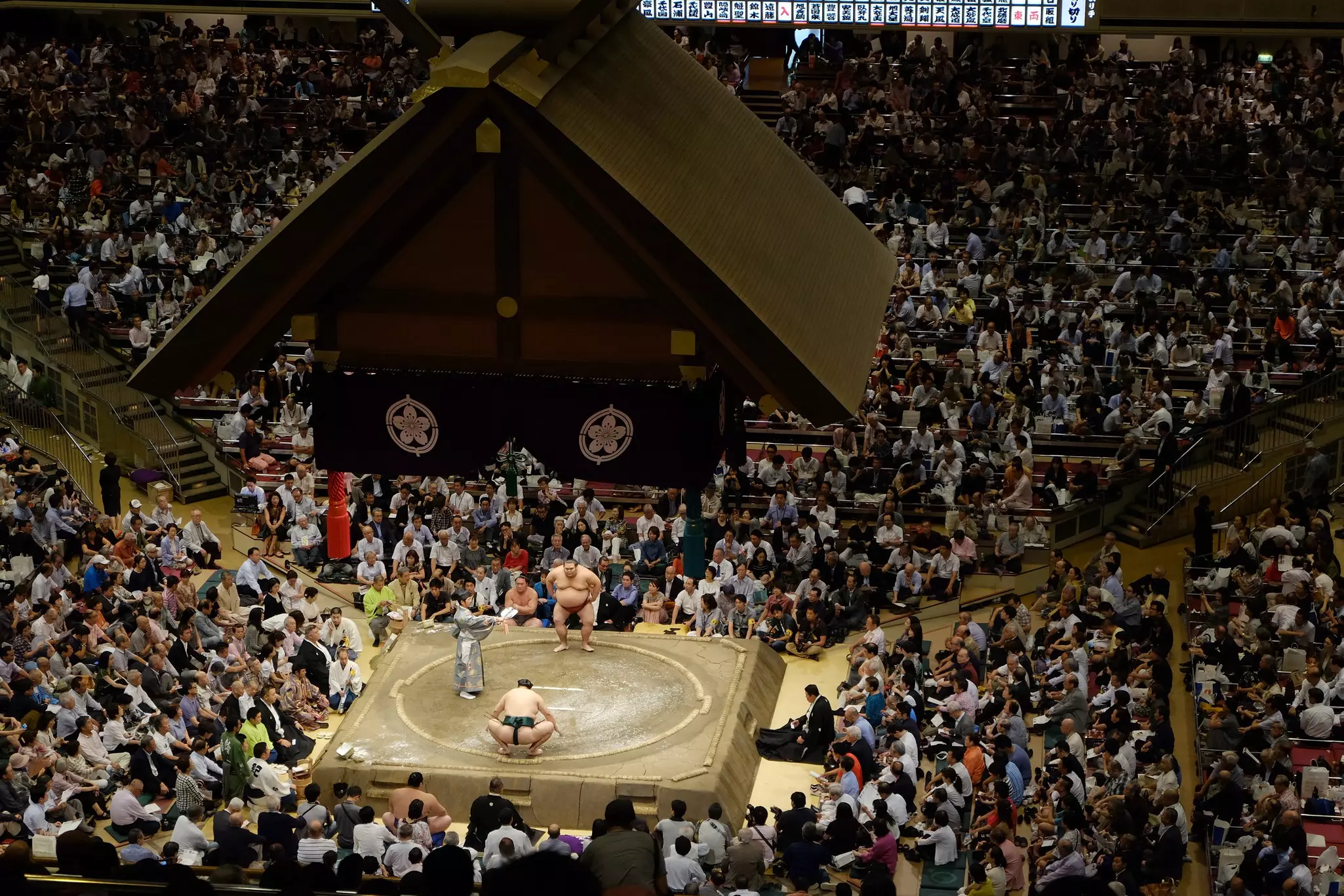
An ancient sport dating back some 1500 years, sumo has origins in religious observance: bouts first took place shrines as part of a ritual for the gods, in return for a bountiful harvest. Today’s sumo matches are still very ritualistic and tied to the Shintō faith.
Planning tip: Witness Japan’s national sport of sumo wrestling at Tokyo's Ryōgoku Kokugikan in January, May and September. Even if you know nothing about what’s happening, you’ll be able to admire the sense of ritual and display of sheer strength.
Tokyo looms large on Japan’s nightlife scene. That means a reliable night of house music at Womb and EDM at Atom Tokyo. Punk, metal and indie bars rock hard throughout the district of “Shimokita” (Shimokitazawa).
Leading the way for LGBTIQ+ inclusion, the raucous crowds spilling onto the street around the gay clubs of Shinjuku-Nichōme show how progressive Tokyo can be.
Detour: For something more laid back, excellent whiskey bars operate across Tokyo, serving the award-winning output from Japanese distillers. Sample it at one of the city’s best whiskey purveyors, Bar Benfiddich (provided, that is, you can find the hidden, menu-less speakeasy).
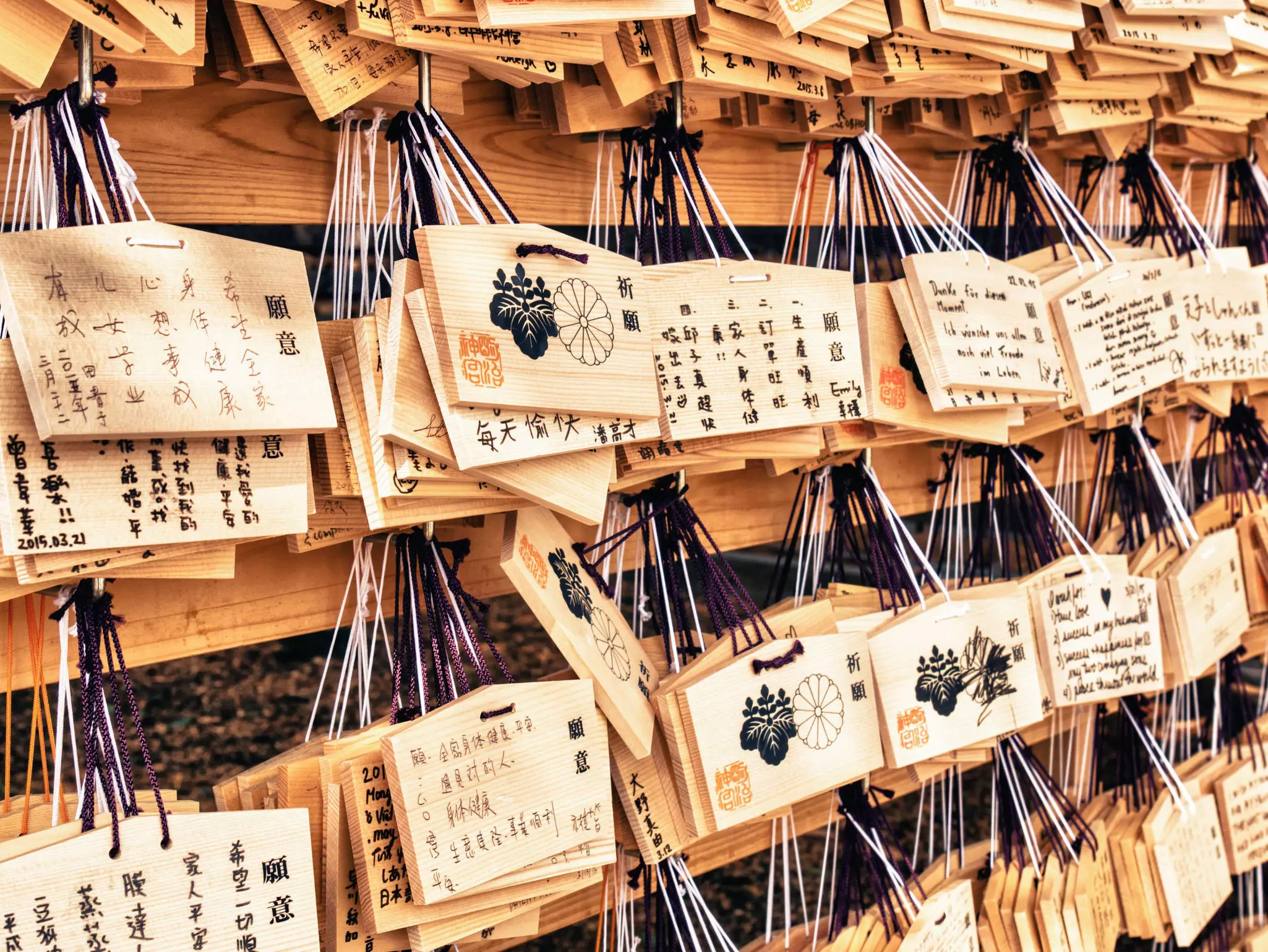
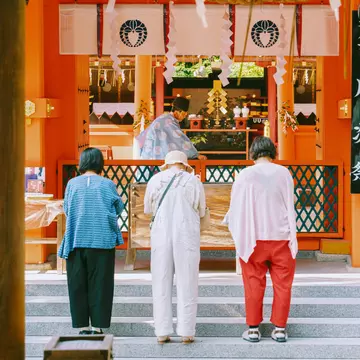
Places in harmony with nature, where the trees and wind are framed by a giant gate, Shintō shrines are where the Japanese pray or ask for good fortune. The kami (deities) who abide at these sanctuaries range from Princess Konohanasakuya, the Shintō deity of Mt Fuji, to founders of powerful clans, to neighborhood deities. A wall of ema (wooden tablets) hangs at many shrines, allowing you to write down your wish or offering for the deities to read. For a visitor, it’s a chance to reflect and appreciate the tranquil surroundings.
Pray to the kami of rice at Kyoto's Fushimi Inari-Taisha and its tunnel of vermillion torii gates. Ask for good exam results at plum-tree decorated Tenjin shrine Dazaifu Tenman-gū. Or pray for general good luck at what is thought to be Japan’s oldest Shinto shrine, Izumo Taisha.
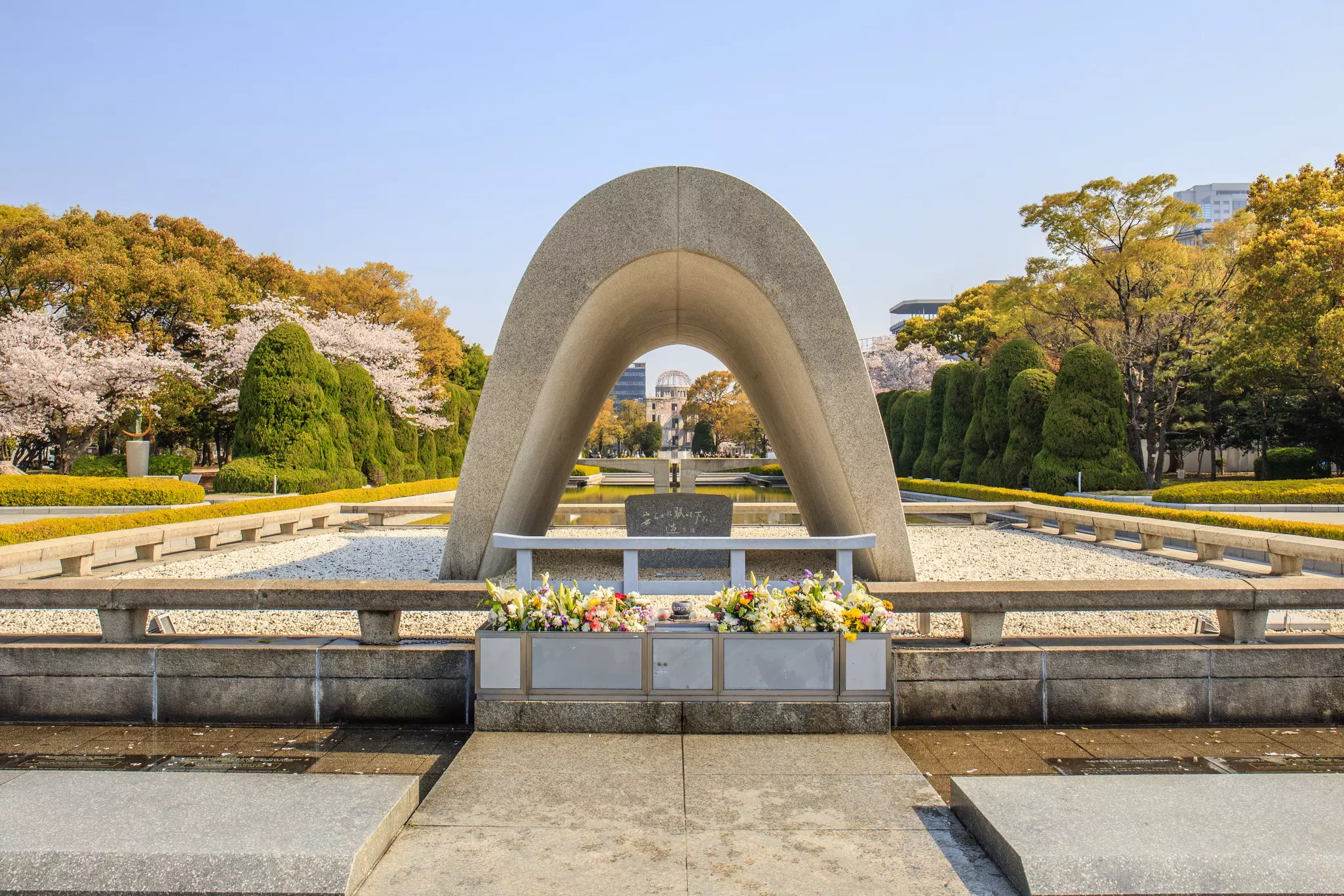
Hiroshima today is an attractive city of boulevards and okonomiyaki(savory pancake) restaurants. It’s also a city that can change the way you think about world conflicts. The impressive Peace Memorial Park shows how the human tragedy of the atomic bomb attack on the city has, over the decades, beautifully metamorphosed into a message of peace.
With objects salvaged from the aftermath of the bomb and gripping photographs, the Peace Memorial Museum is harrowing and moving; the space outdoors gives visitors the breathing room to reflect. There, the Children’s Peace Monument is decorated with strings with thousands of paper cranes sent from schoolchildren around Japan and the world. In this display, the origami symbol of longevity and happiness becomes ongoing, vital message of peace.
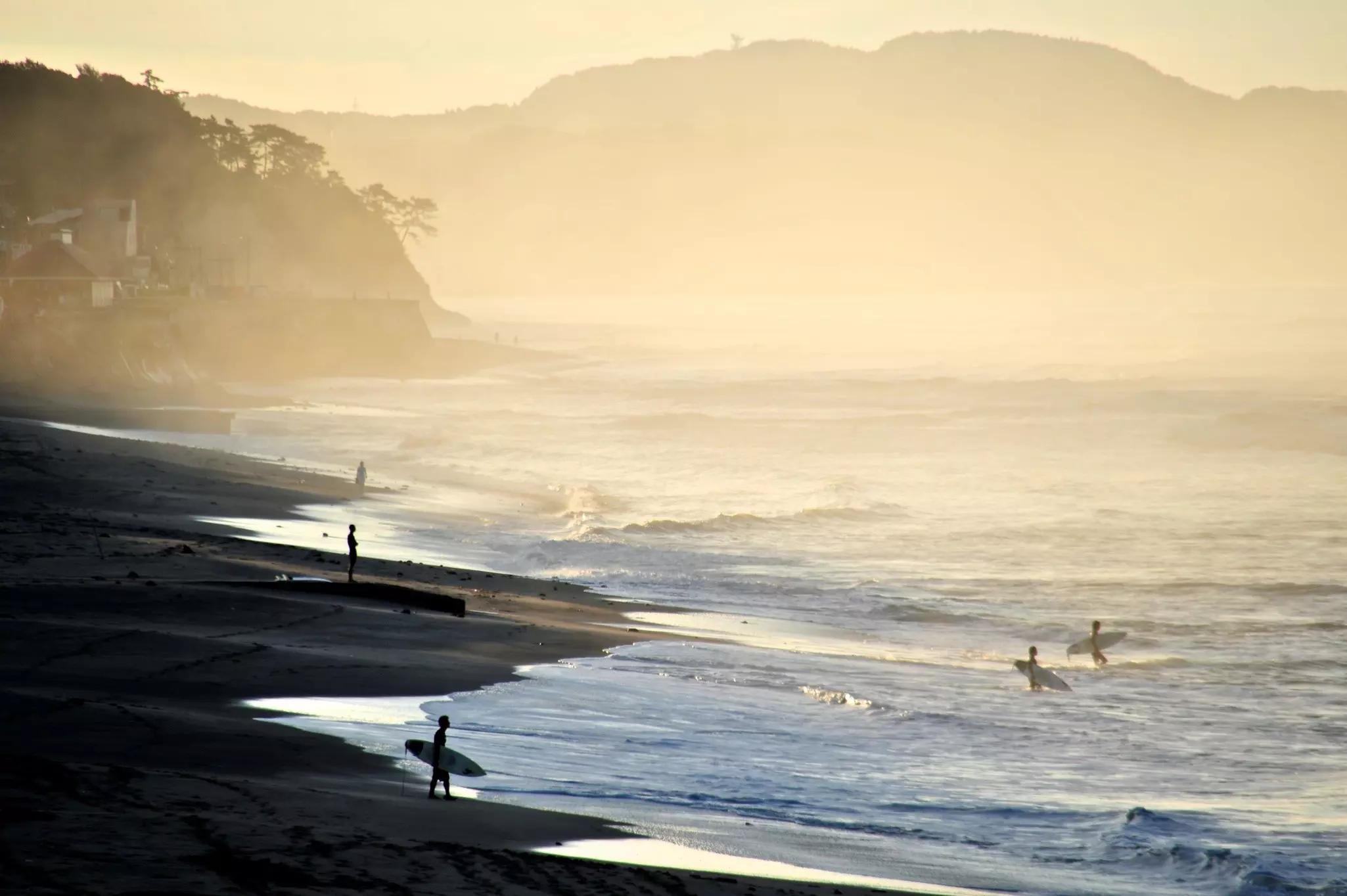
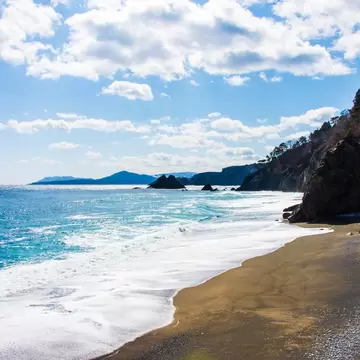
Japan has a vibrant community of 2 million active surfers who know where to find turquoise waters and sparkling sand. Even if you can’t yet catch a wave, the best surf beaches in Japan have a chilled vibe that you can enjoy.
Learn to surf at one of the schools at Shirara-hama, which has year-round, easygoing breaks. Swells tend to be on the small side in Japan (outside of typhoons), making its surf beaches great spots for newbies.
Ōkinohama in Shikoku is a surfer’s paradise, with jewel-like water that's warm year-round, and with very few visitors.
Detour: Even if you are in Tokyo, the waves and summer beach shacks are just an hour away at Yuigahama Beach in Kamakura.
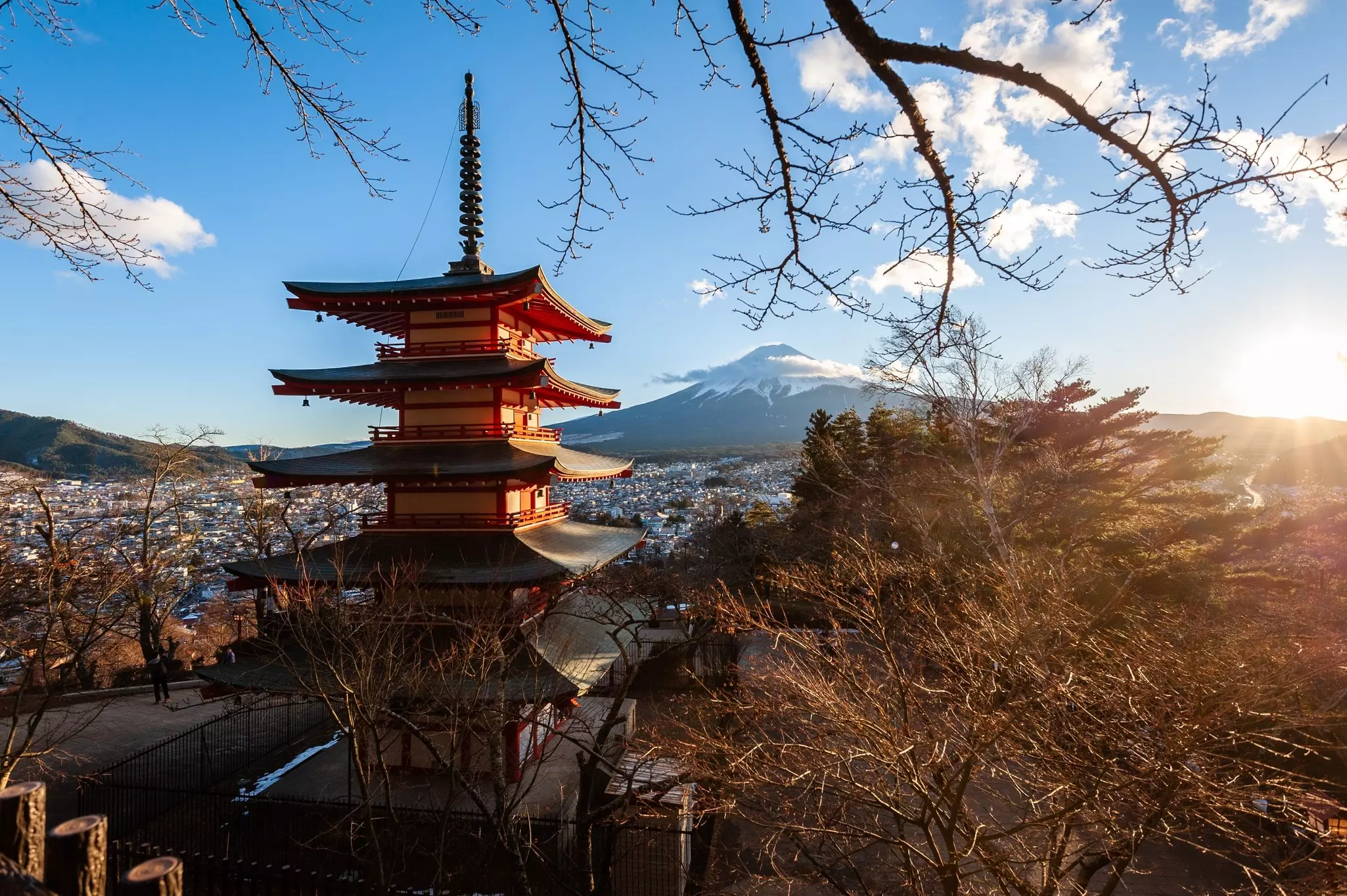
In Japan, Mt Fuji seems to loom everywhere you turn. More than Japan's loftiest mountain, Mt Fuji is a spiritual symbol that represents perfect beauty. Hiking its alien slopes takes the dedication of a Shintō pilgrim.
For easier admiration, make day trips to Hakone and the Fuji Five Lakes. Here, whether you see Mt Fuji from a frame of golden leaves, cherry blossoms and a shrine or even a konbini, there is something bewitching about admiring the snowy peak dominating the horizon.
Book your Japan trip with Lonely Planet Journeys
See Japan how it's meant to be seen
Accommodations, activities and ground transportation all taken care of, so you can focus on the fun part. Tell us what your dream trip to Japan looks like, and our local experts will build it from scratch. Or start with one of our itineraries and make it your own.

Explore related stories