Sep 10, 202615 min read
Best Fall Road Trips in the USA and Canada: Routes, Foliage Timing and Top StopsJan 30, 2026
11 MIN READ

Writer
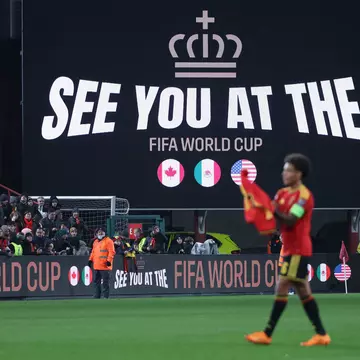
This summer, the World Cup will unfold in cities across the USA, Mexico and Canada. Omar Havana/Getty Images

Writer
Lonely Planet may earn a commission from affiliate links on our site. All recommendations and reviews reflect our own independent opinions.
Football fever is heating up in North America. This summer, the 2026 FIFA World Cup will kick off in 16 cities across three countries – and the time to start planning a soccer-themed adventure is now.
It’s easy to understand why the World Cup is the world’s most-watched sporting event, attracting billions of viewers in every country in the world. For the nonstop, unscripted drama of world-class soccer is more nail-biting than anything you’ll find on Netflix.
This year’s tournament will be particularly cinematic. Superstar player Cristiano Ronaldo will likely play his last World Cup with Portugal. New stars, like England’s Jude Bellingham, may rise to take their spots in the soccer pantheon. Morocco will attempt to prove that its historic run in 2022 wasn’t a fluke.
To top it off, the scope of the 2026 World Cup is immense, with 104 matches played over 39 days in cities spanning thousands upon thousands square miles. (Take that, Qatar.)
Get ready to activate trip-planning mode. We’ve got you covered with all the important details about how to get the most out of this summer’s soccer pandemonium in person.
The Cup kicks off in Mexico City on June 11, 2026, and wraps up at the New York New Jersey Stadium (better known as MetLife Stadium) on July 19.
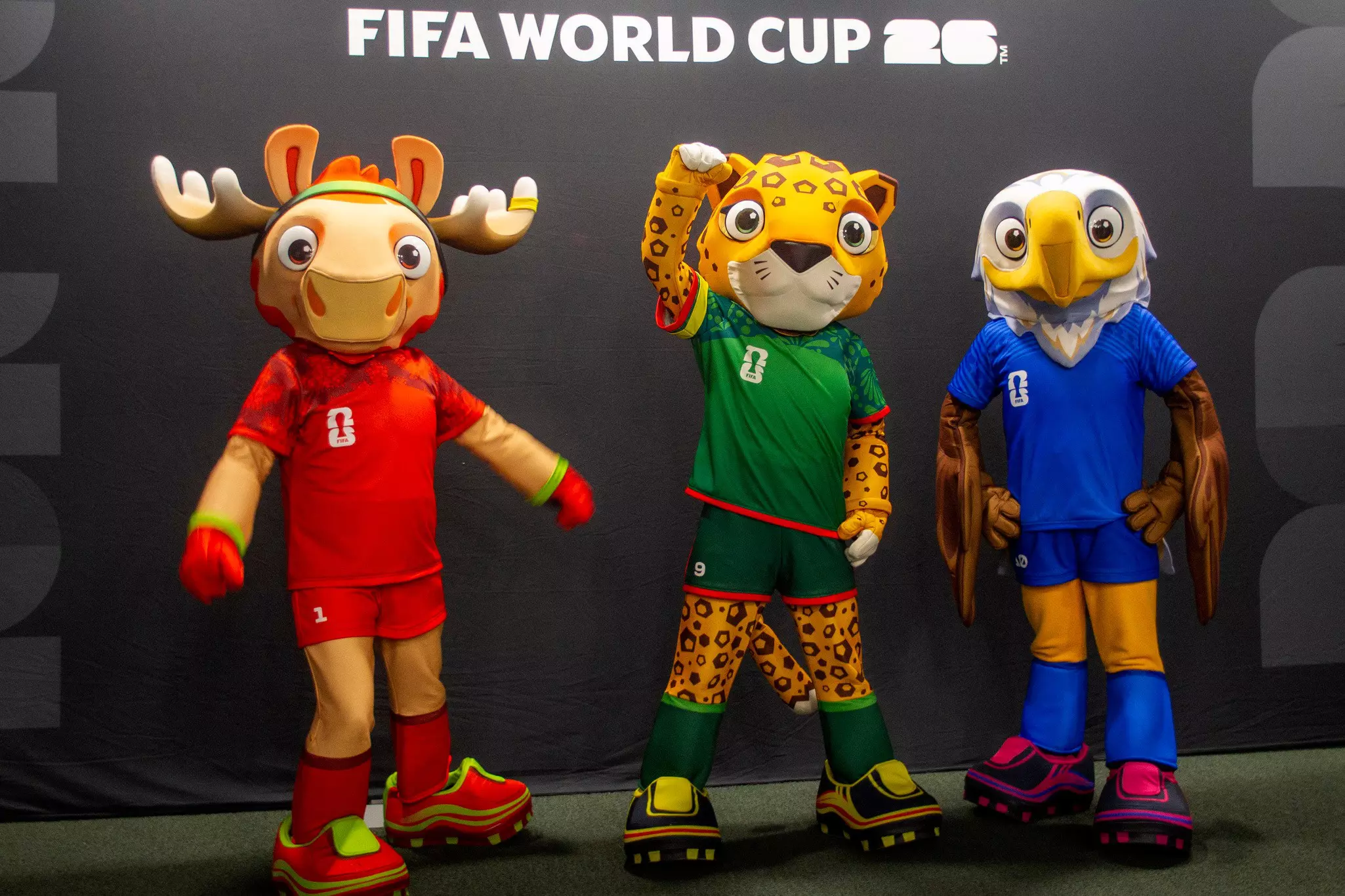
Teams will compete in 16 cities across North America – and for the first time in World Cup history, the competition will span three countries.
Canada will host matches for the first time, the USA for the second time. Mexico will become the first country to host the World Cup three times.
The majority of matches will take place across the US, with 11 cities represented: Atlanta (eight games), Boston (seven games), Dallas (nine games), Houston (seven games), Kansas City (six games), Los Angeles (eight games), Miami (seven games), New York (eight games), Philadelphia (six games), San Francisco (six games) and Seattle (six games).
The remaining matches will be split between Mexico’s Guadalajara (four games), Mexico City (five games) and Monterrey (four games), along with Canada’s Toronto (six games) and Vancouver (seven games).
You probably missed out on or lost at the lottery, and many matches are sold out. But last-minute tickets are not impossible to procure.
You can also try your luck on FIFA’s official ticket resale platform, the only secure place to purchase secondhand tickets. Third-party sites like StubHub will also have tickets, but beware – it’s possible to get scammed.
A limited number of tickets to each match will start at $60 for “Supporter Entry Tier” tickets, though many will cost hundreds of dollars. Tickets on resale platforms have already been going for astronomical prices, reaching into the thousands.
If you’re outraged by the costs…you’re not alone. Global backlash has been fierce; even NYC mayor Zohran Mamdani has weighed in on the affordability issue, but has since released NYC's free watching options.
Each host city has an international airport for easy access to individual matches. But traveling between destinations is where it gets tricky. To make sense of the World Cup’s sweeping geographical spread, think about host cities in three distinct regions.
The Eastern Region: This includes Boston, Philadelphia and the NYC–New Jersey area, all easily accessible from one another on Amtrak’s Acela train line. Farther-flung cities in the wider region include Miami and Atlanta, as well as Toronto, easily reachable on a short flight or long road trip.
The Central Region: Dallas anchors this region, with Houston an easy 4-hour drive south and Kansas City a short flight or 9-hour road trip north. To reach Mexico’s cities within this region, your best bet is arriving by plane.
The Western Region: Drive between Los Angeles and San Francisco on the scenic Pacific Coast Highway, or take Amtrak’s Coast Starlight Train for an equally stunning journey. The trip between Seattle and Vancouver is a breeze: a 3-hour drive through the beautiful Pacific Northwest, or a train ride on the Amtrak Cascades route.

Lonely planet’s trusted travel insurance provider
Travel with confidence. Protect your trip and your wallet.
We don’t represent World Nomads, we receive a fee from quotes using this link. This is not a recommendation to buy travel insurance.
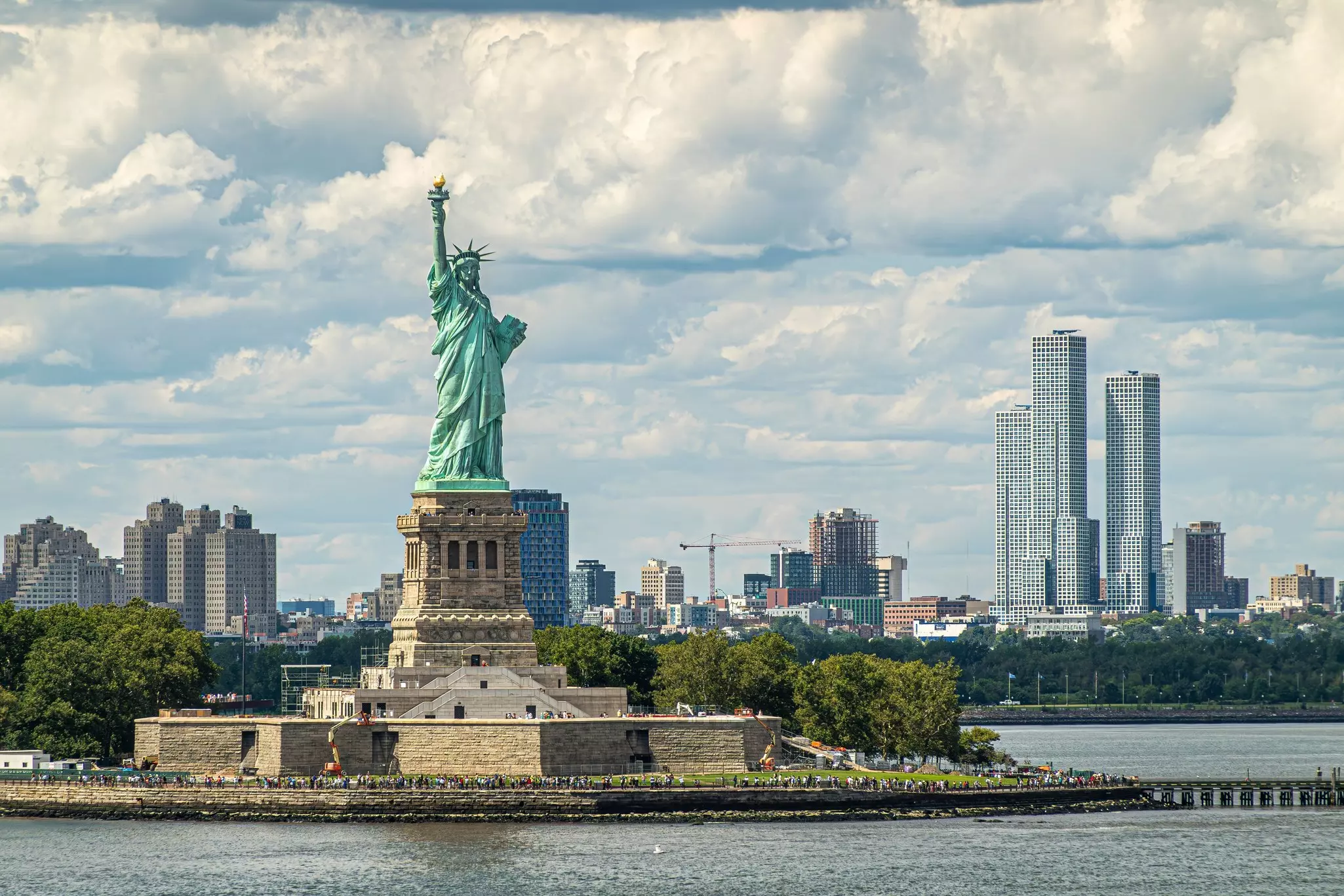
While World Cup tickets won’t guarantee entry into North American countries, they may help expedite potential appointments for a US visa. Get to know visa and passport rules based on the country you intend to visit and your nationality.
Travelers to the United States: Some visitors must have a passport valid for 6 months after they plan to leave the US – so if, say, you’re attending the World Cup final on July 19, your passport shouldn’t expire until the end of January 2027. Many nationalities are exempt and can enter with a passport valid only for their stay. Check if your country is on the US exemption list.
If you’re a citizen of a country included in the Visa Waiver Program and plan to stay 90 days or under, apply for Electronic System for Travel Authorization (ESTA) approval before departure. Processing can take up to 72 hours.
Canadian citizens don’t need a visa or an ESTA for visits of less than 90 days. Mexican citizens must carry either a tourist visa or, if traveling by land or sea, a Border Crossing Card.
All other foreign visitors must obtain a tourist visa from a US consulate or embassy abroad. Start making preparations today: application fees are high and wait times for interviews can take months.
If your visa appointment falls after the games begin, keep an eye out for the FIFA Priority Appointment Scheduling System (PASS). FIFA PASS appointments will provide priority interview slots for people attending US matches.
Travelers to Canada: As in the US, documents necessary to enter Canada depend on your citizenship and how you plan to arrive. Visitors will need either a passport valid for the duration of their stay or 6 months post-departure, along with a visitor visa or an electronic travel authorization (eTA). Fill out this simple government questionnaire to figure out what you’ll need.
Travelers to Mexico: Rules in Mexico are slightly more lax: your passport only needs to be valid for the duration of your stay. Check whether you’ll require a visa on the country’s official website.
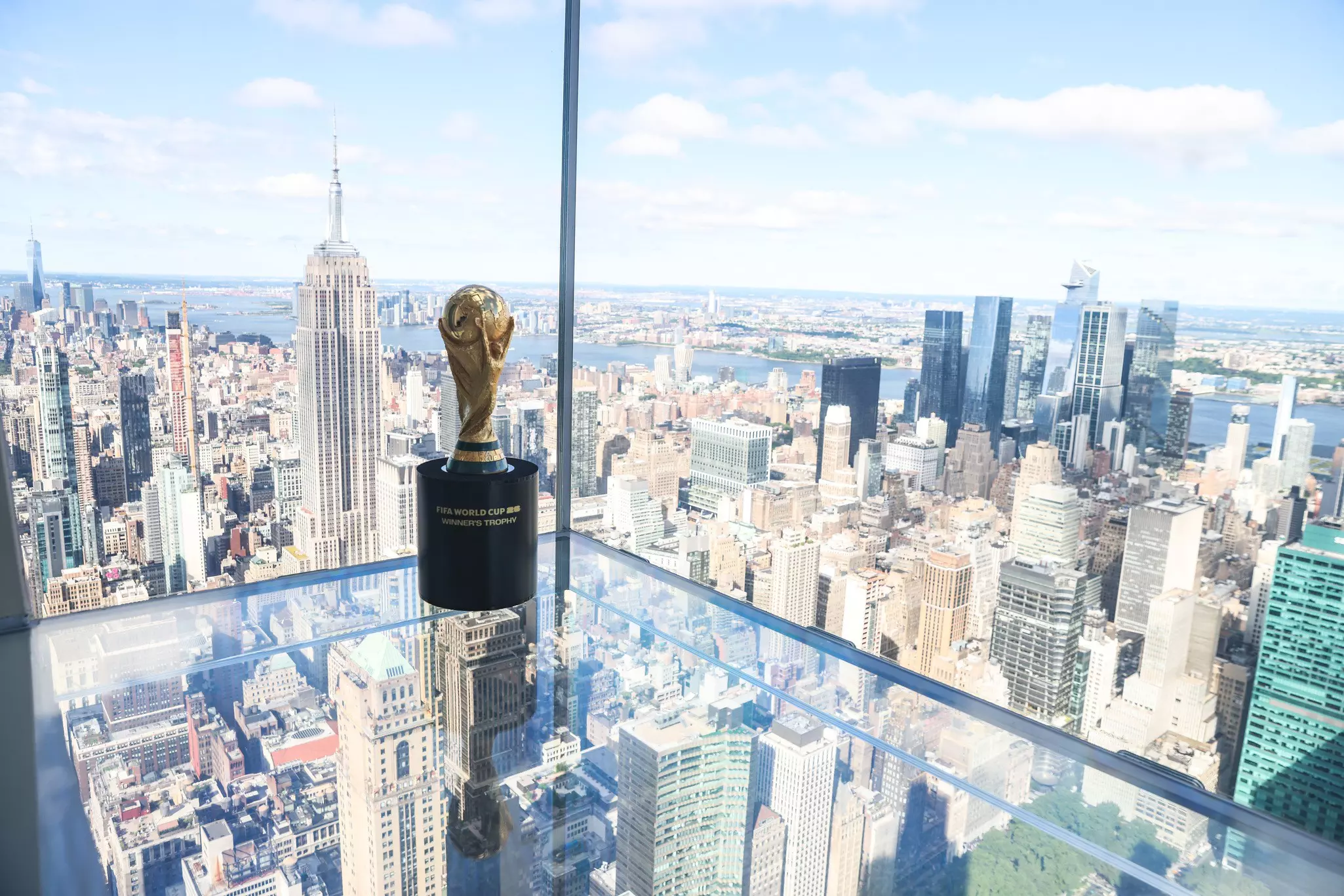
Since soccer is improvisational – the reason why it’s so magical! – it’s challenging to forecast which games will make it into the football hall of fame. To ensure a festive atmosphere, check the match schedule and consider visiting a city hosting the tournament’s bookend events.
For the opening match, plan a trip to Mexico City around Thursday, June 11, when international teams will face off at the Estadio Azteca.
On Sunday, July 19, the final match will rile up New Jersey’s MetLife Stadium – a 30-minute train ride from New York City. (Don’t get confused by the stadium’s name: MetLife will be called the New York New Jersey Stadium for the duration of the event, honoring FIFA’s rule against corporate-sponsored facilities.)
For those more interested in the love of the game than the fanfare of a grand finale, consider Dallas, Texas, as a home base for the events. The Big D will host nine matches, including one of the semifinals – more than any other city participating in the tournament.
If you want to follow fans, look into tickets for the Miami match on Saturday, June 27, when Colombia plays Portugal at Hard Rock Stadium. It’s been one of the World Cup’s hottest seats since tickets went on sale.
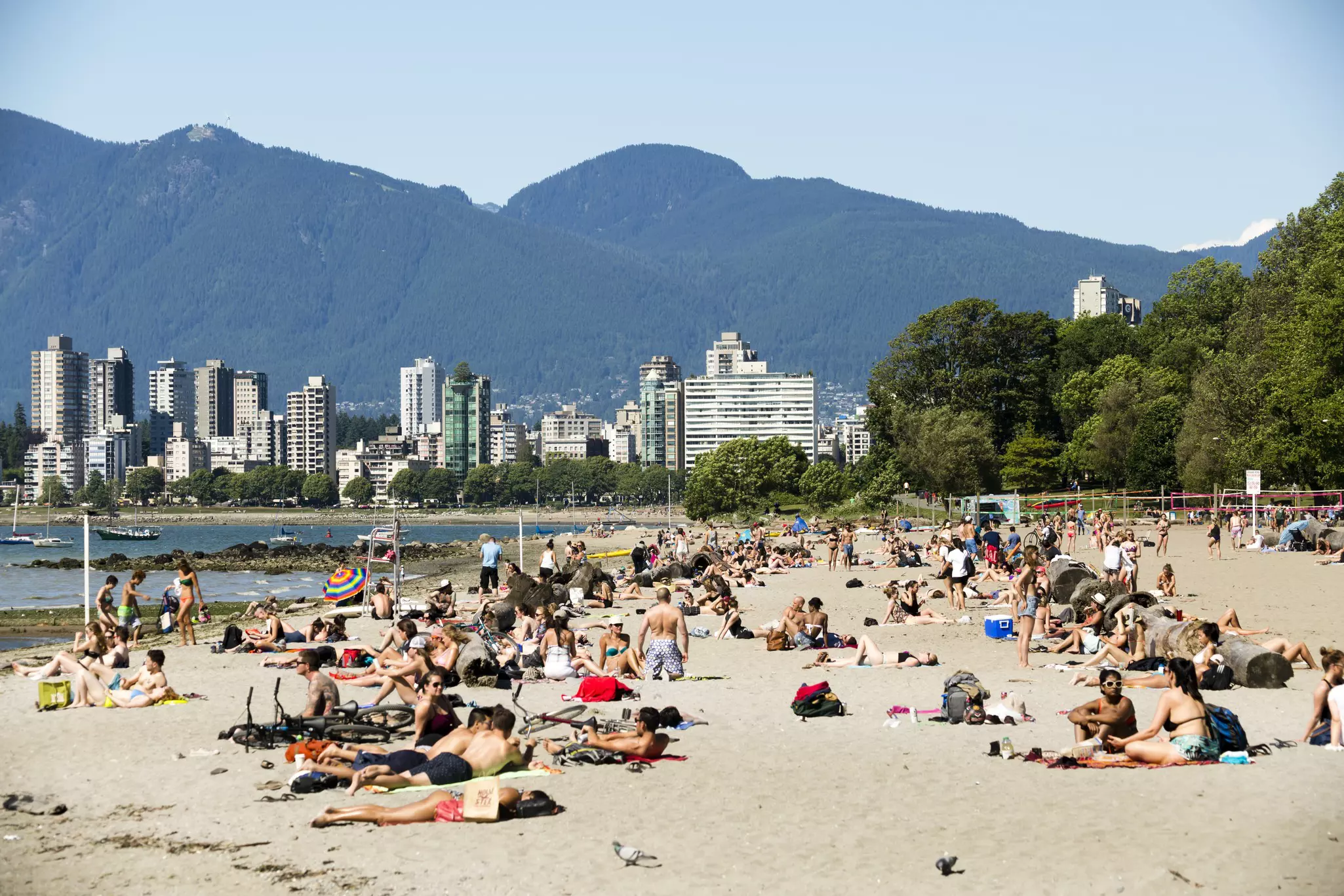
The host of seven matches, Vancouver goes long on natural beauty. When you’re not cheering beneath the retractable roof at BC Place Stadium, you could be cycling by the ocean in Stanley Park, kayaking around Granville Island, or working up a sweat while climbing Grouse Mountain (lovingly nicknamed “Mother Nature’s Stairmaster”).
Don’t worry: not everything in Vancouver requires legwork. You might go whale watching on the Salish Sea, dining along the Dumpling Trail or shopping down Robson St. The World Cup also coincides with the best months for beach days – dip your toes in the Pacific at English Bay Beach.
If you’re obsessed with Vancouver’s waterfront views, book a stay at the Pan Pacific. For longer stays, try a luxury apartment at the Smithe House.
Kansas City recently started calling itself “the soccer capital of America” – and this extremely appealing Midwest town is going all out to secure the title. The city has invested hugely in the sport over the last 15 years, with the KC Current opening a new training facility and stadium downtown.
The city’s six matches will take place at Arrowhead Stadium (home to the Kansas City Chiefs, an American football powerhouse), while the FIFA Fan Festival will party hard at the National WWI Museum and Memorial.
Apart from soccer, Kansas City has plenty to do…and to eat. Keep it sports-themed at the Negro Leagues Baseball Museum, the only US museum celebrating the history of African American baseball. See how spirits get made while touring Tom’s Town Distilling Co, take a selfie in front of the enormous shuttlecocks at the Nelson-Atkins Museum of Art – and don’t leave without digging into barbecue (try the brisket at Arthur Bryant’s).
For lodging, stay sophisticated at the Renaissance-inspired Fontaine; go for sleek, leather accents in a handsome room at the Truitt; or sleep steps from the Missouri River at the new Origin Hotel.
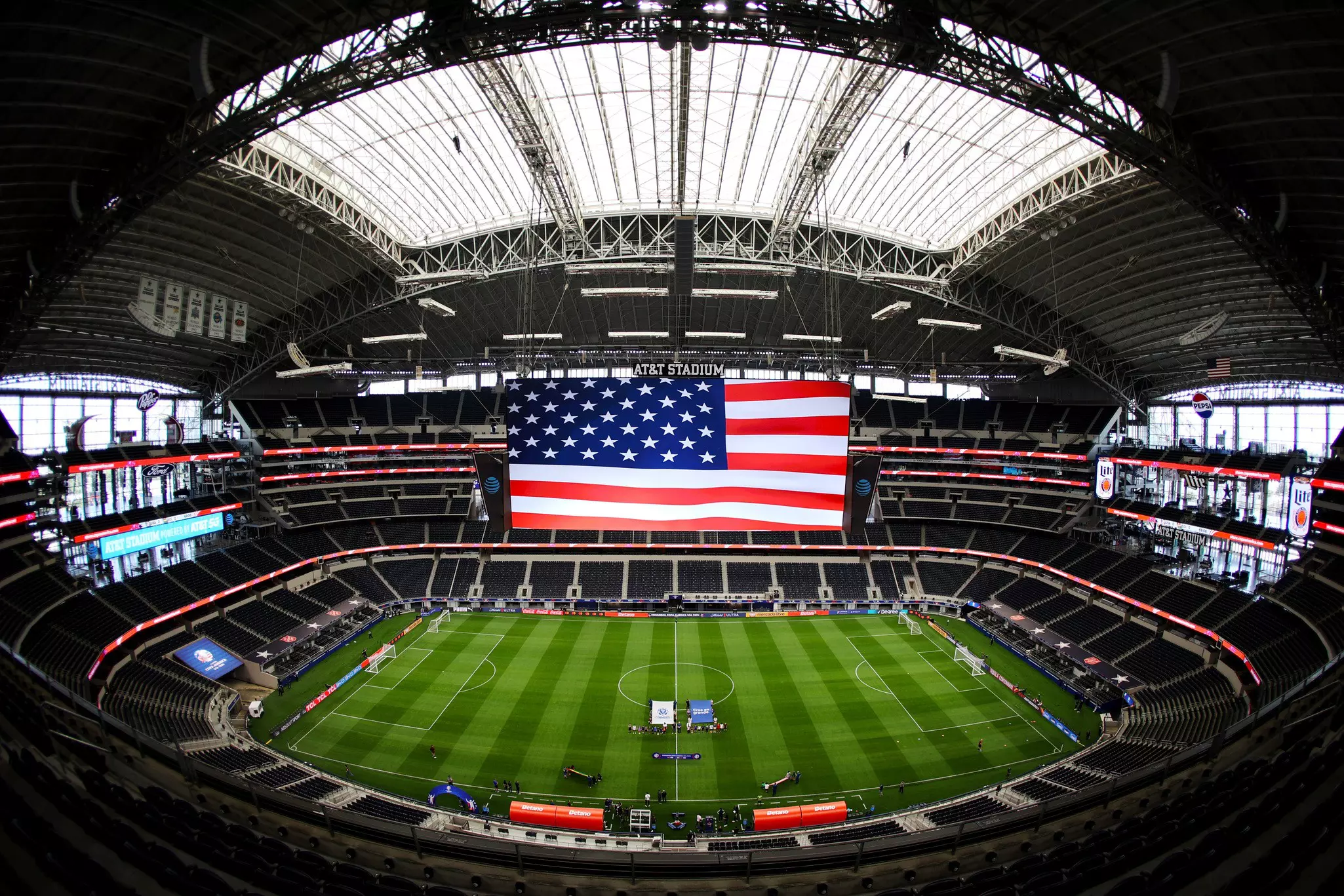
Dallas will be FIFA’s media hub for the tournament, and the host of more games than any other city. Catch a match at Dallas Stadium (usually called AT&T Stadium) in Arlington, located between Dallas and Fort Worth – two adjacent cities with distinct personalities.
Dallas is North Texas’ cosmopolitan core. Get cultured around the Bishop Arts District, spy murals along Deep Ellum’s streets and eat all the barbecue you can handle at Slow Bone.
Fort Worth mixes cowboy culture with contemporary cool. Catch the twice-daily cattle drive down E Exchange Ave at the Stockyards, then get surprised by the sculptures at the Modern Art Museum, where the contemporary collection is exceptional. Old master paintings lie just across the way at the extraordinary Kimbell Art Museum.
Torn about which town to stay in? Split the difference at the Loews Arlington Hotel. You’ll be close to the games – plus, there’s an outdoor pool for those hot Texas nights.
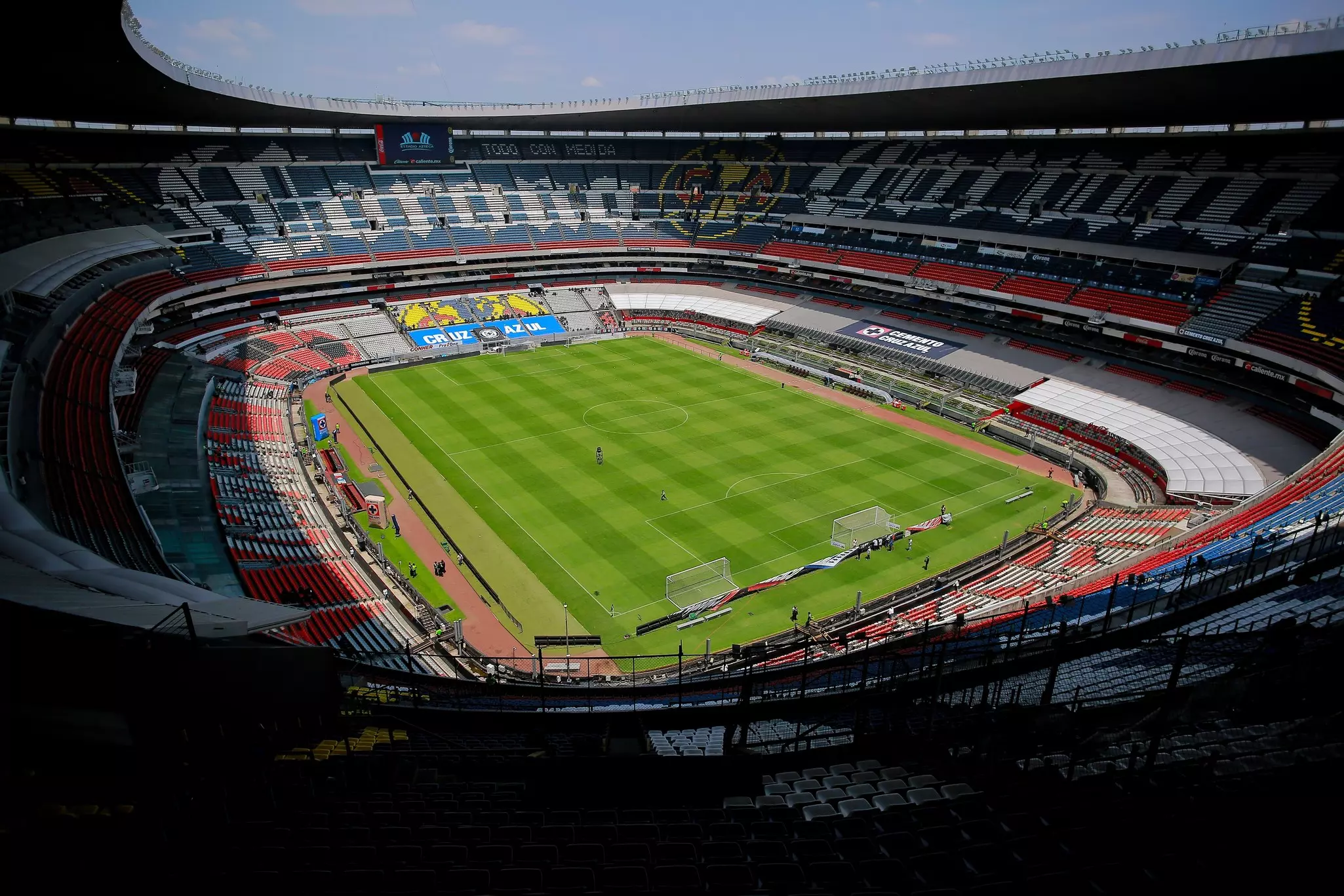
Unlike in the US, fútbol is Mexico’s most popular sport – which guarantees raucous soccer events at Mexico City’s Estadio Azteca. With a capacity of over 87,000 spectators, the stadium is bound to be one of the most electric places to watch a FIFA game this summer.
Mexico City’s passion for live sports doesn’t end there. Scream for spandex-ed lucha libre wrestlers at the Arena México – it’s as culturally fulfilling as a trip to Frida Kahlo’s striking blue Casa Azul, or to one of Luis Barragán’s minimalist, earthy homes. With more time, spend an afternoon drinking beer as mariachi bands serenade you in a Xochimilco boat ride – it’s basically tailgating, minus the sports game.
Roma and Condesa are popular neighborhoods to stay in Mexico City – but you can count on game-day traffic to the stadium being a nightmare. To save time, book lodging in a neighborhood near the venue, like bohemian Coyoacán. The Casa Jacinta Guest House offers traditional Mexican design and easy access.
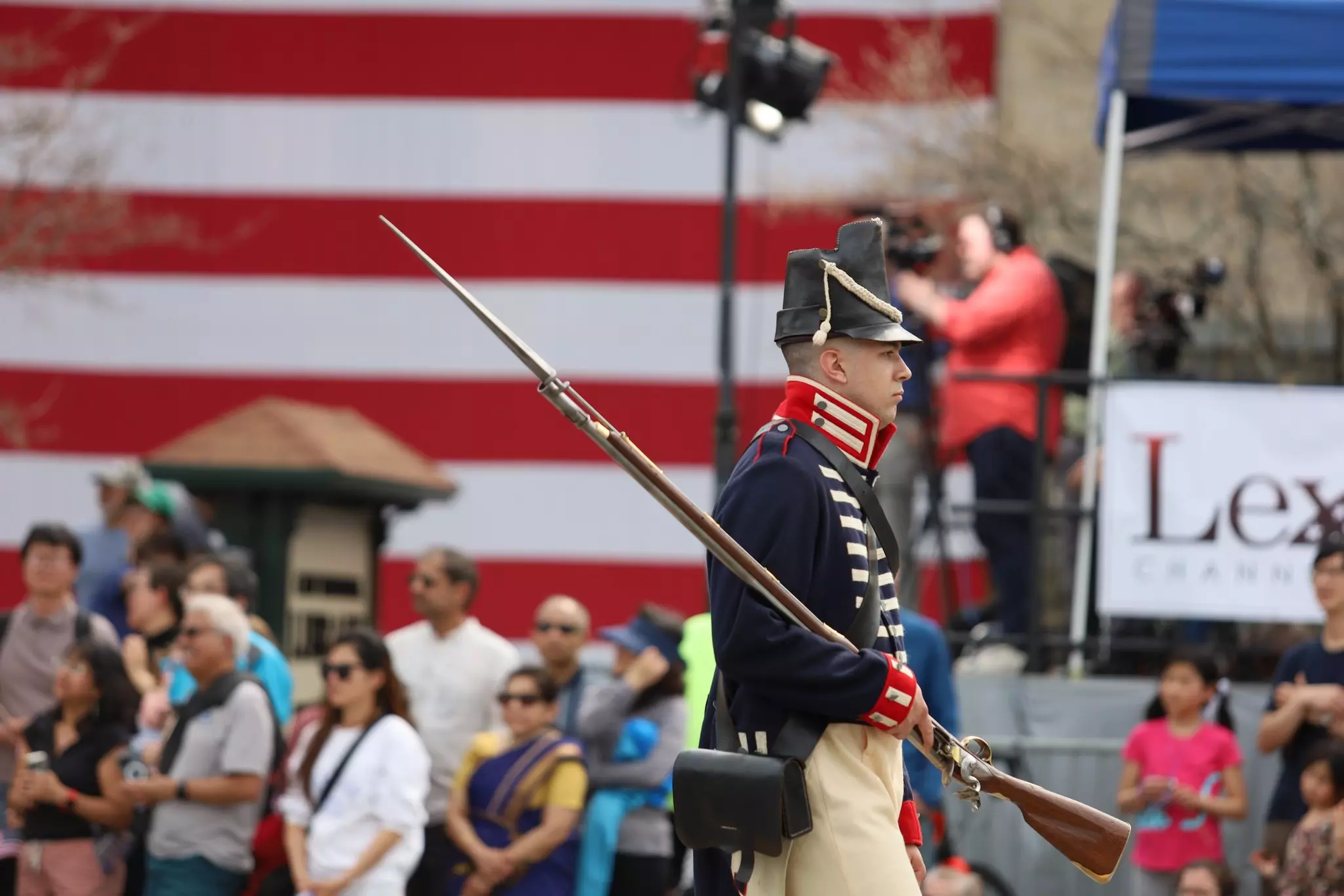
It’s a big year for Boston. In addition to hosting seven games at the Gillette Stadium (30 miles south of the center), the city is celebrating the USA’s 250th anniversary in a big way.
Boston’s foundational role in the American Revolution will be on full display during the FIFA tournament. In addition to the usual history must-sees (walking the Freedom Trail, dumping “tea” into the harbor at Boston Tea Party Ships & Museum, etc), expect American-themed art exhibits, Revolutionary-era reenactments and general anniversary fanfare throughout the city.
If you’d rather keep your trip sports-themed, stick around for baseball in late June, when the Boston Red Sox take on the New York Yankees at Fenway Park. The rivalry between the two teams is as intense as Brazil and Argentina’s battle for soccer supremacy.
For accommodations, unlock more history at Back Bay’s Copley Square Hotel, in operation since 1891, or at the deluxe Liberty Hotel, housed in the historic former Charles Street Jail.
Explore related stories