Sep 30, 20265 min read
Japan Packing List: What to Pack by SeasonMay 24, 2026
8 MIN READ
Writer
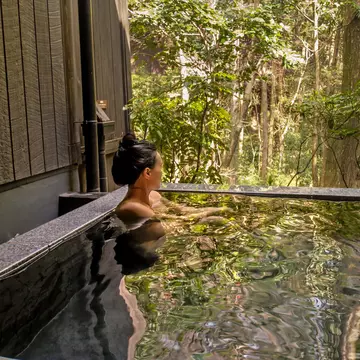
A woman relaxing in an open-air onsen pool in Hakone-Yumoto, Japan.

Writer
Highlights
Writer Phillip Tang guides you through Japan's onsen rituals, etiquette and top spots.
Strip in the changing room, wash on a stool and enter the steaming baths nude.
Embrace hadaka no tsukiai (naked friendship), or book a private kashikiri room for solitude.
Visit in winter for snowy drama; skip Golden Week and Obon for calmer soaks.
Lonely Planet may earn a commission from affiliate links on our site. All recommendations and reviews reflect our own independent opinions.
Bathing in an onsen (hot springs) gives you a glimpse into a millennium-old Japanese ritual. Locals of all ages go to these springs to relax the mind and body with friends or for peaceful solitude. An onsen visit is a vital experience in Japan.
Unlike sentō (public baths), onsen might be within a hotel or ryokan (traditional Japanese inn) or grouped with other onsen in a mineral-rich town. They can range from luxurious modern baths to steaming outdoor pools carved into an exquisite Japanese garden.
Strict rules govern visits to these hot springs, which might be daunting for first-time visitors to Japan. This guide walks you through each stage of visiting an onsen and all the required etiquette to help you experience an onsen like a local.
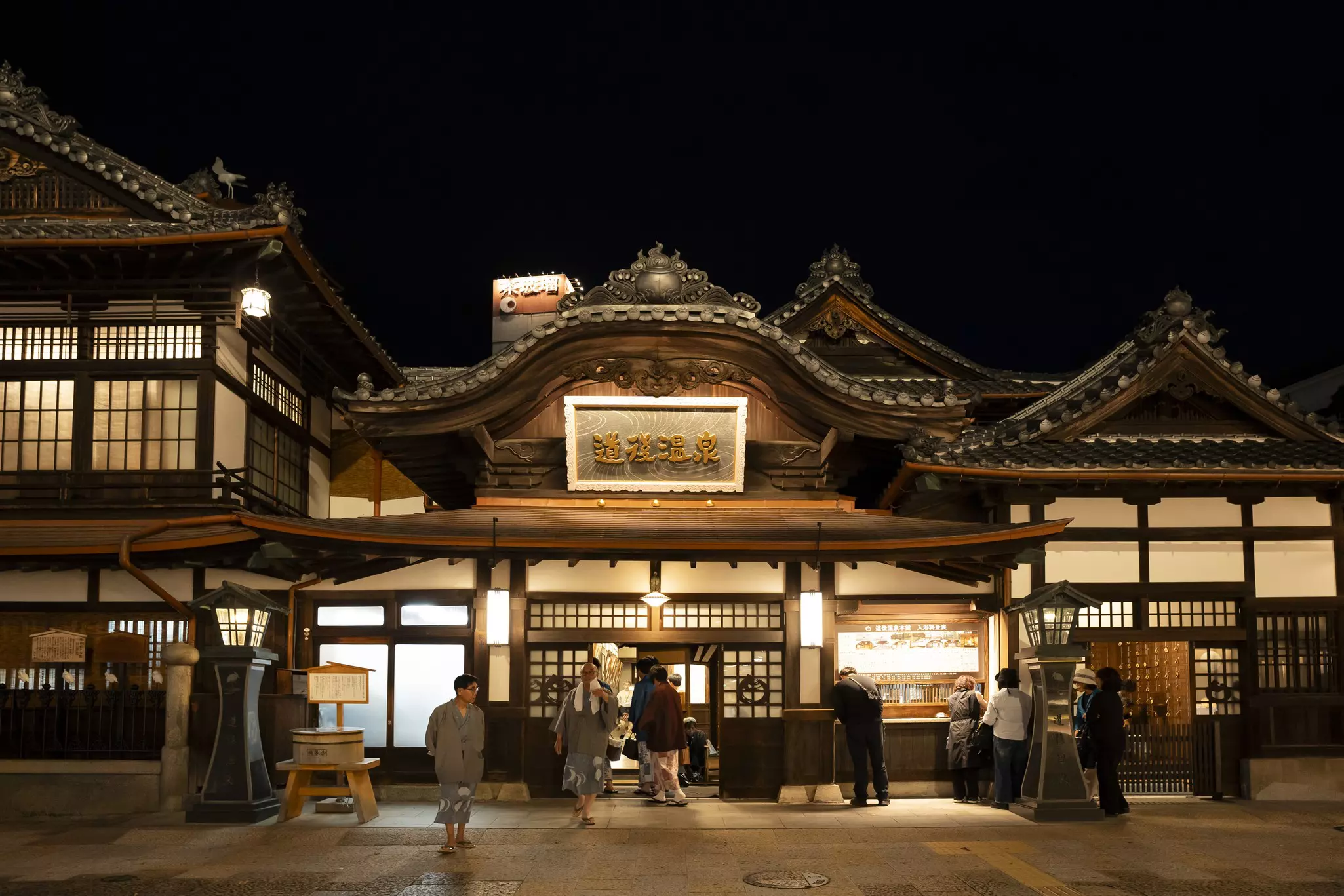
When you enter an onsen, leave your shoes in a locker or on a designated shelf. Pay the entrance fee – usually 400–800 Japanese yen (¥) but up to ¥2000 – to a person at a counter or at a vending machine for tokens. Large and small towel rental is either included or costs extra (about ¥300). Then head to the changing area. Men and women bathe separately, so look for the characters 男 for male and 女 for female on door curtains to avoid embarrassment. Men's curtains are usually blue; women's are red.
In the changing rooms, you’ll find baskets or coin lockers in which to store all your belongings, a large towel and your clothes – even your underwear. Yes, it's routine to get completely naked. Jewelry can get stained by the bath's minerals, so leave that behind too. All you should be left wearing is an optional small towel and a waterproof locker bracelet. If you have bathing toiletries, you can bring them along. Changing rooms usually provide a hairdryer and other basic amenities such as razors, lotions, perfumes and colognes.
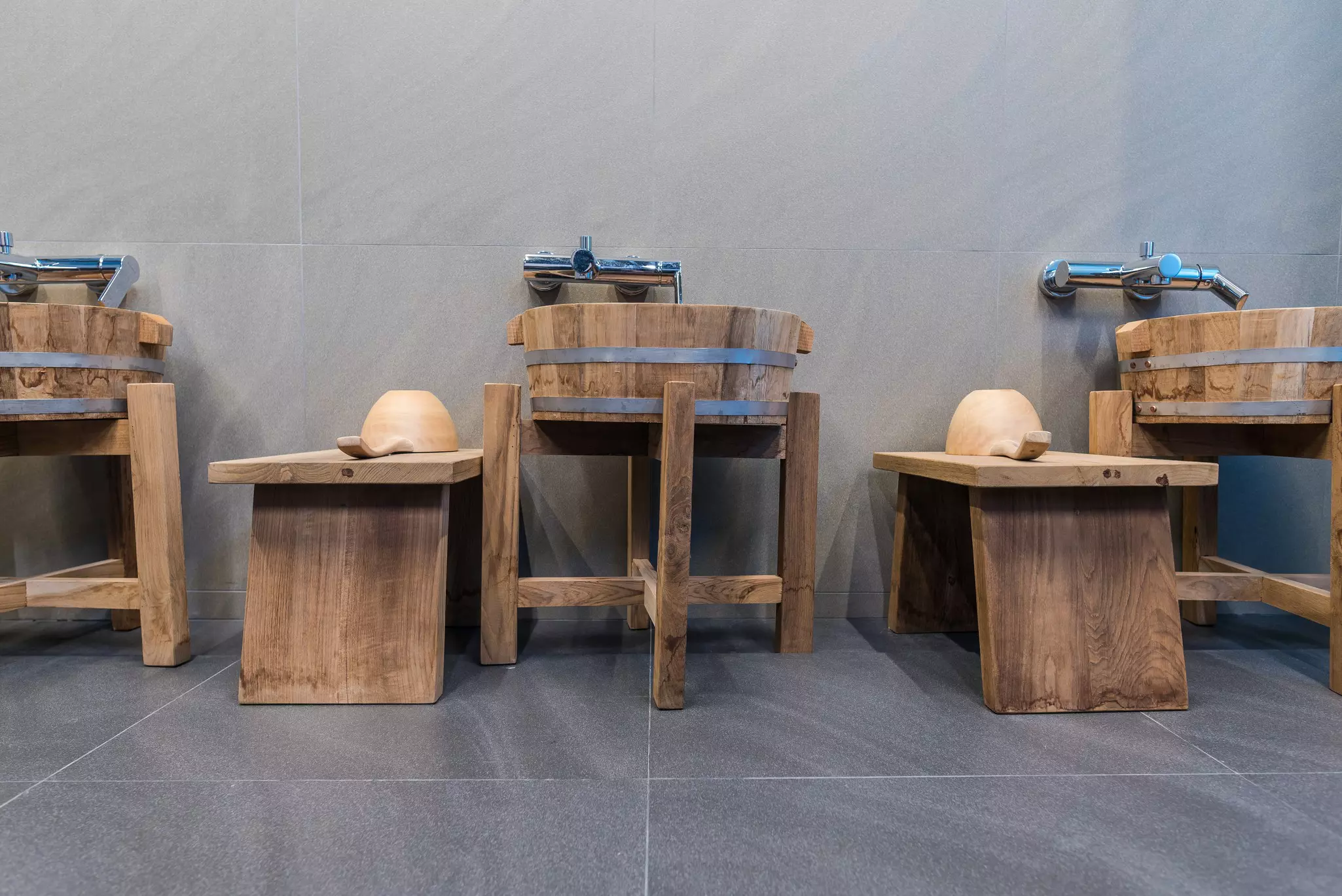
Once you are in the buff, move into the onsen bathing area. Facing the baths cloaked in rising steam you’ll find open shower cubicles or wash troughs lining the walls. Sit on a stool facing the wall, and use the small bucket, soap and shampoo provided to wash yourself thoroughly from head to toe. The onsen is not for washing, so make sure you are sparkling clean and soap-free before getting in. Find the toilets first, if you need to go. This all keeps the bathwater pristine and inviting for everyone. Watch your step: the floors are wet and can be slippery.
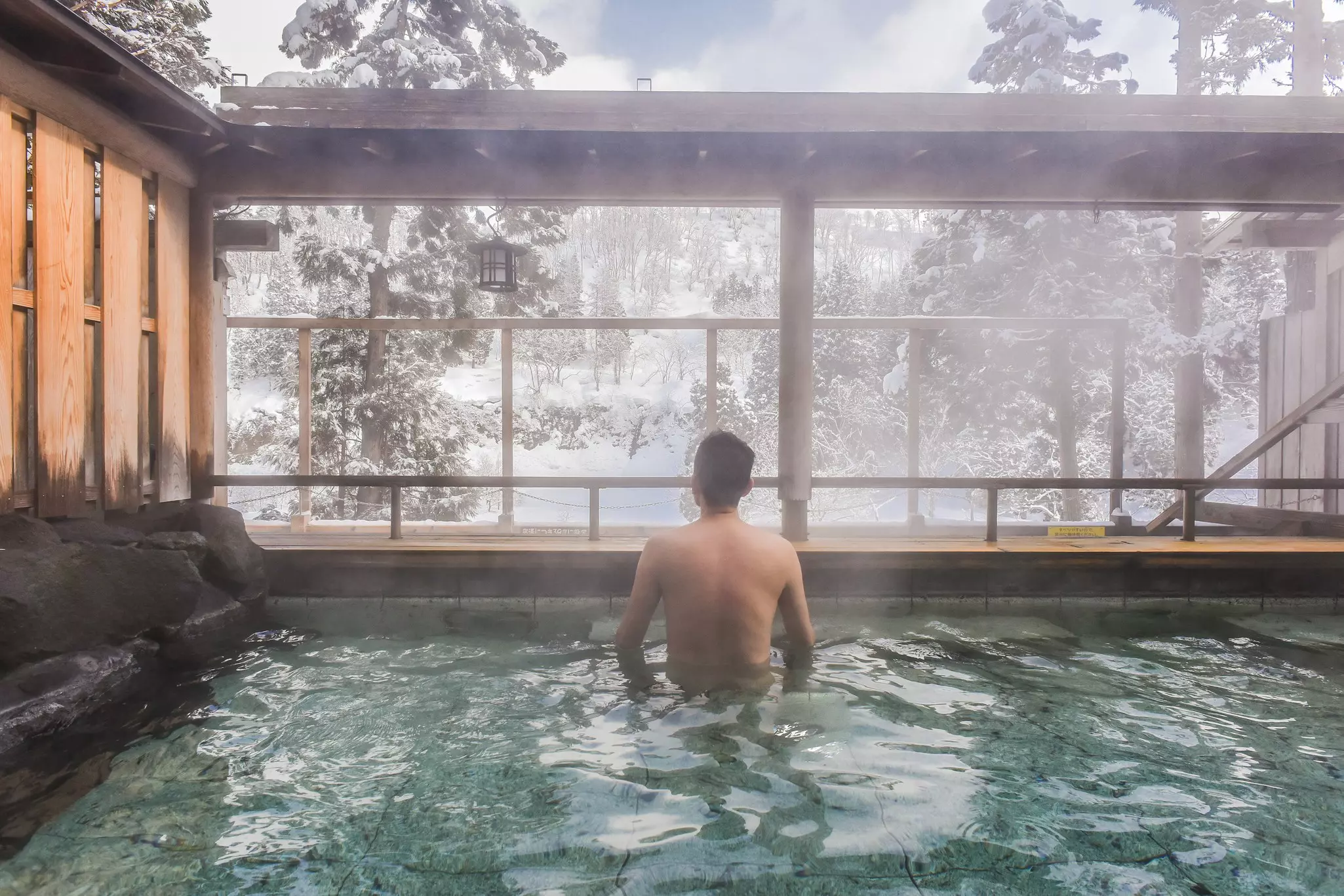
Everybody bathes completely in the buff at an onsen. It's just you and the water – no swimsuits or underwear are allowed. For newbies, it can help to know that Japanese people feel completely at ease with this nudity and won't pay (overt) attention to you, foreigner or not. Bathers keep to themselves the same way they do alongside strangers on public transportation in Japan.
With this knowledge, and doing as the Japanese do, the experience can feel liberating and natural among the shrouding steam. Communal bathing in Japan is viewed as a great social leveler for its power of hadaka no tsukiai (naked friendship).
You can try to use your tiny towel to cover yourself as you move between pools, but don't let it touch the water. To keep it from contaminating the baths, fold it and balance it on your head like the pros do.
Not interested in getting naked with strangers? In onsen ryokan, there is usually the choice of an intimate kashikiri onsen room (a private space but the precleansing routine still applies) or rotemburo (outdoor bath) with scenic views just for you and your special somebody.
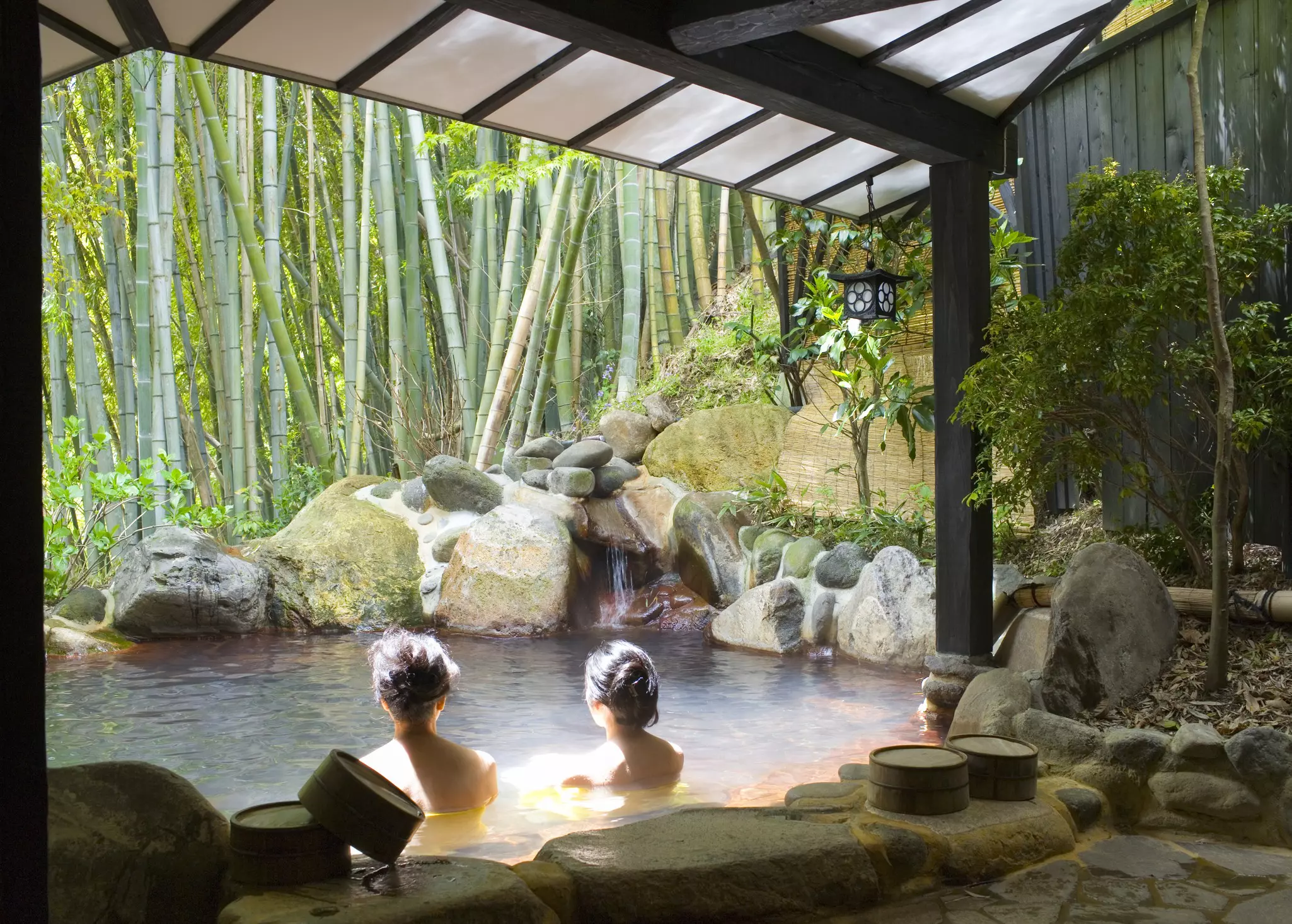
Public onsen have at least one main bath with steps to enter or sit on. Some have various baths, each fed by natural spring water. Choose yours carefully. Maybe not the one with the lightning bolt symbol above it, unless a mild electric shock thrills you (the theory is that electricity contracts the muscles, which leads to relaxation once you jump out). Also be mindful of the scalding bath – you’ll know it the moment you dip your pinkie in.
Start instead with one of the regular hot baths, running 34–42°C (93–107°F), entering slowly to test the temperature. Steps can be hidden under milky water too. If there are other bathers, there’s no need to say a word or make eye contact, just enjoy. Stay in the soothing warmth for as long as you like. Leave after a minute or soak for hours. Some people will get out, take five on a rock or the bath edge, and then get in again. Relax and forget the stresses of the modern world outside for a blissful period.
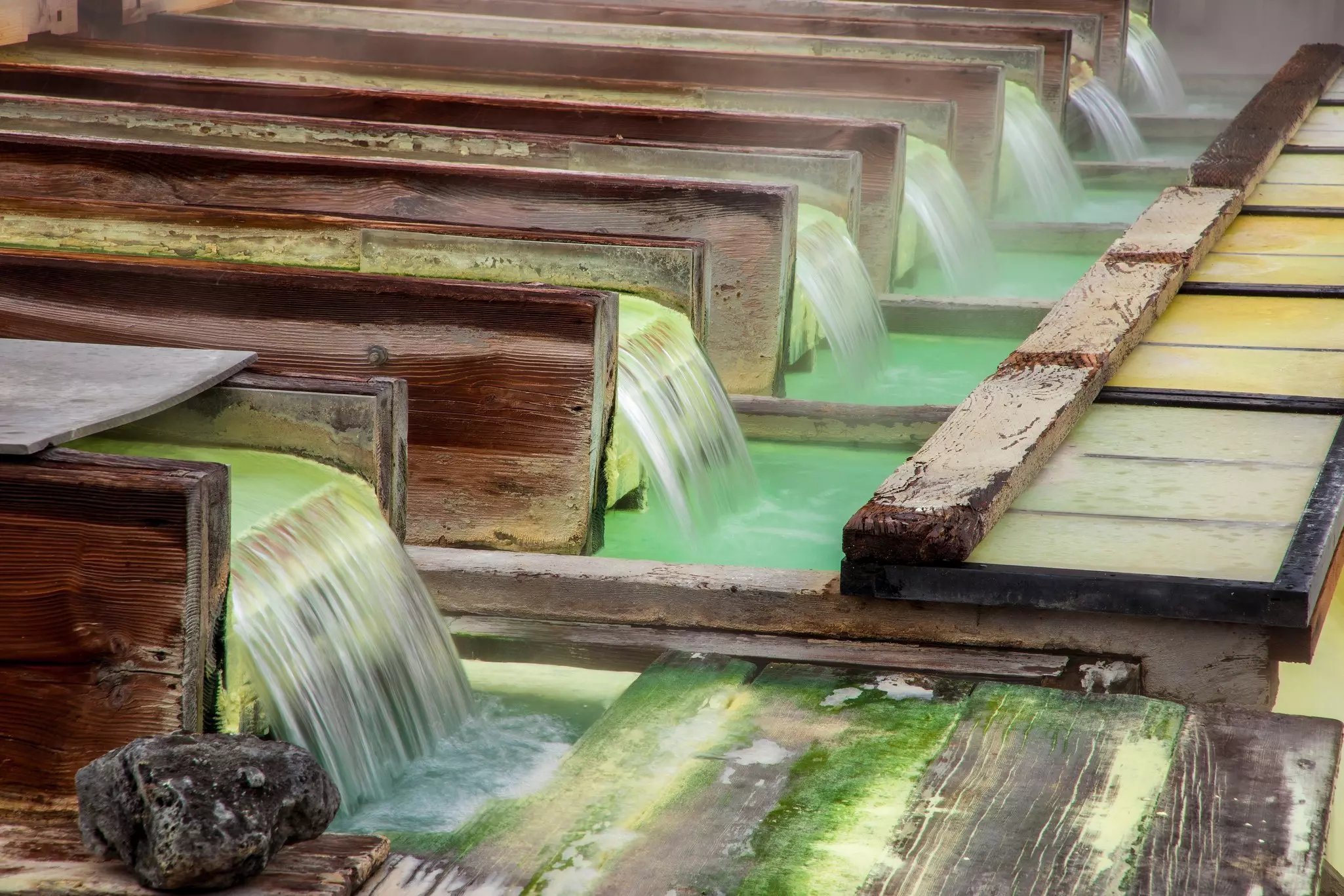
After soaking away your tension in the hot waters, you might feel daring enough to dip into the icy cold bath to snap you out of drowsiness. Some onsen also have an extra mineral-rich bath with a water color that varies depending on the minerals it contains. Iron-rich onsen water can appear dark reddish-brown, while iodine onsen water has a straw color and a distinct smell.
Now step out and repeat the process, washing yourself again on a stool, then sinking into another bath – this is the centuries-old ritual of onsen.
When you're ready to leave, go Japanese style – don’t wash off the minerals of your last dip. Pat down with the small towel before going to the changing room to keep the floor splash-free. Then dry off completely with your large towel and get changed into your clothes or pajamas.
Some onsen offer amenities such as massage services for an additional fee and relaxation lounges where you can rest before or after your bath.
Onsen are peaceful retreats. Speak softly, and avoid making loud noises or splashing about to maintain the serene ambiance. Swimming and submerging your head will earn you dirty looks. People with long hair should tie it up before stepping into the bath.
Some onsen do not allow entry to bathers with visible tattoos due to associations with organized gangs in Japan. Check the policy, or cover your tattoos with waterproof tattoo-covering stickers (sometimes provided by hotel onsen).
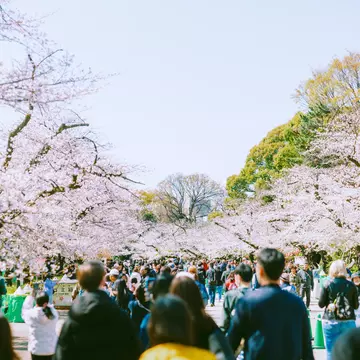
Each season offers its own onsen charm. Spring (March to May) cherry blossoms and fall leaves are popular for bathing in outdoor baths with picturesque backdrops. Winter (December to February) is a dramatic time to visit an onsen, especially where there is heavy snowfall – the hot springs create a dramatic contrast against a snowy wonderland.
It's no wonder that winter is when many onsen festivals take place. For budget travelers, the least crowded and most affordable times are typically in late winter (January to early March) and early autumn (late September to early October). The busiest and most expensive periods are the holidays of Golden Week (late April to early May), Obon (mid-August) and the New Year (late December to early January).
A visit to an onsen can be as brief as five minutes or as leisurely as a whole afternoon. For a day trip to an onsen town, plan to spend at least a few hours to fully enjoy the experience. Add extra time for lounging in on-site saunas and relaxation areas. If you have a weekend to spare, consider staying at a ryokan with its own onsen facilities. This allows you to experience the onsen at different times of the day, for serene early morning bathing and tranquil evening hours. Onsen towns are often set in nature with hiking and temple visits for a deeper immersion into the cultural and relaxation experience.
Rendai-ji’s Kanaya Ryokan, Hakone: An enormous, atmospheric wooden onsen bath on the Izu Peninsula with mixed bathing.
Nakabusa Onsen, Japan Alps: Amazing and remote onsen with 29 natural hot springs.
Kurama Onsen, Kyoto: An ideal spot to soak away city pressures or to relax after a hike in the nearby hills.
Kinosaki, Kansai: The ultimate onsen town, featuring seven public baths and numerous onsen ryokan.
Lamp no yado Aoni Onsen, Aomori: Cradled in a remote valley, a ryokan and onsen illuminated solely by oil lamps, creating a serene soaking experience.
Tsurunoyu Onsen, Nyūtō: Milky, mineral-rich baths at an onsen that has been operating for four centuries.
Fukiage Roten-no-yu, Central Hokkaidō: Way off the beaten track, a wonderfully natural forest-surrounded konyoku (mixed bathing) onsen – and free at that.
Dōgo Onsen, Matsuyama: Featured in ample literary classics, most notably in Natsume Sōseki’s Botchan, since the castlelike building’s construction in 1894.
Ibusuki, Kyūshū: Renowned sand baths where onsen steam rises through the sand, enveloping bathers buried up to their necks.
Hirauchi Kaichū Onsen, Yakushima: Minimal privacy in an outdoor, seaside pool for under ¥300.
Book your Japan trip with Lonely Planet Journeys
See Japan how it's meant to be seen
Planned by local experts and tailored to you, Lonely Planet Journeys handles the logistics so you can just enjoy the trip. Tell us what you want and we'll build your Japan itinerary from scratch, or browse our bookable trips to get inspired.

Explore related stories