Sep 14, 202620 min read
30 Things to Know Before Visiting JapanJul 29, 2026
10 MIN READ
Contributors
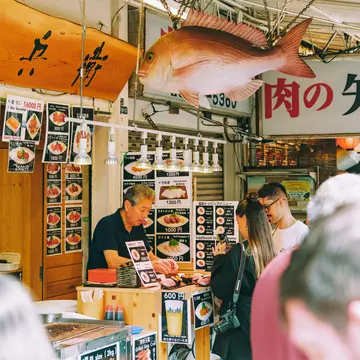
Tsukiji Outer Market in Tokyo, Japan. Rintaro Kanemoto for Lonely Planet

Contributors


Lonely Planet Editors, Rebecca Milner
Highlights
Tokyo-based writer Rebecca Milner shares 16 budget tips on transport, food and accommodation.
Guesthouses offer dorm beds from ¥3000; business hotels have private rooms from ¥6000.
Buy the Japan Rail Pass for unlimited travel, including the shinkansen (bullet train).
Most shrines and temples, including Fushimi-Inari-Taisha in Kyoto, are free to visit.
Lonely Planet may earn a commission from affiliate links on our site. All recommendations and reviews reflect our own independent opinions.
Japan can be expensive to visit, with higher prices for accommodation, food and transportation than in many other parts of Asia. However, the decisions you make while you travel can have a big impact on the cost of a trip to this fascinating archipelago.
A budget-friendly visit to Japan is perfectly possible with a little planning. For example, many of the country’s major sights cost nothing to visit, and free festivals take place year-round. If you pick your destinations, accommodation, meals and transport options wisely, budget travel to Japan can be easier than you might think.
Some experiences are more expensive than others – taking taxis, eating in fashionable restaurants and visiting theme parks and other big tourist attractions will add to your costs. Getting around by train has become more expensive in recent years, too, with further fare hikes announced for 2026.
To help you plan, this guide to budget travel in Japan is full of top tips on finding the best-value places to stay, the right transportation and the best places to eat to suit your budget.
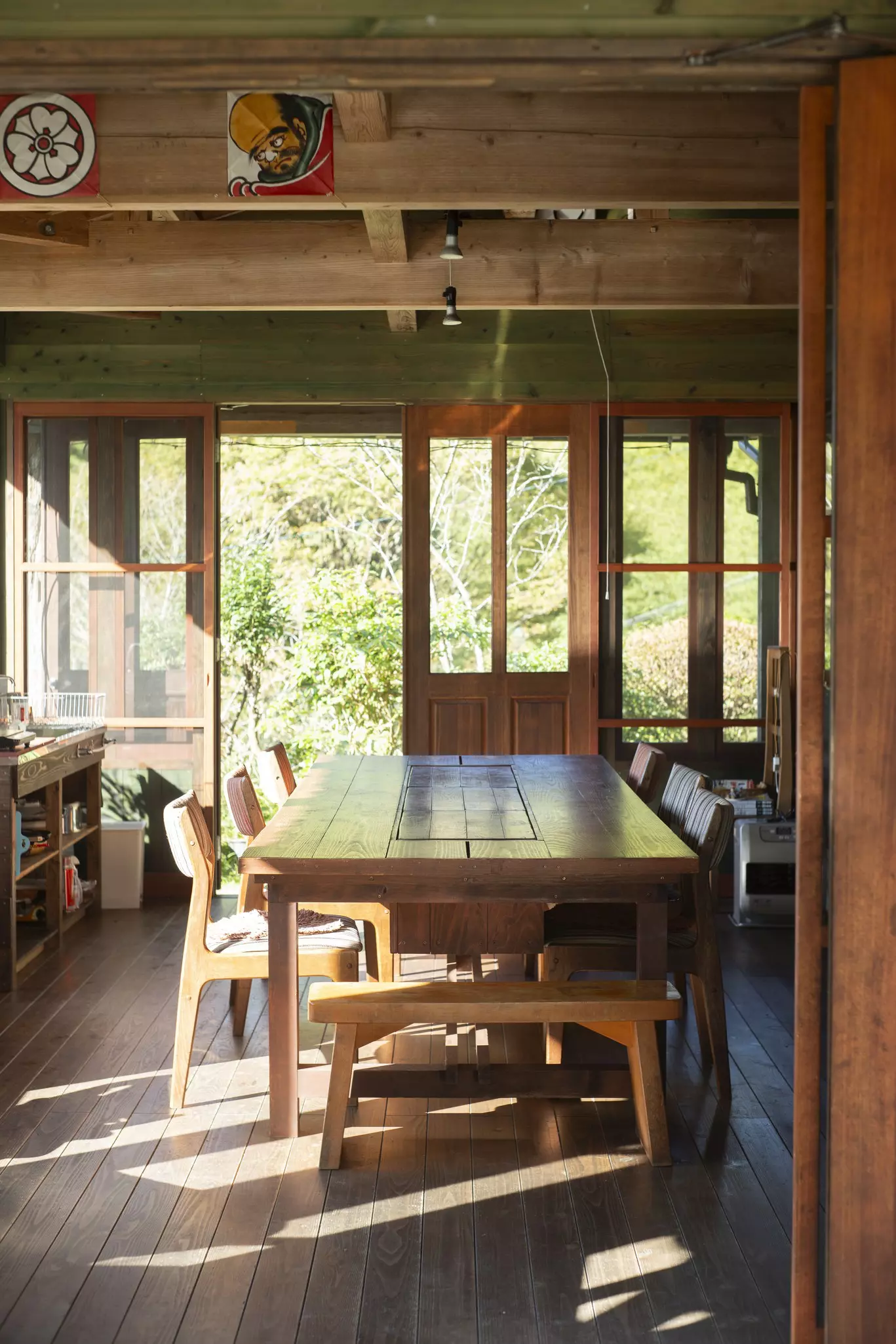
Japan has some fantastic and moderately priced guesthouses and hostels. Not only are they generally clean and well-maintained, but friendly English-speaking staff are usually on hand to offer nearly concierge-level service. Prices for a single/double room usually start from ¥6000-7000 per night, and rooms often have shared facilities, while dorm beds cost around ¥3000 per night.
Some places do charge extra for towel rentals, so you can save a few yen by bringing your own. Note that rates are often lower if you book directly rather than through a booking site. If you prefer the simplicity of booking through a website, Jalan.net has lots of less expensive options.
If you're looking for a whole room to yourself for an affordable price, Japan's economical (and, to be honest, rather utilitarian) business hotels offer the best prices for private rooms with en suite facilities. It’s possible to find double rooms for as low as ¥7000 per night and single rooms for as low as ¥6000 per night, though these will be a little more expensive in cities like Tokyo, Kyoto and Osaka.
Look for places that include a free breakfast buffet – these can be substantial enough to keep you going for much of the day. As a bonus, business hotels are often clustered close to important road interchanges and transport hubs, such as train stations.
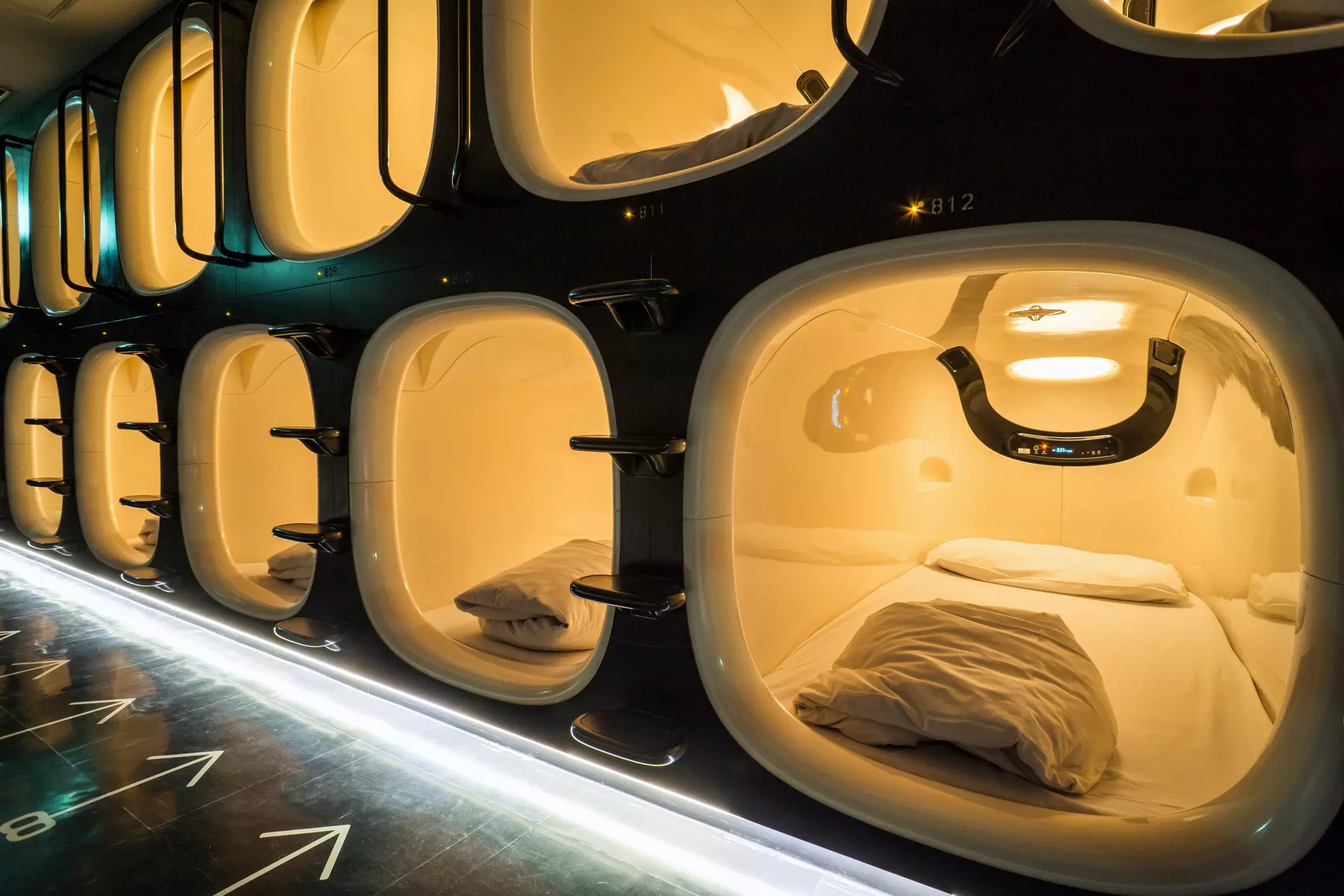
Japan's famous capsule hotels, which offer tiny "rooms" – more like compartments, with just enough space for a bed, a light and a shelf for your phone – provide a budget-friendly place to spend the night. A capsule berth costs slightly more than a dorm bed in a hostel, from about ¥4000 per night, but it offers more privacy.
You probably wouldn’t want to stay every night in a capsule, but they’re good for saving money in cities where hotels are pricier. Your luggage must normally be placed in a locker or dedicated luggage room, and the bathroom will be shared with other guests, but you'll get a memorable travel experience and a good story to share.
If you really want to see Japan inexpensively, rely on its network of well-maintained campsites in rural or resort areas. Prices per person for a tent space range from ¥500-1000 – significantly more affordable than even the most inexpensive hotels. However, many sites are only open in the summer. The Japan National Tourism Organization has online listings of major campsites.
Long-distance buses, such as those operated by Willer Express, offer the best value for getting around in Japan, and cost less than the trains. Longer routes are covered by night buses, which will save you the cost of a night's accommodation. There are also some pocket-friendly bus passes, which can make this an even better deal.

Lonely planet’s trusted travel insurance provider
Travel with confidence. Protect your trip and your wallet.
We don’t represent World Nomads, we receive a fee from quotes using this link. This is not a recommendation to buy travel insurance.
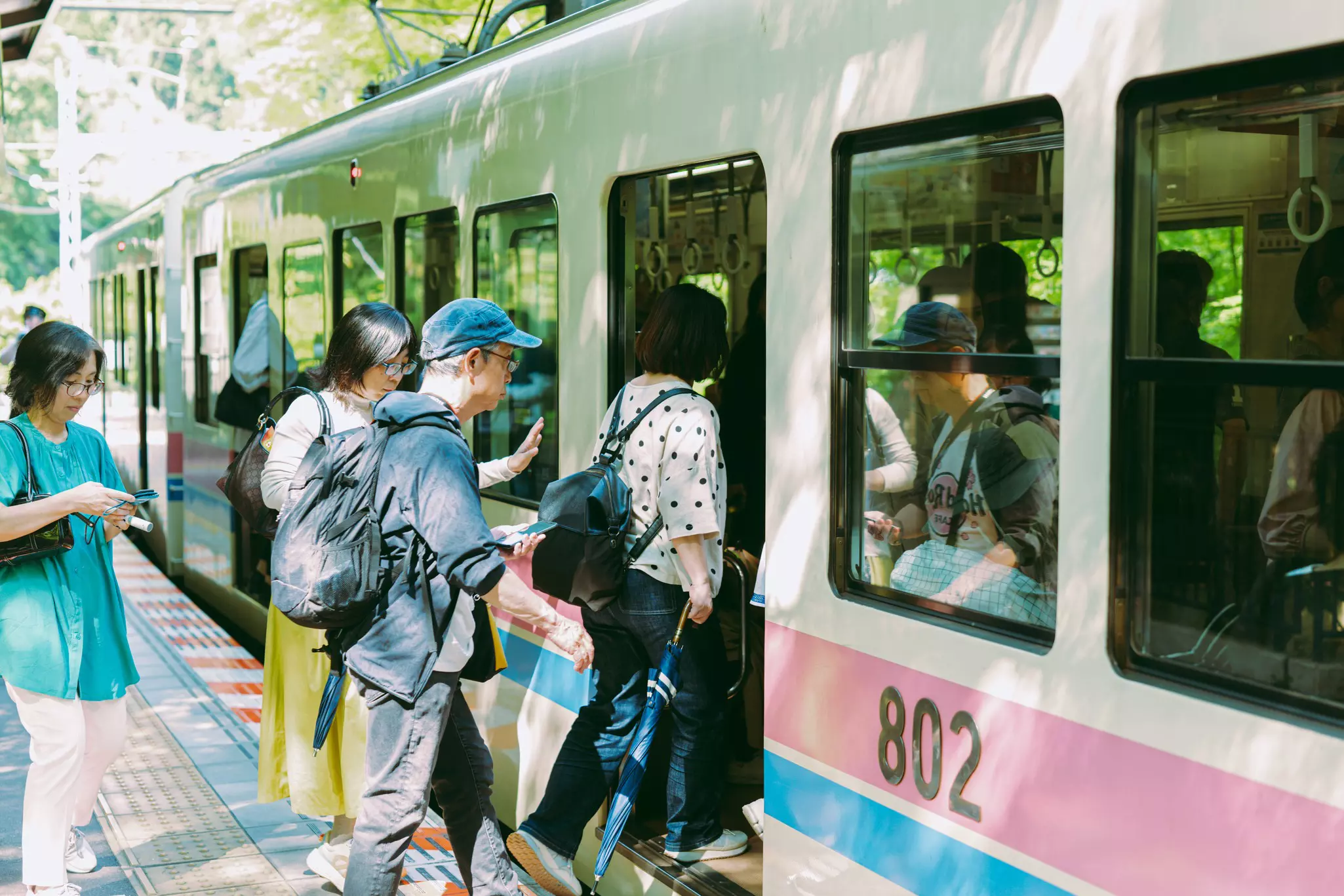
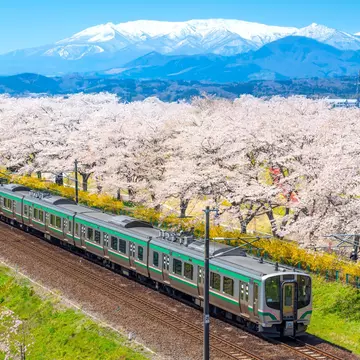
Like the famous Eurail Pass in Europe, the Japan Rail Pass, or JR Pass, is one of the world’s great travel bargains, and it's the best way to see a lot of Japan by train if you're on a budget. Valid for 7, 14 or 21 days, the pass covers unlimited travel on Japan’s brilliant nationwide rail system, including the lightning-fast shinkansen (bullet trains), though some specific high-speed services are excluded. Purchase a pass online or from a travel agent like JTB in your home country.
There are also regional train passes covering only parts of the country that are cheaper, so think about the places in Japan you want to visit by train before deciding. For example, the 2026 price for the JR East Pass is ¥35,000 for 5 days, and it is recommended for travel to Aomori, Akita, Sendai and other places in the Tohoku area.
Sold at JR ticket desks at certain times of year, the Seishun 18 Ticket is another great deal, but with very specific conditions. One option is to buy five 1-day tickets good for travel on any regular Japan Railways train (meaning not the shinkansen or any high-speed limited express trains). There's also a version valid for three 1-day tickets for a bit less.
The Seishun 18 Ticket is only available at certain times of year and is valid only during a specific time window during Japan's school holidays (the ticket is designed for students, but there’s no age cap) – and it cannot be purchased outside Japan. But if the timing works, and you’re a fan of slow travel, this is a unique, ultra-affordable way to get around.
Domestic flights in Japan are not as inexpensive as in some nearby countries, but budget carriers, like Peach, Jetstar and Air Do offer bus-like pricing on some routes. Just be sure to factor in the time – and cost – of going to/from the airport; it can be pricey, particularly if you need to take a taxi.
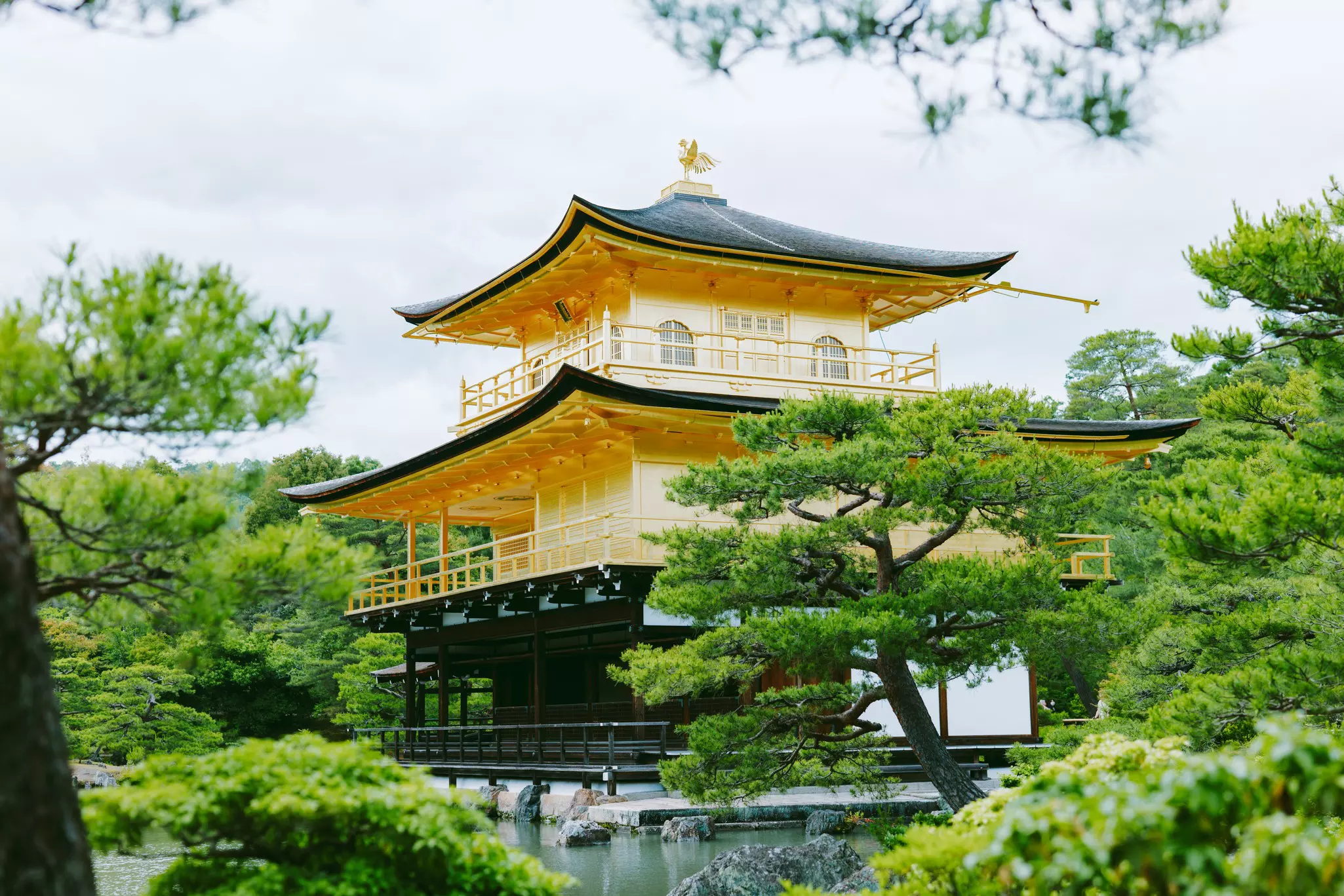
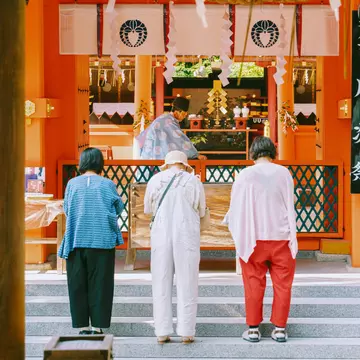
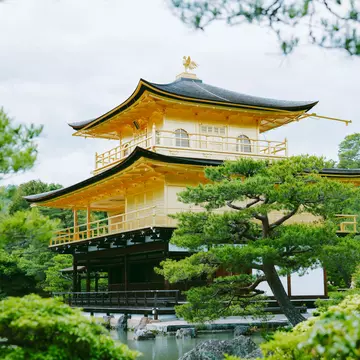
While some top tourist attractions have high entry fees, the vast majority of the many Buddhist and Shintō shrines in Japan cost nothing to visit. This includes famous shrines such as Fushimi-Inari-Taisha in Kyoto and Ise-jingū in Ise-Shima. And even at temples where you have to pay to enter the museum or gardens, such as Meiji-jingū in Tokyo, the grounds are often free to tour.
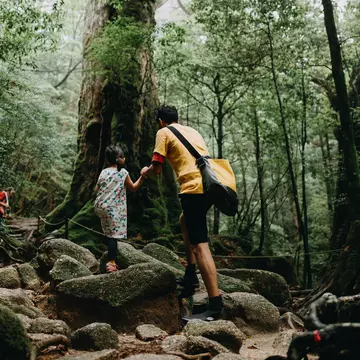
Going on a hike or a city walk is free, and it can be the most rewarding part of a trip to Japan. Consider anchoring your trip around exploring up-and-coming neighborhoods in Tokyo or tackling one of Japan's top hikes, such as the Kumano Kodō pilgrim circuit in the Kii Peninsula. Or, explore the mountain and forest landscapes in one of Japan’s scenic national parks.
Japan’s cities, especially Tokyo, have some fantastic buildings designed by many of the big names in Japanese architecture. With a little bit of planning, it's easy to chart your own free architecture tour. Ask at a tourist information center or a contact at your accommodation for suggestions of buildings to add to your itinerary.
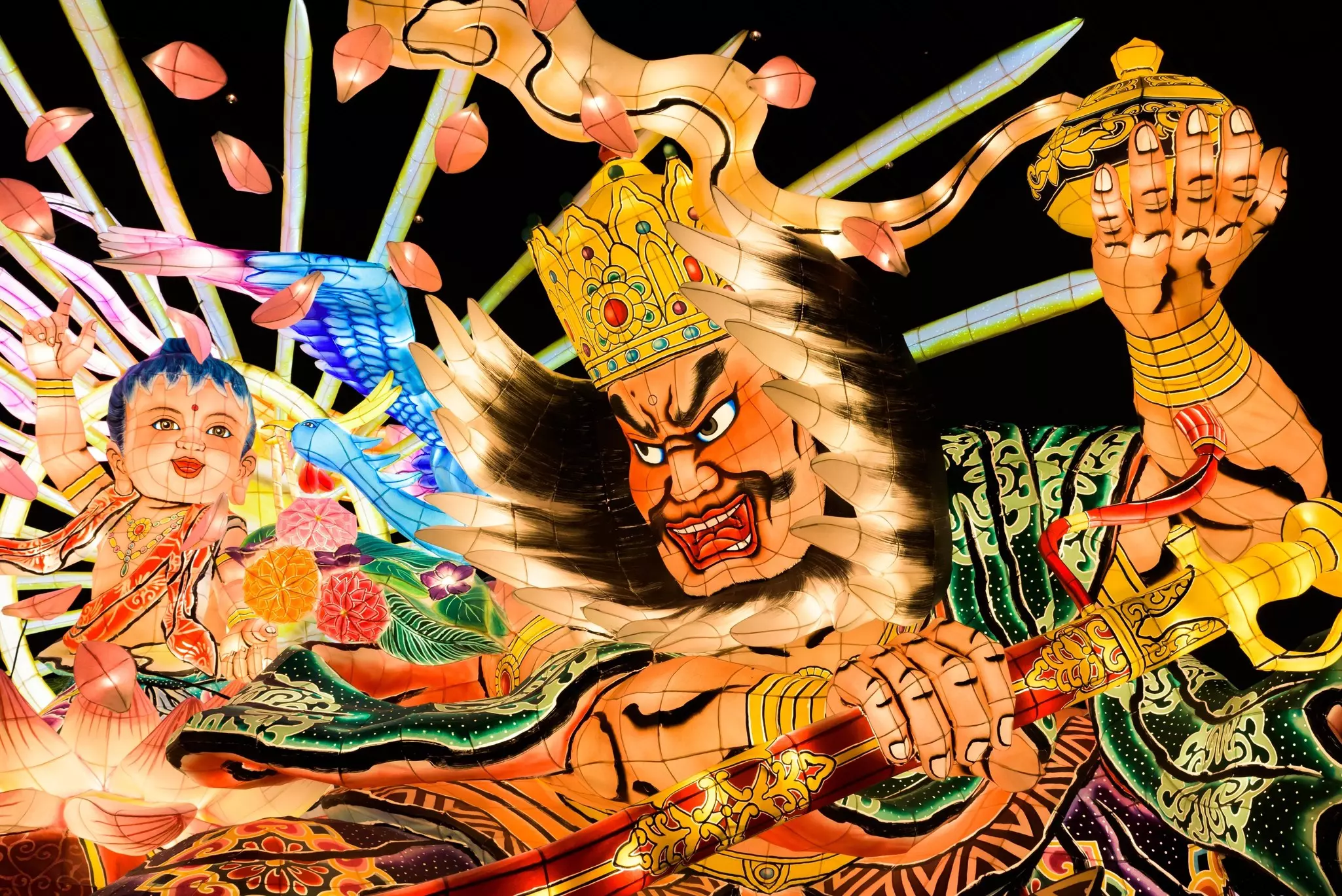
Festivals and parades take place at shrines and temples and through city streets throughout the year in Japan, and admission to the celebrations is usually free. Festivals are well attended by street food vendors, and less expensive accommodation can be found if you book far in advance. Attending a festival such as August's Aomori Nebuta Festival in Aomori City can be an excellent way to see traditional culture come alive without spending too much.
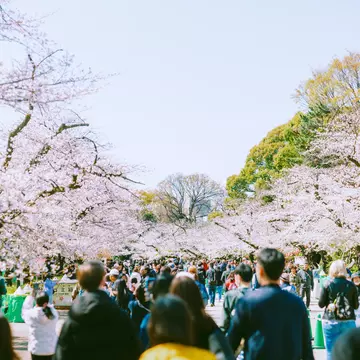
Urban parks in Tokyo and other cities in Japan are generally free to enter (and some of the country's stunning public gardens are, too). They're popular with locals on weekends, so pack a picnic and settle in for an afternoon of people-watching. If you time your visit right during the sakura (cherry blossom) season in the spring, you could be bathing in the beauty of Japan's most famous natural display, but you'll have to book well ahead to secure reasonable prices for transportation and accommodation.
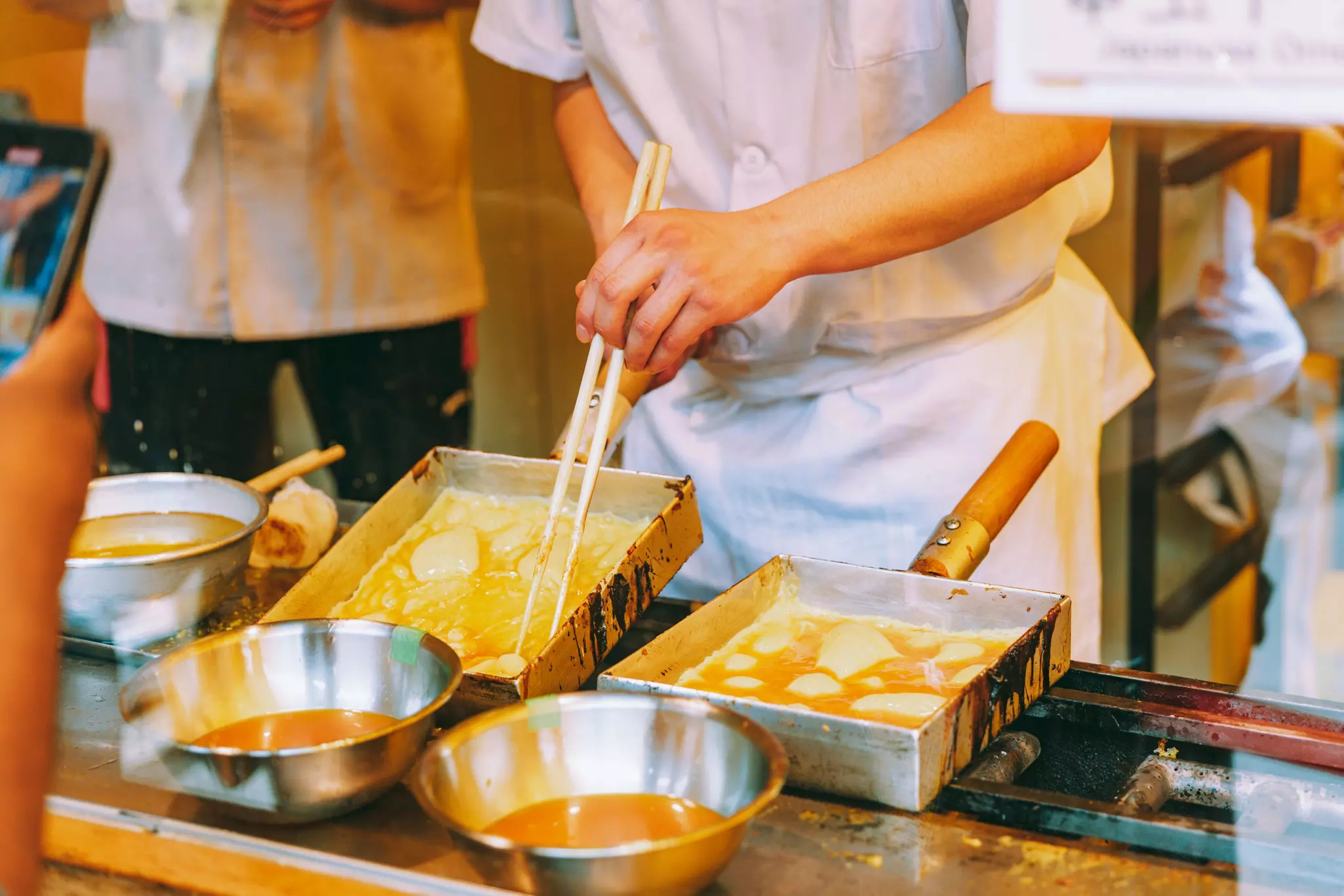
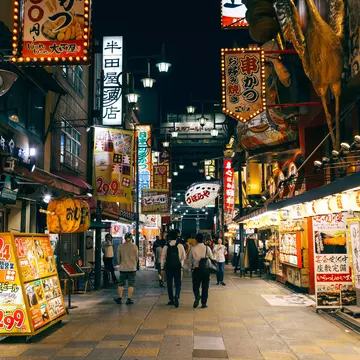
Many seaside towns have fish markets, some rural spots have morning produce markets, and some cities still have their old-fashioned open-air markets. Visits to markets are a great way to connect with local culture and are often a good source of affordable, fresh food. As well as raw ingredients, many markets have vendors selling tasty snacks and meals at fair prices.
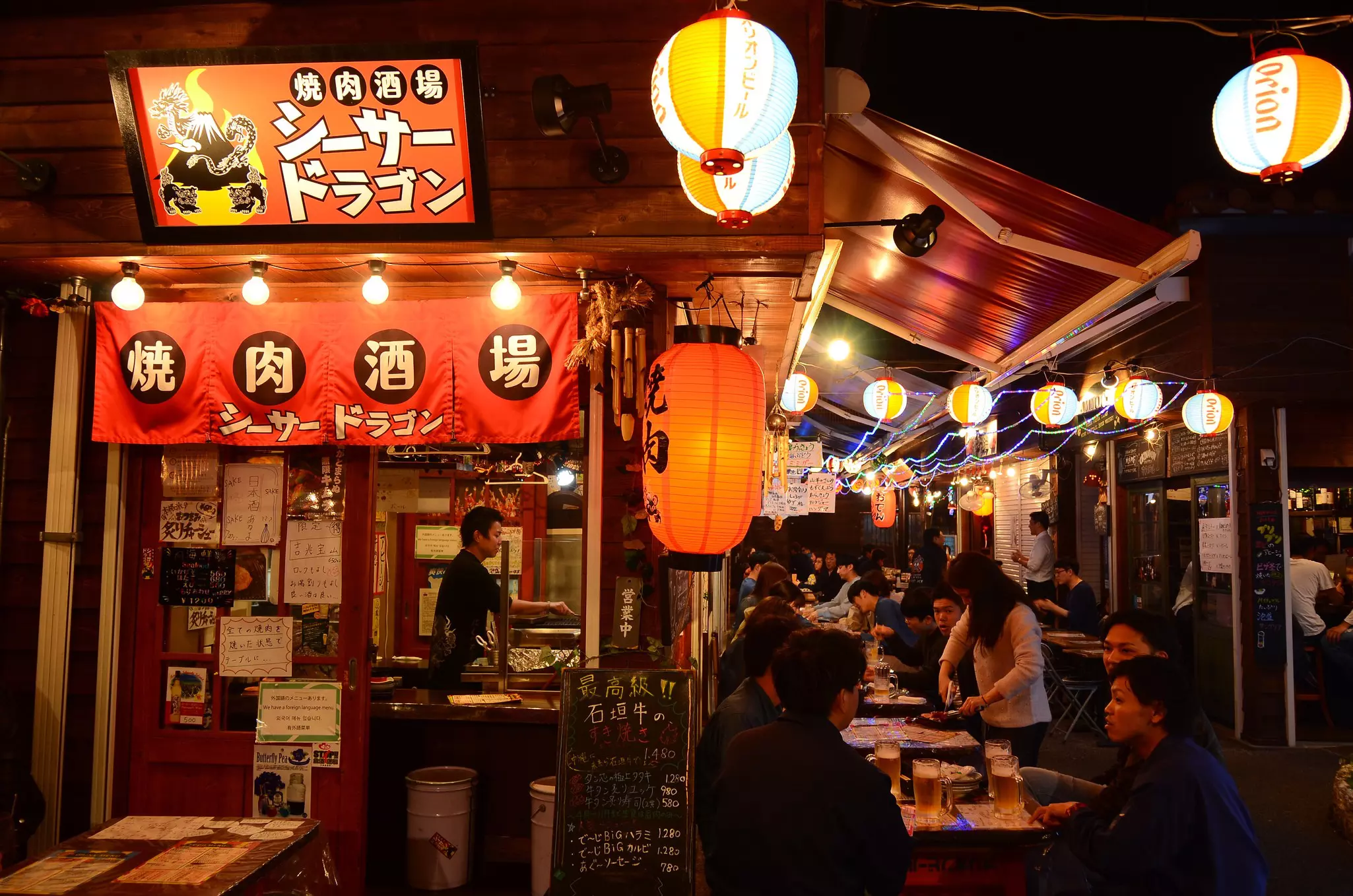
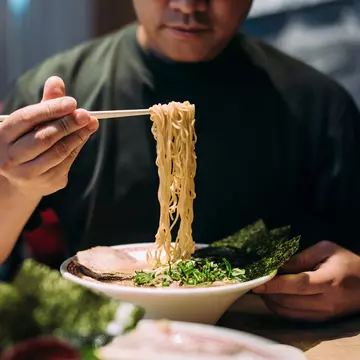
You can get a good, filling meal at the inexpensive local restaurants known as shokudō – Japan's answer to the greasy spoon – for less than ¥1000. A steaming bowl of tasty ramen noodles can be picked up in many places for as little as ¥600.
Tachigui (stand-and-eat counter joints) sell soba (buckwheat noodles) and udon (thick white wheat noodles) for even less – starting as low as ¥350 per bowl. Then, there are Japan's izakaya pubs, popular with office workers for an inexpensive drink and meal after work.
Many upscale restaurants in Japan offer a smaller menu at lunchtime for significantly less than they charge at dinner, so for a bargain, have your larger meal of the day then. Water and sometimes tea are complimentary, and tipping is not required.
The boxed meals known as bentō include a variety of dishes, and they usually cost less than ¥1000 at supermarkets. Department store food halls sell gourmet ones for a little bit more; visit just before closing to buy them on markdown.
Japan's convenience stores are the best friend to all budget travelers. They stock sandwiches, rice balls, hot dishes and beer, all of which you can assemble into a very affordable (if not exactly healthy) meal. Accommodations always have kettles, so a cup of noodles is another reliable option.
If you are used to the low cost of living in Southeast Asia, prices in Japan may come as a shock, but if you compare costs to North America, Europe and Australia, the differences are not so vast. Visiting large cities such as Tokyo and Kyoto tends to be more expensive than visiting smaller towns and rural areas, and prices soar at peak travel times such as the spring cherry blossom season and Golden Week; book well ahead to avoid paying top rates for rooms and transport during these busy periods.
As a rough guide, staying in capsule hotels or hostels and eating at inexpensive restaurants, you can get by on 15,000 yen (¥) per day. Doubling that budget will cover you for mid-range hotels, more upmarket meals, taxi rides and more expensive attractions.
Here are some common costs.
Capsule hotel room: from ¥4000
Basic hotel room for two: from ¥7000
Cup of coffee: ¥400
Takeaway sandwich: ¥400
Beer/pint at the bar: ¥600
A portion of sushi at a conveyor belt sushi restaurant: from ¥100–800
Dinner for two at a restaurant: ¥5000
Hour of karaoke for two: ¥2000
Book your Japan trip with Lonely Planet Journeys
See Japan how it's meant to be seen
Planned by local experts and tailored to you, Lonely Planet Journeys handles the logistics so you can just enjoy the trip. Tell us what you want and we'll build your Japan itinerary from scratch, or browse our bookable trips to get inspired.

Explore related stories