Sep 21, 20268 min read
A Guide to Okinawa, JapanApr 28, 2026
9 MIN READ

Writer
Bullet train passing Mt Fuji. Blanscape/Shutterstock

Writer
Highlights
Tokyo-based writer Rebecca Milner breaks down the best ways to get around Japan.
The shinkansen (bullet train) connects Japan's major cities quickly and reliably.
Buses are significantly cheaper than the shinkansen and cover rural areas trains miss.
Rent a car for Hokkaidō, Shikoku and the Japan Alps, where rail thins out.
Lonely Planet may earn a commission from affiliate links on our site. All recommendations and reviews reflect our own independent opinions.
At about 14,000 islands, packed with megacities, mountain ranges and mighty national parks, Japan can be a little overwhelming to first-time visitors who are keen to fill their itineraries with major attractions. But you’ll find that the country is a delight to travel around, whether by train, ferry, flight or by car.
Here’s everything you need to know about getting around Japan.
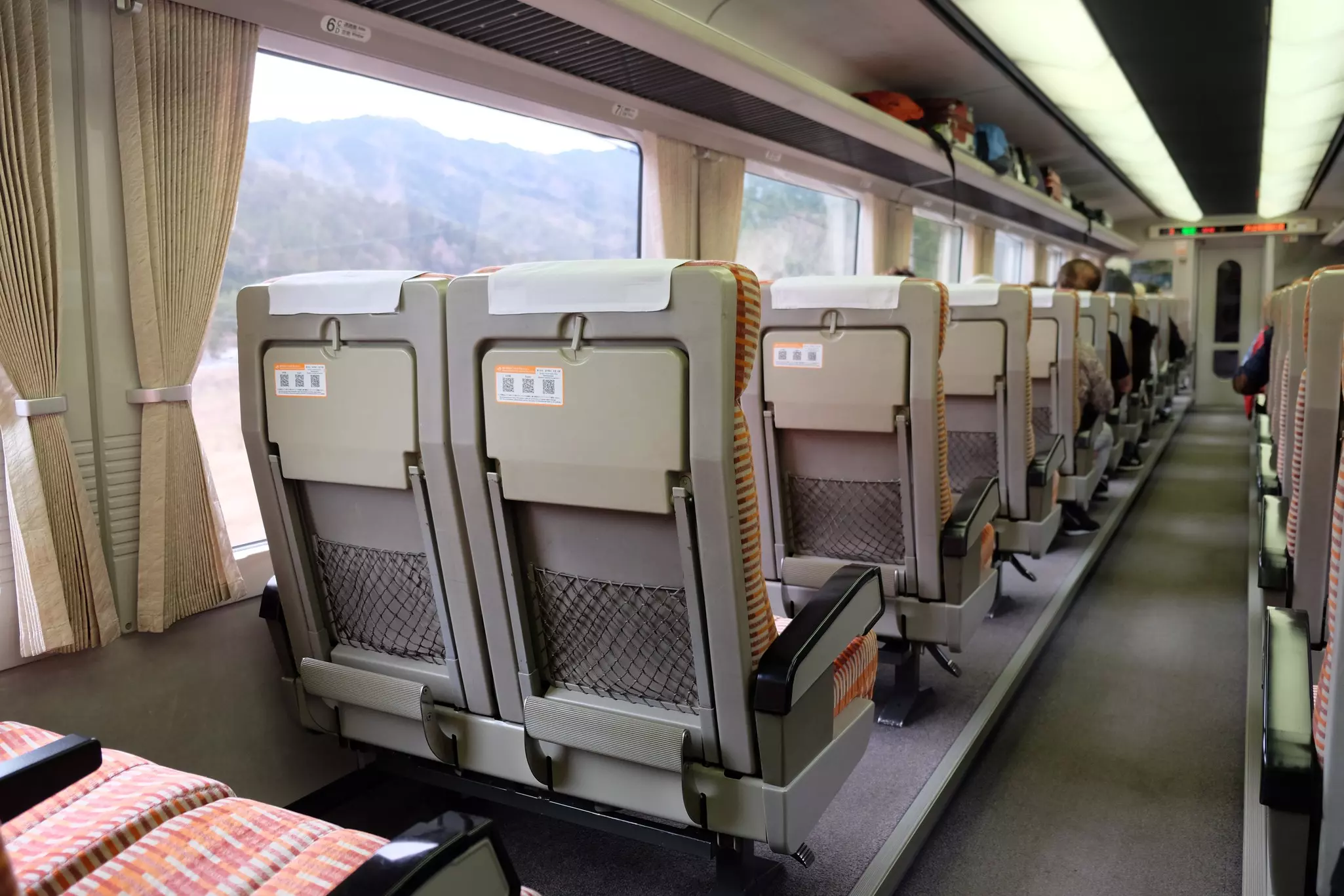
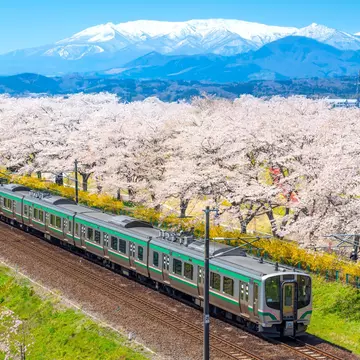
Train travel in Japan is the most popular way for visitors to explore the country and arguably the best. They are fast, efficient and extremely reliable. Though they are not the cheapest form of transportation, they can get you just about anywhere in the country with minimal stress.
The main operator is Japan Railways, commonly known as JR, which consists of several distinct systems that provide one linked service throughout the country. JR runs the famous shinkansen (bullet train) routes, which whiz between Japan’s major cities at nearly 320km/h (200mph) .
In addition to JR, there is a huge network of private railways, with each large city usually having at least one private train line that serves it and the surrounding area. A couple of sleeper train services are still in operation too.
Major stations have signs in English, and stops on long-haul trains are announced in English. The most challenging aspect of riding trains in Japan is navigating the sometimes enormous stations, where multiple routes may converge. Allow plenty of time to find the platform you need.
Tickets can be purchased from touch screen machines in major train stations. (Most have an English function, and those for shinkansen journeys accept credit cards.) Midori-no-madoguchi is JR’s full-service ticket office and sells tickets at major JR stations; look for the green signs near the main ticket gate. Other travel agencies are also often within train stations for ticket sales – Japan Travel Bureau (JTB) has branches everywhere. Ticket prices are comparable with the fares in Western Europe, with faster services costing more than slow trains.
Seat reservations can only be made (and are sometimes required) for shinkansen and certain tokkyū (limited express) lines. Tickets for reserved seats can be bought anytime from a month in advance to the day of departure. Otherwise, tickets are unreserved; these tickets won’t sell out, but you might find yourself standing if all of the seats are occupied.
Many visitors to Japan buy rail passes, which can make train travel cheaper if you plan to take numerous trips during your visit. The Japan Rail Pass is a popular option, offering unlimited rides on all JR services over 7, 14 or 21 days. There are also passes for some regions of Japan, including the Tōhoku Area Pass and Tokyo Wide Pass, for travelers focused on a specific area of the country. Information about most passes is available from the relevant JR branch – JR-Central, JR-East, JR-West – though there are passes outside the JR network too.
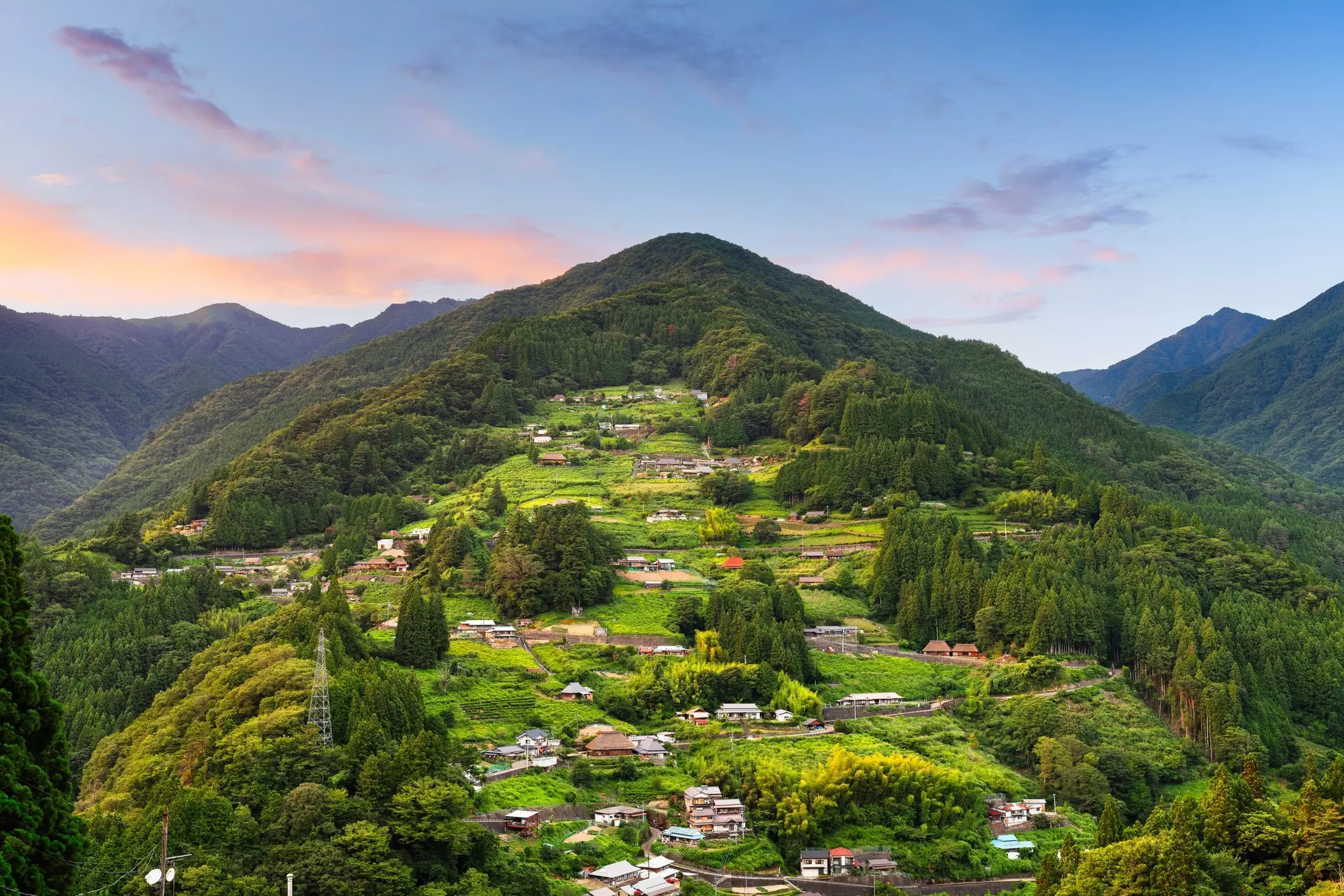
Japan has a comprehensive network of long-distance buses connecting the islands of Honshū, Shikoku and Kyūshū. They're nowhere near as fast as the shinkansen, but they're significantly cheaper. Buses also cover more areas than the train lines.
JR operates the largest system of highway buses in Japan. It is often a little pricier than other operators, but it's reliable, and buses tend to depart and arrive at train stations, rather than bus stops elsewhere in the city.
Willer is a cheaper operator that also has a large network. You can book seats on Willer and other reputable companies through Japan Bus Lines.
Most long-haul routes have a night bus option. Premium coaches have roomy seats that recline significantly. These can cost almost twice as much as ordinary coaches, but you're still saving on accommodation. Night buses tend to arrive very early, around 6am or 7am. All buses have toilets on board.
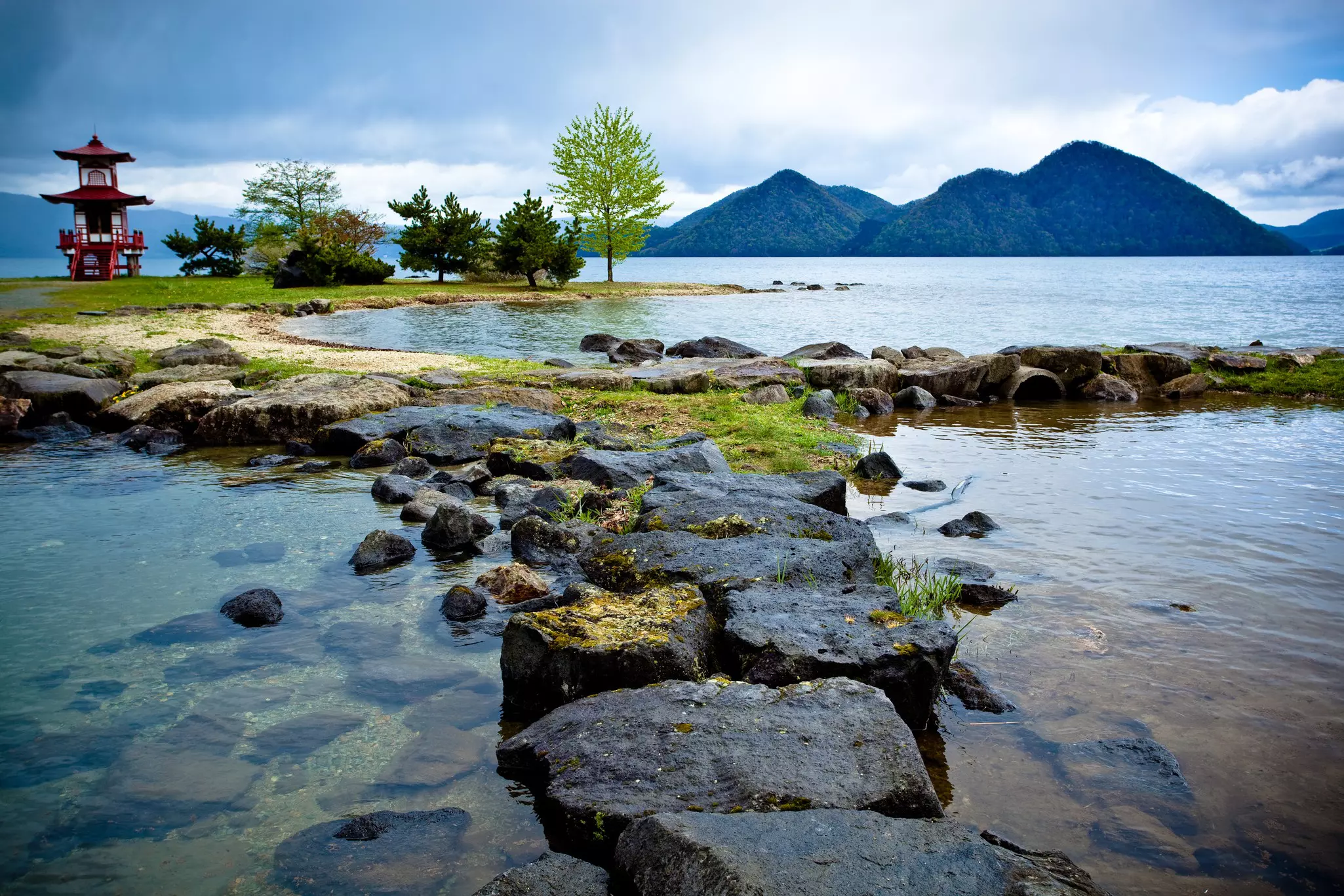
In the cities, one of the best ways to get around is by taxi. Ridesharing services, especially with leading carrier GO, offer plenty of cars and are quick and convenient. Subways and local buses are also an option.
For travel to rural regions, renting a car is the best way to get around, especially for two or more people. Areas that are great for exploration by car include Hokkaidō, Tōhoku, Hida, Shirakawa-gō, the Japan Alps and Noto Peninsula (Central Honshū), the San-in Coast (Western Honshū), Shikoku, Kyūshū and Okinawa.
Navigation systems have made driving in Japan much easier for visitors than it used to be. In remote mountain areas, however, these are not foolproof. Be sure to allow plenty of time to find your destination.
When renting a car in Japan, prices are largely comparable among the agencies, usually starting around 7000 Japanese yen (¥) per day for a compact car, with reductions for rentals of more than one day. Nippon and Toyota both have large rental networks and offer vehicles with English-language navigation systems.
Renting a motorcycle for long-distance touring is not as easy as getting a car. Rental 819 is one of the few agencies that makes it possible to book in English. Scooter rentals, however, are common on smaller islands; you'll still need an international license (though not a motorcycle license) to rent one of these. Helmets are compulsory for motorcyclists in Japan.
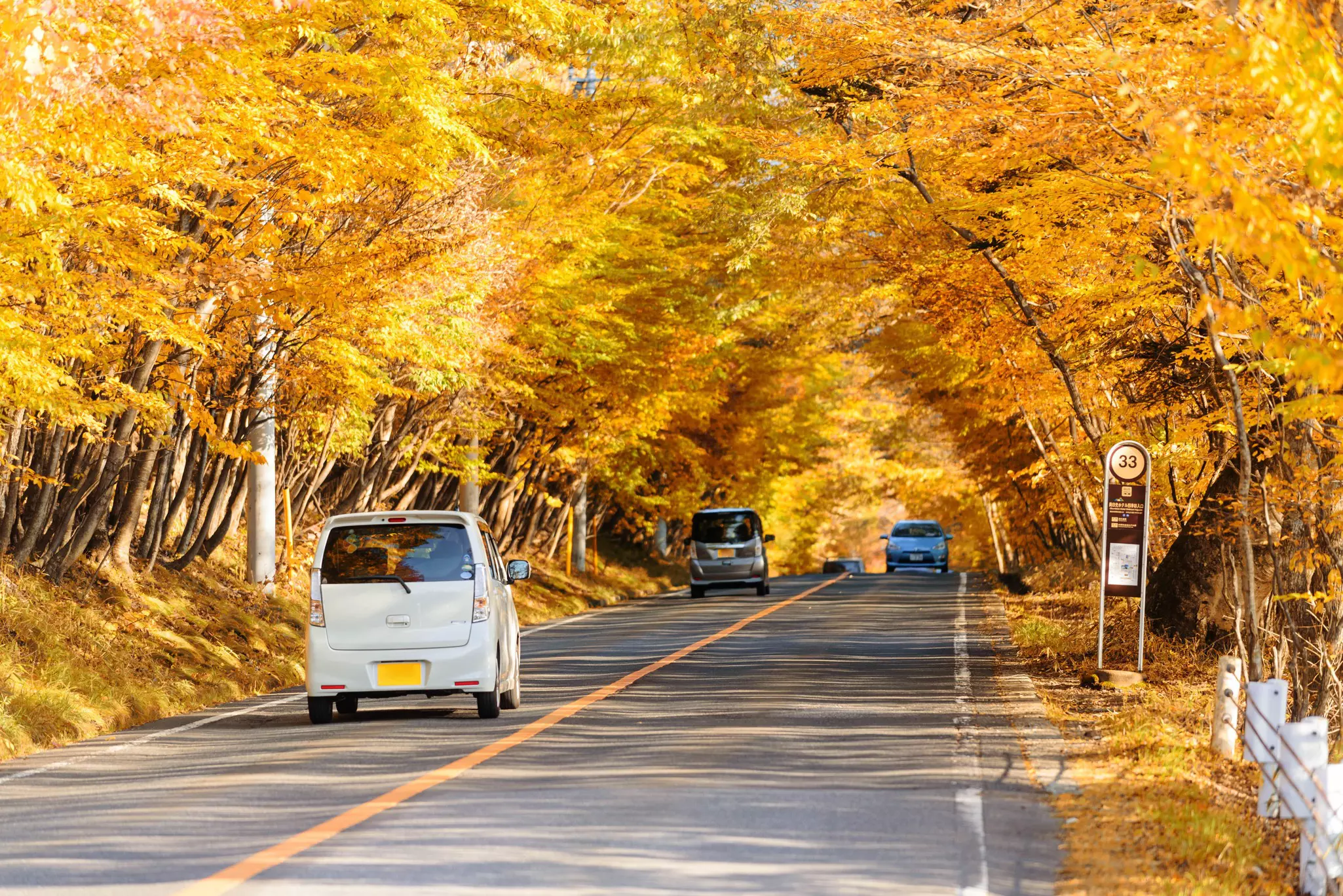
Japanese roads are generally in excellent condition. You're far more likely to encounter roadwork in progress than a road in need of repair. Bear in mind that mountain roads tend to be narrow, as are many in the cities (where you'll also have to contend with one-way streets).
Winter driving in Japan can be treacherous if you don't have experience with snow and ice. Snow is possible in higher elevations as early as November (October in Hokkaidō) and may keep mountain passes closed as late as April.
While roads have English signs, weather warnings and road closures are typically in Japanese only. If you're driving through the mountains in winter, have someone (perhaps at your accommodations) check your route to make sure it's feasible under the current conditions.
Travelers from most nations can drive (both cars and motorcycles) in Japan with an International Driving Permit backed up by their regular license. Residents from a handful of countries need to get an authorized translation of their license; branches of the Japan Automobile Federation do translations for ¥6000, which takes two weeks.
Air services in Japan are extensive, reliable and safe. Flying is often faster and sometimes cheaper than the shinkansen, though less ecological and with less chance to see the wonderful scenery out your window.
Japan Airlines – which includes Hokkaidō Air System and Okinawa carrier Japan Trans Oceanair – has the most extensive domestic network; All Nippon Airways is second. Most cities have domestic airports.
All Nippon Airways (ANA) and Japan Airlines (JAL) offer discounts of up to 50% if you buy your ticket a month or more in advance, with smaller discounts for purchases made one to three weeks in advance.
There are a number of low-cost carriers in Japan for domestic and regional flights. Look for Peach, Skymark, and Airdo, to name a few.
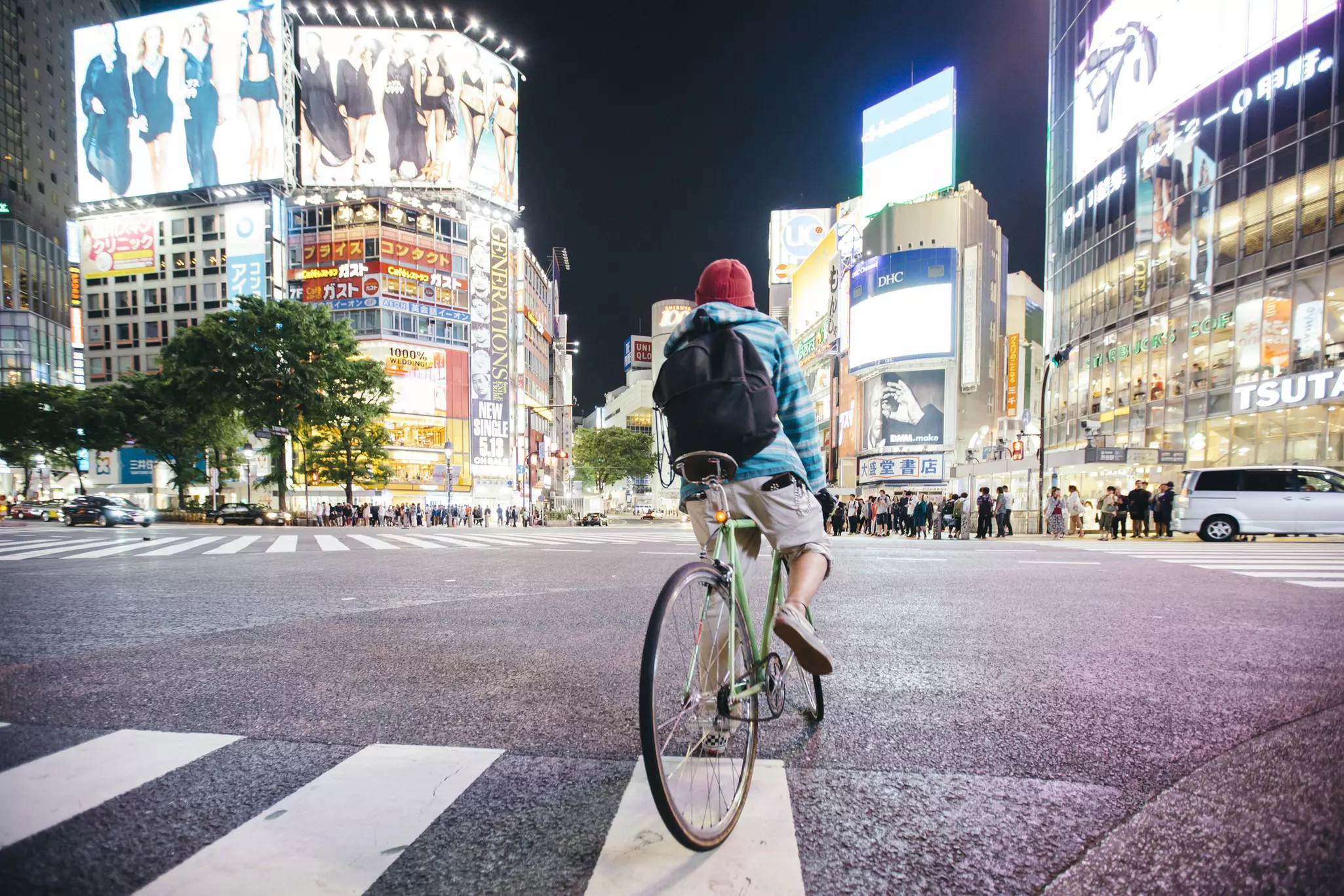
A few cities – including Tokyo, Osaka, Kōbe and Sapporo – have bikeshare operations. They can be a little tricky to use, usually requiring registration online. Just follow the step-by-step instructions.
Many Japanese people use bicycles to get around cities; by law, bicycles should be ridden on the road, but many people use the sidewalks.
Cycle lanes are pretty much nonexistent, but drivers (and pedestrians) are generally courteous. In cities, bicycles should be parked at ports or designated bicycle parking areas.
Many tourist areas have bicycles for rent. These are almost always heavy-framed, single-speed bikes, though some places have electric bicycles. Child-size bicycles are rarely available. Bikes may be free as part of a local tourism initiative; otherwise, private businesses, usually near train stations, rent them out from about ¥1000 per day. Many hostels also have bicycles to rent or borrow.
Helmets are mandatory for children age 12 and under. Except when road touring, adults rarely wear them, so rental shops don't provide them (unless they offer children's bicycles, in which case the helmets for children will be included in the rental).
It is difficult to rent touring bicycles in Japan, but Cycle Osaka does have them. If you want to bring your bicycle on a train, it needs to be broken down and stored in a bike bag.
Ferries are pretty much never the cheapest way to get anywhere and are always the least time efficient, but the rides themselves can be memorable. Long-haul ferries in Japan have communal bathhouses, dining halls and even karaoke rooms.
On overnight ferries, 2nd-class travel means sleeping in common rooms on plastic mats or the floor. If you pay a little extra, you can upgrade to a dorm room (or a lot extra for a suite).
You can make bookings online in English for most of the major ferry companies; otherwise, book through a travel agency like JTB.
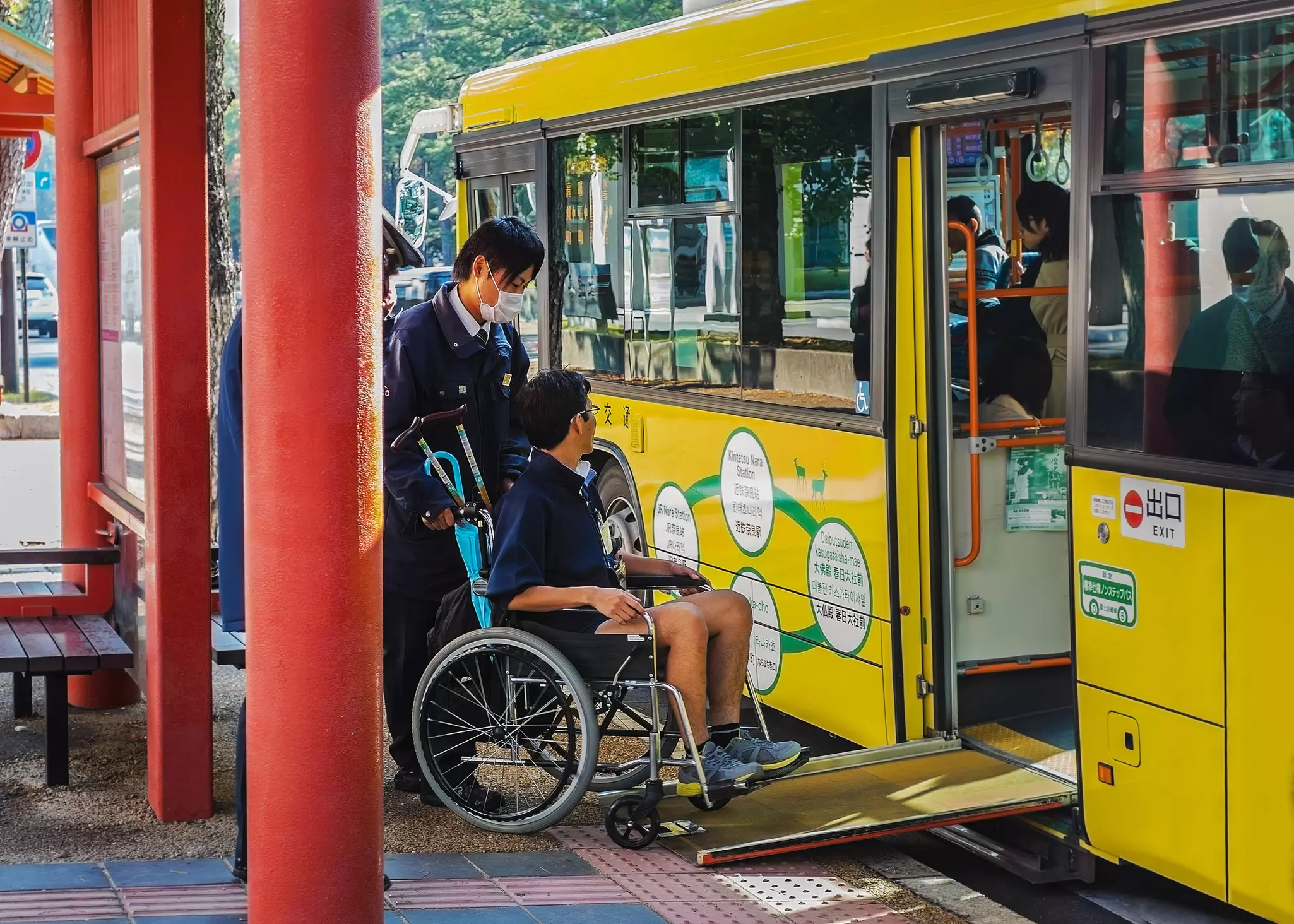
Japan gets mixed marks in terms of accessibility, or what is called bariafurī (barrier-free; バリアフリー) in Japanese. But most service staffs will go out of their way to be helpful, even if they don't speak much English.
In cities, train stations usually have elevators, and station staff will help you on and off a train with a temporary ramp. Rural stations are harder to navigate.
Across the board, newer buildings are likely to have access ramps and wheelchair-accessible toilets. Major sights are often accessible, even if not obviously so: shrines and temples, for example, usually have back entrances with ramps. That said, what is considered accessible at many sights might still mean steep slopes or long gravel paths.
A fair number of hotels, from the higher end of midrange and above, offer a barrier-free room or two. (Book well in advance.) Note that what constitutes barrier-free is not always consistent, so check the details carefully.
Should you decide upon arrival that a wheelchair (車いす; kuruma isu) would be helpful, hotel staff can help you rent one.
Many neighborhoods in Japanese cities lack sidewalks, and restaurants are often too cramped to accommodate diners in wheelchairs. Look for shōtengai (商店街; market streets), which are pedestrian-only, covered arcades; most cities have them.
Accessible Japan is the best resource for travelers with mobility concerns.
Book your Japan trip with Lonely Planet Journeys
See Japan how it's meant to be seen
Planned by local experts and tailored to you, Lonely Planet Journeys handles the logistics so you can just enjoy the trip. Tell us what you want and we'll build your Japan itinerary from scratch, or browse our bookable trips to get inspired.

Explore related stories