Sep 30, 20265 min read
Japan Packing List: What to Pack by SeasonJun 29, 2026
7 MIN READ

Writer
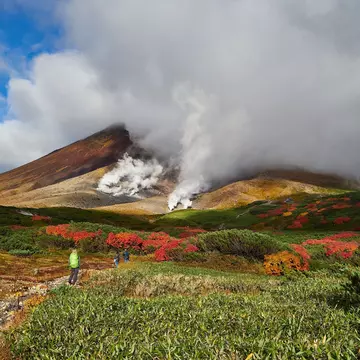
Asahi-dake in Daisetsuzan National Park, Japan. osap/Shutterstock

Writer
Highlights
Writer James Gabriel Martin picks seven national parks across Japan.
Hike Daisetsuzan's vast wilderness in Hokkaidō, or tackle volcanic Kirishima-Kinkō-wan National Park in Kyūshū.
Ocean lovers should dive in Keramashoto's coral-rich waters off Okinawa, or cycle around Setonaikai's islets.
Daisen-Oki's shrine paths, Nikkō's autumn glow and Yoshino-Kumano's pilgrimage routes await.
Lonely Planet may earn a commission from affiliate links on our site. All recommendations and reviews reflect our own independent opinions.
For a relatively small country, Japan packs in a diverse array of ecosystems and landforms to delight the senses. There are simmering volcanoes and expansive coastlines, as well as peaceful, dreamy islands and lush, dense forests that march over mountains and down through valleys. Whether you enjoy discovering secret shrines, natural hot springs, towering peaks or colorful spring blooms, our picks of the best national parks in Japan will inspire your next trip.
Best for autumn foliage
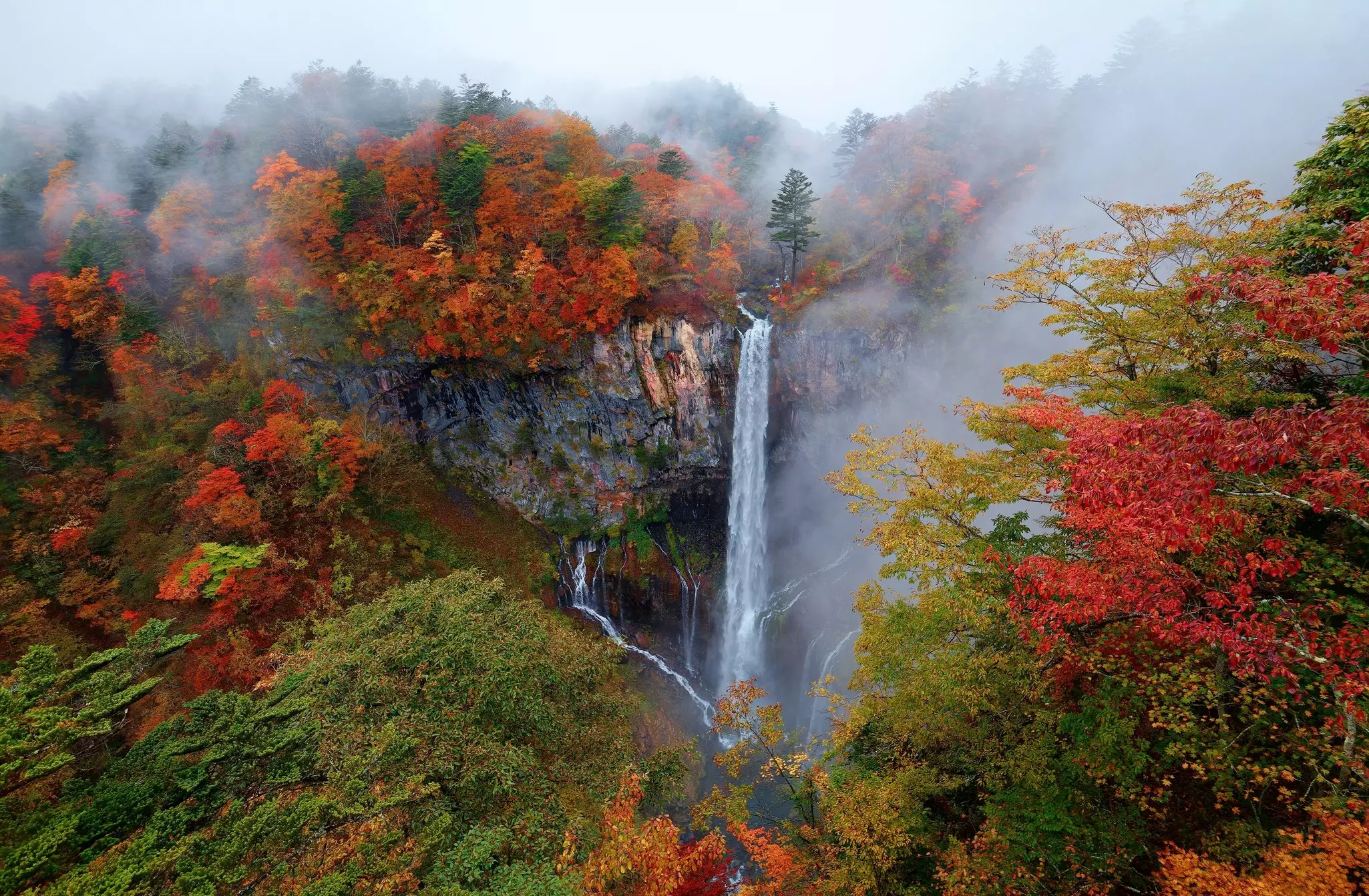
Nikkō National Park is home to one of the country’s most decadent and ornate shrines, Tōshō-gū. The UNESCO World Heritage area has hundreds of other shrines and two Shintō temples, alongside waterfalls, woodlands, lakes and volcanic mountain ranges. While splendid year-round, Nikkō is especially beautiful in the autumn months, when the whole park is lit up with warm colors. Setoaikyo Canyon – located upstream from the river – is a dazzling display of fiery leaves of multiple shades, while Kinunuma Swamp is the highest swampland in the country. Wildlife such as black bears and Japanese macaques can be spotted at Nikkō. Don't miss Kegon-no-taki, either – it's one of the three highest waterfalls in Japan.
Getting there: Nikkō's proximity to Tokyo is another bonus; it is just 2.5 hours by car, so doable on an albeit long day trip from the capital.
Best for hot springs
Covering more than 2300 sq m, Daisetsuzan National Park is a wilderness area of soaring mountains. Daisetsuzan means "Big Snow Mountain," and it boasts active volcanoes, remote onsen (hot springs), clear lakes and dense forests. Virtually untouched by human hands, the park has minimal tourism, with most visitors basing themselves in the hot-spring villages on the periphery. Onsen can also be found at the foot of the mountains, which the surrounding villages have taken great advantage of. During the winter months of November to May, the park is a bustling skiing location. Taking the scenic ropeway from Asahidake Onsen lifts travelers to the beginning of a 2.5-hour hiking trail to the summit of Asahi-dake.
Getting there: Asahidake Onsen can be reached from Asahikawa by bus. Ropeways will take you high into the mountains, but you’ll need a car to access Daisetsuzan’s more remote corners. The best and only real way to see the wildest and most beautiful parts of the park is by hiking the many trails that crisscross the mountains.
Best for beaches
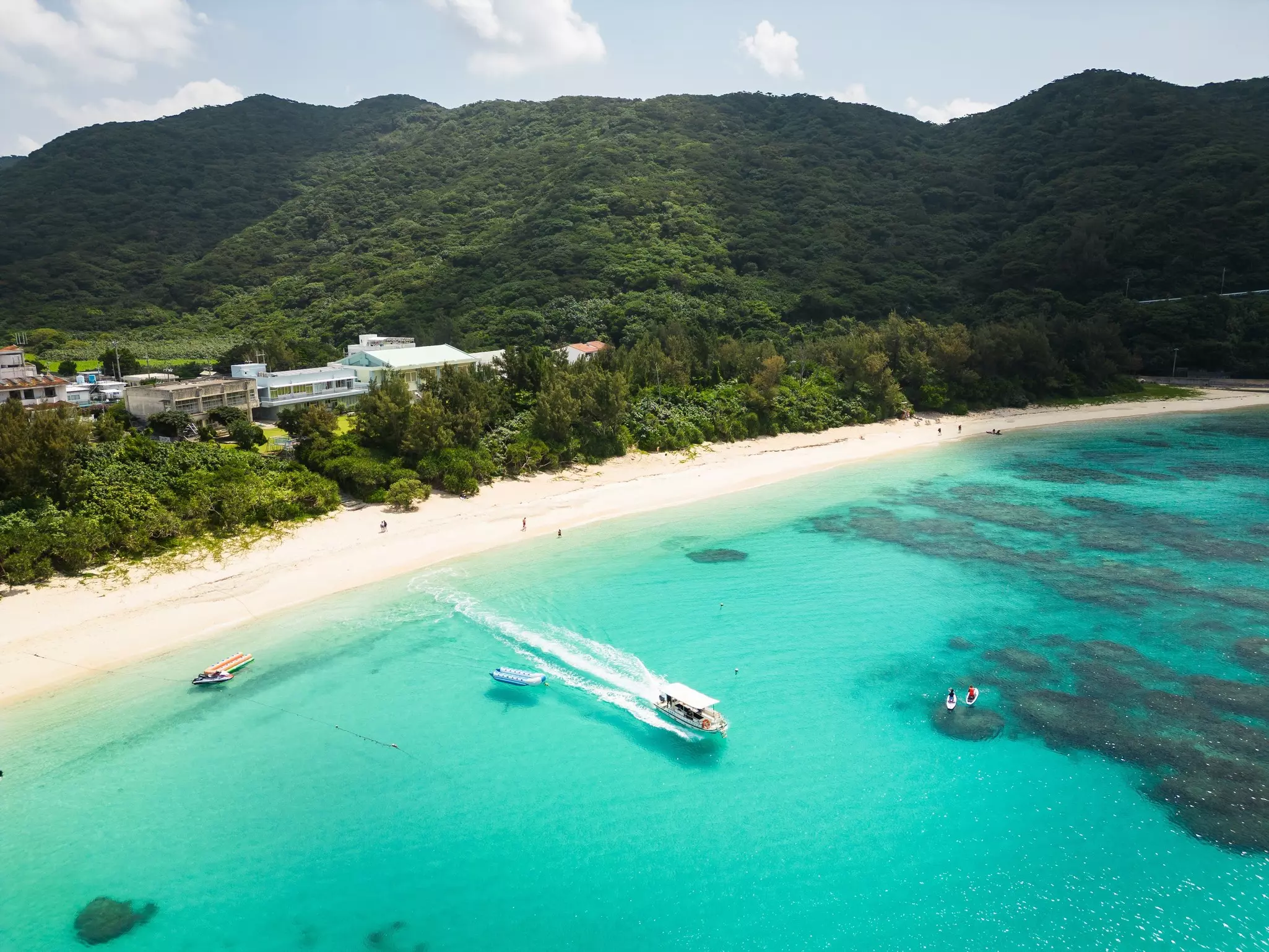
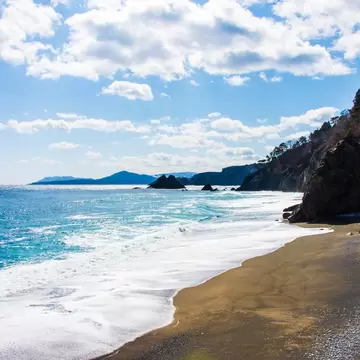
The Kerama Islands are a chain of 30 rugged and astonishingly beautiful landmasses off the coast of Okinawa, designated as a whole as Kerama-shotō National Park. Approximately 40km by boat from Naha, the archipelago has stunning beaches, inlets, mountaintops and forests.
The surrounding waters are excessively vibrant and shelter over 250 types of coral. The largest and most mountainous island is Tokashiki-jima, a popular destination for travelers, while Zamami-jima has a more laid-back vibe. Teeming with life such as tropical fish and turtles, the islands are also a prime diving spot. In Geruma, the Takara Residence, known locally as Sendosuya (Captain’s House), is well worth a visit for an example of typical early architecture from Okinawa.
Getting there: Ferries depart daily from Naha’s Tomari Port to the main Kerama Islands. On the Keramas, bikes are great for getting around low-lying areas, while e-bikes give you that extra oomph for hilly terrain.
Best for shrines and temples
Daisen-Oki National Park straddles the three prefectures of Shimane, Okayama and Tottori in Western Honshū. In the 8th century the mountains in the park were a popular place for pilgrims practicing Shugendō. This spiritual custom saw believers taking to the peaks for fasting and prayer intended to hone their connection with the sacred world.
The park’s eastern region includes the 1729m-high Mt Daisen, as well as Mt Senjō and Mt Mitoku, all of which offer ancient pathways with a rich history. Visitors pass by shrines and temples hidden along paths through the sprawling beech forests. Mt Daisen also runs conservation projects in which visitors can get involved in efforts to reforest the summit. The park is inhabited by the world’s largest amphibian, the giant salamander, with educational and preservation experiences available to visitors.
Getting there: To get between the Oki Islands (Oki-shotō), use the interisland ferry service or the Oki Kisen ferries, which include the pricier Rainbow Jet express service. With the Oki-Toku promotion, if you reserve your outward ferry ticket online and receive the required number of stamps from participating accommodations and activities on the islands, you will qualify for a free return ferry ticket.
Best for boating and cycling
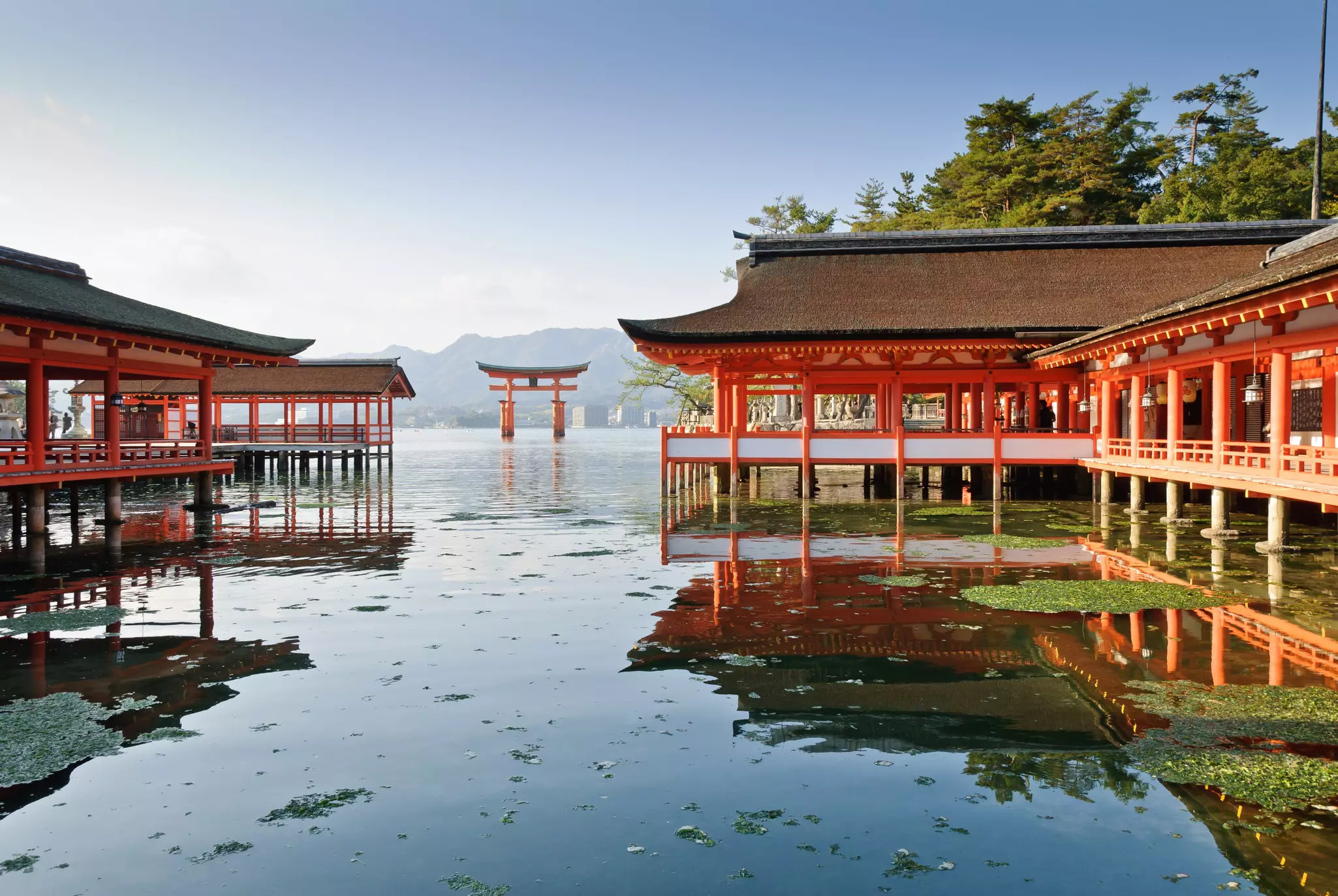
An expansive coastline full of lookout points, bays and islands of different sizes, Setonaikai National Park is the perfect destination for travelers who love the ocean. It was one of the first national parks to receive an official classification back in 1934, and it's also one of the country's biggest, extending across 11 prefectures. Highlights include the floating torii (gate) of the Shintō shrine on Itsuku-shima and the Naruto Strait, a narrow channel where rapid currents generate powerful whirlpools (boats take visitors out for a close-up view). Along the Kunisaki Peninsula Long Trail is Daifudo Cave, an ancient training ground for monks. The real joy here is hiring a bike to explore the small islets of the Inland Sea, which are connected by a web of scenic bridges.
Getting there: To reach Itsukushima-jinja directly, make your way to Miyajima via ferry. JR Pass holders can travel on JR West Miyajima Ferry for free. This makes the competing Miyajima Matsudai Kisen ferries generally less crowded. Between 9.10am and 4.10pm, JR ferries from Miyajimaguchi take the Great Torii route, passing nearer the gate for the same fare.
Best for hiking
Spanning the prefectures of Kagoshima and Miyazaki, areas famous for their volcanic activity and onsen, Kirishima-Kinkō-wan National Park is a favorite destination for hikers – it has routes and trails of varying lengths and difficulties, including at several dormant volcanoes, the highest of which is Mt Takachiho. Japanese mythology marks the area as the place where the gods first came to earth, and the views here are certainly divine. That said, the park is subject to capricious weather and plumes of volcanic smoke, so plan ahead and keep a close eye on access routes. The park has two areas, southern Kinkōwan Bay and Kirishima, the latter of which has over 20 volcanoes, crater lakes and hot springs. The collection of mountain peaks here and the stunning views are famed for changing their colors throughout the seasons.
Planning tip: The ascent up to the summit of Mt Takachiho is strenuous but doesn’t require specialized gear beyond an excellent set of hiking boots; a number of sections along the trail are just volcanic scree, sharp as daggers on footwear and unprotected skin. Many Japanese hikers wear cotton gloves to protect their hands in case of a slip and opt for hiking poles to help the knees on the descent.
Best for cherry blossoms
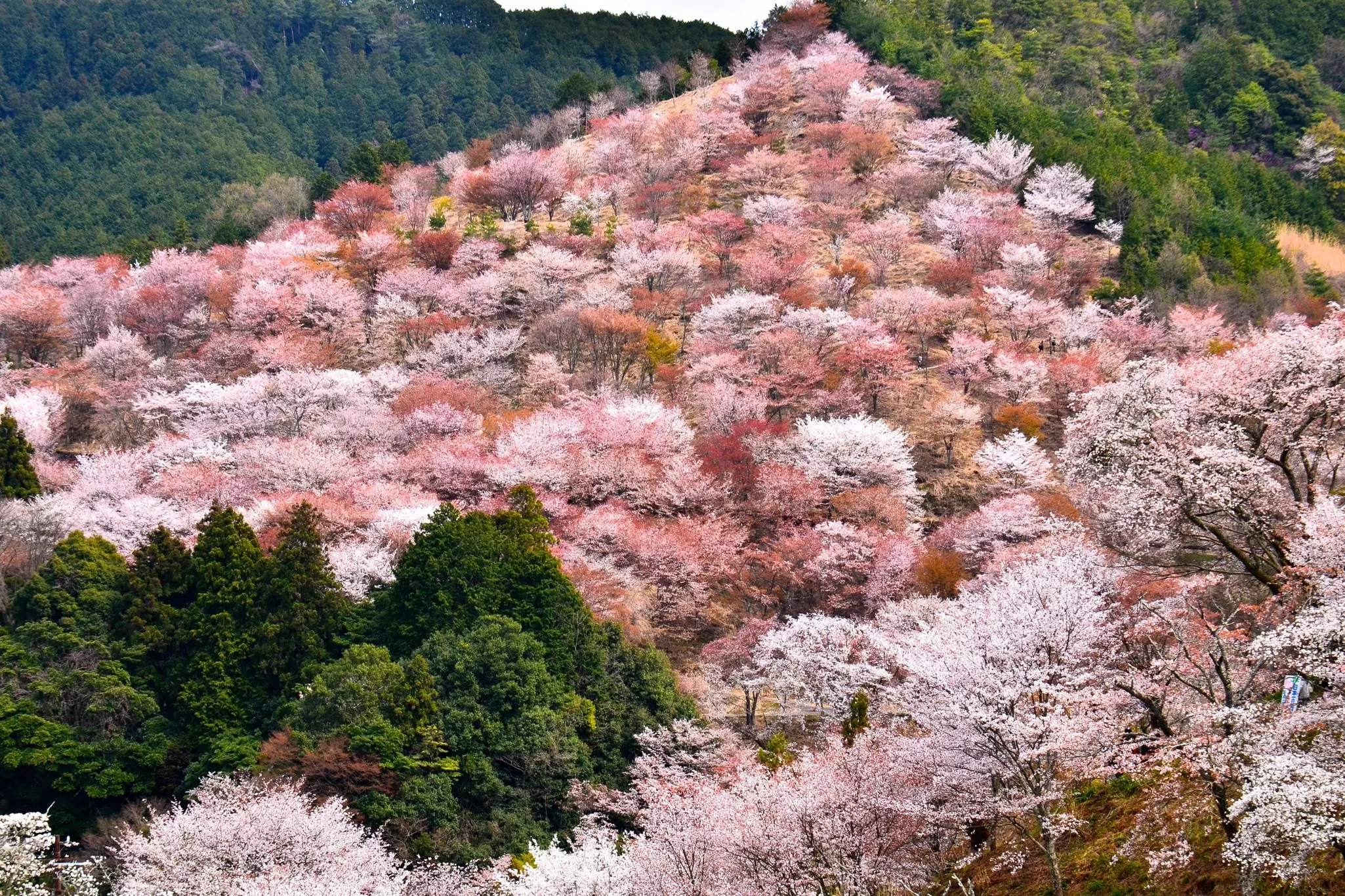
A vast stretch of nature that includes staggering peaks and deep valleys, Yoshino-Kumano National Park enjoys a rich history and strong reputation as a must-see for outdoor enthusiasts traveling to Japan. Kumano Hayatama Taisha, Kumano-Hongū Taisha and Kumano-Nachi Taisha – known collectively as the Kumano Sanzan (three great shrines of Kumano) – can be found along the Kumano Kodō pilgrimage route inside the park. A portion of this area is designated as a UNESCO World Heritage Site.
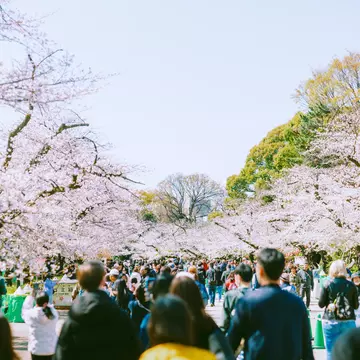
Yoshino is particularly famous as one of Japan’s best locations for hanami (cherry-blossom viewing in springtime), with crowds gathering at hitome-senbon (1000 trees at a glance) to see the display. Nachi-no-taki and Dorokyo Gorge are also park highlights, while Sandan-beki has 2km of 50m-high precipices and elevators that take visitors down to underground caves. Mt Hakkyō and Misen contain a mix of forests, as well as endangered black bears.
Getting there: Most travelers access the Kumano Kodō via Kii-Tanabe Station, on the western side of the peninsula, and finish their trek in Nachi-Katsuura (Kii-Katsuura Station) or Shingū, on the eastern side. All are connected to Osaka via the JR Kinokuni line, which runs along the rim of the peninsula.
Book your Japan trip with Lonely Planet Journeys
See Japan how it's meant to be seen
Planned by local experts and tailored to you, Lonely Planet Journeys handles the logistics so you can just enjoy the trip. Tell us what you want and we'll build your Japan itinerary from scratch, or browse our bookable trips to get inspired.


Explore related stories