May 7, 20269 min read
15 of the Best Things to Do in Shikoku, JapanMay 7, 2026
9 MIN READ

Writer
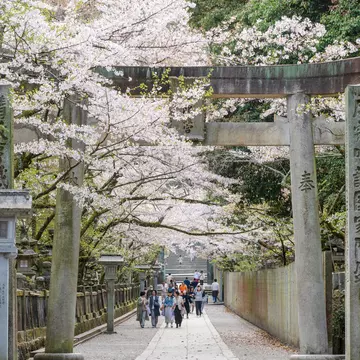
Konpira-san at Kotohira in Kagawa Prefecture, Shikoku. Shawn.ccf/Shutterstock

Writer
Lonely Planet may earn a commission from affiliate links on our site. All recommendations and reviews reflect our own independent opinions.
Shikoku – the nation's fourth-largest island – is well off the beaten track for most travelers to Japan. It has four distinct regions, hence the name shi (four) and koku (region). Before the days of air travel, the only way to reach Shikoku was by boat, and up until the mid-1980s, it took a major effort to get there. But nowadays there are three bridge systems linking it with Honshū – one with railway tracks – and aircraft regularly fly into the four main cities. With the doors wide open, visitors from all over the world can enjoy Shikoku's attractions.
Throughout history, this region has evoked a sense of mystery, and even today visitors feel as if they’re setting out on a trip of discovery when they head here. Part of Shikoku’s shroud of mystery is due to its perceived remoteness and longstanding reputation as a place for religious ascetic practice. For 1200 years, Buddhist pilgrims have been walking around the island's 88 Sacred Temples in their never-ending search for enlightenment.
Plan your time there with our list of the best things to do across the four prefectures of Shikoku.
Held in mid-August, Awa-odori is the biggest bon (festival for the dead) dance in Japan. Over a million people turn up in Tokushima city each year to watch dancers rhythmically sway through the streets, accompanied by shamisen (three-stringed guitars), taiko (drums) and fue (flutes). Colorful groups represent villages from throughout the prefecture in a 4-day party to honor their ancestors.
Planning tip: Visit the team at Tokushima Welcome Center, who can assist with sightseeing options, dining recommendations and how best to get from A to B with the latest transport schedules. The center is just a 2- minute walk from JR Tokushima Station.
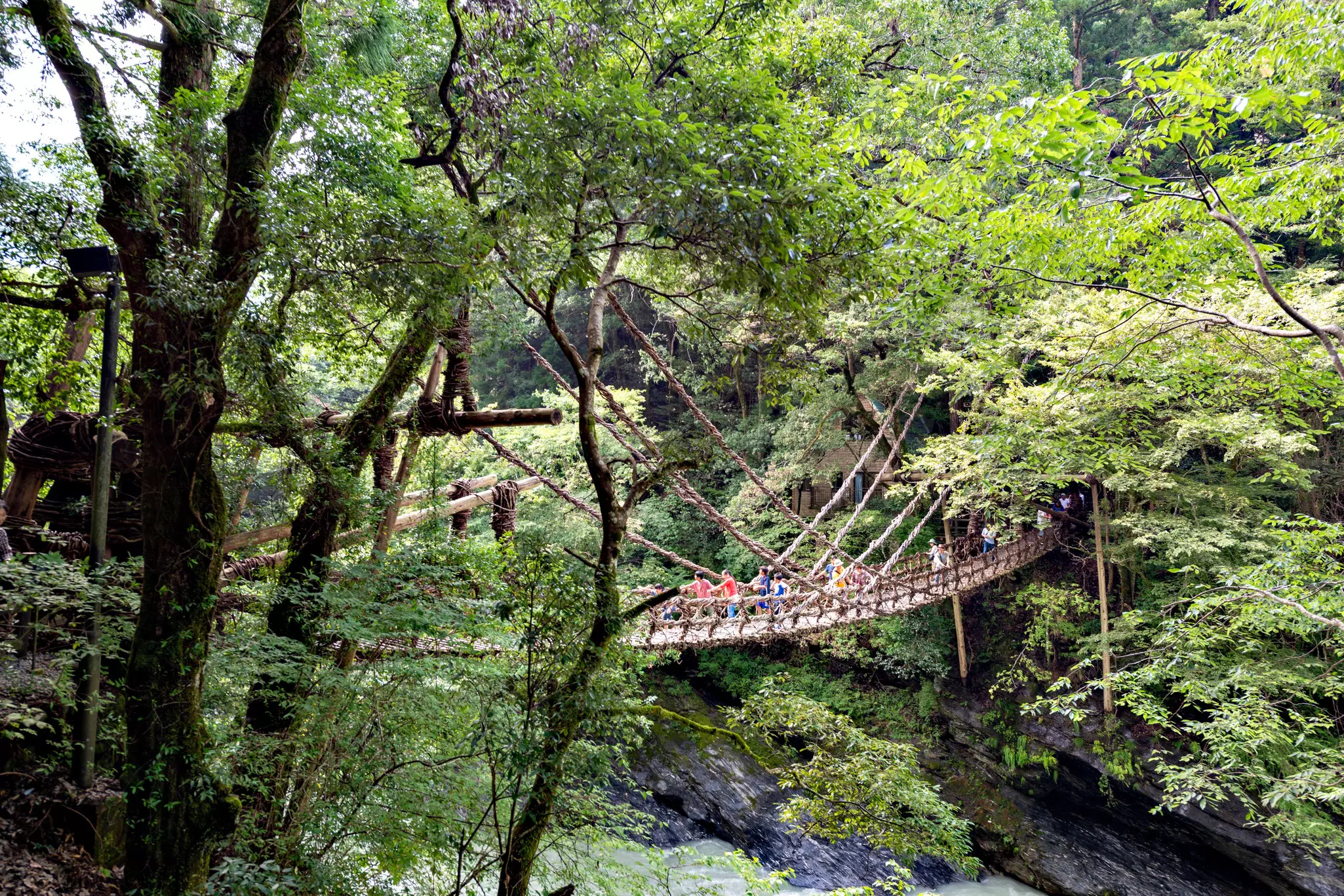
To explore nature in Shikoku, you’ll want your own wheels to get into the rugged, remote Iya Valley in the central mountains, long a haven for those on the run – most famously, members of the vanquished Heike clan following defeat to the Minamoto during the 12th-century Gempei wars.
Here you’ll find rivers crisscrossed with kazura-bashi (vine bridges); Nagoro, a dwindling village now populated by kakashi (life-sized scarecrows); and at the head of the valley, a trail up Tsurugi-san, the island’s second-highest peak.
Planning tip: This is a very quiet place come nightfall. Book accommodations that offer meals, as there are very few food options after nightfall.
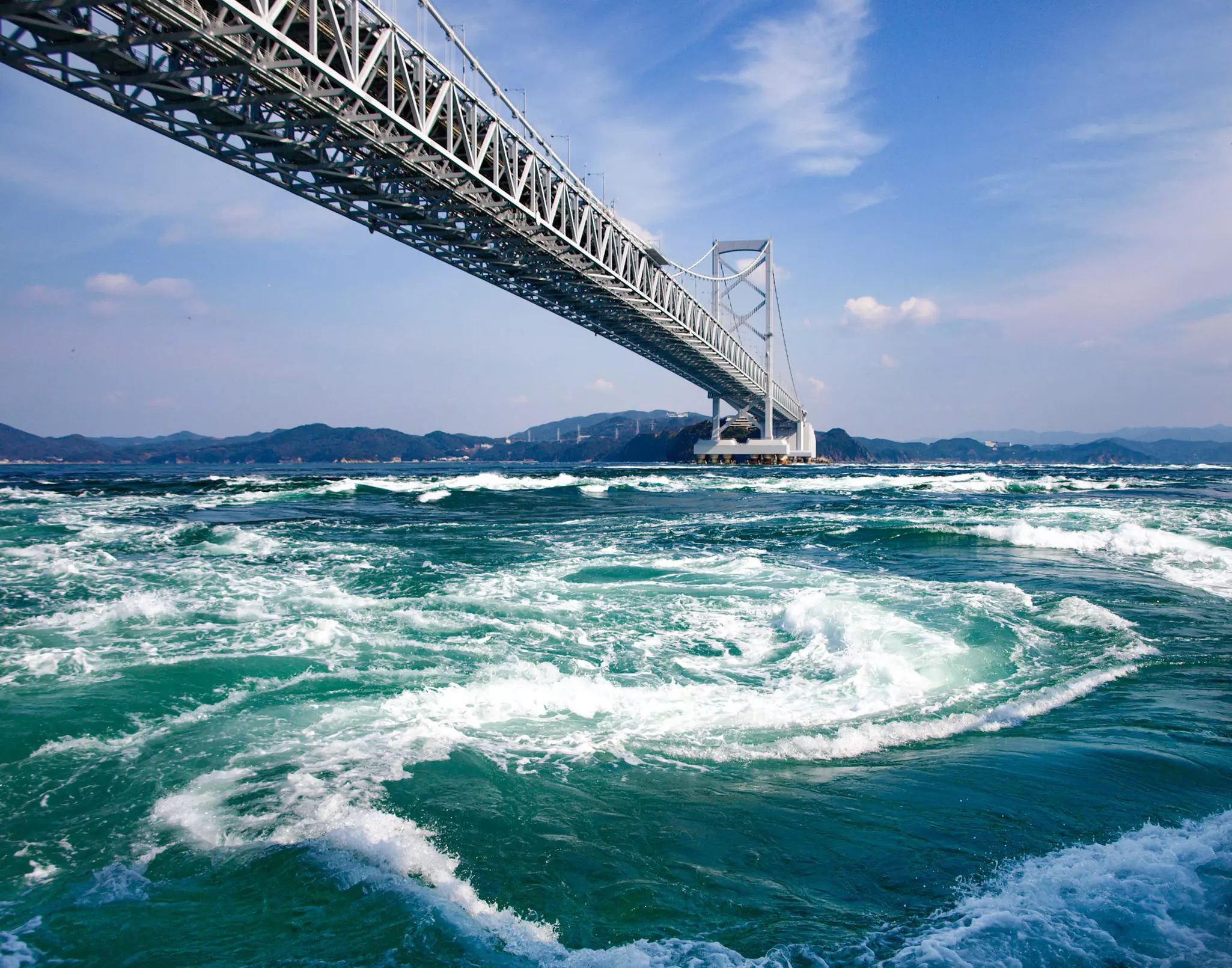
Tides produce spectacular whirlpools in the shallow, narrow strait between Shikoku and Awaji-shima, where the Inland Sea meets the Pacific Ocean off Shikoku’s northeast coast. Head out on a sightseeing boat for a roller coaster-like ride through swirling waters. Or for a less stomach-churning view, walk out on the Uzu-no-michi Viewing Walkway, which hangs below the Naruto Bridge, 42m above the swirling action.
Planning tip: Naruto can be reached from Tokushima by car in under 40 minutes. It takes around 1 hour and 30 minutes by train or bus.
While a millennium of walking pilgrims have had to struggle up steep paths to reach the mountaintop Tairyū-ji – Temple 21 of Shikoku’s legendary 88 temples – modern visitors can take an exciting 2.7km aerial cable car to this atmospheric haven from the valley below. Tairyū-ji oozes history and sacredness with towering cedar trees, ancient temple buildings and chanting pilgrims.
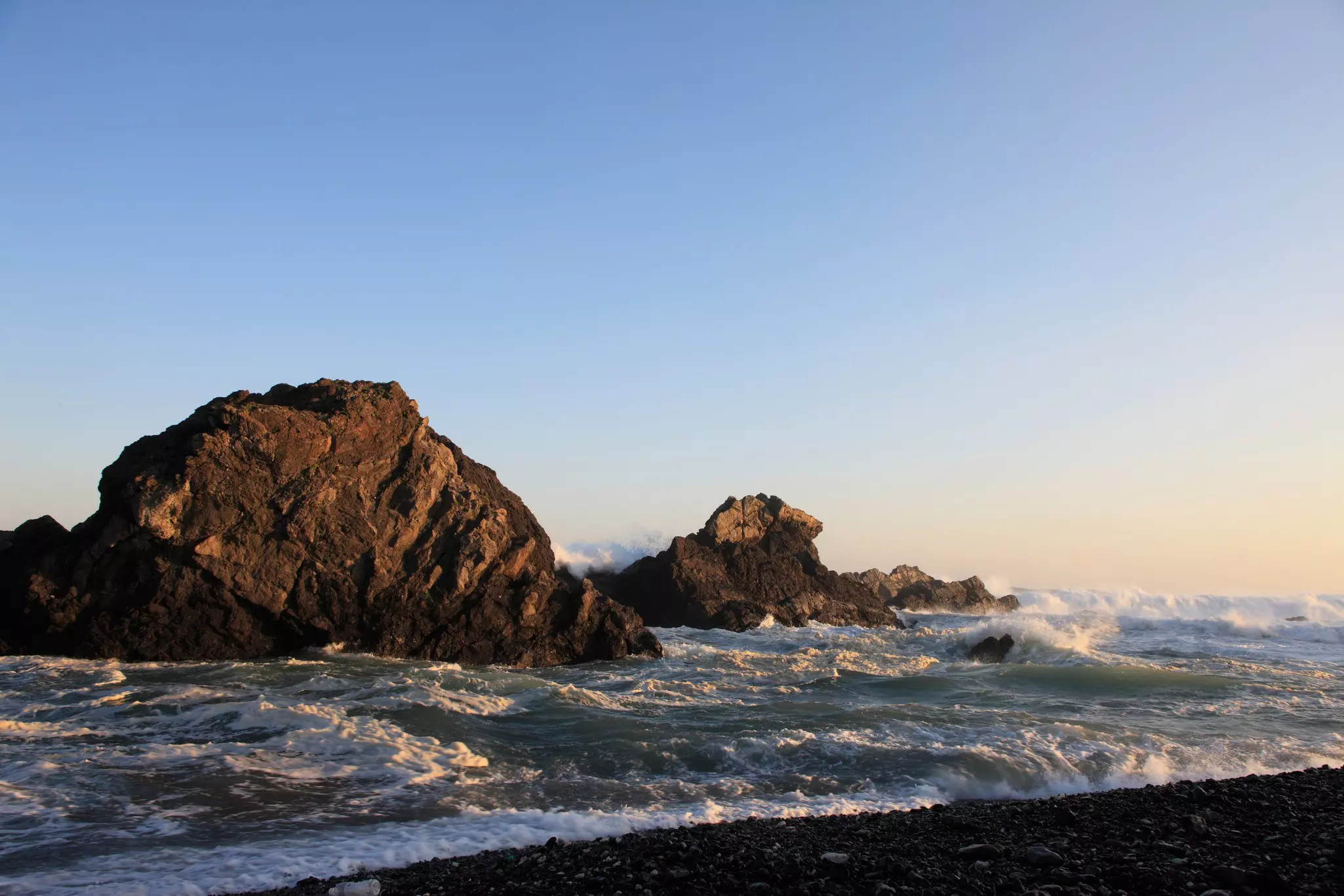
Muroto-misaki, Kōchi prefecture’s great southeastern cape, juts out into the Pacific Ocean, where it's often battered by pounding waves and howling typhoons. On a good day, however, it’s a wondrous spot – the place where Kōbō Daishi, founder of Shingon Buddhism and the saint who founded the 88-temple pilgrimage, is said to have attained enlightenment. Check out the early 9th-century hilltop temple, Hotsumisaki-ji, as well as a bathing hole among the rock pools.
Planning tip: It takes around 3 hours to reach Muroto-misaki from Tokushima by car.
Kōchi city’s cheap-eats scene is centered around Hirome Ichiba, nicknamed Kōchi’s kitchen, a market of around 70 stalls in a building below the city’s impressive castle. Make sure to try katsuo-no-tataki (seared bonito), considered the soul food of Kōchi.
Planning tip: There’s no bad time to go, but to view the Kōchi populace enjoying local food and drink at the communal tables, aim for evenings or weekends, when the place is positively hopping.
Going strong for more than 330 years, Kōchi city’s Sunday street market boasts 400 stalls stretching east from the main gate at the foot of Kōchi Castle. Along with a boggling array of tantalizing street foods, you’ll find fresh local produce, dried fruit, homemade pickles and Kōchi-grown green tea. Local souvenirs include hand-forged Kōchi kitchen knives, wooden masks and fishing-boat flags.
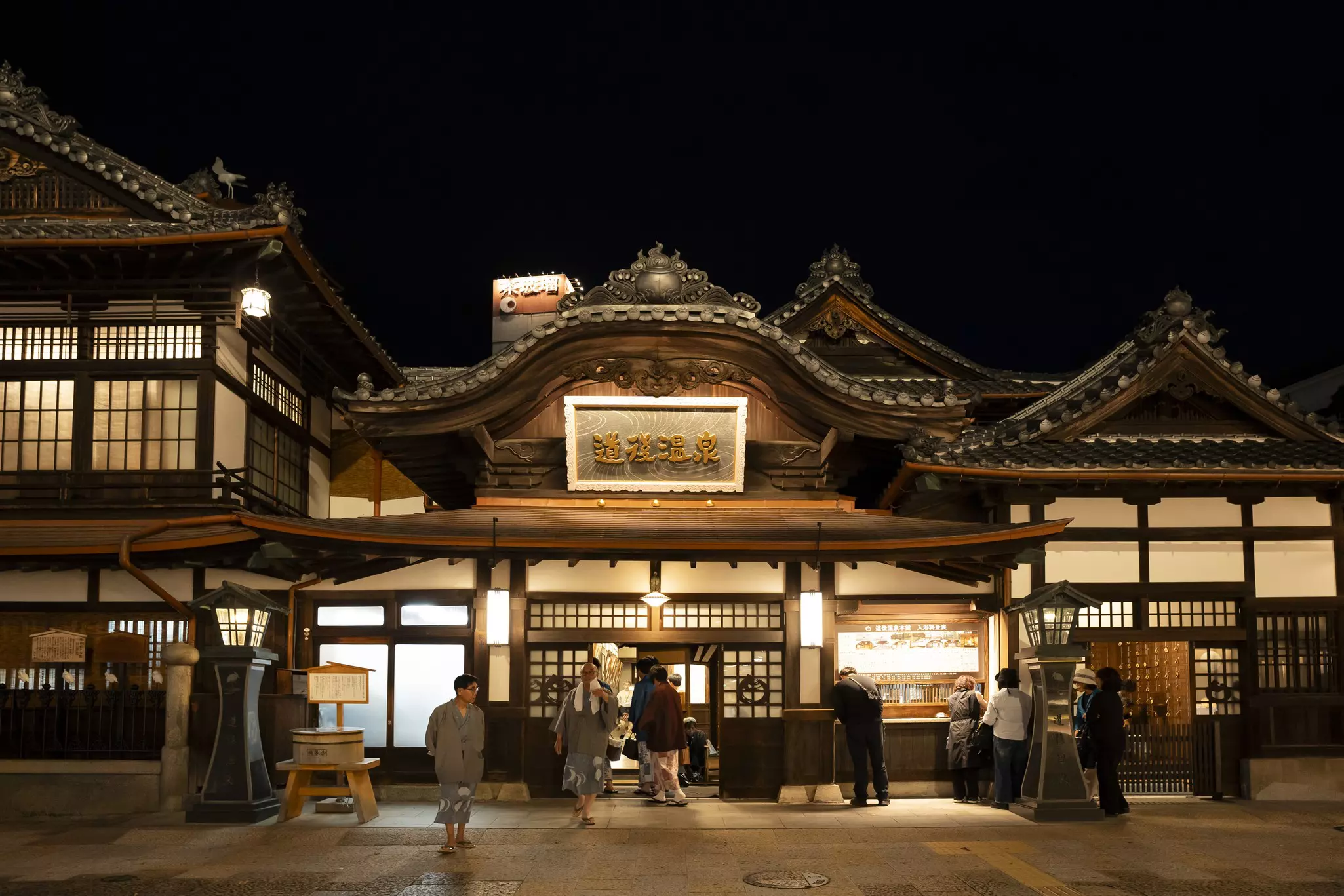
Matsuyama city’s Dōgo Onsen Honkan is a 19th-century public bathhouse built over ancient hot springs, made famous in Natsume Soseki’s 1906 novel Botchan.
Dōgo Onsen has two other modern bathing complexes nearby. In the eastern part of the city, the Dōgo Onsen area has a plethora of hotels and ryokan, most sporting their own onsen (hot springs), plus a bustling township of arcades leading up to the Honkan bathhouse.
Planning tip: Bring your own towel, or rent one upon arrival. Soap and shampoo are provided.
Perched high above the city on Mt Katsuyama, Matsuyama-jō is one of Japan’s finest surviving castles. You can skip most of the climb up to the castle entrance by taking an aerial cable car, but the walk is a pleasant one. The path winds around massive stone walls before leading into the castle itself, where there are wooden stairs and ladders to be climbed, narrow corridors to be negotiated, towers to be peeked out of and a treasure trove of artifacts to be examined.
Planning tip: The castle closes at 4:30 or 5:30pm, depending on the season, and the cable car 30 minutes afterwards, so if you plan to watch the sunset or enjoy the night view from Honmaru Sq in front of the castle, be prepared to walk back down.
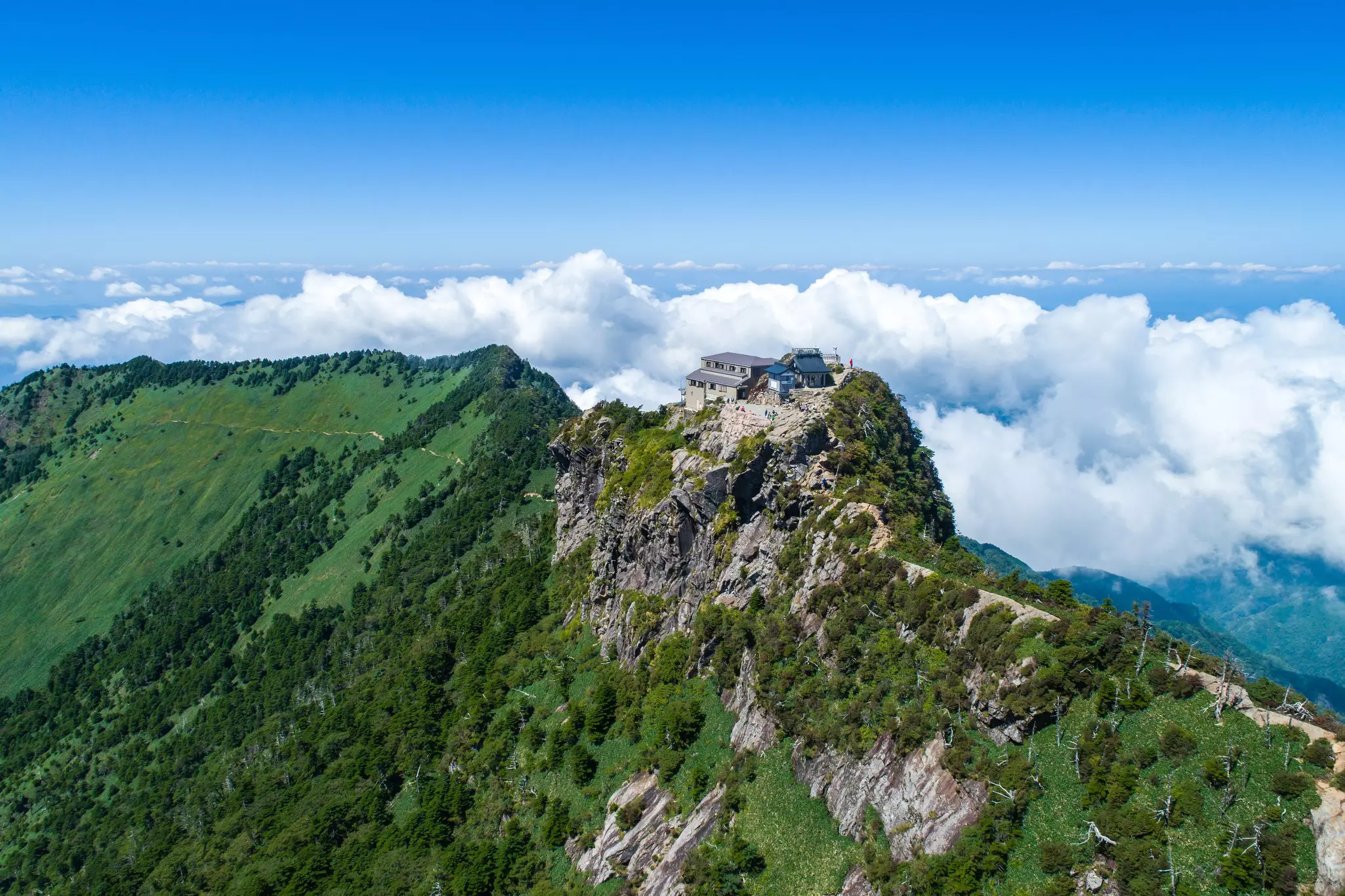
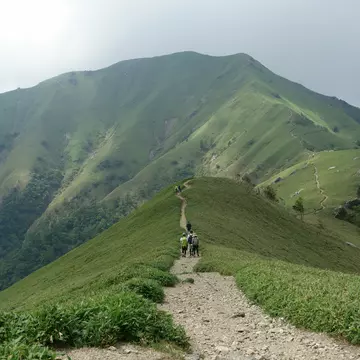
Shikoku’s highest peak at 1982m, Ishizuchi-san is an enjoyable ascent, more so if you run into Shintō mountain ascetics on the trail. This holy mountain can be climbed by a number of routes: from Nishi-no-kawa with the use of an aerial ropeway, or from Tsuchi-goya with your own wheels.
To test your mettle, take the kusari (chain) routes near the peak, using the steel chains embedded in the rock to pull yourself up steep spots. There's also a roundabout route to the hut at the top for those inclined to take it.
Planning tip: Climbers can summit from the end of May to the end of October, while during winter it’s condition-dependent.
The small town of Uchiko was once known as a producer of fine vegetable wax, winning awards at world expositions in Chicago (1893) and Paris (1900). The town’s preserved main street features museums, souvenir and craft shops, accommodations and tea houses in cream-colored plaster-walled buildings – an extremely convivial and historic atmosphere. Watch traditional candlemakers at work at Ōmori Wa-rōsoku.
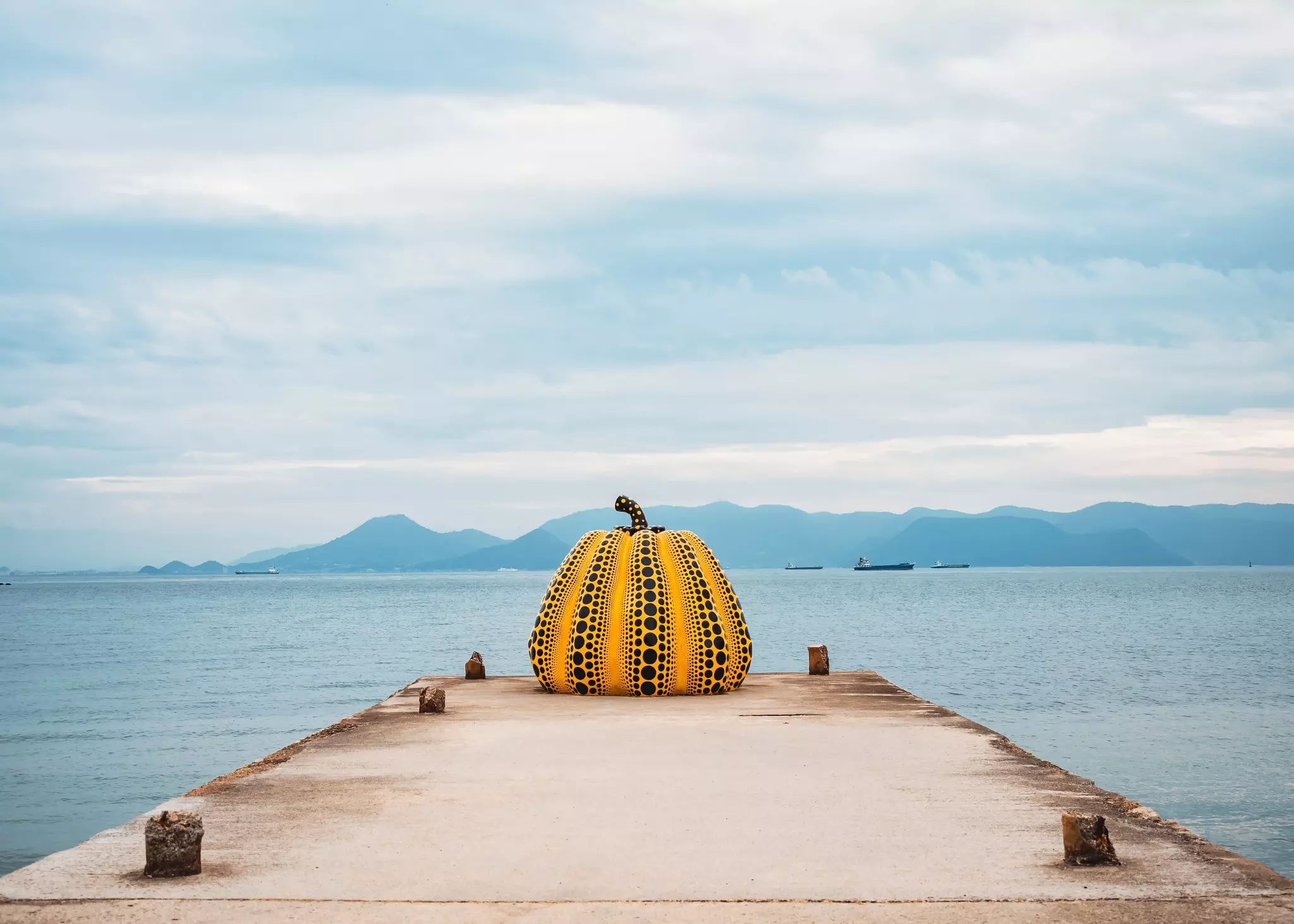
North of Takamatsu city and reached by ferry, Naoshima has become a world-renowned Shikoku attraction with some of Japan’s best contemporary art, plus works by international names, displayed in magnificent museums designed by award-winning architect Tadao Ando. See Yayoi Kusama’s Red Pumpkin, pieces by Andy Warhol, David Hockney and Jasper Johns and several of Monet's water lily paintings. The Art House Project has rejuvenated a run-down area with creative installations by contemporary artists.
Tell any older Japanese person that you’ve been to Shikoku, and they’ll ask if you climbed Konpira-san. A Shintō shrine dedicated to the god of seafarers, its 1368 stone steps are seen as a rite of passage for many Japanese people. There’s a whole town at the foot of the walk catering to Japanese visitors, and though the thousand-plus stone steps may not appeal, the Shintō gates, halls and pavilions along the way are captivating, as are the views.
Planning tip: Dedicate at least half a day to the journey up and the cultural attractions at Konpira-san.
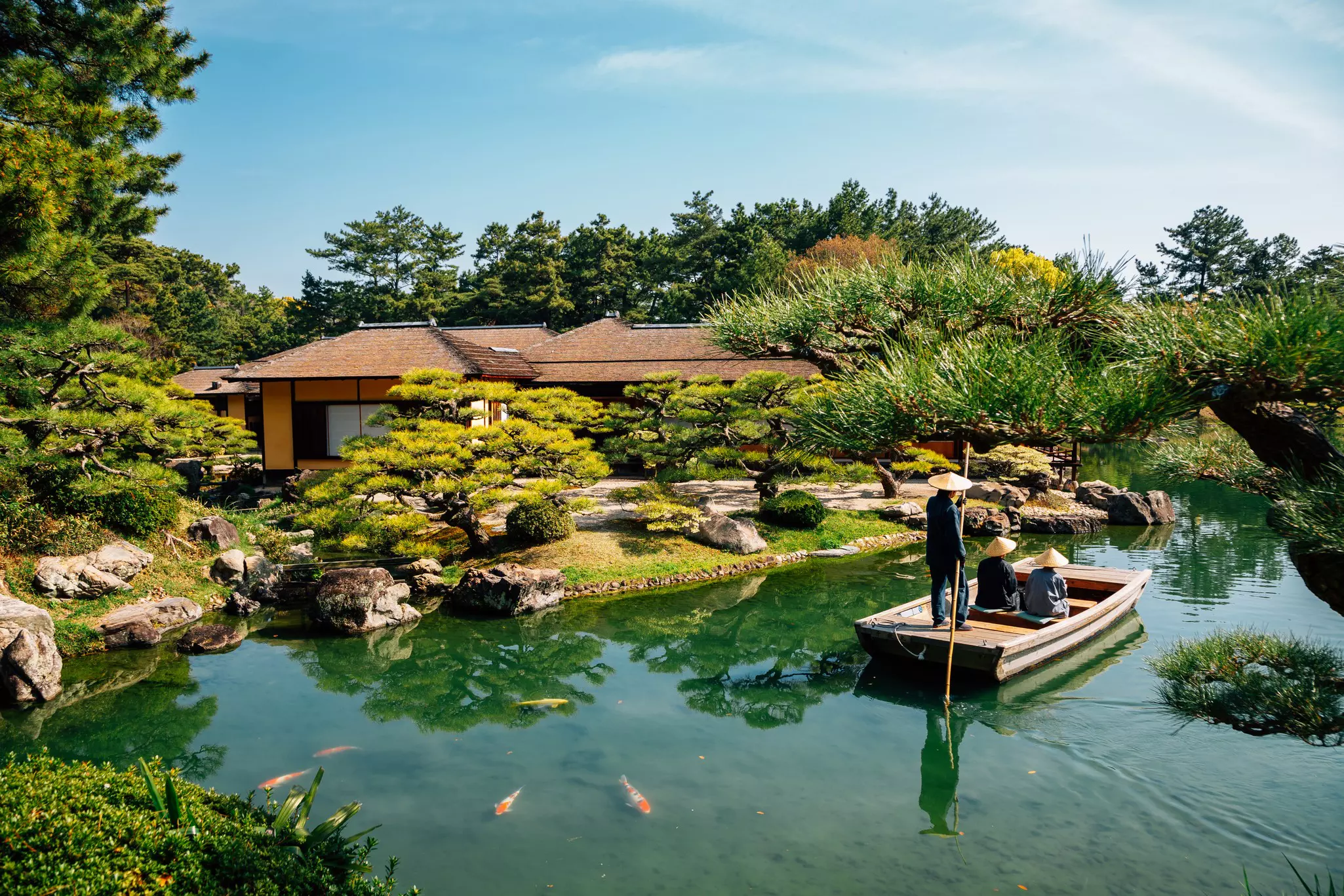
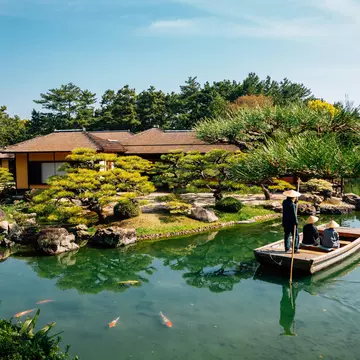
Takamatsu city’s Ritsurin-kōen is known throughout Japan as one of the country’s most beautiful gardens. Dating from the mid-1600s, it took more than a century to complete as a “walking garden” for the local daimyō (lord) and boasts a series of ponds full of brightly colored carp, bridges, islands and traditional tearooms. Wander the winding paths and imagine yourself as an influential feudal lord.
Planning tip: Don’t miss Kikugetsu-tei (掬月亭), a teahouse on the western side of the South Pond that’s as old as the garden itself, where entry is the price of a cup of tea and a sweet.
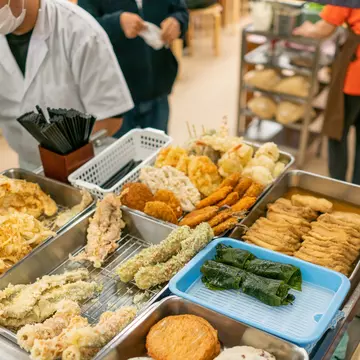
Sanuki is the former name of Kagawa prefecture, and while it may be the smallest of Japan’s 47 districts, it certainly packs a wallop in terms of national recognition. Cheekily calling itself udon-ken (udon prefecture), Kagawa is the place to try udon (thick wheat noodles) in the local broth. You won’t have to look too hard to find a Sanuki-udon shop – it may seem like there’s one on every corner. This is cheap, local comfort food at its best. Don’t leave Kagawa without trying a bowl or two.
Explore related stories