Sep 1, 20269 min read
Where to Stay in Tokyo: Best Areas and HotelsApr 28, 2026
9 MIN READ
Contributors
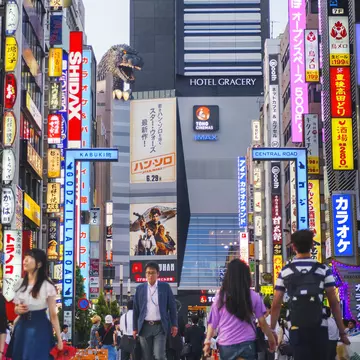
Illuminated shop signs in Kabuki-cho in Tokyo. Sean Pavone/Shutterstock

Contributors


David McElhinney, Lonely Planet Editors
Highlights
Tokyo-based writer David McElhinney maps Tokyo's best seasons, from sakura to fall foliage.
Spring sakura fills Ueno-kōen and Yoyogi-kōen, but it's Tokyo's priciest, busiest stretch.
Late summer and fall bring fireworks at Asakusa, Mt Fuji hikes and vivid foliage.
Visit in winter or the June–July rainy season for smaller crowds and lower prices.
Lonely Planet may earn a commission from affiliate links on our site. All recommendations and reviews reflect our own independent opinions.
The best time to visit Tokyo is whenever you feel like it, really! There's no bad time to explore Japan’s dynamic capital, though some months are definitely busier and more expensive than others.
Tokyo shows a new side to its character with each passing season. Spring and fall bring great weather for sightseeing and seasonal shows of color – hanami (blossom viewing) in spring and momijigari (leaf-viewing) in fall – that are followed by locals with giddy enthusiasm.
In summer, people gather to watch giant festival firework displays light up the night sky, and in winter, there are festive illuminations and views of a snowy Mt Fuji, plus skiing nearby at the Gala Yuzawa ski resort (if you feel the cold, a piping hot bowl of ramen noodles usually hits the spot).
Whether you’re hoping to see the sakura (cherry blossom), catch the Japanese capital at its most lively, or simply avoid the tourist crowds, here’s our guide to the best times to visit Tokyo.
Best for budget trips
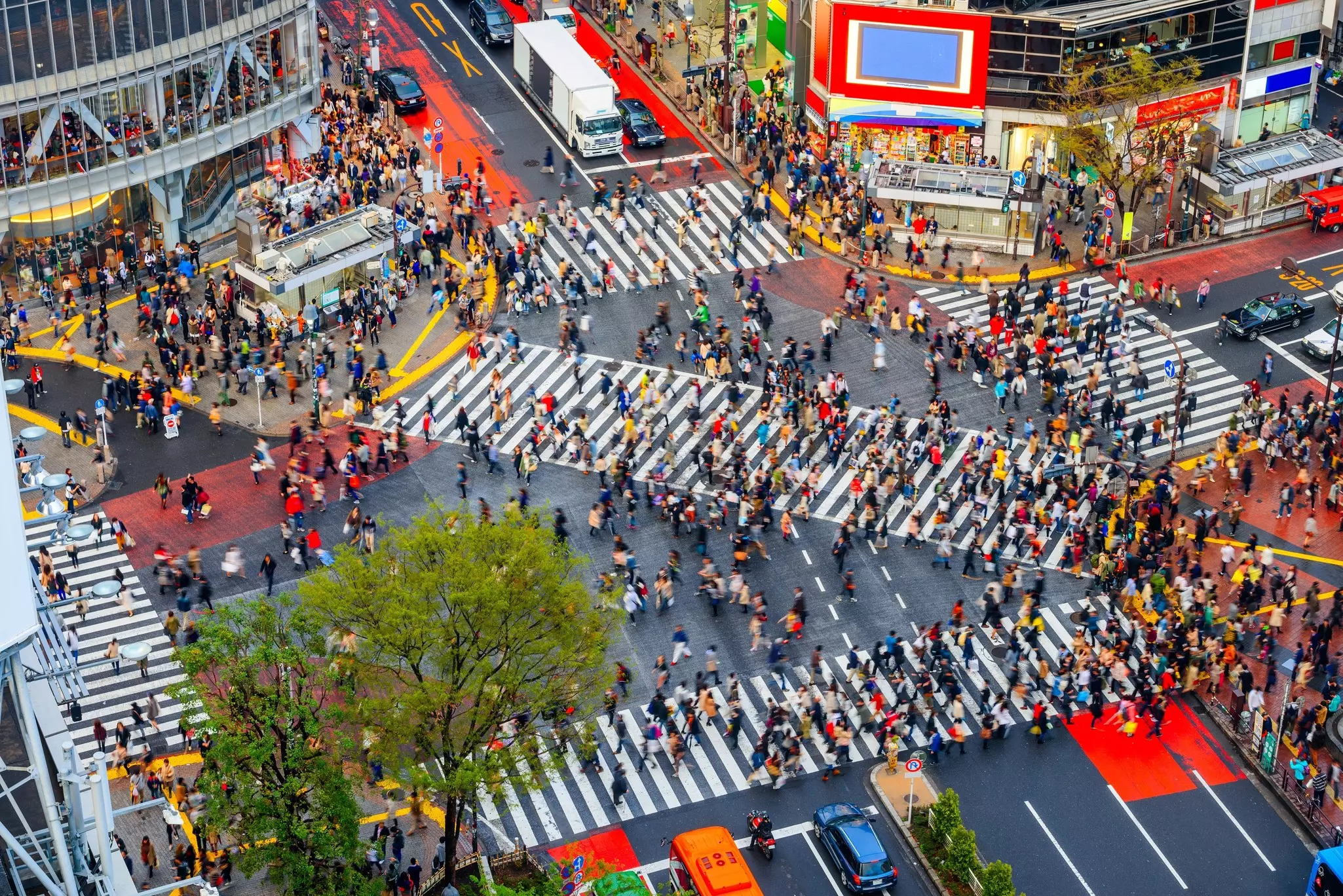
As Japan has grown in popularity (arrivals hit a new record in 2025 with 42.7 million visitors), the peak seasons for tourism have spilled beyond the spring and fall months. For a trip with lower costs and smaller crowds, target the low season months from January to March and from June to July. Even the rainy summer and the cool winter season still draw travelers, and nowhere is this more apparent than in the major cities, particularly Tokyo and Kyoto.
While the capital is vast enough to accommodate the annual influx without too much disruption, Tokyo’s top attractions are noticeably more crowded for long stretches of the year. If you plan to visit during the busy spring or fall periods, booking far ahead is the trick to paying (slightly) less for your trip.
Best for cherry blossoms
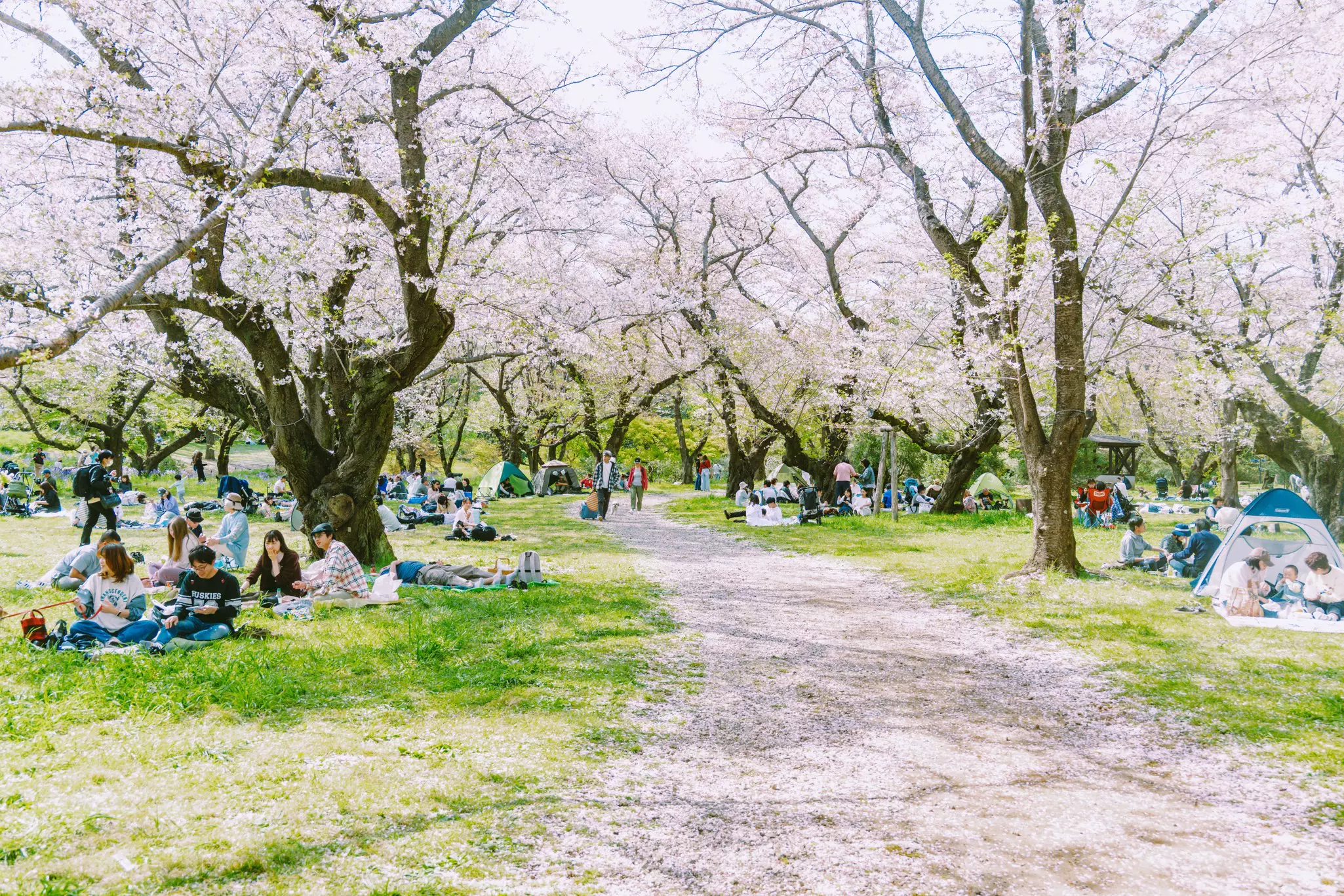
Weather in Tokyo in spring: Spring sees the emergence of sakura (cherry blossom) across the city. The weather still feels cool in March but Tokyo warms up by May, and the odd spring shower keeps things feeling fresh.
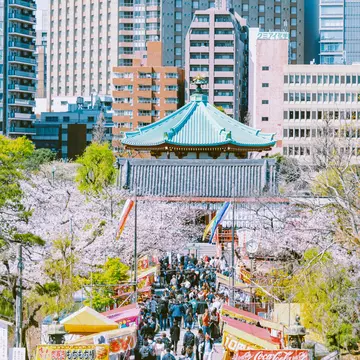
March to May is peak season in Tokyo, with great weather and riots of color in the city's parks thanks to the famous annual cherry blossom bloom. Locals and visitors gather for open-air picnics and parties to take in the natural splendor as part of the flower-watching ritual known as hanami.
The bursts of blossom that fill parks like Ueno-kōen, Yoyogi-kōen and Inokashira-kōen are accompanied by spirited parties celebrating the arrival of spring. If you want to join in, arrive early in the day to guarantee a prime spot on the parks’ extensive lawns.
This is, by some margin, the most expensive and busiest time to visit Tokyo, with prices at their peak and lots of competition for space in hotels and on flights and shinkansen trains (in case you're also visiting other parts of Japan). The sakura season typically falls between late March and early April, but timings vary, so check local sakura forecasts. For travel at this time of year, it's wise to book flights and accommodation 6 months or even a year in advance.
Cherry blossom parties aren't the only thing on the calendar in spring. March sees the annual Tokyo Marathon and St Patrick's Day parade (Asia's largest), as well as the celebration of Hina Matsuri (Girls’ Day), where public spaces and homes are decorated with o-hina-sama (princess) dolls in traditional royal dress.
As spring progresses, May ushers in Golden Week, spanning four important local holidays – Showa Day, Constitution Memorial Day, Greenery Day and Children’s Day. Crowds swell significantly, giving the city an added buzz, but expect jam-packed trains and sights and another big spike in accommodation costs.
Weather-wise, May is blissfully warm and sunny, so go for a stroll through Tokyo's streets and green spaces, or rent a bicycle and explore quieter neighborhoods in between the well-trodden tourist hubs.
Best for unique festivals and celebrations
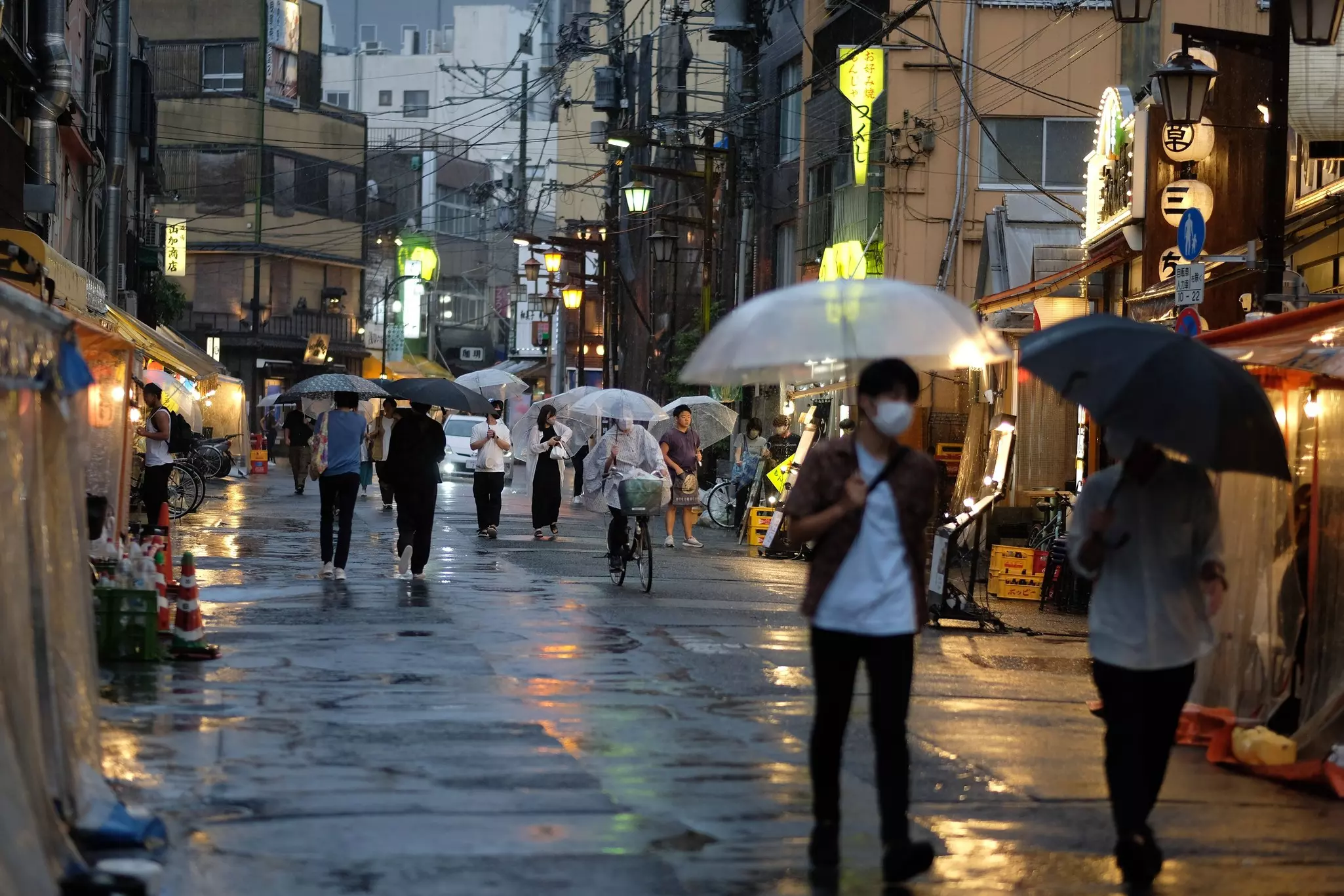
Weather in Tokyo in June and July: The rainy season, or tsuyu, usually arrives from mid-June to mid-July, marked by temperatures that can exceed 30°C (86ºF) and high humidity, making this a sticky time to explore.
While not as quiet as the winter season, the rainy months of June and July see visitor numbers fall, along with prices, but the damp conditions are not great for sightseeing. Early June is lovely, but by the end of the month,
the weather will feel decidedly soggy.
The trade-off is that accommodation prices drop after the April–May spike, and there's some fun on the festival calendar, including BeerFes Tokyo on the first weekend in June, where over 100 different craft beers from around Japan and the world are on offer at the iconic Yebisu Garden Place.
Other celebrations in June include Sannō Matsuri (held on even-numbered years), a centuries-old festival that involves traditional music performances, spilling over 11 days in mid-June at the popular Hie-jinja Shintō shrine.
Best for Mt Fuji climbs and summer festivals
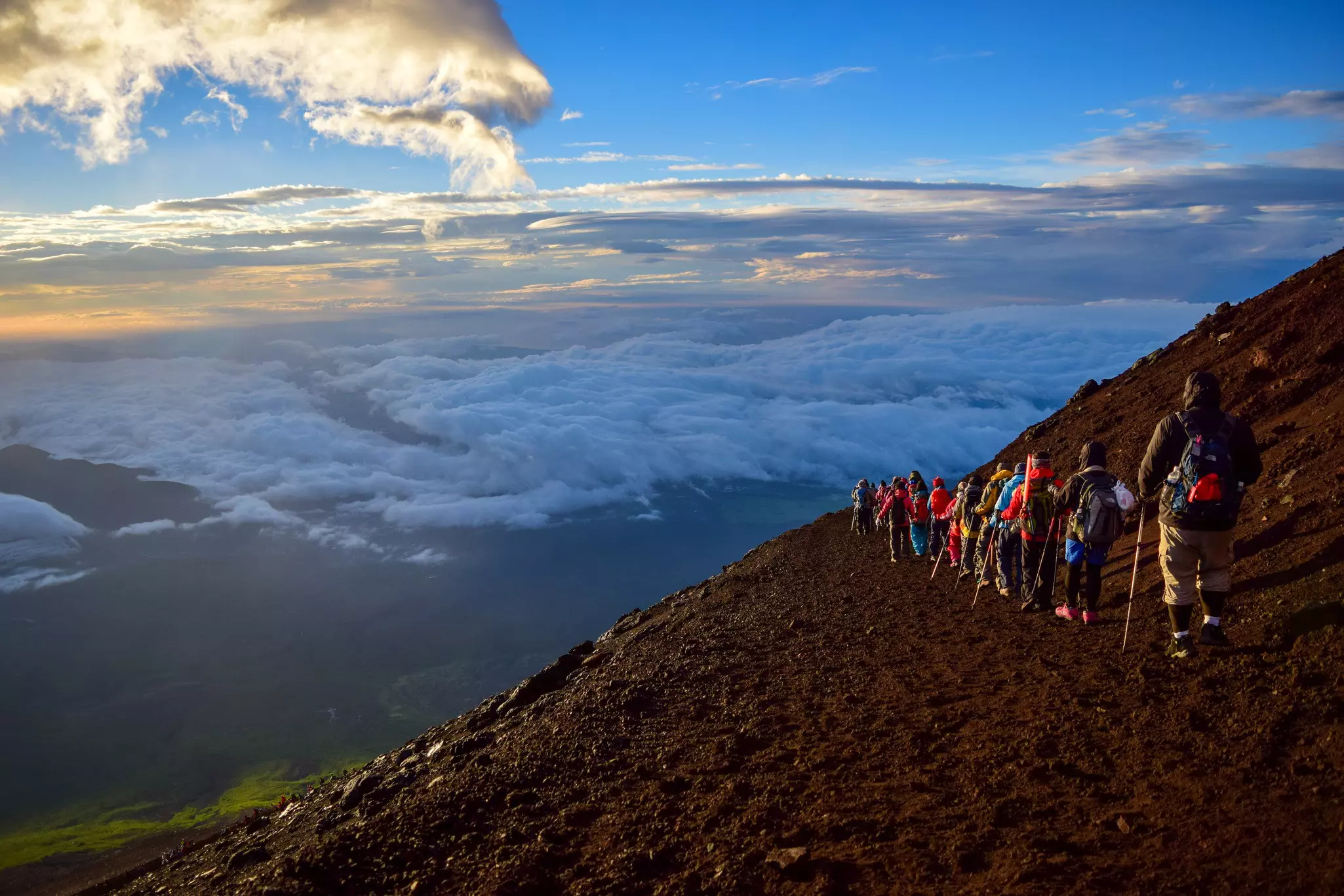
Weather in Tokyo in late summer: High heat and humidity mark out the late summer months from mid-July to August, but this is the most popular time to climb Mt Fuji, coinciding with warmer weather at the summit.
Despite the chance of late-summer rains, energy-sapping humidity, and a risk of roaring typhoons, a second tourism peak comes in late July and continues more or less unabated until December. Prices don't quite reach the spring peak, but July and August can feel busy as people gather for festivals and hikers head up Mt Fuji.
Late summer in Tokyo is the time for lively street fairs and hanabi taikai (fireworks shows). The grandest of Tokyo's firework extravaganzas takes place on the last Saturday in July, with an incredible 20,000 pyrotechnic wonders exploding above the Asakusa district. The crowds can reach 1 million, so this is another time to book well ahead.
If you feel like tackling Japan's most famous summit, the 2-day trek up Mt Fuji is one of Japan's most popular hikes. The season for climbing this gigantic dormant volcano runs from July through September,
attracting pilgrims and summiters in their stick-wielding droves. Conveniently, buses run directly from Shinjuku Station to the trailhead for the popular Yoshida Trail, taking about 2.5 hours.
August is the height of Japan's sticky, hot summer – you'll hear locals complaining with the phrase atsui desu ne ("hot, isn't it?"). The humidity and heat can be draining, but the festival calendar remains busy. The O-Bon national holidays in mid-August bring crowds to attractions popular with students and families, and accommodation will likely be pricey.
Held in early August, the 5-day Asagaya Tanabata festival sees Tokyo’s signature shōtengai (shopping arcade), the Asagaya Pearl Centre, decked out with colorful lanterns and papier-mâché decorations, some with cheeky pop culture references. The twice-annual Comiket (Comic Market) also rolls into town in August, a highlight of the year for manga fans, focusing on dōjinshi – self-published and fan fiction comics.
Best for fall foliage and pop culture festivals
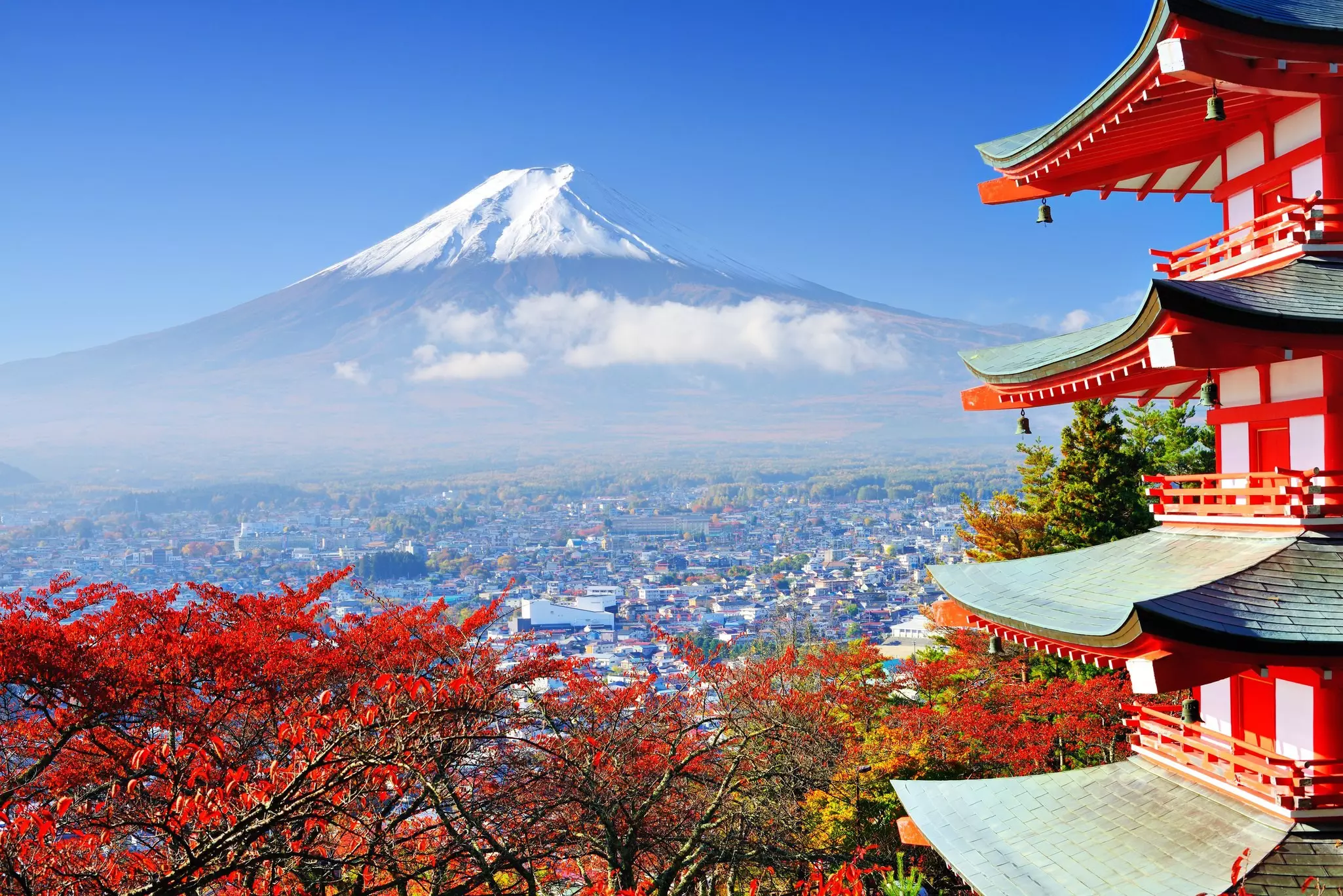
Weather in Tokyo in fall: Pleasantly warm days and cool evenings make early fall an excellent time to be in Tokyo, before temperatures dip as winter approaches. You'll need a coat and warm layers by November, when the fall foliage peaks.
Plenty of big events take place as Tokyo moves into fall and Japan enters the kōyō (fall foliage) season, marked by the leaf-viewing ritual known as momijigari. Red maple trees are the main stars, but other tree species add to the spectacle as the season progresses. Again, this is a popular time to visit, and prices are not far off the spring peak.
From October, people gather to watch the city’s trees undergo magnificent seasonal transformations at favorite local viewing spots such as Rikugi-en, Koishikawa Kōrakuen and Hama-rikyū Onshi-teien. The drama builds through November – the city’s parks, gardens and high streets are painted in fiery hues as ginkgo, momiji, maple, zelkova and other trees bid their colorful leaves adieu.
Fans of film and fantasy are in for a treat. In late October, the Tokyo International Film Festival screens works from international and Japanese directors, while Halloween sees thousands of costumed merry-makers take to the streets, and spooky themed events in parks and at Tokyo Disney Resort.
City officials are trying to curtail the somewhat chaotic street party that has traditionally filled Shibuya Crossing every Halloween, but cosplayers have the multi-day Ikebukuro Halloween Street Party to fall back on. Look out for costumes of traditional Japanese yūrei (vengeful ghosts) and yōkai (monsters) alongside the manga characters.
November is a good time to head to O-tori shrines such as Shinjuku's Hanazono-jinja and Asakusa's Otori-jinja. At fairs called Tori-no-ichi, vendors sell kumade – stylized rakes that literally symbolize "raking in the wealth" – to encourage a prosperous year ahead.
Best for avoiding the crowds
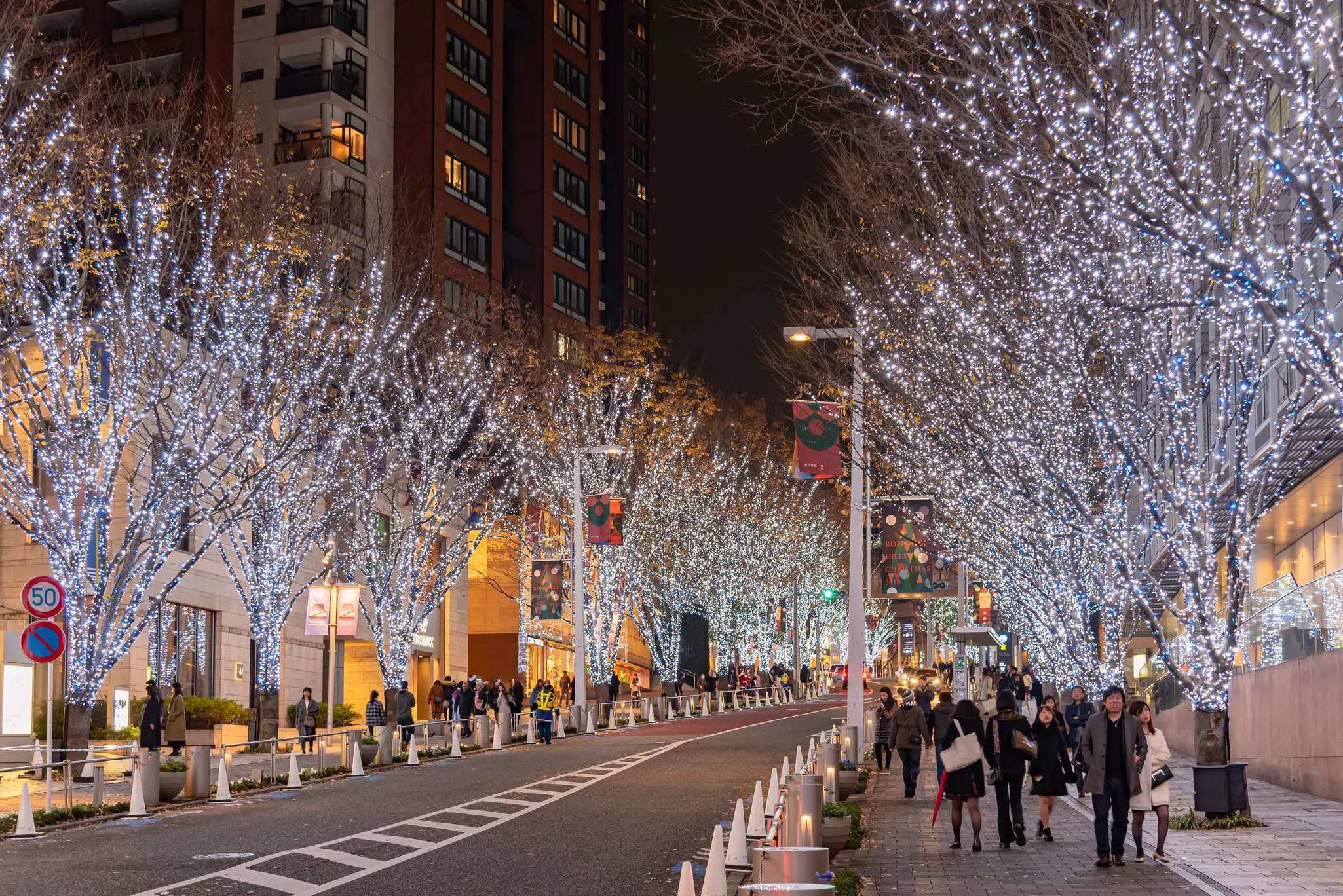
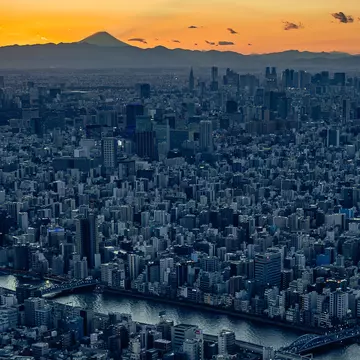
Weather in Tokyo in winter: Tokyo can get quite cold from December to early March, with daytime highs hovering around 10ºC (50ºC) and temperatures falling close to freezing at night. However, frequent clear blue skies mean the views of snow-decked Mt Fuji are particularly beautiful at this time of year.
Generally, Tokyo is quieter during the winter period, with the exception of the latter half of December when locals head out to end-of-year work parties and family get-togethers. The weather is noticeably cooler, but this is a great time to see the city decked out in dazzling winter lights, such as the ones at Roppongi Hills.
There's plenty of Christmas-themed fun, including seasonal markets, or you can enjoy a more Japanese experience by observing religious ceremonies in full swing at temples and shrines during Shōgatsu (the Japanese New Year) at the beginning of January.
Accommodation prices are generally low during this period and crowds thin out, except at ski resorts such as Gala Yuzawa, served by a dedicated shinkansen service from Tokyo Station. However, it’s worth noting that many businesses close over the New Year period.
Explore related stories