

Sep 1, 20269 min read
Where to Stay in Tokyo: Best Areas and HotelsLonely Planet may earn a commission from affiliate links on our site. All recommendations and reviews reflect our own independent opinions.
Whether you’re visiting Tokyo for the first time or the fifteenth, plenty of surprises await on the capital’s doorstep.
The temples and shrines of Nikkō and Kamakura offer a window into Japanese history, while Mt Takao, Hakone, and Izu Oshima Island provide a natural contrast to Tokyo’s crowded, urban heart. These and many other memorable spots can be reached within an hour or two by train from Tokyo Station.
Here are our top picks for a day trip from Tokyo.
Travel time: 1 hour
How to travel: By train
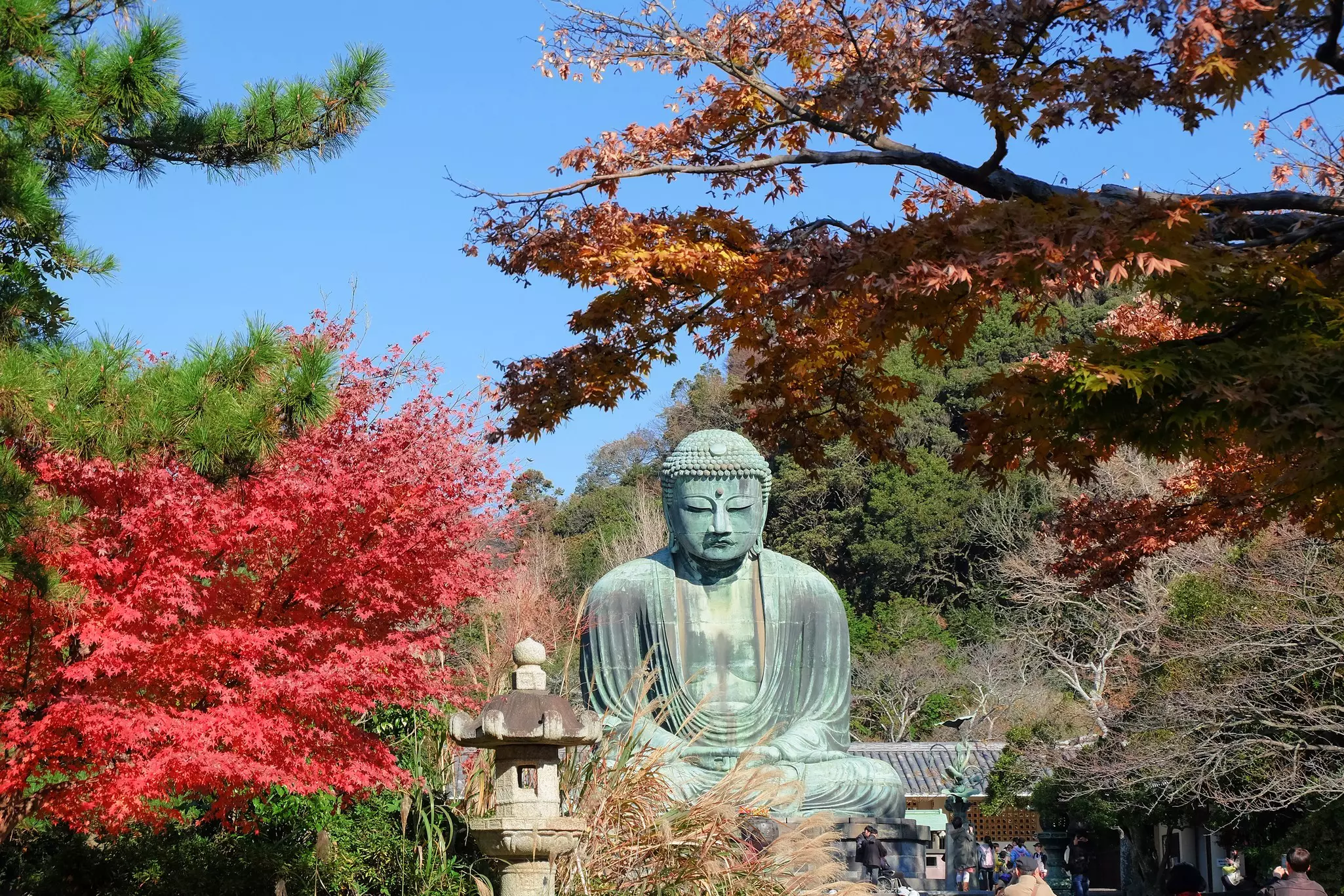
From 1185 to 1333, the coastal town of Kamakura replaced Kyoto as the seat of power in Japan. The remnants from this era make modern-day Kamakura a compelling day trip from Tokyo.
Top sights include the magnificent Tsurugaoka Hachimangu Shrine and a varied collection of temples, such as Kencho-ji, Japan’s oldest Zen monastery, and Hokoku-ji, with its small bamboo forest. The highlight at Kamakura is the Daibutsu, an 11.3m-high bronze statue of the Buddha that has rested serenely at Kotoku-in Temple since being cast in 1252.
How to get to Kamakura from Tokyo: Take the JR Yokosuka Line from Tokyo Station to Kamakura Station. Once there, most of Kamakura’s sights are walkable – though to get to the Big Buddha, you’ll take the retro Enoden tram three stops to Hase, from where it’s a 5-minute walk north.
Planning tip: If you feel ambitious and stack day trips over 3 consecutive days, you may be able to save a few yen by using the Tokyo Wide Pass.
Travel time: 1 hour 45 minutes
How to travel: By ferry, then by bus, bicycle or car
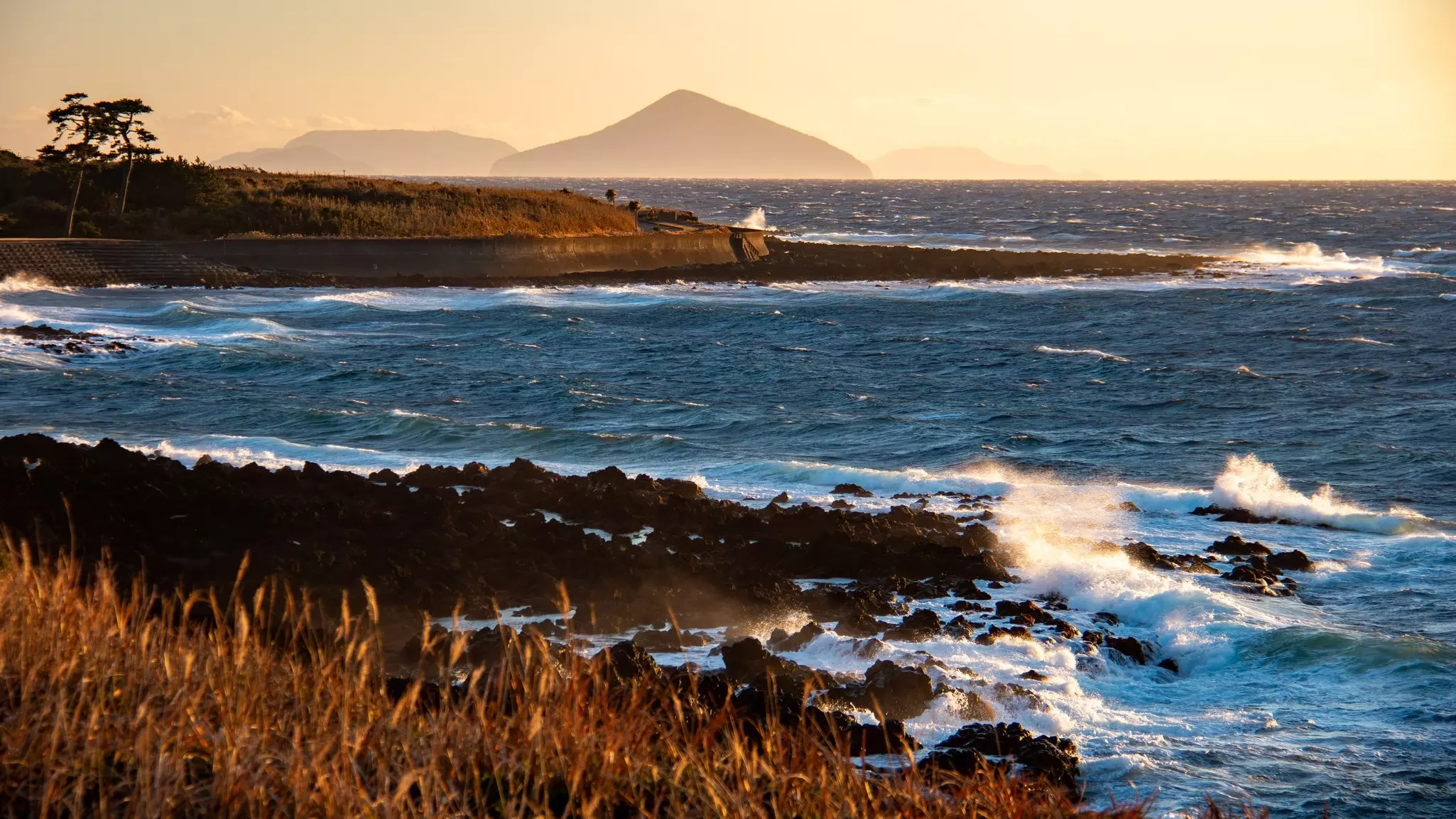
The Izu Island chain and far-flung Ogasawara Archipelago are all technically within Tokyo’s city limits. And the closest of these islands to the mainland, Izu Ōshima, makes for an active day away from the city.
To get a sweat on, hike around the crater of volcanic Mt Mihara, Ōshima’s most dominant peak at 2487ft, then have a soak in the outdoor hot-spring baths at Miharayama.
Alternatively, rent a bicycle and do the full 3-to-5-hour coastal loop around the 91-sq-mile island, taking in along the way hot springs, distinctive rock formations and (from January to March) Ōshima’s signature camellias.
How to get to Ōshima Island from Tokyo: Take a high-speed jet ferry from Tokyo’s Takeshiba Terminal, next to Takeshiba Station on the Yurikamome Line or a short walk south of JR Hamamatsucho Station on the Yamanote Line. Ferries arrive at Ōshima’s Motomachi or Okata ports, from where you can catch buses to the main sights, or rent a bicycle or car.
Travel time: 1 hour 45 minutes
How to travel: By train, then by bus or foot
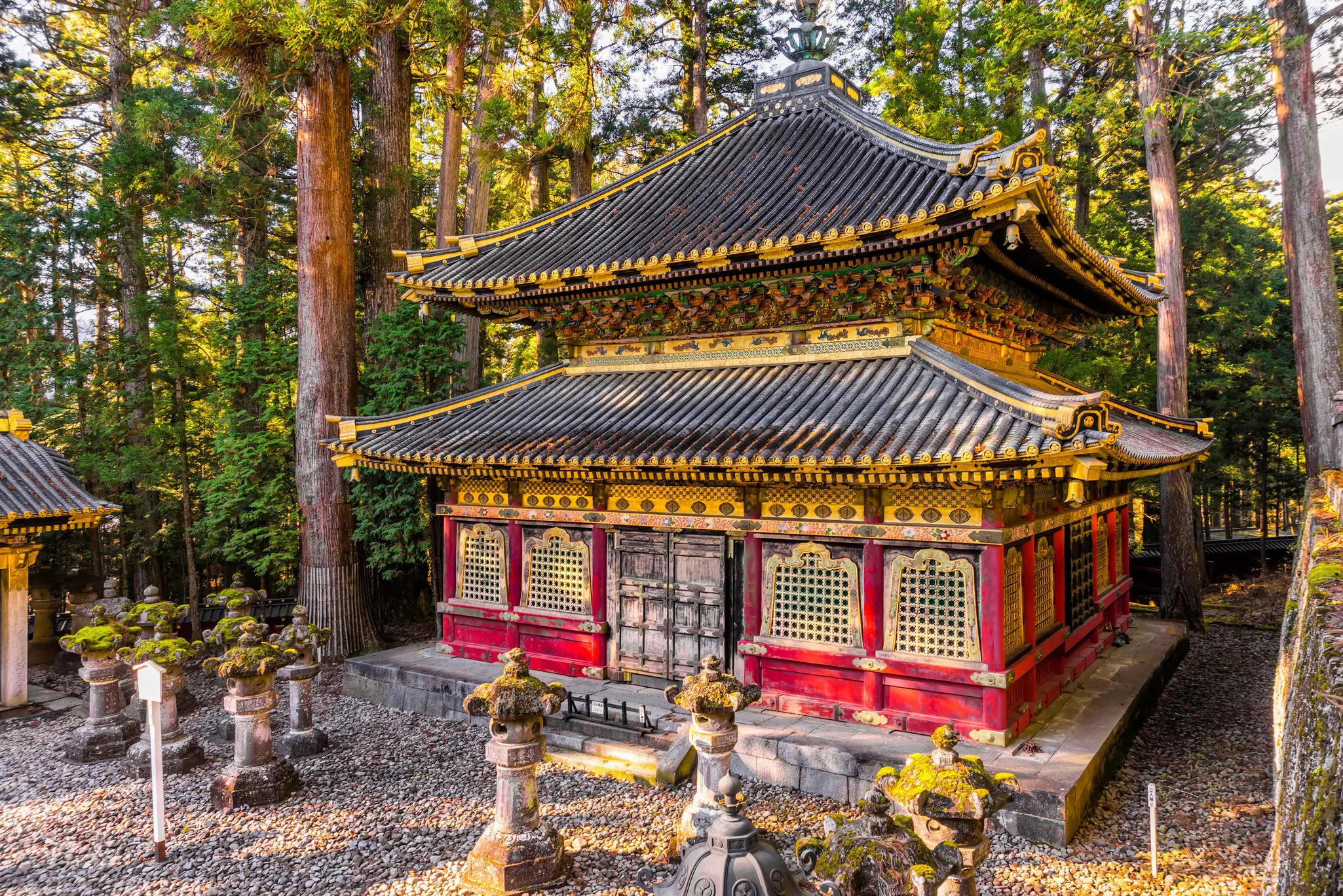
Tokyo’s shrines are impressive – but Nikkō’s are on a whole different level. The UNESCO World Heritage–designated Tōshō-gū is the resting place of the first Edo-period shogun, Tokugawa Ieyasu.
After an approach lined by towering cedars, the highlights include a five-story pagoda and imposing gateways like the Yomei-mon, a riot of black lacquer and gilding that’s adorned with vibrant carvings of birds and dragons.
Elsewhere in the complex are the spectacular gilded buddhas at Rinnō-ji, plus subtle decorations, such as carvings of the three monkeys of the famous “see, speak and hear no evil” proverb.
How to get to Nikkō from Tokyo: Nikkō has two neighboring stations: JR Nikkō and Tōbu Nikkō. The quickest route from Tokyo is to use Tōbu Railway’s Kegon or Spacia X limited-express trains between Asakusa and Tobu Nikkō, although a joint JR-Tōbu service also starts from Shinjuku. Buses connect both Nikkō and Tōbu-Nikkō stations to Tōshō-gū and other key sights. Alternatively, it’s about a 20-minute walk from the stations to Tōshō-gū.
Travel time: 55 minutes
How to travel: By train, then by foot or cable car
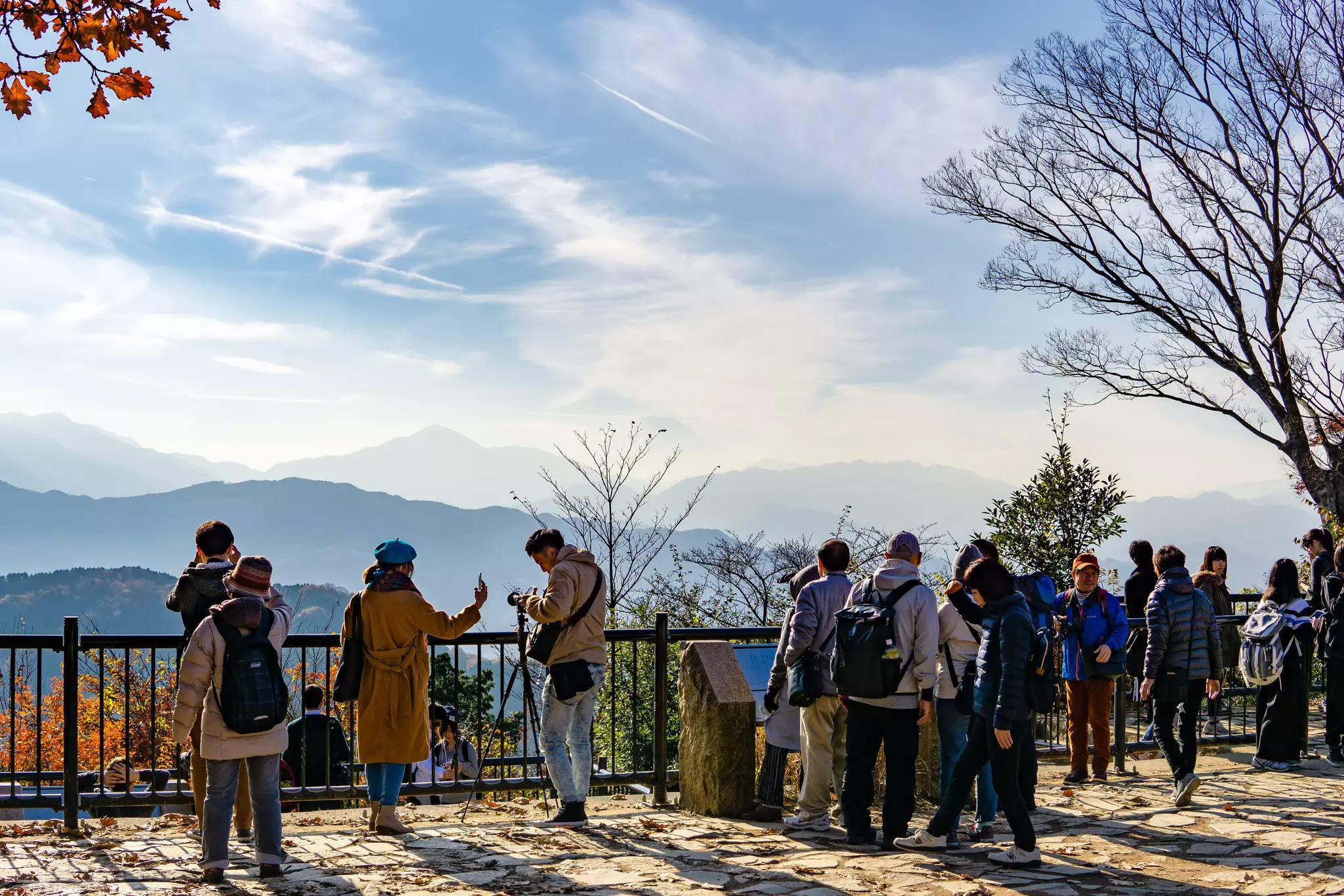
You don’t have to go to all the way to Hakone for great views of Mt Fuji. When the weather is clear, Fuji looks resplendent from the top of 599m Mt Takao.
Still within Tokyo’s boundaries, Takao might be the easiest way for city visitors to experience a bit of Japanese nature. The hike to the top takes 90 minutes to 2 hours, and can be made even shorter by taking a cable car halfway up. Along the way, you’ll pass through Yakuō-in Temple, a center for ascetic training that holds a fire-walking festival on the second Sunday of every March.
Toward the peak, Takao’s cherry blossoms are a popular spot for hanami (flower-viewing) picnics in spring, while the seasonal Beer Mount beer garden at the top is ideal for a post-walk thirst quencher from mid-June to mid-October.
How to get to Takao from Tokyo: Ride the Keio Line special-express from Shinjuku to Takaosan-guchi Station. From there, you are a 5-minute walk from either the trailhead at the foot of Takao or the cable car, which can take you halfway up the peak.
Travel time: 1 hour 20 minutes
How to travel: By train
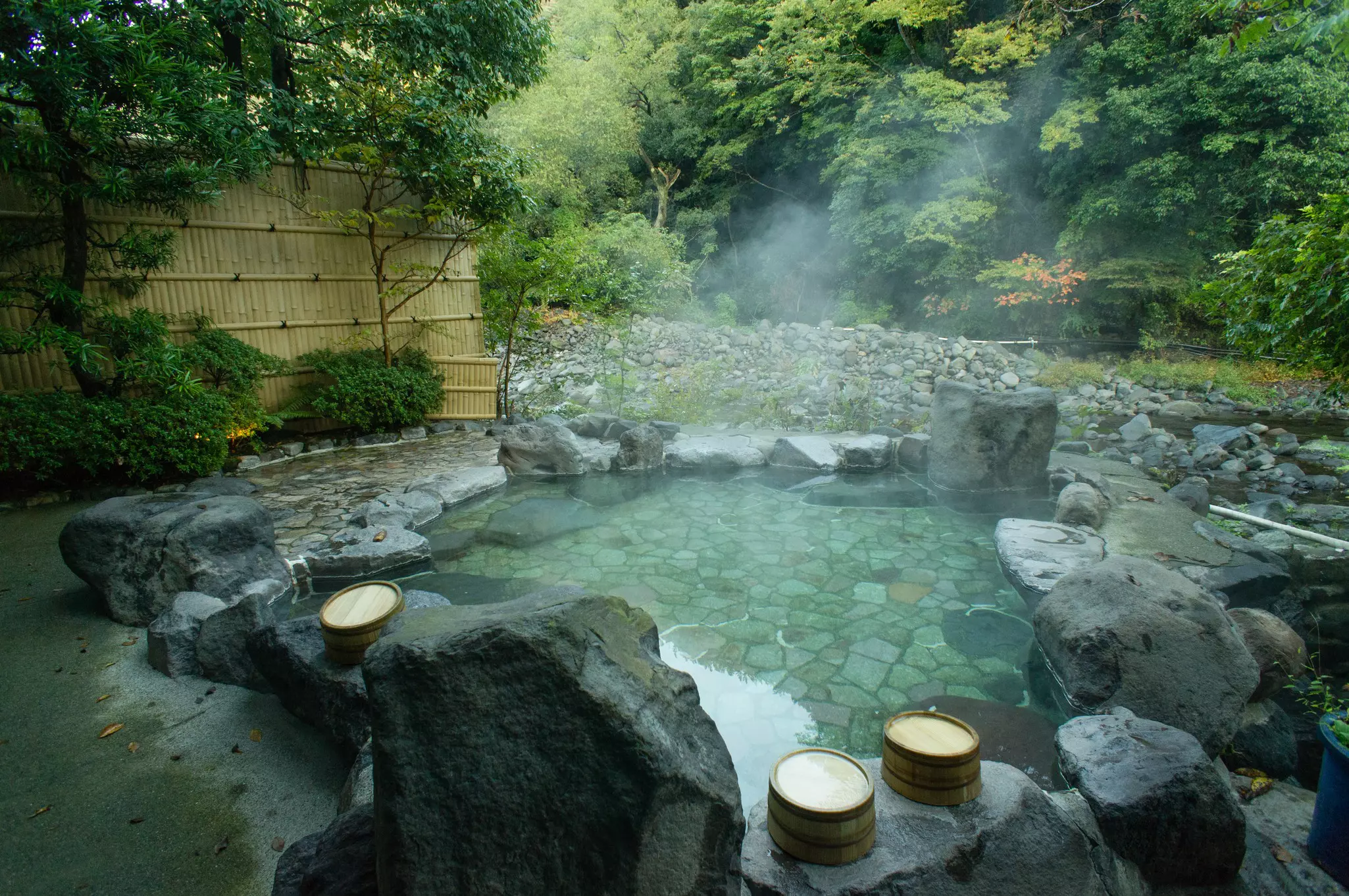
Mountainous Hakone is one of the most popular side trips from Tokyo. A jaunt here delivers up-close views of Mt Fuji and the steaming sulfur vents of Owakudani (Great Boiling Valley), plus hot-spring bathing complexes like Yunessun and an outdoor art museum home to work by Rodin and Picasso.
While Hakone can be explored in a day, consider an overnighter at a ryokan, these traditional inns that have their own hot-spring baths.
How to get to Hakone from Tokyo: Catch Odakyu’s limited-express Romancecar from Shinjuku Station to Hakone-Yumoto Station. You’ll need a reserved seat, though outside of holiday periods you can buy that at the station on the day of travel. To save yen, also get a Hakone Freepass. It covers the return train trip and gives 2 or 3 days of unlimited use of the buses, ropeways, and other transportation networks you’ll need to get around Hakone.
Explore related stories