Sep 17, 202618 min read
Everything You Need to Know About Interrail Passes in EuropeJun 15, 2026
31 MIN READ

Writer
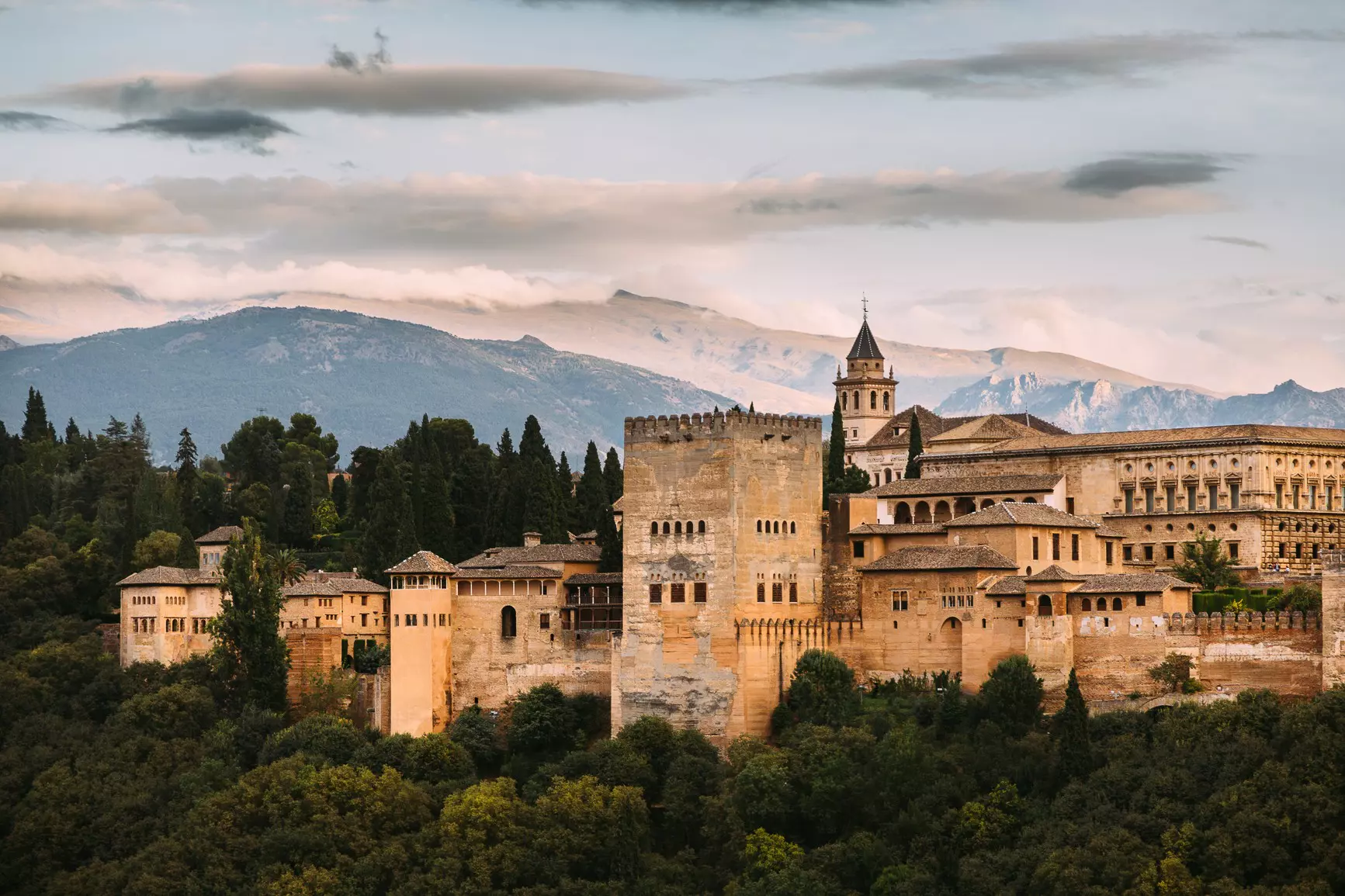
Palace at the Alhambra complex in Granada, Spain. Viliam.M/Shutterstock

Writer
Highlights
Editors round up 34 European picks for 2026, from islands to mountain retreats.
Paris suits romantic escapes, Rome rewards history lovers, and Athens stuns with the Acropolis.
Head to Stockholm or Copenhagen for Nordic cool; Lake Bled and Tallinn offer fairy-tale beauty.
Party in Berlin, wander Lisbon's labyrinthine Alfama, or catch a West End show in London.
Lonely Planet may earn a commission from affiliate links on our site. All recommendations and reviews reflect our own independent opinions.
There is simply no way you could visit Europe and not be awestruck by its natural beauty, fascinating history, rich culture, fabulous food, world-changing art and dazzling variety. But with 44 countries to choose from, deciding where to go can be a challenge. To help you choose where to go, we've picked the best places to visit in Europe, from sun-kissed islands to history-crammed cities and timeless mountain valleys.
Some of Europe's most popular spots have felt the effects of overtourism in recent years, so we've mixed world-famous spots with less familiar destinations that our editors know and love, and glamorous hangouts with low-key budget getaways. Don't forget that with straightforward cross-border travel, it's easy to fit multiple European destinations into a single trip.
If you’re searching for the best places to visit in Europe, these iconic cities and secret corners deliver timeless beauty and fresh surprises for 2026.
Looking for help planning your trip? Lonely Planet Journeys pairs you with a local expert who plans every detail - you just book the flights. Get started by messaging us here.
Best for a romantic trip
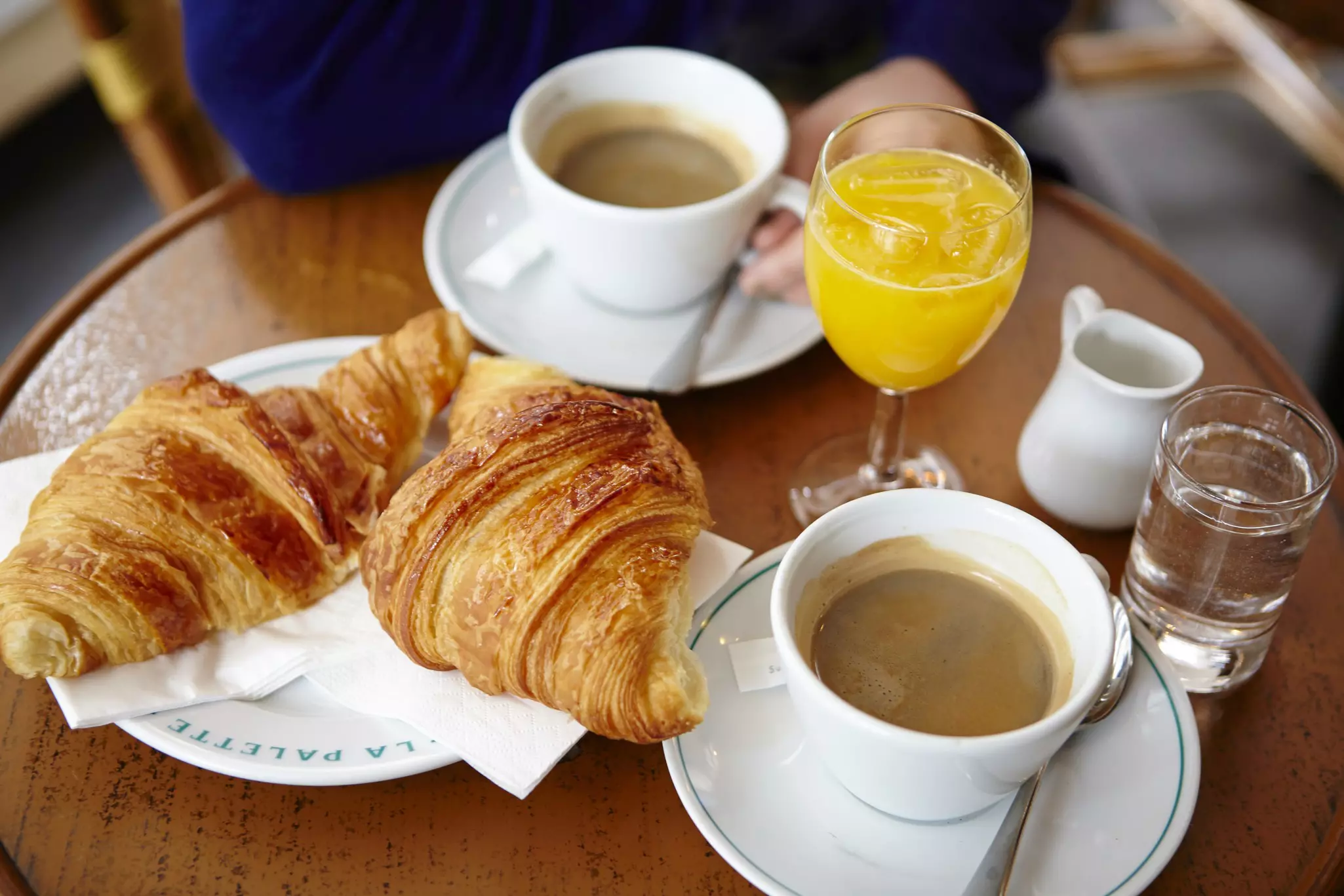
Designed as a temporary exhibit for the 1889 Exposition Universelle (World Fair), the elegant, iconic Eiffel Tower has become the defining fixture of the Paris skyline. It's a magnet for sightseers and photographers, although the magnificent Louvre comes a close second. Then there are those defining Paris moments, such as sitting in a pavement cafe with a strong coffee and a fresh-from-the-oven croissant, watching Parisian life go by.
From legendary culinary offerings and alluring nightlife to a seemingly endless selection of museums, galleries and flea markets and romantic walks beside the River Seine, it’s hard to imagine a city more iconic than the City of Light. And Paris is a year-round city; there's never a bad time to go.
Detour: After wandering through the city’s 20 intriguing arrondissements (districts), head further afield on a day trip to Monet’s garden at Giverny or Marie Antoinette’s former home at Versailles.
Best for ancient monuments
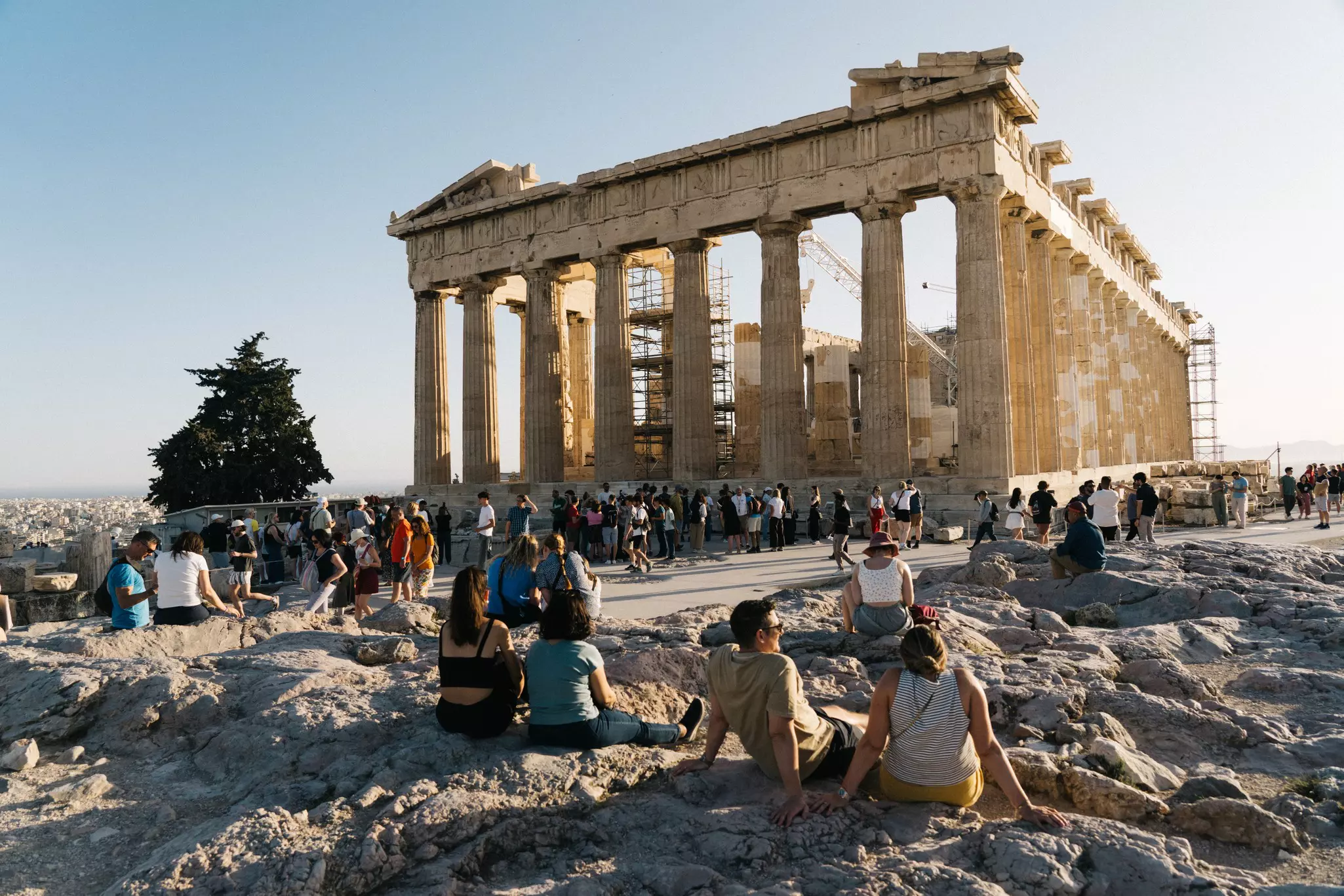
Greece has ancient ruins at every turn, but it’s in Athens where this ancient empire's greatest and most iconic monuments stand proud. High on a rocky outcrop overlooking the city, the Acropolis epitomizes the glory of ancient Greece, with its graceful Parthenon and 17,000-seat Theatre of Dionysos.
Other impressive ruins littering this vibrant city include the Temple of Olympian Zeus and two agoras (marketplaces) – one Greek, one Roman – backed up by first-rate museums. And of course, these iconic relics are just as impressive, and less busy, outside of the busy summer season.
When you’ve had your fill of architectural magnificence, fill up on Athens’ culinary brilliance, sampling local delights such as lukumades (crisp dough balls) and souvlaki kebabs. The city is also surrounded by great beaches. And if you fancy a break from the bustle, pine-covered islands, atmospheric ancient cities and rugged hiking trails are only a day trip away.
Planning tip: Be alert to the potential for summer heatwaves in Athens – recent years have seen soaring temperatures linked to climate change, leading to closures at major sights, particularly in in July and August.
Best for history
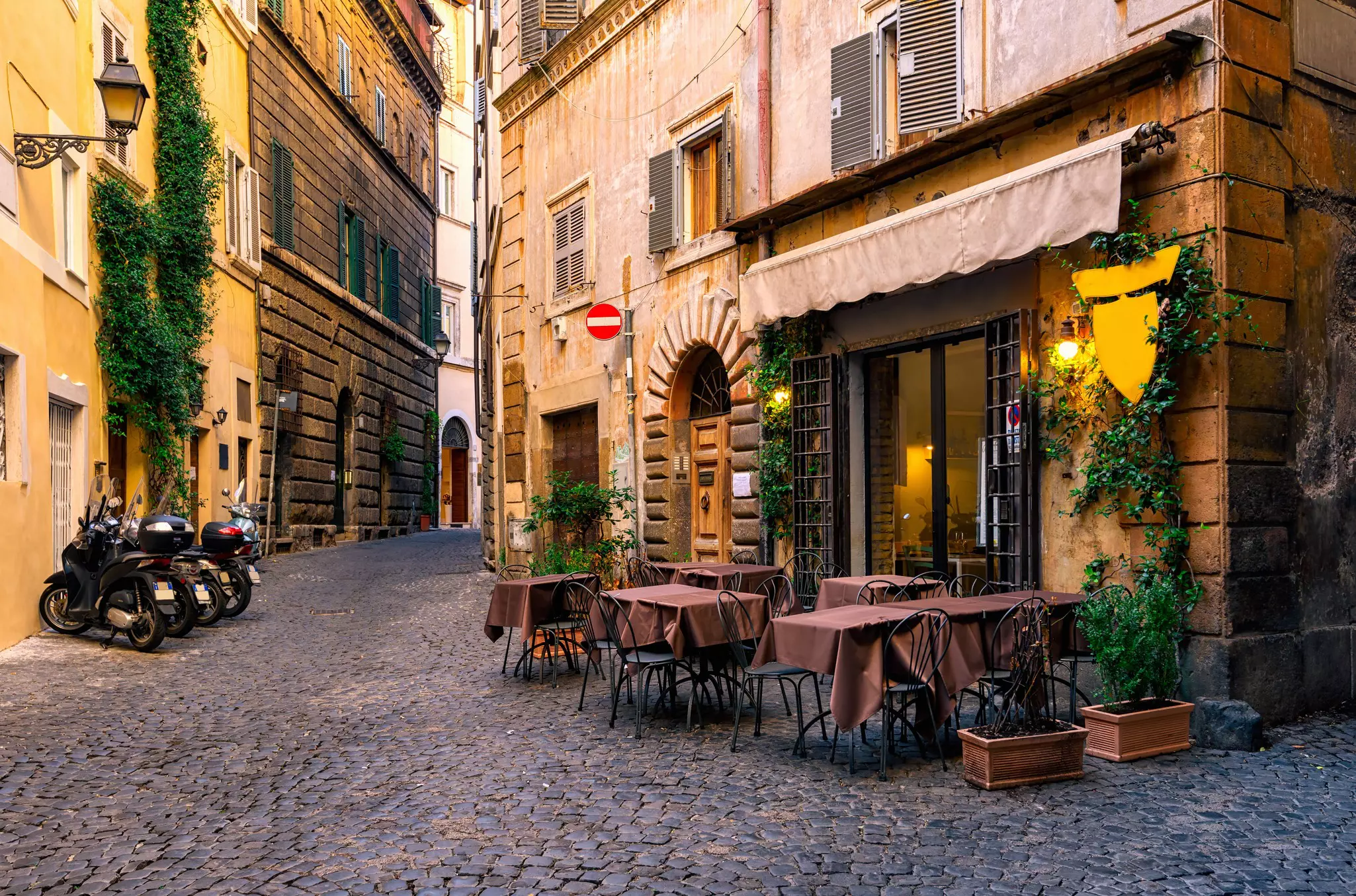
From the crumbling Colosseum to the ancient Forum and the timeless Via Appia Antica, few sights are more evocative than the ruins of ancient Rome. Two thousand years ago, this city was the center of the greatest empire of the ancient world, where gladiators battled and emperors lived in unimaginable luxury. Nowadays, its ancient sites swim with mystery; as you walk the cobbled paths, you can almost sense the ghosts in the air.
Don’t miss the city’s contemporary side. Shop for hip handbags or handmade jewelry in Rome’s coolest independent boutiques. Rub shoulders with locals over aperitivo (pre-meal drinks) at trendy bars or check out the street art in neighborhoods such as Ostiense and San Lorenzo. In a city that’s been around for thousands of years, there are always plenty of new treasures to find.
Planning tip: Rome can be madly busy in summer; come in spring or fall to enjoy the sights with smaller crowds and less stifling temperatures.
Best for nature lovers
Beautiful capital cities are no rarity in Europe, but Stockholm comes near the top of the list for sheer wow factor. Straddling 14 islands where the Baltic meets Lake Mälaren, this shiny Nordic star seems to have it all – edgy creativity, engrossing history, inner-city woodlands and waterways clean enough for a bracing dip in summer.
From its storybook Old Town (Gamla Stan) to its famously progressive design, fashion and culinary scenes, the city offers a crash course in style and taste. And world-class museums and galleries inform and provoke, serving up everything from glittering Viking treasures and an ill-fated warship to ABBA costumes and subversive contemporary art.
Another perk is unspoiled nature. The Stockholm archipelago includes peaceful islands with pristine shorelines backed by tranquil forests, accessible by ferry and crossed by the footpaths of the Stockholm Archipelago Trail.
Planning tip: Winter brings a special fairy-tale magic to Stockholm, as the gingerbread-like buildings are topped with snow, but dress for temperatures that can drop to -5ºC (23ºF) in January and February.
Best for a long weekend
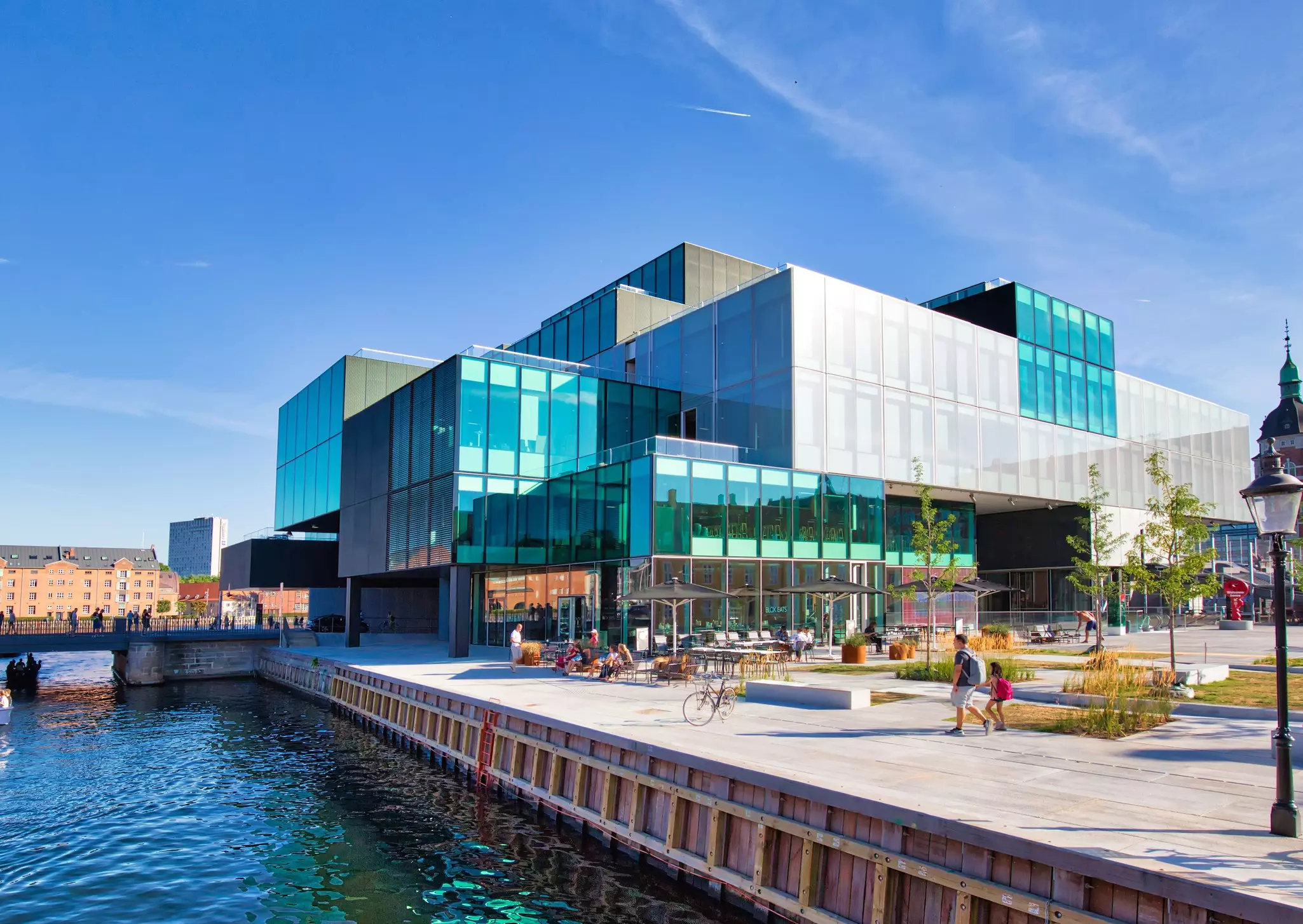
Scandinavia is all about pared-back contemporary style – something that the Danish capital has in spades. Home to a thriving design scene, Copenhagen has Michelin-starred restaurants, hipster cafes and bars and swoon-worthy boutiques around every corner. And it's just as lovely out of season as in summer.
Add in top-class museums and galleries and a 1000-year-old harbor with handsome historic architecture, and you have the perfect Scandi city break. Be sure to check out centuries-old city landmarks such as Rosenborg Slot and the Marmorkirken.
Planning tip: While Copenhagen is known for being expensive, there are ways to budget for your trip and plenty of free things to do in the city. Strolling around and soaking up the atmosphere won't cost you a Danish krone.
Best for partying
Decades on from the fall of the Berlin Wall, it’s hard to believe that this most cosmopolitan of cities once marked one of the key frontiers in the Cold War. But reminders of Berlin's divided past remain, whether you’re passing the Brandenburg Gate, gazing at graffiti-covered sections of the old Berlin Wall at East Side Gallery or studying the exhibits at the DDR Museum.
From the past to the future – Berlin refuses to let itself be defined by its 20th-century history. Be sure to soak up the city's amazing modern touches, like its iconic club culture, unique independent shops and cool neighborhoods.
Planning tip: If you're here for nightlife, come for a summer weekend, when clubbing districts such as Kreuzberg and Friedrichshain are at their liveliest.
Best for visiting outside peak season
Tallinn is lively yet peaceful, absurdly photogenic and bursting with wonderful sights – including exquisite ancient churches, medieval streetscapes and noble merchants’ houses. Throw in delightful food and vibrant modern culture, and it’s no wonder Tallinn sometimes seems in danger of being loved to death, especially when the cruise ships dock.
But this is one of those blessed places that seems to cope with all the attention, and things are quieter outside of the summer peak season. Tallinn backs up the fairy-tale charms of its UNESCO-listed Old Town with a growing collection of first-rate restaurants and atmospheric hotels, so visiting is a breeze.
Planning tip: To enjoy Tallinn at its best, come in May or September, when the weather is still pleasant but the Old Town is calmer.
Best for Christmas
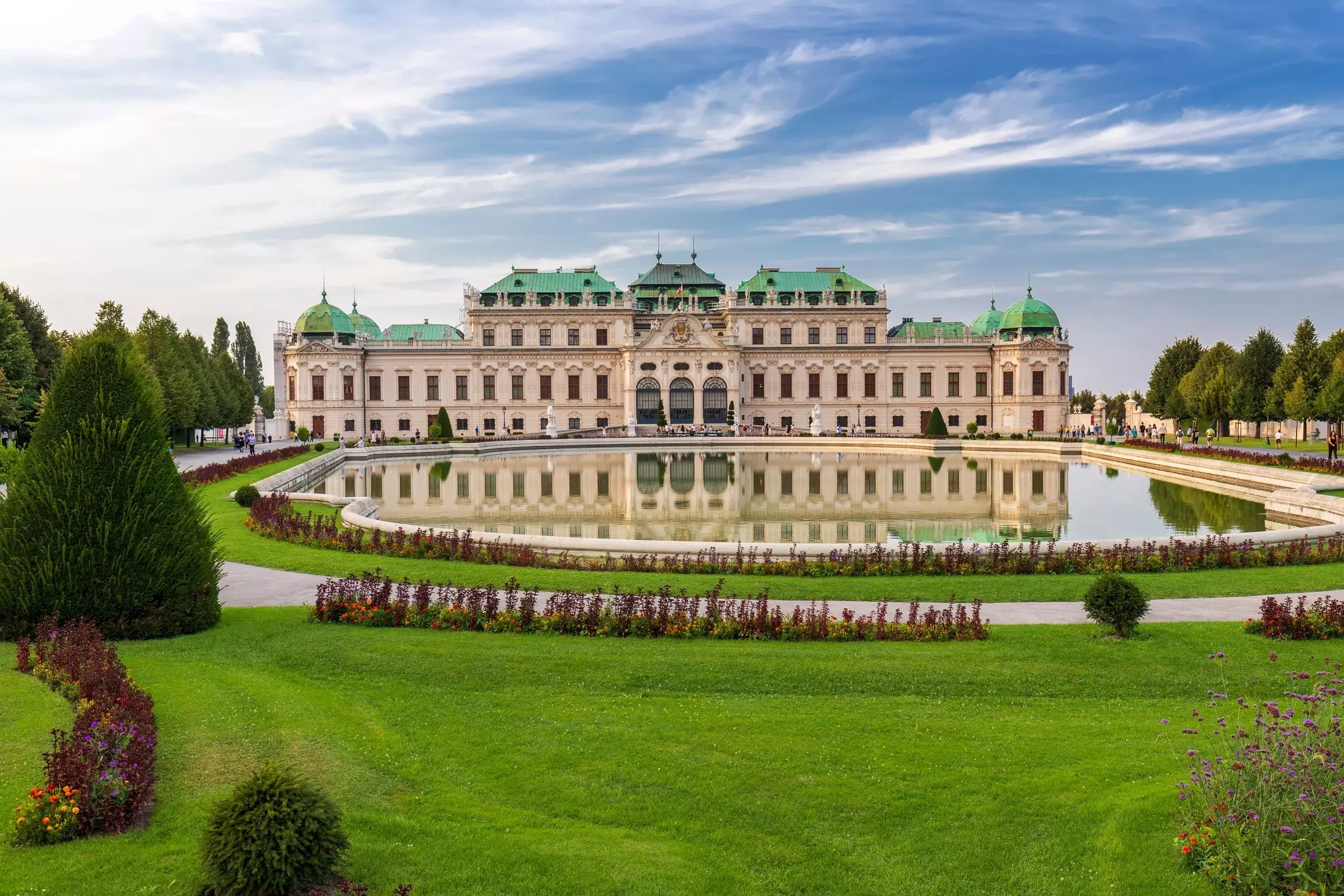
Vienna's grand landmarks look particularly ravishing when dusted by snow in winter, when the city comes alive with Christmas markets. The monumentally graceful Hofburg Palace whisks you back to the age of empires; you can marvel at the treasury’s imperial crowns, the equine ballet of the Spanish Riding School and chandelier-lit apartments once occupied by Emperor Franz Joseph I and Empress Elisabeth.
The palace, a legacy of the 640-year-long Habsburg Empire, is rivaled in grandeur only by the 1441-room Schloss Schönbrunn, a UNESCO World Heritage Site, and the baroque Schloss Belvedere, both set in their own exquisite gardens.
Planning tip: You can enter the Schloss Schönbrunn park free of charge during opening hours, but if you want to visit attractions such as the Privy Garden, the maze or the zoo, purchase admission tickets online ahead of your visit.
Best for fantasy fans
Dubrovnik's main claim to fame is its historic city wall, considered among the grandest in the world, which surrounds luminous marble streets and finely ornamented buildings. Built between the 13th and 16th centuries, the walls are still remarkably intact, and the vistas over the terracotta rooftops and the Adriatic Sea are sublime, especially at dusk.
The city’s prominent role in the TV series Game of Thrones caused a massive surge in visitors – and in the number of tours taking people to all the starring spots, particularly during the main summer tourist season. But travelers can still get to know the real Dubrovnik by diving deeper into its top attractions and wandering outside of the Old Town.
Planning tip: For a calmer experience, it's just 15 minutes by ferry to the car-free island of Lokrum, a protected nature reserve with sprawling botanical gardens.
Best for solo travelers
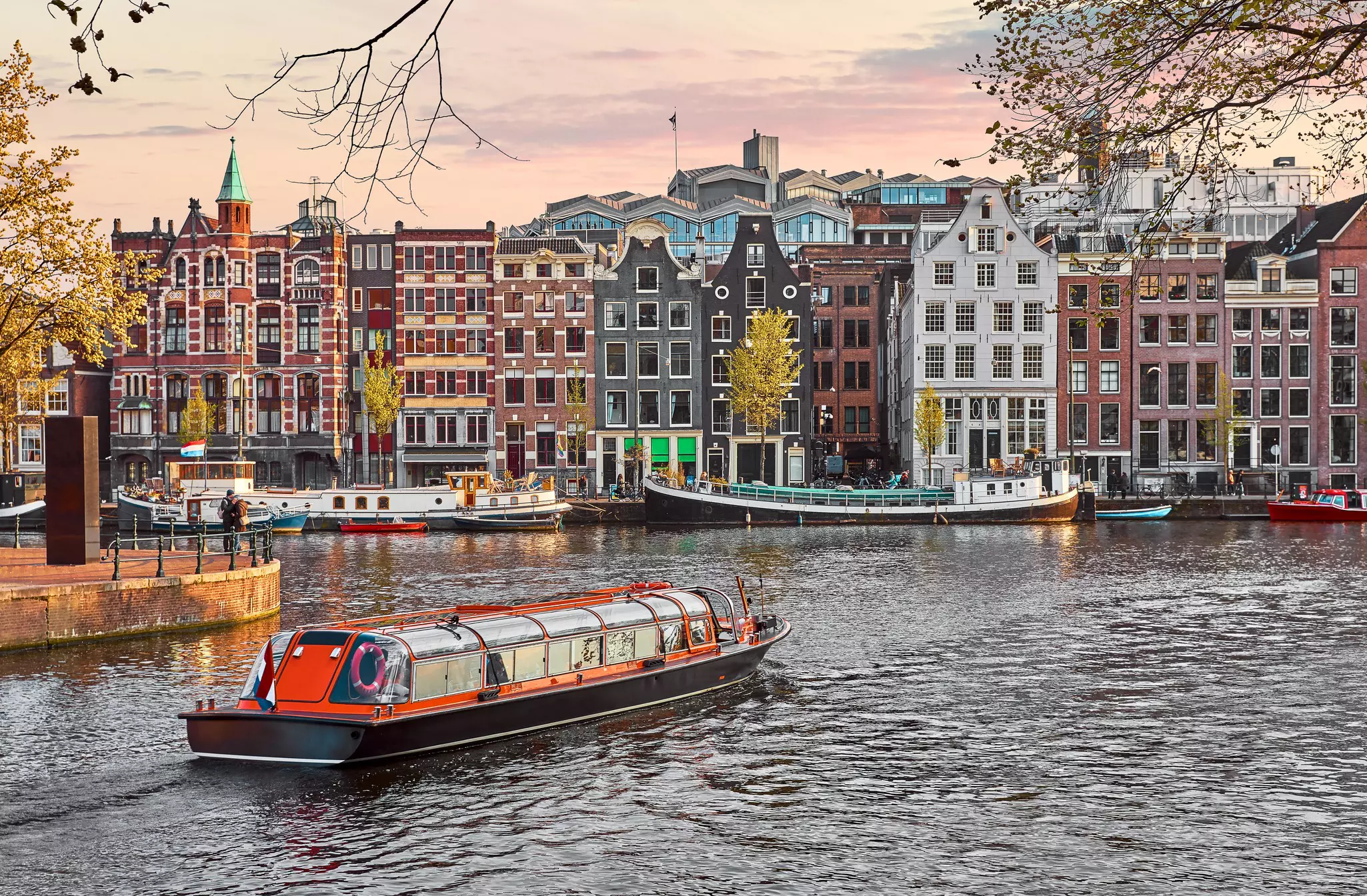
To say residents of Amsterdam love the water is an understatement. Take a stroll beside the canals and check out the thousands of houseboats or board a tour boat weaving between the city's neighborhoods and you'll soon understand why. From the water, you’ll notice a whole new set of architectural details, such as the ornamentation on the city's famous bridges.
Getting around in Amsterdam is a breeze, so you can roam widely in search of the best things to eat and drink. And while there's plenty to do in Amsterdam at any time of year, sometimes the best experiences come from slowing down, skipping the tourist sights, and hanging out in the city's cozy cafes and brown bars (pubs), soaking up the vibe. Amsterdam is famously sociable, so solo travelers will have no problem feeling at home.
Planning tip: Visiting on a budget? The ferries leaving from behind Amsterdam Centraal Station offer free crossings over the River IJ to Amsterdam Noord for pedestrians and cyclists.
Best for a spa break
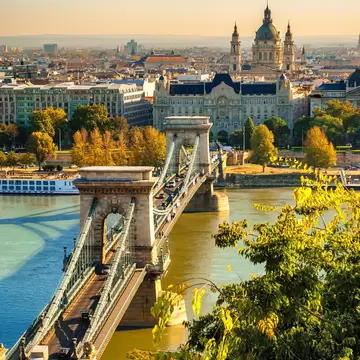
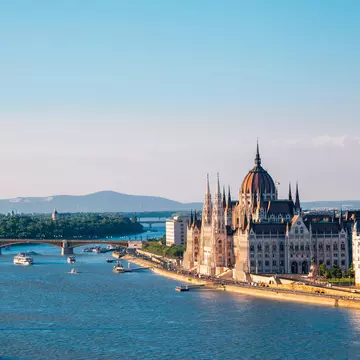
Along both sides of the romantic Danube River, with the Buda Hills to the west and the start of the Great Plain to the east, Budapest is perhaps the most beautiful city in Eastern Europe. Parks brim with attractions, the architecture is second to none, and the city's museums are filled with treasures.
This is a city of two halves – Buda, and Pest across the river. Pleasure boats sail up and down the scenic Danube Bend, and baroque and Turkish-inspired thermal baths billow steam. Many visitors are happy to relax in a historic bathhouse and do nothing at all, but if you're feeling more active, the city's famous ruin bars and nightclubs throb till dawn, with some lively festivals from May to September.
Detour: For a change of pace, head out on a day trip from Budapest for a refreshing lake swim or drop into the Habsburg-era Gödöllő Royal Palace.
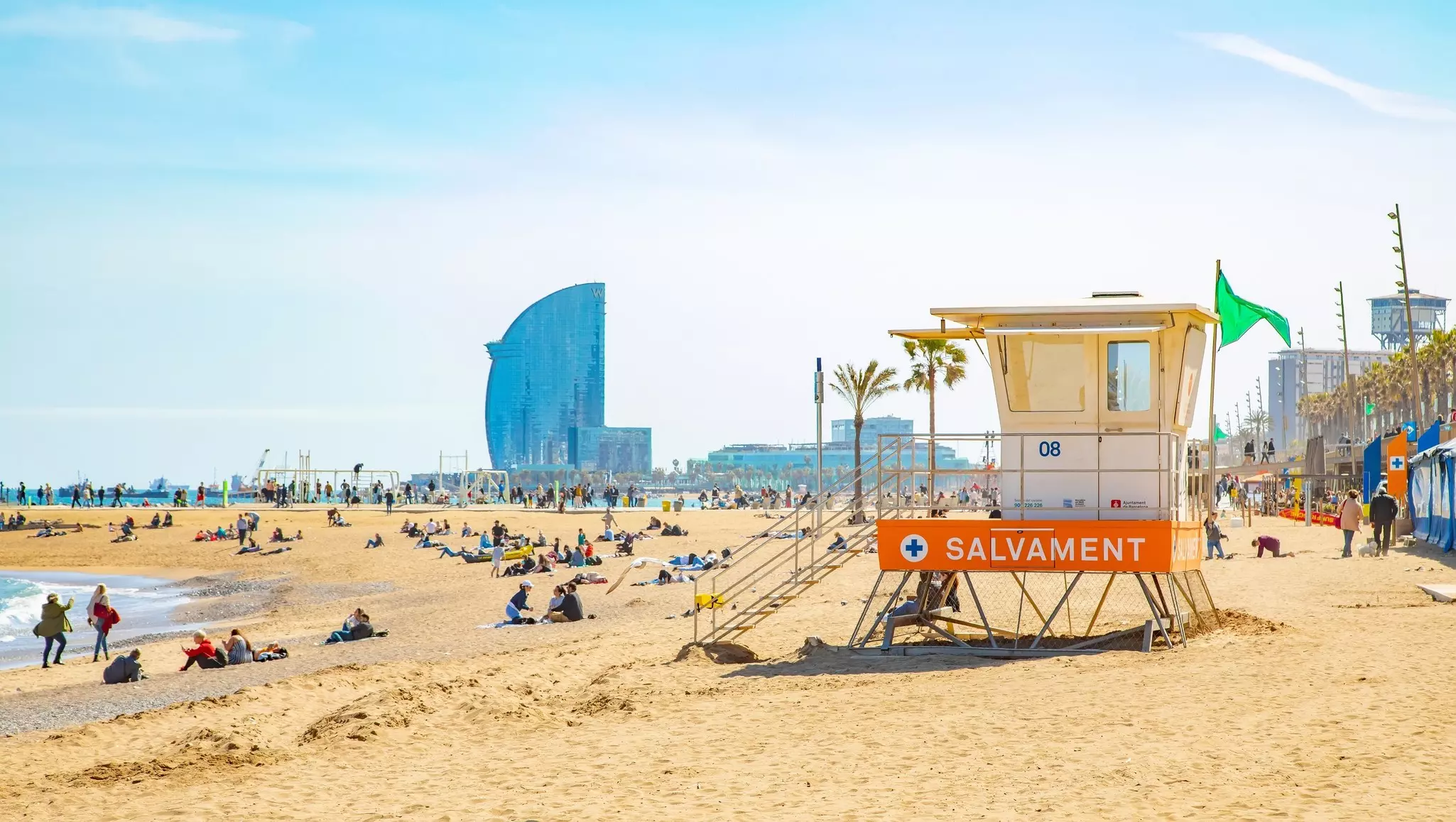
Best for city beaches
Barcelona is renowned for its Modernista architecture, featuring the iconic buildings of Antoni Gaudí. His masterpiece is the mighty cathedral La Sagrada Família, which remains a work in progress a century after its creator’s death. It’s a bizarre combination of crazy and classic – Gothic touches intersect with eccentric experimental flourishes and improbable angles.
Of course, there's much more to the Catalan capital than its most famous church. Barcelona heaves with tapas restaurants, art museums and historic monuments – not to mention its incredible beaches. To avoid contributing to the city's overtourism problem, come in the quieter spring or fall seasons, and visit the neighborhoods beyond Barri Gòtic and El Born.
Planning tip: Barcelona's city beaches get very busy in summer; consider hopping on the train to find quieter beaches just a short ride from town.

Stay connected abroad with an eSIM
Holafly eSIM provides unlimited mobile data with no hidden fees, giving you peace of mind wherever you travel. Stay connected even after your plan ends with Always On. Use code LONELYPLANET for an exclusive discount.
Lonely Planet may earn a commission from affiliate links on our site. All recommendations and reviews reflect our own independent opinions.
Best for first timers
The Lisbon district of Alfama, with its labyrinthine alleyways, hidden courtyards and curving, shadow-filled lanes, is a magical place to lose all sense of direction and delve into the soul of Portugal. On the journey, you’ll pass breadbox-sized grocers, brilliantly tiled buildings and views of steeply pitched rooftops leading down to the glittering Tagus River.
This is a great destination for a first trip to Europe. While you explore, you can pause at cozy taverns filled with easygoing chatter, with the scent of chargrilled sardines and the mournful rhythms of fado drifting in the warm summer breezes. Don't forget to toast the city with a glass of Portugal's famous port wine before you leave.
Planning tip: Take time to ride Lisbon's famous trams; the nostalgic 28 route links Martim Moniz, near the center, to Campo de Ourique.
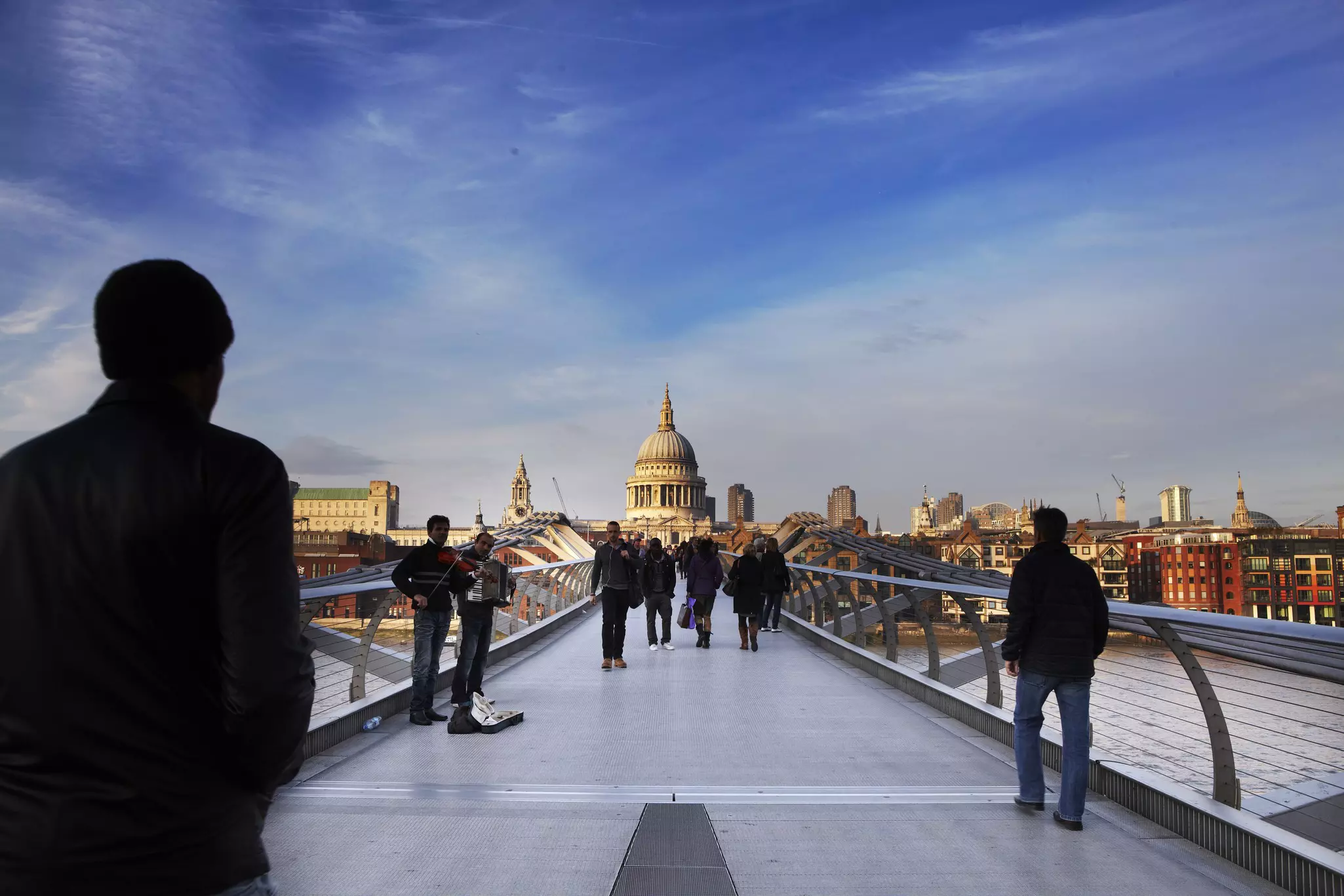
Best for young adults
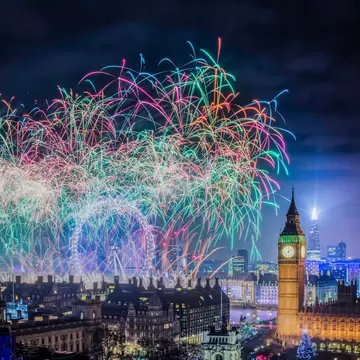
London is almost a point of pilgrimage for travelers of all ages, but it's particularly good for young adults, with whole neighborhoods devoted to nightlife and entertainment and sights and activities that just scream fun, from speedboat rides along the River Thames to West End theaters hosting hosting horror-inspired stage shows. Sure, there are palaces, cathedrals and world-class museums, too, but it's London's enthusiasm for having a good time that captivates.
Travelers who want to dive deeper into London should explore its varied and characterful neighborhoods, taking in the cool clubs and bars of Shoreditch or the animated market streets of Notting Hill. Summertime shows off London's energetic side, with boisterous events such as the Notting Hill Carnival, All Points East and BST Hyde Park.
Detour: With more time on your hands, tack on a day trip to admire the Roman ruins of Bath, party by the seaside in Brighton, or soak up the creativity of Bristol.
Best for lake swimming
With its sky-blue lake, picture-postcard island church, fairy-tale medieval castle, and some of the country’s highest peaks as backdrops, Lake Bled seems to have been designed by the very gods of tourism. But Slovenia's biggest draw is more than just its pretty face.
There’s a lively cultural calendar during the summer months, including the classical music-focused Bled Festival. And it's a great place to be active; swimming, hiking, cycling, fishing, rafting and canyoning can keep you busy for days.
Planning tip: The public swimming areas are excellent, and there are a couple of private beaches, too, including a rather refined one at the Grand Hotel Toplice.
Best for English speakers
Dublin is one of Europe's crucibles of culture, and visitors from across the English-speaking world can trace their family roots to Ireland's "fair city." Whether you’re wandering around the leafy Georgian terraces of St Stephen’s Green or getting acquainted with the past at Kilmainham Gaol or Trinity College, you’re never far from a literary or historic sight.
Then there are the city’s pubs. There are few better places to down a pint than Dublin, and enticing watering holes are spread far beyond the touristy Temple Bar area. You can even make a pilgrimage to the original Guinness brewery. Either way, you’ll surely make a few local friends along the way.
Planning tip: All of Ireland gets busy in summer; the fall is the time to enjoy quieter streets and colorful foliage on the trees, and an extra cozy vibe in Dublin's pubs.
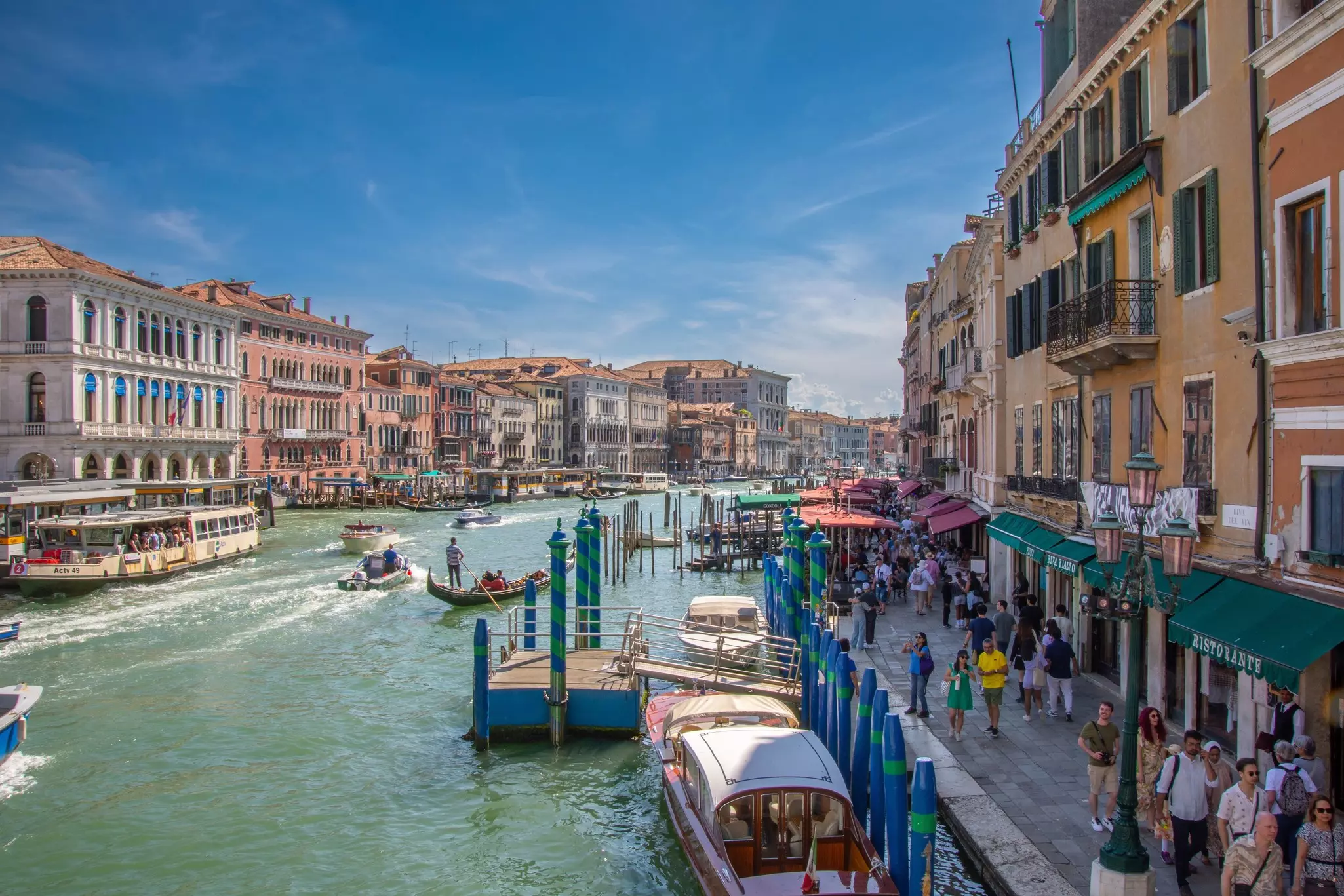
Best for off-season travel
A bright winter’s day, with crisp sunshine and fewer tourists around, is the perfect time to soak up Venice's unique and magical atmosphere. The streets are delightfully quiet, so ditch your map and wander the shadowy back lanes of Dorsoduro while imagining secret assignations and whispered conspiracies at every turn.
That said, Venice amazes at any time of year. Whenever you come, be sure to visit top galleries such as the Gallerie dell’Accademia and the Peggy Guggenheim Collection, which showcase works by many giants of Italian and European art.
Planning tip: Help Venice deal with the challenge of overtourism by visiting out of season, staying longer than a weekend, and exploring outlying islands beyond the center. Vaporetti boats connect the islands dotted around the lagoon; buy a daily pass for cheaper travel.
Best for an adventurous road trip
When the twisting, turning, high-altitude Transfăgărăşan road in southern Transylvania was built in the 1970s, it was derided as a vanity project for the Ceauşescu regime. Who could have imagined that a generation later, it would be celebrated as one of the world's most exciting roads to drive?
Boldly charging up and down Romania’s Făgăraş Mountains, the drive peaks at 2034m, providing an unforgettable, white-knuckle experience behind the wheel. The climax is glacial Lake Bâlea, hovering like a mirror among the rocks; sometimes it is totally enshrouded by clouds.
Planning tip: The Transfăgărăşan road is closed by winter snows from October to May; plan your trip for June to September.
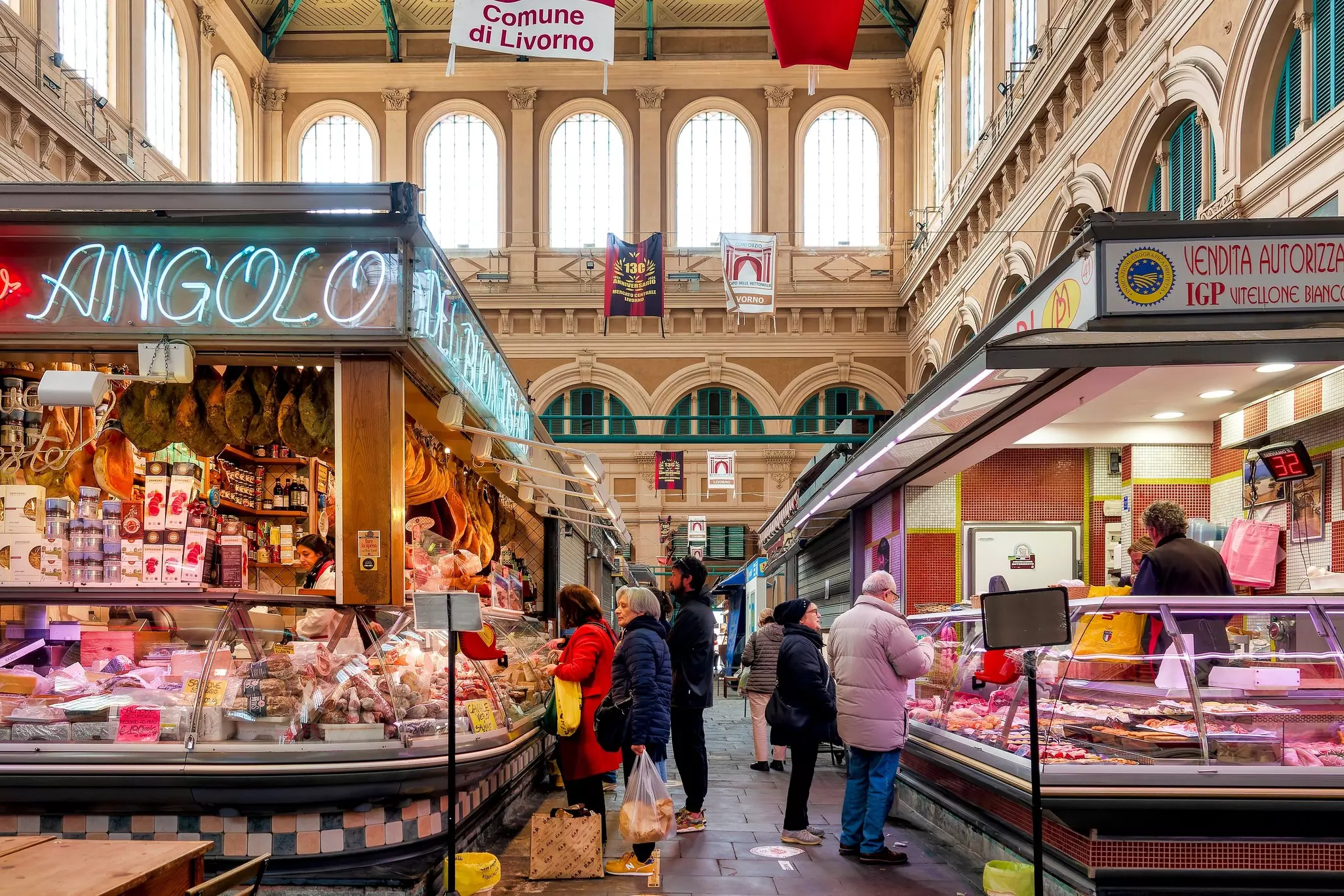
Best for arty foodies
Bathed in golden light and dotted with vineyards, the undulating hills of Tuscany are the very vision of Italy. Here, picture-perfect hilltop towns vie with magnificent scenery and you can enjoy some of Italy’s best food and wine, from Montepulciano to Livorno.
Experiencing Tuscany for the first time is one of Europe's great pleasures. Seek out the famed vintages of Chianti and stroll the evocative main square of historic Siena. Even Pisa is a treasure house of architectural marvels, despite the crowds.
Then there’s Florence – aah, Firenze! – home to what UNESCO describes as "the greatest concentration of universally renowned works of art in the world." The Tuscan capital is packed with blockbuster museums, elegant churches and flawless Renaissance streetscapes.
Planning tip: A destination this iconic draws a crowd – spring is the best time to visit for quieter sights and good weather for walking in the bucolic countryside.
Best for beer lovers
If you set out to design a fairy-tale medieval town, it would be hard to improve on central Bruges. In Belgium's most picturesque city, cobbled lanes and dreamy canals link photogenic squares lined with soaring towers, historical churches, whitewashed almshouses and inviting bars serving the country's famously strong and tasty beers.
Of course, the secret is out – during the busy summer months, you’ll be sharing Bruges's many attractions with a constant stream of fellow tourists. If you can stand the cold, come midweek in the depths of winter (except at Christmas time) to avoid the crowds.
Planning tip: Do stay overnight to enjoy the views at night, when the city is lit up by atmospheric floodlighting.
Best for a journey into European history
Andalucía – al-Andalus in Moorish times – is awash with glorious architecture spanning eight centuries of Islamic rule in Spain and all the centuries since. Granada, Córdoba and Seville are the high points of a journey through Spain's most culturally rich corner.
In Granada, the palace complex of the Alhambra comes close to perfection, and it is one of the most impressive works of Islamic architecture anywhere in the world. For many, this is Spain’s signature monument, but other breathtaking forts, palaces and mosques rise above towns across the region.
Planning tip: Andalucía is another region that sees big summer crowds, but the sun shines year-round, so come out of season to enjoy a more peaceful experience.
Best for budget travel
Dominated by forests and dominated by seven mountain ranges, Bulgaria offers wildlife lovers big-scale adventures in nature at a pocket-friendly price. Predators such as bears, lynx and wolves still stalk these wonderful wilds, although they are elusive; easier to spot are Bulgaria's hundreds of bird species, including many varieties of raptors.
Bulgaria's mountains are relatively undeveloped (aside from thriving ski hubs like Borovets and Bansko), and this vast wilderness sits within easy reach of the capital, Sofia. Hiking, biking and rock climbing are all popular outdoor pursuits, with numerous trails in the spellbinding Balkan Mountains and national parks such as Pirin and Rila.
Detour: After days spent cycling, skiing and hiking, you can soothe your muscles in nerve-ticklingly warm water at natural thermal pools in spa towns such as Devin, even in mid-winter.
Best for escaping the crowds
More than half of the population of Iceland lives in Reykjavík – a city smaller than Anchorage, Alaska – but even on the shortest visit, you’ll be struck by the quirky character and creativity of the population. Despite being on the northern margins of Europe, locals have forged a city packed with captivating art, rich cuisine and energetic nightlife, hosting an epic music scene.
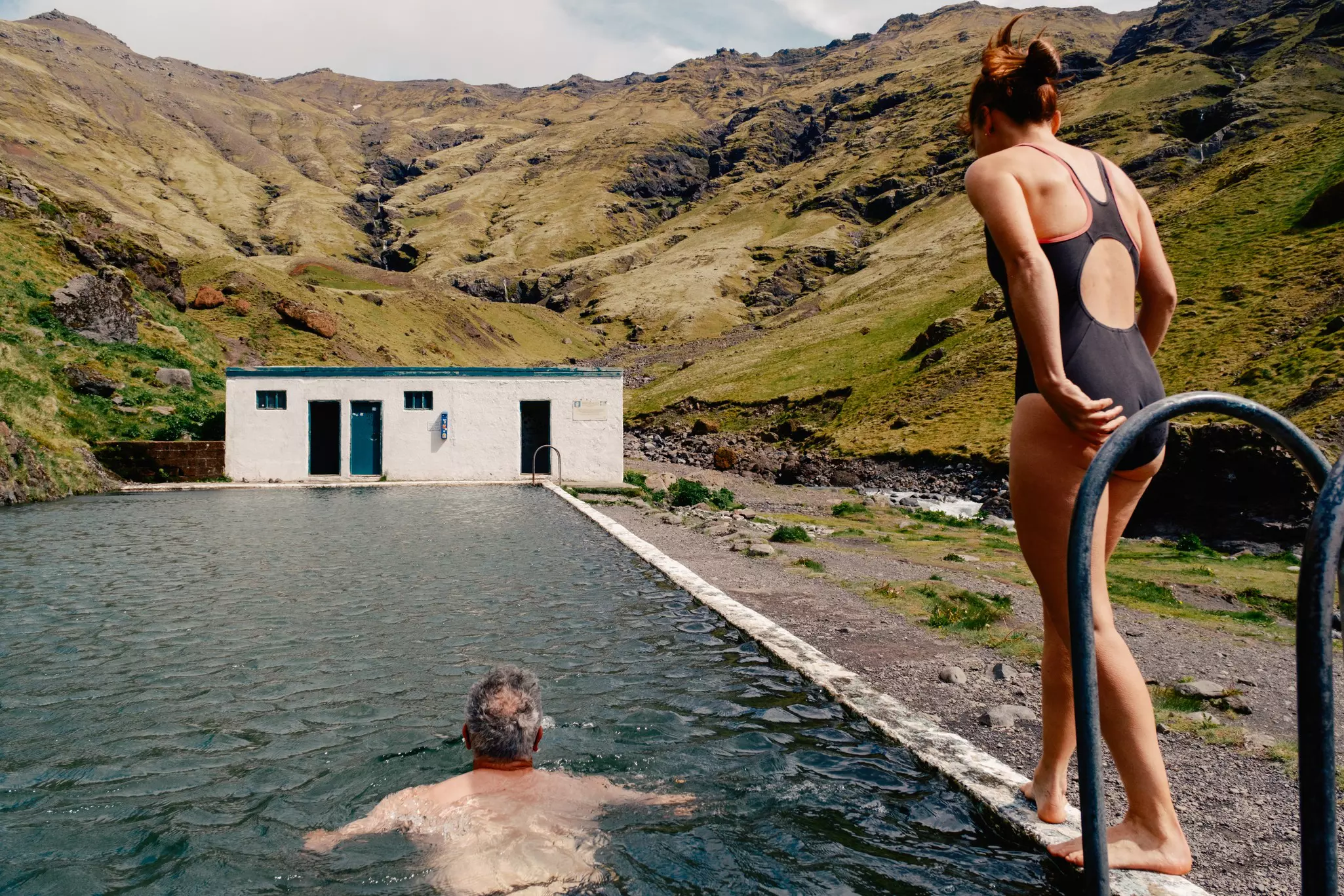
Learn about a history stretching back to Viking times, then use the city as a base for trips to enjoy Iceland’s geothermally-heated outdoor pools and amazing natural landscapes, where it's easy to shake off the crowds and find serenity. Come in summer for wilderness camping and whale-watching, in spring or fall for lower prices, or in winter for the northern lights.
Planning tip: If you visit in winter, be ready for freezing temperatures, limited hours of daylight and snowstorms that can block roads for a few days at a time.
Best for discovering Indigenous culture
In Europe's far north, Lapland casts a powerful spell. While the terrain can make travel more challenging than in the more temperate south of Finland, the midnight sun, the ancient traditions of the Sámi peoples, the aurora borealis (northern lights) and roaming reindeer give this wild quarter an otherworldly feel.
Lapland’s far north is known as Sápmi, home of the Sámi, and you can explore Indigenous culture around Inari, Utsjoki and Hetta. Then there's Santa Claus himself, who "officially" resides here, close to the northern town of Rovaniemi, the most popular gateway to the north. Beyond the sights, the sense of space, pure air and big skies will stay with you long after you leave.
Planning tip: Winter is a great time to enjoy Lapland's so-called "glass igloos" (such as the ones at Kakslauttanen). In these glass-roofed accommodations, you may see the northern lights from your bed.
Best for a spring break
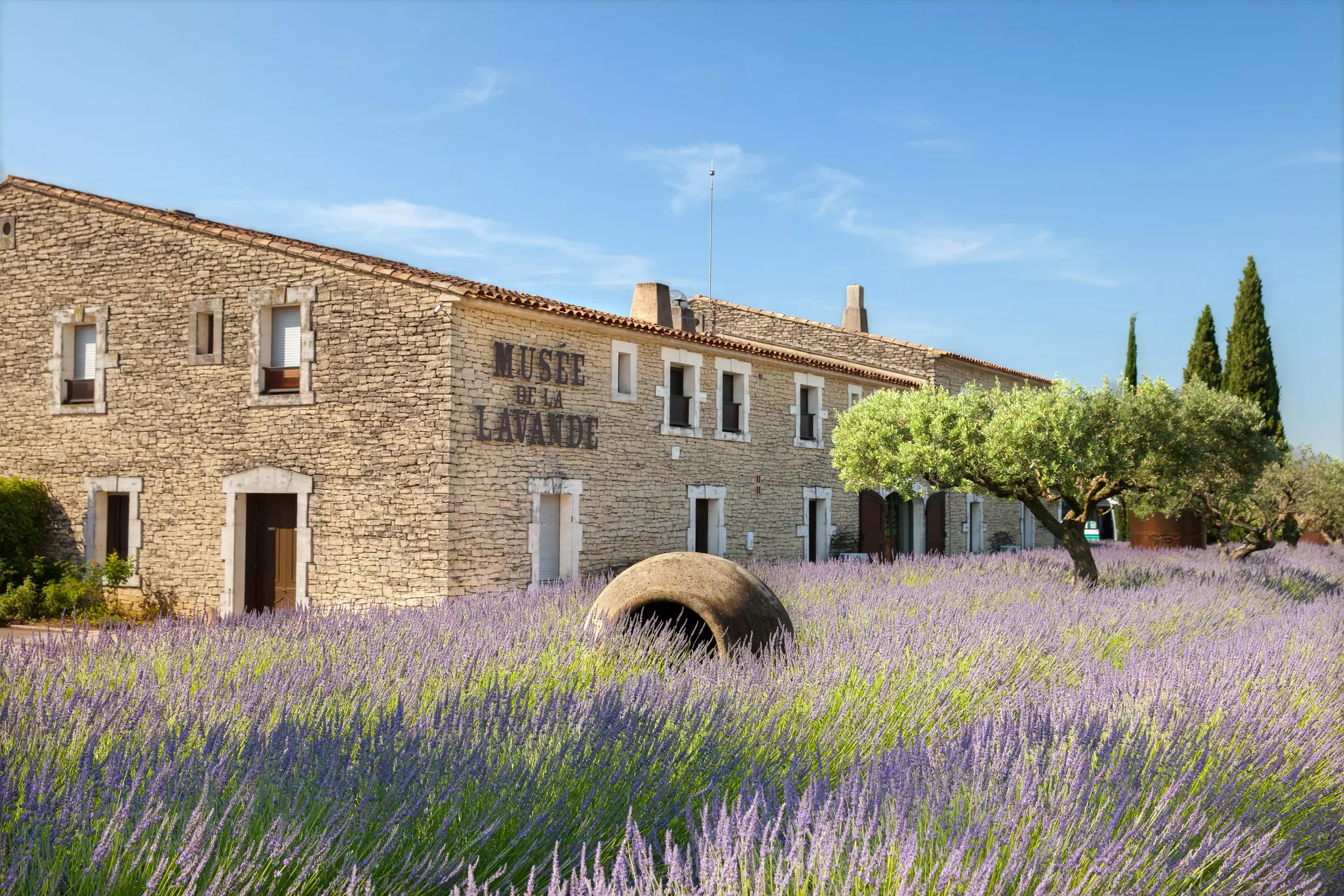
For many people, the pastoral landscapes of Provence are a French fantasy brought to life, especially in spring, when wildflowers erupt along the roadsides. Provence seems to sum up everything enviable about the French lifestyle: fantastic food, legendary wines, bustling markets and long, balmy evenings, perfect for enjoying the good life.
Seek out the postcard-perfect view of lavender fields and medieval cloisters at the Abbaye Notre-Dame de Sénanque or grab an espresso among the students hanging out in Aix-en-Provence. Whatever you do, eating, drinking and living well will definitely be on the menu.
Planning tip: Provence can be mobbed in summer, particularly on the coast. Come in spring, when prices are lower, crowds are smaller, and the weather is perfect for walking.
Best for a snapshot in time
Frozen in its death throes, the sprawling, time-warped ruins of Pompeii near Naples hurtle visitors 2000 years into the past. Year-round, you can wander through chariot-grooved Roman streets and duck into lavishly frescoed villas and bathhouses, food stores and markets, theaters and even an ancient brothel.
Then, in the eerie stillness, with your eye on the ominous profile of Mt Vesuvius, ponder the town’s final hours when the skies grew dark with choking volcanic ash. One of the most intriguing experiences in this ancient city is investigating the ongoing excavations, which continue to shed new light on life in 79 CE.
Planning tip: Get to Pompeii from Naples on the Circumvesuviana train, which also stops near the ruins of Herculaneum, destroyed in the same eruption.
Best for natural drama
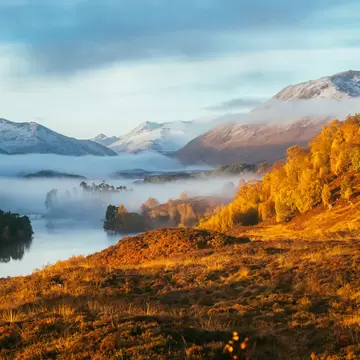
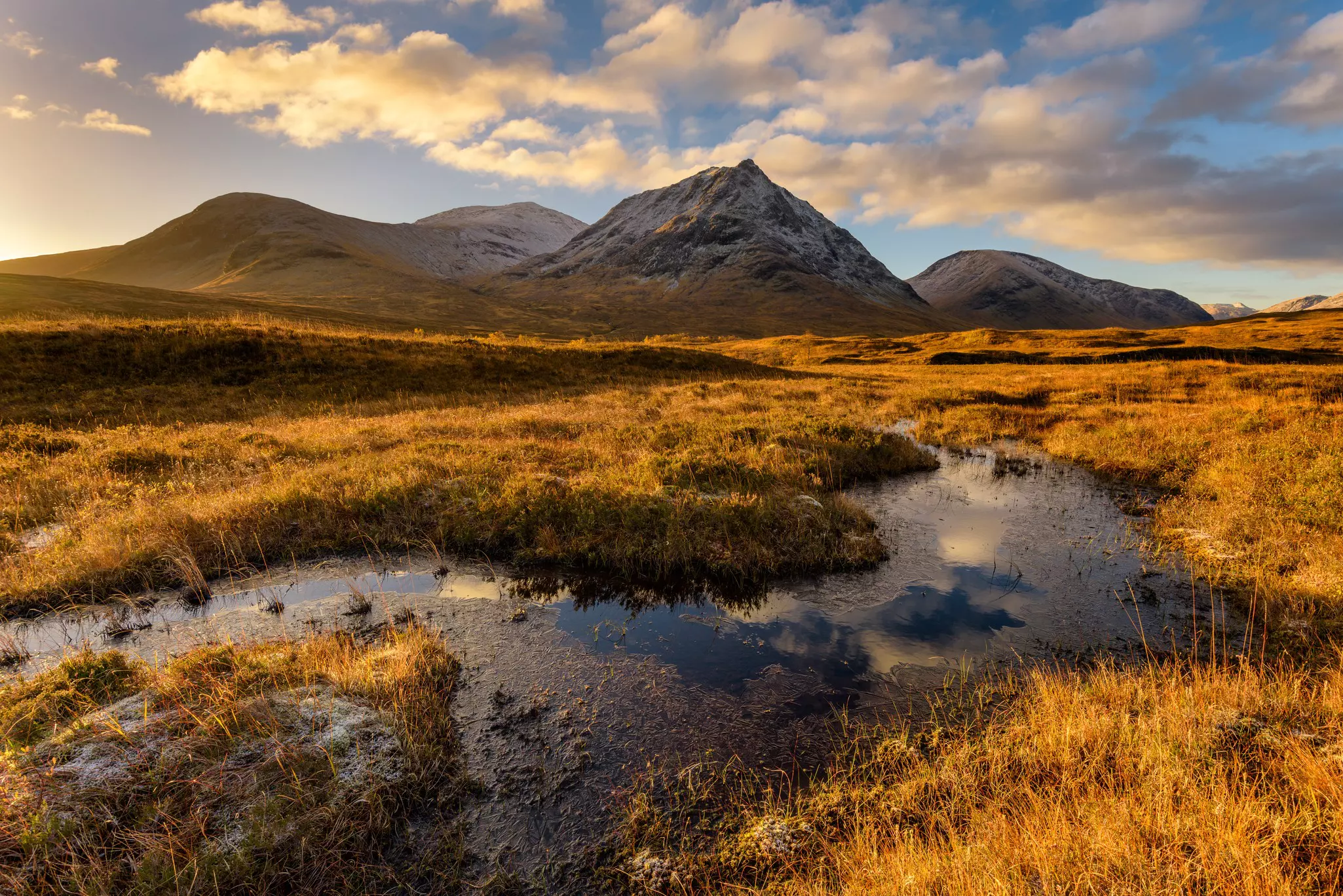
Whether you explore on foot, by rail, or on a thrilling road trip, expect breathtaking views in every direction in the Scottish Highlands. From the regal charm of Royal Deeside to the brooding majesty of Glen Coe and the mysterious waters of sweeping Loch Ness, these are landscapes that inspire awe.
The region is scattered with romantic castles – some intact, some evocatively ruined – and the hiking is glorious. Add in the Highland hospitality found in classic rural pubs and romantic country hotels, and you're guaranteed to forge lasting memories in this unforgettable corner of Scotland.
Planning tip: Classic hikes abound in the highlands; try the week-long West Highland Way walk, starting near Glasgow, which weaves northwest between lochs and glens to Fort William. The trail is busiest in summer, but most enjoyable in spring and fall.
Best for mountain scenery
The stirring ramparts of the Swiss Alps grace chocolate bar wrappers and muesli packets, but nothing prepares you for the magic of seeing these mountains in the flesh. The most famous summit, the Matterhorn, is a mesmerizing wedge of rock and ice that looms above the timber-chalet-filled village of Zermatt.
Gaze at it from a tranquil cafe, hike in its shadow along the tangle of alpine paths above town with cowbells clinking in the distance, or pause on a ski slope and admire its craggy, chiseled outline. If you're planning on skiing, the slopes are open year-round at Matterhorn Ski Paradise.
Planning tip: From Zermatt, a chain of cable cars can whisk you up to Matterhorn Glacier Paradise, Europe's highest mountain station at 3883m.
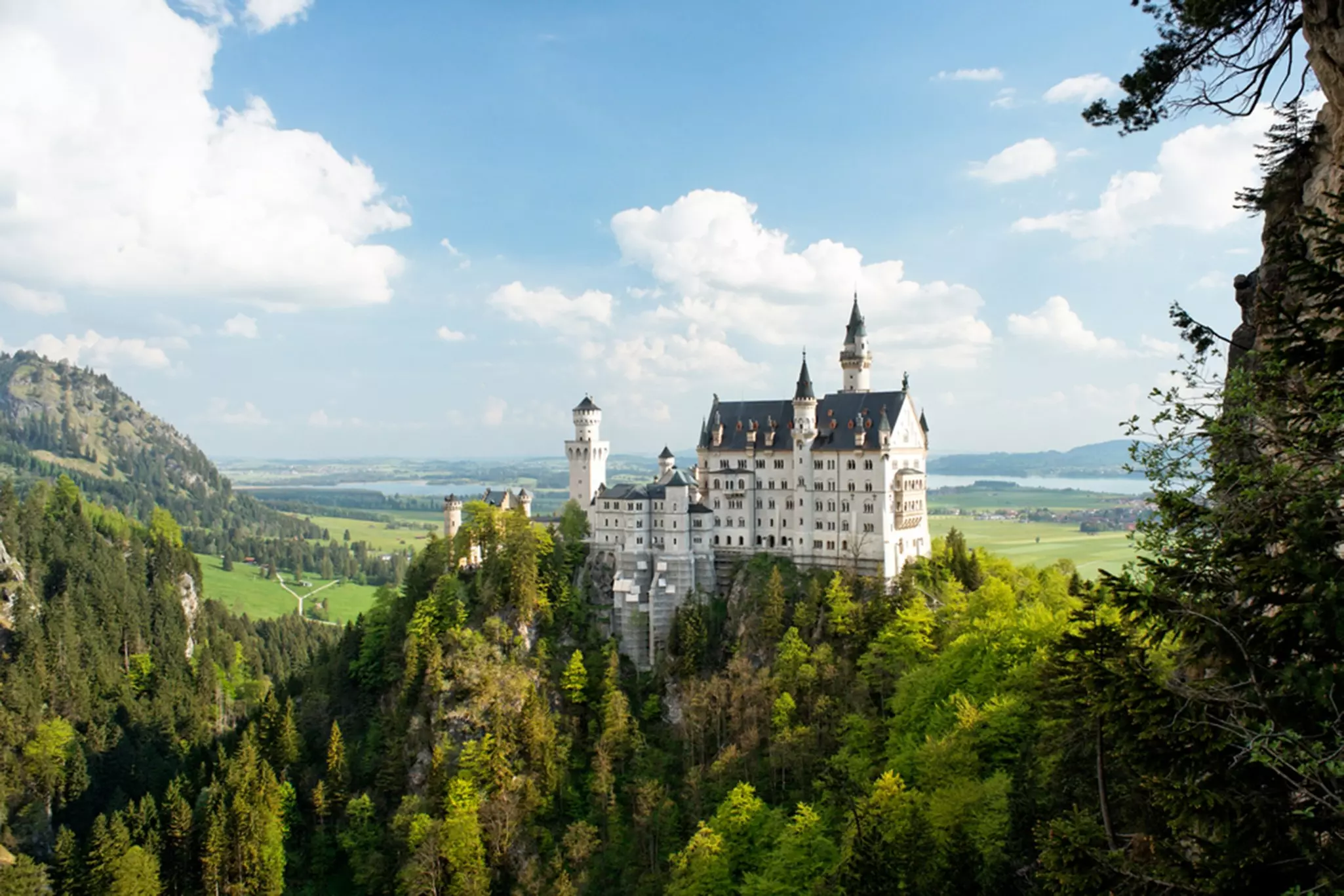
Best for a fairy-tale setting
Rising from Alpine foothills in the heart of Bavaria in southeastern Germany, the 19th-century Schloss Neuschwanstein seems to spring from a child’s dream. Its pencil-thin turrets, vertiginous walls and glorious setting make it one of Europe’s most recognizable landmarks – indeed, it was the prototype for the castle in Disney's Cinderella.
Rising near Füssen, the castle is at the southern end of Germany's Romantic Road, making it the perfect stop on a beautiful German road trip. Alternatively, you can travel to Schloss Neuschwanstein from Munich by train, disembarking at Hohenschwangau. If you don't mind the chill, winter snow adds an extra magic to the scene.
Planning tip: Combine a trip to Schloss Neuschwanstein with a hike around the Alpsee and Scwansee lakes and a visit to nearby Schloss Hohenschwangau, another classic Bavarian castle.
Best for kids
Wherever you make landfall in the Greek Islands, kids will get a warm welcome, with plenty to keep families amused, from lovely beaches to water parks and child-friendly menus. Whether you crave beaches, warm seas, history or just scenic landscapes to stroll through, it's easy to find your own island in the sun. Read up on Greek legends before you come to set the scene!
It's fair to say that popular islands such as Santorini and Mykonos have suffered under the weight of overtourism, but there are plenty of islands to explore that offer more off-the-beaten-path experiences. Try exploring the lush Ionian Islands or the far-flung Dodecanese.
Planning tip: Some islands are louder and livelier than others, so take time to plan an island-hopping adventure that feels right for you. Even the party spots have a calmer feel outside of the summer peak season.
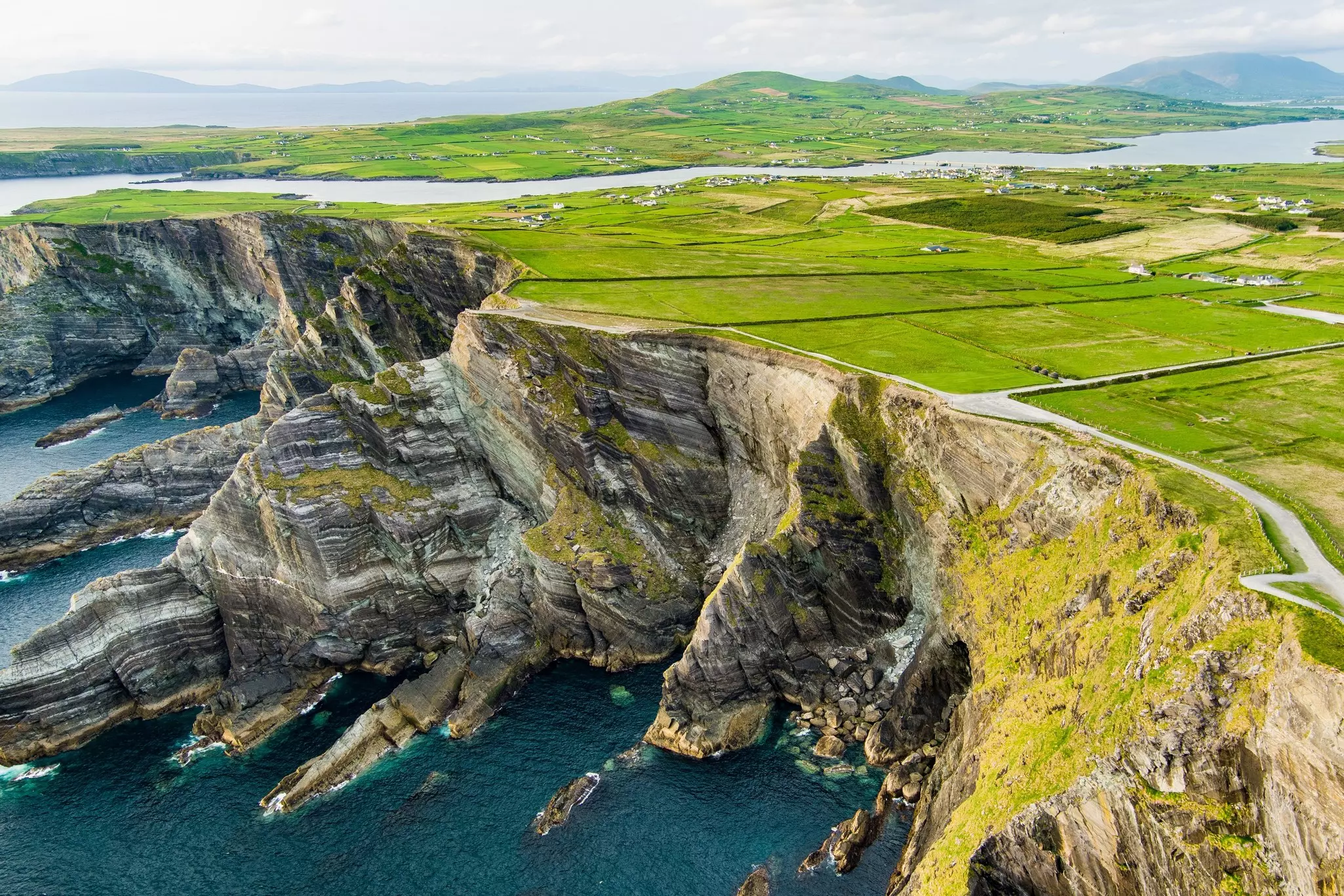
Best for wild landscapes
There’s nowhere quite like Ireland – and even within Ireland, there's nowhere quite like the Ring of Kerry. This 179km driving route around the Iveragh Peninsula captures all the most beguiling elements of the Republic of Ireland on one memorable circuit.
Wild and craggy landscapes frame isolated beaches, evocative ruined fortresses stand sentinel over wave-tossed Atlantic seas, and windswept mountains watch over villages and islands that could be nowhere else on earth but Ireland. The route is best driven over 2 to 3 days; come in May or September for less company on the roads.
Detour: The driving route takes you close to Ireland’s highest mountain, Carrauntoohil; add an extra day to your itinerary to hike to the top via the Devil’s Ladder path.
Best for a summer trip
Yes, the capital of Czechia (formerly the Czech Republic) gets busy in summertime, but this is the best time to enjoy Prague's delightful outdoor beer gardens, and you can always take a day trip out of town to escape the throngs of visitors. The shoulder season months of May and September are a good compromise – less busy, but still good for outdoor fun.
For all its modern verve, some parts of central Prague have hardly changed since medieval times – cobbled cul-de-sacs twist and turn, framed by teetering townhouses, baroque buildings and graceful bridges. If castles are your thing, Prague has an absolute beauty: a 1000-year-old fortress celebrated as the world’s largest ancient castle complex.
The Old Town of Staré Město is where you’ll find many of Prague’s quintessential attractions, but you’ll be rewarded for exploring other intriguing neighborhoods, where you’ll find a quieter mood and many of the city's best restaurants.
Planning tip: If you're drawn by the beer gardens, Letná Park on the west side of the Vltava River has some of the best; just bring an umbrella in case of summer showers.
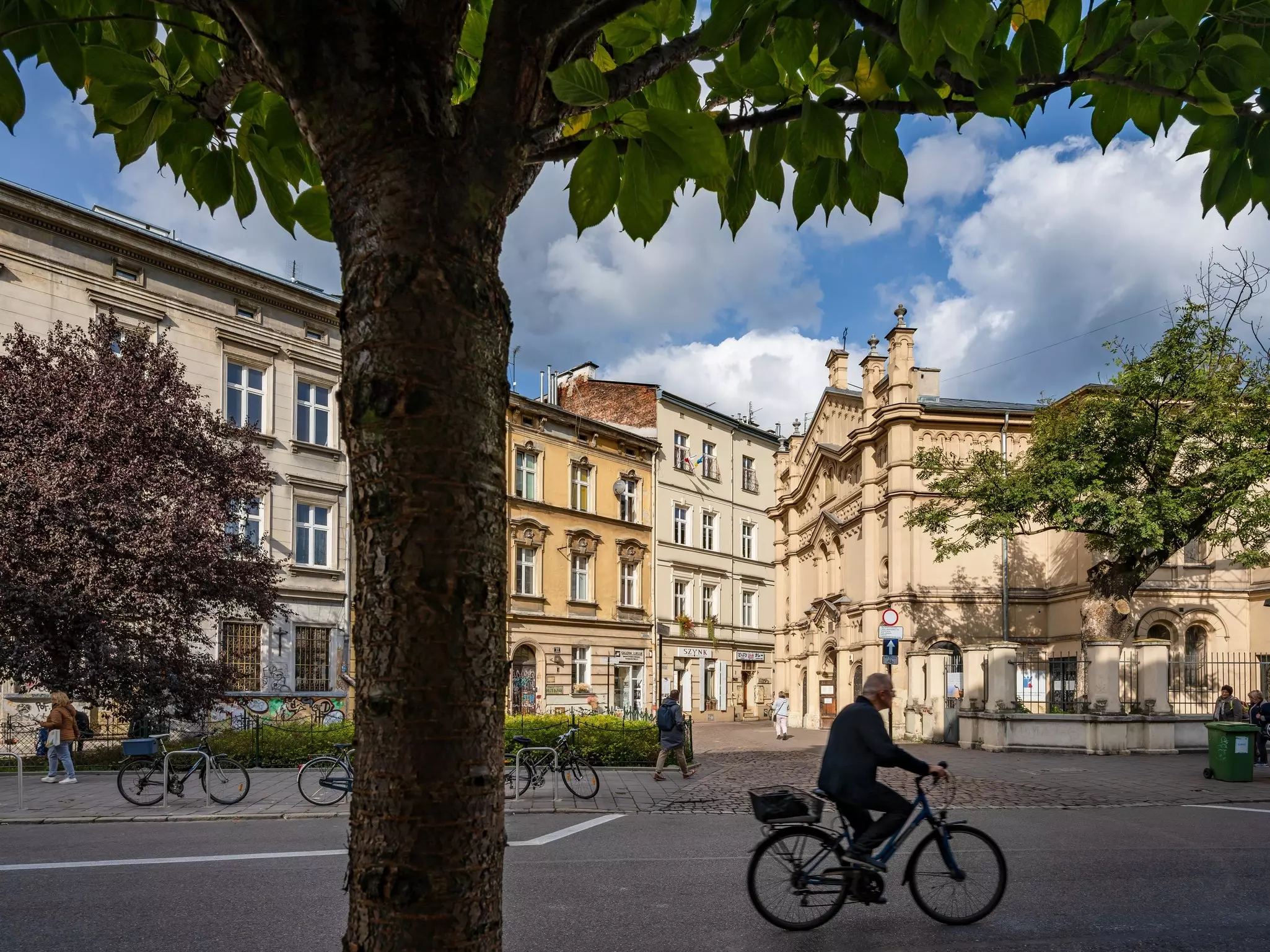
Best for a cocktail of old and new
Kraków is the most quintessentially Polish of cities, a city steeped in legends of dragons and kings. Where else will you find a fairy-tale castle, Europe’s largest medieval market square and Jagiellonian University – one of Europe’s oldest centers of learning – sitting alongside multiple museums and galleries displaying priceless art and artifacts?
All of the great architectural styles – Romanesque, Gothic, Renaissance, baroque and art nouveau – are represented here, thanks to Kraków surviving WWII largely intact. Complementing all this is the world’s highest density of bars and clubs, cuisines spanning the globe, cellar bars playing live jazz and serving ice-cold vodka and beer gardens pouring local brews. A party spirit fills Kraków all year round.
Planning tip: For a sobering introduction to Europe's darker history, take a day trip to the Auschwitz-Birkenau Memorial, about 70km west.
Best for contemporary style
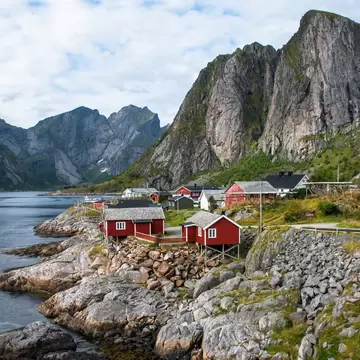
Oslo is doing everything it can to claim the prize as Europe’s capital of contemporary style, despite facing strong competition from nearby Copenhagen and other Nordic hubs. Oslo's angular Opera House evokes an iceberg in a fjord, public art is a national pastime, and the city’s extraordinary museums span the Viking age to Norway's modern state of contented enlightenment.
Oslo is a city to appreciate for its many merits, not merely a stopover on the road to the fjords. On the other hand, you can get a taste of Norway's watery wonders on the Oslo Fjord – a broad inlet, rather than a steep-sided glacial fjord – which can be reached easily from the city center on a boat tour year-round.
Planning tip: Oslo is famously expensive, but with some planning, you can see more for less. Start by making use of the city's public transportation system; pocket-friendly all-day tickets are valid on trains, buses, trams and ferries.
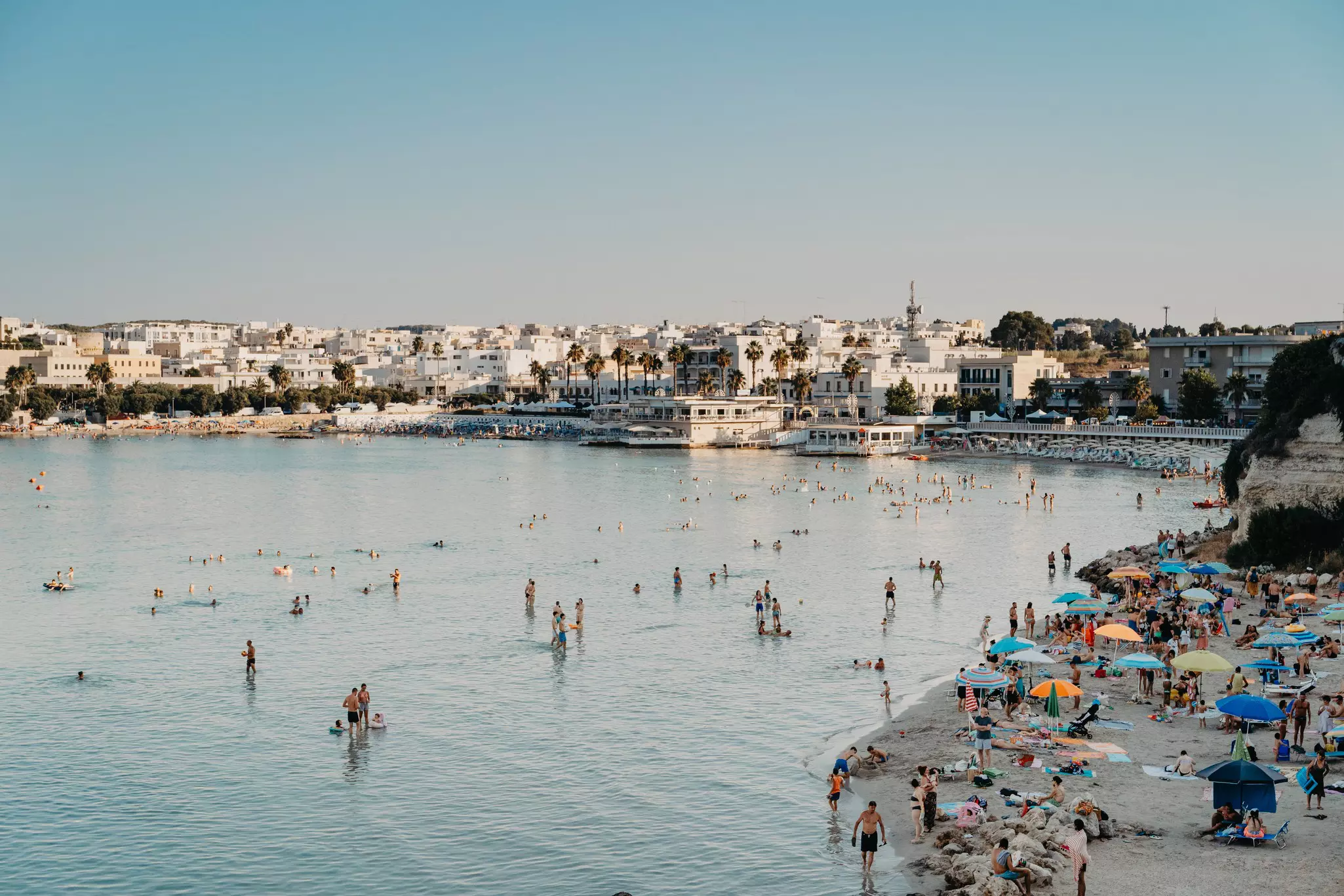
Europe is a big place, spanning many different kinds of terrain – the best time to visit will vary based on the countries you want to see, the activities you want to enjoy. and your tolerance for heat, cold, and crowds.
Some countries and cities are popular year-round (Rome, for example). For any must-see attractions, theater shows, festivals, or top dining experiences, it's best to prebook as soon as you know your travel dates to avoid disappointment, no matter what the season.
Don't miss: Scottish Highlands, Scandinavia road trips, island hopping in the Mediterranean
July and August are undoubtedly the busiest months in Europe, particularly in the most visited countries such as France, Italy, Spain and Greece. However, cities like Paris and Rome can empty in August as locals leave on their own summer vacations. In recent years, some Mediterranean regions have faced extreme heat and wildfires in the summer months, with popular attractions such as the Acropolis in Athens closing in the middle of the day due to dangerously high temperatures. Summer can be a great time to visit some of Europe’s cooler, northern regions, such as Scandinavia, where long days and warm temperatures make this a great time for outdoor pursuits.
Don't miss: Festes de la Mercè (Spain), Halloween/Samhain (Ireland), Guy Fawkes (England)
In early autumn, it’s a good time to soak up the end of summer – without the crowds – in Italy, Greece and the French Riviera as families return home for the new school year. September and October also bring harvest festivals to wine regions, foraging in forests and road trips livened up by dramatic fall foliage. Weather can be unpredictable, though, and even cold in northern Europe. There are plenty of festivals and events across Europe – from Oktoberfest in Germany to Mabon in Ireland and Halloween and Guy Fawkes Night in the UK – to mark the march toward longer nights.
Don't miss: Skiing in the Alps, Lapland, Christmas markets
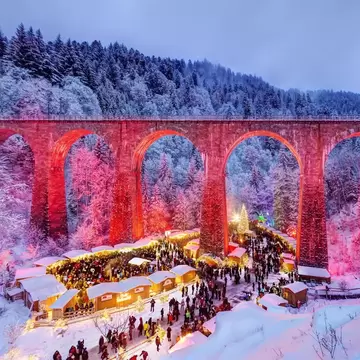
Despite freezing temperatures, this is a magical time to visit Europe, with Christmas decorations brightening the dark streets. During the winter months, ski resorts throughout the Alps and other European mountain ranges flood with alpine enthusiasts. Shoppers crowd Christmas markets in major cities. For a dose of winter sun, many European travelers look to sun-warmed islands in the south, such as the Balearics, the Canaries and Malta.
Don't miss: The Netherlands for tulips, Andalusian festivals, Orthodox Easter
Spring arrives with a burst of color, from the glorious bulb fields of Holland to the blooming orchards of Spain. On the most southern beaches, it’s time to shake the sand out of the umbrellas. Spring is the perfect time to visit Europe, but school holidays and Easter vacations can bring crowds and some disruptions. On the whole, the crowds and prices are smaller than in the height of summer.
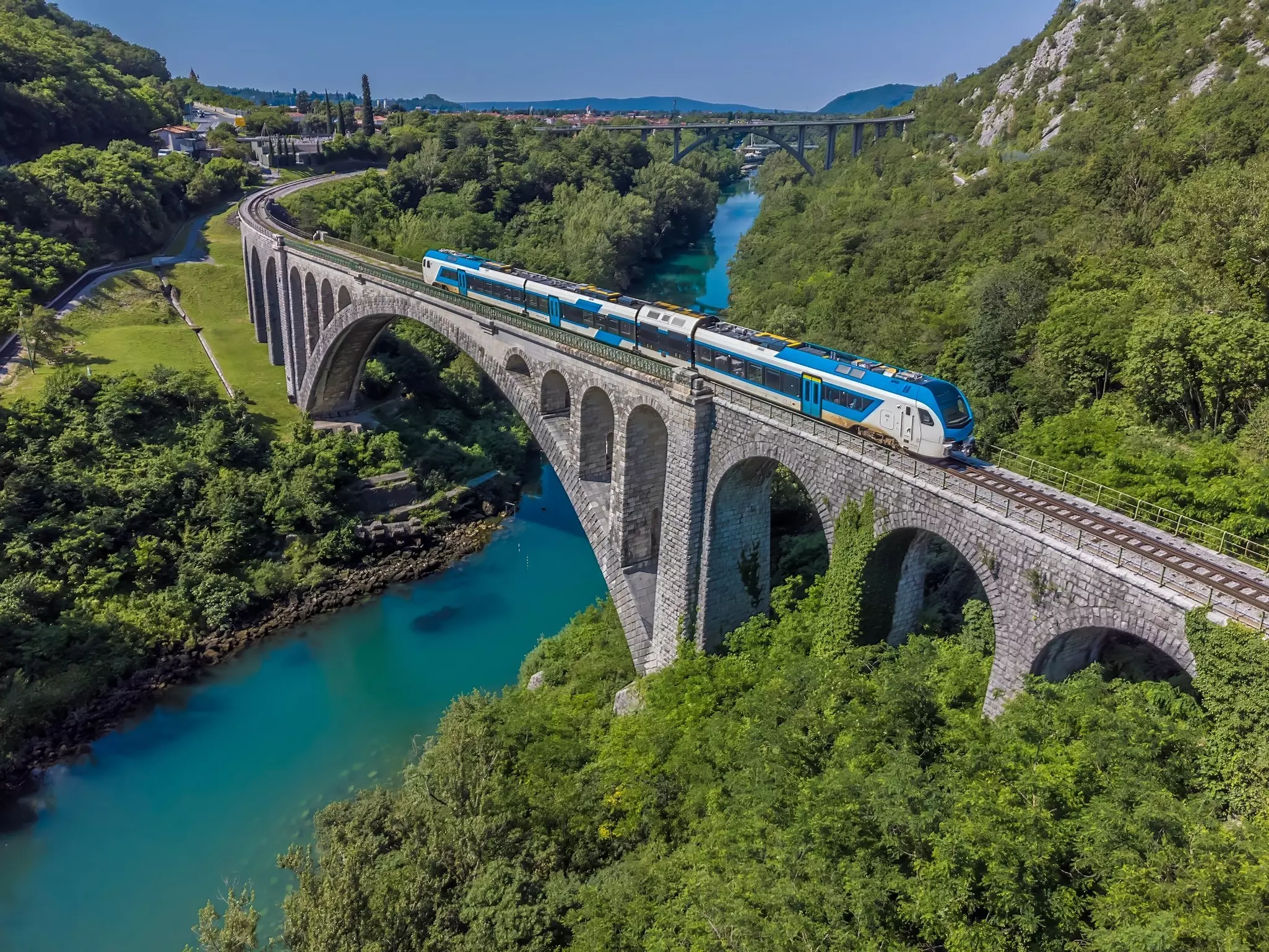
With its many land borders, Europe was made for country-hopping – just ask the generations of backpackers and Interrailers who have meandered across it by road, rail and bicycle.
Non-EU travelers with a Schengen Visa will be able to visit multiple European nations, but only for a maximum of 90 days within any 180-day period. You must be traveling as a tourist and have at least six months' validity left on your passport. If you're lucky enough to have a passport from a European Union country, you can travel freely across Europe with few restrictions.
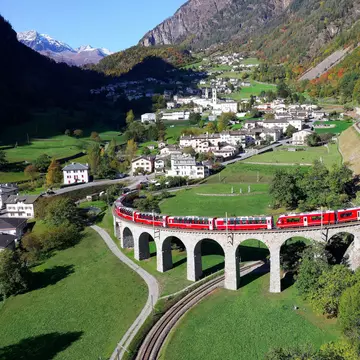
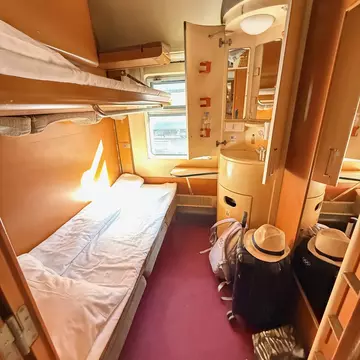
Continental Europe is well-connected by rail, and a resurgence of night trains is making it even easier to get around without the carbon footprint of flying. Travelers can also take the Eurostar train from continental Europe to Britain, which is much less hassle than traveling by plane. How much of Europe you can see in one trip comes down to how much time you have and how packed you want your itinerary to be.
To learn more about the many amazing destinations in Europe, check out our expert-written Europe guidebooks.
Explore related stories