Sep 27, 202627 min read
The Best Budget Destinations in Europe Sep 17, 2026
18 MIN READ
Contributors
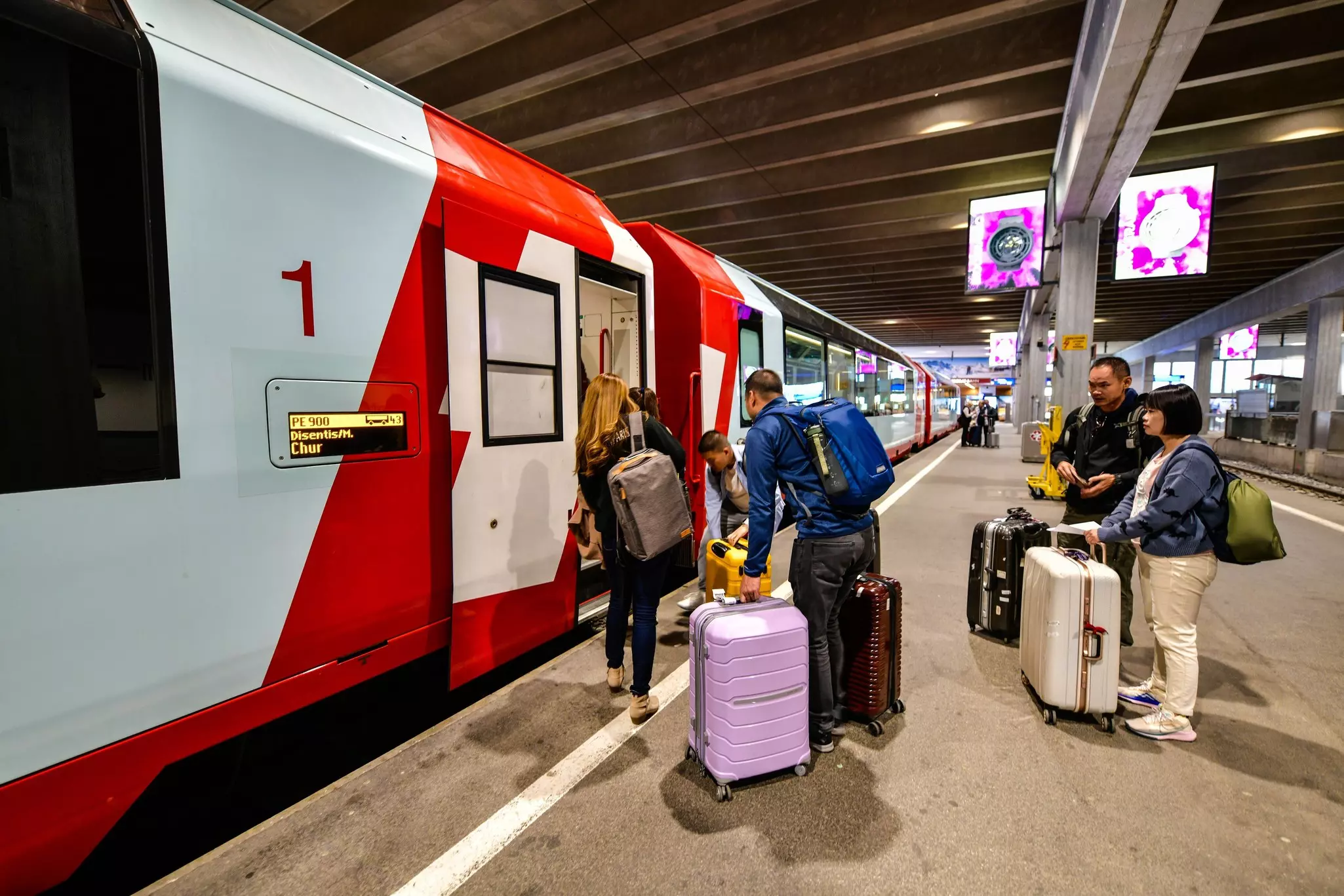
Boarding the Glacier Express train from Zermatt to St Moritz in Switzerland. i viewfinder/Shutterstock
Contributors

Joe Bindloss, Gavin Haines
Lonely Planet may earn a commission from affiliate links on our site. All recommendations and reviews reflect our own independent opinions.
Using an Interrail Pass to explore Europe by train has been a rite of passage for travelers since the 1970s, back when parts of Europe sat behind the Iron Curtain and ABBA topped the charts. Much has changed since then, but the Interrail Pass endures as the ultimate ticket to ride for people setting off to discover this richly varied continent.
Part of the appeal comes from the excellent value offered by the Interrail Pass. Costing not much more than a same-day train ticket from Paris to Frankfurt, the cheapest multi-country pass for young people allows 4 days of unlimited train travel across 33 European countries over one calendar month, while the longest pass covers 3 months of daily train travel, allowing train lovers to make full use of the maximum stay in Europe permitted under Schengen Visa rules.
With Europe's excellent, interconnected rail networks, a single day of travel could take you from London to Prague, or Stockholm to Berlin, while a month of Interrailing could transport you from Norway's Arctic coast to the sunny shores of the Mediterranean in Türkiye, and back to the Atlantic beaches of France and Portugal.
Hearing the call of the rails? Discover more with our guide to using the Interrail Pass for a railway adventure around the continent.

Put simply, the Interrail Pass is a ticket that allows travelers to roam the continent by train (and also on some ferries), taking unlimited train rides on a fixed number of days. Until 2026, the program was split into the Interrail Pass, valid for permanent residents of the 33 countries included in the program, and the Eurail Pass, valid for non-Europeans, but today, everyone is covered by the Interrail Pass.
Interrail's Global Pass is valid for travel to more than 40,000 destinations in 33 European countries, while the One Country Pass is valid for a single nation of your choosing. Travel using the One Country Pass is based on the "flexi" model, where you have a fixed number of "travel days" that you can make use of at any time during the validity of the pass. Global Passes can be either "flexi" or "continuous," allowing you to travel by train on every day of your trip.
The Interrail Pass was originally a physical paper ticket, and it is still possible to order a paper pass on which you must enter your dates and routes of travel. However, while there's a certain nostalgic charm to navigating Europe by rail using a physical document, many travelers prefer to use the mobile pass – a digital version of the pass for smartphones, which you can view through the Interrail Rail Planner app.
The Interrail website has a handy guide to help you determine which pass is best for you, but if you're looking to move quickly and visit lots of countries across a broad area, or travel long distances across the continent, the continuous version of the Global Pass is the obvious choice.
If you intend to spend longer in each destination, or plan to visit a smaller group of countries, the flexi version of the Global Pass may be better value. Always map out your trip to see how many days you will actually need to use the trains for – on a 2-week trip to Paris, Madrid and Berlin, for example, you might spend the bulk of your time in the cities, taking only a few "travel days" to transit between them.
Travelers looking to explore one destination in detail should opt for a One Country Pass, covering travel around a single country for up to a month. However, note that you can't use the One Country Pass to travel around your own country of residence – except for a single rail journey in and out.
Interrail Passes are locked into a certain class of travel. You can choose between second class – the standard class of travel on most European trains – or opt for a more expensive first class pass, which allows you to travel in less-crowded first class carriages with more comfortable seating, and sometimes complimentary drinks and a snack service.
When traveling on ferries, the second class version of the pass typically covers a seat on deck or in the main passenger compartment. With a first-class Interrail Pass, you may have access to superior seating, but you will still have to pay a surcharge for a cabin on most routes.
The Interrail Global Pass is valid on participating train networks in 33 countries, including the countries of the EU and the European Economic Area (EEA). The full list comprises Austria, Belgium, Bosnia-Herzegovina, Bulgaria, Croatia, Czechia, Denmark, Estonia, Finland, France, Germany, Greece, Hungary, Ireland, Italy, Latvia, Lithuania, Luxembourg, Montenegro, Netherlands, North Macedonia, Norway, Poland, Portugal, Romania, Serbia, Slovakia, Slovenia, Spain, Sweden, Switzerland, Türkiye and the UK.
Note the word "participating" – while most national rail companies are included, some countries have smaller rail companies or special routes (such as the Heathrow Express airport train in London) that are not part of the scheme. If you're set on a particular train journey, always make sure that route is included in the pass before you buy. The Interrail website has a map showing all of the available routes. Needless to say, Interrailing involves a fair amount of route planning to get the best from the pass and your available days of travel.

Interrail Passes are divided into discounted youth passes for people aged 12–28, adult passes for travelers aged 28–59, and discounted senior passes for people aged over 60. Children aged 4–11 can get a free pass when traveling with an adult who has a pass; kids under 4 can travel by train for free throughout Europe without a pass.
The cost of an Interrail Pass depends on the class of travel, your age, whether you plan to visit just one country or multiple countries, and the type of pass you buy, but the cost is the same whether you choose the paper version or the digital version.
If you are visiting more than one country, a Global Pass is usually the best choice. For adult travelers aged 28 to 59, the cheapest option is the flexi pass for second-class travel; in 2026, the price ranged from 283 euros (€) for 4 days of train travel in 1 month, up to €553 for 15 days of travel over 2 months. On top of this, there may be reservation fees and other charges that are not included in the cost of the pass.
You can also buy a continuous Global Pass, covering from 15 days of travel (€476 in 2026) up to 3 months of travel (€956). This pass allows unlimited train travel for every day that the pass is valid. Travelers aged 12 to 27 get a 25% discount on the adult fare, and seniors (aged 60 or over) get a 10% discount on the adult fare.
The price for a One Country Pass depends on the country you are visiting, as well as the duration of the pass, your age and the class of travel. One Country Passes are only available on a flexi basis, allowing a fixed number of days of travel within a longer period; the cheapest option is usually a 3-days-in-1-month flexi pass. See the Interrail website for a full list of prices in your home currency.
The easiest way to buy an Interrail Pass is via the Interrail website, where you'll also find extensive advice on types of pass, routes and sample itineraries. You can also buy the pass through third-party train booking sites such as Rail Europe and the UK's Trainline, but the baseline price is usually the same, whoever you buy your pass from.
To save on the cost of an Interrail Pass, look out for details of annual sales on the Interrail website; there's usually a summer sale with reasonable discounts from June to July.
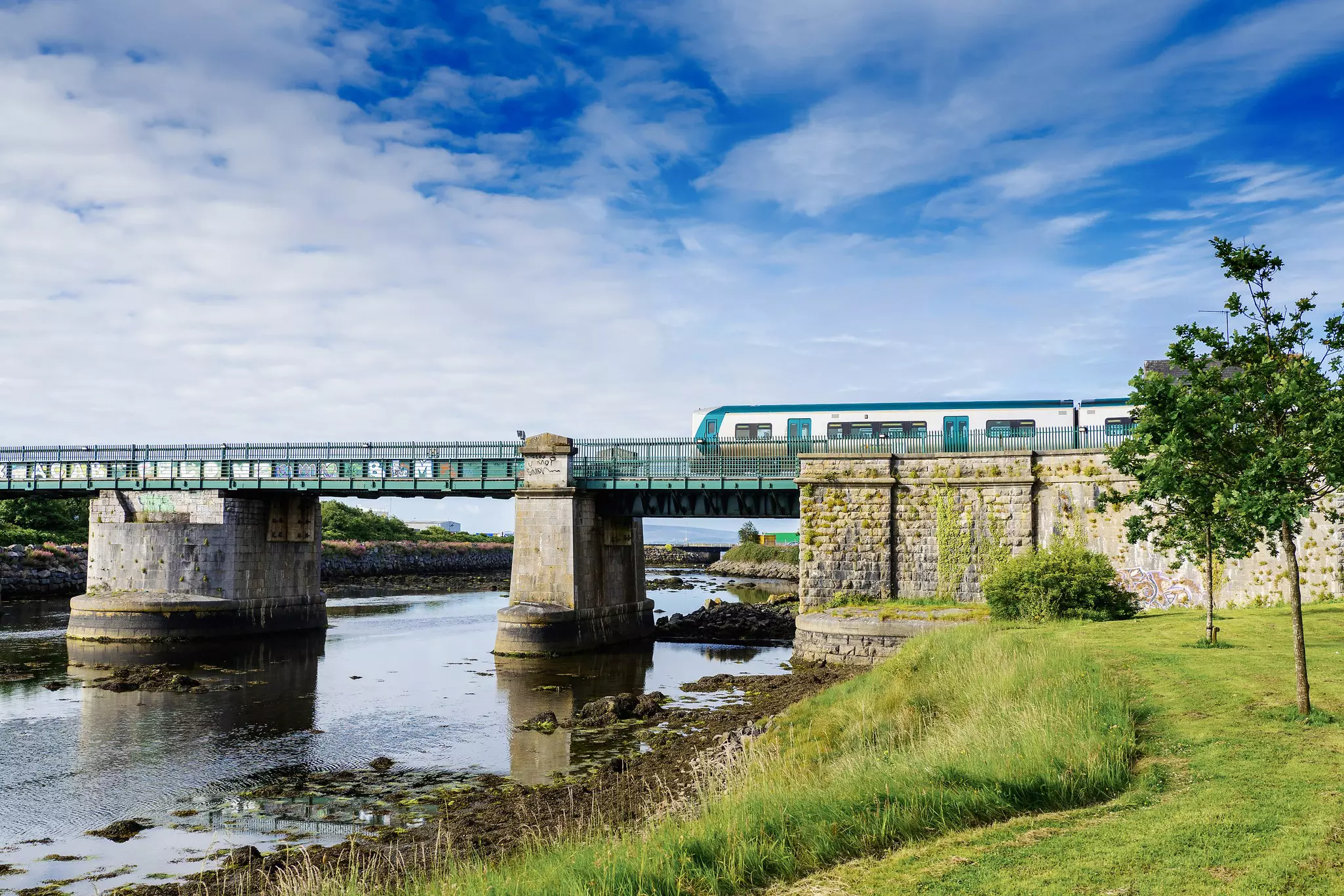
While the Interrail Pass offers significant savings if you are making lots of rail journeys, or want the freedom to travel impulsively and make lots of detours, if you only plan to make a handful of train trips, you might be better off buying individual advance tickets (usually much cheaper than tickets for on-the-day travel).
"For one or two long-distance train rides that can be booked using cheap advance-purchase fares, or for a few inexpensive short hops on regional trains, stick with point-to-point tickets," advises rail expert Mark Smith from The Man in Seat 61 website. "But for longer distance journeys over 4 or more days, always consider buying an Interrail Pass."
Of course, value for money is only part of the equation. The big advantage of the Interrail Pass is the freedom it gives you to travel across Europe as the fancy takes you. "It's not just about price, it's about flexibility," Mark Smith agrees. "The freedom to wake up in the morning and say ‘where shall we go today?’ And the knowledge that if the worst happens and a flood, landslide or national strike upsets your plans, with an Interrail Pass you can simply re-plan, re-schedule or re-route around the problem."
It's a sentiment echoed by Lonely Planet's Vice President, Tom Hall. "An Interrail Pass is a wonderful passport to the great adventure of traveling by train in Europe," he explains. "As well as covering your fare in many cases, it opens up the entire continent, gives discounts on all kinds of other transport and attractions, and will put you in a community of like-minded travelers. Making and breaking plans is all part of the fun – you really can go where the whim and the rails take you."
While the travel that it enables can be wonderfully liberating, the process of using your Interrail Pass (and getting the best from it) can take some planning, and you'll need to be quite organized about keeping track of where you are going and when. Here are some of the common questions people have about the scheme.
For permanent residents of participating European countries, Interrail Passes can be used for a day of outbound and a day of inbound travel, covering you for travel to and from an international border on your home country's rail network. Beyond this, you can't use an Interrail Pass to travel in your home country. If you reside anywhere else in the world, this doesn't apply, as you'll be outside of your home country for the full duration of the pass.
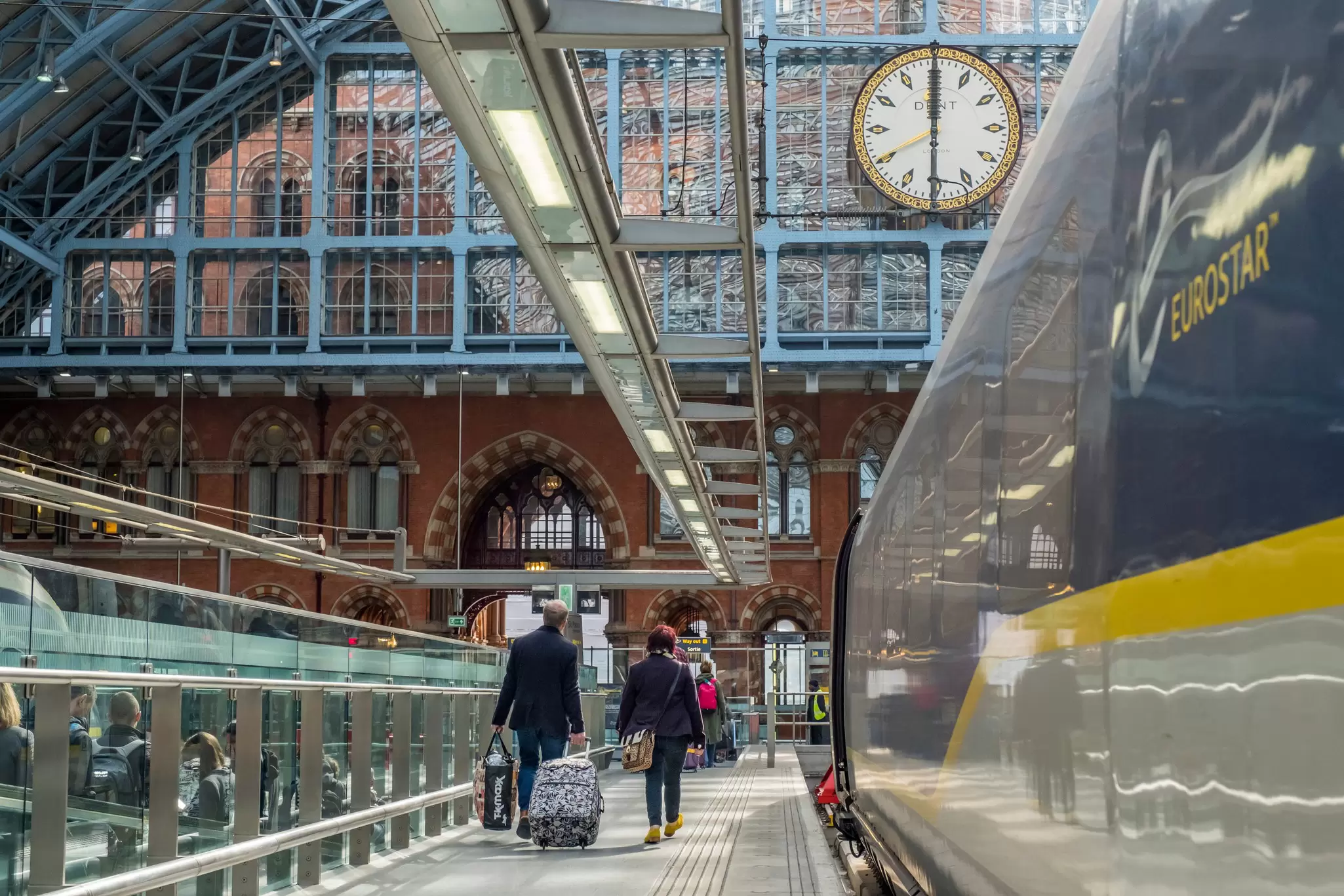
The UK is divided from mainland Europe by the English Channel, but the high-speed Eurostar train provides fast and convenient transfers across the divide via the Channel Tunnel. Interrail Passes cover travel on the Eurostar between London and Paris, Brussels or Amsterdam, but you'll need to make a reservation for the crossing, for an extra charge. With the popularity of this route, it's wise to make reservations far in advance.
"When you buy your Eurostar Interrail passholder fare, load your booking into the Eurostar app on your phone," advises Mark Smith. "Once in the app, you can view and change your seat and change your departure date or time if you need to, just as easily as managing a regular full-price Eurostar ticket."
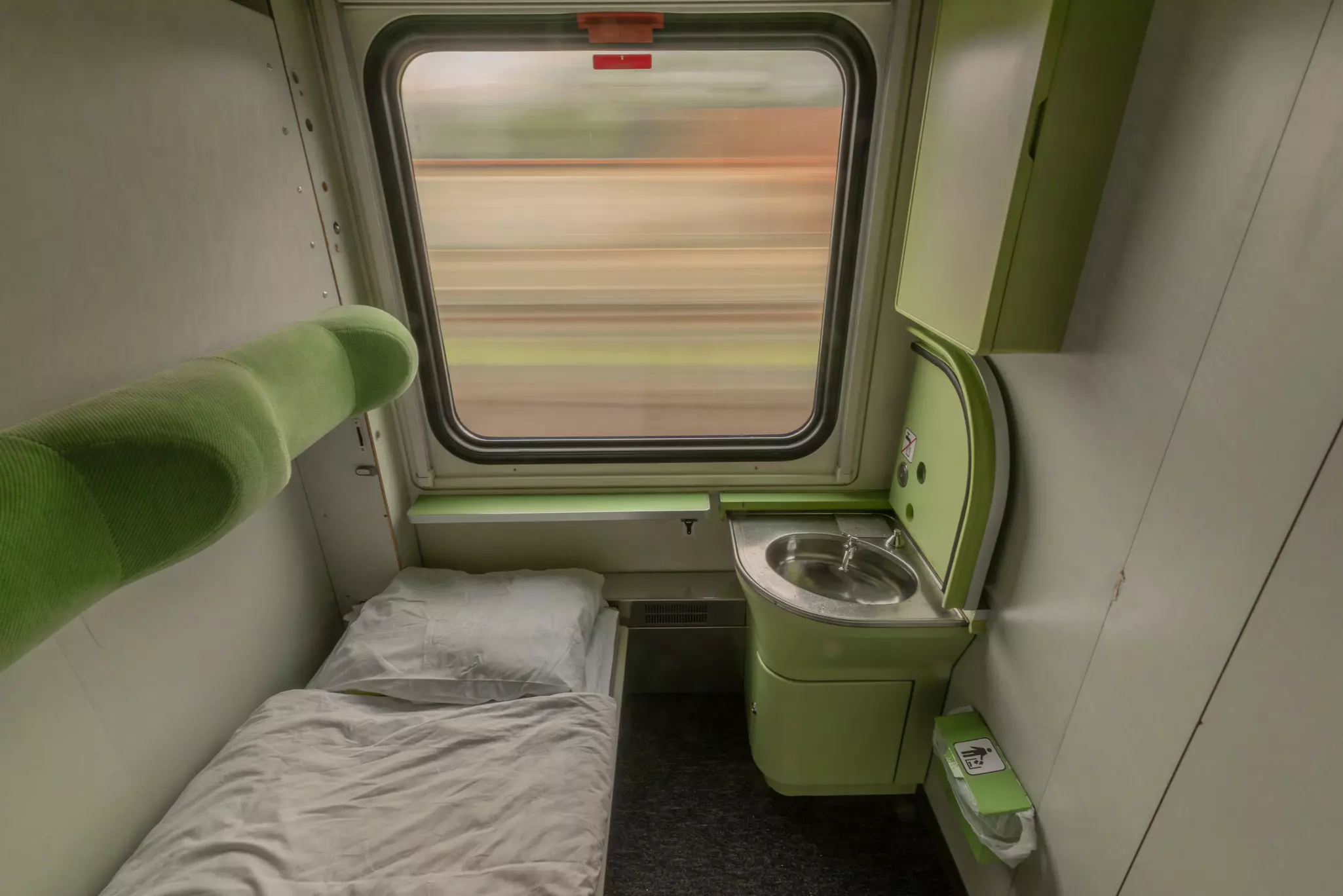
The Interrail Pass covers many of the most popular sleeper train journeys in Europe, but you usually need to make a reservation. This may be free for a standard seat but there is usually an additional fee for a berth for the night. The Interrail website has extensive information on the best overnight train journeys around the continent.
Traveling overnight will allow you to cover long distances without eating into your sightseeing time, as well as saving you the cost of a night's accommodation, but night trains often get booked up far in advance, so it's essential to plan ahead.
Note that the Interrail Pass can only be used for travel until 11:59pm on the final day that your pass is valid, so you can't take a night train that arrives after this time. If you need to take a train journey that continues beyond the period of validity, you'll need to buy a regular ticket at the normal price.
When using the Interrail Pass, a "day" of travel means as many train journeys as you can fit in between midnight and 11:59pm on the same calendar day. This includes overnight train journeys that continue into the following day, so long as you don't change trains after the 11:59pm cut-off. This means you can fit in a surprising amount of travel into each day of your Interrail Pass, even if you change trains multiple times.
The Interrail Pass can be used for rail journeys that do not require a reservation, such as regional services within a single country. This can be very handy for spontaneous side trips or if you decide to change your plans – for example, if your train is canceled or replaced by a bus service that you'd prefer to avoid. Interrail even has a guide to fun reservation-free trips around Europe.
However, for many trips, including high-speed, international and overnight trains, you'll need to make a reservation, and this will often cost extra, even if you have an Interrail Pass. On many regional trains, the cost for reserving a seat is moderate (or it may be free), but reservation fees tend to be more expensive for international trains such as the Eurostar linking the UK and mainland Europe.
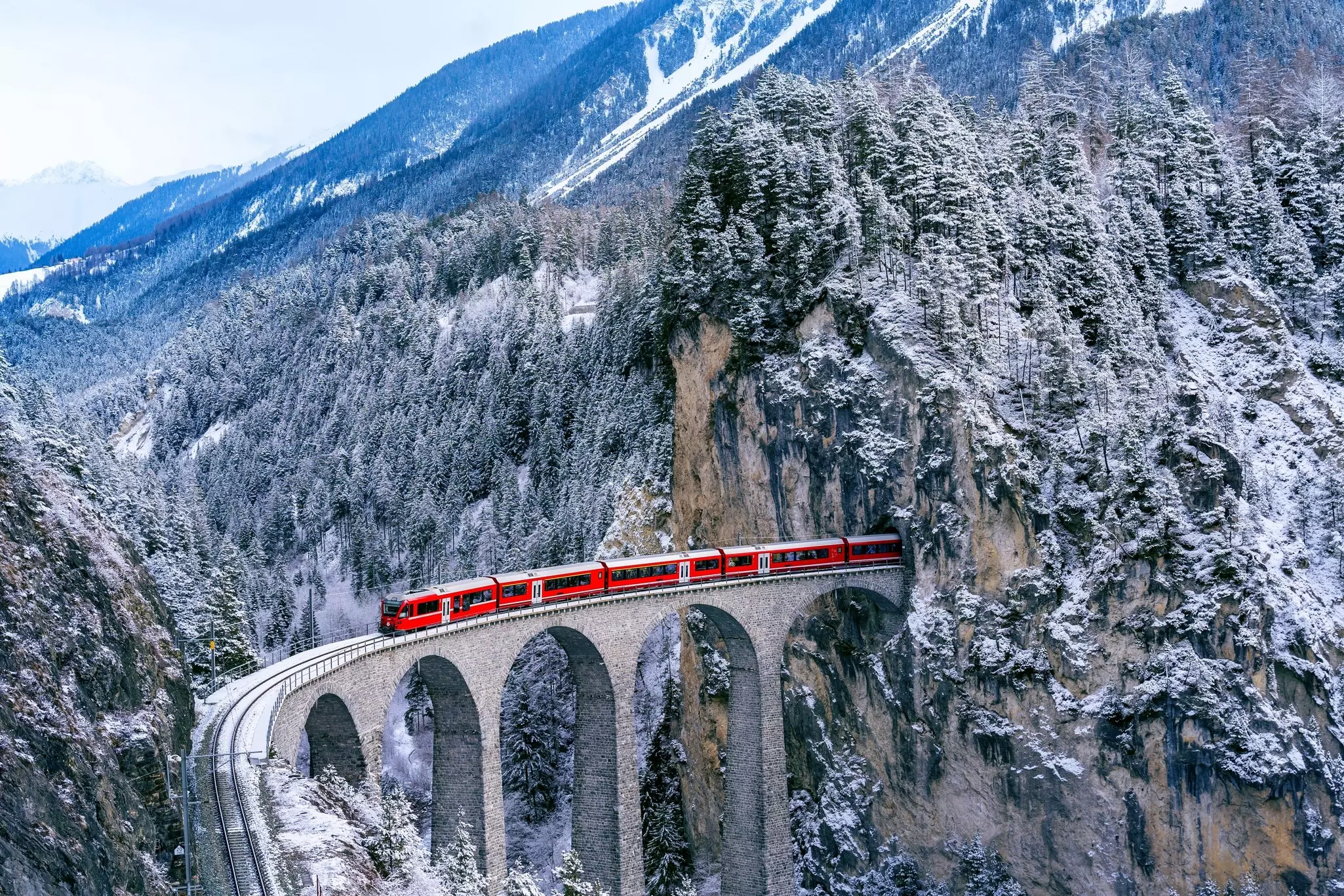
You'll also need a reservation to enjoy some of Europe's most scenic rail journeys, such as the Bernina Express, linking Switzerland and Italy, or Sweden's Inlandsbanan train, linking Kristinehamn to Gällivare in the Arctic Circle.
To guarantee a seat at busy times, you may want to reserve a seat for any long-distance journeys – on trains in the UK, for example, there are often more passengers than available seats. For international routes and sleeper services, there is routinely more demand than availability, so you should make reservations well in advance.
You can make train reservations on the Interrail website, and view your bookings using the well-designed and user-friendly Interrail Rail Planner app, which also functions as a handy portable train timetable for trains in Europe.
The app lets you generate a QR code covering all the train trips for each of your travel days. You can show this to conductors in place of a physical ticket, and use it to pass through train station barriers (though you may have to show it to staff as the codes don't always work with automatic barriers).
It is also possible to make bookings directly through train operators, selecting the option for Interrail Pass holders, or in person at train stations, showing your pass when you book. The Man in Seat 61 website has a handy country-by-country guide to booking trains with an Interrail Pass.
You'll also need to make reservations for most ferry crossings directly with the ferry companies, indicating that you have an Interrail Pass when you book. This doesn't apply to ferry crossings that are considered to be part of a train journey, such as the long-distance train route between the Italian mainland and Sicily.

When traveling across Europe, there are many occasions where you may need to take a ferry, such as when crossing the English Channel or transiting between islands and the European mainland. The Interrail Pass allows free or discounted travel on participating ferry lines on certain routes, though you'll usually need to book through the ferry company website.
For example, the pass covers free travel on some ferry routes between Italy and Greece, and savings of 20–30% on ferry crossings between the UK and France, the Netherlands and Ireland. See the Interrail website for a full list of participating ferry companies and routes.
The pass also covers free travel or discounts on some inland ferry routes, including scenic trips across several Swiss lakes. Note that ferry travel only counts as using a "day" of your Interrail Pass if the fare is completely covered by the pass. There's also a special Greek Islands Pass, allowing travel on ferries between Greek Islands for a fixed number of travel days.
Interrail ferry bookings typically cover only the standard class of travel, which usually translates to an economy seat. There are extra charges if you want a cabin or to travel in a superior class. Also be aware that even for crossings covered by the pass, you may still have to pay port taxes, fuel surcharges and high-season supplements.
Your pass only becomes valid for travel once it is activated, and this must be done within 11 months of the date of purchase. This starts the clock ticking on the period the pass is valid for – for example, if you have a 1-month pass, it will expire one calendar month after the date of activation.
The easiest way to activate your pass is by using the digital version of the pass and the Rail Planner app – the Interrail website has detailed instructions. If you have a paper version of the pass, you can pick the activation date when you order, or do this in person at a European train station before you start your first train journey. See the Interrail website for more advice.
If you have a flexi pass allowing a certain number of days of travel over a longer period, you will also need to activate your travel days by updating your rail journeys in the Rail Planner app – again, the Interrail website has a guide. If your plans change, you can also deactivate a travel day within the app before that day begins. The process is more complicated with a paper pass – see the Interrail website for instructions.

As well as free or discounted ferry travel, Interrail Pass holders can also get discounts on entry to tourist attractions, bicycle rentals, bus journeys, accommodations, and SIM cards. There's a huge list of perks for passholders on Interrail's website – use the country search engine on the Travel Deals page to find available offers.
If you've ever had to rush along a station platform dragging a heavy bag to catch a train that is about to depart, you'll already understand the benefits of packing light. While long-distance trains usually have space for larger items of luggage, either between groups of seats or at the ends of the carriages, on regional trains, the only space may be on the overhead racks, which rarely have space for big suitcases.
A backpack or a small, plane cabin-style bag on wheels can easily be placed up on the racks, and towed or carried along the platform and up and down the train aisles. If there's no space on the racks, you can also pop your bag on your lap without too much inconvenience to yourself or other passengers.
Traveling with a bulky suitcase can be exhausting – you'll have to wrestle it along cramped train aisles and haul it up and down from trains, as well as dragging it along crowded platforms and on crowded metro lines when changing stations. You may also struggle to find somewhere to put it during each journey.
One thing you will need if you have the digital version of the Interrail pass is a power bank and charger cable to keep your smartphone charged. Unless you can show your train bookings to conductors during ticket inspections, you risk being fined for traveling without a ticket.
Discover more about European rail travel with Lonely Planet's Guide to Train Travel in Europe.
Explore related stories