Sep 11, 20268 min read
How to See Barcelona by BicycleFeb 14, 2026
11 MIN READ
Contributors
Barcelona's Gothic Quarter. Blake Horn for Lonely Planet

Contributors


Lonely Planet Editors, Joan Torres
Highlights
Contributor Joan Torres guides eight Barcelona neighborhoods from golden beaches to leafy hills.
Barceloneta suits beach lovers; El Born has a 14th-century Gothic church and free galleries.
For bar-hopping, pick hip Gràcia, multicultural El Raval or Barri Gòtic's labyrinthine lanes.
Base yourself in L'Eixample for Gaudí; Sants and Sarrià-Sant Gervasi stay refreshingly local.
Lonely Planet may earn a commission from affiliate links on our site. All recommendations and reviews reflect our own independent opinions.
The enduring appeal of Barcelona comes not just from its landmark sights and experiences, but from the ease with which travelers can wander between the city's fascinating neighborhoods. While overtourism is gripping the headlines, it's possible to enjoy the Catalan capital without adding to the crowds if you know the right corners to explore.
Barcelona's golden-sand beaches and fashionable shopping districts are firmly on the travel radar, but you'll get a deeper feel for the city if you step away from Antoni Gaudí's Modernista masterpieces and dip into surrounding neighborhoods where streetside bodegas (wine bars) and plazas ringed by market stalls and tapas restaurants offer a taste of authentic Spanish life.
By all means, take time to admire the Sagrada Família and stroll along tree-lined La Rambla, but be ready to roam beyond the hubs where cruise-ship passengers gather, seeking out local markets, neighborhood parks and dishes from family-run restaurants and cafés.
Here's our guide to the best neighborhoods to visit in Barcelona.
Best for a hip atmosphere
Once a standalone municipality, Gràcia has been swallowed by greater Barcelona, but an independent spirit lives on in this cool district. With hip design workshops, vegan restaurants, fun bars and boutiques, and even Japanese patisseries, the neighborhood is a tick-list of trendy spots where you can soak up the vibe of modern Catalonia.
Beyond the organic food stores and yoga studios, though, there's plenty of traditional Catalan culture to discover, including popular events that fill neighborhood bars, cafés and public spaces. In the daytime, Gràcia's squares fill with market stalls, which are then removed in the evening as locals gather for drinks from around 7pm. You can also find architectural gems designed by Modernista architect Antoni Gaudí; be sure to check out Casa Vicens and Park Güell.
Where to eat: Gràcia is packed with places to eat, from local tapas joints to Michelin-star fine dining, and it's a great neighborhood for pre-dinner strolling, bar-hopping, and generally absorbing the atmosphere. Cafè del Sol in lively Plaça del Sol is a good place to start an evening out. Check out Berbena, with its open-plan kitchen and seasonal dinner menu; Les Filles is a great brunch spot; or grab a coveted seat at the bar at Hermós Bar de Peix for seafood tapas.
Where to stay: Well-connected with downtown, Gràcia is ideal for those wanting to be close to the city center without being part of the hustle and bustle. For those happy to keep the fun going where you stay, Generator Barcelona is a hip hostel with excellent common areas and affordable rates, while Seventy Barcelona is a chic boutique hotel with plenty of extras.
Best for beaches
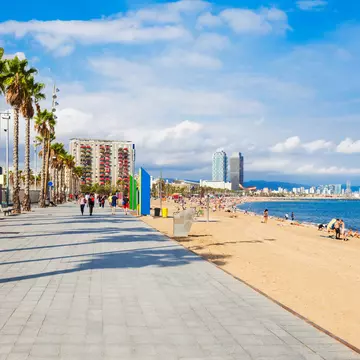
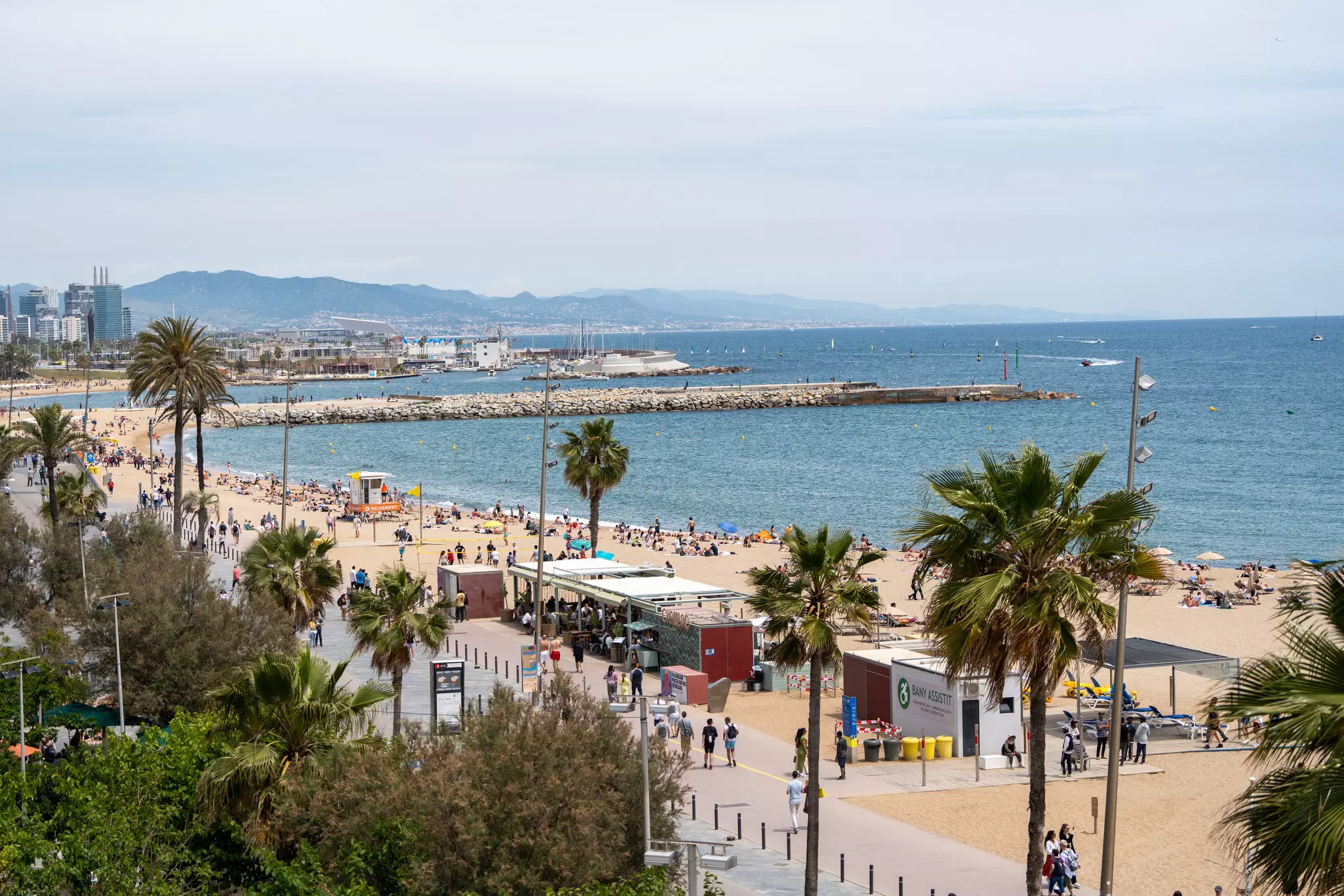
A year-round vacation spot, Barceloneta ("Little Barcelona") is the preferred neighborhood for many tourists thanks to its glorious necklace of beaches, though this is one of the quarters where the volume of visitors to Barcelona is most apparent.
Founded in the 18th century as a fishing community, Barceloneta later became a working-class neighborhood as industries expanded around the city's harbor. Much today is geared toward visitors, but you can still get a sense of the area's industrial roots strolling along the district's narrow lanes.
While Barceloneta's buildings lack the patrician facades that characterize other parts of Barcelona, they have their own character and today house numerous tapas bars and nightclubs, luring fans of late-night parties and beach action. Just be ready for crowds and a bit of noise.
By day, however, Barceloneta has plenty of spots for families to enjoy. Take a stroll around Port Vell (Old Harbor) and along the lively seafront promenade, then drop into L’Aquàrium and the Museu d’Història de Catalunya.
Where to eat: For an extra-special meal highlighting traditional Catalonian cuisine in one of the city's most iconic restaurants, head to 7 Portes. Bodega La Peninsular is a tiny spot with tons of character and authentic home cooking. To sit outside and enjoy the beachside scene, try longstanding Mediterranean spot La Gavina.
Where to stay: Hotel 54 is a welcoming boutique hotel in an ideal location with a great breakfast and a lovely terrace, while Marriott's W Barcelona is a luxury or points-friendly option located right on the boardwalk along the water.
Best for sightseeing
El Born competes with Gràcia for the title of Barcelona's trendiest neighborhood, but instead of vegan restaurants and urban gardens, El Born is home to concept stores, art studios and a distinctly international vibe.
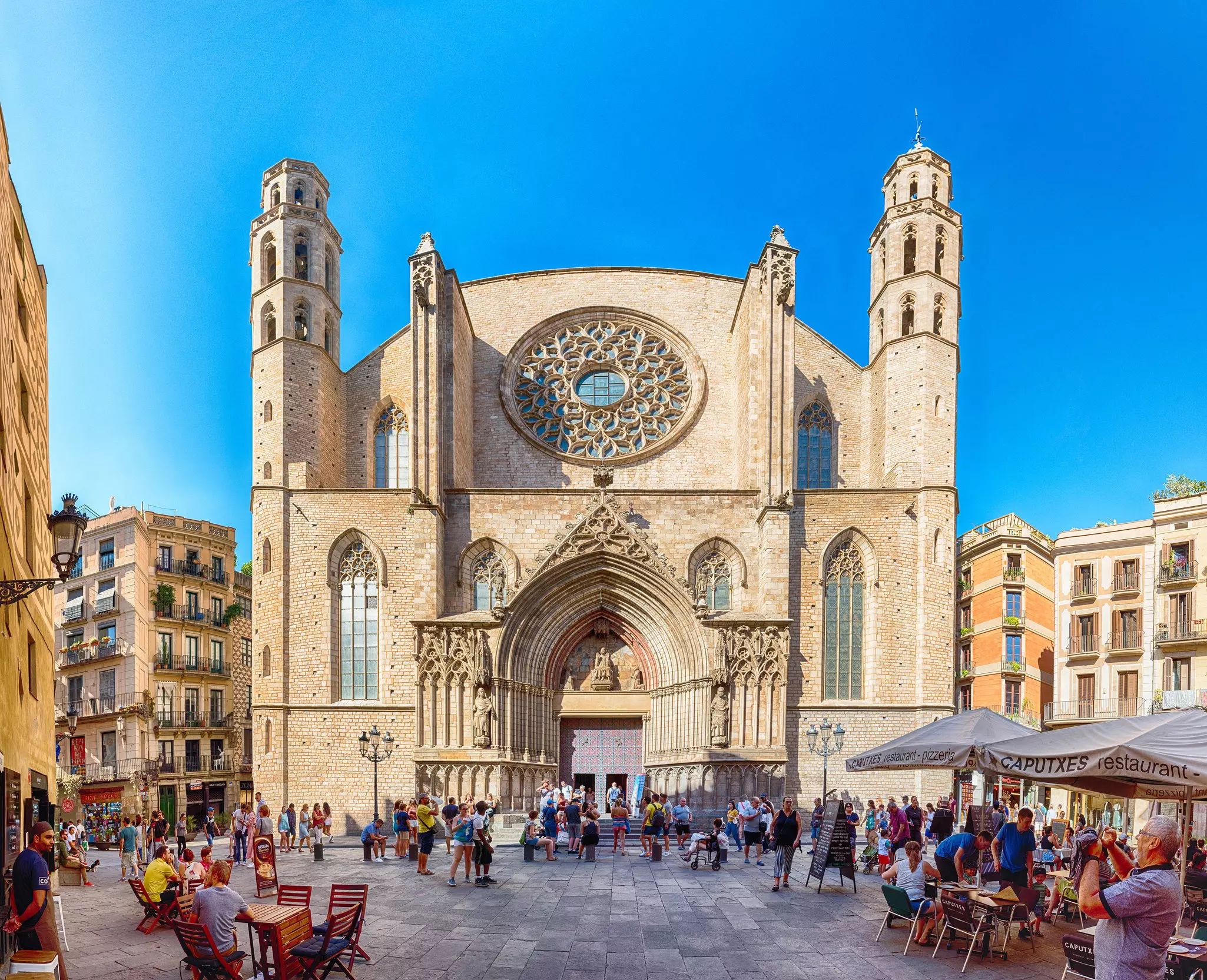
Formerly a hub for local craftspeople, El Born is one of the oldest neighborhoods in Barcelona, and you can browse small boutiques and visit independent art galleries for free. Look for century-old shops such as Casa Perris (a grocery store that sells in bulk) and some of the most important landmarks in the city, including Basílica de Santa Maria del Mar, a Gothic church from the 14th century, and Palau de la Música, an early 20th-century music hall full of Modernista flourishes. International visitors (of which there are many) congregate at the Museu Picasso and the Born Centre de Cultura i Memòria, with its historic ruins.
Where to eat: If your budget allows, El Born has a wide range of fine-dining restaurants, mostly offering Mediterranean and Spanish cuisine. Those with a smaller budget can find plenty of international fast-food eateries and cafés and an endless supply of bars. Try Bar Celta for tapas, Llamber for traditional Catalonian dishes and Picnic for brunch. For a bit of history and a great meal, go to Casa Delfin.
Where to stay: El Born enjoys a prime location between Barceloneta and the city center, within walking distance of most city landmarks, making it one of the most popular neighborhoods for accommodations. Some excellent hotel options include Barcelona Edition, a luxury stay with rooftop views, while Yurbban Passage offers a beautiful space to return to and a lovely spa on site. If you're traveling on a shoestring, 360 Hostel Borne can't be beat with community activities and friendly staff.
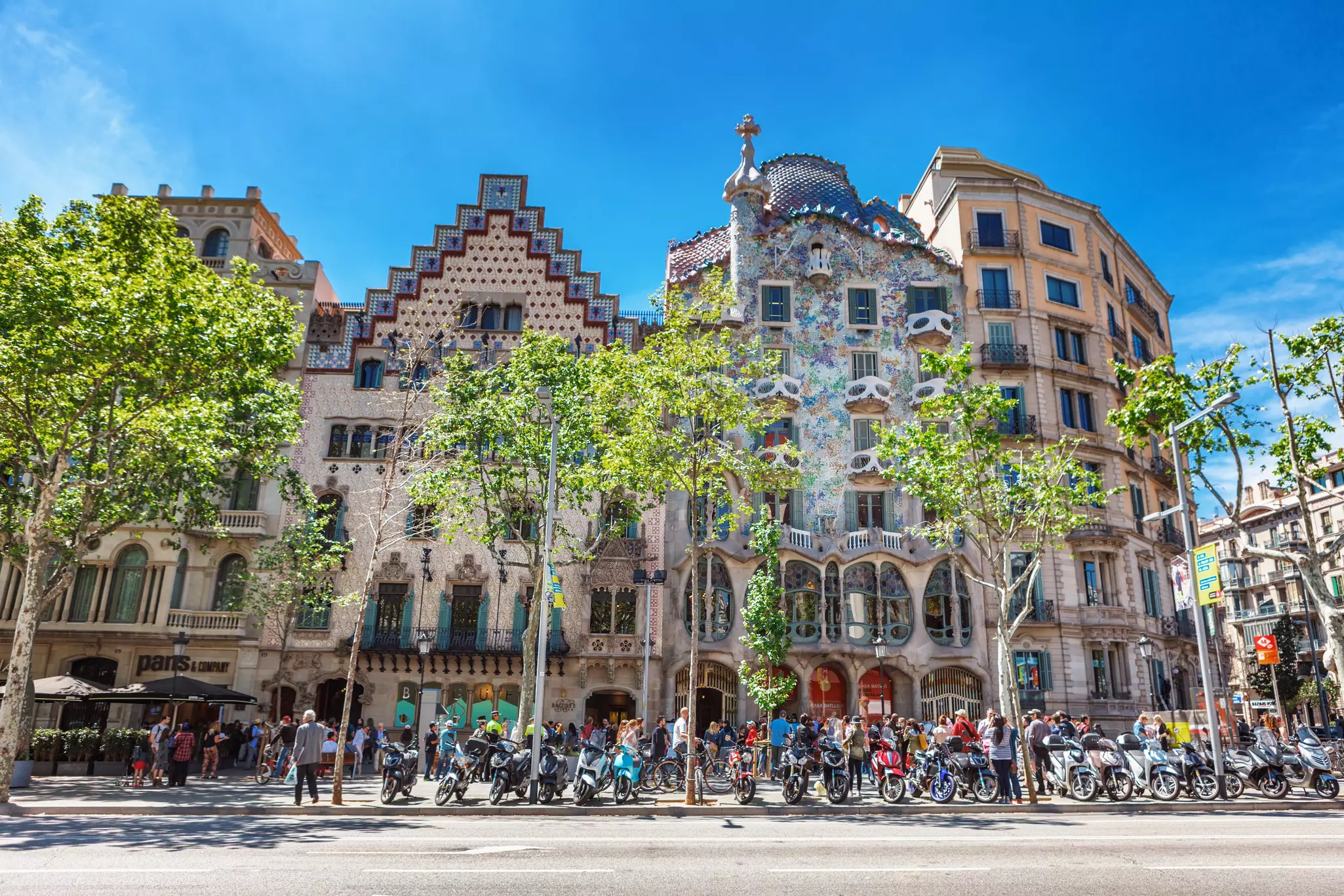
Best for Gaudí architecture
L'Eixample (meaning "expansion district" in Catalan) was constructed between the 19th and 20th centuries as Barcelona swelled beyond the boundaries of the Old City. Its strict grid pattern of streets is crossed by wide avenues, making it easy to navigate. You may have seen its street layout from above, as aerial photos of L'Eixample are often used to promote the city.
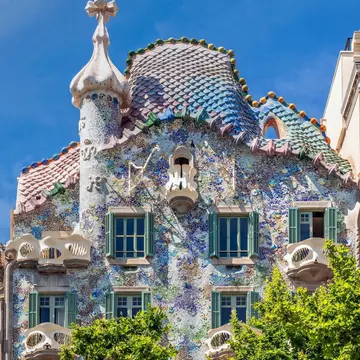
L'Eixample is undeniably popular with visitors, however, and it attracts big crowds, particularly when cruise ships dock. The neighborhood is often divided into Left Eixample and Right Eixample, which are separated by Passeig de Gràcia, Barcelona's most exclusive avenue. Here you'll find swanky stores and iconic Gaudí-designed buildings such as La Pedrera and Casa Batlló.
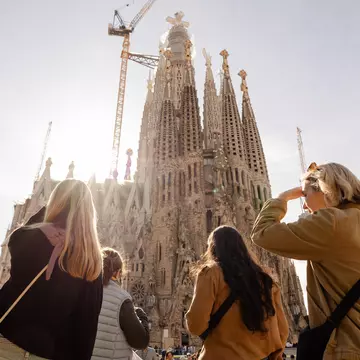
In Right Eixample, you can explore some of the city's most important historic sites, such as Gaudí's still unfinished masterpiece, La Sagrada Família, and the Recinte Modernista de Sant Pau, a grand, UNESCO-listed hospital now repurposed as offices and cultural spaces.
Where to eat: Step back in time at Cafè del Centre, which opened in 1873 as a casino; try Fat Veggies, an inventive vegetarian spot; or go for one of the world's two best mealtimes (brunch and tapas) at Gigi Von Tapas.
Where to stay: The neighborhood is well-connected to other parts of Barcelona, and it has the most extensive range of accommodation options in the city. Casa Bonay is close to the water and has an open-air wellness space with two treatment cabins for massage, acupuncture or facials. Majestic Hotel and Spa is more than a century old and stands to be one of the city's best hotels.
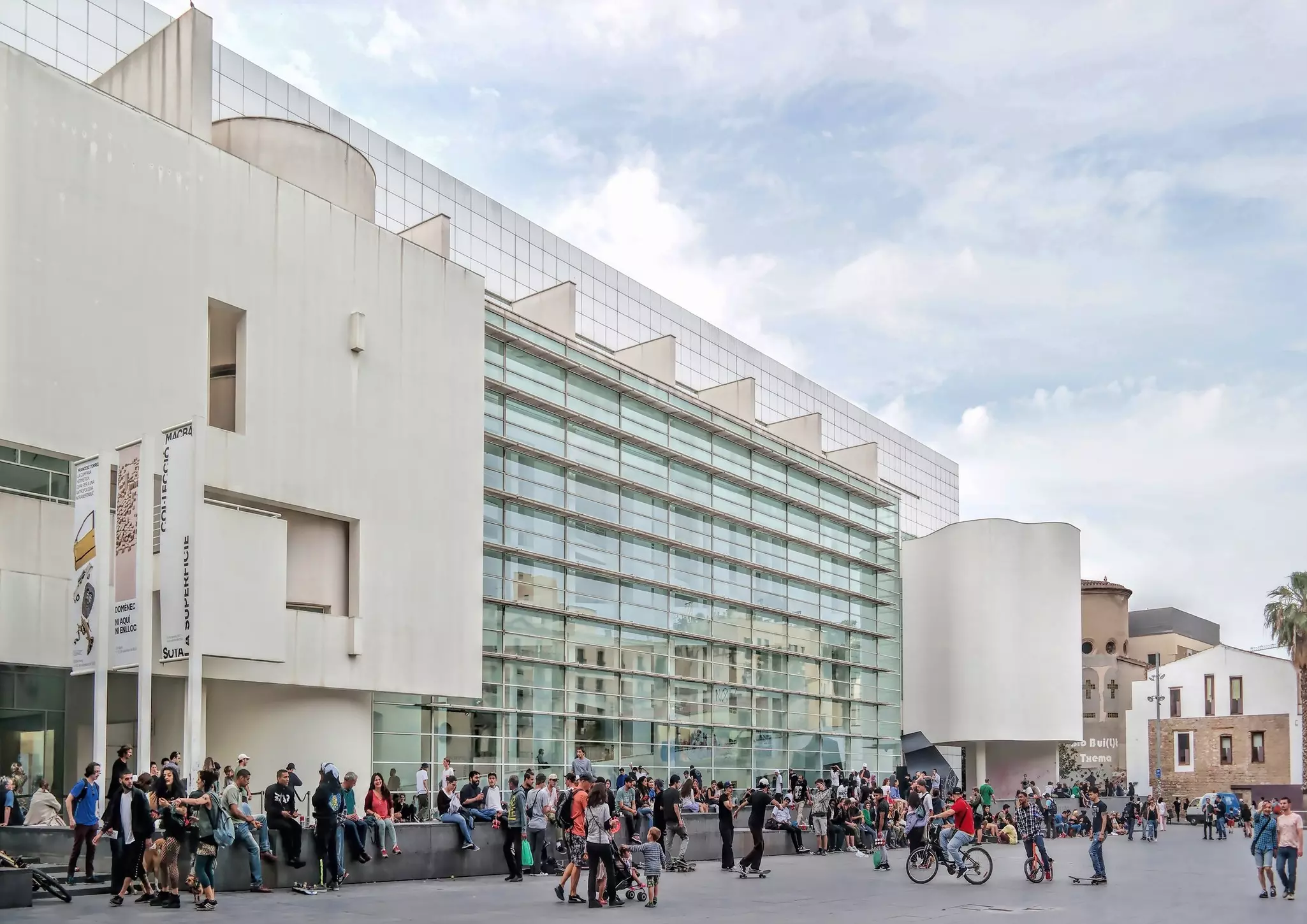
Best for bars, markets and art
El Raval is the most vibrant of Barcelona’s neighborhoods, thanks in part to its rich cultural mix. Part of the Old City and located southwest of La Rambla, this neighborhood is home to the Museum of Contemporary Art of Barcelona (MACBA), as well as Mercat de la Boqueria, the busiest local market in Barcelona, where vendors sell (and cook with) some of the best quality ingredients in the city.
El Raval is also the most multicultural neighborhood in Barcelona, with lots of residents (and restaurants) from the Middle East, the Indian subcontinent and the Mediterranean. Check out the nightlife here for a more local vibe than in Barceloneta – be sure to stop into Bar Marsella on Carrer de Sant Pau, a late-night institution that first opened its doors in 1820.
Where to eat: Arume is a cozy Mediterranean restaurant nestled inside the home where writer Manuel Vázquez Montalbán was born. Gringa is a California diner with fried chicken, pancakes and burgers on the menu. For Japanese fare, try Majide.
Where to stay: Casa Camper is a boutique hotel with two-room suites suited for families, while the penthouse at Hotel Sant Augustí is the city's oldest.
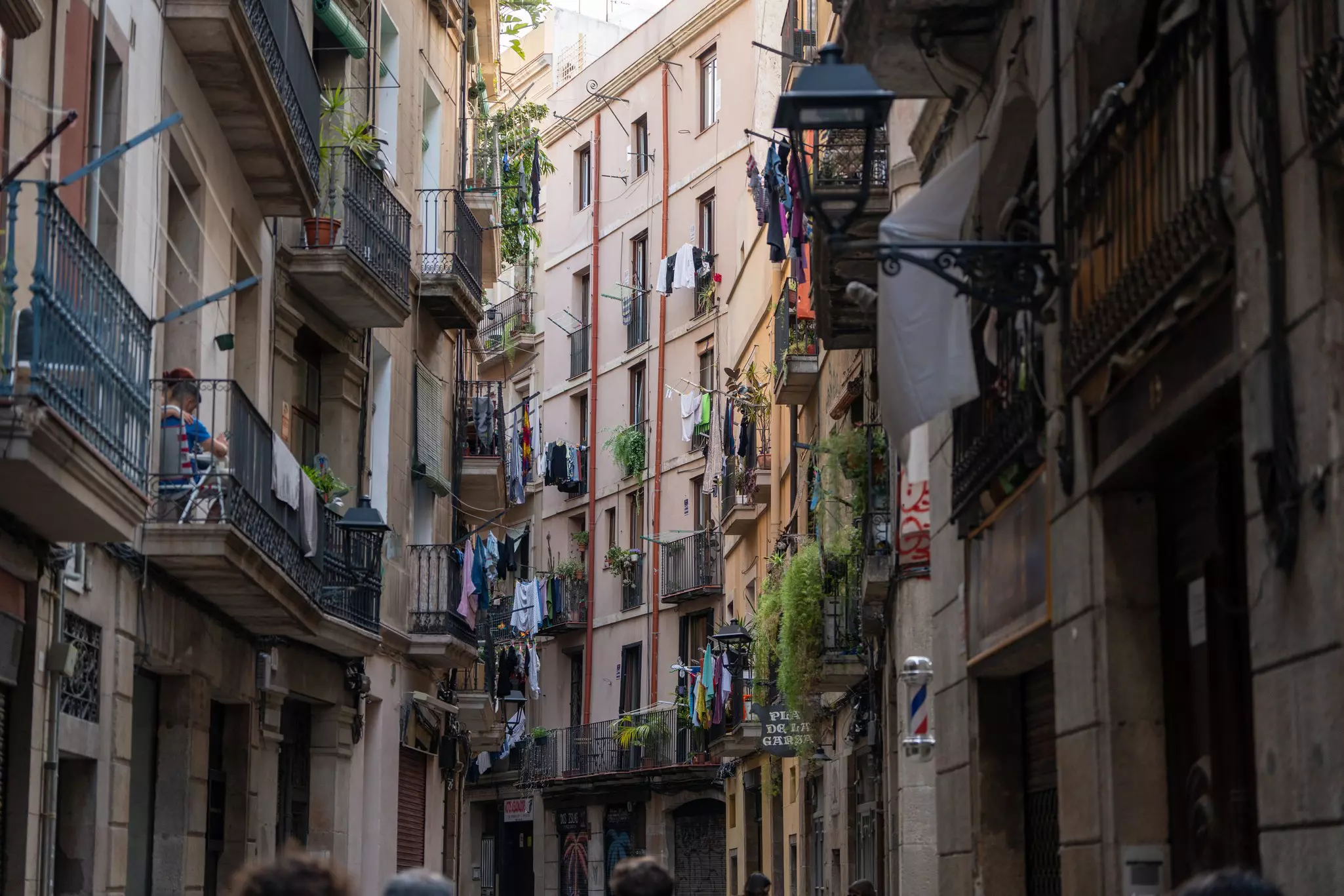
Best for historic buildings and new bars
The historic center of Barcelona is Barri Gòtic – the Gothic Quarter – tucked between El Raval and El Born. It's here that you'll find some of the oldest buildings in the city. Most are outwardly neo-Gothic, the result of a massive 19th-century restoration project, but you can see some fine examples of pre-restoration architecture, including the interiors of La Catedral and La Llotja de Mar, a historic merchants' hall.
The Gothic Quarter is a must-visit district for history buffs and first-time visitors to Barcelona, but it gets busy, and some parts of the district are known for late-night parties, so keep this in mind when looking for somewhere to stay. Even if you've been to Barcelona before, you're bound to find new-to-you bars, enticing restaurants and cute squares hidden down Barri Gòtic's narrow alleyways. Rambling the labyrinthine lanes is a delight, and being right in the city center, Barri Gòtic is within walking distance of most tourist attractions.
Where to eat: A Restaurant is set in the magical Sant Felip Neri square with a steadily changing menu. Buenas Migas is a focacceria owned and run by Patrick from Genova, Italy and Claire from Cornwall, England. For something special, make a reservation at Capet, with its open kitchen and two separate tasting menus.
Where to stay: Hotel Neri, located in a historic building, blends new and old quite beautifully, with a range of room options from traditional to deluxe (which include a terrace and outdoor tub) to suites and apartments. At a bit lower price point, H10 Racó de Pi is located in the middle of anything and everything you could want to see and do.
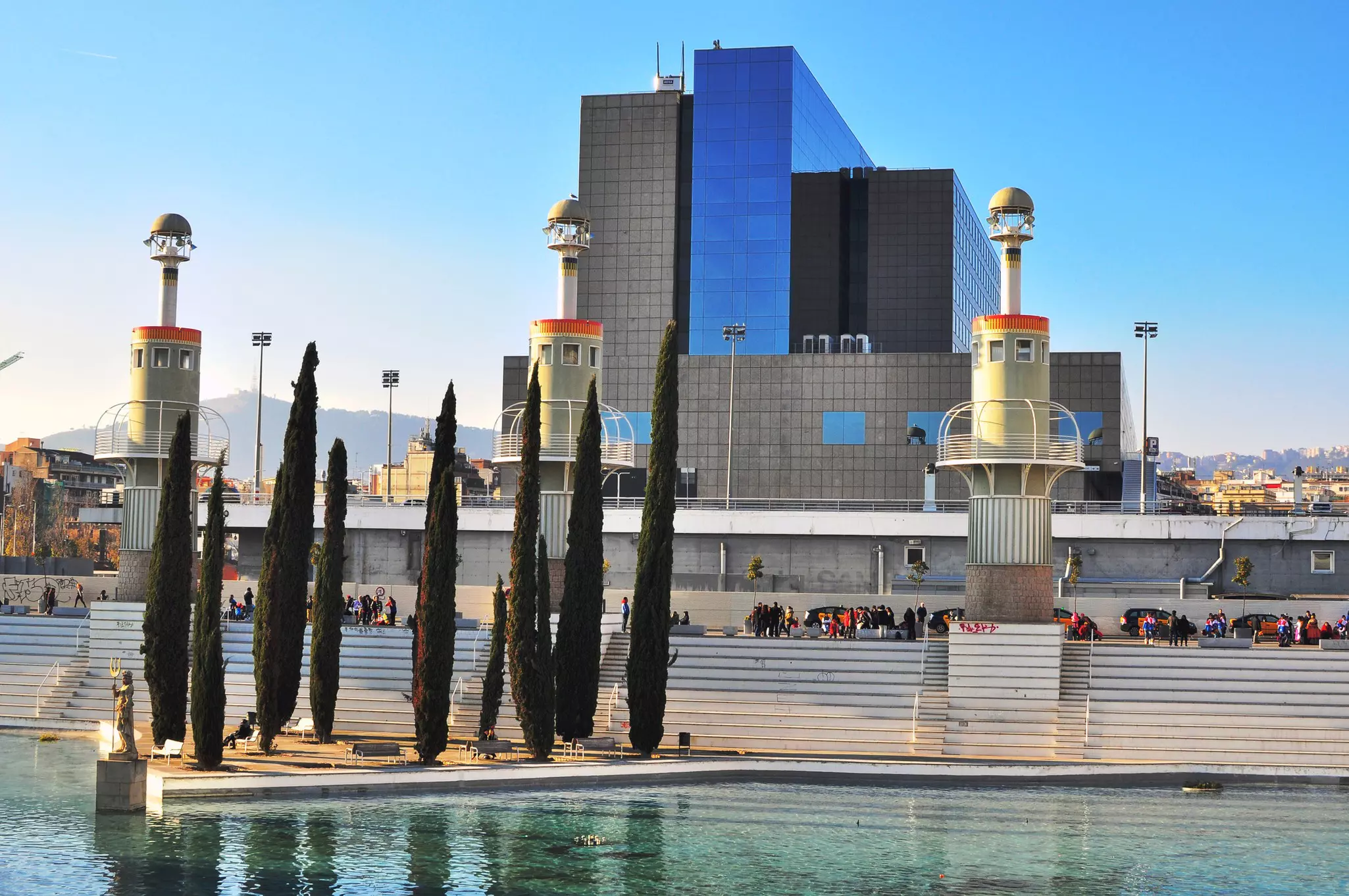
Best for local vibes
Many people only see the Sants neighborhood in southern Barcelona en route to the Estació de Sants train station, but there are good reasons to linger. The area has a friendly, community feel, with cheerful cafés, neighborhood stores and an authentically Catalan character, but the Metro can whisk you to La Rambla in 10 minutes when you want to see the sights. You're also close to the green spaces and monuments of Montjuïc.
August's Festa Major de Sants is a lively affair, and perhaps the city's biggest neighborhood festival after the Festa Major de Gràcia, with colorful street decorations and lots of music and Catalan-language events. Sants also has a decent selection of hotels, hostels and apartments, and the futuristic-looking Parc d’ Espanya Industrial is a popular local hangout after work and at weekends.
Where to eat: Manā 75 is a great spot for large groups and celebrations, serving up more than a dozen versions of paella. Jacqueline Barcelona is another excellent option for a big night out, outfitted with a dining room, jazz club and cocktail bar. For something more lowkey, try La Mestressa for tapas.
Best for green surroundings
Edging into the hills inland from central Barcelona, the sprawling Sarrià-Sant Gervasi neighborhood is genteel and well-to-do, with tidy streets and local-facing eateries and bodegas, and a scattering of tasteful hotels, hostels and rental apartments. It's one of the best corners of the city for green spaces, with numerous neighborhood parks and easy access to the tree-shaded trails of Parc Natural de Collserola.
Where to eat: There are plenty of embassies and consulates in the area, which may explain some of the posh dining options in the area. Book and dress up for dinner at Hofmann, Via Veneto – a favorite haunt of Salvador Dalí – or the restaurant at the dreamy ABaC Hotel. You're snuggled away from the downtown action, but Sarrià station is served by Metro and commuter rail services to the center.
Explore related stories