Sep 17, 202618 min read
Everything You Need to Know About Interrail Passes in EuropeAug 4, 2026
6 MIN READ

Writer
Isla de Tabarca, Spain. 1 Media/Shutterstock

Writer
Highlights
Writer Jamie Ditaranto picks five tiny European islands reached only by ferry.
Head to Tabarca off Alicante for seafood; Cape Clear in Ireland is a rare Irish-speaking island.
Levanzo off Sicily offers ancient cave art; camp on Illas Cíes in Galicia's national park.
In Greece's Dodecanese, Telendos draws rock climbers and snorkelers to a car-free island village.
Lonely Planet may earn a commission from affiliate links on our site. All recommendations and reviews reflect our own independent opinions.
Sometimes you need to put some distance between yourself and the world, and there is no better way to do that than hopping aboard a ship bound for a small, low-key island. When I’m traveling around Europe, I try to add an island day to every itinerary because it can be a delicious break from a busy week of big-city attractions. Even when I’m sticking to national parks, the sheer size or the number of trails never ceases to trigger my FOMO, knowing I likely don’t have time to do every trail and visit every viewpoint. But a small island that can be explored totally on foot over a day or two, where there’s nothing to do but enjoy the serene nature or wind down an evening reading a book on a rocky cove? That’s what I’m talking about.
If you follow the coastline of wherever you’re going, you can find islands like these all over Europe, but these five are some of my favorites and some I’ve long dreamed about visiting.
Best for a beach day and lunch
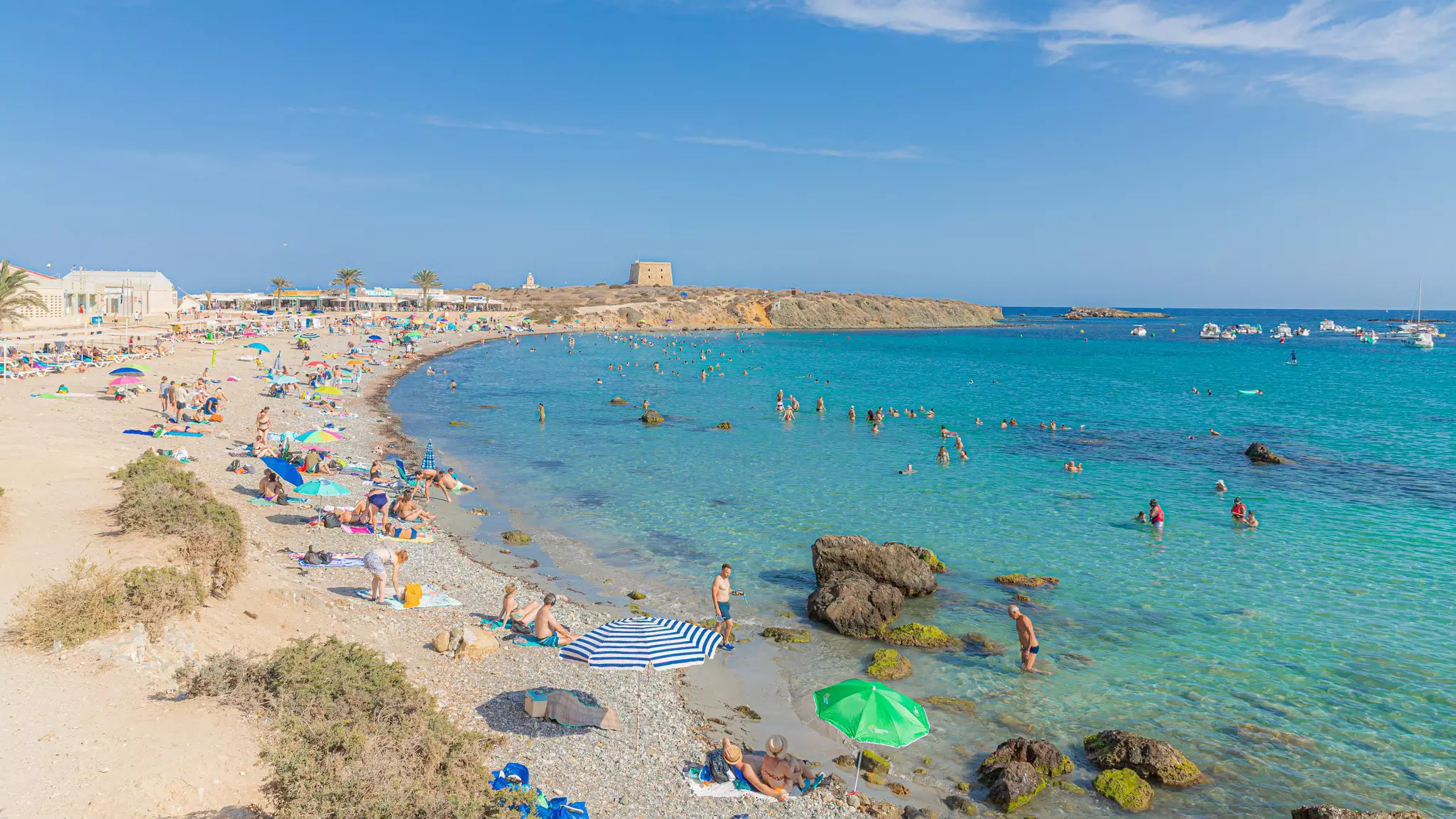
The smallest inhabited island in the Mediterranean, Isla de Tabarca is a perfect day trip when exploring Spain's Costa Blanca south of Valencia. It is located within a marine reserve less than 5km from the coast, and the impeccably clear waters can be reached from either the sandy shore of the main beach, Platja de Tabarca, or one of the small coves just beyond the 18th-century walls of Nova Tabarca, a town that was frequently the target of pirate raids. Opposite this, you can follow the trails on the wilder side of the islet to explore the lighthouses, rocky beaches and lookouts. You can get seafood paella anywhere in Spain, but when you’re in Tabarca, make sure you reserve a table at Mar Azul to try the island’s classic dish, a creamy rockfish stew called caldero de Tabarca.
Getting there: Ferries leaving from the port in Alicante take about an hour to reach the island, but it’s quicker if you can get to the small town of Sant Pola del Este. From here, a speedboat takes just 25 minutes. The ride is notoriously splashy, so only sit up top if you’re willing to get absolutely soaked.
Best off the beaten path
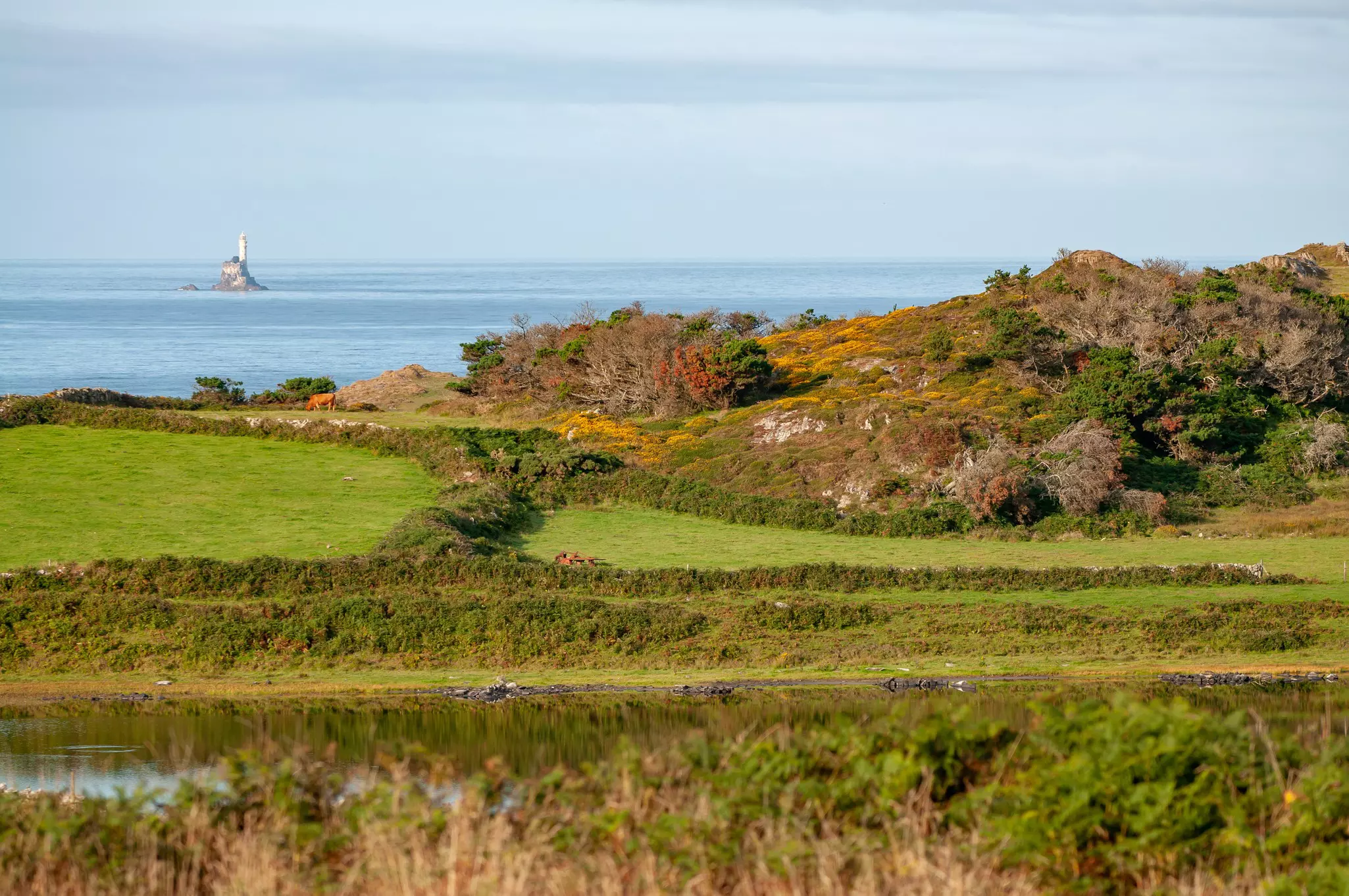
Cape Clear, an hourglass-shaped island belonging to the Gaeltacht islands, is one of the few places where Irish is still actively spoken as a first language. The water here is stunning, and dolphin sightings are not uncommon along the ferry route from the mainland. Cape Clear is at its most popular in the summer, when day-trippers come to enjoy the beach and walk around one of the routes that encircle the island. From various angles, you’ll have many beautiful vistas of the surrounding islets, including Fastnet Rock, balancing a lighthouse on its narrow foundation at Ireland’s southernmost point. There are a handful of hotels and restaurants where you can stay overnight, but popular attractions like the goat farm that serves homemade ice cream and cheese tend to be closed during the shoulder and offseason.
Getting there: Cape Clear Ferries runs year-round service from Baltimore, and the journey takes about 1 hour. If you’re traveling outside the summer high season, departure times are limited to once or twice per day, so you’ll have to manage your time carefully. Baltimore itself is also a lovely town to spend a night in, and I found the Channel View Bed & Breakfast particularly charming and warm.
Best for cave paintings and coves
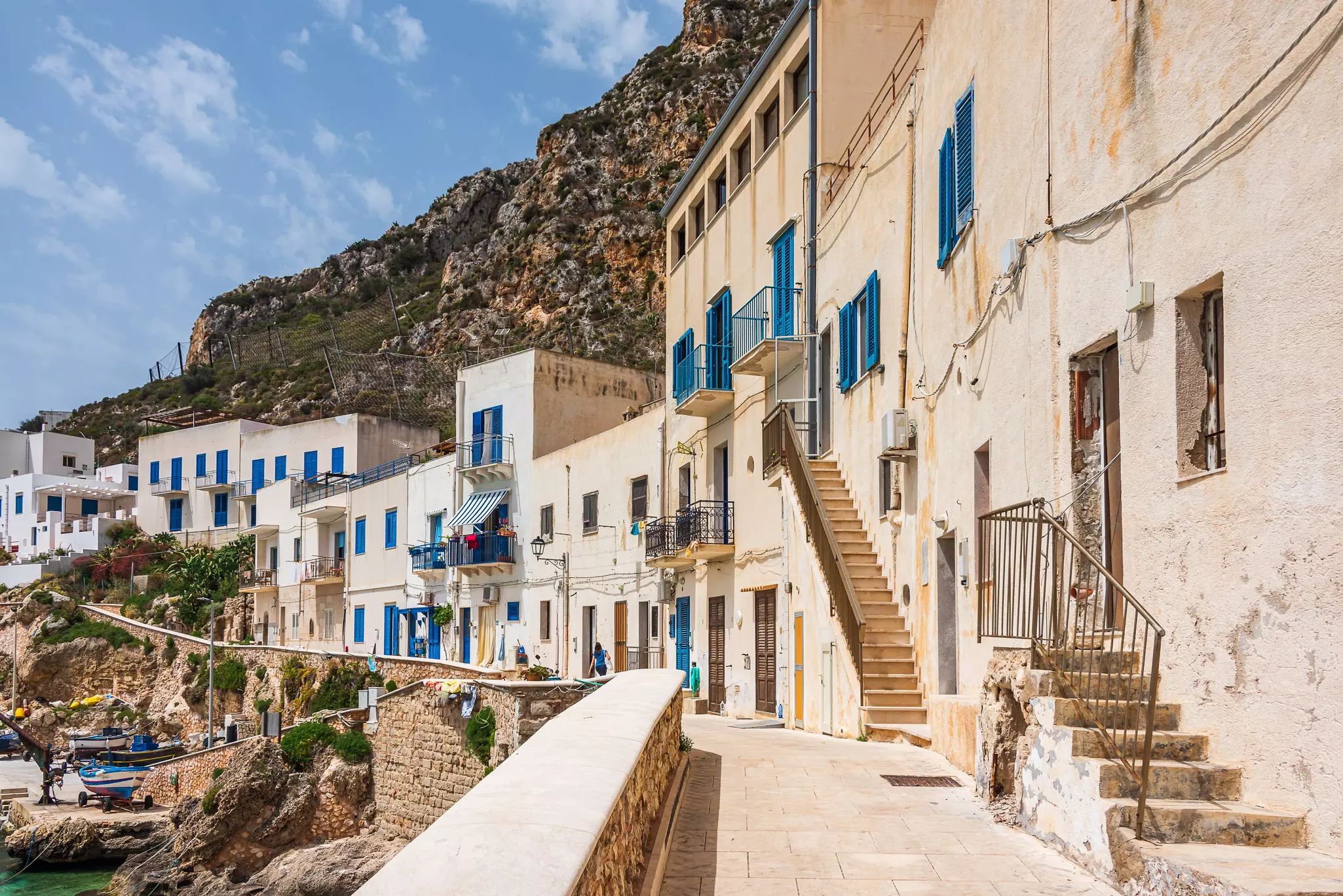
The smallest of the Egadi Islands, an archipelago just off the western coast of Sicily, Levanzo is encircled by hiking trails, offering the choice of walking through a cliff-top forest on the western side of the island or following the lapping waves from the port to the beautiful swimming cove of Cala Minniola, a small rocky beach with clear water in every shade of blue you could hope for. One of Levanzo's most unique attractions is the Grotta del Genovese; discovered less than a century ago, the paintings in this remote cave have been confirmed by carbon dating to be over 12,000 years old. Tours are limited, and tickets must be booked 48 hours in advance.
Getting there: Liberty Lines services the Egadi Islands via hydrofoil from Trapani, and various routes connect the three islands of Favignana, Marettimo and Levanzo. Because accommodations are limited, consider staying on Favignana and making a day trip to Levanzo. The ride takes about 25 minutes from Trapani, 10 minutes from Favignana and 30 minutes from Marettimo, so island-hopping couldn’t be easier.
Best for camping in a national park
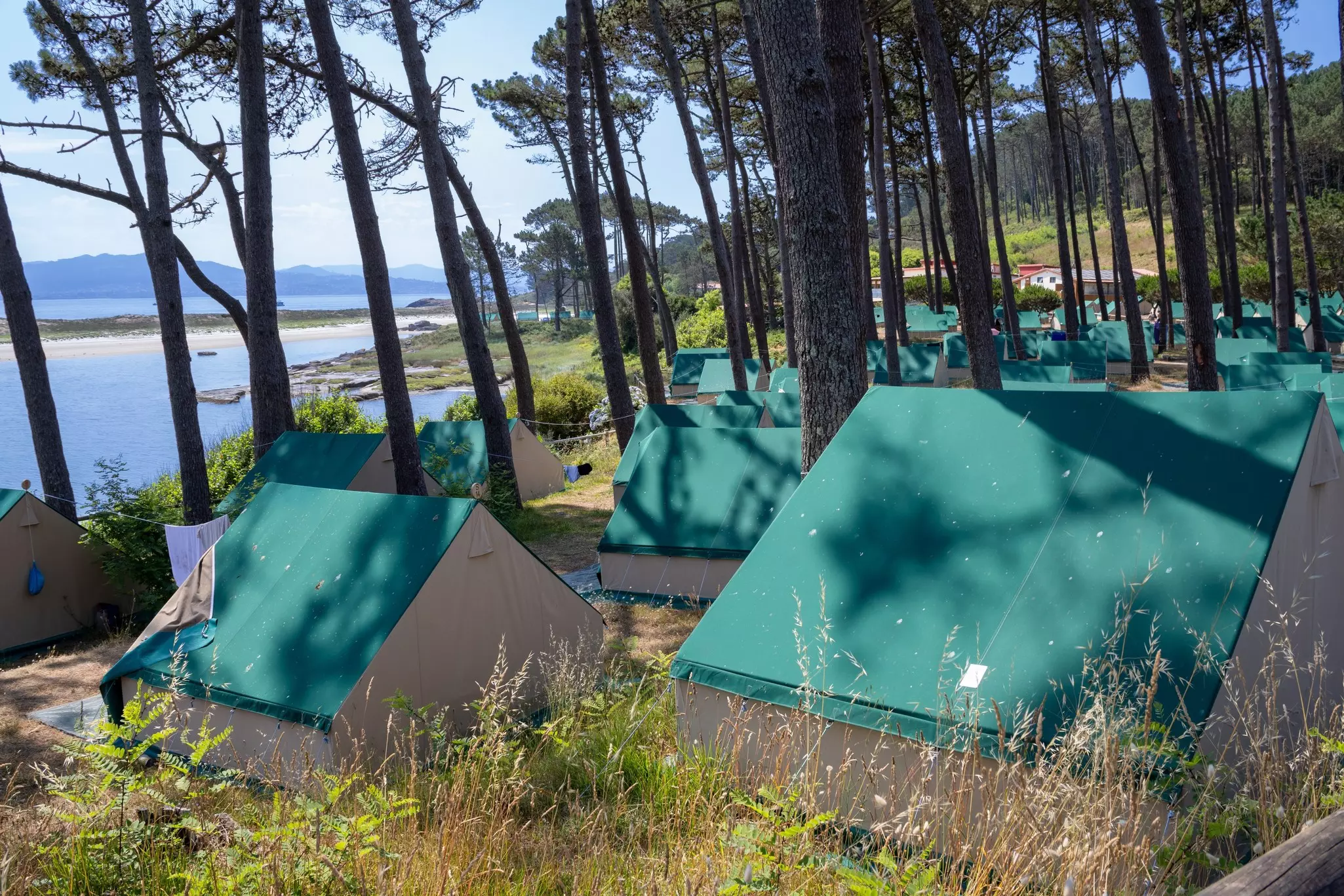
The Illas Cíes, located off Galicia's coast, are part of one of three archipelagos that make up the uniquely beautiful Parque Nacional Illas Atlánticas. Although one of the islands, Illa de San Martiño, is only accessible by kayak or private charter, Illa Monteagudo and Illa Faro are connected by a bridge and one of Spain’s most beautiful beaches: Praia de Rodas, a dream of fine white sand. The icy blue water is cold year-round – kayakers don full wetsuits even in the summer – but a dip can be refreshing after you complete the steep hike to Faro de Cíes. From here, you’ll have incredible views of the coast and can appreciate the wild gull population, for whom the island is a protected sanctuary.
Getting there: Fly into Vigo, and book the Mar de Ons ferry for a 45-minute ride to the main island. You must reserve a free permit on the park's website. To explore the island after the day-trippers go home, book a minimum of two nights at the campground, which has tent rentals (with mattresses) and a restaurant.
Best for a car-free village with great climbs
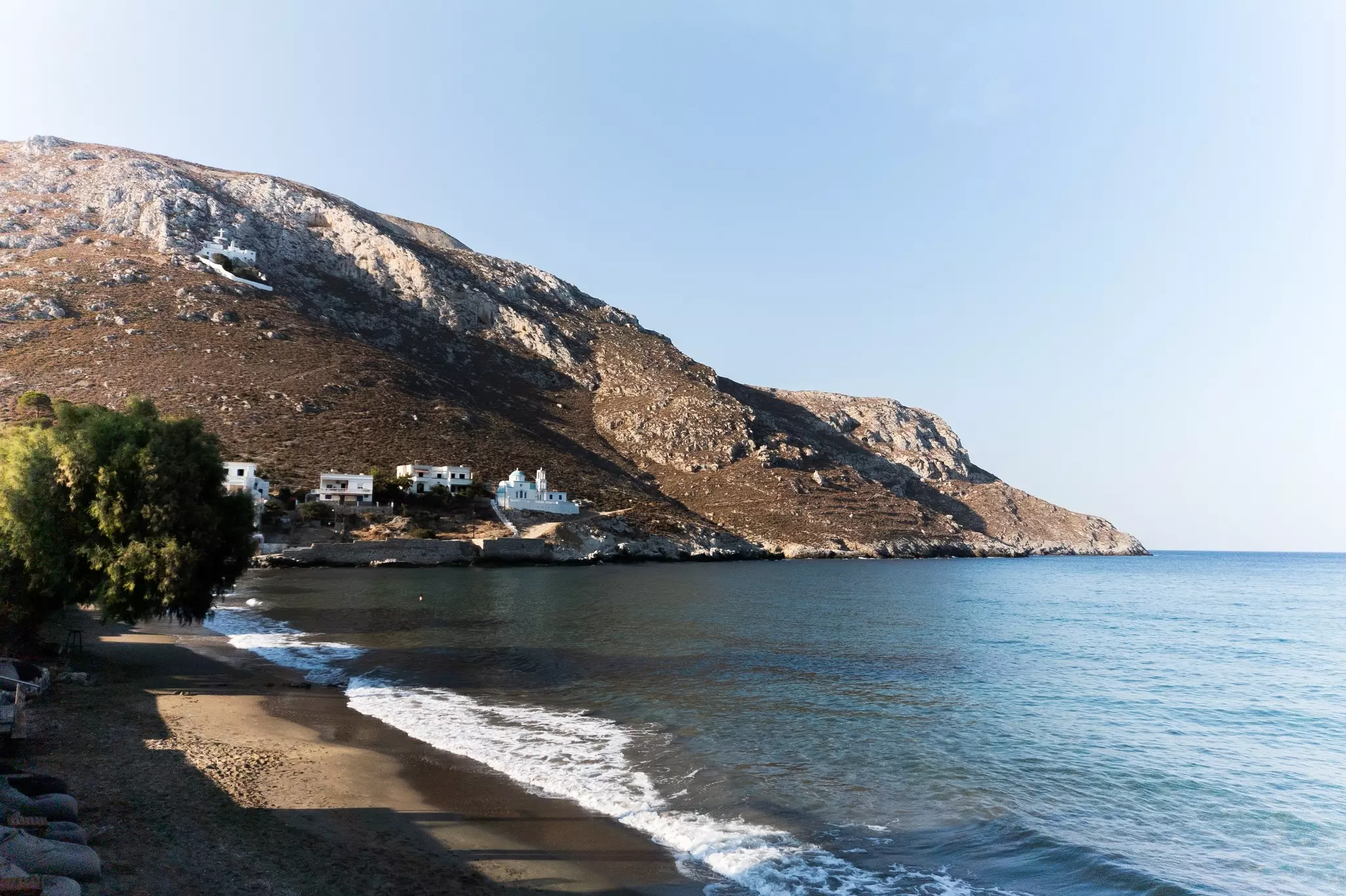
In the eastern reaches of Greece, Telendos belongs to the Dodecanese archipelago and was connected to the island of Kalymnos until the 6th century AD, when a massive earthquake split the island in two. It’s separated by less than a mile of water but still remains a world of its own, with a small fishing village sitting at the base of Rachi, a mountain that beckons rock climbers from all over the world. Thanks to its incredible geological history, Telendos is also a fabulous destination for snorkelers to lay eyes on the ancient remnants of the sunken city of Potha, which was destroyed when the island was created. Avid hikers completing the 10km loop of the island will find a fantastic sunset at the Agios Konstantinos chapel.
Getting there: From Kalymnos, head to the Myrties pier to book one of the water taxis to Telendos. The journey takes about 10 minutes, and service operates approximately every half hour for as little as €3 each way.
Explore related stories