Sep 17, 202618 min read
Everything You Need to Know About Interrail Passes in EuropeAug 10, 2026
4 MIN READ

Writer
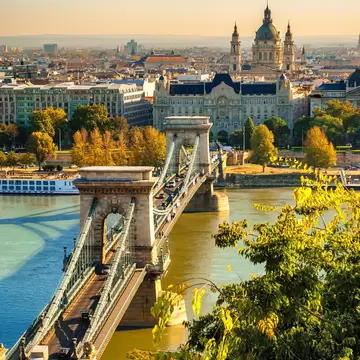
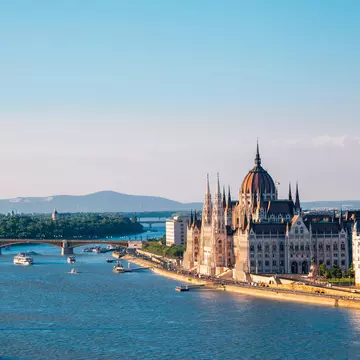
The Hungarian Parliament on the Danube in Budapest. Sanga Park/Shutterstock

Writer
Highlights
Low water on Europe's Rhine and Danube is disrupting river cruise itineraries this summer.
Writer Jamie Ditaranto reports cruise lines adapt via buses, ship swaps and hotel stays.
Affected cruises switch to buses; lines keep most stops and meals intact.
Stay flexible and monitor updates from your cruise line in the weeks before departure.
Lonely Planet may earn a commission from affiliate links on our site. All recommendations and reviews reflect our own independent opinions.
As yet another heat dome envelops Europe, many of the continent’s navigable waterways are evaporating – leaving river cruisers high, dry and hitting the road.
European river cruise lines are used to fluctuating water levels, but throw in the unprecedented intensity of the heat this summer (Europe’s hottest June on record, according to the World Meteorological Organization) and you’ve got a lot of dry riverbeds and disrupted cruises. The Danube reached its lowest water level in three decades, with major implications for industry, power supply, the environment and tourism.
“It’s even more severe this summer than we've seen in recent years,” says Jennifer Halboth, CEO of the Riverside Collection.
According to reports, over 400 cruise ships operate on European rivers, hosting about 1.5 million passengers per year. With more people than ever interested in river cruises, the lines are prepared to meet the demand. This means not only launching new ships like the AmaSofia and National Geographic–Lindblad’s Connect but also planning for the disruptions of climate change. “Our operations team monitors high and low water potential year-round, every year,” says Halbouth, “So we're always prepared to adapt to the conditions of the rivers.”
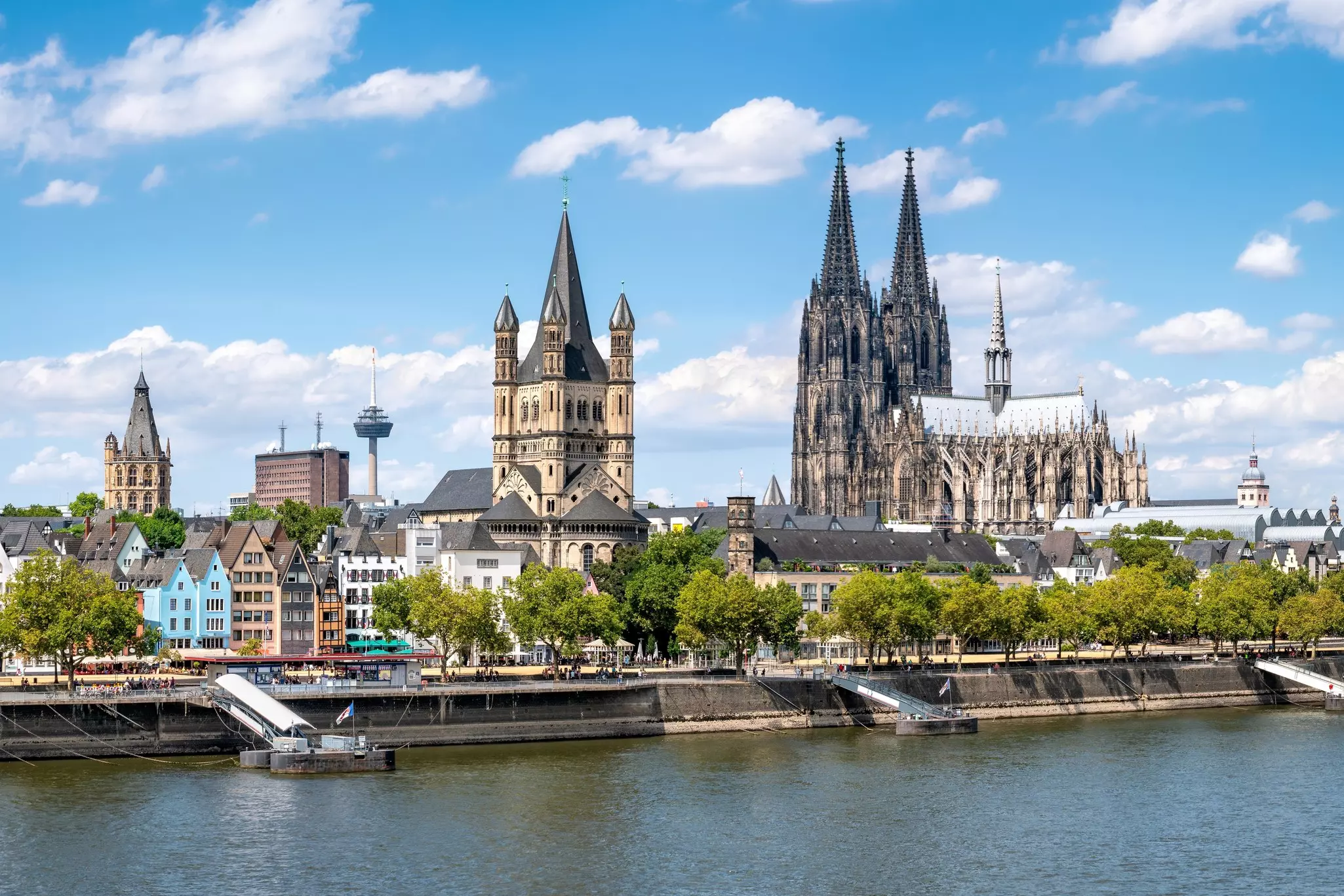
Jeremy Palmer, president of Tauck, a land tour and river cruise operator, says, “This year’s low-water conditions have primarily affected portions of the Rhine and Danube.” Although most cruises run as scheduled, the company has tapped partners on the ground to adapt affected itineraries and arrange ship transfers. “Changing weather patterns are certainly shaping the nature of these situations, but managing variable conditions has always been part of river cruising,” he says.
The river cruise industry is more accustomed to this issue than you might think, and proactive strategies are built within the operations. While passengers might be understandably disappointed when their river cruises come without the river part, it turns out that it’s not as essential as the category might imply.
“We can't control the weather or the river, but we can control how prepared we are and how quickly we respond,” says Jon Burrows, COO of Ama Waterways, who tells Lonely Planet that the cruise line is constantly evaluating the scenarios and planning ahead. “When adjustments are necessary, we have a range of proven contingency plans, from modifying itineraries and arranging seamless transfers to implementing ship swaps.”
Summer is a beautiful time to explore Europe on a river cruise, but the climate reality means that travelers will have to be adaptable. Even if your plans get stuck in the mud, it’s unlikely that your cruise will be canceled. Instead, you will have to adapt, as Lonely Planet’s Editorial Director Fionnuala McCarthy did during a recent Danube river cruise with AMA Waterways. Thankfully, she had some warning.
“The company was in touch in the 2 weeks leading up to the cruise to caution that the river levels were low and the cruise could be impacted,” says McCarthy. “But they said that no matter what, we would set sail and alternative plans would be announced.”
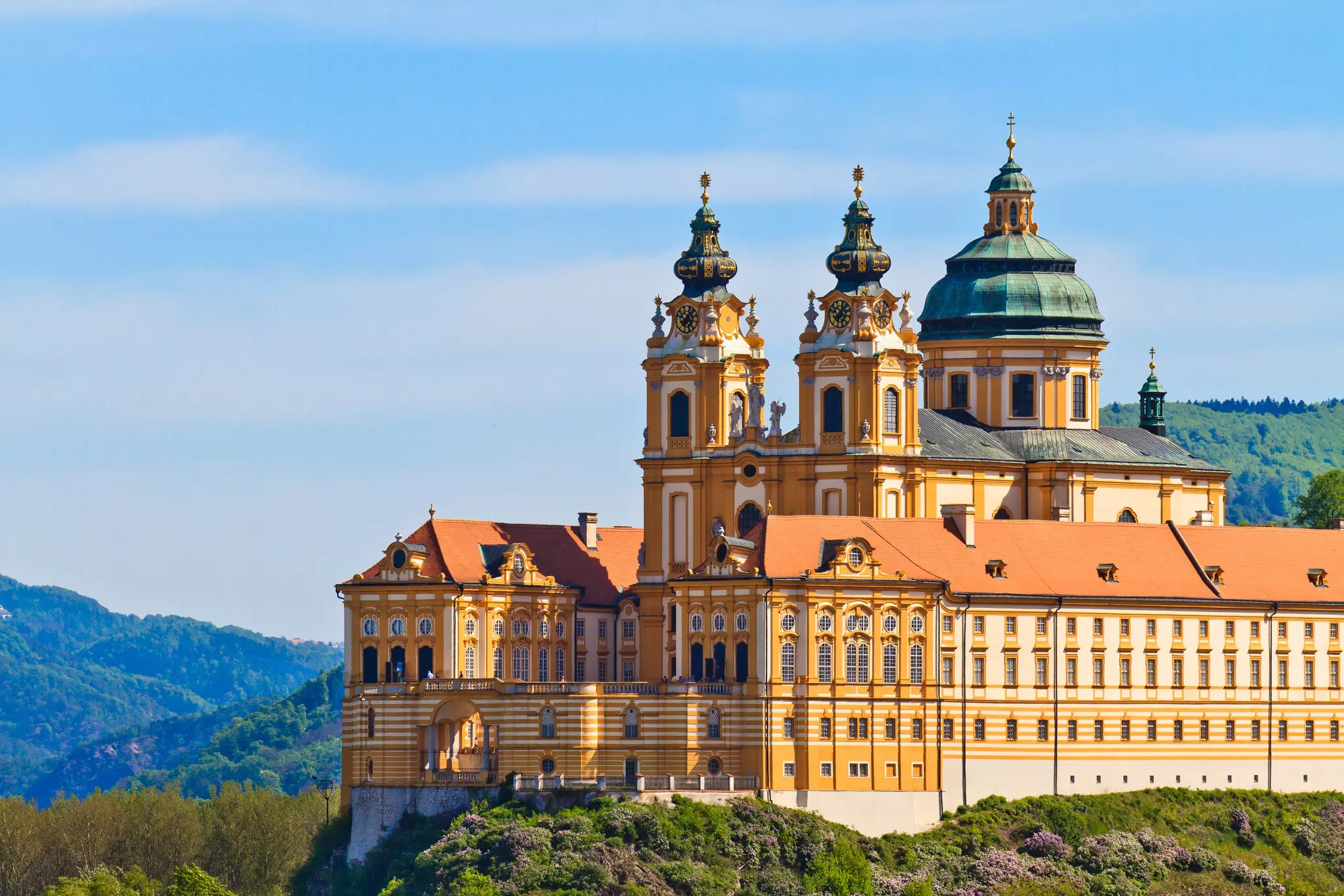
When water levels are too low to sail, cruise lines often hire buses to shuttle passengers between cities and find alternative accommodations. For lines with large fleets, this could mean another ship, or you might be put up in a hotel. McCarthy’s experience involved a bit of both: The 7-night cruise was originally planned to begin in Vilshofen, Germany, and end in Budapest; the vessel got as far as Melk in Austria before passengers switched to buses.
That’s how McCarthy found herself at the five-star Al Habtoor Palace Hotel in Budapest at the end of her trip. "We still had all our meals on the boat and slept there each evening, apart from the last one,” she reports, explaining that some parts of the itinerary had to be canceled or adjusted, such as a concert in Vienna and some evening tours in Budapest, but about 90% of it was the same. There were also new activities incorporated, like a visit to Stift Melk and Schloss Artstetten, the home of Archduke Franz Ferdinand, both in Lower Austria.
“There were other boats from other companies in the same predicament, so everyone was making the best of the situation,” McCarthy adds. “No one seemed upset, and because the staff were really well organized and communicated exactly what was happening each day, people understood and felt well looked after.”
It may not be ideal to spend so much time on a bus when you’ve been dreaming of gently gliding past castles and green valley views, but that doesn’t mean you’ll make the trip for nothing. After all, one of the biggest lessons that travel can teach is adaptability.
Explore related stories