Sep 17, 202618 min read
Everything You Need to Know About Interrail Passes in EuropeJun 23, 2026
11 MIN READ
Writer
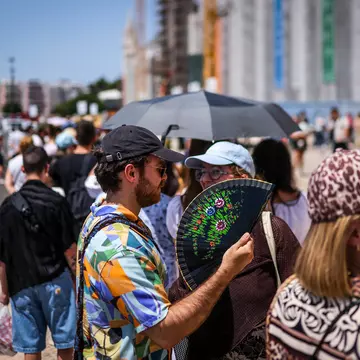
Tourists try to beat the heat as they queue in Belém, Lisbon. Patricia de Melo Moreira/AFP via Getty Images

Writer
Lonely Planet may earn a commission from affiliate links on our site. All recommendations and reviews reflect our own independent opinions.
The summer officially began on the solstice on June 21, but in much of western and central Europe, the weather has already been breaking records, with temperatures soaring to over 40°C (104°F) in places – in June!
Faced by this unprecedented heatwave, European officials have responded swiftly, issuing advice on how to stay safe, even as the bigger question of how Europe can adapt to hotter summers grows more pressing.
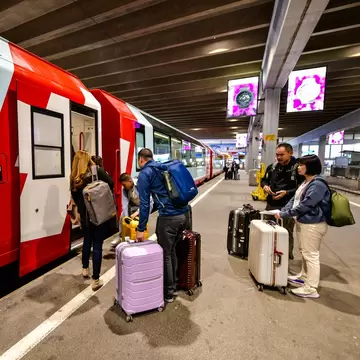
The impact has already been significant. Transport links across the region have been disrupted, and Eurostar trains linking the UK to France and other countries in Europe have been canceled due to the heat, causing major inconvenience for passengers.
To help travelers and locals prepare for the hot weather, governments across Europe have introduced a "traffic light" system. Amber or orange alerts usually mean “take precautions,” but red alerts can signal transport cancellations, businesses reducing operating hours or closing, and event cancellations.
The heat is not only a problem for the elderly or unwell; red weather warnings mean the heat is so extreme that it can affect everyone, even fit, healthy adults. If you are in an affected area, try to stay indoors in the middle of the day and early afternoon, stay hydrated, and seek out air-conditioned spaces.
If you are traveling to a country in Europe this summer, and you're worried about the heat, here’s what you need to know.
For the latest forecast: Royal Meteorological Institute of Belgium
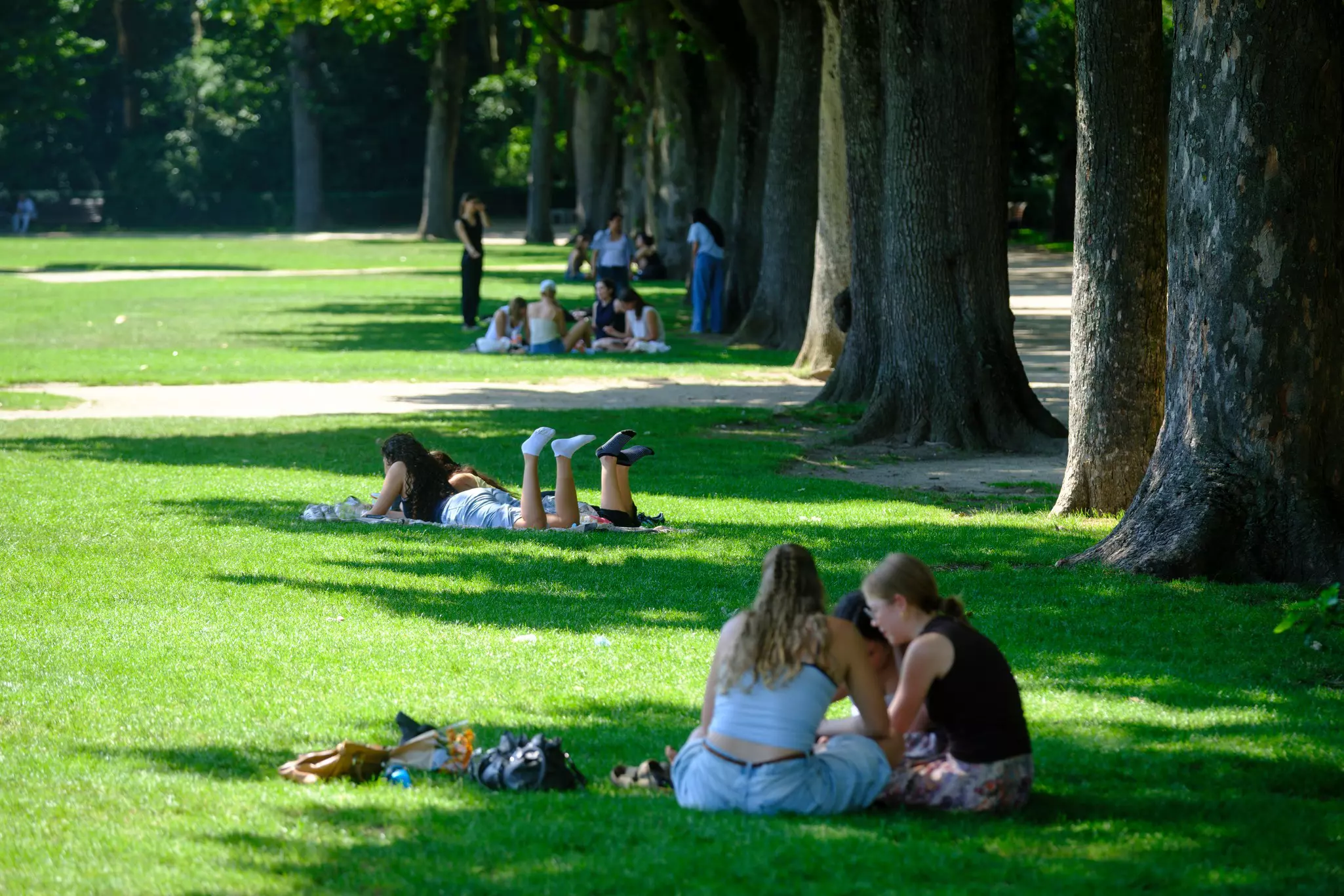
With a fairly temperate maritime climate, Belgium’s summer temperatures normally hover at around 22–23°C (72–73°F). Yet this week the mercury is set to climb above 35°C (around 95°F) in central Belgium, with an orange heatwave alert across the whole country, plus additional warnings of severe evening thunderstorms.
Climatologist Steven Caluwaerts (Royal Meteorological Institute of Belgium) told The Brussels Times, “It is not easy to prepare for because, by definition, something is happening that we have never seen before.”
Homes in Belgium are traditionally built to trap heat for the winter, making it harder to keep cool during a heatwave. Peak-hour trains have been canceled to avoid breakdowns, and residents have even been seen dipping their feet in the fountains of Parc du Cinquantenaire in Brussels to cool down.
Travel tip: Check the website of the SNCB for advice on train cancellations.
For the latest forecast: Météo-France
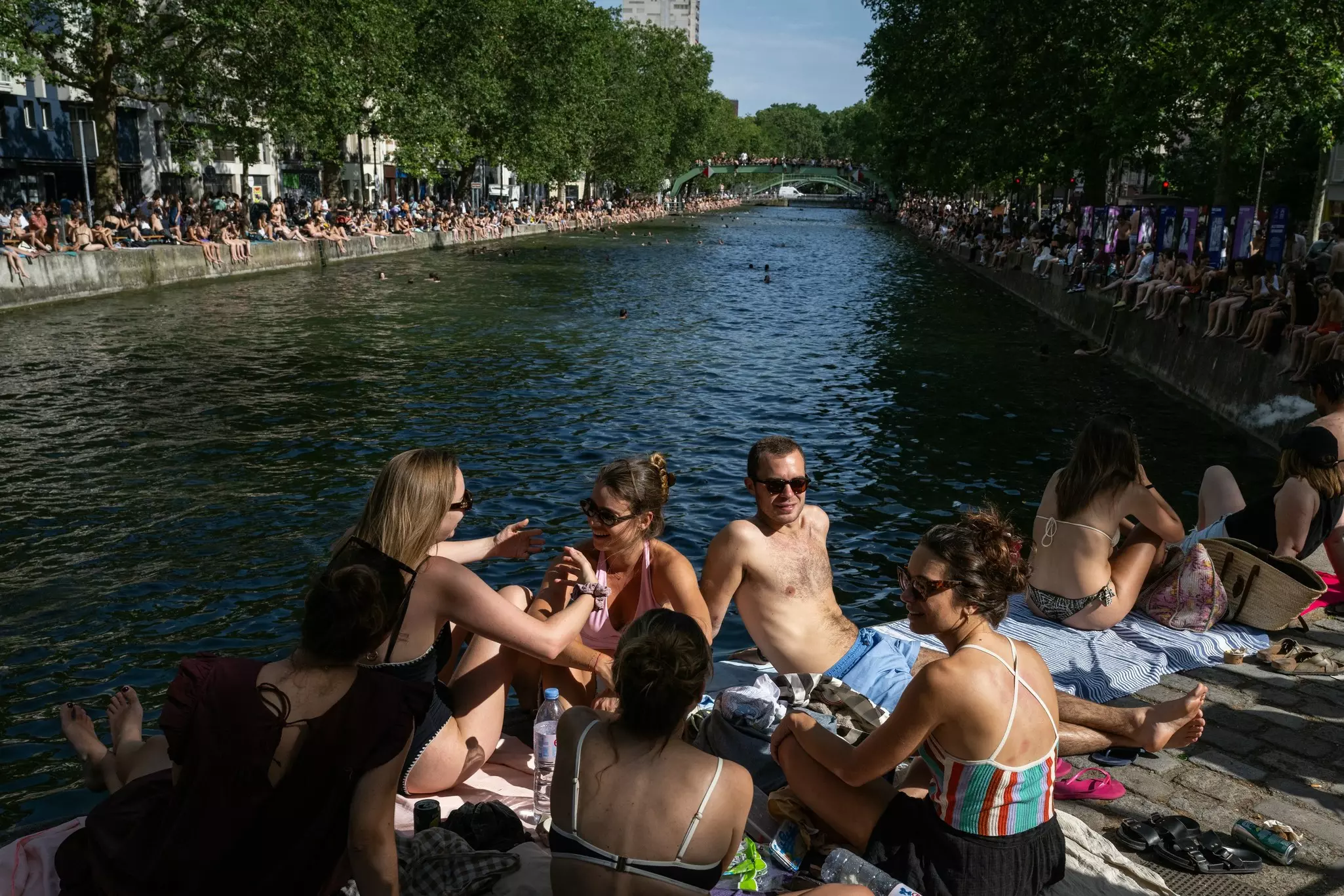
The heatwave has hit France particularly hard, at the peak of the tourist season. A red heatwave warning is in effect for 54 regions – covering a large part of western France and Burgundy – while 35 areas are under an orange warning. Daytime temperatures are predicted to reach 42°C (107.6°F) with Paris and Bordeaux among the cities most severely affected.
Measures to keep people safe include banning alcohol at festivals and sports matches to reduce the pressure on health services. Schools have been closed and some train services have been canceled. Extra rail staff have been called in to help deal with problems as the heat threatens to disrupt more train routes across the country.
In Paris, the Eiffel Tower has set up “misting stations” to cool the public, while some people have taken to bathing in the Trocadero Fountain next door. The Eiffel Tower was closed from 4pm on June 23 because of the heat, and the Louvre has also announced early closures at 4pm this week.
Travel tip: Get advice on trains on the SNCF website, and check the websites of tourist sights for notices about closures.
For the latest forecast: Agenzia Meteo Italia
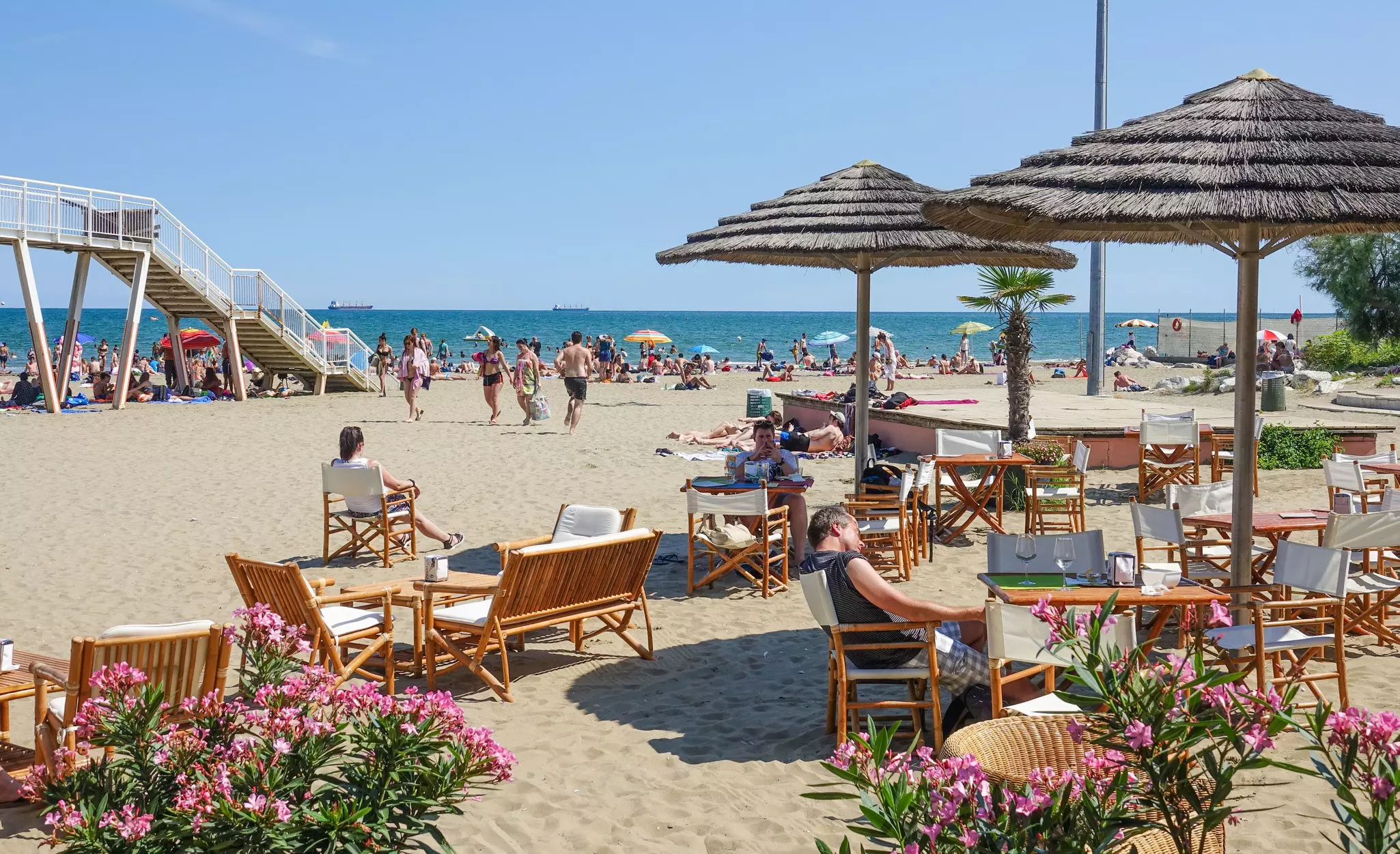
Across Italy, 15 cities, including Rome, Milan, Turin and Venice, have issued a level 3 red heat warning. Temperatures are expected to reach 36–39°C (97–102°F) over the coming weekend and at the beginning of next week.
It’s forecast to be slightly cooler in mountainous areas and on the southern coast around Calabria, where thunderstorm activity is possible. Monitor weather reports and the Autostrade website for information on driving routes.
Travel tip: The Italian Health Ministry has recommended people stay out of direct sunlight during the hottest part of the day (from 11am to 6pm).
For the latest forecast: Portuguese Institute for Sea and Atmosphere
No stranger to summer heat, Portugal has made preparations for this latest heatwave, after an unseasonably warm May. The short-term forecast heading into July suggests temperatures could hit the mid- to high-30s (95°F to 100°F) across the country, including in Lisbon.
After forest fires in 2017 resulted in substantial loss of life, monitoring and warning systems for fires have improved in Portugal. The highest alert levels have already been enacted for the most vulnerable areas, such as the Alentejo and parts of the Algarve.
Travel tip: Coastal spots are not as hot as the interior, thanks to the cooling effect of the Atlantic. The new freshwater swimming spot at Odeleite Dam in southern Algarve will be a welcome relief.
For the latest forecast: La Agencia Estatal de Meteorología (AEMET)
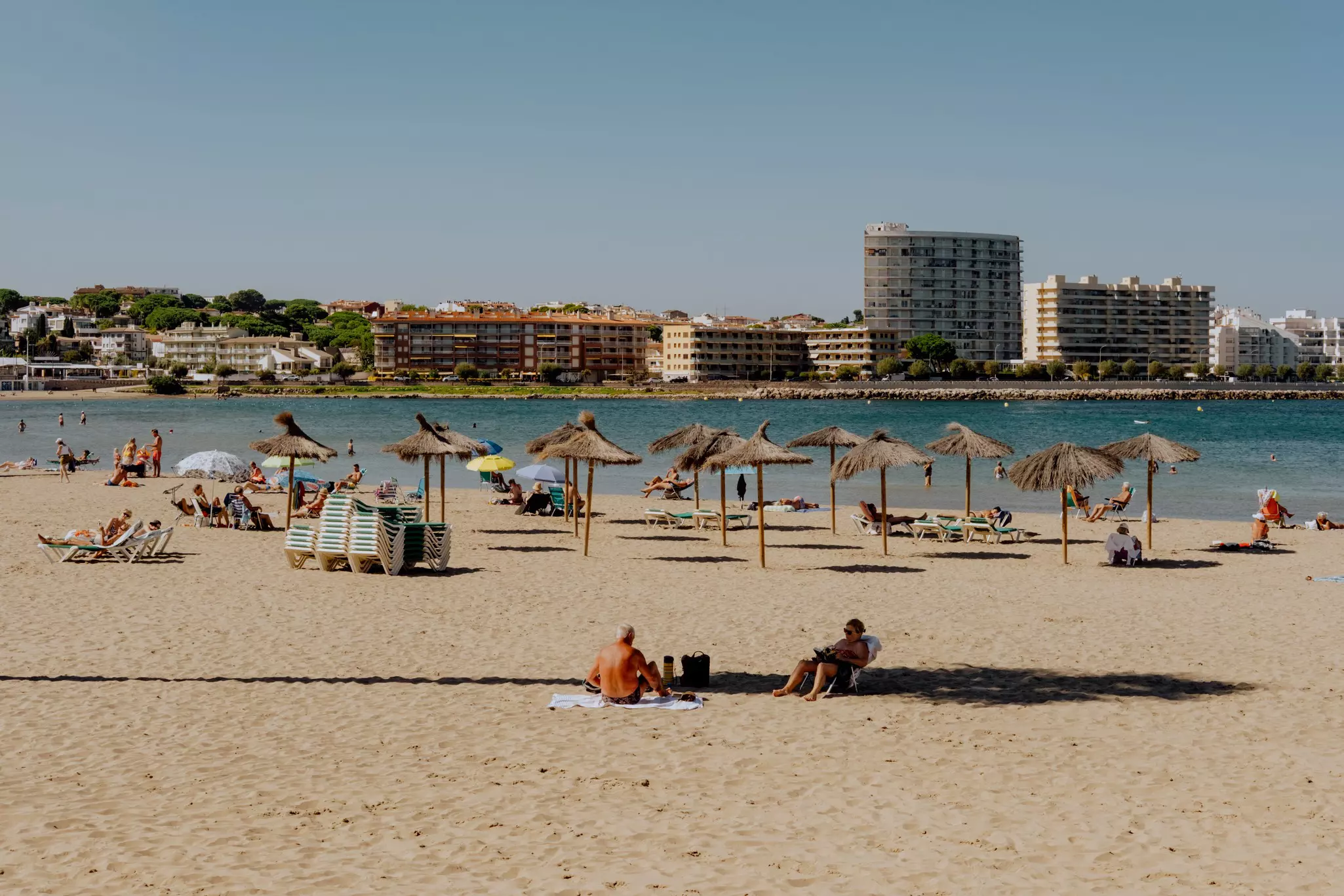
Temperatures have already hit extreme levels across Spain, with Seville, Granada and Córdoba among the worst-hit cities this week. Even Madrid reached up to 40°C (104°F) on Sunday, as the longest day of the year arrived, but Barcelona on the coast has been spared the worst of the extreme weather so far, with highs of around 32°C (89.6°F).
Five provinces are on a red weather alert, including regions in the north not normally subject to such oven-like temperatures. Red weather alerts have been issued for the Basque Country, Cantabria and Andalucía, while orange warnings are in place across around 10 regions.
Travel tip: Many councils have canceled their San Juan bonfires and fireworks, particularly in rural areas where there is a risk of wildfires. Check locally for cancellations of other festivals and events.
For the latest forecast: MeteoSwiss
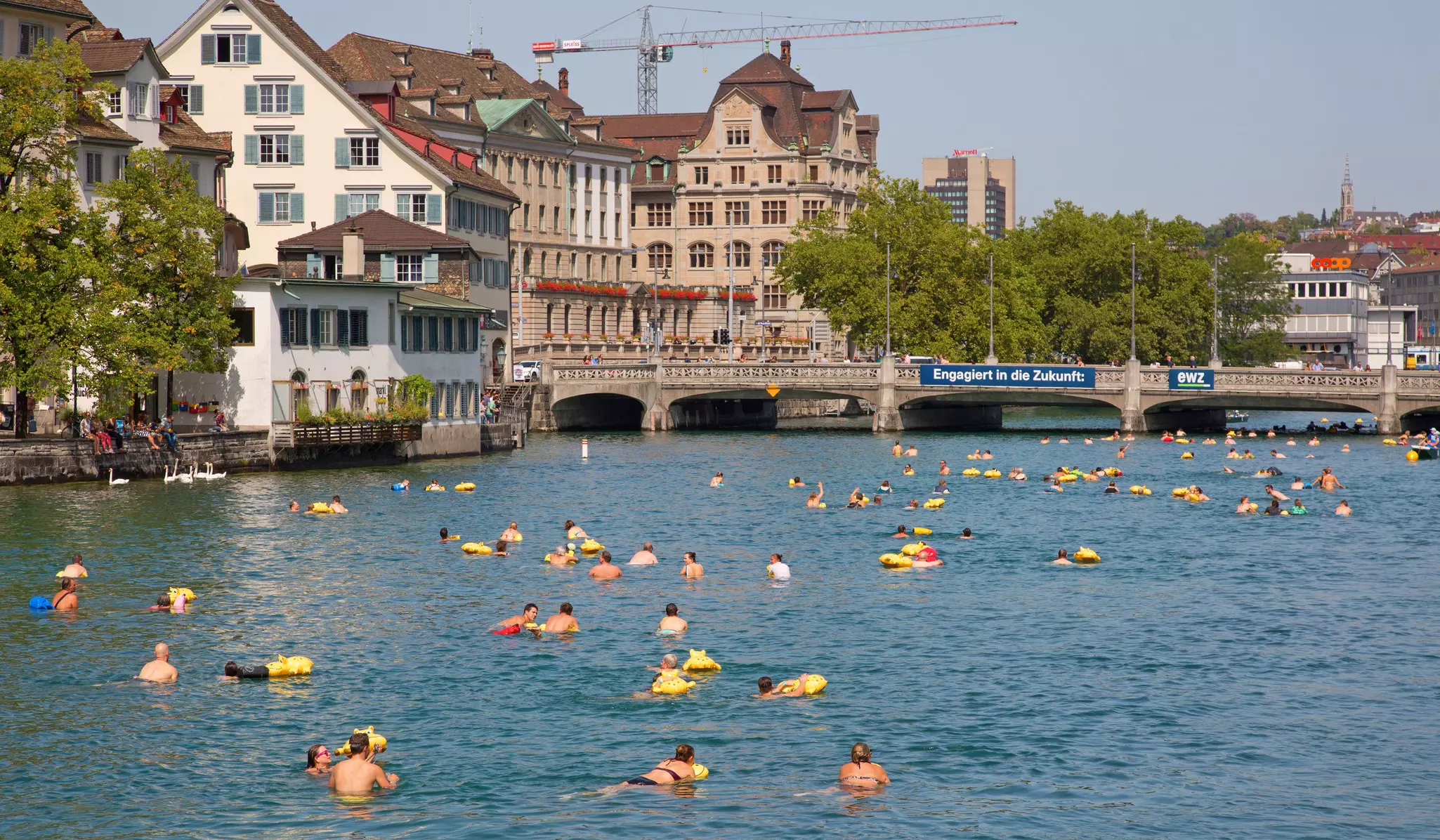
Regions across the northern band of Switzerland raised their heatwave warning to its highest level this week. The authorities expect the heat to last for at least 3 days with no significant drop in temperature overnight. Geneva, Basel, Lausanne and Sion were all moved to a high-risk level by MeteoSwiss, the country’s weather bureau.
Temperatures in Zurich are expected to reach 36°C (96.8°F) over the weekend, with the chance of some cooling rain arriving next Tuesday. Most of Switzerland’s trains have already been upgraded to include air conditioning (which isn’t the case across all of Europe), but older coaches on the Zurich S-Bahn have ventilation only, with no cooling systems.
Travel tip: Visit the heat warnings page on the MeteoSwiss website for advice on staying cool during the heatwave.
For the latest forecast: Met Office
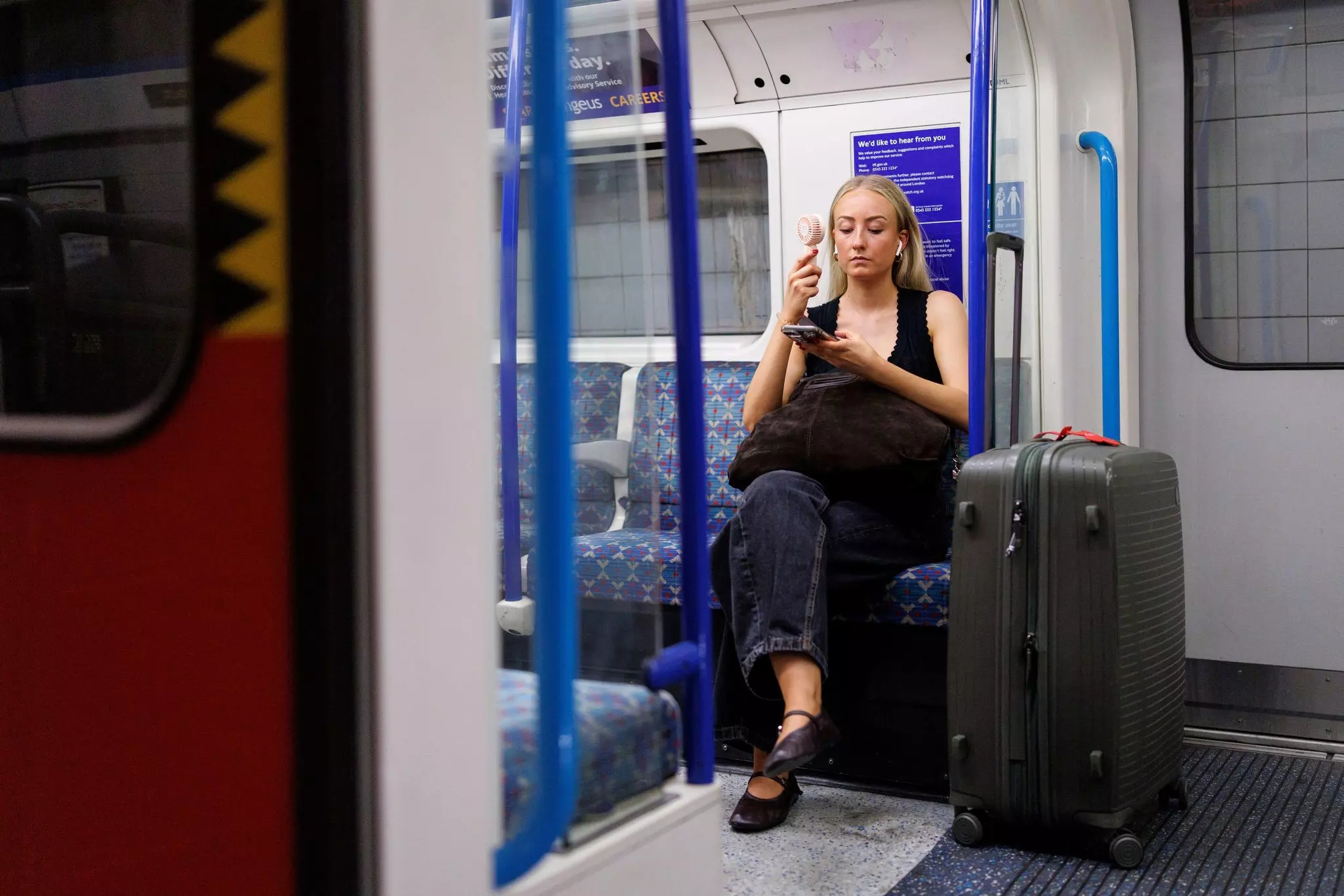
The record for June temperatures in the UK looks set to be broken in 2026, with the Met Office issuing a Red Extreme Heat Warning from June 22. Southern and central England, as well as much of Wales, have been the worst-affected areas. Antonio Guterres, the UN secretary general, speaking at London Climate Action Week, said: “London isn’t just calling. It’s cooking.”
Transport operators in England have urged customers to only travel if it is absolutely necessary. At this week’s Harry Styles concerts at London’s Wembley Stadium, free sunscreen will be handed out and water sold at a discount.
Public ceremonies such as the Changing of the Guard at Buckingham Palace and Windsor Castle have been canceled for the welfare of the soldiers and horses. In Wales, extra water is being released from reservoirs to keep rivers healthy and protect fish from the heatwave.
Travel tip: If you visit London, carry extra water and be cautious of high temperatures on the London Underground; ask staff for assistance if you feel unwell.
For many sights, especially those with less shade, it’s best to book your visit for the early morning or late afternoon. A classic example is the Acropolis in Athens, which is sometimes closed from midday until 5pm, for the safety of travelers and workers at the site. The Acropolis Museum, however, is open all day and air-conditioned, so prebook tickets to avoid the midday queues.
Cotton skirts or shorts and sandals are not enough to see you through extreme temperatures by themselves. Pack a large water bottle, powdered electrolyte sachets, a light umbrella to use as a parasol, a hat, high-SPF sunscreen, sunglasses and a paper fan or portable electric fans. Towels that you dampen and drape over your neck or face can also help you stay cool via evaporation.
It may be the trip of a lifetime, but it’s very important to be flexible about your travel plans if the weather is against you. If it’s not possible to reschedule, be prepared to simply cancel your plans if the weather conditions are severe, even if that means losing money. Your tickets may be a sunk cost, but getting heat stroke is not going to bring that money back to you!
Yes, you want to minimize your exposure to sunshine, but many European cities do not have air-conditioned transport services, as hot weather has traditionally been rare. If you can get from A to B on foot, walking on the shady side of the street, this may be preferable to being stuck in traffic in a sweltering bus, or worse, being stuck in a broken-down subway train with no spare seats to flop into. As well as helping you stay cooler, walking means you'll be close to spots where you can get water.

If you can’t find a water fountain readily, there are a bunch of apps available now for travelers that will locate these for you. In the UK, try Refill; in mainland Europe, check out Dopper. Most train stations have water fountains, and you’ll find that many cafes and other businesses are usually pretty accommodating if you buy something before asking if you can refill your water bottle.
Some European towns and cities have more tree cover than others, which is where Shadeapp can come in handy for planning your day in extreme heat. Enter details of where – and when – you are traveling to find places where you can find shade in the middle of the day. For example, if you’re sweating in the sun in Bruges’ Markt, there’s a shady park one block away.
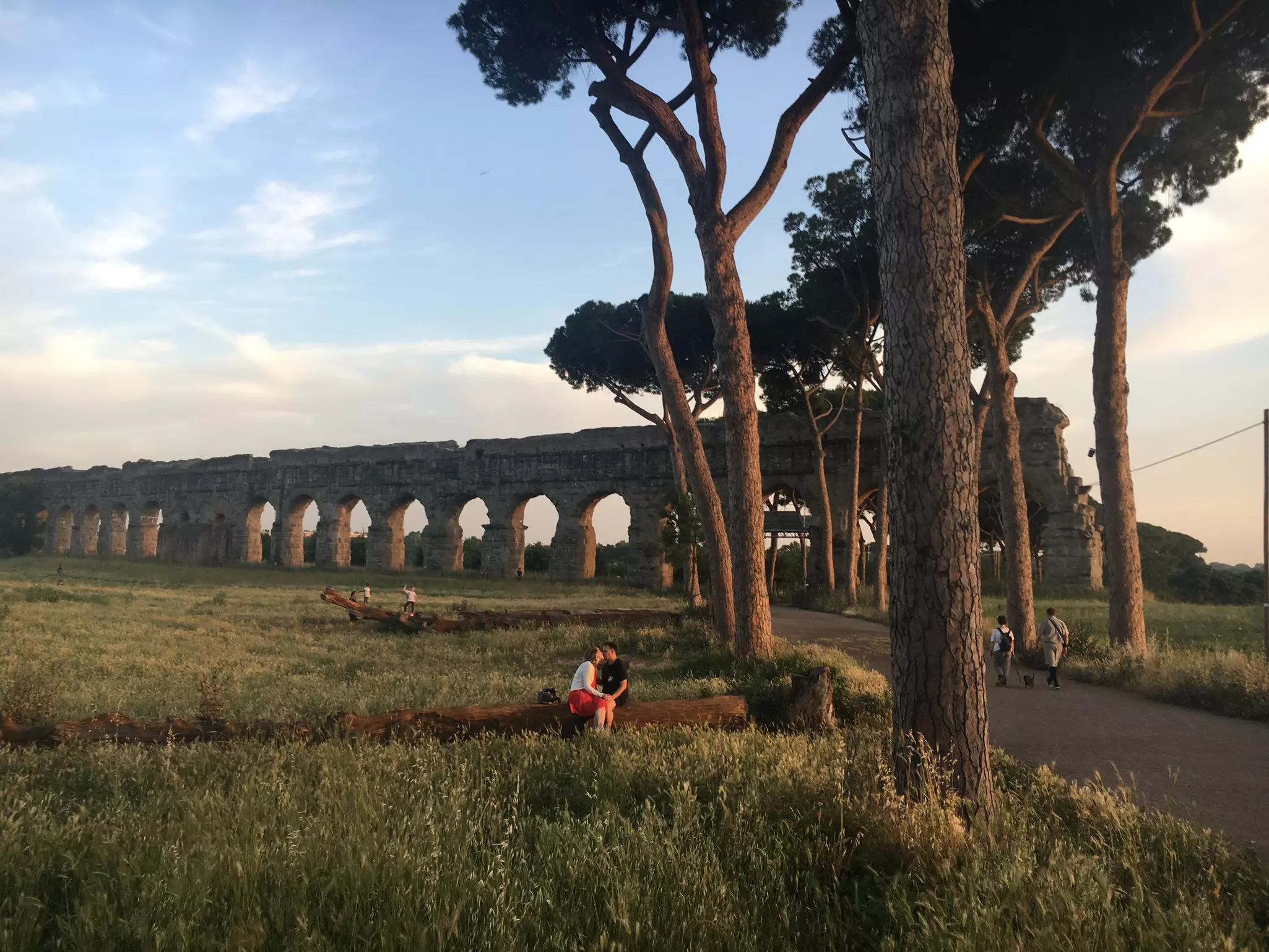
While parks are the obvious choice for shade, note that some have more tree cover than others. If you’ve already booked your tickets to the Colosseum in Rome, you’ll be pleased to see that – even at midday – there are shaded paths at Palatino (Palatine Hill) within the city's archaeological zone.
It’s best to take steps to avoid the heat, but there's still a risk of becoming unwell, including while you're inside away from the sun. Heatstroke can be fatal, so be alert to the symptoms. Signs to watch out for include fatigue, feeling faint, headaches, muscle cramps, nausea, getting very thirsty, sweating a lot, or a rash. If you still feel unwell after 30 minutes, even after taking every measure to cool down and rehydrate, you may need to seek medical care.
Many European cities are built around rivers and canals, but as tempting as it might be to get in the water on a hot day, always swim at designated bathing places. Not only can you pick up a stomach bug from swimming in dirty water (which will increase your potential for dehydration), but there may also be submerged hazards and boat traffic to avoid.
There have already been several drownings in France this summer, and heatwaves are linked to increased deaths in water across the world. The good news is that you can find water to safely cool down in even in major cities – London has a mix of wild swimming spots and lidos to cool off in, and city swimming spots pop up all over Paris in summer.
Explore related stories