Sep 27, 202627 min read
The Best Budget Destinations in Europe for 2026Sep 27, 2026
27 MIN READ

Writer
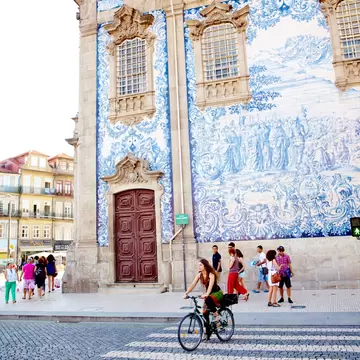
A church decorated with azulejo tiles in Porto, Portugal. Matt Munro for Lonely Planet

Writer
Lonely Planet may earn a commission from affiliate links on our site. All recommendations and reviews reflect our own independent opinions.
The best places to visit in Europe rank among the best places to visit in the world. Imagine medieval cities dripping with elegant architecture, idyllic islands, snow-tipped mountains, sun-blessed beaches and more. But Europe’s riches don’t always come cheap – you’ll need a generous budget to get the best from pricey destinations such as Geneva, Copenhagen and Paris.
The good news is that Europe is studded with stops that are perfect for budget travelers. Historic capitals in Eastern Europe and the Balkans call out to travelers set on budget city breaks, while the best cities for budget hunters in Western Europe reward strategic travel, focused on free things to do, inexpensive activities and good-value experiences.
When picking places for this list, we’ve assessed the costs for sightseeing, accommodation, food and local transportation, based on on-the-ground prices for budget-to-mid-range travelers in 2026. If you’re looking to get more from Europe for less, here are the best budget destinations in Europe for independent travelers.
Budget travel means different things to different people, and traveling on a budget can feel quite different in a big city compared to a rural backwater. The availability of free things to do can make a big difference too – London ranks as one of Europe’s most expensive cities for accommodation, but it has inexpensive public transportation and arguably Europe’s best collection of free-to-visit museums.
For the purposes of this list, we’ve defined our budget categories as follows:
Budget traveler: Places you can visit for 40 euros (€) to €70 per day, covering hostel accommodation, local meals and public transport, with limited spending on sights and attractions.
Mid-budget traveler: Places you can visit for €70–120 per day, covering a private room at a budget hotel, meals in sit-down restaurants, public transportation and a few paid attractions per day.
Note that the time you visit can have a big impact on the cost of your trip. Prices during the summer peak season from July to August can be 20–40% higher than during the shoulder seasons from April to June and September to October. Winter tends to be cheaper still, except over Christmas and New Year, when many destinations welcome visitors with seasonal markets and festive events.
Also note that the cost of living can vary widely as you travel around Europe. Nordic countries such as Sweden and Denmark have some of the highest costs, while countries in Western Europe that use the euro as their currency tend to be more expensive than nations in Eastern Europe and the Balkans that use their own currencies.
We’ve picked 10 of the best budget destinations in Europe, with something to appeal to everyone, whether you're a fan of food, views, architecture, history or culture.
Daily Budget: €40–60 (budget traveler)
Best for: First-time budget travelers
Cheapest months to visit: October, November, January, February
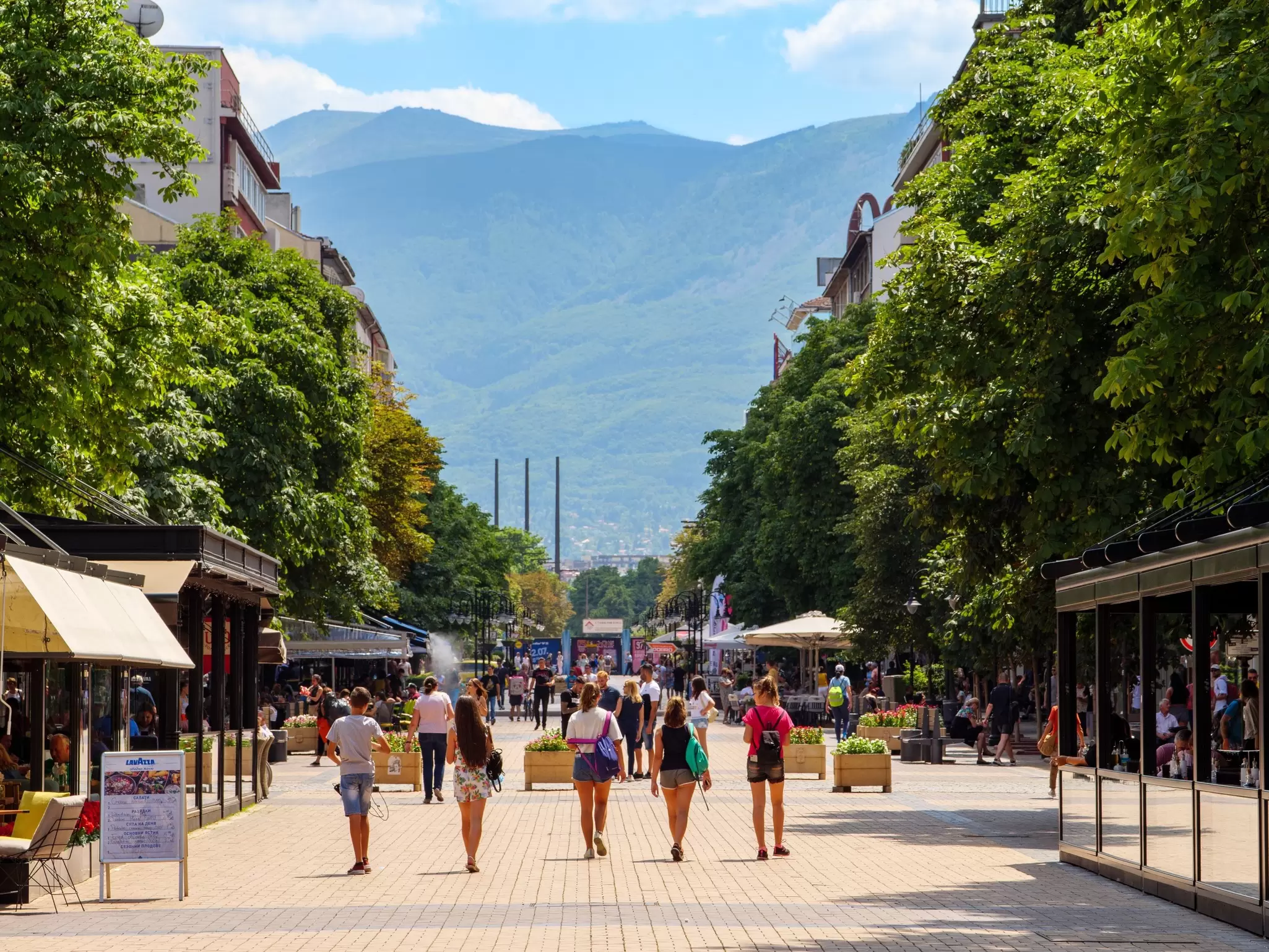
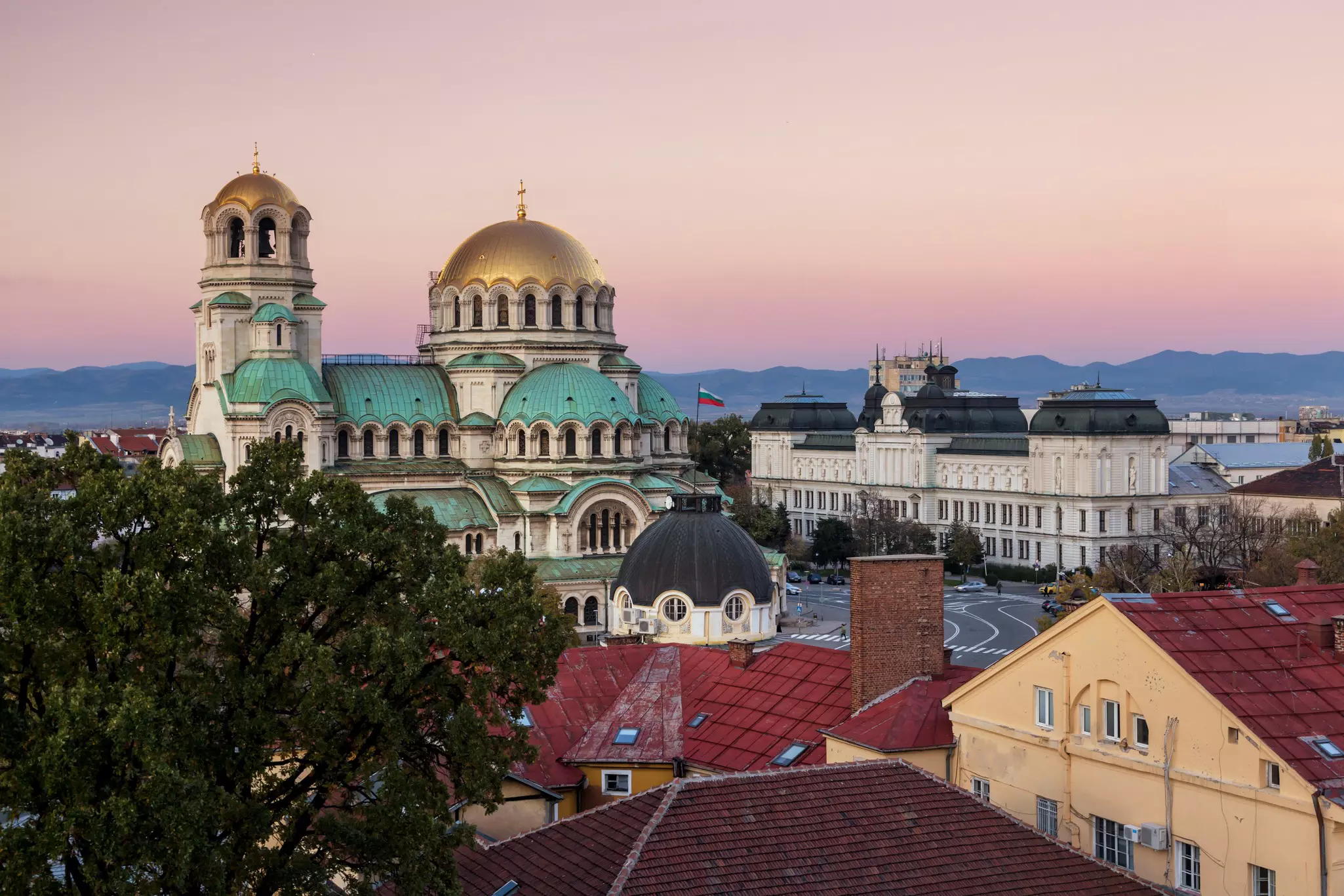
Hailed as the least expensive capital city in the European Union, Sofia rewards budget travelers with ancient ruins, grand Orthodox and Soviet-era architecture, and a laid-back, youthful vibe – all backed up by inexpensive transport and accommodation, mountain views and great value cuisine and nightlife. It's a top destination for a first budget trip to Europe; adding to an already enticing package, extensive rail routes make it easy to fit the capital of Bulgaria into a multi-city overland tour.
Free things to do: There’s no fee for exploring the vast Aleksander Nevski Cathedral – a neo-Byzantine, Russian-inspired landmark built between 1882 and 1912 – or taking a peek at the ruins of the Roman-era Serdica amphitheater. There’s also no charge for people-watching on busy Vitosha Boulevard or around the City Garden, home to the elegant Ivan Vazov National Theatre and the City Art Gallery (free on the second and fourth Thursday of the month). Free tours of the historic landmarks around the center are also popular, though you should remember to tip your guide.
Eat well for less: Bulgarian food and wine are famously inexpensive and tasty – expect to pay €5–12 for a meal. Seek out inexpensive lunches of shopska (salad) or beef ćevapi (skinless sausages) and beans at neighborhood mehanas (local restaurants).
Getting there cheaply: Numerous budget airlines serve Vasil Levski Sofia Airport, including Ryanair, Wizz Air and EasyJet. Alternatively, leap onto the train; international services run to many neighboring countries, including Budapest, Bucharest, Thessaloniki and Istanbul.
Find more from Lonely Planet: Check out our Romania & Bulgaria guidebook.
Daily Budget: €35–50 (budget traveler)
Best for: Anyone who likes getting off the main tourist trail
Cheapest months to visit: November to February
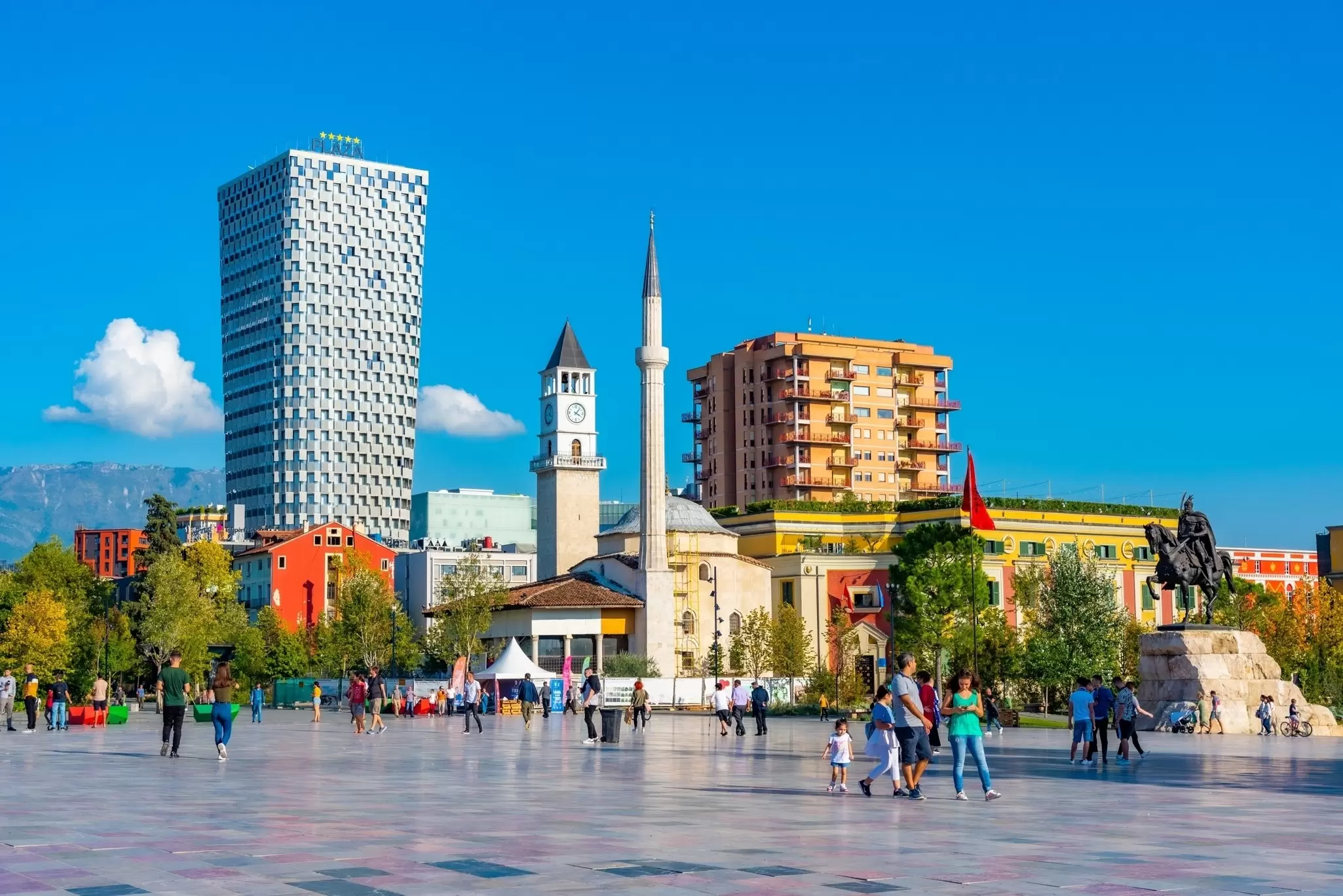
Albania is attracting ever more attention as Europe’s last untouched corner, but prices remain low, making its cosmopolitan, Ottoman-flavored capital a great option for travelers looking for travel surprises with less cost. Tirana is only slowly being discovered but there's plenty to see for free; factor in food with Turkish, Greek and Balkan influences and appealingly avant-garde art and architecture and it’s easy to see the appeal.
Free things to do: Start at a landmark to Albania’s passage from secretive dictatorship to modern European state – the imposing Namazgja Mosque, built after Albania relaxed its policy of state atheism. Soak up the vibe of grand Sheshi Skënderbej square, with its now-restored 18th-century mosque, and drink in centuries of history for a modest entry fee at the National Historical Museum, with its rousing Communist-era frieze. If you’re into art and architecture, swing by the Pyramid of Tirana, co-designed by the daughter of former dictator Enver Hoxha.
Eat well for less: Take a picnic to the Tirana Lake Park, home to St Procopius Church, the Presidential Palace and Tirana Zoo. Grab picnic ingredients at the Pazari i Ri market by Avni Rustemi Square.
Getting there cheaply: Ryanair and Wizz Air have opened up Tirana International Airport to budget travelers from all over Europe, but there are no international rail links.
Find more from Lonely Planet: Check out our Albania guidebook.
Daily Budget: €35–45 (budget traveler)
Best for: History lovers
Cheapest months to visit: November, January, February
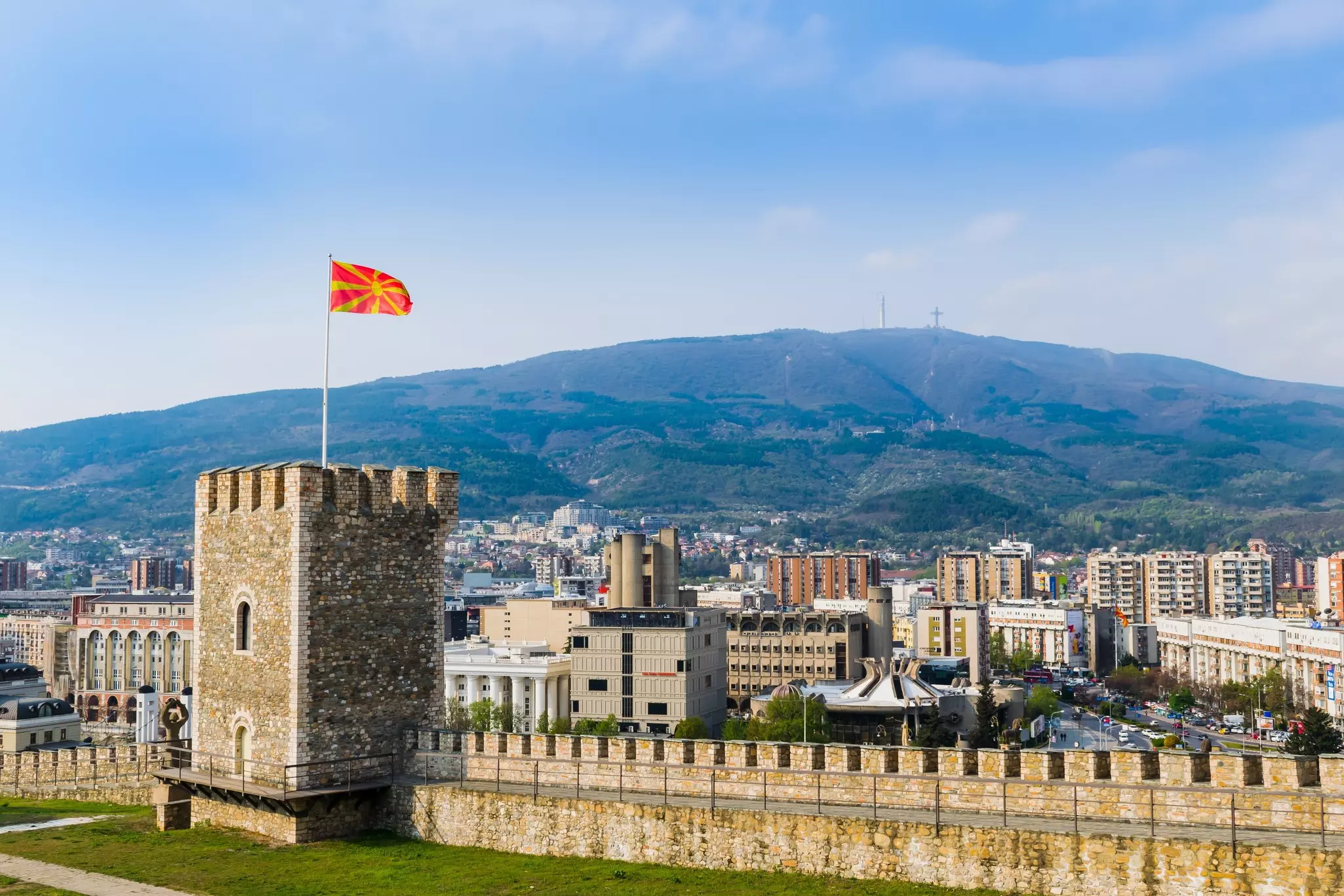
Compared to Dubrovnik or Split in Croatia, or Kotor in Montenegro, North Macedonia is a haven of calm, and this also applies to its charming, budget-friendly capital city. Centered on a historic old town hemmed by ancient fortifications, Skopje spins tales of Byzantine rulers governing waning empires and the rise of Ottoman power. Great weather, low-cost accommodation and inexpensive food showcasing influences from across the region seal the deal.
Free things to do: Start with an atmospheric wander around Čaršija – the old town – then take a stroll over the 15th-century Kameni Most bridge and take in views from the battlements of the 6th-century Tvrdina Kale Fortress. Housed in a former Ottoman bathhouse, the National Gallery of Macedonia shows off the nation’s artistic talent for a tiny entry fee, while the Sveti Spas Church and Mustafa Pasha Mosque reveal Skopje’s spiritual side.
Eat well for less: Skopje’s bakeries and simple grill restaurants in the old town offer bargain meals for the equivalent of €3–6; try Destan for tasty kebabs with freshly baked bread.
Getting there cheaply: Skopje International Airport receives low-cost Wizz Air flights from across Europe, but international trains are currently suspended.
Find more from Lonely Planet: Check out our Western Balkans guidebook.
Daily Budget: €35–45 (budget traveler)
Best for: Travelers looking for something new
Cheapest months to visit: November–March
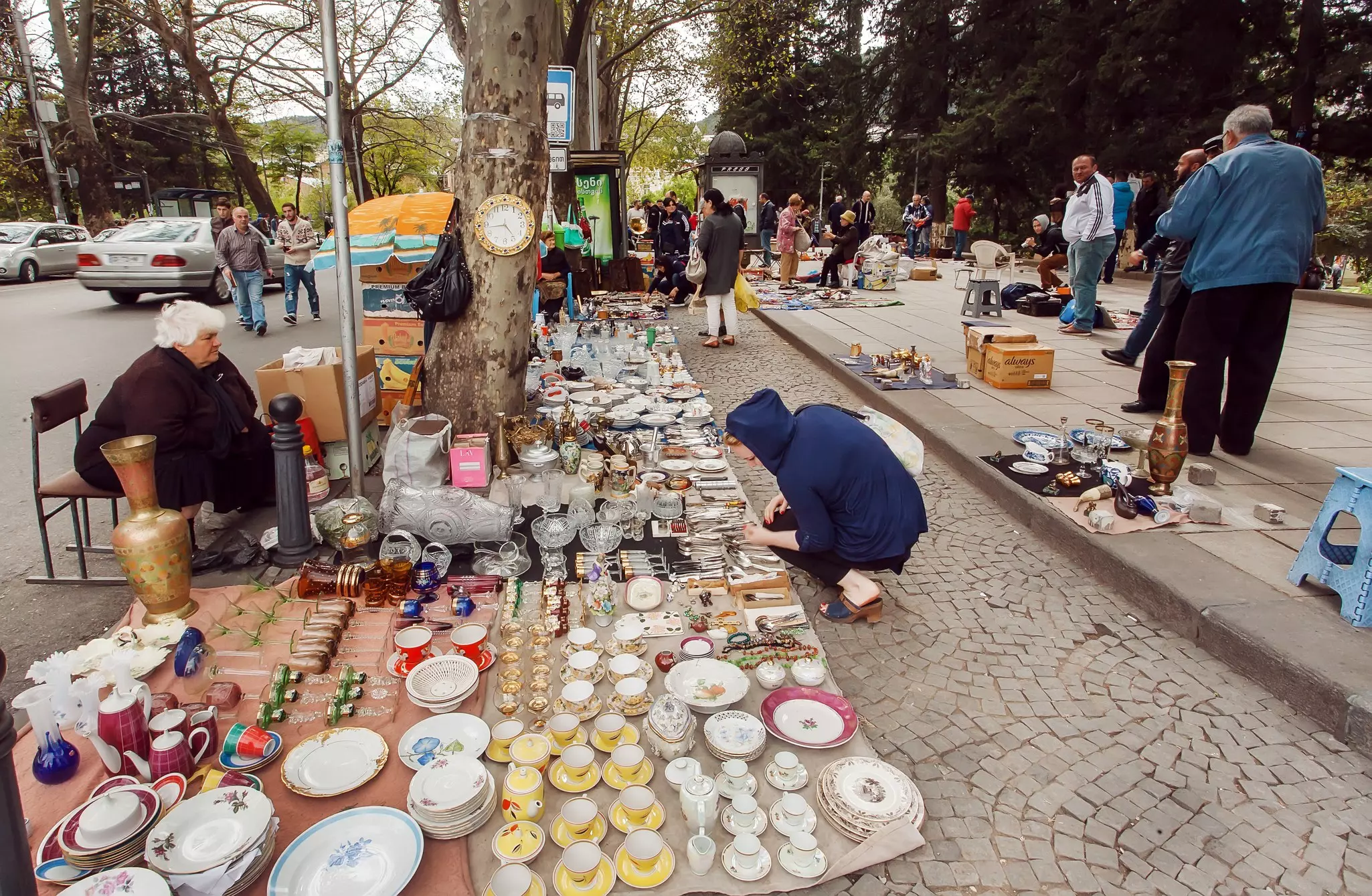
Okay, we’re stretching the definition of Europe by bringing in the Caucasus, but Georgia is where a hint of Byzantine culture lingers on the shores of the Black Sea. And you can’t fault the budget credentials of its energetic capital city, Tbilisi, or its beguiling blend of ancient history and modern edginess – this is, after all, the Caucasus’ capital of techno music. And the climate, architecture and cuisine will make Tbilisi feel agreeably unfamiliar to anyone new to exploring Europe’s fringes.
Free things to do: You won’t have to spend a lari (the Georgian currency) to soak in the nation’s history, etched into the stone columns of the Chronicles of Georgia monument. Hiking up the Sololaki ridge to take in views from the aluminium statue of Mother Georgia is similarly cost-free. We also recommend browsing for bargains at the flea market known as the “Dry Market” by the Saarbrücken Bridge; look out for old Soviet-era memorabilia amongst the bric-a-brac.
Eat well for less: Bargain food in Tbilisi means khinkali – thick, boiled dumplings that are eaten dipped in vinegar or tomato-based adjika sauce. Find them for pocket-friendly prices (the equivalent of €5–10) at Pasanauri, which has three locations in Tbilisi’s city center.
Getting there cheaply: Budget airlines have been slow to come to Tbilisi International Airport, but EasyJet has opened the door, or there are cost-effective routes via Türkiye with AJet or Pegasus.
Find more from Lonely Planet: Check out our Georgia, Armenia & Azerbaijan guidebook.
Daily Budget: €50–65 (budget traveler)
Best for: Backpackers and party people
Cheapest months to visit: November–February (excluding the Christmas holidays)
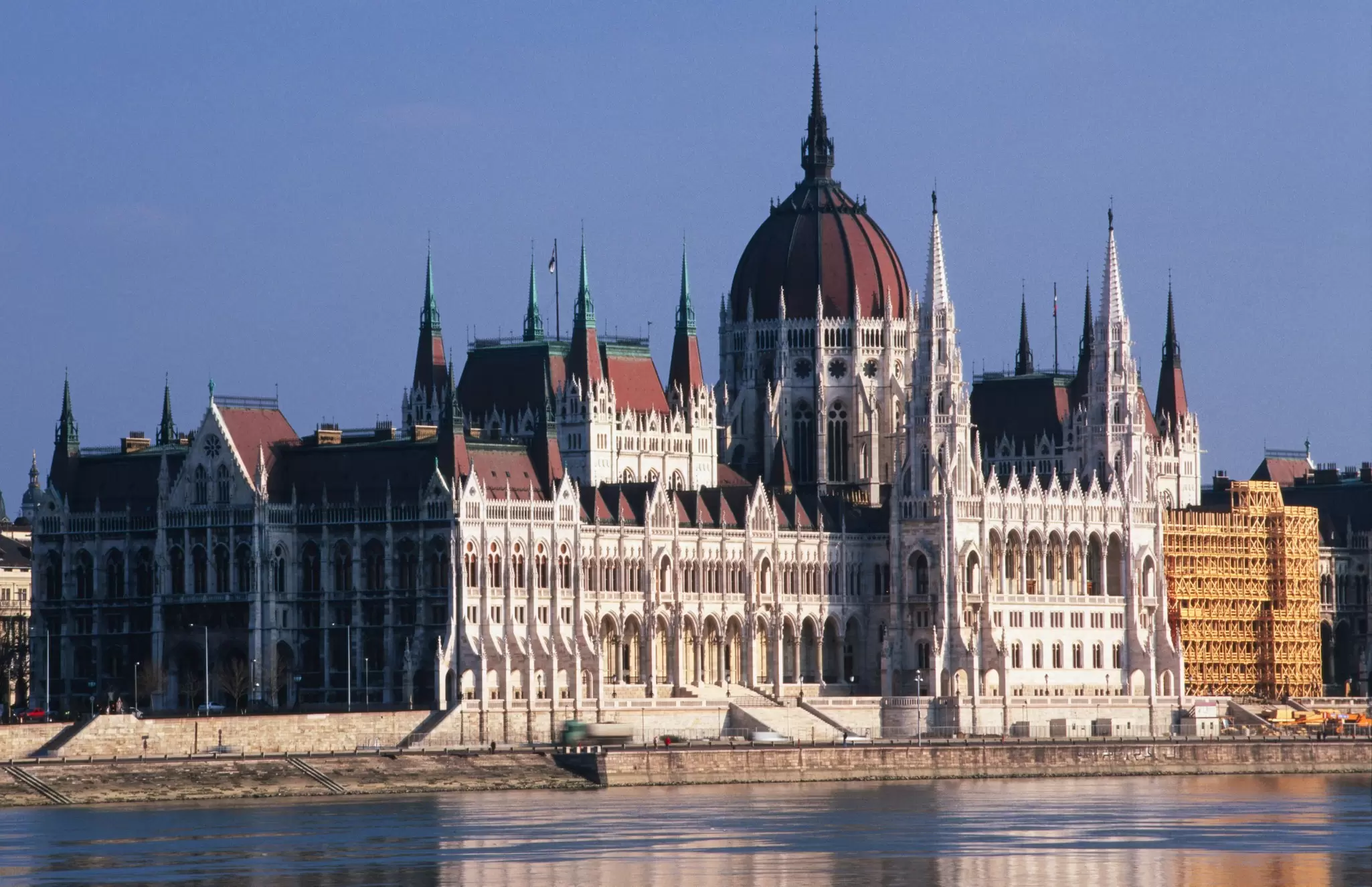
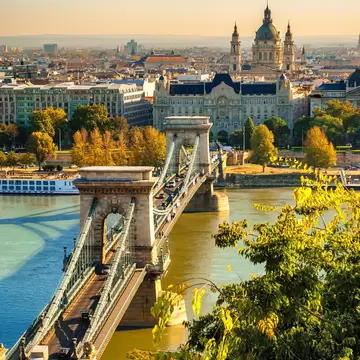
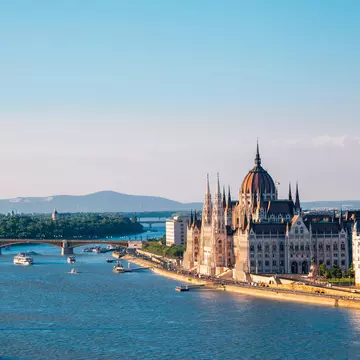
For every grand, premium-priced bathhouse in elegant Budapest, there’s a budget alternative, and the city’s general grandeur – unfolding on both banks of the Danube River – is free for all to enjoy. Wander at will and contemplate the fact that these wonders were once secreted away behind the Iron Curtain. Excellent international air and rail links, inexpensive lodgings, great food and appealingly irreverent “ruin bars” only cement the appeal for budget travelers.
Free things to do: Kick off a budget trip by hiking up to the Citadella fortress atop Gellért Hill, for dizzying views over Budapest. Leaf through literature at Ervin Szabó Central Library for a nominal registration fee, amble around the city’s Roman ruins (there’s no charge to view the Contra Aquincum fortress or the city’s twin amphitheaters), or visit one of the cheaper, local-style bathhouses such as Dandár for a restorative soak. Whatever else you do, visit one of the city’s ruin bars – informal pubs set in formerly abandoned buildings – for a pocket-friendly drink.
Eat well for less: Hungarian food goes far beyond goulash, and meals are reasonably priced in Budapest, particularly at the city’s low-cost cafeterias (prices for mains are equivalent to €6–10). Alternatively, build a picnic from bread and cheeses, kolbász (sausages) and local wines at the Nagycsarnok (Great Market Hall), and take it to City Park, Károly Garden or Margaret Island.
Getting there cheaply: Many budget airlines serve Budapest’s Ferenc Liszt International Airport; Ryanair and Wizz Air rule the roost, but look out for deals on smaller budget carriers such as Jet2 and Eurowings. By rail, there are routes from most neighboring countries.
Find more from Lonely Planet: Check out our Budapest & Hungary guidebook.
Daily Budget: €45–60 (budget traveler)
Best for: Solo travelers
Cheapest months to visit: November, January, February
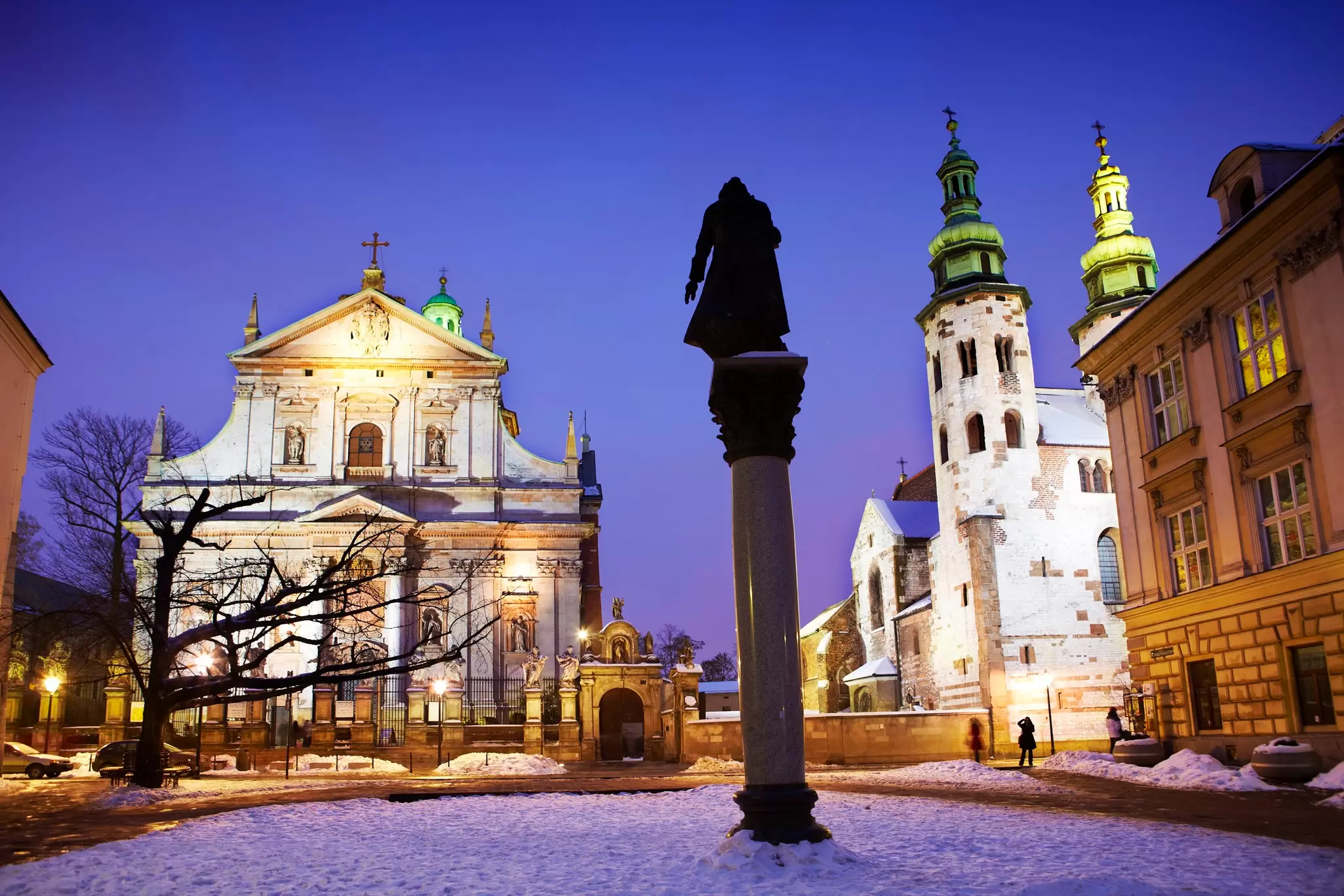
UNESCO gave up on listing individual landmarks in Poland’s grand second city and decided to list the whole center instead. Admiring Kraków’s magnificent medieval architecture at street level – in between pausing for coffee or the odd Polish beer – is a great low-cost activity, and you can fuel your explorations with cheap plates of pierogi dumplings. The city is famously sociable, rooms are reasonably priced and plenty of activities are free to enjoy, from the grounds of Wawel Castle to finding traces of the city’s pre-war Jewish heritage.
Free things to do: While there’s a fee to enter the chambers of Wawel Royal Castle, you can wander the grounds for free – which is also the price for wandering the historic streets around gorgeous Rynek Główny square. You’ll have to pick your time for other free activities such as admiring the conceptualist and avant-garde art at the Museum of Contemporary Art in Kraków (free on Thursdays) or visiting the thought-provoking museum inside Schindler's Factory (free on Mondays). Meanwhile, the vaults below the market square – known as Rynek Underground – are free to explore on Tuesdays.
Eat well for less: Pierogi (€4-7) are your passport to a filling, flavorful and pocket-sparing meal in Kraków; seek out portions at economical prices at friendly traditional bar mleczny (milk bars) such as Milkbar Tomasza and Bar Mleczny Krakus.
Getting there cheaply: Kraków Airport is a popular stop for budget airlines; Ryanair has the widest selection of flights. International trains connect Kraków to many neighboring countries, including Czechia, Slovakia, Hungary and Austria.
Find more from Lonely Planet: Check out our Poland guidebook.
Daily Budget: €60-75 (budget traveler)
Best for: People who love street life
Cheapest months to visit: November, January–March
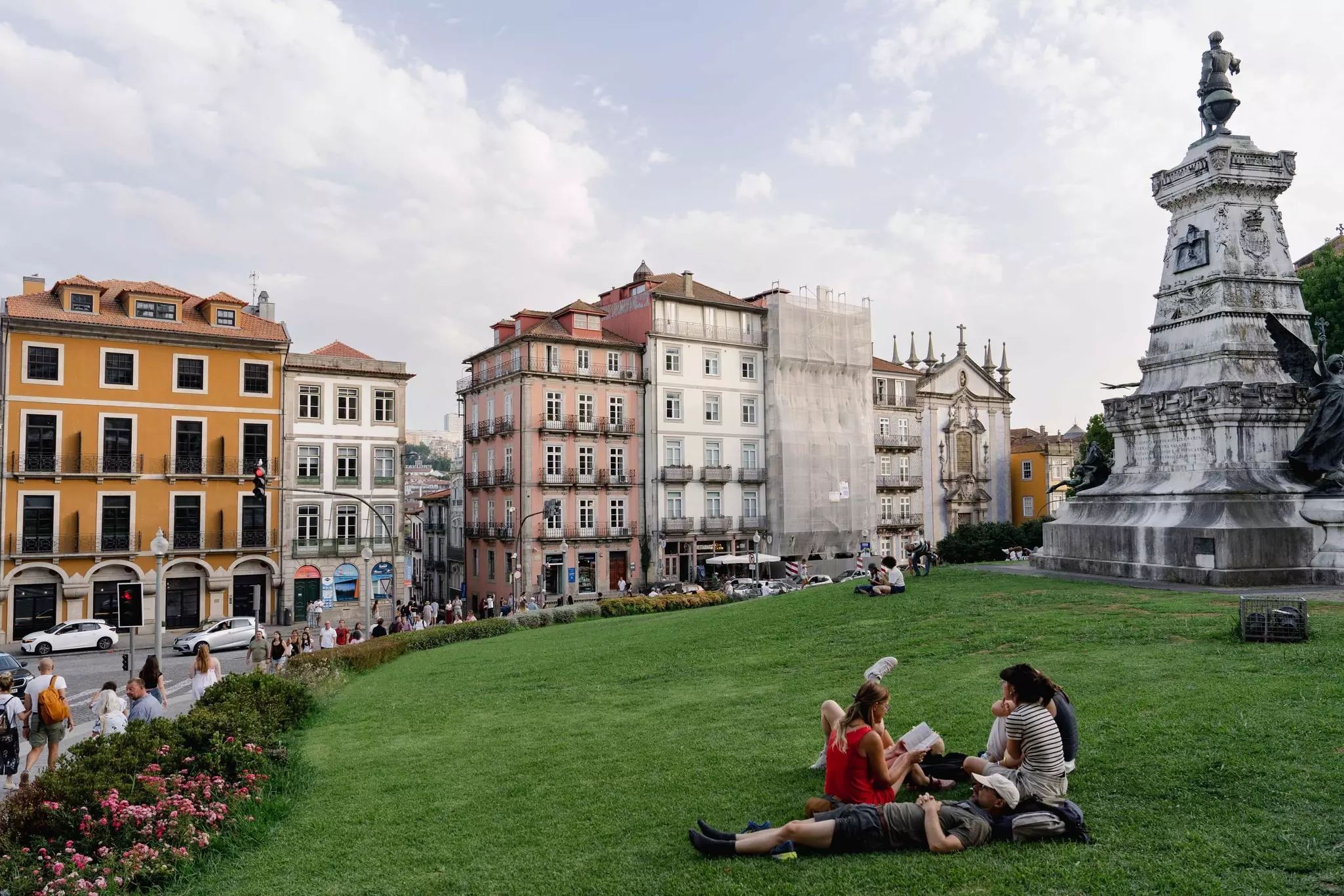
While travelers mob Lisbon, things are (a little) calmer in Porto, and prices are a little lower, making the city a magnet for budget travelers. For a start, Porto is a joy to explore on foot, admiring buildings adorned with azulejo tiles, walls adorned with street art, and uplifting views over the Douro River from the city’s iconic bridges. Then there are the sunsets – take a bottle of port and some paper cups to Jardim do Morro and soak in the display. Oh, and did we mention that lovely beaches with quality surf are just a short metro or train ride away?
Free things to do: Start a search for buildings bejeweled with azulejos at the São Bento train station, and swing by the tiled churches of Capela das Almas, Igreja do Carmo and Igreja de Santo Ildefonso. For modern street art, kick off with the iconic murals at Travessa de Cedofeita, Escadas do Codeçal, and the parking lot at Trindade. The city’s green spaces are also beguiling free stops, particularly the Jardins do Morro and Jardins do Palácio de Cristal. Fill up some camera cards snapping the views from the Dom Luís I Bridge and the Felgueiras lighthouse at the mouth of the Douro, a 6km walk from the center. For a low-cost surf trip, take the metro to Matosinhos Beach and rent a board.
Eat well for less: You’ll definitely want to try the local port, brewed here since the 17th century; casual bars charge as little as €3 per glass, or you can buy a bottle from a supermarket for not much more and enjoy it somewhere scenic. When it comes to food, bakeries and sandwich shops can fill you up by day, while grazing on petiscos (tapas-like small plates) at the city’s tascas (taverns) can be a good deal after dark.
Getting there cheaply: Porto Airport is an established stop on the budget flight circuit, with loads of routes from EasyJet and Ryanair, but also look at train routes from Spain.
Find more from Lonely Planet: Check out our Portugal guidebook.
Daily Budget: €70–90 (mid-budget traveler)
Best for: Anyone who enjoys exploring on foot
Cheapest months to visit: November–January
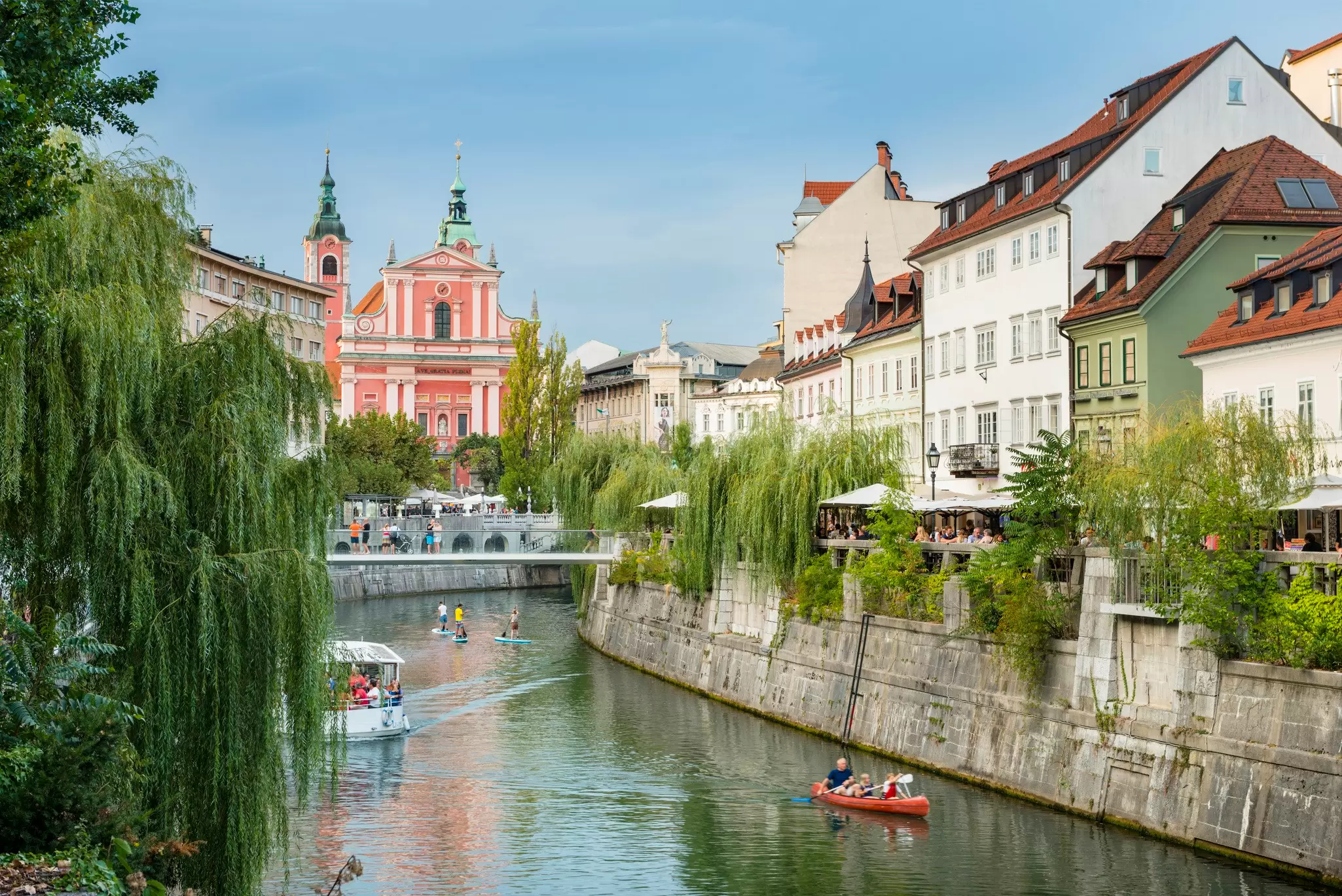
As well as being tricky to spell, Slovenia’s cultured capital is a great choice for a budget break. Ljubljana is a city of bijou lanes, Baroque and art nouveau architecture and edgy counterculture, and you don’t need a royal budget to enjoy it. Rooms are affordable, picnic lunches blend Italian exuberance with Balkan prices, and the city’s small scale means you don’t have to worry too much about transport costs (just walk).
Free things to do: Wandering Ljubljana's old town is a cost-free pleasure, with a fairytale collection of churches and grand townhouses to ogle. Look out for the striking work of architect Jože Plečnik, the creative mind behind the Triple Bridge, Central Market and National University Library. While Ljubljana Castle charges an entry fee, the courtyards and grounds are free, as are the views. On the first Sunday of the month, you can delve into history at the Ljubljana City Museum, and explore Slovenian art at the Museum of Modern Art MG+ for free. And a stroll beside the River Ljubljanica is always rewarding – swing by the Dragon Bridge for memorable river views.
Eat well for less: While the prices for meals in sit-down Ljubljana restaurants are not super cheap (mains cost €7–15), picnics of burek pastries, cheeses and cold meats will bring down lunchtime costs. Grab ingredients at the eye-catching Central Market by the river, and head to Tivoli Park to enjoy them.
Getting there cheaply: International trains run to Ljubljana from Croatia, Austria, Germany, Switzerland and other European hubs; coming from Italy, you’ll change trains at the border. Ljubljana Airport receives a handful of EasyJet and Wizz Air flights.
Find more from Lonely Planet: Check out our Slovenia guidebook.
Daily Budget: €70–95 (mid-budget traveler)
Best for: Foodies
Cheapest months to visit: Late October–February

The cheapest of Italy’s show-stopping major cities, Naples makes up for a certain grittiness with fabulous food at pocket-pleasing prices and a general zest for the good things in life. That extends to pizza – better (and often cheaper) here than in most places in Italy – and some impressive free museums and activities. Oh, and some magical day trips are possible for not too much outlay. A jaunt to Capri by ferry can cost as little as €30, while Pompeii is free to visit on the first Sunday of the month (and the train ride there starts at €7 return).
Free things to do: Exploring the Centro Storico on foot is an introduction to the energetic and animated lifestyle of Southern Italy, and you can sample it without breaking the bank at market stalls in the vibrant La Pignasecca market. Step into the magnificent Duomo di Napoli for free, check out free-to-view galleries in the Chiaia neighborhood and window-shop (but don’t buy) in the boutiques of the Galleria Umberto I. Be sure to roam beyond the center to Vomero; take in views over Naples and its guardian volcano from the Gradini del Petraio steps, then relax in the Villa Floridiana gardens.
Eat well for less: Coming to Naples without trying the pizza should be a criminal offense! Cozy local pizzerias can serve you a whole margherita pizza for as little as €5, while street food pizza by the slice can cost less than €3. Feeling thirsty? A half-liter carafe of vino della casa to wash it down might cost €7 or less.
Getting there cheaply: Train tickets from other cities in Italy to Naples can be a bargain, or there are plenty of budget flights to Naples Airport with Ryanair, EasyJet and Wizz Air.
Find more from Lonely Planet: Check out our Naples, Pompeii & the Amalfi Coast guidebook.
Daily Budget: €70–120 (mid-budget traveler)
Best for: Families
Cheapest months to visit: January–March
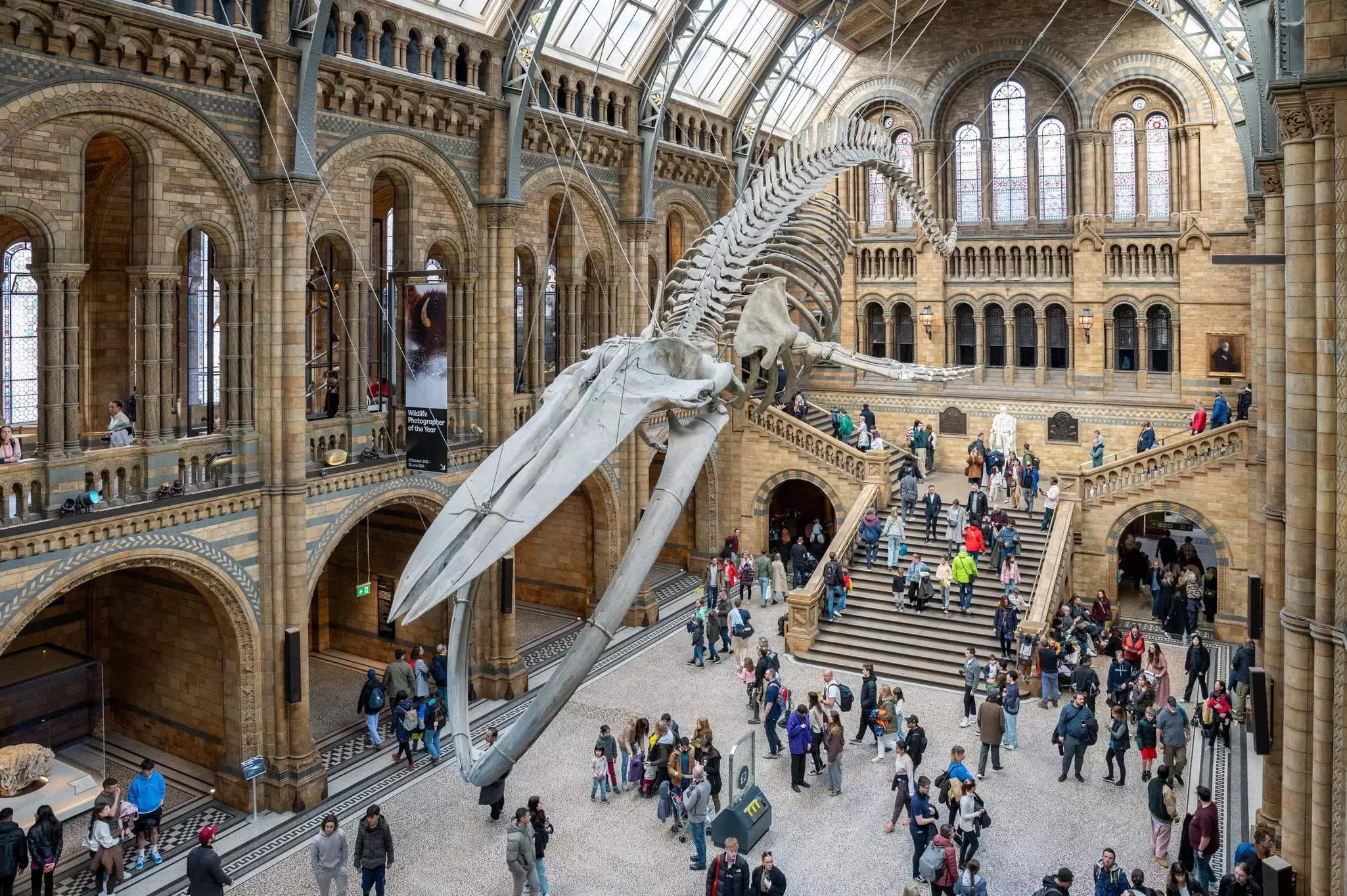
What is a city famed for being expensive doing on this list? Well, London can also be thrillingly cheap if you focus on the many free museums, the royal parks and admiring the architecture as you wander its historic streets and the banks of the River Thames. The trick is to find inexpensive hostel or chain hotel accommodation, take advantage of cheap lunch deals, and dine out at deliciously authentic restaurants in the diverse neighborhoods outside the center. The London Underground can whoosh you round for a capped all-day fare that won’t eat too big a hole in your budget.
Free things to do: Start with the museums. Make time for the British Museum, the three Kensington museums – the V&A, the Natural History Museum and the Science Museum – the Tate Modern and Tate Britain, and the National Gallery. Phew, that’s a lot of culture for no entry fees! Take a stroll along the Thames path to view the City of London skyscrapers, head to Greenwich for maritime history, and take time to relax for nada outlay in Hyde Park or Green Park, or wonderful, wild Hampstead Heath.
Eat well for less: At lunch, the supermarket “meal deal” is your friend – a sandwich, snack and drink for the equivalent of €4 or less – but good-value set lunches are also easy to find. For dinner, seek out reasonably priced world food in Bethnal Green (Vietnamese), Harringay (Turkish), Brick Lane (South Asian) and Brixton (Caribbean).
Getting there cheaply: Budget flights zip from all over to London’s budget flight hubs at Stansted, Luton and Gatwick. For long-haul flights, Gatwick tends to be cheaper than Heathrow. Alternatively, arrive from mainland Europe on the Eurostar train.
Find more from Lonely Planet: Check out our London guidebook.
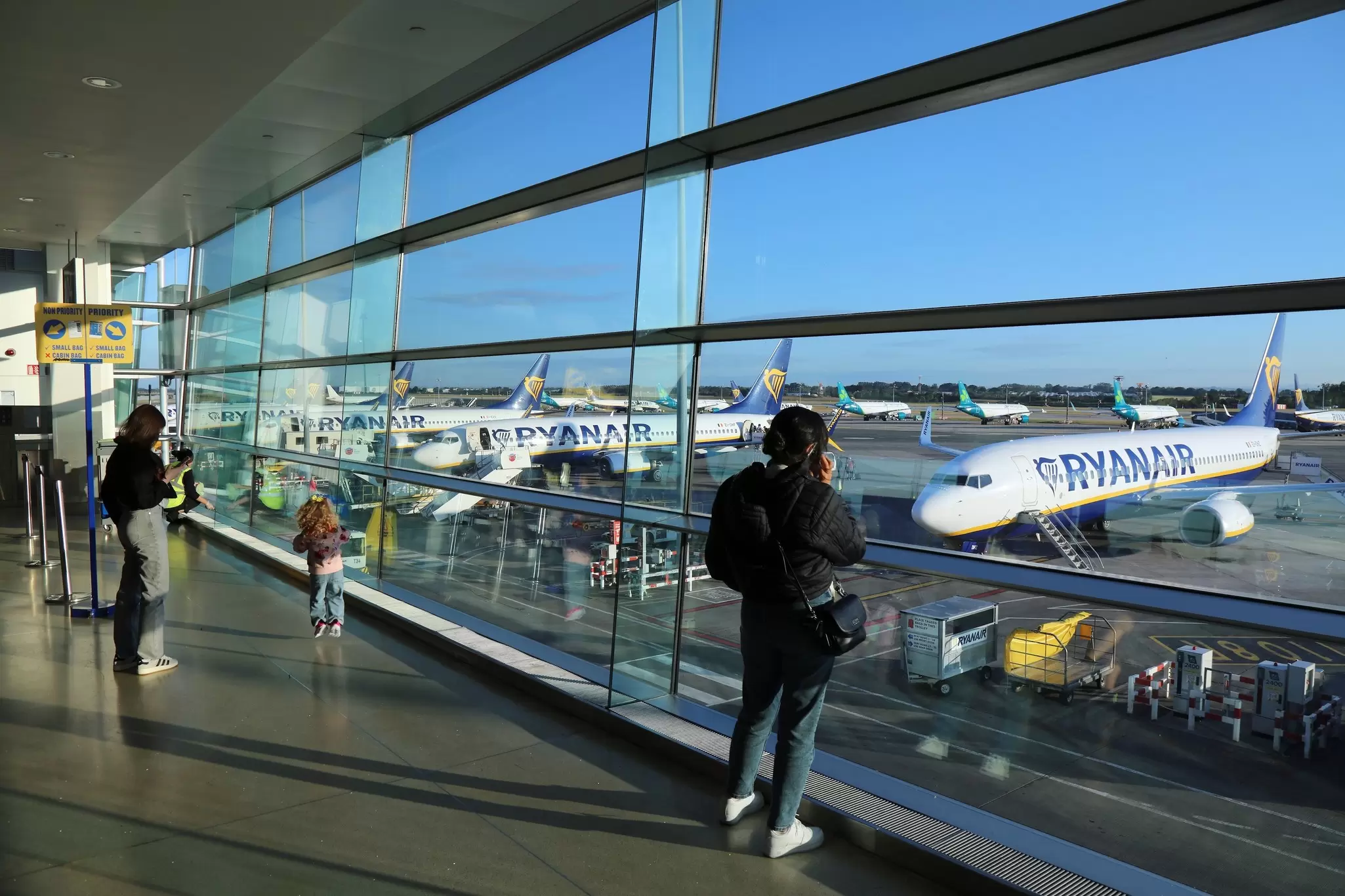
In an age of rising costs, traveling around Europe can be reassuringly inexpensive, thanks to the proliferation of budget airlines and reduced-price advance fares for trains. Three European airlines – EasyJet, Ryanair and Wizz Air – have revolutionized air travel in Europe, offering flights between dozens of European hubs at a fraction of the cost of flying with full-service airlines. However, the best fares need to be booked well in advance (6–8 weeks is a good timeframe) and you’ll need to watch for hidden charges for hold baggage, seat selection and printing a boarding pass at the airport.
Traveling around Europe by train is rarely as cheap as the equivalent flight on a budget airline, but fares can compare favorably to flying with a full-service carrier, and it’s definitely a more relaxing way to travel. With dynamic pricing on many routes, you can get significant discounts if you book tickets well in advance, particularly for travel at less popular times. Rail Europe is a handy Europe-wide rail booking site, but fares can be even cheaper if you book through national rail companies such as Trenitalia in Italy or Renfe in Spain, avoiding booking fees.
An Interrail pass can open up even cheaper rail travel around Europe, with unlimited train travel on the “travel days” covered by the pass, including on international services and night trains, which will save you the cost of a night of accommodation. However, you’ll often need to pay a reservation fee, on top of the cost of the pass.
Bus travel is less comfortable than train travel, but it still can be a cheap way to travel between neighboring countries in Europe if you don’t mind taking the slow – and not always particularly scenic – route. FlixBus, Ecolines and BlaBlaCar Bus are major operators of international buses around the continent.
As a sample trip, the journey from London to Naples can cost as little as €60 flying with Ryanair, compared to around €140 by FlixBus, or around €380 by train, traveling on the Eurostar, TGV trains in France and Frecciarossa trains in Italy.
There are some useful tricks for saving money while traveling that can turn even an expensive city into a budget travel playground. Always investigate free museum days – many museums in Europe offer free entry on certain days, often the first Sunday of each month. Also check out city tourist cards – these can be expensive if you only visit a few sights, but can be good value if you visit lots of attractions, and free use of local trains and buses is often included.
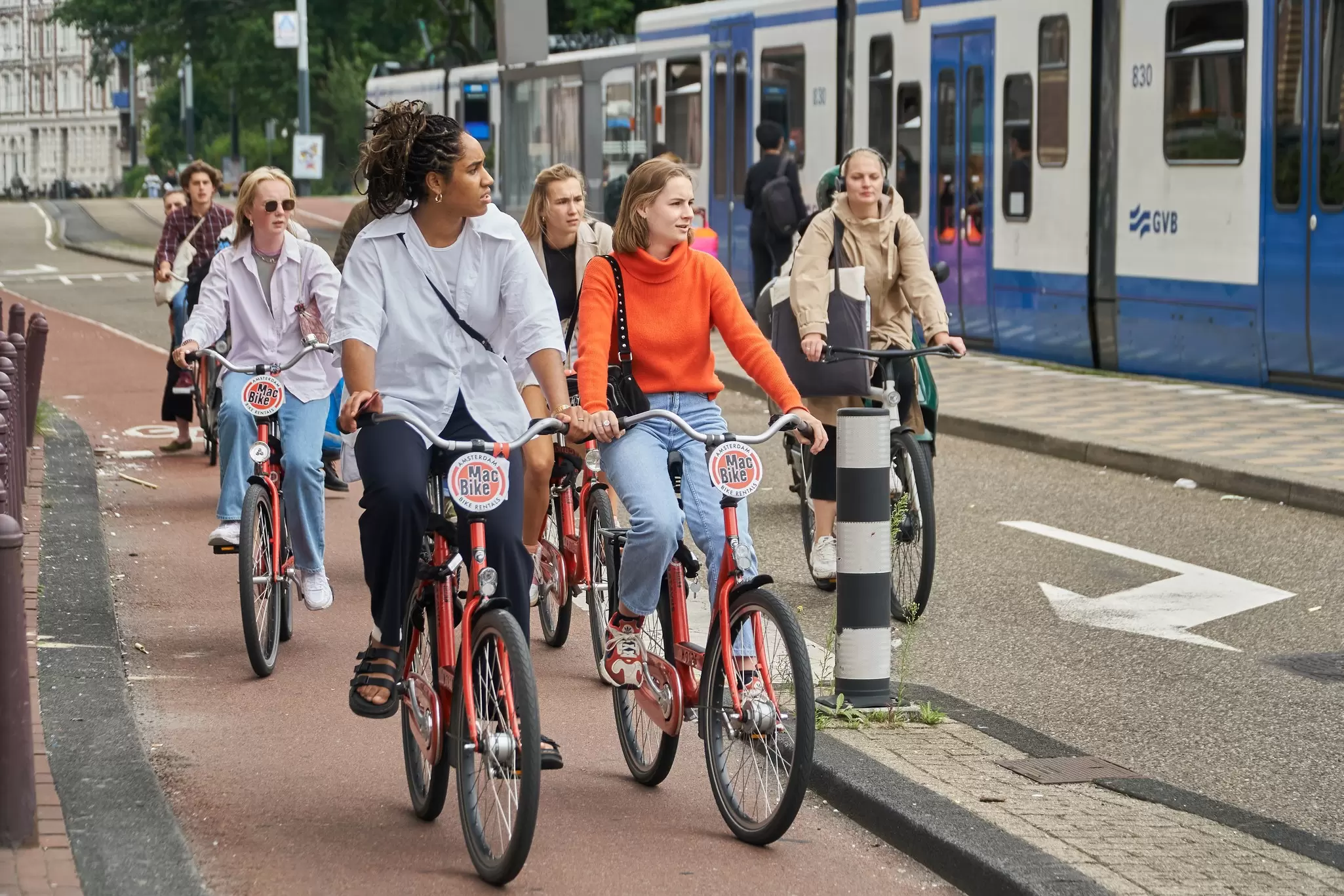
Of course, walking will always save you money compared to taking taxis, trams, buses or trains, and many cities have inexpensive bikeshare and e-scooter schemes, with bike stations close to the main train station. If you use public transportation without a city card, look for daily or weekly passes that offer savings over buying individual tickets.
When arranging your accommodation, book well ahead and try to time your travel for the winter low season (outside of the Christmas and New Year break) or the April–May and September–October shoulder seasons, when prices drop by 20–40%. Sites such as Booking.com offer good loyalty discounts if you make lots of bookings; look for lower-than-average prices on Sunday nights.
Self-catering accommodation might cost more than a budget hotel room, but there’s often room for several people to share, and having a kitchen can save you a fortune on dining out. London has some of the highest restaurant prices in Europe, but prices for ingredients in supermarkets such as Lidl and Aldi are well below the European average. In university towns, student rooms are often rented out for low prices during the holidays.
To save money at lunchtime, look for supermarket sandwich deals and lunch specials at restaurants frequented by locals, or assemble a picnic using ingredients from the local market. In the evening, many countries have a tradition of serving free (or inexpensive) snacks along with drinks, such as tapas plates in Spain or aperitivo snacks in Italy.
That’s tricky to pin down as costs vary within countries as well as between them, with big cities usually being more expensive than rural destinations. How you travel around can also have an impact – in many destinations, using public transportation is cheaper than hiring a car; in others, low prices for hire cars and free parking make this the most affordable option.
However, looking at 2026 prices, Bulgaria, North Macedonia, Albania and Georgia are consistently good value, with moderate prices for food, accommodation and transport, and affordable entry fees for sights and attractions. You may notice the difference most in those small costs that add up over a day – enjoying a cup of coffee in a pavement cafe costs the equivalent of €1.50 or less in Tirana, Albania, compared to €3 or more in Rome.
Remember to factor international travel into your calculations – for a short trip, higher day-to-day costs might be offset by a cheap flight. For long-haul travelers, England, Spain, Portugal and Ireland are often cheaper to fly to than other destinations in Europe, particularly if you are coming from the US.
You’ll have to be careful about how you spend money, but it is possible to get by on €50 per day for lodging, meals and transport in many destinations in Europe, provided you pick your destinations carefully and prioritize free sights and activities and soaking up the atmosphere, rather than splurging on big, paid-for attractions. In Italy, joining the passagietta – the late afternoon or early evening promenade enjoyed by millions of Italians – could easily be the cultural highlight of your trip.
Traveling on a small budget usually means staying in hostel dorms (available for €15–20 in many destinations), eating street food or at inexpensive local restaurants, and taking public transportation or walking instead of using taxis or rideshares. The little costs are where the price of a trip can quickly add up – in Western Europe, a few cups of coffee or alcoholic drinks can easily add €10–15 to your daily expenses. Filling up your own water bottle rather than buying water is another way to keep costs down.
To make a budget trip work in Western Europe, anchor your days to free museums and free-to-enter religious sights and explore the streets on foot, then enjoy a bottle of wine from a supermarket in your room, instead of shelling out for drinks in bars (the drinks bill for a big night out in Paris can easily exceed €40 per person). In the Balkans and Eastern Europe, you can be a bit less frugal, though you’ll still need to be strategic about where you spend your money, targeting casual restaurants and cheaper places to stay.
Winter (excluding Christmas and New Year) is consistently the cheapest time to travel in Europe; prices for accommodation dip noticeably between November and February or March, except in destinations that are big for winter sports. However, free things to do outdoors can be less enjoyable in the cold, and the need for winter clothing can make it harder to get by with just a carry-on bag when you fly on budget airlines.
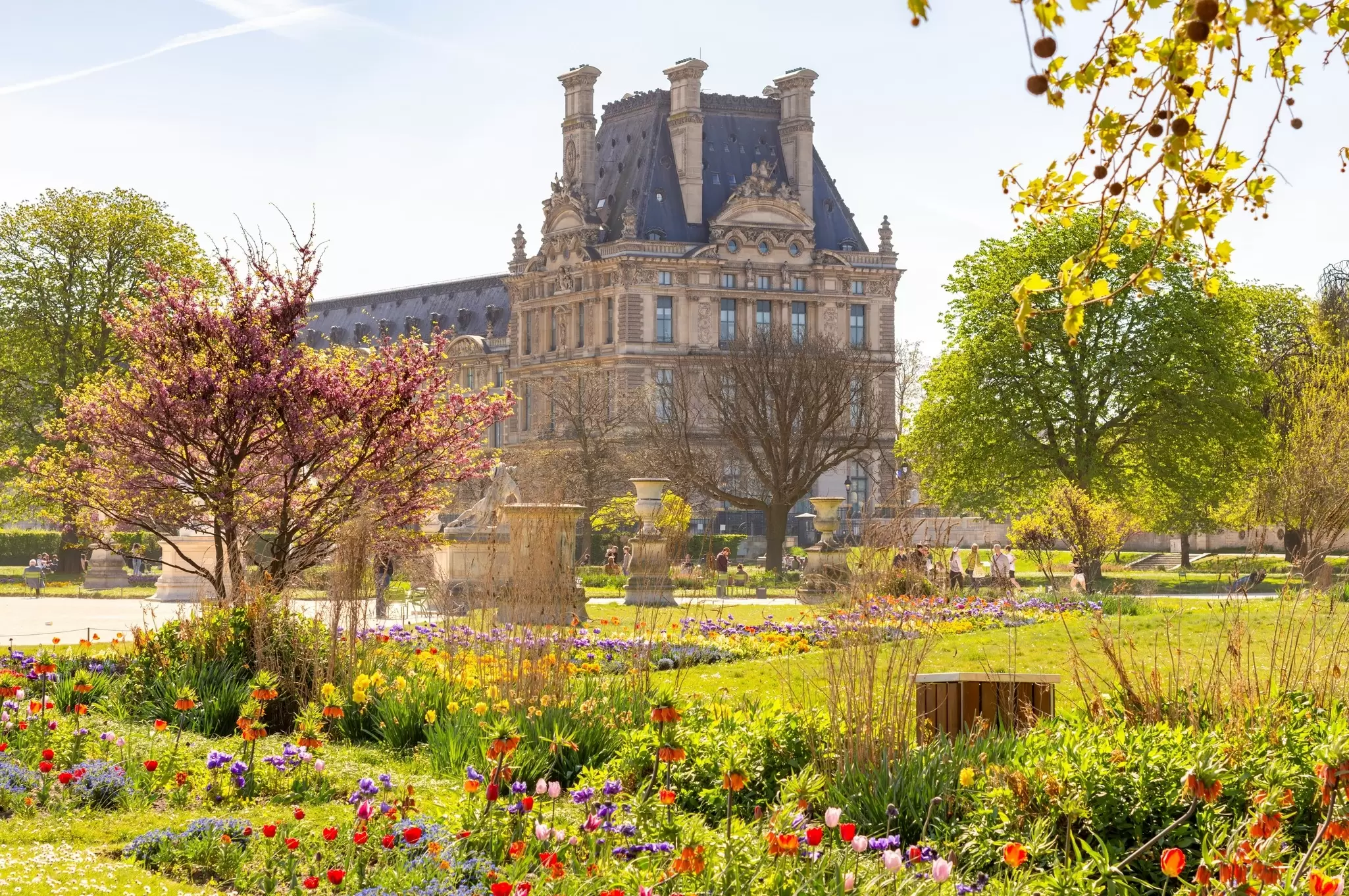
If you don’t mind stretching your budget a little, the shoulder seasons – March to May and September to October in most of Europe – are a little more expensive, but still cheaper than the summer peak, and the weather is better for outdoor activities and walking the streets appreciating the architecture.
Remember to check the calendar for big local events such as music festivals or cultural celebrations – prices can soar briefly for events such as Semana Santa (Holy Week) in Spain and Portugal, or the Sziget Festival in Budapest in August.
As a general rule, buses from companies such as FlixBus are cheaper than trains over long distances, and sometimes budget flights can be cheaper than both. However, buses are slow, cramped and often follow unappealing major highways. Prices for train tickets fall if you book well in advance, and the time you save compared to traveling by bus can translate to many long hours of sightseeing at the end of the trip.
Long-distance buses in Europe usually have reclinable, airline-style seats and onboard toilets, but this can still be an uncomfortable and tedious way to travel for more than a few hours. On overnight trips, you may struggle to get much proper sleep, and meal stops will depend on the bus company, giving you less control over your budget.
Trains are more comfortable; you can walk around and stretch your legs, the views are better, there’s often a food service, and on overnight trips, you might even get a berth to sleep in. An Interrail pass can secure big savings if you plan carefully, as you can take multiple trains and even international and overnight trains on your designated travel days, but remember to factor in the cost of seat reservations, as these are not included in the cost of the pass.
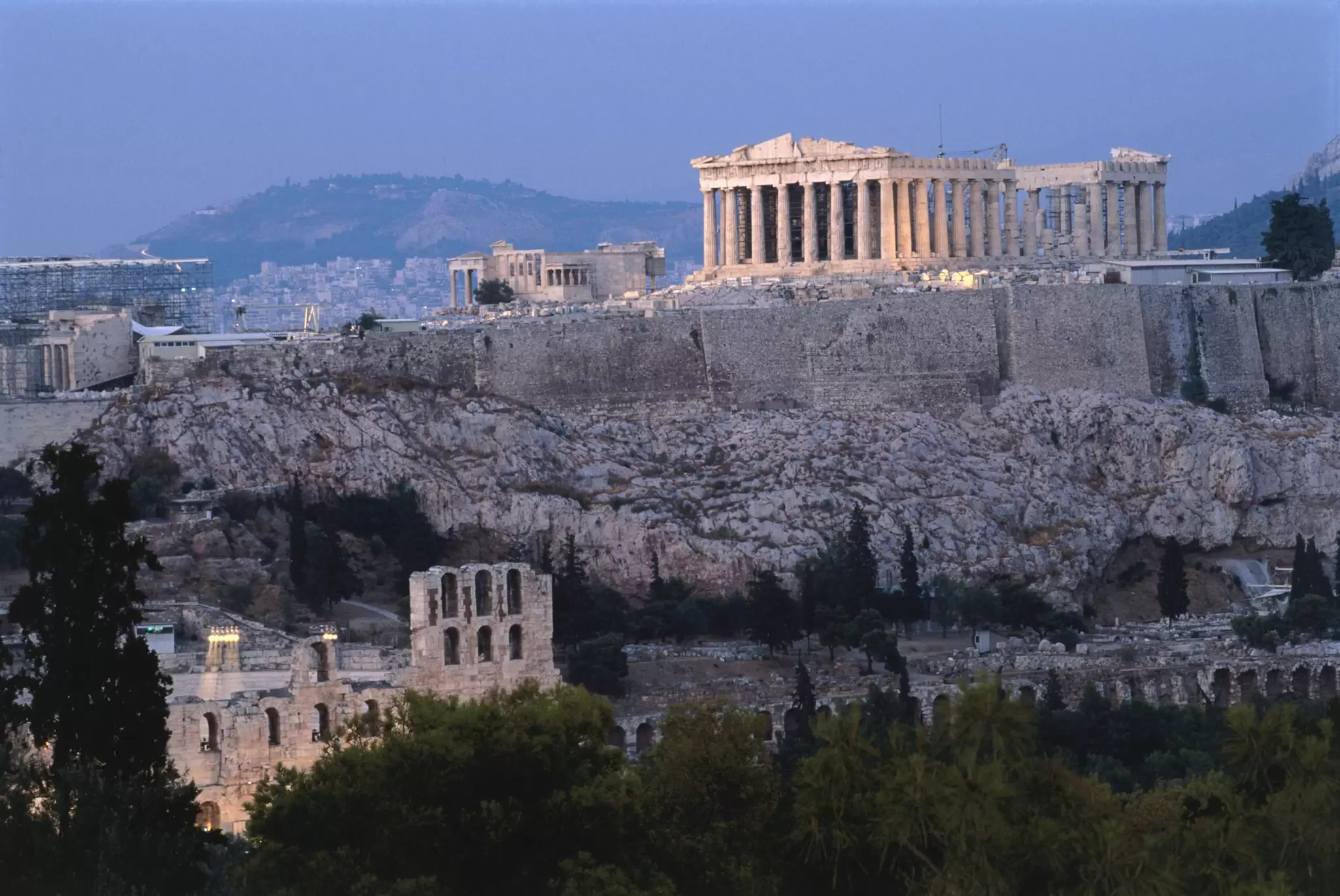
Perhaps surprisingly, otherwise expensive cities in Western Europe score highly for free things to see. London is legendary for its free-to-explore museums, and Rome, Berlin and Paris also offer plenty of top-tier cultural attractions with no entry fees (or free entry days). Remember also that many museums and galleries in Europe are free for residents of the EU and European Economic Area who are aged under 26.
Don’t overlook Athens in the south – if you are happy to see the Acropolis from a distance, many sights and museums are free, or free on certain days, and you can even see the Acropolis for free on designated dates, and on the first and third Sunday of the month from November to March (many other top sights open for free on the same days).
Remember to balance the free things to do against general costs in the destination. You may have to pay to visit top attractions in Sofia or Budapest, but entry fees can be a fraction of the price of entry to sights like the Eiffel Tower or the Tower of London – and that’s before you consider the price of rooms, meals and transport.
Explore related stories