Sep 19, 202611 min read
12 of the Best Places to Visit in MontenegroAug 4, 2026
13 MIN READ

Writer
A teahouse in Nara, Japan. Nirad/Getty Images

Writer
Highlights
Lonely Planet editors pick 23 fall destinations, from Seoul to the Seychelles.
Head to Turkey's southeast coast or Spain's Menorca for calm, warm beaches in fall.
Seoul's kimchi festival and Nara's deer-filled park shine brightest in autumn.
Hikers should tackle Alta Via in the Dolomites or Peru's Salkantay Trek near Cusco.
Lonely Planet may earn a commission from affiliate links on our site. All recommendations and reviews reflect our own independent opinions.
As summer winds into autumn, the shoulder season is perfect for a last-minute adventure. Fall trips are the best time for leaf-peeping, road-tripping or soaking in the last rays of sun by the water. This is the season when the world slows down, encouraging us to savor every moment of our travels.
Whether you are looking to get cozy close to home or go off the grid somewhere completely new, here’s where to travel this autumn. And if you'd like expert help in planning an autumnal escape, reach out to our experts at Lonely Planet Journeys for bespoke trip planning.
Best for leaf peeping
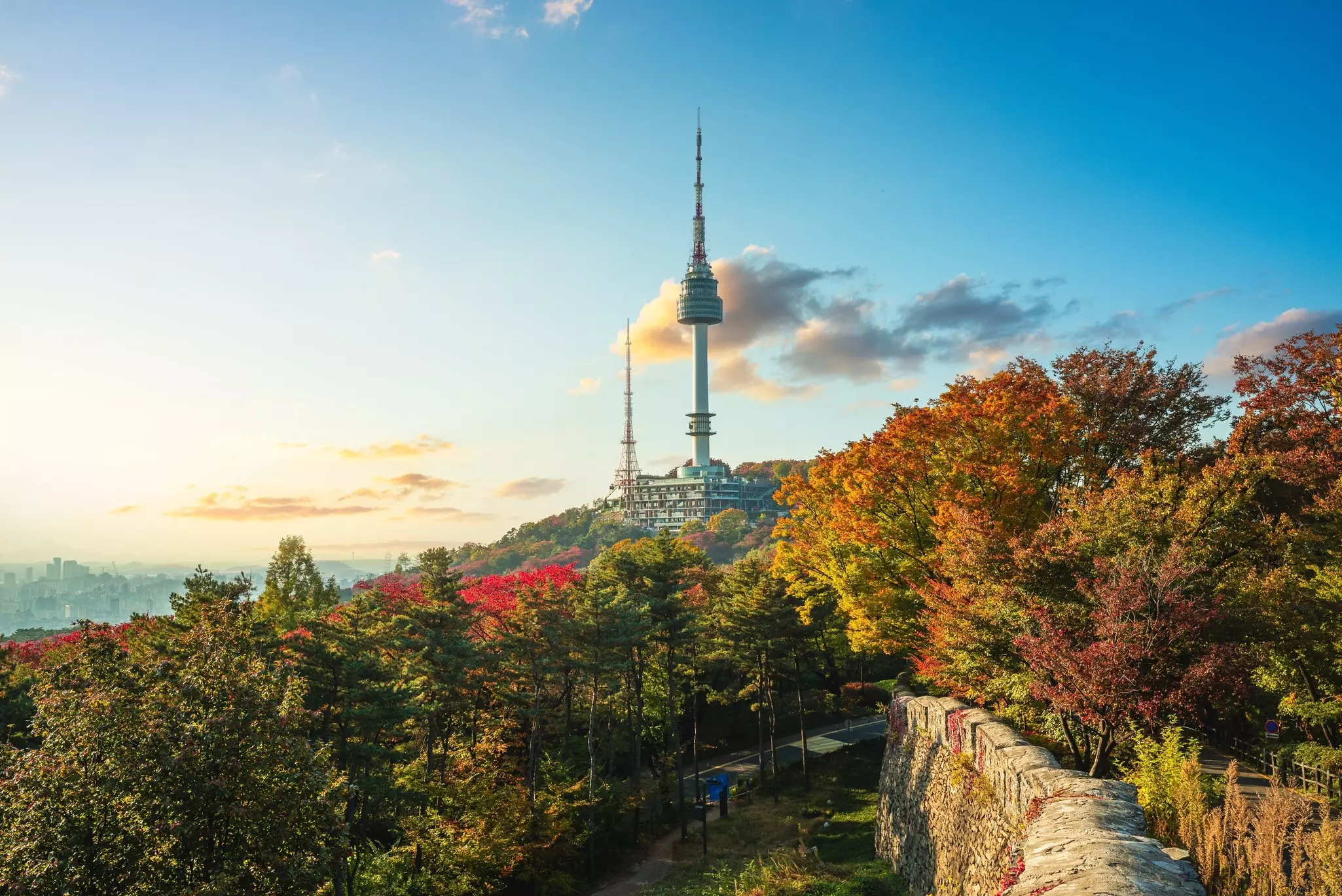
In fall, the country’s trees reach full flaming glory and provide a beautiful natural back-drop to even Seoul’s hightech-ery. Take a walk along the city’s Cheonggyecheon Stream and find it bright with both autumn color and the illuminations of the Seoul Lantern Festival. It’s also kimjang season, when friends and family gather to make massive batches of kimchi to last through the winter. Seoul holds a Kimchi Festival (usually the first week of November) where you can make the famed fermented cabbage with hundreds of locals.
Best for beaches
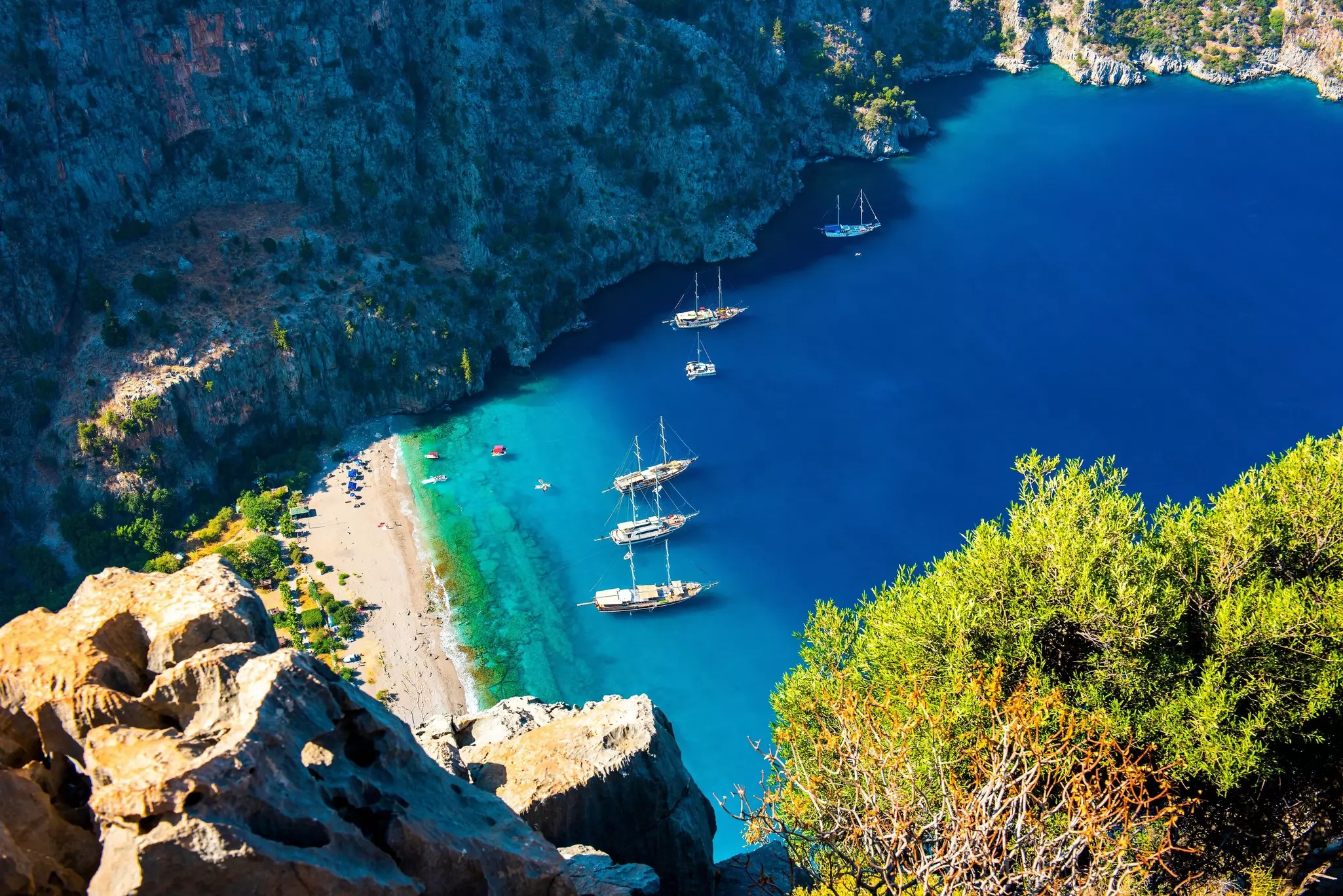
Turkey’s Mediterranean shore is much quieter in the fall after the school holidays have ended, but the water is still balmy and the historic sites remain open. In Southeast Turkey, you’ll be spoiled for choice. Lagoon-side Ölüdeniz is great for paragliding. Head to Patara’s endless-seeming swathes of golden sand or go to sleepy Çıralı, a protected area where sea turtles nest – from mid-September you might see the hatchlings emerge.
Best for fall foliage
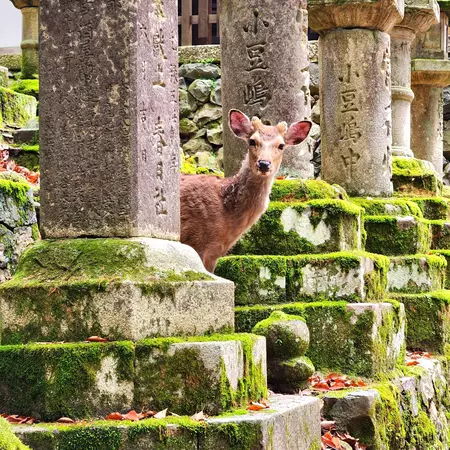
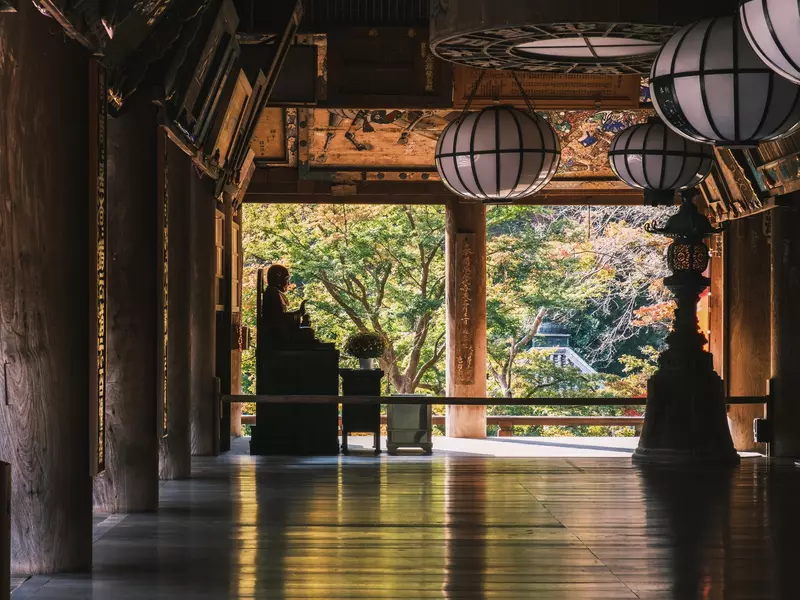
More than 1000 sika deer roam freely in Nara-kōen (Nara Park), and they have become a symbol of the city. Many of these deer have even learned to bow to visitors for deer crackers, which you can buy around the park. Japan’s famous autumn colors, along with these friendly, gentle animals, make Nara an absolute delight in fall.
You’ll also find Tōdai-ji, one of Japan’s best-known temples, which is home to one of the largest bronze Buddha images in the world.
Best for an epic trek
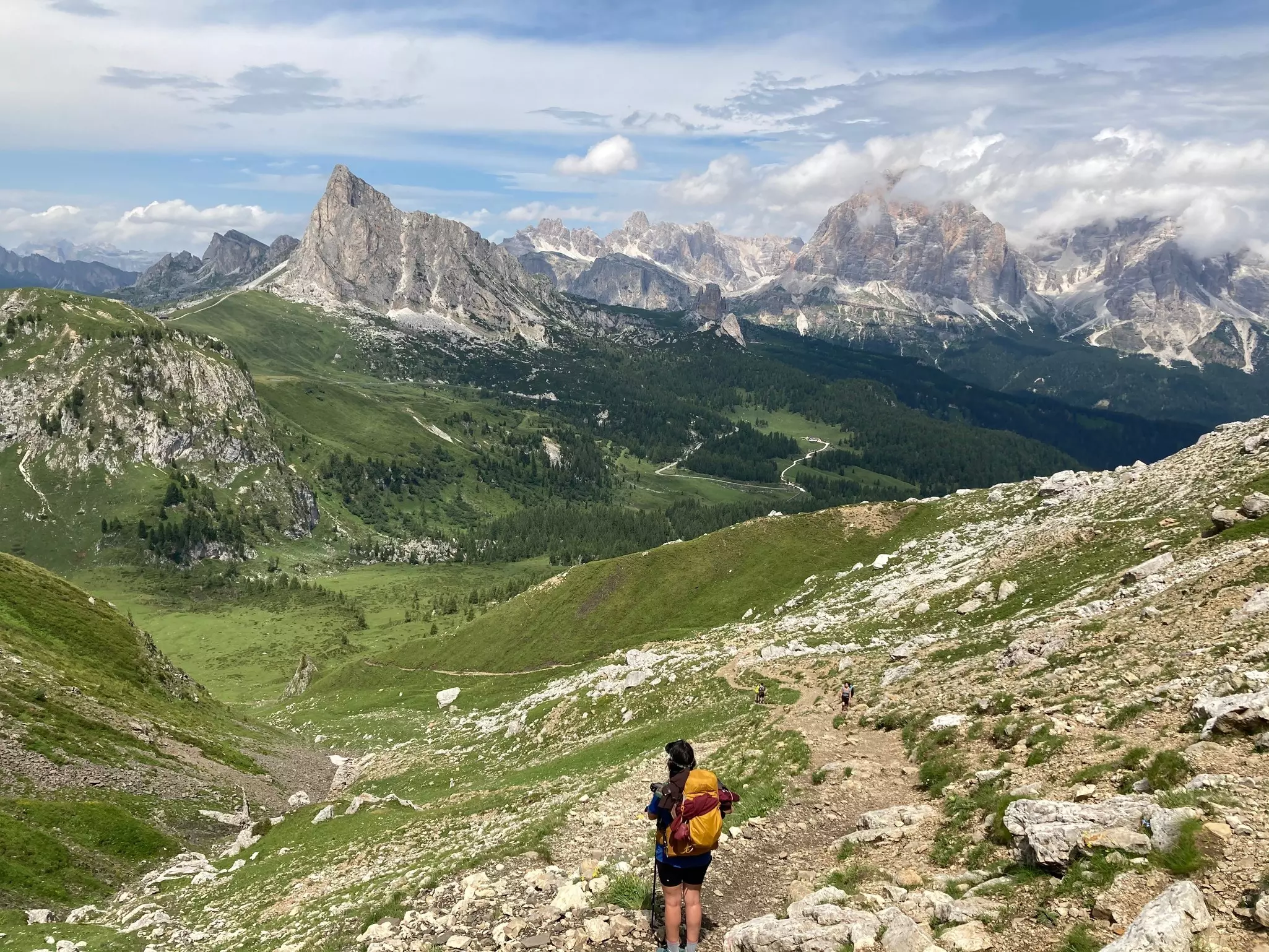
The Dolomites are some of Europe’s best-looking peaks, and every footstep opens up another gorgeous view. Alpine summer, which runs until late September, is really the only time to walk the classic Alta Via 1 route. Over the course of 10 or so days, this trek yields a bit of everything. There are dramatic ramparts of limestone and dolomitic rock, passes reaching up to 2752m (9029ft), meadows festooned with wildflowers, welcoming rifugi (mountain huts) dishing up hearty portions of fine food, and even thrilling sections where metal handrails help you negotiate the wild terrain.
Best for Día de Muertos

According to Mexican tradition, Día de los Muertos – the Day of the Dead – is when the deceased may briefly cross into the world of the living. While celebrations are thrown around the country from October 31 to November 2, the state of Oaxaca – known for its strong indigenous culture, unique cuisine and flourishing arts and crafts – is an excellent choice. Families construct grave-side altars, adorned with photos, candles, marigolds and sweets; skull masks are worn and everyone feasts. Visit the city’s workshops, baroque plazas and busy markets. At night, attend festivities at any of the region’s many cemeteries.
Best for road trips
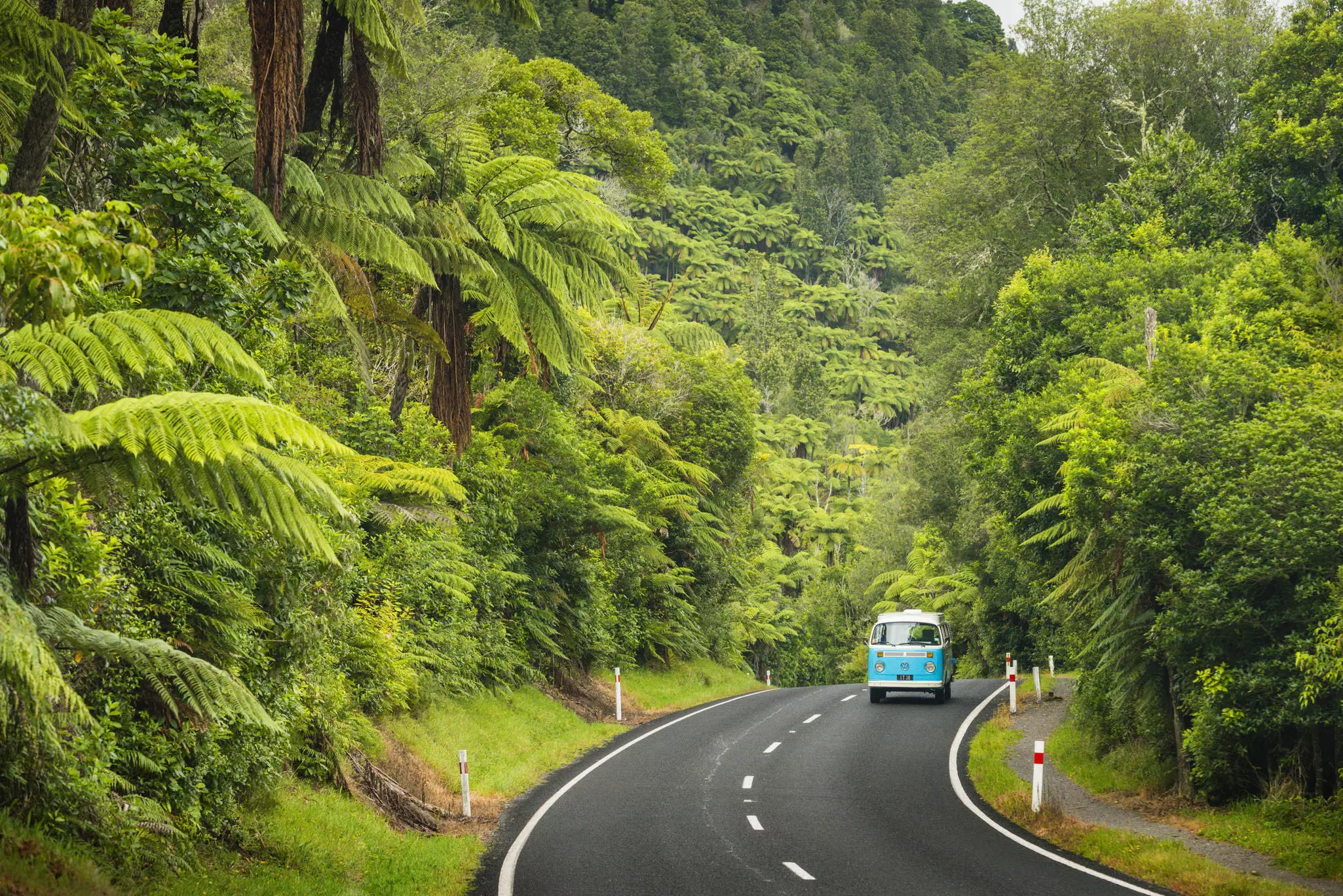
There are few better ways to explore New Zealand than by camper van, and hiring a camper in New Zealand’s spring can be up to 50% less expensive than in summer. If gets a little chilly, warm up at Rotorua and Lake Taupo’s hot-spring complexes, or find wild-and-free thermal pools such as Kerosene Creek (near Rotorua), which has a hot waterfall. There’s also plenty of warmer weather fun: blackwater raft through Waitomo’s glowworm caves, shelter amid the Hobbiton film set or walk beneath Waipoua Forest’s towering kauri trees.
Best for art
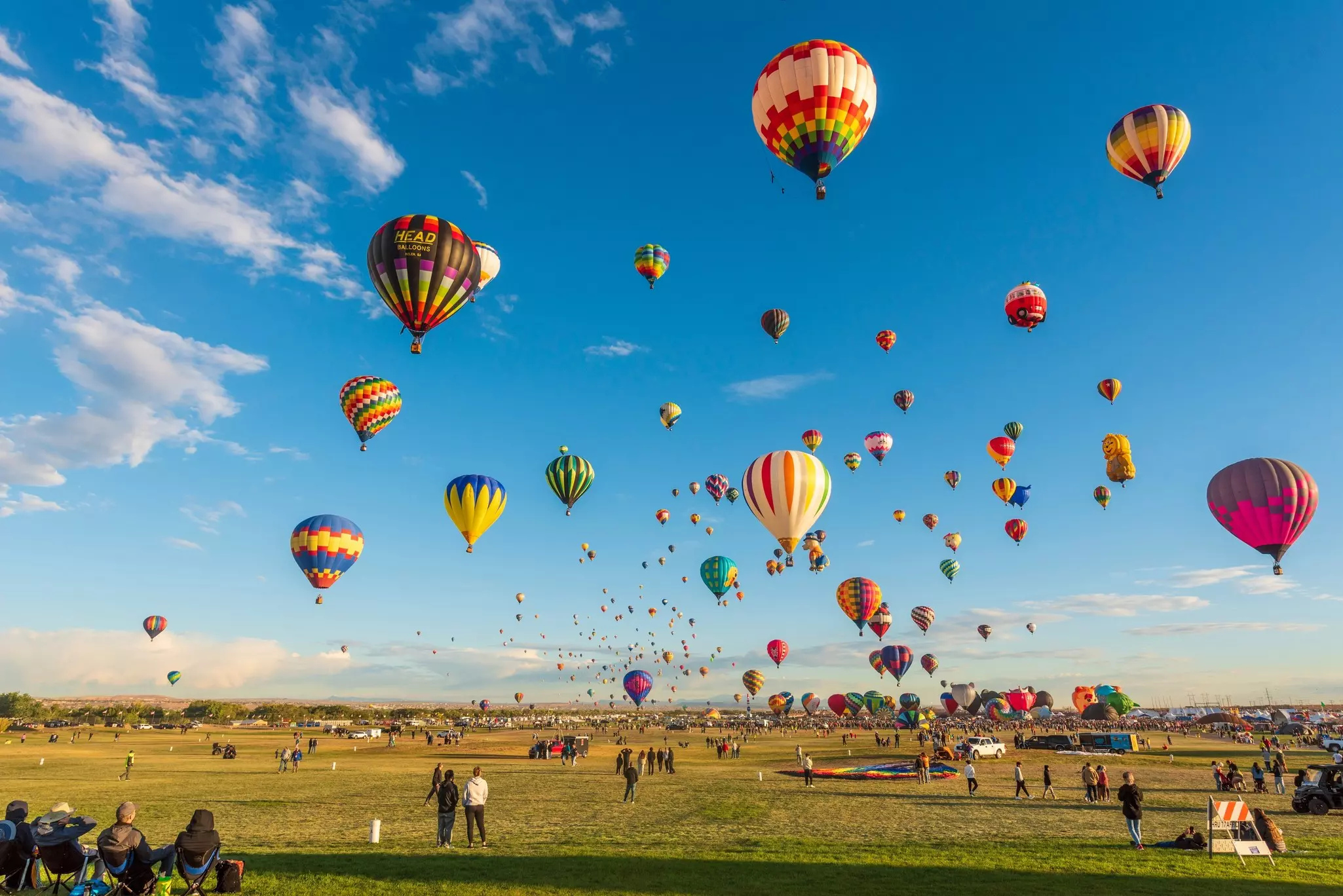
New Mexico, often called the Land of Enchantment, is especially enchanting in sunny, mild autumn. Sites such as 1000-year-old Taos Pueblo nod to the region’s Native American roots, while capital Santa Fe (founded by Spanish missionaries in 1610) combines old adobe houses, Romanesque architecture and a slew of modern-art galleries. Then there’s the plentiful wilderness, from the Sangre de Cristos mountains of the north to the blinding-white dunes of the south. Visit in early October for the iconic Albuquerque International Balloon Fiesta.
Best for water sports
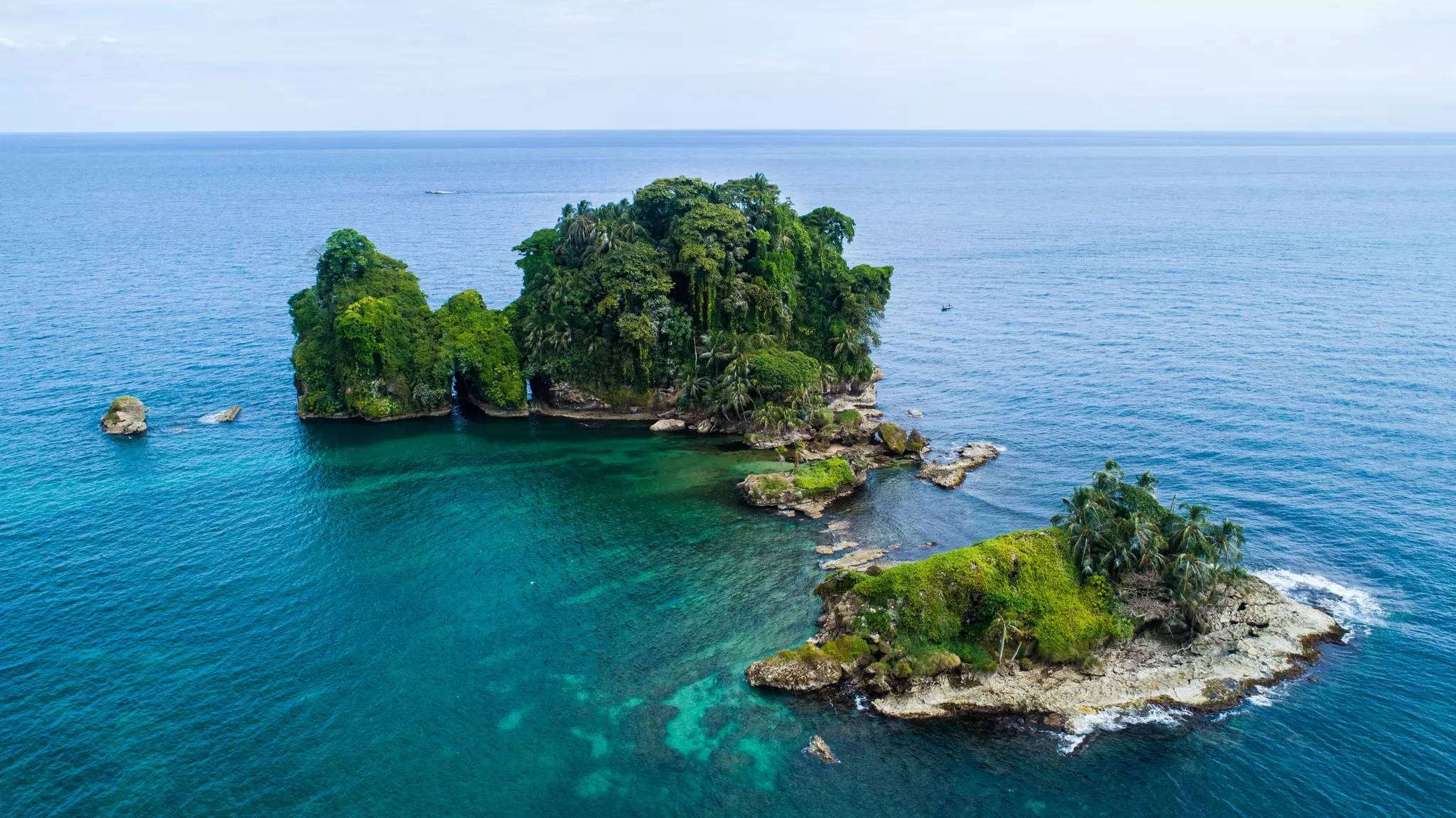
Slow-paced but well-developed, Panama’s Bocas del Toro is a longtime hangout for backpackers making their way around Central America. In fall, this archipelago is dry and sunny with calm seas. This is a prime location to chill out and work on your tan, but there’s also plenty to discover away from the beaches and hammocks: watersports, wildlife-spotting and an inspired culinary scene.
Best for stepping back in time
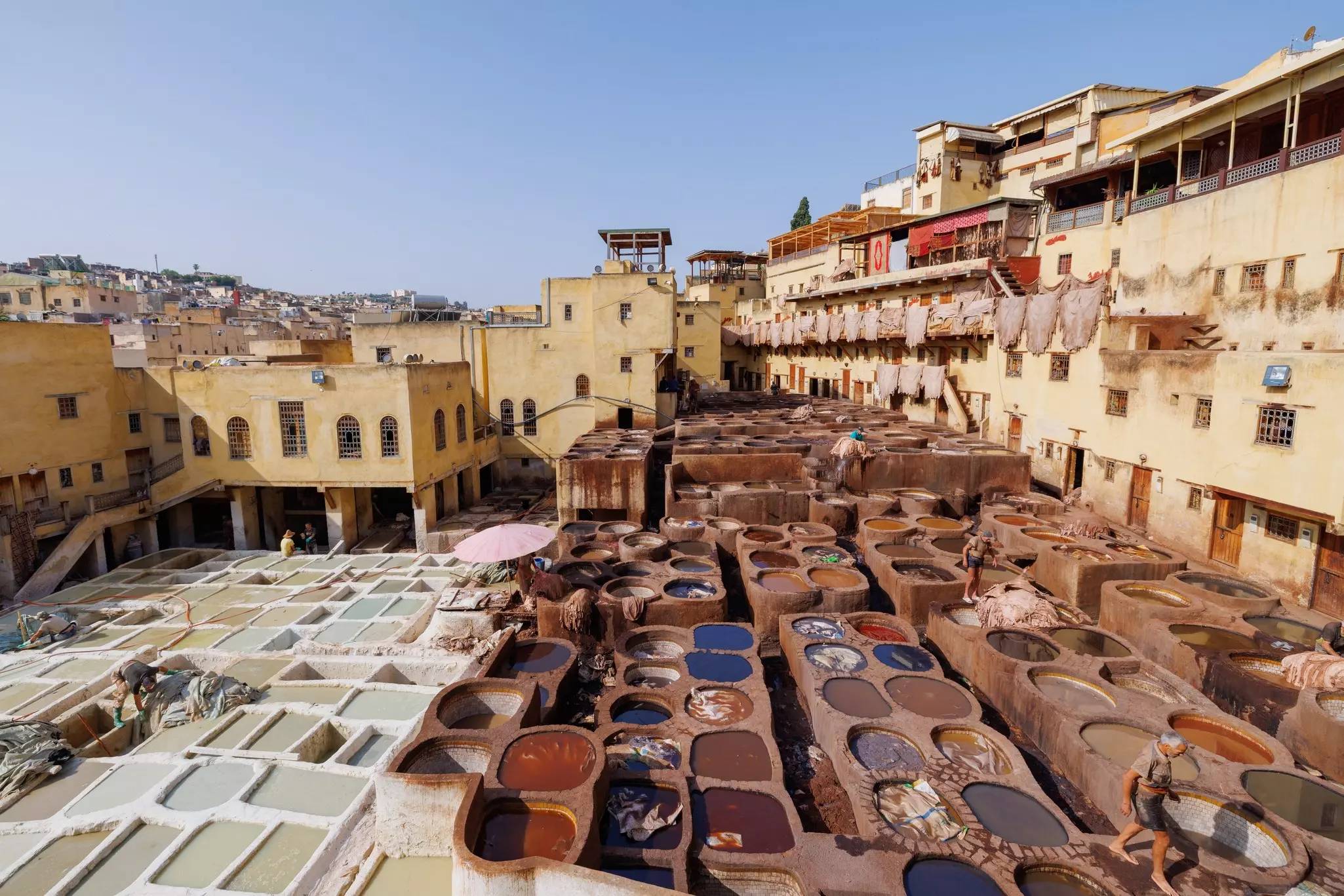
Stepping through Fez’s blue-tiled Bab Bou Jeloud takes you on a journey back 1200 years to the most mesmerizing and extensive medieval city in the Islamic world. Visit in the fall to explore (or, more likely, get hopelessly lost in) the tangled skein of 9400 alleys in Fes el-Bali. The oldest section of the walled medina is romantic and relentless in equal measure. You can admire glorious Moorish zellij tilework before feasting on pastilla (pigeon pie), tagines and a traditional glass of mint tea.
Best for safaris without the crowds
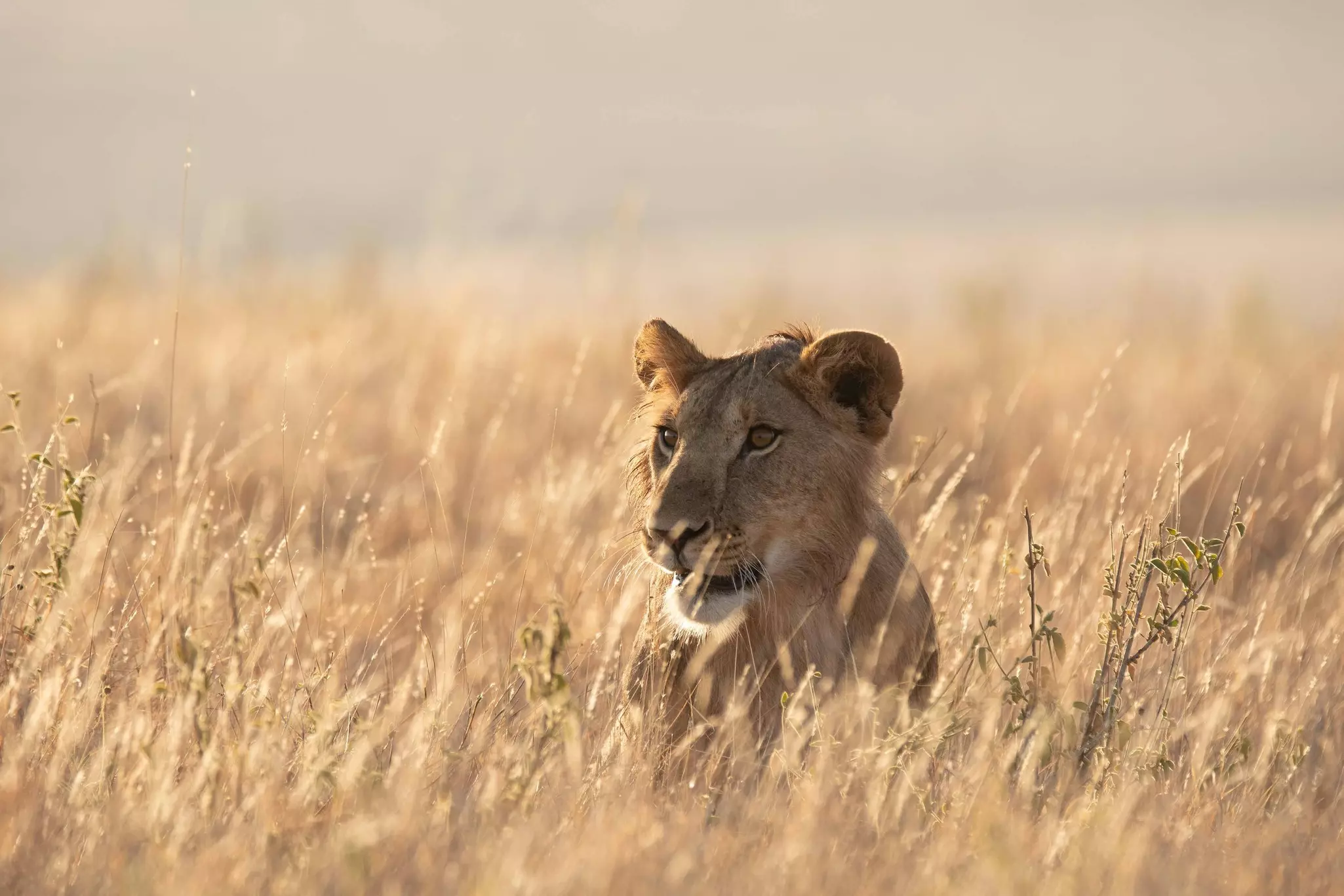
North of Mt Kenya stretches the Laikipia Plateau and eventually the Samburu National Reserve. Never heard of them? Exactly – that’s why this area of kopje-studded plains and acacia-clad hills is a dream. In the reserves and community run conservancies of northern Kenya you’ll probably be alone with the wildlife (and local Maasai and Samburu peoples). That’s especially true in fall, when safari-goers flock to Kenya to see the Great Migration and prices fall. As well as the biggies – lions, cheetahs, elephants and rhinos (black and white) – you might spot endangered species such as wild dog and Grévy zebra.
Best for warm weather
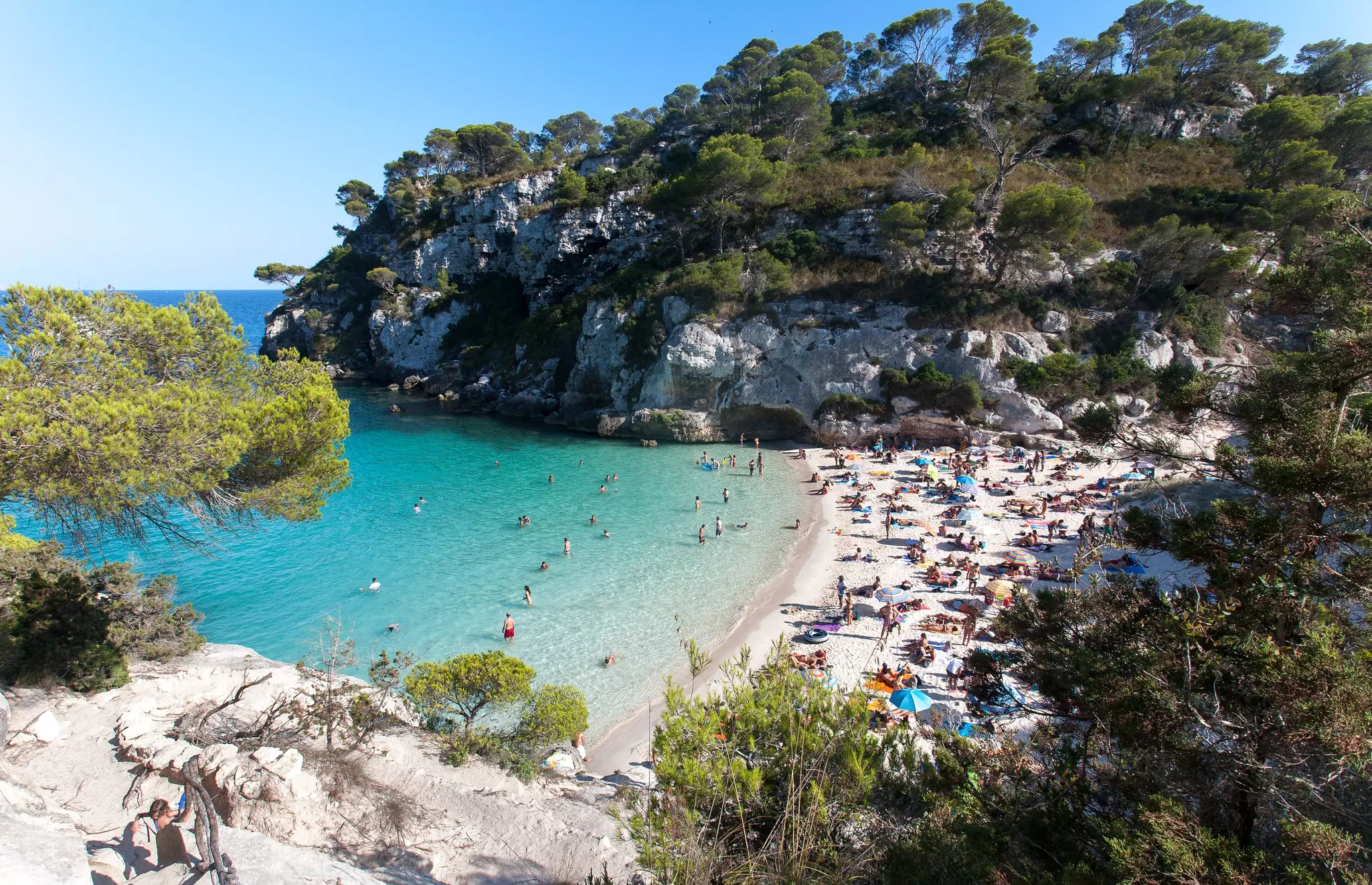
After the heat of high summer abates, hardcore beach-loungers depart but the sun hasn’t quite finished with the easternmost Balearic. In the first weeks of autumn – sometimes dubbed primavera l’hivern (winter’s spring), tourist outposts are yet to close up shop and the Mediterranean lapping Menorca’s glorious beaches remains delightfully pleasant, yet you’ll have many places to yourself. Discover the Anglo-Spanish heritage of charismatic capital Maó (Mahón) and former chief settlement, Ciutadella. Marvel at four-millennia-old megalithic monuments, and hike or bike the undulating 185km (115 mile) Camí de Cavalls coastal circuit.
Best for honeymooners
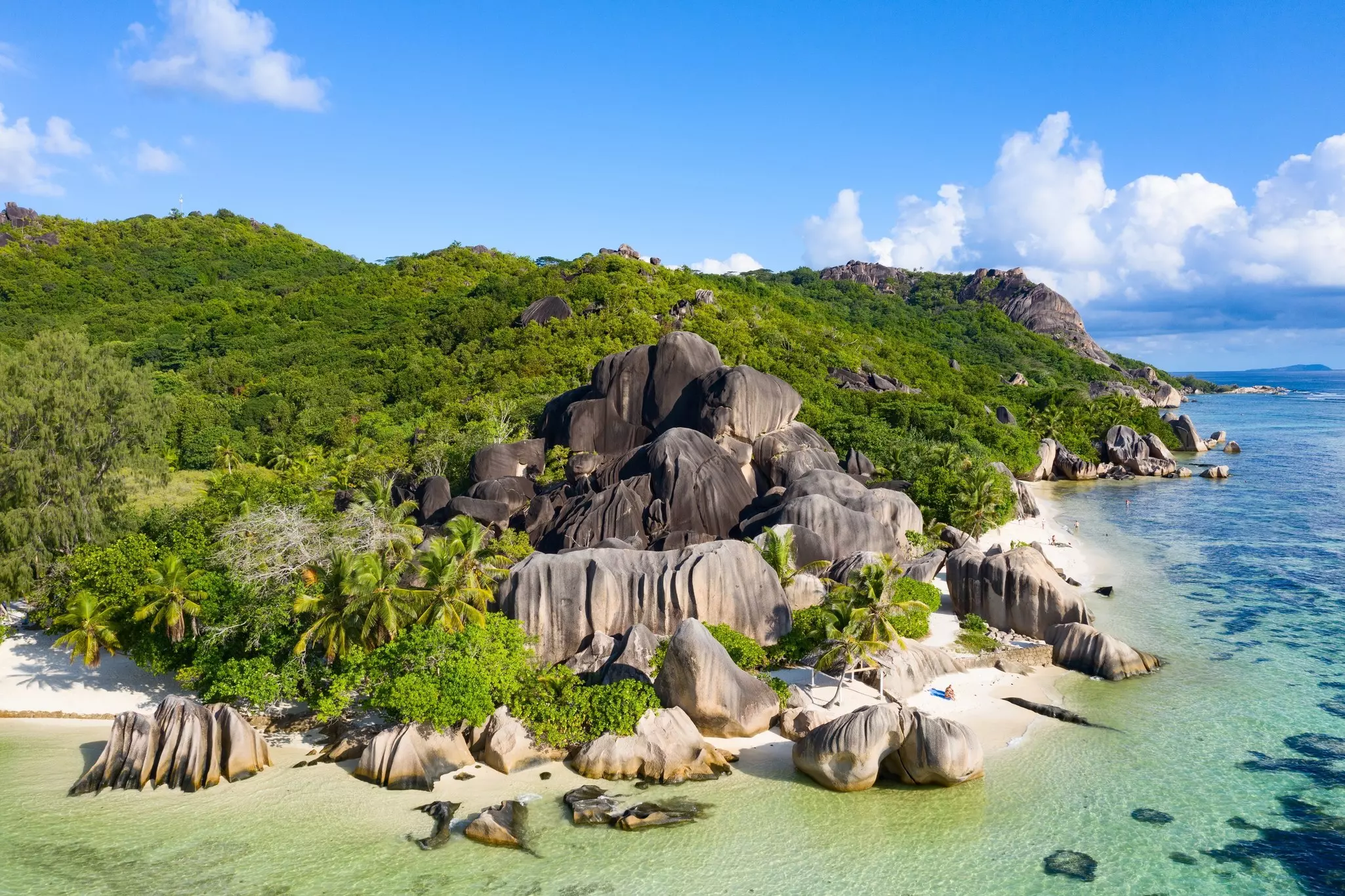
The Seychelles is probably how Pixar would draw paradise: swaying palms, supernaturally blue seas, diamond-white sand, artfully smoothed and scattered boulders...and a few cute turtles wriggling ashore. All it in all, it’s fantasy made real. Given the otherworldly beauty and the balmy 25–30°C (77–86°F) year-round temperatures, there’s no such thing as a bad time to visit this Indian Ocean archipelago.
In fall, the water hovers around 29°C (84°F), visibility is around 30m, and migrating whale sharks have arrived. It’s also cheaper than the peak timeframe of June to August.
Best for getting off the grid
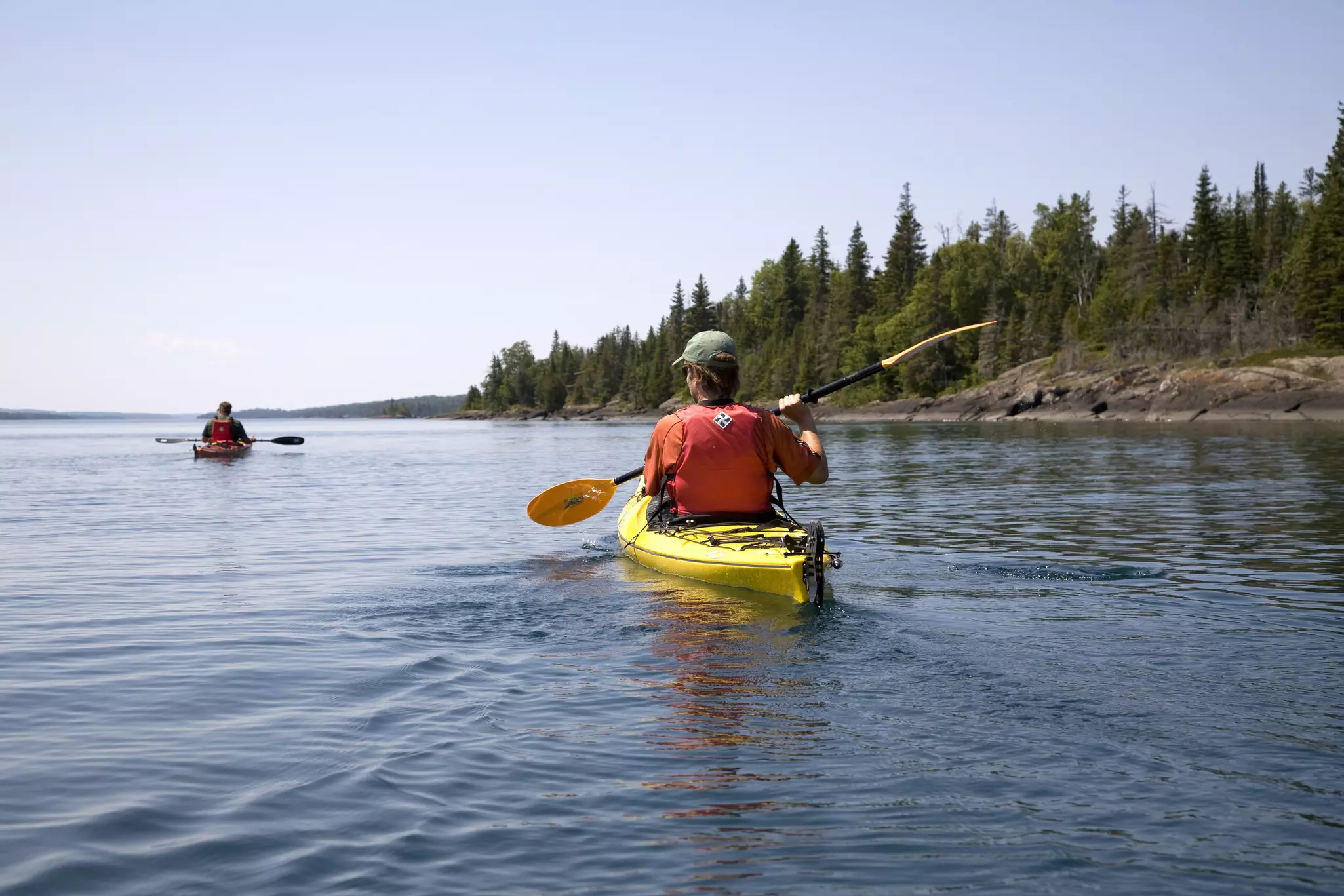
Isle Royale is one of the least-visited national parks in the United States, largely because it’s closed completely for almost half the year and is only accessible via floatplane or non-car ferry. The park consists of one large, forest-swathed island and some 450 smaller ones. You’ll spot otters, moose, wolves, herons, hawks and loons.
September is less busy and less buggy than peak summer, but still warm enough to paddle, trek and wild camp. There are plenty of hiking trails to explore; kayakers will love the eastern shore’s inland lakes and fjord-like bays.
Best for a long trip
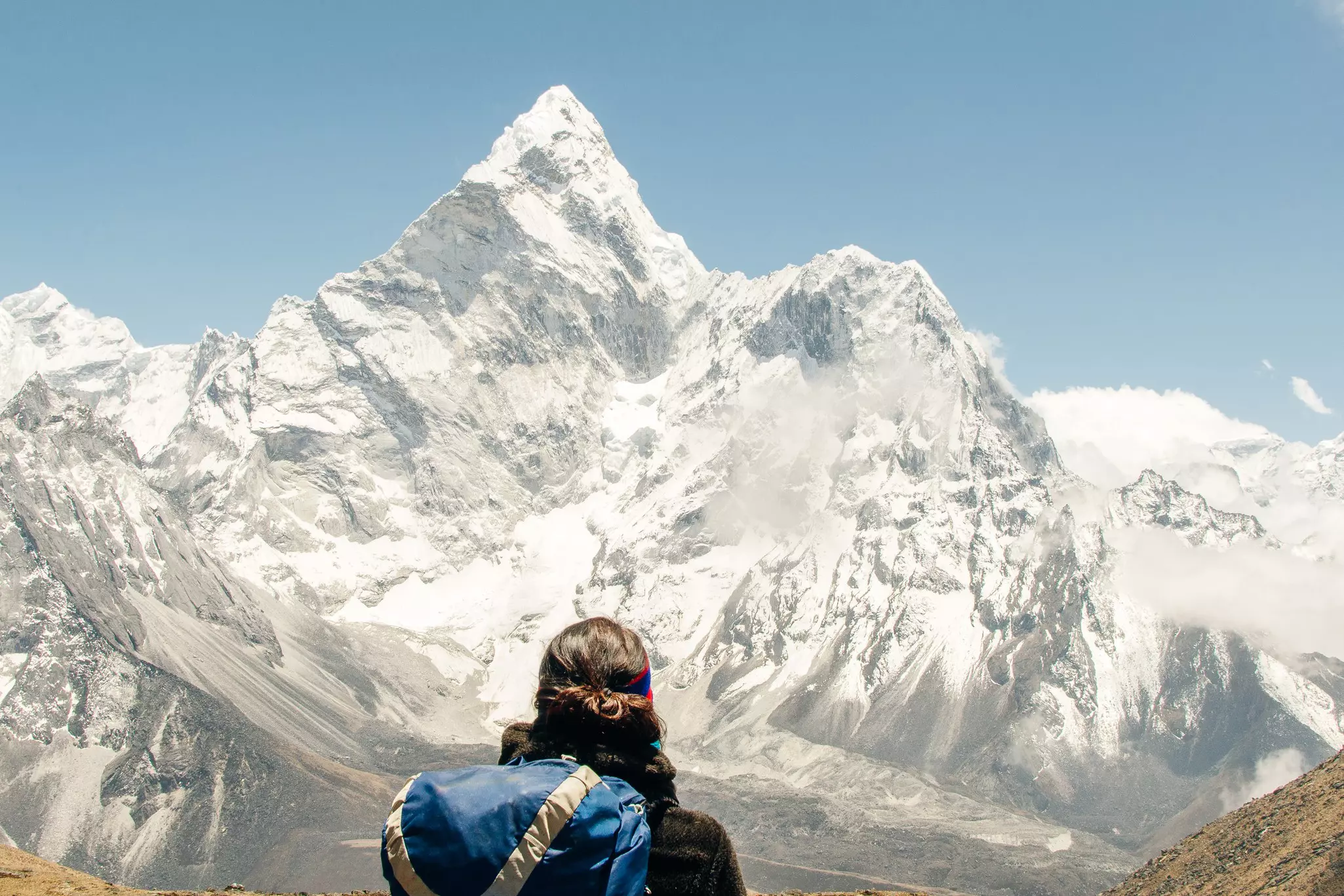
Fall is perfect for exploring all of Nepal, from its mountain highs to its jungly lows and the culture-rich ripples in between. In the Kathmandu Valley, 22°C (72°F) days are comfortable for temple touring in Patan and Bhaktapur. Down on the steamy terai (plain), it’s 27°C (81°F) and mud-free, so it’s easier to search for rhinos, tigers and other creatures that lurk therein. And then there are the mountains: 8000m (26,000ft) peaks soaring into clear blue skies; myriad hiking trails open for business.
Best for scuba diving
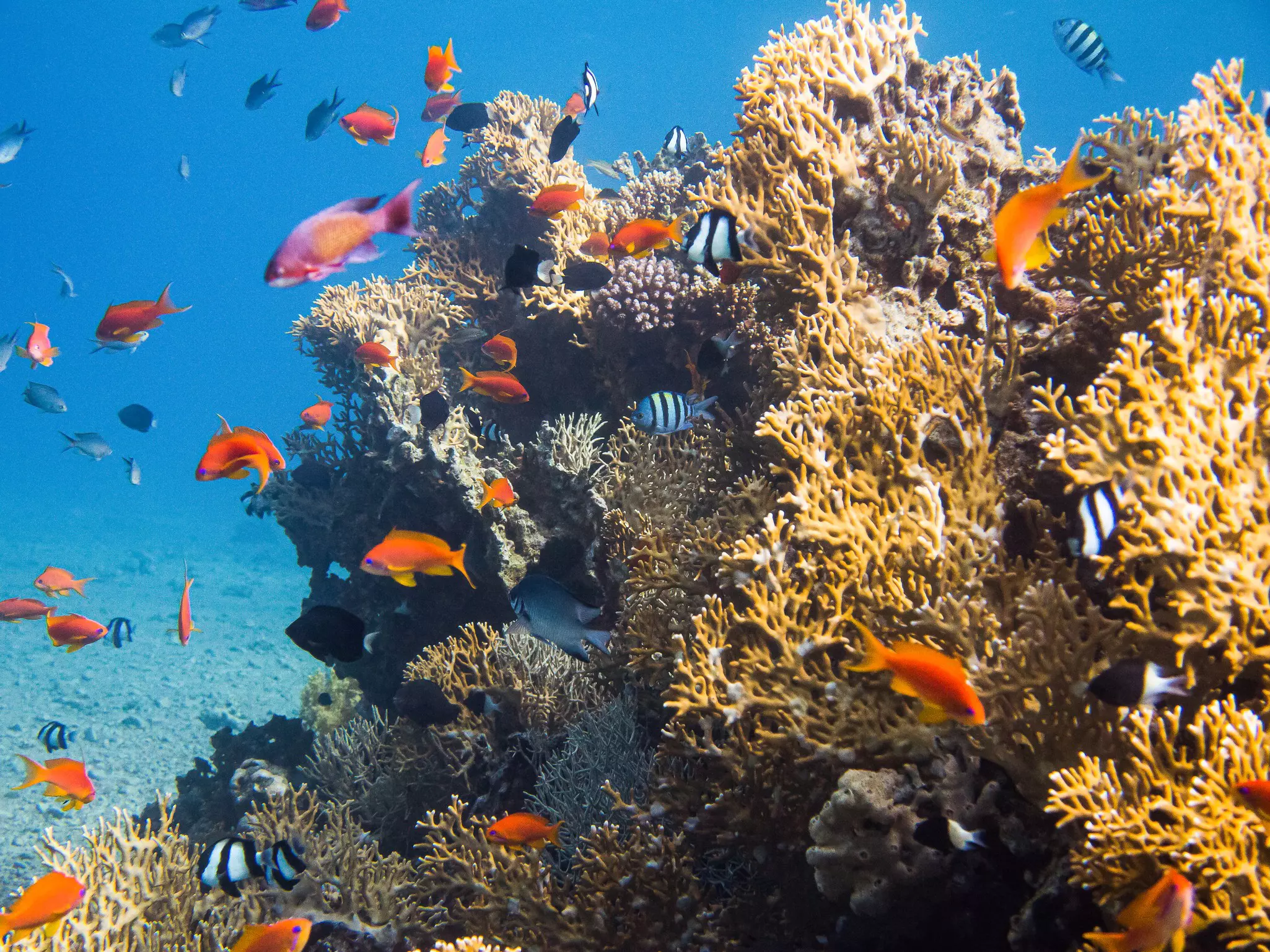
As the stifling heat of the Jordanian summer begins to drop, things really heat up along the Red Sea coast. September and October are among the best months to dive here, with the air temperature hot but bearable, and the oh-so-clear water around a balmy 26°C (79°F) and jam-packed with activity. Look out for eagle rays, moray eels, seahorses, turtles, lion fish and an array of other colorful fishes – more than 510 species have been recorded. Dive sites along the coast range from shallow coral gardens and gaping canyons to shipwrecks.
Best for hiking
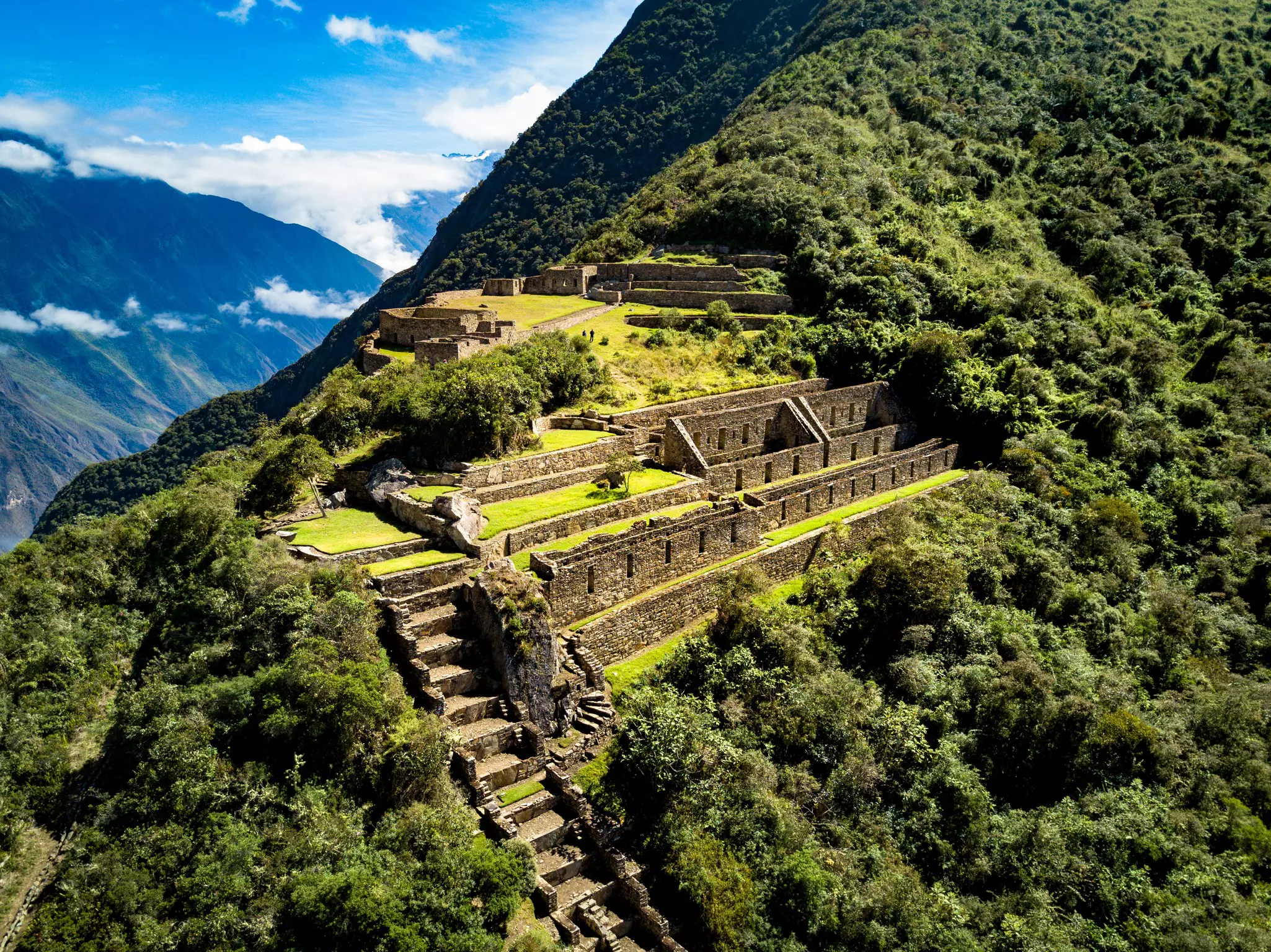
The ingenious ancient Peruvians constructed a vast network of highways – the Qhapaq Ñan, spidering some 30,000km (18,641 miles) throughout the Andes – much of which remains intact today. Visit in October, after peak season but before the rains set in, and explore far more than Machu Picchu. The Salkantay Trek traverses thrilling Andean wilderness: snow-clad peaks, glaciers and mezmerising lakes. The Lares Trek, north of the Sacred Valley, boasts fewer Incan sites but ample interaction with local communities. And Choquequirao rewards with another ridge-top citadel – a mini Machu Picchu, with tiny crowds to match.
Best for wildlife
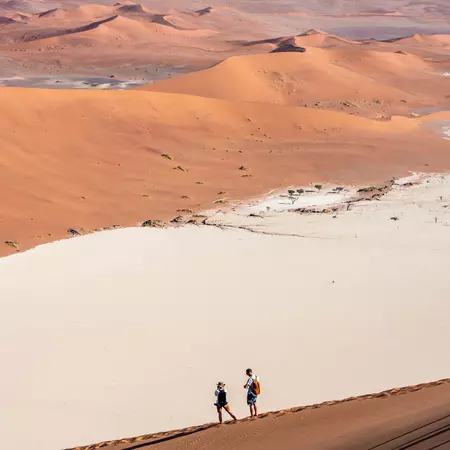
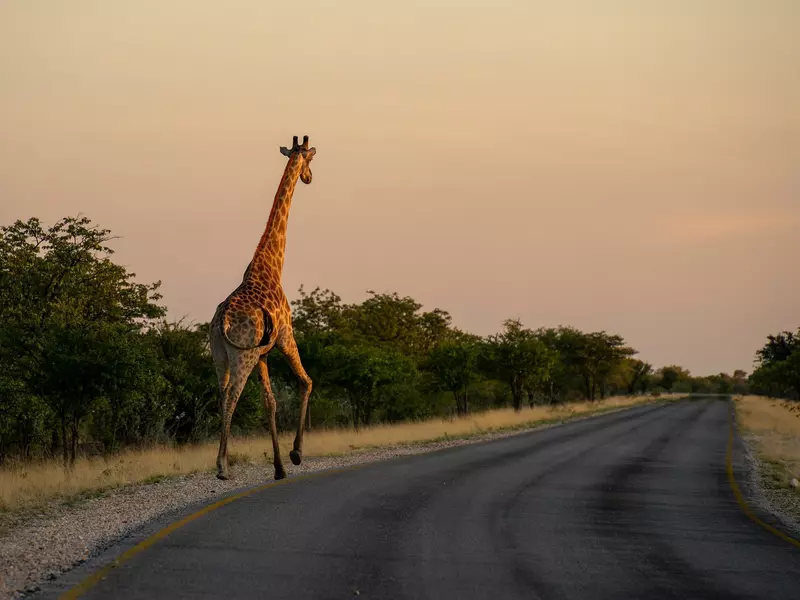
Desert-dominated Namibia is a pretty arid place at the best of times, and fall is the perfect season to look for the country’s big game. There likely hasn’t been a drop of rain for months, meaning that the wildlife is congregating at an ever-decreasing number of water sources. Spotting everything from elephant to the long-nosed elephant shrew, from cheetah to rare black rhino becomes a doddle in these conditions – especially in game-packed areas such as Etosha National Park. You don’t even need a guide: Etosha’s excellent road network makes a self-drive safari simple; just park next to a waterhole and wait for the wildlife to arrive.
Best for Halloween
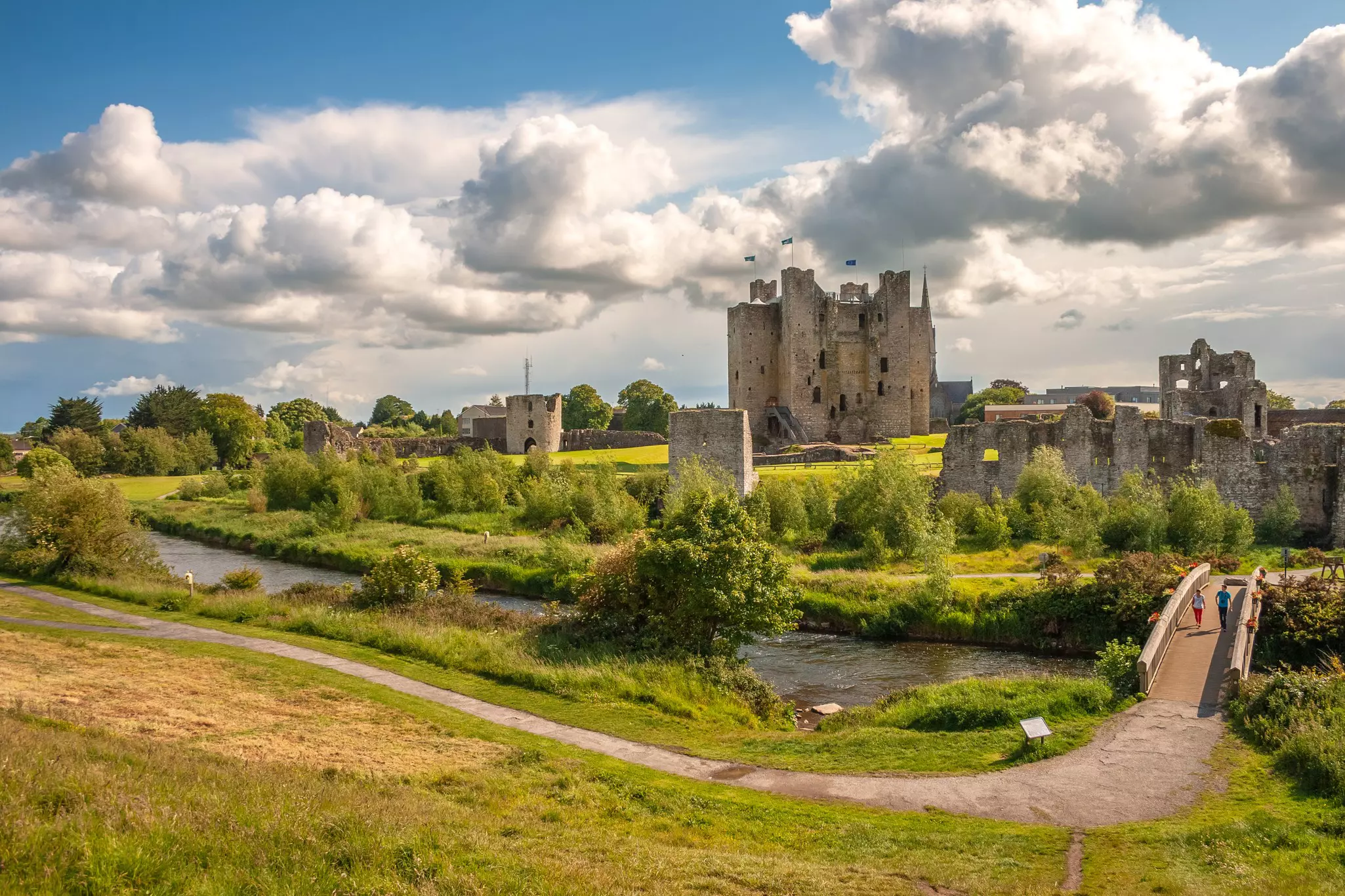
Halloween’s roots reach back thousands of years to the pagan harvest festival of Samhain, celebrated across Ireland and the pre-Christian Celtic world as the year darkened. Ireland’s Boyne Valley is home to the Hill of Tlachtga near Athboy (where a fire festival was traditionally held to honor a sun goddess during Samhain). It's where you'll also find a passage tomb on the Hill of Tara, built so the main chamber is illuminated by the rising sun around Samhain. Samhain customs have recently been revived in the Boyne, and the all-October Spirits of Meath Halloween Festival is a fun way to celebrate, mixing modern and traditional activities.
Best for couples
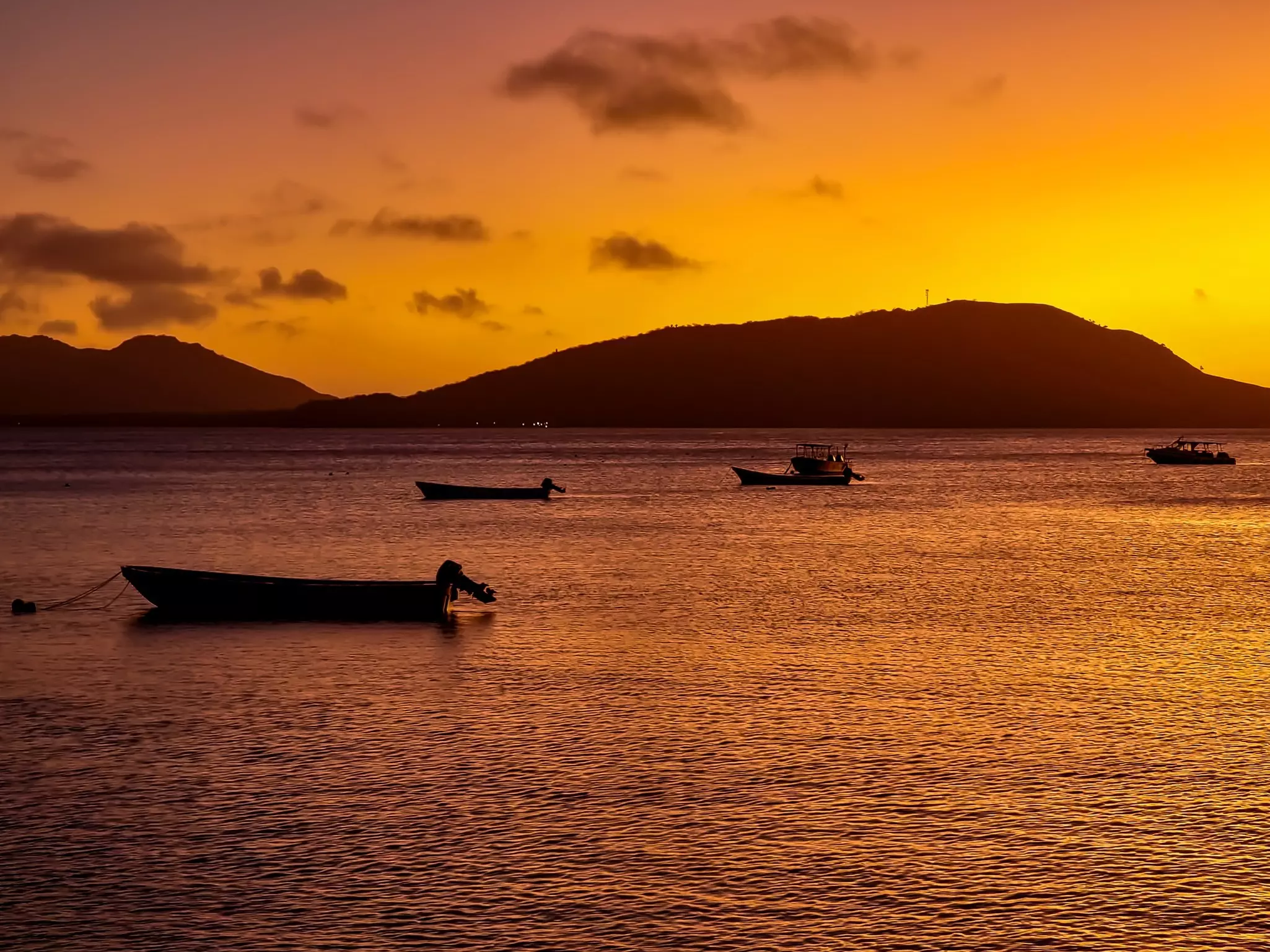
Fiji is paradise made easy. The most accessible and tourism-attuned outpost of the South Pacific, Fiji has an idyll to suit everyone across its 333 islands. There’s white-sand-blue-sea magnificence across the archipelago – the dreamy Yasawa and Mamanuca groups are the most developed, but even still, no buildings are taller than a coconut palm. You could happily swim, surf, snorkel and loll about at a lively or low-key resort here for weeks.
Best for cowboy core
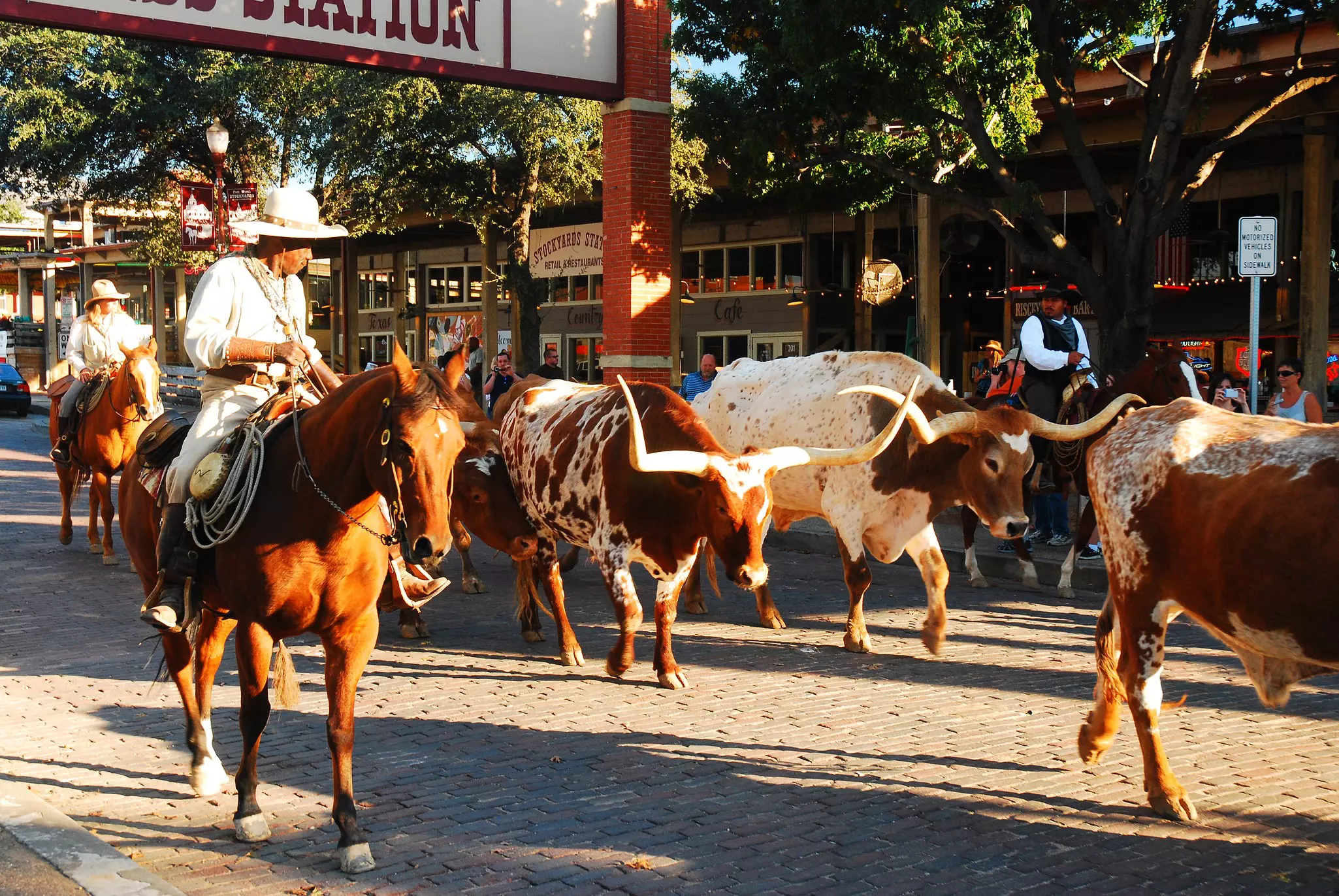
Famous for being "Where the West Begins," Fort Worth still has the cowboy feel. It first rose to prominence during the great open-range cattle drives of the late 19th century, when more than 10 million head of cattle tramped here along the Chisholm Trail. These days, the legendary Stockyards are the prime visitor destination, hosting twice-daily mini-cattle drives, rodeos every weekend and Billy Bob's, the world's biggest honky-tonk.
Best for foodies

Taiwan has managed to preserve Chinese traditions while forging a distinct cosmopolitan culture. The food – Chinese and Japanese dishes, Hakka specialities, sizzling street food – is sensational, too. Autumn is the best time to visit. It’s cooler and less humid, and maple leaves are starting to turn. Start in capital Taipei, to visit the National Palace Museum; add on Sun Moon Lake, Taroko Gorge, old Lugang and Foguangshan (a huge Buddhist monastery where you can stay overnight). The water is still warm enough for snorkelling in coastal Kenting National Park, while the mountains of Alishan offer good hiking.
Best for a spiritual experience
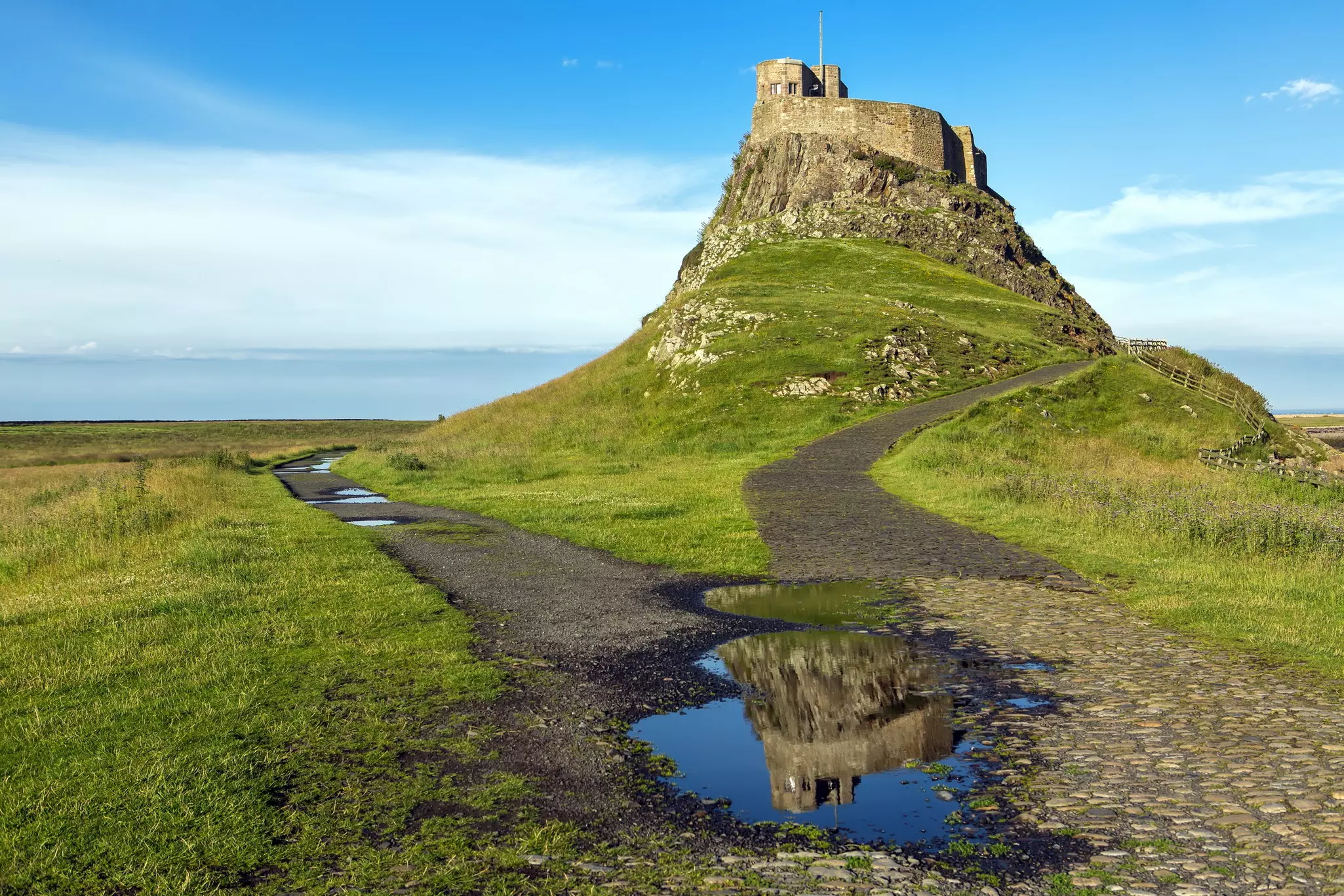
St Cuthbert’s Way winds through the wild uplands of the English–Scottish border region, following in the footsteps of its namesake early medieval saint. Most sublime of all is its last stage, in which pilgrims must walk across an intertidal zone at low water to reach the Holy Island of Lindisfarne.
The trail takes hikers to places associated with the saint’s life – and hikers of religious faith (and none at all) spend days stomping its wildflower-strewn miles, returning to society every evening with soft beds in village pubs.
Best for biking
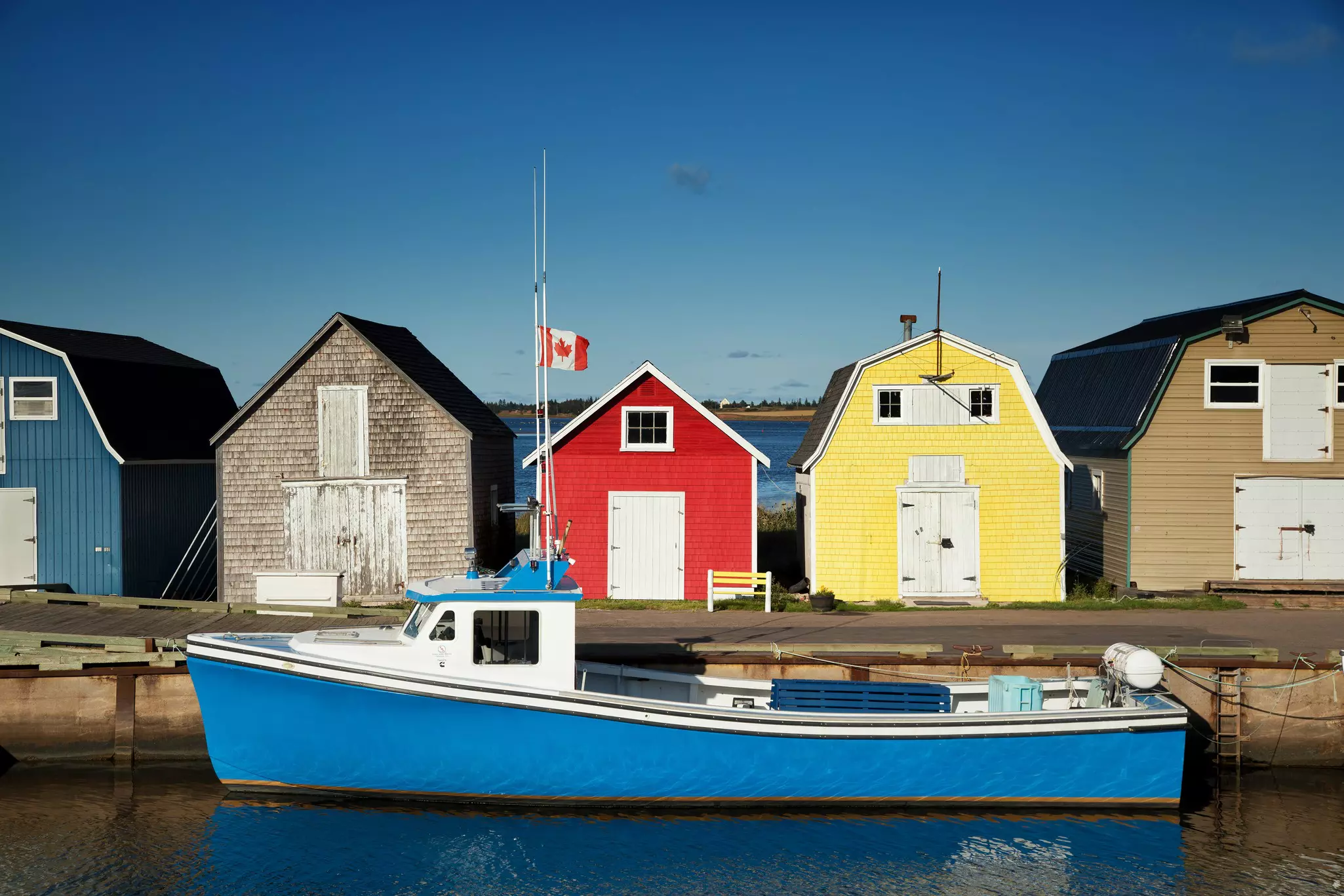
On Prince Edward Island, the trainspotter’s loss has been the cyclist’s gain. Abandoned train tracks were repurposed into the Confederation Trail, a 435km (270-mile) network of well-surfaced, car-free, largely level paths (gradients never exceed 2%) that provide a great way to get around Canada’s smallest province. And September, when summer crowds have gone and maximum temperatures average 20°C (68°F), is well suited to gentle cycling. The scenery is idyllic: expect rolling fields, wildlife-rich woodlands and wetlands, farmers’ markets, fishing communities and plenty of railway history – 250 interpretive panels line the way, adding color and context.
Explore related stories