Sep 17, 20266 min read
How to Eat Rāmen at Ganso Ramen Yokocho in Sapporo, JapanSep 17, 2026
6 MIN READ

Writer
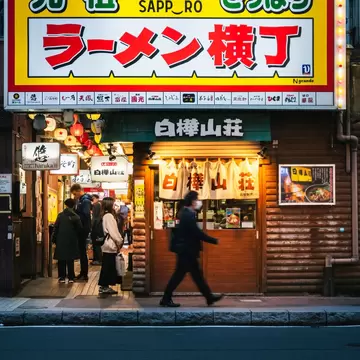
Ganso Ramen Yokocho in Sapporo, Japan. VTT Studio/Shutterstock

Writer
Lonely Planet may earn a commission from affiliate links on our site. All recommendations and reviews reflect our own independent opinions.
It’s 3pm on a Friday and the metal doors on the stalls of Ganso Ramen Yokocho – a famous alley of shops selling miso-rāmen – in Sapporo, Japan, are just starting to creak open. The lunch rush is over, and some shops remain closed for a break until dinner time. The lantern-lit alley is sleepy this time of day, but the timing is perfect for me. I can easily pass through the narrow, normally crowded passageway, getting a view of all the stalls and their menus.
I peek inside the doors of the handful of shops that are open and see customers have plenty of elbow room as they slurp warm bowls of rāmen counterside. Later tonight, that sort of space will be hard to find. This is the place you come after a few beers in the Susukino neighborhood to have that late night, hearty meal. Lines will form outside the stalls with customers patiently waiting for a precious seat inside to free up.
I’m here early in the afternoon to beat the rush to find out what makes this beloved alleyway so special. I pop into half a dozen of the famed alley’s stalls to chat with chefs before the onslaught of orders makes it too difficult for them to take a break.
The story of the history of rāmen in Japan goes something like this: the thin rāmen noodles came over from immigrants from China sometime in the 19th century. But, the explosion of its popularity came following WWII. Already facing post-war food shortages, Japan faced a catastrophic rice harvest.
Under American occupation at the time, the US shipped surplus wheat flour to Japan. It also restricted street-food vendors as a way to ration food.
But out of necessity and hunger, a black market emerged, with vendors selling rāmen made with broth from scraps like pork bones, chicken bones and vegetables remnants and ramen noodles made with that surplus flour.
In 1951, the Ganso Ramen Yokocho in Sapporo formed with eight shops in a different location. It moved to its current spot in 1971 and just celebrated its 75th anniversary. It’s grown to a vibrant alley of 17 shops with locals and tourists alike sitting elbow to elbow at the counter stools.
Traditionally, the Japanese term yokochō refers to an alley packed with bars or food stalls that usually have just a handful of seats. You’ll find yokochō elsewhere in the city but this particular historic “ramen alley” tops Lonely Planet’s list of recommendations of things to do in Sapporo because it is believed to be the birthplace of the city's famed miso-rāmen.
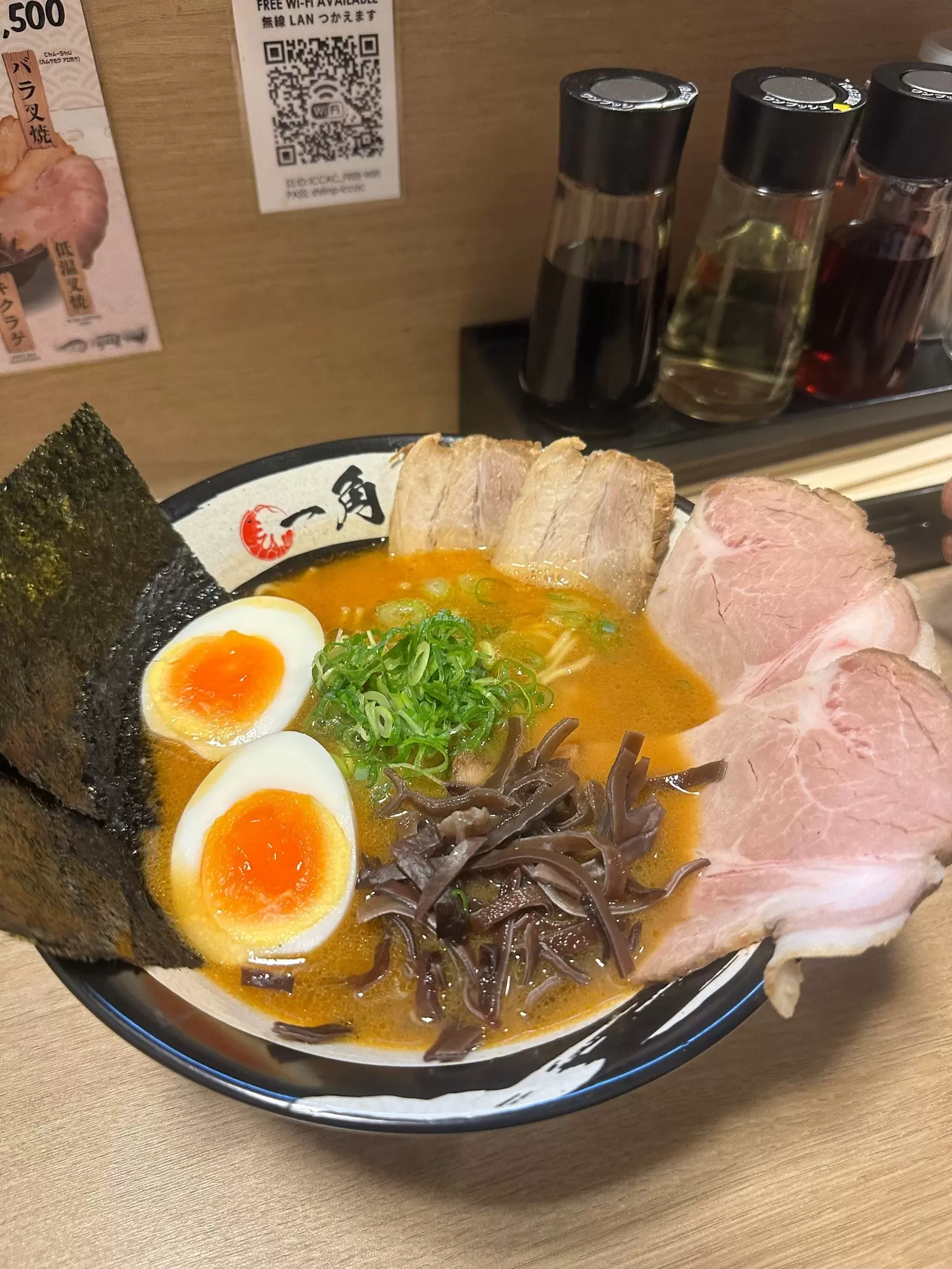
There are four major types of rāmen. Shio-rāmen (salt) and shōyu-rāmen (soy sauce) were the original broths used for rāmen. Tonkotsu, made from pork-bone stock, originated in Fukuoka.
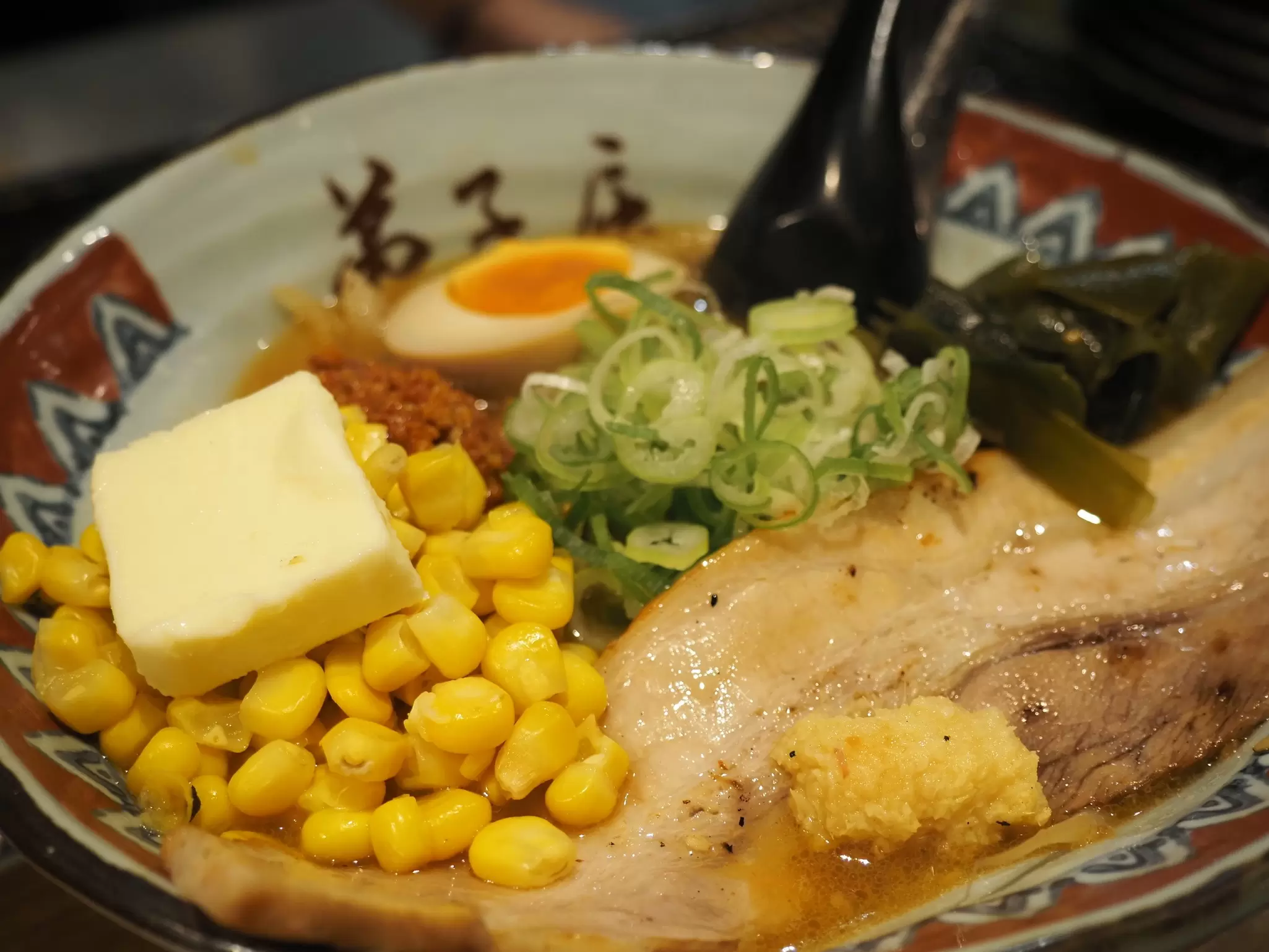
Meanwhile, Hokkaidō’s miso-rāmen developed from combining a pork-, seafood- or chicken-based broth with miso paste, creating a rich broth. It's the perfect comfort food in the northern island’s chilly winter climate, with flavor and depth that feels like a liquid sweater against the snowy weather.
The miso-rāmen in this region is served with butter and corn. As I chatted with the chefs at each of the stalls, no one seemed to know specifically how butter and corn became Hokkaidō’s signature topping, but there seemed to be some consensus that it’s probably a nod to the area’s famed dairy production.
Standing in front of dozens of rāmen shops with the menus mostly in Japanese, the choices can feel daunting. The owners take deep pride in having a spot in this historic location, and you really can’t go wrong, whichever shop you pick. Expect to spend between ¥1000–2000 depending on what you choose. Prices are pretty consistent across stalls.
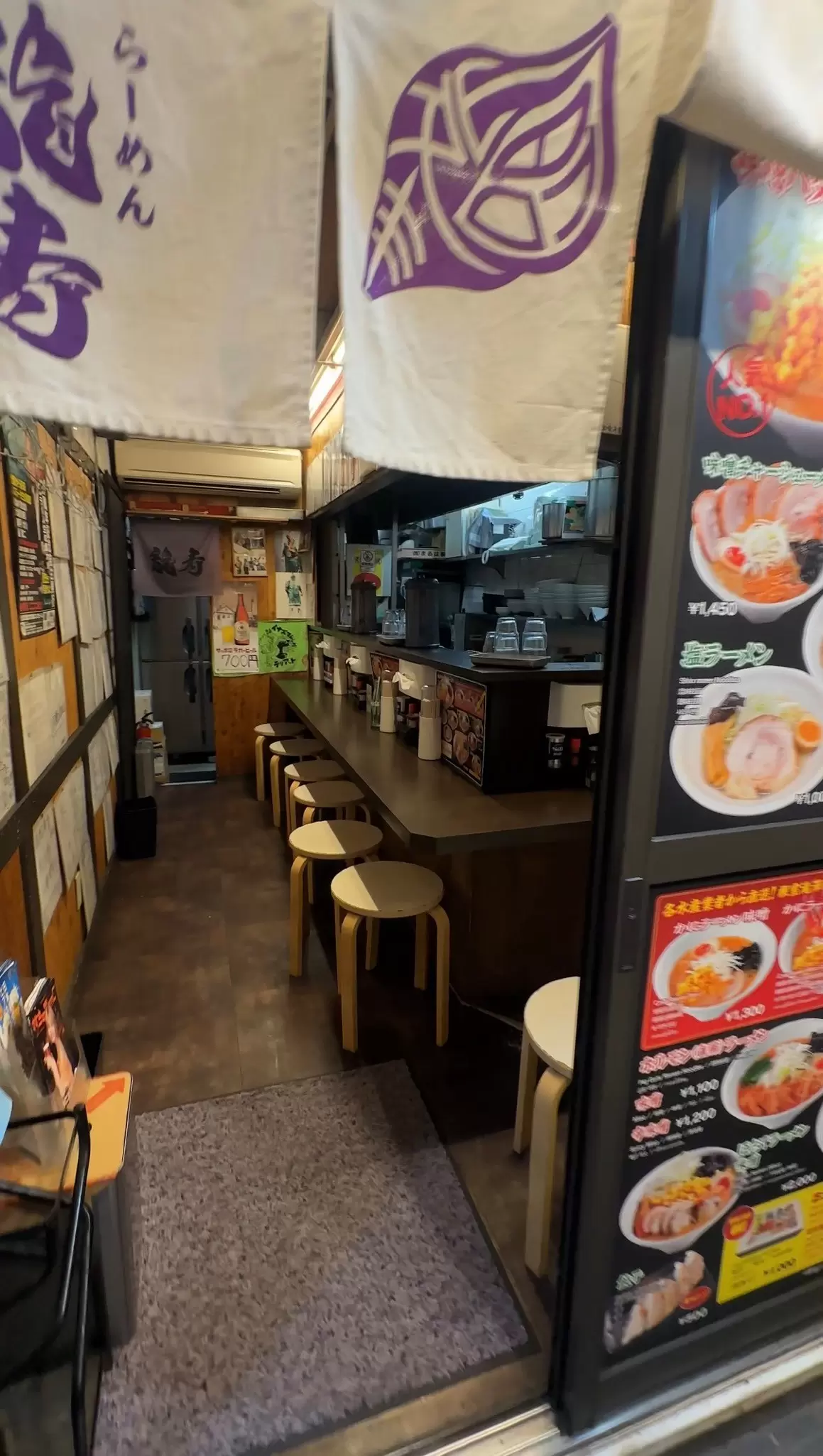
Part of the fun about sitting at the counter at these small restaurants is you can watch the staff prepare your rāmen. It starts with sautéeing the aromatics until they caramelize, then adding the broth, which shops spend hours simmering. They boil the noodles and drop them into the broth with various other toppings before serving it hot to the awaiting customer.
I hop between a few of the shops. When I walk into Tenhou, a place that’s received a lot of notable recommendations as of late, there’s a YouTube influencer and his camera crew sitting at the counter. Along the wall, famous visitors have scrawled their names.
Across the alley, Shrimp Ramen ICCAC has a shrimp miso broth that spends hours simmering before it hits your bowl.
A few stops down from there, Ramen Teshikaga tops spicy miso-rāmen with pork grilled over coal fires. Paper aprons sit on the table in anticipation that delicious meals are sometimes a little messy. Signs around the restaurant ask customers to be mindful of the customers waiting for a seat.
Meanwhile at the end of the alley, locals tell me lines often form outside Sapporo Ramen Haruka, which boasts spicy miso-rāmen (and signs offering to help dilute it if it gets too hot) but it's also known for its vegetarian broth that the chef told me is also free from sake (commonly used to add flavor to rāmen).
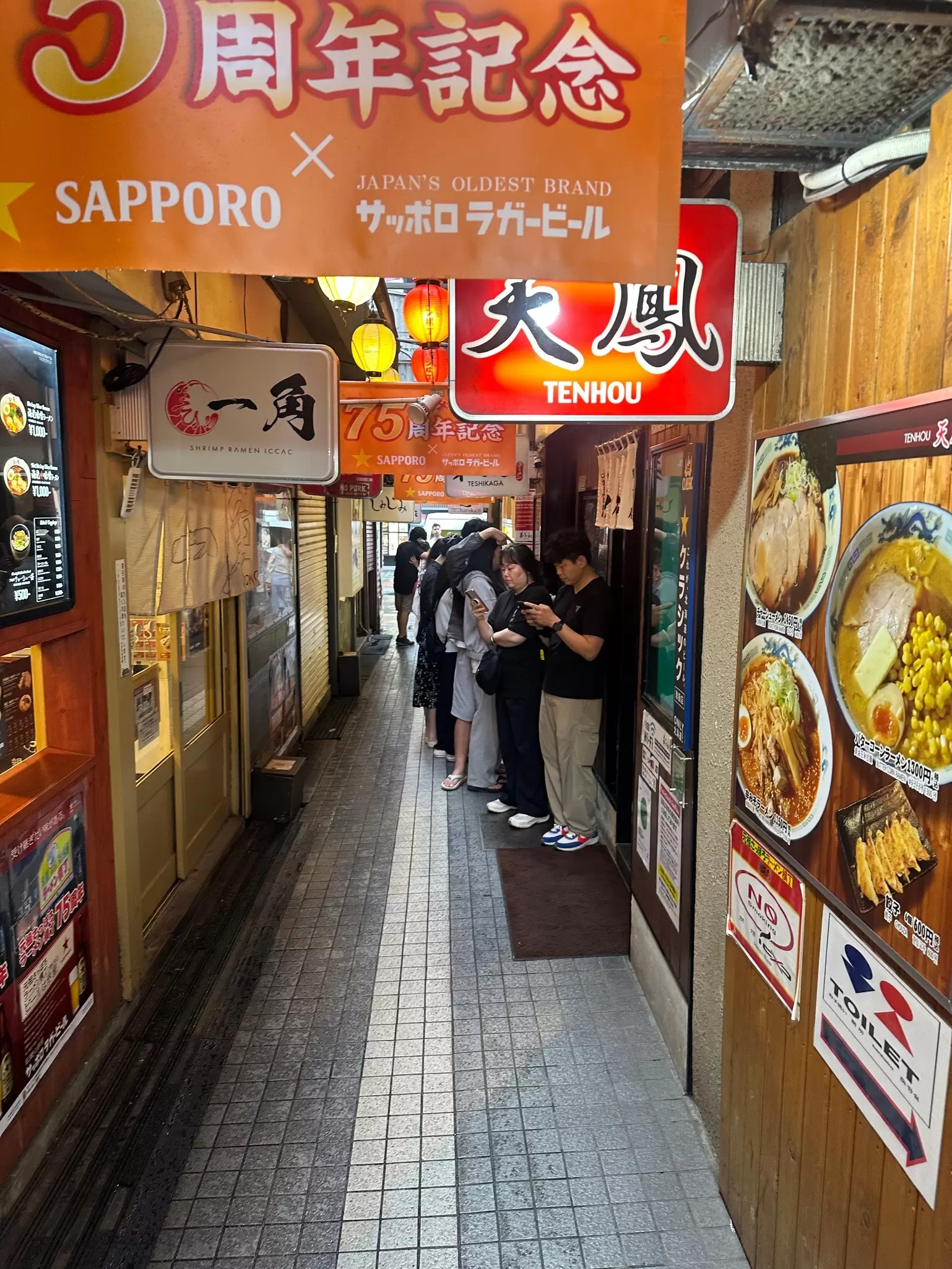
During peak hours, the alleyway is bursting with visitors so the most important thing is to be self-aware. Don’t block the doors to other shops as you queue and remain mindful that other customers are also patiently waiting for a seat. If one restaurant has a long line, consider hopping to another one. There are many great options in the alley.
Be aware that some shops don’t allow photographs. Look for signs. One of the chefs I spoke to said that’s both to keep the flow of customers moving and also to encourage you to eat the rāmen when it is best: freshly served and piping hot. If the shop does allow photographs, prioritize the food and don't linger over your picture.
If you get in over your head with spice, just let the staff know. They can help dilute the broth for you.
Also, slurping is totally fine and if you’re worried about your clothes, some places offer paper aprons.
If you want to be there when the alley is buzzing, come at night. If you want to beat the crowds, come on the off-hours of midafternoon or earlier in the evening.
Know that each shop has its own hours and holidays. You can check out the hours of all the shops on the alley’s website.
Melissa traveled to Hokkaidō with support from Hokkaido Tourism. Lonely Planet does not accept freebies in exchange for positive coverage.
Explore related stories