Sep 21, 20268 min read
A Guide to Valle de Guadalupe, MexicoFeb 13, 2026
6 MIN READ

Writer
View of the Parroquia de San Miguel Arcángel from a balcony in San Miguel de Allende, Mexico.

Writer
Highlights
Writer Rosie Bell maps Mexico's seasons for sun lovers, surfers and culture seekers.
December to March is dry season, ideal for whale watching off Baja and hiking in Oaxaca.
May and June offer lower prices and warm weather as Mexico's first low season.
Head inland in fall for Jalisco's Mariachi Festival in September and Oaxaca's Día de Muertos.
Lonely Planet may earn a commission from affiliate links on our site. All recommendations and reviews reflect our own independent opinions.
As diverse as it is enchanting, Mexico is a year-round destination. Here, we dissect the seasons, local festivals and regional nuances to help you pinpoint the best time to visit Mexico, ensuring that your trip is as unforgettable as the country itself.
This 32-state nation boasts glistening coastlines, numerous microclimates and astonishingly varied terrain. The sun reigns supreme on the pristine beaches of Cancún and Playa del Carmen on the Yucatán Peninsula, while inland city gems like Guanajuato and San Miguel de Allende, located in the temperate highlands, provide respite from scorching summers. In the state of Chihuahua, adventurers relish the grandiose Copper Canyon in spring and fall, and the country’s cultural heartland, Mexico City, is perennially bustling with things to do.
Whether you want hidden beaches, rich Indigenous culture, historic sites, delectable food or an itinerary with a little bit of everything, Mexico has a perfect time and place for you to experience its countless treasures.
Weather in Mexico in winter: High season for tourism in Mexico coincides with the dry season from November to March (the rainy season is from June to October). These pleasantly dry months bring numerous winter escapees from colder countries, and it is the best time to travel to Mexico if you plan to spend time outdoors and in nature.
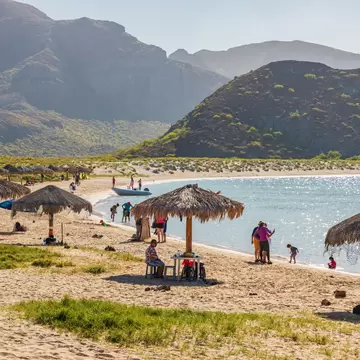
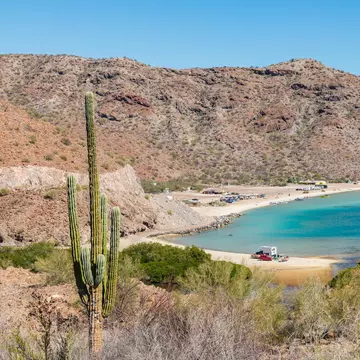
On the Baja Peninsula, flowers bloom, plants get green, big waves delight surfers, and swimming with whale sharks is possible (from October through April). In the Northern Central Highlands, it's a fantastic time for excursions to waterfalls and rivers, while in Oaxaca, these are the best months for hiking. Pack a sweater for high-altitude destinations like San Cristóbal de las Casas in Chiapas, which can be chilly at night and in the morning. In the Western Central Highlands, the forests of the Reserva de la Biósfera Santuario Mariposa Monarca turn orange as millions of large monarch butterflies winter there from late October to mid-March.
February is the best month for whale watching around the Baja Peninsula, and March is the vernal equinox, when visitors mob Chichén Itzá (there's an equinox in September too) to see shadows that resemble a serpent ascending (or descending) the El Castillo pyramid. Archaeological sites like Teotihuacán north of Mexico City and Guachimontones west of Guadalajara are also popular spring equinox pilgrimages.
November, December and January are the most expensive months to fly to Mexico. Expect crowded attractions and population swells in destinations like Tulum, which is particularly busy before New Year’s Eve and on the first week of the year, when massive electronic music festivals fill the calendar.
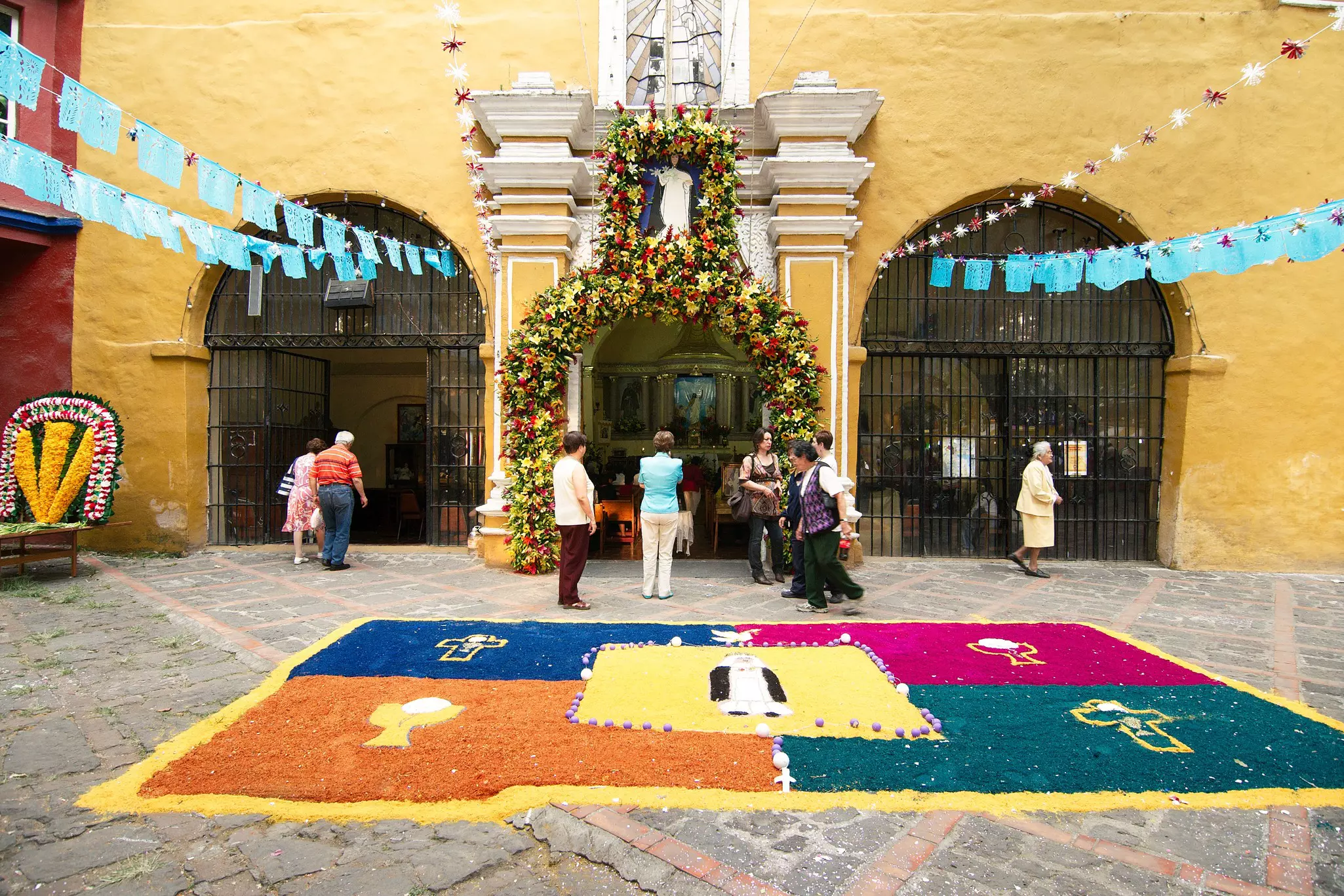
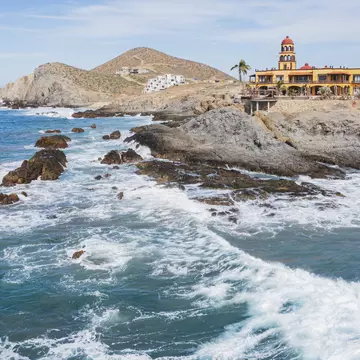
Weather in Mexico in early spring: In March and April, many US students spend their spring break in coastal hot spots, including Cancún, Puerto Vallarta and Cabo San Lucas, for a week of over-the-top partying. Whether you wish to join or avoid the revelry, take note of potential fare increases during this time.
Semana Santa (Holy Week, prior to Easter), which can be in March or April, is Mexico’s major holiday week of the year. Many businesses shut down in inland cities. Accommodations and transportation are packed, and Easter fares can be as much as double the typical rate.
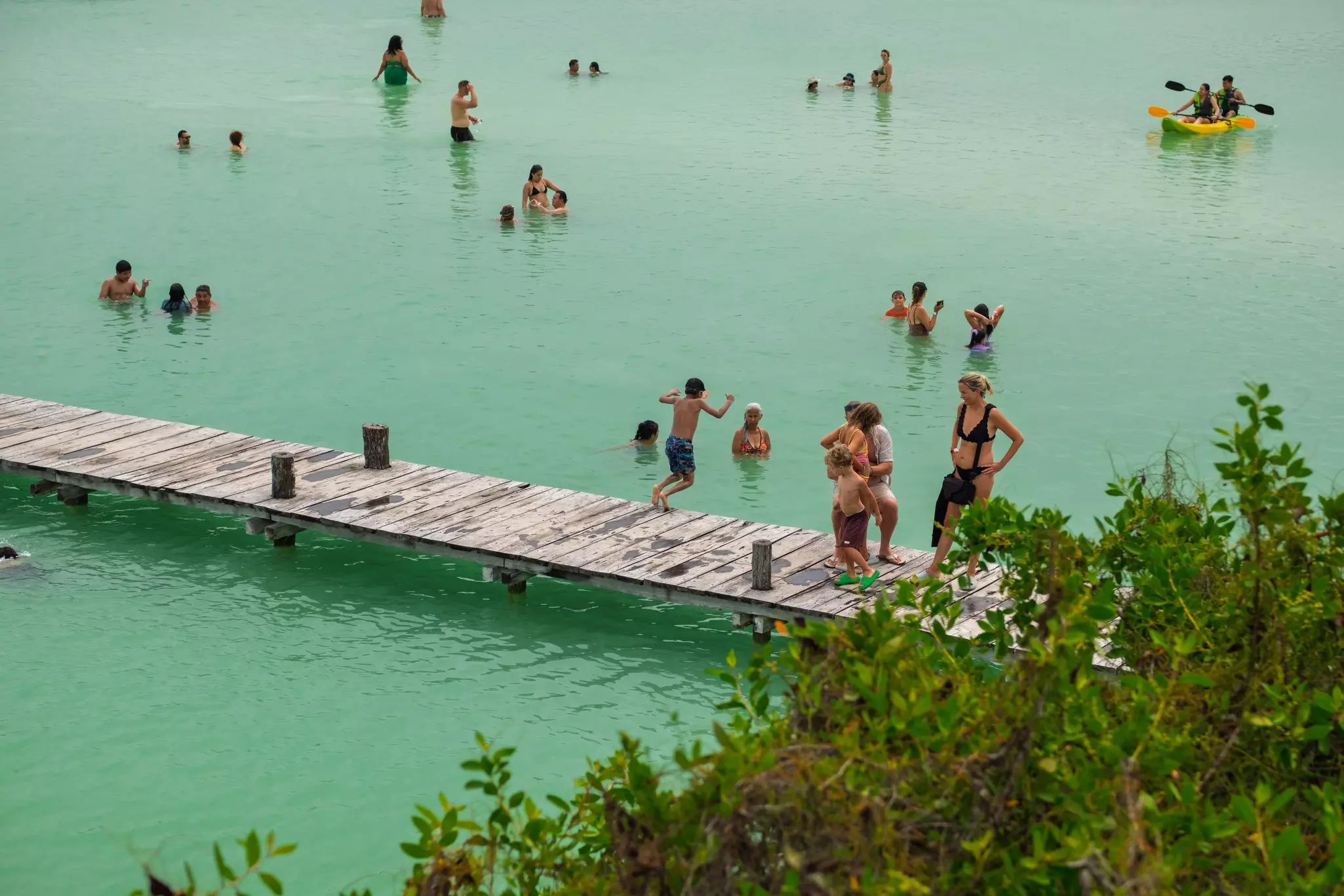
Weather in Mexico in late spring: Mexico experiences two low seasons – May and June, and then September through November. Budget travelers looking to score great deals should plan to visit Mexico during these months.
In May, temperatures reach annual peaks in cities such as Mérida, where the average daily high is 35°C (95°F); Guadalajara and Oaxaca City, at 30°C (86°F); and Mexico City, at 26°C (79°F).
You might be surprised to learn that Cinco de Mayo is not observed with zealous fanfare throughout Mexico, though it is a public holiday. The main destination for celebration on May 5 is Puebla, where a battle between the Mexican army and French soldiers is reenacted.
June is the start of the rainy season in Mexico, as well as the hurricane season, which lasts until November. The highest chance of encountering a hurricane, however, is between August and October.
Weather in Mexico in summer: It’s hot nearly everywhere in Mexico during the summer. Surfers at the Mexican Riviera (Mexico’s Pacific coast region), including Puerto Escondido with its legendary Mexican Pipeline, enjoy superb swells in April, May, October and November, but June to August generally see the biggest waves.
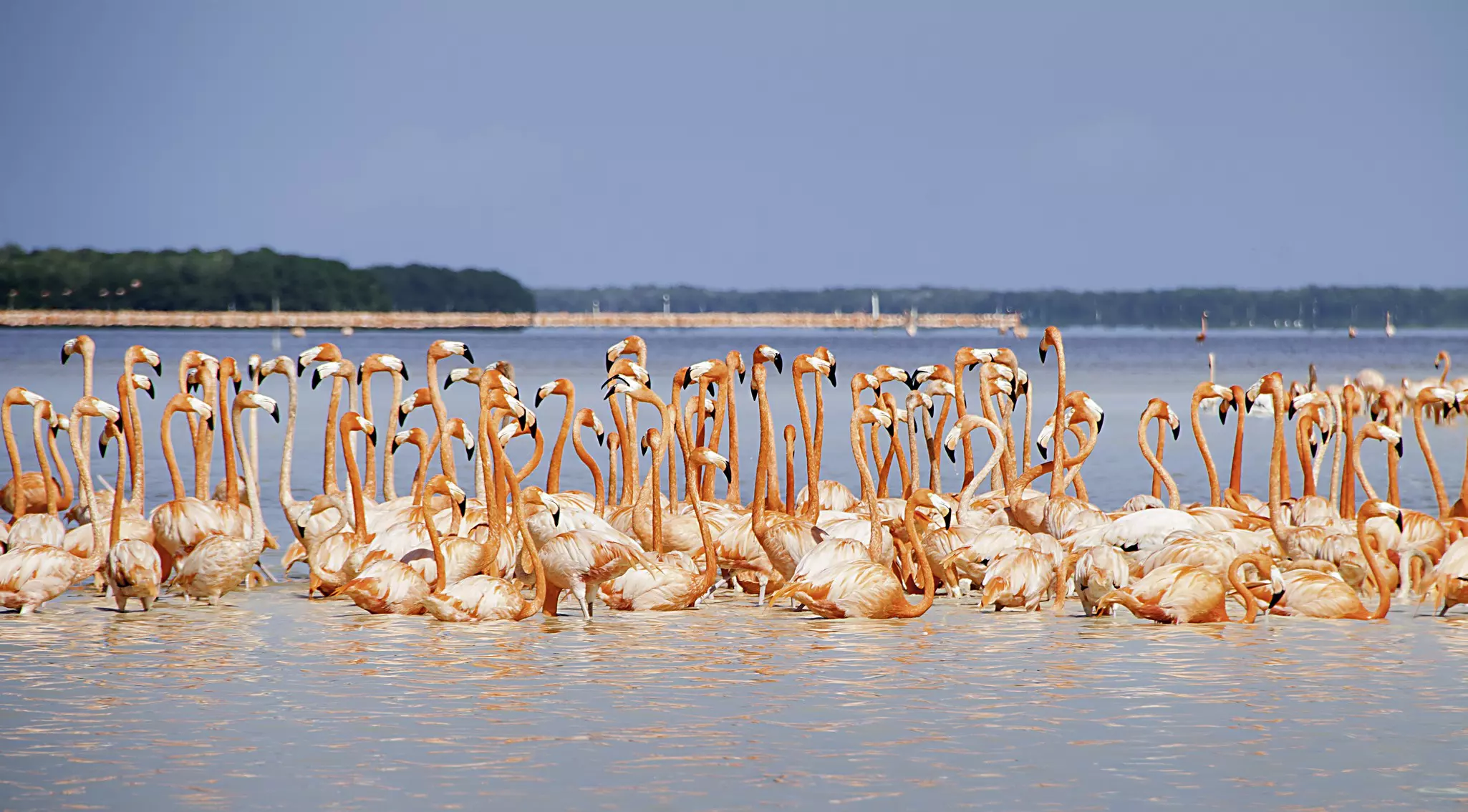
If you love turtles, the best time to travel to Puerto Vallarta is from July until December, when you can attend one of many baby turtle releases held by a handful of hotels. For whale shark spotting, these gentle giants gather off the coast of Cancún and Riviera Maya towns between mid-May and mid-September, but the best time to see them is July or August.
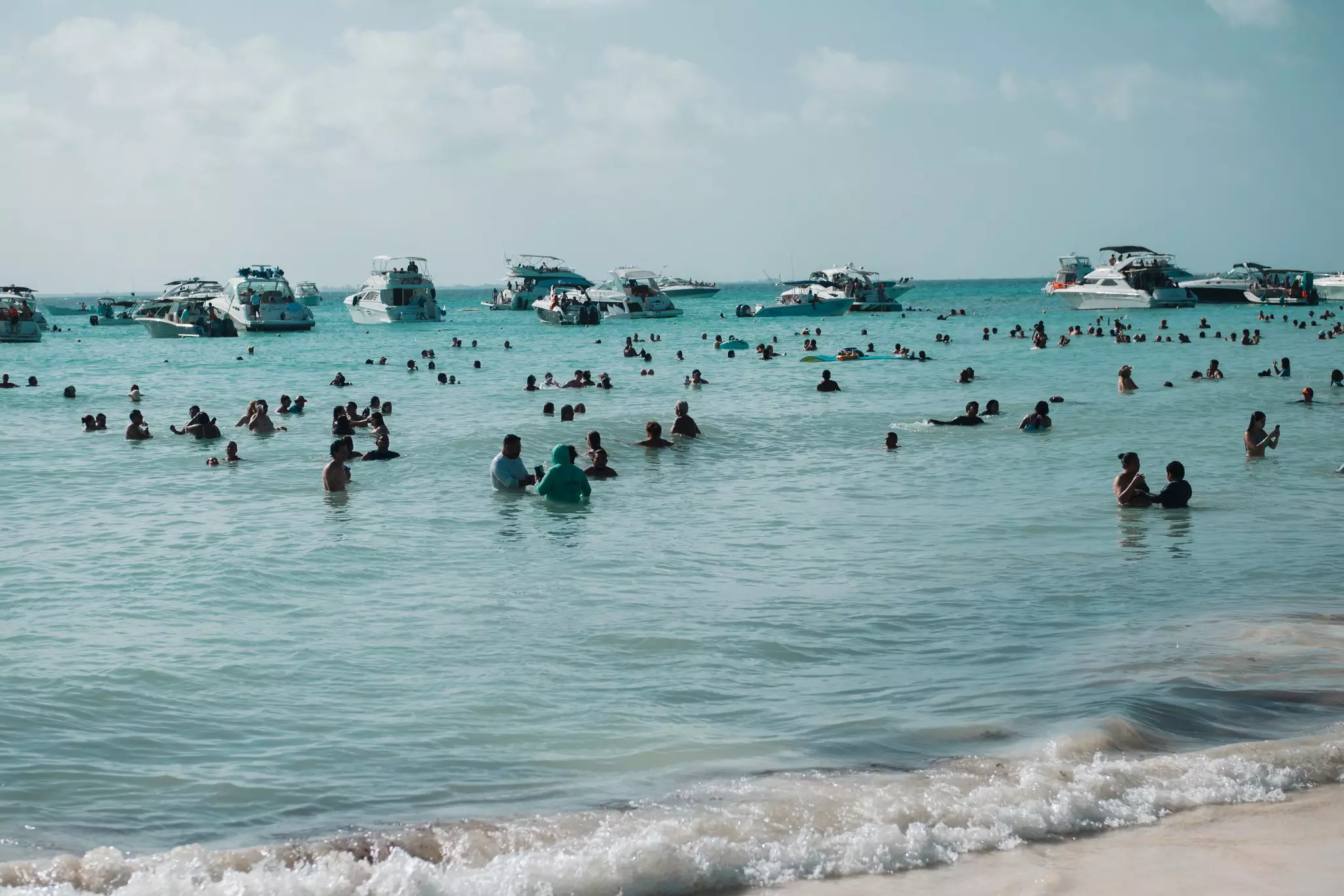
The summer might not be the best time to visit the Riviera Maya or Cancún, however. Not only is it oppressively hot, but many beaches are covered in sargassum (brown seaweed). Vacationing Mexicans from the rest of the country also flock to these beaches, which makes hotel rates rise. Beaches on the Mexican Riviera are never affected by sargassum.
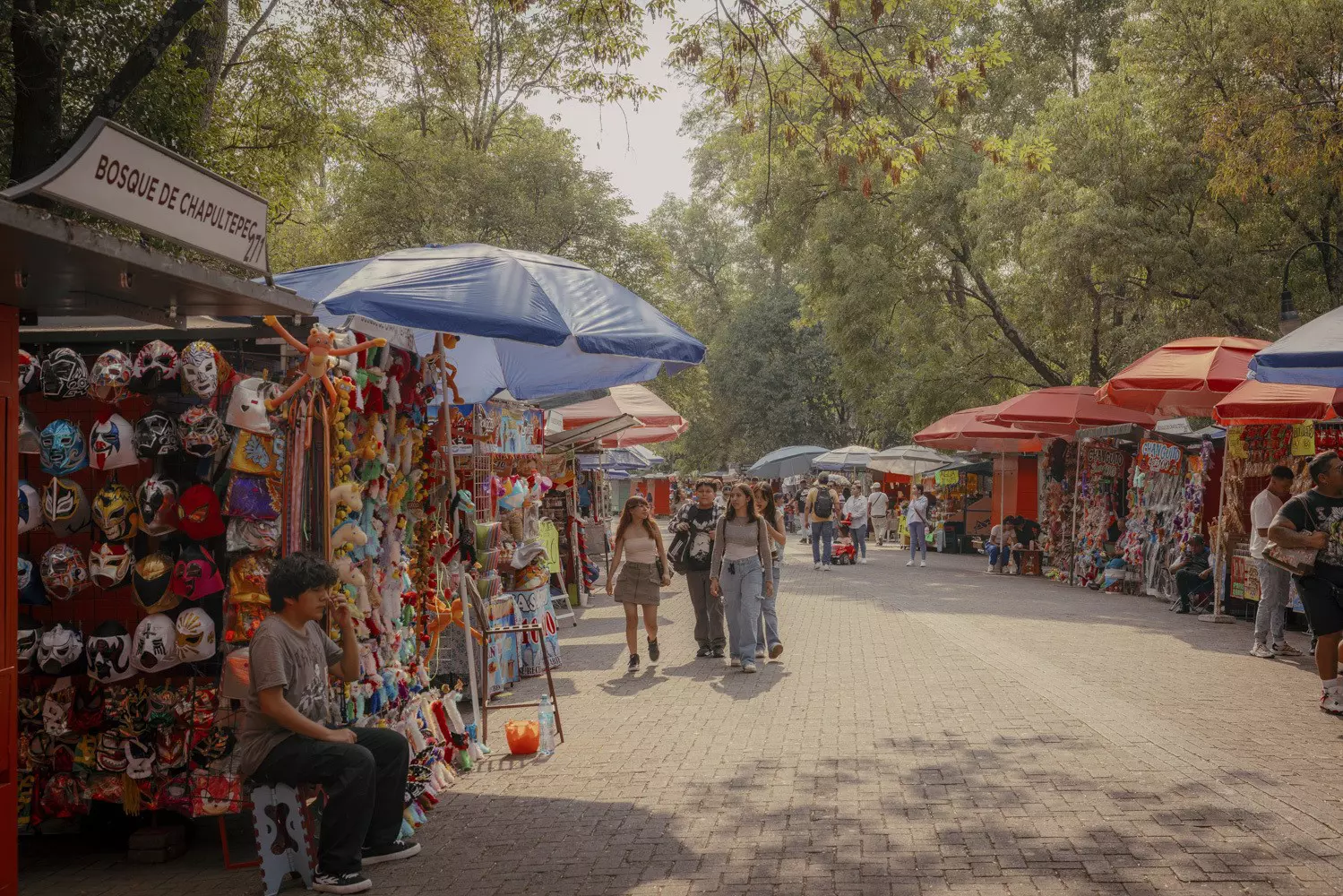
Weather in Mexico in fall: The second low season, from September to November, is a terrific time for inland explorations and tastes of culture. Mexican families feast on chiles en nogada (chilies in walnut sauce) on the Día de la Independencia, which ushers in lively patriotic celebrations on September 15 and 16.
Over 10 days in September, Jalisco hosts the charming, colorful and delectable International Mariachi and Charrería Festival, when more than 500 mariachis perform and the National Charro Championship takes place (charrería is Mexico’s national sport).
With the hurricane season in full swing on the Yucatán Peninsula and Mexico’s coasts, it’s rainy in most places, with poor visibility for Caribbean divers in September. However, inland Mexico tells a different story. There are spots of rain in Mexico City, but the mild weather is perfect for wandering around the city's neighborhoods. October, along with November and March, is one of the best months to visit northwest Mexico’s spectacular canyon country, with temperatures not too hot at the bottom of the canyons nor too cold at the top.
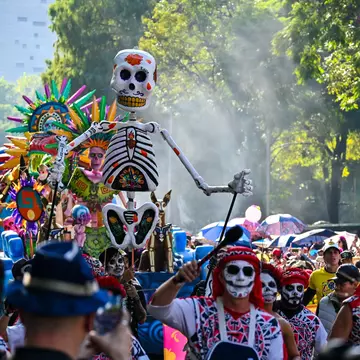
At the start of November, Día de Muertos brings parades, floats, altars and all-night vigils to cities and towns all over Mexico – Oaxaca City is the jubilant epicenter.
Book your Mexico trip with Lonely Planet Journeys
See Mexico how it's meant to be seen
Planned by local experts and tailored to you, Lonely Planet Journeys handles the logistics so you can just enjoy the trip. Tell us what you want and we'll build your Mexico itinerary from scratch, or browse our bookable trips to get inspired.
Explore related stories