Sep 19, 202615 min read
Spain's Classic One Dish WondersSponsored by
Sep 19, 2026
15 MIN READ

Writer
Los Gabrieles, restaurant. Emilio Parra Doiztua for Lonely Planet.

Writer
Some ingredients are deservedly beloved staples all over Spain, from jamón (dry-cured ham) to anchovies to fabulous cheeses. But the most exciting thing about Spanish food culture is that it is both heavily regional and richly varied (despite what outdated stereotypes might suggest). Dining in seafood-loving coastal Andalucía, for example, is a world away from the meat-rich recipes of inland Spain or the mountainous cuisine of the Pyrenees.
What most of the finest dishes across the country do have in common is that they keep things simple, letting prime, fresh, regional produce shine. Often, a single prized ingredient – cheese, ham, prawns a humble vegetable – makes up an entire local specialty.
Here are some of the best dishes to feast on around Spain, including classic tapas, fresh-as-it-gets seafood and hearty, simmering arroces (rice dishes).
Galician-style octopus
Region: Galicia
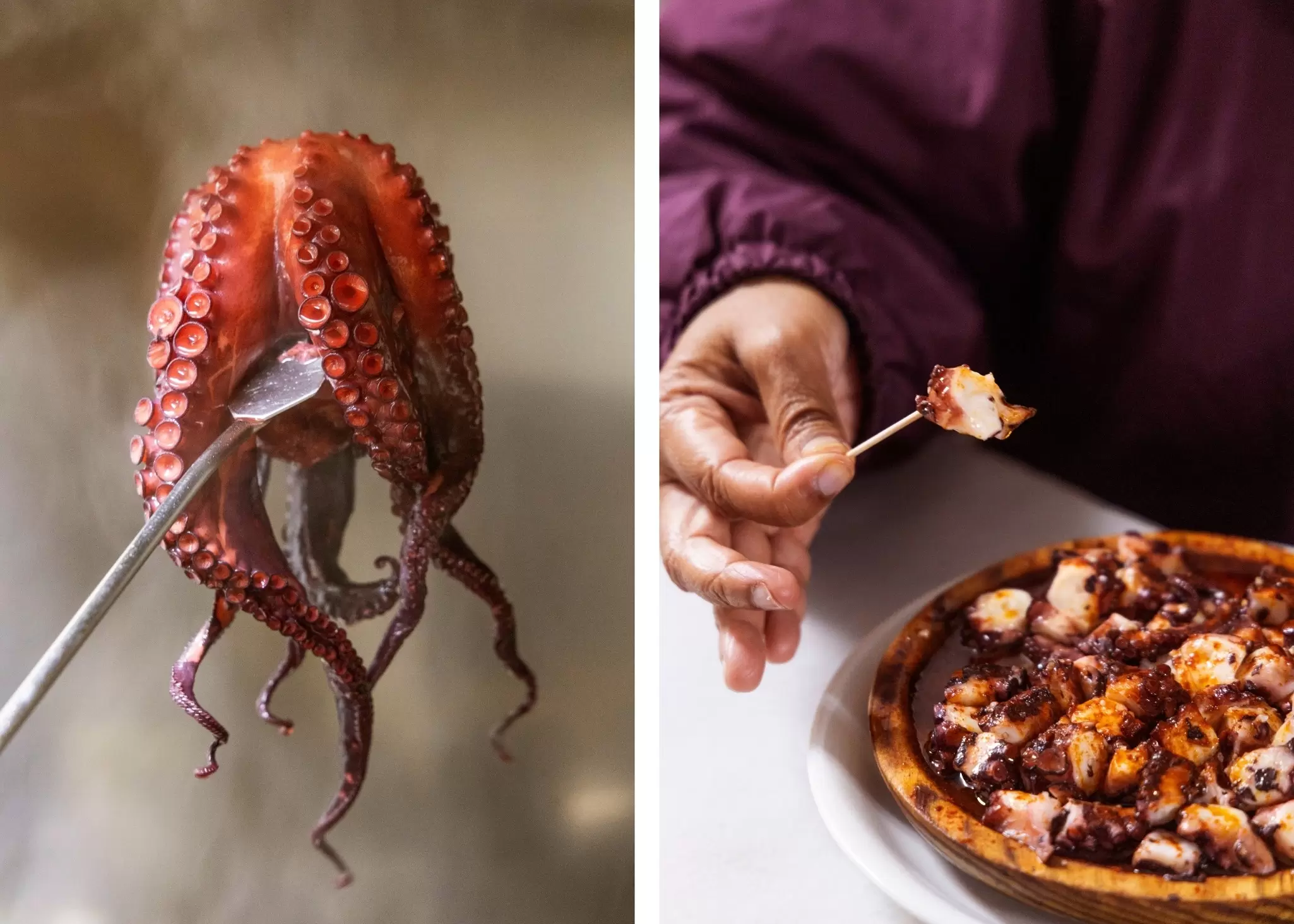
If there’s one dish that defines the beautifully green northwest region of Galicia, it’s pulpo á feira. Typically served on wooden plates as a tapa or ración (large tapa), it consists of tender octopus boiled in large vats of water, then sliced with scissors and dressed with salt, paprika and olive oil. You’ll often see the same octopus accompanied by cachelos (salt-boiled, Galicia-grown potatoes), which turns it into pulpo a la gallega.
The finest Galician octopus is sourced from estuaries around the Rías Baixas region, but the dish is also a staple of the region’s interior. During the hugely popular Festa do Pulpo de O Carballiño, held each August near Ourense, around 30,000kg of octopus are prepared.
Where to try: In the evocative old town of Santiago de Compostela (Galicia’s regional capital), century-old tavern O Gato Negro serves delicious Rías Baixas octopus. In Atlantic-side A Coruña, Pulpeira de Melide has bagged awards for its pulpo, with optional cachelos.
What other seafood is worth seeking out in Galicia? Percebes (goose barnacles): these prized (and pricey) crustaceans are famously harvested by hand among the Atlantic-pounded cliffs of the Costa da Morte.
Potato omelet, often with onion
Region: Madrid and beyond
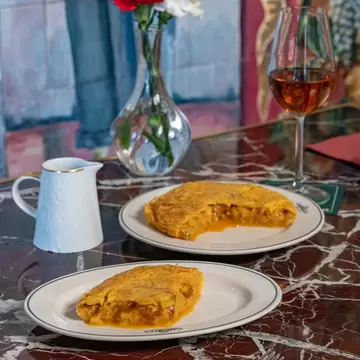
Easily my favorite Spanish-food moment is being crammed into a noisy bar for a vermouth and a pincho de tortilla – an individual slice of deliciously gooey tortilla de patatas, ideally served with a chunk of crusty fresh baguette for mopping up the plate.
Some culinary experts say tortilla de patatas (or tortilla española) first emerged in land-locked Extremadura in the 18th or 19th centuries. Today it’s a staple all over Spain, with the Basque Country, Catalonia and Andalucía all renowned for it. Tortilla has become an especially beloved signature in Madrid, where a wave of respected, long-running bars have spent decades perfecting their recipes.
It may only involve a handful of simple ingredients, but a perfect tortilla requires skill. A key question is whether to include onion or not (it’s a hot debate), along with potatoes, eggs, salt and olive oil. Though arguably best as a tapa, tortilla can also be cooked to order as a full dish.
Where to try: Bodega de la Ardosa in Malasaña is a classic 1892-opened Madrid tavern known for its prize-winning tortilla. Pez Tortilla, with several branches, wows madrileño diners with tortilla in both traditional style and creative spins (perhaps with morcilla, or blood sausage). In Barcelona, head to El Pollo or Mantequerias Pirenaicas for some of the city’s finest tortilla.
Also worth trying: Tortilla de Betanzosis typical of the area around Betanzos town in Galicia, an onion-free variation known for being extra-runny.
Dry-cured ham
Region: Extremadura
The intense, rich, buttery flavors of jamón need little introduction. Step into any traditional Spanish bar and you’re likely to spot jamón legs dangling from the ceiling and slivers of this deep-red cured ham flying around on plates. Most celebrated is jamón ibérico, produced exclusively from ibérico-breed pigs in the southwest of the country, where rural Extremadura is a leader. Here, the free-roaming pigs feast on acorns in the forest, which – if certain requirements are met – leads to the prestigious jamón ibérico de bellota, loved for its nutty notes.
The Jabugo and Los Pedroches regions of northern Andalucía, along with Guijuelo in Castilla y León, are other prime jamón ibérico producers, while Trevélez in the Alpujarras hills near Granada is renowned for its jamón serrano made from white-coated pigs.
What makes jamón so expensive? Lengthy curing times, artisanal processes and strict regulations around pig breeds and production all feed into the costs of jamón.
Where to try: Order a ración (large-plate serving) of local jamón ibérico at smart La Carbonería in Mérida. At triple-Michelin-star Atrio in Cáceres, chef Toño Pérez’ tasting menus include a course devoted to ibérico-pork products from Extremadura.
Prawns and king prawns
Region: Andalucía and Catalonia (among others)
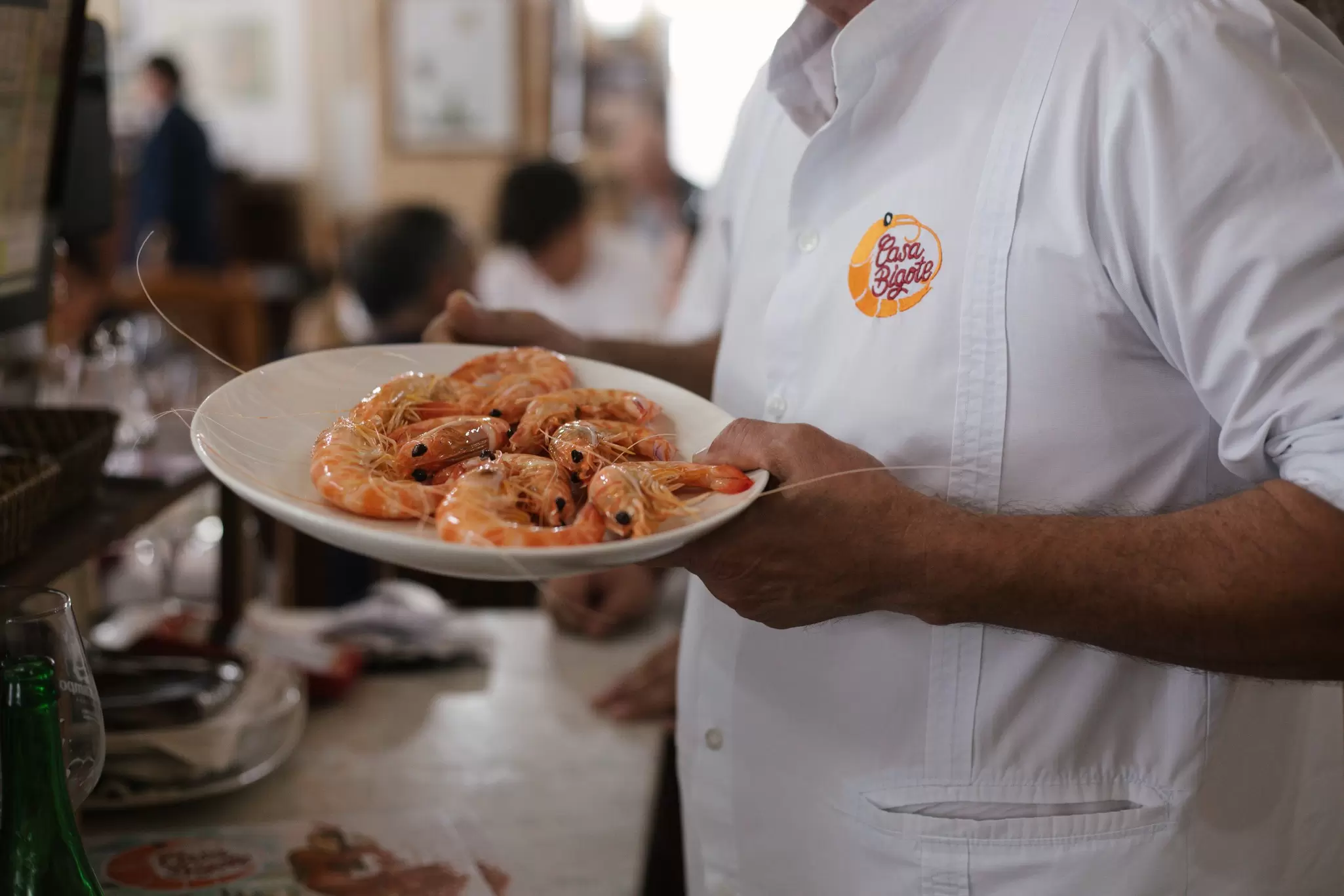
Across Spain, market-fresh gambas and their larger siblings langostinos are often devoured simply a la plancha (fried on a hot plate) or cocidas/cocidos (lightly boiled in salted water), perhaps as a ración to share.
Among the most treasured regional varieties are langostinos de Sanlúcar, a specialty of sherry-making Sanlúcar de Barrameda in Cádiz. The juicy king prawns are harvested from the Atlantic Ocean around the Guadalquivir River’s estuary, and make a perfect pairing with Sanlúcar’s crisp manzanilla sherry. The smaller, paler gamba blanca de Huelva is another favorite in both Cádiz and neighboring Huelva.
In Catalonia, don’t miss the rich red-hued gambas rojas of the Costa Brava.The most prized type comes from Palamós and has its own certification label.
What does al ajillo mean? Gambas al ajillo is a traditional dish of coastal Andalucía – prawns, garlic and chili in sizzling olive oil in a terracotta bowl.
Where to try: By the Guadalquivir in Sanlúcar, 1950s-founded Casa Bigote is renowned for its fresh langostinos de Sanlúcar and gambas blancas de Huelva. Try gambas de Palamós fresh from the Costa Brava at bistro-vibe Bar Mut in Barcelona’s Eixample district.
Rice dish with rabbit and chicken
Region: Valencia
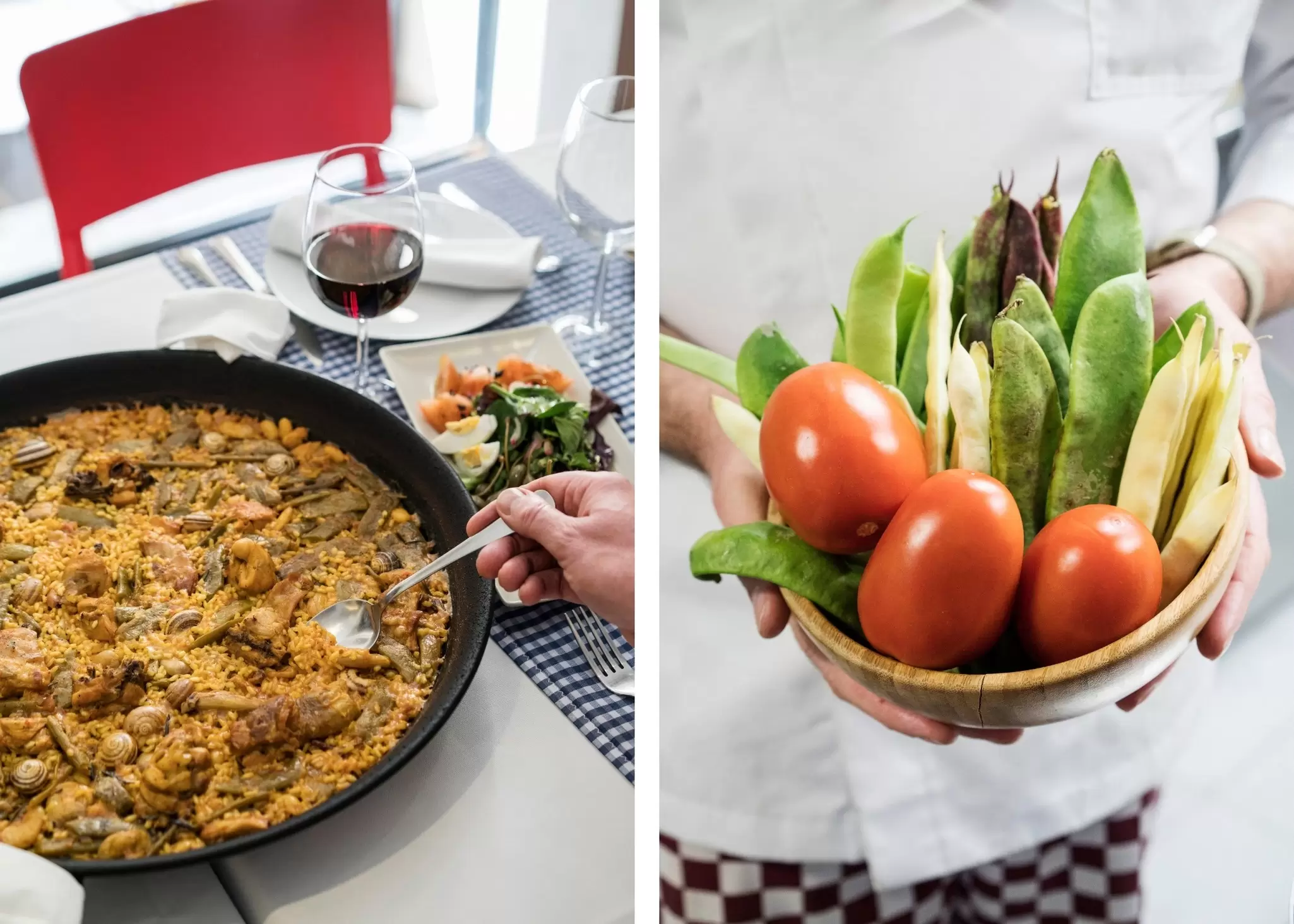
Spain has many different arroces (rice dishes) and their individual intricacies are fiercely debated, protected and celebrated. Most regions have their own dry paella-like rices, as well as brothier versions (usually called an arroz caldoso).
The area around Valencia on the Mediterranean coast is widely considered the birthplace of the traditional paella valenciana, particularly the wetlands of La Albufera where rice has been grown since Moorish times. A dish of humble rural origins, it is made in a large, flat pan over a log fire, using local rice and allowing flavors to build over time. To be considered a typical Valencian paella, it must include chicken, rabbit, green beans, snails and saffron.
When should I order a paella valenciana? Spaniards eat paella (and other similar rice dishes) for lunch only, ideally on a Sunday with family and friends.
Where to try: In La Albufera, book ahead to dig into the prize-winning paella valenciana at Bon Aire, made with rice produced by the restaurant itself. Century-old Casa Carmela, near the beach in Valencia, is another top spot for paella valenciana.
Anchovies
Region: Cantabria
Spain’s passion for tangy anchovies extends far and wide, but is perhaps most intense along the seafood-centric north coast. Sourced from the Bay of Biscay, these delicacies are then salt-cured and preserved in olive oil in tins as anchoas, or marinated with vinegar as boquerones. When the two are served together – sometimes on bread –people call it a matrimonio (marriage). The finest anchovies come from Santoña, a low-key fishing town on the coast of Cantabria.
How else are anchovies prepared in Spain? Andalucía loves boquerones fritos – anchovies dusted with flour, fried and often served with a wedge of lemon for drizzling on top.
Where to try: Head to lively Bodega del Riojano in Cantabria’s capital Santander for anchoas de Santoña or a matrimonio, both topped with roasted red peppers. Over in the neighboring Basque Country, Txepetxa is a respected, old-school favorite for anchovies in Donostia-San Sebastián’s Parte Vieja.
Deep-fried rolls with varied fillings
Region: Countrywide
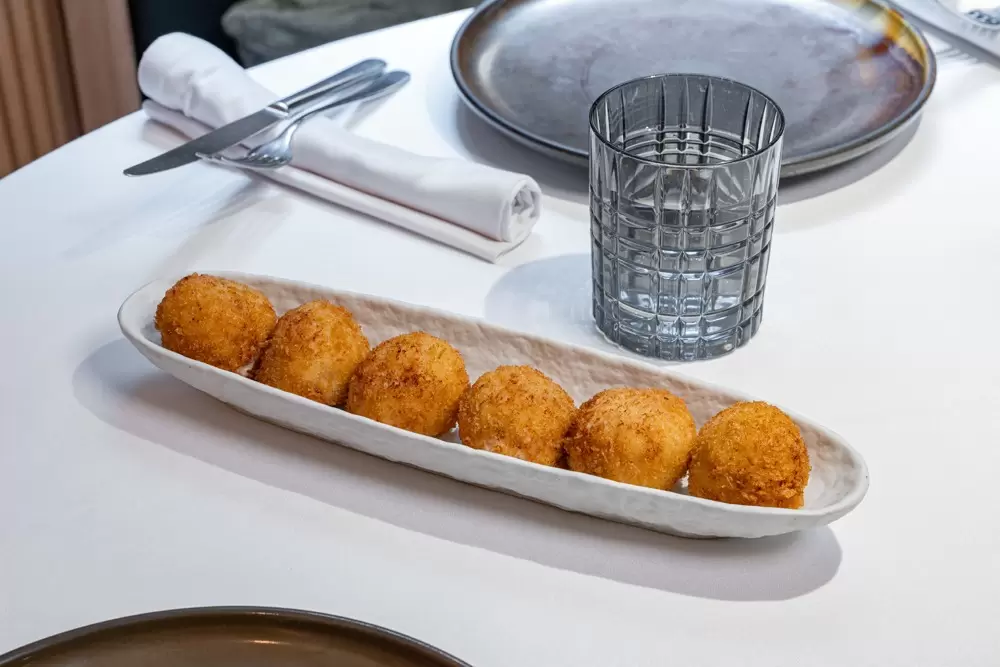
Each year, a team of experts at the Madrid Fusión gastronomic congress presents an award for the finest croqueta (croquette) in Spain. It’s a hotly awaited culinary event, for which top chefs all over the country compete.
Having first arrived in Spain from France in the early 19th century, the croqueta has taken on a starring identity in Spanish cuisine. Stuffed with anything from jamón (most popular) to squid, prawns or mushrooms, these crunchy bites are based around a rich, creamy bechamel sauce. The Basque Country, Catalonia, Andalucía and Madrid are all well known for their croquetas, but these days you’ll find them at bars and restaurants across Spain.
Are there any good vegetarian or vegan croquetas to try? Boletus mushrooms, goats cheese or spinach with pine nuts are popular meat-free fillings for croquetas (though some might include chunks of jamón or meat stock). For vegan options, a plant-based restaurant is your best bet.
Where to try: Madrid restaurant Salino, near Parque del Retiro, bagged the 2026 award for Spain’s best croquette, made with Jabugo jamón.
Cool tomato-based soup
Region: Andalucía
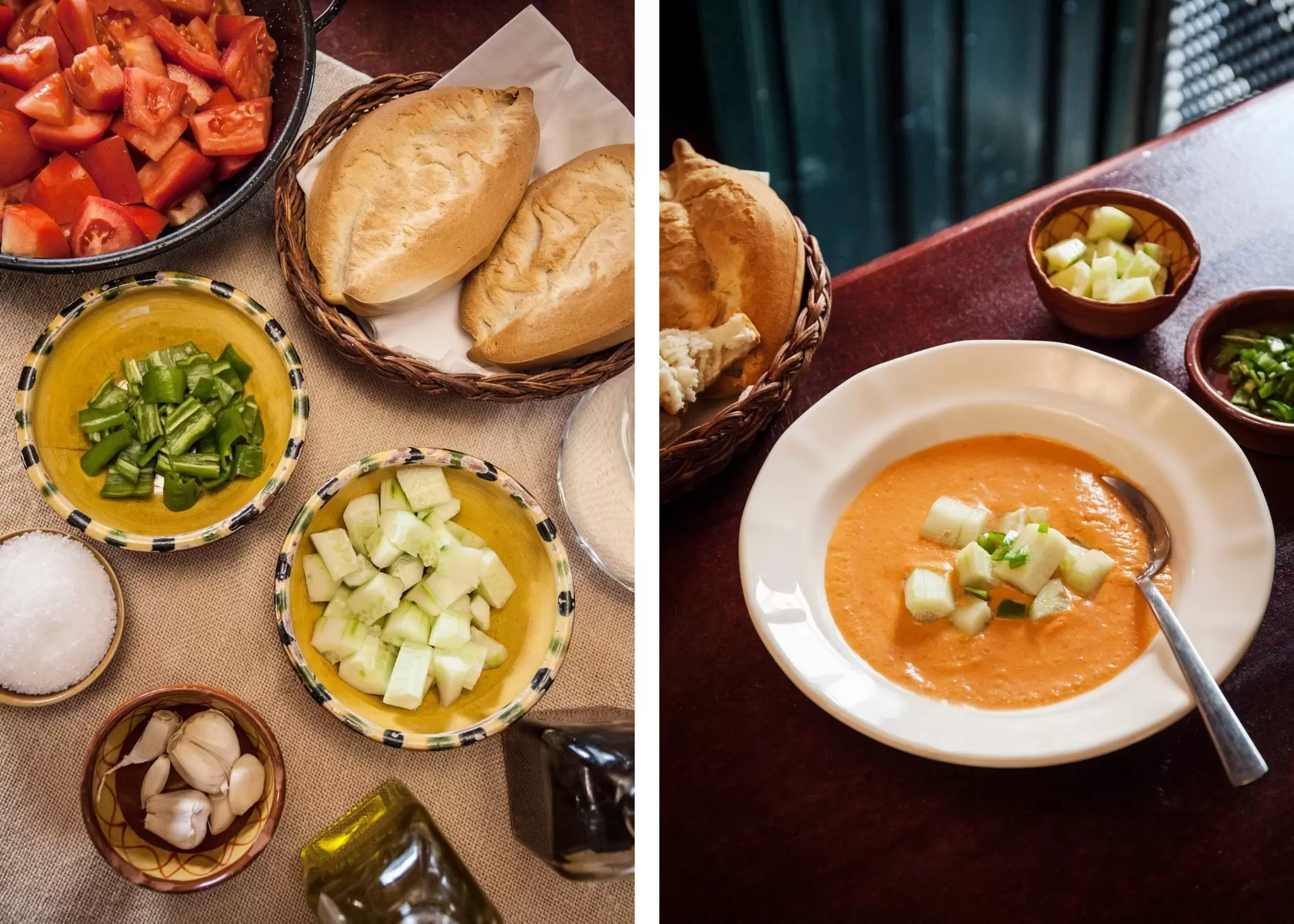
During hot summer months in Spain’s south, it’s all about thoroughly refreshing cold soups. Made from tomatoes, garlic and bread, gazpacho often pops up in bars as a tapa in a glass for sipping, but can also be a larger soup-style plate. The use of cucumber, peppers and vinegar gives it an extra cooling edge. These days you’ll find an array of creative gazpacho recipes, from mango to avocado to cherry (all delicious).
A close relation to gazpacho, salmorejo traditionally comes from Córdoba and is thicker thanks to extra bread and olive oil. Ajo blanco – a gazpacho-like soup using almonds instead of tomato – is another chilled southern treat that tastes best on sweltering days.
When is gazpacho served? While you might find gazpacho on some menus in winter, many places only serve it from around May to September, coinciding with peak heat and peak tomato season.
Where to try: One of Seville’s most-loved tapas bars, El Rinconcillo has been around for over three centuries; its Andalucian specialties include homemade gazpacho by the glass.Try salmorejo in an ancient mansion in Córdoba’s old town at Taberna Los Berengueles.
Pintxo of anchovies, olives and pickled peppers
Region: Basque Country
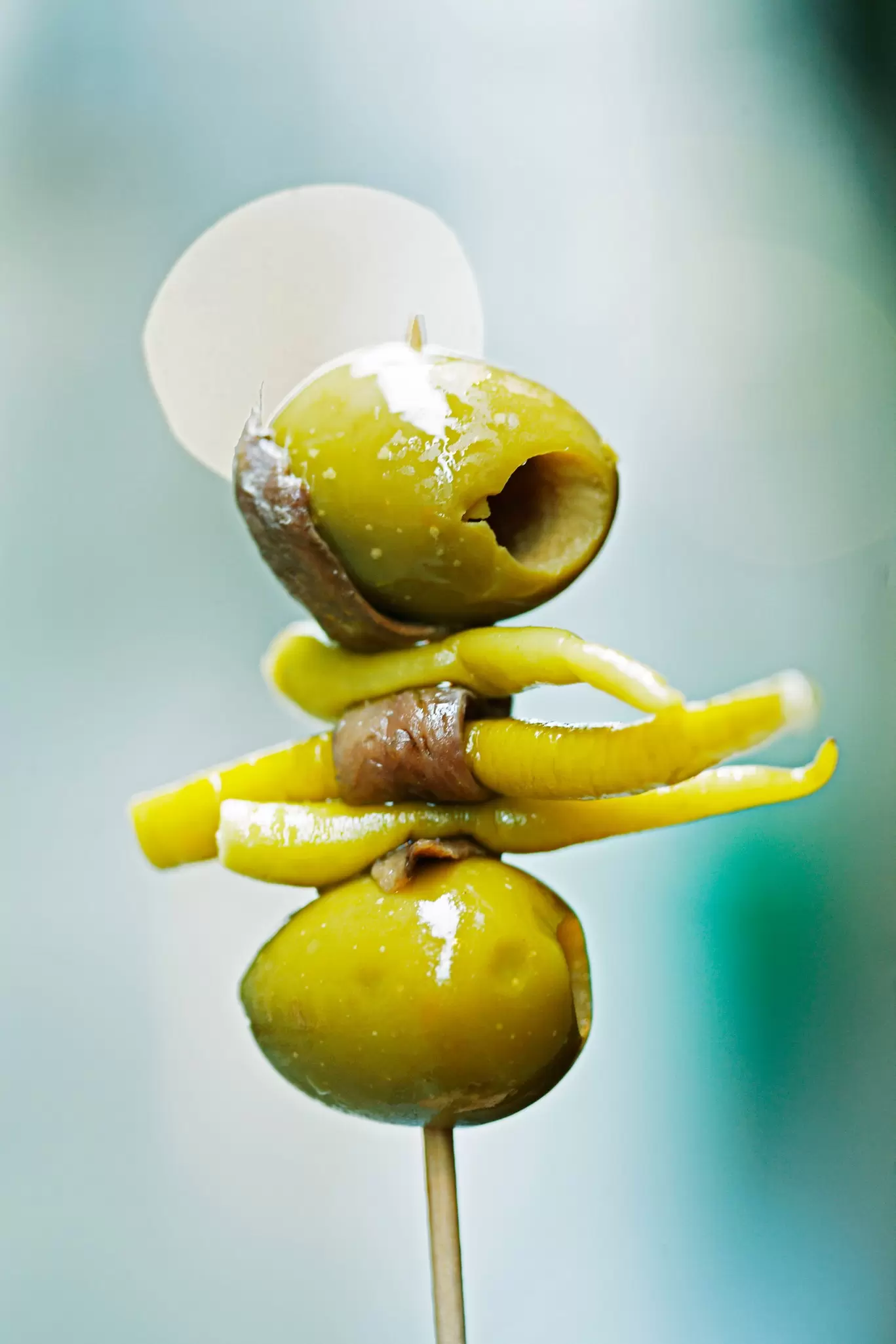
An anchovy, an olive and a pickled piparra pepper from the Basque Country – the essentials of any gilda. Displayed on bar counters across the north (and beyond), gildas are a celebration of Basque flavors designed for devouring in just a few bites.
The story of this signature pintxo goes back to 1940s Donostia-San Sebastián, when a client at Casa Vallés bar (still going strong today) first combined the three ingredients on a toothpick. Known for their salty, vinegary goodness, gildas are perfect at any time of day, especially alongside a vermouth. In some other parts of Spain, gilda-like bites featuring slightly different ingredients are sometimes called a banderilla.
What is a pintxo? Pintxos are essentially small bites from the Basque Country, usually accompanying a drink and often (not always) skewered together with a stick.
Where to try: You can’t beat biting into a gilda under the hanging ham legs at Casa Vallés. Or sample them in arty Bilbao, where Gure Toki is a legend of the local pintxo scene (gildas included) and Baster puts a lightly creative spin on the gilda.
Cheese
Region: Countrywide
A few slices of cheese make up a classic tapa all over Spain, but which cheese lands on your plate varies hugely from one region to another. Castilla-La Mancha’s queso manchego is the most ubiquitous Spanish cheese. A firm number made exclusively with Manchega-sheep milk, it ranges from smooth to sharp and is produced in large wheels from which triangular slices are cut.
Another special mention goes to the pungent, blue queso de Cabrales of northern Asturias, famously matured in caves around the Picos de Europa mountains. Across the Balearic Islands, Menorca’s queso de Mahón steals the show, and can be young and smooth or aged and sharp. All three enjoy Denominación de Origen (DOP) status certifying their quality.
What is the history of queso manchego? Castilla-La Mancha’s premier cheese has roots going back to Roman times, and received DOP recognition in 1991.
Where to try: In atmospheric Toledo, order a plate of queso manchego curado to share at Taberna El Botero. On Oviedo’s "Cider Boulevard," Sidrería Tierra Astur Gascona serves platters of Asturian cheeses. In Menorca, pick up Mahón cheese and crusty pagés bread for a beach picnic from the lovely fresh-produce markets in Maó or Ciutadella.
Spring-onion-like vegetables
Region: Catalonia
From around November to April, Catalonia goes wild for these specially grown winter vegetables. The tradition of grilling them is said to have been born in the town of Valls in the region’s south, which hosts its own calçot festival every January. During the season, calçotades (calçot feasts) pop up everywhere, from rural restaurants to Barcelona’s neighborhoods.
The traditional way of preparing calçots involves cooking them over open flames and serving them with savory romesco (a smoky pepper- and tomato-based sauce) as part of a wider menu, which usually also includes grilled meats and pa amb tomàquet (bread with tomato, garlic and olive oil).
How do you eat a calçot? Peel off the charred outer layer, dip the calçot in the romesco and eat it while lowering into your mouth.
Where to try: Head to the Collserola foothills in Barcelona to try a calçotada menu at centuries-old masia (country estate) Can Cortada.
Hearty bean-and-meat stew
Region: Asturias
The deep, meaty flavors of Asturias’ favorite stew provide a soul-warming counterpart to this northern region’s cooler climate. The secret of a great fabada lies in the hyper-regional fabes beans, which have had their own Indicación Geográfica Protegida (IGP; a marker of quality and provenance) since the 1990s. These smooth, kidney-shaped white beans are grown only in eastern Asturias. In a typical fabada, they are combined with a selection of pork products like chorizo and morcilla, jointly known as compango asturiano.
Do other northern regions have similar stews? Asturias’ neighbor Cantabria is known for its cocido montañés (made with white beans and berza cabbage) and cocido lebaniego (using chickpeas).
Where to try: At Michelin-awarded Casa Marcial in the Picos de Europa foothills, chef Nacho Manzano plays with fabes beans on acclaimed tasting menus. Alternatively, try a more typical fabada at Manzano’s casual restaurant Gloria, with outposts in Oviedo and Gijón. In Cantabria’s Liébana region, charmingly rustic Hotel del Oso serves a superb cocido lebaniego.
Roast suckling pig
Region: Castilla y León
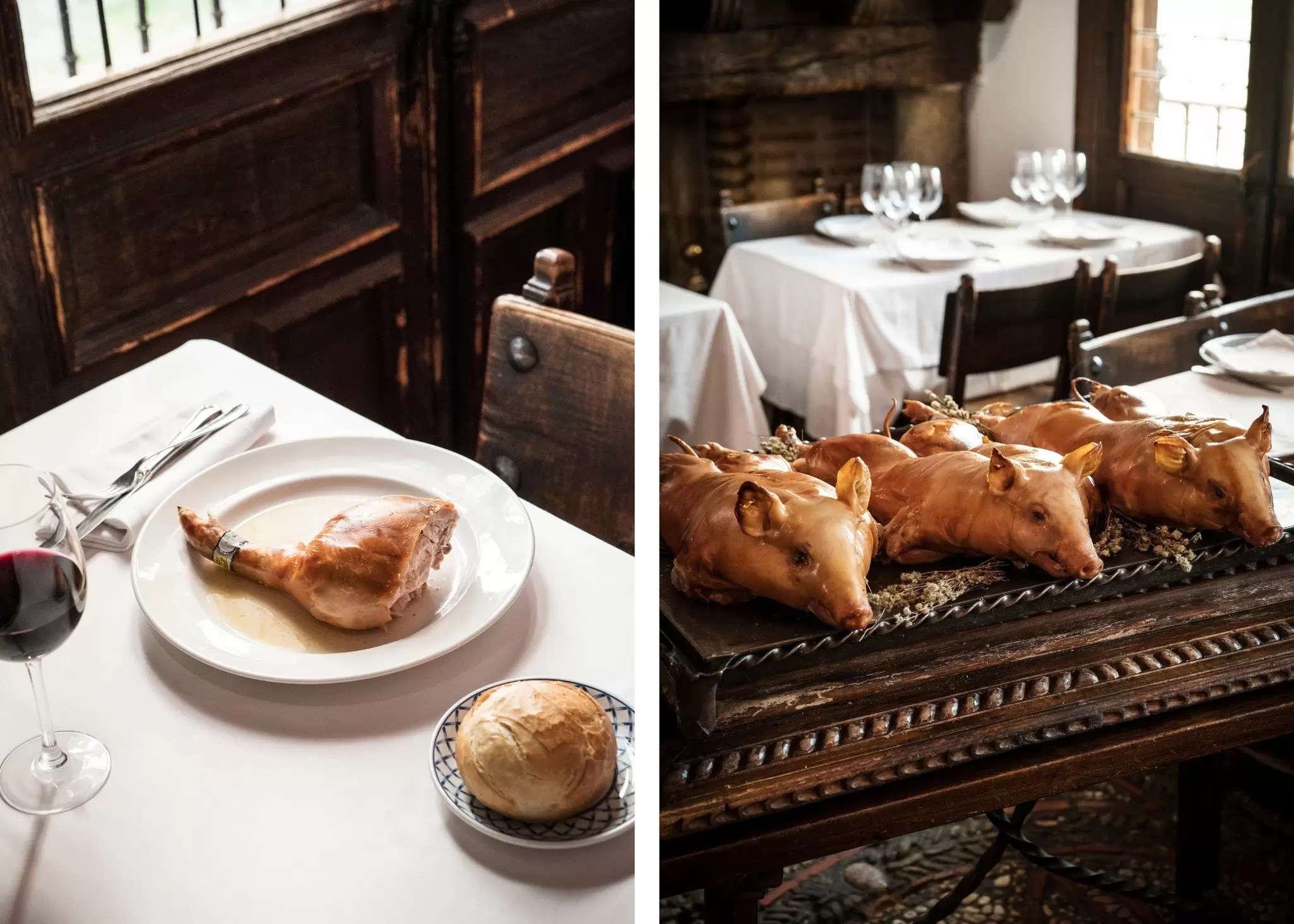
Mention a visit to vast Castilla y León to anyone in Spain and they’re bound to tell you that sampling cochinillo asado is an essential experience. Though cooked and enjoyed here for several centuries now, it wasn’t until 2025 that the dish gained IGP recognition. Typical of Segovia city and around, cochinillo is roasted in clay pots inside wood-fired ovens until delectably tender and often served with patatas panaderas (thinly sliced potatoes with onions and garlic) or hand-cut fries.
What are the official guidelines for cochinillo asado? It must be made from animals raised only in Segovia or Ávila provinces and weighing between 4kg and 6kg.
Where to try: Segovia’s family-owned Mesón de Cándido has been slow-roasting cochinillo for decades, earning it a show-stopping reputation on the local food scene.
Cod or hake jowl with a pil pil sauce
Region: Basque Country
The fresh fruits of the Bay of Biscay anchor this traditional Basque dish, but it is elevated thanks to a slow emulsion that blends garlic, chillies, olive oil and (sometimes) parsley with the natural collagen of the kokotxas (fish jowls). It is usually made with bacalao (cod) orperhaps merluza (hake), and while the ingredients list may look simple, slow-cooking the silky sauce is a highly technical process.
Today kokotxas are a prized ingredient, but it wasn’t until the late 19th or early 20th centuries that they entered the world of Basque gastronomy.
Does al pil pil mean the same thing elsewhere in Spain? Not to be confused with Basque-style al pil pil, the popular Andalucian version of al pil pil involves prawns cooked in olive oil with garlic and chilies (similar to gambas al ajillo).
Where to try: At celebrated Elkano, in Getaria, seafood-fired tasting menus feature exceptional kokotxas served three ways, including al pil pil.
Book your Spain trip with Lonely Planet Journeys
See Spain how it's meant to be seen
Planned by local experts and tailored to you, Lonely Planet Journeys handles the logistics so you can just enjoy the trip. Tell us what you want and we'll build your Spain itinerary from scratch, or browse our bookable trips to get inspired.


Explore related stories