Sep 19, 202616 min read
Spain's Classic One Dish WondersAug 11, 2026
10 MIN READ

Writer
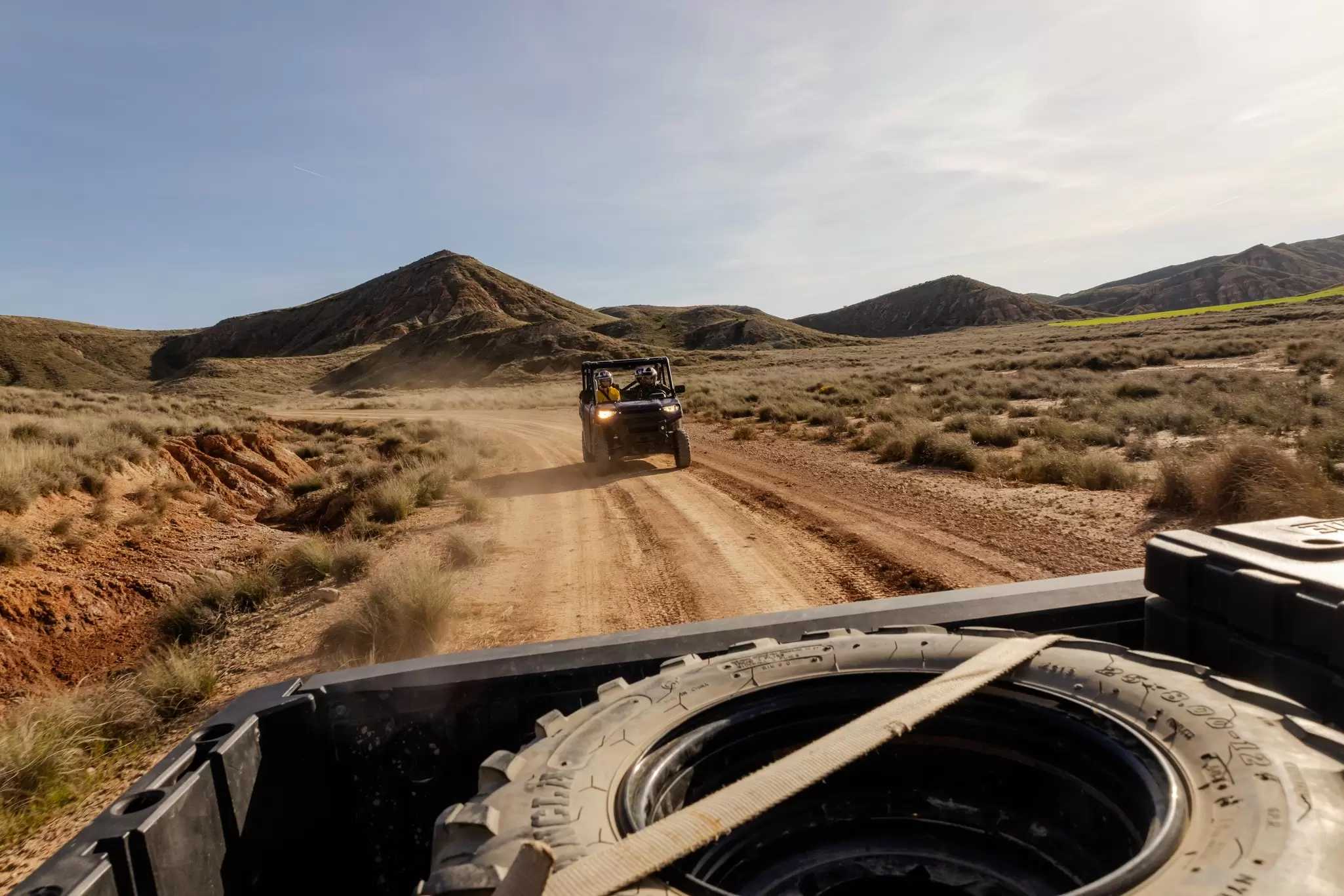
Parque Natural de las Bárdenas Reales in Navarra, Spain. Rhia Hylton/Lonely Planet
Writer
Highlights
Lonely Planet editor Ann Douglas Lott shares her 11-day northern Spain eclipse itinerary.
Start in Barcelona with Gaudí, then cycle Catalonia's flamingo-spotted Ebro Delta wetlands.
Priorat's vineyards give way to canyon abseiling in Aragón and snowshoeing in Ordesa.
Walk Navarra's Smugglers' Route, try pintxos in San Sebastián and see Bilbao's Guggenheim.
Lonely Planet may earn a commission from affiliate links on our site. All recommendations and reviews reflect our own independent opinions.
If you're in northern Spain this week to see the eclipse on August 12, we have the perfect itinerary for you to continue your travel adventure.
When I get home from a trip, I generally have a good idea how I'll respond when I'm asked, “What was your favorite part?” The best part of my beach vacation was likely the beach. The hiking trip? Probably the hiking. But then there are those once-in-a-lifetime vacations in which every day is seven adventures in itself, and you can’t possibly decide. In the morning, you’re snowshoeing in a national park, and by afternoon, you’re cradling a baby goat at a cheese farm where nary a flake of snow is to be found. That was my experience when I traveled through northern Spain with Lonely Planet Journeys, our travel-planning service.
Apart from the iconic cities at the start and end of our route, many pockets of the regions we passed through – Catalonia, Aragon, Navarra and the Basque Country – are largely ignored by international tourists, who often opt for the islands and the sunny south. It’s a shame, although it also means there’s more room for those who are bold enough to stray north into one of the world’s leading adventure regions.
This was a trip I’d never be able to replicate independently. It was planned by a local expert named Alba, and her on-the-ground knowledge and insider connections unlocked the most phenomenal, wildly varied experiences for our itinerary, which you can book yourself here.
I’ll show you what I mean.
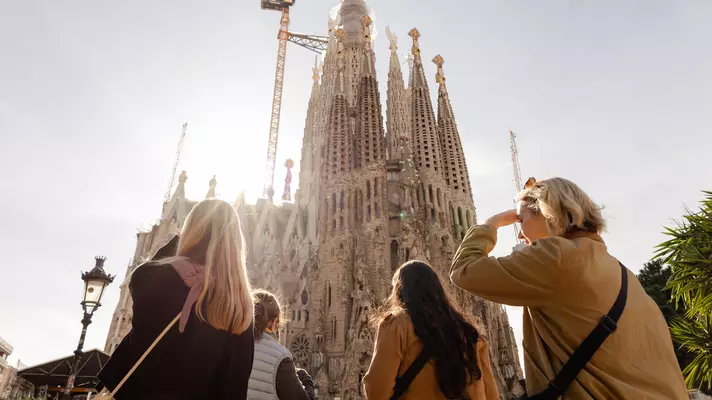
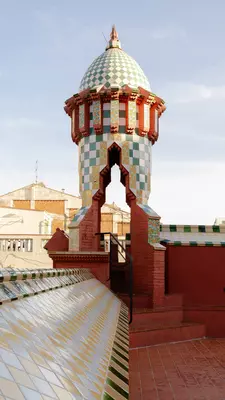
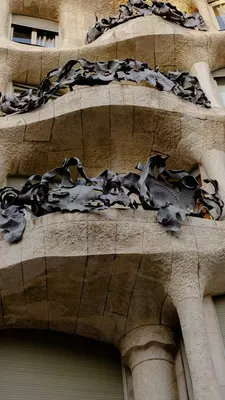
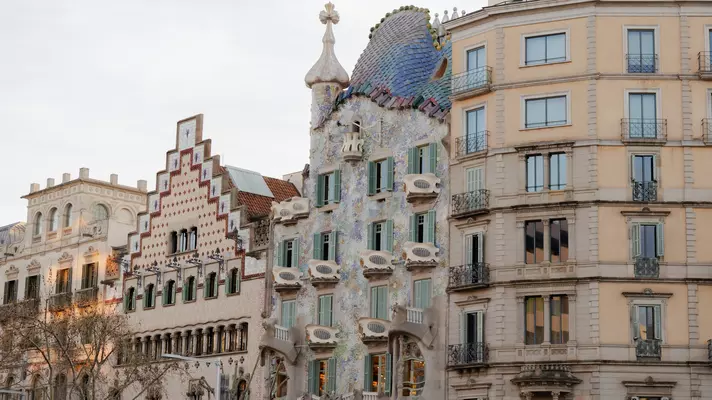
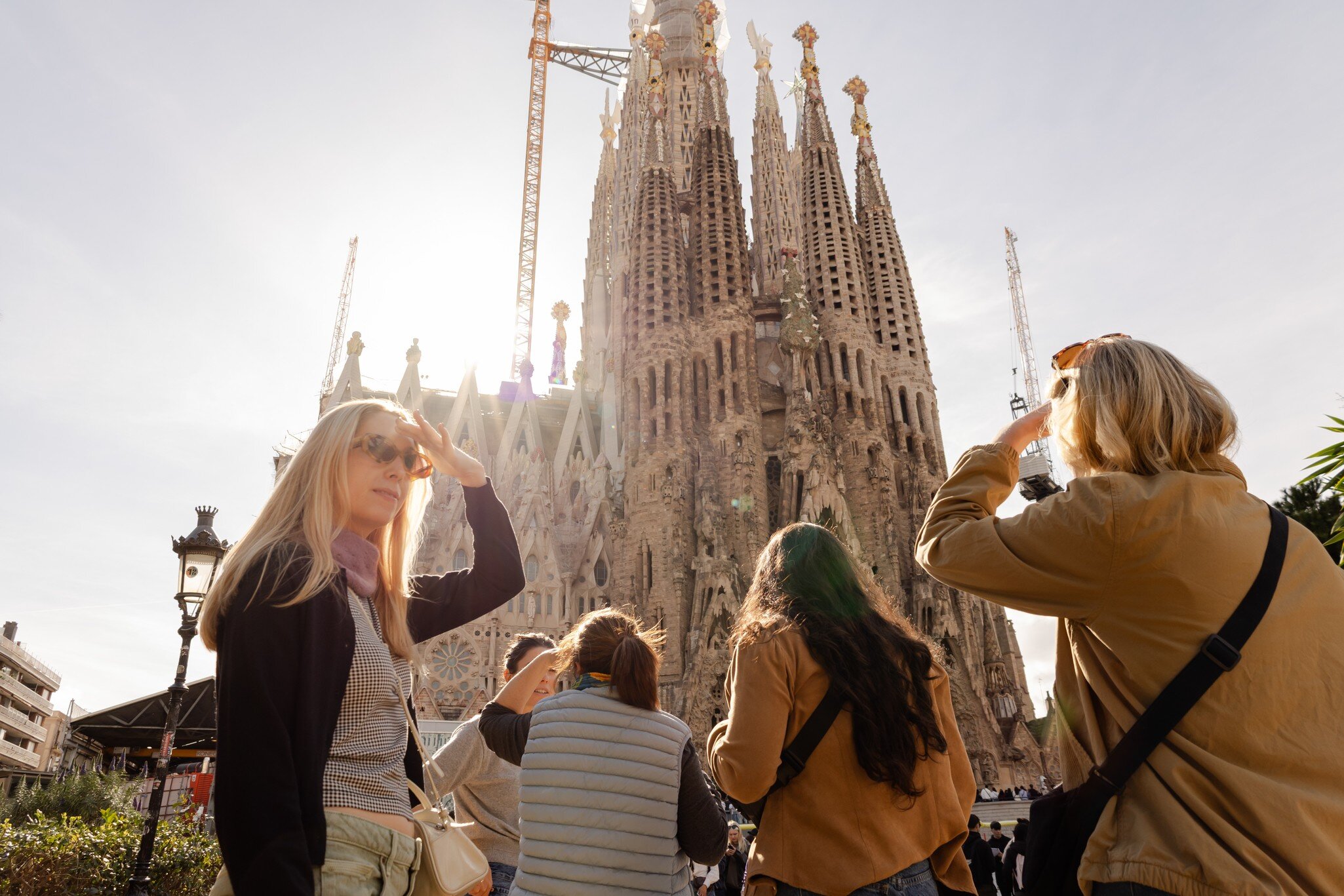
You could spend days on the ultimate UNESCO-listed architecture tour of Barcelona, but like us, what most everyone wants to see is the newly completed (save for a few decorative elements) Sagrada Família, initially designed by Antoni Gaudí over 140 years ago. The true marvel of the day, however, was Casa Vicens, a tucked-away structure and Gaudí’s first major commission. The former private home is often left off itineraries in favor of the better-known Modernisme structures he built in the Catalan capital, like La Pedrera and Casa Batlló (conveniently located a few blocks from one another and just as remarkable). Inside Casa Vicens, visitors are delighted by vivid tiles, floral details and Moorish and Asian influences. Don’t miss the blue smoking room, with an intricate ceiling formed entirely from papier-mâché.
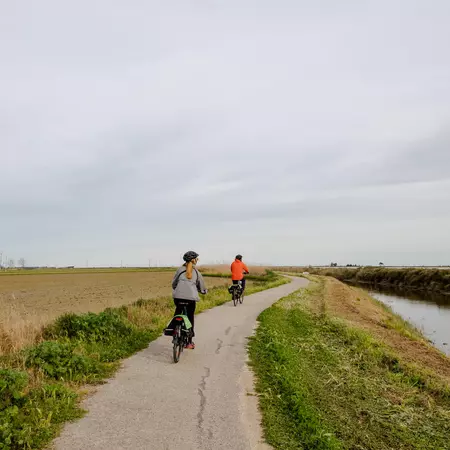
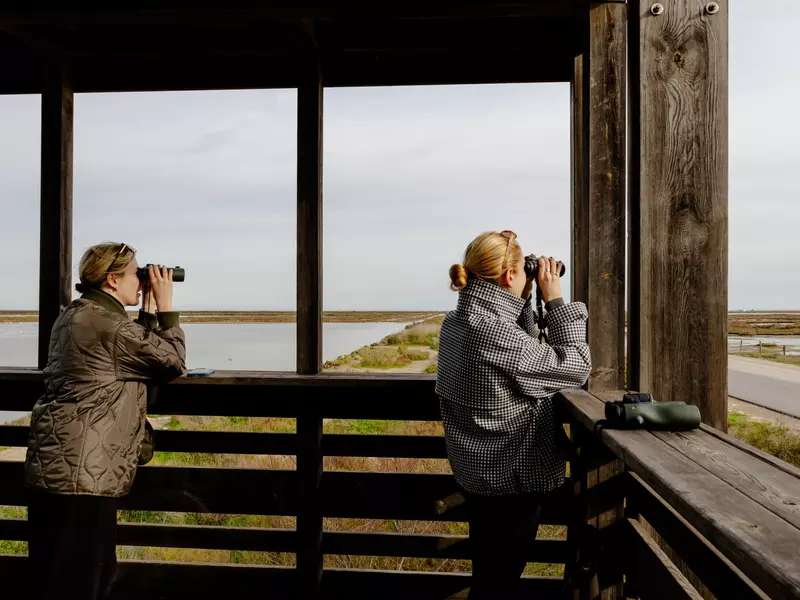
You’ll forgive me for only one day in Barcelona. The Ebro Delta is Catalonia’s largest wetland, known for serene rice paddies and lakes that are surrounded by paths primed for cycling. Our day also featured a bird-watching component – through our binoculars, we spotted families of flamingos wading around in the lakes. If you’re not into birding, the views alone are plenty spectacular. The tour wrapped up with a sunset ride along Trabucador Beach, a narrow strip with wetlands on one side and the Mediterranean coastline on the other.
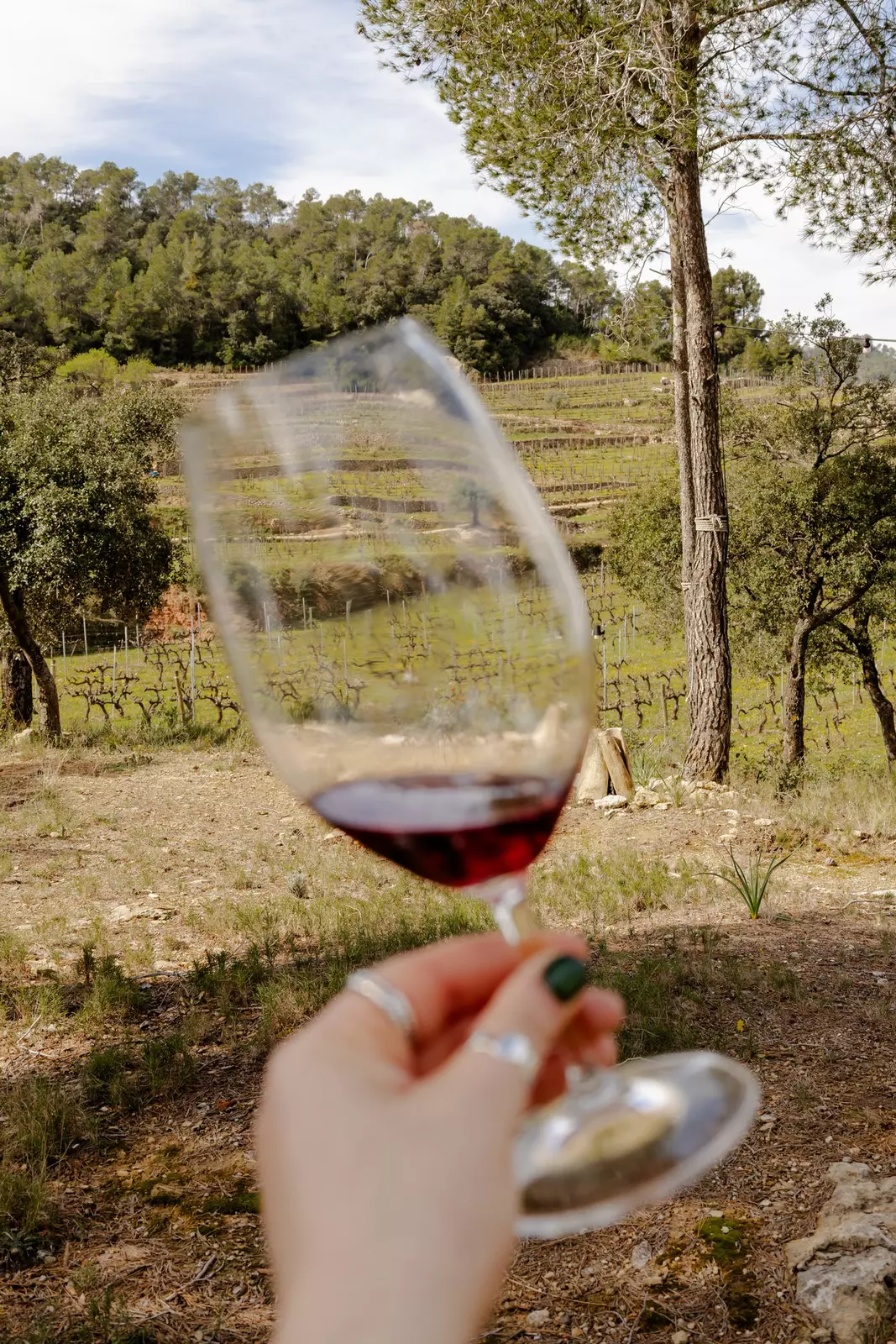
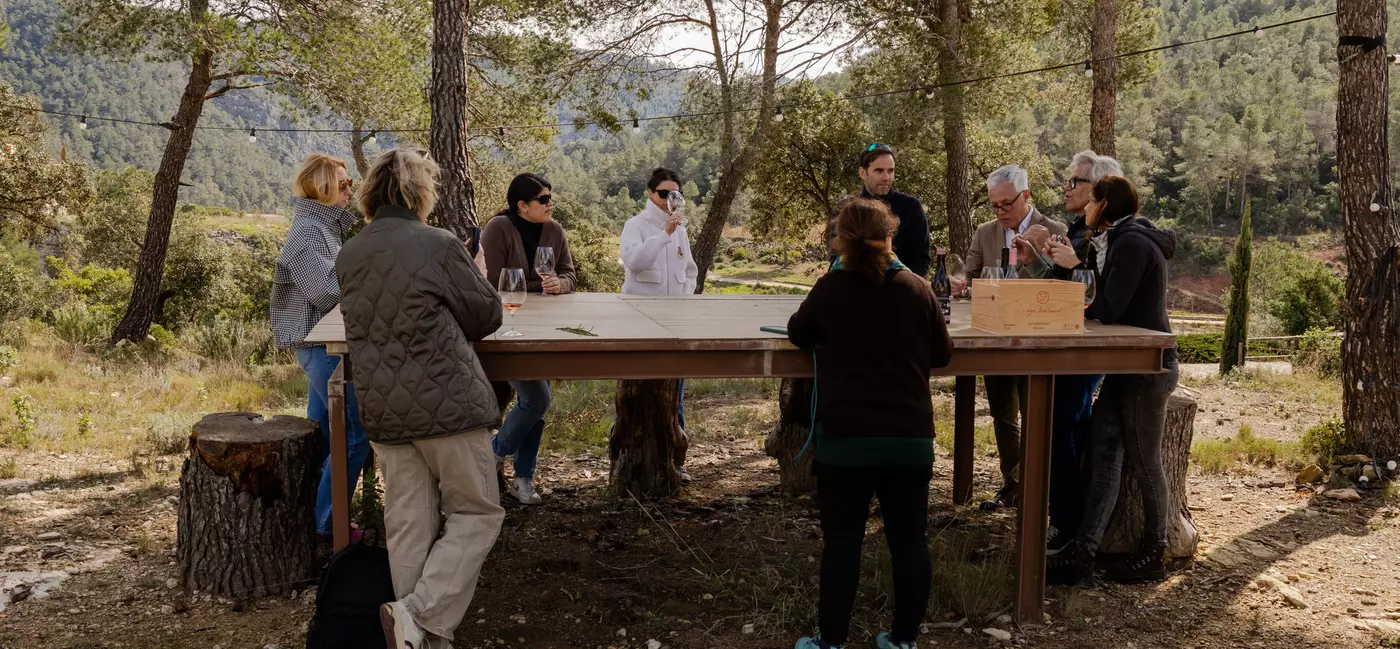
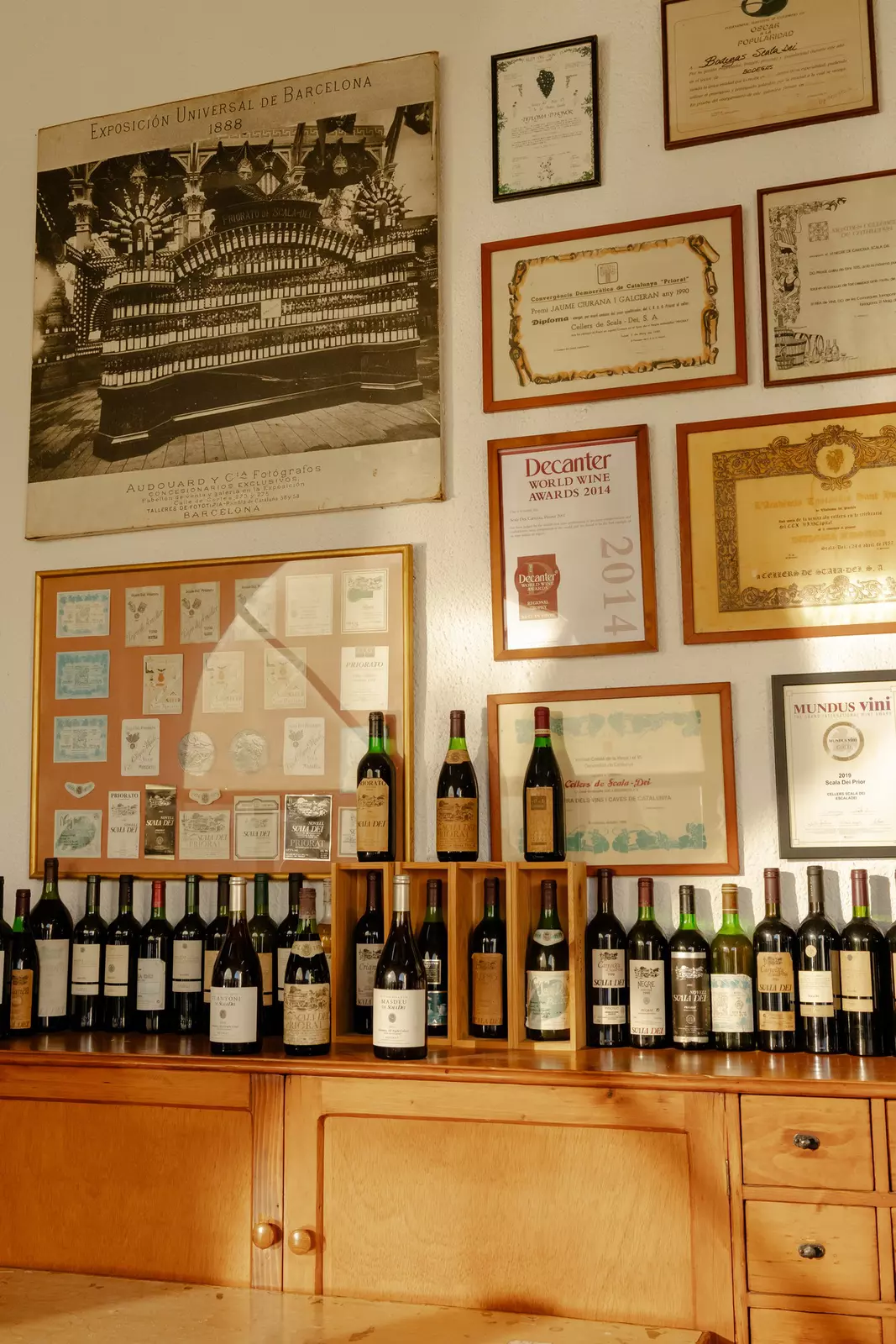

Wine tasting at Vinyes Doménech, a family-run vineyard in Capçanes, Priorat. Rhia Hylton/Lonely Planet
Priorat is the place to take it easy. It's Catalonia’s only county with no traffic lights, also home to a fine sampling of Mediterranean agricultural products, such as olives, almonds and, of course, wine. It was only appropriate that we devoted this day to wine tasting.
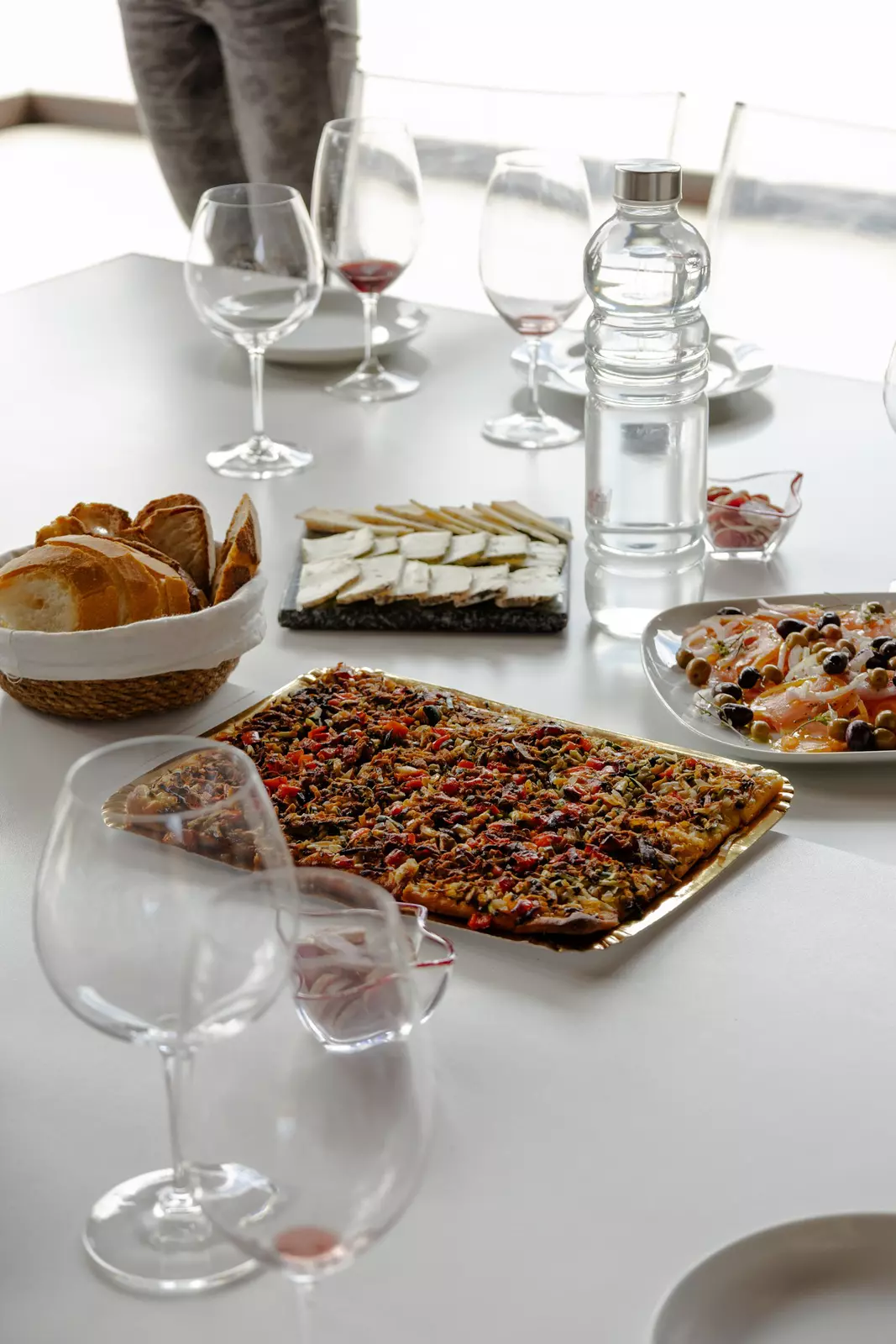
At Vinyes Domènech in the Montsant DO (its appellation, or geographic area for growing wine), guests can book tastings and picnics surrounded by the vineyard’s own foraging forest. We did an outdoor tasting with the owners, who afterward invited us to lunch – more like a feast, actually. You can really tell how much this region of Spain values what it grows and how excited the people who live here are to talk about it. I could taste it in the vegetables on the flatbread, in the cheese from a nearby farm, in the wine that came from the very land where we were enjoying our meal.
Our second tasting at Cellers de Scala Dei in DOQ Priorat (the top designated appellation) followed a tour of the winery that guided us through the wine-making process, which has carried on here since the 17th century, when it was first operated by monks (scala dei translates to “stairs of God,” or if you’re rock ‘n’ roll, “stairway to heaven”). I’ll never purport to be a wine expert, but I learned that Catalan wine is most commonly white, thanks to the region’s Mediterranean climate and the popularity of its beloved sparkling wine, cava, and the recently created Corpinnat, another top Catalan sparkling wine. For lovers of full-bodied reds like myself, however, Priorat excels for its higher-altitude landscapes and the popularity of red grapes like grenache.
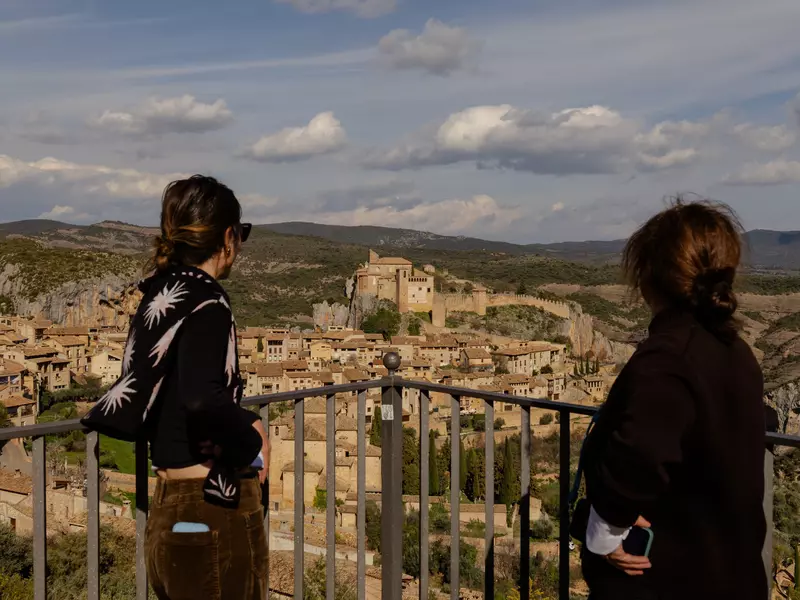
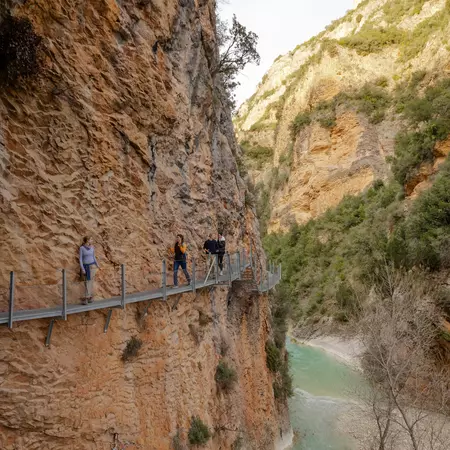
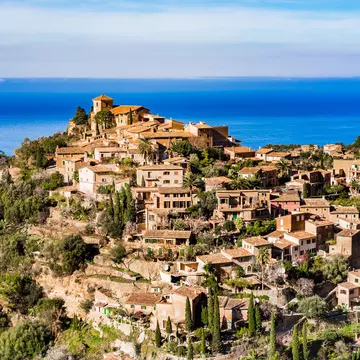
As our car curved around switchback after switchback in the mountainous Huesca province of Aragón, Alba instructed everyone to close their eyes. Finally, she said, “Open!” and there it was: Alquézar. Few places are as enchanting in person as they are in photographs – every turn in this medieval hilltop Arab village proved it to be one of these places. Newly built homes are required to meet architectural standards to keep everything true to the village’s character. While visiting outside the high season, we were some of the few people there, including down in the canyon of the Río Vero, where the suspended platforms of the Ruta de las Pasarelas del Río Vero over the turquoise waters make for the perfect low-effort hike. Stefy, another Lonely Planet Journeys local expert, guided us there directly from the village.
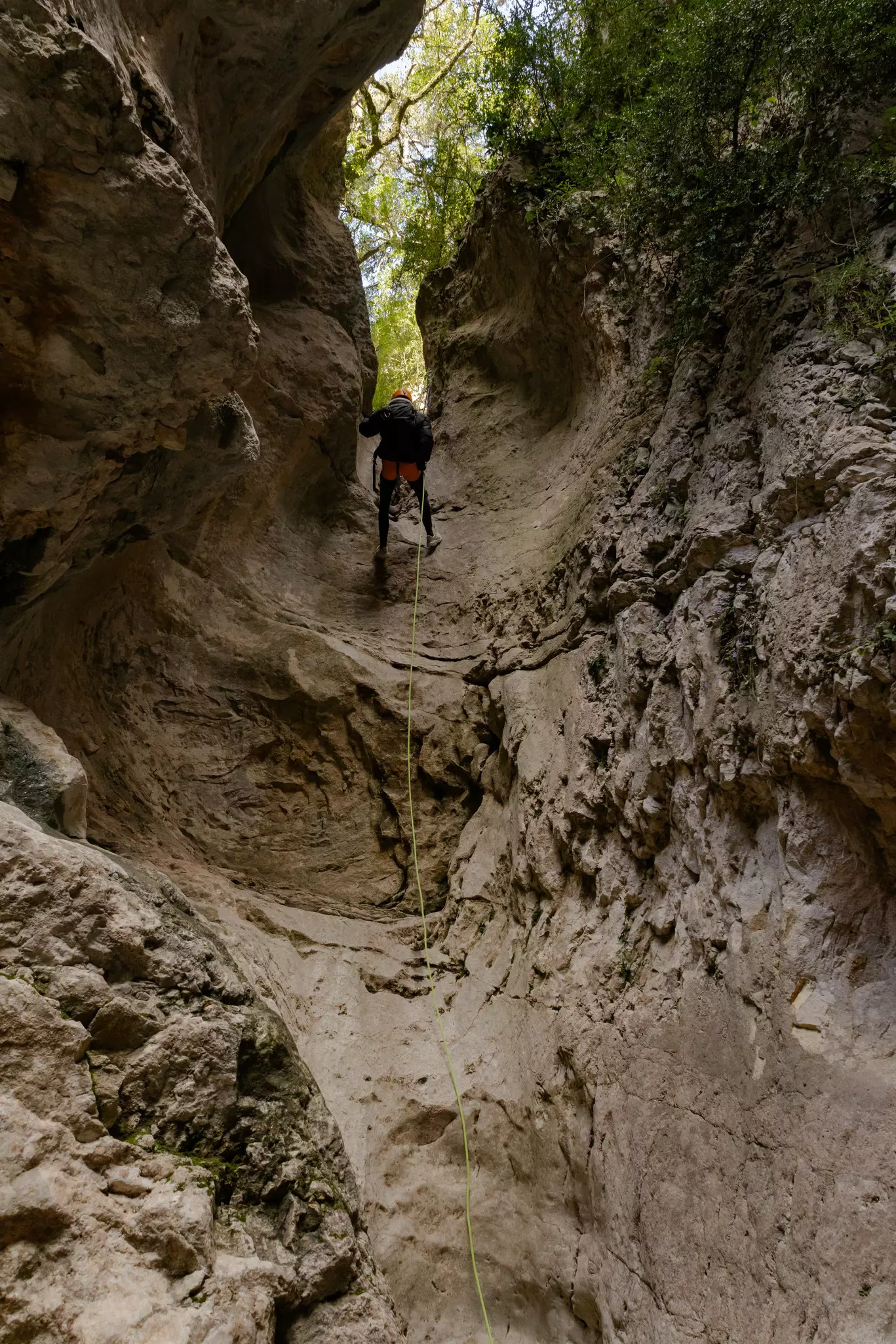
We met our guide, Guayo, in the quaint village of Lecina for a day of hiking, abseiling and navigating Sierra de Guara Natural Park. The need for a harness and helmet makes canyoning sound more complicated than it is – getting from point A to B. There’s a thrill in rappelling but also in wandering through the dark canyon. Eventually, we found ourselves at its base, walked a little more, and then began our ascent: part hiking, part climbing up metal steps hammered into the canyon, part via ferrata (using steel cables and fixtures) around the more exposed curves. The rocks were massive and painterly. Near the top, we paused for lunch – eating sandwiches of Spanish tortilla (egg and potato omelet) beside cave drawings from around 5000 BCE, watching massive vultures soar across the canyon and listening to the river rushing below. You can’t make up moments like these.
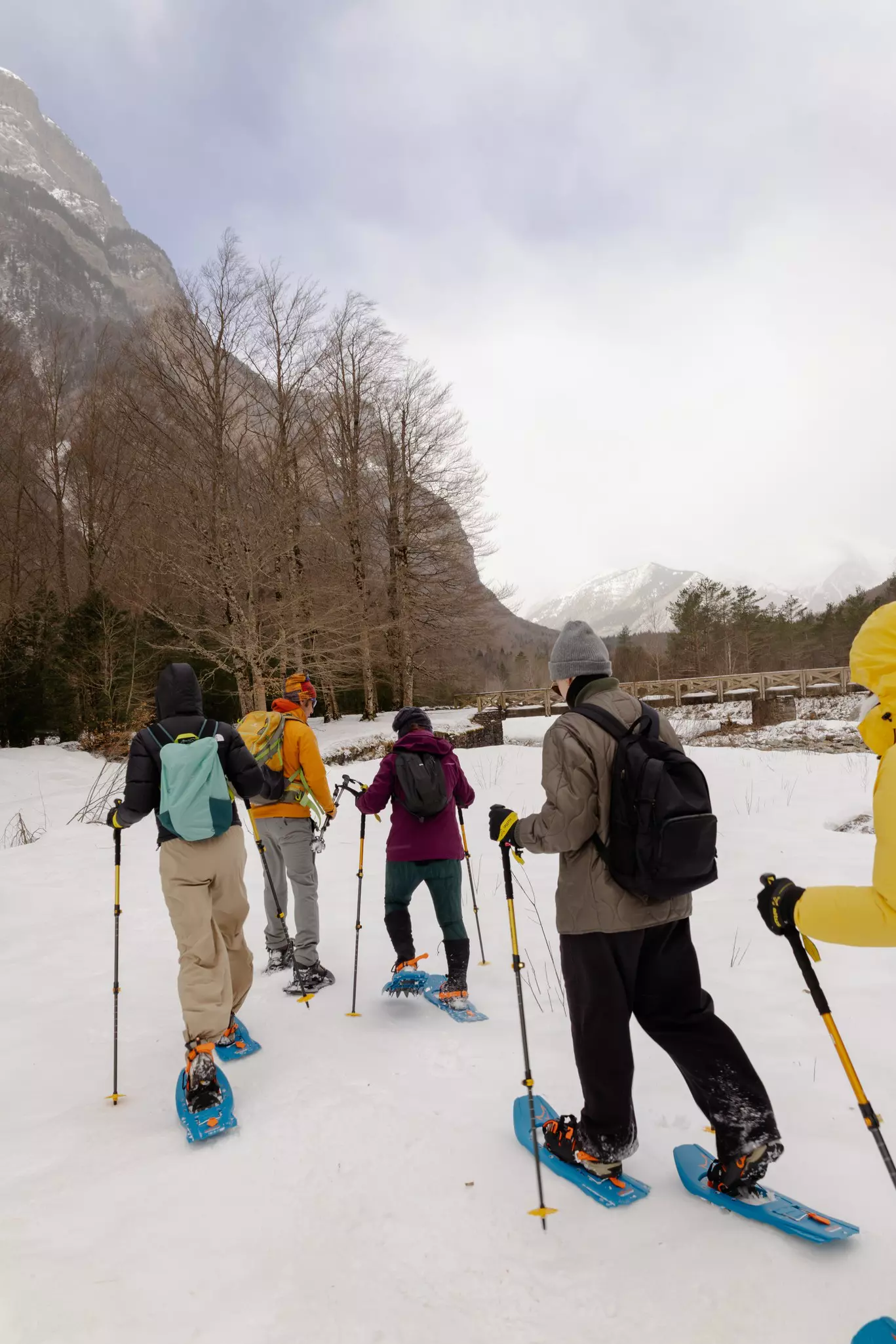
The Spanish Pyrenees are an all-season playground – where you can also experience multiple seasons in a single day. We immediately realized this when we set out to hike in Aragon's Ordesa and Monte Perdido National Park and found that our guide had brought along snowshoeing gear. Initially confused, we began to understand as we watched more snowflakes fall the further we drove into the park. After a spell of snowshoeing alongside a river, surrounded by snowcapped peaks, we drove to another section of the park, where the skies were sunny and clear, for a short hike to a towering cascade. National parks (and other kinds of parks) are so wonderful in this way. There are always surprises to be uncovered in the grandeur of their terrain.
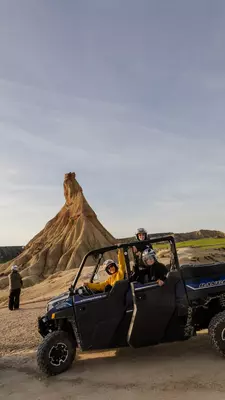
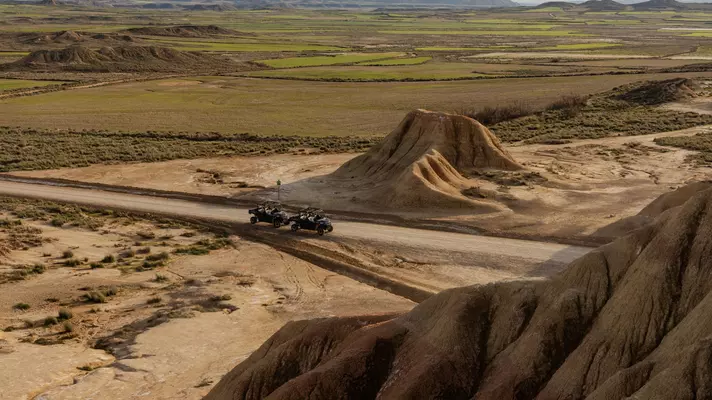
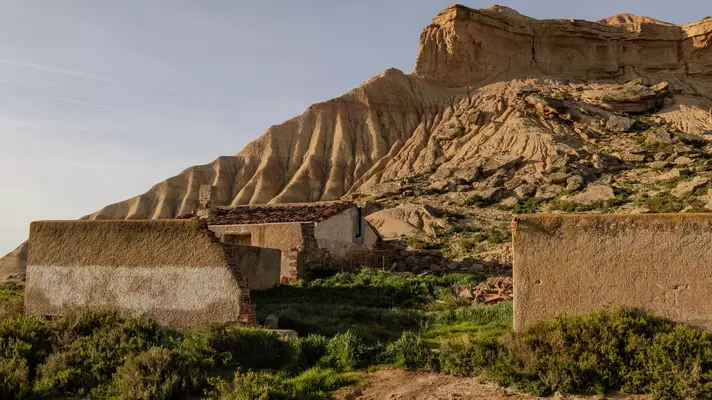
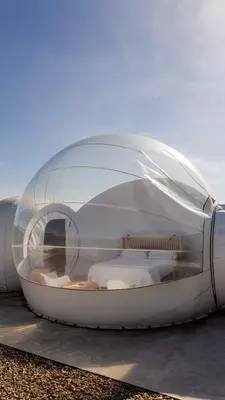
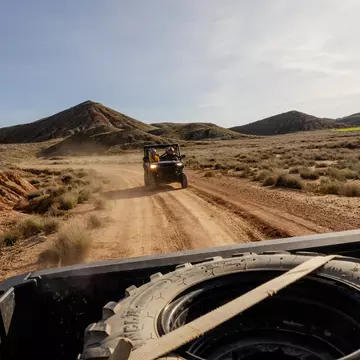
The park is one of Europe’s largest demographic deserts, as well as a physical semidesert of eroding badlands and open plains. It’s best explored in a 4x4 or an open-air buggy, as we did, and with a guide who knows the landscape well. If you make any stops, be sure to include the park’s most iconic spire, Castildetierra. Our buggy tour dropped us off just outside the park at our accommodation, Hotel Aire de Bardenas. In addition to its cube-shaped rooms, it has inflatable, bubble-shaped (and very private) suites with transparent walls and roofs – optimal for taking in the desert landscape and for superb stargazing at night. (Side note: I love how the Lonely Planet Journeys experts choose distinctive accommodations like this that highlight the environment – no boring hotel chains on this tour!)
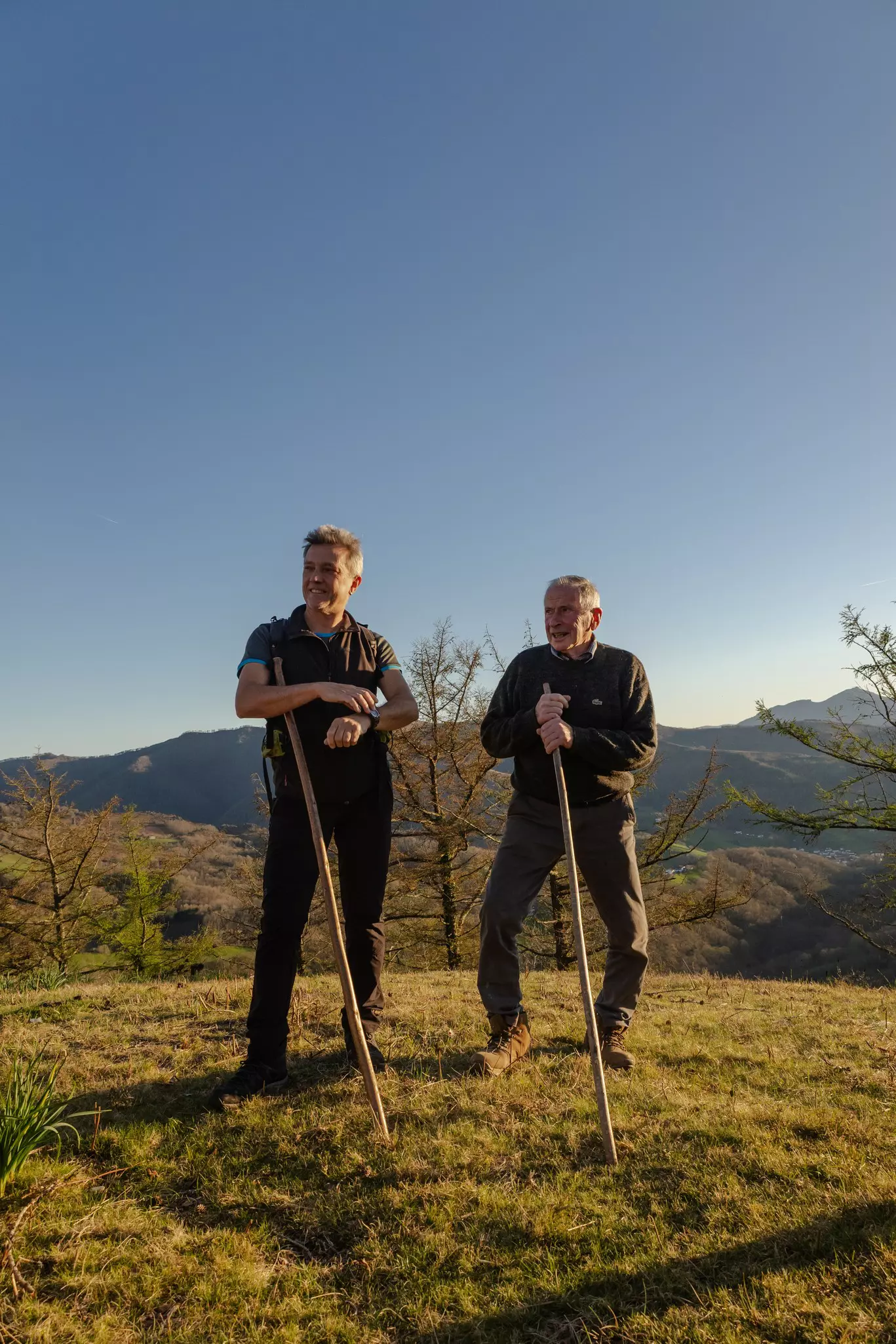
I don’t really know what I was expecting when we learned a former smuggler would be joining us on the Smugglers’ Route, a historic trail once used to smuggle goods (and people) between Spain and France during Francisco Franco’s dictatorship. It’s in a really unique area; it’s not officially the Basque Country, but there’s a large Basque community that's spread into Navarra, and they speak Basque. We met our Basque guides, who were with Arantza Hotela (our luxurious mountain hotel for the evening) and Xanti, the former smuggler, at the Lizarrieta Pass. From there, we walked a portion of the route. Along the way, Xanti answered all of our questions (in Basque, translated by another guide) about his years as a smuggler. At the end, our group shared dinner in a cabin sitting along the route: fish stew, braised beef, lots of wine – very authentically Euskaldun.
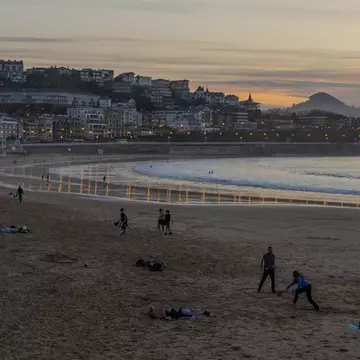
Upon officially entering the Basque Country, our guide, Noemi, explained that Donostia-San Sebastián is a city built for pleasure. Just existing here feels like a vacation, and as long as you eat well and walk around, you really won’t miss anything. The best way to eat well is on a pintxos tour. Pintxos (the Basque word for tapas) are generally enjoyed from 11am to 3pm, then resume at 7pm, when the bars reopen. Interestingly, locals don’t ever barhop for pintxos. They’re largely an excuse to keep drinking, and you’ll see many locals enjoying them around lunchtime. Pintxo tours are primarily a tourist activity, but it’s one that this tourist certainly got behind, from the heavenly hake at Kbzón Txiki to the cheesy risotto and crispy pig ear at Borda Berri. Note that many of the popular spots in town aren’t open on Wednesdays.
The next morning, en route to Bilbao, you can walk off the pintxos on the coastal trail at the Flysch Geopark in Zumaia – a fascinating cliff landscape with sweeping sea views.
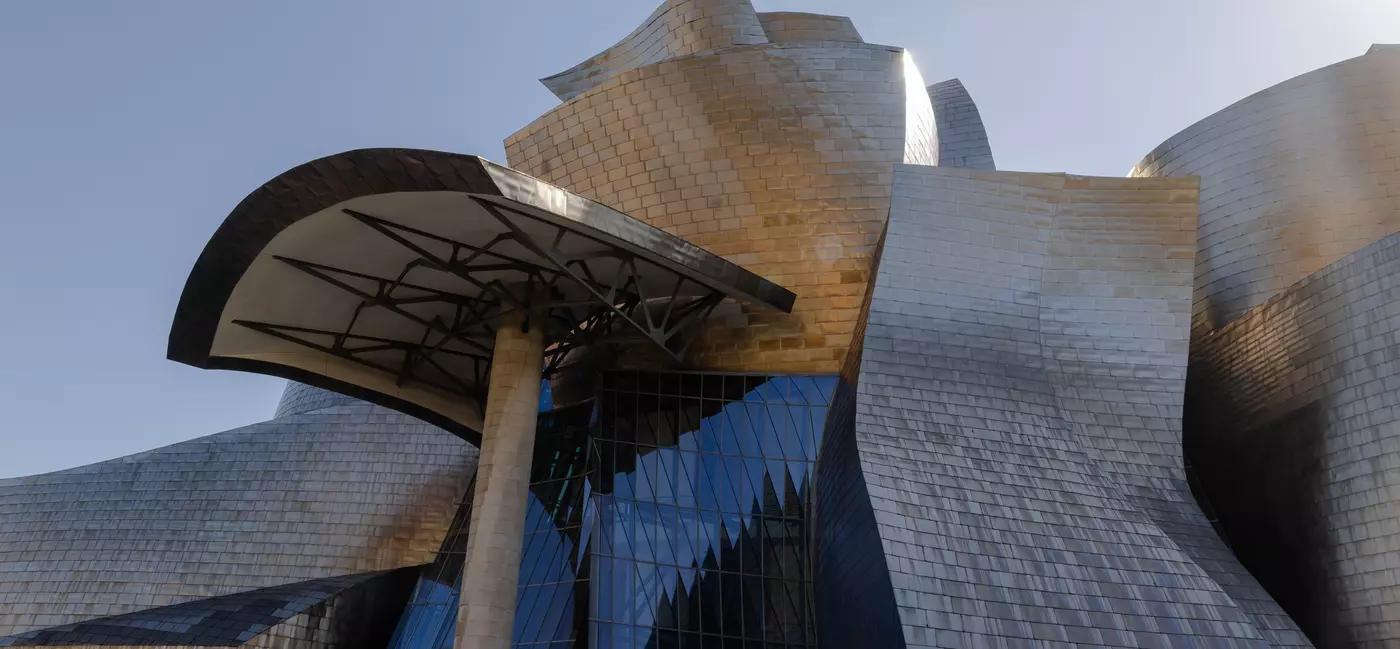
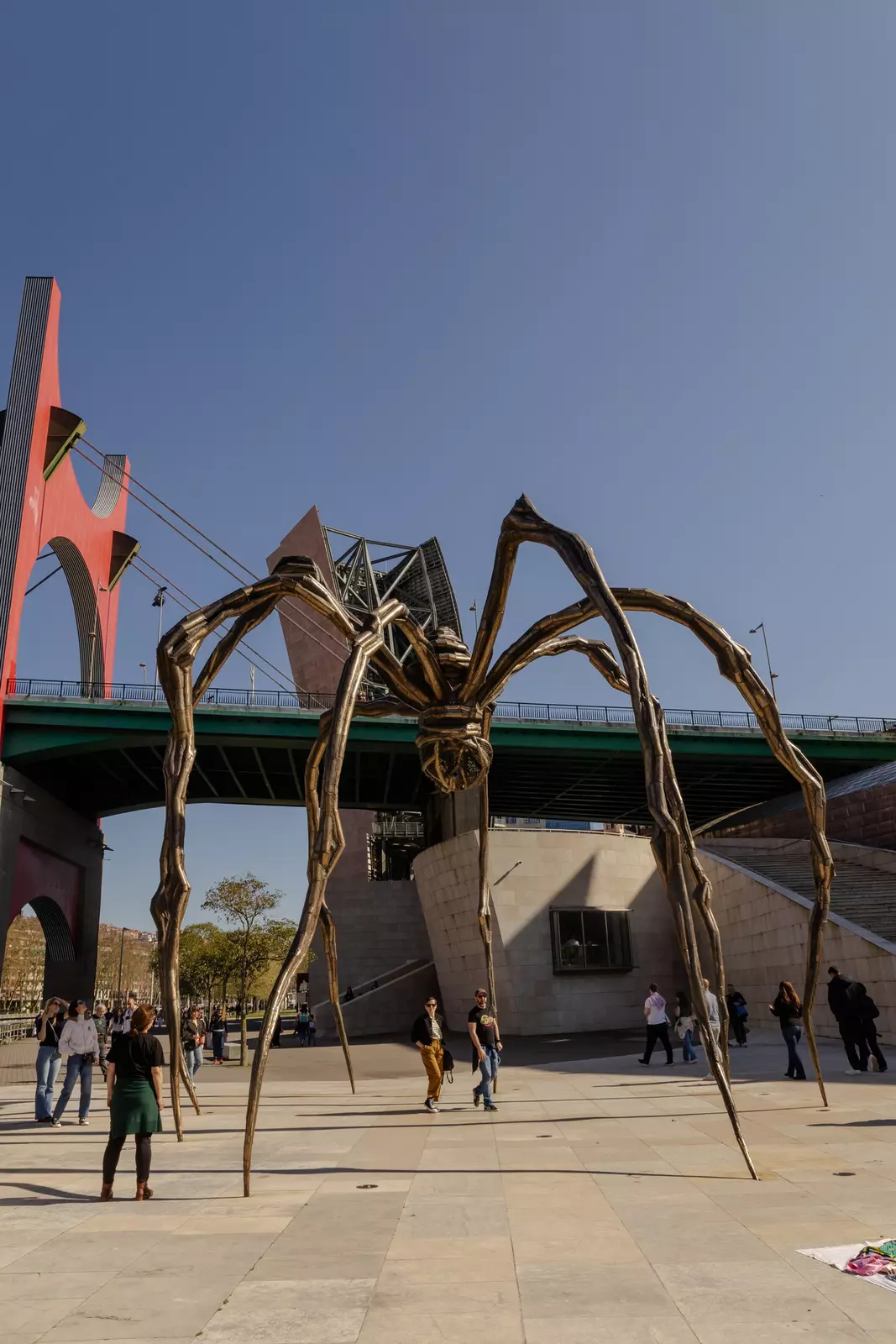
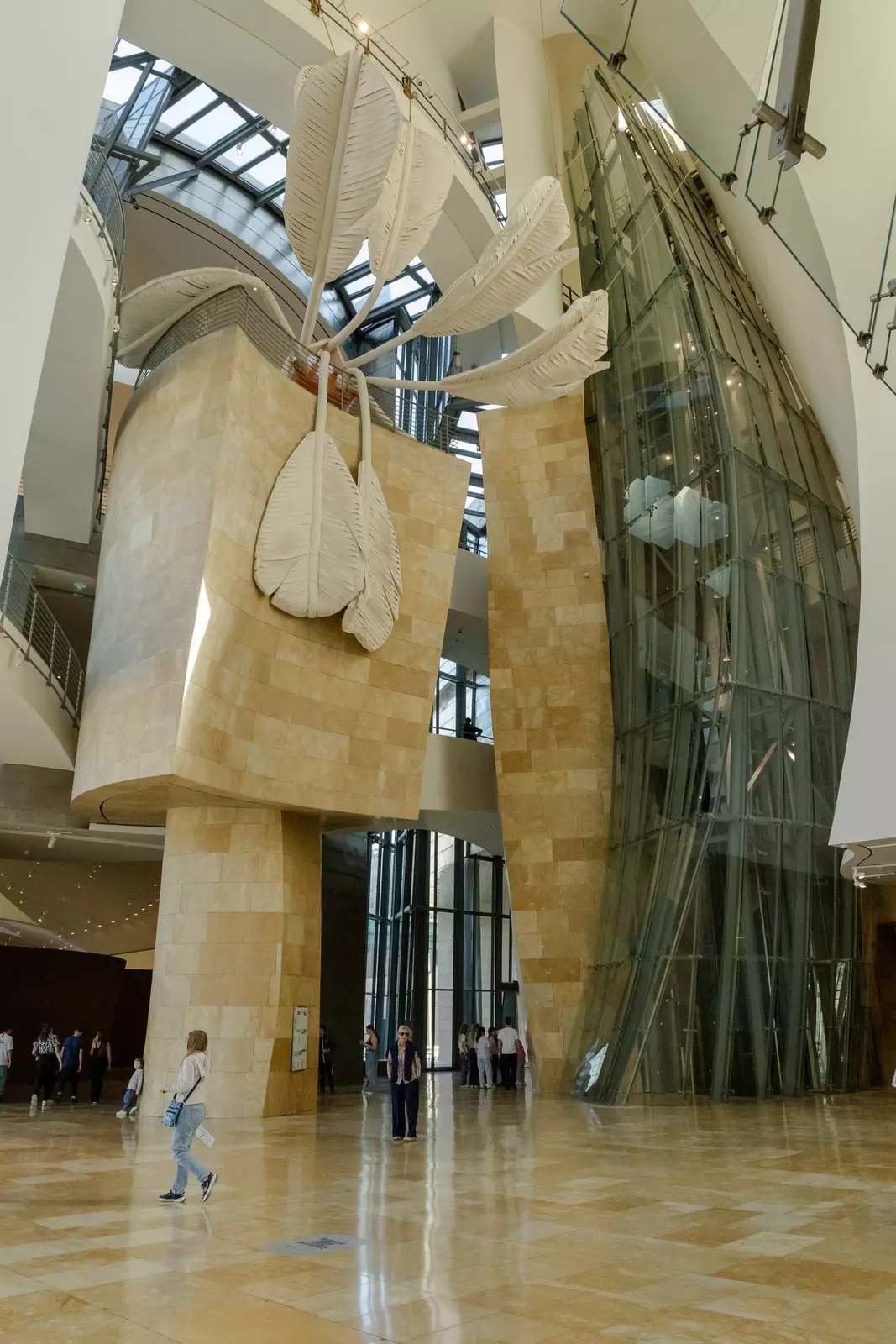
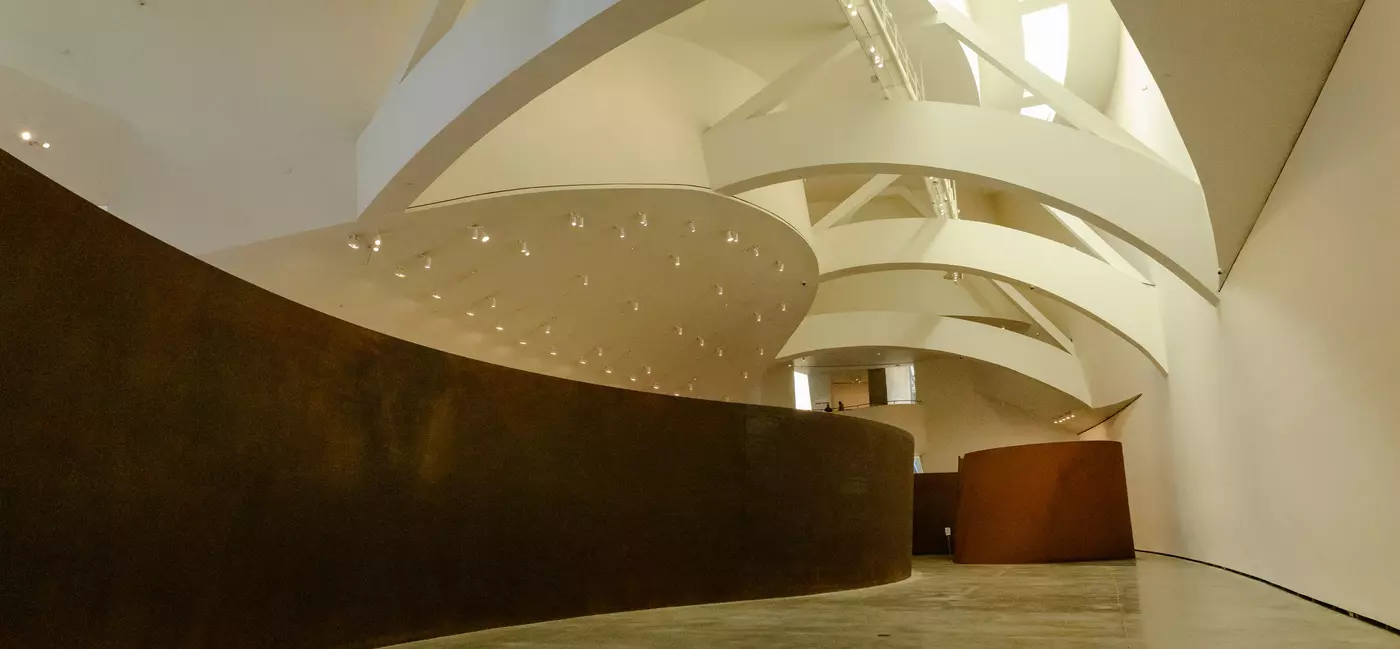
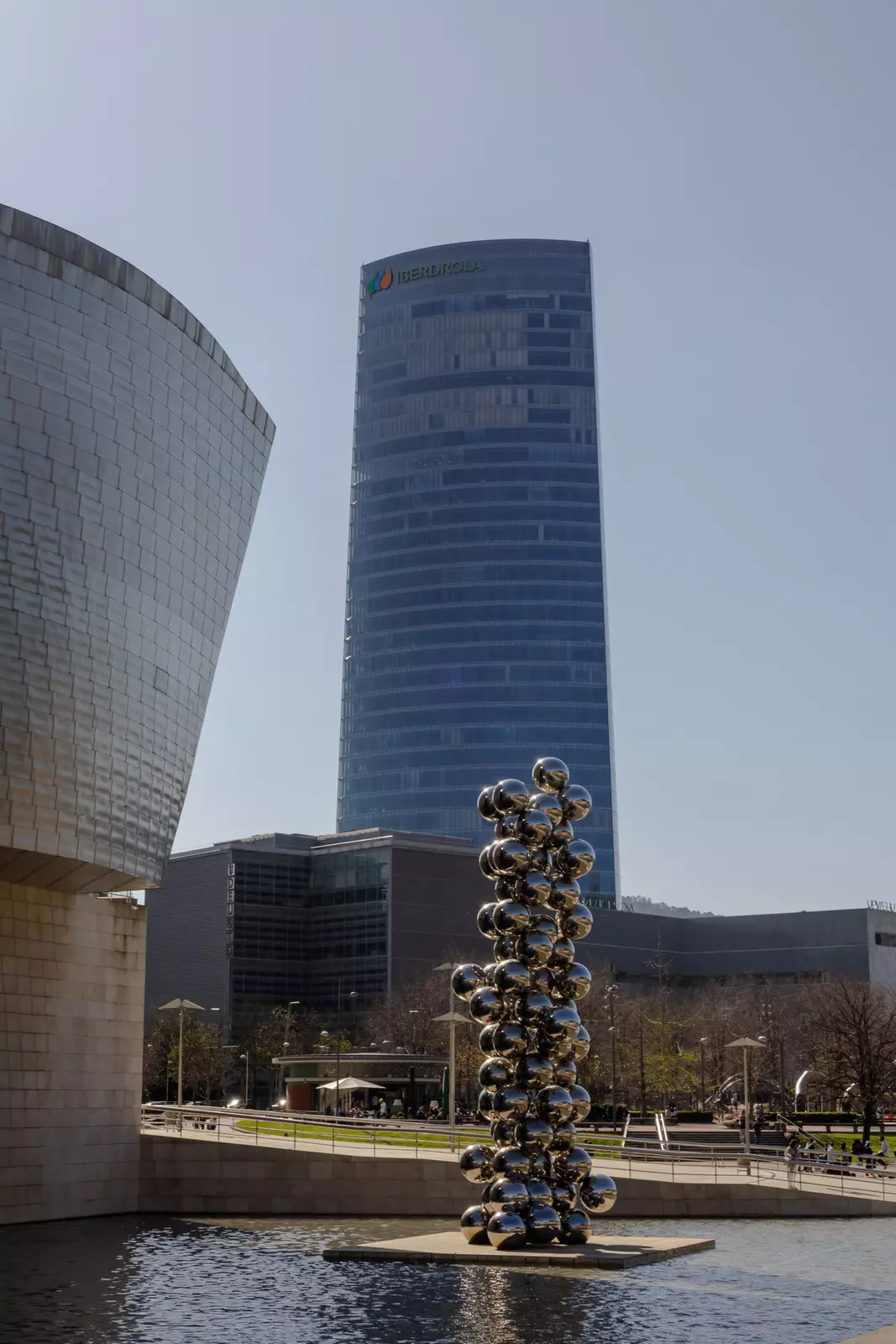
Museo Guggenheim Bilbao. Rhia Hylton/Lonely Planet
Most visitors to the Basque Country settle on Donostia-San Sebastián as their city break, but they’re missing out on chic Bilbao. Stroll through the city (it’s pretty manageable), and you’ll discover a remarkably eclectic assortment of architectural styles, like Gothic, Beaux-Arts, deconstructivist and uber-modern. And, of course, the centerpiece of it all is the Museo Guggenheim Bilbao, which is a deconstructivist marvel inside and out. Devote at least half a day to exploring the galleries and installations by some headline artists; I loved getting lost in Ruth Asawa’s intricate wire sculptures during our visit.
You can book this itinerary directly with Lonely Planet Journeys, who’ll put you in touch with Alba or another outstanding local expert on her team. While Alba already crafted this itinerary, there is wiggle room for customization – our experts understand that every traveler’s dreams and needs are different.
Book your Spain trip with Lonely Planet Journeys
See Spain how it's meant to be seen
Accommodations, activities and ground transportation all taken care of, so you can focus on the fun part. Tell us what your dream trip to Spain looks like, and our local experts will build it from scratch. Or start with one of our itineraries and make it your own.

Explore related stories