Aug 19, 202612 min read
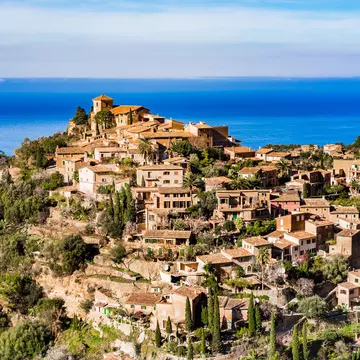
12 of the Prettiest Towns and Villages in SpainFeb 5, 2026
13 MIN READ

Writer
View over Salamanca. Matt Munro/Lonely Planet

Writer
Highlights
Writer Natalia Diaz rounds up 14 Spanish highlights, from cities to Balearic beaches.
Art lovers should head to Madrid's Golden Triangle of Art and Barcelona's Gaudí landmarks.
In Andalusia, the Alhambra in Granada and Seville's Real Alcázar dazzle with Moorish detail.
For a university-town glow, visit Salamanca; for Michelin stars and pintxos, head to San Sebastián.
Lonely Planet may earn a commission from affiliate links on our site. All recommendations and reviews reflect our own independent opinions.
Sun-drenched Mediterranean beaches, incredible cuisine, charming villages and cross-cultural historic sites – Spain is so easy to love that it is hard to narrow down a reasonable itinerary. When planning your way around this fascinating country, make this list your starting point – 14 of the best places to visit in Spain.
Looking for help planning your trip? Lonely Planet Journeys pairs you with a local expert who plans every detail - you just book the flights. Get started by messaging us here.
Best university town
Salamanca is one of the most beautiful university towns you’ll ever visit. Affectionately known as La Dorada (The Golden One), the city, primarily built from rose-colored sandstone, positively glows, especially at sunset. Its buildings are monuments to the Plateresque architectural style (meaning "in the manner of a silversmith"), with intricately carved facades that invite careful inspection by day and transform into otherworldly silhouettes by night. Salamanca's crowning glories are the university, founded in 1218, and the 18th-century baroque Plaza Mayor, which was a bullring in a previous incarnation.
Local tip: View the city’s legendary sunset from the Puente Romano, where you’ll be treated to a stunning show against the city’s sandstone skyline.
Best for art museums and street life
Lively Madrid is blessed with year-round blue skies draped over its vibrant barrios (neighborhoods), architectural landmarks and famed art museums. There's even an ancient Egyptian temple, the Templo de Debod, right in the city center.
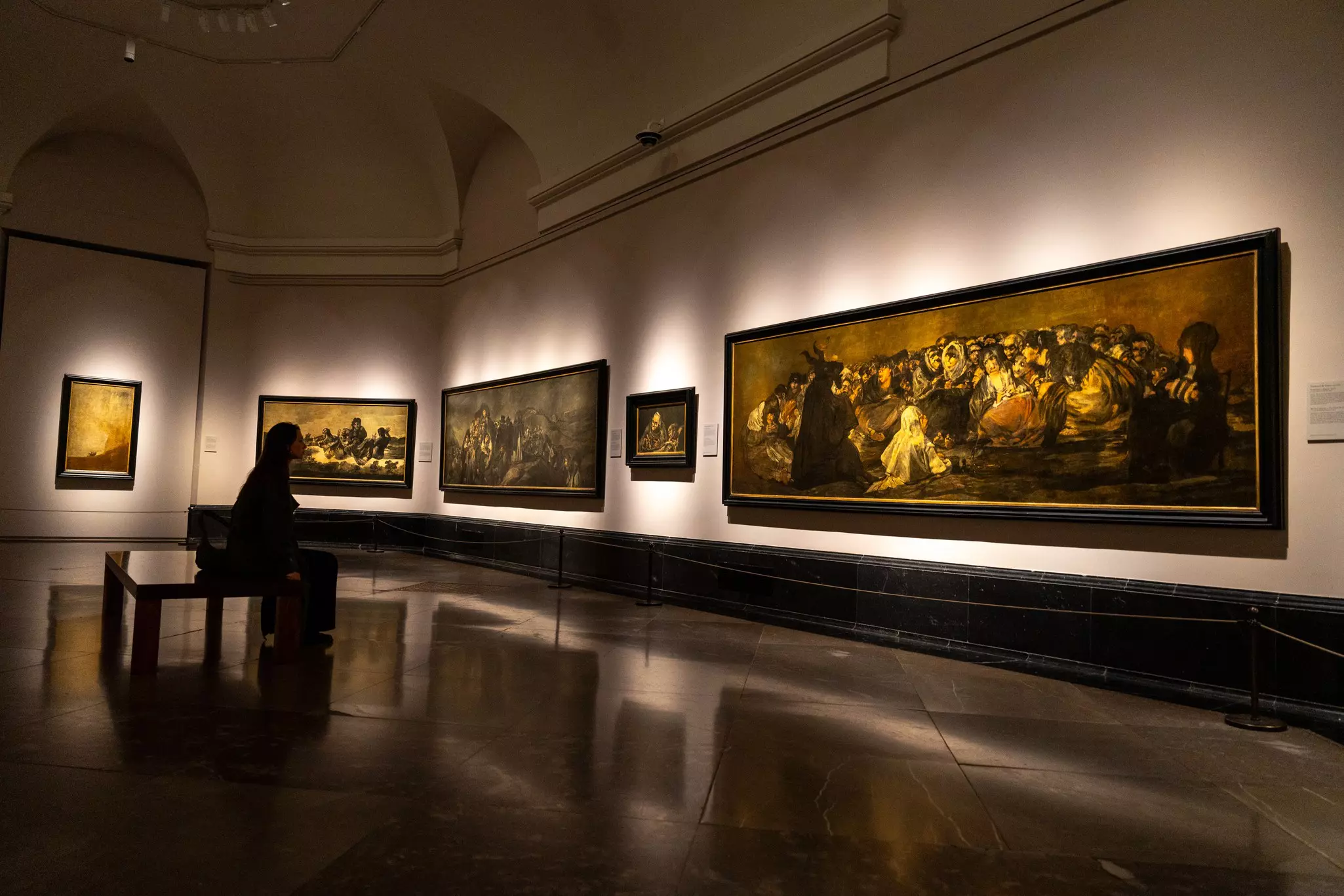
Art lovers could spend days exploring Madrid's Golden Triangle of Art. Its three points – the Museo del Prado, Museo Nacional Centro de Arte Reina Sofía and Museo Thyssen-Bornemisza – are situated along the Spanish capital's Paseo del Prado, which has been granted UNESCO World Heritage status. Madrid’s main art museums offer free entrance at scheduled times during the week.
One of Madrid’s best features is its energy-charged street culture, with wine-soaked tapas bars and late nights that extend past the sunrise. If you only have a few days in the capital, check out Calle Cava Baja in the historic La Latina neighborhood, lined with charming taverns and centenarios(restaurants that are more than 100 years old). After exploring the 500-year-old flea market El Rastro on a Sunday, join locals hopping from one bar to the next and sample a selection of Iberian charcuterie and cheese.
Planning tip: The city buses and metro system have contactless payment terminals, making getting around Madrid even more efficient.
Best for multicultural history
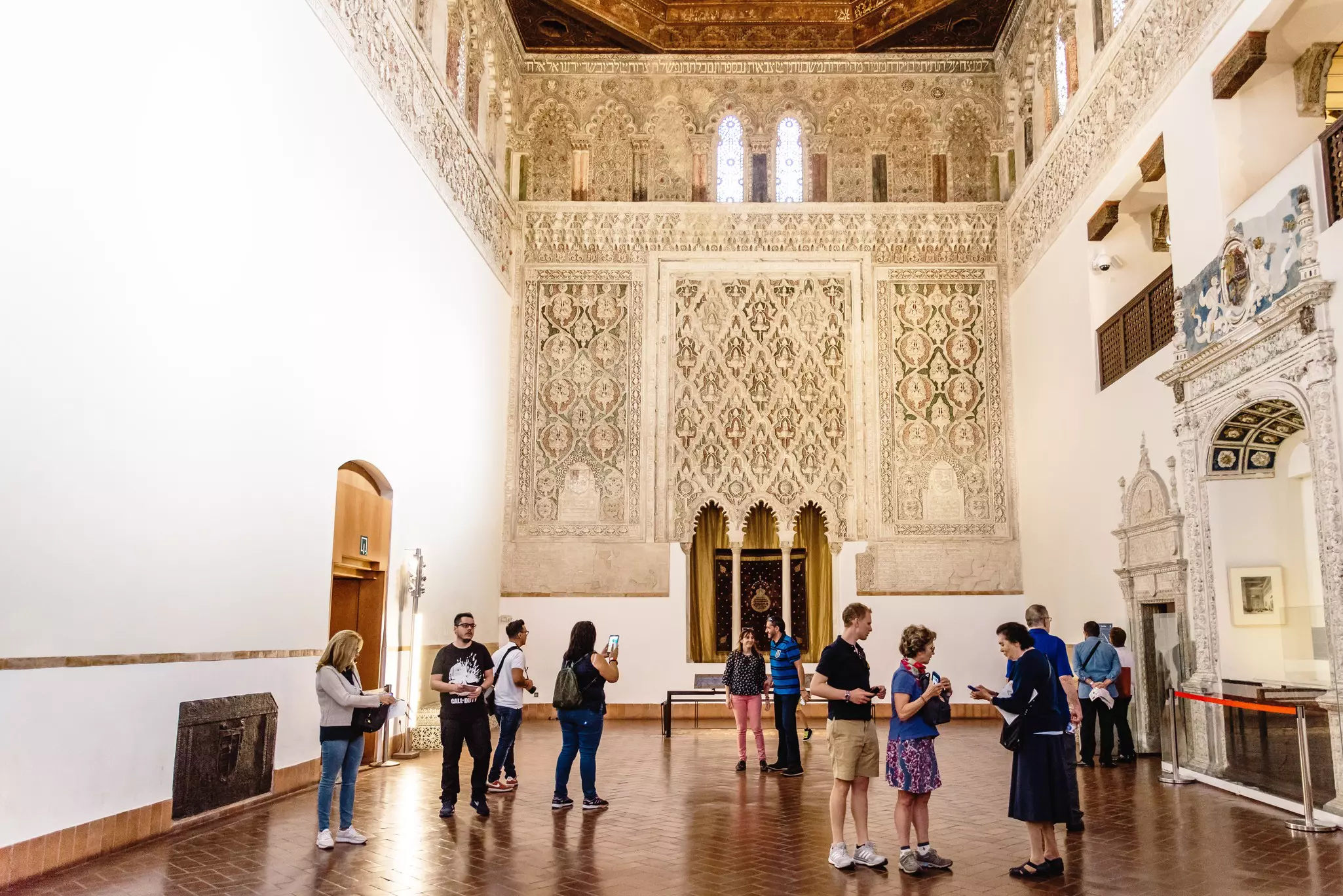
Toledo, a 2000-year-old walled city, occupies a significant place in Spain's history. This UNESCO World Heritage Site by the Tagus River was the former capital of the Visigothic kingdom, a fortress of the Emirate of Córdoba, a Roman city, the seat of power of King Charles V and the former capital of Spain until 1560. With Jewish, Christian and Islamic influences, Toledo has earned the nickname the City of Three Cultures.
Walk along its narrow cobblestone streets to glimpse the vestiges of this cultural mélange – ancient Roman structures, Moorish architectural styles, the Christian Catedral de Toledo, the Jewish Sinagoga del Tránsito and the Islamic Mezquita del Cristo de la Luz.
Planning tip: High-speed AVE trains leave Madrid for Toledo every hour, making this an easy day trip. Head to the Mirador del Valle for spectacular panoramic views and a picture-perfect photo of this historic city.
Best for Modernisme architecture

Straddling the Mediterranean and the Pyrenees mountains, the Catalonian capital is a visually dramatic metropolis with avant-garde architecture, city beaches and the 2000-year-old Barri Gòtic.
No visit to Barcelona is complete without seeing the Sagrada Família, the masterpiece by Antoní Gaudí, the illustrious Catalan architect and proponent of Modernisme, an artistic style influenced by art nouveau and sometimes known as Catalan modernism. Gaudí's influence is everywhere in Barcelona, and it's worth taking the time to visit more of the city's architectural jewels, including Casa Batlló, La Pedrera and Park Güell.
Another place marked by Gaudí's legacy is the Plaça Reial, at the heart of the Barri Gòtic. This neighborhood is also home to the majestic Catedral, built from the 13th to 15th centuries. At the border of the quarter is Mercat de la Boqueria, one of the oldest markets in Europe.
Planning tip: Make sure to book Sagrada Família tickets in advance – if you aren't able to get a ticket, there are Sunday masses at 8:30am, without crowds and with free entrance, though dress appropriately and respect the religious services.
Best location

This city lives on the edge – literally. Cuenca's historic center is built along the rim of a dizzyingly steep, craggy precipice at the mouth of two river gorges, the Río Huécar and Río Júcar. Its emblematic landmark is the Casas Colgadas (Hung Houses), which teeter on the brink of the ravine, almost as if one push would send them tumbling over the edge.

Stay connected abroad with an eSIM
Holafly eSIM provides unlimited mobile data with no hidden fees, giving you peace of mind wherever you travel. Stay connected even after your plan ends with Always On. Use code LONELYPLANET for an exclusive discount.
Lonely Planet may earn a commission from affiliate links on our site. All recommendations and reviews reflect our own independent opinions.
First built by the Moors in 714, UNESCO-listed Cuenca flourished as a fortified citadel that enjoyed three centuries of economic prosperity. Moorish rule ended when King Alfonso XIII finally conquered the city in 1177. Despite its Middle Age origins, Cuenca has emerged as a nerve center of abstract modern art. A premier abstract art museum, the Museo de Arte Abstracto Español is housed within the Casas Colgadas.
Because of its unique geographical contours, Cuenca offers some remarkable viewpoints at the Miradores del Huécar observation deck and the Puente del San Pablo bridge, which connects both sides of the ravine – crossing this requires some courage and can be especially challenging for those with vertigo. A leisurely stroll into the Casco Antiguo (old quarter) is an exhilarating experience, with breathtaking views of mountainsides at every turn.
Local tip: The sloped cobblestone streets and stairways can be a workout, so wear comfortable shoes with traction. If you have a few days, venture to Ciudad Encantada, about 30km northeast of Cuenca, a prehistoric geo-park featuring massive dolomite rock formations dating to the Cretaceous epoch.
Best for surrealism

There’s something about the light in this seaside village along the Costa Brava, on the northeast side of Spain. Past residents and frequent visitors to Cadaqués have included some of the world’s most famous artists and literary figures – Salvador Dalí, Pablo Picasso, Joan Miró, Truman Capote, Man Ray and Gabriel García Márquez among them. You can just imagine these creative luminaries exploring the whitewashed houses and narrow cobblestone streets brightened by bougainvillea blooms.
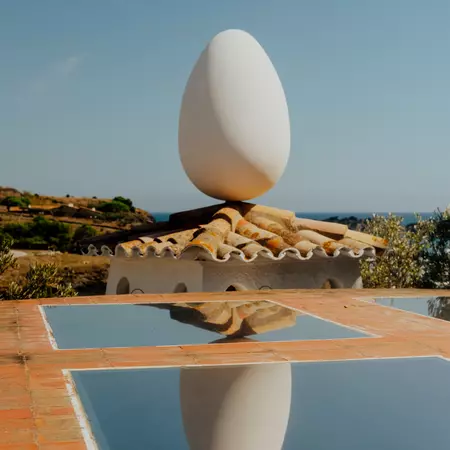
Head down to Port Lligat and Dalí’s retirement villa, an unsurprisingly whimsical fever dream replete with a life-sized stuffed polar bear (a gift from British poet Edward James), a phallic-shaped swimming pool and a giant egg perched on the rooftop.
Planning tip: The word’s out on this Mediterranean coastal gem. Over the years, it has evolved from a peaceful artists’ retreat into a magnet for droves of travelers in the summer months of July and August. Instead, come during the shoulder months of May and June or September and October, when the weather’s pleasant, and you won’t compete for space on the beach.
Best for gourmet food

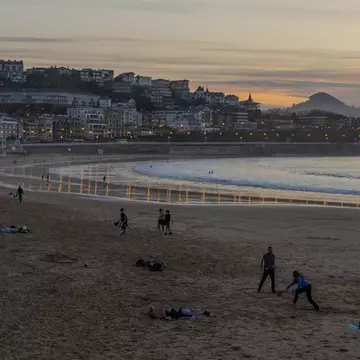
An alluring Basque coastal city in northern Spain, San Sebastián is characterized by its belle epoque architecture, white-sand beaches that stretch to the horizon and the blue waters of the Bay of Biscay. On a clear day, stroll along the boulevard by Playa de la Concha to get a feel for the sea-loving culture.
San Sebastián, or Donostia in Basque, has evolved from a traditional whaling town into a world-famous gastronomic capital. It has the greatest concentration of Michelin-starred restaurants per square meter in Europe, and gastronomic delights await you around every corner.
Local tip: You don't need to have a Michelin-star budget to enjoy San Sebastián's food culture. Head over to the Parte Vieja (Old Quarter), particularly along 31 de Agosto St. The streets here are lined with restaurants and bars offering dizzying rows of assorted pintxos, which translates to "spike," as these snacks are usually served on toothpicks or skewers.
Best for Mudéjar architecture
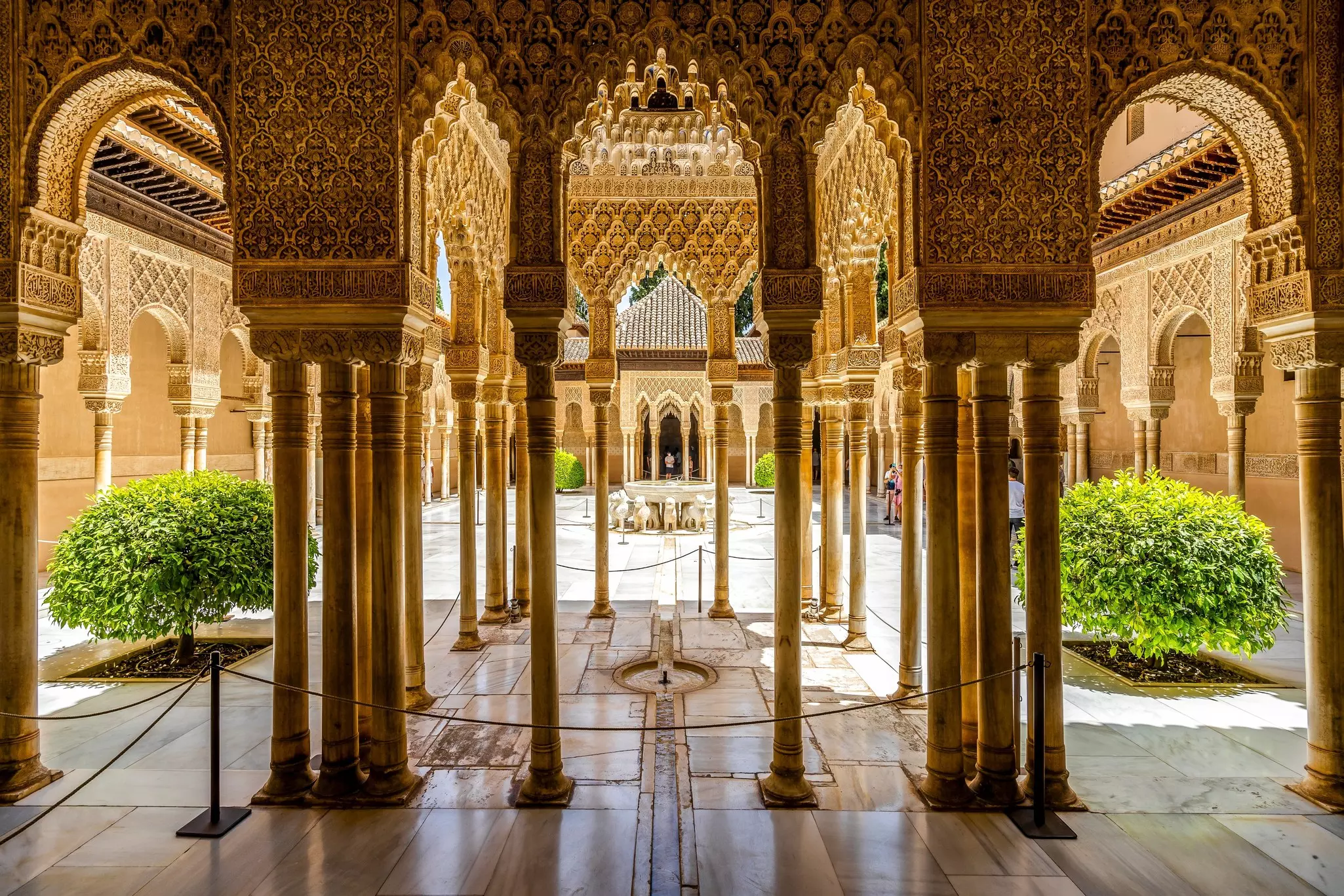
Situated at the foot of the snow-capped Sierra Nevada mountain range is sublime Granada, the Andalusian city where the Alhambra palace was erected as the citadel of the Nasrid dynasty, the last ruling Muslim dynasty on the Iberian Peninsula. Meaning "Red One," the Alhambra merges Moorish and Christian decorative elements, from intricately carved walls and archways to mirrorlike pools and colorful mosaics.
Planning tip: Don’t miss the Palacio del Generalife right by the Alhambra, a summer palace whose gardens and perfectly orchestrated fountains provided repose for the Nasrid sultans.
Best for festivals

The birthplace of paella, Spain’s third-largest city is a laid-back, welcoming Mediterranean destination with sprawling beaches and plenty of cultural and gastronomic experiences to explore.
Rising out of seaside Valencia is the otherworldly Ciudad de las Artes y las Ciencias, designed by Valencia’s very own Santiago Calatrava, famed for futuristic designs that include New York City's Oculus transportation hub at the World Trade Center.
If you happen to visit in mid-March, chances are you’ll experience Las Fallas, Valencia’s UNESCO-listed festival during which towering, intricately designed papier-mâché sculptures parade the streets – only to be set ablaze during the fiery grand finale, La Cremà. (Make sure you wear earplugs; firecrackers blow up all week to mark the revelries of fire and artistry.)
Local tip: Renting a bike is a great way to explore the city, from the Turia parklands, you can get to the Ciudad de las Artes y las Ciencias complex and Playa de Malvarrosa.
Best Gothic cathedral and tapas

Bathed in year-round blue skies, León is a historic city that blends visually arresting architecture and a lively tapas culture. Its undisputed star is the 13th-century Catedral at the city’s spiritual heart. This is one of Spain’s premier Gothic showpieces, with an arresting facade, soaring towers and a gallery of beautiful stained glass windows.
León is compact and flat, making it easy to explore on foot, starting on the sprawling, cobblestoned Plaza del Grano. San Marcos, a convent turned prison, is a striking example of Spanish Renaissance design, while Gaudí's Casa Botines introduces Catalan modernism to the city’s architectural treasures.
For food lovers, León is one of the best Spanish cities to enjoy tapas. Head to Barrio Húmedo or Barrio Romantico for an enjoyable tapas hop; pick any tavern and order a drink, and you’ll be served a generous plate of tapas on the house. León is famous for its version of morcilla (pork blood sausage), served runny with pieces of bread.
Planning tip: From Madrid, high-speed trains get you to León in less than 2 hours, making it a perfect day trip or weekend escape.
Best for Moorish and Christian heritage

This former Moorish citadel on the banks of the Río Guadalquivir was once a cultural, political and intellectual epicenter of the Islamic Caliphate of Córdoba. It is home to four UNESCO-protected sites, each signifying the legacies of its Roman, Moorish and Christian heritage.
Córdoba's most famous landmark is the mosque-cathedral, an architectural marvel that blends Roman, Visigoth, Byzantine, Persian and Syrian styles, as expressed in its mosaics and distinctive striped arches. Construction began in 786 under the Emir Abd al-Rahman I (owing to his nostalgia for his homeland, he had the prayer room face Damascus instead of Mecca). Under King Carlos V, an incongruous Renaissance cathedral nave was constructed and now rests at the center of the mosque.
Planning tip: Take advantage of the many free walking tours offered by local guides. Avoid visiting in the scorching months of July and August, when temperatures can surpass 38°C (100℉). Instead, come from mid-April to mid-June, a perfect time to stroll amid the city’s lush gardens, date palm trees and spring blooms.
Best for beaches
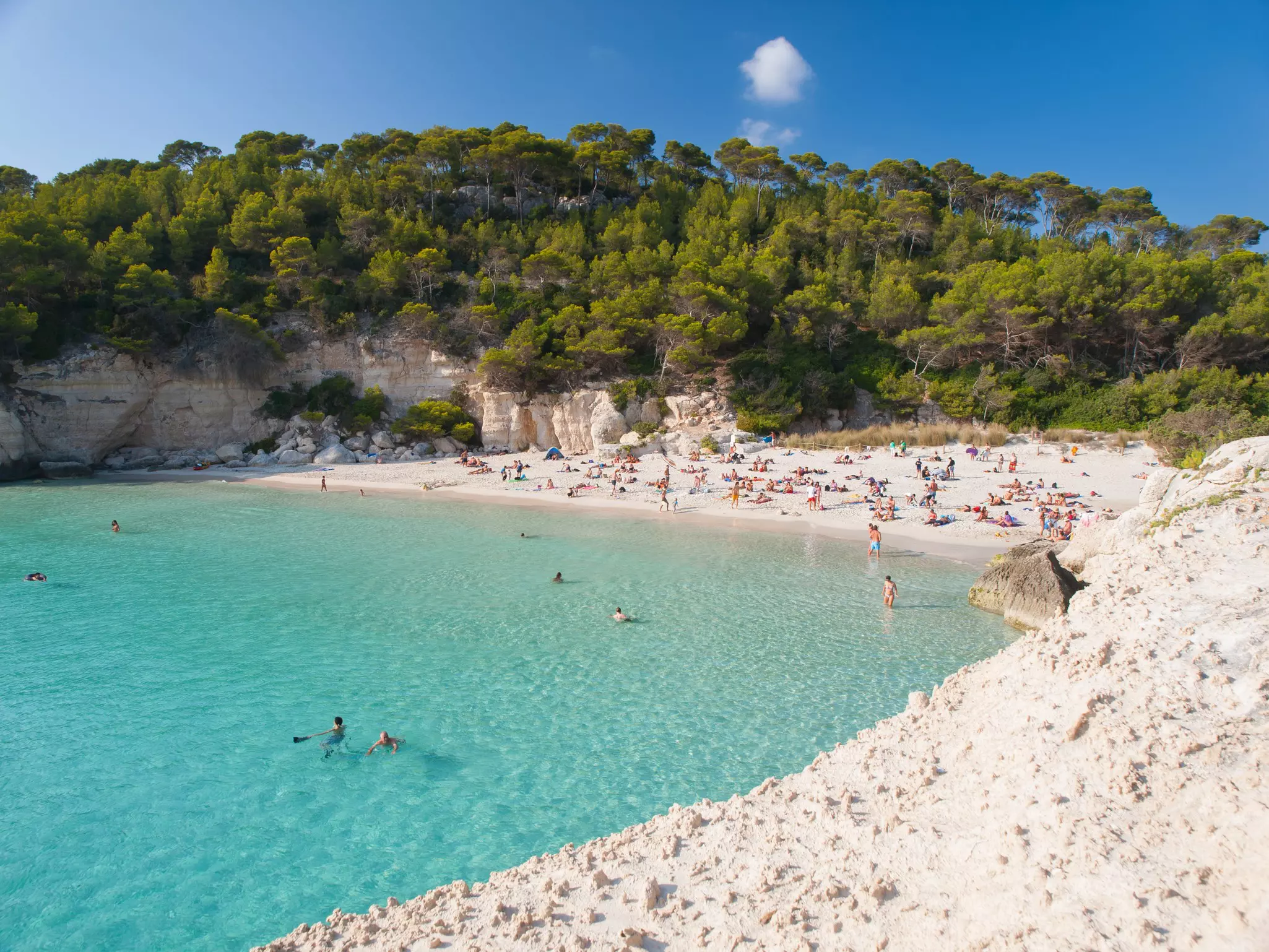
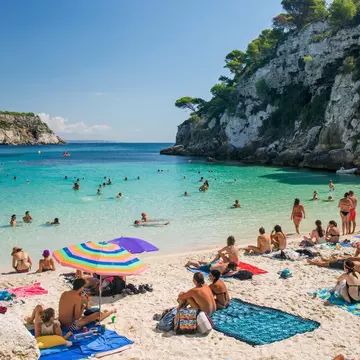
Anyone who's been to these outlying islands east of the Iberian Peninsula would recognize the "Balearic blues" — the distinct shades of blue that distinguish these Mediterranean waters. This archipelago's four largest islands (Ibiza, Mallorca, Menorca and Formentera) are blessed with countless beaches and calas (coves) embraced by white sand coastlines and rugged cliffs.
Among these islands, Ibiza is the most famous, mainly for its reputation as a 24-7 party destination. Yet Ibiza's clubbing culture is just a tiny slice of this spectacular island. It is fringed with sapphire-colored waters, is filled with historic fortified towns, and has a wealth of hidden inlets with beachside restaurants and cafés. Visit the ruins of the ancient Phoenician civilization at Sa Caleta and the Puig des Molins necropolis to get a glimpse of the ancient colonies that inhabited this island long before the clubbers discovered it.
Best for a spiritual journey

The capital of Galicia is the final destination of the Camino de Santiago route, a trail with a tradition stretching back more than 1000 years. On any day of the week, pilgrims from all over the world pay respects at the cathedral, the reputed burial place of St James the Apostle.
Even nonpilgrims can relish the mystical beauty of this northern Spanish city with a distinct Celtic heritage. Its beating heart is the Praza do Obradoiro, where the luxurious Hostal dos Reis Católicos stands, believed to be the oldest hotel in the world (once a hostel for pilgrims).
Local tip: Santiago has a rich gastronomic tradition highlighted by its excellent seafood. Visit the Mercado de Abastos food market, the city's second most popular attraction after the cathedral.
Best for cultural sightseeing

The delights of Seville are in the details. This charming Andalusian capital may give you the sensation of déjà vu, perhaps because its year-round sunny days, resplendent gardens and intricately carved palaces have made it a favored filming location for big productions from Star Wars to Game of Thrones. Its allure lies in its idiosyncratic mix: horse-drawn carriages, flamenco tablaos (shows), colossal Gothic structures and Islamic stylistic details all blend to create a multilayered dreamscape.
Seville's rich cultural tapestry is the legacy of its long and varied history, once a Moorish capital, later the seat of the Castilian aristocracy, and then the European gateway to the Americas after Columbus' journey in 1492. The juxtaposition of cultures could not be more apparent than in a visit to the Catedral, the final resting place of Columbus. Just a few meters away, the Real Alcázar showcases the splendor of Mudéjar architecture with Islamic, baroque, Gothic and Renaissance elements.
Planning tip: Time your visit for one of the city's great annual festivals, notably the Semana Santa (Holy Week, before Easter) and Feria de Abril.
Book your Spain trip with Lonely Planet Journeys
See Spain how it's meant to be seen
Planned by local experts and tailored to you, Lonely Planet Journeys handles the logistics so you can just enjoy the trip. Tell us what you want and we'll build your Spain itinerary from scratch, or browse our bookable trips to get inspired.


Explore related stories