Aug 19, 202612 min read
12 of the Prettiest Towns and Villages in SpainAug 5, 2026
7 MIN READ

Writer
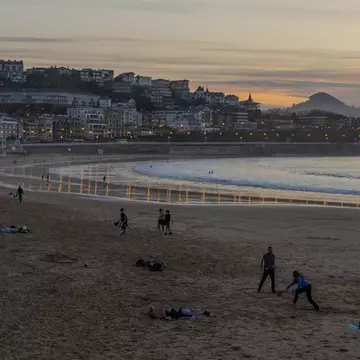
Playa de la Concha in San Sebastián, Spain. Rhia Hylton/Lonely Planet

Writer
Highlights
Writer Jamie Ditaranto guides eclipse chasers through Spain's 2026 solar eclipse.
Totality falls at just 4.5 degrees above the horizon – head inland to avoid coastal clouds.
Zaragoza offers flat, dry skies; try Bardenas Reales in Navarre for guided buggy rides.
Book three nights around eclipse day; pack eclipse glasses and Solar Snap for phone shots.
Lonely Planet may earn a commission from affiliate links on our site. All recommendations and reviews reflect our own independent opinions.
Normally, August is my favorite time of year to take a break from Spain. After living in Barcelona for 4 years, I’ve learned to expect not only the soul-crushing heat but also the closed signs at beloved local businesses – usually shuttered for weeks if not the whole month – as people take their summer vacations. Yet I’ve known for years now that I would be spending this specific August in Spain, enduring the heat one more time to enjoy the privilege of witnessing one of the planet’s rarest phenomena: a total solar eclipse.
The last time I traveled to see an eclipse, to Asheville, North Carolina, in 2017, my totality experience was spoiled by a passing cloud, and I’ve never quite gotten over it. The irony of eclipses is that though science can predict their exact time and location literally 1000 years in advance, you have only about a week to anticipate the weather conditions that could affect the visibility of the celestial event.
For that reason, I spoke to astronomer and experienced eclipse chaser Doug Duncan, the former director of the Fiske Planetarium in Boulder, Colorado, for advice about where and how to maximize this year’s opportunity. In addition to sharing travel and photography tips for planning an eclipse-focused excursion (in Spain or elsewhere), he emphasized that the 2026 eclipse will have some tricky conditions for aspiring viewers.
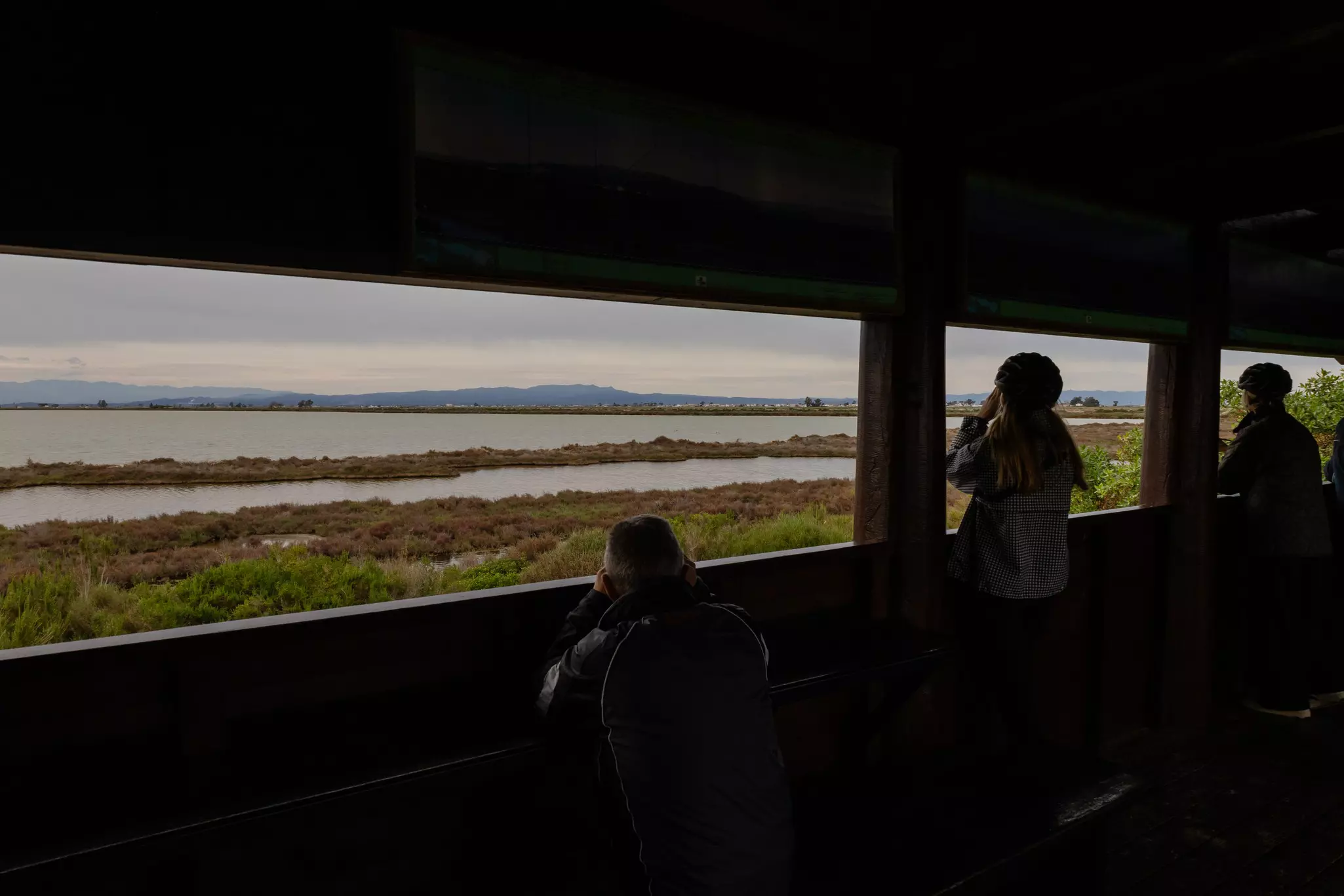
The total solar eclipse will begin on August 12, 2026, over Greenland at 4:19pm GST (GMT-2) and end in Ibiza at 8:33 pm CET (GMT+1), when the sun sets. While many parts of Europe are within range of a partial eclipse, the path of totality runs along a narrow strip through Greenland, Iceland and northern Spain. Unlike eclipses in recent years, this one takes place quite late in the evening, which Duncan says will make weather conditions more challenging – especially because many of the regions that the eclipse will pass through are known for being quite cloudy.
“The weather prospects are very good until you get to the coast,” he explains. “If you're on the coast, there is a somewhat higher chance of clouds coming in from the ocean, and since the sun is going to be low down, that would not be the day I would have my beach holiday. I would go inland where it's drier.”
When the eclipse begins, the sun will be extremely low on the horizon, which will be an incredibly beautiful sight if you have a clear view. However, it also means it’s more important to pick a spot where there will be no mountains or hills obstructing the view. If you plan to watch from one of the Mediterranean-facing beaches in eastern Spain – for example, Valencia or Tarragona, which are in the path of totality – the sun might already be obscured behind the city skyline by the time the show begins.
To visualize how low the eclipse will be, Duncan offers this exercise: “If you take your fist and you hold it out with a straight arm, your fist covers about 10 degrees,” he says. “When [the eclipse] ends, it’s going to be 4.5 degrees – that’s just half your fist. So anything that sticks up that much, even just a little rolling hill, will stop you from seeing the eclipse.”
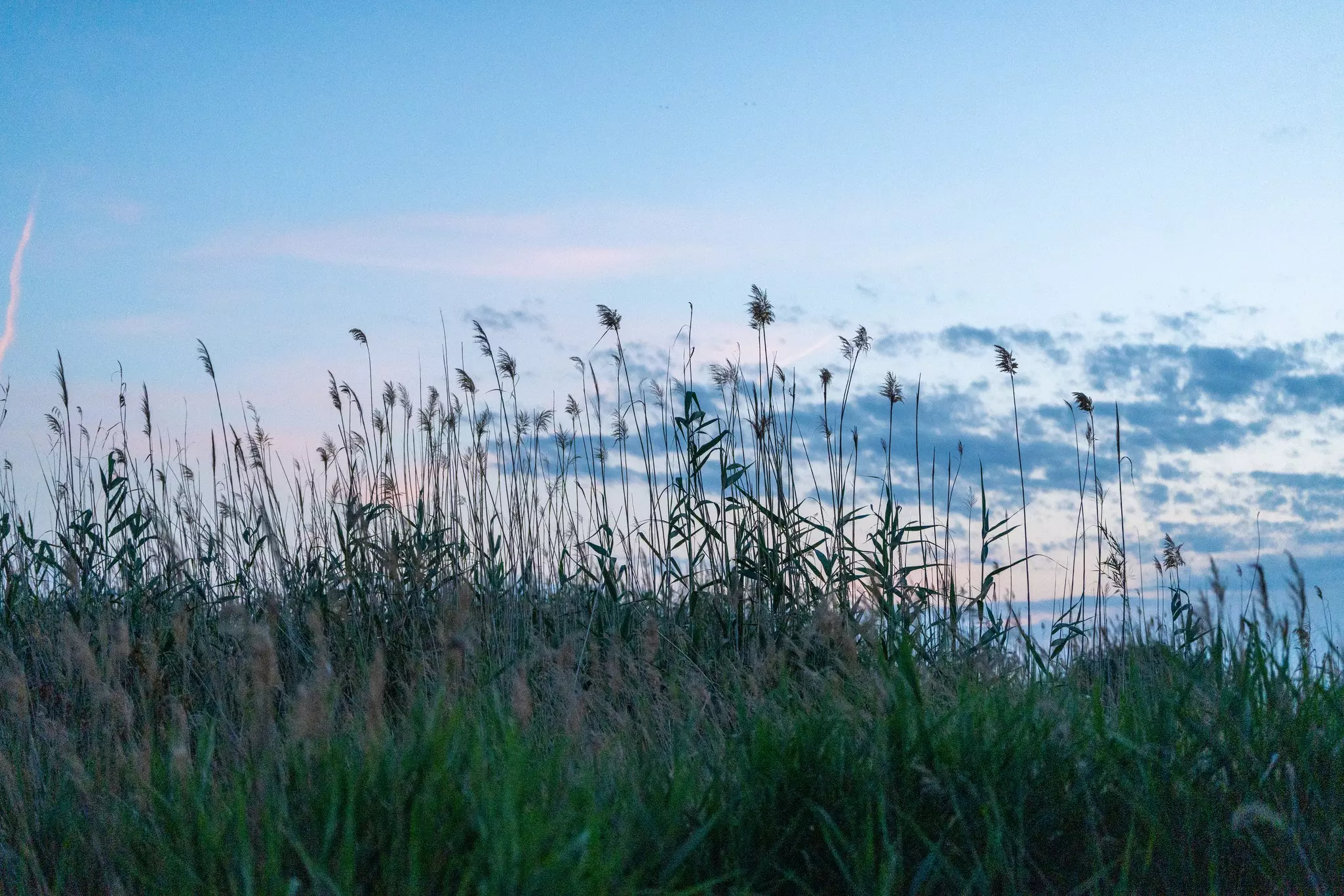
Eclipse chasing is all about being in the right place at the right time, but with a low-setting, late-in-the-evening eclipse like this one, it’s even more important to choose wisely. “Every eclipse, I start making the plans three years in advance,” Duncan says. “I want to find places with good weather and clear skies, and ideally, an interesting place.”
For the least amount of obstructions, you might think Galicia is the perfect location. Located on the western coast of Spain, it has the widest view of the sky if you sit right in front of the ocean. However, Galicia is known for its cooler temperatures and drizzly summers, so clear skies are not guaranteed. Also, think about the last few times you watched the sun set over the ocean. The horizon is not always perfectly clear, and there can sometimes be a blanket of clouds floating just above the horizon line, which on any other day could result in some spectacular colors and views, but on eclipse day, it means you won’t get the full effect. During totality, the sky will go dark, but depending on the thickness of the clouds, you may not get to see the corona (the crown of sunlight) peeking out behind the silhouette of the moon.
Duncan is leading a sold-out trip to Zaragoza, the capital of Aragon, located on the Ebro River. According to him, the city’s relatively flat landscape and dry climate offer the best conditions for a cloudless eclipse, and he even traveled to the city exactly one year in advance to make sure that the viewing spot would have a direct view of the sun. And the city has a fascinating history, too, as the former royal seat of Aragon, with remarkable landmarks like the Moorish Aljafería palace and the Museo Goya, dedicated to the work of the Aragon-born painter – all of which will keep you busy while you wait out the eclipse.
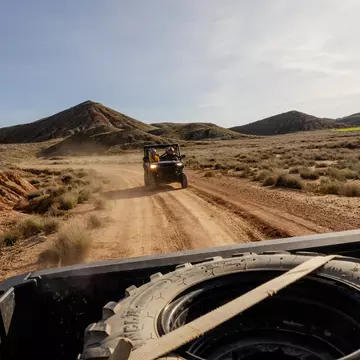
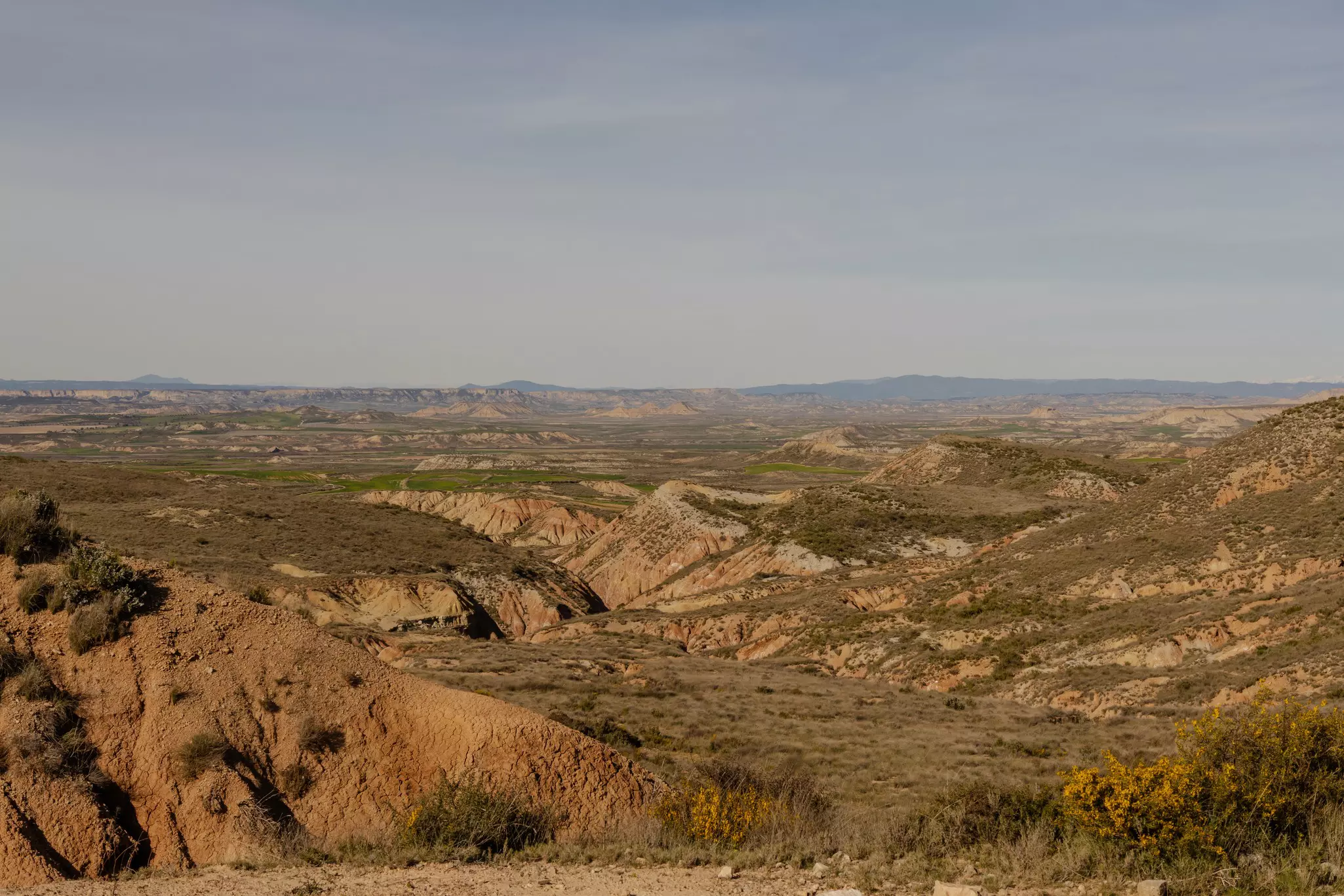
The next best place to go is the more obscure and otherworldly Bardenas Reales in Navarre. This desertlike landscape is known for its bizarre rock formations, and tour guides are offering special eclipse-focused buggy rides through the park, which will ensure that you are in the best position during the time of the eclipse. Just beware as the eclipse approaches, hotel rooms and spots on these guided tours are likely to fill up, if they haven’t sold out already.
The last time I tried to see the eclipse, my biggest mistake was heading home right after it ended. As it turns out, a lot of people had the same idea, and the traffic was horrendous. Duncan was familiar with this mistake and told me that he always books three nights with the day of the eclipse right in the middle of the trip. While some people plan years ahead for a total solar eclipse, others might only hear about it a week or a day before and make a spur-of-the-moment decision to take an eclipse day trip. Consider that two of Spain’s largest cities – Madrid and Barcelona – are within spitting distance of the path of totality, which will result in a lot of people trying to get in and out of the city on the same day.
Do yourself a favor and order a pair of eclipse glasses online before you set off. If you’re a photographer hoping to capture the eclipse, you may want to invest in a tripod and filters to protect your camera from the direct light of the sun as you line up the shot. If you just have your phone, Duncan recommends downloading his app, Solar Snap, which comes with an eclipse mode that automatically takes photos and videos so you can enjoy totality while it’s happening and not spend the whole event watching the eclipse through your phone.
If a Spanish eclipse isn’t in the cards for you this summer, you’ll have another chance almost one year later. On August 2, 2027, there will be a total solar eclipse from the south of Spain (near Gibraltar) across the Mediterranean to Luxor, Egypt. An Egyptian eclipse offers a unique opportunity to frame your eclipse photography with ancient temples, but if you think that Spain is hot in the summer, average August temperatures in Luxor are about 41ºC (105ºF). That means Spain may still be the first choice for travelers hoping to chase the 2027 eclipse, which will be taking place during a more convenient time of day when the sun is high in the sky – from 8am to noon, with 6 minutes of totality – and your chances for an unobstructed total solar eclipse are much better.
Book your Spain trip with Lonely Planet Journeys
See Spain how it's meant to be seen
Planned by local experts and tailored to you, Lonely Planet Journeys handles the logistics so you can just enjoy the trip. Tell us what you want and we'll build your Spain itinerary from scratch, or browse our bookable trips to get inspired.


Explore related stories