Sep 17, 20267 min read
A Guide to East African Coffee CultureSep 17, 2026
7 MIN READ

Writer
Serving coffee in Dar es Salaam, Tanzania. Nurdin Pallangyo/Xinhua via Getty Images

Writer
Lonely Planet may earn a commission from affiliate links on our site. All recommendations and reviews reflect our own independent opinions.
In Kenya and northern Tanzania, the cultivation of coffee is a serious business indeed.
Seen from above – on a flight from Nairobi to Laikipia or Samburu National Reserve in Kenya’s north, or on the approach to Kilimanjaro International Airport in Tanzania – East Africa’s highlands are a patchwork of lush parcels: tea and coffee farms that merge into deep folds to the horizon. If you drive the same routes, roads weave amid hillsides carpeted in a sea of greens.
Visitors to Kenya and Tanzania have long favored setting out on safari over taking in the region’s coffee culture. But this is slowly changing, as coffee forms an ever-growing part of both countries’ economies. Increasingly, a visit to a coffee farm is an essential stop on any itinerary through the region.
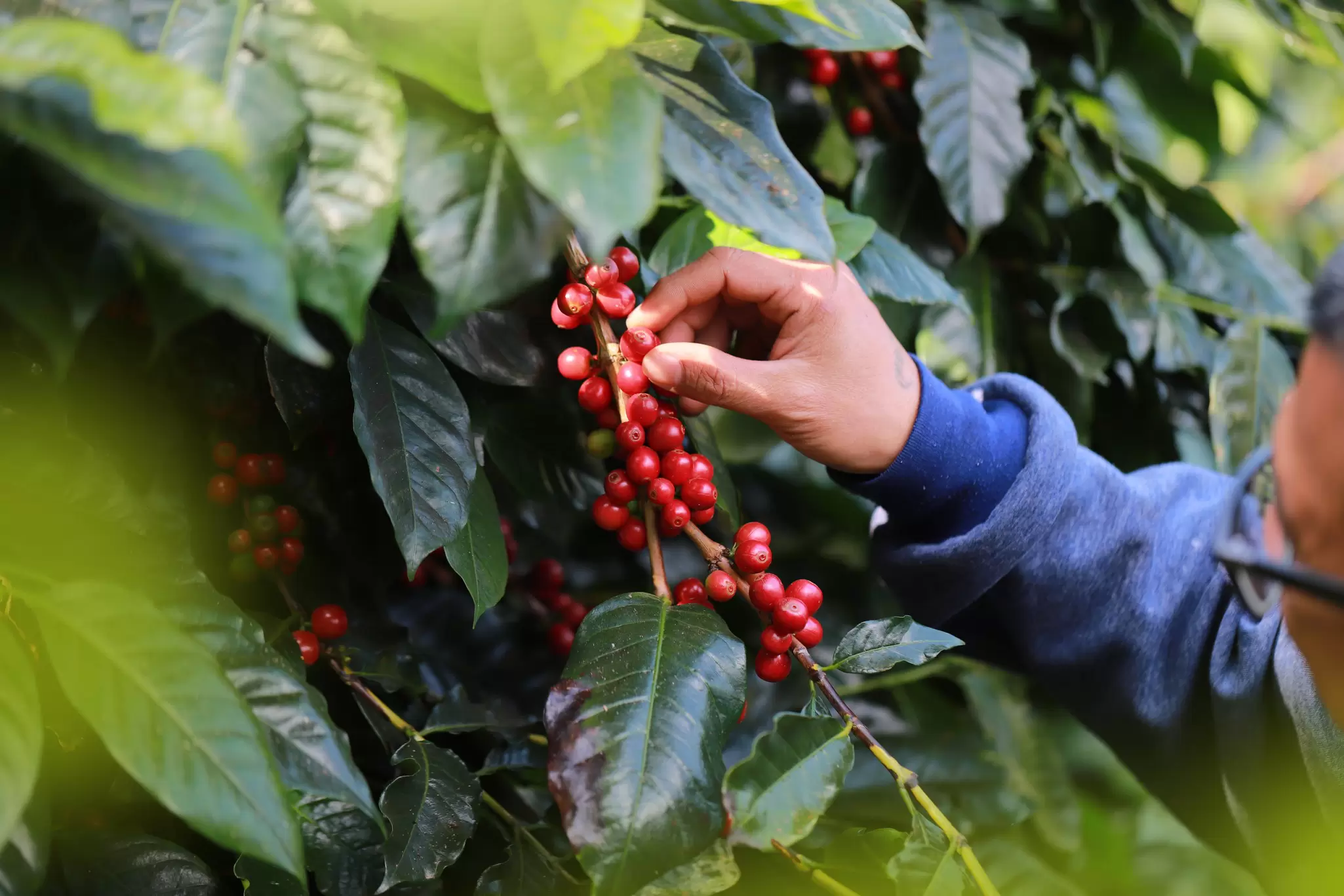
Coffee originates in East Africa, in the Ethiopian Highlands, where Coffea arabica is native and grows wild. One local legend suggests that a goat herder discovered the energizing properties of coffee when one of his animals became noticeably…livelier after eating from the plants.
The colonizing British first introduced coffee to Kenya in the early 20th century. The relatively high altitude of Kenya’s equatorial regions; its warm, tropical temperatures and humidity; plenty of rainfall; and an absence of frost all suited the crop perfectly. When Karen Blixen arrived in 1914 with her husband, they established a coffee farm between Nairobi and the Ngong Hills.
The tea-loving British devoted significantly larger tracts of their colony to the cultivation of that crop than to coffee, exploiting local labor.
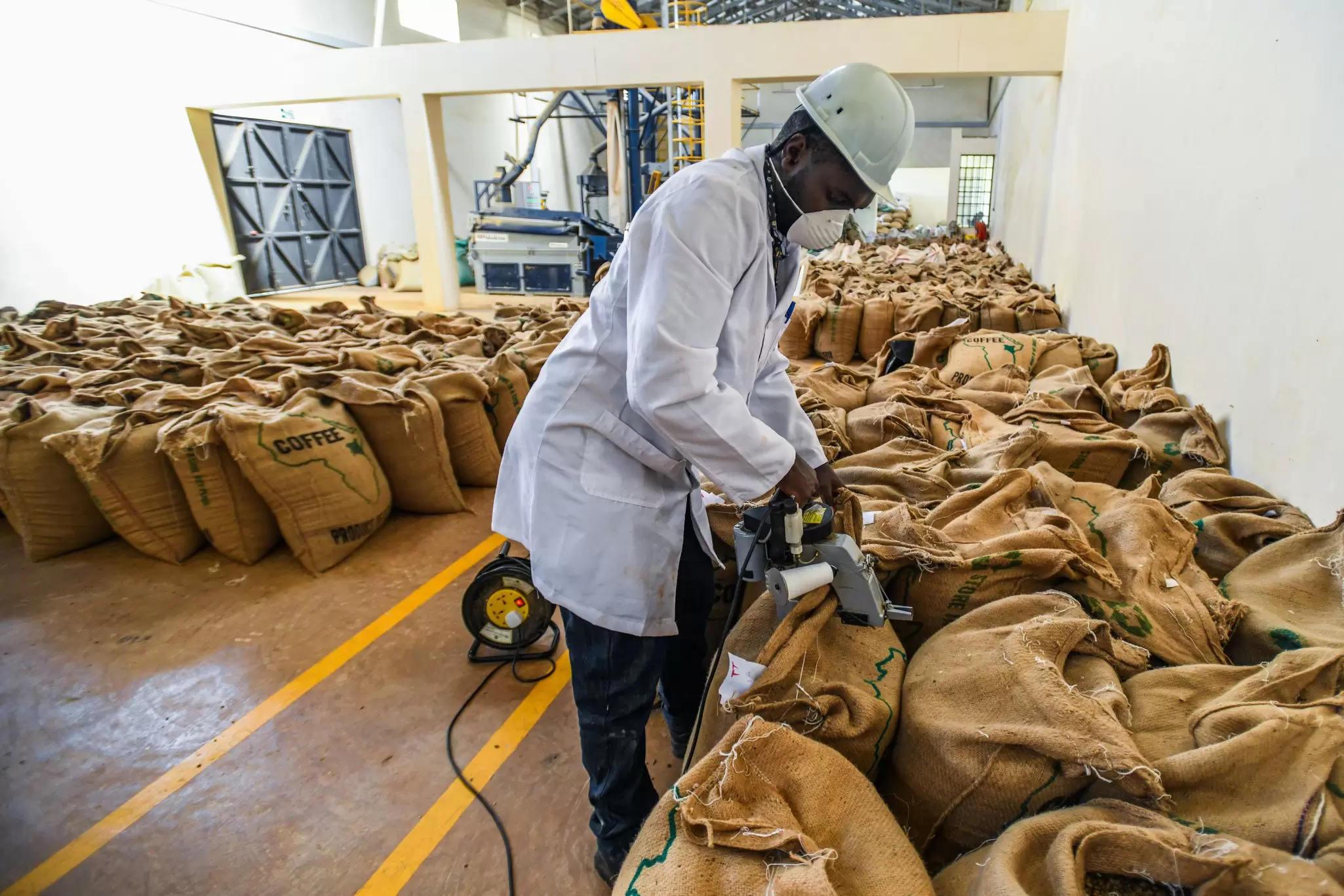
As is so often the case when it comes to African history, a focus on colonial power, property and economic activity can be misleading. As Kenyans resisted colonial rule, European-owned farms struggled. Eventually, Kenyans forged ahead on small landholdings rather than vast estates. The result today? Between 150,000 and 400,000 small coffee farms dot the region, alongside some 4000 larger coffee estates.
Kenya’s story – early colonial dominance, with locals later regaining control over the industry – is similar to the one across the border in Tanzania, with subtle differences. Most of the coffee produced in Kenya is of the arabica variety; in Tanzania, arabica makes up 70% of production, with the robusta variety accounting for the rest. While Kenyan beans are known for their fruity and floral flavors, Tanzanian coffee has a slightly higher acidity, its fruity flavors even delivering hints of wine or chocolate.
In the post-independence era, both Kenya and Tanzania have become known for their ethical coffee production, largely thanks to most producers’ small-scale plots. Even so, issues of low wages, gender inequality (women make up an estimated 70% of agricultural workers in Kenya) and the specter of child labor remain concerns across the industry.Coffee now accounts for a whopping 5% of Kenya’s export earnings, and by one estimate, the industry employs or indirectly benefits as many as six million Kenyans.
“Safari tourism is all well and good,” says Peter Rutu, a small coffee farmer in Nyeri. “But it can be vulnerable to global political challenges or emergencies like the pandemic. Coffee is a reliable crop. People will always drink coffee.”
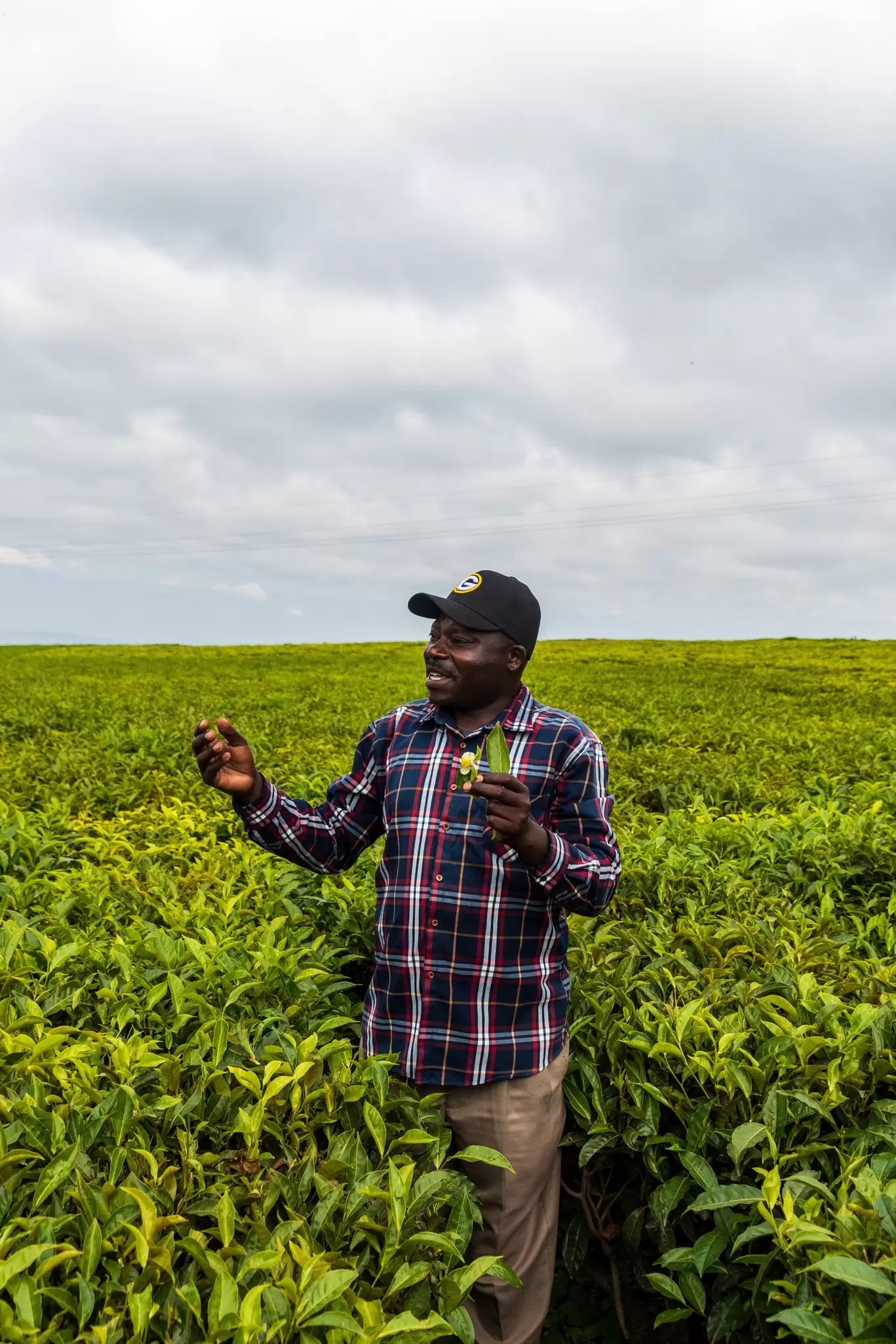
In Kenya, coffee production is greatest in the area north of Nairobi, through the Central Highlands and west into the Rift Valley. The country’s coffee-growing heartland is the fertile hills of Thika, just 45km northwest of (and a world away from) the clamor of the capital. This is where you’ll find Karunguru Coffee Estate.
Unusually for Kenya, this estate, in operation since 1928, is large enough to process and roast its own beans. (Most of the country’s coffee crop is exported unprocessed.) Tours of the 495-acre farm take you through the entire production process, “from farm to cup.”
Led by expert guides, tours (which must be reserved in advance) last 5 hours, taking you from the seed nursery to the mature plants, and from harvesting to roasting. Each tour includes lunch in the grand ballroom of the estate’s historic homestead, followed by coffee tastings and time in Karunguru’s on-site shop.
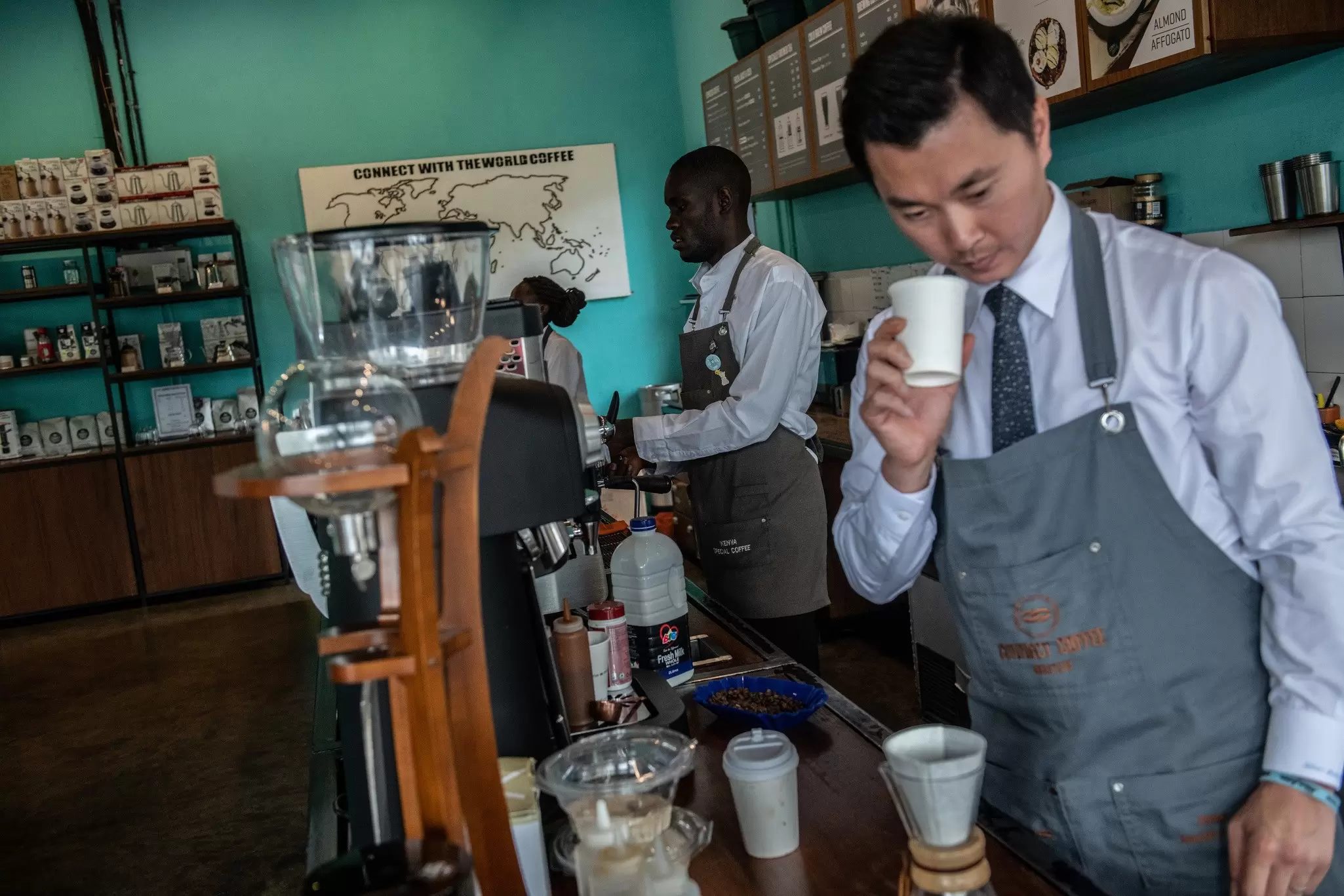
Traditionally, Kenyans have been much more likely to pause for a tea (chai) than a coffee. But Kenya’s growing middle class has of late helped to spur a real coffee culture, particularly in Nairobi. In the capital’s stylish neighborhoods, it’s not uncommon to see spots filled with young people on their laptops or conducting business meetings over coffee.
In the early years, Java House – a sort of Kenyan Starbucks, with some 100 branches around the country – dominated. But as the demand for good coffee grew, a more discerning coffee crowd flocked to places like Connect Coffee, which wins plaudits for sourcing its coffee directly from regional farmers, and serving pour-over filter coffee and cold brews alongside old-style favorites.
Other notable Nairobi coffee spots include Kesh Kesh Coffee Roastery and Café AMKA. For a bit of colonial coffee nostalgia, visit the refined Karen Blixen Coffee Garden.
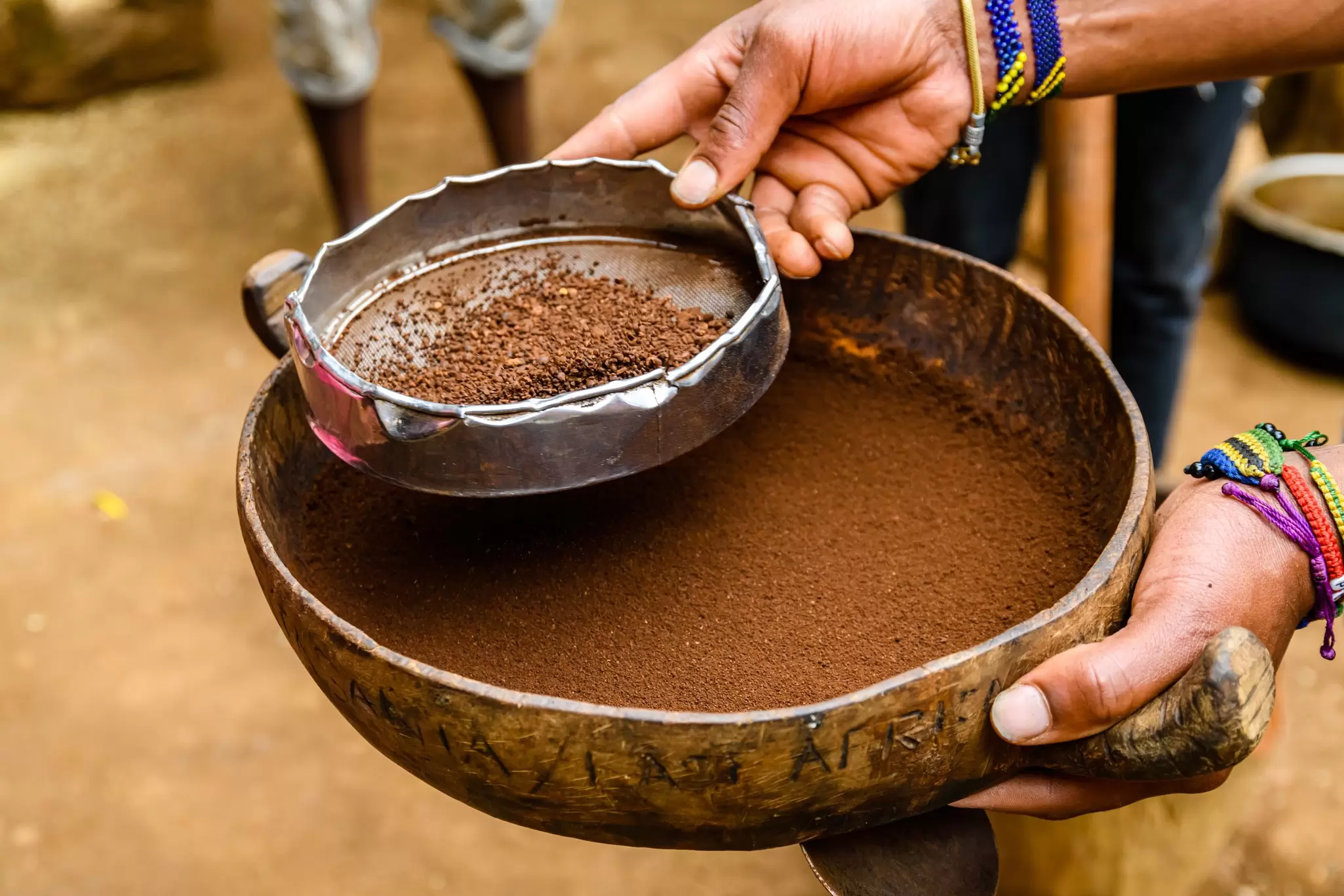
A very different experience awaits just across the border in the northern Tanzanian city of Arusha. On the southwestern fringe of the city, the five-star Arusha Coffee Lodge occupies a converted homestead on one of Tanzania’s largest coffee farms. This was once open farmland far from the center of town; today, it’s somewhat surreal to wander the paths between the coffee plants with the hum of the city just beyond the trees. The smell of freshly brewed coffee is like a sensory soundtrack to any stay here.
Guests at the lodge can join the “Bean-to-Cup” tour of the still-functioning estate. (Non-guests can join occasionally; call in advance.) Even though the tour only lasts an hour, the guide seems to have all the time in the world to talk you through how the coffee is planted, cultivated, dried and roasted.
For a lower-key, smaller-scale tour, Baraka Farm, northeast of Arusha’s center, is a particular favorite. Some 81km from Arusha, the town of Moshi is another coffee hub. Kahawa Shambani Coffee Tours is run by a local coffee cooperative that advocates for small-scale coffee producers; book through any Moshi travel agency or tour operator, such as African Spice Safaris.
Kilimanjaro Coffee Lodge lets you stay at one of the first coffee estates in East Africa to receive organic certification. The enterprise also recycles 90% of its waste, sources its ingredients from its own or neighboring organic farms, and works closely with local communities to plant trees and improve living conditions.

As in Nairobi, Arusha’s young professionals have high standards for coffee. The cafe at Arusha Coffee Lodge is open to non-guests. Locals also swear by Café Arusha (located, unexpectedly, on the 3rd floor of the Arusha Mall) and Coffee Culture. At any of these places, if you see a Zanzibar coffee on the menu, order it – and expect a special blend of spices.
One Moshi coffee spot stands out above all others: Union Café. It’s a true hub of local life – not to mention a project of the Kilimanjaro Native Cooperative Union, an NGO that represents tens of thousands of coffee smallholders.
For even more coffee-themed tours of Kenya, Tanzania and other African countries, Safari Bookings has numerous options, with an extensive range of tours reviewed by travelers.
Book your Tanzania trip with Lonely Planet Journeys
See Tanzania how it's meant to be seen
Planned by local experts and tailored to you, Lonely Planet Journeys handles the logistics so you can just enjoy the trip. Tell us what you want and we'll build your Tanzania itinerary from scratch, or browse our bookable trips to get inspired.

Explore related stories