Sep 20, 202618 min read
A Guide to Tsavo National Park, KenyaJul 13, 2026
7 MIN READ
Writer
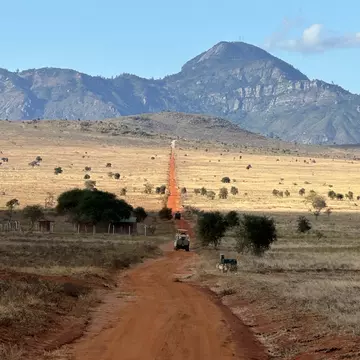
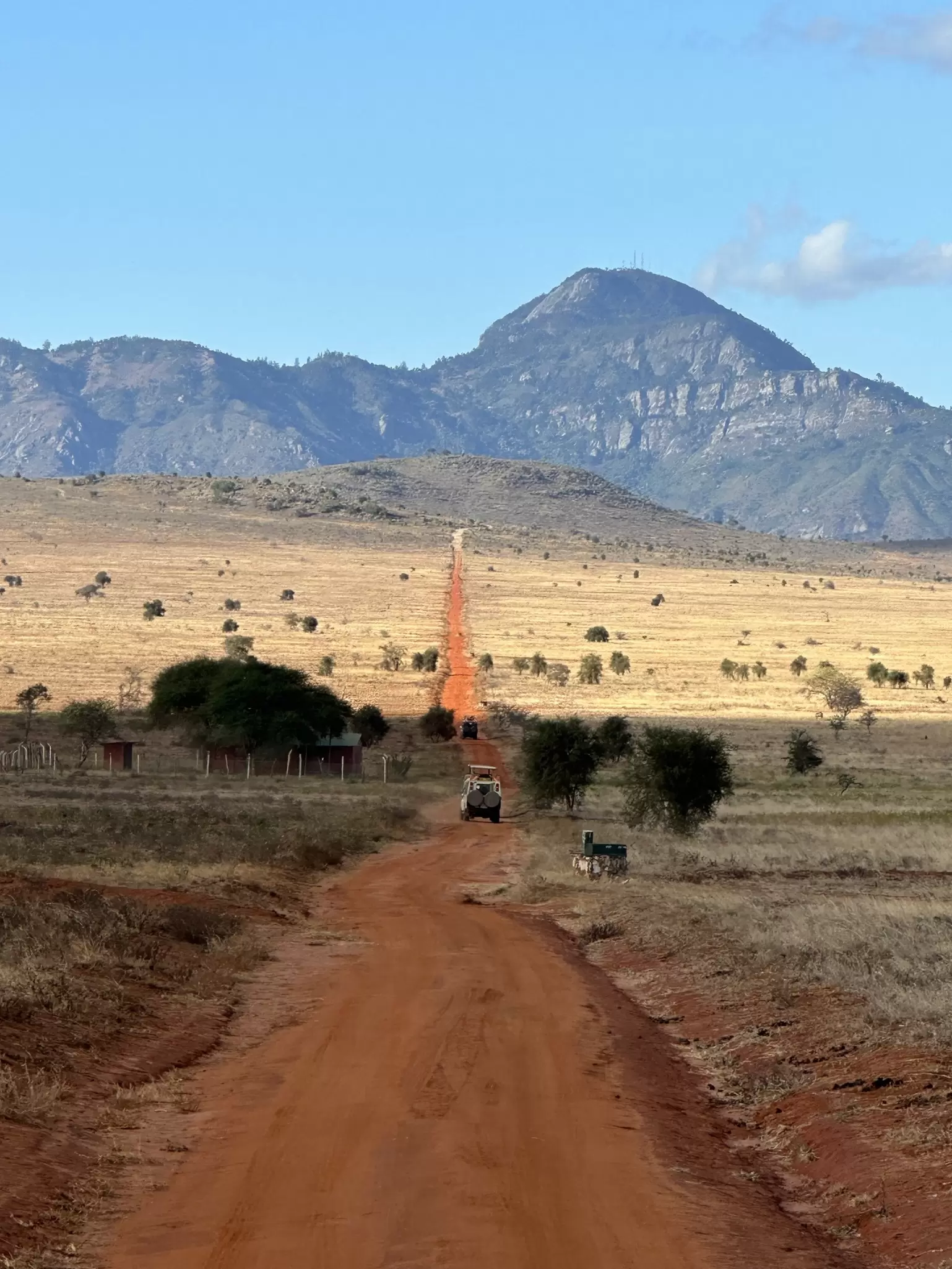
The road to Tsavo National Park, Kenya. Nyccho/Shutterstock
Writer
Highlights
Contributor Meera Dattani shares 16 Kenya tips on visas, health, etiquette and safety.
Get your eTA before departure and ask a doctor about malaria prophylaxis.
Greet locals with jambo or niaje, and never photograph anyone without permission.
Kenya is generally safe; avoid areas near the Somalia border and Garissa County.
Lonely Planet may earn a commission from affiliate links on our site. All recommendations and reviews reflect our own independent opinions.
Think of Kenya and the mind instantly fills with visions of safari jeeps and beautiful beaches lapped by the Indian Ocean. Yet the fabulous experiences in Kenya stretch beyond its exceptional natural landscapes – encompassing, in particular, the cultural activities in the capital, Nairobi.
From safety and visas to clothing and etiquette, here’s everything you need to know to make the most of your trip to this East African nation.
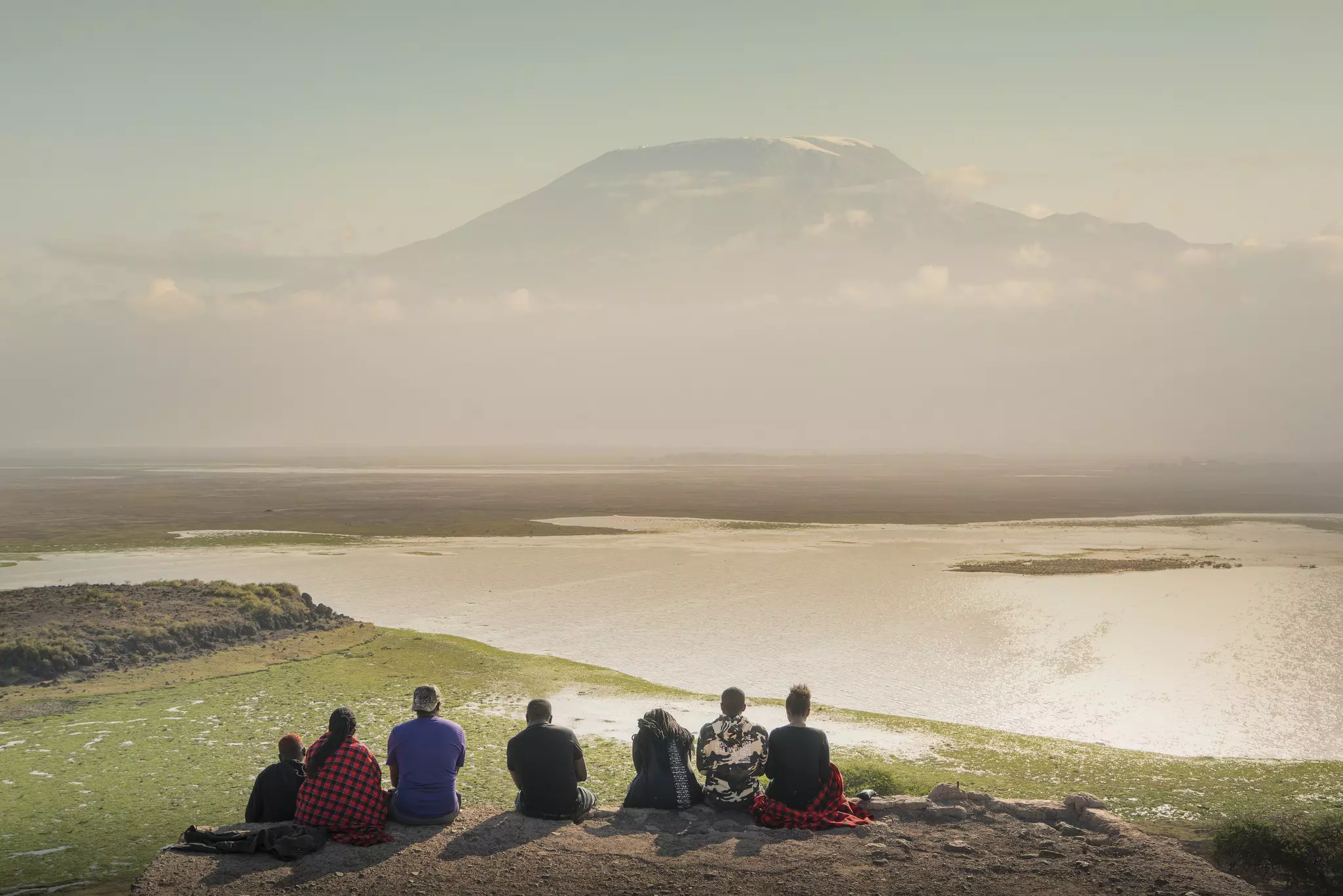
If you’re traveling to Kenya from North America, Europe (except Cyprus), South America or most countries in Asia, you’ll need to secure an Electronic Travel Authorization (eTA) before your trip. After applying online and paying a fee of 30–100 US dollars, you’ll receive an email confirmation about 3 days later. You’ll have to show the document to board your plane, then to immigration officials upon arrival. (We recommend printing a copy of your eTA to have on you just in case.)
Citizens of all nations in Africa can visit Kenya (usually for up to 60 days) without an eTA.
Early-morning safaris can be chilly, so it’s wise to take layers on any trip to Kenya. Similarly, temperatures can drop at night in the highlands. Packing a fleece and even a windproof rain jacket is wise.
On the other hand, staying cool is key by the coast and in the city. Pack cool, breathable fabrics, and always cover up in the midday sun.
Kenya banned single-use plastic bags in 2017. The bag ban is countrywide, and luggage is often scanned, so don’t pack shoes or other items in plastic bags.
Single-use plastic bottles and straws are banned in national parks; bring a reusable water bottle from home.
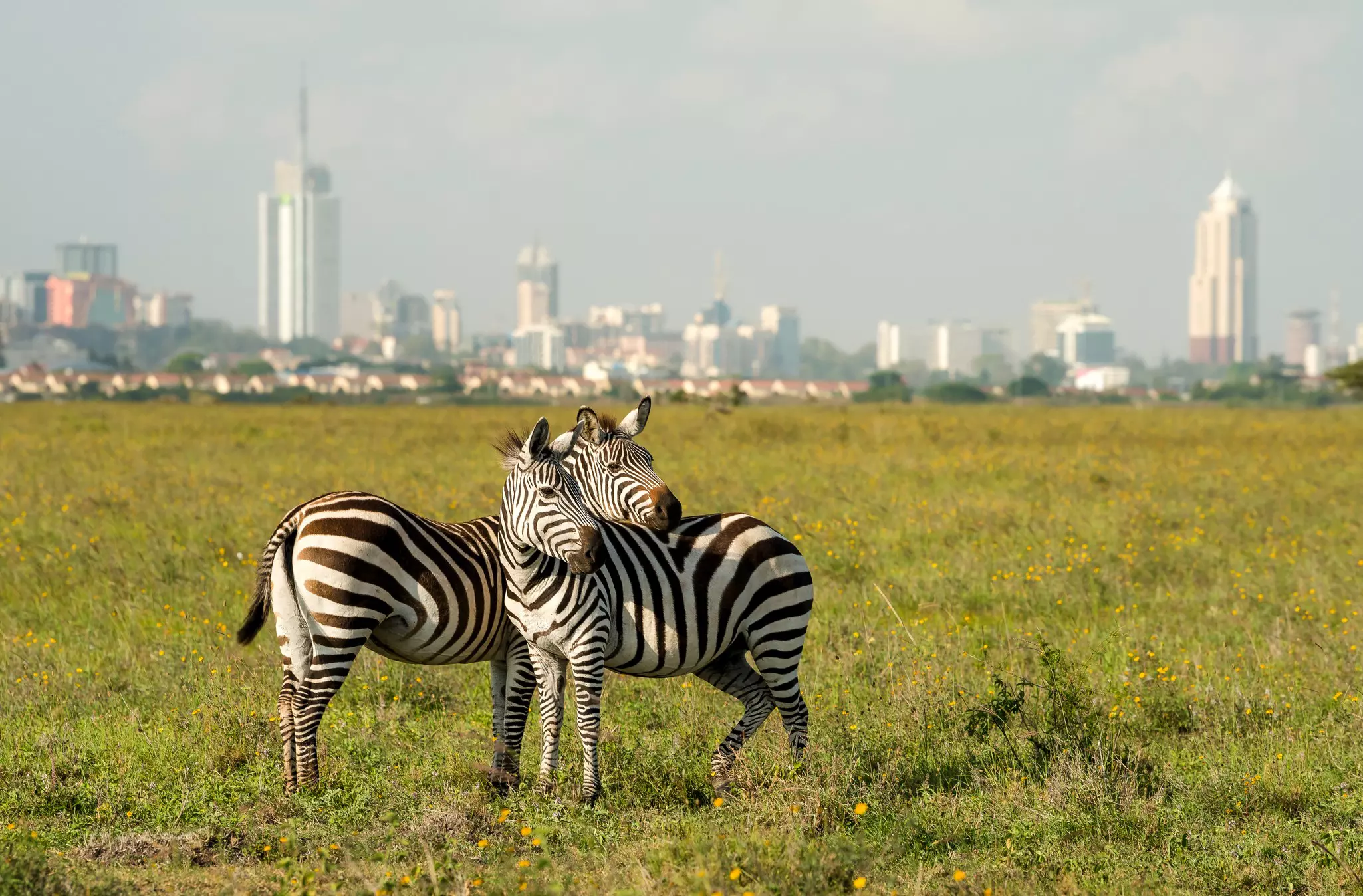
The risk of malaria is low in Nairobi as well as in the highlands (above 2500m), but you should still avoid being bitten by mosquitos. The majority of Kenya sits in a malarial zone, so check with your physician, pharmacy or travel clinic on which antimalarial is best suited to you: atovaquone and proguanil (Malarone), doxycycline, or mefloquine (Lariam). Ideally do this a month in advance of your trip, as you may have to begin the prophylaxis before your trip begins.
While no vaccines are required to enter Kenya, you should be up to date with routine vaccines such as those for hepatitis A and polio. Additionally, you may wish to vaccinate yourself against typhoid and yellow fever – the latter being present if uncommon in rural regions of Kenya.
Power cuts in Kenya can occur (though they usually don’t last long), so if you rely on your smartphone, take a power bank and ensure that it’s always charged. Take a spare camera battery if you’re setting out on safari.
A decent flashlight can be helpful in case of power cuts and when walking around a safari camp at night. In addition to helping you navigate in low light, it will help you look out for insects and snakes. Headlamps are especially handy at a campsites for reading and nighttime bathroom trips.
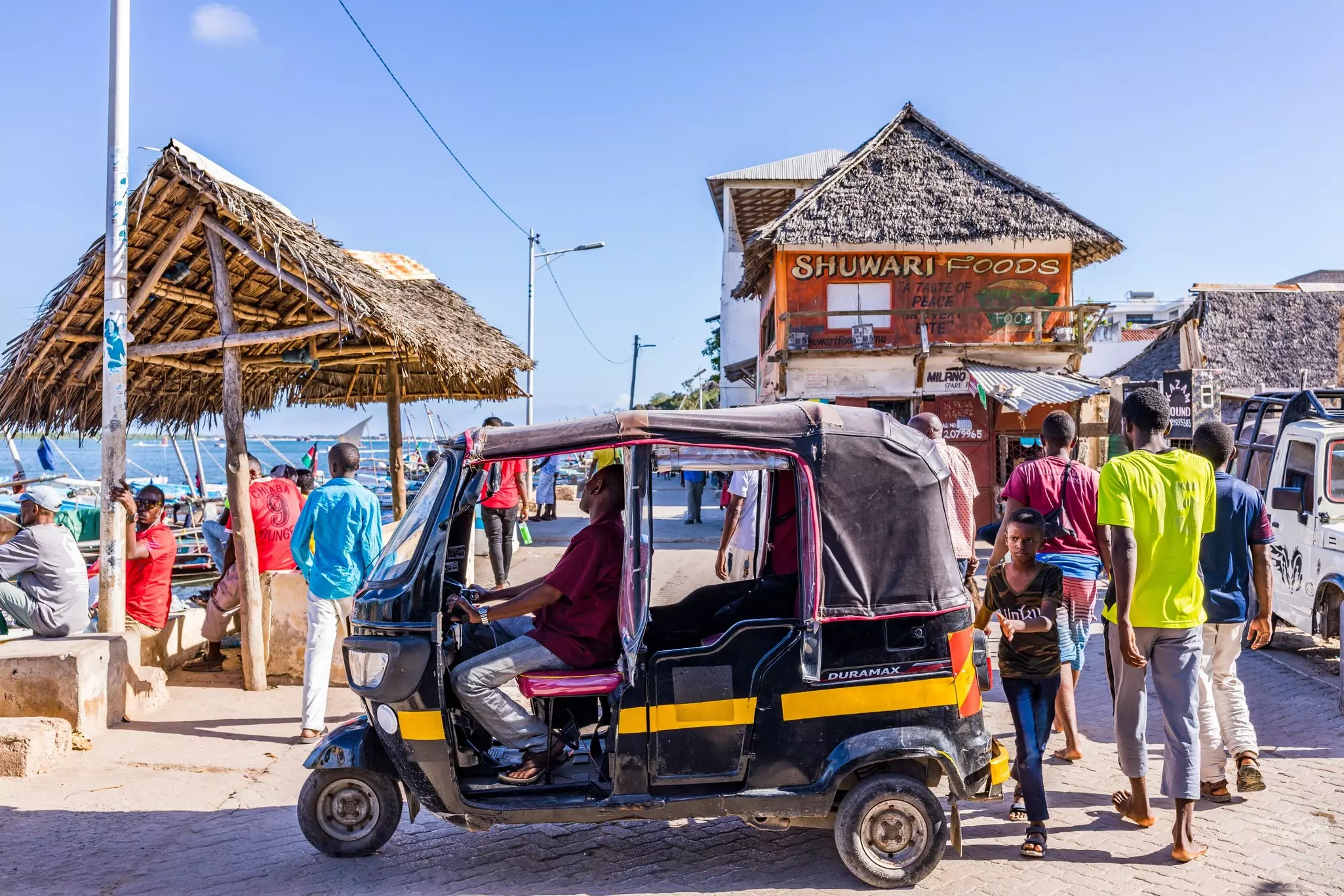
Tipping isn’t expected in Kenya, but if you’ve had a good meal or service, a bonus of around 10% is appreciated. In hotels, you can also tip porters and housekeeping staff. Some calculate it at 100–300 Kenyan shillings per day, while others round it up at the end of their stay. Keep small change on you for tips and shopping in markets.
If you’re taking a taxi, round up to the nearest 100 (even though tips are not always necessary). Taxi apps are popular, and you can add a tip at the end of the journey through the app. Avoid giving money in exchange for preferential service.
Jambo is the best-known greeting in this fantastically friendly country, though if you want to show off your sheng (a Swahili and English combo originating among Nairobi’s younger population), try greeting people with mambo vipi. (The common reply is poa.) Alternatively, say niaje, to which someone will reply with niaje.
A sense of humor is essential when bargaining with vendors in Kenya. It’s fine to offer a lower price in markets and some shops: indeed, many sellers will start off with an inflated price, and it can be a lively experience to barter before meeting in the middle.
Few sellers will accept an offer that’s too low, so have some fun with it. Determine the ultimate price you’re prepared to pay, be respectful, and don’t overhaggle.
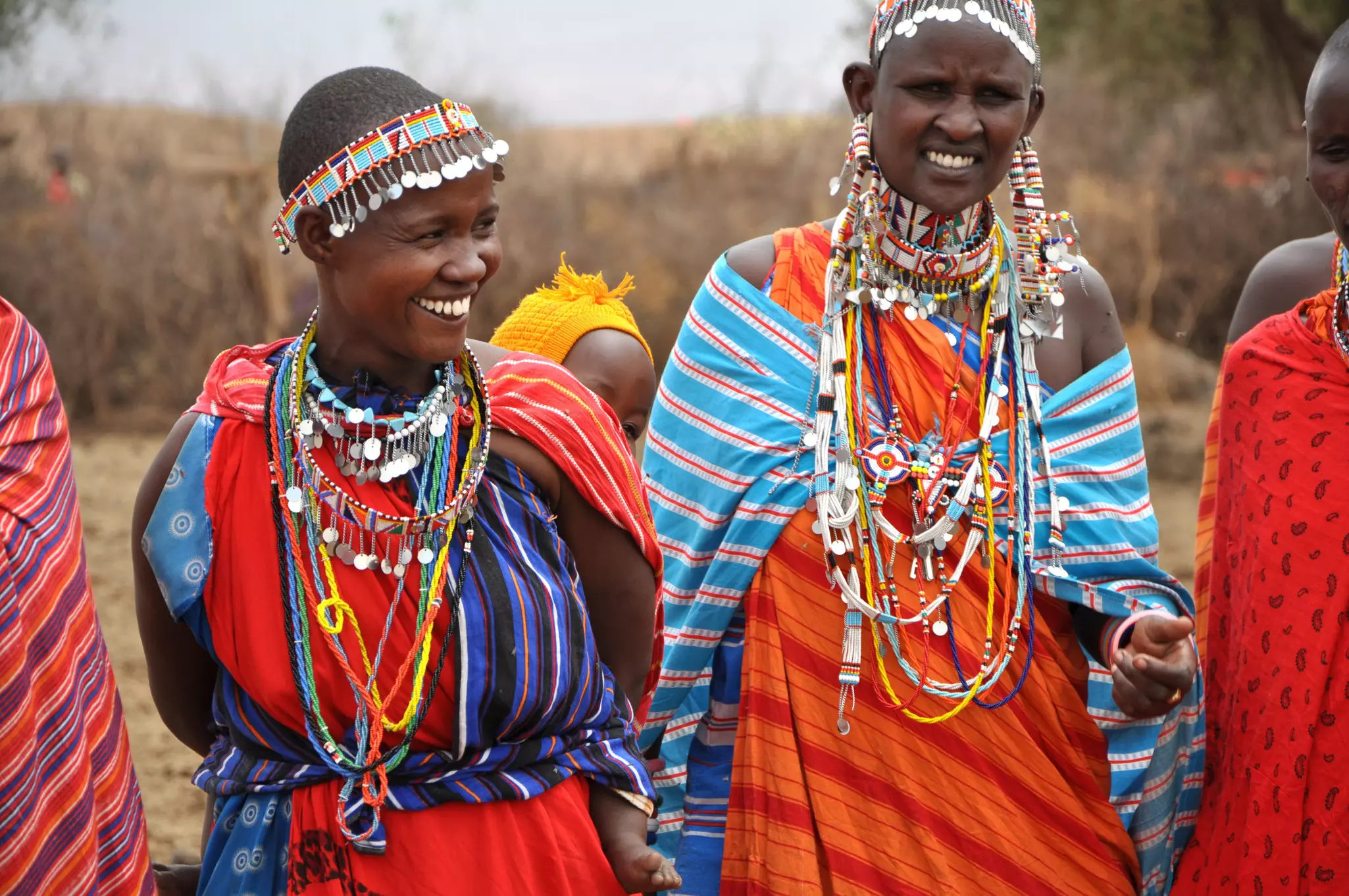
Never take photos of people without asking permission, particularly in rural areas and in Mombasa. If you want to publish any photos, even on social media, asking a subject to sign a consent form and saying asante (thank you) expresses true respect.
Be particularly conscious around children or other vulnerable people. If you’re given the OK to take a photo, show it to your subject after you’ve taken it. Think twice before visiting a school – or, for that matter, any site that would be strange or inappropriate for you to go to in your home country.
Note that anyone taking photos of infrastructure such as airports as well as military personnel may come under suspicion.
Kenya is moderately conservative, but that doesn’t mean you need to cover your shoulders and knees everywhere. In Nairobi, in towns and on safari, shorts, dresses and sleeveless tops are fine to wear. The same goes for most beach resorts, although walking around in swimwear isn’t appropriate.
In Muslim communities such as Lamu Town, dressing more conservatively and covering up is advised. It’s also practical, as looser-fitting clothing can be more comfortable in the heat.
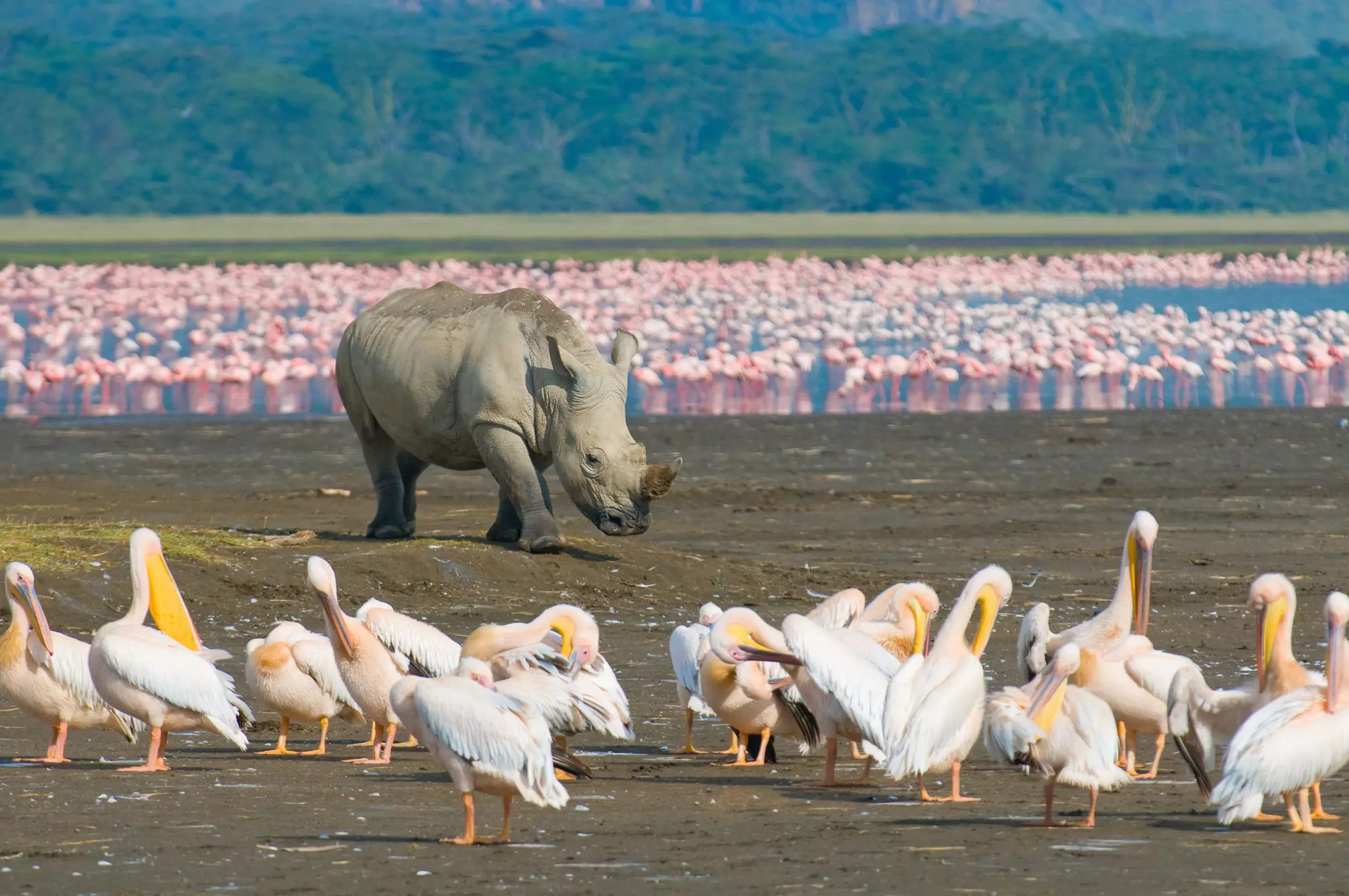
If you’re setting out on safari – whether for the first time or the 15th – a few straightforward rules always apply. Try to stay as quiet and calm as you can when you’re in your vehicle admiring animals, given their sensitivity to noise and motion. Never use flash photography. Don’t even think about trying to feed the wildlife. And most importantly, always follow the lead of your guide to ensure your experience goes smoothly and safely.
It’s misleading to suggest the whole of Kenya operates on some slower “Kenya time” – Nairobi, for one, can certainly have the same frenetic pace as any metropolis. Yet the heat and humidity of the coastal areas – around Mombasa, Malindi and Lamu Island, for example – often mean a more relaxed pace.
Bear that in mind before expecting certain tasks and services to be carried out immediately. Instead, go with the flow and enjoy a pole pole (meaning “slowly” in Swahili) way of life.
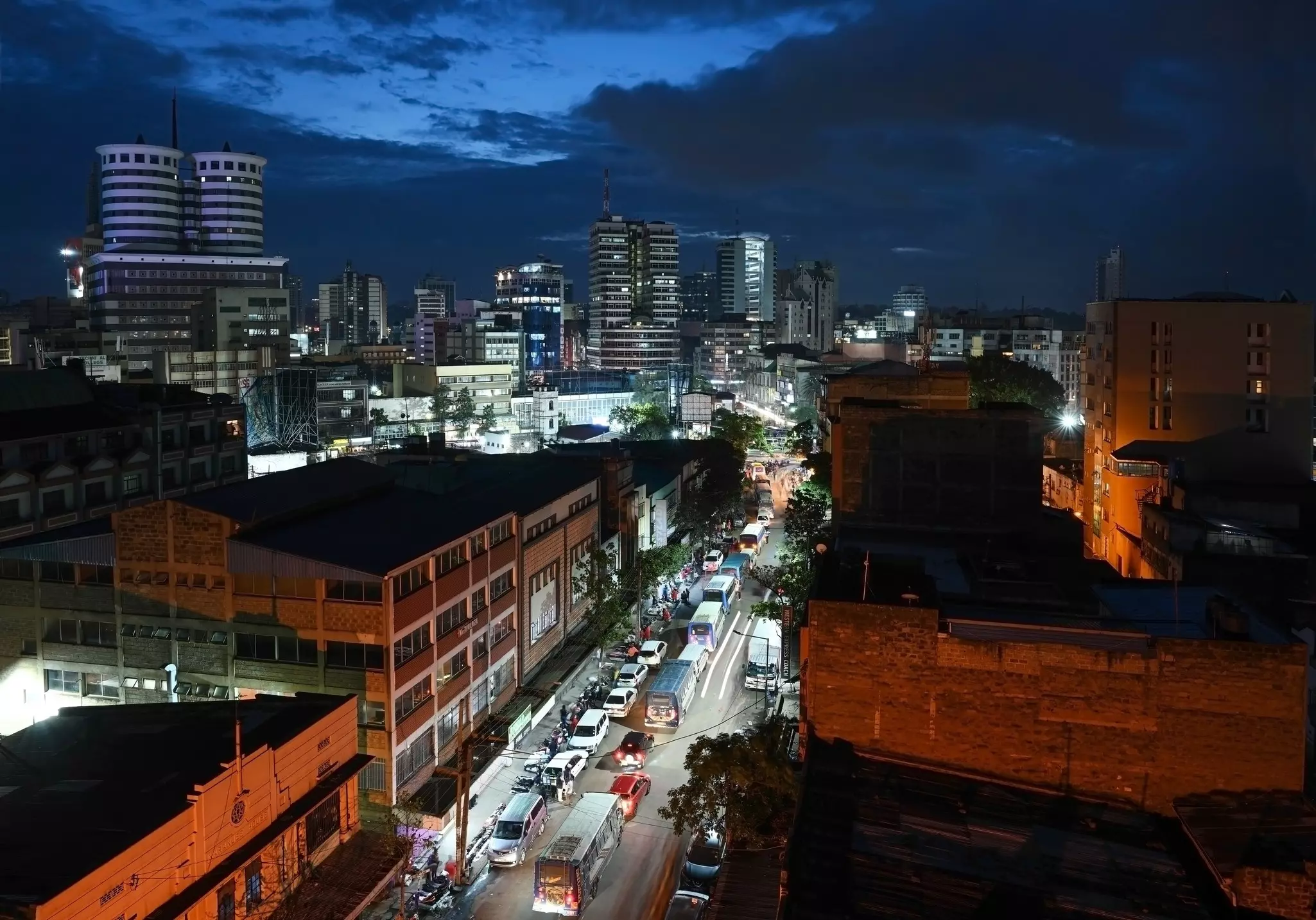
Kenya is generally safe for visitors, especially in game reserves and tourist areas. Still, there are a few areas it's better to avoid. These include a 60-mile radius of the Kenya–Somalia border, Garissa County and Lamu County (excluding Lamu Island and Manda Island – travel by air if you’re planning to visit either).
It’s always wise to check the latest guidelines from your government before traveling. In Nairobi, as in any major city, keep valuables safe and your wits about you.
Tap water in Kenya isn’t off-limits. If you have the facilities, you can boil the tap water – it’s soft and sweet – and drink it once cooled.
Since this isn’t always an option, filtered water in restaurants and hotels is generally safe. While you can always buy plastic-bottled water, it’s obviously a lot more eco-friendly to bring your own reusable bottle and water filter or tablets.
Wherever you hail from, it’s savvy to know the contact details of your nearest embassy or consulate. Take photos of your passport, visa and other documents, so you can access them on your phone or email if need be.
Carry an original form of ID if possible. A driver’s license is useful if you don’t want to carry your passport with you every day.
Explore related stories