Oct 26, 202611 min read
Rockies Versus Sierra: Two Ways to Road-Trip the American WestJul 23, 2026
6 MIN READ

Writer
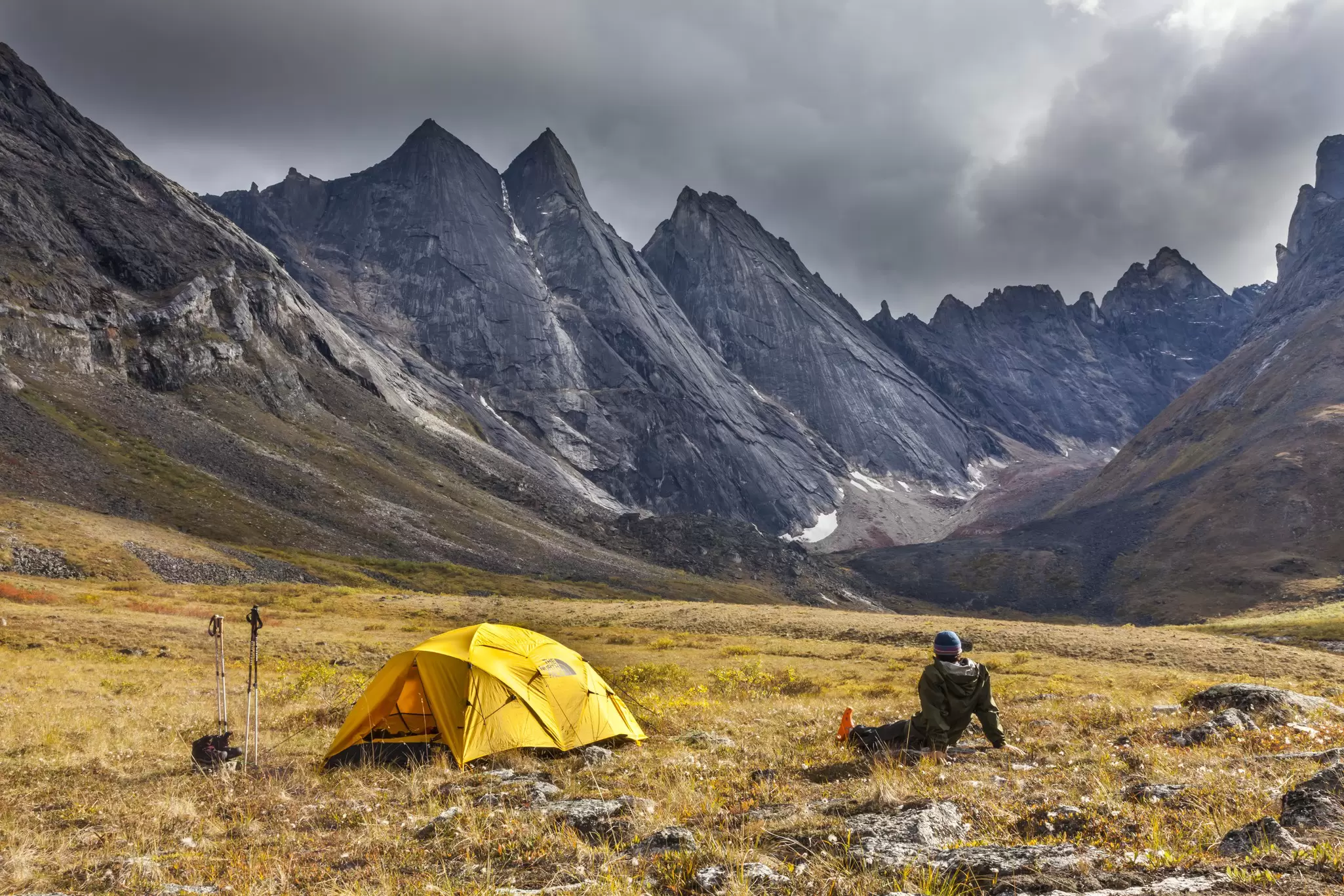
Gates of the Arctic National Park, Alaska. Patrick J. Endres/Getty Images
Writer
Highlights
Editors round up nine least-visited US national parks, from Alaska to American Samoa.
For Arctic solitude, Kobuk Valley's sand dunes and the roadless Gates of the Arctic await.
Alaska's Katmai draws bear-watchers; Isle Royale in Michigan rewards hikers and divers.
For water adventures, try Dry Tortugas in Florida or the National Park of American Samoa.
Lonely Planet may earn a commission from affiliate links on our site. All recommendations and reviews reflect our own independent opinions.
When you think of national parks in the USA, popular spots like Zion and Yosemite might be top of mind, but there are more than 400 sites in the entire US National Park System, 63 of which have earned a national park designation. Alternatives to busy parks like the Great Smoky Mountains and Yellowstone not only give you less competition for the best views but also help visitors Leave No Trace and reduce their impact on delicate ecosystems.
Escape the crowds and fill your spirit at these nine of the least visited national parks in the US.
Best for isolation
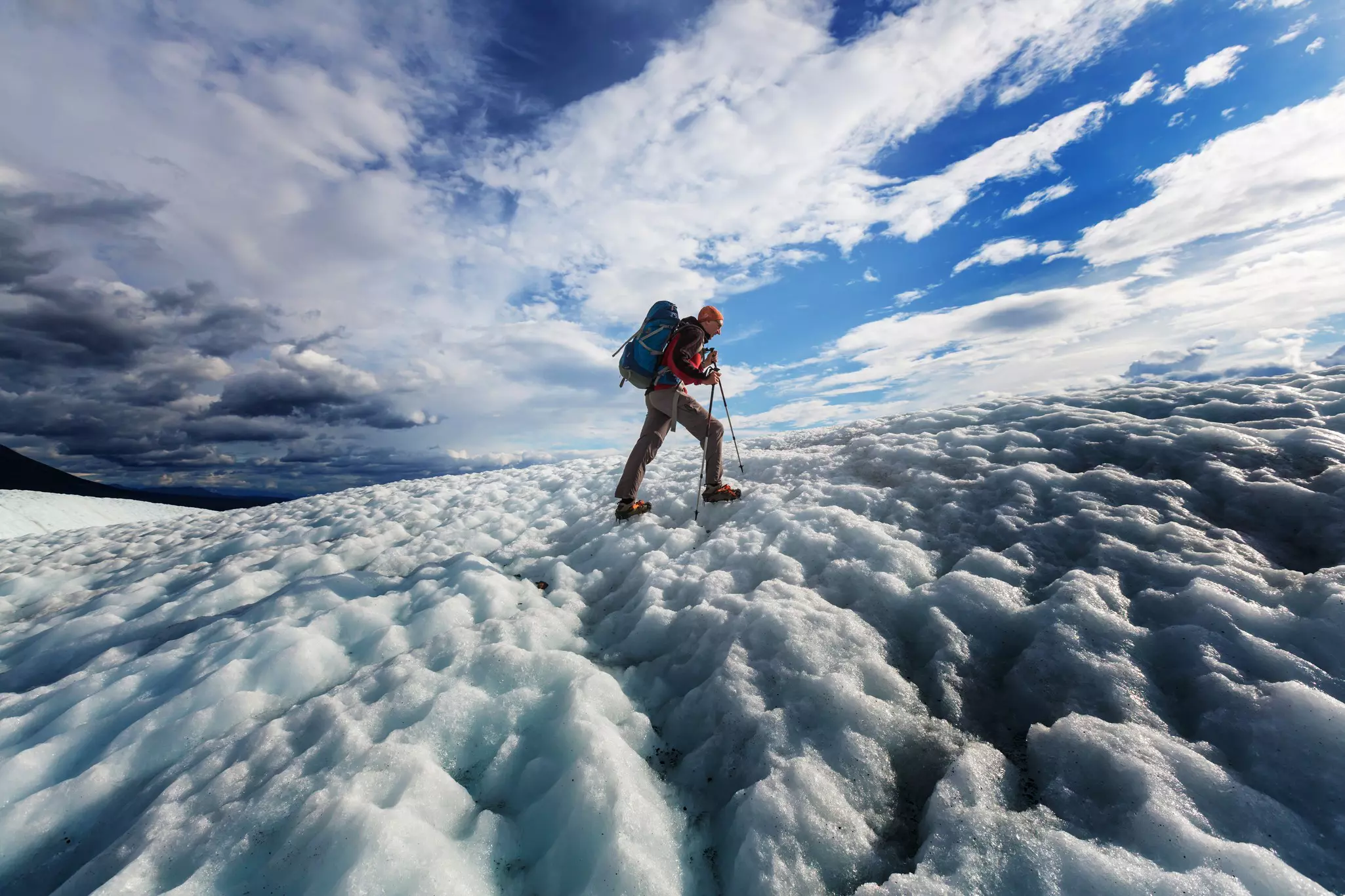
The largest national park in the country, at 13.2 million acres, Wrangell–St Elias National Park presents scant chances for human contact: fewer than 110,000 visitors find their way here in a year. Wildlife sightings, however, are more than common in the area, which is the largest single wilderness in the US, with 9 million acres of forest.
Glaciers, historic mining sites and dramatic mountain ranges are all part of the experience. Keep in mind that backpacking in the park requires serious planning (or you can leave it to the pros by booking a guided expedition with St Elias Alpine Guides), and the best time to visit is between June and September. Whatever you get into, fuel up for your hike at the roadside Potato, where you can get the kind of big burritos that hikers love, surrounded by vintage Mr. Potato Head toys.
Best for snorkeling
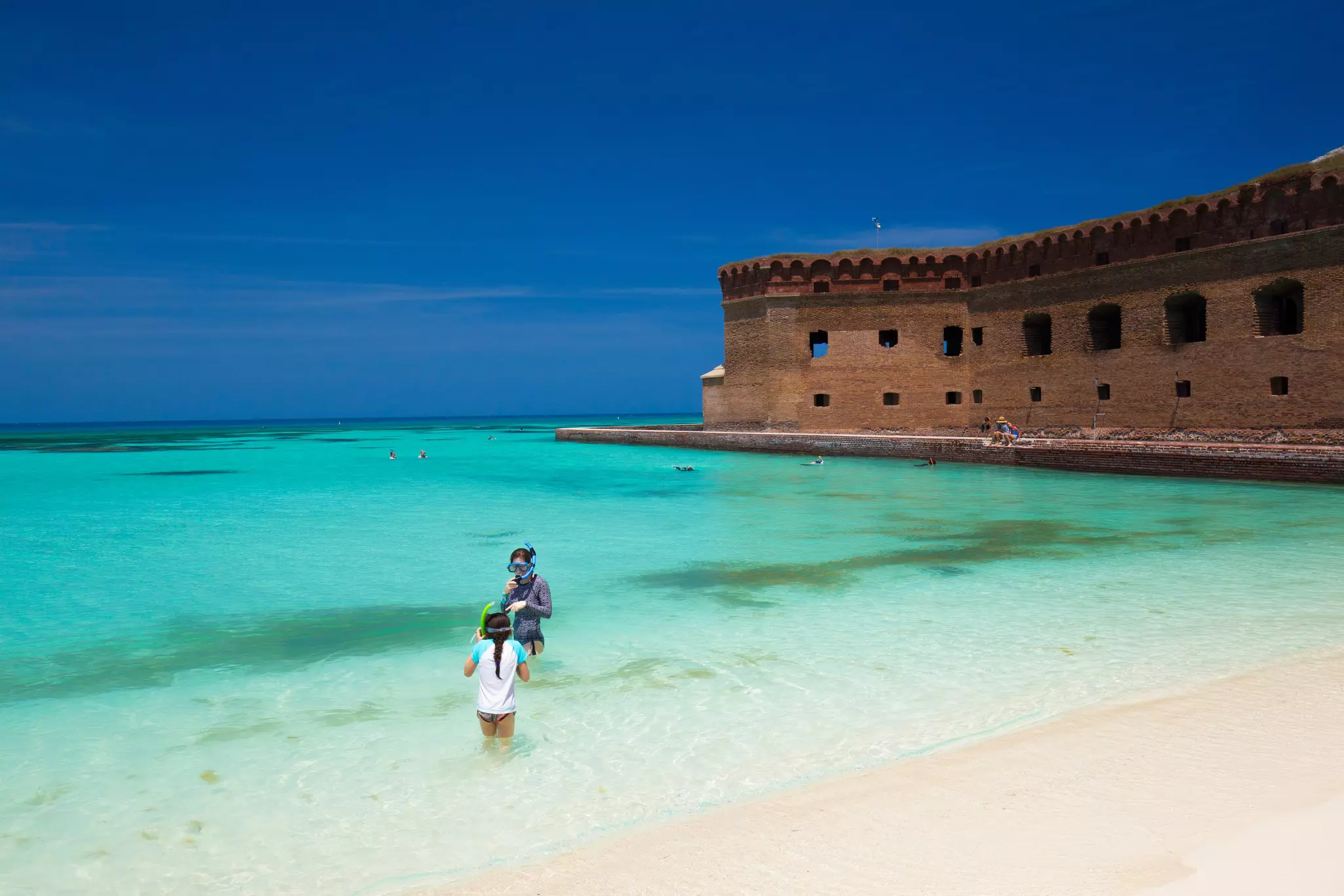
Dry Tortugas' name is a bit of a misnomer. Although the 143 acres of land within the park isn't especially lush, its broader 70-sq-mile area is 99% water. Made up of seven islands in the gulf off Florida, the park hosts a rare bird population, a historic military fort and crystal clear waters.
Consider snorkeling at one of the protected coral reefs or scouting for sooty terns and magnificent frigatebirds along the Great Florida Birding Trail. If you book passage on the Yankee Freedom ferry, snorkeling equipment is included in the fare, along with breakfast and lunch. That can make for a great day trip or a longer camping excursion if you plan 9–12 months in advance.
Though not as easily accessible as some parks, Dry Tortugas National Park is open year-round, 24 hours a day. You need to arrive by either your own boat, a chartered seaplane or a ferry into Garden Key.
Best for hiking
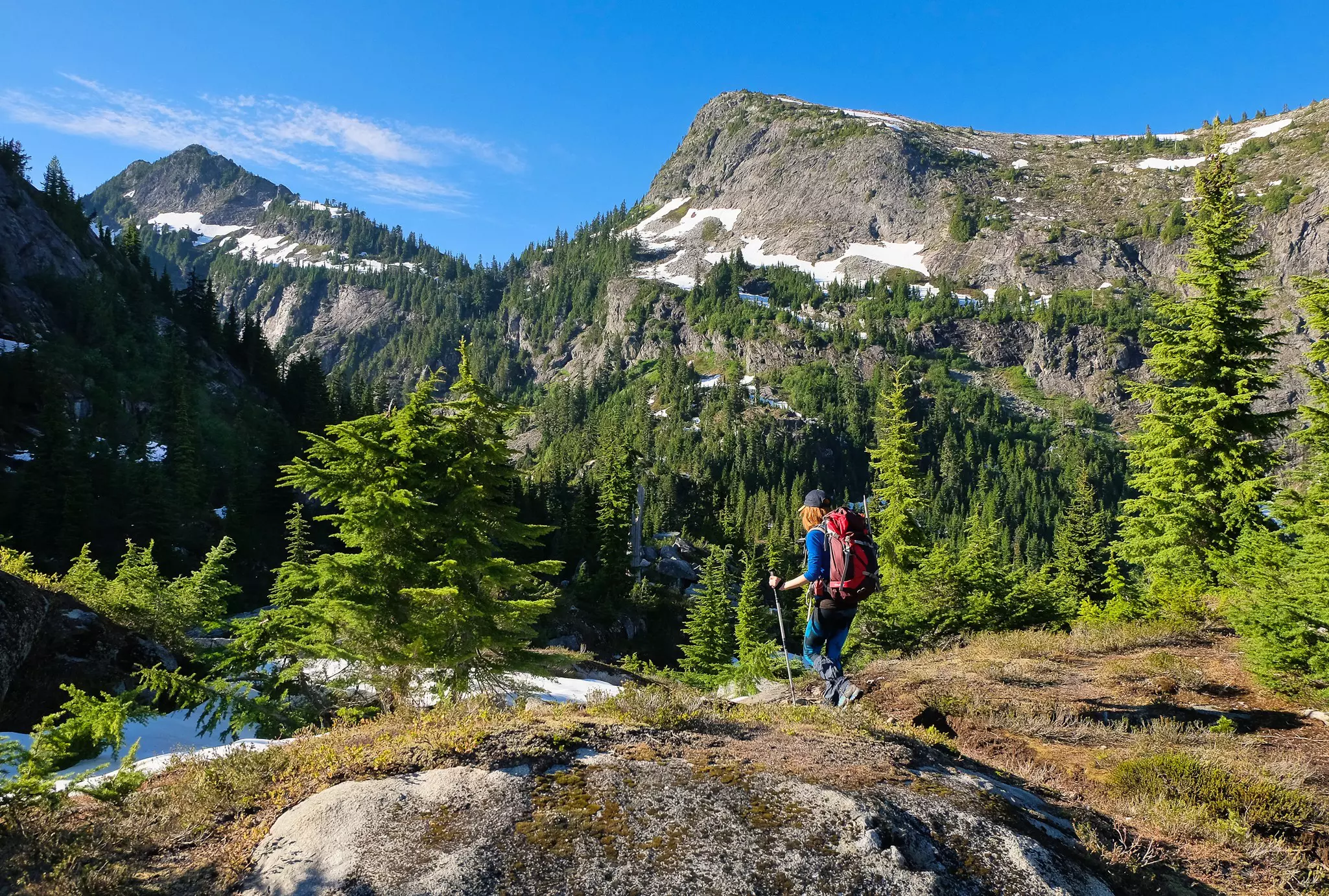
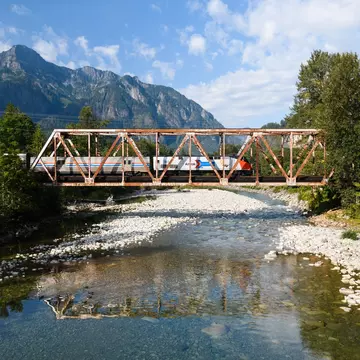
Despite the abundant photos of mountain vistas and technicolor teal lakes, and the fact that it's less than 3 hours from Seattle, somehow North Cascades National Park sees fewer than 50,000 visitors in an average year. Perhaps it's because the park has only one road cutting through its 1070 sq miles or because the terrain includes towering peaks with names like Mt Terror, Mt Fury and Mt Despair.
Whatever the reason, it's well worth lacing up your trekking boots for hikes like the glute-busting Sourdough Mountain Trail, or use wheelchair-accessible trails like the Happy Creek Forest Walk. Though summer is prime time to visit, a few facilities remain open year-round. Diablo Lake and Desolation Peak are a couple of noteworthy routes with dramatic views not unlike what you'd see in busier Glacier National Park.
If camping and backpacking aren't your thing, it can be mighty enjoyable simply riding the ferry or paddling a kayak across Ross Lake, which is accessible only by foot or boat, and extends all the way to the Canadian border. (The floating cabins at Ross Lake Resort are the textbook definition of lake life.)
Best for diving
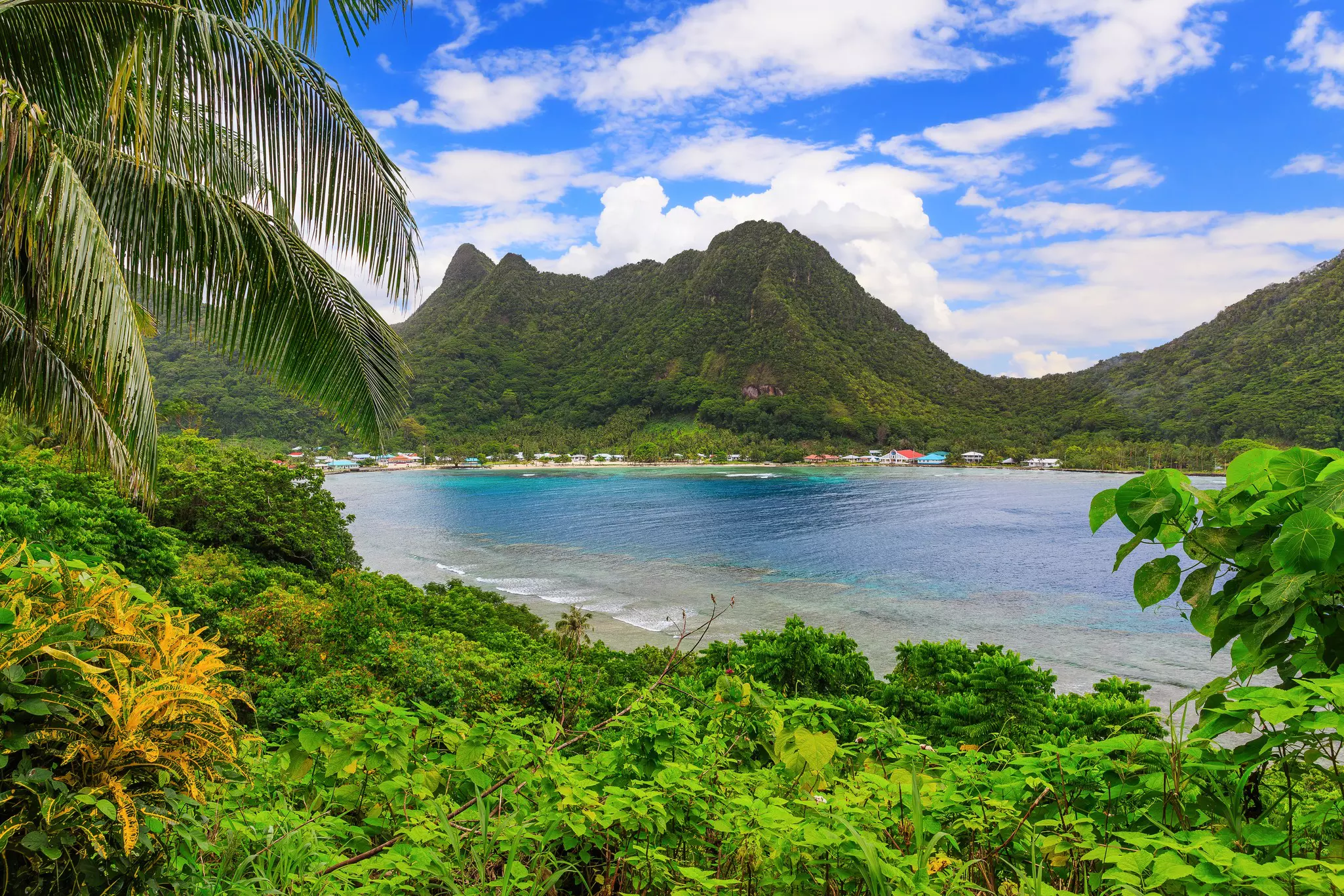
Designated as a national park in 1988, the National Park of American Samoa encompasses pristine volcanic and marine landscapes. The grounds cover over 4000 acres of the ocean across the three Tutuila, Ta'ū and Ofu islands. Dive throughout the protected waters to see the vibrant coral reefs, look to the skies at dusk to spot fruit bats, and linger a while to appreciate the Faʻa Sāmoa – the sacred and ancient culture of the Samoan people.
Best for wildlife
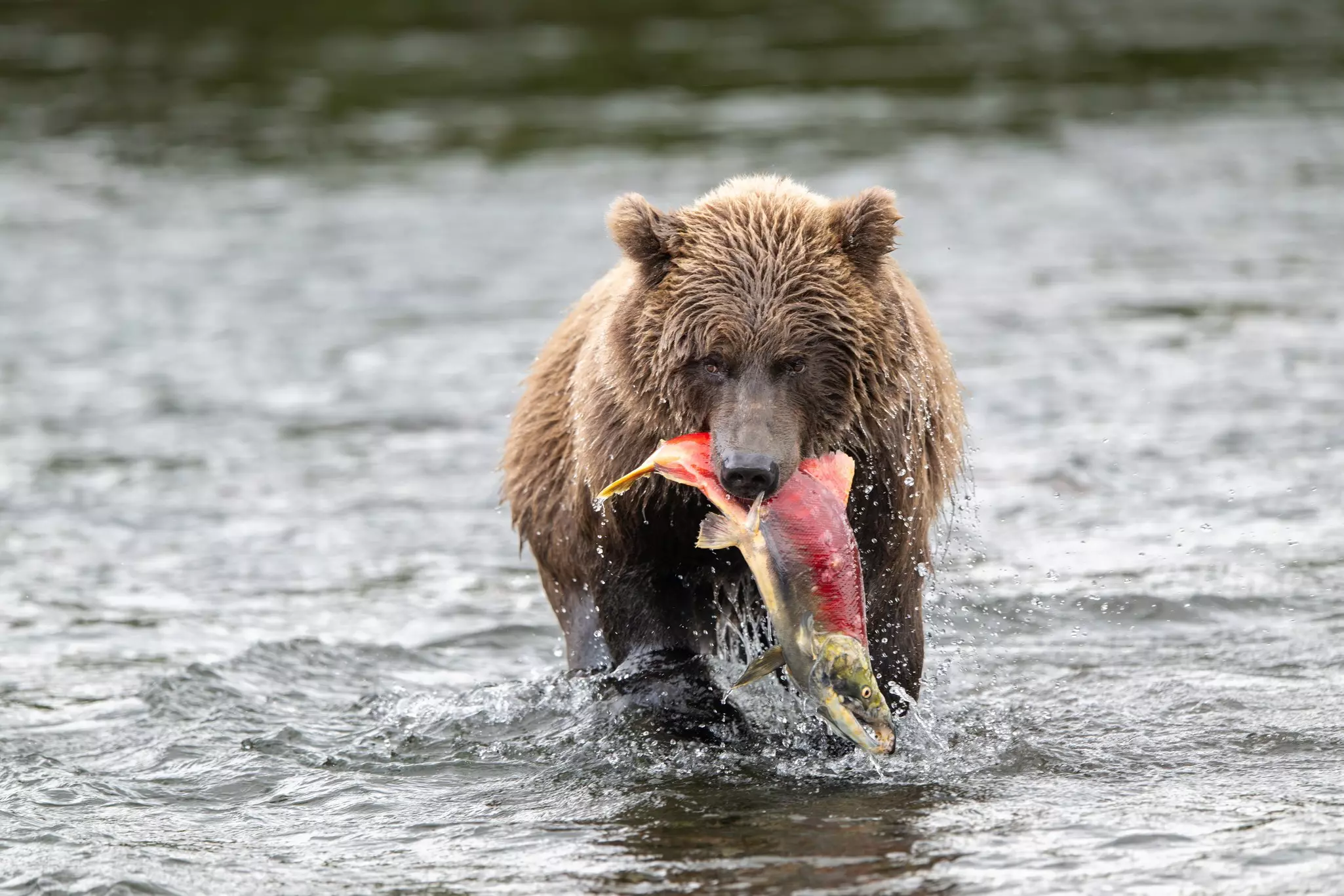
With eight national parks in Alaska, it’s hard to pick a favorite. However, Katmai National Park and Preserve has earned its reputation as a top wildlife viewing destination, though human visitors are still fairly sparse compared to the scores of bears who flock here to feast on salmon every summer. In addition to bear watching at Brooks Camp, Katmai’s varied landscape and volcanic history make it worthy of any bucket list. Take some time to explore the Valley of Ten Thousand Smokes, the result of a massive eruption in the early 20th century.
Best for camping
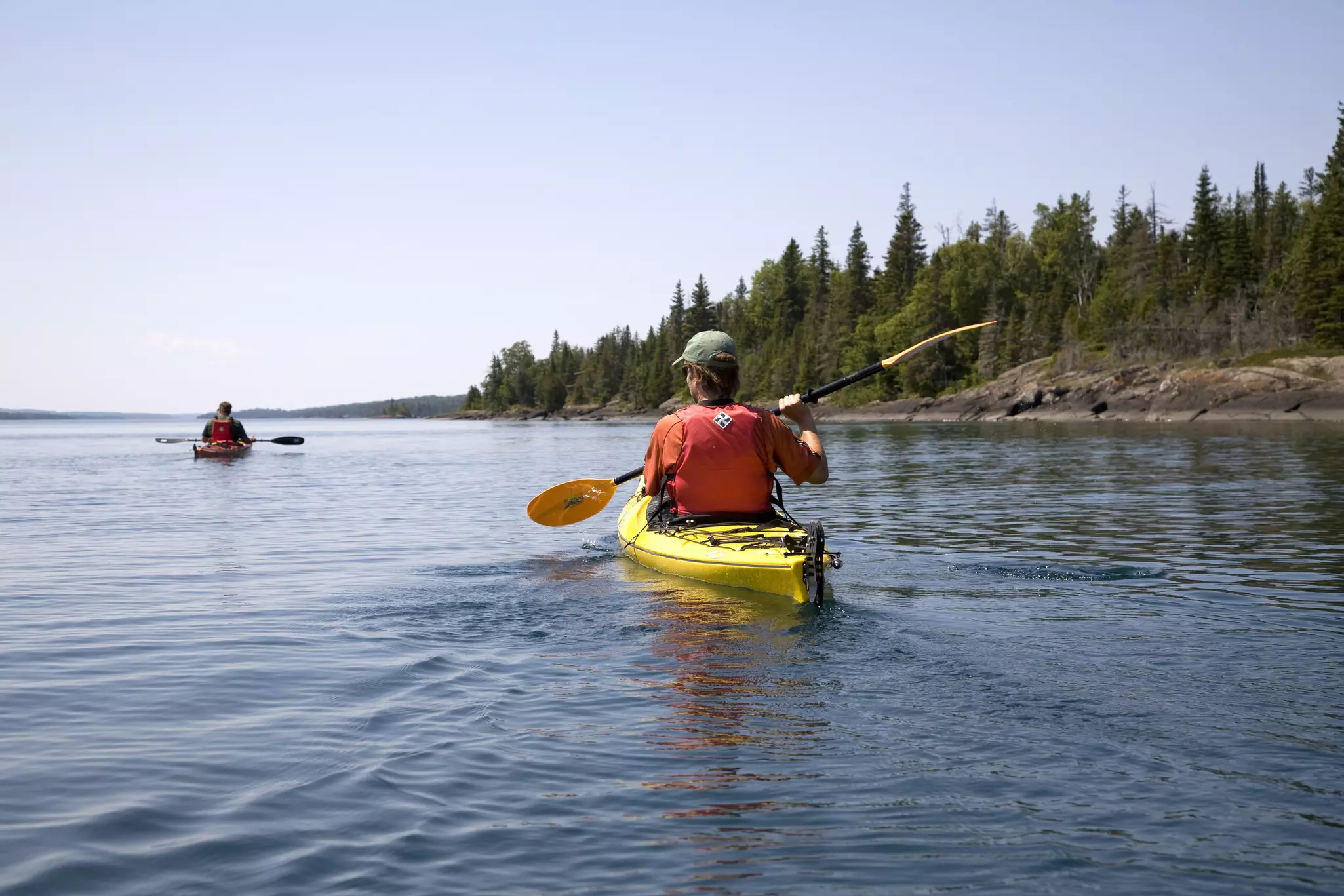
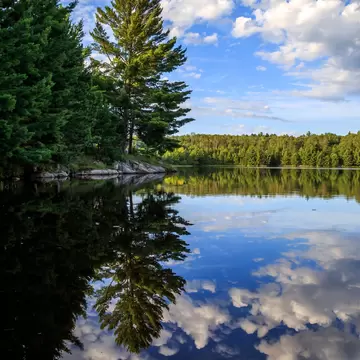
From backpacking to scuba diving, the activities on offer at Michigan's Isle Royale National Park are as diverse as its landscape. Located in the middle of Lake Superior, the park has a rugged beauty alongside accessible isolation – two of its primary draws. With 165 miles of hiking trails and 36 campgrounds, you can really play Goldilocks on finding a spot that feels just right.
Head to Rock Harbor and Windigo for great day hikes, or dive deep to see some of the best-preserved shipwrecks in the country. Late summer tends to be the best time to visit. Keep your eyes peeled for wildlife – more than 2000 moose live in Isle Royale.
Best for volcanoes
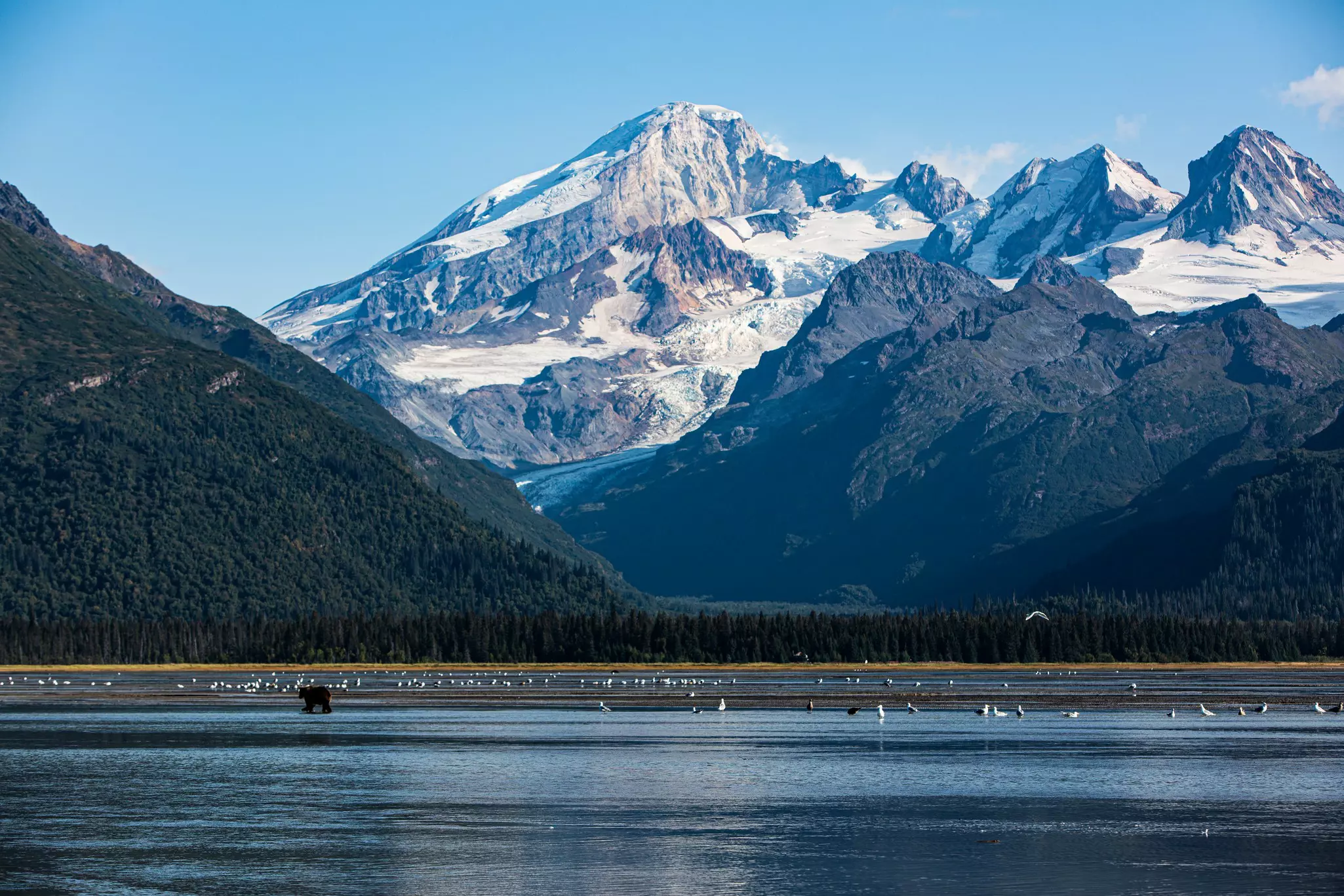
About 100 remote miles southwest of Anchorage, Lake Clark National Park and Preserve is where you'll find Alaska's largest lakes among its tundra-covered hills, mountains and glaciers. Though things can heat up fast as the park also includes two active volcanoes.
Best for the Arctic Circle
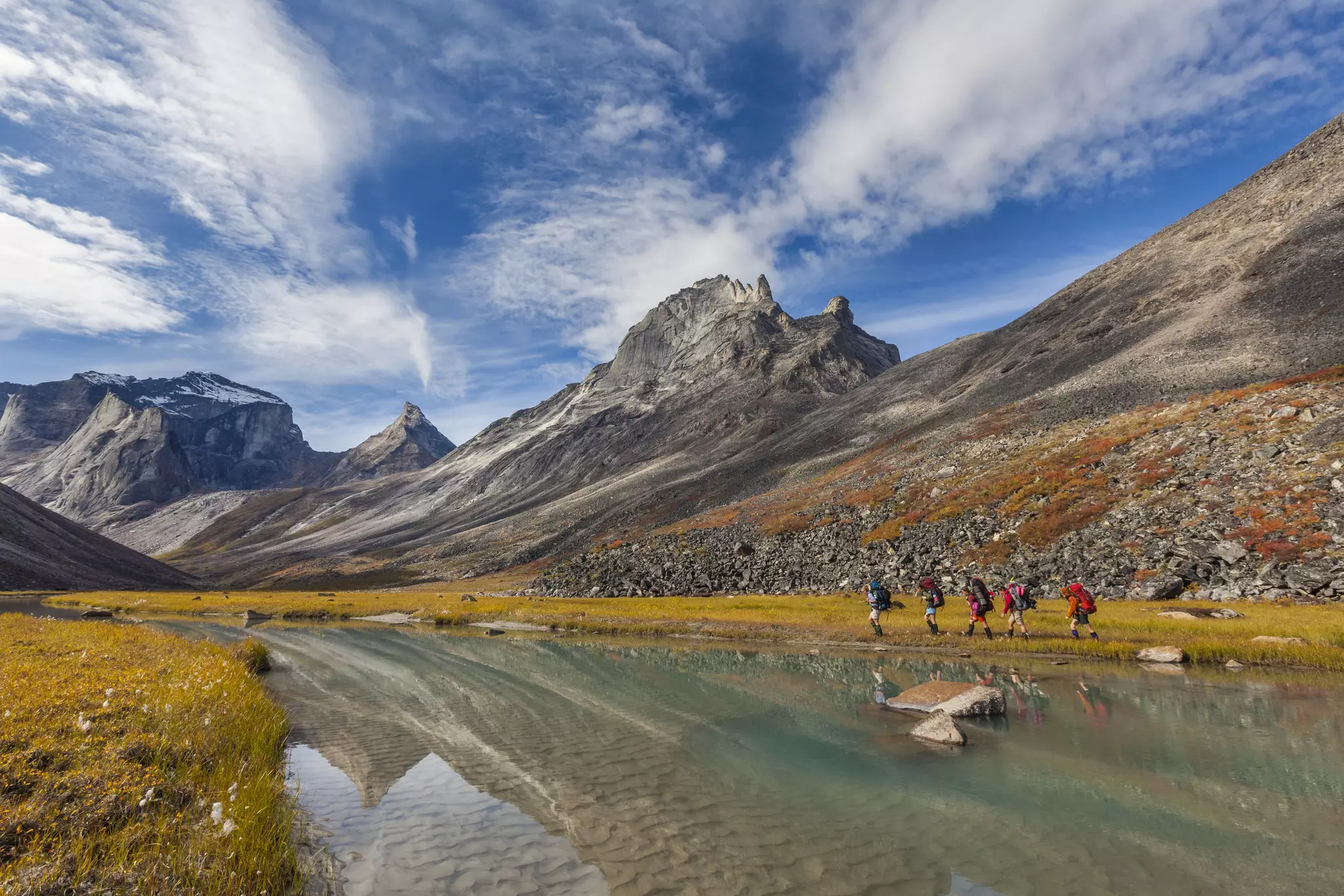
Without roads or trails, Gates of the Arctic National Park and Preserve really is the great untapped wilderness. Protected and untouched, its 27,000 sq miles sit entirely north of the Arctic Circle. When you are this remote, you're trading a cell phone signal for earth's original entertainment: incredible vistas and wildlife. Look out for the park's grizzly bears, wolves, moose and caribou.
Best for tundra
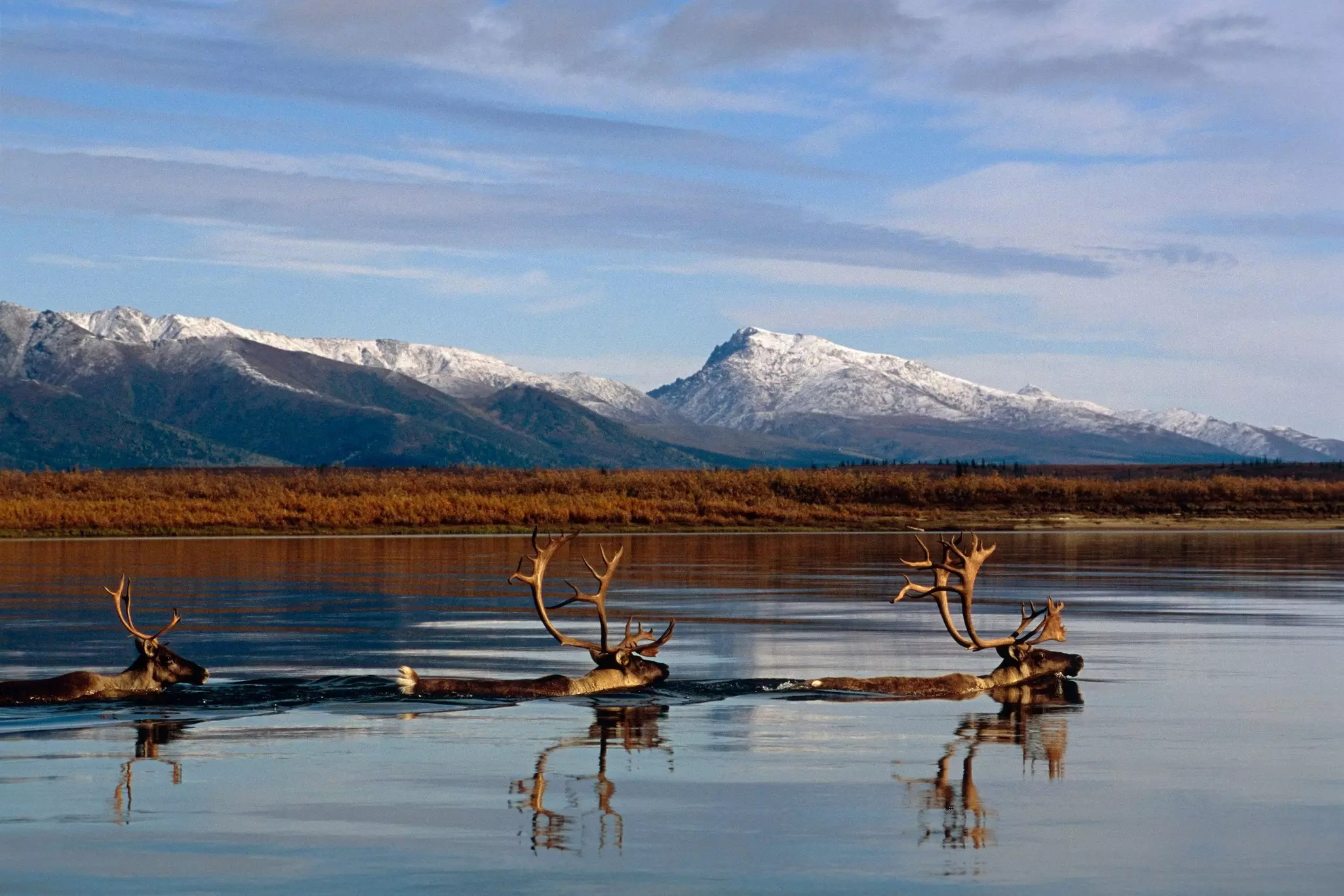
Alaska's Kobuk Valley National Park is best known for its Arctic sand dunes, with white sand that appears as if you're in the Sahara though you're in the middle of a tundra. The park is also known for its 8000-year-old caribou crossing; caribou migrate through the park from summers on the tundra to winters in the south boreal forest.
Book your United States trip with Lonely Planet Journeys
See United States how it's meant to be seen
Accommodations, activities and ground transportation all taken care of, so you can focus on the fun part. Tell us what your dream trip to United States looks like, and our local experts will build it from scratch. Or start with one of our itineraries and make it your own.

Explore related stories