Sep 17, 202618 min read
Everything You Need to Know About Interrail Passes in EuropeSep 2, 2026
17 MIN READ

Writer
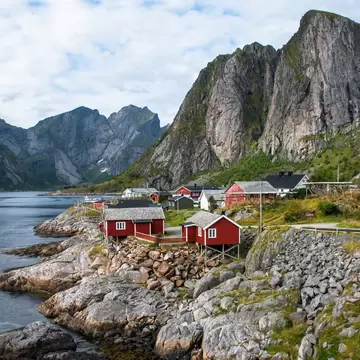
Lofoten Islands, Norway. Mauro Passarella/Shutterstock

Writer
Highlights
Writer Kerry Walker picks 15 stunning European escapes, from the Azores to the Arctic.
Swiss National Park draws hikers to Alpine trails; Stromboli lights up the Tyrrhenian Sea by night.
Drive Ireland's Ring of Kerry for coastal drama or hike the idyllic Plitvice Lakes in Croatia.
Scotland's Cairngorms call out to hill walkers; Loire Valley châteaux reward slow travel by bike.
Lonely Planet may earn a commission from affiliate links on our site. All recommendations and reviews reflect our own independent opinions.
Wonderfully varied and fascinatingly diverse, Europe is also stunningly beautiful. Where else on earth can a journey of just a few hours take you from puffing volcanoes to wave-whipped coastlines, from Alpine peaks to Arctic islands, from white-sand beaches to shimmering blue glaciers, and from vine-strewn, château-studded valleys to stone-built cities by the Med?
Whether you’re planning a road trip, an epic train journey, a city break or a hike into a national park, you’ll be floored by Europe’s looks and personality. And with Schengen visa rules, seeing more than one country in Europe on a single trip is a breeze; the only challenge is deciding where to start!
But we can help with that. As some inspiration for your must-visit list, here are 15 of the most beautiful places to travel in Europe.
Best for Alpine hiking
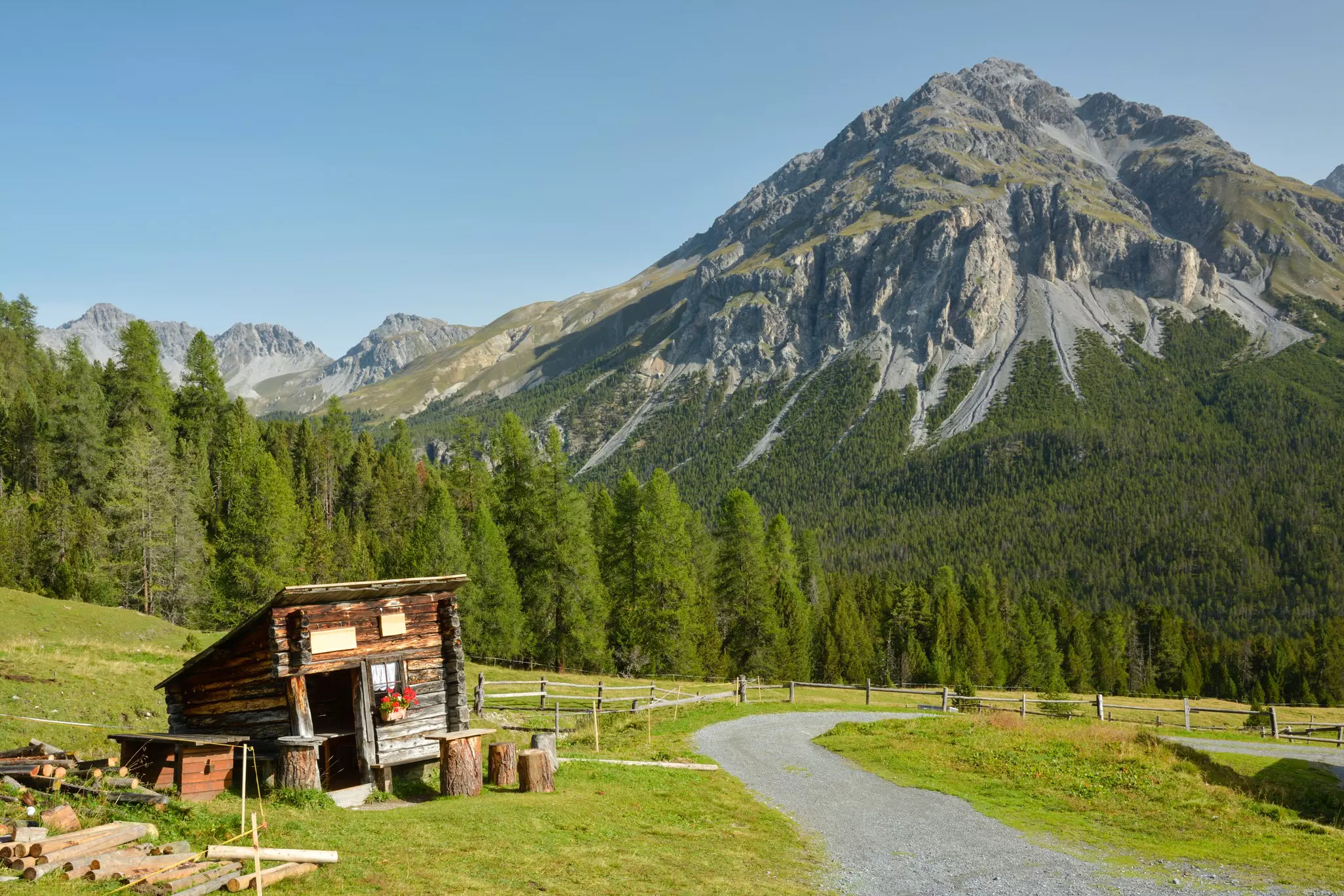
Nature runs riot in Switzerland’s only national park, nudging the Italian border in Graubünden in the country’s southeast. In this stunning corner, no trees have been felled, no meadows cut and no animals hunted since 1914. Easily accessed from the quaint Engadine villages of Scuol, Zernez and S-chanf, the park offers a tantalizing glimpse of the Alps as they were before the dawn of tourism.
Beautiful? You bet. Lace up your hiking boots to hit the trails weaving through the park’s 172-sq-km expanse of high moorland, Alpine pastures, glaciers, larch and pine woods. Top billing goes to the Lakes of Macun, reached via a 21km day hike from Zernez that climbs up to an Alpine plateau glittering with 23 jewel-colored lakes. Alternatively, hook onto a guided walk with one of the park rangers (bookable at the visitor center in Zernez). With an expert guide, you'll significantly raise your chances of spotting ibex, chamois, golden eagles and bearded vultures.
Planning tip: For an off-grid sleep, bed down at the remote Chamanna Cluozza, set at 1882m above sea level. This log cabin drops you in the heart of wild, wooded terrain; reach it on a moderately challenging 3.5-hour uphill hike from Zernez (bring your own sleeping bag).
Best for volcanic landscapes
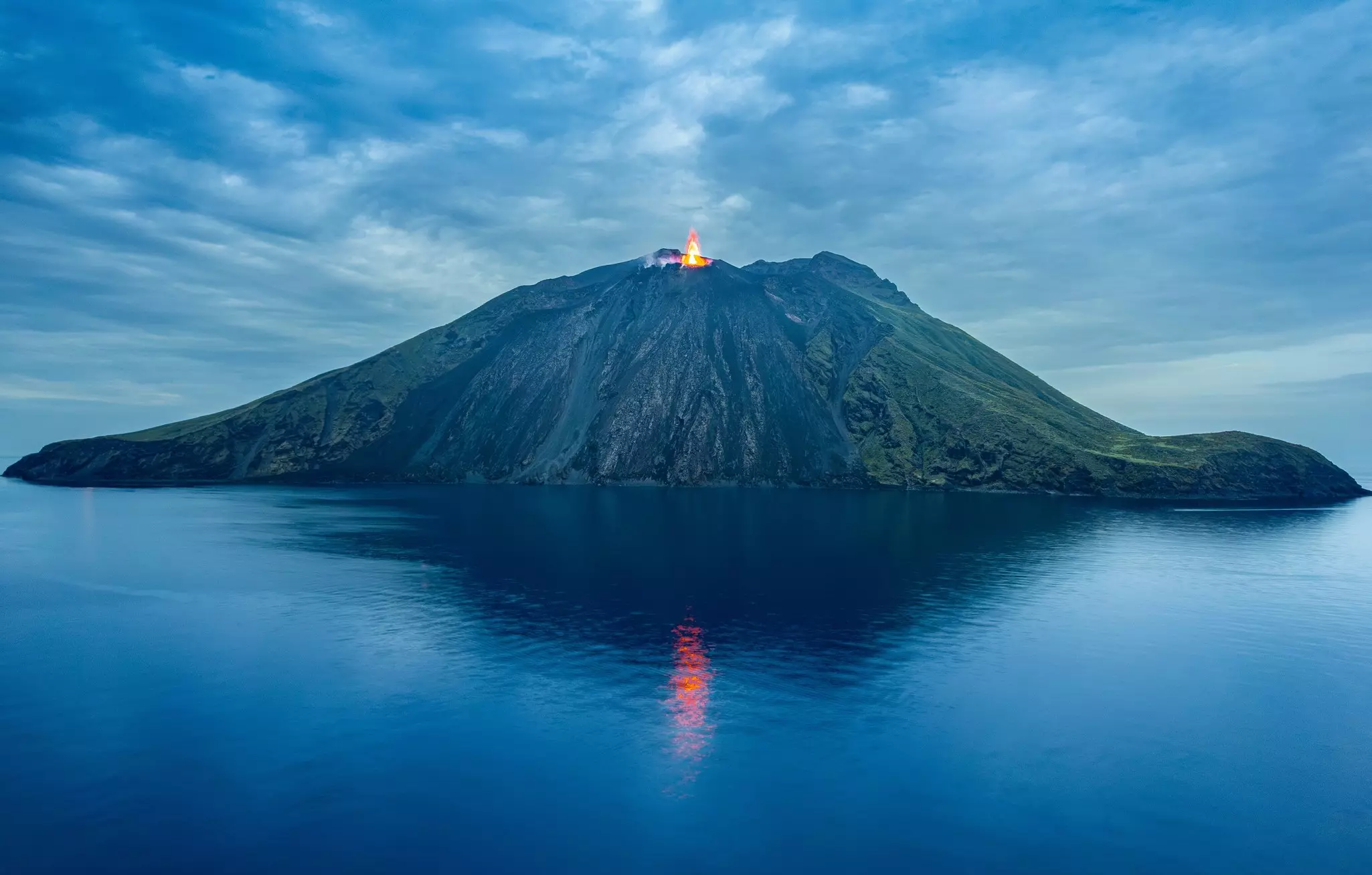
Effectively a single colossal volcano, the island of Stromboli thrusts up above the sapphire-blue Tyrrhenian Sea off Sicily’s north coast. The island is the most alluring of all the seven UNESCO-protected Aeolian Islands, and its perfectly conical outline is entrancing as you approach from the water. Come for natural drama, natural volcanic fireworks displays and to wholeheartedly embrace the outdoors.
Day-trippers abound, but you would be wise to stay longer to let Stromboli work its magic. Stopping overnight, you can slip into the old-fashioned romance of an island that inspired an affair between Ingrid Bergman and Roberto Rossellini when they filmed Stromboli here in 1950. Recline on the black-sand volcanic beach at Ficogrande, dive into crystal waters and climb up to view the volcano’s smoking crater with a reputable guide such as Magmatrek.
Planning tip: Getting to Stromboli is easy. Hop on the summer-only SNAV hydrofoil from Naples (4.5 hours) or island-hop from one of the other Aeolian Islands with the ferries of Liberty Line.
Best for sea views
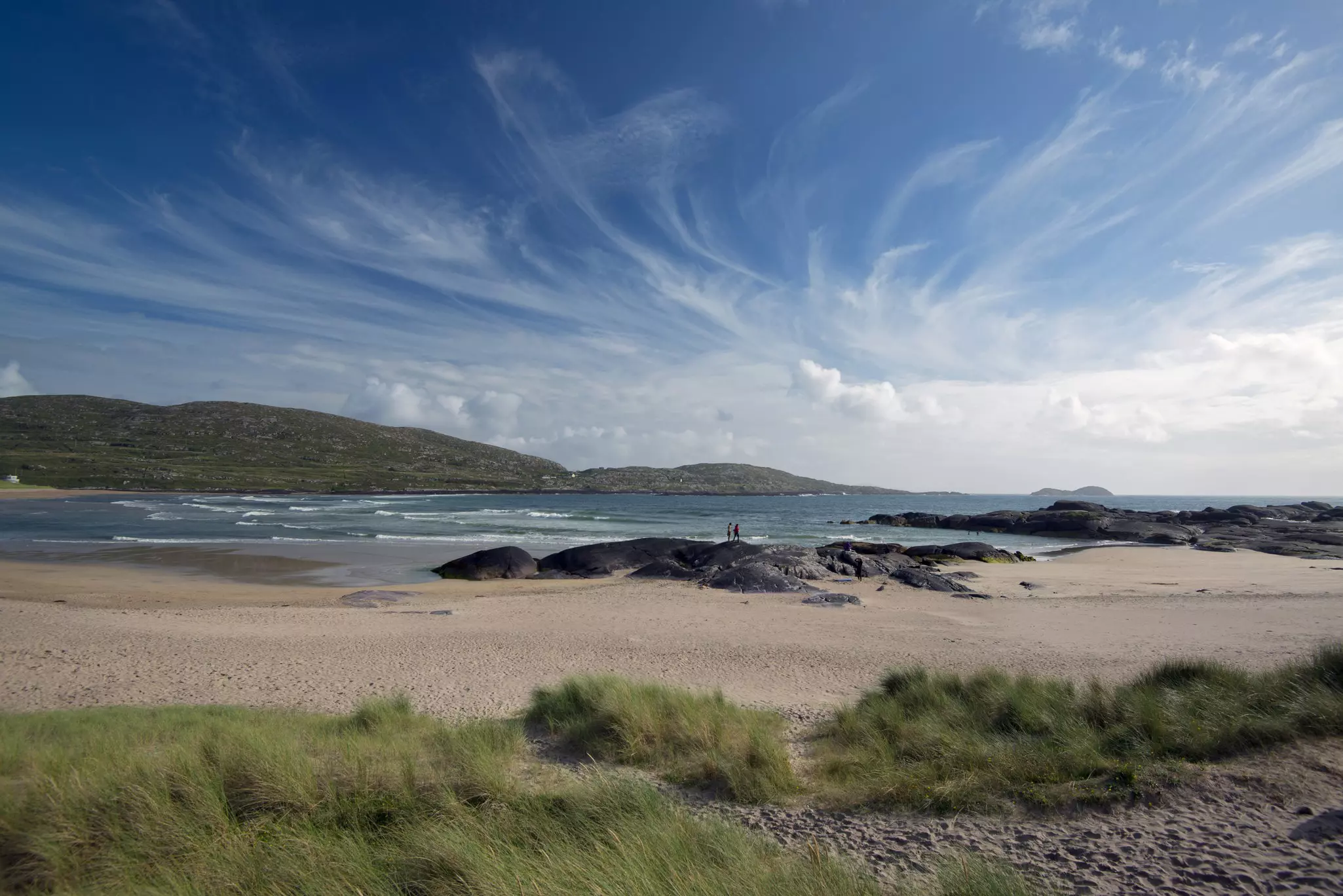
Emerald green, mist-shrouded and conjuring up images of Tolkien’s Middle Earth, Ireland is a land of salty breezes and soul-stirring beauty that seeps under your skin, especially on the wild, Atlantic wave-smashed coast of County Kerry in the country’s southwest. Here, lonely, uplifting beaches are divided by towering, elemental sea cliffs.
The ultimate drive to take it all in is the 179km Ring of Kerry loop, which circles the Iveragh Peninsula, ticking off towering sea cliffs, sheep-bobbled fields, ragged mountain peaks, stonble-built ring forts, holy wells, dune-flanked beaches and pastel-painted villages.
Loveliness waits in every direction, but the drama ramps up on the Skellig Ring, where you’ll be drawn to the twin-pinnacled craggy islet of Skellig Michael (now a UNESCO World Heritage site), where early Christian monks first settled in the 6th century, and the romantic medieval ruins of Ballinskelligs Priory.
Planning tip: May and September are great months for dodging the crowds and still catching decent weather. For a special stay, head to Kells Bay, an attractively converted Victorian hunting lodge spread across waterfall-splashed botanical gardens.
Best for a remote island escape
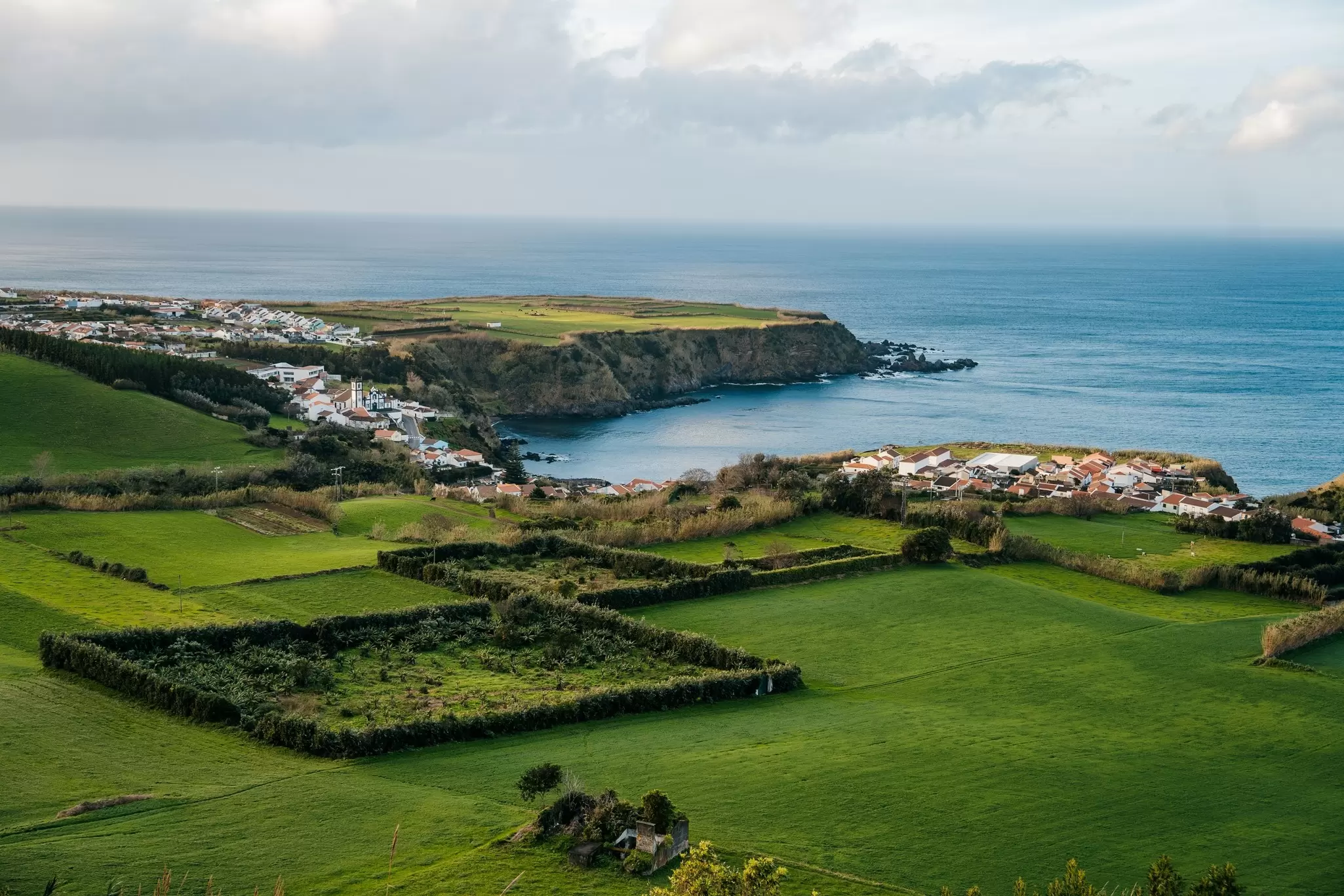
Bubbling up from the storm-tossed mid-Atlantic, the nine volcanic islands that make up the Azores are like stepping stones to another world. Long overlooked, this archipelago on Europe’s western fringes is finally attracting the attention of nature lovers seeking a remote island getaway. With lava peaks, brilliantly blue caldera lakes, misty laurel forests, tea plantations, subtropical gardens and hissing fumaroles, these islands have a primordial beauty that is utterly their own.
Devote some time to floating in the dazzlingly turquoise thermal waters of Caldeira Velha on São Miguel island, hiking through botanical gardens brimming with azaleas, camellias and hydrangeas on Flores, gasping out loud as sperm whales and humpbacks emerge from the deep blue on Faial, or climbing up to Mt Pico’s cloud-shredding, 2351m cone for sensational views across the archipelago.
Planning tip: The main airport in the Azores is in Ponta Delgada on the island of São Miguel. On arrival, you can easily hop between islands by ferry; for timetables and tickets, visit Atlânticoline.
Best for mountain road trips
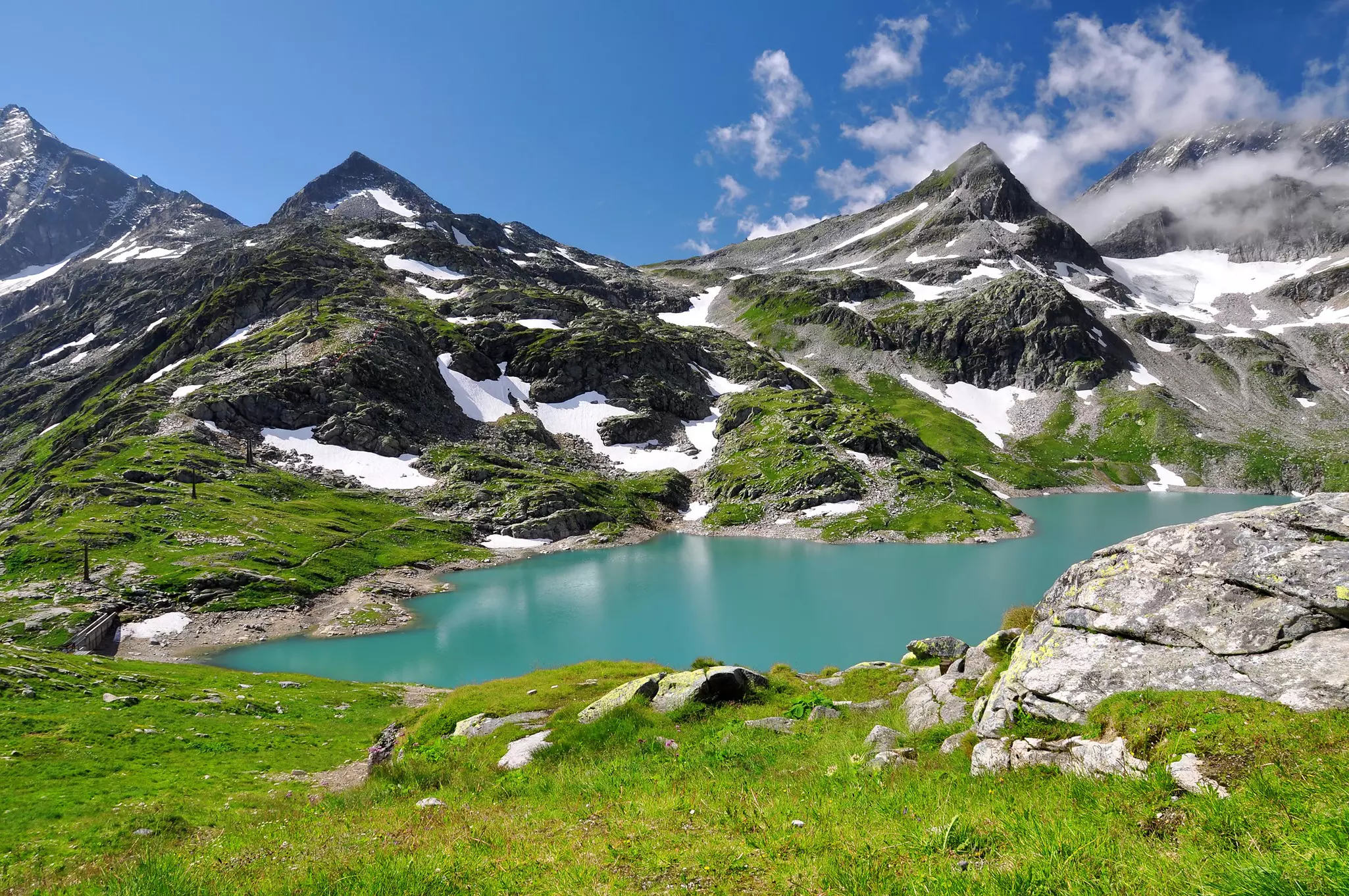
Mother Nature had one of her finest moments in the Hohe Tauern National Park, capped off by Austria’s highest peak, 3798m Grossglockner. This 1856-sq-km nature reserve is one of Europe’s biggest, and the landscapes are out of this world – this is the Alps with the volume turned up to 11. We’re talking snow-frosted mountains soaring above 3000m, the icy swirl of the longest glacier in the Eastern Alps, and the rainbow-kissed Krimmler Wasserfälle, the country’s highest falls at 380m.
Vast, rugged and remote, Hohe Tauern is a magnet for wildlife like marmots, chamois, ibex, golden eagles and bearded vultures. For the best chances of spotting them, sign up for one of the park’s excellent themed ranger tours and keep your camera or binoculars handy. However, even driving the national park's roads will serve up thrilling vistas on all sides.
Planning tip: With an average gradient of 9%, 36 hairpin bends and unreal views over summits, glaciers and lakes, the 48km Grossglockner High Alpine Road, from Bruck in Salzburgerland to Heiligenblut in Carinthia, is right up there with Europe’s greatest road trips. The route is open from late April to early November, but check the weather and road conditions before setting off.
Best for fairytale scenery
Lonely planet’s trusted travel insurance provider
Travel with confidence. Protect your trip and your wallet.
We don’t represent World Nomads, we receive a fee from quotes using this link. This is not a recommendation to buy travel insurance.
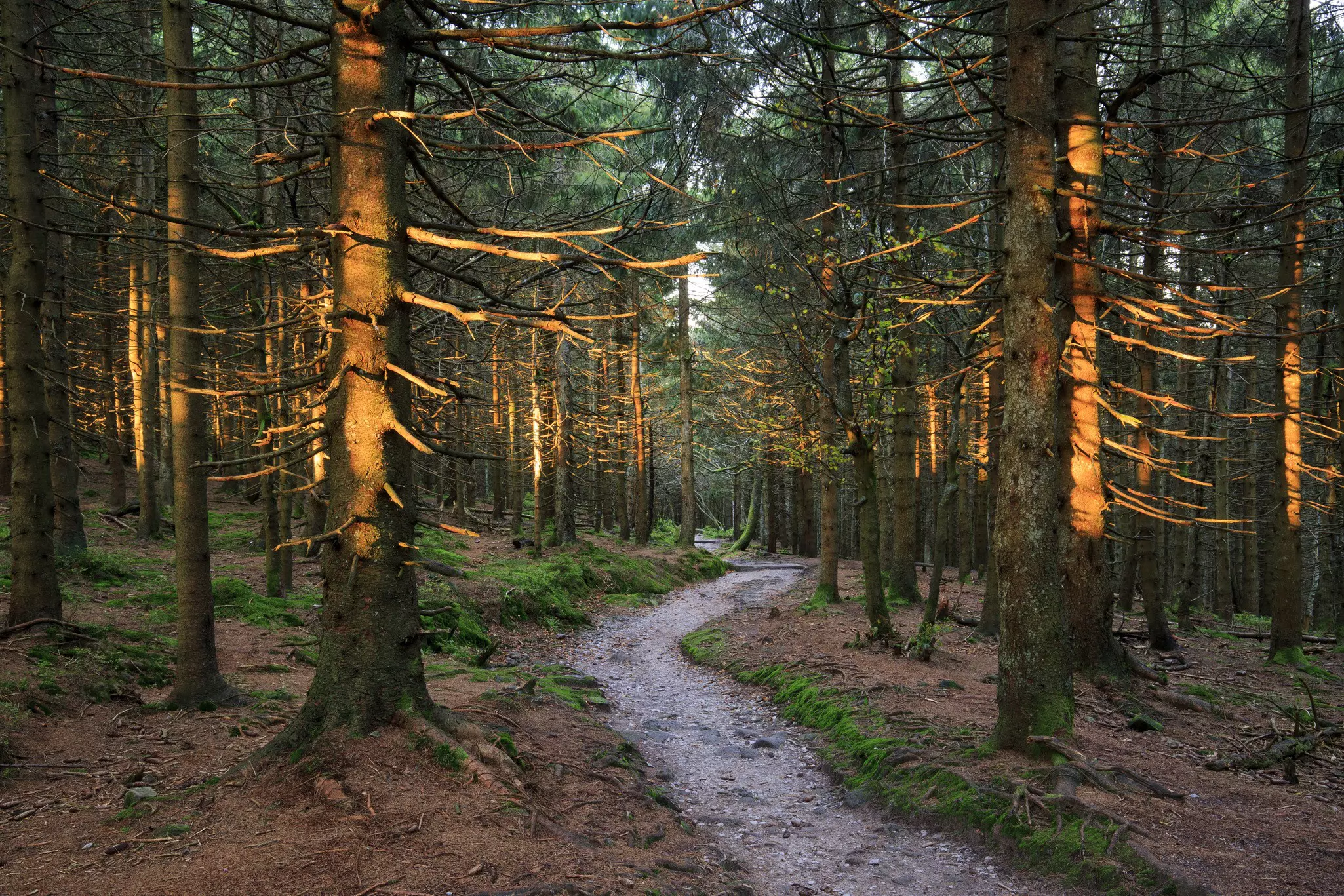
Draping a fir coat across Germany’s hilly southwest, the Black Forest delivers the kind of landscapes that pop up in kids’ bedtime stories. Thick forests of pine, fir, birch and beech sweep down to glacier-carved valleys, lush meadows, heather-flecked moors, glinting lakes and rambling, hip-roofed farmhouses.
Wander into these deep, dark woods, and you half expect to bump into a witch or a woodcutter from a fairytale. Follow the trails that run deep into the forest on foot or by bike, and you’ll often be alone with the rush of a river, the drumming of a woodpecker or the rustling of grazing deer.
The whole Black Forest area is one big woodland, so plan your itinerary carefully. Kick off by bathing like a beauty-conscious Roman in the thermal waters of elegant Baden-Baden. From here, strike out on the B500 Schwarzwaldhochstrasse (Black Forest Highway) to Freudenstadt, which dips into the 1000-sq-km expanse of Black Forest National Park.
Planning tip: Stop into the Black Forest National Park center in Ruhestein for maps and info on trails and wildlife. Be sure to visit the glacial lake of Mummelsee and climb 1164m-high Hornisgrinde for views across the forested heights.
Best for Arctic drama
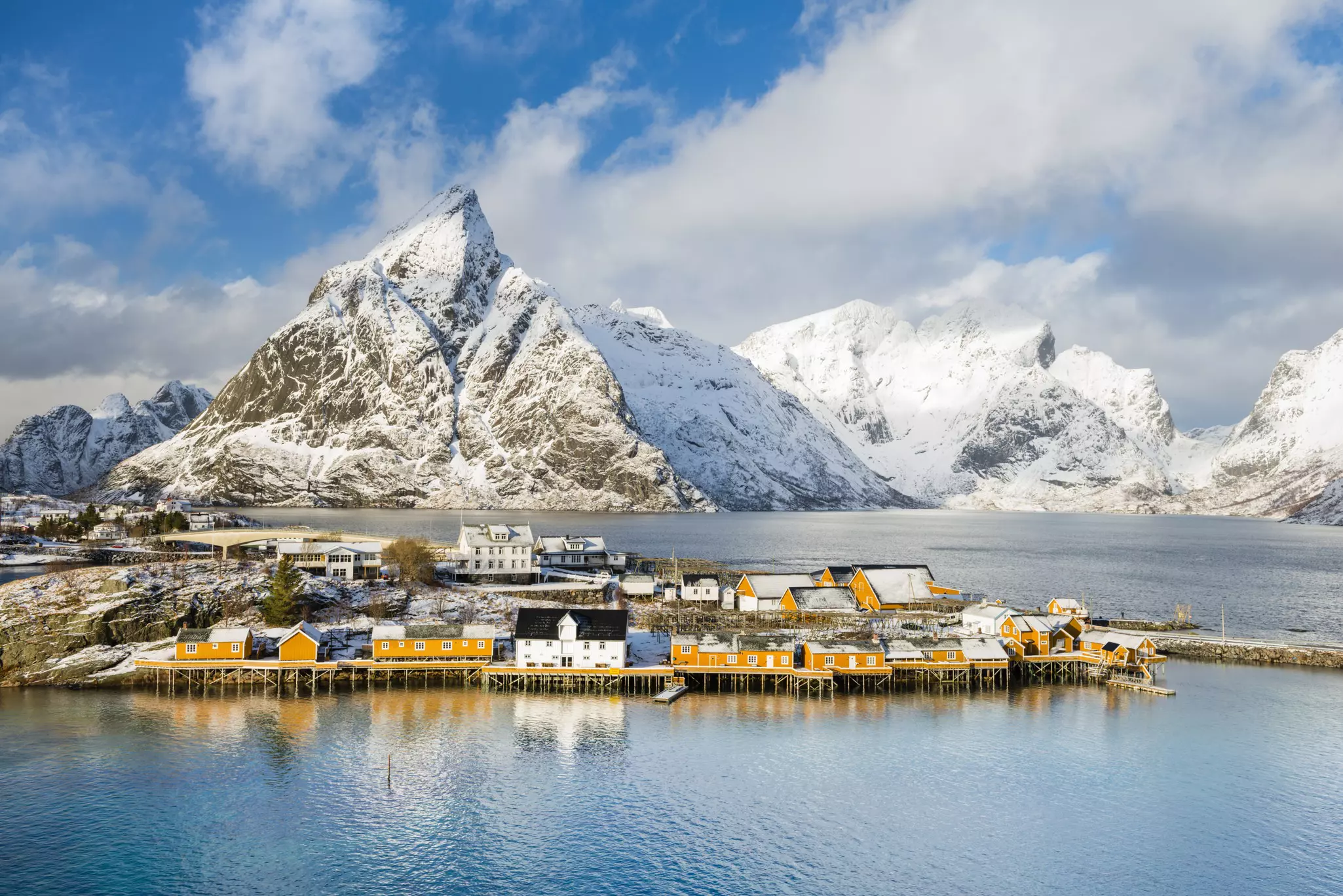
With mountains rising above the sea like a scaly dragon’s backbone, the Lofoten Islands in Norway serve up off-the-charts beauty. Whether you visit under the Midnight Sun in summer, or in the depths of winter when the northern lights illuminate the night sky, these islands are a mega hit of the Arctic.
Outdoor adventures beckon on the island of Moskenesøya, which was awarded national park status in 2019. Its gnarly granite mountains, fantasy beaches with frost-white sand, and brightly painted fishing villages are guaranteed to hoover up Instagram likes – so it’s just as well it’s remote enough to keep the crowds at bay.
If you fancy a challenge, trek up 1029m Hermannsdalstinden for elemental views over the pointy peaks and inky waters. The hike begins just north of Sørvågvatnet lake near the village of Sørvågen on Moskenesøya.
Planning tip: The food scene is booming on these islands, with chefs shining a light on fabulous Arctic produce. Book ahead to experience the Kitchen On The Edge Of The World, combining traditional activities such as foraging with culinary highs from Michelin-starred guest chefs. Stays lasting 4 nights run from May to October.
Best for crashing waterfalls and lakes
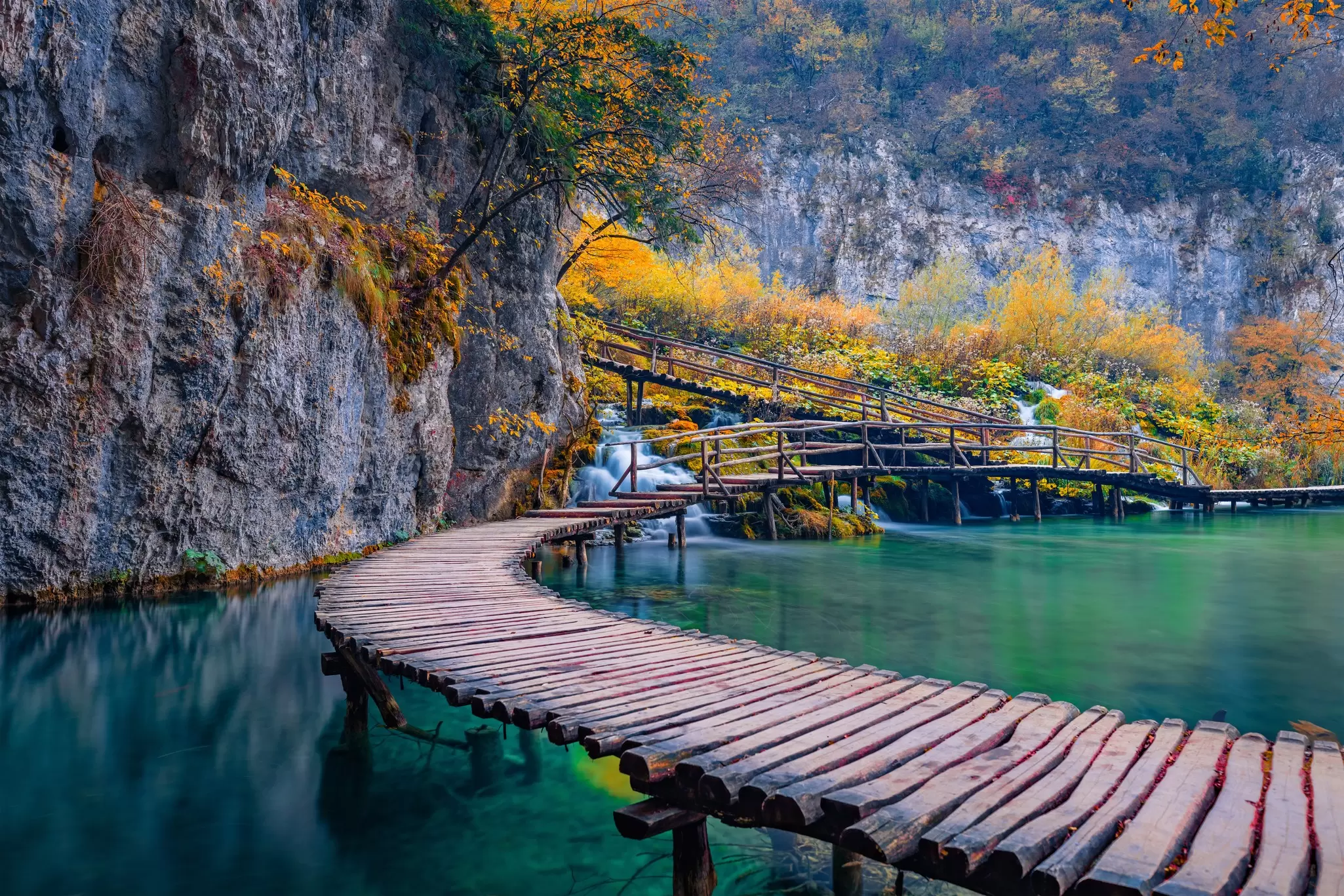
A short step back from the Adriatic coast of Croatia, UNESCO-listed Plitvice Lakes National Park bombards visitors with its natural beauty. Against the forested backdrop of the Dinaric Alps, waterfalls and mineral-rich springs flow swiftly over natural dams into 16 gem-colored lakes in every fathomable shade of turquoise, emerald, cobalt and azure.
Wooden footbridges and paths skirt and skip across the babbling waters. Come in spring for thunderous falls, summer for clouds of butterflies, fall for leaf-peeping or winter for frozen lakes and icicle formations. Bring binoculars as the park heaves with wildlife. Bears, wolves and lynx hide in the quietest reaches of the park’s old-growth fir and beech forests.
Planning tip: Each of the 16 lakes has a different hue. See them all by hiking the 22km-long Route K trail. This challenging but spectacular full-day hike starts at the park's Entrance 1 – allow 6–8 hours to complete the circuit.
Best for riverside château-hopping
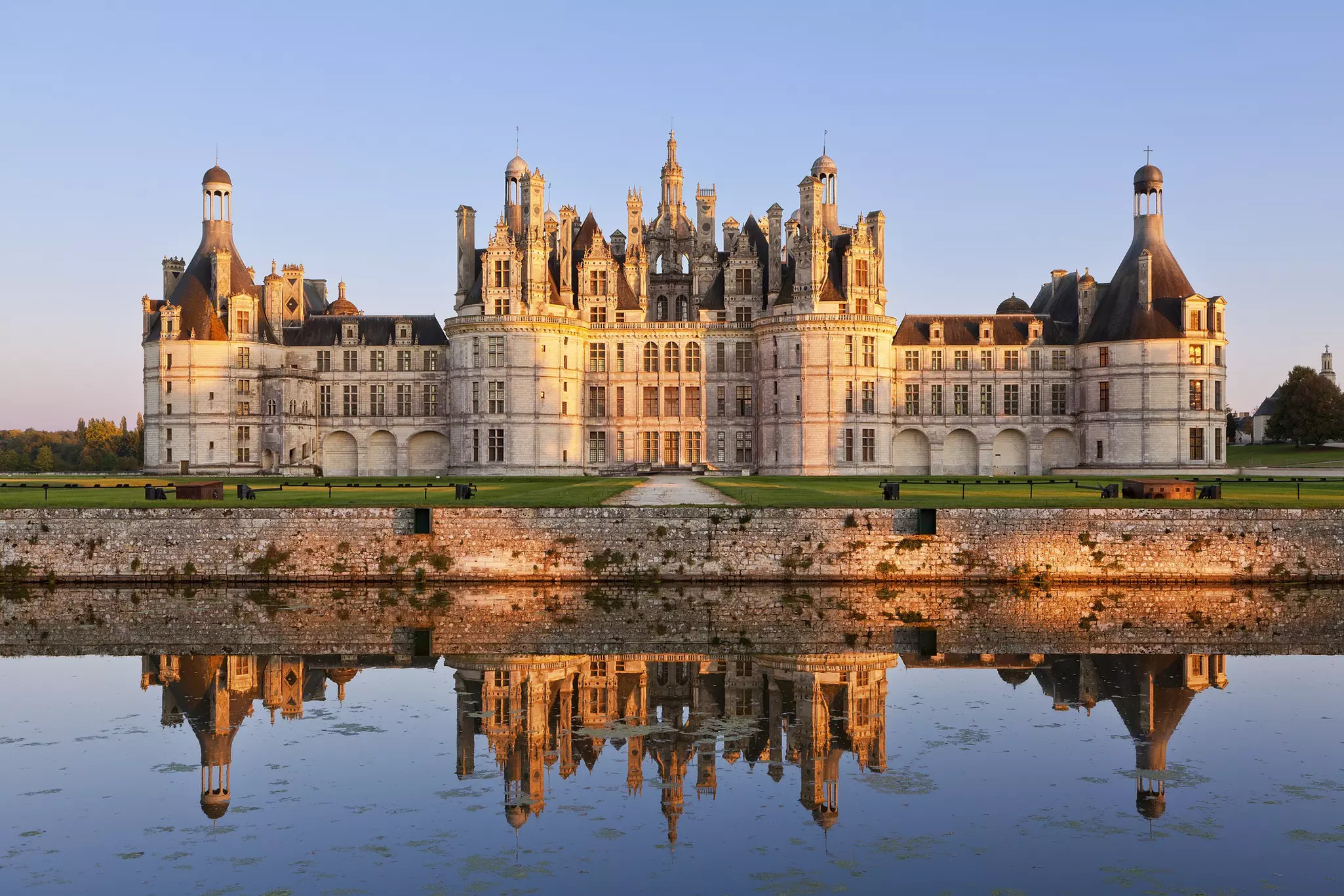
France seduces arrivals from top to toe, but no region nails its romantic spirit like the World Heritage-listed Loire Valley, famed for its fine wines, soul-stirring views and châteaux galore. Rising in the Massif Central and flowing all the way to the Atlantic, the wild Loire is France’s longest river and its lifeblood, and it delivers beauty on every graceful bend.
The route of the river is dotted with medieval forts, turreted citadels and Renaissance palaces, raised by kings, queens and dukes. Pop on your hiking boots or hop onto a bicycle to explore them in slow motion. La Loire à Vélo cycle route snakes for 900km along the river, rolling from château to cellar, village to vineyard.
Be sure to take a turn around one of the valley’s 300 castles for a deep dive into the region’s history. Arguably the fairest of them all is the sumptuous Château de Chambord, a Renaissance masterpiece of epic proportions. Other big-hitters include Château Royal de Blois, Château Gaillard, formidable Château d’Angers, ringed by moats and towers, and fairytale Château de Chaumont-sur-Loire.
One of the world’s largest surviving medieval monastic complexes, the UNESCO-stamped Abbaye Royale de Fontevraud is equally unmissable. Henry II, Eleanor of Aquitaine and Richard the Lionheart were buried here in the 12th century, when England's rulers were French in all but name.
Planning tip: The cities of Orléans, Blois, Tours and Angers are enticing gateways for the Loire. The spring and fall months are ideal for exploring, with fewer crowds, mild weather and seasonal flowers and foliage.
Best for volcanic highs and dark skies
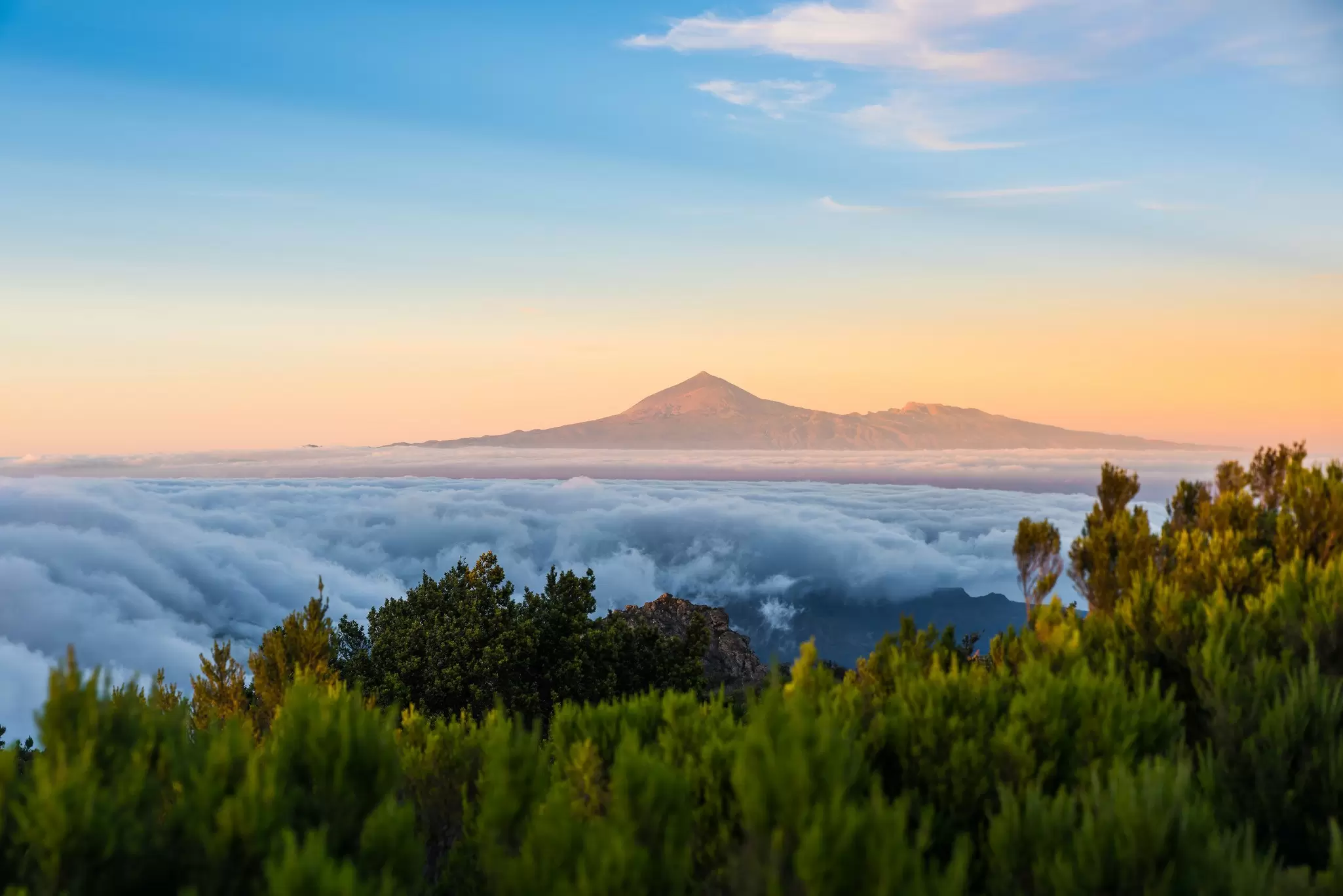
Tenerife, the largest of the Canary Islands, is often billed as a fly-and-flop destination, but stray beyond the resorts and the island smolders with volcanic beauty. The big draw is the cloud-piercing volcano at the island’s heart: 3718m Pico del Teide, Spain’s highest peak. It punches above the crater-blasted, rust-red, lava-sculpted moonscape of UNESCO-listed Parque Nacional del Teide.
Head up the easy way by cable car, or slip away from the crowds by hiking to the top via 2748m Montaña Blanca. It’s a tough 9km hike taking around 6 hours, but you’ll be richly rewarded with views rippling over the Atlantic to the islands of La Gomera, La Palma and El Hierro. Other walks take you deeper into the park, including those around the twisted lava pinnacles of Roques de García.
Planning tip: On clear nights, all eyes are on the heavens in the national park, a famous dark sky destination for stargazing. You may be able to spot meteor showers, the Milky Way and 83 of the 88 officially recognized constellations year-round. For more, sign up for a guided tour and peek through the giant telescopes at the Observatorio del Teide.
Best for island hopping
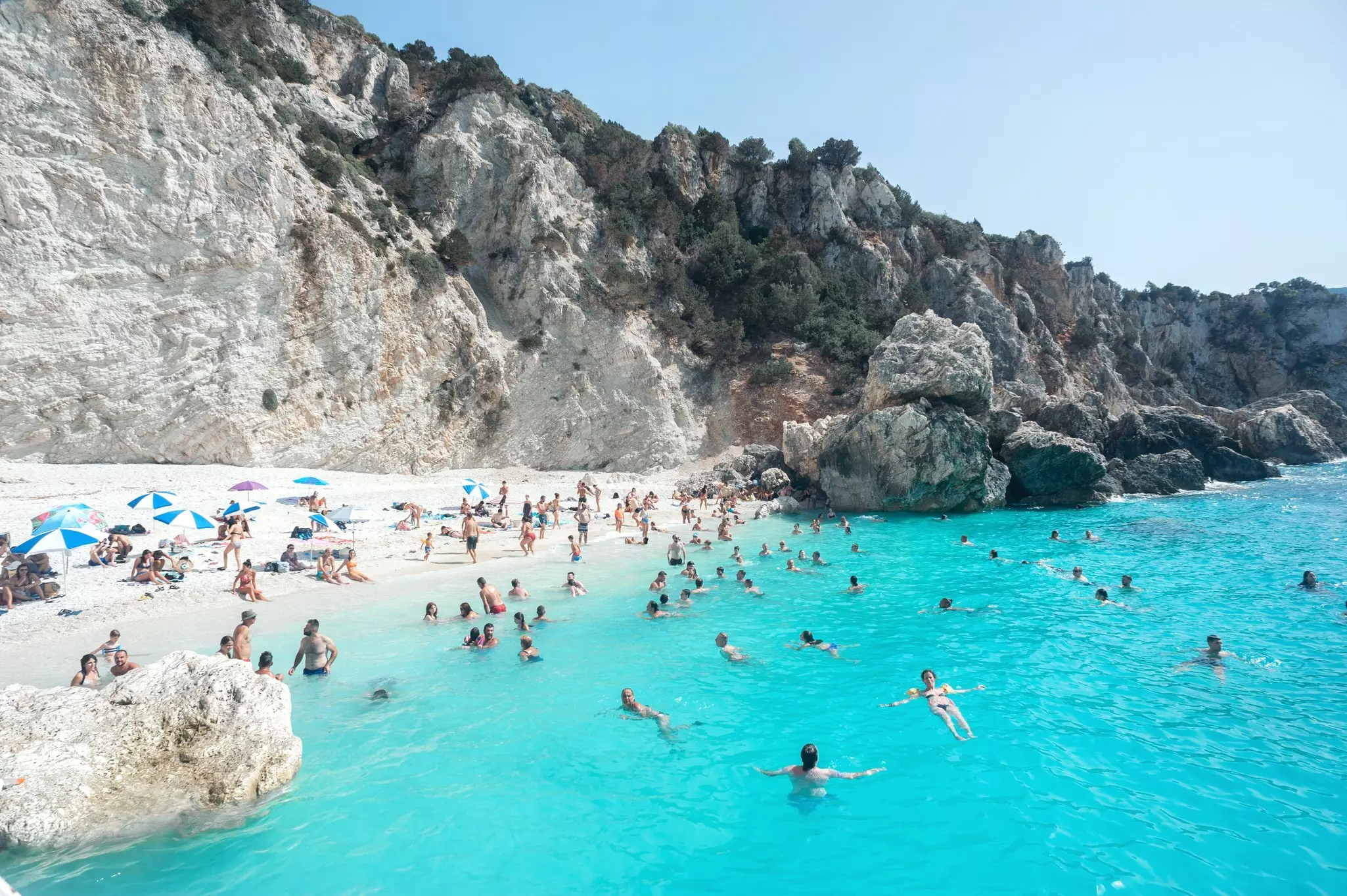
With a dreamy light and a natural beauty that touches you as gently as a caress, the Greek Islands are something special. Part of their magic lies in the fact that when you tire of one gorgeous island, the next is just a ferry hop away. These 6000 islands - some as big as small countries, others mere specks of rock - can inspire a lifetime of wanderlust. There’s nowhere like it for picking up a map and plotting your next adventure.
The Ionian Islands, with their cypress-stippled slopes, castaway bays, stained glass-blue waters and pastel-hued Venetian towns, are especially lovely. Swirling in Homeric lore, these islands whisk you from the terraces of kafenio (traditional Greek cafés) to rocky mountaintops where the only sound is goat bells.
Boats glide across from the fortress-topped old town of Corfu to low-key Paxi, with its white-pebble coves and cicada-filled olive groves. Edging south brings you to pretty Lefkada, myth-steeped Ithaka with its lonely mule trails, wild, mountainous Kefallonia and rugged, cliff-rimmed Zakynthos.
Planning tip: There are regular ferry connections between the islands with companies such as Kerkyra Lines, but book well ahead for peak travel times, or come in the quieter spring and fall shoulder seasons, when schedules are less frequent, but crowds are smaller.
Best for waterfront life
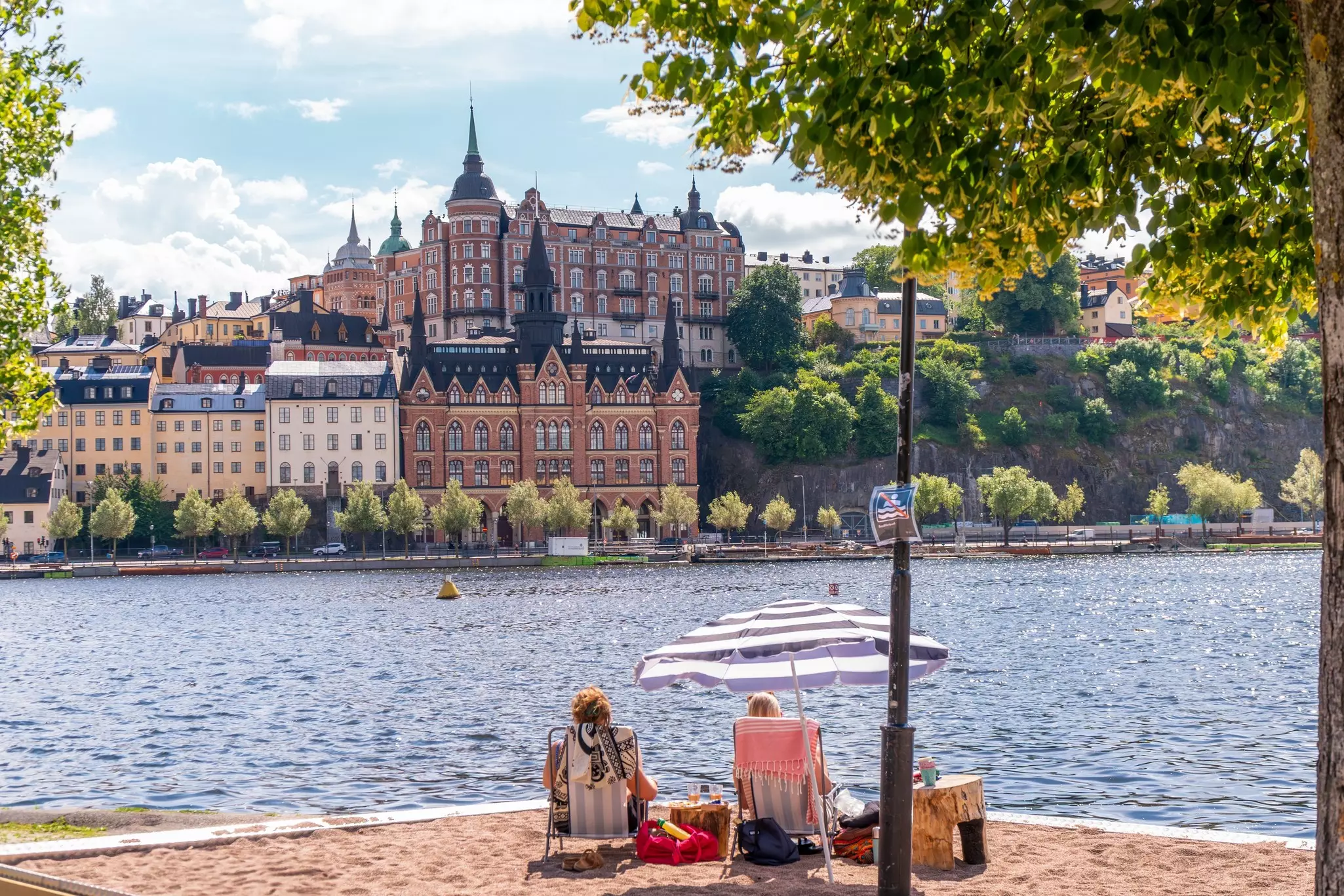
A fretwork of forest, water and islands, Stockholm, capital of Sweden, is a knockout city break destination at any time of year, stepping effortlessly between the urban and the outdoors. Shaped by the sea and buffeted by the piercing blue Baltic, Stockholm has style encoded in its DNA; this is the supermodel of European cities.
Any first-time visit should kick off with a walk through medieval Gamla Stan’s cobbled lanes, past step-gabled houses, Renaissance churches, baroque palaces and candlelit cafés. Here, the scene-stealer is the staggeringly opulent, 600-room Royal Palace.
In winter, Stockholm embraces hygge and steps into fairytale shoes, with snow, skiing, ice skating and festive markets selling glögg (mulled wine) and gingerbread. Summer is gorgeous, too, with the city providing a springboard for exploring the 30,000 islands, islets and skerries in the Stockholm Archipelago. See them by ferry or from water’s level in a kayak, keeping an eye open for sea eagles and seals.
Planning tip: In summer, Waxholmsbolaget runs a frequent boat and ferry service to islands in the archipelago, departing from Strömkajen in front of the Grand Hôtel in the city center.
Best for Munro-bagging
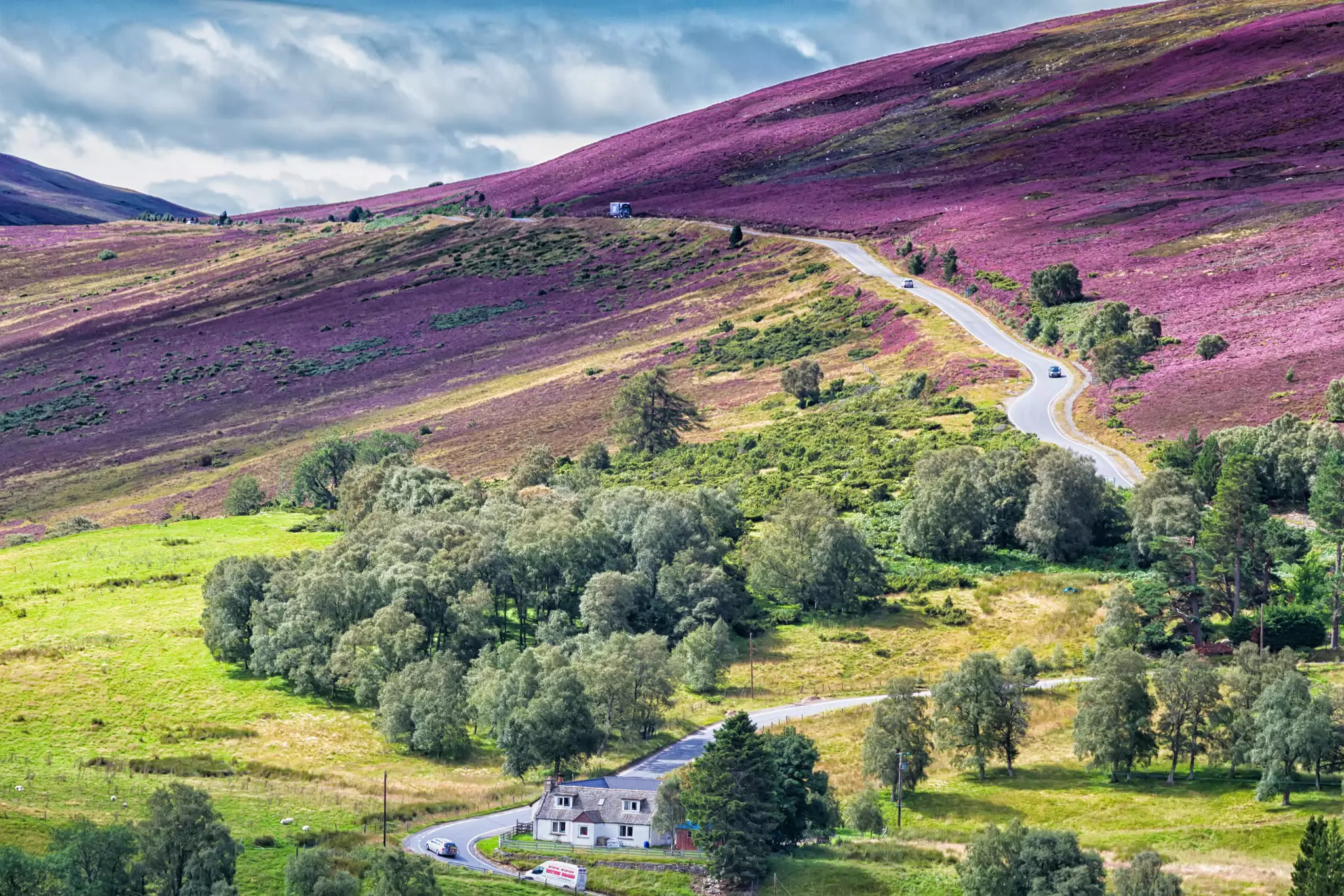
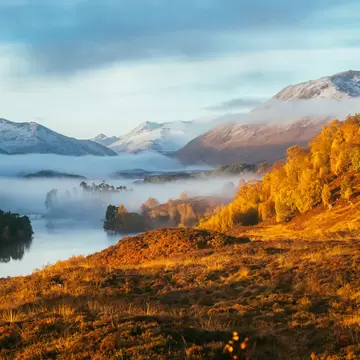
All of Scotland is bonny, but Cairngorms National Park is where the Highlands take a turn for the wilder. Scots pine forests, lochs, rocky peaks and glens spread across 4528 sq km, so there’s space to roam free - whether hiking in summer, pounding snowy slopes in winter or meeting the UK’s only herd of free-ranging reindeer.
If you’re up for an exhilarating walk, tackle a pair of classic Munros(mountains higher than 3000ft) – 4085ft Cairn Gorm and 4295ft, cairn-topped Ben Macdui – for sky-high views of the park. Or look out for red squirrels and capercaillie in the trail-woven pine forests of the Rothiemurchus Estate. For a taste of royal life, check out the lavish ballroom at Balmoral Castle, built for Queen Victoria in 1855.
Planning tip: Bring binoculars for stargazing in the Cairngorms Dark Sky Park around Tomintoul and Glenlivet in the park’s northern reaches. On a clear night, you may be rewarded by views of meteor showers, shooting stars, the Milky Way and, with any luck, the northern lights.
Best for lakeside beauty
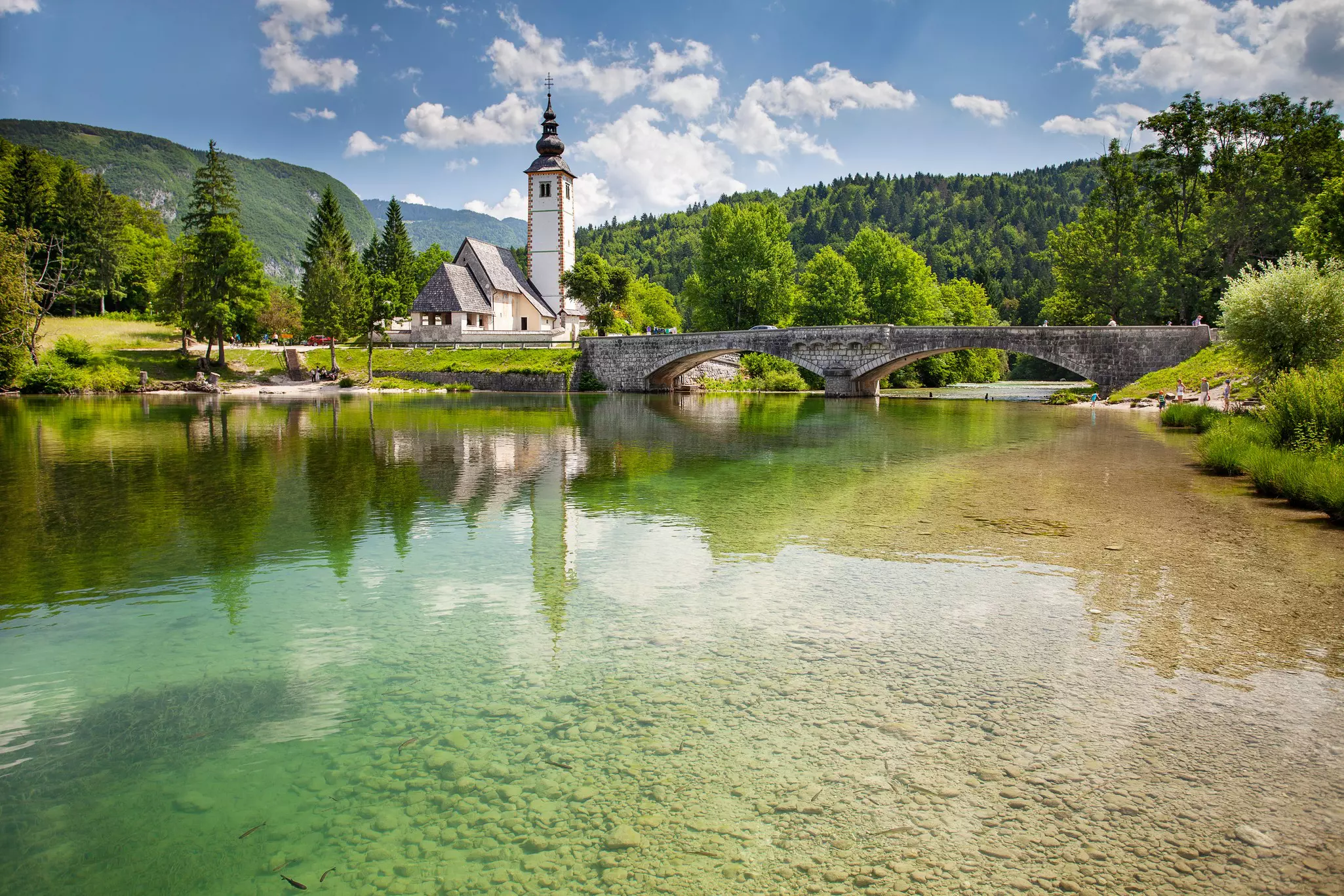
Everyone raves about Lake Bled in Slovenia’s Julian Alps, and rightly so, but then you reach nearby Lake Bohinj, a lake so outrageously beautiful you gasp out loud. It makes a spectacular splash in mountain-buckled Triglav National Park in the country’s northwest, where peaks rise sheer, rugged and forested above blue-green waters.
Hugging the western shores of the lake, Ukanc makes a terrific base for exploring. Swim off pebble beaches into glassy waters, camp, canoe, kayak or head off into the mountains on hiking trails. For something less tiring on the legs, hitch a cable car ride up to Vogel at 1535m for jaw-dropping views.
Nearby, the Savica Waterfall plunges 78m through a gorge into a turquoise pool. Wear grippy shoes for the walk up 500 steps over rapids and streams to the falls, as it can get slippery.
Planning tip: Tag on extra days to dive properly into Triglav National Park, an outdoor wonderland of rugged peaks, ravines, canyons, caves, Alpine meadows, forests and canyons.
Best for cinematic cityscapes
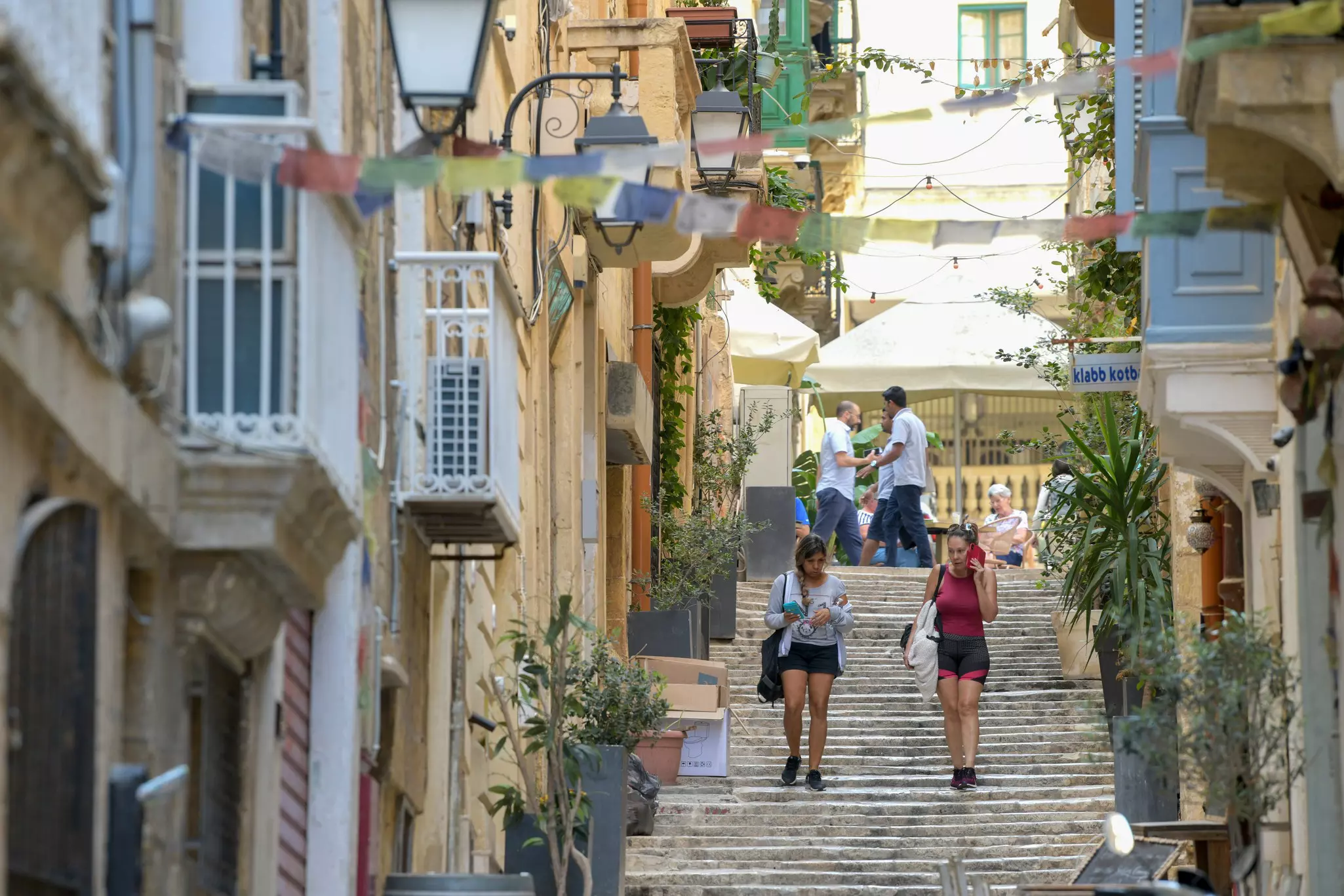
A vision in golden stone, rising above the magnificent Grand Harbour, Valletta, capital of Malta, is a city for dreamers. Built on a peninsula for the Knights of St John in the mid-16th century, this fortified city is cinematically beautiful, with its domes, churches, Renaissance palazzi and piazzas, and narrow streets rollercoastering, San Francisco-style, down to the brilliant blue Med.
As you take a serendipitous wander through town, keep an eye out for gallariji, the ornate, brightly painted wooden balconies that adorn the facades of the city's baroque houses. The light is soft, the mood is mellow and history greets you on every photogenic corner. And if it looks like a movie set, it is - Valletta was used as a filming location in Game of Thrones and Ridley Scott’s Gladiator movies.
Some visitors could spend just a day here en route to the beaches, but we recommend lingering. There’s a lot of sightseeing crammed into the old town, including the stately Grand Master’s Palace, former HQ of the Knights of St John, and flamboyantly baroque St John's Co-Cathedral, a feast of gold leaf, marble, frescoes and Caravaggio paintings. Winging you into the present are Renzo Piano’s architecturally striking City Gate project and fretwork Parliament Building.
Planning tip: Spring is a great season to visit Valletta, with pleasantly warm days, fewer crowds and flowers in bloom. Room rates are low, and temperatures hover around 20°C (68°F).
Explore related stories