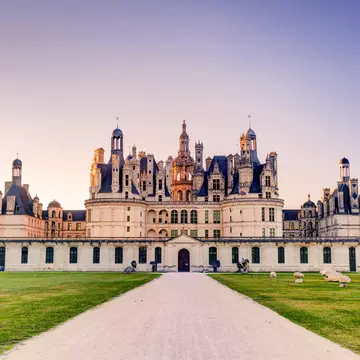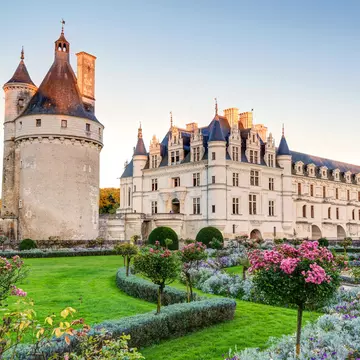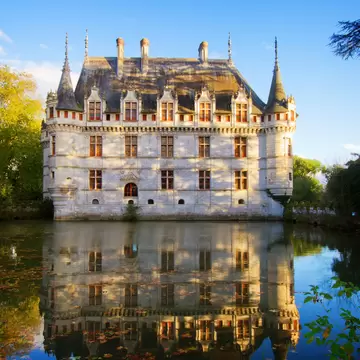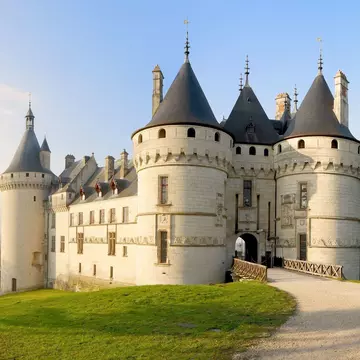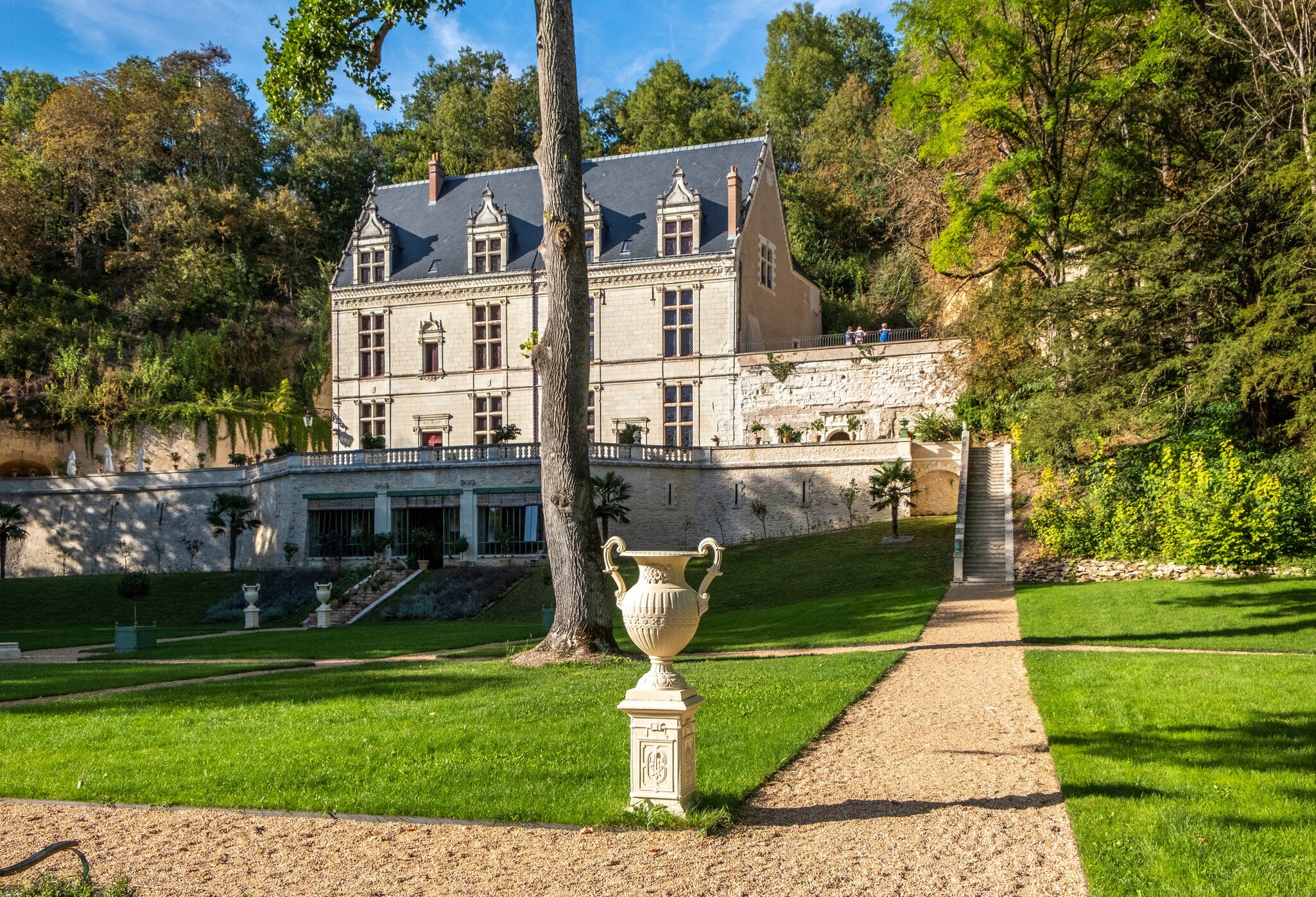
The earliest expression of the Italian Renaissance in France, the Château Gaillard (chateau-gaillard-amboise.fr; adult/child €16/13), begun in 1496, was inspired by the refined living that Charles VIII fell in love with during his Italian campaign.
In 1494 Charles VIII led a French invasion force into Italy. The expedition failed, but while there the French king discovered the Renaissance, including the elegance and refinement that he sought to recreate at the Château Gaillard, his private residence and pleasure palace. The king brought 22 Italian master artisans back to France.
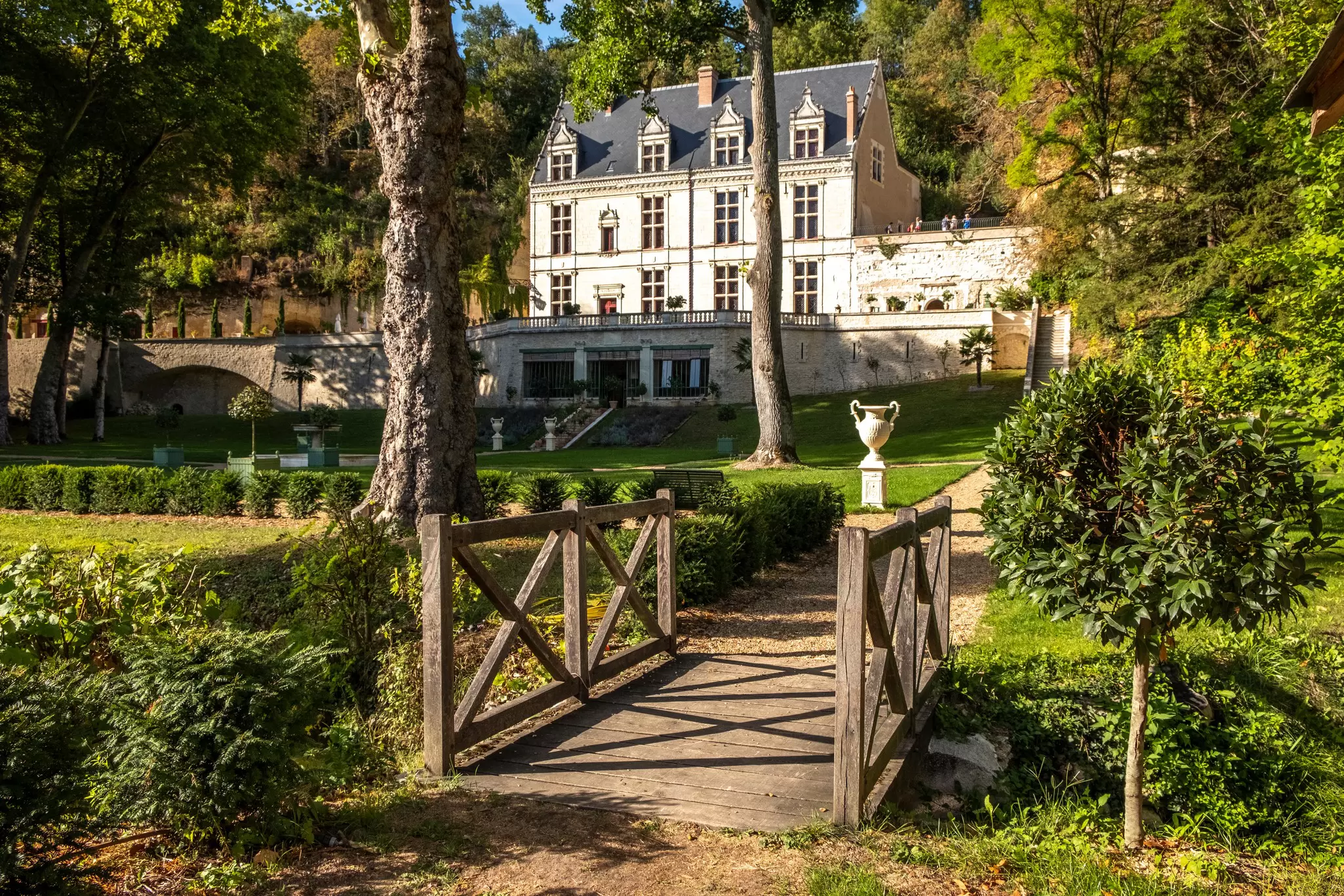
The château's harmonious, Renaissance-style gardens were laid out by master gardener Dom Pacello de Mercogliano (1453–1534), an Italian Benedictine monk who established France's first orangerie (used to protect sensitive fruit trees during winter) in 1500. The château now grows more than 100 varieties of citrus, many of them quite rare (eg caviar lime and bizzarria of Florence), that spend the warm months out-of-doors.
The graceful château – its royal status indicated by four parallel rows of decorative elements just below the edge of the roof – is decorated with 16th-century-style furniture and modern stained-glass medallions inspired by medieval miniatures. In the rooms, QR codes connect you to YouTube videos in French and English.
Inside, beyond the "cabinet of curiosities" – a glass case containing a 16th-century, horned "mask of shame" from Germany and antique snuff bottles, among other oddities – are a vaulted 13th-century kitchen, a medieval courtyard and a 17th-century troglodyte kitchen. The 3m-wide, medieval spiral staircase leads up to a room dedicated to Mary Stuart (Mary, Queen of Scots), who spent her honeymoon here – she had just married François II – in 1558. A film recounts her sad life.