Sep 27, 202627 min read
The Best Budget Destinations in Europe Aug 25, 2026
16 MIN READ

Writer
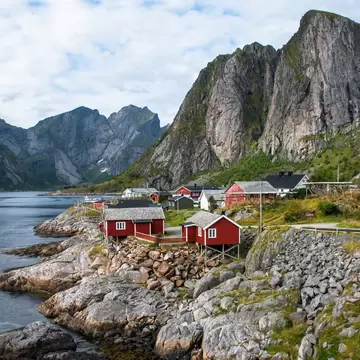
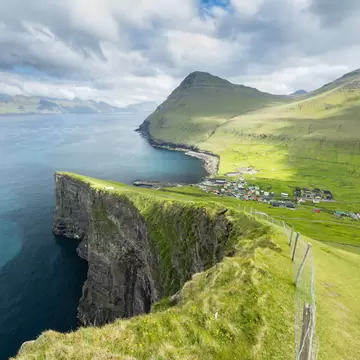
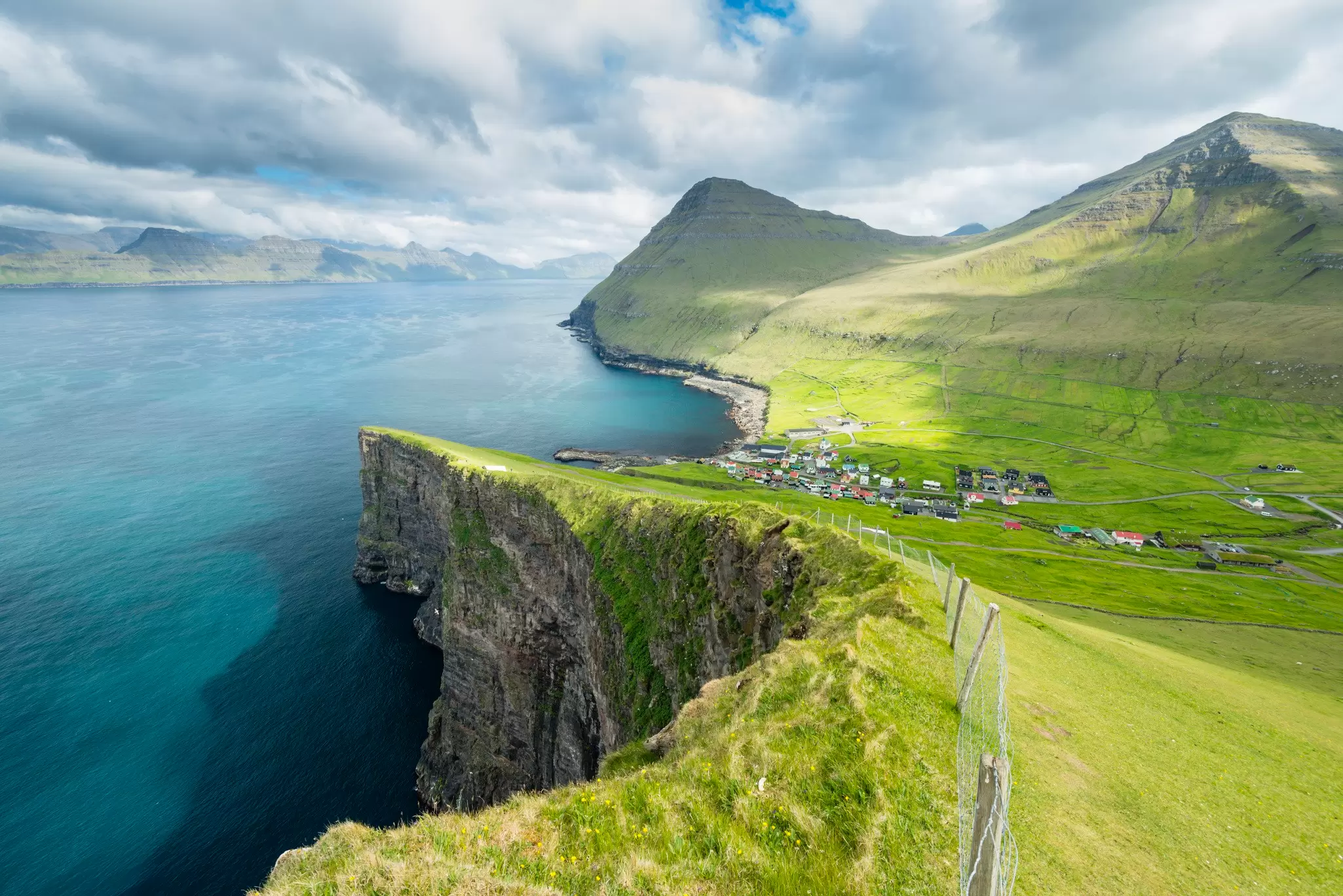
A plunging landscape near Gjogv in the Faroe Islands. Justin Foulkes for Lonely Planet
Writer
Highlights
Lonely Planet's local writers pick 13 crowd-free escapes across Europe.
For rugged nature, try Abruzzo's Gran Sasso peaks or Spain's wildlife-rich Extremadura.
Beach lovers should head to Aljezur in Portugal; history buffs will love Transylvania, Romania.
Hike the Faroe Islands or fjord-side Fjærland, Norway – plus seven more crowd-free picks.
Lonely Planet may earn a commission from affiliate links on our site. All recommendations and reviews reflect our own independent opinions.
It's hard to resist the call of Europe. Few parts of the world offer quite such a wonderful diversity of landscapes and cultures in such close proximity. And Schengen Area rules make it easy to travel across borders, so a trip to one country in Europe can easily turn into a multi-country odyssey.
But it would be fair to say that things can get busy. During the peak season – which usually spans the balmy months of summer – some of Europe's best-loved destinations are impacted by overtourism. In destinations such as Venice and Barcelona, the authorities have responded with caps on tour groups, restrictions on tourist lets and even tourist taxes.
Luckily, there are still plenty of places across Europe where you can escape the crowds and travel more spontaneously. We asked our expert writers to share their favorite spots around Europe for solitude, and here's our pick of the best.
Recommended by Venice-based Julia Buckley
All of Italy is beautiful, but the Abruzzo region northeast of Rome is one of its most varied quarters, with dramatic mountains, deep blue seas, and rolling landscapes in between. Dominating the region is the Gran Sasso (Big Rock) – a rather modest name for Italy’s second-highest mountain outside the Alps, rising to nearly 3000m.
It forms the centerpiece of the Gran Sasso e Monti della Laga national park, and some of its most beautiful stretches are around the Campo Imperatore highlands above the regional capital, L’Aquila, accessible by train from Rome in 3–4 hours. This is where I'd head for a peaceful sense of calm.
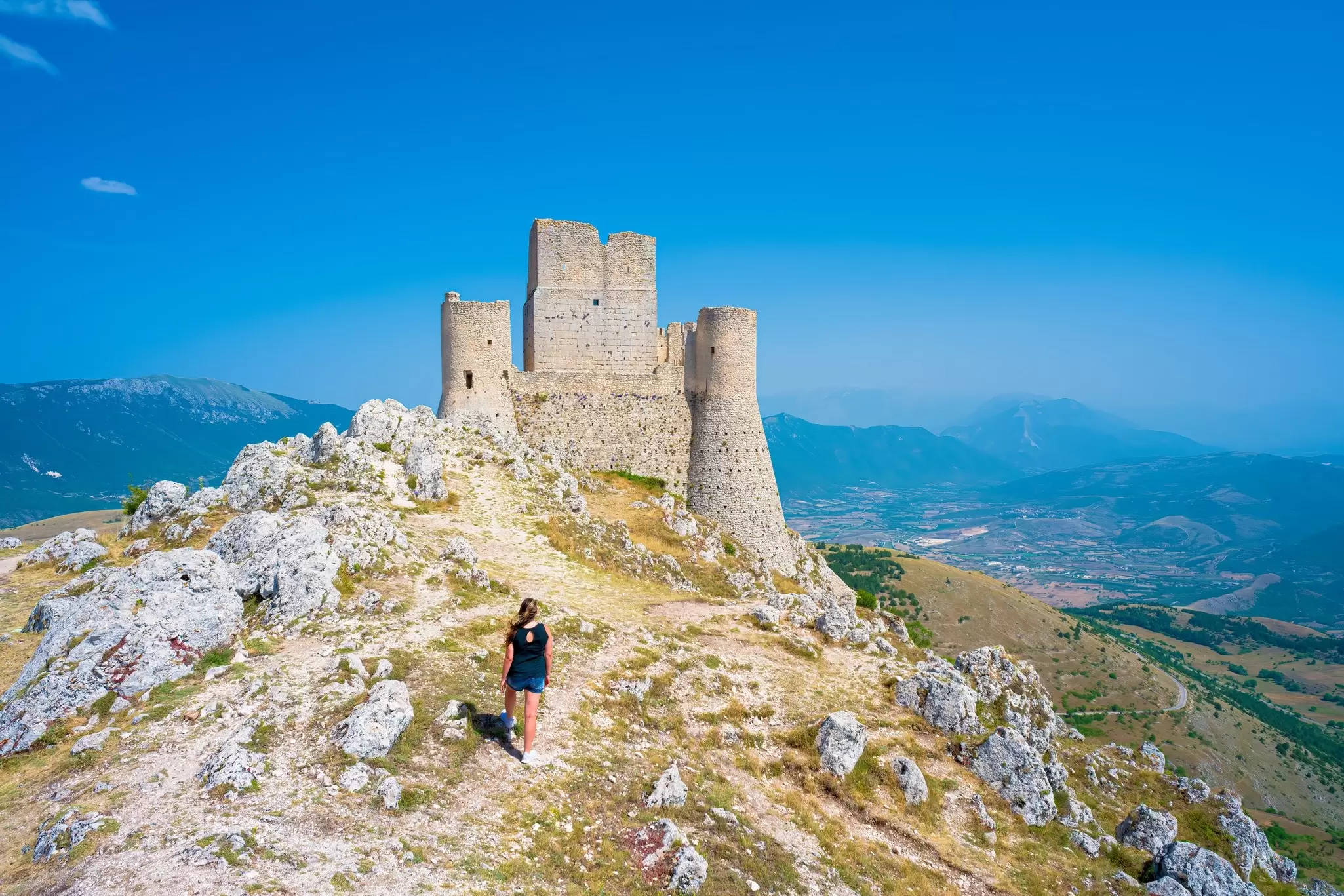
Halfway down the mountainside from Campo Imperatore is Santo Stefano di Sessanio, a historical village of shepherds, which was semi-abandoned and is now thriving once more, thanks to the arrival of Sextantio, an albergo diffuso (scattered hotel) and anthropological project whose rooms are set in once-abandoned homes. Nearby is Rocca Calascio, where a ruined medieval castle perches on a high bluff looking out over the Navelli plain.
Planning tip: Abruzzo’s Adriatic coast is similarly beautiful, but its most special part is the Costa dei Trabocchi, a 50km stretch dotted with trabocchi – ancient fishing platforms cantilevered far out over the sea and accessed via rickety walkways. Today, many of them have been transformed into restaurants – try Sasso della Cajana, on the coast north of the scenic village of Rocca San Giovanni.
Recommended by Luke Waterson, author and contributor to 70+ Lonely Planet guides
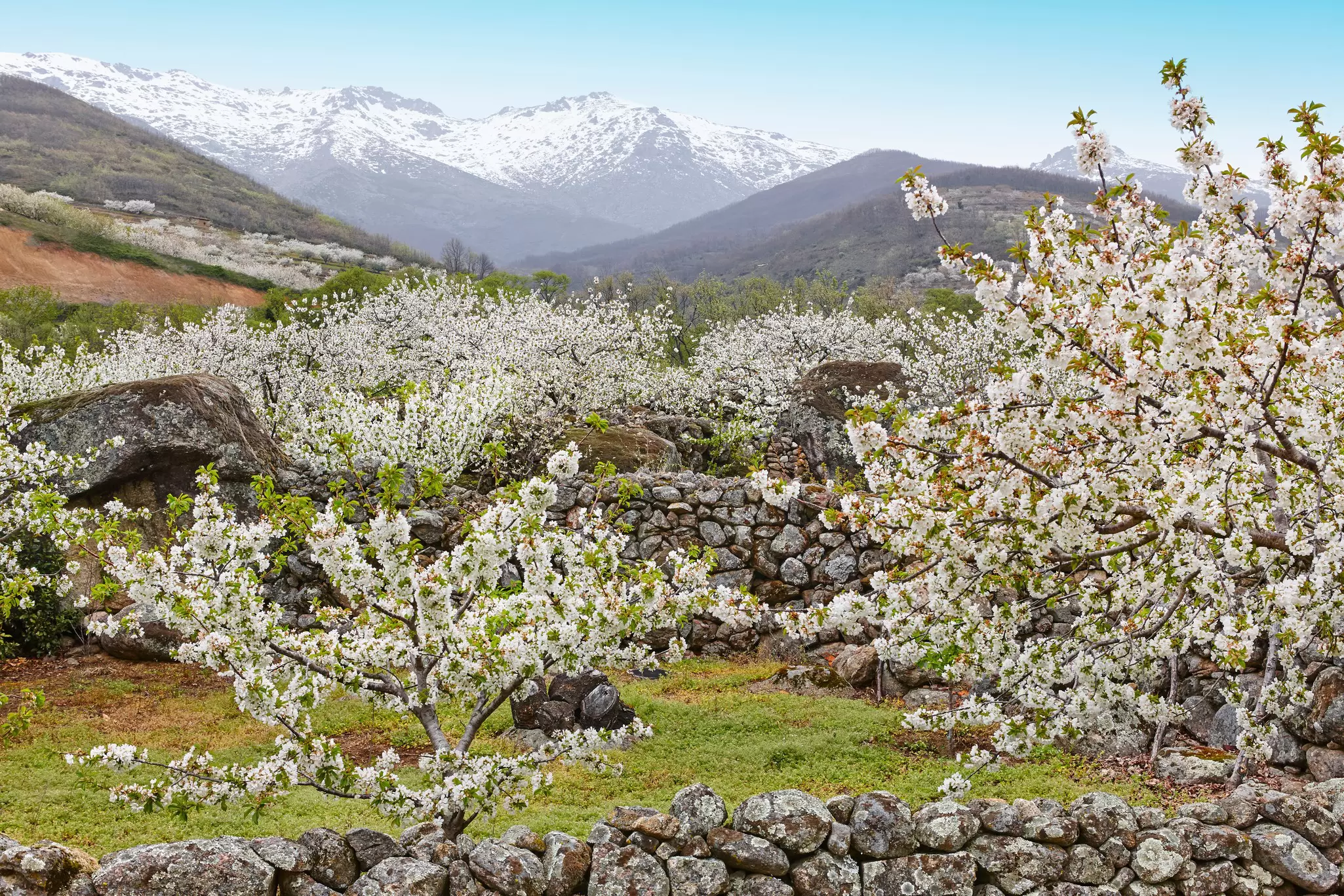
The very name of the autonomous region of Extremadura evokes visions of extreme otherworldliness. Here, humans take a back seat, allowing nature to dominate. The area has one of Spain’s lowest population densities, with approximately 25 people per sq km – compared with almost 100 people per sq km in Andalucía.
In this region of vast tobacco fields, rolling grasslands, dehesa (pastures scattered with holm and cork oak forest) and craggy uplands, infrastructure is scant by Spanish standards. Tourists, if they come at all, mainly visit two of Spain’s best-preserved historic cities, Mérida and Cáceres, and leave the rest to adventurers and the wildlife.
And the wildlife is prolific. This is one of the best places in Western Europe to observe raptors, especially around rocky Parque Nacional Monfragüe, where five eagle species can be spotted, including the rare Spanish imperial eagle. Great trails also lead into the loneliest reaches of its countryside, offering peaceful days of wandering.
Planning tip: If you're drawn by hiking, I recommend tackling the Ruta de Carlos V, a hiking and biking route that traces part of the final journey around Spain for the Holy Roman Emperor who once controlled much of Western Europe. The trail passes through several isolated villages before winding up at serene Monasterio de San Jerónimo de Yuste, embosomed in woodsy hills, where the king devoted the remainder of his life to peaceful contemplation.
Recommended by Portugal-based writer, Marisa Paska
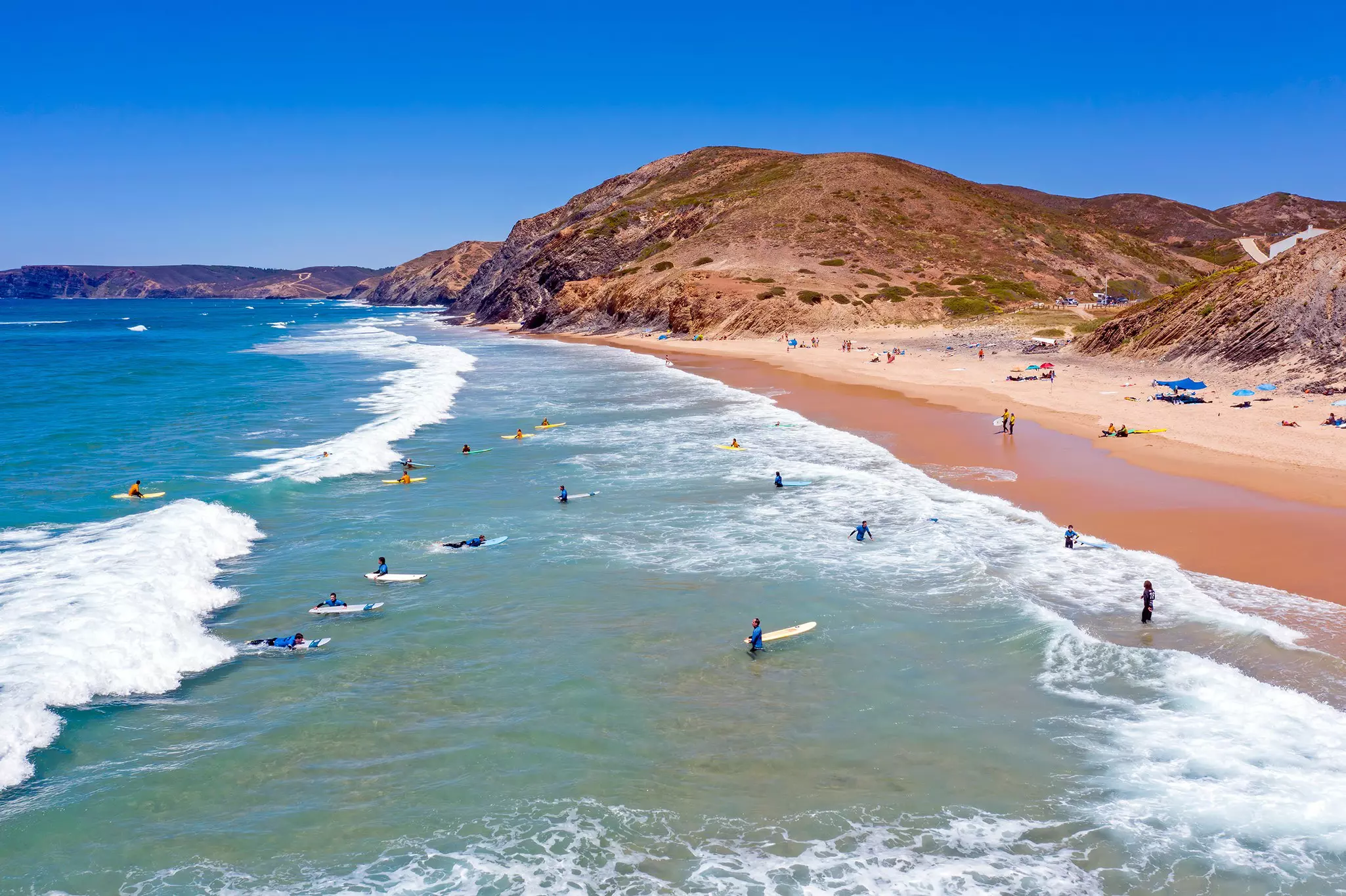
Once upon a time, back in medieval Portugal, a princess betrayed her people for love, and the last Moorish stronghold along the Atlantic coastline fell to Christian forces during the Reconquista – or so the legends say. The remnants of this fortress still stand, crowning the hill of Aljezur's old town, but visitors to this tiny village in the southwest of Portugal usually come for other reasons.
Some are drawn by the breathtaking clifftop views, countless pristine beaches and crystal-clear rivers; others are lured by outdoor adventures and some of the freshest seafood you can stick a fork in. And you can experience it all without the summer crowds that you'll find in many other parts of Europe.
While Aljezur town sees its share of visitors in the high season, the surrounding district – which also includes the towns of Carrapateira, Rogil and Odeceixe – has enough secret corners that you can almost always find an empty stretch of sand and a delicious restaurant without a wait, even in mid-August.
Planning tip: This is a great stop for outdoorsy families. Outdoor activities range from swimming and surfing to hiking and horseback riding; Praia da Arrifana is an appealing base on the coast.
Recommended by Helen Iatrou, Athens-based guidebook author
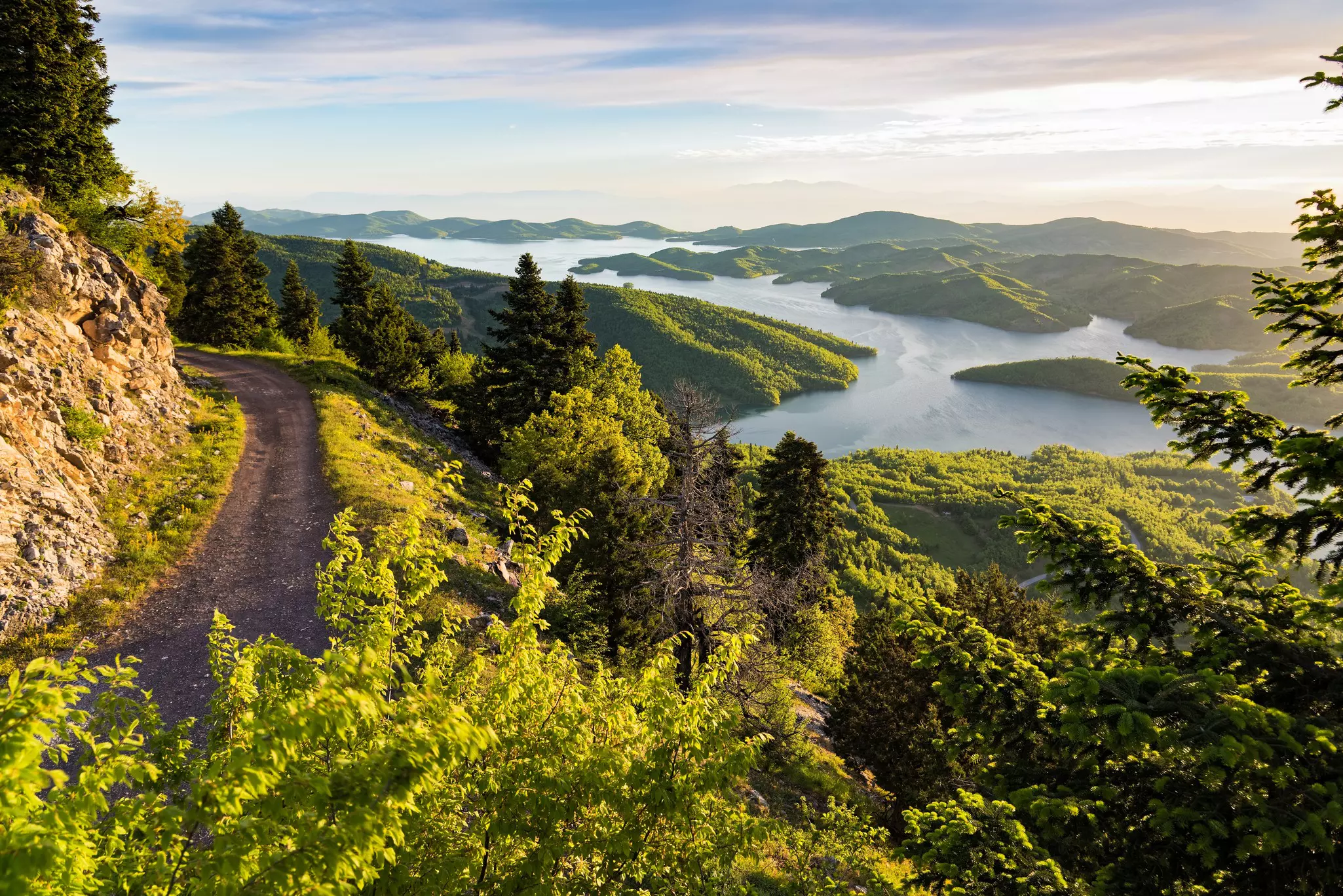
Central Greece is gorgeous, but the big sights can be mobbed in season. Dodge the heaving queues of Meteora and rent a 4WD for a road trip through rugged, out-of-the-way Agrafa, a little-known corner whose name means “unwritten” in Greek. Expect adventure; the Internet signal is unreliable in these parts, as is Google Maps, so be sure to seek the advice of locals and follow road signs carefully.
Base yourself at Montanema, a self-sustaining retreat of stone-built lodgings embedded high in the fir-forested Anthohori gorge in the northeastern part of Agrafa. Here, you can hike to the Anthohori waterfalls or head out on mushroom foraging expeditions into the forest. To the southeast is Lake Plastira, where you can ride a waterbike or paddle a canoe across calm, teal waters.
At the 16th-century Panagia Pelekiti Monastery, carved into a 1400m-tall cliff above Karytsa village, ask the attendants about the symbolism of detailed frescoes and the story behind a revered icon of the Virgin Mary. Then cap it off by heading south to the Lake Plastira Observatory for sweeping lake views.
Planning tip: For a rewarding detour, follow the road that leads to the Lake Plastiras dam and make a pitstop at one of the roadside vendors to pick up homemade glyka koutaliou ("spoon sweets") made with local chokeberries.
Recommended by Cyprus contributor Margot Bigg
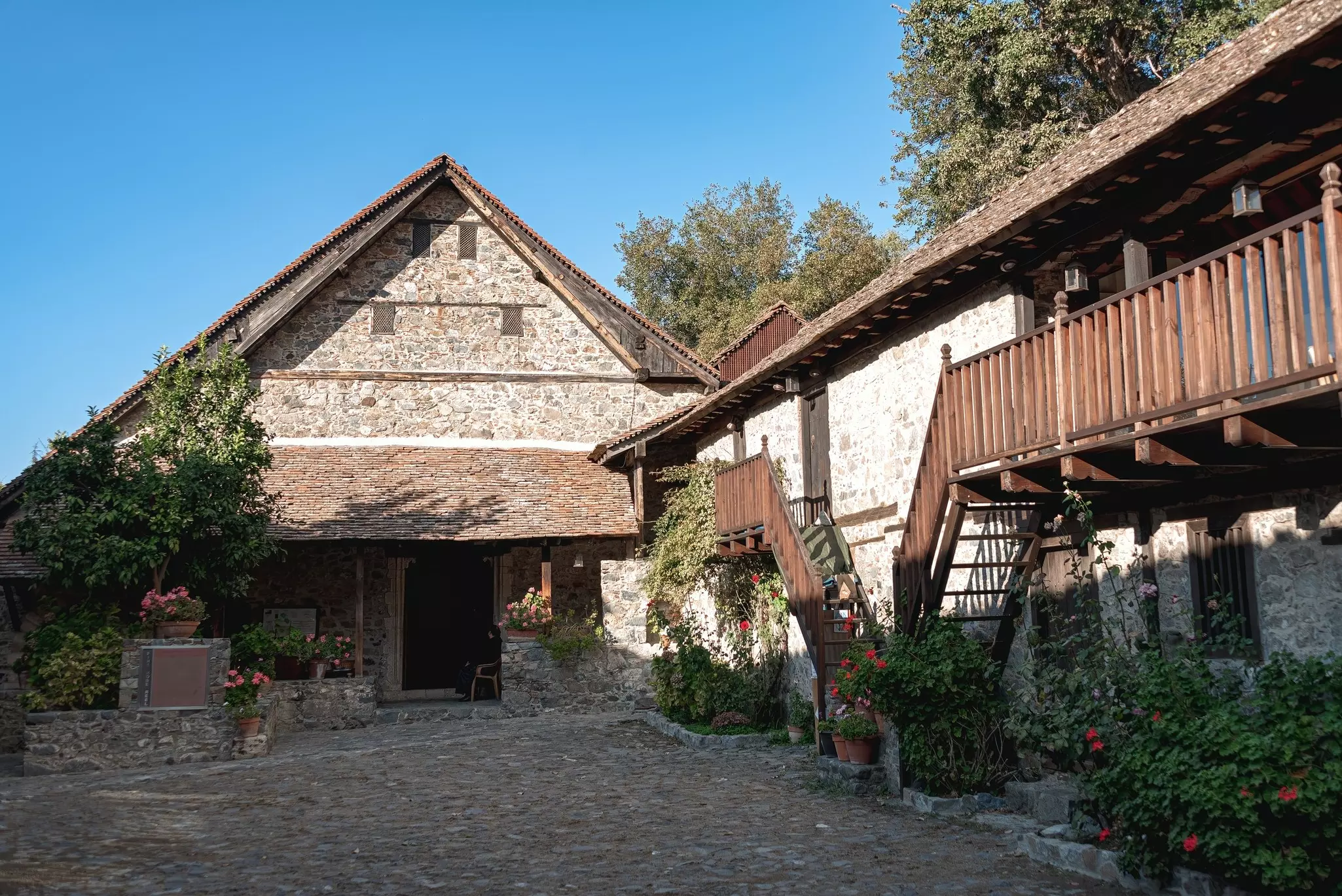
Ditch the boisterous beach scene and head to the hills for a bit of peace on the island of Cyprus. Spread out over a conifer-studded hillside in the Troodos Mountains north of Lemesos (Limassol), the village of Kalopanayiotis has the quiet stillness of a movie set – but there’s certainly nothing artificial about its unspoiled vibe.
The village's whitewashed buildings are crowned with terracotta rooftiles, and its cobblestone roads are very much the real deal. Part of the village has been transformed into the spa retreat Casale Panayiotis, which has rooms clustered in buildings around the village, alongside a handful of homestays and holiday rentals.
Even if you aren’t staying at Casale, it’s worth trying the Cypriot specialties on offer at the resort’s two restaurants, or heading to the star of the show – the Myrianthousa Spa – for a massage or a hydrotherapy circuit.
Planning tip: When you're ready to explore, hike along the undulating trails that weave through the lowest part of the village, over an old Venetian bridge and past sulfur hot springs that once drew in droves of visitors seeking medicinal treatments before, paying your respects at the Agios Ioannis Lambadistis Monastery, an 11th–century stone complex filled with glorious gilded icons.
Recommended by Belgium-based Mélissa Monaco
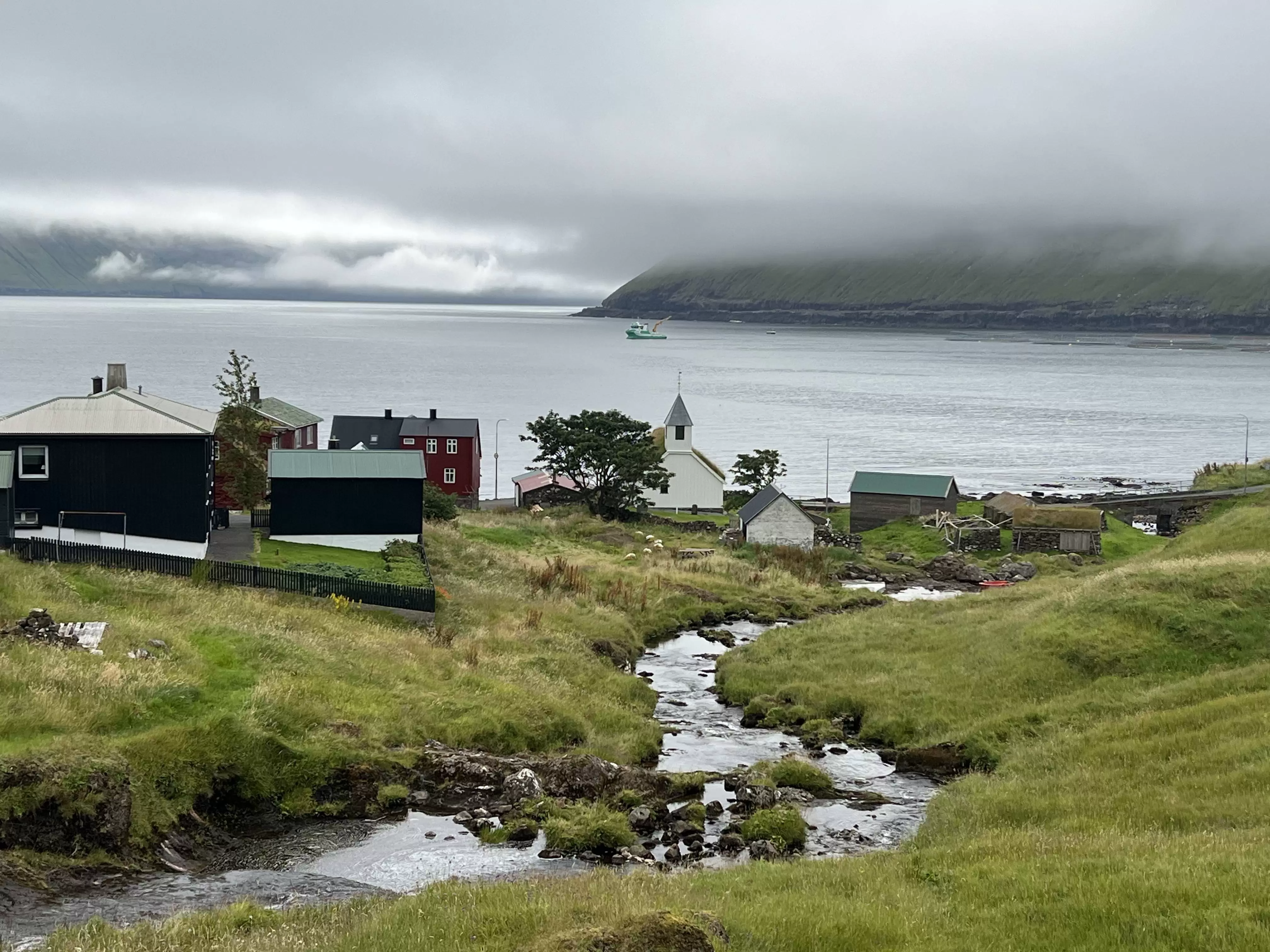
Nestled in the North Atlantic Ocean between Scotland and Iceland, the remote and rugged Faroe Islands stand as a testament to nature's raw beauty and power. No trees grow on these islands shaped by relentless waves and winds, and you’re more likely to come across sheep than humans as you follow the cairn-marked trails that crisscross these remote North Atlantic isles.
Getting away from it all is easily done here. In fact, you can start on foot from the island’s capital, Tórshavn, following a trail that begins right from the city fringes. Chances are you will be quite alone as you admire the view over the neighboring islands from the top of the hill. Continue down to the village of Kirkjubøur, the ruins of St Olav’s Church and the 11th-century log house of Roykstovan – the oldest wooden house in Europe – which contains a charming museum.
Planning tip: While they are remote, the Faroe Islands are becoming more popular, and some spots are busier than you might expect. But if you travel in the off-season and avoid the most popular hikes – such as the trails to Kalsoy or Lake Leitisvatn – it's easy to find yourself blissfully on your own with the wind in your hair and the sound of the ocean in your ears.
Recommended by Bucharest-based Monica Suma
About an hour away by train from resplendent-but-tourist-packed Prague lies the equally striking but crowd-free “royal region.” Once the stronghold of Bohemia’s kings, Central Bohemia promises outstanding nature and heritage sites that are ideal for a day trip or a multiday getaway in the heart of Czechia.
Base yourself in Kutná Hora, a pretty, UNESCO-listed town known for its silver mining history and the Gothic Cathedral of St Barbara. The surrounding area is teeming with castles, like the elegant Kačina Chateau; don’t miss the magnificent, cupola-topped library on the premises, boasting tens of thousands of old books. You’ll also be amazed to find a top-notch modern art museum, GASK, in the town's former Jesuit College.
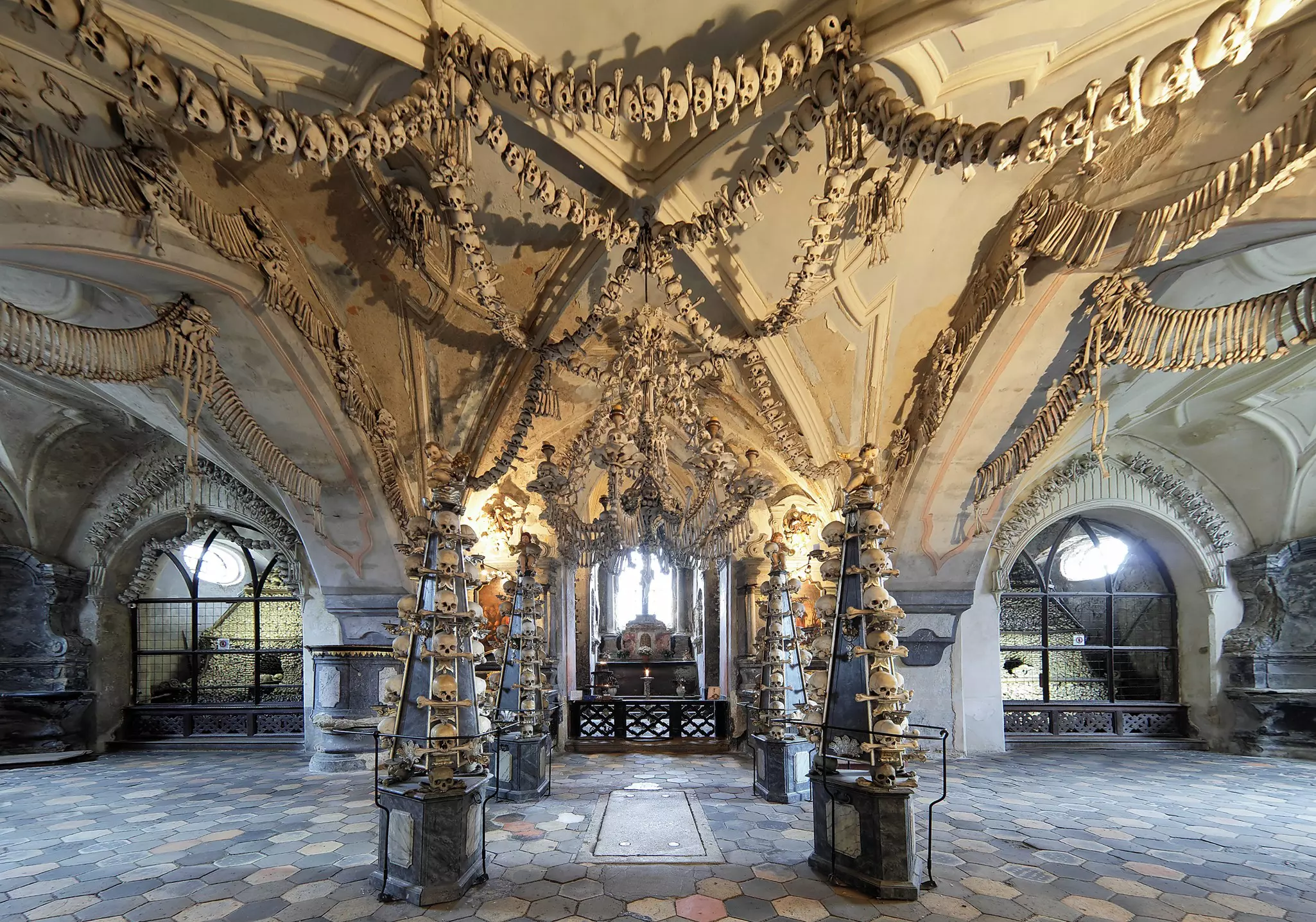
For a surreal, candlelit experience, head to the creepy Sedlec Ossuary, a “bone church” celebrating the inevitability of death. A staggering 40,000 to 70,000 skulls and bones from victims of plague and war in the 14th century adorn this unique spiritual site.
Planning tip: For overnight stays, nothing beats glamping in a luxe medieval tent right by the restored Malešov Fortress, complete with a four-poster bed. Also, make time for a Czech craft beer experience, touring the cellars of the historic Malešov Brewery.
Recommended by NYC-based John Garry
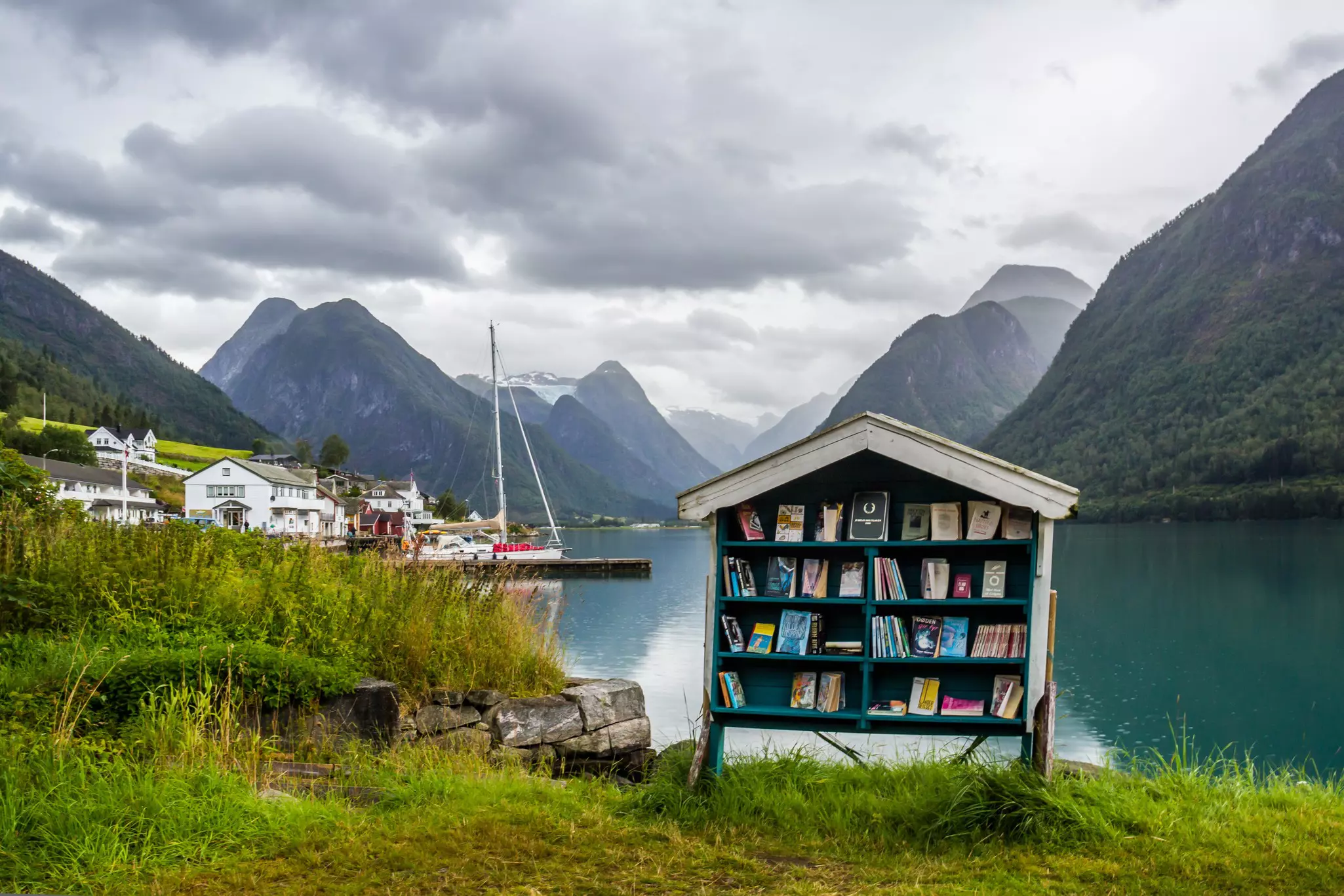
If you love to curl up with a novel, you'll struggle to find a better spot than this fjord-side village near Jostedalsbreen National Park, a scenic four-hour drive from Bergen. Fjærland is known as Norway's "Book Town," with a 4km stretch of shops selling secondhand books (most in Norwegian), including such unlikely places as the post office, the bank and even a barn.
Chattering gulls outnumber the town's 300 residents, so it's doubtful anyone will disturb you while you leaf through your literature, though the storybook scenery is bound to distract. Weatherboard houses line the borders of an emerald-green fjord, and icy Jostedalsbreen (mainland Europe's largest icecap) glitters blue above Fjærland's farmland.
You can appreciate the area's natural beauty by hiking to nearby glaciers, kayaking the coastline or renting the town's floating sauna, which has a picture window framing the landscape. The only crowds you'll see are likely to be around the Norwegian Glacier Museum, featuring interactive exhibits on the science of glaciation.
Planning tip: For accommodation, try the Fjærland Fjordstove Hotel, a waterfront inn serving three-course, farm-to-table dinners. After you've eaten, take a seat in the hotel's cozy common space, where views of pine-packed mountains seem plucked from a picture book.
Recommended by Florence-based Angelo Zinna
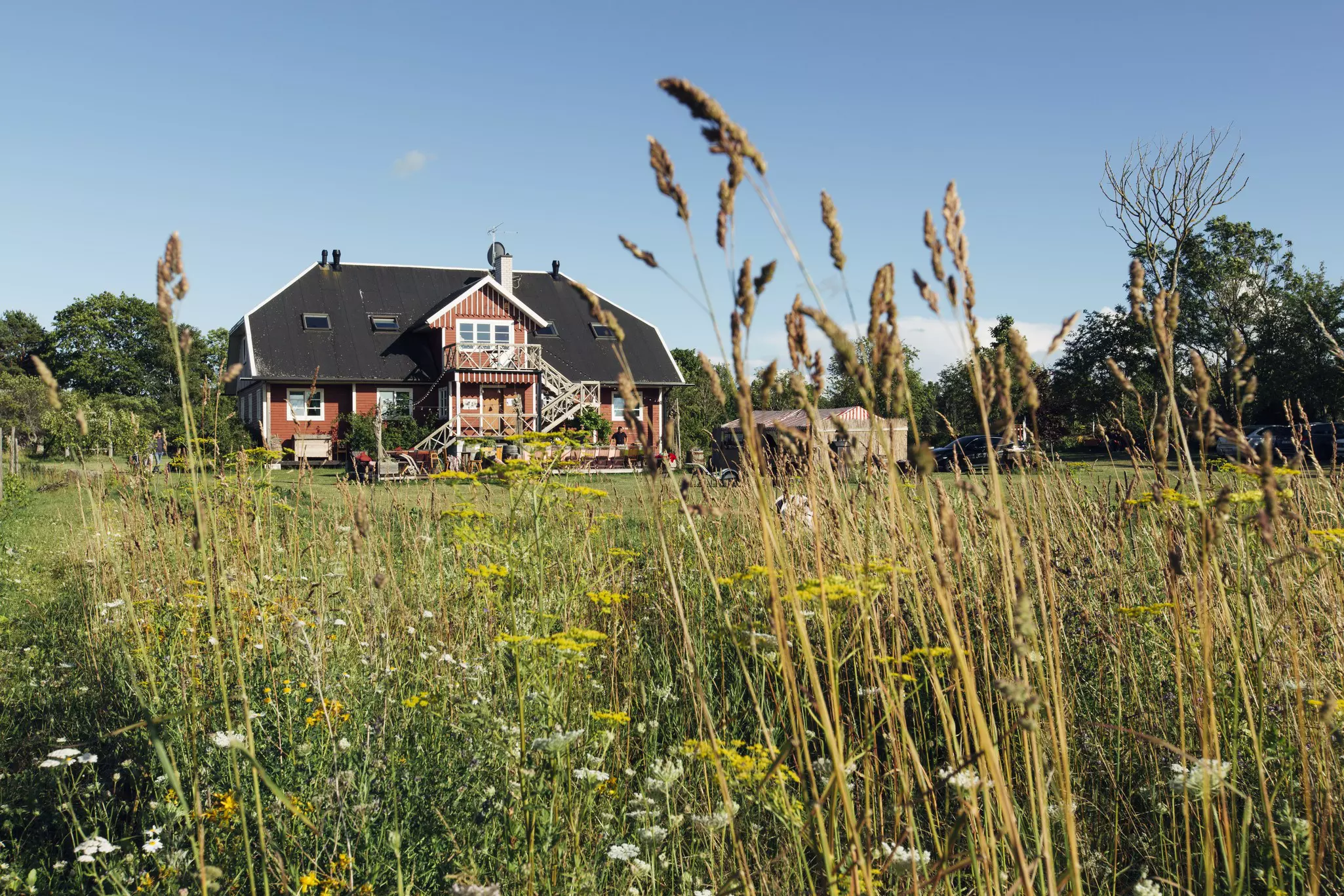
Sparsely populated and largely covered in forest, the islands of the Estonian Archipelago in western Estonia see little tourist traffic, even in the summer months, yet the five main islands here – Saaremaa, Hiiumaa, Muhu, Kihnu and Vormsi – are easily reached via a short ferry ride from the mainland. Visitors can enjoy the delights of a UNESCO-inscribed biosphere reserve while immersing themselves in an intriguing culture shaped over 5000 years of life beside the Baltic Sea.
The perfectly preserved Episcopal Castle of Kuressaare is the region’s best-known landmark, but roam beyond Saaremaa’s capital to discover the mysterious sites found along some of Estonia’s least-traveled roads, including one of the world’s largest collections of wheel-like “sun crosses” at Vormsi’s cemetery, the meteorite craters of Kaali and the sites of battles from WWII in northern Hiiumaa.
Planning tip: During the endless days of summer, the islands are ideally suited for cycling. Rental bikes are easily arranged on islands such as Saaremaa. Alternatively, join a sunset cruise from Kihnu on the Hoppet, the only functioning Estonian-built wooden ship dating to the pre-WWII period.
Recommended by Mark Baker, author of more than a dozen Lonely Planet guides
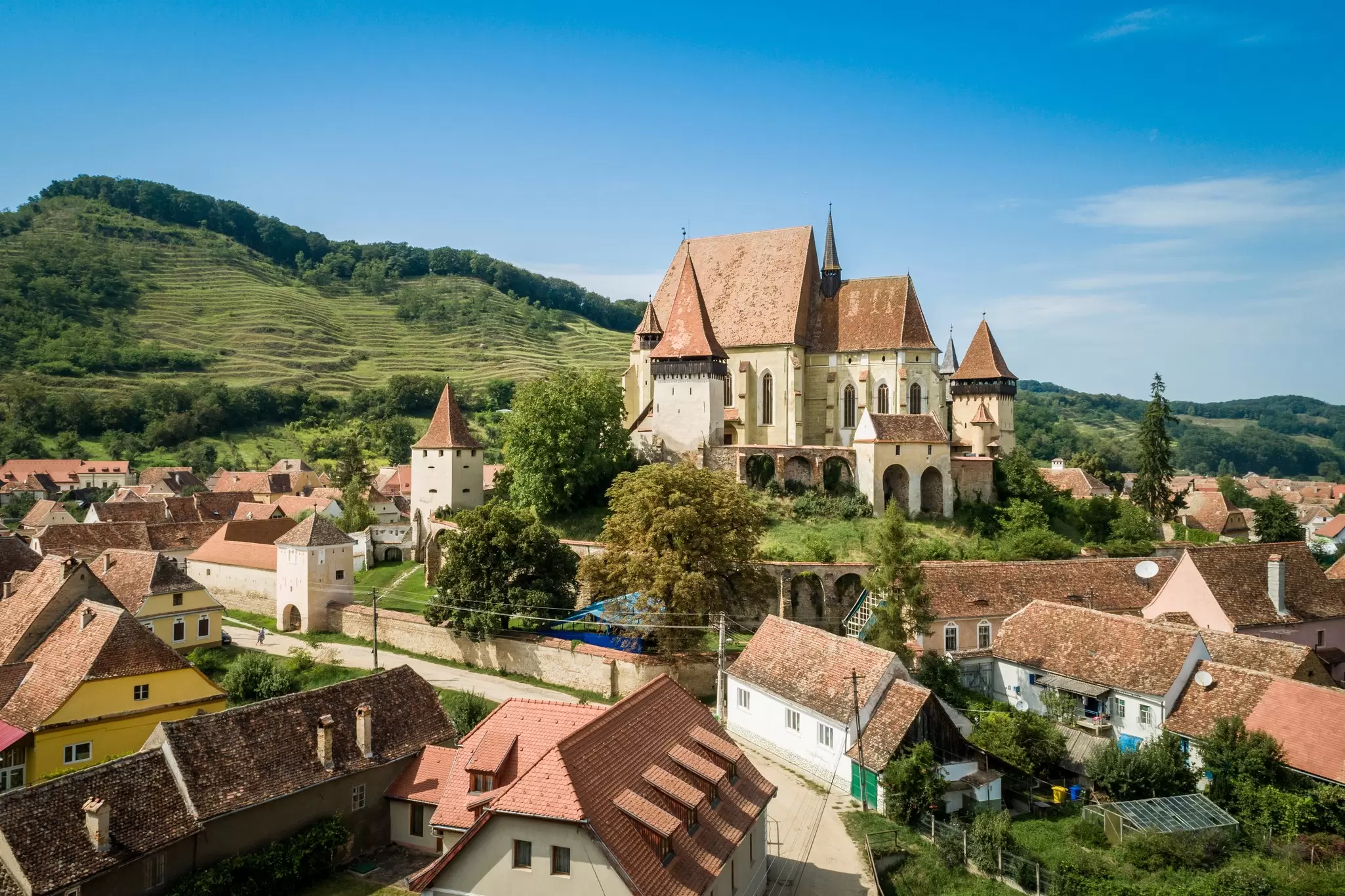
In his classic novel, Dracula, the Irish author Bram Stoker described Transylvania as a magical wilderness of dense, sprawling forests, remote valleys veiled in fog, and lonely mountain peaks. Stoker created his main character for the book, the bloodthirsty Count Dracula, mainly from his imagination, but his depiction of Transylvania itself was much closer to real life. Transylvania really is this mysterious and majestic.
As this is Romania’s biggest region, it’s best to focus on one area at a time. The medieval hamlets of Viscri and Biertan, north of Braşov, are punctuated by dramatic fortified churches and surrounded by rolling hills. Take time to enjoy rural hospitality at a traditional Saxon house (given an upmarket makeover), such as Casa Eva Wagner or Viscri 125.
South of Braşov, running to the foothills of the Carpathians, remote mountain villages such as Moieciu de Sus, Măgura and Fundata stand at what feels like the end of the earth. Base yourself here to explore the high-elevation trails of Piatra Craiului National Park.
Planning tip: For lodging close to Piatra Craiului, splurge on a traditional mountain house such as Casa Pelinica or tuck yourself into a cozy, pod-like dwelling, with timbered ceilings and pretty-as-a-picture vistas, at Odăi din Plai.
Recommended by France-based Nicola Williams, author of more than 50 Lonely Planet guides
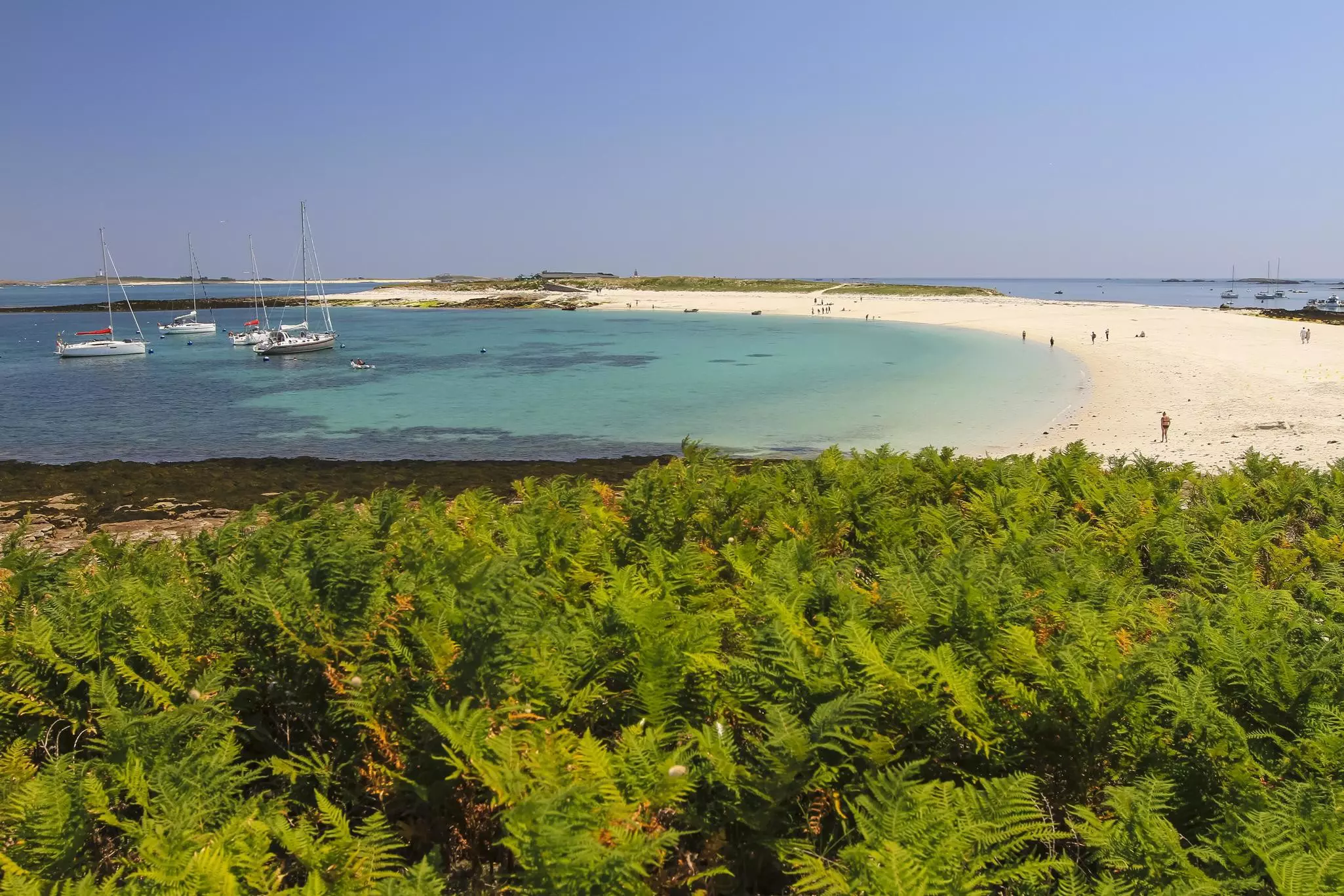
Forget summer-hot Belle Île and tourist-trodden Cancale; the homeland of the proud Breton people in northwestern France squirrels away a scattering of lesser-explored islands and islets – about 800 in all. Brittany's islands promise peace, solitude and soul-soaring trails, winding around rugged cliffs, tidal beaches and forgotten smugglers’ coves.
Take the Îles Glénan group off the coast near Finistère, accessible by boat from June to September – they're sometimes described as Brittany’s Tahiti thanks to their gin-clear waters, white sand and top-notch diving. Look out for rare flora, including the Glénan narcissus that carpets the archipelago in white blooms each April.
If sleeping in the keeper’s cottage of the world’s oldest freestone lighthouse rocks your boat, point your compass north to uninhabited Île Vièrge. With a rented kayak, you can paddle out to this deserted isle and disembark for a night of splendid isolation.
Planning tip: Off the same stretch of Brittany's coastline, potato farm and chambre d’hôte (B&B) Ferme de Quéménès is the ultimate French island escape, tucked away on pinprick-sized Île d’Iroise. Not counting some chickens and a flock of sheep, the year-round population on this pristine crumb of land is three people – plus maybe you!
Recommended by UK-based Victoria Gill
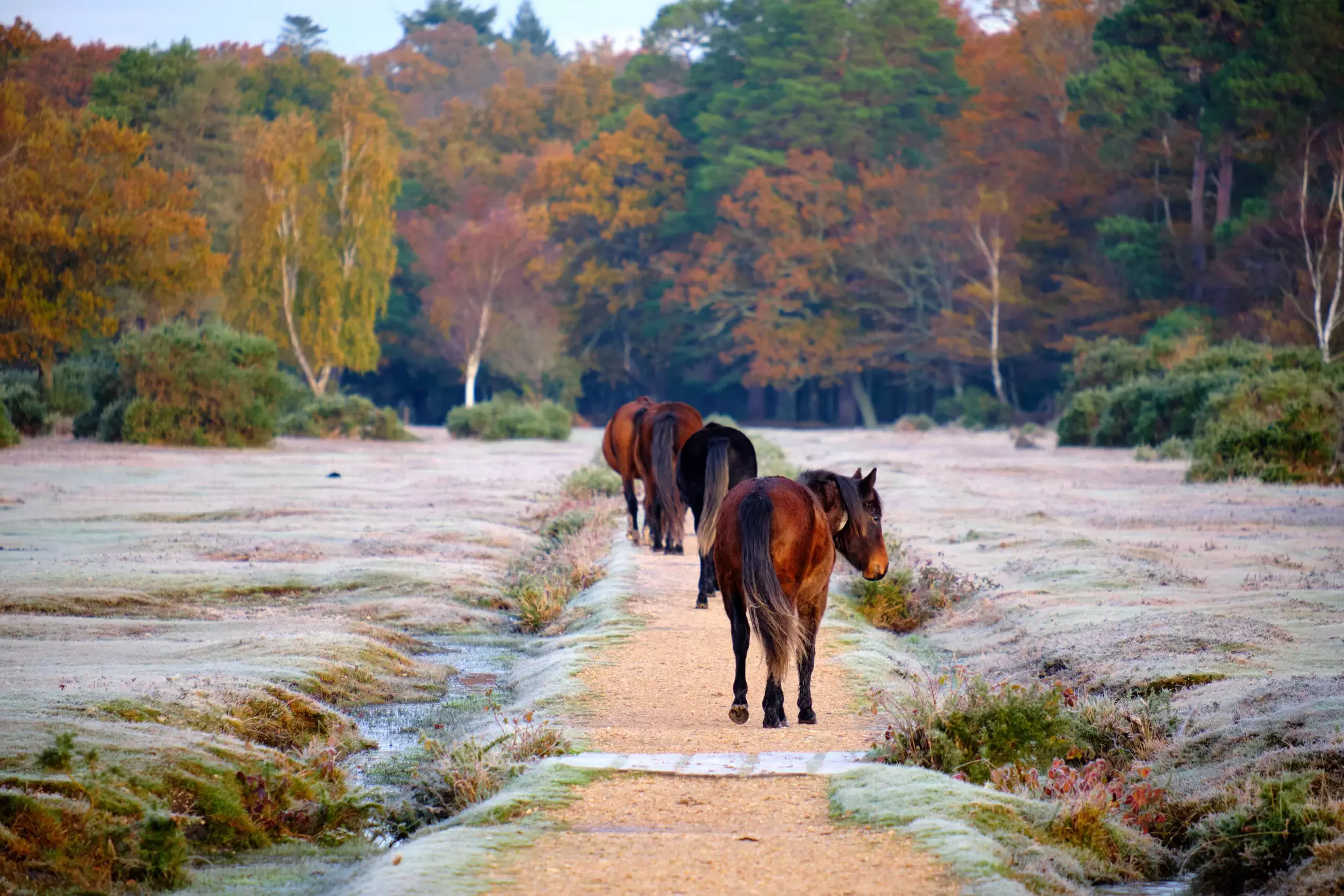
A canopy of towering oaks blanketing the lap of the English Channel, the New Forest is a magnet for those escaping the built-up bustle of Southampton and Portsmouth for thatched cottage-core villages and national treasures set amid lush, emerald woodland.
This ancient forest – don't be fooled by the name – was a royal hunting ground for medieval kings, as recorded in the Domesday Book, and it's home to the Rufus Stone, which commemorates the site where an arrow felled King William II. For a base, try Brockenhurst, a burgeoning town 90 minutes by train from London, where fashionable hotels such as the Chewton Glen and the Pig Hotel beckon.
Travel options here are varied – yurt and treehouse stays, hikes along rugged coastlines, Bournemouth's golden beaches, trips to castle forts lapped by the waters of the Solent, and stately home museums. Seek out gems such as the Beaulieu motoring museum, which traces the history of the automobile from its earliest days.
Planning tip: What distinguishes this national park from other bucolic English pastures is the forest's population of free-roaming ponies. You can arrange guided rides along verdant country lanes from world-leading stables and stop for Dorset cream teas in villages such as Minstead or Fordingbridge.
Recommended by Kerry Walker, author of dozens of Lonely Planet guides
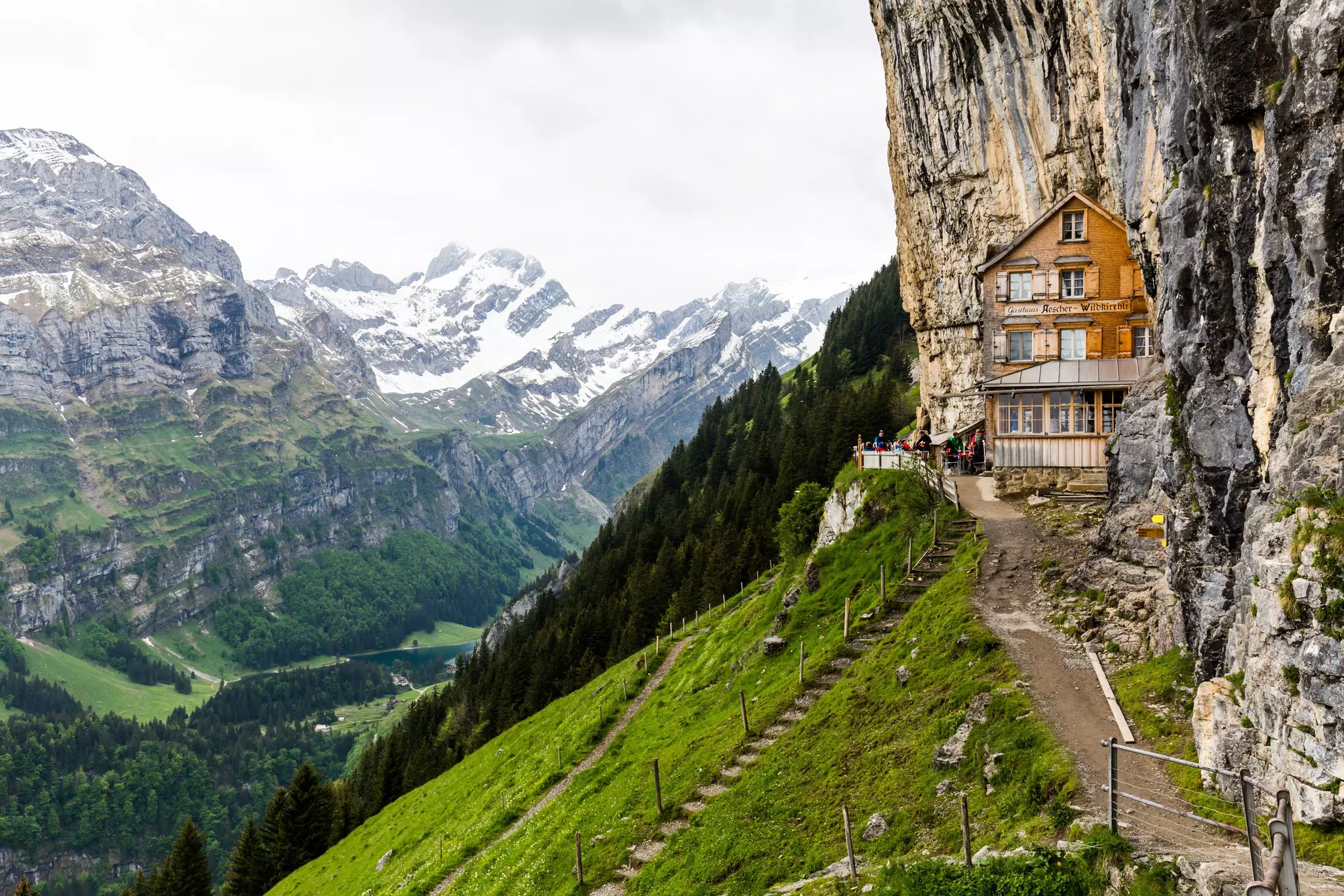
Sky-high peaks like the Matterhorn and Eiger get all the love, but to truly slip away from the crowds and commune with Switzerland’s nature-loving soul, there’s no place like Appenzell. Never heard of it? You’re not alone. Nudging the Austrian border in the country’s northeastern pocket, this spectacularly unsung region is where Switzerland is turned up to the max, yet it remains delightfully off the radar.
We’re talking velvety, pea-green, skippable meadows unfurling at the foot of spruce forests and the craggy Alpstein mountains. It’s the 21st century elsewhere, but you’d never know it in these villages of fire-warmed log cabins and low-beamed taverns reverberating to the sound of folk music.
The area's festivals evoke another era, too. Attend the weird, pagan-inspired, winter-banishing bonfires of Funkensonntag (Spark Sunday) in February and the New Year’s tradition of Silvesterchlausen, where bell-clattering singers known as mummers parade from door to door.
In the cute-as-a-button town of Appenzell, the Altstadt brims with gabled, frescoed houses that are pure Grimm and voting still happens the hand-raising medieval way on Landsgemeindeplatz in April. The Appenzeller Volkskunde-Museum lifts the lid on this fascinating piece of Swiss rural life.
Planning tip: For more Appenzell action, swerve south to Stein for a spin around the Appenzeller Schaukäserei dairy, for a behind-the-scenes peek at cheesemaking, or head for the hills on a soul-soaring mountain hike around the region’s crowning peak, 2502m-high Säntis.
Explore related stories