Oct 5, 202611 min read
The Best Places for an Italian Ski TripMar 8, 2026
9 MIN READ

Writer
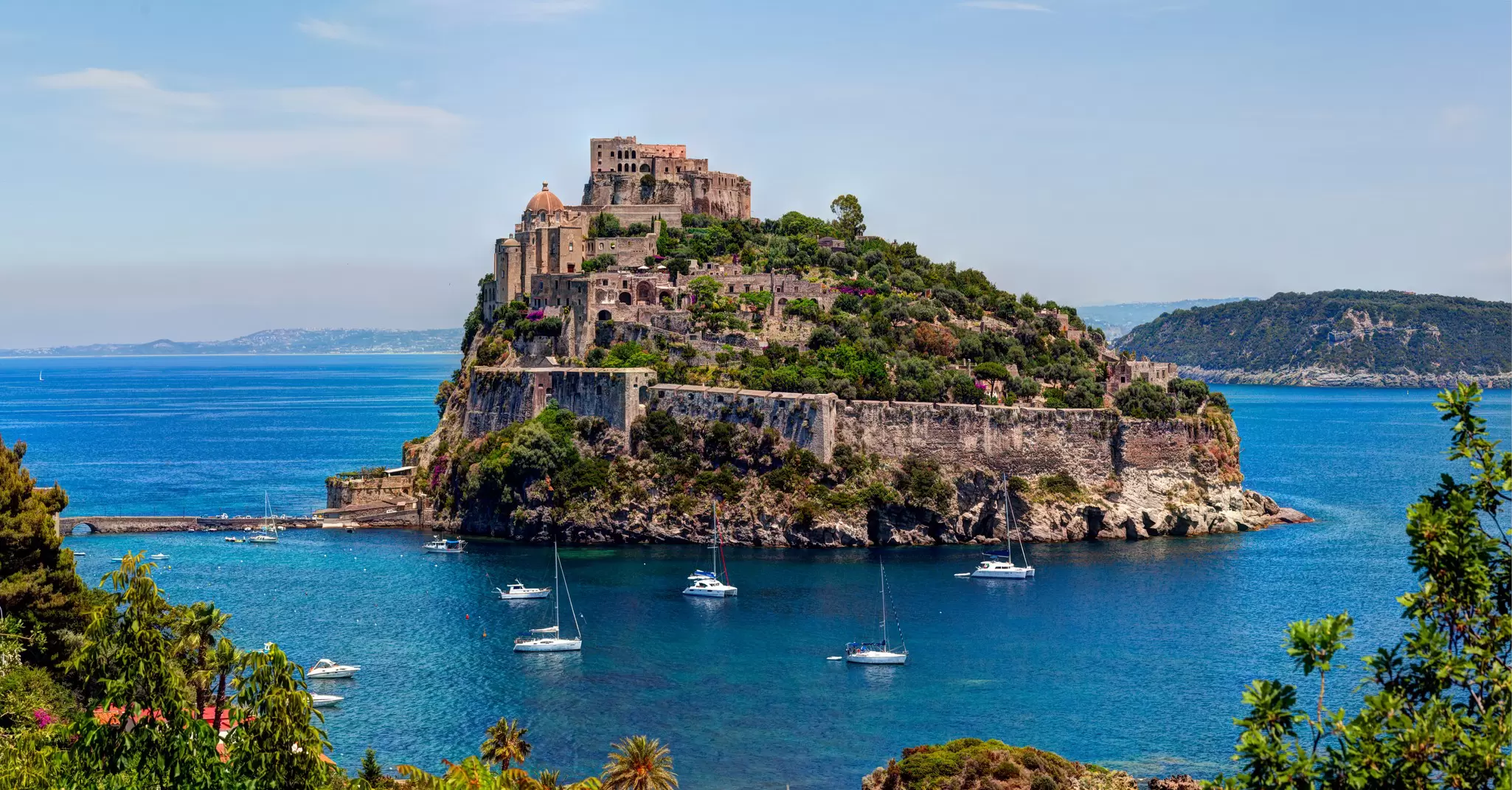
The Aragonese Castle, Ischia. Yevgen Belich/Shutterstock
Writer
Highlights
Lonely Planet writer Kerry Walker picks eight of Italy's best islands.
If Capri is swank, Ischia is chilled – volcanic hot springs and golden bays await.
Sicily stuns with Mt Etna, ancient temples and great street food; Stromboli smolders nearby.
Elba rewards hikers, San Domino divers, the Isole Pontine day-trippers and Levanzo seekers of quiet.
Lonely Planet may earn a commission from affiliate links on our site. All recommendations and reviews reflect our own independent opinions.
Whether you approach from the azure sea by boat or over mountaintops and volcano craters as you descend by air, little beats the thrill of alighting on a new Italian island.
With over 400 to pick from, Italy has an island for every mood, moment and budget – from glamorous Capri to smoldering Stromboli, outdoorsy Elba to remote Levanzo. All over the country, such islands deliver stirring views, gorgeous beaches, honey-hued villages, mountains to climb, and distinct cuisines and histories – packing a microcosm of Italy into just a few square miles.
Focusing on Italy’s southern half, we’ve selected eight of our favorite Italian islands. Yet if, as you travel the length of Italy’s boot, you find yourself tempted to hop on a random ferry, you’re bound to find your own favorites, too.
Best for glitz and glamor
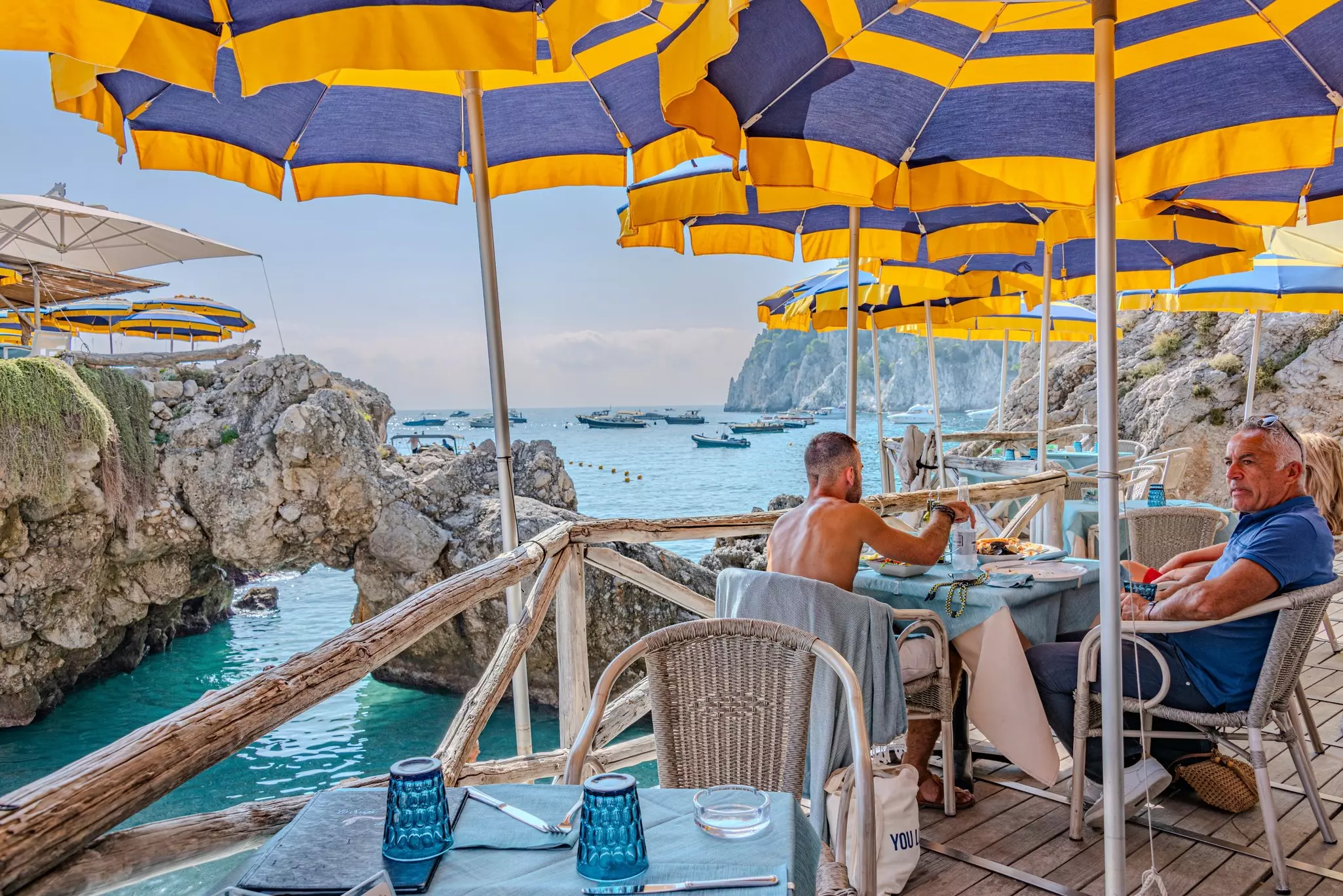
The supermodel of the Italian islands, Capri knows how to work a crowd. Off the west coast of the high-drama Sorrento Peninsula, this island’s beauty is off the scale. Roads rollercoaster down to startling blue seas, cliffs punching above honey-gold sands; gorgeous villas drip with bougainvillea; and yacht harbors are as polished as the mega-rich that flock to them.
Capri’s spell touches people in different ways. Moments to remember might include hiking or jumping into the chairlift to 589m-high Monte Solaro for views over the Bay of Naples; wandering the flowery terraces of Giardini di Augusto (founded by Emperor Augustus) in whitewashed, cinematically pretty Capri Town; or swimming among the ruins of a Roman villa at beach club Bagni di Tiberio.
You can visit Capri on a day trip from Naples or Sorrento, but it’s wise to stay longer. Visit in the shoulder seasons (spring and autumn) when the island is less swamped and room rates are more affordable.
Getting there: SNAV or Caremar hydrofoils regularly breeze over to Capri from Naples; the journey takes around 45 minutes.
Best for cinematic backdrops
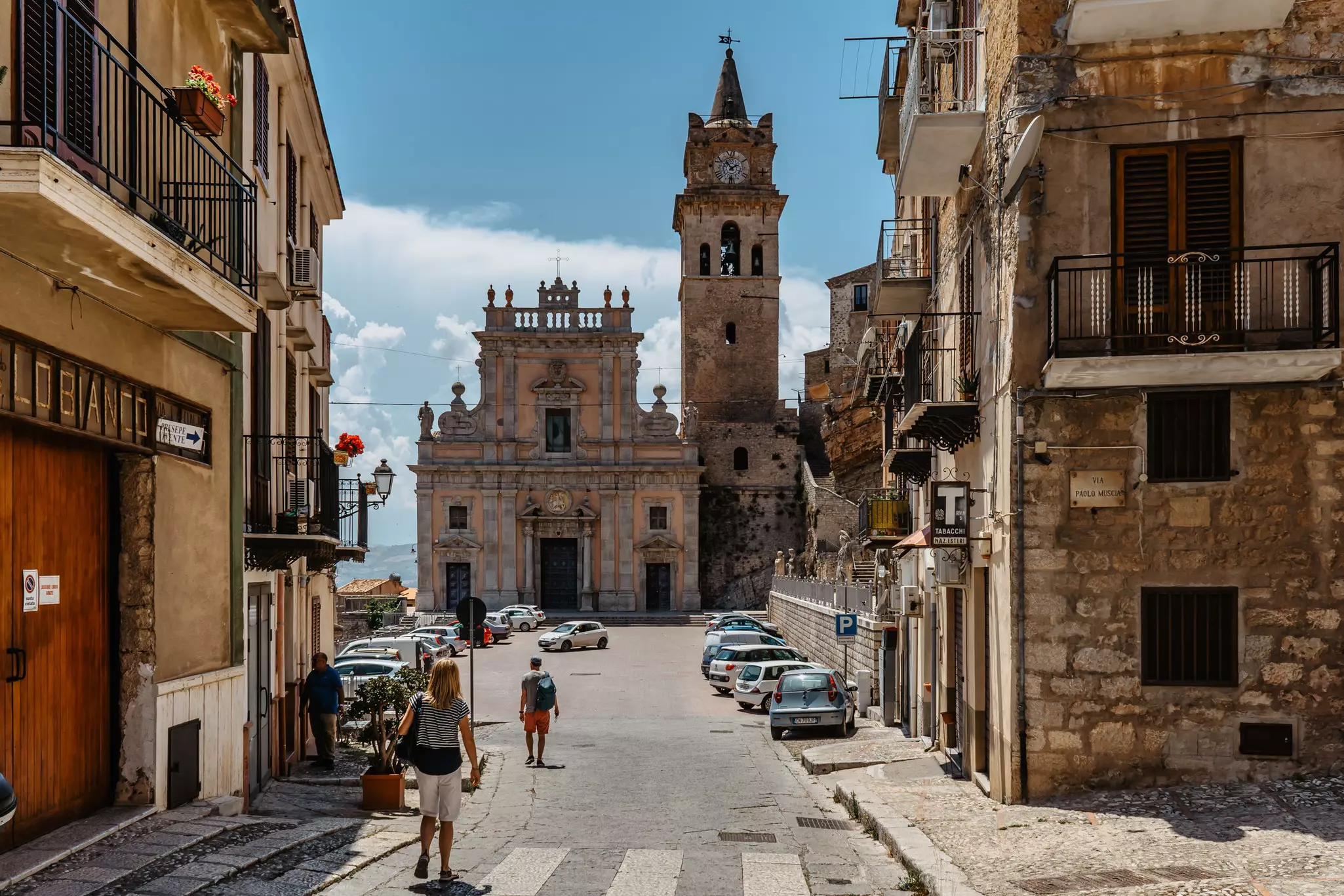
Closer to North Africa than the Italian mainland, Sicily – Italy’s biggest island – is hot, culturally exuberant and crazily beautiful. Capped off by the mighty, 3326m-high (10,912ft) volcano Mt Etna, the island is visually epic, too, filled with honey-colored hill towns and port cities, white-sand beaches easing into sapphire-blue seas, and a phenomenally wild, mountainous hinterland.
But Sicily has personality as well as looks. Here, you can break up lazy beach days with some of Italy’s most enthralling cultural sights – from the ancient Greek monuments in Agrigento’s Valley of the Temples, to exquisite Byzantine mosaics in Palermo’s Cappella Palatina, to the sensational Arab-Norman Duomo in seaside Cefalù.
And you won’t eat better anywhere in Italy, whether it’s perfect arancini in Palermo’s souq-like markets; boat-fresh, lightly battered seafood (frittura mista) in Catania; or crunchy, sugary, ricotta-filled cannoli with candied orange or pistachios. From humble street food to Michelin-starred finery, the Sicilians simply love to eat.
Getting there: Sicily’s two main airports serve the island's two biggest cities: Palermo and Catania. For cheaper flights, visit in the shoulder or low seasons.
Best for snorkeling and diving
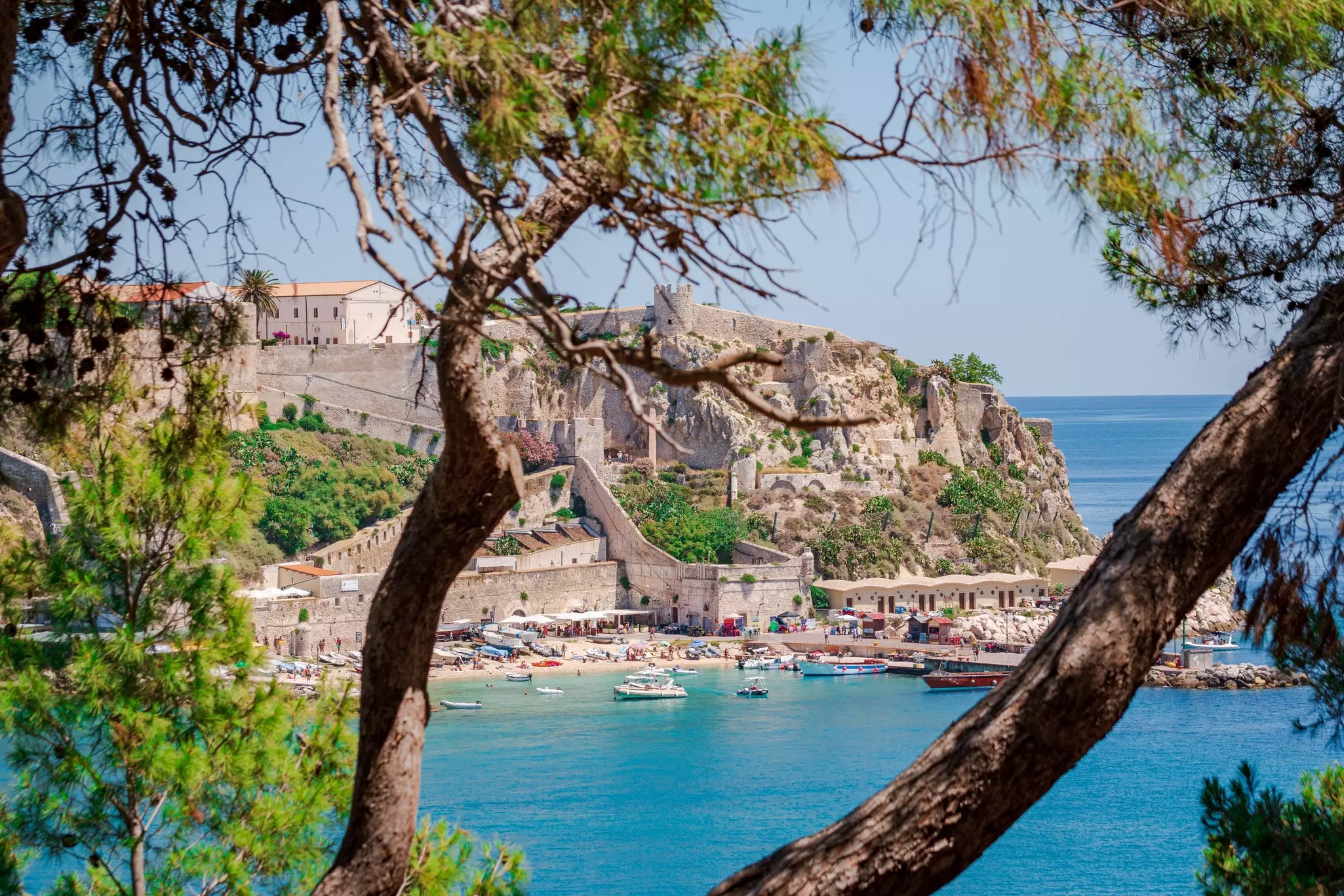
If you’ve never heard of San Domino, a jewel of Puglia’s Isole Tremiti, you’re not alone. But, boy, are you missing out. North of the Gargano Peninsula, these little-raved-about islands deserve more fuss, thanks to their rugged, pine-cloaked cliffs diving to coves, blonde sands and the Adriatic Sea fading from brightest azure to deepest sapphire.
The springboard for exploring this five-island archipelago, San Domino has a trail-woven coastline indented with coves, grottoes and the odd pretty sandy bay (Cala delle Arene is a star one). If it looks tempting to leap straight into these waters, it is – snorkelers and divers are in their element here. (Tremiti Diving Center makes it happen.) Boat trips depart from the port around the island, dipping into caves – including the big one, Grotta del Bue Marino – with the chance to swim in jewel-colored waters. Mare e Stelle is an always-reliable operator.
Getting there: Boats from the Italian mainland to the Isole Tremiti depart from Manfredonia, Vieste and Peschici in summer, and Termoli in nearby Molise year-round. Most arrive at San Domino.
Best for beaches
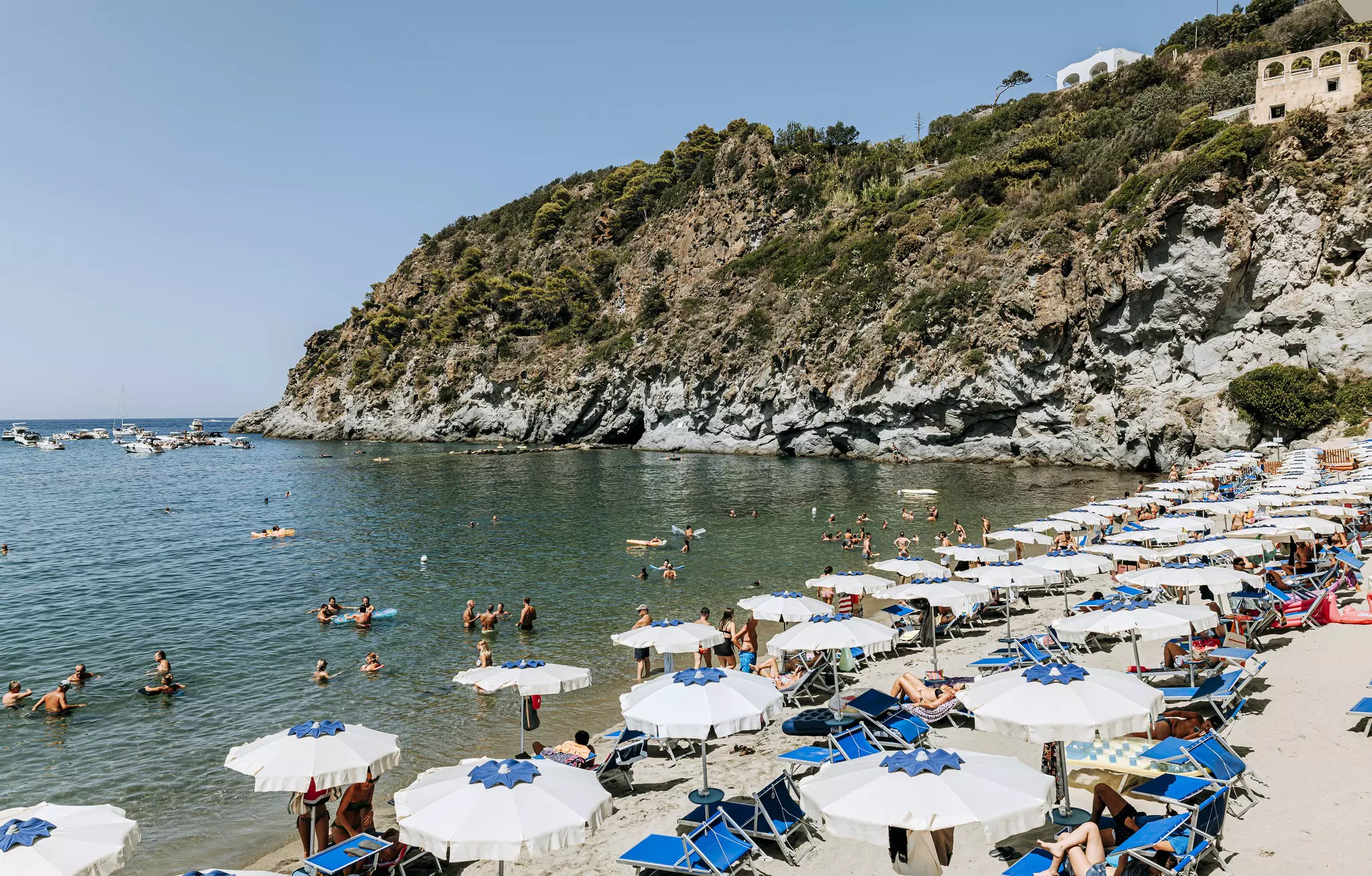
A vision in the Tyrrhenian Sea, the volcanic isle of Ischia is a refreshing tonic after the heat and hectic pace of Naples, an hour’s hydrofoil ride away. Dubbed Isola Verde (Green Island) because of its lushness, Ischia is a true stunner, with ragged mountains rising above terraced vineyards, hot springs, botanical gardens, cliff-flanked bays and great swathes of golden sand smoothed by a startlingly azure sea. It’s really does look like it belongs on the silver screen – so it’s no wonder that Ischia was the backdrop for the 1999 film The Talented Mr Ripley.
If Capri is swank, Ischia is chilled. You could just spend your days lounging on pirate bays like Spiaggia dei Maronti, bathing on the hot, thermal sands of Le Fumarole, or digging into spaghetti alle vongole (garlicky clam pasta) in pastel-painted coastal villages like Sant Angelo. If you want a helping of culture along with such pleasures, visit La Mortella, the extraordinary botanical gardens at the former home of the late British composer William Walton.
Getting there: Thanks to the SNAV and Caremar hydrofoils that from Naples to Ischia in 45 minutes to an hour, the island is doable as a day trip. But you’ll want to spend a night or two here.
Best for hiking and biking
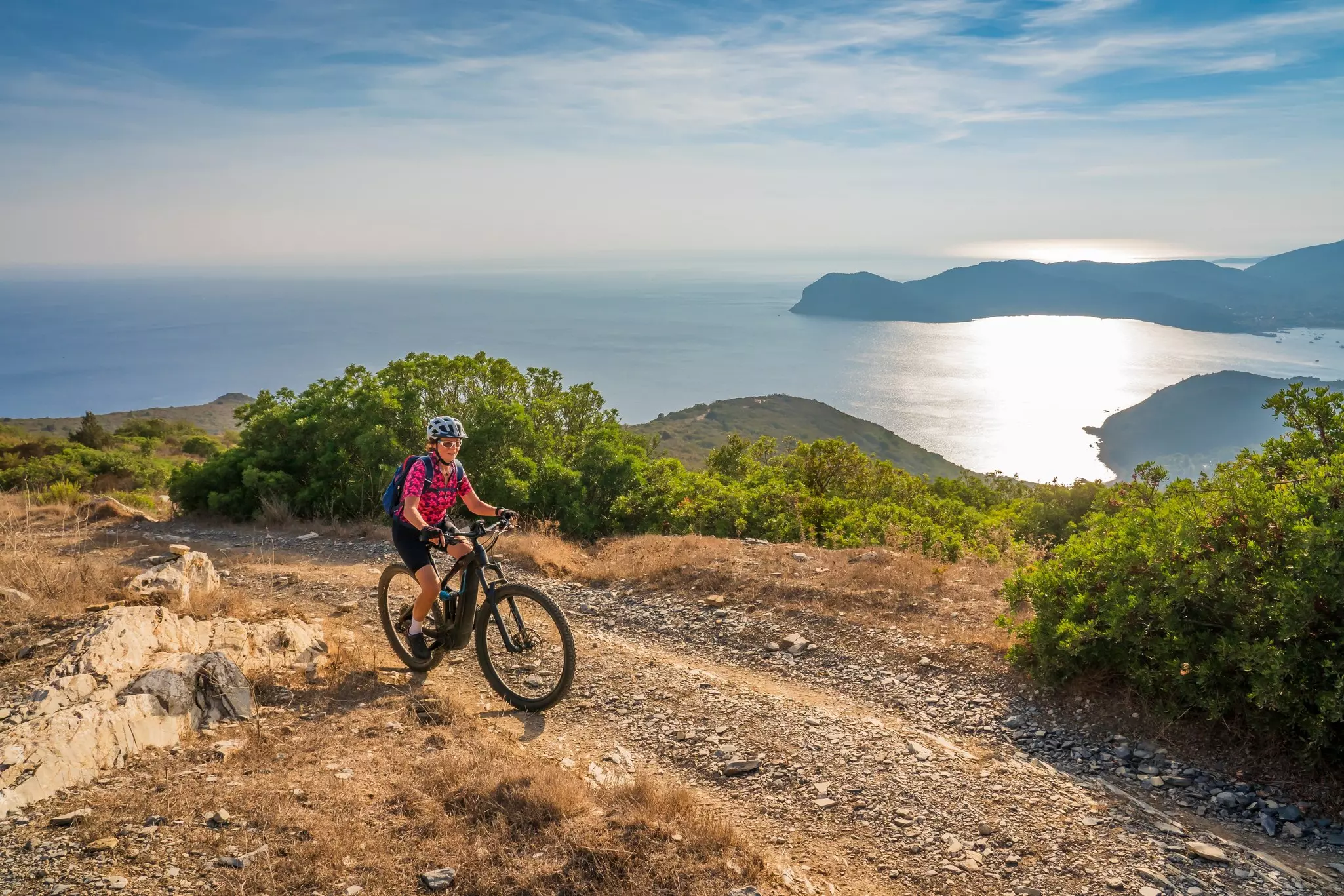
Dangling off the coast of Tuscany and forming part of the seven-island Parco Nazionale dell’Arcipelago Toscano, Elba is bewitching. A battle-weary Napoleon lived in exile here in 1814, fleeing after a year to return to Paris – but why the Corsican departed is anyone’s guess. For once you lay eyes on Elba’s castaway coves, vineyards, azure waters and roads corkscrewing high into the mountains, heart-pumping views on every bend, you might never want to leave.
Heavenly beaches invite lying out and snorkeling in brilliantly turquoise waters; don’t miss cliff-wrapped, white-pebble Spiaggia La Sorgente and Spiaggia di Sansone. But Elba really has an edge when it comes to hiking and biking, thanks to its vast network of trails. Fancy a proper challenge? Lace up the boots for the Great Elba Crossing, a 60km, 4-day scramble over the island’s highest ridges, including 1018m Monte Capanne.
Getting there: Moby operates a frequent year-round ferry service between Piombino on the mainland and Cavo (30 minutes), Rio Marina (45 minutes) and Porto Ferraio (1 hour).
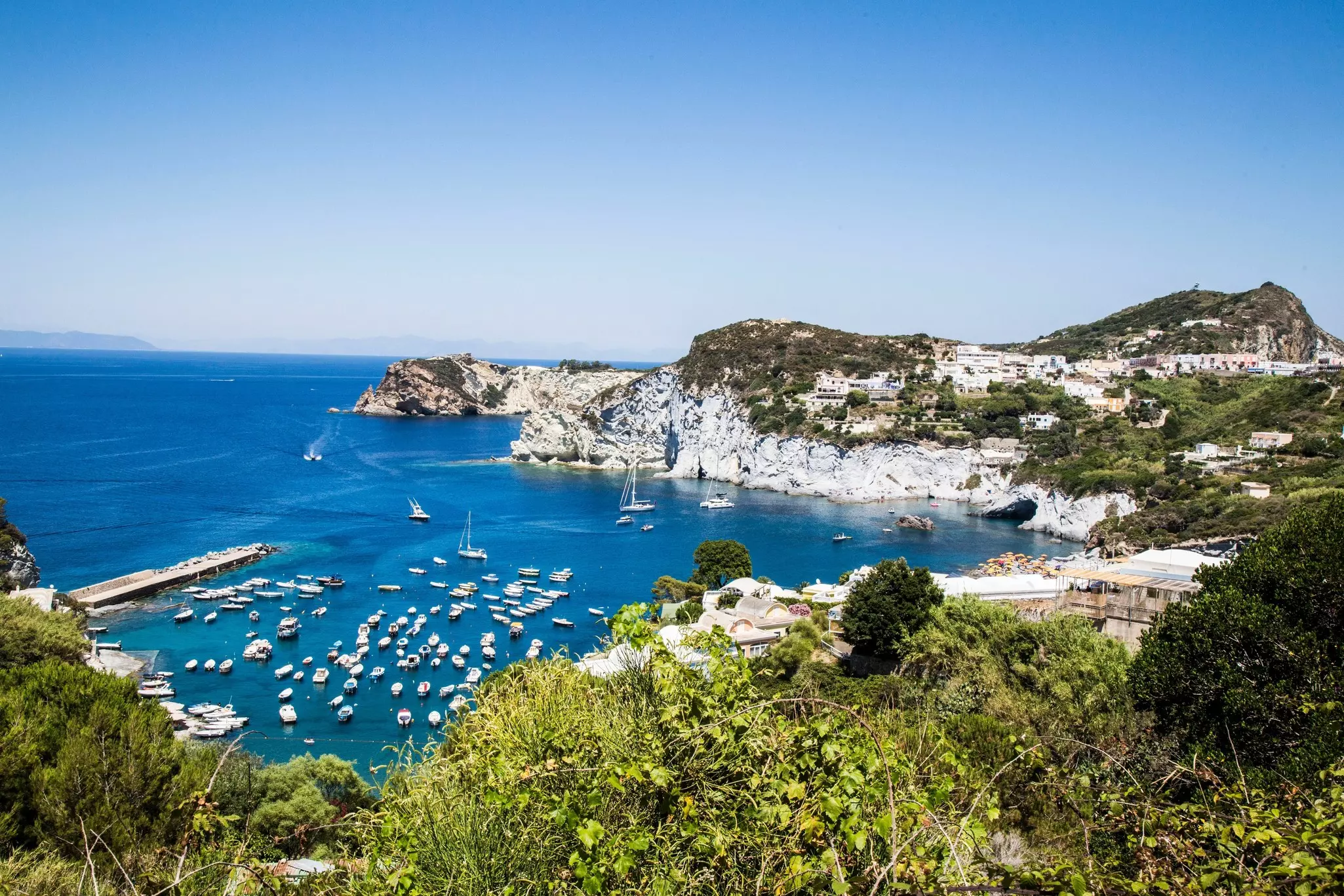
Best for a day trip from Rome
Sprinkled off the south coast of Lazio, these volcanic islets are one of Rome’s great escapes in peak season, when they fill with day trippers and holidaymakers. Yet beyond Italian shores, they remain something of a secret. If you sensibly avoid the summer rush, you’ll soon be smitten by their Roman ruins, craggy coastlines indented with caves, turquoise coves with stained-glass-clear water, and ultra-fresh seafood served on waterfront terraces.
You’ll undoubtedly arrive on the biggest island of the lot, Ponza, with its riot of fresco-colored houses and bobbing fishing boats. Go for a swim off Spiaggia di Frontone, a cliff-backed curve of pebbles and crystal-clear water, or cruise off to the smaller neighboring islands. One of the island’s top tables, harborside Oresteria will serve up a lunch of freshest seafood.
Getting there: Laziomar is among the companies running ferries from Terracina on the mainland to Ponza; the journey takes around 1.5 hours. Otherwise, take the Navigazione Libera del Golfo hydrofoil (50 minutes).
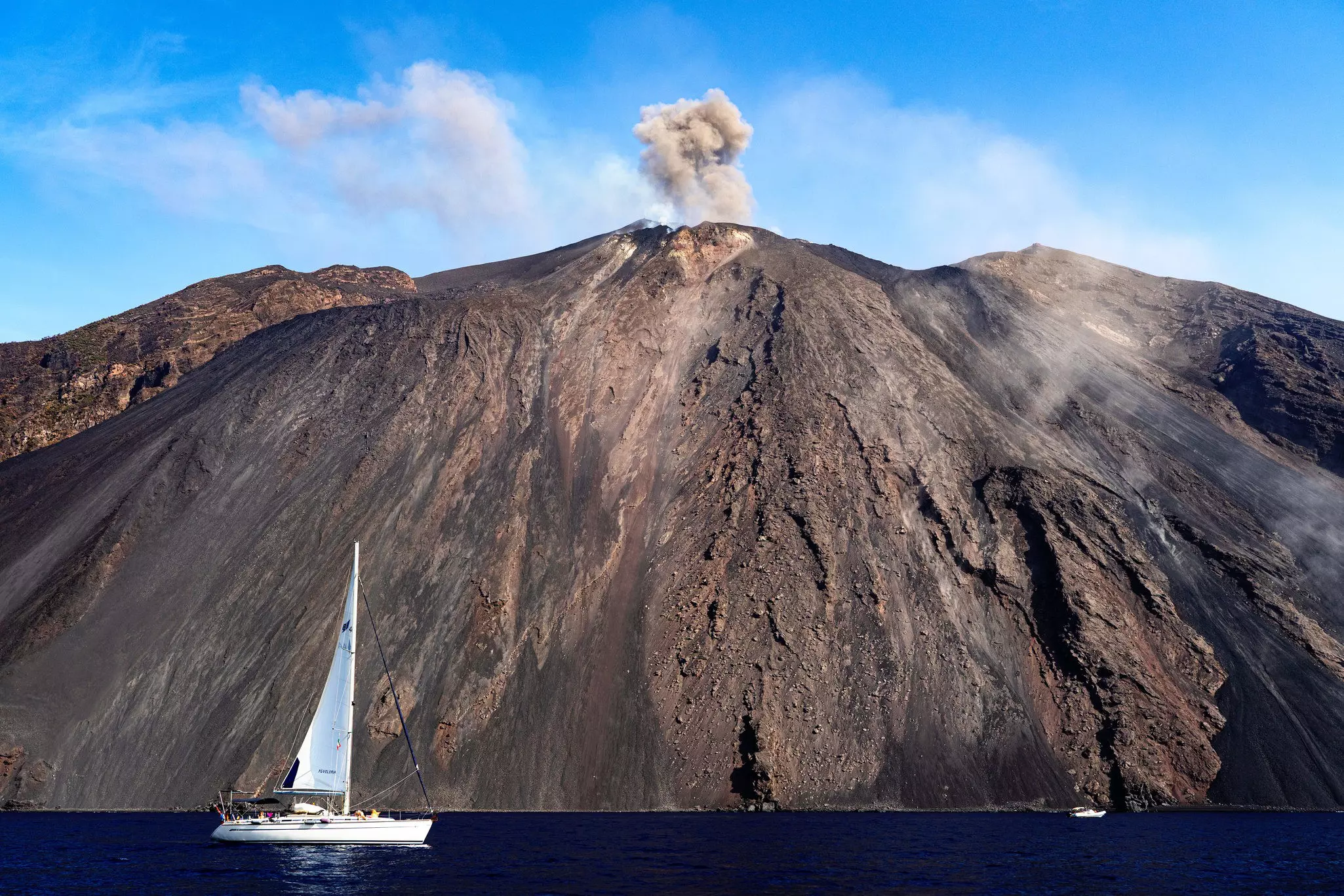
Best for volcanic drama
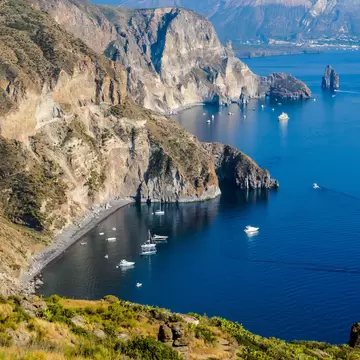
More volcano than island, Stromboli rises up from the cobalt-blue Tyrrhenian Sea off Sicily’s north coast in a vision of conical symmetry that’s utterly entrancing. Like a pebble kicked by Italy’s toe into the glittering sea, this volcanic isle is the most striking of the seven UNESCO-listed Aeolian Islands, and makes a terrific base for hiking, boating and diving.
Many visitors just come for the day; don’t make that mistake. Two or 3 days will allow you to properly click into the island’s relaxed groove – and channel the spirit of romance that sparked an affair between Ingrid Bergman and Roberto Rossellini when they filmed Stromboli here in 1950. Lie out on black-sand volcanic beaches like Ficogrande, leap into crystal waters, and stomp up to the volcano’s smoking crater to catch the fireworks with a reputable tour company like Magmatrek.
Getting there: Take the summer-only SNAV hydrofoil from Naples (4.5 hours), or island-hop over from one of the other Aeolian Islands with Liberty Lines.
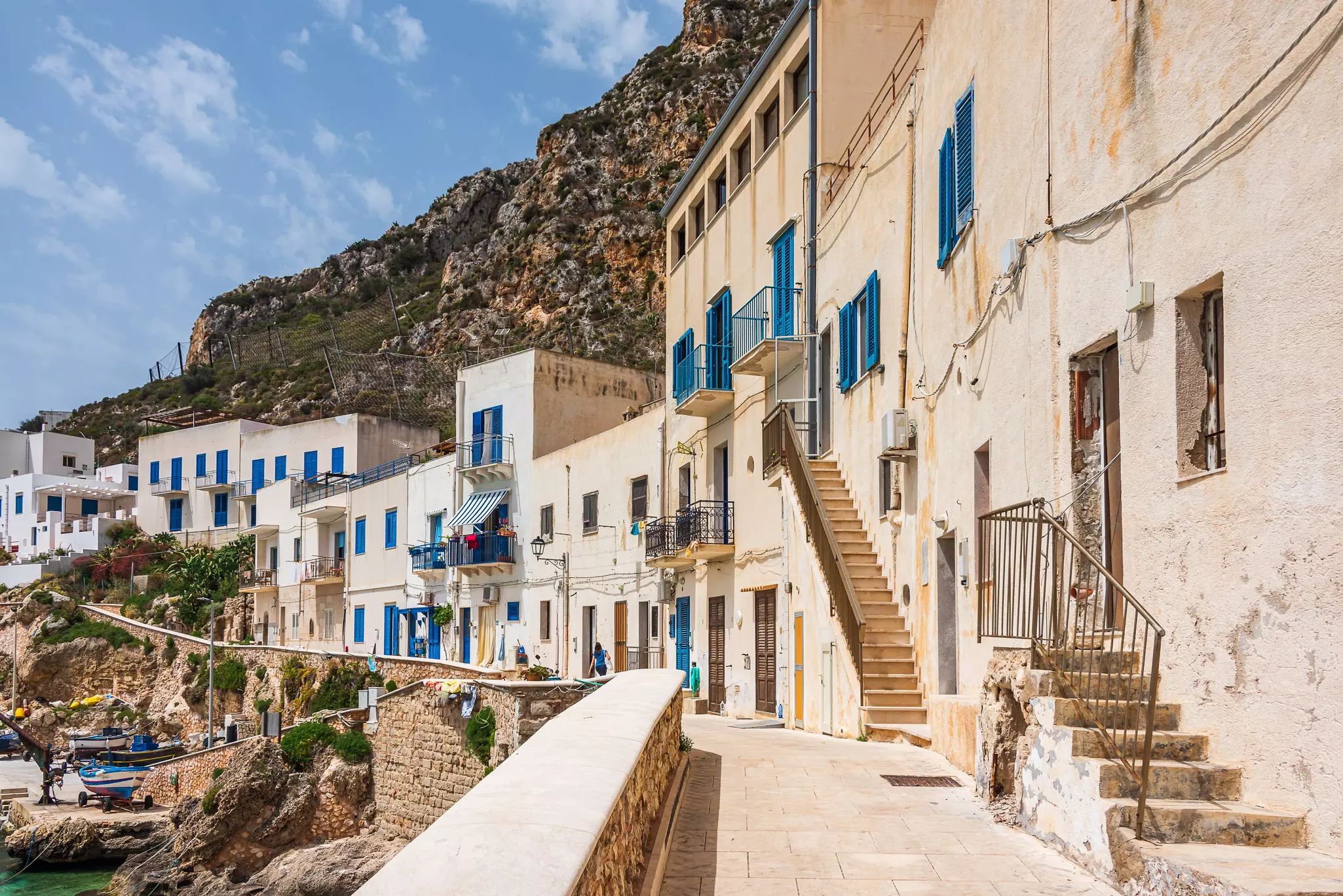
Best for peace and quiet
A speck on the map off the west coast of Sicily, Levanzo merits more than a cursory glance. One of the three main Egadi Islands, this islet is wild, mountainous and thrillingly off the radar. Cliffs rise sheer and rugged above secluded pebbly bays lapped by a sea of pure aquamarine. Trails whip around the rocky coast, past fragrant maquis and pine, to lighthouse-topped Capo Grosso at the island’s northern tip. Here, dolce far niente (the sweetness of doing nothing) is a way of life.
The clincher? Boarding a boat to zip along the coast to the island’s unmissable Grotta del Genovese. Embedded deep in sheer limestone cliffs, this cave hides an incredible stash of prehistoric rock art, with walls dancing with depictions of hunters, horses, oxen and fish (including the tuna that the island is still famous for). Dating to the Upper Palaeolithic and Neolithic eras, the engravings and paintings are around 10,000 to 12,000 years old.
Getting there: Liberty Lines runs a speedy year-round hydrofoil service between Levanzo and Trapani (25 minutes).
Book your Italy trip with Lonely Planet Journeys
See Italy how it's meant to be seen
Accommodations, activities and ground transportation all taken care of, so you can focus on the fun part. Tell us what your dream trip to Italy looks like, and our local experts will build it from scratch. Or start with one of our itineraries and make it your own.

Explore related stories