Aug 24, 20267 min read
The 8 Best Castles to Visit in ScotlandJan 22, 2026
7 MIN READ

Writer
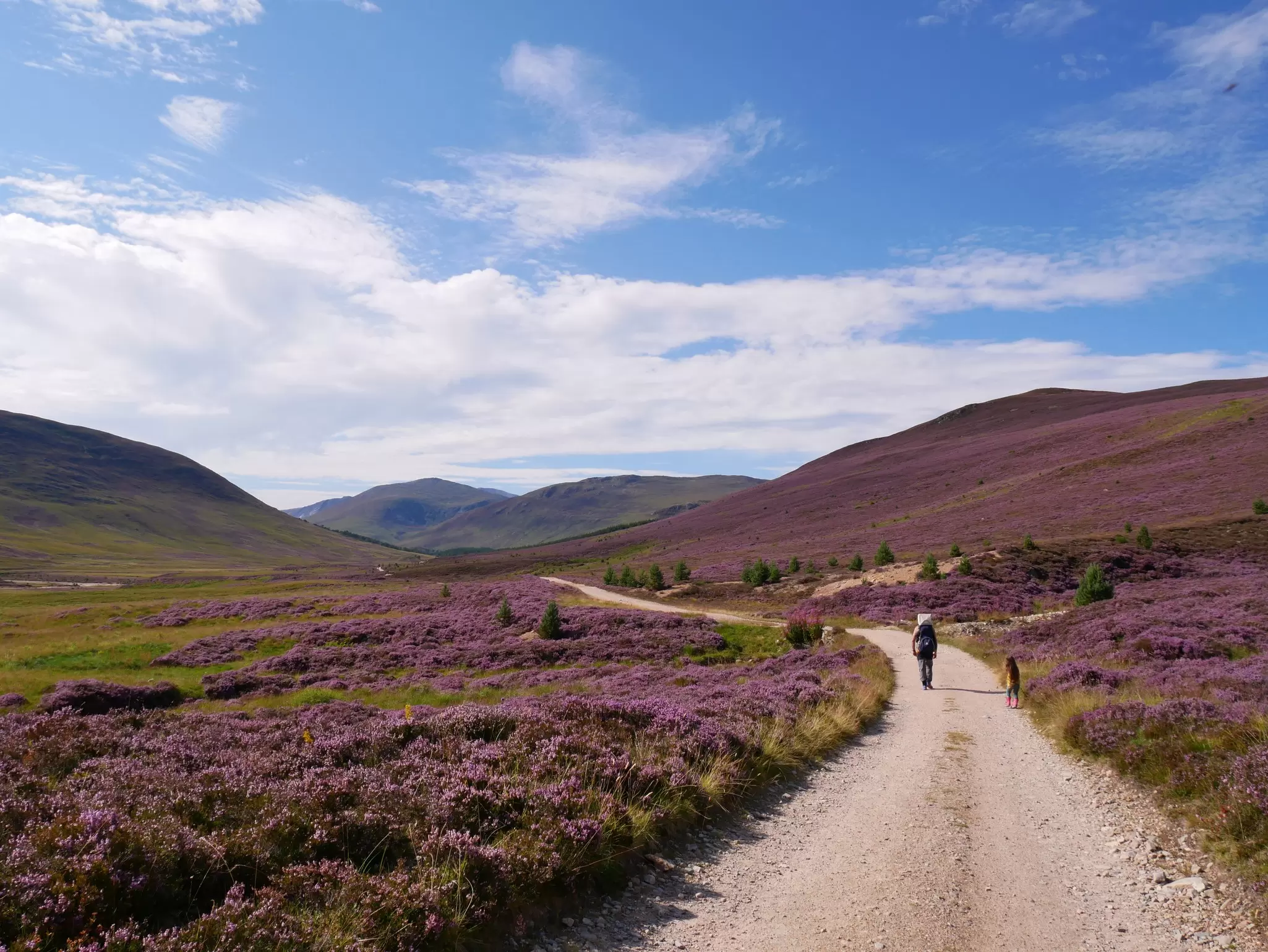
Summer means long days of sunlight for enjoying outdoors activities in Scotland. Sandra GS fotos/Shutterstock
Writer
Highlights
Writer Robin McKelvie maps Scotland's seasons from summer festivals to winter northern lights.
August brings Edinburgh's festivals and Orkney's long summer light, but also west-coast midges.
May brings the Islay whisky festival and wildflowers; September is prime for hiking.
Winter means Hogmanay in Edinburgh, aurora-hunting from January and skiing from February.
Lonely Planet may earn a commission from affiliate links on our site. All recommendations and reviews reflect our own independent opinions.
With historic yet buzzing cities, remarkable wildlife, epic landscapes and more than 800 islands, Scotland is a dream destination. The blustery North Atlantic weather that rolls onto the country’s shores (amazingly, Scotland contains more than 10% of Europe’s total coastline) makes it hard to predict the specific conditions for precise dates too far in advance, but there are distinct seasons. Indeed, Scotland is more seasonal than many other European destinations, so it pays to consider the best time to visit for the things you want to do.
Summer (July and August) brings festivals – Edinburgh’s world-famous one leads the way – and generous daylight. Winter (November to March), on the other hand, is a time for wilder weather and whisky-warmed cozy nights inside, yet it is also the best time to stargaze and see the northern lights. Savvy visitors arrive during the spring (May and June) and autumn (September) shoulder seasons, with dry weather and lower prices.
Contrary to popular belief, it doesn’t always rain in Scotland (location-dependent: the west coast is notoriously wet, with parts of the western Highlands hitting over 4000mm of rainfall per year). The whole "four seasons in one day" rumor, however, is often true, so packing a little bit of everything is wise. A waterproof jacket is a must, as are waterproof walking boots for any hill walks or long-distance trails. Rely on shorts and t-shirts for bright, warm days, with extra layers when the weather has a mood swing. Unless you’re into fine dining or staying in high-end hotels, smart casual clothing is perfectly acceptable – pubs in rural areas and on islands will happily take you straight off the hills or beach.
Savor a dram as you compare the seasons and events throughout the year to determine the best time to visit Scotland, depending on your interests, itinerary and budget.
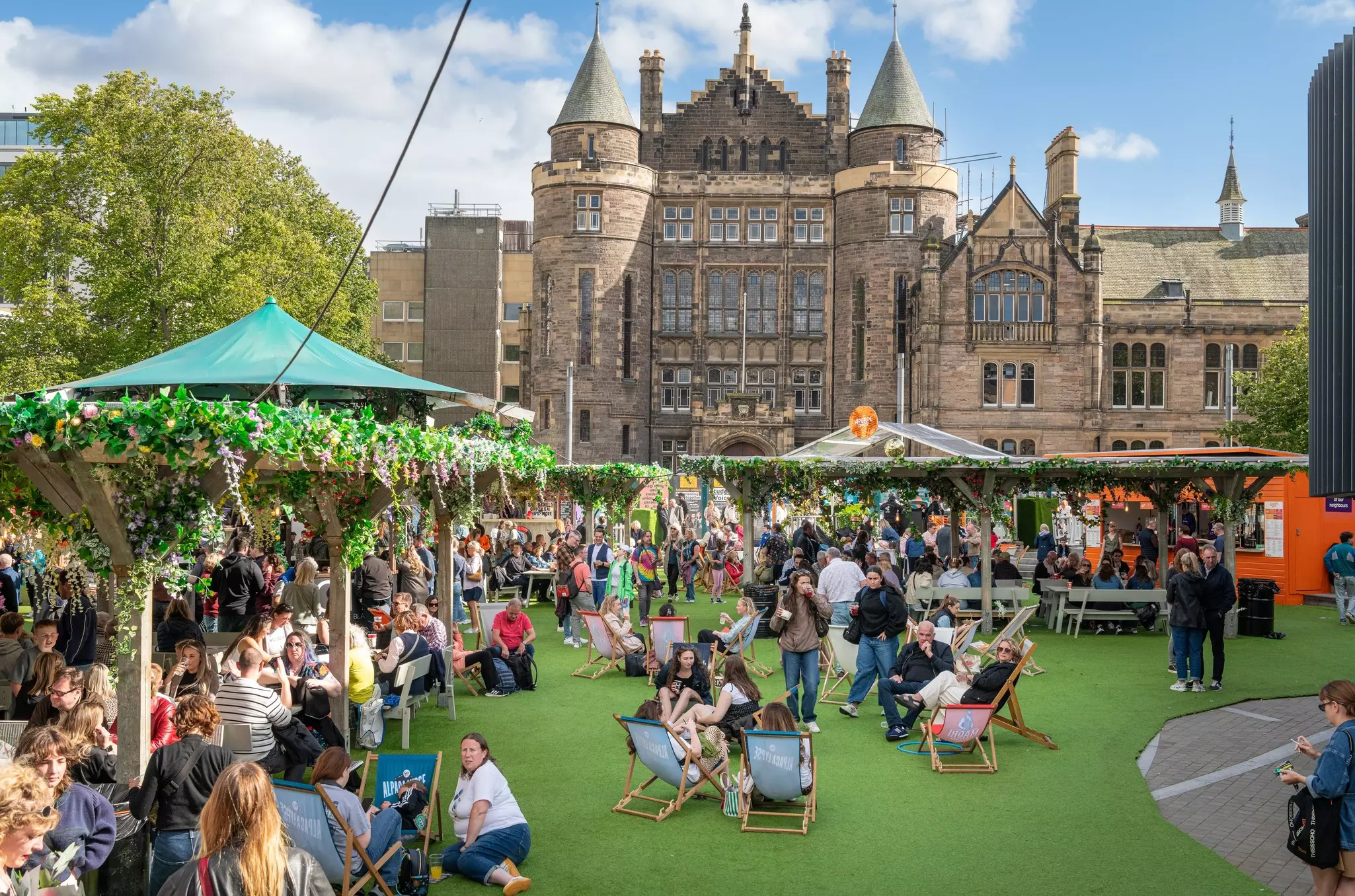
Weather in Scotland in summer: Scotland’s social calendar fills up in summer. Schools let out in July, when the average high temp in Edinburgh is 19°C (66°F), with 10 days of rain. This is the busiest time of year for Scottish tourism. It’s high season for bird-watchers as well, and it is the best time to visit Shetland’s 100 islands and Orkney’s 80. It stays light very late in Orkney, while darkness is practically nonexistent in far-north Shetland’s “simmer dim” (the island’s summer twilight), and there are no west coast midges in Orkney. It’s a great time to visit the Outer Hebrides, too, and take in the biggest festival there, HebCelt.
The capital city, Edinburgh, becomes the cultural epicenter throughout August, with festivals, ceilidhs and whisky extravaganzas entertaining both locals and visitors in the long northern summer nights. The program is actually closer to half a dozen festivals than one single event, so book travel and accommodations well in advance. This is the peak month for sighting minke and orcas on the west coast, with the basking sharks arriving to join the bountiful dolphins.
Expect warm weather but also some rain. Alas, the midges are at their worst on the west coast just in time for high season.
Planning tips: If you are looking for kid-friendly activities in Scotland, remember that many local families will be joining you in that search during the summer school holidays.
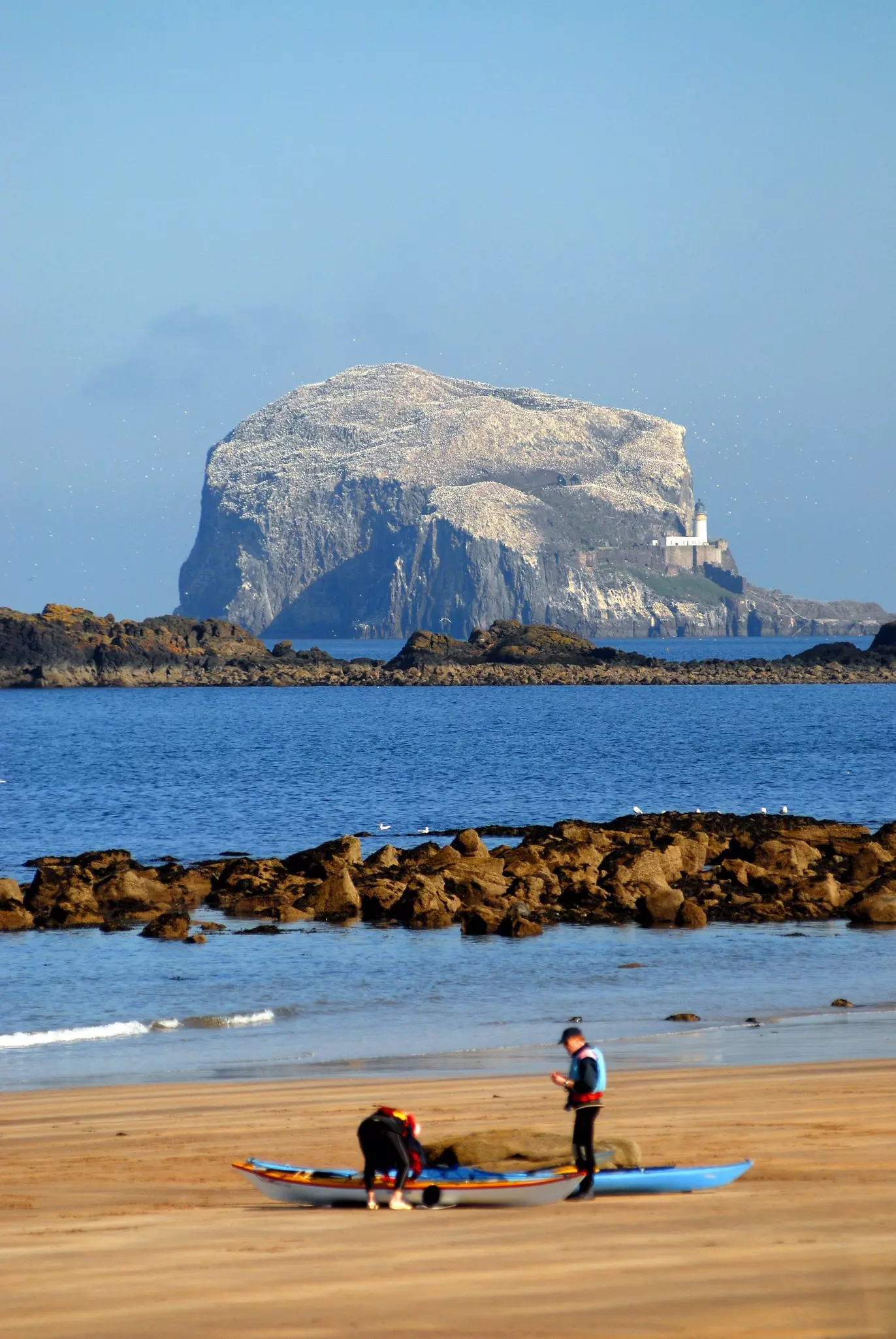
Weather in Scotland in spring and early fall: The average high in Edinburgh in May is 14°C (57°F), climbing to 17°C (62°F) in June.
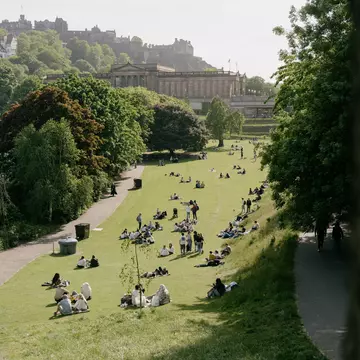
Many Scots rate May as the best month of the year: long days, rising temperatures, dry weather and mostly no midges. Wildflowers are in bloom on the Hebridean machair, hawthorn hedges flower, and cherry blossoms grace city parks. Celebrate whisky on Islay at its brilliant festival, or swish your kilt at the first big Highland Games of the season.
June evenings extend with daylight until 11pm – even later in the northern islands – giving you endless time to explore. Border towns are strung with bunting to mark gala days and the deeply historic Common Ridings (equestrian events); it’s the best time to be in border country. The gannets and puffins are back, so visit the cute birds on a cruise to Bass Rock.
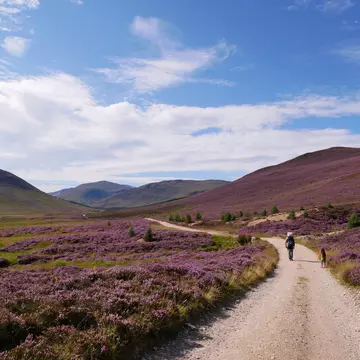
September brings the end of the school holidays, the midges are dying off, wild brambles are ripe for picking in the hedgerows, and the weather is often dry and mild – an excellent time of year for hiking and other outdoor pursuits. Aviemore and Fort William are hotspots for adventure sports. The average high in Edinburgh in September is 16°C (60°F), with 9 days of rain.
Planning tip: Scotland's shoulder seasons also border midge season, from May to October. These biting flies often form swarms and are ubiquitous west of the Highlands, on the islands and in parts of the Cairngorms.
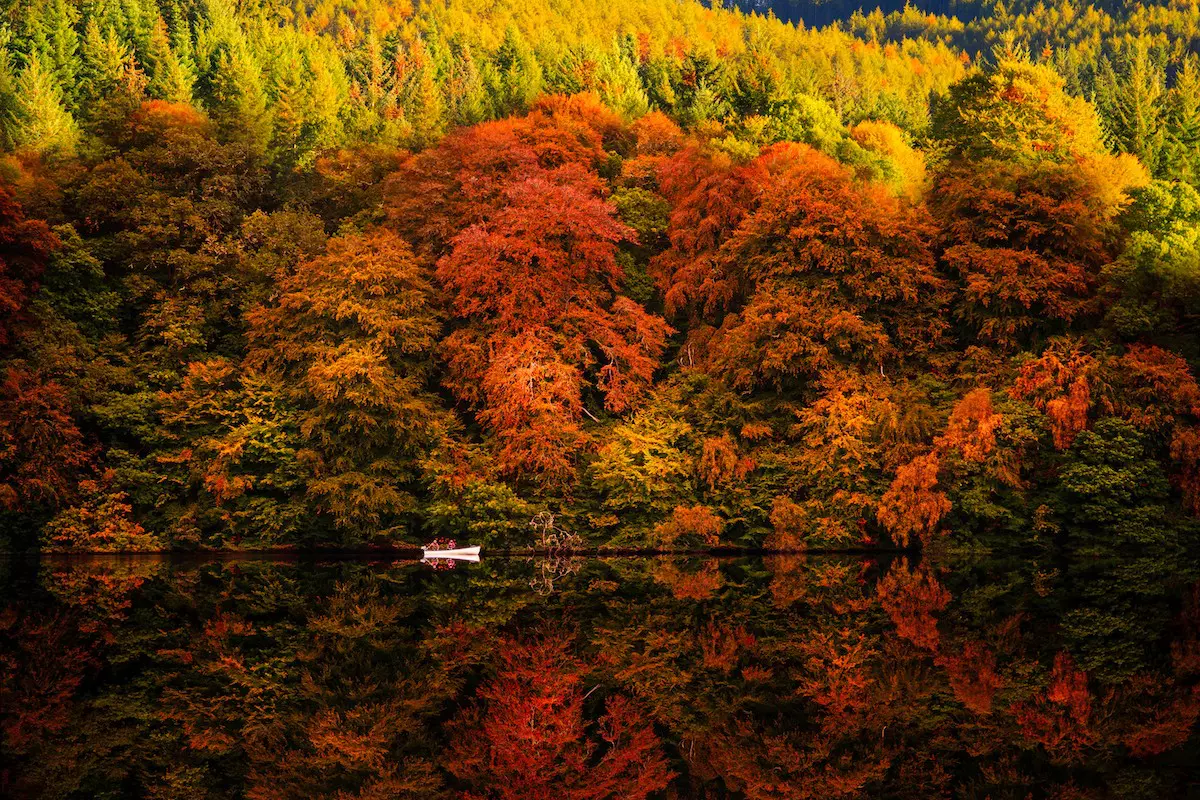
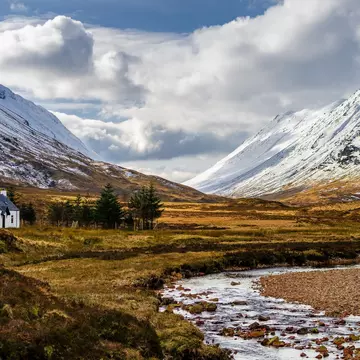
Weather in Scotland in fall and winter: From mid-October to March, the weather can be cold and wet, averaging a high of 9–13°C (48–55°F) in Edinburgh, though the influence of the Gulf Stream keeps temperatures from plunging as low as you’d expect at this latitude. Snow rarely lasts for long, except in the mountains.
October sees trees put on their autumn show, with Highland Perthshire and the Trossachs great places to savor fiery red, deep orange and rich gold hues. The tourist season winds down, and thoughts turn to log fires and malt whiskies in country-house hotels. The Enchanted Forest takes advantage of the dark evenings with its festive sound and light festival, and the Royal National Mòd celebrates all aspects of Gaelic language and culture.
The days may be getting shorter in November, but this is a fine time to explore galleries and pubs in Scotland’s vibrant cities and for seeing Scotland’s Big Five wildlife before the red deer head high into the hills (the other four are harbor seals, otters, golden eagles and red squirrels) – Arran is the only island boasting all five. St Andrew’s Day is celebrated across the Scottish nation on November 30.
December's dark afternoons and often cold and wet weather are relieved by seasonal festivities. Christmas markets and events kick off in Edinburgh and Glasgow. Then there is nothing quite like Hogmanay (New Year) in Scotland, as the capital boasts a huge street party on the big night, plus days filled with festivities. Fire festivals swirl around Comrie and Stonehaven, with myriad other events around the country. Come ready to party (but reserve your accommodations well in advance).
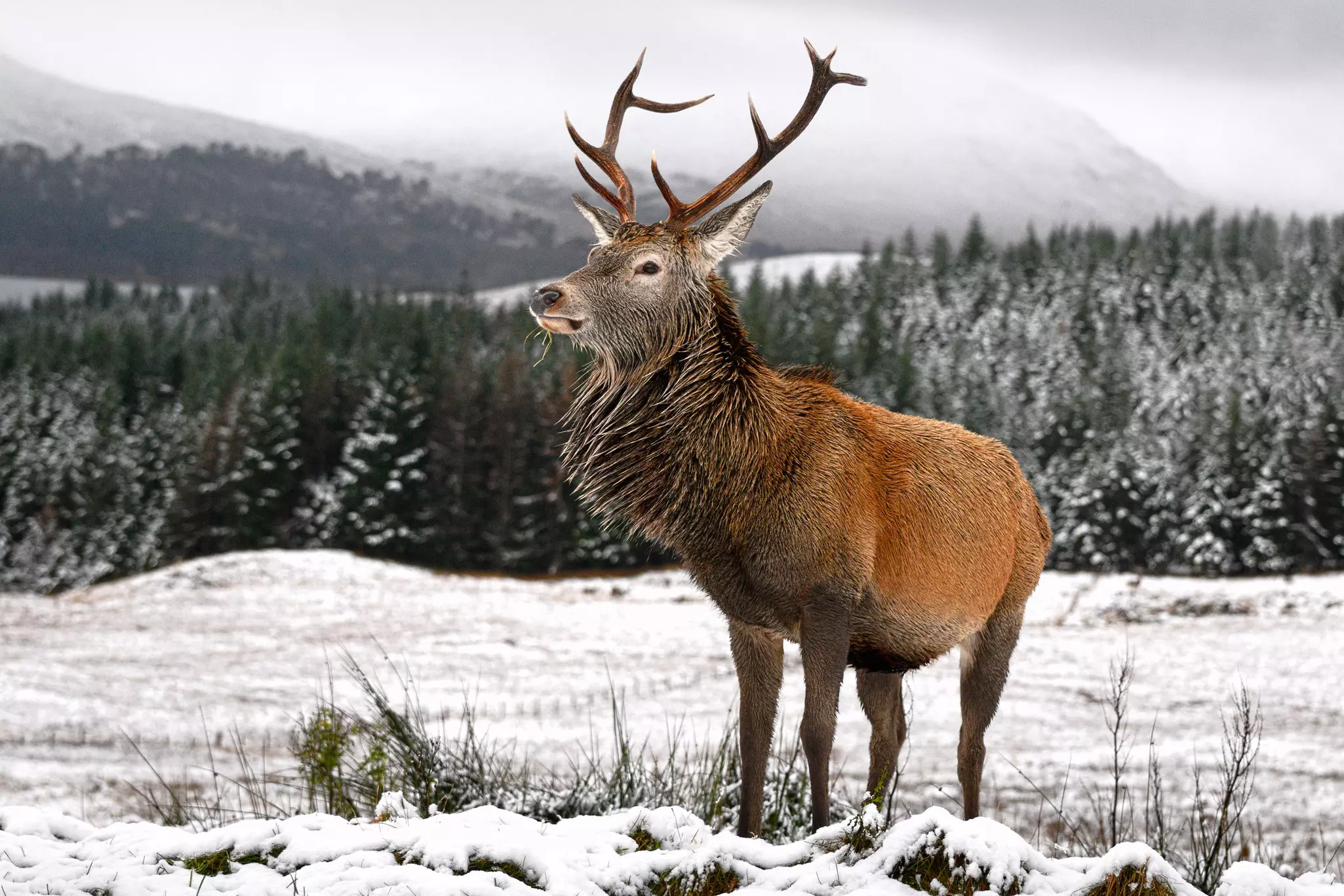
Scotland shakes off its Hogmanay hangover in January and gets back to work (with an extra day off on January 2), but only after taking a dip in the sea in places like South Queensferry and Broughty Ferry on New Year’s Day. Then Burns Night comes along on January 25, with events related to the great poet across Scotland. It’s cold and dark, making January the best time for stargazing and searching for the northern lights.
February is the coldest month of the year and is usually the best for adrenaline-pumping winter mountaineering and ice climbing. You can ski and snowboard at the country’s half dozen ski resorts, too. The days are getting longer, the much-anticipated Six Nations Rugby Tournament kicks off, and snowdrops begin to bloom.
March can be a quiet month in Scotland, but as the weather improves, spring is on the horizon. Laughter is in the air at Glasgow’s comedy festival, while its annual film festival continues the cultural vibe in Scotland’s largest city. The bluebells explode into bloom in April, as the woods on the shores of Loch Lomond come into flower, and the ospreys return to their Loch Garten nests.
The weather is improving, and the days are getting longer. Music flows through the streets at the Shetland Folk Festival, and rugby players take to the field in Melrose in the Borders at the world’s oldest Sevens tournament.
Planning tip: In deepest winter, sunrise in Scotland might approach 9am, and it could set about 3:30pm, leaving just over 6 hours for sightseeing. You might find it more difficult to drive in the early darkness, and reduced ferry schedules and road closures, particularly in the mountains, are a consideration. Check that your preferred accommodations are open when you plan to visit, so you don't arrive to find the doors closed.
Book your Scotland trip with Lonely Planet Journeys
See Scotland how it's meant to be seen
Accommodations, activities and ground transportation all taken care of, so you can focus on the fun part. Tell us what your dream trip to Scotland looks like, and our local experts will build it from scratch. Or start with one of our itineraries and make it your own.

Explore related stories