Jul 21, 202610 min read
Copenhagen on a BudgetJul 21, 2026
10 MIN READ
Contributors
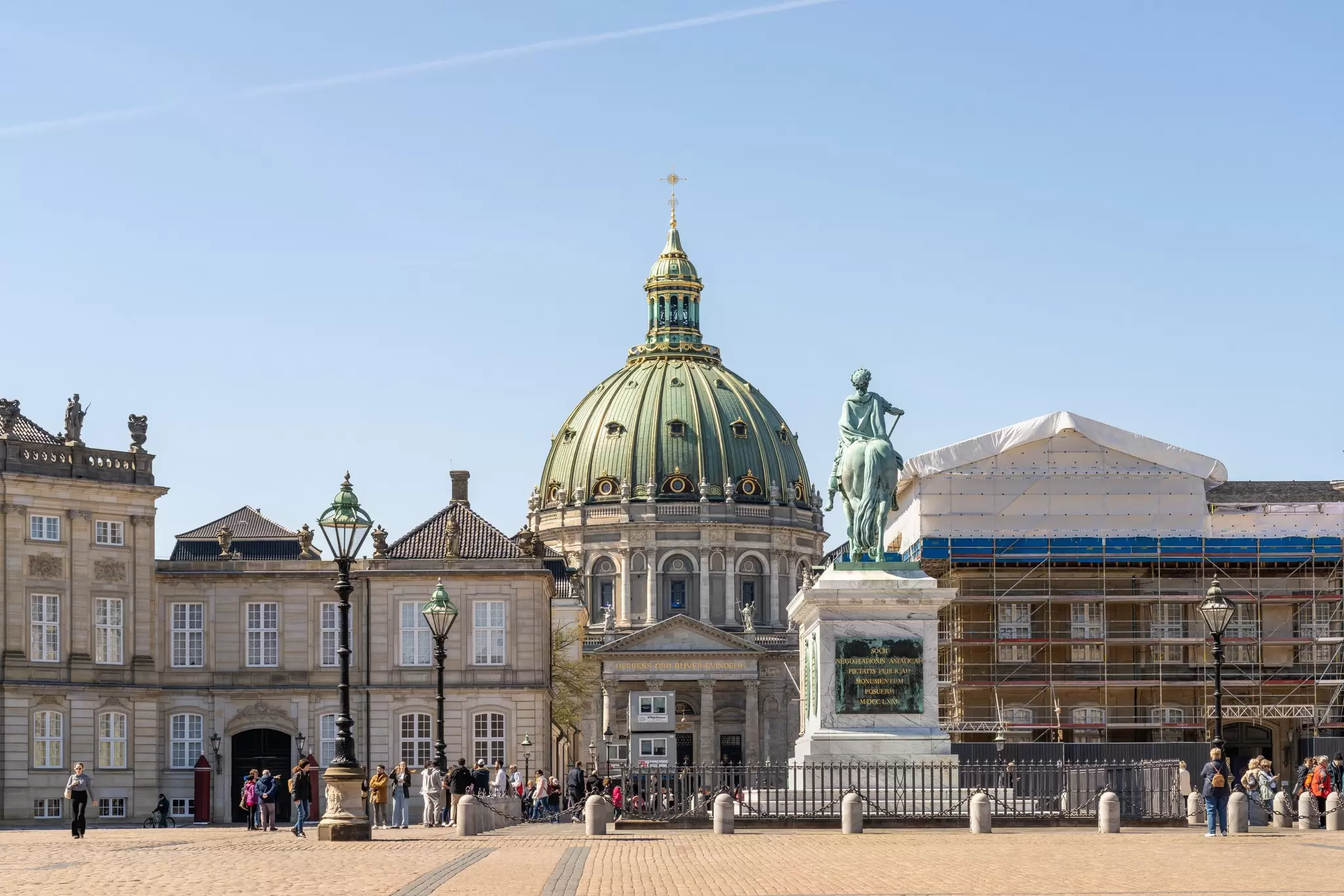
The dome of Marmorkirken (Frederiks Kirke) in Copenhagen, Denmark. Photosbypatrik/Shutterstock
Contributors

Lonely Planet Editors, Caroline Sølver
Highlights
Writer Caroline Sølver maps out how to enjoy Copenhagen on a budget.
A budget trip to Copenhagen costs between 700kr and 1300kr per day.
Visit in winter for cheaper flights, accommodations and budget events like Winter Jazz.
Nyhavn's canals and ramshackle Christiania – the city's counterculture heart – are free.
For cheap eats, try smørrebrød at Torvehallerne or communal folkekøkken dining at Absalon.
Lonely Planet may earn a commission from affiliate links on our site. All recommendations and reviews reflect our own independent opinions.
You've likely heard that Copenhagen is an expensive place to visit. And while there's no way around this fact, there are many ways to make your krone (the Danish currency) go further in Denmark's enigmatic capital city.
The key to getting more from Copenhagen on a budget is being selective about your experiences. There are plenty of free and low-cost things to do, and picking a less expensive place to stay will free up money for sightseeing and other activities. Realistically, you can enjoy a rewarding trip to Copenhagen on a budget of 700–1000 kroner (kr) per person per day if you choose cheaper accommodation and dining options.
As a Copenhagen resident, I know that the costs of dining out and seeing the sights can add up, so this guide is packed with insider advice to help you enjoy the Danish capital for less. Save while you explore with my tips for visiting Copenhagen on a budget.
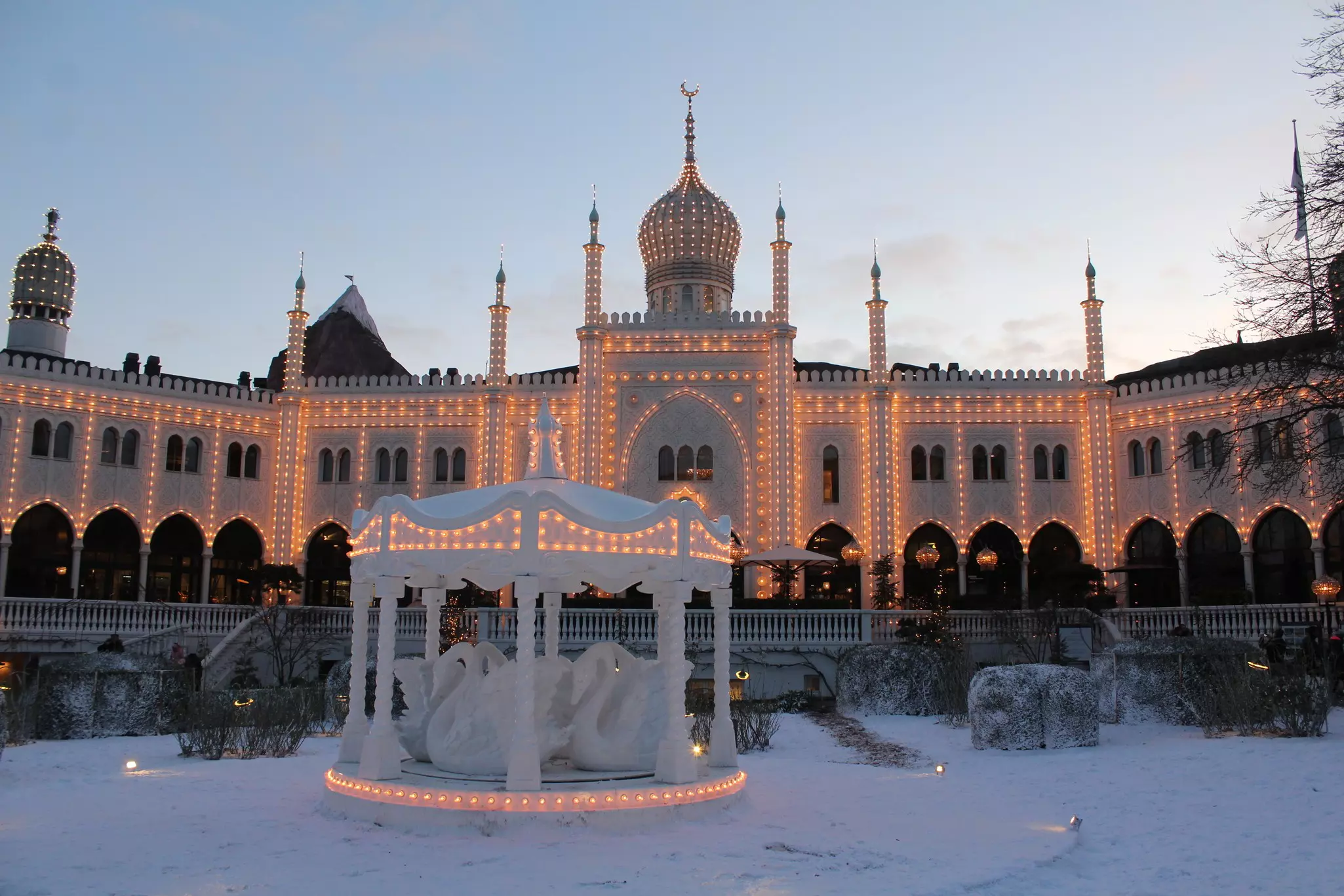
During the winter months, prices drop as visitor numbers fall, and you'll get to experience Copenhagen like its residents do, as tourists take up less space, allowing local culture to rise to the forefront. Travelers can also save money on accommodations and flights, particularly when traveling with budget airlines such as Norwegian Air Shuttle, Easyjet and Ryanair.
While temperatures hover around freezing in winter and the sun can set as early as 3:30pm, meaning dark mornings and afternoons, there are plenty of indoor activities to enjoy, from museums and shopping to hanging out in cozy cafes. Pack warm clothes and you can also enjoy outdoor activities such as ice-skating in the city's many ice rinks.
While it's a quieter time for tourism, budget-friendly festivals and events dot the calendar, including Winter Jazz, the Copenhagen Light Festival and Copenhagen Dining Week. If you're deterred by the cold, the weather begins to warm by mid-March; sidewalk cafes start to fill up, and temperatures reach acceptable levels for sitting out, but costs stay below the summer peak.
I've looked at the cost of a hostel bed or a single room vs a short-term rental or hotel room to determine the ideal daily budget for a low-cost trip to Copenhagen. Use the following budgets as a starting point when planning your trip.
Solo traveler: 700–800kr/day
Couple: 900–1300kr/day
Family of four: 1700–2000kr/day

Traveling to Copenhagen is never going to be quite as cheap as visiting pocket-friendly destinations such as Albania and Hungary due to Denmark's high cost of living, which is offset by local wages. However, you can find less expensive places to stay and eat, and lots of free or inexpensive things to do to make your money go further.
Dorm bed at Steel House hostel: from 240kr
Basic room for two at City Hotel Nebo: from 960kr
Self-catering apartment (including Airbnb): from 1100kr
24-hour transport pass: 100kr (within city center zones 1-4)
Coffee at Coffee Collective: from 35kr
Smørrebrød (open sandwich) at Torvehallerne KBH: from 50kr
Dinner for two at Toldbod Bodega: around 600kr
Beer/pint at Søernes Ølbar: around 60kr
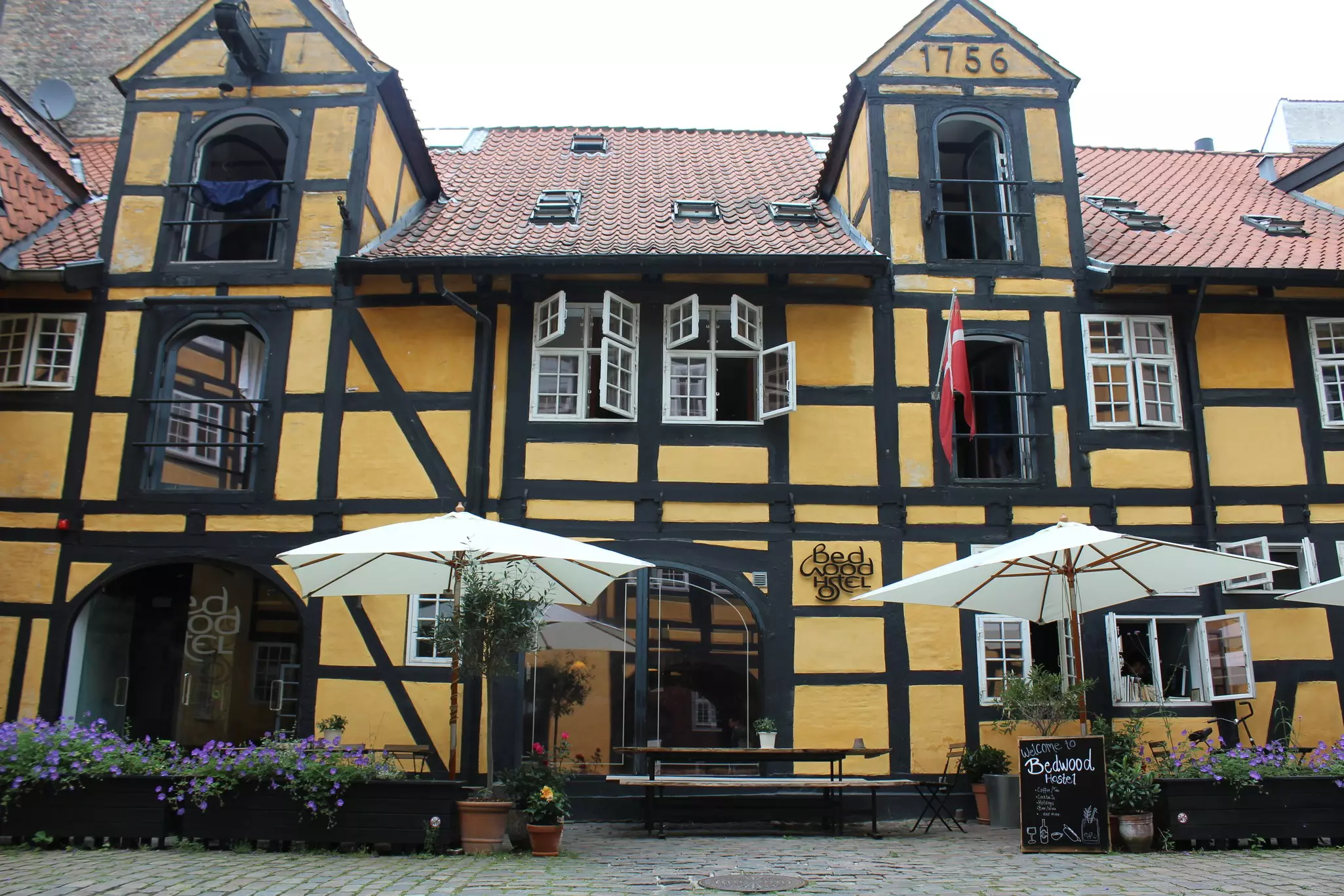
Budget accommodations can be found all over Copenhagen, but the balance is tipped toward hostels rather than budget hotels. At hostels, you'll often have a choice of dorm beds (or Japanese-style capsules) and more expensive private rooms. Finding an inexpensive Airbnb apartment for rent in the suburbs and getting around on public transportation can be a cheaper option than staying centrally in a hotel.
Hostels in Copenhagen with great locations include Steel House, Next House Hostel, Sleep in Heaven and Woodah Boutique Hostel (Capsule Hotel). All have comfortable interior design (of course) and most are situated in central locations, from the hip neighborhoods of Nørrebro to Vesterbro and the core of the city.
Copenhagen isn't well-stocked with economical hotels, but there are some decent choices dotted around the city. Rye 115 is a cozy option close to the lakes, bars, boutiques and restaurants of Nørrebro, while MEININGER Hotel Copenhagen will place you close to Tivoli Gardens.
While Villa Copenhagen costs a bit more than the hostels or budget hotels, it is a divine stay right in the middle of the city. They also serve a fantastic hotel breakfast.
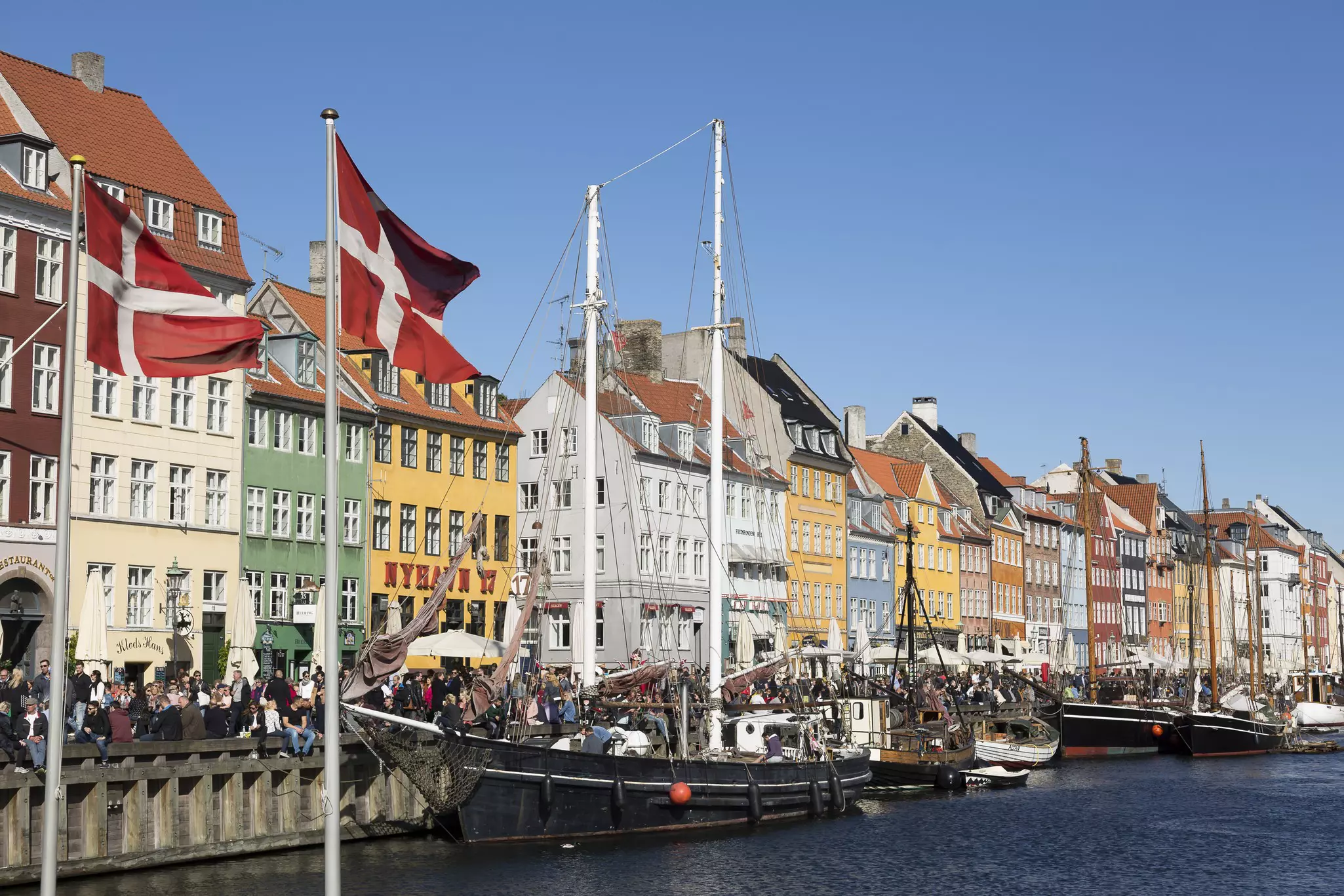
There are a multitude of things to do in Copenhagen that don't cost a cent (or charge only a modest entry fee). Look out for free entry to some museums and galleries on the last Wednesday of each month.
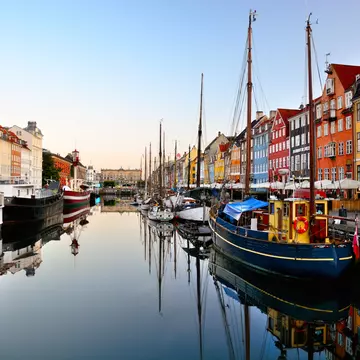
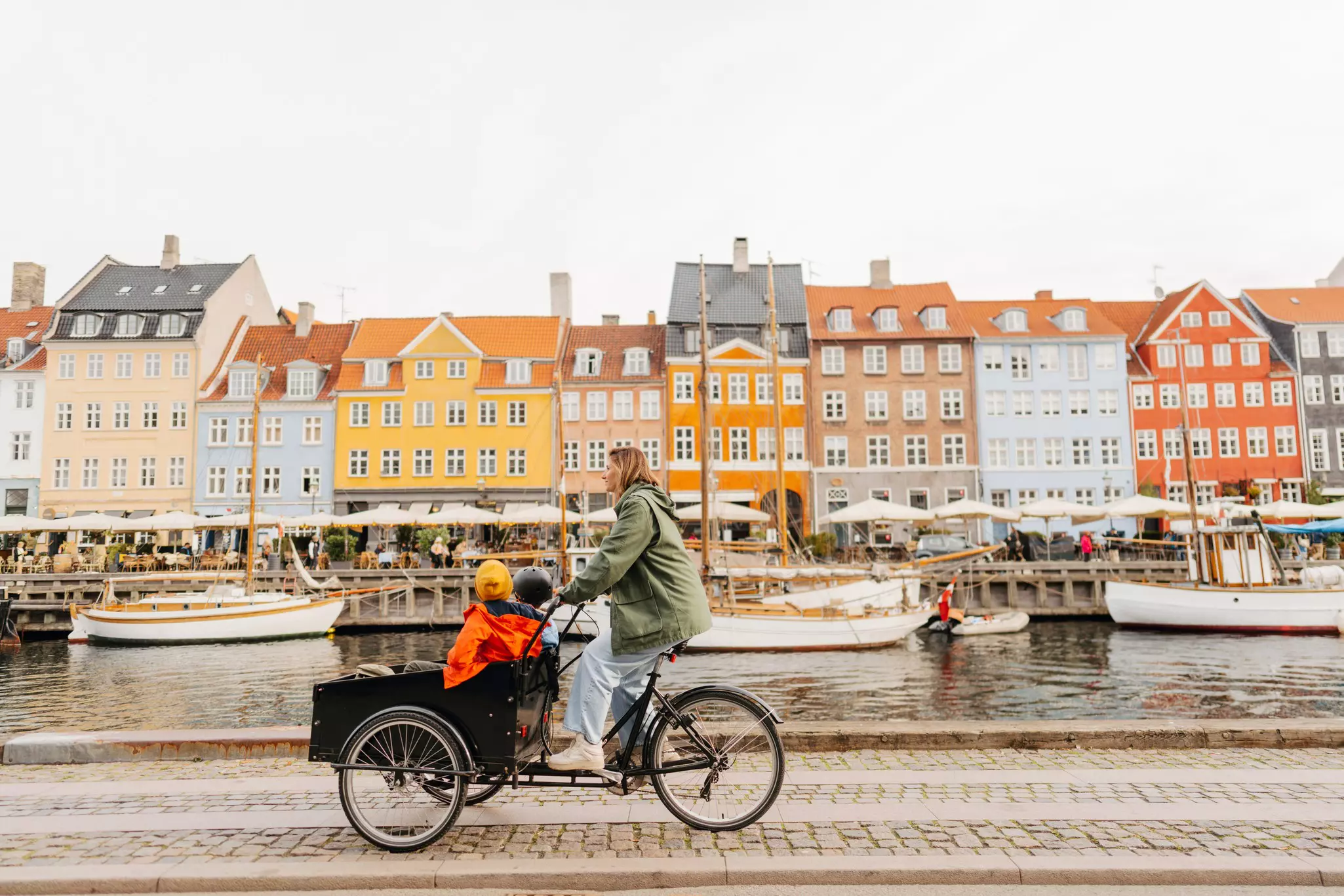
Nyhavn – free entry. With Copenhagen's harborside location and multitude of canals, the waterfront is a pleasure to explore, and there's no charge for soaking in the views and admiring the historic buildings. The most iconic spot is Nyhavn, known for its colorful buildings and tall ships; grab a few photos and stroll around the beautiful waterfront. From Nyhavn, head to the Little Mermaid statue on the harbor, which is based on Hans Christian Andersen's famous fairy tale. Along the way, admire the impressive Operaen performance hall, the striking Gefion Fountain and the 17th-century Kastellet fortress, which is also free to visit.
Amalienborg Slot – adult entry 135kr. When in Copenhagen, King Frederik X and his wife, Queen Mary, make their home at Amalienborg Slot, where you can view the Den Kongelige Livgardes (Royal Life Guards) 24 hours a day; the Changing of the Royal Guard occurs daily at noon and there's no fee to watch if you can't stretch to the entry fee to view the interiors.
Christianborg Slot – adult entry 225kr; tower entry free. The Royal Reception Rooms in the working palace of Christiansborg Slot include the ostentatious Throne Room and the elegant Great Hall, but the entry fee is considerably higher than at Amalienborg Slot. The good news is there's no charge to climb the palace tower and visit the Danish Parliament.
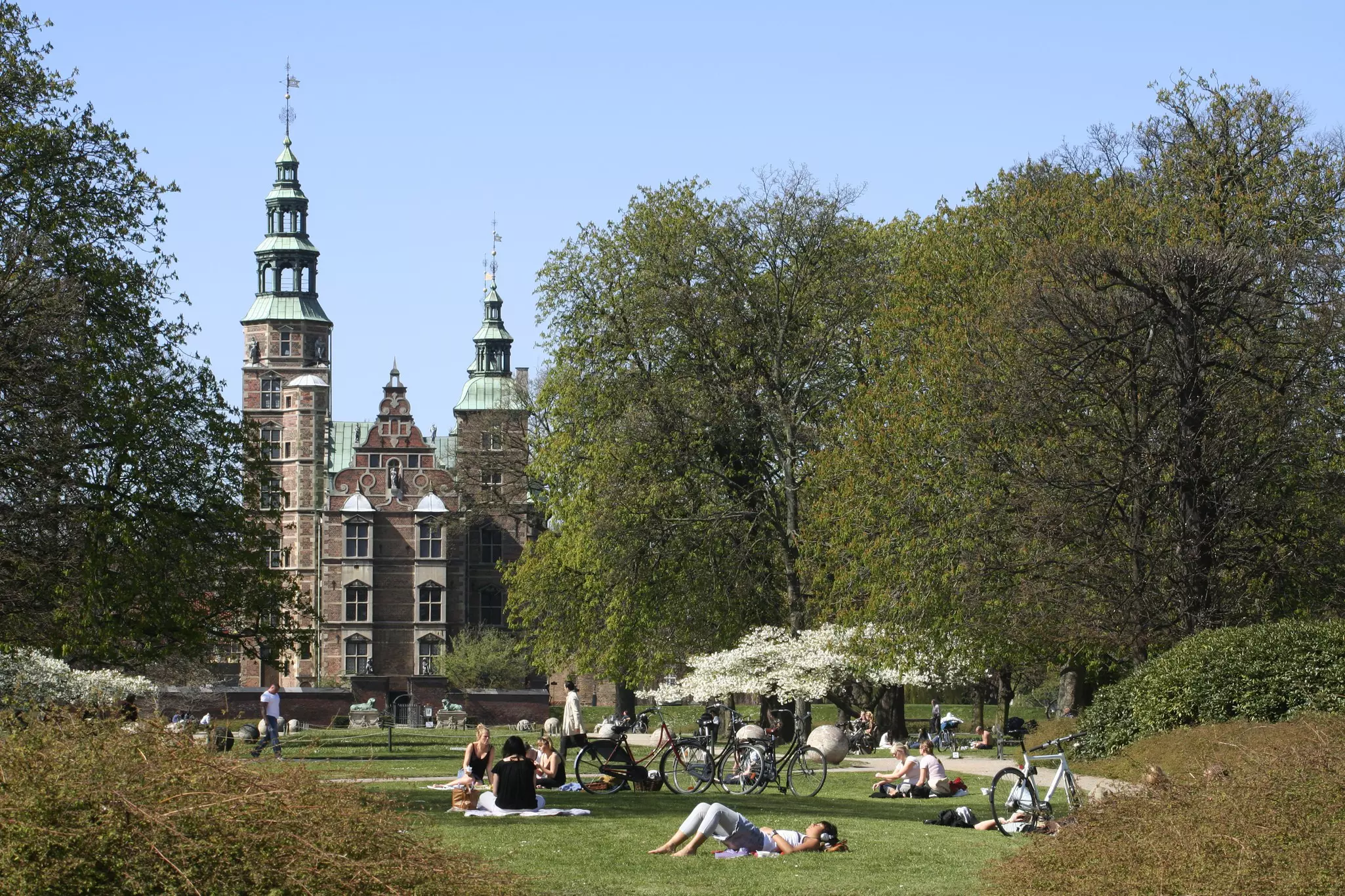
Rosenborg Slot and Kongens Have – adult entry 150kr; free entry to Kongens Have. At Rosenborg Slot, a former royal castle built between 1606 and 1633, rooms are packed with royal treasures, and the entry fee is lower than at Christiansborg, with a discount if you book online. Rosenborg is located in the sweeping Kongens Have (King's Garden), and there's no charge to wander the most beloved green space in Copenhagen.
Tivoli Gardens – adult entry 190Kr. Open for over 180 years, Tivoli Gardens is an escapist fantasy of fairy-tale pavilions, romantic gardens and funfair rides. Prices are not too onerous if you focus on the gardens and pavilions rather than the thrill rides (kids aged 3–7 pay half-price, and under-3s are free).
Christiania - free entry. A utopian commune founded by squatters in 1971, ramshackle Christiania remains one of Copenhagen's most distinctive corners. While it's a little rough around the edges, this is the city's counterculture heart, and it rewards some cost-free wandering. Venture beyond its shabby main drag and you'll be rewarded by a beguiling jumble of studios, tranquil trails and Copenhagen's kookiest, most imaginative dwellings.
Christianshavn – free entry. Be sure to pay a visit to the neighborhood of Christianshavn, where you'll find picturesque canals with tiny, very old and crooked townhouses, sidewalk cafés such as Parterre and overall good energies.

Beyond the must-sees, Copenhagen offers plenty of other rewarding low-cost activities.
Thorvaldsens Museum – This quaint museum is dedicated to Danish sculptor Bertel Thorvaldsen, and it's free to enter on the last Wednesday of each month.
Ny Carlsberg Glyptotek – An art space with impressive sculptures and paintings by the likes of Rodin, Van Gogh and Gauguin, alongside outstanding Mediterranean antiquities. Free admission on the last Wednesday of the month.
Nikolaj Kunsthal – Free to view on the last Wednesday of every month, the Nikolaj Kunsthal is a contemporary art center housed in a former church, with shows exploring contemporary social, cultural or political issues.
Torvehallerne Market – An atmospheric foodie wonderland, where Copenhagen foodies and local chefs come to source fresh produce, while visitors grab quality ingredients for picnics and people-watch.
Royal Library – Founded in 1648 on the island of Slotsholmen, the Royal Library is dominated by its gleaming 1999 extension, known as the "Black Diamond." There's no fee to enter and admire the central hall.
Historic churches – Many Copenhagen churches can be visited for free, including Christiansborg Slotskirke and Vor Frue Kirke (The Church of Our Lady), a common setting for royal weddings. Overlooking the grounds of Amalienborg Palace, Marmorkirken (The Marble Church, also known as Frederiks Kirke) is the largest church of its kind in Scandinavia.
Copenhagen's parks – The city has many green spaces worth exploring, including the free-to-visit Botanisk Have (Botanical Gardens) and the waterfront Operaparken, with its summertime public swimming area.
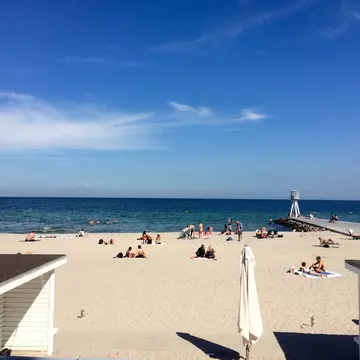
Harbor swimming – When the weather is warm, the city's harbor baths are highly appealing and free to swimmers of all ages.

Planning to visit museums while in Copenhagen? Consider the Copenhagen Card, which includes unlimited access to public transportation, discounts on stores and restaurants in the city, and free access to a long list of museums and attractions such as Tivoli Gardens. Two children under 11 are also included on your pass for free. Think about how many paid-for sights you plan to visit to determine if the card will be good value for you.
Dining out is generally pricey in Copenhagen, but the city offers plenty of yummy options that won't dig too deep into your pockets. Have Danish porridge at Grød, tacos and quesadillas at La Neta, dumplings at GAO, burgers at Jagger, or visit Reffen, a large outdoor street kitchen featuring food from all over the world. Alternatively, you can dine inexpensively on smørrebrød (Danish open sandwiches) at cafes and coffeeshops across the city.
Copenhagen is also known for its folkekøkken (folk kitchen) culture. A communal dining experience, folkekøkken is a group meal prepared and then shared at large communal tables. Here, you can meet new people and have interesting conversations as you break bread. One of the best spots to enjoy the experience is Absalon, a former church reinvented as a non-profit communal space (book ahead).
You needn't spend a fortune on getting around in Copenhagen. Both the metro and the train network run to the airport; you can get to the city center in 20 minutes by metro, or in 13 minutes by train. Buy train tickets at stations or through the Rejsebillet app (available for iOS and Android).
Tickets for single rides cost from 24kr, while passes for unlimited travel cost from 100kr for Zones 1–4 (valid for 24 hours). You can use the same ticket on the bus, train, metro or urban ferries. If you are staying in Copenhagen for longer, consider visiting a station ticket office to pick up a rejsekort frequent traveler train pass, which will get you access to cheaper train tickets.
You can enjoy fabulous water views of the city for not much outlay if you take the public Harbor Bus boats, covered by Copenhagen public transport tickets that are valid in Zone 1. Board in Nyhavn for a cruise past some of Copenhagen's most important waterfront sights, including the ultra-modern opera house and the famous Little Mermaid sculpture.
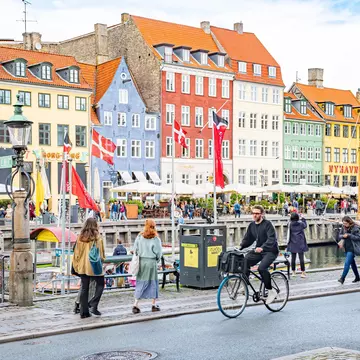
If you are into cycling, biking is the quickest, cheapest and easiest way to get around the city, as the city was planned out with cyclists in mind. Download the Donkey Republic app to use bikes on the go throughout the city. Alternatively, visit a local bike shop and rent a pair of wheels for your time in town.
Sign up for the Lonely Planet newsletter for more travel tips and hacks.
Explore related stories