Aug 28, 20268 min read
16 Things to Know Before Visiting DubrovnikJul 28, 2026
13 MIN READ
Contributors
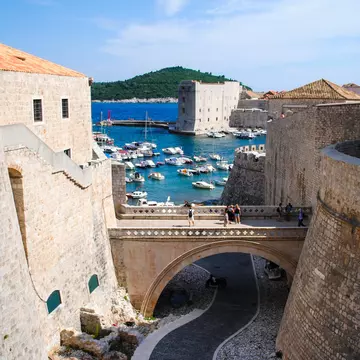
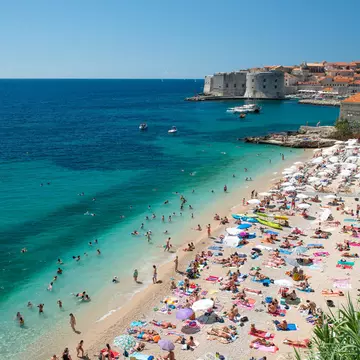
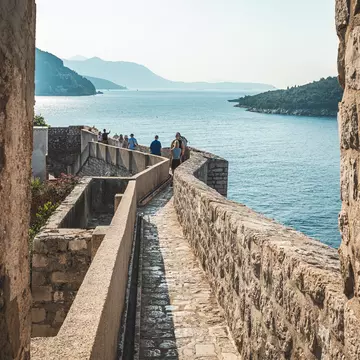
A view over the city walls and harbor in Dubrovnik, Croatia. xbrchx/Shutterstock

Contributors


Lonely Planet Editors, Jane Foster
Highlights
Writer Jane Foster rounds up 14 Dubrovnik experiences, from walls to islands.
Walk the medieval city walls for Adriatic views, then sip morning coffee on the Stradun.
History lovers should tour the Rector's Palace; foodies should try Bota Oyster & Sushi Bar.
Paddle to lush Lokrum Island by sea kayak, or hike Mt Srđ for panoramic views.
Lonely Planet may earn a commission from affiliate links on our site. All recommendations and reviews reflect our own independent opinions.
The jewel of Croatia's Adriatic Coast, Dubrovnik tells a tale spanning centuries of history, spinning off into the realms of fantasy. Admiring the city's handsome Venetian-built city walls is the main attraction, but the list of things to do here takes in intriguing museums, foodie experiences, filming locations from Game of Thrones and a whole lot more.
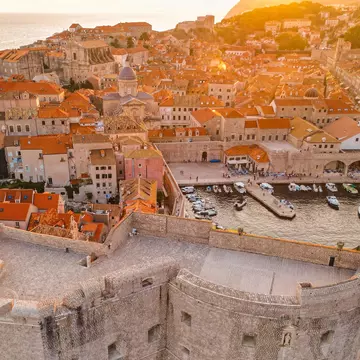
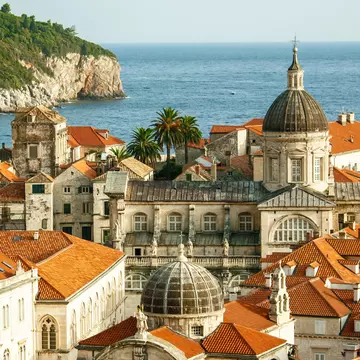
Dubrovnik would be worth a visit just for its striking appearance. Capped by terracotta tiles and crisscrossed by limestone paved lanes, its diminutive, UNESCO-listed old town is protected by sturdy medieval fortifications, overlooking the deep blue Adriatic.
Whether you're heading here to relive favorite memories from Game of Thrones, devour fresh seafood or take a trip to nearby islands, this is an incredible city to explore. Historic attractions include noble baroque buildings, museums and galleries stuffed with treasures, and a glorious coastline to discover beyond the city walls.
One important consideration is when to come. With cruise ships arriving daily, summertime can be mobbed, so travelers seeking a calmer experience come in the quieter spring or fall. If you do come in peak summer, consider day-tripping to the Elafiti islands or the wineries on the Pelješac peninsula to escape the crowds.
However you plan to pass your time here, start planning your visit with our pick of the best things to do in Dubrovnik.
The non-negotiable
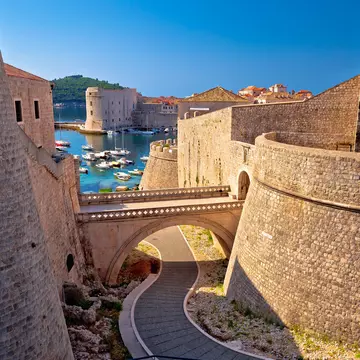
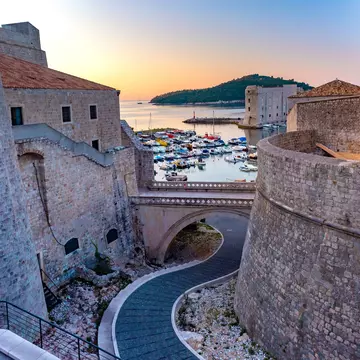
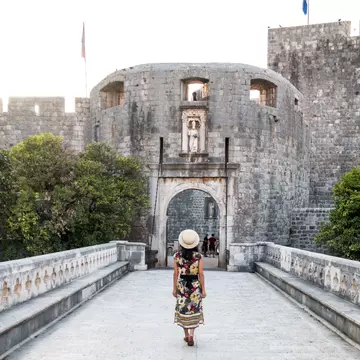
Of all the many things to do in Dubrovnik, the one absolutely unmissable experience is a walk around the battlements of the medieval city walls. A complete 2km circuit of these Venetian-built fortifications reveals fantastic views over the old town’s terracotta rooftops and out over the sparkling Adriatic.
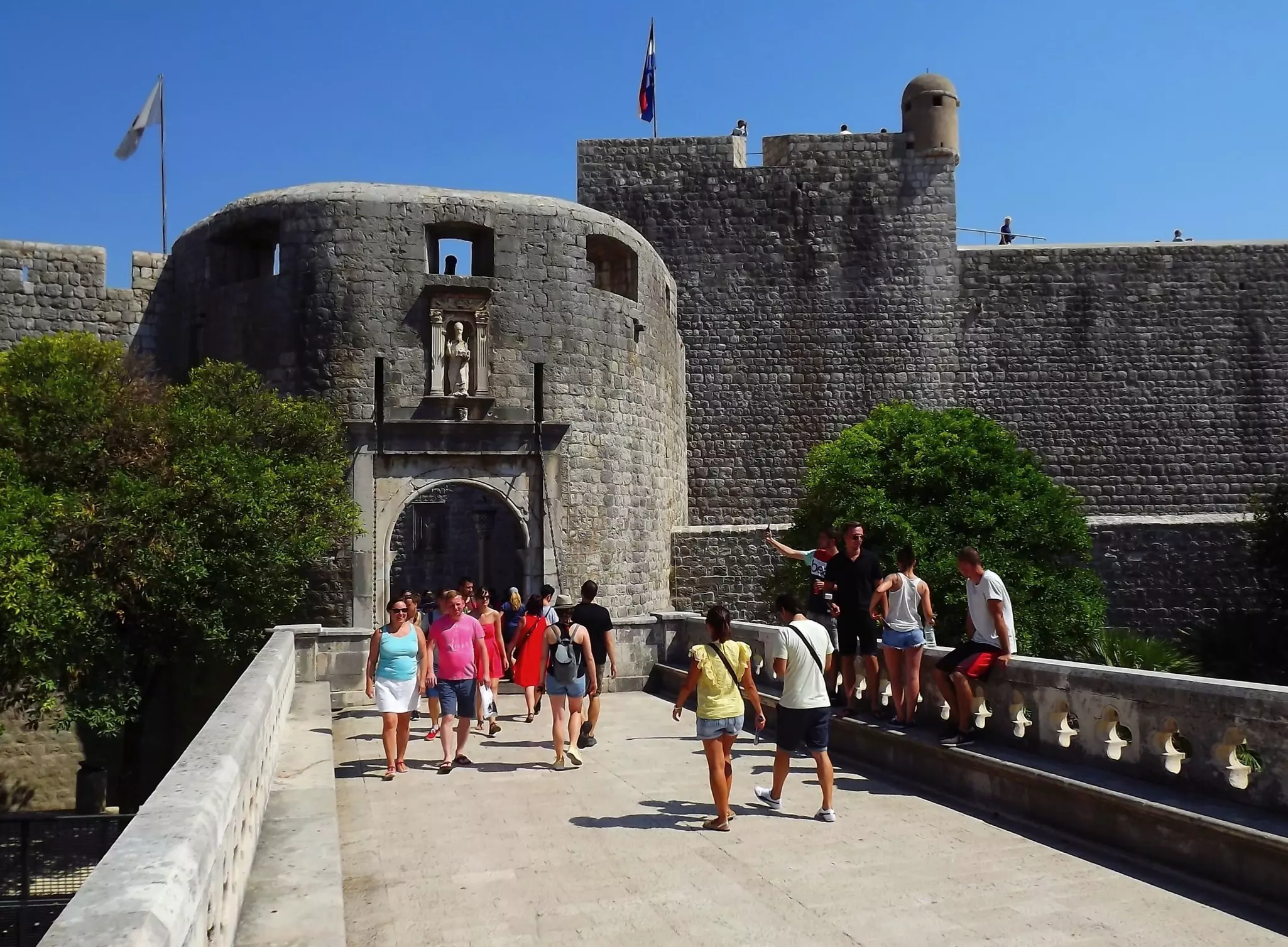
Originally built in the 13th century, the walls protected the city – then known as Ragusa – from the covetous eye of rival empires in the Mediterranean, and its sheltered harbor provided a safe haven for merchants trading silver, wool and salt. At night, the two entrances into the city, Pile Gate and Ploče Gate, were locked, and wooden drawbridges were hoisted up to prevent intruders from entering.
When the Balkan peninsula came under threat of attack by the Ottoman Turks in the 15th century, the walls were further reinforced with sturdy towers and bastions, mounted with some 120 cannons. To walk the walls today, the main access point to the battlements is up a flight of stone steps on your left as you enter town through Pile Gate.
Dubrovnik was caught in the crosshairs of the war that followed Croatia's declaration of independence in 1991, but the town walls are once again intact, the gleaming marble streets are smoothly paved, and famous monuments have been lovingly restored – all with the help of an international brigade of specially trained stonemasons.
When to go: If you can, visit during the calmer spring and fall to enjoy the city walls with less company. If you can only visit in summer, note that the number of daily visitors to the walls is limited to prevent overcrowding, so early online booking is recommended. If you're lucky enough to be here in winter, you might have the walls all to yourself.
Best Dubrovnik ritual
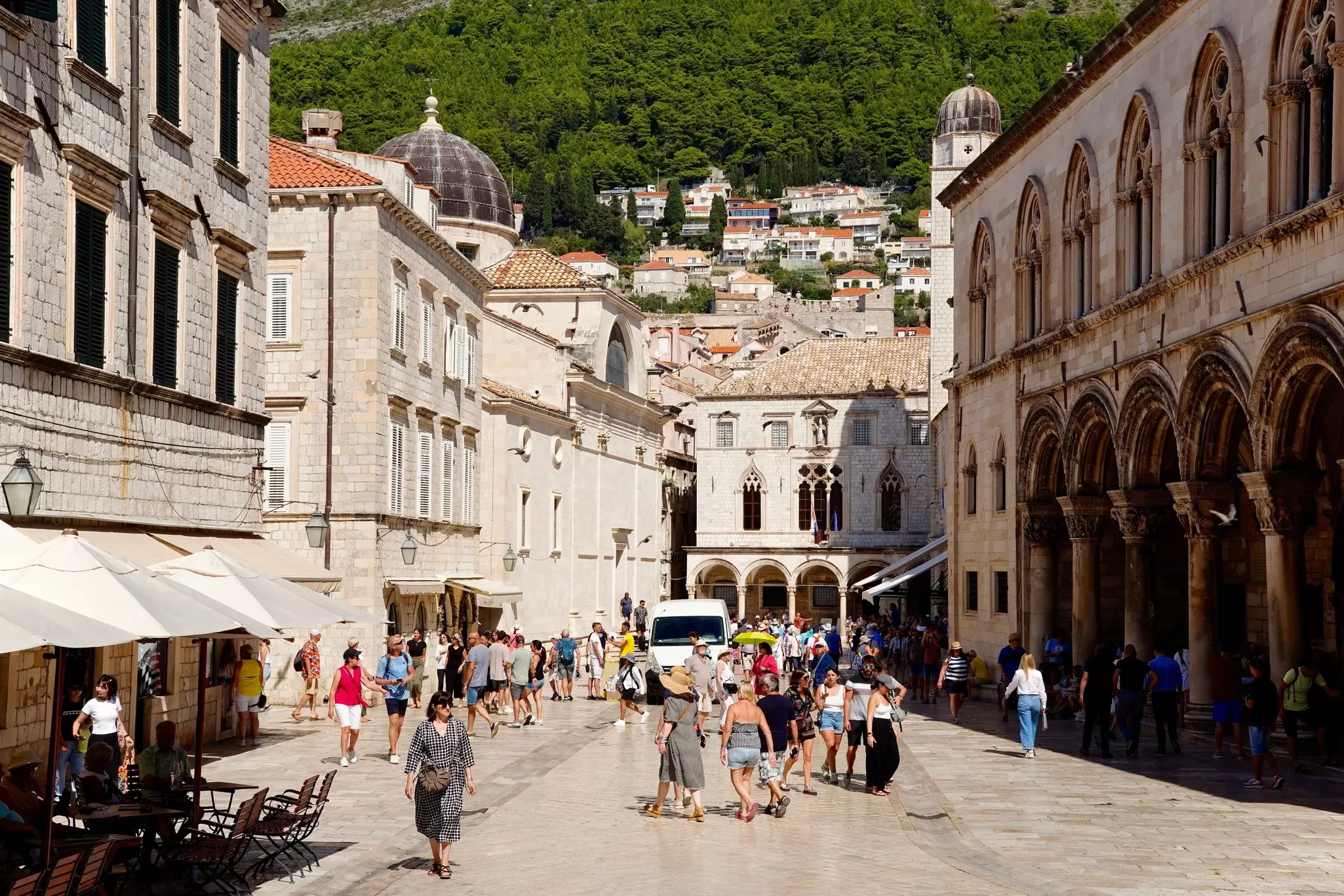
Drinking coffee is a morning ritual in Dalmatia – a legacy of centuries of Italian influence. In Dubrovnik, the place to do it is the Stradun (aka Placa), the 300m-long limestone-paved promenade that serves as the main thoroughfare through the old town, providing a link between Pile Gate and Ploče Gate.
The 17th-century baroque buildings that flank the Stradun host open-air cafes at street level, where locals meet for coffee, read the morning newspapers, and watch the world pass by. One of the best spots is Gradska Kavana, located on a raised terrace at the end of the Stradun.
Interestingly, the Stradun used to be a shallow sea channel – it was filled in during the 12th century, creating the city as you see it today.
Pair with: Kroštule – these bowtie-shaped fried pastries make a great sweet accompaniment to a local-style espresso.
Must-do with kids
Below the Maritime Museum, on the ground floor of St John's Fortress, you'll find the Dubrovnik Aquarium. This dark, peaceful space offers respite from the hot summer sun (especially worthwhile if you've got tired children in tow), and it's packed with marine life.
On display are a vast array of Adriatic species inside 31 tanks supplied with fresh seawater from the Adriatic. Look out for tiny delicate seahorses, ugly (and poisonous) scorpionfish, scary conger eels, cute starfish and shape-shifting octopuses.
Local tip: Homemade ice cream. Sample the local Italian-influenced ices (and tasty traditional Dubrovnik pastries) at Gianni in the narrow alley in front of the aquarium.
Best for a sense of ancient politics
Before it fell to Napoleonic forces in 1808, Dubrovnik was a tiny but sophisticated self-governing republic called Ragusa. Local councilors would meet every month to choose a different citizen to assume the role of Rector – the head of the Ragusa government. This short-term appointment was intended to prevent any one person from becoming too powerful.
During their terms of office, Rectors lived on the upper floor of the 15th-century Gothic-Renaissance Rector's Palace, which today contains Dubrovnik's Cultural History Museum. Here you can see how the city's aristocrats once lived – the collection spans baroque furniture, gilt-framed oil paintings, lavish costumes, weapons and even a sedan chair.

Stay connected abroad with an eSIM
Holafly eSIM provides unlimited mobile data with no hidden fees, giving you peace of mind wherever you travel. Stay connected even after your plan ends with Always On. Use code LONELYPLANET for an exclusive discount.
Lonely Planet may earn a commission from affiliate links on our site. All recommendations and reviews reflect our own independent opinions.
Down at ground level, off the internal courtyard, note the entrance to the former meeting rooms of the Great Council and the Senate. Above the door is a plaque, advising Obliti privatorum publica curate – "Forget private affairs, and get on with public matters." There is also a prison cell and a chapel.
Game of Thrones fans will feel like they've been transported to Qarth in the grand atrium. In the hit HBO show, it was here that Daenerys Targaryen met the Spice King, seeking ships to cross the Narrow Sea.
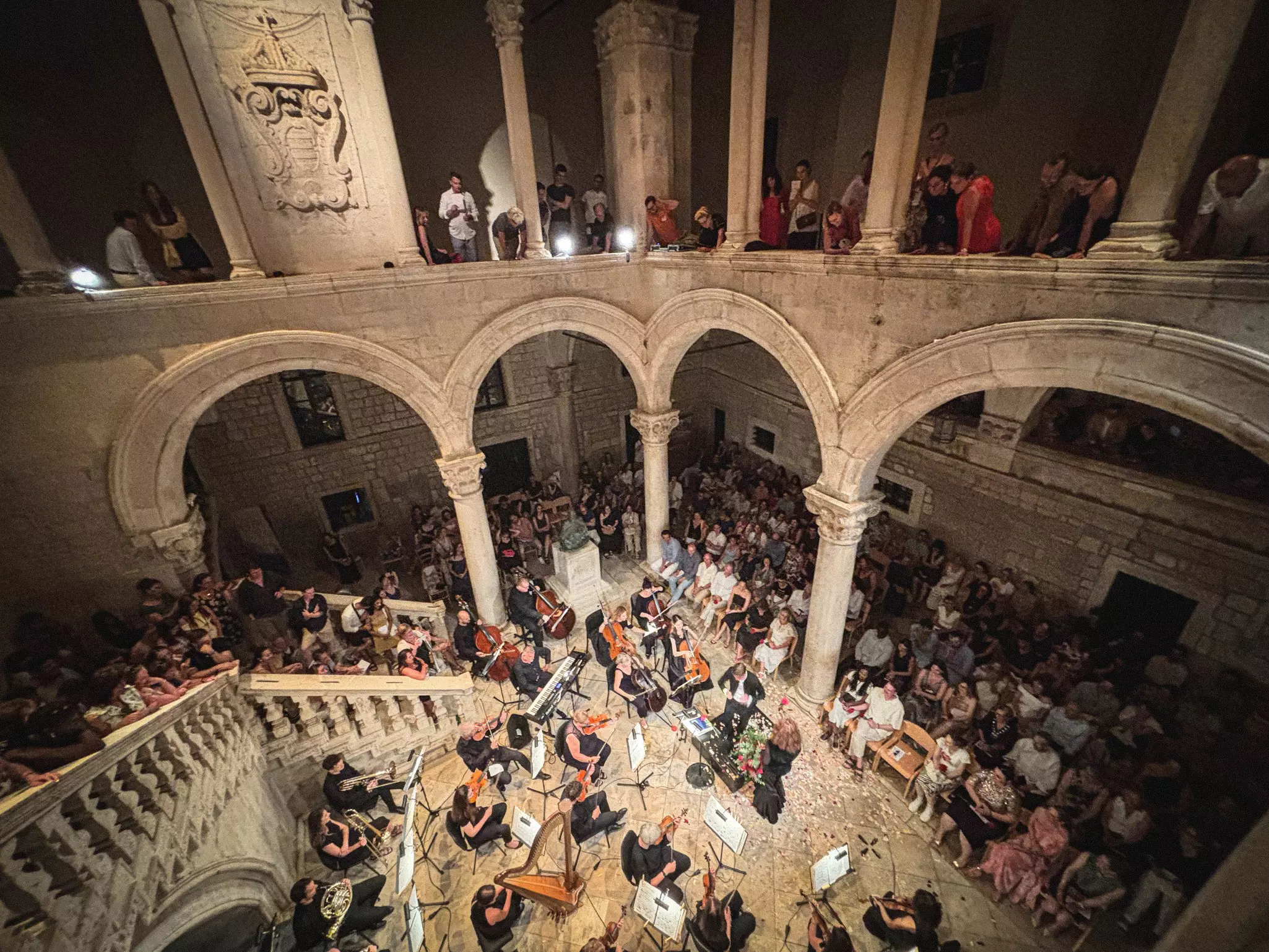
Pair with: Live music. Concerts are often hosted in the Rector's Palace atrium; the Dubrovnik Symphony Orchestra is one of the organisations that plays here.
Best foodie experience
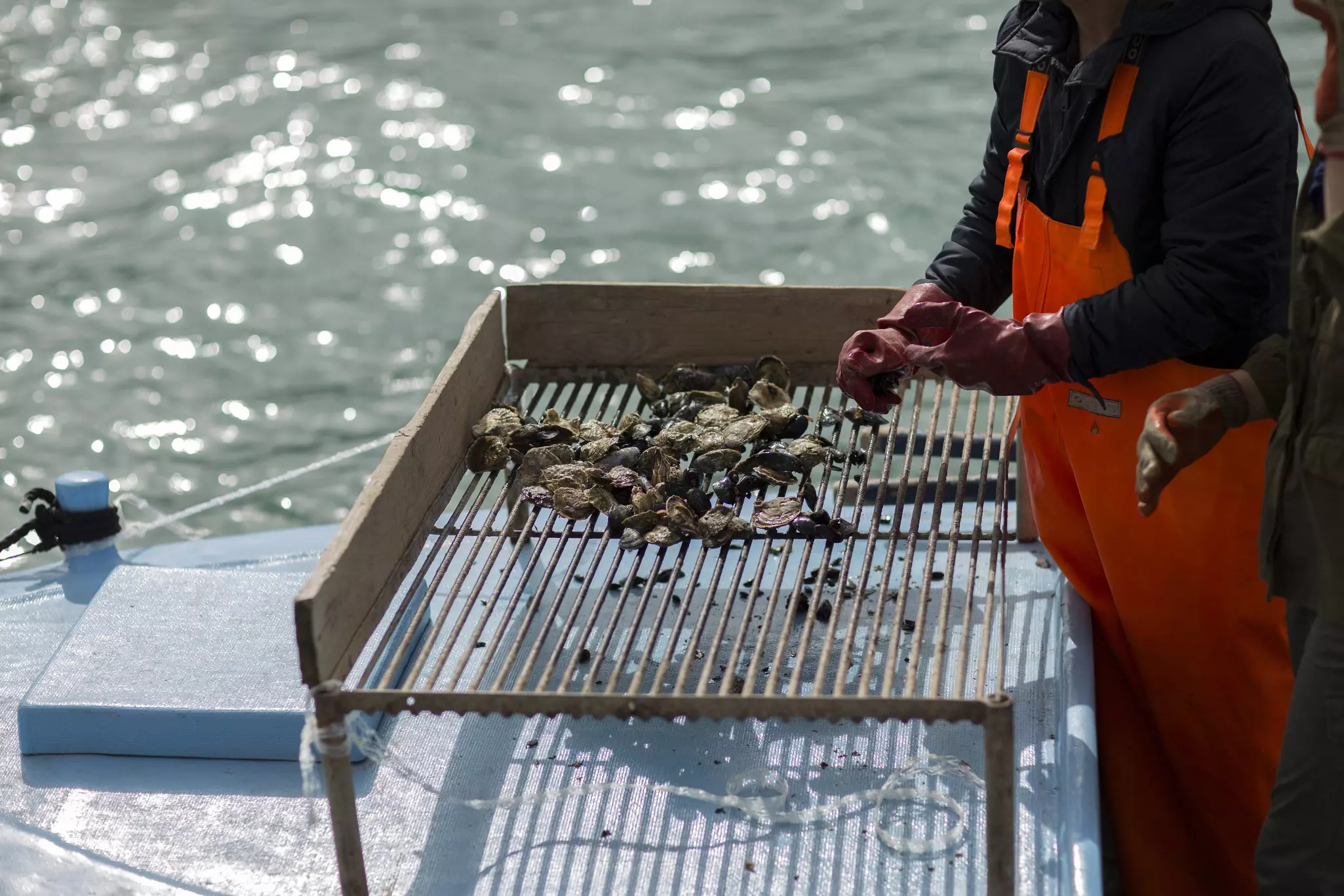
Dubrovnik is celebrated for its seafood, but the local oysters warrant special attention. For centuries, local gourmands have relished oysters from Mali Ston Bay on the Pelješac peninsula, formerly part of the Republic of Ragusa.
If you haven't tried them, you can eat them fresh in Dubrovnik's old town. The owner of Bota Oyster & Sushi Bar cultivates his own oysters in Ston and brings them into town each morning. Said to be a powerful aphrodisiac, they are served on crushed ice, still in their shells, with a wedge of lemon.
If you're uncomfortable with the slippery texture of fresh oysters, you can order oyster tempura instead and enjoy them fried in a light batter.
Pair with: A dry white wine. Produced from locally grown grapes, Malvasija Dubrovačka has subtle notes of fruit and herbs.
The surprise
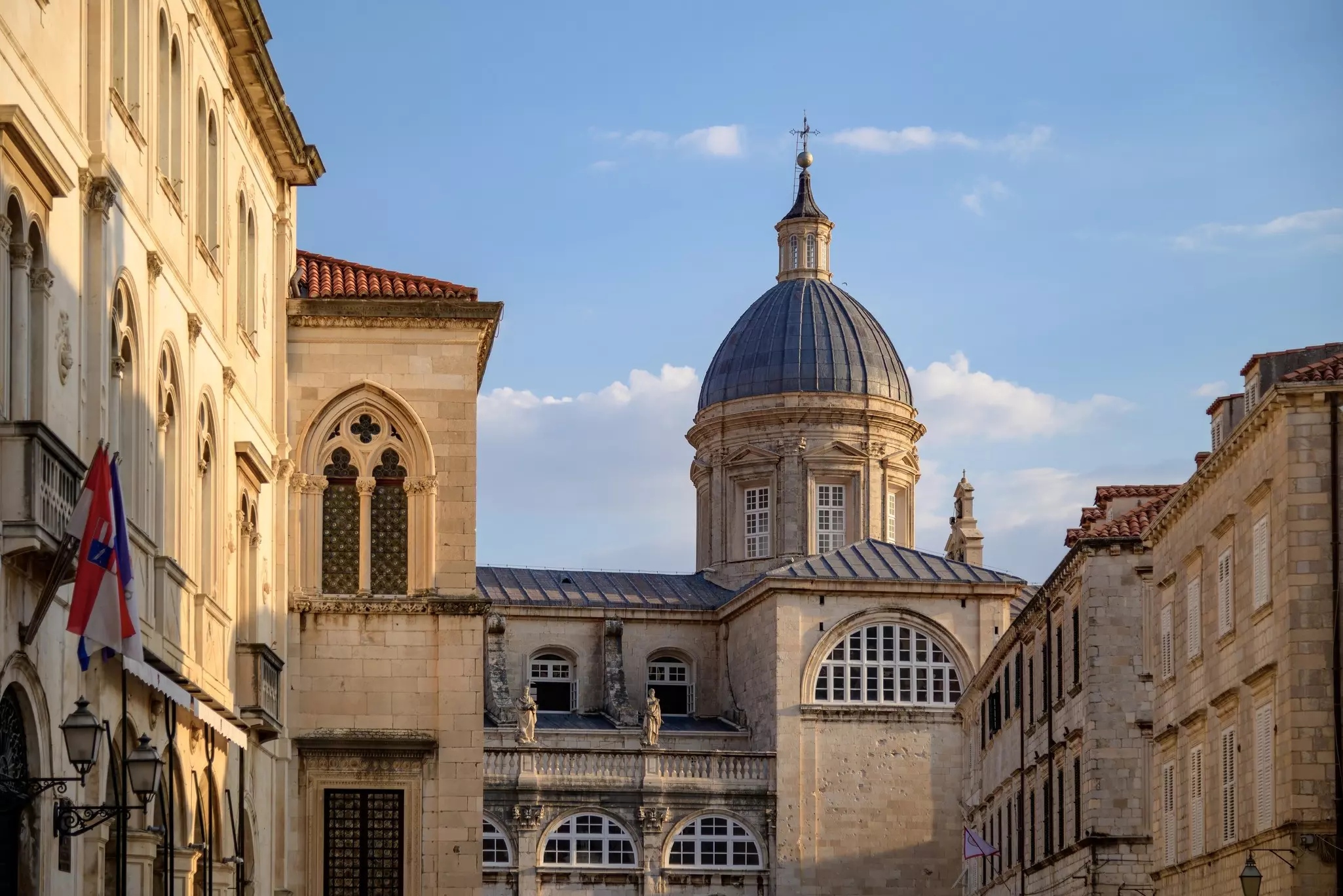
It may sound ghoulish by today's standards, but in the Middle Ages, people genuinely believed that relics (body parts of long-deceased saints) could bring about divine intervention. As these human remains were considered sacred, they were encased in gold and decorated with intricate filigree and valuable jewels.
The treasury adjoining Dubrovnik's eye-catching Cathedral of the Assumption of the Virgin Mary displays a horde of 138 gold and silver reliquaries – the centerpiece is the skull of St Blaise (Dubrovnik's patron saint) mounted with a golden crown. Many of these reliquaries originate from the Byzantine Empire and were brought to Dubrovnik by local seafarers returning from voyages to the East.
When to go: Services are held at the cathedral early in the morning, in the early evening, and several times every Sunday, and are always atmospheric.
Best for a sense of nostalgia
Opened in 2019, the funky Red History Museum shows how people lived in Croatia when it was part of Socialist Yugoslavia (1945–1991). Displays include a series of rooms from a typical 1970s apartment, complete with furniture from that time.
The retro look now comes across as rather hip, with ceramics, posters, and graphic design of the magazine and record covers from the time. However, displays note more sinister aspects of socialist rule, such as the Yugoslav secret police and the Goli Otok political prison.
Pair with: A trip to KAWA to see the output of modern Croatian creatives. This concept store just outside the old town sells one-off clothing items by young Croatian designers, as well as jewelry, tote bags, ceramics, cosmetics, olive oil and rakija (a potent local spirit).
Best refreshment stop
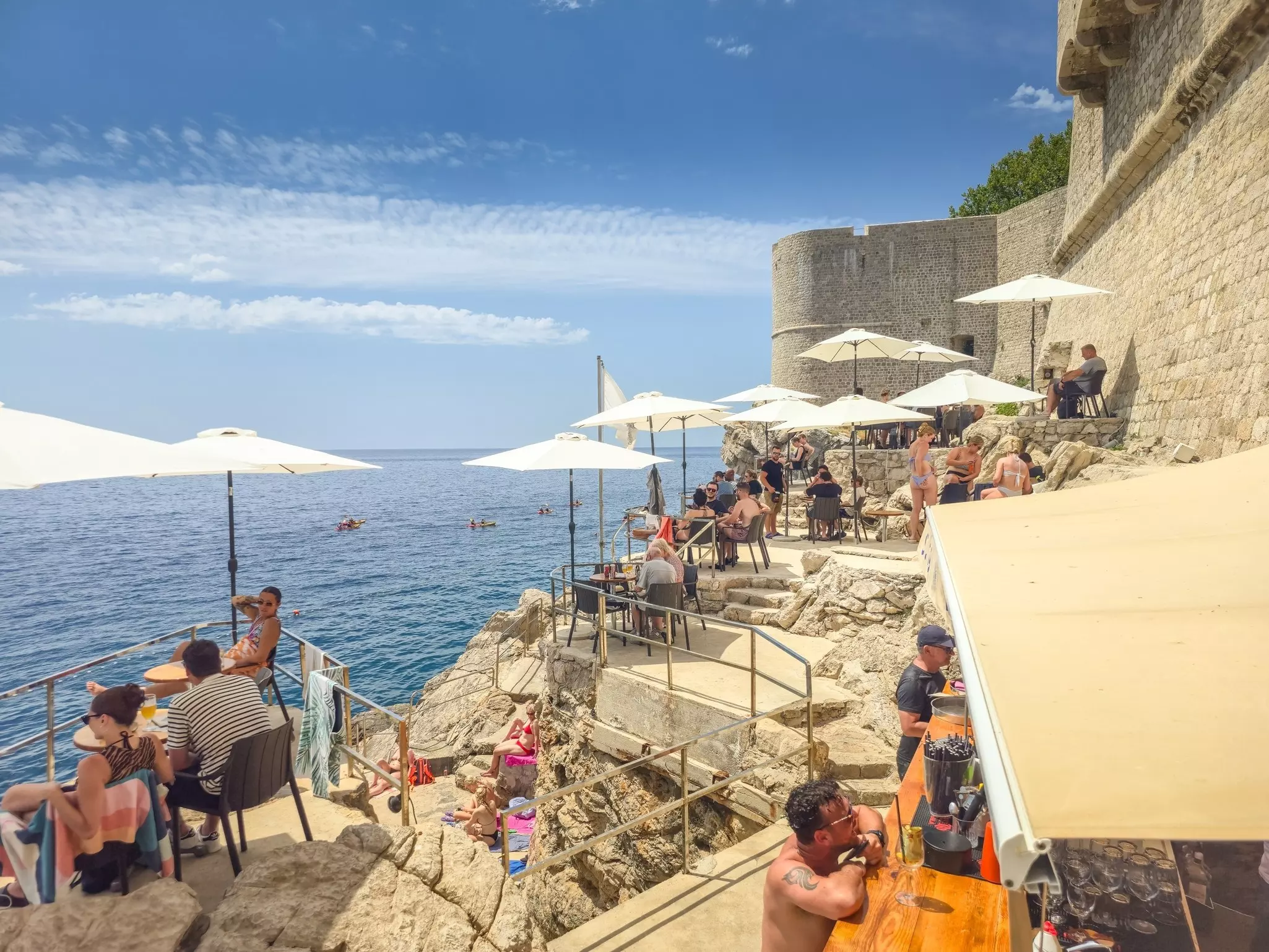
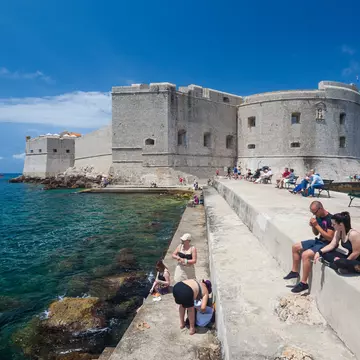
Looking for a memorable spot for a drink? On the rocks above the sea, below Dubrovnik's south-facing walls, you'll find two open-air bars, somewhat confusingly both called Buža. But as it happens, Buža I and Buža II are both good, so it doesn't matter which you choose.
Informal and fun, the bars have rock-and-concrete terraces with tables shaded by big white parasols, and unparalleled sea views. To find them, look for small doorways on the south side of the city walls. The drinks menu is basic – just beer or wine – and payment is cash only, but you can't beat the location.
When to go: Come in the morning and have a swim before you imbibe, or come in the evening and enjoy the sunset followed by the romance of a star-filled sky.
The secret
Entered off the Stradun, Dubrovnik's Franciscan Monastery is centered on a 14th-century Romanesque cloister, with a garden of palms and citrus trees. One of Europe's first pharmacies was founded here by the resident monks in 1317. There's a small museum displaying old-fashioned laboratory equipment and storage jars, but the pharmacy is still in business.
In its modern incarnation, the Franciscan Pharmacy sits just inside the monastery's arched entrance gate. Inside, glass-fronted cupboards are stocked with well-known international brand medications, but on the marble counter, you'll spy pots of natural hydrating face creams based on rose, lavender and rosemary, labeled "Mala Braca 1317 AD." These creams are still prepared here in the pharmacy, according to secret centuries-old recipes known only to the monks.
Getting there: As with other sights inside the city walls, the best way to reach the Franciscan Monastery is on foot; the old city is mostly car-free and only approved vehicles may enter.
Best for maritime history
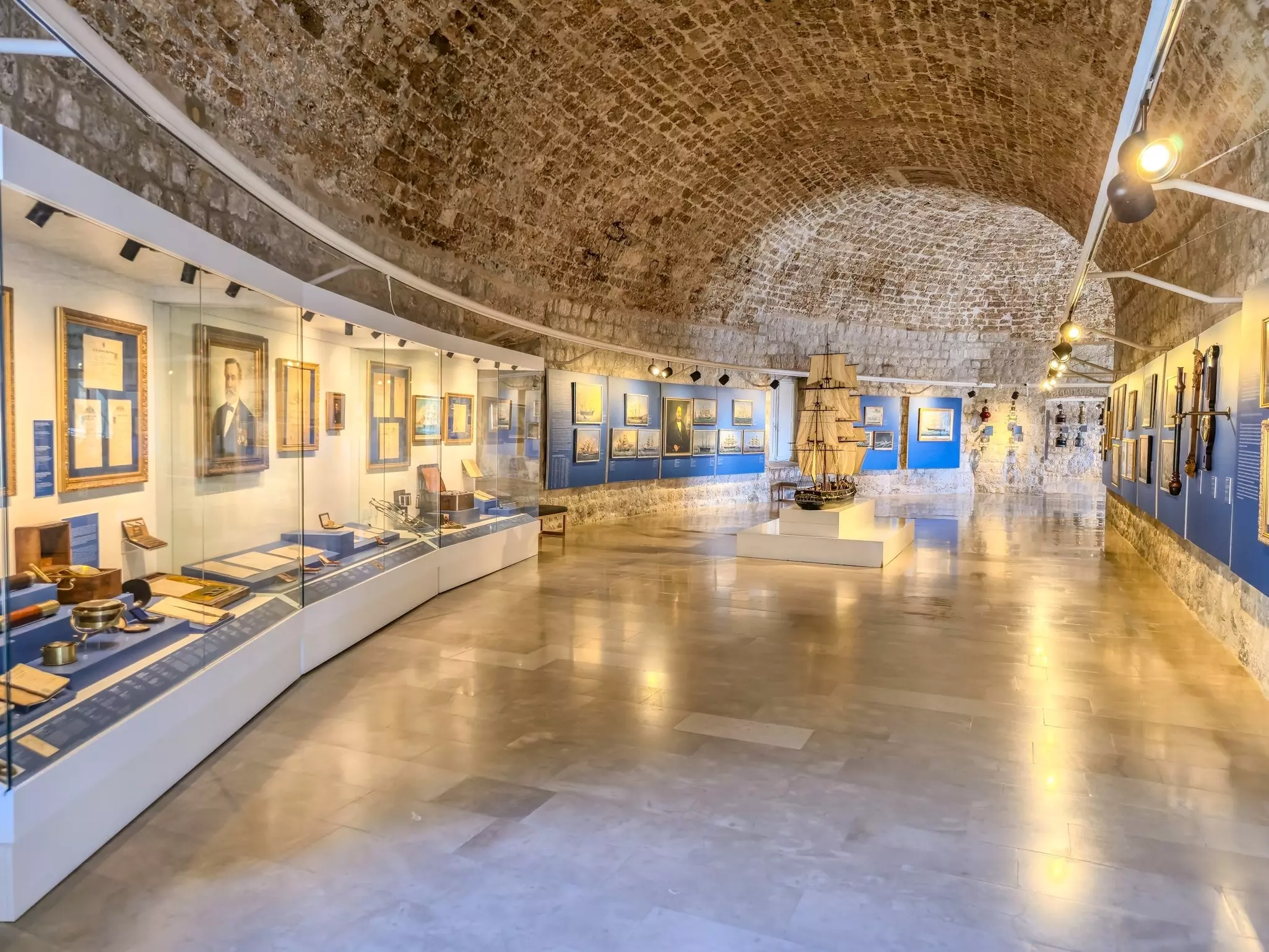
Dubrovnik lived its Golden Age in the 16th century, when its extraordinary wealth was based on shipping and trading, and the export of wool, silver and salt from the hinterland. At that time, the tiny republic of Ragusa had one of the biggest fleets in the world, with some 180 ships and 4000 sailors.
At the Maritime Museum, set inside St John's Fortress (Tvrđava sv Ivan) on the south side of the harbor, you can learn more about Dubrovnik's former naval might. Exhibits include model ships, paintings, maps, navigational equipment and sailors’ uniforms.
Pair with: A boat ride. Joy rides by boat leave from Dubrovnik's old harbor, taking in the old city from the water, and running on to nearby islands.
Best stop for understanding modern Croatia
Dubrovnik knows how devastating war can be, having been under siege for 8 months between 1991 and 1992, as the former Yugoslavia collapsed. At War Photo Limited, photographs from war reporters offer a haunting glimpse of everyday life during the conflicts that gave birth to the modern Balkan states.
On the ground floor, a dedicated gallery space hosts temporary exhibitions of photojournalism from war zones around the world. Past shows have featured Syria, Sudan, Congo and Northern Ireland. A visit to the gallery offers a humbling reminder of what happened in this popular holiday city just a few decades ago.
When to go: Visit War Photo Limited from spring to fall; the exhibition is closed November through March.
Best way to get active
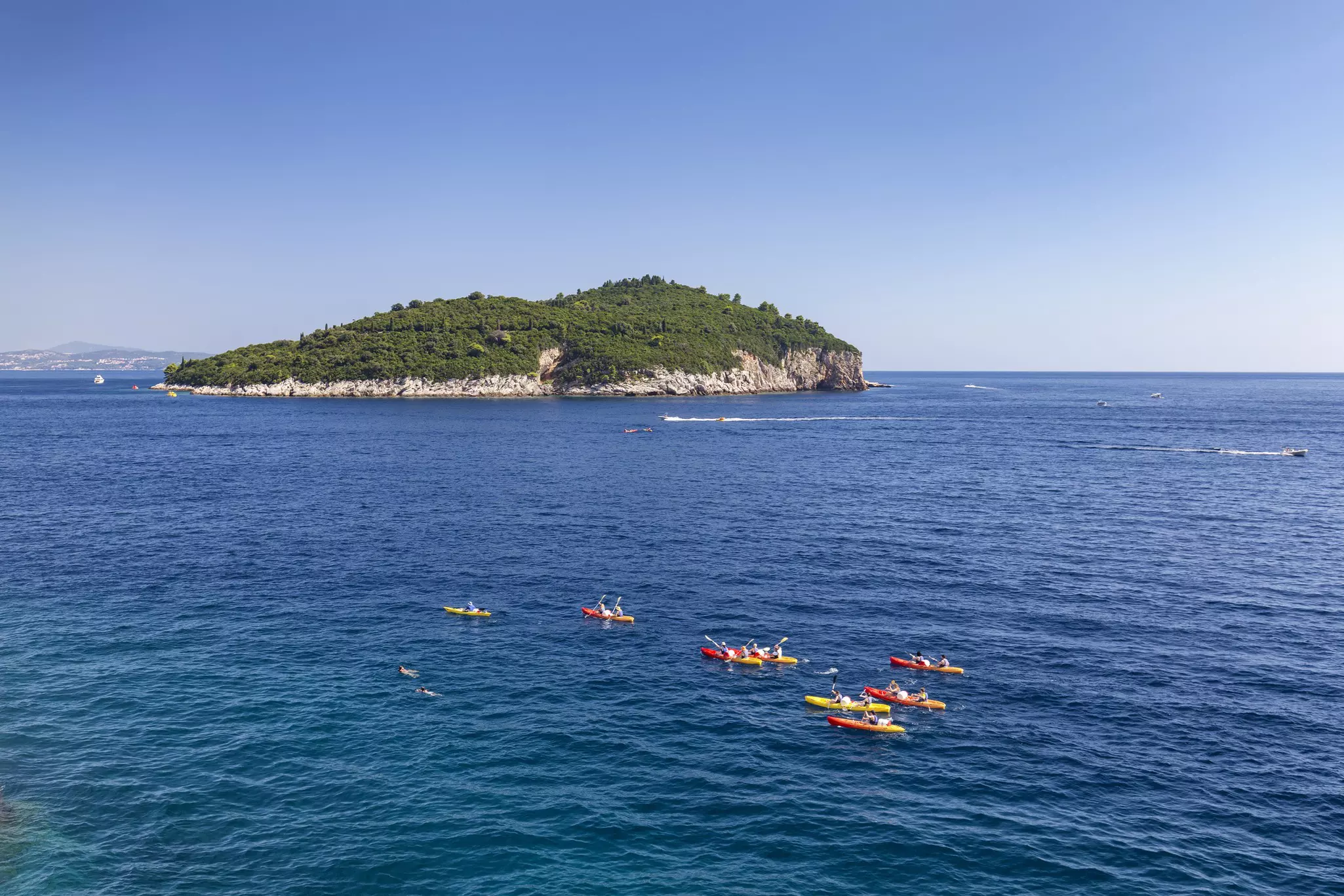
The tiny island of Lokrum is a 10-minute boat ride from Dubrovnik's old harbor, but a more memorable way to visit is by joining a sea-kayaking tour, departing from the small beach near Pile Gate. You'll paddle around Dubrovnik's fortifications, then head to Lokrum to swim, snorkel, hike and cliff jump.
Green and lush, Lokrum is home to an abandoned 11th-century Benedictine Monastery, a botanical garden with peacocks, and a hilltop fort built by Napoleon in 1806. Local legend says that the monks, angered that Napoleon had closed their monastery, put a curse on anyone who should try to possess the island. It may be superstition, but even today, no one is allowed to remain on Lokrum overnight.
Pair with: Letting it all hang out. Lokrum's popular nudist beach – considered one of the best in the world – is at the southeast end of the island. To get here, head left from the ferry jetty and follow the signs marked "FKK." The rocks at its far end are Dubrovnik's de facto gay beach.
Best free thing to do
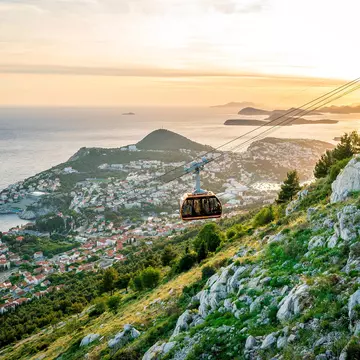
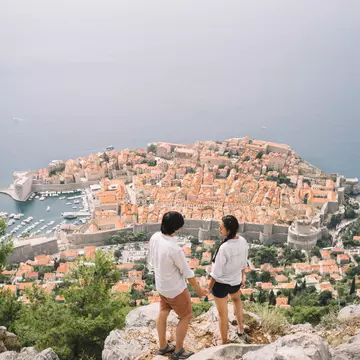
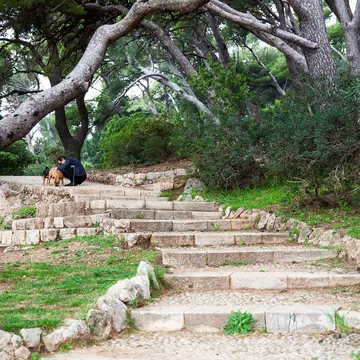
Perhaps the most picturesque views of Dubrovnik can be enjoyed from Mt Srđ, which rises directly behind the old town. The trip to the summit is one of the best free things to do in Dubrovnik, following a zigzagging, 2km-long hillside path marked by the Stations of the Cross.
At the top, there's a 19th-century fortress, a bar-restaurant for well-earned refreshments, and a viewing deck that affords stunning vistas down onto town and out across the Adriatic. If you prefer not to hike, you can take the modern cable car.
Pair with: A picnic lunch. One day in advance, contact Piknik Dubrovnik to book a picnic packed in an easy-to-carry insulated backpack, complete with a map and blanket.
Best way to relax
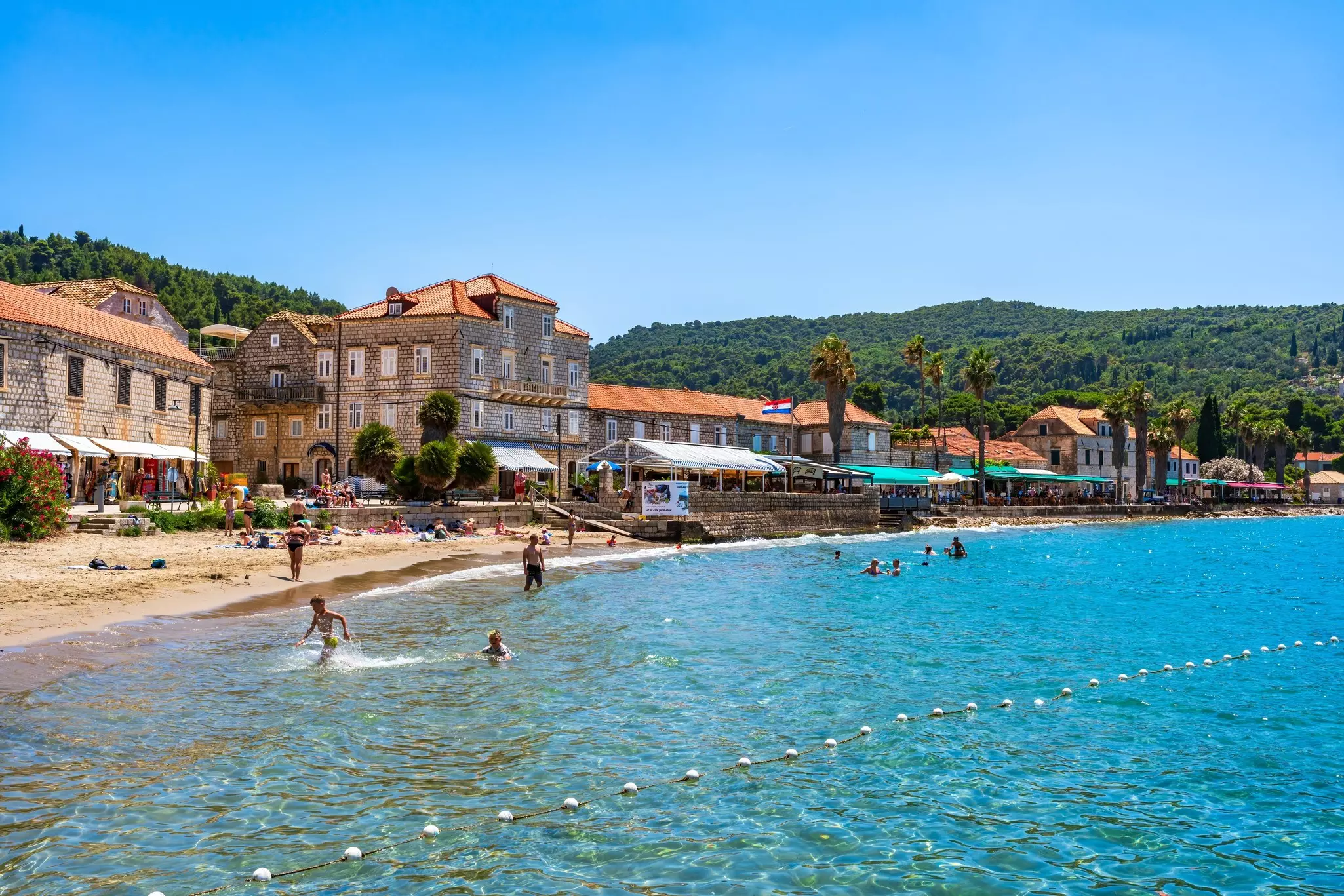
Sandy beaches are rare in Dalmatia, but there is one near Dubrovnik – Šunj on the island of Lopud. Catch a white-and-blue Jadrolinija ferry from Dubrovnik's Gruž port to reach the island. As you sail into the bay, note the fortified Franciscan monastery, high above the sea – it is now an ultra-luxurious retreat known as Lopud 1483.
From the palm-lined seafront promenade, follow a 2km path through lush vegetation to reach Šunj (golf-buggy rides are also available). A glorious swathe of sand, giving onto a sheltered bay with warm shallow sea, the beach has several seasonal bars serving drinks and snacks and hiring out sun-beds.
When to go: Summer gets busy, but the weather is flawless and Lopud hosts the Ponta Lopud film festival each June, and a jazz festival sponsored by the same organization in August.
Explore related stories