Oct 18, 202613 min read
Cruises to Halong Bay: Tips and Things to KnowJul 21, 2026
14 MIN READ

Writer
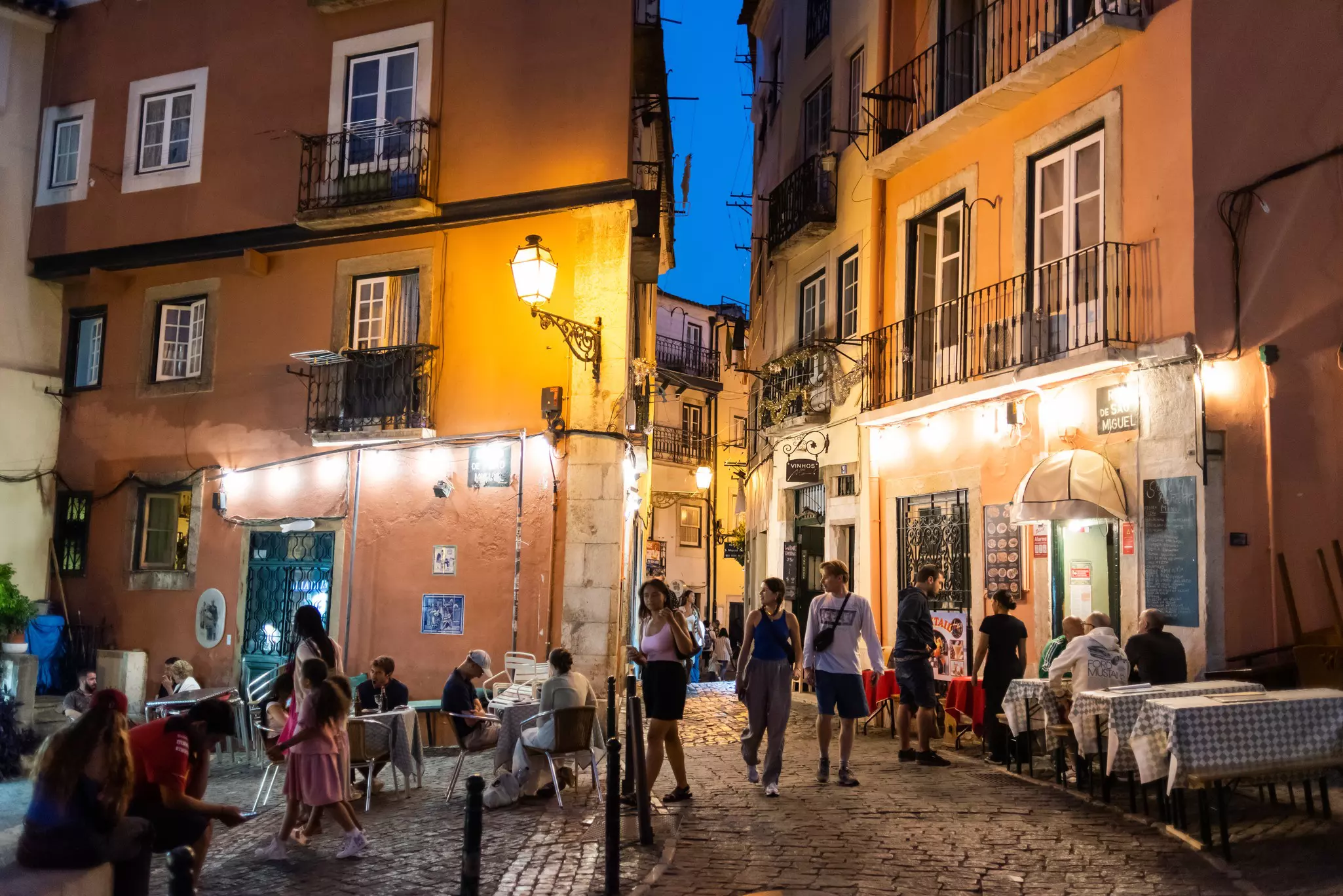
An evening scene in Alfama, Lisbon. Kerry Murray for Lonely Planet
Writer
Lonely Planet may earn a commission from affiliate links on our site. All recommendations and reviews reflect our own independent opinions.
You don’t need a fortune to travel to faraway corners of the world. With research, planning and most of all the right timing, you can savor a range of experiences for a relative song. We’re talking trekking in Nepal’s mountains, immersing yourself in traditional village life on an Indonesian island, surfing in Nicaragua and enjoying village life in southern Spain.
Advance planning delivers major reductions in costs. On the ground, street food, simple accommodations and public transportation can make your money go further, even in destinations not necessarily perceived as budget-friendly.
This diverse range of places will widen your horizons without breaking the bank. Here are 10 fabulous destinations for budget travelers all over the world.
Best for art and culture
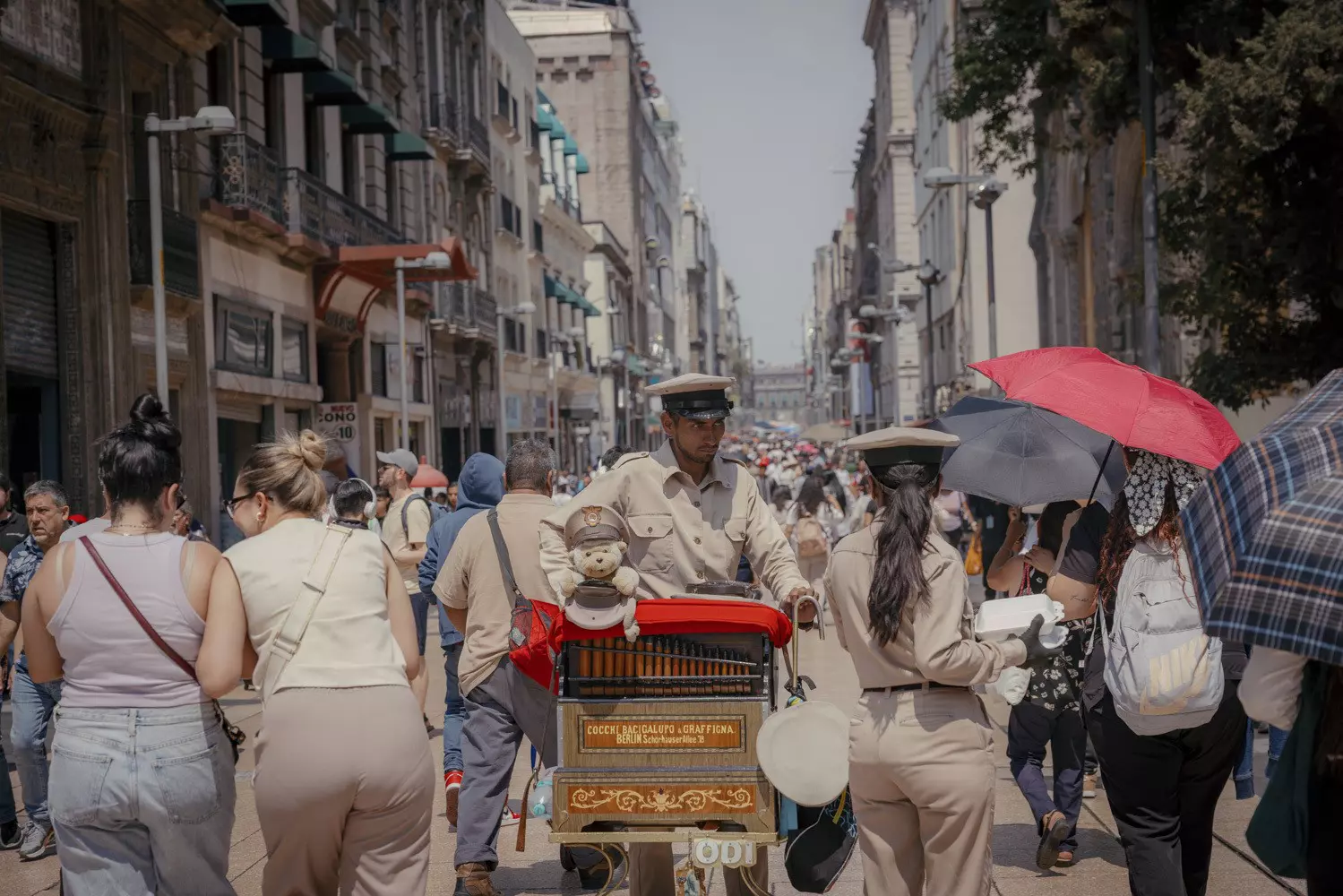
While Mexico is an excellent, wallet-friendly destination overall, its extraordinary capital city stands out for the sheer variety of cultural, historical and edible offerings. Base yourself in Centro Histórico – the historical center, which has a wealth of inexpensive guesthouses and hostels – then make use of the city’s extensive and inexpensive metro system to get between neighborhoods, such as stylish (and rather pricey) Roma and Condesa.
Wandering around Centro Histórico – where you’ll find the Palacio Nacional, the cathedral, the Zócalo square and other architectural highlights – is free, as is exploring huge Chapultepec Park. Which leaves space in your budget for top attractions such as the Museo de Antropología e História, Museo Frida Kahlo and the pyramids of Teotihuacán. Even better, other top attractions, including the Diego Rivera Mural Museum, the Palacio de Bellas Artes and the street life of Coyoacán, Roma or Condesa, cost little or nothing to take in. When you get hungry, graze on countless types of tacos, as well as quesadillas and tamales, available from street food carts all over the city.
Budget tips: Take advantage of the many free walking tours on offer to get the most out of your visit. Avoid pricey tours of the pre-Hispanic city of Teotihuacán by taking a bus to the site from the Autobuses del Norte bus station.
Best for music and beaches
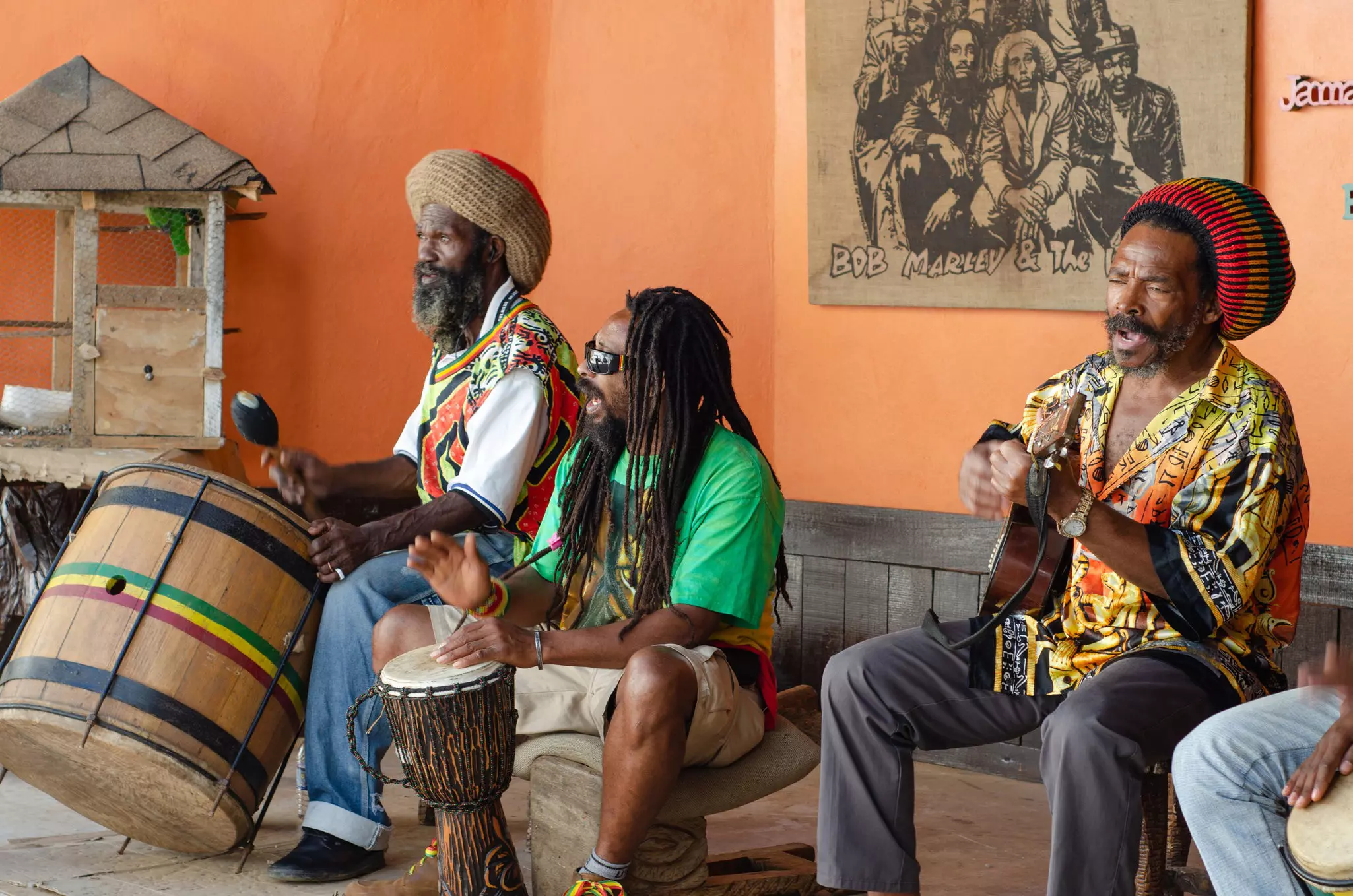
While tourism in the Caribbean, with its tiny islands and luxury hotels, caters to the higher end of the market, Jamaica is an exception. While the country has its own deluxe resorts, there are plenty of inexpensive accommodations all over that can help you organize outings to nearby beaches, mountains, waterfalls, museums and incredible music scene, all at budget prices.
The capital of Kingston is an excellent starting point, where you can visit Bob Marley’s birthplace in Trench Town, as well as the excellent Bob Marley Museum. Use Kingston as a jumping-off point to ascend Blue Mountain Peak, with an overnight stay in a rustic guesthouse. Alternatively, base yourself in Negril on the west coast to sun yourself on the white-sand Seven Mile Beach, attend nightly music events and jump off a cliff at Rick’s Café. You could also stay in a simple guesthouse in laid-back Treasure Beach on the south coast and take a boat out to Pelican Bar.
If you’re into roots reggae or dancehall, stay in Ocho Rios on the north coast and attend the overnight Rebel Salute, or the multiday Reggae Sumfest in Montego Bay, Jamaica’s second city. For the inexpensive price of an entry ticket, you’ll catch dozens of bands and performers.
Public transportation in Jamaica (minibuses, shared taxis and air-conditioned buses) is cheap and frequent, while eating out is great value – particularly if you stick to Rasta-made Ital (natural foods) or jerk pork and chicken from ubiquitous jerk huts.
Budget tips: To save on international airfares, steer clear of the December and January peak season. Flights are cheapest during the June to November rainy/hurricane season, when brief tropical deluges are interspersed with sunshine.
Best for a European city break
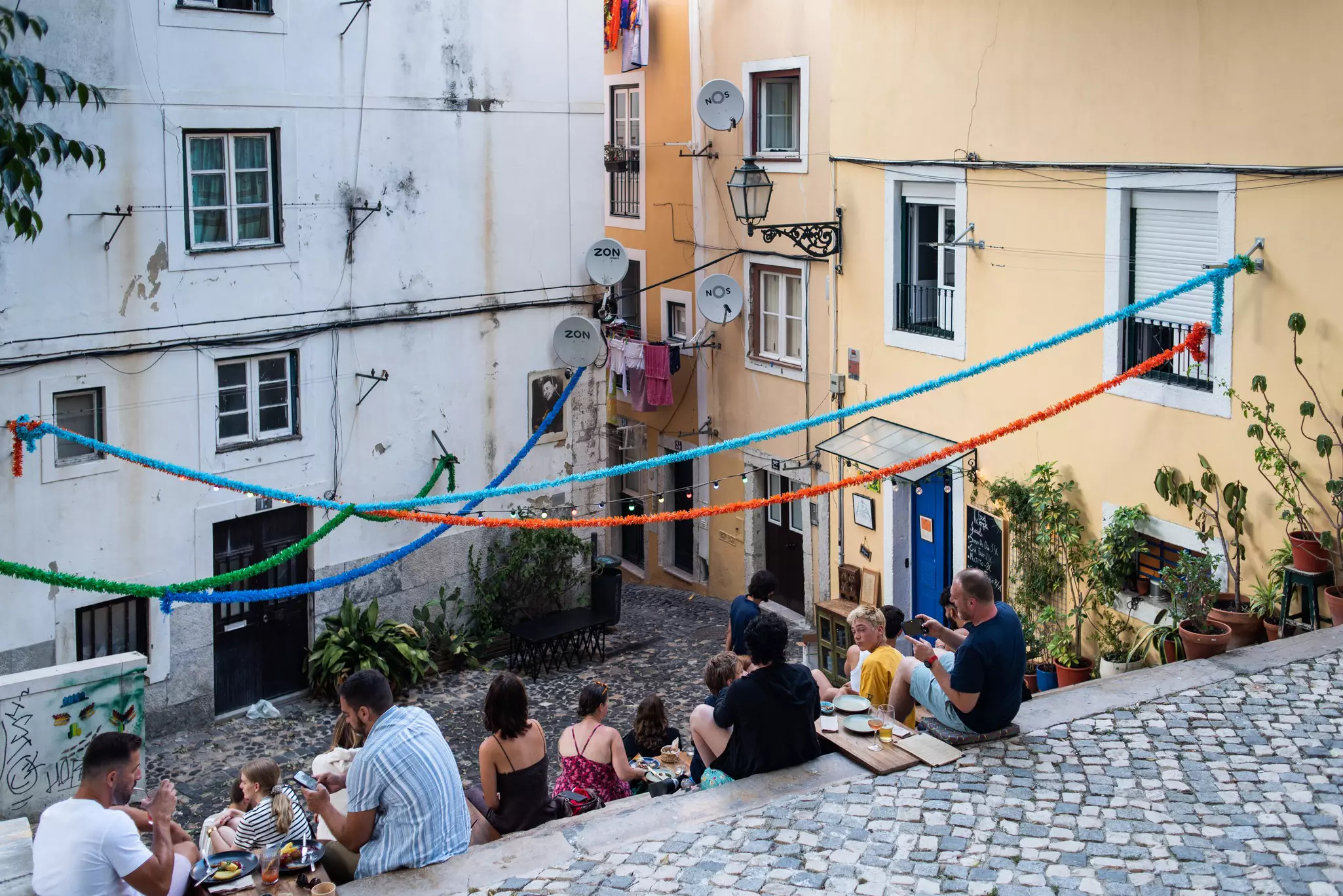
A star among Western European capitals, Lisbon beckons with a unique mix of culture, history and excellent dining – and great-value prices. Exploring the narrow, winding lanes of Alfama – Lisbon’s oldest neighborhood – is one of the best things to do in Lisbon. Admiring the beautiful, tiled buildings and hidden courtyards on foot costs precisely nothing; the same is true of Lisbon’s many miradouros (viewpoints), such as Miradouro da Senhora do Monte and Miradouro de Santa Catarina, with their fantastic panoramic views of the city. While top historic sights such as Torre de Belém and Jerónimos Monastery require paid tickets, a number of museums, including the Museu Nacional do Azulejo (Tile Museum) and the Museu de Arte, Arquitetura e Tecnologia (MAAT: Museum of Art, Architecture and Technology), are free to visit on some Sundays and holidays.
Lisbon is covered by a comprehensive, inexpensive network of trams and other public transportation. Instead of forking out for a tour, you can just hop aboard Tram 28, which winds its way through some of the city’s most scenic parts, including Graça, Baixa and Alfama.
Budget tips: Pastel de nata (custard tart) and fresh seafood are just some of the local culinary specialties that you can enjoy on a budget, while some neighborhood bars in Alfama and Bairro Alto are good spots for catching live fado performances merely for the price of a drink.
Best for street food
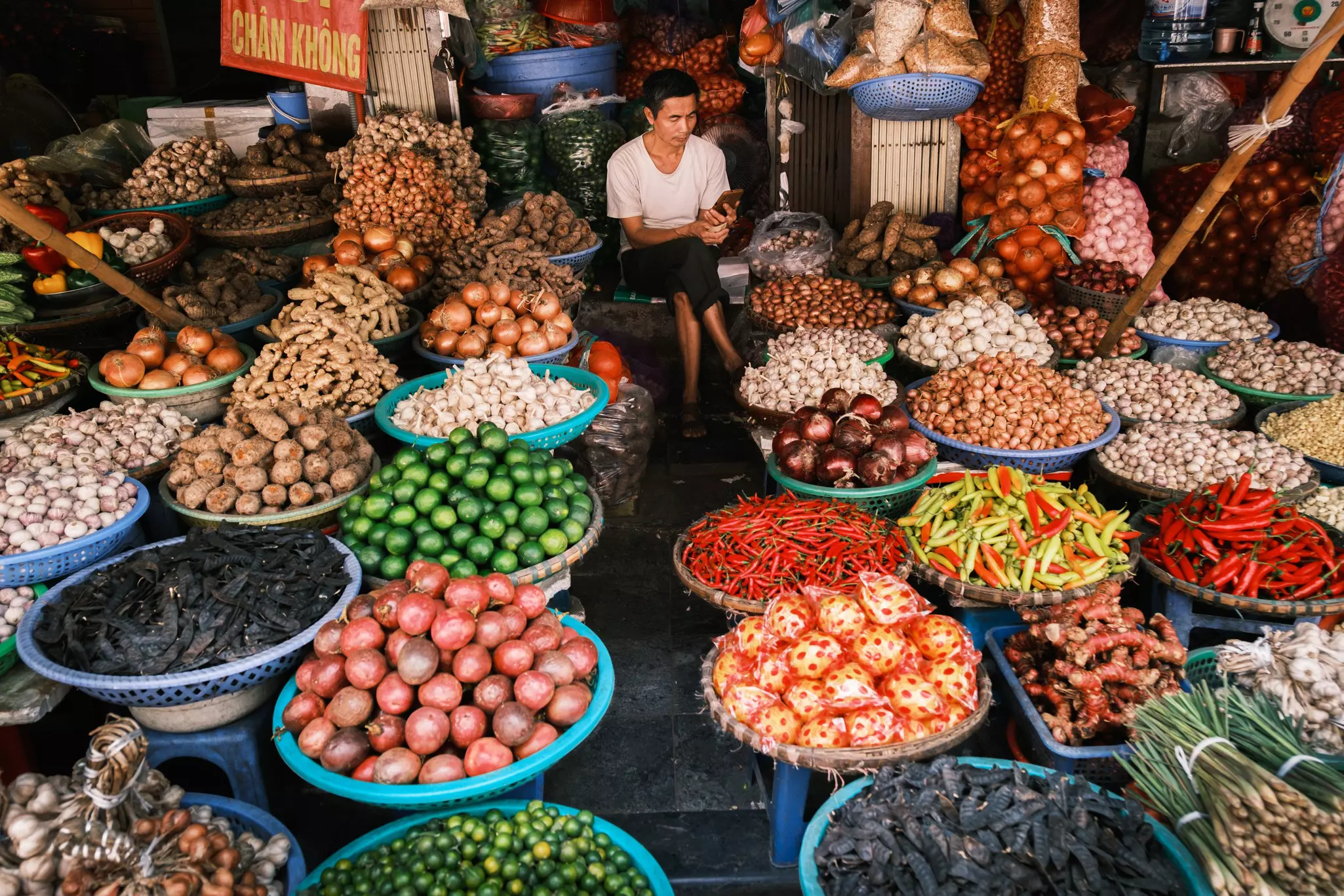
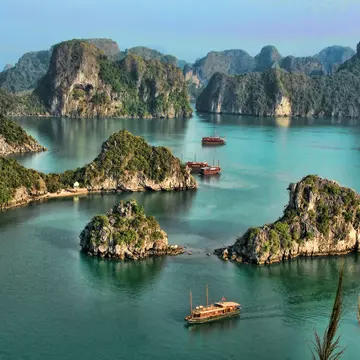
Fringed by a mind-boggling 4000 or so islands, Vietnam offers numerous options for wallet-friendly escapes. From the bustling capital of Hanoi, with its handsome historic Old Quarter, you can make your way north to Sapa for fantastic trekking among rice terraces, overnighting in homestays in Red Dao and Hmong villages. Alternatively, hop on a boat to navigate among the myriad karst islets of the UNESCO World Heritage Site of Halong Bay.
Further south, explore the Imperial City of the ancient royal capital of Hue, wander the lantern-lit streets of the beautiful riverside town of Hoi An, venture into some of the world’s biggest caves in Phong Nha-Ke Bang National Park, and visit the My Son Hindu temple complex, built by the ancient Champa civilization. Hit the beaches in Danang or escape the tropical heat by heading to the hill town of Dalat and motorbiking amid pine forests.
In the south, the War Remnants Museum of Ho Chi Minh City – Hanoi’s rival when it comes to beautiful architecture and superb dining scene – provides a sobering insight into the Vietnam War; on the outskirts, you can descend into the underground complex of Cu Chi tunnels to appreciate the ingenuity of the Viet Cong. Further south, around the Mekong Delta, lies lush land threaded through with river tributaries and rich in floating markets; exploring it by boat and bicycle is a great way of delving into local culture.
The backpacker hostel scene is well developed in Vietnam, and the country’s street food is second to none: bowls of pho, banh xeo pancakes, bun cha (rice noodles with pork) and other staples are filling and cost very little.
Budget tips: To save on accommodation costs, take the sleeper Reunification Express train that runs between Hanoi and Ho Chi Minh City via Hue, Danang, Hoi An and Nha Trang. Sleeper buses with two-tiered sleeping berths are another great way to get between the main visitor hot spots.
Best for getting close to ancient civilizations
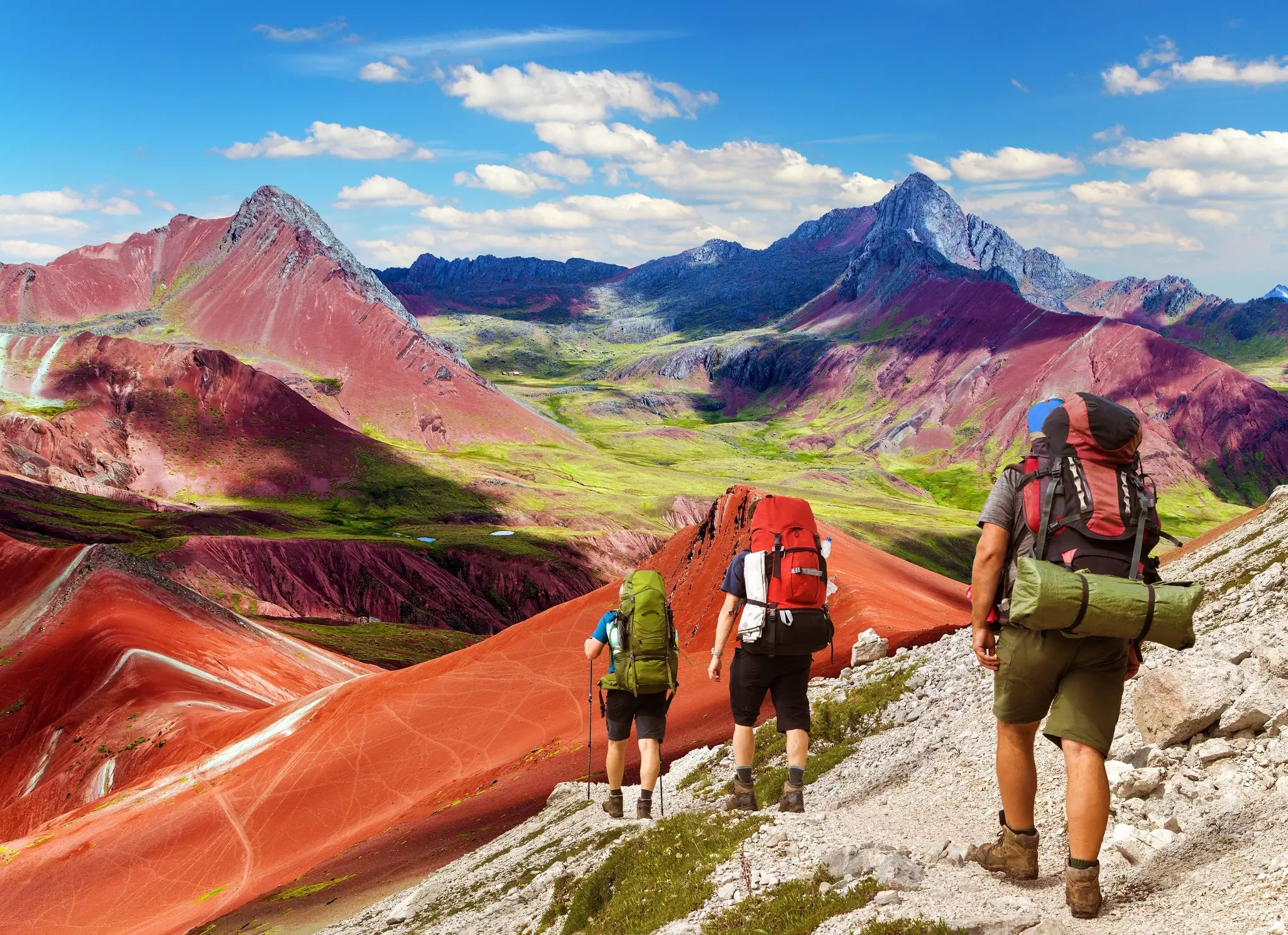
The heart of the ancient Inca empire, Peru punches above its weight when it comes to sophisticated pre-Hispanic civilizations and the incredible architecture they left behind. For generations, archaeologists and visitors alike have been captivated by the iconic ruins of Machu Picchu; the striking landscapes of the Sacred Valley, with its Ollantaytambo fortress and Pisac citadel; the Túcume pyramids of Chiclayo; the Chan Chan adobe fortress of Trujillo in northern Peru; and southern Peru’s Nazca Lines, the vast outlines of animals laid out in the desert by the ancient Nazca for purposes unknown.
Ancient remains aside, Peru captivates with the natural beauty of high-altitude Lake Titicaca, the llama-dotted altiplano, superb trekking in the Andes and in the Cañón del Colca, and jungle lodge stays in the Amazon, reachable from Iquitos, Peru’s only city with no road access. The bustling markets and centuries-old stone edifices of scenic Cuzco and Arequipa, meanwhile, leave you literally breathless (the altitude may have something to do with it).
Cheap, efficient and comfortable sleeper buses make cross-country travel easy. And while you’ll find inexpensive guesthouses in every major visitor hotspot, you’ll also find that your money goes a lot further than in most other South American countries, and that you can afford a stay in a boutique hotel for the price of a hostel elsewhere. Most small restaurants offer a lunchtime, fixed-price, multicourse menu del día. You can also dine on superb seafood in cevicherías (restaurants serving ceviche) in Lima and beyond for just a few soles.
Budget tips: Instead of the pricey 4-day Inca Trail trek to Machu Picchu requiring mandatory guides, opt for the cheaper 5-day Salkantay Trek to Machu Picchu, or else the 4-day Lares Trek (which can be self-guided) to Ollantaytambo, from where you can take the train to Aguas Calientes, the gateway town to Machu Picchu.
Best for outdoor adventures
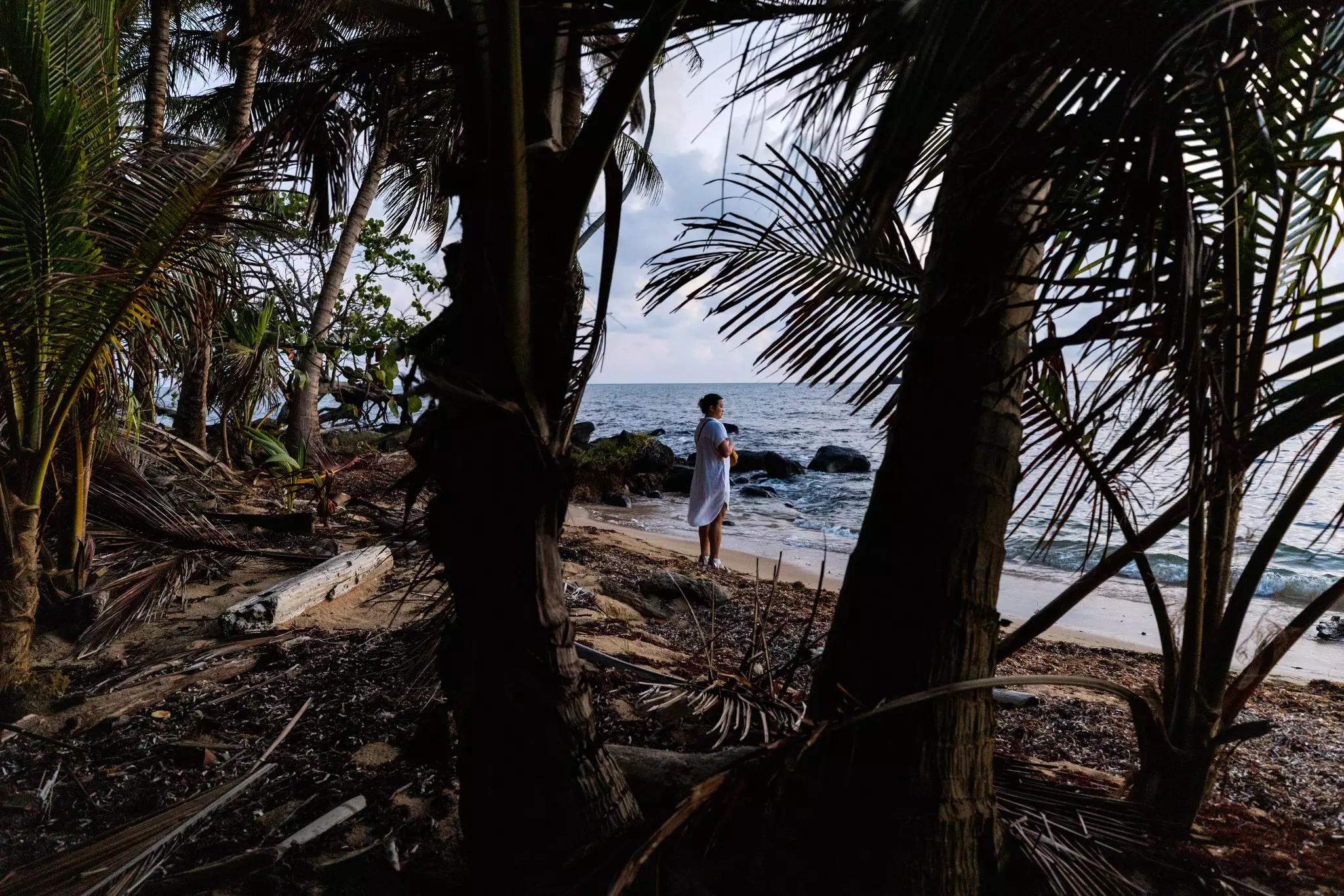
Costa Rica has skyrocketed in popularity in recent years – as have prices. So if you’re in search of a Central American getaway, consider neighboring Nicaragua, where a winning mixture of culture and outdoor adventures comes at a fraction of the cost. The west coast is known for top surfing off the beaches of San Juan del Sur, Papoyo, Poneloya and other hot spots. Inland, Granada and León brim with beautiful, centuries-old architecture and rich history. You can use Granada as a jumping-off point for small-island stays in the vast Lago Cocibolca, or else take a ferry from San Jorge to Isla Ometepe, renowned for its laid-back beaches and two climbable volcanoes.
Speaking of volcanoes, you can peer into the crater of the active Volcán Masaya, located halfway between Granada and the capital of Managua. Off Nicaragua’s east coast, Big Corn and Little Corn islands, fringed with white-sand beaches and ringed with coral reefs, offer excellent snorkeling and diving opportunities. We especially love the barefoot, chilled-out vibe on vehicle-free Little Corn.
Budget tips: Minimize costs by dining on staples like dishes like nacatamales (banana-leaf-wrapped bundles of cornmeal and meat), vigorón (yucca with fried pork skin) or indio viejo (stew) at comedores (local eateries). Travel between towns as locals do, on “chicken buses” (colorful repurposed former American school buses), and count on stays at hostels and inexpensive guesthouses. Note that accommodation costs drop during the May-to-October rainy season (though some places close in hurricane season in September and October).
Best for a full range of pleasures
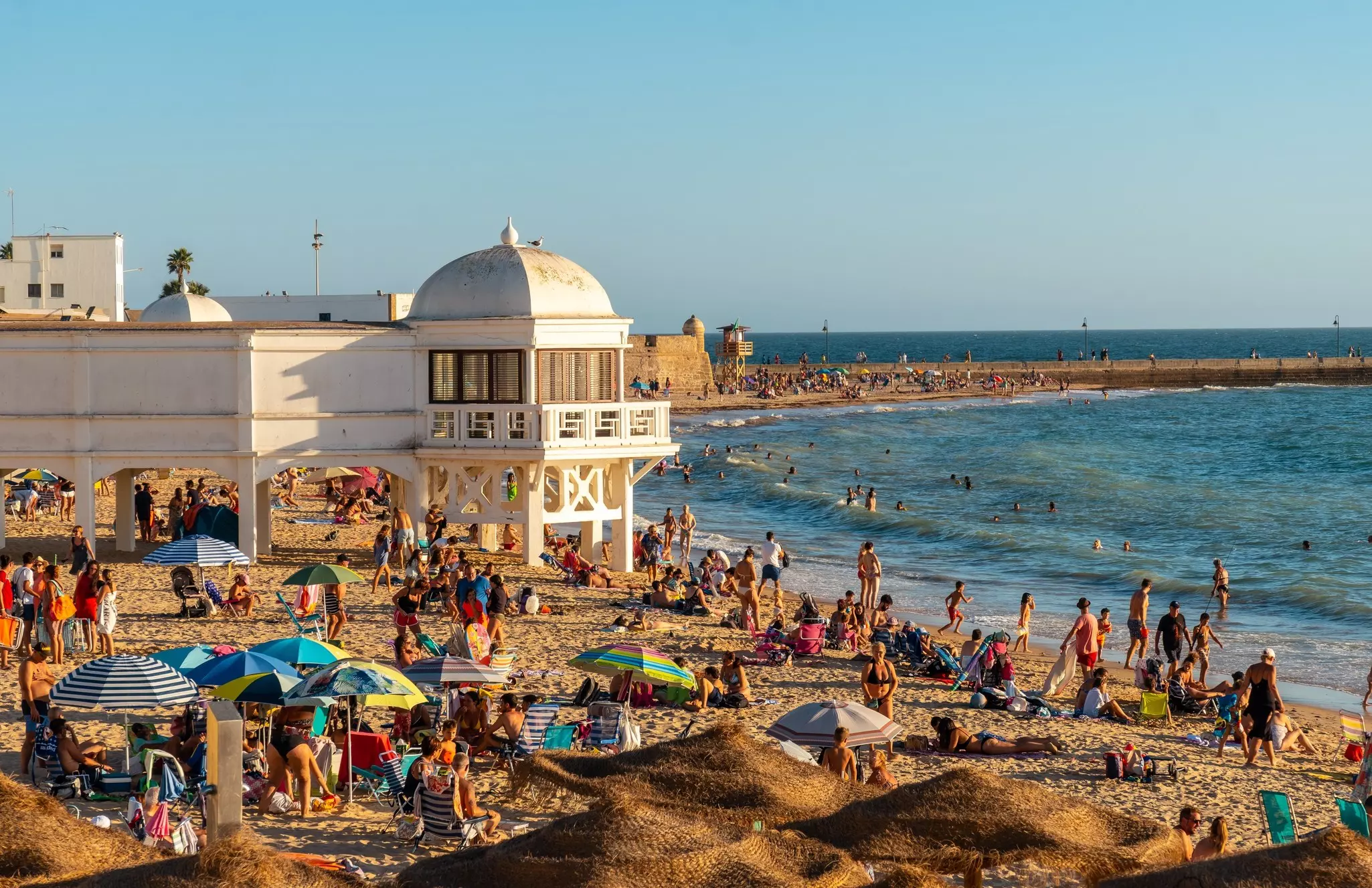
World-class architecture, mountain hiking, superb beaches, whitewashed villages, great dining, a year-round sunny climate... Andalucía has it all. Away from the coast, you’ll find such iconic attractions as Granada’s Alhambra, the Mezquita of Córdoba, Seville’s cathedral and Úbeda’s Renaissance palaces. Not to mention medieval lanes to explore, sun-drenched plazas for whiling away the time, and flamenco bars resonating with passionate laments and staccato footwork.
Linger in the bucolic pueblos blancos (white towns) that seem to cascade down hillsides; stay in inexpensive, family-run pensiones (guesthouses); and eat cheaply and deliciously at old-school tapas bars and restaurants. If you’re a hiker, use the Alpujarras villages as bases for excellent day hikes in the Sierra Nevada, or trek around the Sierras Subbéticas and sample some of the world’s best liquid gold at local olive-oil-producing cooperatives.
On the coast, Málaga’s art scene, Almería’s Moorish fortress and Cádiz’s Teatro Romano provide additional cultural draws, while the strings of beaches along the Costa del Sol and Costa de la Luz attract sun worshippers year-round. Chiringuitos (wallet-friendly beachfront seafood restaurants) bustle with hungry diners.
Budget tips: Come early (8:30am to 9:30am) to visit Córdoba’s Mezquita for free. Many bars in Granada still offer a free tapa with your drink. Booking entry online to the Alhambra, Seville’s cathedral and Alcázar, and Málaga cathedral lets you skip queues and avoid sold-out situations and inflated tickets from third-party vendors.
Best for discovering a new corner of Europe
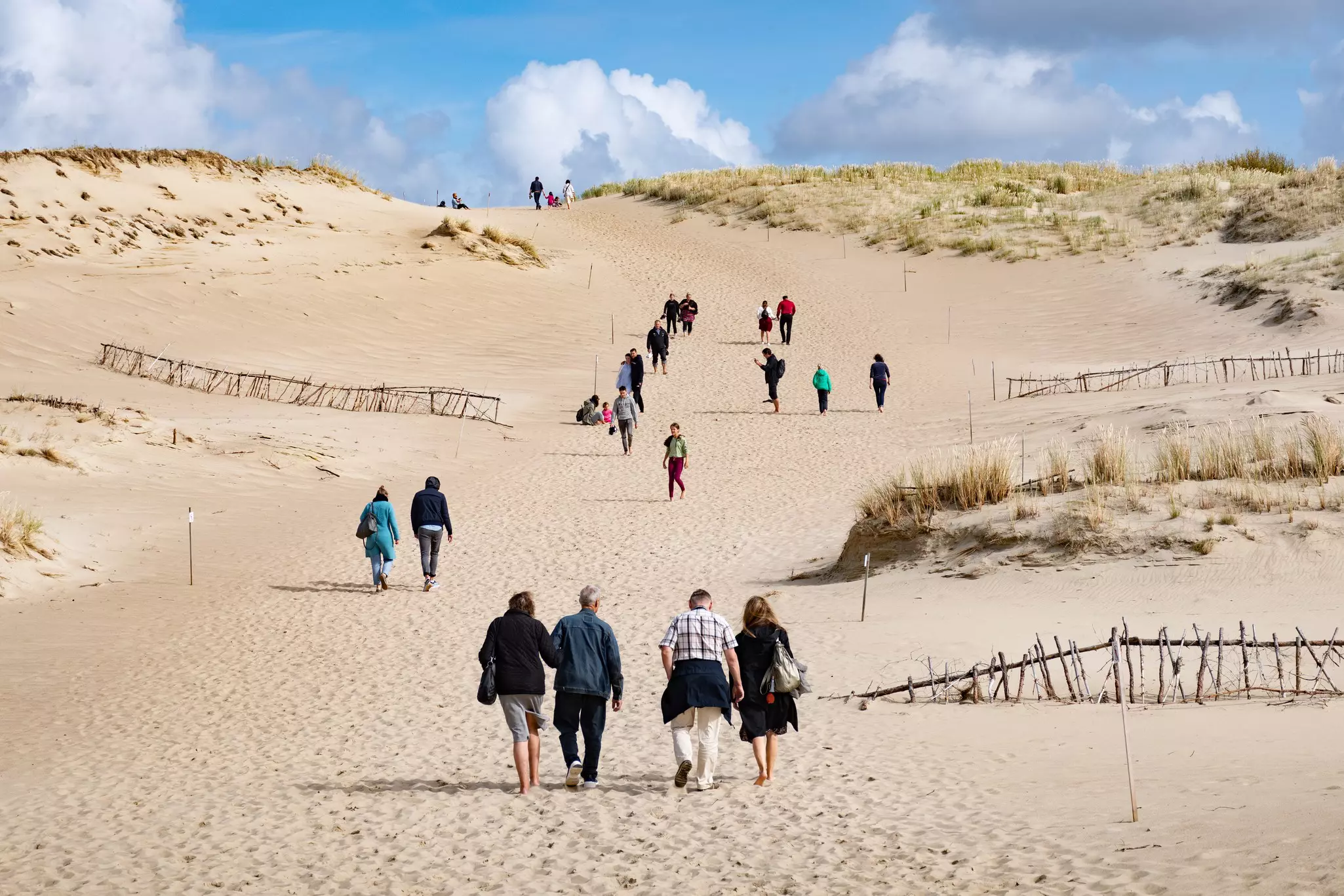
Compact Lithuania is packed with natural beauty and cultural attractions that come at a fraction of the cost of its Western European counterparts. In Vilnius, you can admire the baroque architecture of the Old Town, summit Gediminas Hill and visit inexpensive museums before dining out on hearty Lithuanian cuisine for just a few euros. The fairy-tale-esque Trakai Castle, surrounded by a scenic lake, is an easy day trip from the capital. Kaunas, Lithuania’s second city, features UNESCO-recognized modernist interwar architecture, excellent museums and varied dining. Near Šiauliai, the Hill of Crosses – one of Lithuania’s offbeat attractions – is free to visit.
Sticking out into the Baltic Sea, a pine-covered sliver of land called the Curonian Spit has some excellent beaches, reachable by numerous hiking trails and cycle lanes, while Lithuania’s entire west coast is covered by the long-distance Baltic Hiking Trail, with overnight stays in wallet-friendly guesthouses en route. The traditional villages, lakes and forests of its protected areas and national parks – Aukštaitija, Žemaitija, Nemunas Delta – can easily be explored by bicycle.
Budget tips: Entry to many museums in Vilnius and beyond is free on the last Sunday of every month. Visit the Curonian Spit, Palanga and Aukštaitija National Park in May, June and September for good beach and hiking weather without the higher prices of July and August.
Best for Indigenous culture
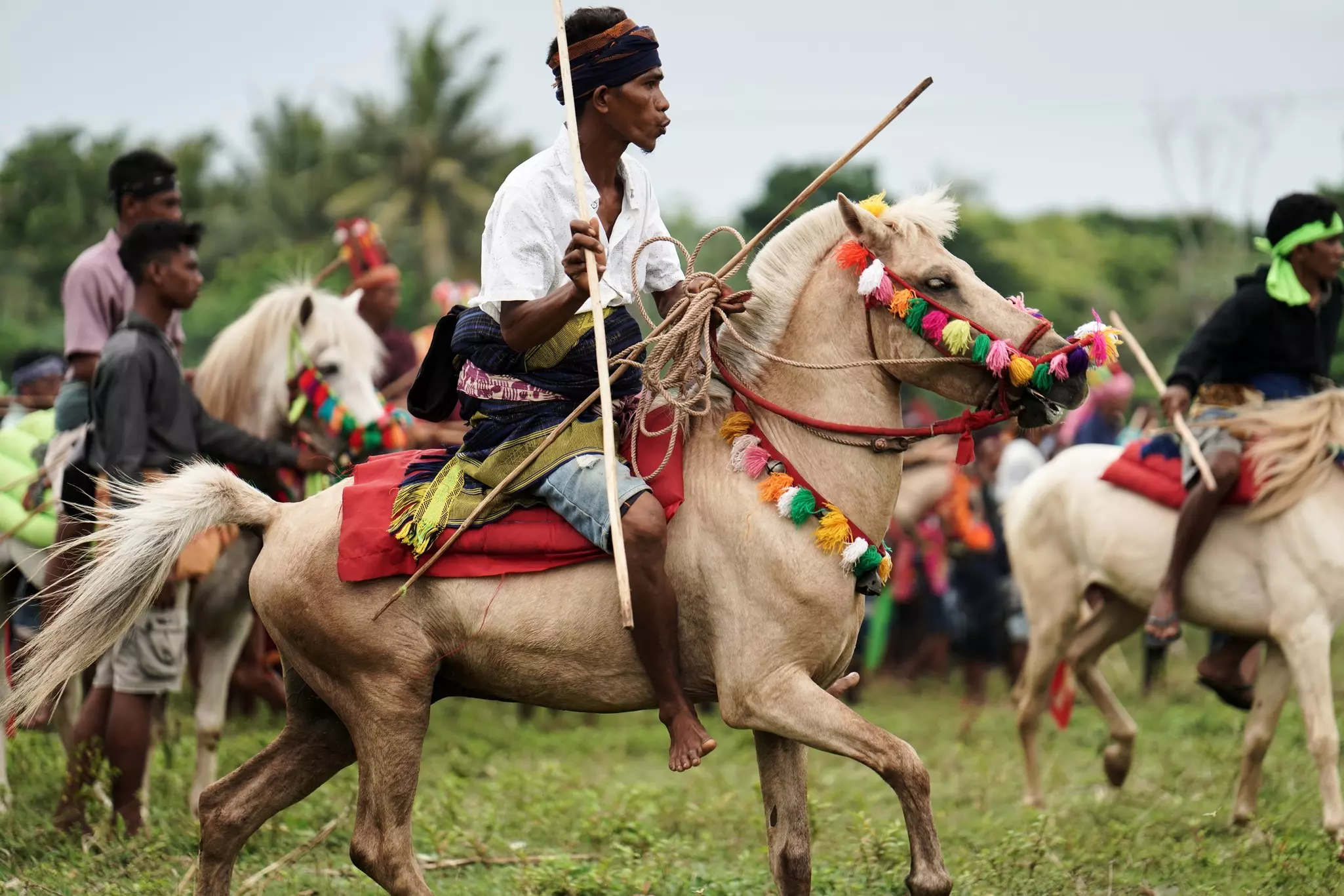
East of Bali, the chain of islands that make up Nusa Tenggara hits the spot when it comes to adventure, natural beauty and Indigenous culture – all at much more affordable prices than the tourist hub of Bali.
Come face-to-face with the world’s biggest lizard at the Komodo National Park; since numerous boat operators offer this as a day trip from Labuan Bajo, prices are very competitive, and outings include a stop at the Instagram-famous Pink Beach. On the island of Flores, summiting the perfect volcanic cone of Mt Inerie costs only a local guide’s day wages – and rewards the intrepid with tremendous jungle vistas. Visiting traditional villages around Bajawa and the islands of Sumba and West Timor provides you with a fascinating immersion into Indigenous culture for the price of a tiny entry donation. You can get between the main towns and villages by using super-cheap local buses, or else renting a motorbike.
Accommodation all over Nusa Tenggara is inexpensive, especially if you opt for village homestays. Dining out at warungs (small local restaurants) and night markets also keeps costs down while letting you taste the best of local cuisine.
Budget tips: While interisland flights are not particularly pricey, you can take it slow and save a few rupiah by island hopping on PELN ferries.
Best for trekking
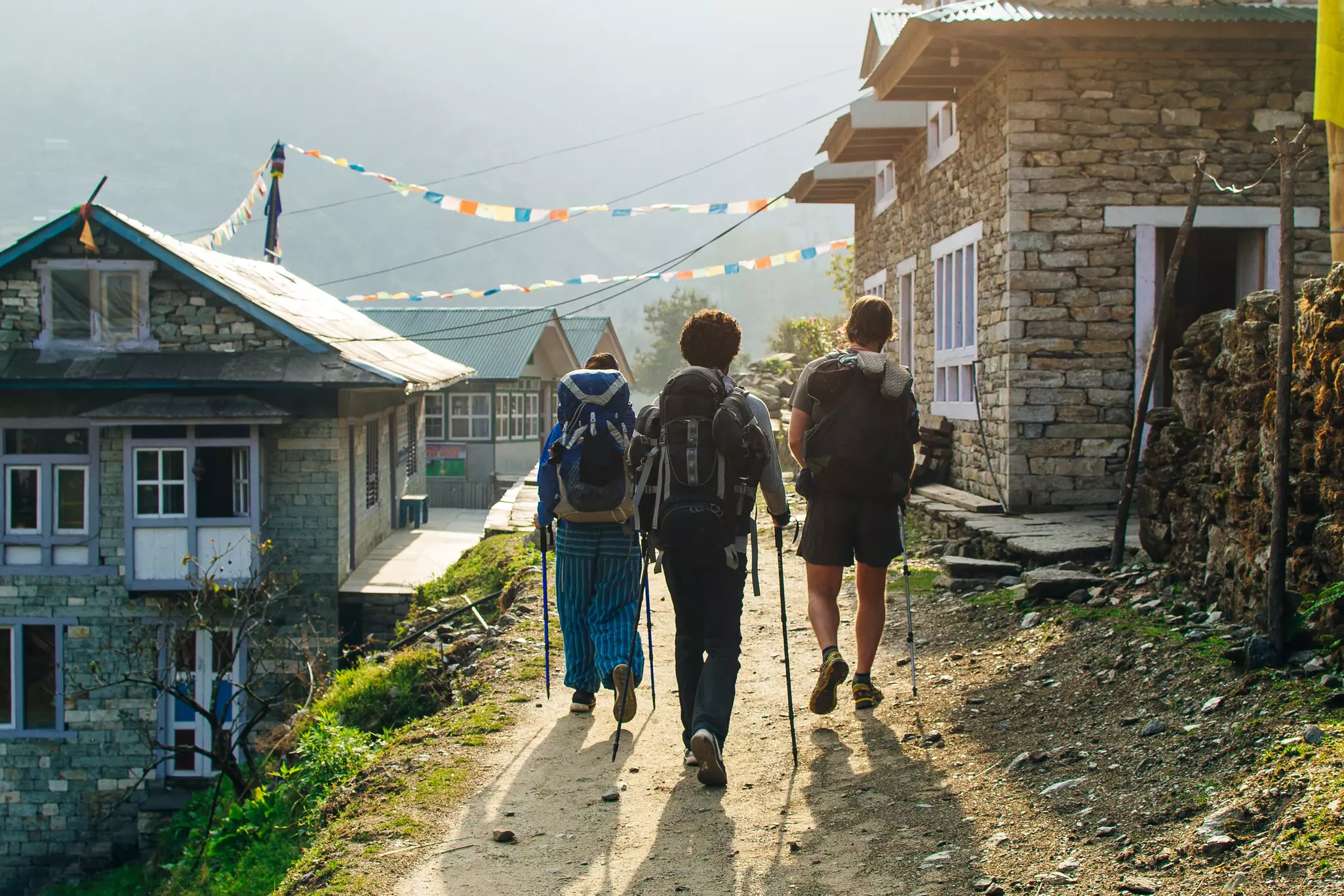
For decades, Nepal has attracted budget travelers with its unique mix of some of the world’s best high-altitude trekking in the Himalayas, rich Buddhist culture and exuberant festivals. Kathmandu has plenty of well-priced lodging options; temples are free to visit; and Nepal remains one of the world’s best-value countries overall to travel around, whether by shared van or internal flight.
While the world-famous long-distance hiking trails such as the Annapurna Circuit and the Lukla-Everest Base Camp route have been well and truly “discovered,” with some of the teahouses along the way now upgraded to fancier guesthouses, there are still low-cost rooms aplenty (provided you dine at the place you’re staying). Opt for the Manaslu Circuit or the Tsum Valley Trek to experience that Nepal vibe of old, with even fewer (and even cheaper) facilities. Visiting during the shoulder seasons of February to March and October to November means more savings and still decent weather for trekking and sightseeing.
Budget tips: Dal bhat (lentils with curry and rice) is a ubiquitous, filling, and very cheap dish. Many eateries even offer free refills.
Explore related stories