Oct 10, 20269 min read
Top 10 Things to Do in Mexico CityFeb 10, 2026
7 MIN READ

Writer
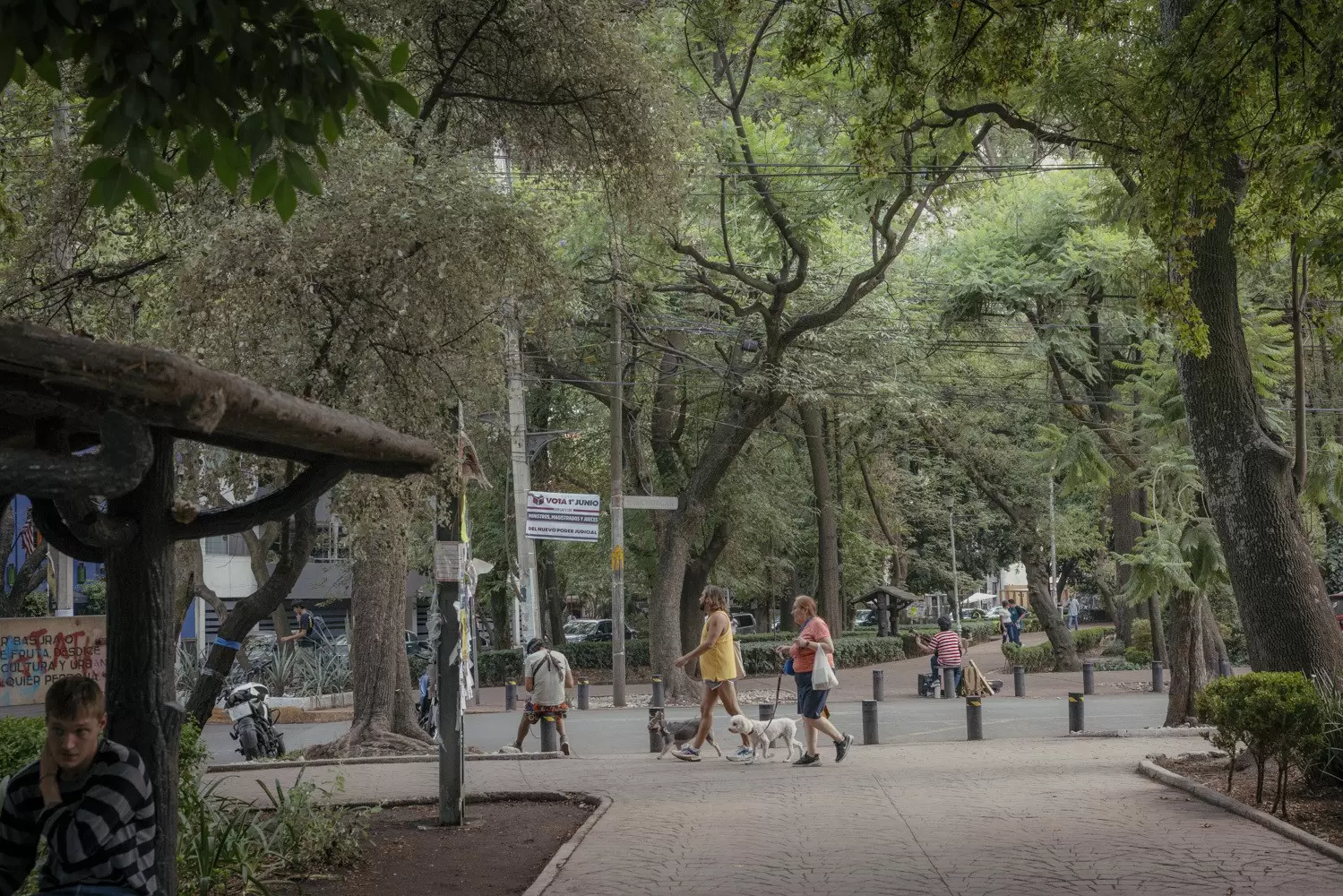
People walking their dogs in Parque México in Mexico City.
Writer
Highlights
Writer John Hecht picks six walkable Mexico City neighborhoods, from culture to canals.
Centro Histórico suits culture lovers; lively Roma thrives on mezcal bars and seafood.
Condesa's parks and sidewalk cafes keep things relaxed; Coyoacán retains quiet village charm.
Alameda Central delivers local flavor; head to Xochimilco for canals, or Ajusco for hiking.
Lonely Planet may earn a commission from affiliate links on our site. All recommendations and reviews reflect our own independent opinions.
Mexico City is defined by its vibrant, various and far-flung neighborhoods, and as in any great metropolis, deciding where to base yourself is key. This neighborhood guide is hardly a definitive account of the hundreds of quarters in CDMX; we've merely summarized some of the characteristics that make these six highly walkable neighborhoods beloved among visitors.
In the trendy Roma and Condesa districts, the fiesta never stops as you tap into the spirited food and nightlife scenes. Across town, Centro Histórico is all about rich cultural offerings and old-world architecture. Take it down a notch and embrace the low-key bohemian lifestyle of Coyoacán, or go further afield to have a nature experience within city limits.
Whether you’re planning to visit for a weekend or relocate for a longer stay, first consult this list of our favorite neighborhoods in Mexico City.
Best for culture and architecture
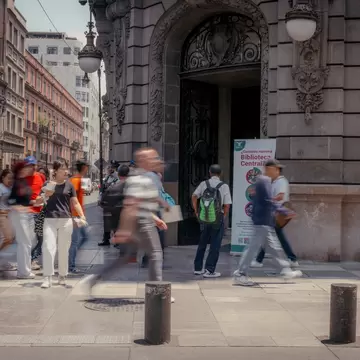
Mexico’s heart beats in the Centro. With more than 1500 historic buildings, ancient Aztec ruins, vibrant art and some of the nation’s most absorbing museums, the Centro Histórico is the place to feel the full sweep of Mexican history and culture.
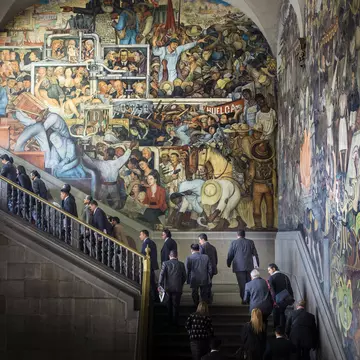
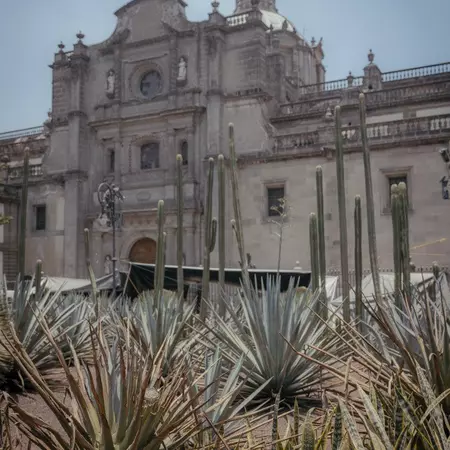
A stroll across the Zócalo, Latin America’s largest main square, takes you to the dramatic Diego Rivera murals housed in the Palacio Nacional. Just a stone’s throw away are the remains of the Templo Mayor, a sacred Aztec temple with a world-class museum that showcases the treasures excavated at the site. Looming over everything (and tilting a bit, thanks to the sinking ground underneath) is the magnificent Catedral Metropolitana, a baroque chuch built by the Spanish atop the temple’s ruins.
Granted, organized chaos is king in Centro's hectic streets, which are packed with shoppers and office workers in addition to tourists – but if you like an area with plenty of action, the historic center is chock-full of rewards.
Where to eat: La Casa de las Sirenas, in a 17th-century relic overlooking the Zócalo, serves dishes such as chicken with pumpkin-seed mole.
Where to stay: The semimodernized rooms and on-site restaurant at Hotel Catedral are good, and the location (right next to the church) and accompanying views are excellent.

Best for eating and drinking
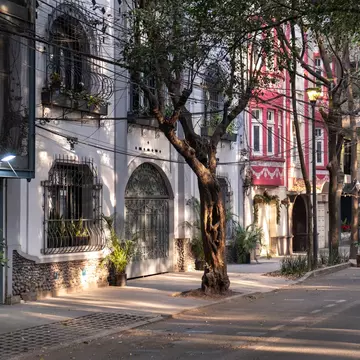
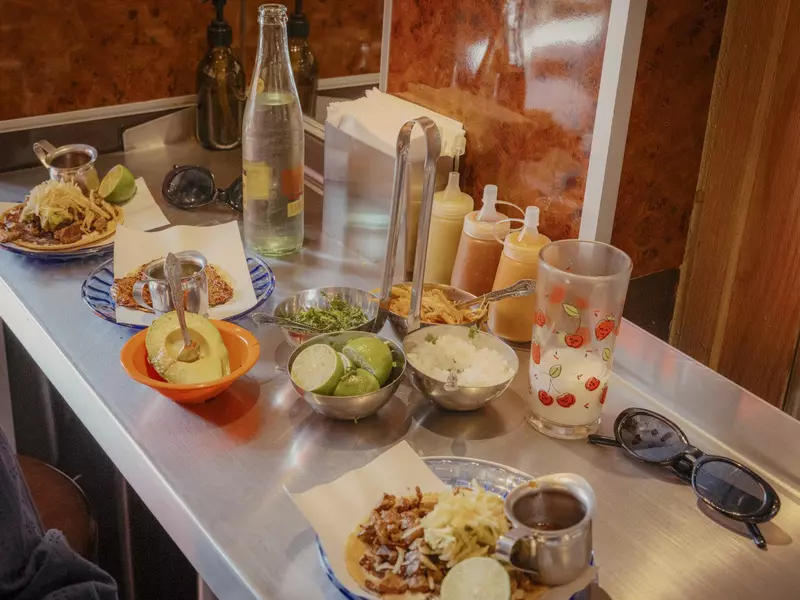
It seems like every other week the rapidly gentrifying Roma sees a hot new cocktail bar or stylish fusion restaurant popping up in its splendid French-style mansions.
Grab a mezcal or coffee on Álvaro Obregón, Roma’s main strip, or saunter along Calle Colima, a buzzy street dotted with community art galleries, small museums and the popular Rosetta bakery.
Where to eat: Don’t miss out on the delectable barbacoa tacos at El Hidalguense, where lamb is slowly cooked over aged oak wood and pulque (a fermented alcoholic agave drink) flows like water. Book a table at the perennially packed Contramar, a trendsetting seafood restaurant famous for its tuna tostadas and zesty grilled whole fish.
Where to stay: Hotel Milán is the best-value modern option in Roma, with small, well-maintained rooms with quality bedding. Stanza Hotel provides a cushy base with a gym on the east edge of Álvaro Obregón.
Best for leafy, laid-back vibes
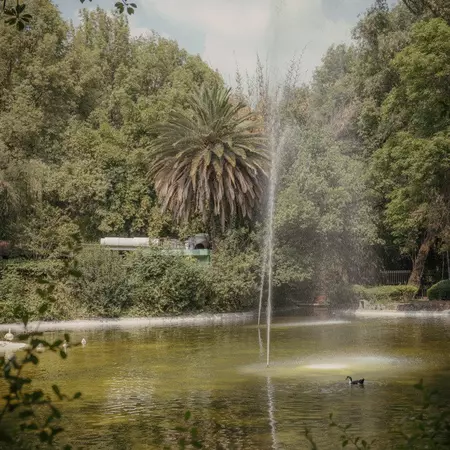
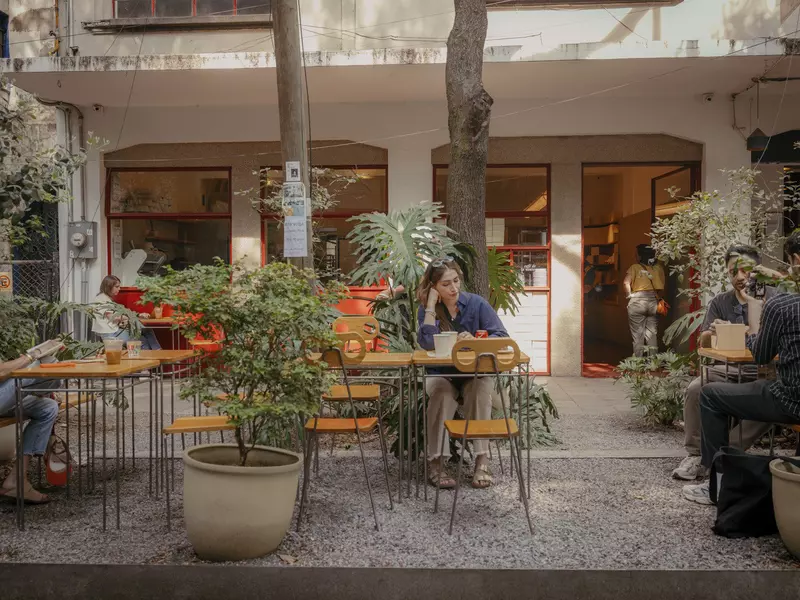
One could argue that the trendy Condesa neighborhood has taken a back seat to ultrahip Roma. Yet this leafy and relaxed district is still one of CDMX’s most appealing places to stay, thanks to its welcoming B&Bs, convivial bars and highly diverse choice of restaurants.
At times, it's hard to know where Condesa and neighboring Roma end or begin, as both enclaves exude a similar laid-back vibe in their verdant parks, sidewalk cafes and hopping late-night taco joints.
Many neighborhood hot spots are clustered around Parque España and Parque México, the latter a former horse-racing track that was transformed into an oval park in the 1920s.
Where to eat: Lardo is a convivial bistro with Euro-Mexican flavors like expertly balanced red snapper with pepita sauce. Restaurant/organic grocery store Green Corner is stylish and relaxed, with falafel wraps, healthy Mexican dishes and light breakfasts.
Where to stay: Well-managed bed-and-breakfasts such as Red Tree House and Villa Condesa provide the perfect base for exploring Condesa and beyond.
Best for local flavor
For better or worse, downtown Mexico City has undergone an ambitious makeover over the past decade, with most of the sprucing up (which some would call displacement) focused on the Centro Histórico. Yet you can still experience the city center of old along the busy streets south of Alameda Central. Start with a bit of tequila in the atmospheric Tío Pepe, the oldest bar in the city.
Next, mosey over to the original location of El Huequito, a hole-in-the-wall taco joint that has been slicing some of the city's tastiest tacos al pastor (spit-cooked pork) for more than six decades. One of Mexico City’s best markets, Mercado de San Juan is a highlight of the quarter (we dare you to try the dried scorpions). And the elegantly dressed dancers who join in group sessions of danzón (a slow Cuban swing) at Parque de la Ciudadela will bring a smile to even the most hardened visitor’s face.
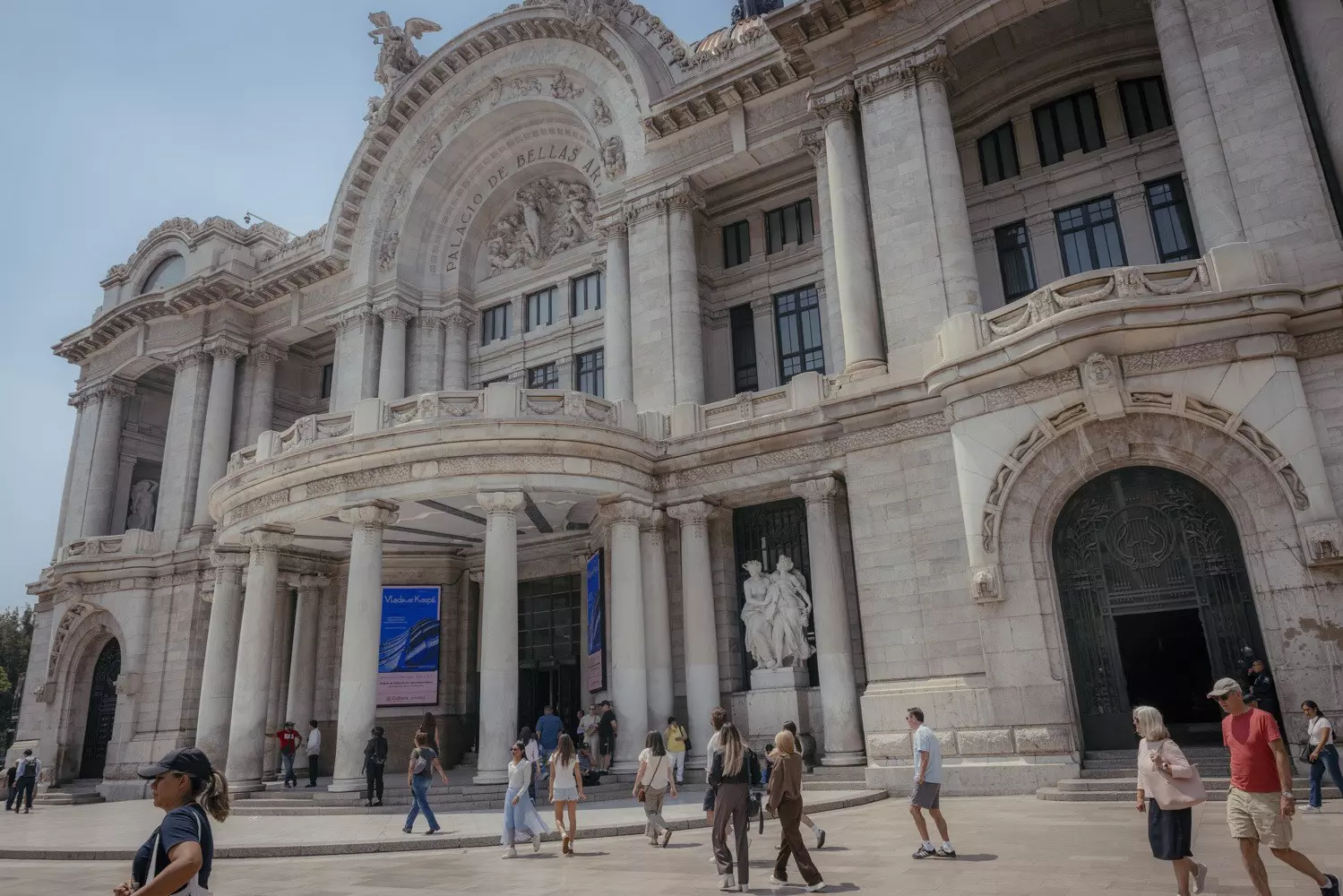
Of course, a visit to this neighborhood wouldn’t be complete without spending time in Alameda Central itself, the oldest urban park in the Americas and home to the Palacio de Bellas Artes opera house, with its displays of masterful works of art by Mexico’s big three muralists: Rivera, David Alfaro Siqueiros and José Clemente Orozco.
Where to eat: At Terraza Cha Cha Chá, a margarita and tuna tostada overlooking the Monumento a la Revolución are a real fiesta starter.
Where to stay: Quaker-run Casa de los Amigos is popular with social activists but welcomes walk-in travelers too (minimum two nights).
Best for quiet charm
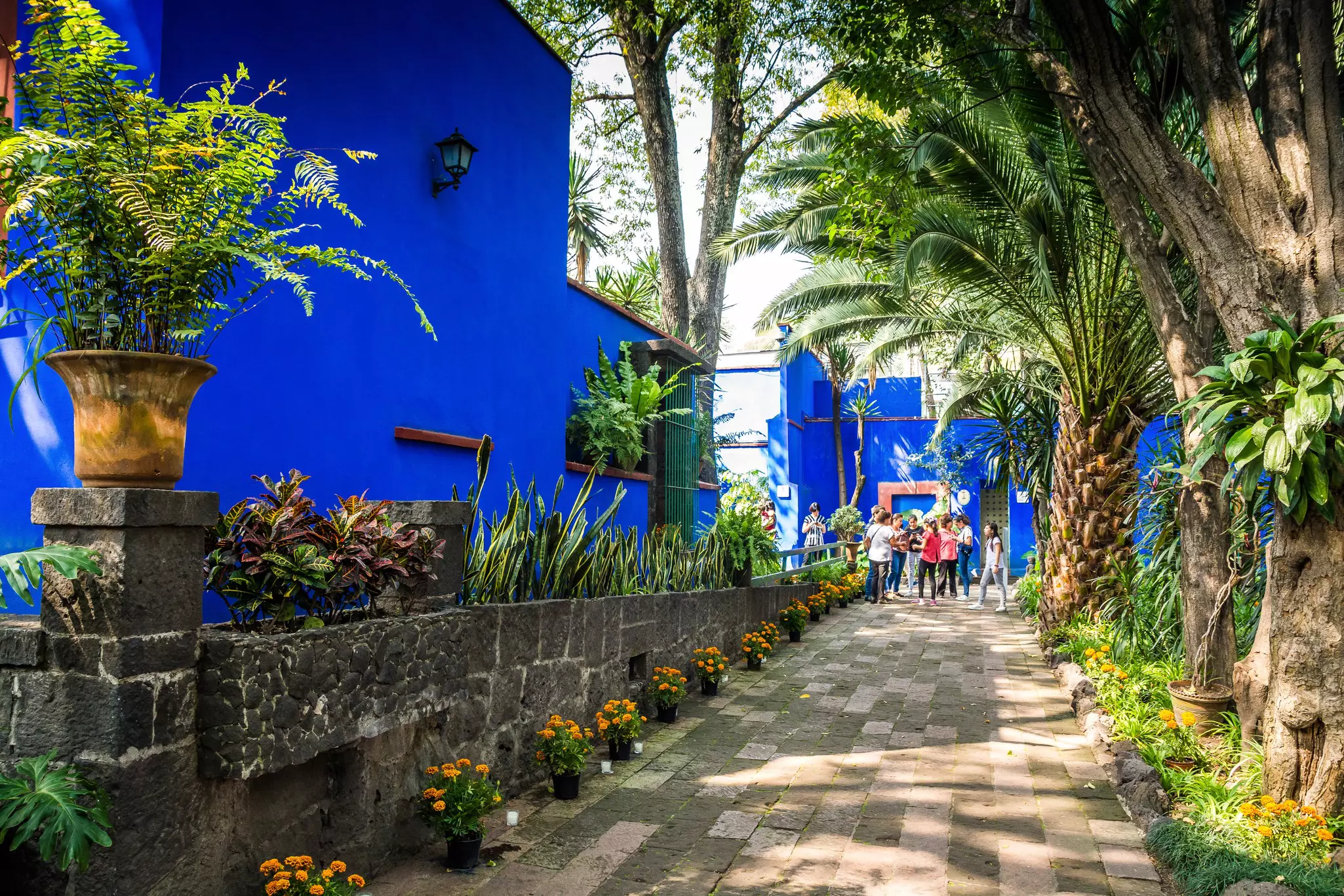
It's easy to understand why Mexican artists Frida Kahlo and Diego Rivera chose to call Coyoacán home for so many years. Even decades after being swallowed by urban sprawl, Coyoacán has managed to retain some village charm down its streets and around its colorful plazas. The area can be surprisingly quiet too.
Almost every visitor to Mexico City makes a pilgrimage to Casa Azul, Kahlo’s former home and studio, to gain a deeper understanding of the painter. In fact, it has become such a tourist hot spot that tickets must now be booked in advance.
Just around the corner, the Museo Casa de León Trotsky sees far fewer visitors, yet it offers a downright fascinating look at a house where Leon Trotsky, the exiled Marxist revolutionary, lived before he was assassinated with an ice axe.
Where to eat: The most traditional coffee in Mexico is café de olla, brewed in earthenware pots with a touch of cinnamon and other spices. People line up for the stuff at the immensely popular Café El Jarocho. As there’s rarely any seating, people have their drinks standing in the street or sitting on curbside benches.
Where to stay: Affordable, lizard-themed Hostal Cuija Coyoacán is near Coyoacán's sights, with smallish, clean dorms and private rooms.
Best for outdoor activities
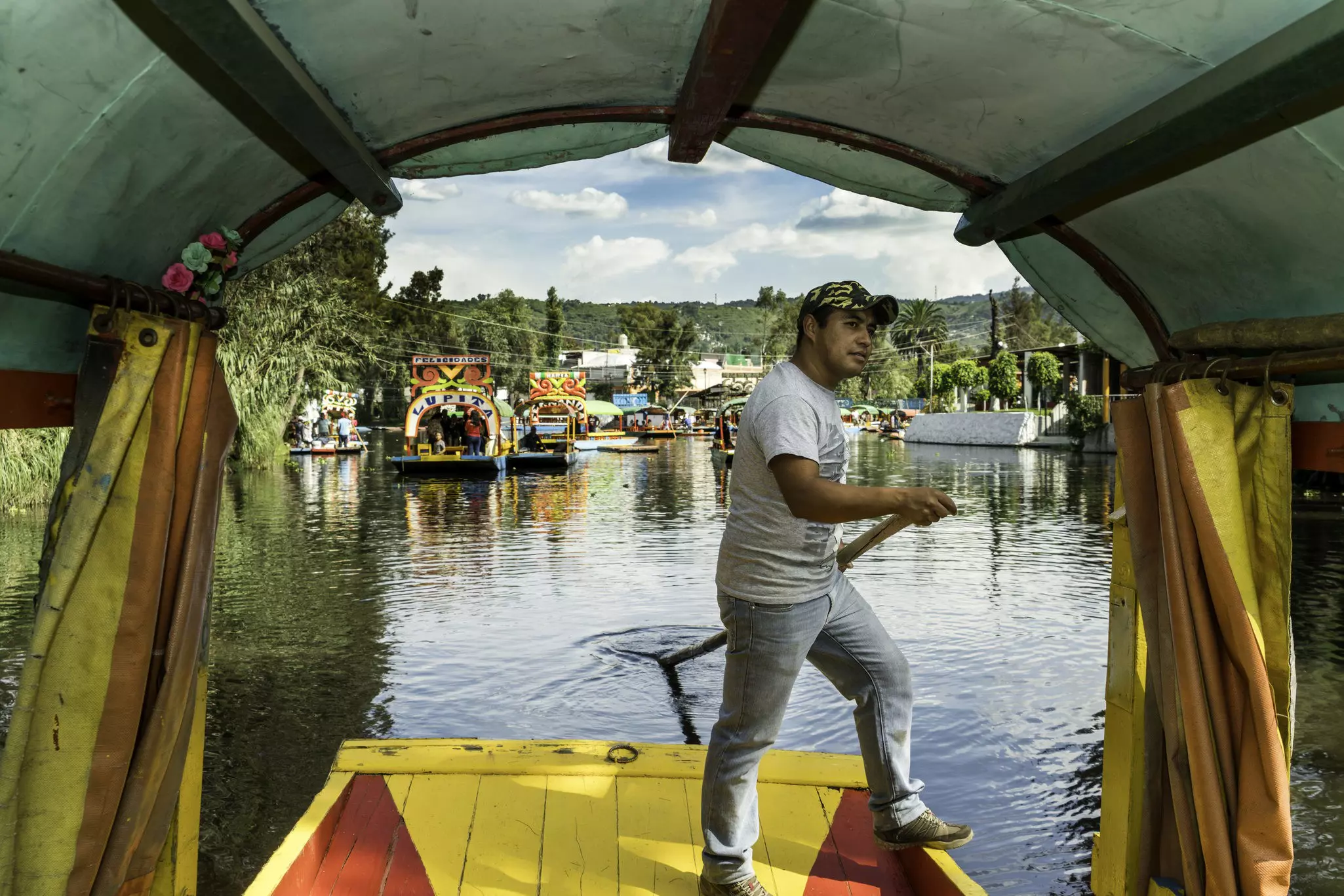
For a real Mexico City treat, take a trajinera (gondola) ride along the ancient canals of Xochimilco, the last vestiges of a once vast network of waterways dating back to Aztec times that’s today just a (long) Metro ride away from the Zócalo.
Aboard a colorful boat, you can cruise out to the creepy Isla de las Muñecas, where hundreds of deteriorating dolls hang from clotheslines and trees to ward off the spirit of a drowned girl. Depart from the Cuemanco dock, where you can stock up beer and tacos before boarding your boat.
About 25km west of Cuemanco lies Cumbres del Ajusco, a national park with a hiking trail that ascends to Mexico City’s highest peak.
For rock climbing and more nature exploring, visit the third and fourth sections of nearby Los Dinamos, a protected canyon area that’s home to Mexico City’s last free-flowing river.
Where to eat: Torteria La Planta, near Xochimilco station, is handy for picking up sandwiches for a boat picnic. A short walk from the Xochimilco light rail, the market is full of stands whipping up street snacks like bean-stuffed tlacoyos (oval-shaped masa with fillings) and elote.
Where to stay: If you like the quiet of Ajusco’s fragrant pine forest, consider an overnight stay in a log cabin at the family-friendly Parque Ejidal San Nicolás Totolapan.
Book your Mexico trip with Lonely Planet Journeys
See Mexico how it's meant to be seen
Accommodations, activities and ground transportation all taken care of, so you can focus on the fun part. Tell us what your dream trip to Mexico looks like, and our local experts will build it from scratch. Or start with one of our itineraries and make it your own.

Explore related stories