Aug 22, 202613 min read
The 13 Best Places to Visit in IndonesiaApr 10, 2026
7 MIN READ
Writer
A village in Sumba, Indonesia. Heinrich Dominggus Dengi/Shutterstock

Writer
Lonely Planet may earn a commission from affiliate links on our site. All recommendations and reviews reflect our own independent opinions.
Visitors to the island of Sumba will find empty roads and secluded beaches that are paradise for surfers – extraordinary, considering it’s less than an hour’s flight from Bali. Indeed, since this Indonesian island offers equally compelling nature and culture experiences, it’s almost perplexing how it’s managed to stay under the popular-tourism radar for so long.
But the visitors who do make it here are glad it has.
Sumba is richly rewarding for those who want to replace a sightseeing checklist with a sense of adventure, curiosity and serendipity. Though there are only a handful of accommodation options on this island in Indonesia’s East Nusa Tenggara province, each one comes with the promise of complete seclusion, as well as a commitment to give back to the community.
Here’s a full guide to anyone who wants to make the effort to visit Sumba. And we’d recommend doing so soon, before the secret’s out.
Sumba’s dry season between May and October brings blue skies, plenty of sunshine and predictable waves that make for great surfing conditions. This is also peak travel season to the island, which may mean higher accommodation costs. If you’re here for the surfing, it’s worth the premium.
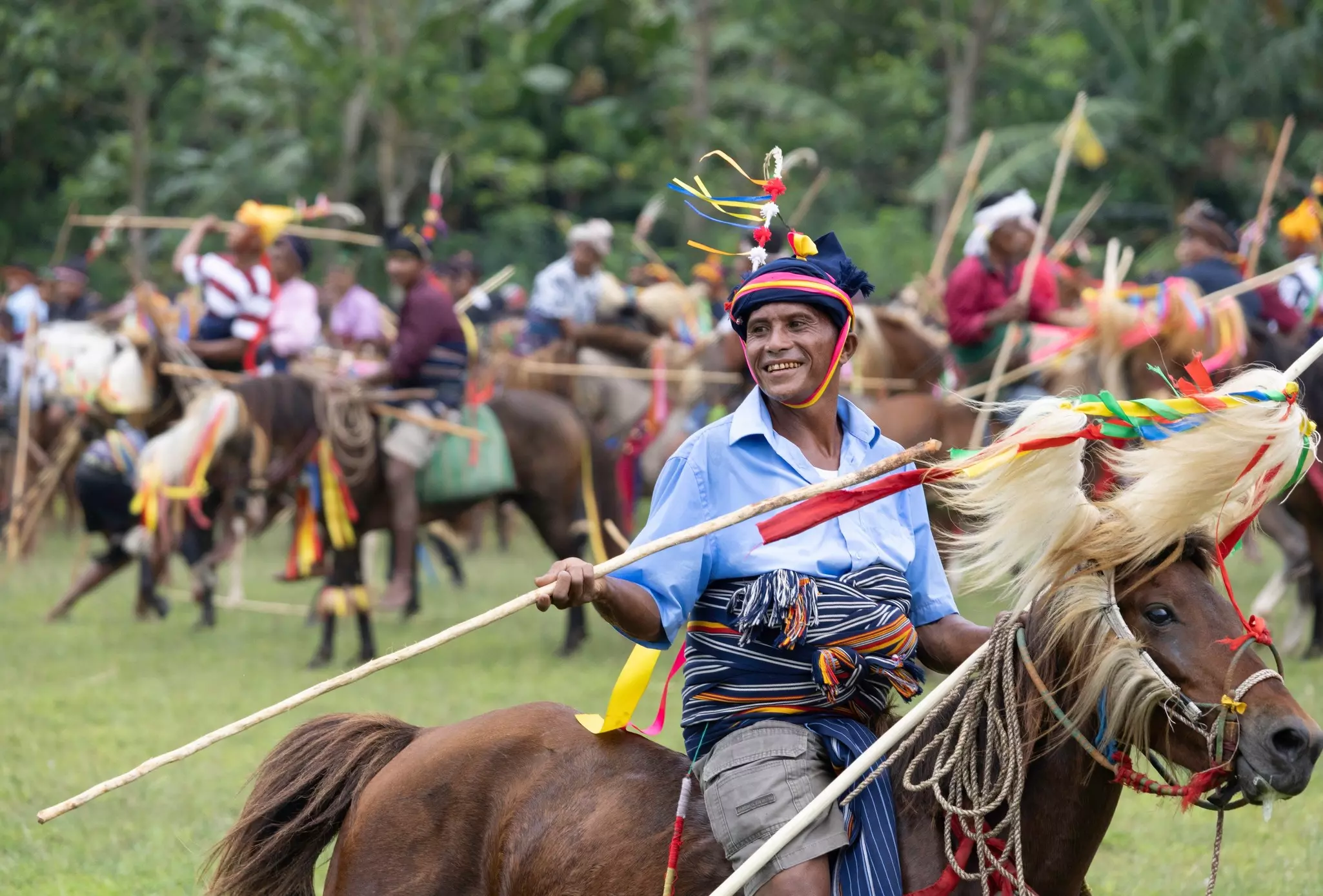
In February, the annual harvest festival of Pasola (the exact dates vary based on the lunar calendar) sees costumed horseback riders engaging in mock battles using blunt spears to showcase their bravery. In the past, the warriors aimed to cause bloody injuries, with the red hues of the blood considered a necessary sacrifice for the sake of a bountiful harvest. Pasola remains a powerful and moving – and now bloodshed-free – spectacle, and a great opportunity to take in Sumba’s rich culture.
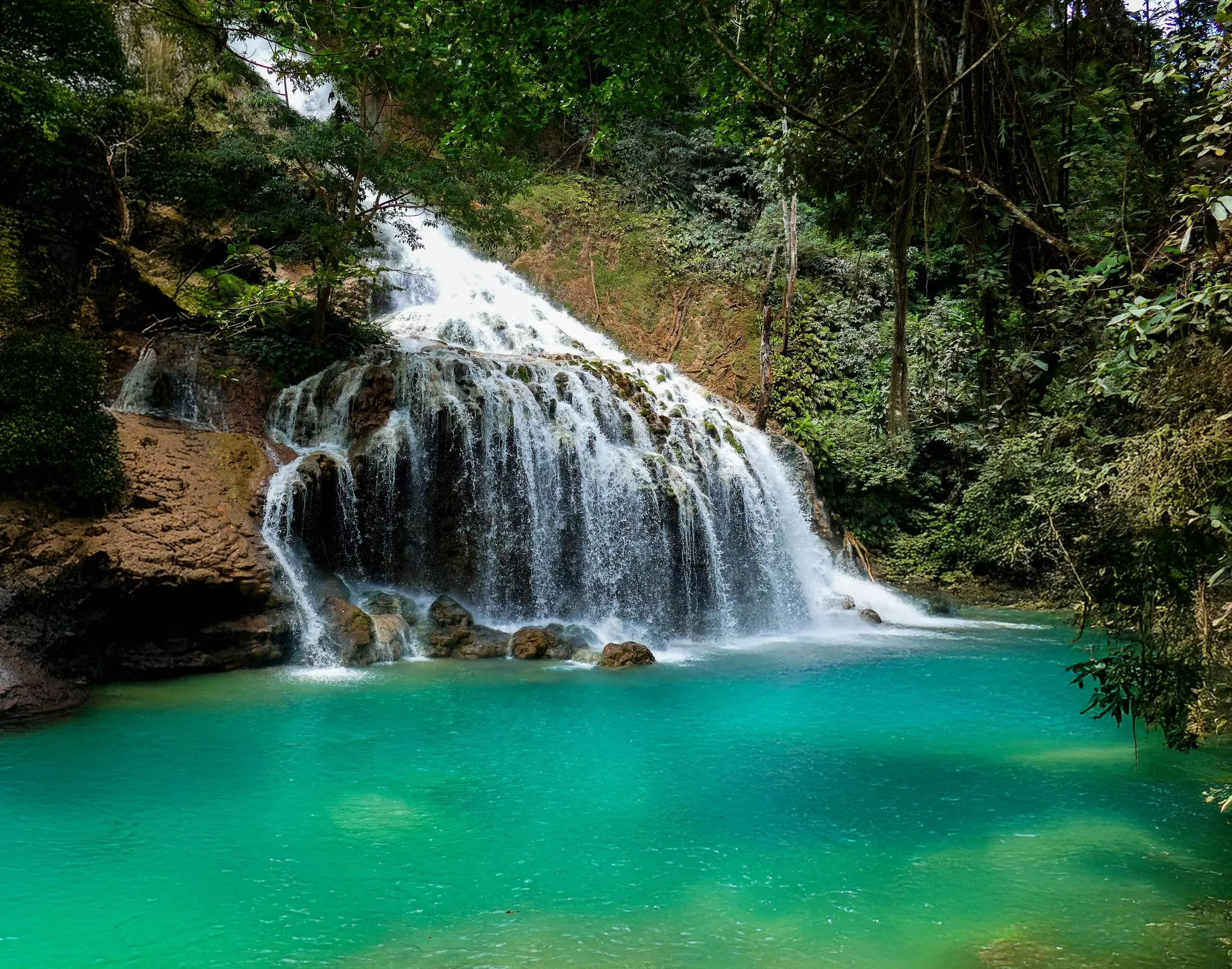
While it may rain sporadically during and around the festival, this means the otherwise dry landscape turns lush green. The waterfalls are also in full flow, making the hikes to reach them that much more rewarding.
Plan for a minimum of 3 days in Sumba, given that the roads are rough and distances are large (the island is twice as large as Bali). On the first day, settle into your resort and explore the local beach, or scope out the local surfing scene if that’s of interest.
Head out early the next morning for a hike to the nearest waterfall, choosing from the dozens scattered around the island. You can combine this with a swim or more surfing at a secluded beach. On your final day, spend some time visiting a traditional village or two to get an understanding of the ancient marapu faith and culture.
The small Lede Kalumbang Airport (TMC) at Tambolaka, near the island’s northwestern tip, receives a few daily flights from Bali on Nam Air and Wings Air. Since flight schedules are generally unreliable and dependent on weather conditions, don’t forget to reconfirm 24 hours prior to the scheduled departure time. (Note that another airport, Umbu Mehang Kunda Airport, is on the eastern side of the island, but it lies far from most of the island’s good hotels.)
On the island, a (very) limited public transport consists of buses and minivans, which tend to be irregularly scheduled and crowded. It is better to book a car with a driver or rent a motorbike from a local agency (your resort or homestay will be able to help with contacts); we recommend booking in advance during the peak tourist months between June to August. And remember that while traffic is light, even at times nonexistent, the infrastructure here isn’t great, and most roads are unpaved. Since gas stations are few and far between, remember to fill up whenever you pass one.
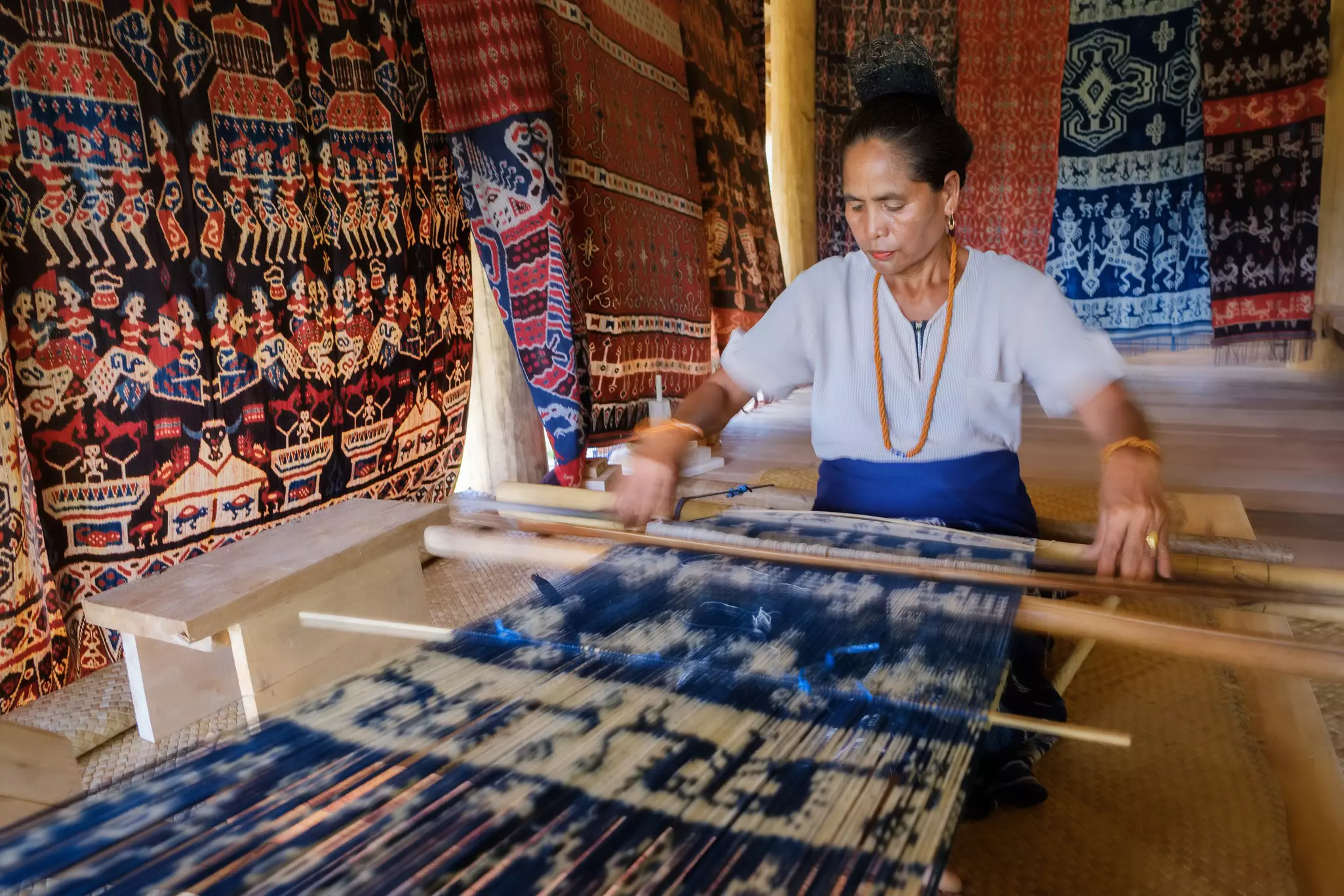
No visit to Sumba is complete without a visit to a traditional village to observe the island’s unique, highly traditional way of life. Start with Kampung Ratenggaro, one of the oldest inhabited villages in Sumba. Here, over 300 megalithic tombs, believed to be several centuries old, honor deceased ancestors who (locals aver) continue to protect living generations. If you are lucky, you can spot some stocky wild Sumbanese horses running on the beach near the village.
Kampung Praijing is another popular village, with traditional Sumbanese huts and tombs. In both villages, you’ll be able to shop for authentic ikat fabrics, beaded jewelry and wooden souvenirs made by local women.
Note that most villages charge a small entrance fee of US$2–5, paid directly to the chief or via your guide. Since the payment goes toward community development, it’s money well spent.
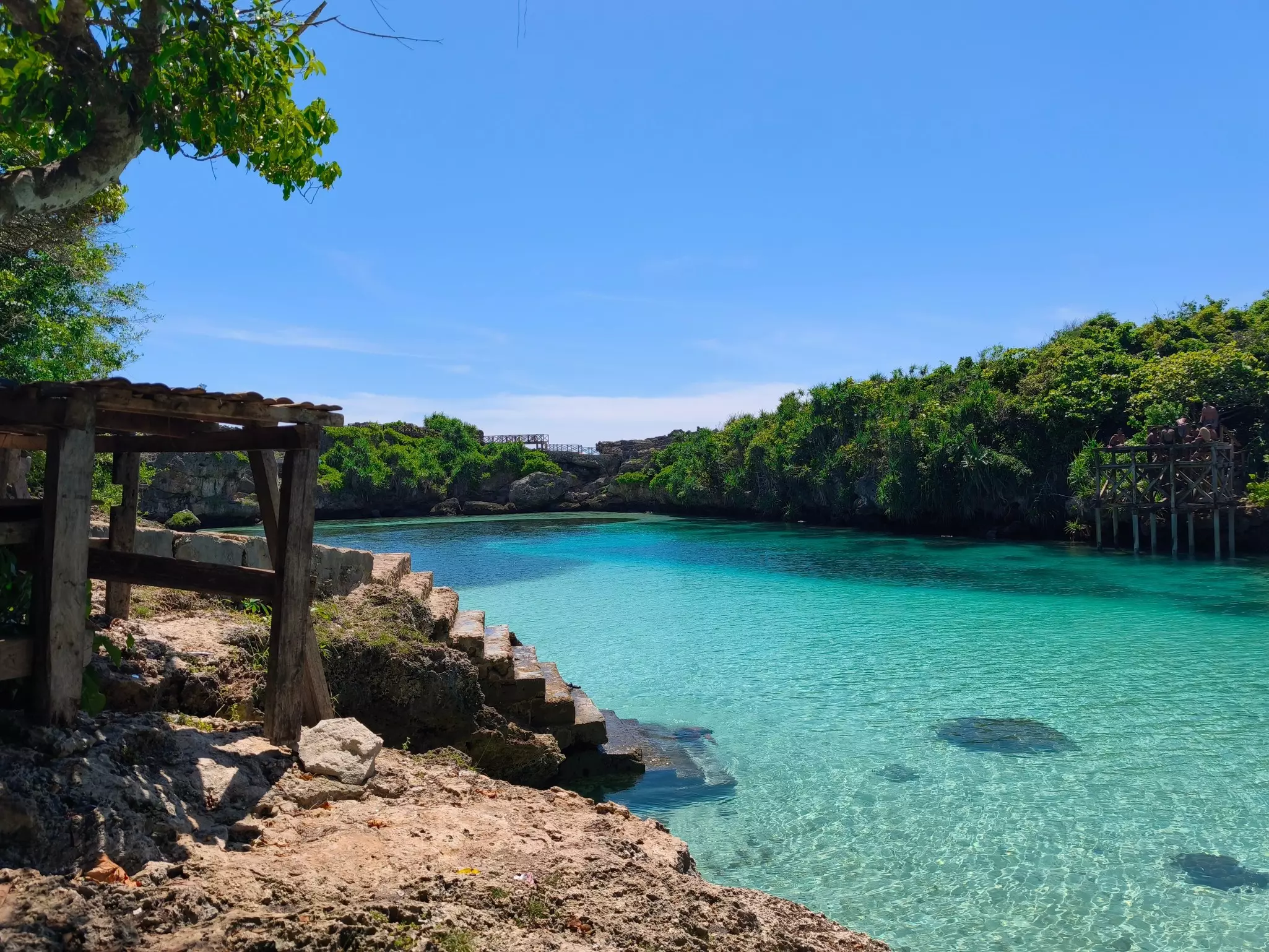
Weekuri (or Waikuri) Lagoon on the western coast is an unmissable excursion in Sumba, especially on a sunny day when the turquoise waters seem to shimmer in the sunlight. If you watch closely, you’ll spot schools of tiny fish swimming around the abundant corals close to the surface.
Walk around the lagoon to the open viewing platform for a view of the natural, heart-shaped break at the bottom. On the other side of the rocks, you can see and hear the giant waves of the Indian Ocean: over the millennia, these formed the lagoon as they crashed against the shore.
Whenever you go, you’re likely to have Weekuri all to yourself – unless a few village kids jump in for a dip or a local family arrives with a picnic basket. Remember to carry in your own snacks and water; fresh coconut water is available at the stalls near the parking lot out front.
Sumba all but bursts with waterfalls big and small, meaning you’ll almost always be within quick driving distance of one (or several). Justly the most famous, Lapopu is reached by an initial drive through dense jungle, followed by an easy and short walk to see the falls. Hire a local guide to take you closer to the falls – and, if possible, across the (rickety) bamboo bridge to view its full glory from the other side,
Combine this with Matayangu Waterfall, which involves a longer hike of 90 minutes, starting at the same parking lot as Lapopu. This is one of Sumba’s most spectacular waterfalls – especially after it rains, when the water spray is fast and powerful.
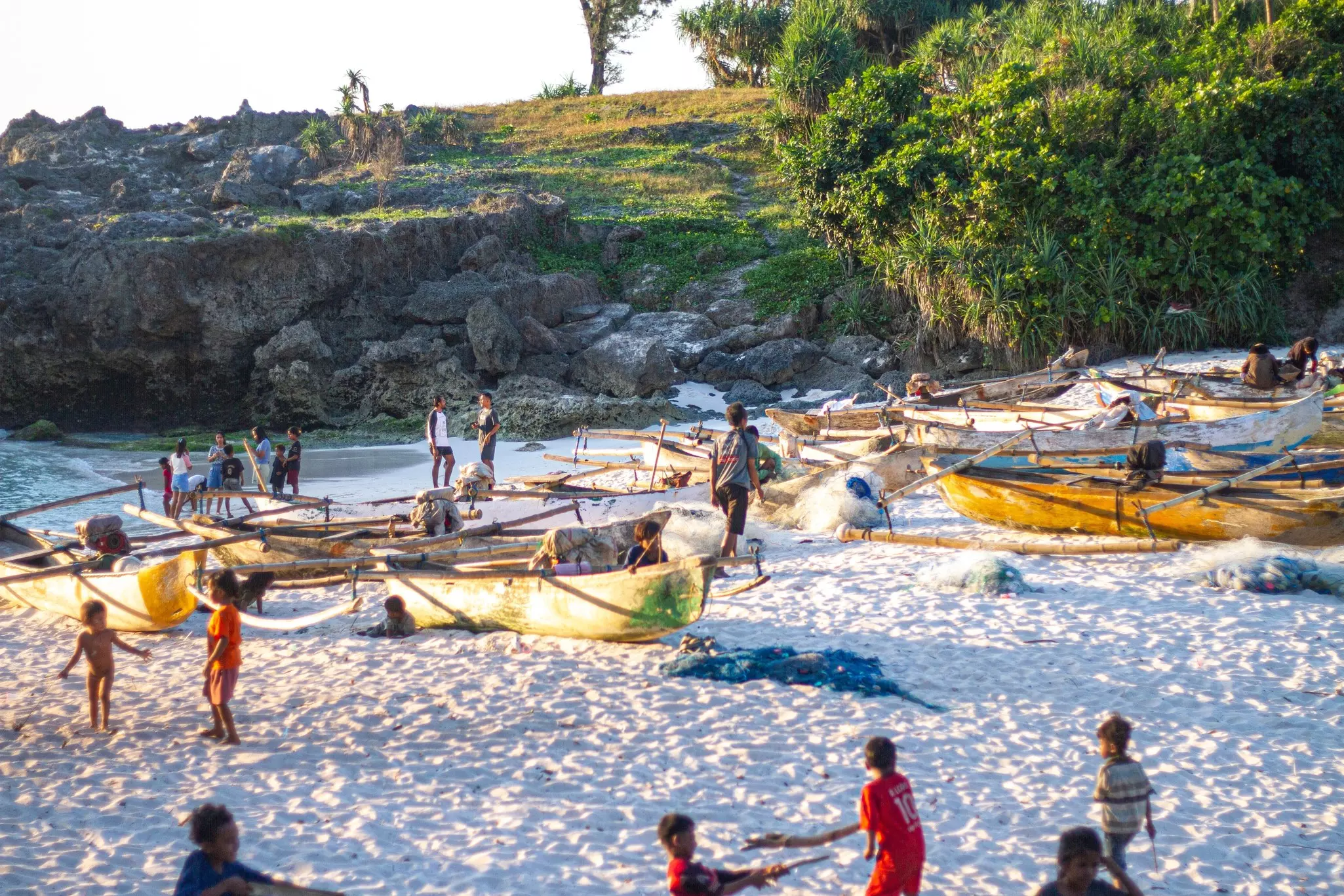
Of Sumba’s many gorgeous beaches, Pantai Mandorak is a top pick, with powdery golden sands and calm waters ideal for swimming. Keep an eye out for locals who walk around with horses, should you want a trot along the shore.
Pantai Watubela is tough to reach, but rewards visitors with shimmering sands and dramatic white limestone rocks. (Note that since the waves can get rough here, swimming is not advisable.) On the southeast coast, Pantai Tarimbang is yet another secluded beach, with a crescent-shaped shoreline – and considered one of the best surfing spots on the island.
A visit to the training campus set up by the Sumba Hospitality Foundation is sure to lift your spirits and give you hope for the island’s youth. Known simply as the Sumba Hotel School, this campus offers intensive training to young men and women who have cleared high school and the competitive entry requirements. Sign up for a campus tour with a student volunteer to learn more about the school’s impact on its society. Even better, you can book a room in the basic but lovely Maringi Sumba, the on-campus hotel.
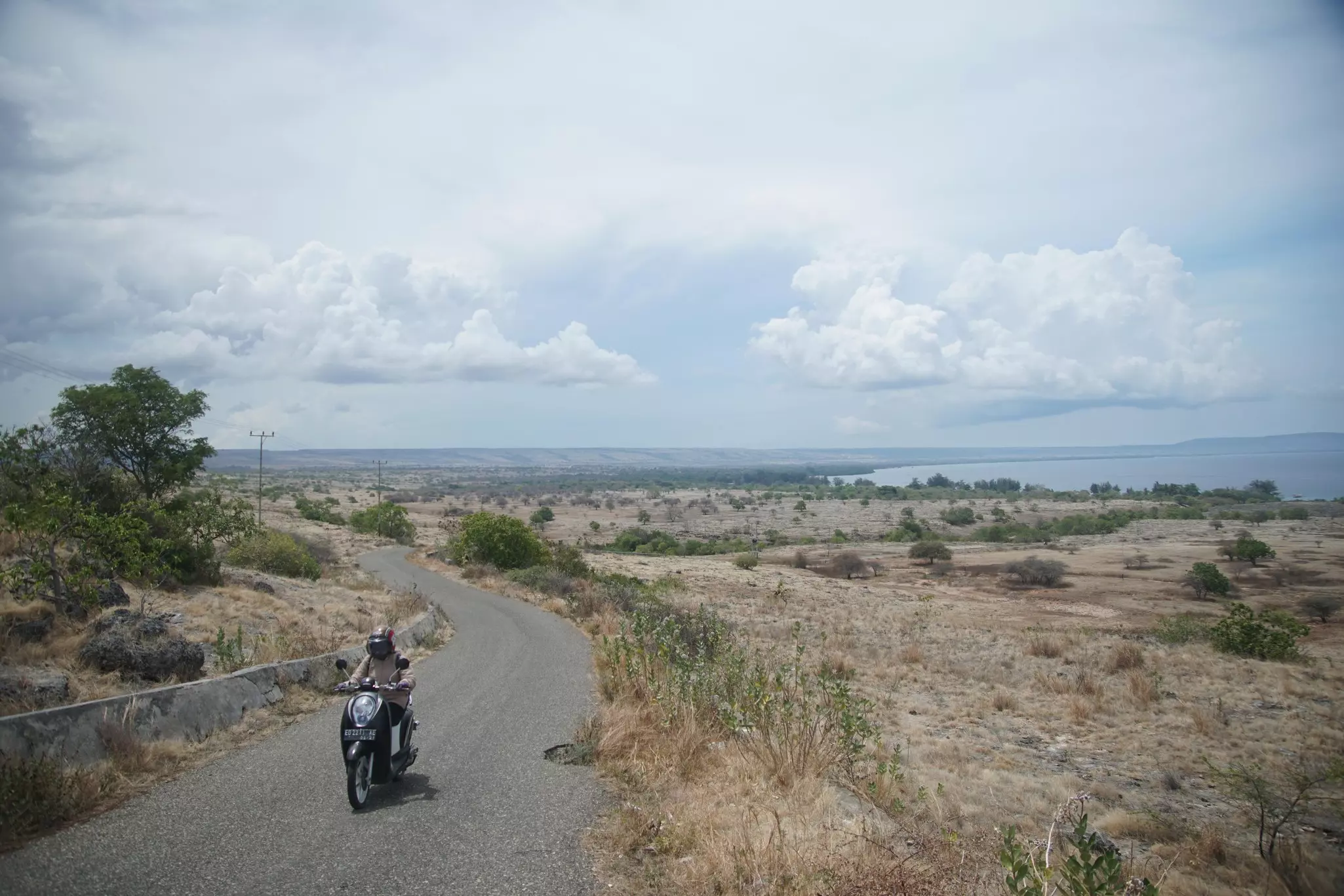
Let’s be blunt: visiting Sumba does not come cheap. The remoteness and lack of tourist crowds that make it attractive and also make it expensive (at least compared to Bali).
Lodging options are limited, and swing from all-inclusive luxury resorts to bare-bones homestays with local families. The good news is that nature activities such as hiking and swimming are completely free.
Night at a homestay: from US$50
Night at a deluxe resort: from US$400
Motorbike rental: from US$10 per day
Car rental: US$60 per day (without driver), US$75 per day (with driver)
Meal at a local restaurant: from US$10
Explore related stories