Aug 22, 202613 min read
The 13 Best Places to Visit in IndonesiaJun 27, 2026
10 MIN READ
Contributors
An autorickshaw in a market in Jakarta, Indonesia. naufalgm/Shutterstock

Contributors


Agustinus Wibowo, Lonely Planet Editors
Highlights
Writer Agustinus Wibowo breaks down the best ways to get around in Indonesia.
Fly budget carriers for speed; board a Pelni ferry to reach islands by sea.
Trains cross Java in comfort past volcanic scenery; buses are cheap across the archipelago.
Rent a vehicle for remote areas, or use the Gojek or Grab rideshare apps in cities.
Lonely Planet may earn a commission from affiliate links on our site. All recommendations and reviews reflect our own independent opinions.
Measuring nearly 5000km from east to west, with more than 17,000 islands scattered across its sparkling blue seas, Indonesia is a massive country to explore. Crossing from island to island and traversing inland jungles and rugged mountain ranges in sometimes unpredictable weather requires extra patience from travelers island-hopping around this enormous archipelago, but the rewards are immense.
The good news is that travel in Indonesia is getting easier. An ever-expanding network of domestic flights can get you to islands that were once only connected by slow ferries, and highways have pushed through remote areas of jungle, allowing visitors to travel across islands more quickly and in greater comfort. This means you can fit in more of the stunning things to see and do in Indonesia, even on a short trip.
Public transport in Indonesia used to mean slow journeys in cramped bemos (minibuses) and uncomfortable crossings on crowded ferries. Today, you're as likely to travel on a speedy budget flight or in a brand-new coach or catamaran. And the rail network is being modernized too, cutting down journey times while crossing Indonesia's larger islands.
Of course, it's still possible to enjoy the evocative experience of exploring the islands slowly, the old-fashioned way, by jukung (outrigger boat) and local transport, if you don't mind taking a little longer to reach your destination. Here is everything you need to know about getting around in Indonesia.
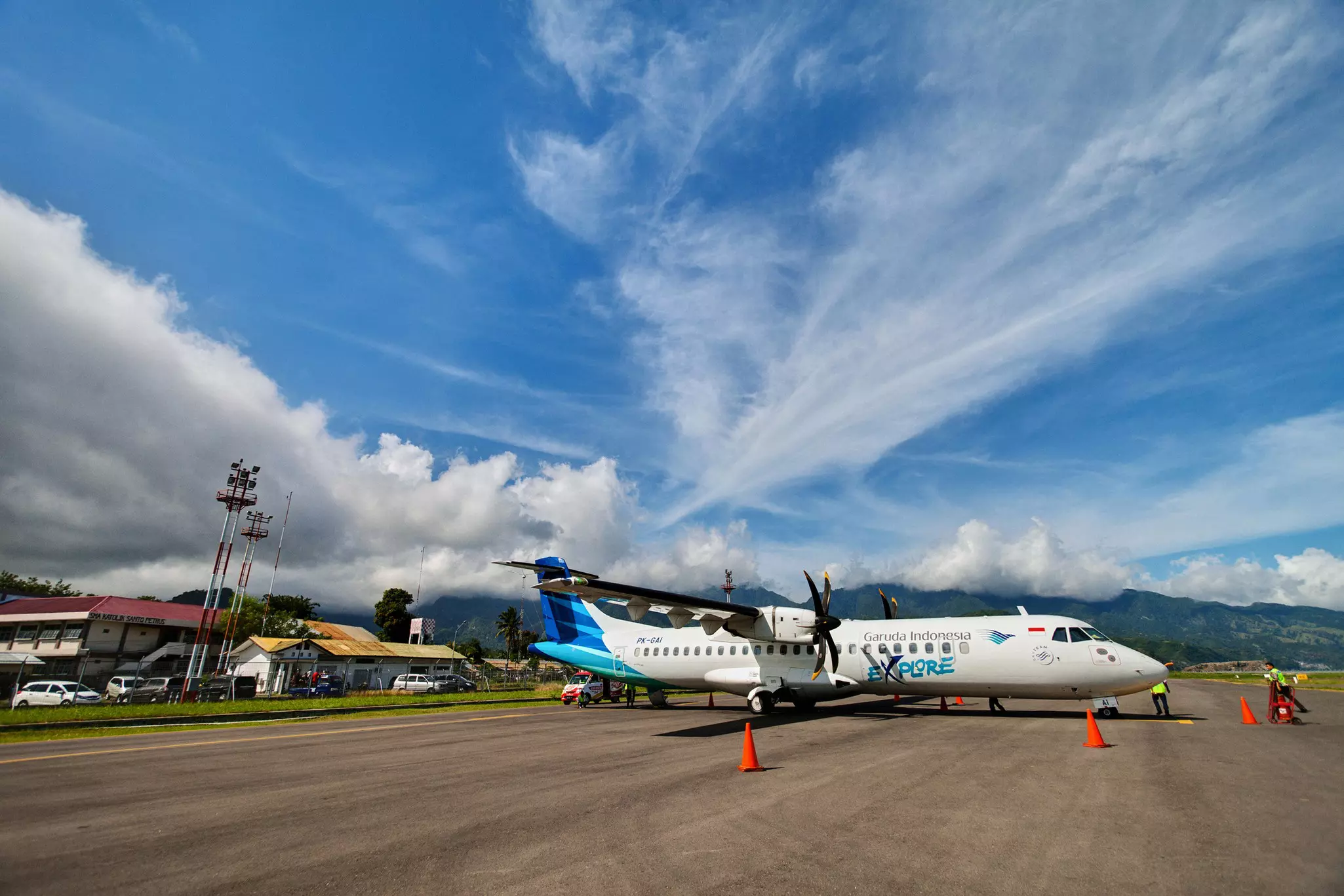
With low-cost airlines proliferating across Indonesia, flights have become the default way to travel to, between and even across islands, saving you the inconvenience of choppy sea crossings and slow drives across expanses of mountainous jungle. It's possible to fly straight to many Indonesian islands from other cities in Asia, without having to connect through Jakarta or Bali first, reducing cost and carbon emissions.
Budget-conscious travelers usually fly on Indonesia's low-cost airlines – Citilink, Lion Air, Indonesia AirAsia and Sriwijaya Air are the biggest carriers. Travelers who value punctuality and reliability often opt for the national airline, Garuda Indonesia, which has significantly improved its standards in recent years.
Airfares vary widely, depending on the distance, timing, and which airline you fly with. From Jakarta, it can cost as little as 850,000 rupiah (Rp) to fly one-way to Bali, but you may have to pay five or six times that to fly to Jayapura in far-flung Papua.
New airports are making it easier to access tourist destinations such as Labuan Bajo, gateway to the Komodo Islands, and Silangit near Lake Toba. Since 2014, nearly 30 new airports have appeared around the archipelago, including at Tana Toraja and Nusantara, Indonesia's under-construction future capital on the coast of Borneo, and many formerly domestic airports are now open to international flights.
Jakarta's Soekarno–Hatta International Airport remains the busiest transfer hub for inter-island flights, but growing numbers of flights connect through Denpasar on Bali or Surabaya on Java. Most flights to Maluku or Papua transit in Makassar, the aviation hub for eastern Indonesia; in Kalimantan (Indonesian Borneo), the biggest aviation hub is Balikpapan.
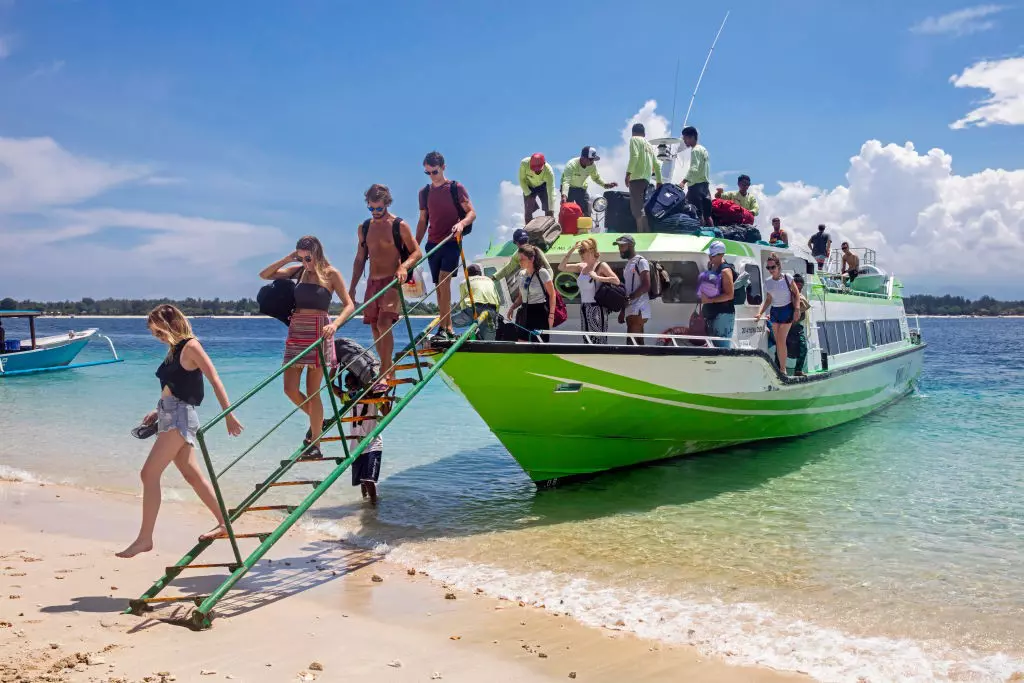
Indonesia's main boat transport operator – the government-owned Pelni ferry company – connects hundreds of coastal cities all over the archipelago, supplemented by numerous private ferry companies and speedboats and other vessels available for chartered trips.
Long-distance ferry travel in Indonesia is cheap, but it can be slow, and demand for tickets can exceed availability. It's wise to book early to reserve seats or cabin space. Tickets from Jakarta to Papua can be astonishingly cheap in the cheapest economy class, but it's an arduous 7-day journey – you have been warned! Also be alert to the risk of choppy seas and ferry cancellations during the rainy months.
For a taste of boat travel in Indonesia without the time commitment, consider some of the shorter crossings between islands in the west of the archipelago. The classic multi-island route is to travel overland through Java, then cross to Bali and Lombok, perhaps via the Gili Islands, before island-hopping eastward to the Komodo Islands.
Riverboats used to be the main form of transport when navigating heavily forested Kalimantan, but the rivers have been eclipsed by new roads that have been constructed across the province. Nevertheless, you can still take a multiday boat tour along the Mahakam River to visit Dayak villages deep in the jungle.
Boat tours are the favored way to visit many national parks, marine reserves and uninhabited islands, and can be arranged through accommodations or travel agencies, or directly with boat operators. This is the most popular way to visit Komodo National Park and the Raja Ampat islands.
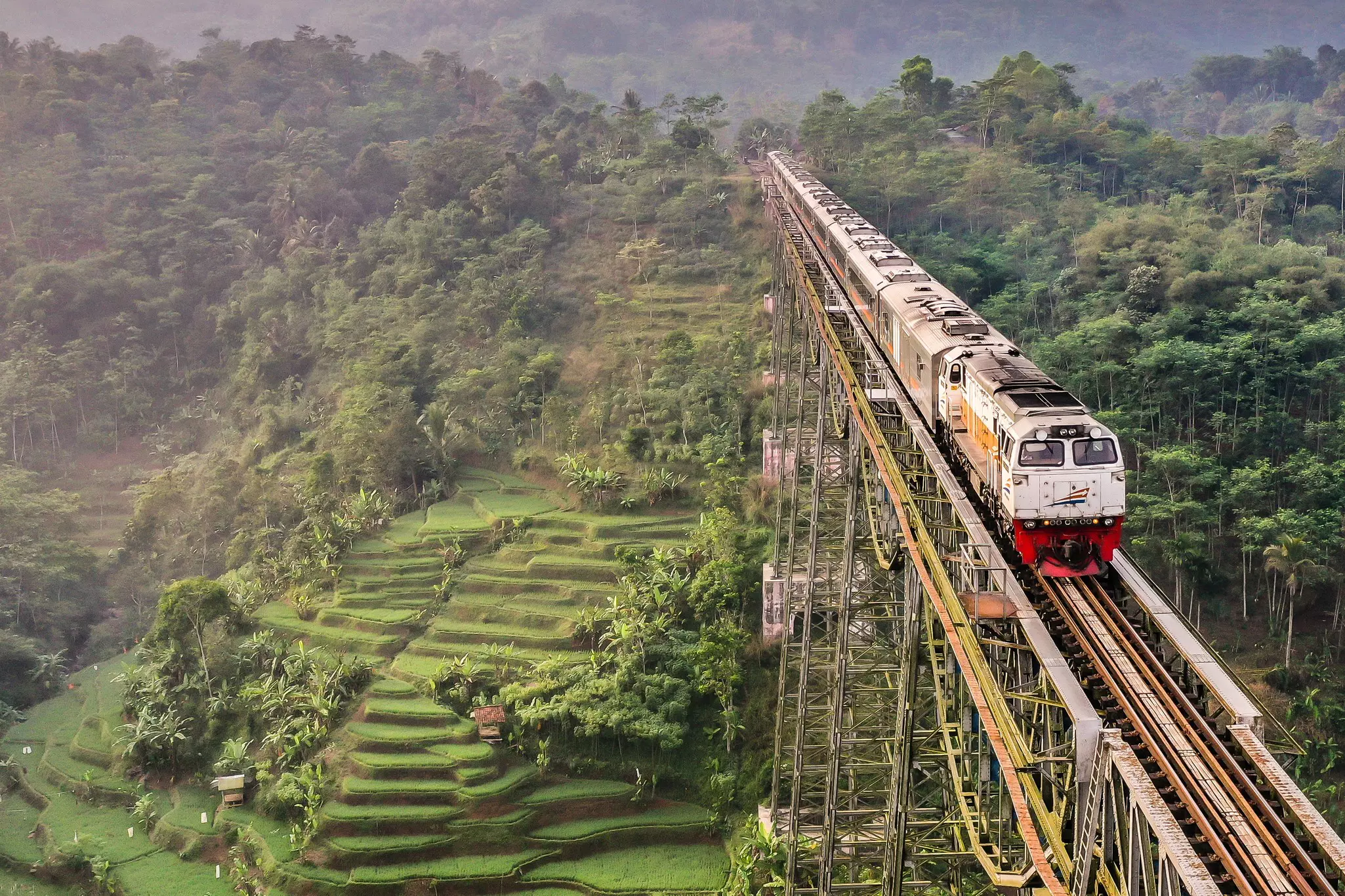
Trains are arguably the most comfortable and reliable way to travel overland across Java, home to most of Indonesia’s railway network. The irresistible highlight is the unrivaled scenery of mystical Javanese volcanoes and lush rice paddies visible from your train window as you zip across the countryside between rail hubs such as Jakarta and Yogyakarta.
Trains in Indonesia are easy to book; tickets can be booked up to a month in advance through the PT Kereta Api Indonesia (KAI) website. There are three main classes – Executive Class has reclining seats and icy air-conditioning that will make you forget that you are in a tropical country (remember to bring a jacket or blanket).
Posher Executive Class sleeper and suite carriages operate on some routes. Economy Class seats are non-reclining and carriages can be very crowded. A small number of trains offer Business Class, which falls somewhere in between.
You can also explore some parts of Sumatra by rail, including Aceh and North Sumatra. The Trans-Sulawesi railway project on the island of Sulawesi aims to link Makassar to Manado, with the first phase running from Makassar to Parepare.
Buses are still the main form of land transport in Indonesia, and they’re cheap and offer frequent departures throughout the day on many routes. Advance booking is generally unnecessary, except during the Eid holidays when millions of Indonesians flock to their hometowns.
Numerous bus routes operate across Indonesia, from long-distance services using modern, air-conditioned coaches to local services using bemo minibuses. Of the many bus companies, government-owned DAMRI has a vast network and a reputation for reliability; you can book tickets from its website or on its app.
In tourist areas such as Bali and Java, you'll find executive buses with comfortable, reclining, airline-style seats. The economy buses favored by many Indonesians are cheaper, but they can be slow; expect frequent stops as passengers get picked up and dropped off along the way.
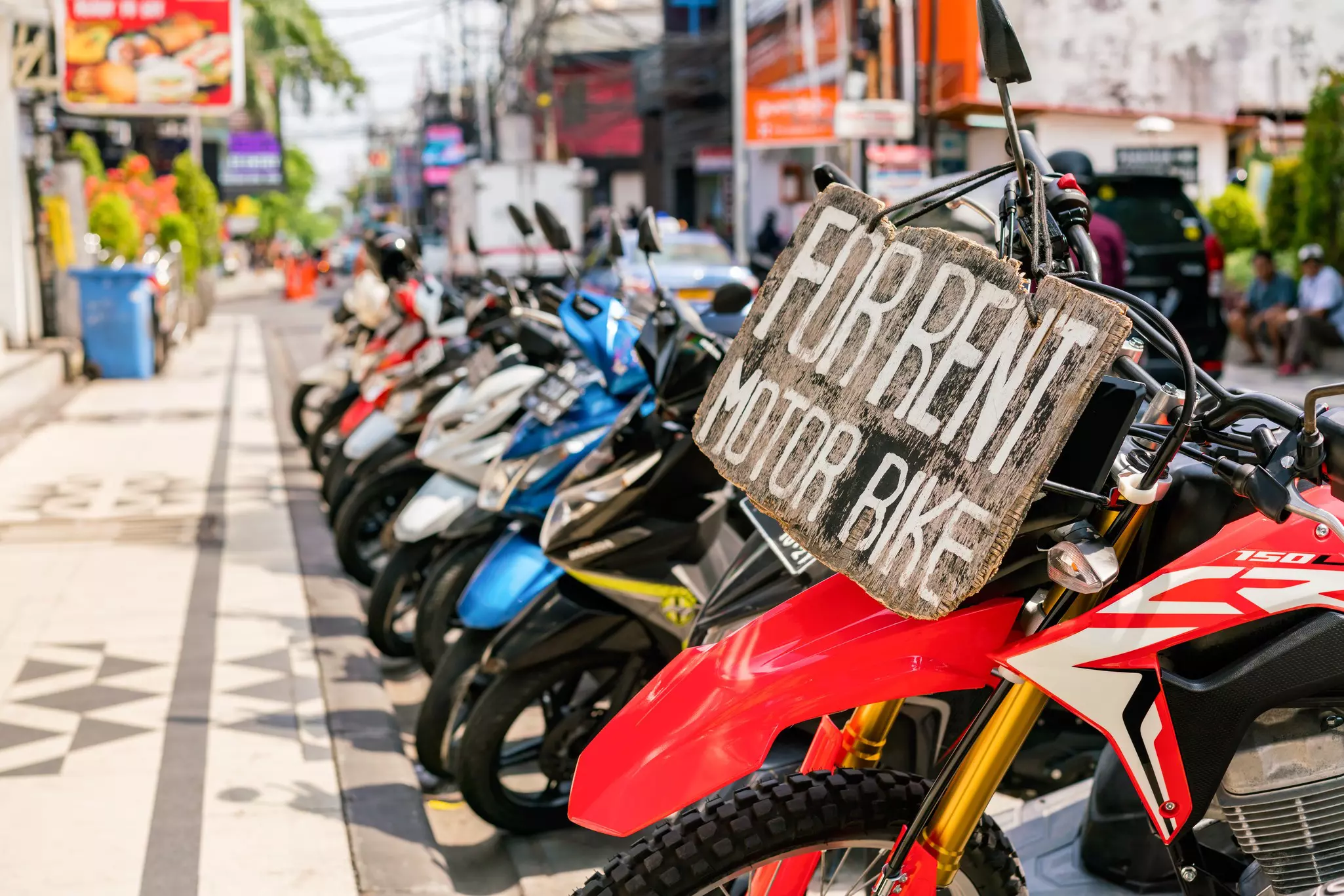
While there are regular bus or train connections between major towns and cities, the public transport network in rural parts of Indonesia is more limited, even on highly developed islands such as Java and Bali. Renting your own vehicle – or chartering a car or 4WD with a driver – will give you more freedom to explore remote areas at your own pace.
In Indonesia, car rental is usually a stress-free process. All you need is a passport and an international driving license; check the insurance details and sign up for as much cover as possible. Be prepared for challenging driving conditions, from potholed roads to heavy traffic jams, and remember that Indonesia drives on the left. It may be less hassle to hire a vehicle with a local driver who knows the local road rules and routes; hotels and travel agencies can make arrangements.
In Java, Lombok and Bali, renting a moped or motorcycle is an easy way to explore, with lots of rental agencies to choose from in tourist hubs such as Kuta and Yogyakarta. Don’t forget to wear a helmet, even if you just sit on the back of a motorcycle. You'll also find motorcycle taxis, or ojek, on many islands – you can summon one using rideshare apps such as Grab and Gojek.

Jakarta has a reputation for being one of the world’s most congested cities, but its extensive (albeit not fully integrated) mass transport system helps to reduce the hassle of getting around. Avoid traffic jams by taking the train; the modern MRT Jakarta urban train network is the most modern mode of transport in the city, but it only covers certain districts. The same goes for the LRT Jakarta network.
Transjakarta buses run on dedicated bus lanes known as "corridors" so you can avoid the frustrating traffic jams. Routes can be confusing, but you can use the Trafi app to help you navigate. Most tourists stick to Corridor 1, which will get you to important attractions such as Kota Tua, the Monumen Nasional, Museum Nasional, and Hotel Indonesia.
Be mindful that public transport in Jakarta runs on a cashless payment system. You can get a transport card at MRT stations and some Transjakarta bus stops. Tap when you board and disembark to pay, and top up your card at MRT stations or at Alfamart and Indomaret convenience stores all over Jakarta.
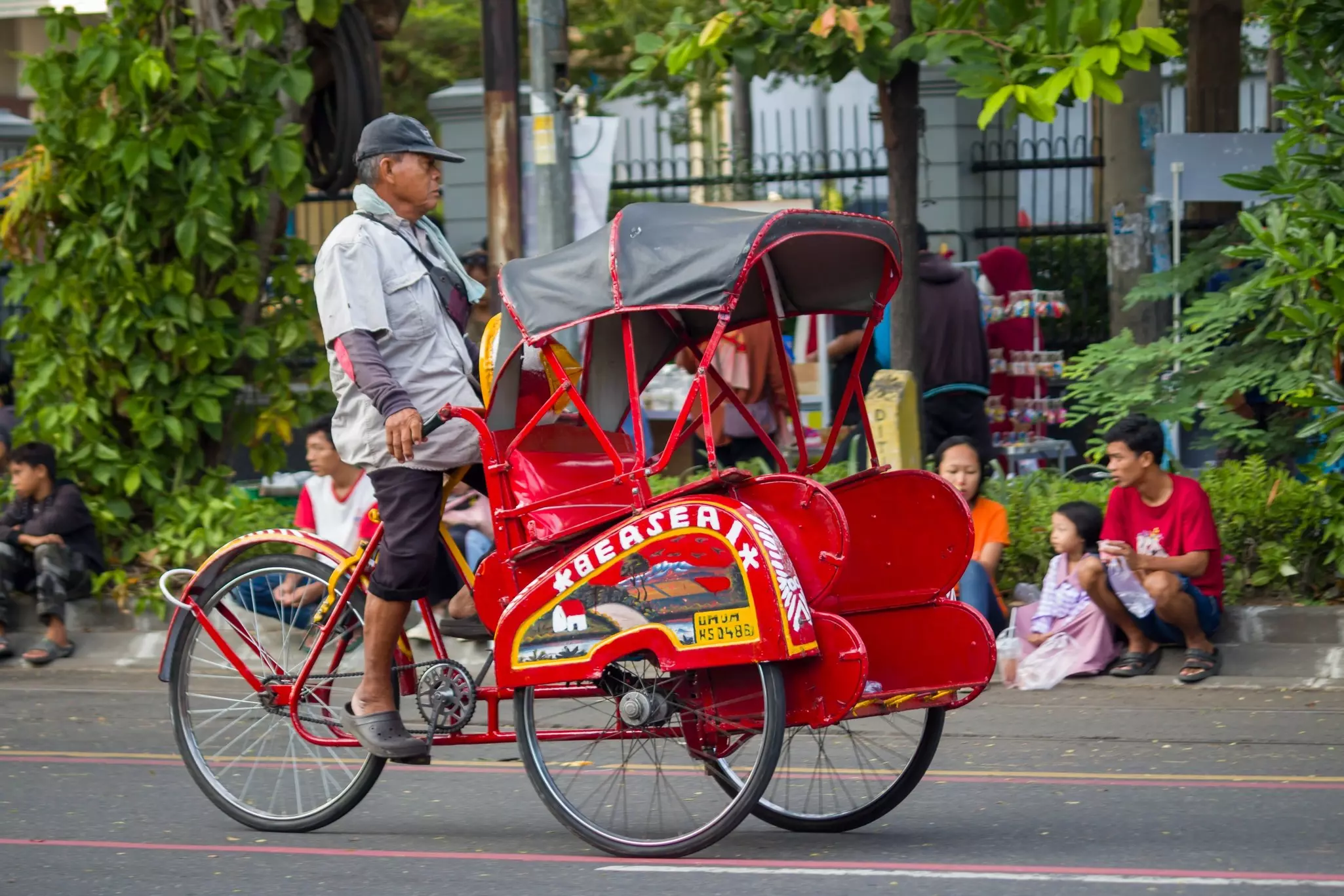
The traditional tricycle rickshaws known as becak used to rule Indonesia's streets, but they have been banned from the main roads of many cities. However, rickshaws have not entirely disappeared; you can still find them in some tourist areas in cities such as Jakarta and Yogyakarta for visitors who want to experience a taste of Indonesia’s past.
Easier to find are motorized autorickshaws, known as bajaj in Jakarta or bentor or becak-motor in Sumatra and Sulawesi. These covered vehicles provide locals with affordable and practical transport for short journeys. If you want to learn about the history of the becak, visit the Indonesian Becak Museum in Kuta, Bali.
Conventional taxis in Indonesia are usually metered, but local people have embraced ridesharing apps with gusto. The huge, Indonesian-owned Gojek app was created to make it easy to order a motorbike taxi (ojek), but it has grown into a super-app that you can use to order anything from a conventional taxi to food deliveries and groceries.
You can summon a rideshare via Gojek in more than 160 cities across Indonesia, even in remote Papua, and the Gojek app is bilingual, with an automatic chat translation feature to help you communicate with drivers who don't speak English. The Grab app is also popular in larger cities and tourist hubs.
Exploring the islands can be quite challenging for people with disabilities. Indonesia's potholed and uneven sidewalks are tricky to navigate if you have mobility issues, and street vendors often block the sections set aside for pedestrians with visual impairments. However, in Jakarta, the important thoroughfares of Jl Thamrin and Jl Sudirman were designed with accessibility in mind, as are most modern shopping malls.
Transjakarta buses are not recommended for travelers with mobility issues, as getting to many bus stops involves climbing an overpass via stairs, and boarding can be a challenge. However, MRT stations, including the KAI Bandara Railink airport trains in Jakarta and Medan, are accessible to wheelchair users.
Despite being Indonesia's most popular international tourist destination, Bali is not very wheelchair friendly. However, specialist tourist operators such as Bali Access Travel can make arrangements for travelers with mobility issues.
Book your Indonesia trip with Lonely Planet Journeys
See Indonesia how it's meant to be seen
Planned by local experts and tailored to you, Lonely Planet Journeys handles the logistics so you can just enjoy the trip. Tell us what you want and we'll build your Indonesia itinerary from scratch, or browse our bookable trips to get inspired.


Explore related stories