Jul 16, 20266 min read
10 of the best foods and drinks to try in IndonesiaMar 10, 2026
6 MIN READ

Writer
Pink Beach, Padar Island, Indonesia. Klara Bakalarova / Shutterstock

Writer
Lonely Planet may earn a commission from affiliate links on our site. All recommendations and reviews reflect our own independent opinions.
In the imaginations of many travelers, one place in Indonesia looms larger than any other: Bali. That naturally stunning, culturally exquisite island certainly deserves its big reputation – but such fame comes at a price. Namely, a relentless onslaught of tourists who flock to its picturesque beaches and paddy fields.
Unfortunately, overtourism in Bali is creating not just traffic snarls in the island’s narrow lanes, but damage to the environment and the local culture. While it’s hard to have a bad visit to Bali, thoughtful travelers might consider their potential impact before touching down in Denpasar.
Fortunately, the world’s largest archipelago has many other places among its 17,000-plus islands that promise natural beauty, gorgeous beaches, teeming marine life – and the thrill of discovering someplace totally new. Many of them sit within the richly biodiverse area in the western Pacific Ocean known as the Coral Triangle. Home to 76% of the world’s total coral species and more than a third of world’s coral-reef-fish species, the Coral Triangle is fittingly referred to as the Amazon of the seas. It’s certainly as captivating as any rainforest.
As you dream of your next journey to Indonesia, consider these five lesser-known islands, each one a worthy alternative to Bali.
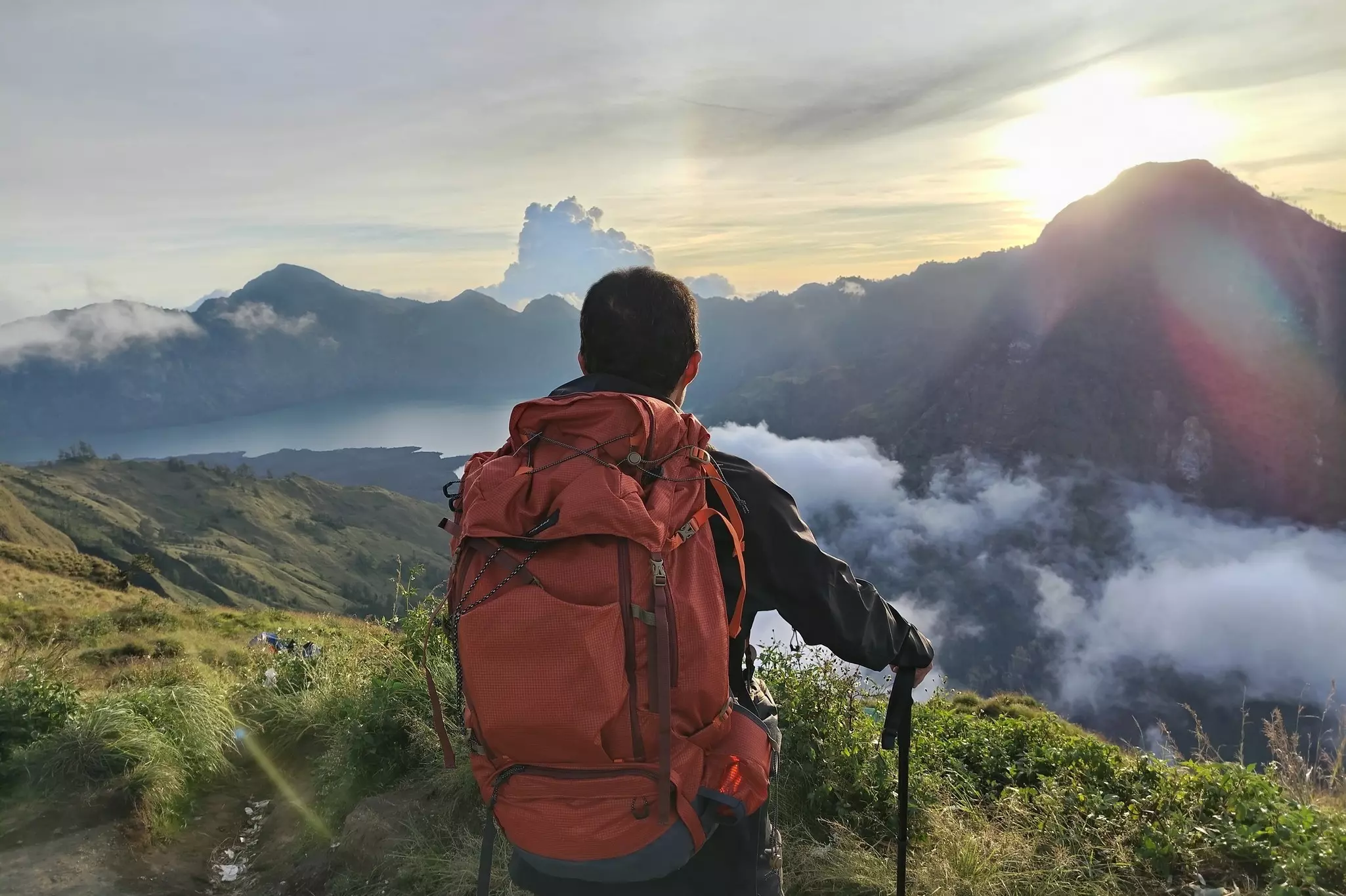
Best for volcano hikes and lazy swims
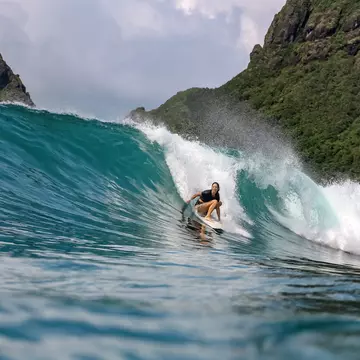
The next island east of Bali, Lombok is lined with sheltered white-sand beaches that come with sensational waves ideal for surfing. Kuta Lombok is the top surfing hub, while Selong Belanak has gentle waves that are especially suitable for beginners. Pantai Mawi has strong currents that will challenge – and delight – advanced surfers.
In the north of the island looms Gunung Rinjani, Indonesia’s second-highest volcano, considered sacred by both the local Sasak community and Balinese Hindus. This is also a hardcore trekkers’ favorite: it takes 3 full days to reach the summit with a guide (a day less for the crater rim). The views are worth the effort.
Getting there: Airlines serve Lombok from Jakarta, Singapore and Bali. A ferry or fast boat departs Bali from either Serangan or Padangbai (the latter has more budget-friendly services).
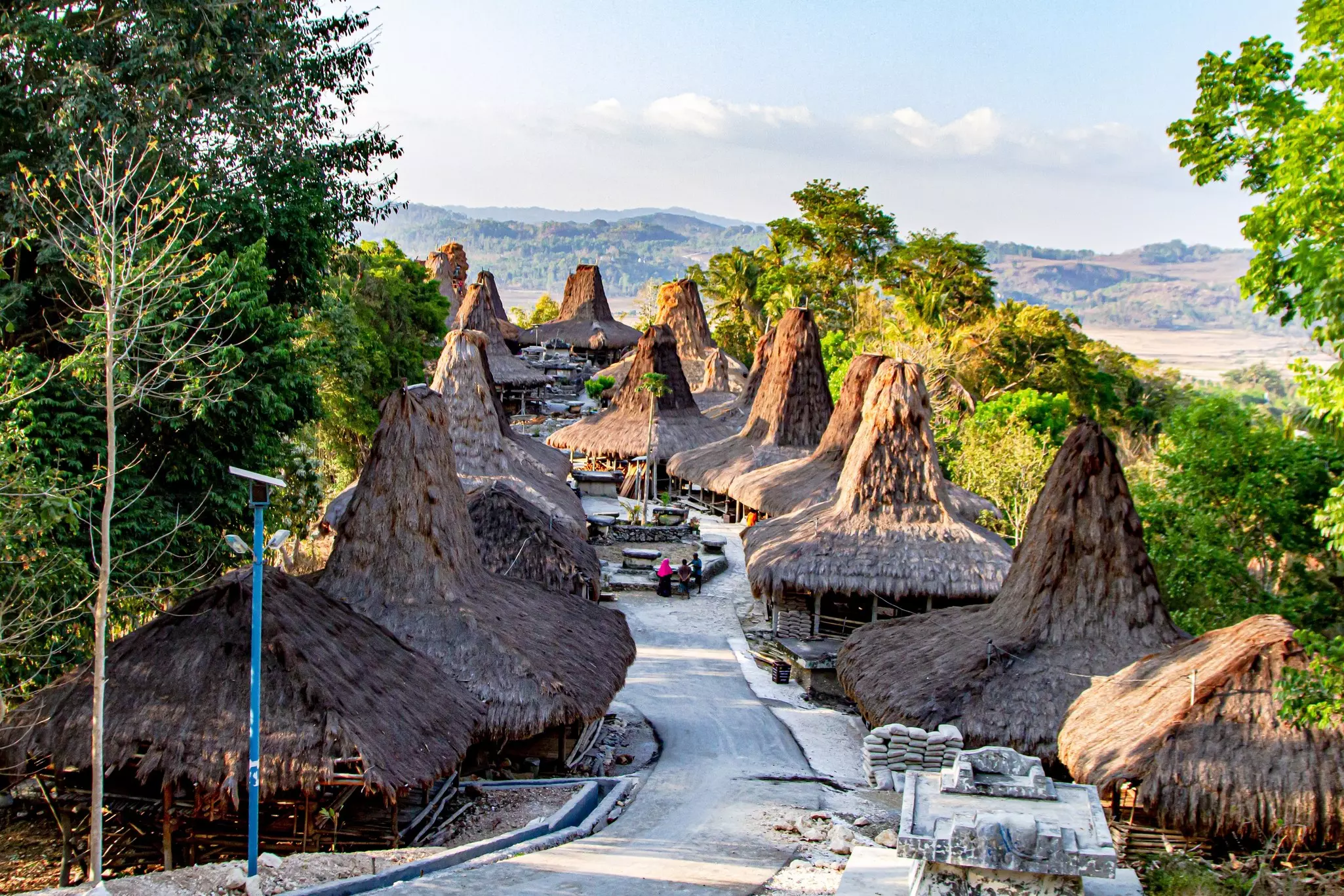
Best for surfing and local culture
Most visitors come to Sumba, southeast of Lombok, to ride the magnificent swells at such Indian Ocean beaches as Pantai Marosi or Tarimbang. If this appeals, then book a stay-and-surf package at Sumba Sunset Surf Club or Sumba Adventure Resort.
If water sports aren’t your thing, other enticing natural excursions await. Getting to the popular Lapopu waterfall involves a moderate hike, which can be extended onward to Matayangu for a soak in the natural pool below. In the island’s northwest, Weekuri Lagoon has calm waters ideal for a swim or just a soak.
Make time to visit a local village to see traditional Sumbanese homes, with their towering, thatched roofs, and the megalithic tombs built to honor the spirits of ancestors. You can also support local communities by buying the ikat textiles and beaded ornaments the villagers produce, right from the source.
Getting there: Take a Nam Air or Wings Air flight from Bali to Tambolaka, and make sure to arrange for your resort to pick you up from the airport.
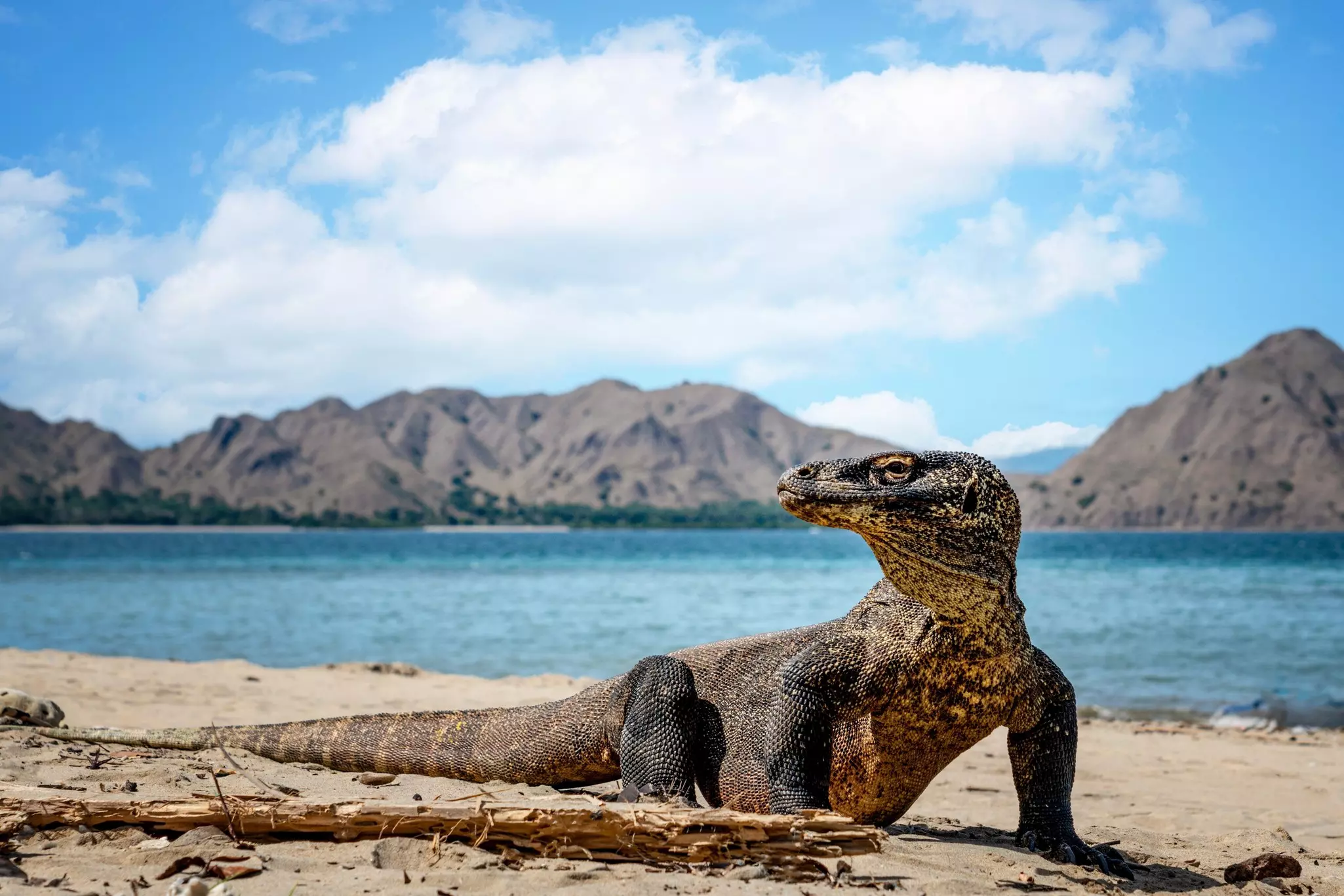
Best for giant lizards and coral gardens
Once you’ve arrived in Flores, in the archipelago of Nusa Tenggara, take a boat from the town of Labuan Bajo (which is fast becoming a tourism hot spot in the region) to the small islands of Komodo or Rinca. On a guided walk, you can see prehistoric-looking Komodo dragons, a fierce giant lizard found nowhere else on earth.
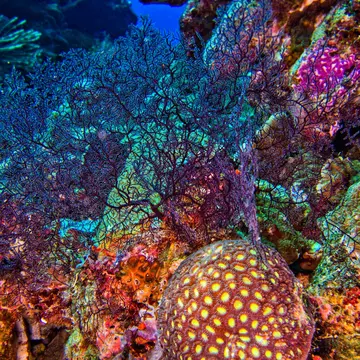
Elsewhere off Flores, snorkeling and diving trips offer close sightings of the rich marine life, including vibrant coral gardens along with manta rays, reef sharks, green turtles and countless colorful fish. Back on the boat, you are likely to catch sight of a school of playful bottlenose dolphins riding the waves.
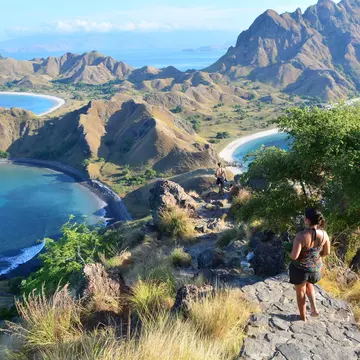
Be sure to pack a picnic for Komodo’s Instagram-famous Pink Beach, whose vivid hue comes from tiny fragments of red coral mixing with the powdery white sands. And at sunrise or sunset, hike up the hundreds of steps to the top of the hill on Padar Island, between Komodo and Rinca, where spectacular views open up of three sparkling crescent bays curving in different directions.
Getting there: Fly to Labuan Bajo from Bali, Jakarta or Singapore, and join a liveaboard trip taking in various islands around Komodo National Park.
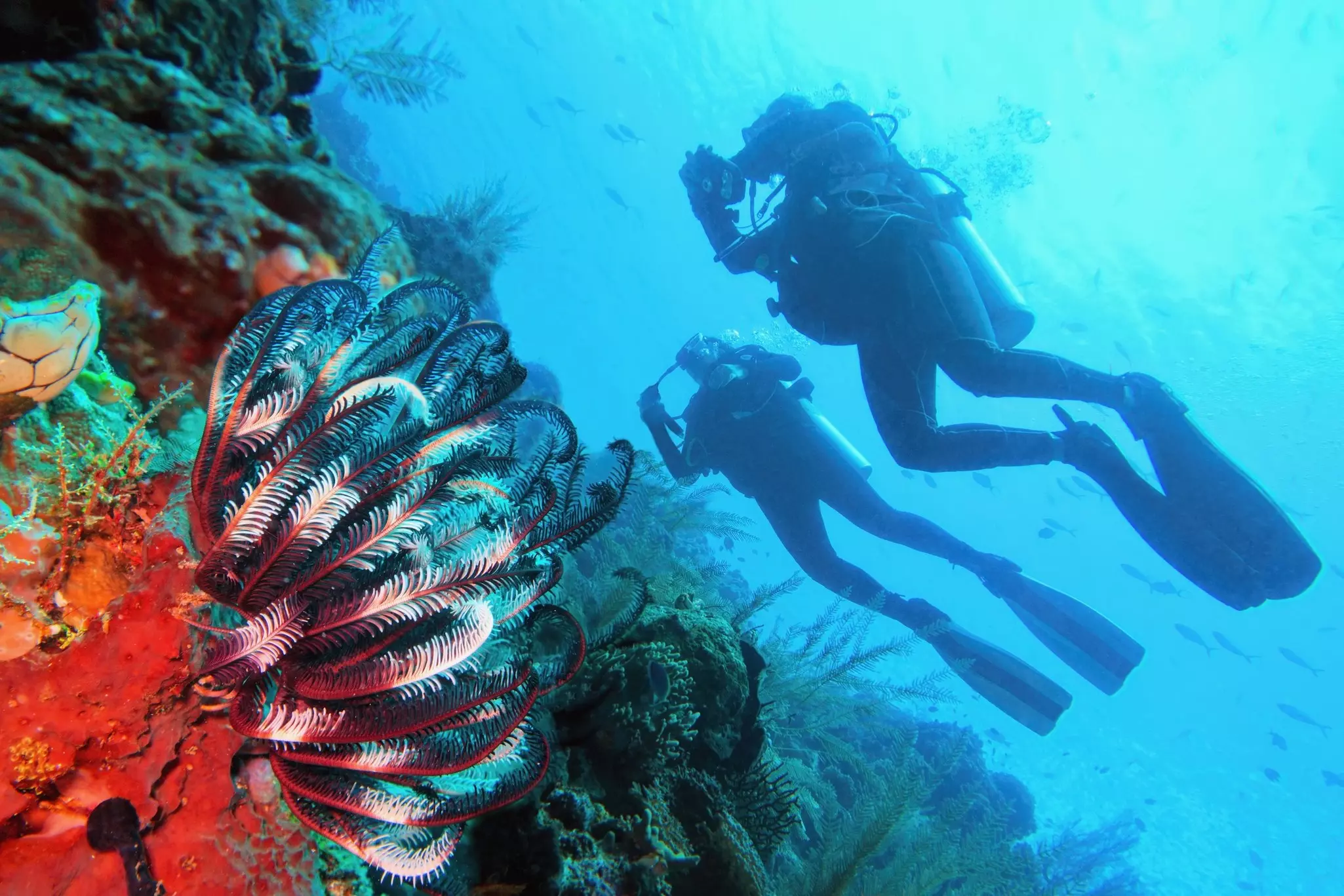
Best for diving and snorkeling
In Indonesia’s far east, this remote archipelago has a rich marine habitat of thriving coral reefs that make it one of the world’s best diving spots. If you prefer to stay closer to the surface, snorkeling at most of the prominent sites is also a delight.
On land, you can set out on jungle walks or on kayaks to look for rare birds, including endemic species like the brilliantly colored Wilson’s bird of paradise. On the island of Batanta, you can hike to waterfalls, while a climb to the top of tiny Puncak Harfat will put you in the middle of an armada of stunning limestone karsts.
Getting there: Fly to Sorong from Bali, Jakarta or Makassar, then take a ferry or speedboat from the ferry harbor to your island lodge.
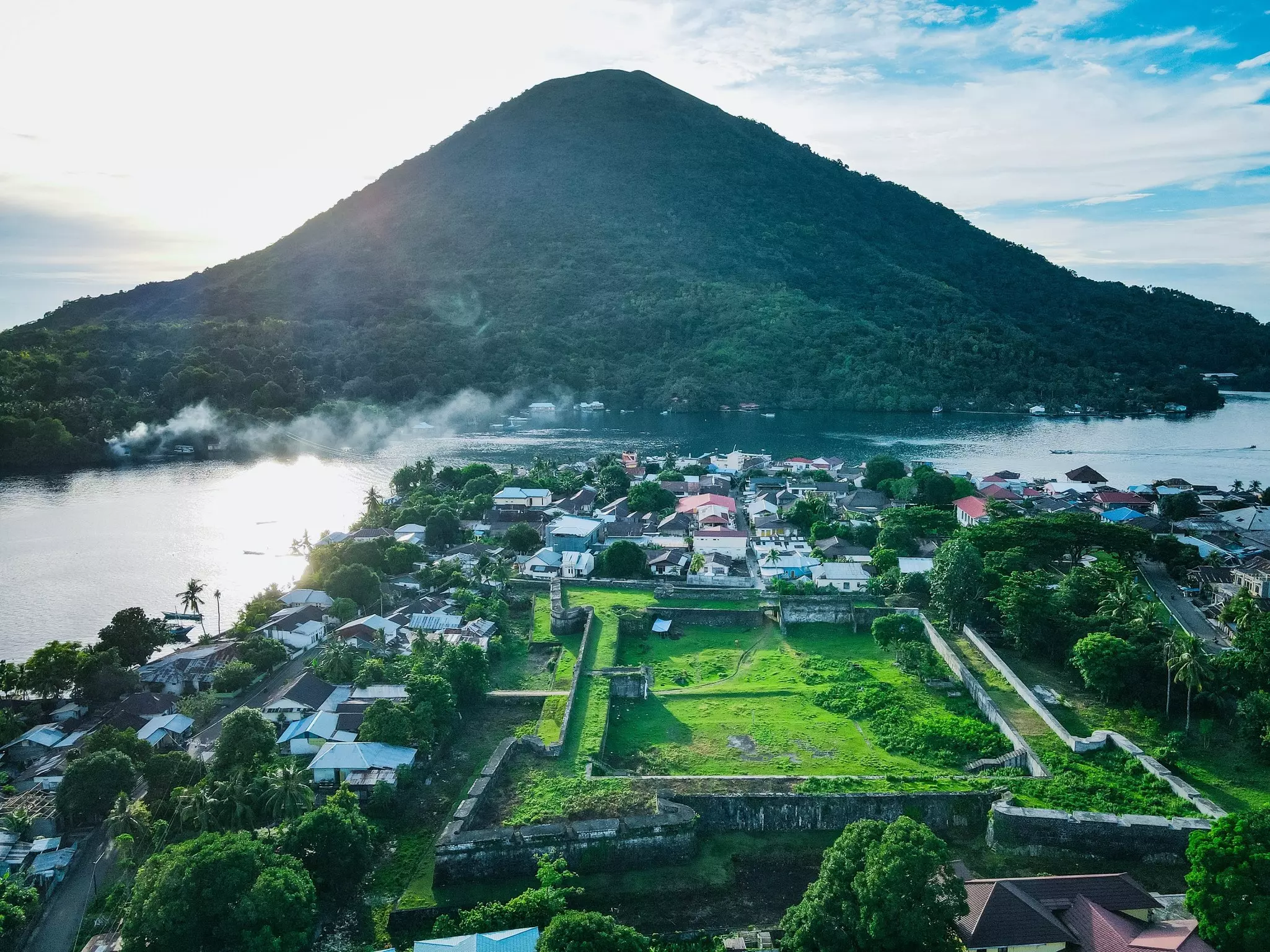
Best for a dive into the past
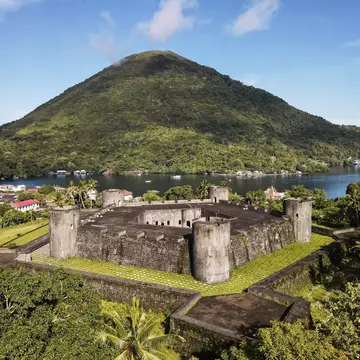
Part of the Maluku or the Moluccas, the Spice Islands (or Banda islands) were once the epicenter of the nutmeg and clove trades that attracted European explorers and colonizers. Traces of this troubled history lie scattered in the moss-covered ruins of Fort Belgica and Fort Nassau in Banda Neira, as well as at numerous churches and museums across the region.
The active volcano of Gunung Api, which last erupted in 1988, dominates this pristine landscape. While it’s a challenging hike to the near-perfectly conical top, the views of the island and the sea that open up make it worth the effort.
There are plenty of excellent spots for diving and snorkeling in the Spice Islands. Below the surface, you’ll get a glimpse of coral reefs that are growing steadily, and which are frequented by a wide variety of fish big and small, including spinner dolphins, orcas and hammerhead sharks.
Getting there: You can fly to the regional hub of Ambon from Jakarta or Makassar; then take another short flight or overnight ferry to Banda Neira.
Take your Indonesia trip with Lonely Planet Journeys
Time to book that trip to Indonesia
Lonely Planet Journeys takes you there with fully customizable trips to top destinations – all crafted by our local experts.


Explore related stories