Sep 8, 202615 min read
The Best Things to Do in BaliSep 8, 2026
15 MIN READ

Writer
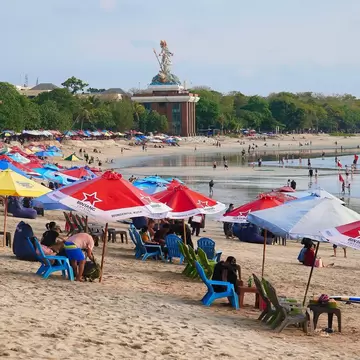
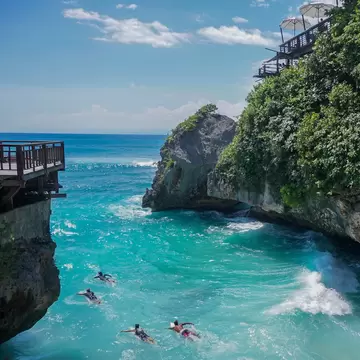
Suluban Beach, Uluwatu, Bali, Indonesia. Rizky Fahlevi/Shutterstock

Writer
Highlights
Writer Mark Eveleigh maps Bali experiences, from surfing to the spa.
Climb Batur at sunrise, snorkel the Coral Triangle or surf Kuta and Canggu.
Nature lovers should go on "safari" in West Bali; photographers will love Perancak's fleet.
Go rafting in the Ayung Valley or align your chakras in Ubud.
Lonely Planet may earn a commission from affiliate links on our site. All recommendations and reviews reflect our own independent opinions.
I fell in love with Bali two decades ago. While media reports often harp about overcrowding and overdevelopment I know how incredibly easy it is to break away from the tourist trail. Balinese people are among the world’s most welcoming; take time to ask the locals and you’ll find it’s incredibly easy to find hidden spots.
With a unique culture, striking tropical landscapes and a long tradition of delightful hospitality, Bali is one of the most exciting islands on the planet. Whether you like to surf, practice yoga, trek on volcanoes, dive or go white-water rafting, Bali has no shortage of wild and fascinating experiences that will push your boundaries, but on the “island of the gods,” you’ll always find an opportunity for relaxation and pampering, too.
Here are the best things to do on your trip to Bali, a list of some of my favorite unsung highlights (along with a few of the best “must-sees”).
The non-negotiable
Yoga has been practiced on this Hindu island for well over 1000 years, but it could be said that the boom years for commercial yoga began around 2007. Ubud in particular has made a name for itself as the world capital of yoga.
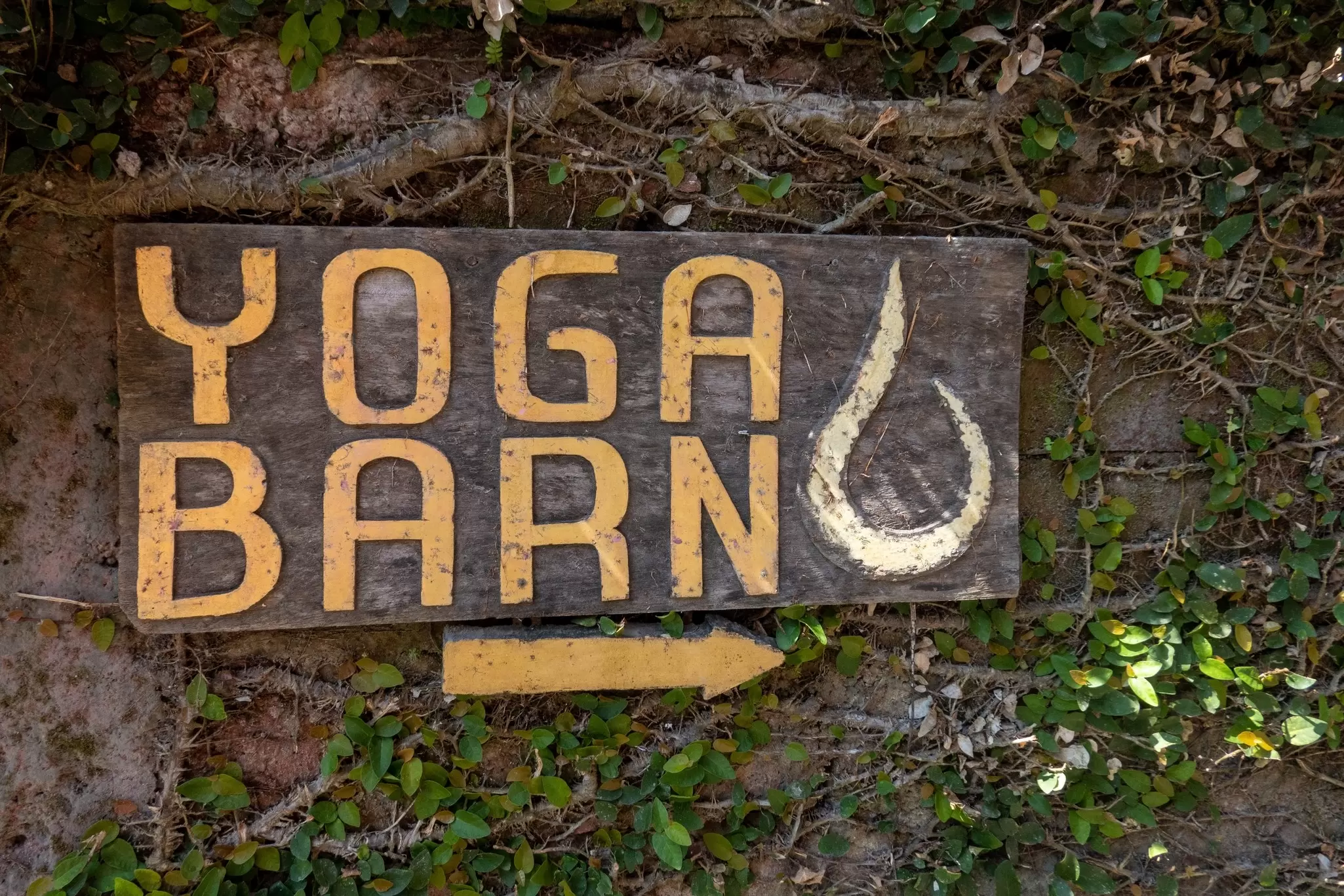
Yoga Barn, which began with one humble yoga shala in 2007, has grown into an Ubud icon with seven studios and 130 classes per week. There’s a restaurant, a cafe, a yoga store and even accommodations for some of the students who come here for teacher training or specialist courses.
When to go: Dawn yoga sessions are popular but with 20 or more classes each day you can head to Yoga Barn at any time.
Getting there: The Grab ride-hailing app is one of the best solutions to the problem of getting around Bali. Since drivers are reviewed, there’s a level of security. Plus it won’t test your language skills in the haggling/navigating department – and it’s often about half the price of metered taxis.
Pair with: Radiantly Alive’s yoga studio in Canggu has become a firm favorite with yogis in the know. It is popular with students who enjoy the communal atmosphere of a smaller property.
Best for getting active
Bali is known as one of the best places for surfing on the planet. While the island sees world-class breaks such as Uluwatu, Padang Padang (“the Balinese Pipeline”) and the aptly named Impossibles, countless other spots are perfect for intermediate surfers or beginners.
Canggu and Kuta Beach are the best spots on the island for novice surfers but check out Echo Beach for relatively mellow waves. Dozens of rental and surf-class setups can be found along Kuta Beach, and the waves here are – under normal circumstances – even more chilled for learning.
When to go: There’s no bad season to surf Bali but, if you want to avoid the crowds, visit in the April-May or September-October shoulder-seasons. A lot of beginners learn the hard way that high tide often brings steep, heavy shore-breakers that can be challenging even for experienced surfers. Our tip would be to check the tide-times and surf closer to low tide.
Getting there: Take a Grab or taxi.
Pair with: You can easily make a half-day trip to Ubud from Bali’s southern surfing beaches. Kura-Kura (which means "tortoise" in Indonesian) is a tourist-class bus service that operates shuttles to Ubud.
Must-do with kids
A web of rivers cascades down from the volcanoes, carving great ravines that are often the most unexpected aspect of Bali’s geography. The southern flanks of these volcanoes are quite densely populated and brutally steep, so rafting is often the only way to experience the wild jungle canyons.
Bali’s rivers aren’t among the world’s most challenging rapids, but what you lose on the adrenaline buzz, you gain on the sheer pleasure of seeing the Ubud area from a totally unexpected angle. It’s hard to believe that such pristine forest valleys can exist just a stone’s throw from bustling Ubud town. Mason Adventures is one of the most reputable rafting companies and runs the longest rafting trips, clocking in at 12km, and they can combine an Ayung Valley rafting trip with a 30km (18.5 mile) almost entirely downhill mountain-bike tour.
When to go: April to October is typically the dry season (when rivers are cleaner). June to August are the busiest months, so if you’re travelling at that time be sure to book in advance.
Getting there: All rafting operators can arrange pickups from hotels in any of the tourist areas.
Pair with: Head for Sekumpul Waterfall, an idyllic spot where the kids will enjoy swimming in a cool mountain river. Incidentally Four Seasons Resort Bali at Sayan (near Ubud) is very likely the only luxury hotel in the world that you can access directly from the riverbank at the end of a white-water rafting excursion. It also has one of the best kids clubs on the island.
The secret
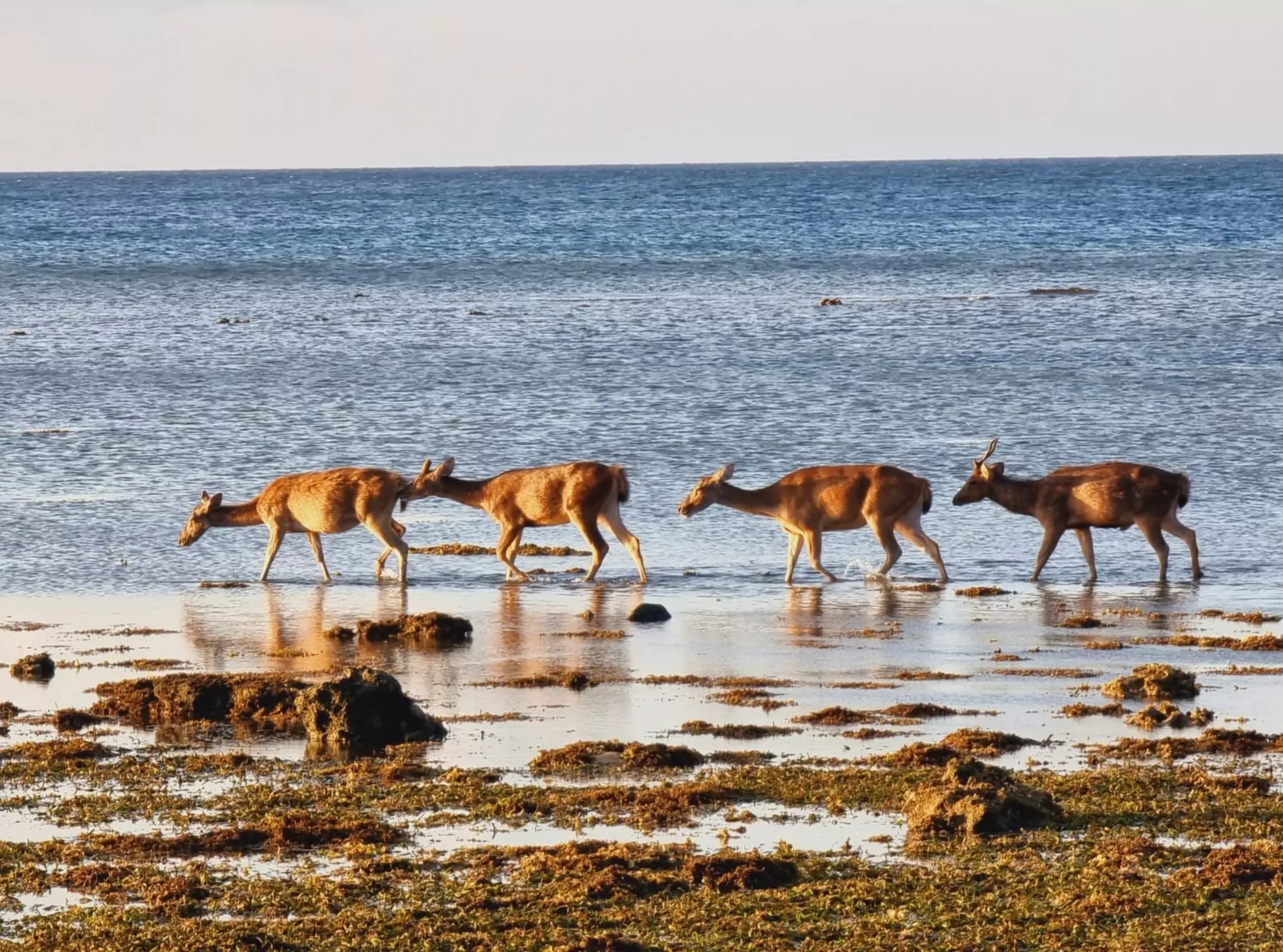
If you’ve believed all the hype about overcrowding and overdevelopment, it will surprise you to hear that West Bali has some truly spectacular wildlife. Bali is hardly renowned as a "safari" destination but, on the far northwestern tip, it’s almost impossible to imagine that you’re still on a supposedly crowded tourist island. The Menjangan resort is still a secret spot, even among long-term residents. Few people realize that, even if you’re not staying, you can rent motorbikes to explore or book guided walks and birdwatching tours.
I’ve visited the " wild west" more times than I can count and have frequently watched in awe as critically endangered Bali starlings flit overhead, troops of gibbon-like ebony leaf monkeys swing through the canopy and herds of wild deer cool their heels in the shallows on the reef.
When to go: Most people try to avoid the rainy season (November to March) but for many it is the ideal time to catch the island at its quietest. Rain is typically short and sharp, so you still get plenty of sunny days.
Getting there: We wouldn’t recommend riding all the way out to West Bali on a scooter. Bali Car Rental Cheap is a good place to check car rental prices. Most car rental operators can also supply a driver, and many hotels arrange transfers.
Pair with: Many people combine a trip to Bali’s far northwest with a hiking trip up Kawah Ijen crater on neighboring Java.
Best way to relax
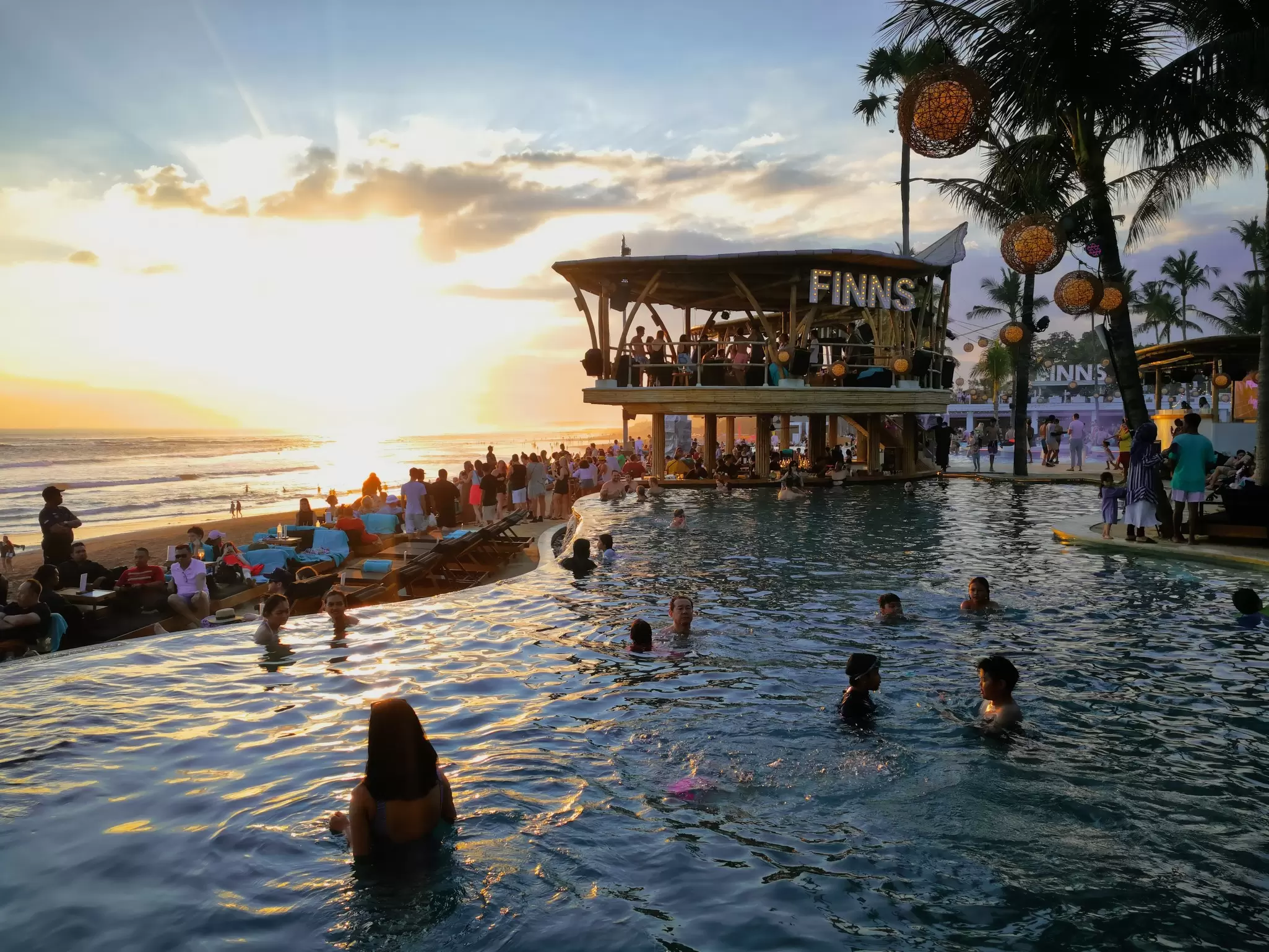
Potato Head in Seminyak has become a Balinese icon. Much more than just a beach club with two immense infinity pools, it’s also a music venue and home to several landmark restaurants, including Ijen, Bali’s first zero-waste restaurant. Finns Beach Club has become a Canggu institution with five bars (including two sunken pool bars), three restaurants and live music spread across a beautifully designed property between two pools and the ocean.
If you’re in Sanur, check out Byrdhouse Beach Club, a vibrant extension to the lovely Segara Village Hotel, run by the same local family since the 1950s. Byrdhouse features a 25m-long infinity pool, spacious beachfront lawns, restaurant facilities and what is probably the best jacuzzi cocktail bar you’ll ever see.
When to go: Dry Season (April to October) is ideal beach time with sunny days, limited rain and temperatures that hover between 25°C and 30°C. The sun can be deceptively powerful though, so wear sunblock and stay hydrated.
Getting there: Take a motorbike. Bear in mind that few rental dealers in Bali have insurance, and unfortunate travelers often find that an accident can sometimes be very expensive (as well as painful). Bikago is a reputable operator that offers insurance and on-the-road support in English.
Pair with: The island has a surprising number of wild, often deserted beaches and endless “town beaches,” such as Kuta, Seminyak and Canggu, where you can enjoy a lively beach vibe entirely for free.
The surprise
Water buffalo have become increasingly rare in Bali since mechanized farm tools replaced plows, and there are only a few places in the world where you can find pink specimens. In West Bali, buffalo are sometimes used to work the fields, and you can join a half-day guided Paddy Walk with Pink Buffaloes for an insight into the part that these magnificent creatures play in the paddy cycle and the complex rituals behind rice farming in paradise. This is one of our favorite cultural activities, and it is often hilarious to watch the buffalo rolling blissfully in the water like gigantic pink dolphins (or sea cows) with just their snouts showing over the water.
When to go: Anytime. The buffalo are moved between shady coconut groves and their basking patch in the river inlet twice each day. Inquire in advance though because at high tide it can be hard to cross the river to access the paddies.
Getting there: Few taxi drivers will drive as far as West Bali. You can negotiate with independent drivers or guides. There are some recommendations here.
Pair with: Pekutatan (where the buffalo roam) has 13km of deserted beach that rarely sees tourists. It’s our favorite West Bali escape.
Best for underwater enthusiasts
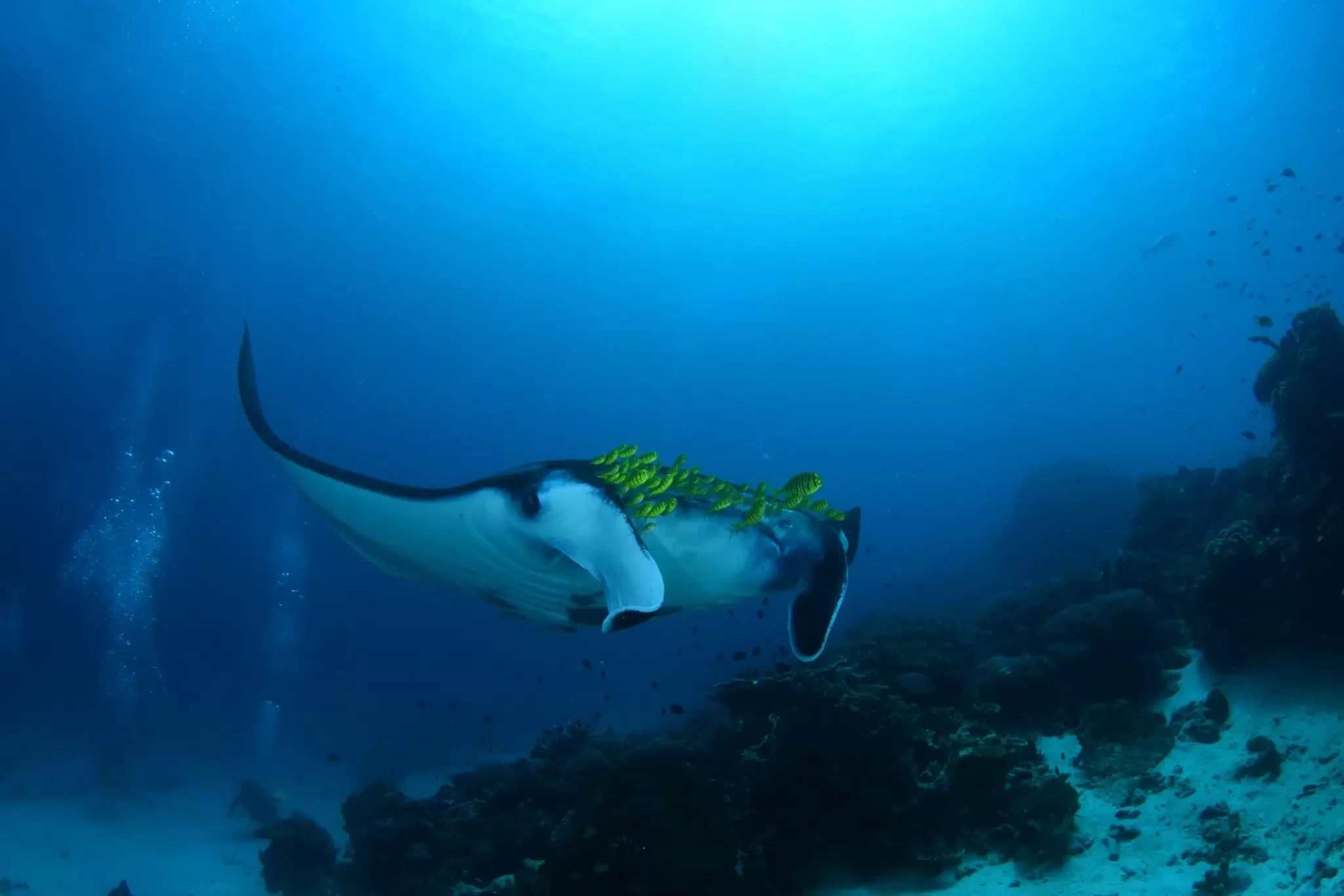
Lying at the center of the Coral Triangle, Indonesia has some of the richest marine habitats on the planet. Bali is no different, and the entire north coast, which is spared the crashing waves of the south, is a wonderland for diving and snorkeling aficionados. Keep an eye out for Nemo.
Bali Hai runs diving day trips to “Manta Alley” off Nusa Lembongan island as well as full PADI courses. Menjangan Island off Bali’s northwest tip also offers world-class diving without the crowds, and you have an excellent chance of seeing the entire spectrum of reef fish, along with turtles, reef sharks and, if you’re lucky, dolphins and whale sharks. The Menjangan rents kayaks and can arrange guided diving and snorkeling trips to the island.
When to go: April to September is ideal. November to March can be rainy and heavy storms occasionally flush rivers, bringing garbage to the beaches. Avoid diving or snorkelling after heavy rain.
Getting there: All dive operators will arrange transport. Bali Hai has a fleet of boats – including a gorgeous catamaran called "Aristocat" – that are used to transport guests to Nusa Lembongan island.
Pair with: Many visitors combine their Bali holiday with a visit (or a stay) on Nusa Penida where there are many diving and snorkeling spots that are often entirely free from crowds.
Best thing to do on a rainy day
When the sun’s shining you could choose to bliss out with an après-surf massage on the beach, but we’d suggest a marathon pampering session in a spa on those rare days when the rain sets in.
Bali’s five-star luxury spas elevate vacation relaxation to the next level. Four Seasons Resort Bali at Sayan and Fivelements Retreat near Ubud are open to non-guests, and both stand out among the best spa and wellness retreats on the planet. Four Seasons’ Sacred River Spa offers it all, including spa treatments, traditional healers and chakra ceremonies in spellbinding surroundings overlooking Ayung Valley.
Fivelements has a range of holistic Bali-inspired treatments, such as plant-based cuisine, sacred arts and romantic day experiences that are perfect for couples. Both spots also offer yoga and a wide variety of wellness packages.
Glo Spa Bali is also highly recommended for its massages and beauty treatments, which attract repeat guests. If you’re traveling on a budget, head to one of the Yes Spa Bali establishments in Kuta or Legian where you can enjoy excellent traditional Balinese massages for less than US$8.
When to go: The period between November and March sees most of Bali’s rainfall, but you’re unlikely to see full days off drizzle. A short, sharp downpour is more likely, offering the ideal opportunity to duck into a spa!
Getting there: Every tourist town on the island will have affordable spas that are within reach of the town center or the beach. Retreats that are more remote can be reached with taxis or the Grab app. In some cases complimentary shuttles are also available.
Pair with: A yoga session or meditation class at Yoga Barn is the ideal compliment to a relaxing massage. The property also has a great open-air restaurant serving cleansing healthy menus.
Best view
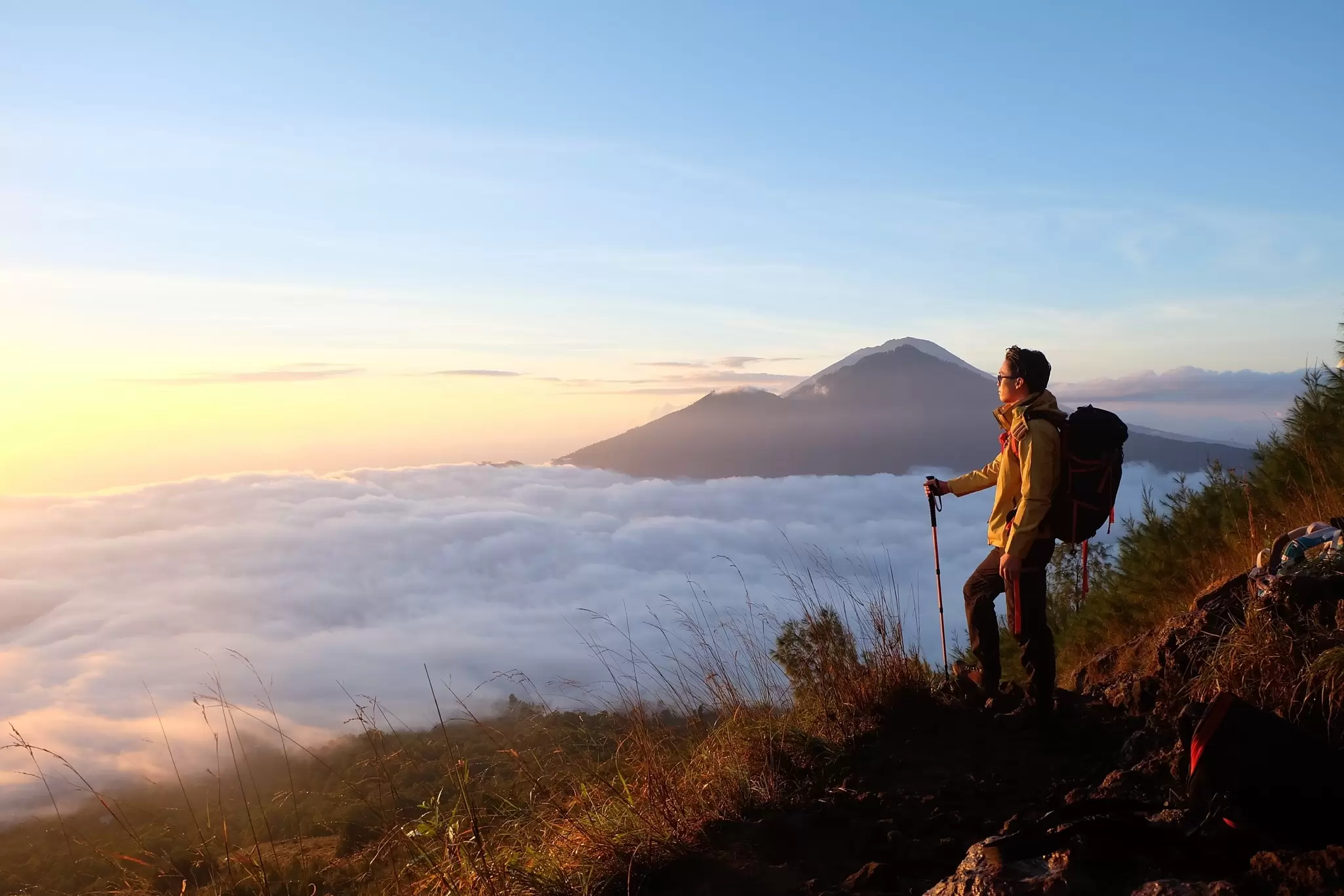
The 1717m (5633ft) peak of Batur volcano is perhaps the most popular place to experience the frequently spectacular Balinese sunrise on an island that Pandit Nehru, the Indian statesman, called the “morning of the world.” The view takes in Mt Agung – the island’s highest peak and the abode of the gods – and Mt Rinjani on distant Lombok. You’ll have to set your alarm incredibly early to witness the splendor: most tours start with a hotel pickup between 1am and 2am so that you can make the 3.5km (2.2-mile) trek and be on the peak by sunrise.
A delightful alternative if you want to avoid the crowds is Gunung Abang, which is wider and more pristine. Bali Sunrise Trekking and Tour can arrange the entire package.
When to go: The special aspect of this hike is to summit in time to watch the sun climbing over the back of mighty Gunung Agung. To do this you must typically begin hiking around 4am!
Getting there: To trek Gunung Batur or Gunung Abang you’ll need a guide. We’d advise you not to drive yourself since it involves traveling in the dark (a risky option in an area where vehicles are not always well-lit and where animals frequently stray onto the roads). Most hotels and homestays will be able to help and can arrange transport from your accommodation.
Pair with: If you like this trip you’d love the unique 17km jungle hiking expedition from Tamblingan sacred forest to Jatiluwih’s UNESCO-protected rice paddies. It’s a virtually unexplored route through uninhabited jungle (another Balinese surprise, right?) so don’t go alone. Ketut Darma (WhatsApp: +62 822-3657-6149), one of the most highly respected guides in the Balinese Highlands, can arrange this experience.
Best for local traditions
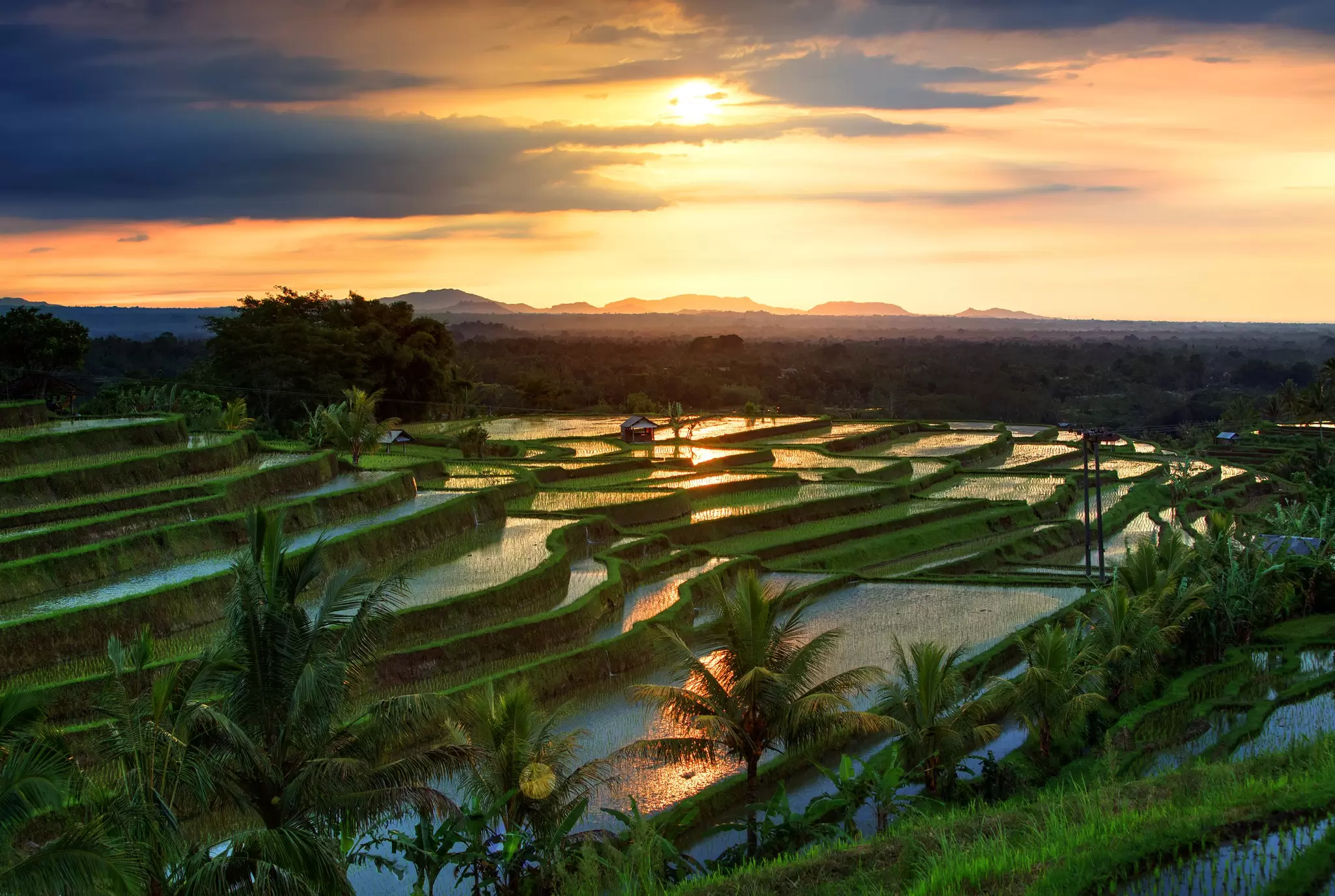
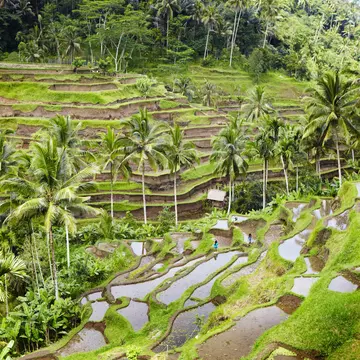
For a real idea of the great paddy landscapes that cover less-visited parts of Bali, head for the immense Jatiluwih terraces 40km (25 miles) to the northwest. It's idyllic countryside for simply wandering alone, but consider hiring a knowledgeable guide if you want to understand the intricacies of the 1000-year-old subak irrigation system, which is inscribed on Unesco’s cultural heritage list. The landscape is saturated at sunset (predictably the busiest time) with colours: neon green of young rice shoots; the sky-blue sheen of flooded paddies; the swaying golden sheaves of the ripe plants.
When to go: For a more sedate paddy experience stay overnight to enjoy the spellbinding solitude of a sunrise walk through the paddies.
Getting there: There are many tour companies that visit Jatiluwih terraces but it’s a beautiful ride from Ubud or from the southern beaches on a rented scooter.
Pair with: The pretty terraces of Tegallalang are a prime destination for many visitors because they lie just 15km (9.3 miles) north of Ubud. While they can get busy they are undeniably a great photo opportunity.
Best free thing
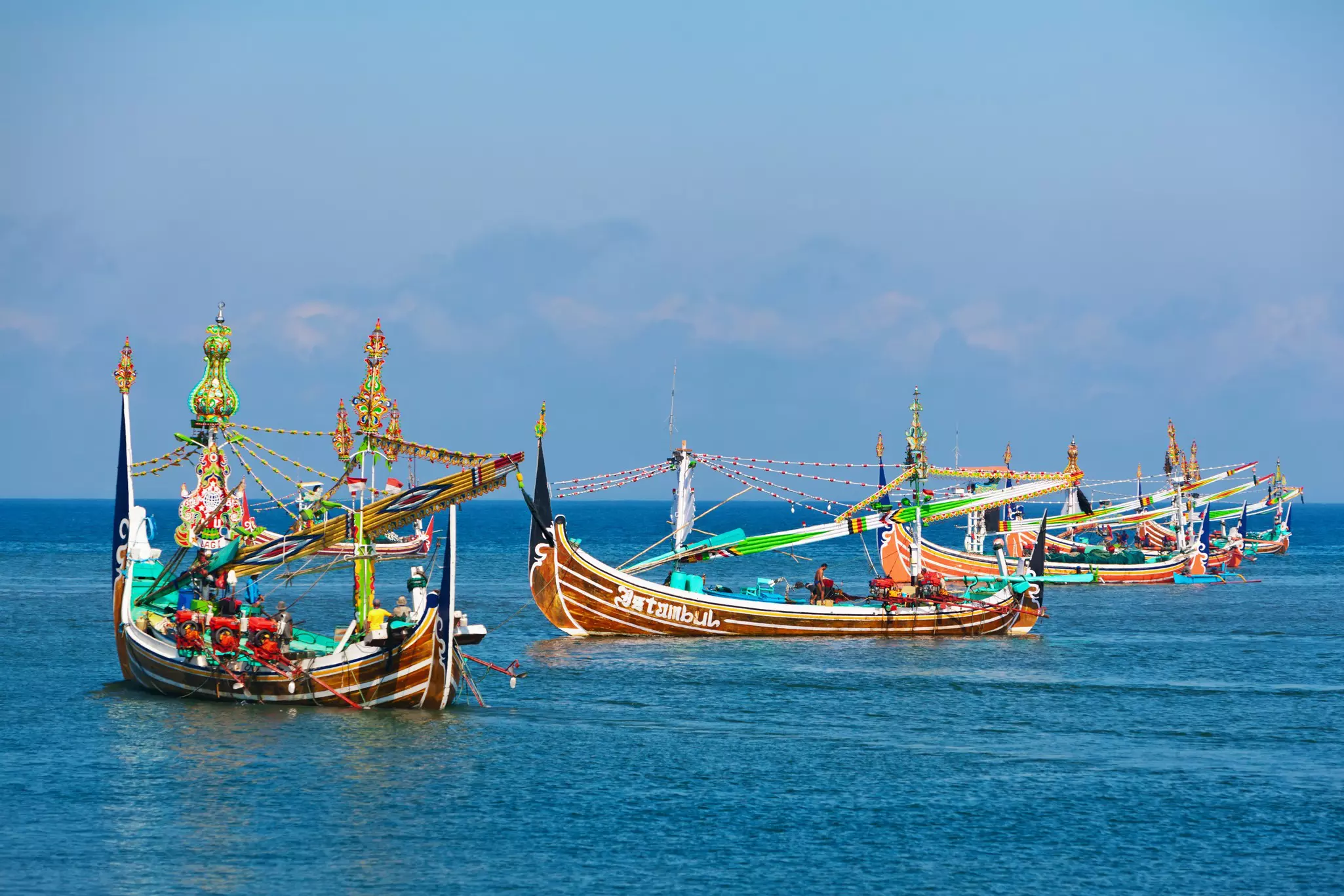
The fleet of selerek (traditional fishing boats) at Perancak inlet are quite simply one of the most astounding – and least known – sights on the entire island of Bali. Looking like day-glow Viking longboats with their ranks of longtail engines spiking out from their vibrant hulls and the strangely decorated crow’s nests (many shaped like chariots), these boats astound any visitor who takes the trouble to get out to unspoiled West Bali.
If you want a closer look, the extremely helpful Ibu Anita (WhatsApp - +62 819 1627 87 97) arranges a boatman for an hourlong cruise around the fleet and a tour into the nearby mangrove forests.
When to go: Dawn is the most beautiful time to visit since the coastal breeze barely ripples the mirror-like surface of the inlet. Sunset is equally breathtaking, but we wouldn’t recommend driving the busy Negara road (main thoroughfare to Java) in the dark.
Getting there: It’s a gorgeous drive (about 40 mins) west from Medewi through some of the most breathtakingly beautiful paddies on the island, yet you’re unlikely to see a single other tourist here!
Pair with: Continue westward to The Menjangan for some unforgettable wildlife sightings and a delicious lunch on a stilted platform over the reef where wild Sambar deer often rest.
Need help planning your next trip? Check out Lonely Planet Journeys to get connected to a local expert who can craft a custom itinerary for you.
Explore related stories