Oct 14, 202611 min read
Embracing the Magic of Fall in Central SloveniaSponsored by
This article was paid for and produced with Slovenian Tourist Board. Paid content is produced separately from Lonely Planet's editorial coverage. Product availability and terms are subject to change; please verify details directly with service providers.
Oct 14, 2026
11 MIN READ
Writer
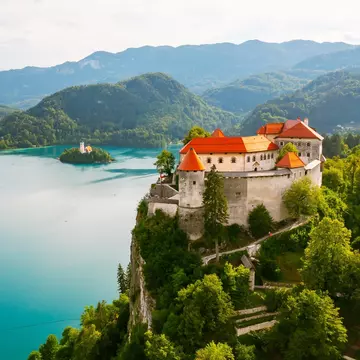
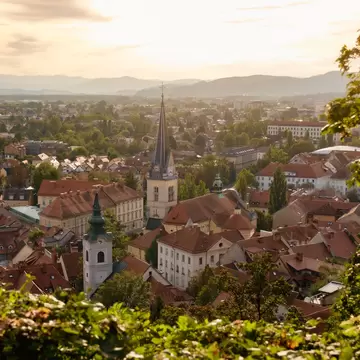
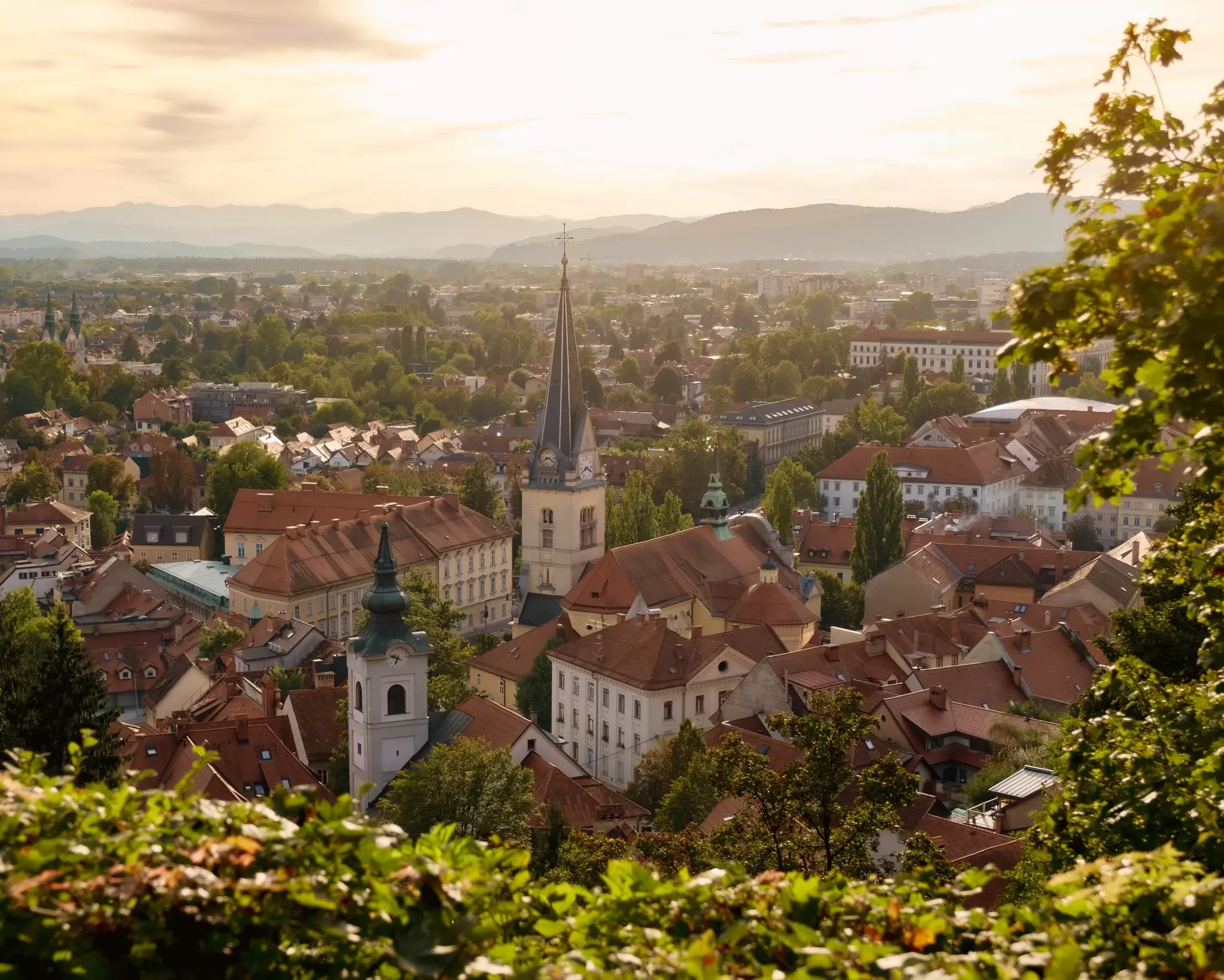
Ljubljanski Castle in Ljubljana, Slovenia. Martin Pauer for Lonely Planet
Writer
Fall, as a season, is arguably the best. Cool breezes, bright, clear skies and the kind of light that settles like a golden glow for a few short weeks. And nowhere is this season more radiant than in Central Slovenia. It shouldn’t be a surprise, really: This gorgeous region is the kind of place that revels in going against the grain, marching (or better yet, strolling or exploring) to the beat of its own drum.
Where other places might start winding down at the end of the highest volume season, Central Slovenia is just warming up, in the very best way. Once the heat waves of summer fade, fireplaces alight; in towns and cities, and forests and meadows around the country, the welcoming scents of autumn perfume the air. Indeed, you might call it the quiet season, but I hear the sounds of Central Slovenia loud and clear.
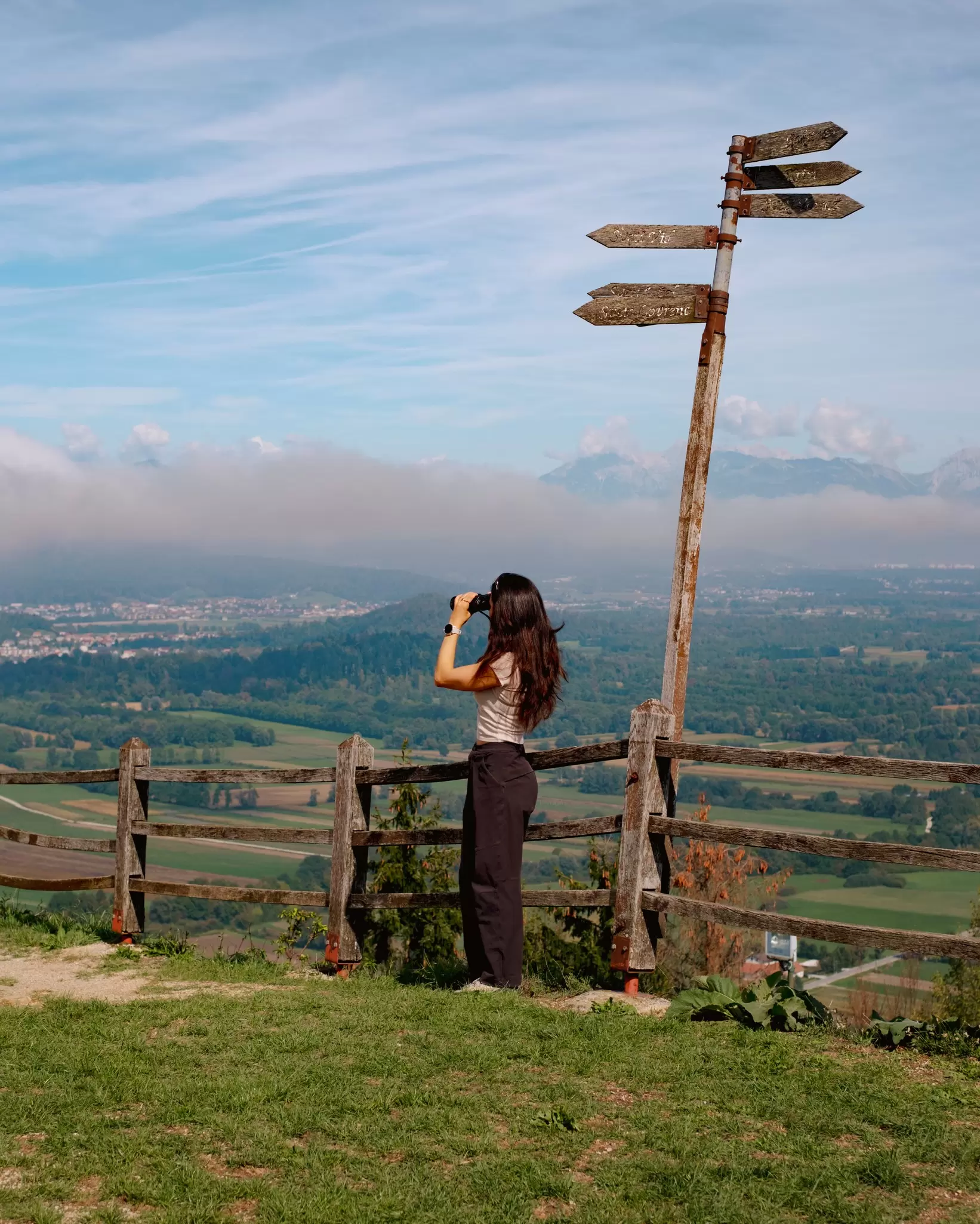
Try though I have throughout my life, I cannot avoid the undeniable truth that I’m a city kid. I’m from New York, and I guess we can’t help but yearn for the buzz that bounces off of city streets. But Ljubljana isn’t just any city: the cozy capital has the uncanny ability to feel intimate and urbane at the same time. Thoughtfully laid out pedestrian streets give us the chance to soak in the buildings around us, many of which come from the mind of Slovenia’s most famous architect, Jože Plečnik.
Few people understand that balance better than Ana Porok, curator for architecture and design at the Museum and Galleries of Ljubljana (MGML) who oversees Plečnik House. Jože Plečnik, she explains, shaped the capital into “a total work of art, where buildings, bridges, squares, parks and river embankments form a carefully considered whole.” It’s an architecture that “invites people to walk, pause, meet and experience their surroundings,” ideal for a crisp autumn stroll. Porok suggests following one of the routes he designed for pedestrians, starting at his home in the Trnovo district, then walking toward the center via the Trnovo Bridge and continuing along Emonska and Vegova streets towards Congress Square. “Ultimately,” Porok says, “the best way to discover Plečnik’s Ljubljana is simply to walk through it.”
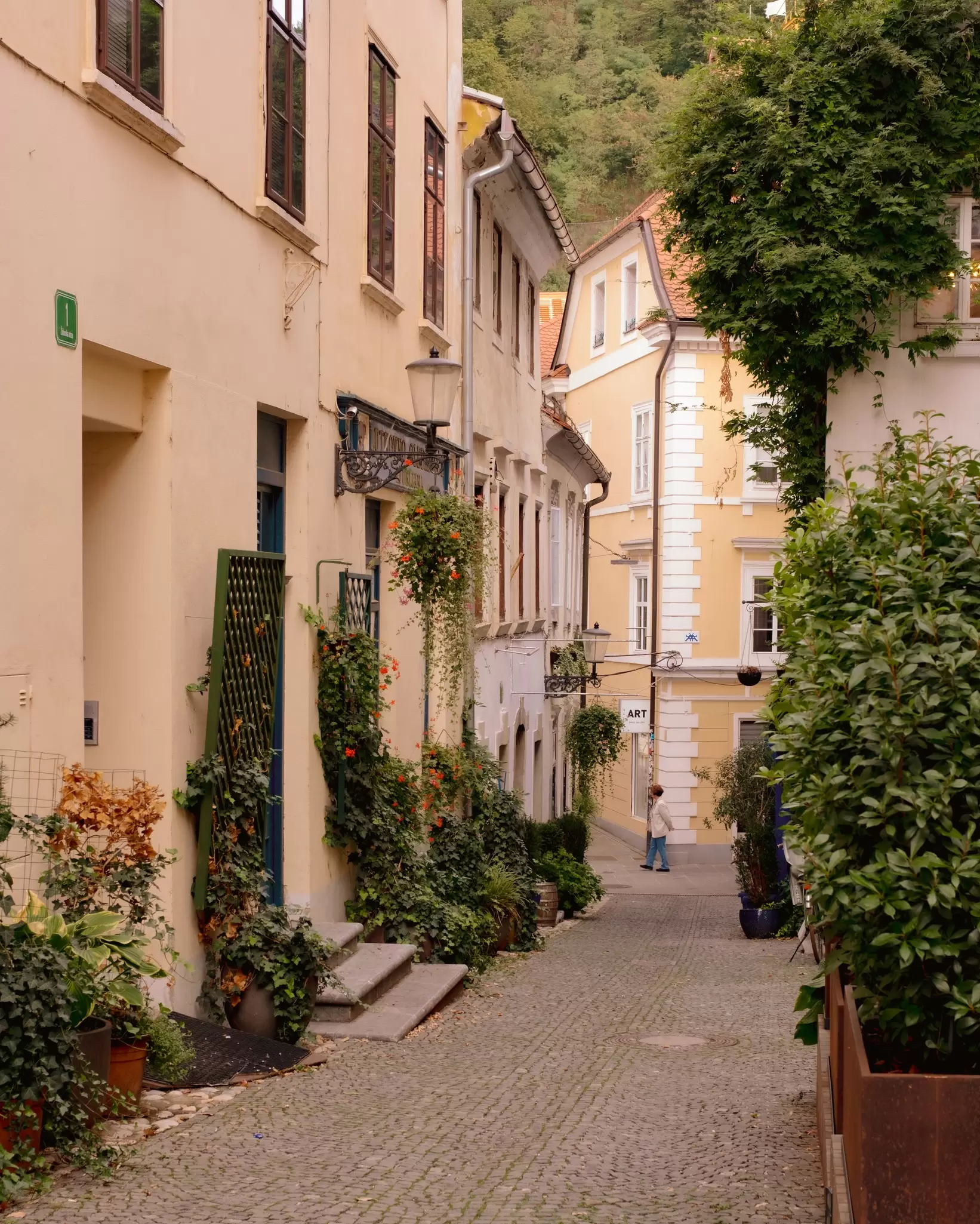
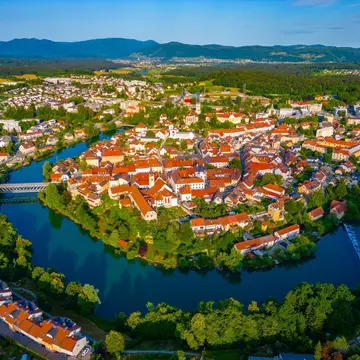
His success is evident. Moody cafes line the leafy cobblestone lanes along the Ljubljanica River, and vintage finds mingle with boutique concept shops all over the city center. Fall temperatures make it all the more alluring, with slow walks through the pedestrian-only old town, dining at award-winning restaurants and sampling flavors from iconic food markets.
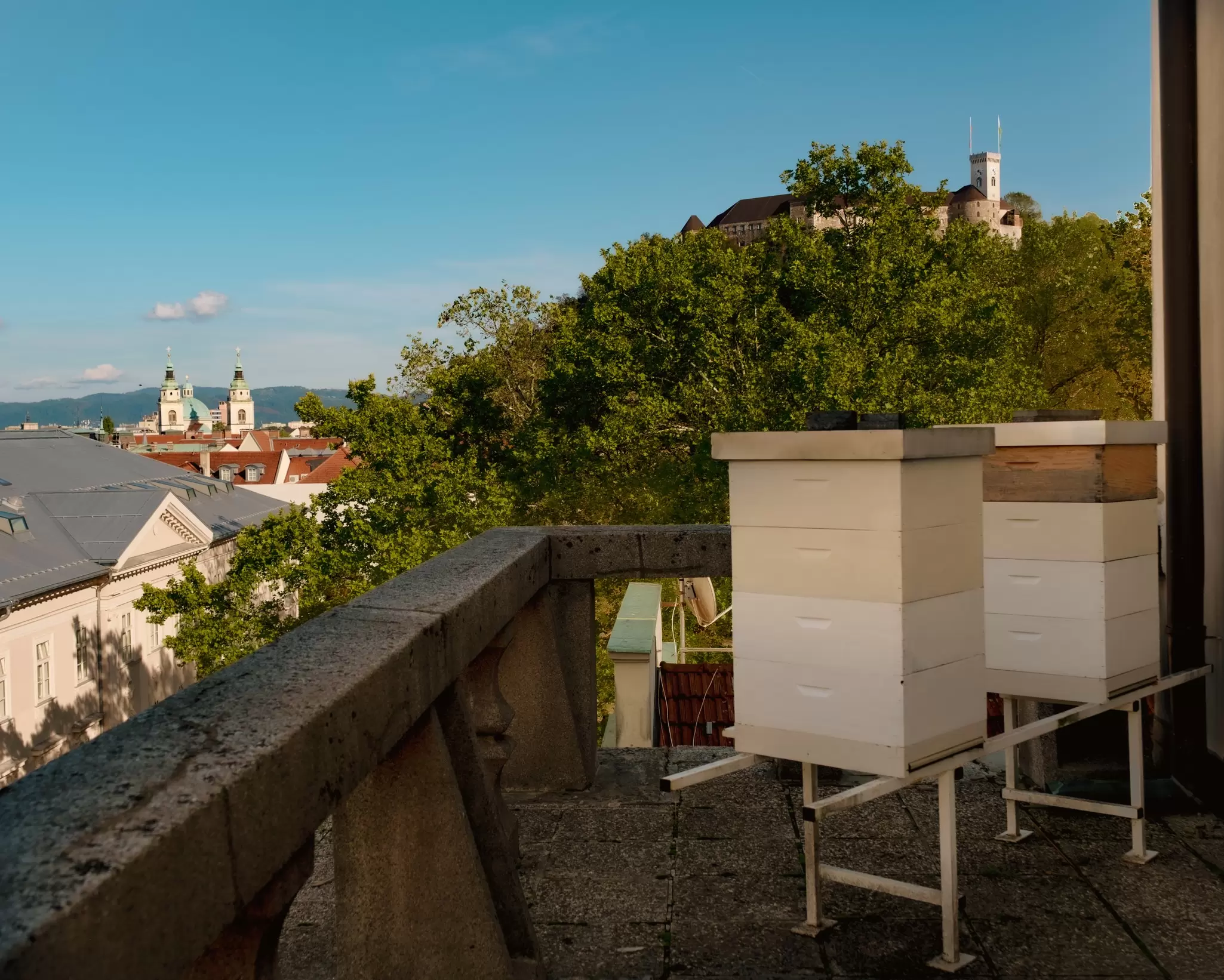
Central Slovenia rewards nature lovers just as much as city dwellers. The country’s thriving bee keeping culture underpins the more than 4,500 beehives found in and around the city, and bee-friendly planting creates pollinator corridors to sustain these miraculous creatures. Explore the interdisciplinary Bee Path and you might run into local urban beekeeper Aleš Süssinger, who maintains hives on the roof of Jože Plečnik Grammar School in the city center as well as at Ljubljana Castle Hill. These precious drops of golden local honey are alive with a flavor of Ljubljana, and its continuous evolution with the rhythms of nature.
But the rooftops are only one place to see the city differently. The Ljubljanica river runs through the city and with it, unique opportunities like stand-up paddle boarding through the city. Immerse yourself in an entirely different perspective of the city on tours that start south of Trnovo, one of Ljubljana's neighborhoods, whose gentle current makes this an activity for even casual sports fans. Stop off or circle back to the Botanical Garden, a sanctuary to native flora where the tropical air of the greenhouses contrast to the crispness of a typical fall afternoon.
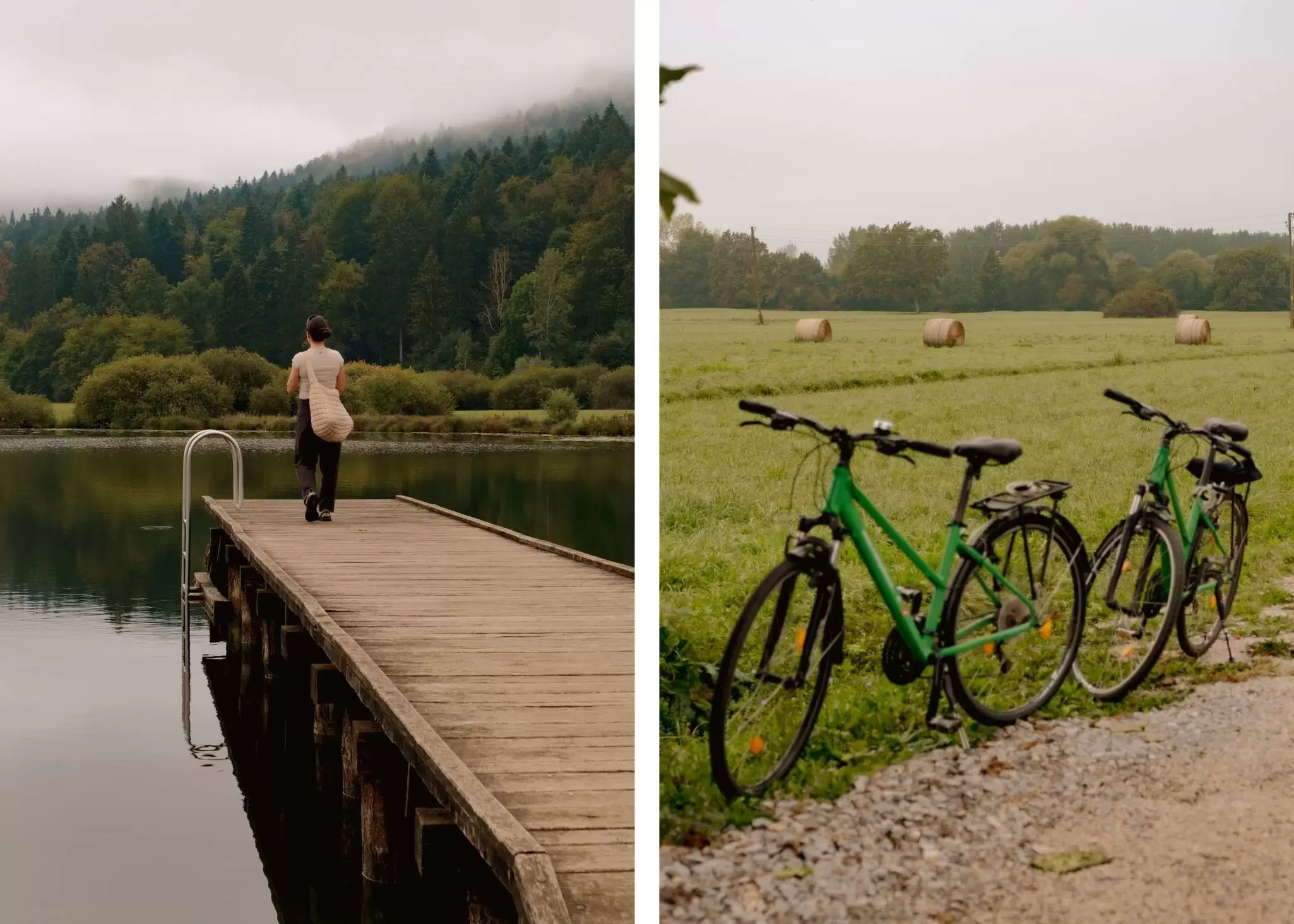
Slovenia is the sort of place where nothing is ever too far, yet even the smallest distances feel like stepping into a different world. An easy twenty minute bike ride from the city center to Ljubljana Marshes is a journey from cobblestone streets to car-free gravel roads with the river on one side and picture perfect neighborhoods all around you. The city disappears as you ride through the spectacular and mysterious wetlands. Spot one of the many species of birds that call this protected zone home and spy unique plants like the carnivorous sundews and wild orchids.
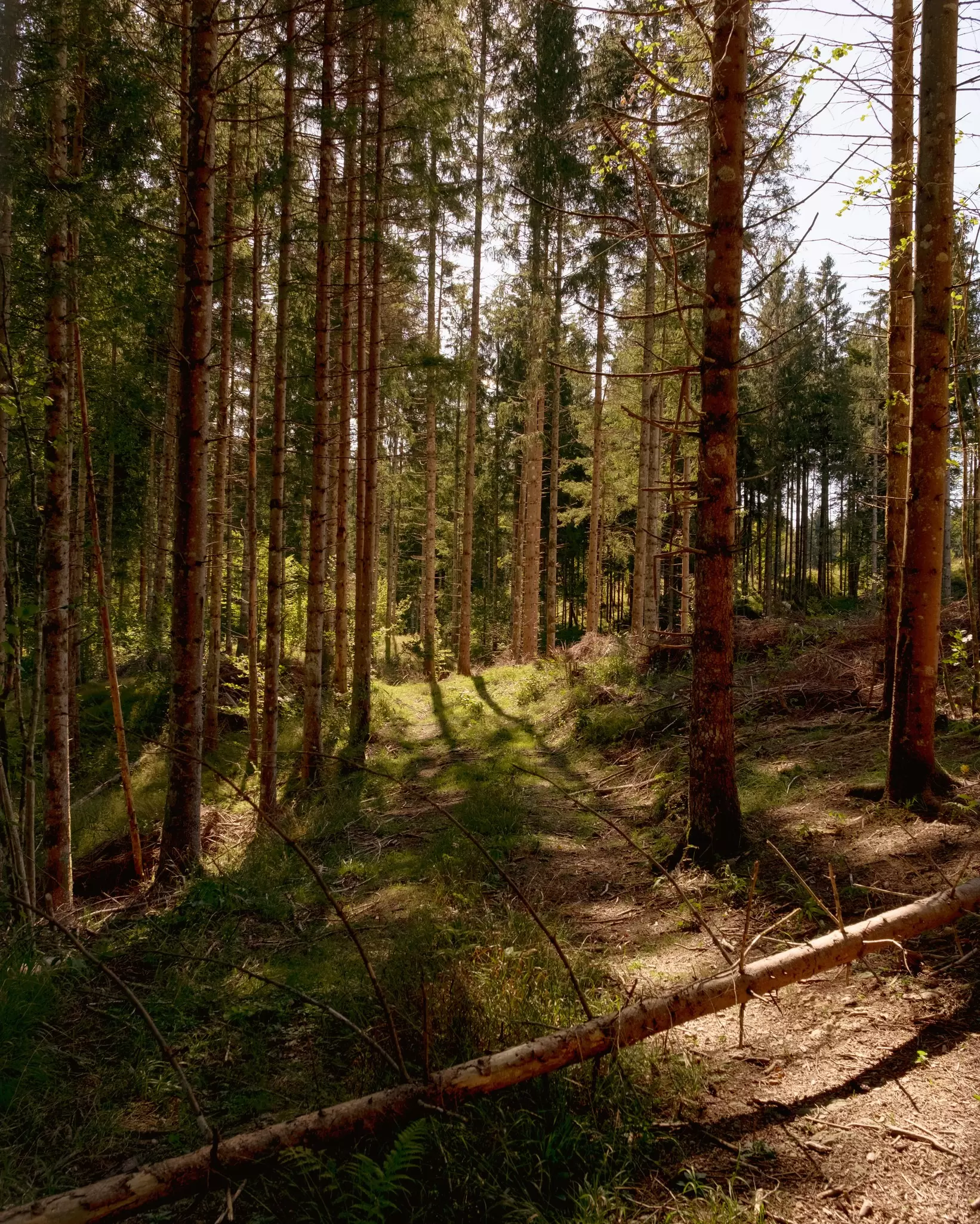
But while the city is itself a magical wonderland, in a little over an hour, you could find yourself in a part of Central Slovenia where enchanting trails lead to fairy tale castles that will exceed even the most vivid imaginations. And when I say fairy tale, I really mean it.
Historically, much of what is now central Slovenia, including Ljubljana and the land south to the Croatian border, belonged to the Duchy of Carniola, or Kranjska in Slovene. You’ll still see plenty of reminders of this legacy around the country, particularly when you tuck into a traditional sausage (Kranjska klobasa). But as Central Slovenia has evolved, the personality and particular history of its many corners has begun to shine through. The Kočevsko region feels quite literally plucked from a storybook. Watch the seasons change and feel the pace of everything slowing like the gentle breezes passing through leafy and evergreen trees. Places like Kočevsko allow us to rest, to reset, and to see the world with fresh eyes. More than ticking off a bucket list or mining the world for “hidden gems,” this is what we really need.
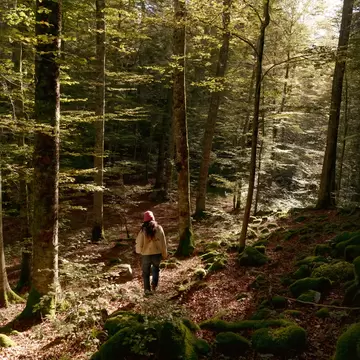
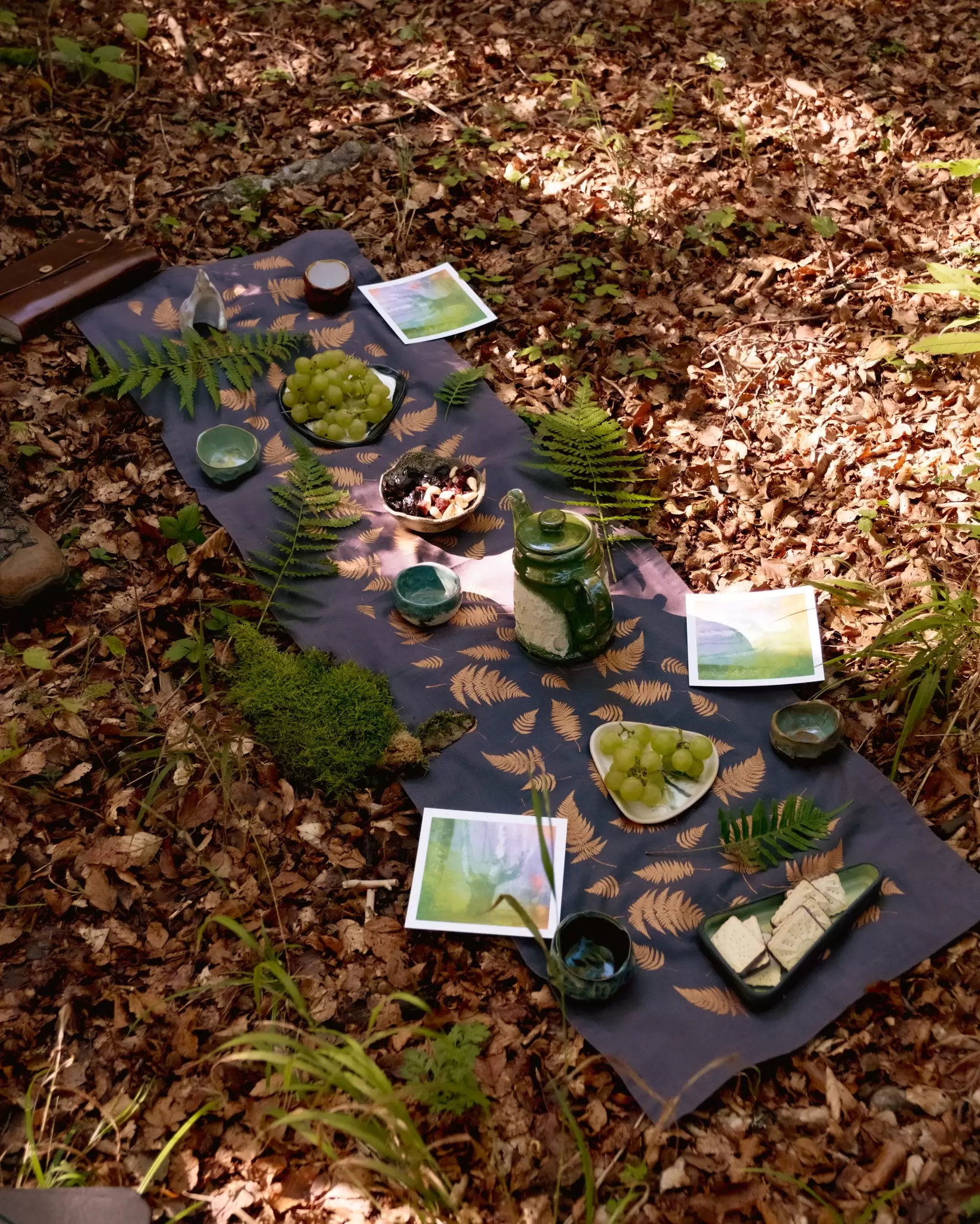
If you’re not yet familiar with forest bathing (or even if you are), there’s almost no better place to kick off your shoes and awaken your senses. Although it’s become far more popular in recent years, forms of natural therapy have been practiced in the woods around Kočevje for centuries. Petra Draškovič Pelc has dedicated her life to bringing the benefits of the forest to people by bringing people to the forest. “Through years of tracking wildlife and guiding in the Kočevje region, I realized how fundamental the forest is to my well-being and creativity. Having experienced burnout in the past, I recognized firsthand the healing and restorative power of nature. This inspired me to become a trained forest therapy guide.”
“I now offer a "forest detox experience" in Kočevsko. In this role, I don't see myself as the therapist—the forest itself holds that role. As a guide, I simply offer invitations to help guests slow down, engage their senses, and step out of their minds. When we open ourselves to the experience, nature has a remarkable ability to restore and renew us.”
There are any number of places to immerse yourself in nature around the region, all of which have their own unique spirit. Trails lead to Kočevski Rog, a karst plateau that, unlike the mountainous areas in Western Slovenia, is covered in dense, verdant forest. The Krokar Primeval Forest has remained untouched by human intervention, and peeking in on more than 70 hectares (entry is not permitted to preserve it), you’ll find toppled trees covered in moss, forming new configurations and finding second lives. The white birch trees that give Bela Krajina its name (Bela is Slovene for white) glow in the light of the sun and moon, giving it the same otherworldly atmosphere that still inspires folk tales and songs.
But it is not just the birches that lend Bela Krajina its glow. Flax is traditionally grown and woven in the region and made into traditional white linen clothing once worn by local people. There is white limestone that fills the soil, a highlight of the karst landscape.
If your full immersion leaves you with an empty belly, head to the picture perfect towns of Črnomelj, Metlika, Semič, or Dragatuš, a village that is well known for preserving the ancient dialect of the region.
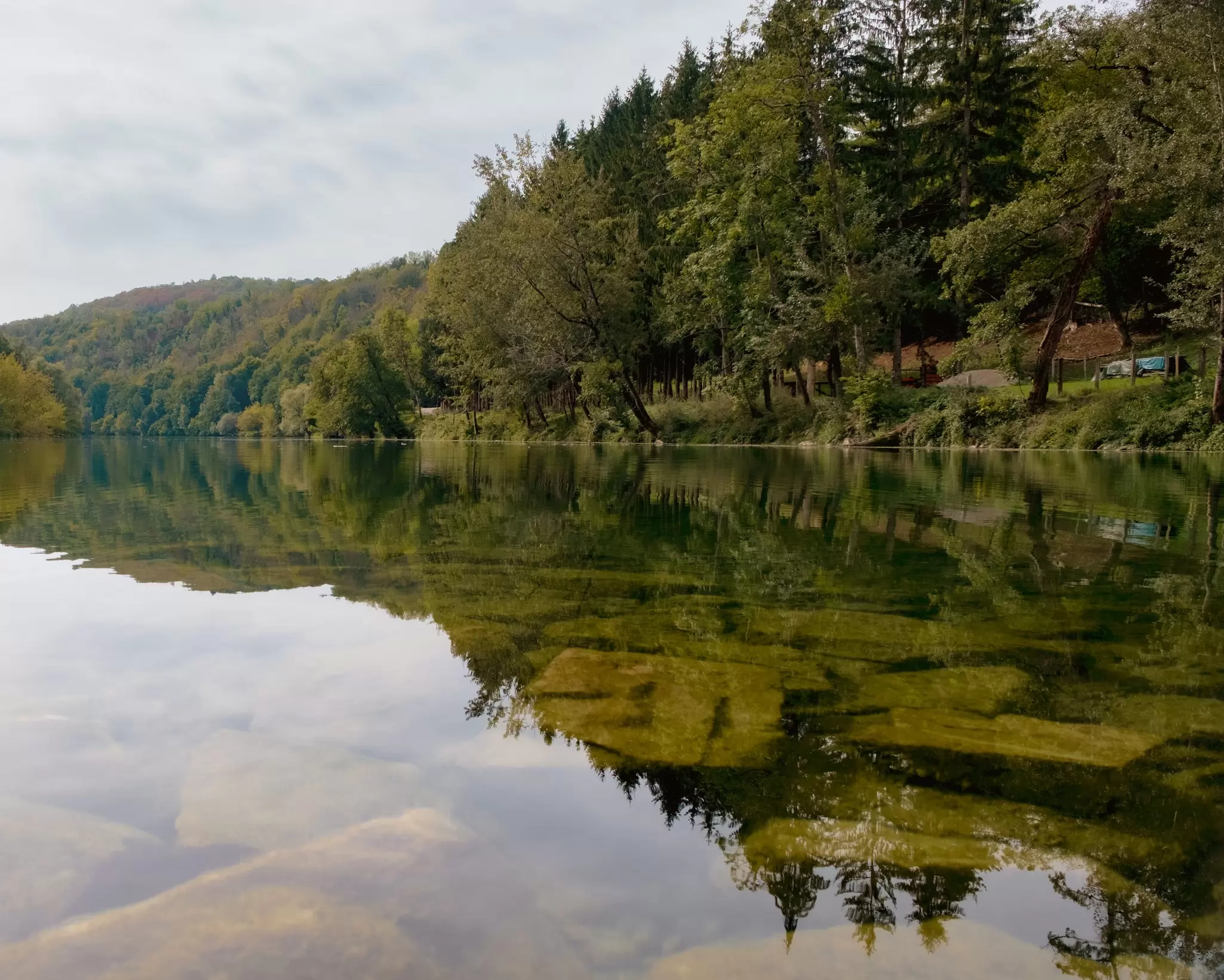
The Kolpa river forms a natural border with Croatia and is truly the lifeblood of the Bela Krajina region. Known for being the warmest river in the country, the Kolpa is an ideal place to take a dip for those of us not yet inaugurated into the Polar Bear club, especially when the summer ends. Indeed, the river is alive with slow season activity, and you’ll often see Slovenian friends or families paddling down river on a crisp fall day. It’s one of those things that makes this such a special place: in Slovenia, time spent together is priceless, and it’s almost always spent outdoors. Plus, the colder it gets, the higher the likelihood of something warm to drink at the end of the day. Intrepid travelers who really want to quit the city can join in on Robinson Crusoe style boating, where you paddle between campsites for multiple days with just your compass to keep you company.
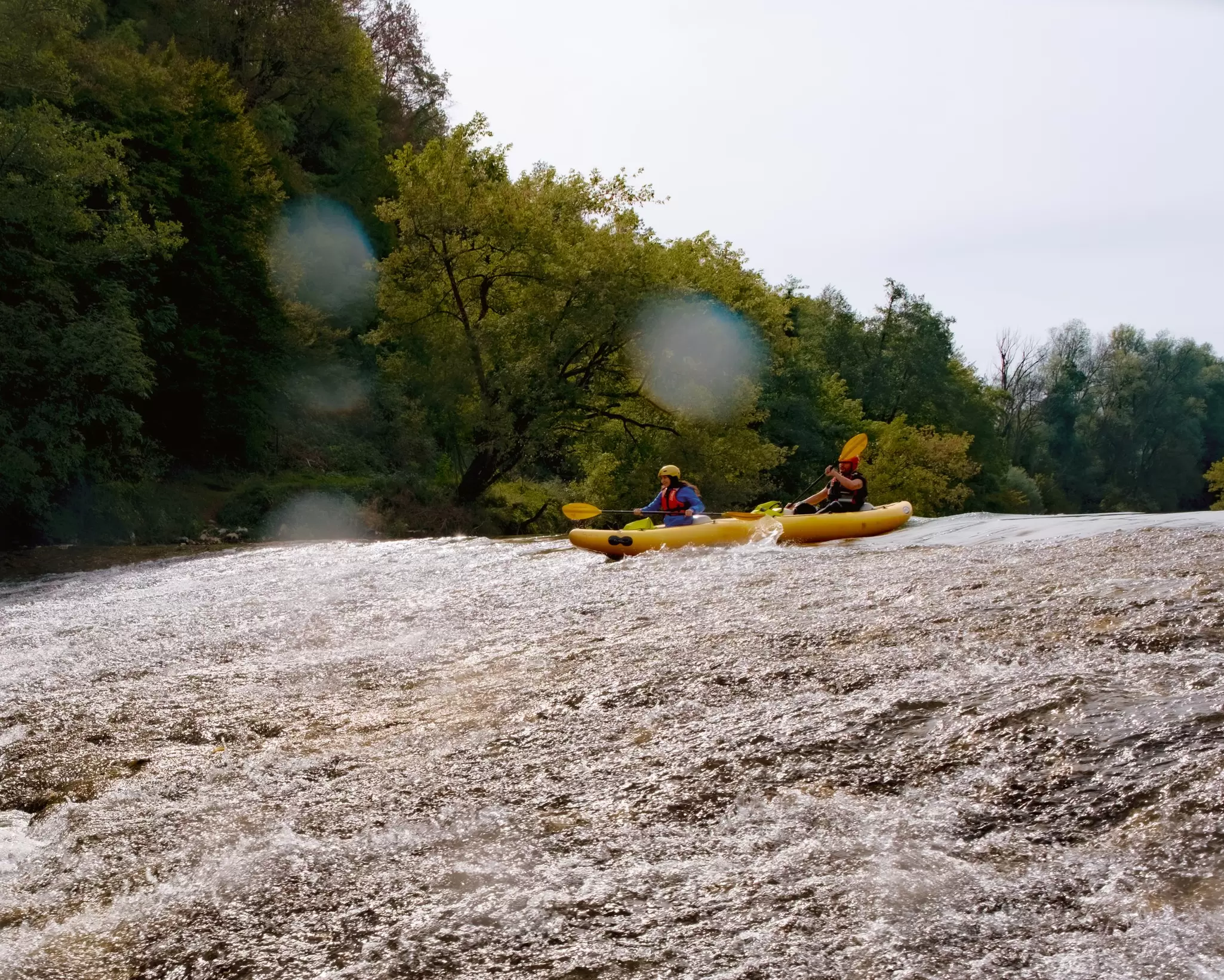
If you’re not quite ready to unplug from man or machine (no judgement, me neither), you can visit some of the most idyllic villages in Slovenia that dot the banks of the Kolpa. In the area around Adlešiči, take a day to check out the intricate art of easter egg decorating that employs batik artwork and wax; you’ll never look at an omelette the same way. Continue with your canoe or follow the river with a bike to get to Metlika, where egg decorating, wine making, and the Bela Krajina museum all preserve a different part of the region’s cultural heritage. It’s a world apart, but you’ll feel ever more connected to the art of slow living.
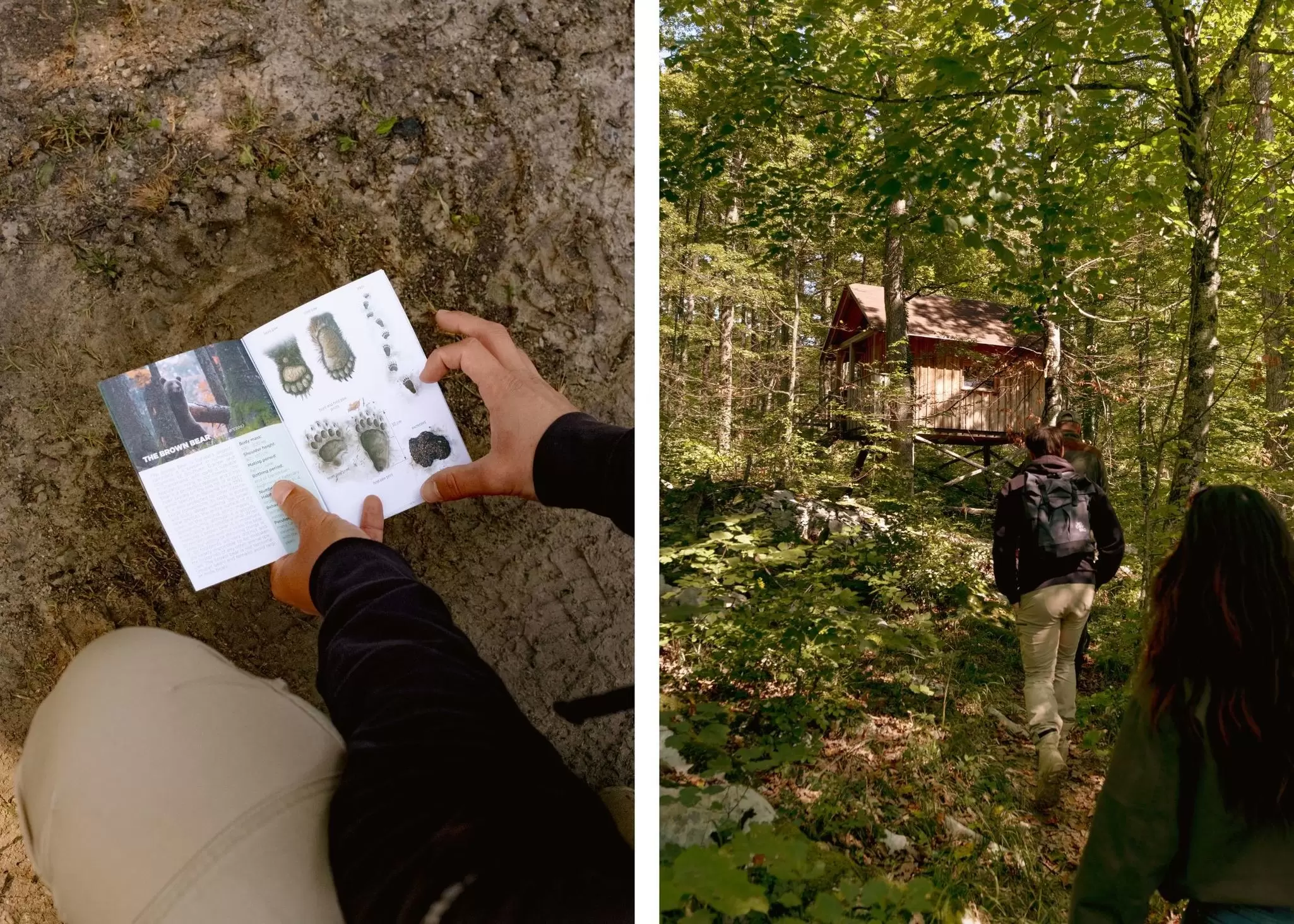
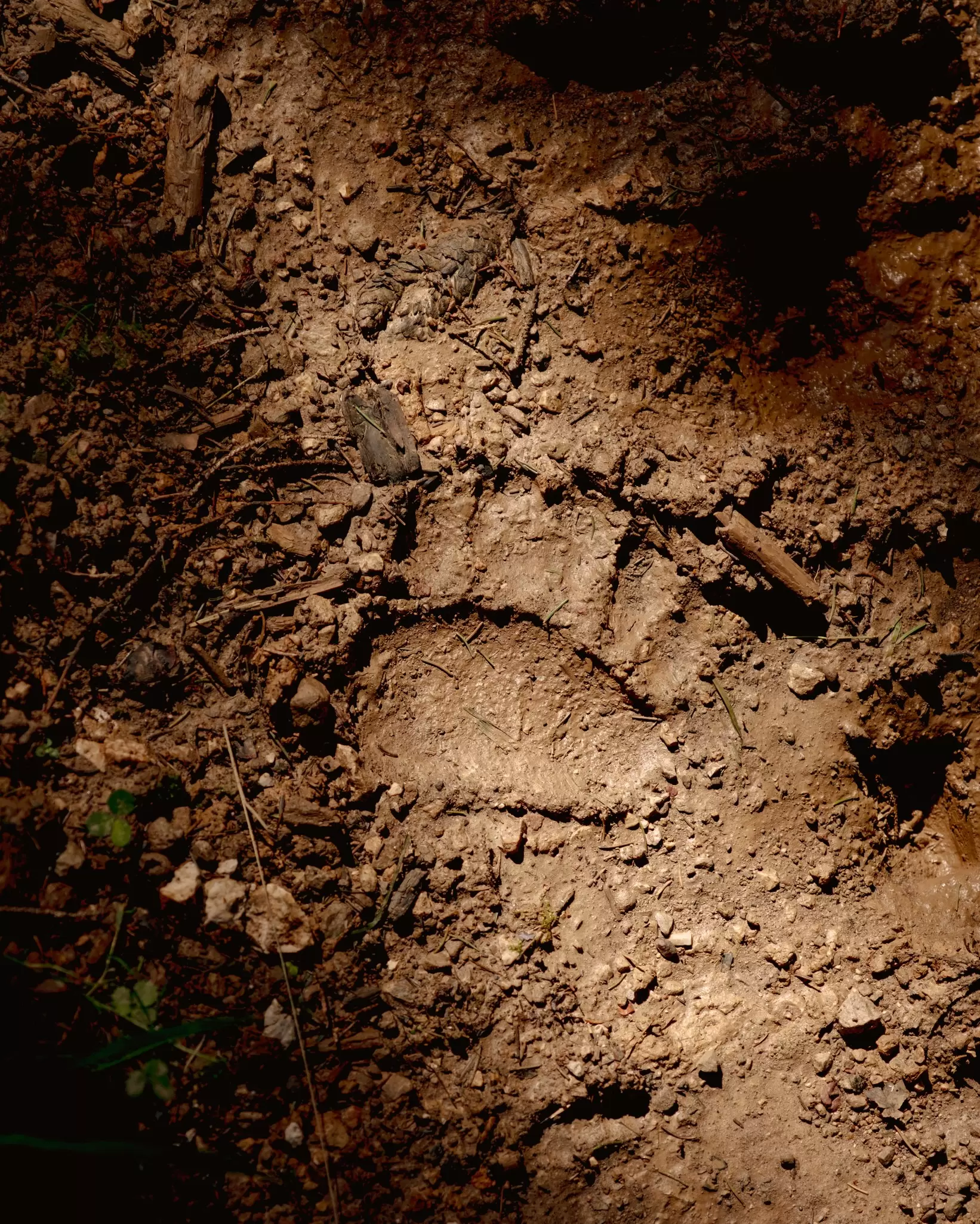
Ok, so maybe I buried the lede. This snug corner of Slovenia doesn’t just have a surplus of beautiful places that will make you feel like you’re in a fairy tale. The forest around Kočevje is one of the best places in the world to safely observe brown bears in their natural habitat (and without having to call upon your fight or flight response). Between May and October, brown bears roam the primeval forests much like the rest of us on summer holidays, and in the evening you can watch them from one of the purpose built observation cabins in the woods. The Kočevje region is also a habitat to other large carnivores, so keep a careful eye because you may also see signs of wolves and lynx.
Local guides accompany the curious, and they are experts in experiences. These trained locals accompany the guests and teach them how to respectfully enter the animal's natural habitat. Not only will they tell you where to look, but they’ll bring baskets full of local goodies to accompany the show. You won’t get dinner theatre like this anywhere in the city, and once you’ve seen the Kings and Queens of the Forest, I guarantee you’ll feel just a little bit closer to understanding how much of the world is still there to awe and make us wonder. As Gal Hočevar, who runs the Bear observation program in Kočevsko, says, “Seeing the bear is the highlight of the experience, but it is not where the experience ends. What matters is [gaining] a deeper understanding of the forest, a new perspective on the delicate world around us, and perhaps a greater appreciation for the fact that we can still share our landscape with such magnificent wild animals.”
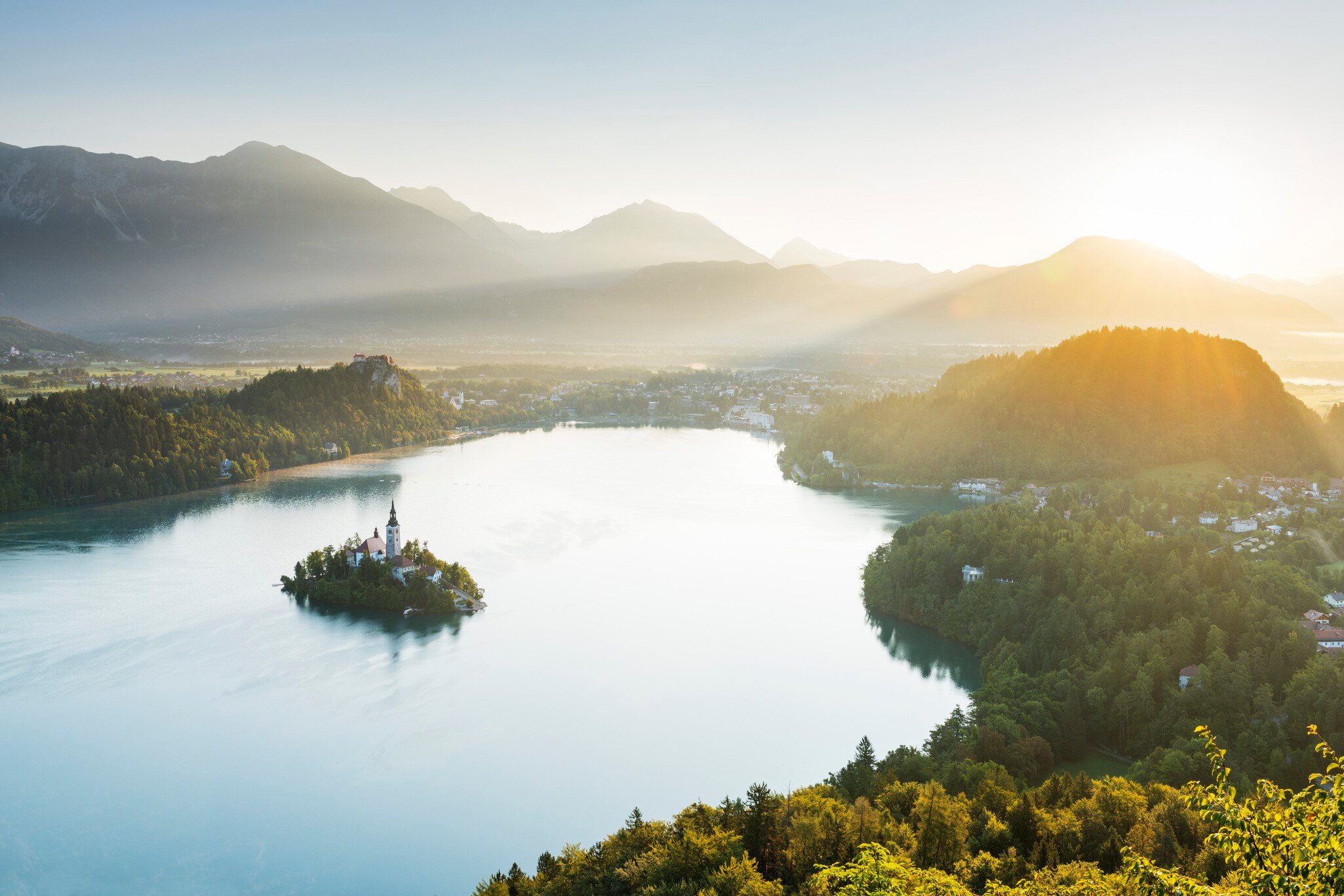
I suppose that’s the thing that brings me back to Slovenia time and again. It’s one of those places where magic still exists, where it isn’t just for the summertime, and where there’s nothing wrong with a little whimsy. It’s a place that manages to live on the fine balance between science and myth, between philosophy and folklore. Talk to any Slovenian and they’ll tell you that there’s no reason to choose between those things, just like there’s no reason to choose between city life and natural wonder. Indeed, maybe we could all use a little bit of the whimsy that only comes when we slow down and let it in.
Book your Slovenia trip with Lonely Planet Journeys
See Slovenia how it's meant to be seen
Accommodations, activities and ground transportation all taken care of, so you can focus on the fun part. Tell us what your dream trip to Slovenia looks like, and our local experts will build it from scratch. Or start with one of our itineraries and make it your own.
Explore related stories