Aug 6, 20269 min read
8 Best Places to Visit in Slovenia Aug 6, 2026
9 MIN READ
Contributors
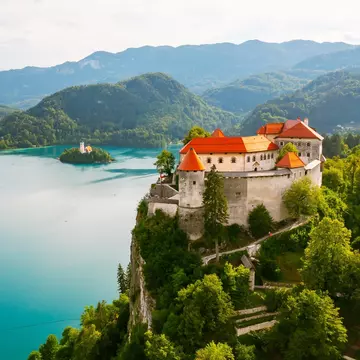
Bled Castle. Vladimka production/Shutterstock

Contributors


Alex Crevar, Mark Baker
Highlights
Writers Alex Crevar and Mark Baker pick eight top destinations in Slovenia.
Ljubljana suits architecture fans, Lake Bled romantics and Maribor history buffs.
Hike Lake Bohinj's rural hamlets, raft Bovec's Soča River or visit Karst's Postojna Cave.
Splash in the Adriatic at Piran or sip wines across Goriška Brda's rolling hills.
Lonely Planet may earn a commission from affiliate links on our site. All recommendations and reviews reflect our own independent opinions.
For proof that good things come in small packages, one need only visit Slovenia. This Central European country packs breathtaking mountain scenery, lively coastal resorts, fashionable cities, crystal-clear lakes and rivers, and isolated villages into an area that can be driven across in around 3 hours.
Better still, because of its compact size, you can take in most or all of the top places to visit within the course of one trip. In the span of a few days, you can walk in the Alps, kayak a glacial waterway, visit some world-class winemaking regions and take a dip in the sea. Don't worry if you're not able to name many cities, regions or landmarks in this stunning country. Slovenia – hiding in plain sight – is waiting to be explored.
To explore more about Slovenia and start planning your trip, download the Lonely Planet App.
Best for architecture
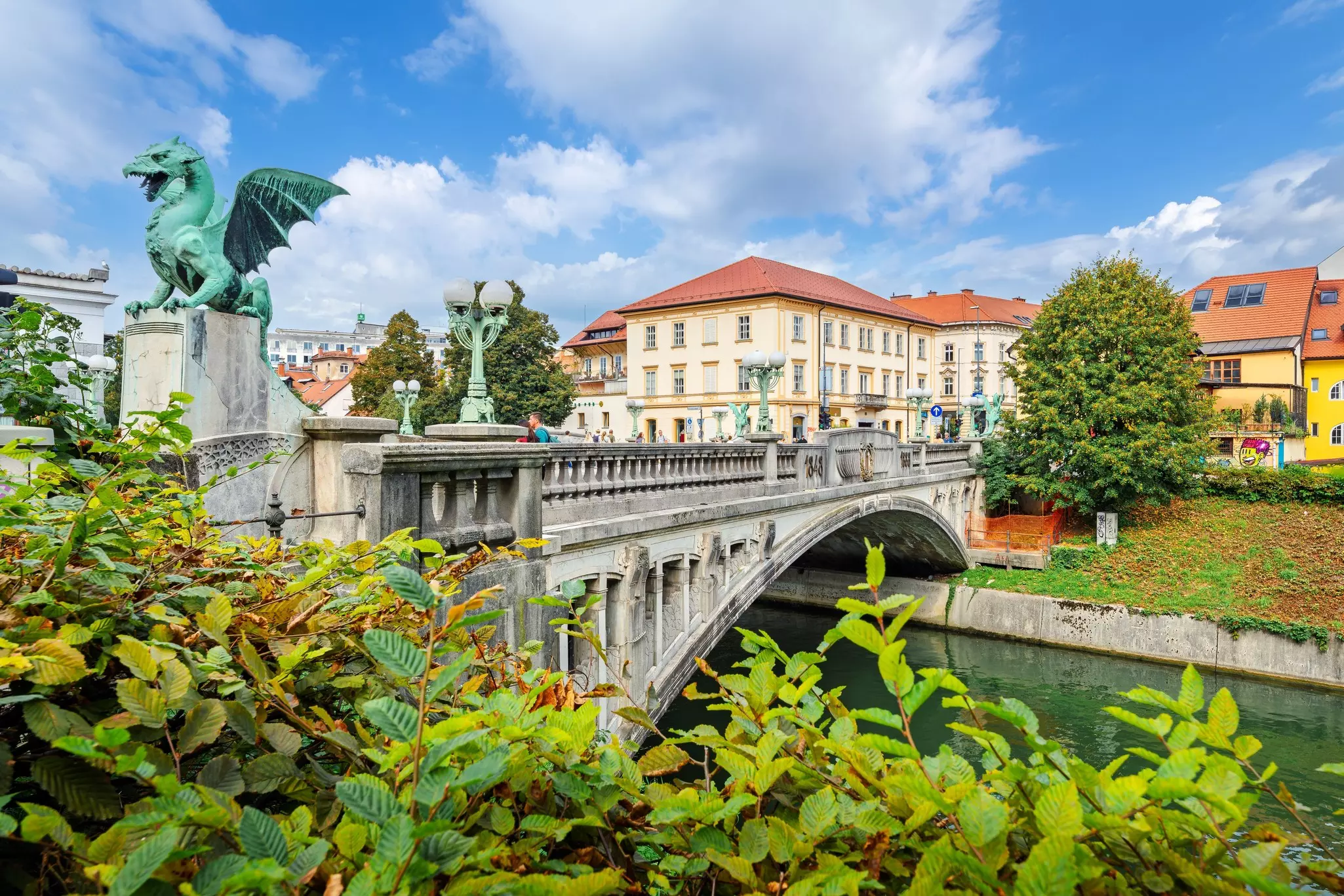
All roads in Slovenia lead to the capital, and not just because it’s situated in the center of the country. Ljubljana buzzes with cycling residents, alternative culture and eclectic restaurants, museums and cafes. However, the setting alone is worth a visit – every square's architecture reveals the city’s history in stone and eye-catching ornamentation.
Start your investigation at the fairy-tale Ljubljana Castle, an ancient hilltop fortification whose origins date back to the 12th century. You can either hike a short but steep path to the top or take the funicular. Once there, poke around old medieval rooms that have been preserved and take in attractions like the Exhibition of Slovenian History or the Museum of Puppetry.
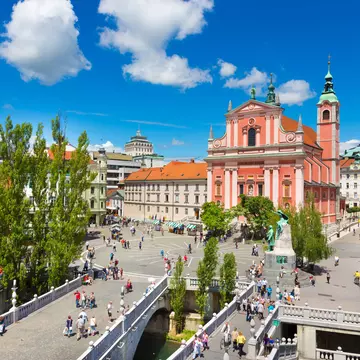
Make your way to the Old Town to admire the main square, Prešernov Trg, and its baroque, salmon-pink 17th-century Franciscan Church of the Annunciation. Several buildings here sport beautiful art nouveau and secessionist facades from the early 20th century.
Fans of early modern architecture will want to scout out the works of native son Jože Plečnik, a gifted architect who bequeathed several breathtaking bridges and buildings to the city during the first half of the 20th century. Many of his creations, including the dazzling Triple Bridge and the interior of the National and University Library, are UNESCO sites.
Planning tip: Central Ljubljana is closed to car-vehicle traffic, so stow your car on arrival and walk or take public transportation. Within the center, walking is a delight. The main promenade follows the Ljubljanica River, which is lined by restaurants and cafes. Another popular pedestrian route threads its way through the atmospheric Old Town.
Best for romance
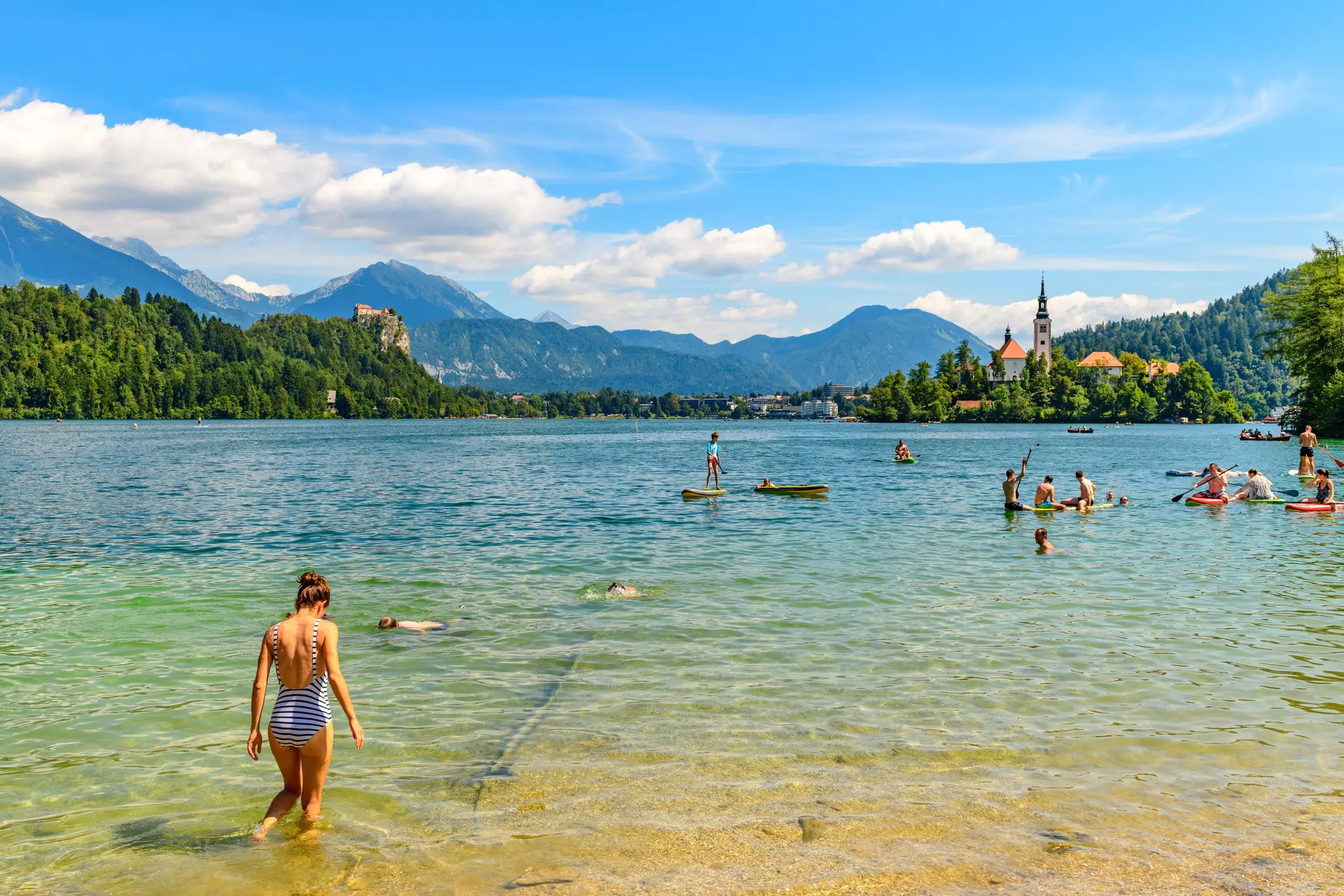
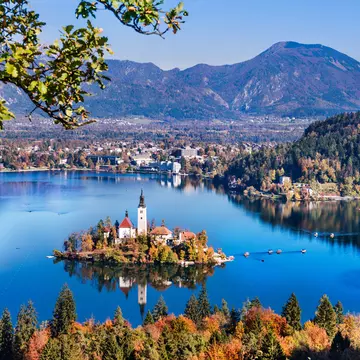
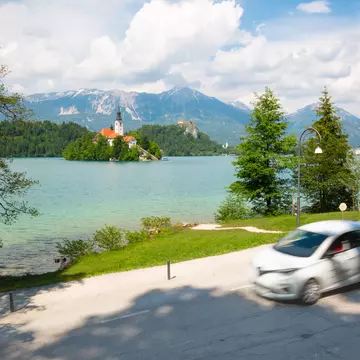
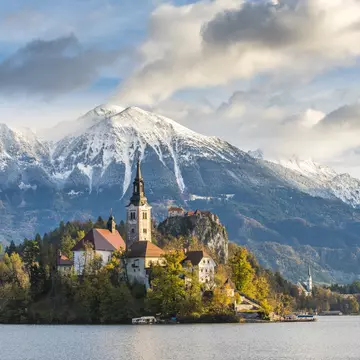
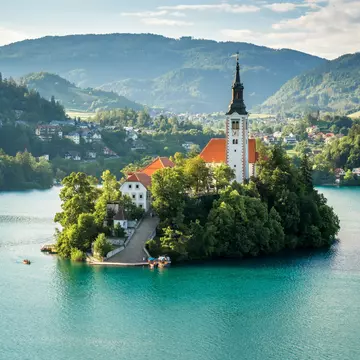
Whether you know it or not, you’ve likely seen Lake Bled before. The image of a seemingly mythical church standing in the middle of a turquoise lake is Slovenia’s most iconic image. Even in two dimensions, this magical place pulls at your heartstrings. When you see it in person, with that special someone by your side, get ready for fireworks.
Begin with a sunrise walk around the lake, about 5km and almost entirely flat. Three footpaths signposted "Grad" lead toward Bled Castle; each one involves a climb, but it's worth it for the views. Then visit magical, tiny Bled Island in the middle of the lake. Board a pletna, a wooden boat that resembles a Venetian gondola, and head over to climb the 99 stairs into the Church of the Assumption.
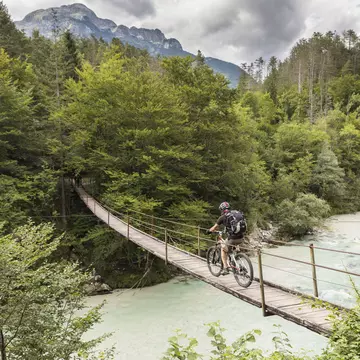
No romantic outing here is complete without an easy hike to Vintgar Gorge, around 4km from the center of town. Boardwalks and bridges take visitors on an intimate journey across the magical 1600m-long ravine.
Planning tip: Buy tickets for Vintgar Gorge in advance. Entry is staggered to protect the gorge; pets are also welcome with a special ticket.
Best for history
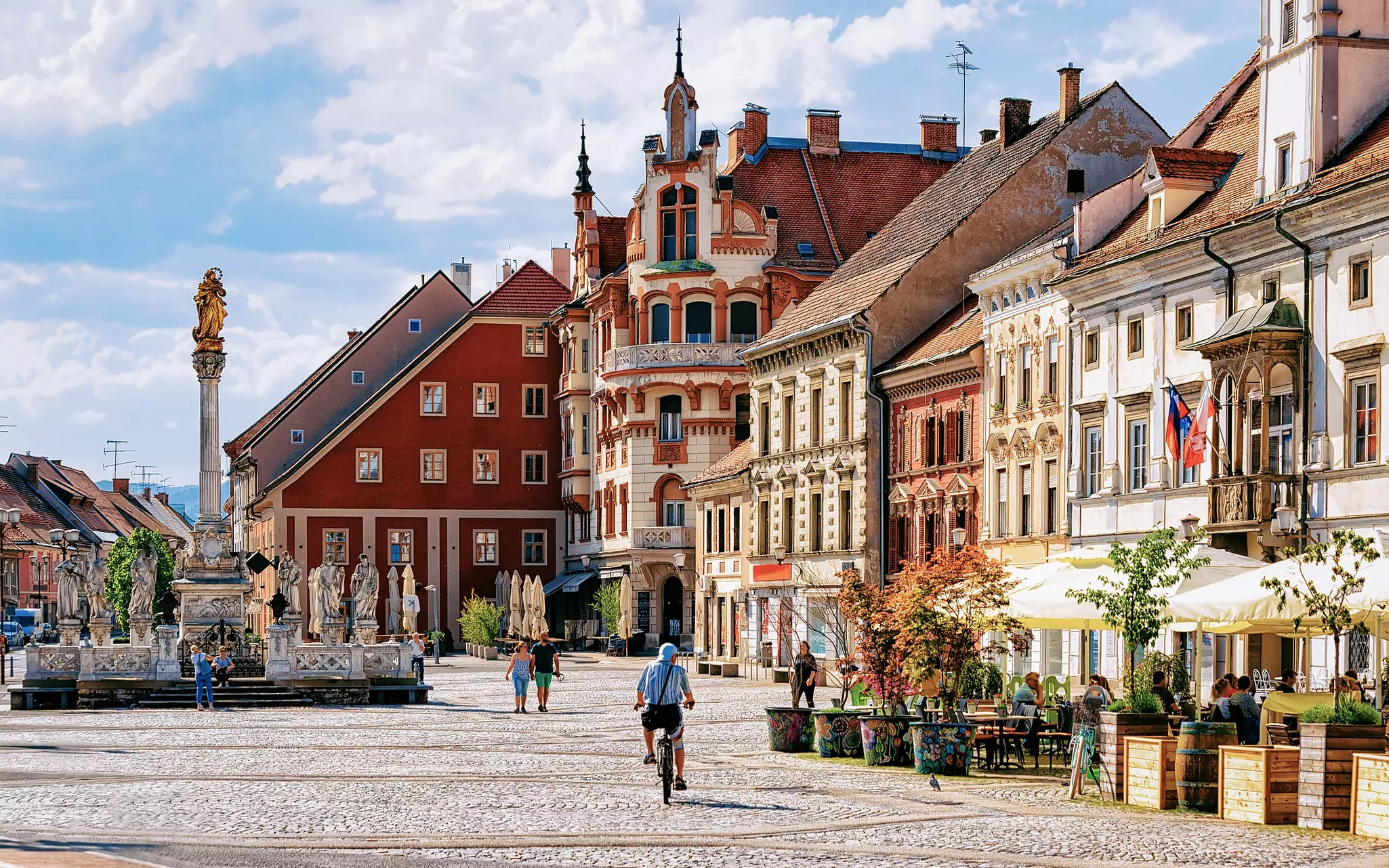
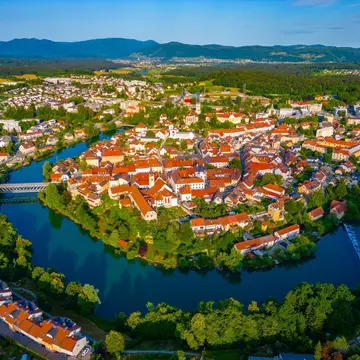
Maribor could fit into several “best of” categories. Slovenia’s second-largest city anchors the country's Podravska wine region and has a thriving gourmet scene, including some of the country’s best restaurants. Plus, because it sits on the Drava River, it's a hub for adventure activities like rafting, cycling and hiking. But Maribor is, at its heart, a treasure chest of historic layers.
Settled time and again during the Stone Age, the Celtic period and the Roman era, the modern city dates back to the Middle Ages. First, stop in at Maribor Castle, home of the regional museum, to get a historical overview; then explore the main medieval market square, Glavni Trg, where you’ll see the 16th-century town hall. Take a seat to enjoy a glass of wine at the Old Vine House – the world’s oldest producing vine, at more than 400 years old, climbs the facade and still produces fruit. If you want to stretch your legs some more, hike 30 minutes to the 12th-century castle Piramida.
Planning tip: Two excellent restaurants to try are Hiša Denk and Restavracija Mak. Book a table well in advance, particularly during the high season.
Best for local culture
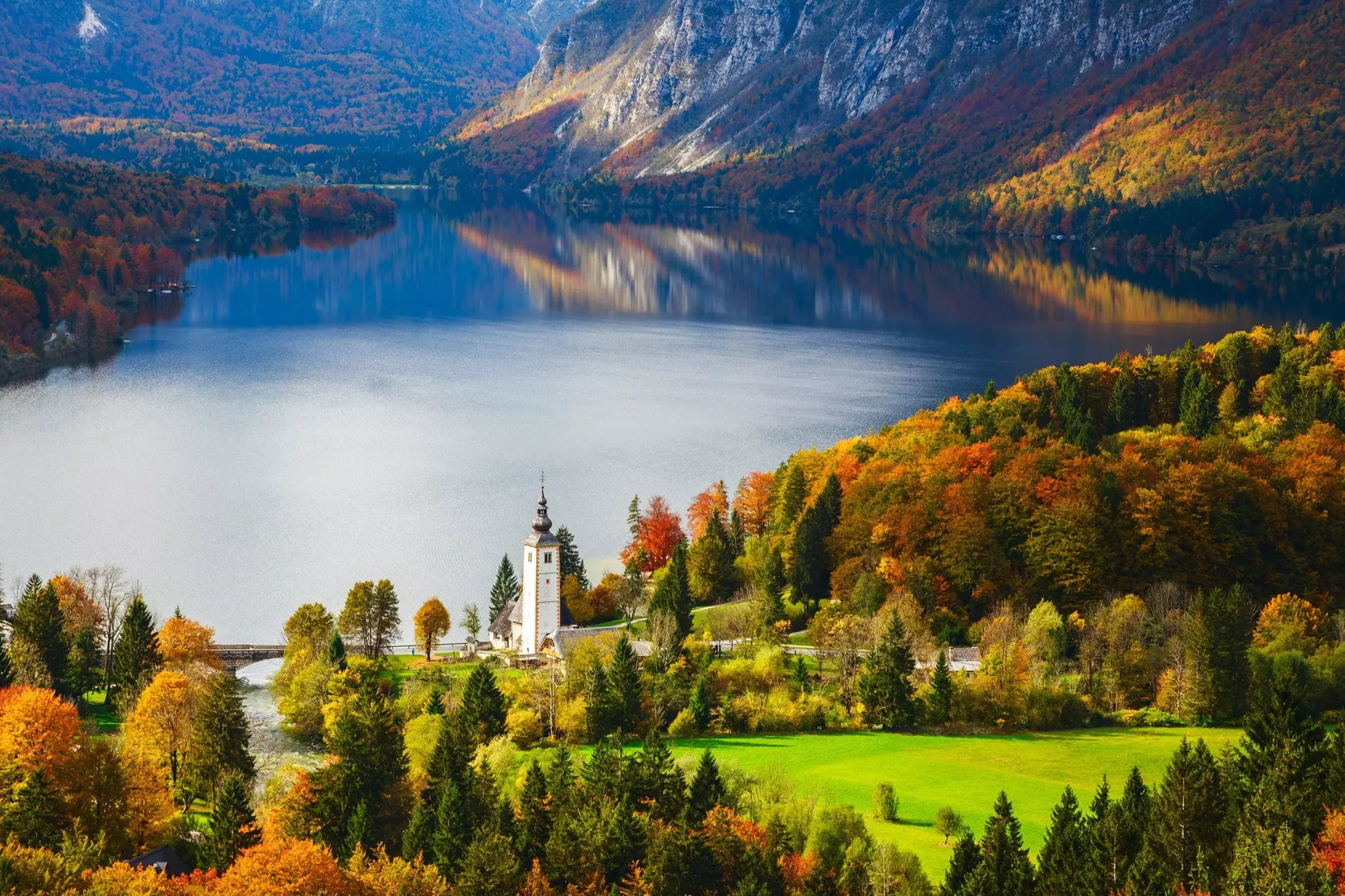
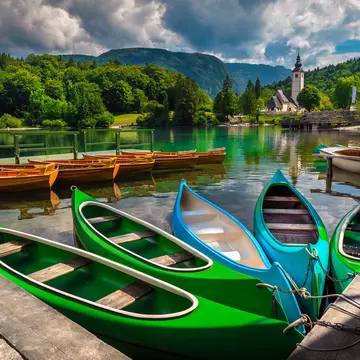
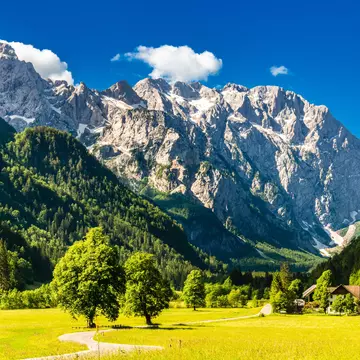
For a small country, Slovenia presents a surprising amount of regional variation. The communities surrounding pristine Lake Bohinj – Slovenia’s largest natural lake, tucked into the Triglav National Park – truly lean into their regional identity. Makers produce everything from distinct dairy and cheese products to meats, honey, jam and even gin. To find the genuine article, look for the “Bohinjsko” (from Bohinj) label, signifying it’s locally produced.
Hike out into the rural hamlets north of the lake to learn more about local lifestyles. At the Alpine Dairy Farming Museum in Stara Fužina, exhibits explain how farm-to-table is more than just a dining trend – the locals are passionate about their heritage. Give in to the temptation to sip on whatever is handed to you and just listen.
Bohinj comes into its own in summer, when you can swim or sail on the lake and hike or bike into the national park. Once you’re ready to travel again, board the scenic Bohinj Railway and ride it from the station at Bohinjska Bistrica all the way to Italy.
Planning tip: Lake Bohinj is lovely in springtime, when the annual International Wild Flower Festival allows you to experience the region from the roots up.
Best for outdoor adventure
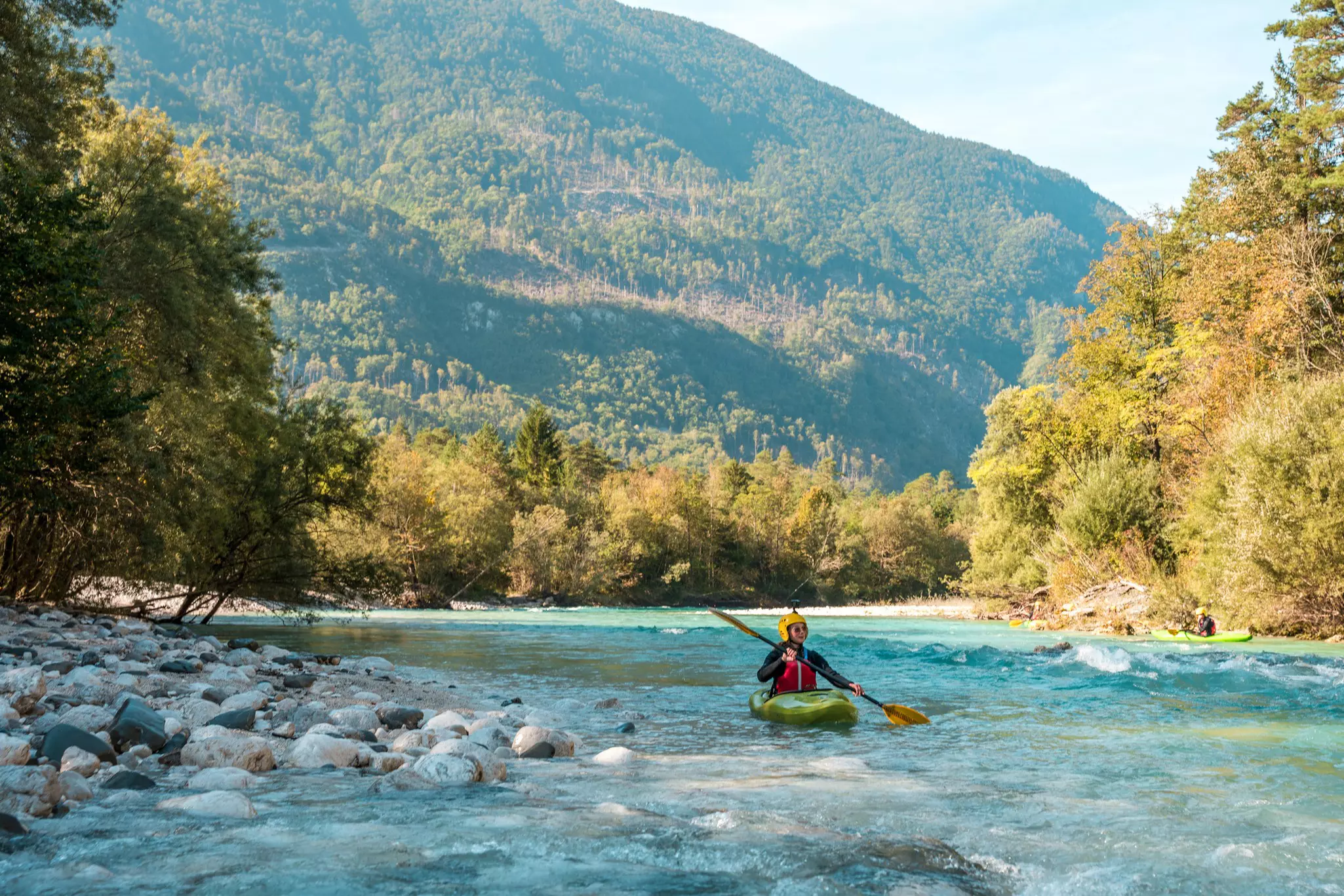
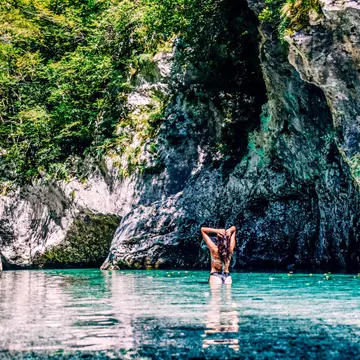
At the edge of Triglav National Park, squeezed between the Julian Alps and the crystal-clear turquoise Soča River, Bovec is a haven for water-based activities. The frothy river, boasting unimaginable cerulean shades that come from the underlying bedrock itself, is just as stunning as you’ve heard, and neither picture nor rumor does it justice.
The best way to experience the river is to join a white water rafting or kayaking tour (they run from March to October). Canyoning – during which groups make their way down a mountain stream in a gorge with techniques like abseiling, climbing, sliding and jumping – is gaining ground too. Bovec offers zip-lining over the Julian Alps, with more than 3km of lines at the Adrenalin Park Bovec.
Planning tip: Several rafting companies have excursions for beginners and experts, including Nature's Ways and Kayak Soča.
Best for caving
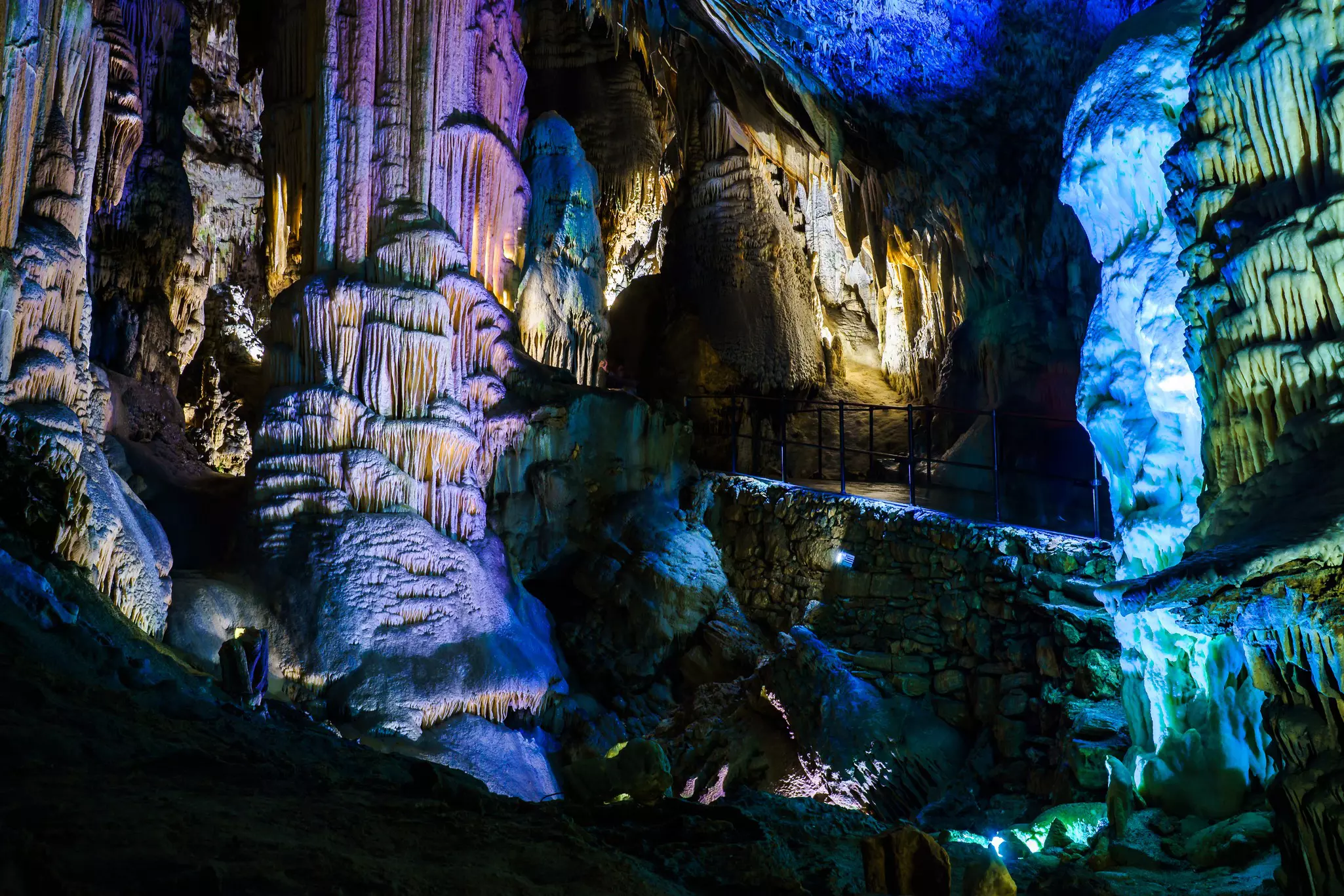
Slovenia’s Karst region, which takes its name from the area's porous limestone foundations, is home to some of Europe’s largest cave systems. Two caves in particular, Postojna and Škocjan, stand out, but the region is riddled with dozens of underground attractions. Postojna Cave, one of the world's largest, features unparalleled stalagmite and stalactite formations. Take a 1.5-hour tour that unveils 5km of the expansive cave. More than half the journey is covered by a cool electric underground train.
The immense complex of the Škocjan Caves, 20km southwest of Postojna, is, if anything, more spectacular. The entire system was created by the Reka River, which carved its way over the millennia through a gorge beneath Škocjan village.
Planning tip: Aside from underground treasures, the Karst’s deep green hills are rich in fruits, ruby-red teran wine, pršut (dry-cured ham) and lots of picturesque villages with old stone churches.
Best for the coast
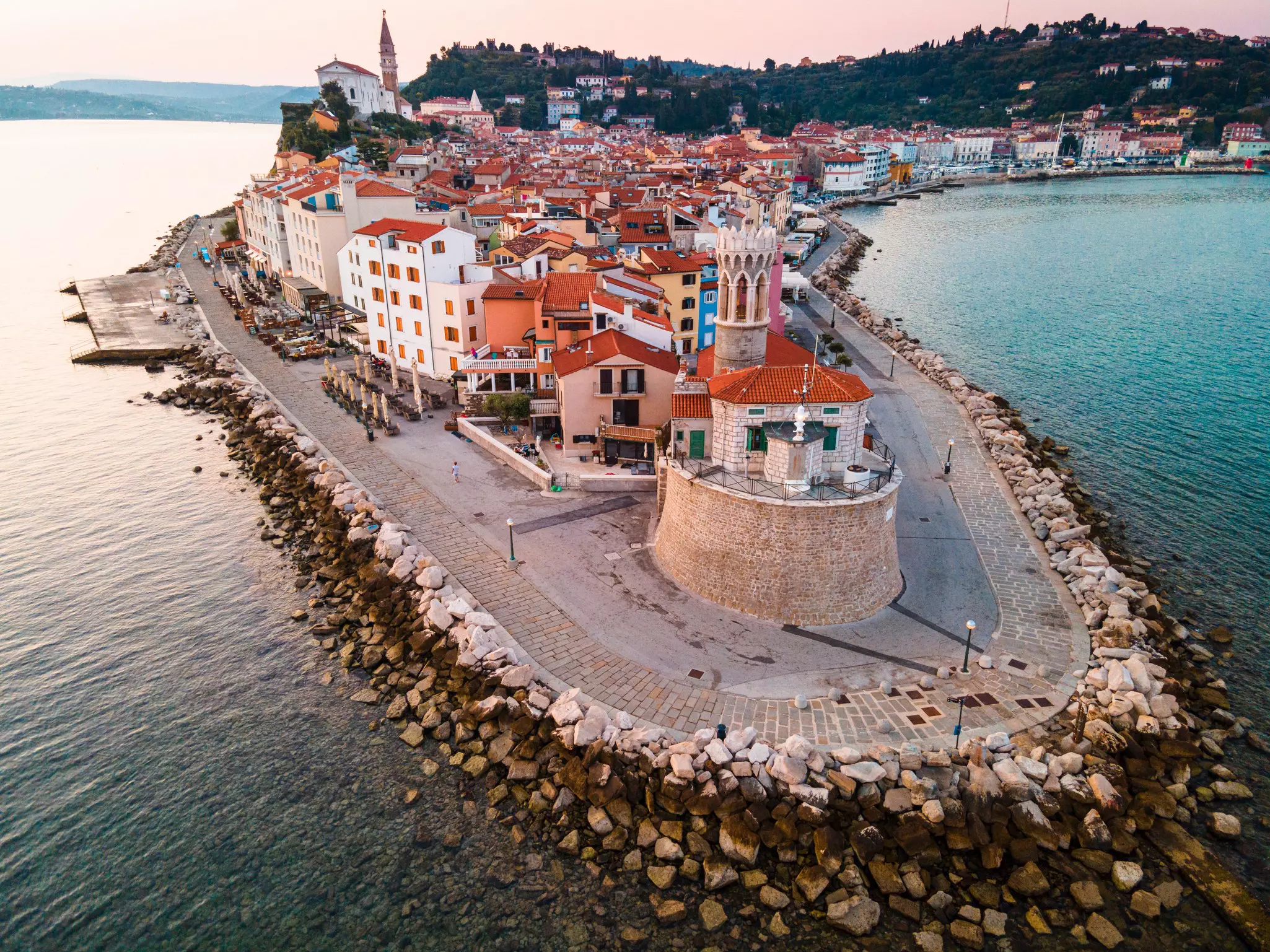
Such is the bounty of Slovenia that you can play in the mountains in the morning and lounge on the beach in the afternoon. When that urge strikes, Piran is the spot to soak up the rays, splash in the Adriatic and discover a unique destination along the country’s 47km coastline.
Often called the most beautiful town along the Slovenian Adriatic, Piran predates the Romans but got its present look in the Middle Ages as part of the Venetian empire. Get a panoramic overview by climbing the stairs to the top of the bell tower, next to the 17th-century baroque Cathedral of St George. From here, you'll be able to see three countries at once.
Come down from your perch to Tartinijev Trg, the town’s nerve center, before heading to the Mediadom Pyrhani for its multimedia take on Piran's history. But don't forget the reason you’ve come – a 15-minute walk takes you to Fiesa Beach for your cooling plunge into the sea.
Planning tip: The nearby Strunjan Landscape Park, east of Piran, offers two secluded (and harder-to-reach) beaches: Moon Bay and Bele Skale.
Best for wine
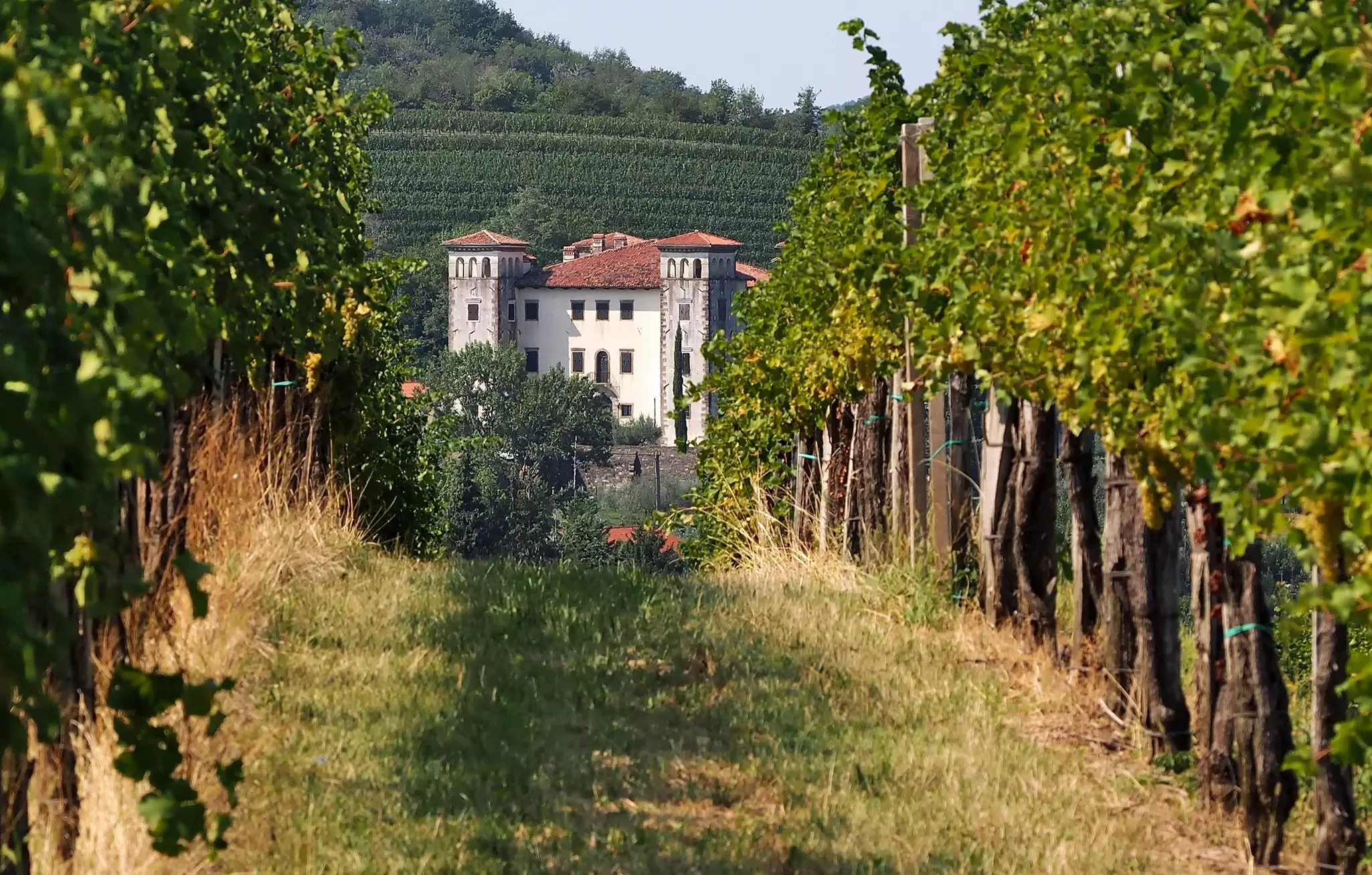
Straddling the Italian border, Goriška Brda (or simply Brda) is an absolute charmer: rolling hills lined with grapevines and sun-kissed orchards topped with small settlements and churches. The area is one of Europe's best-kept secrets. From one of the many perched villages scattered across the fertile hillsides, you’ll see a seemingly endless expanse of vineyards disappearing over the horizon.
A paradise for cyclists, the hills of Goriška Brda have dozens of scenic trails that are great for exploring on two wheels. Wineries to look out for include Klet Brda, the largest wine producer in Slovenia, with a well-stocked wine shop at its Dobrovo estate and excellent daily tours; Vinoteka Brda; and Edi Simčič, a third-generation family estate with tastings almost every day.
Planning tip: Like elsewhere in Slovenia, most local wine producers require visitors to call or book ahead to arrange a tasting.
Book your Slovenia trip with Lonely Planet Journeys
See Slovenia how it's meant to be seen
Planned by local experts and tailored to you, Lonely Planet Journeys handles the logistics so you can just enjoy the trip. Tell us what you want and we'll build your Slovenia itinerary from scratch, or browse our bookable trips to get inspired.


Explore related stories