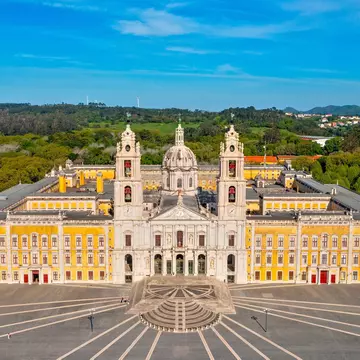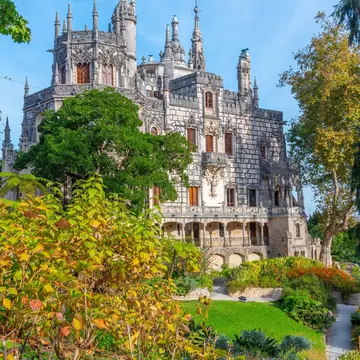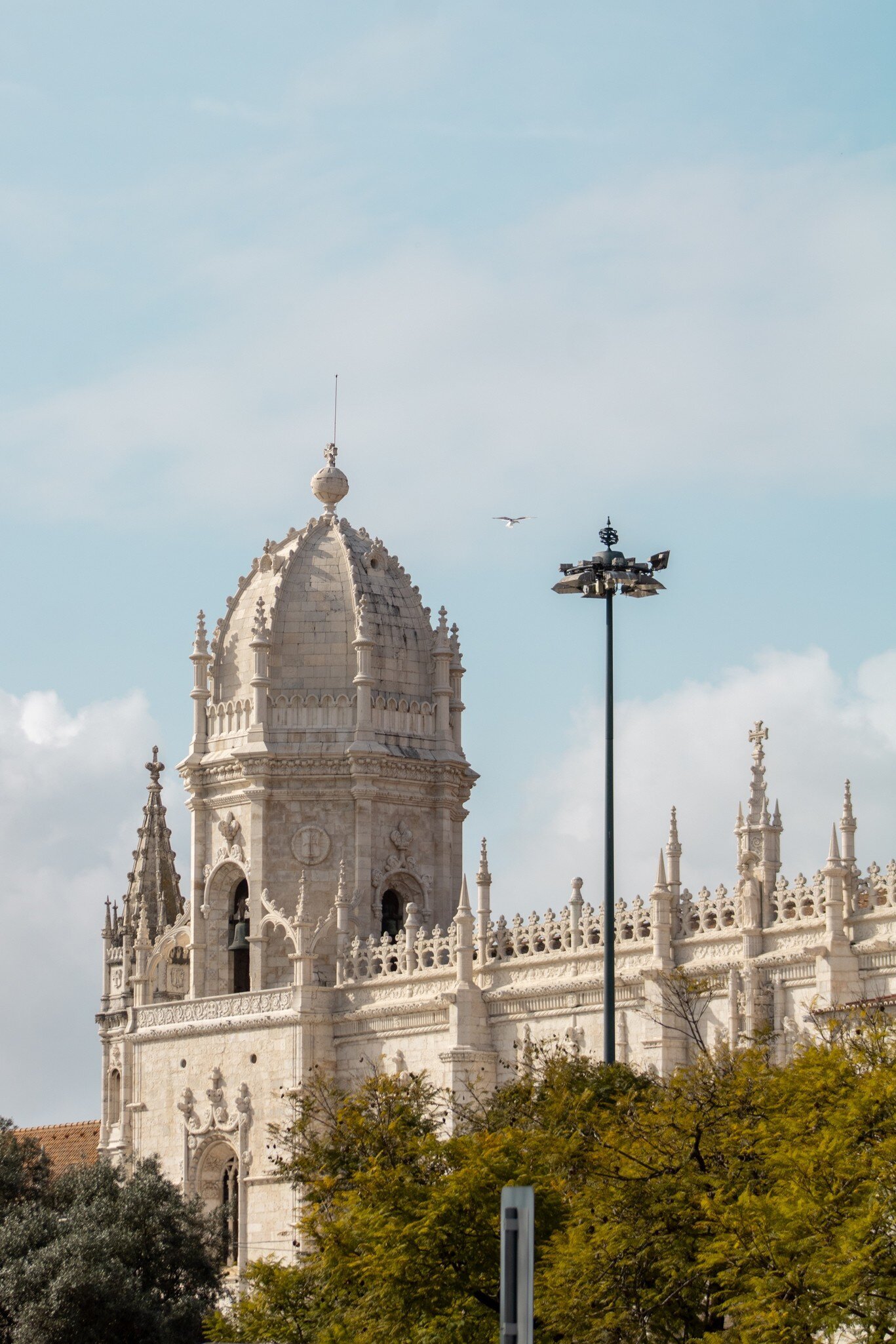
The Mosteiro dos Jerónimos in Belém is Lisbon’s best example of Manueline architecture (as the unique Portuguese approach to the Late Gothic style became known). Funded (and influenced) by the country’s age of sea explorations, it was one of the first local monuments to be classified as a UNESCO World Heritage Site.
Take Your Time in the Cloisters
The intricately decorated Mudejar-style arches and columns at the cloisters are worth a close look and plenty of photographs – everywhere you can notice rope-like elements and maritime creatures (a nod to the sea voyages) and the armillary sphere (used by King Manuel I it became the symbol of the Portuguese empire and, not without controversy, is still part of Portugal’s flag today).
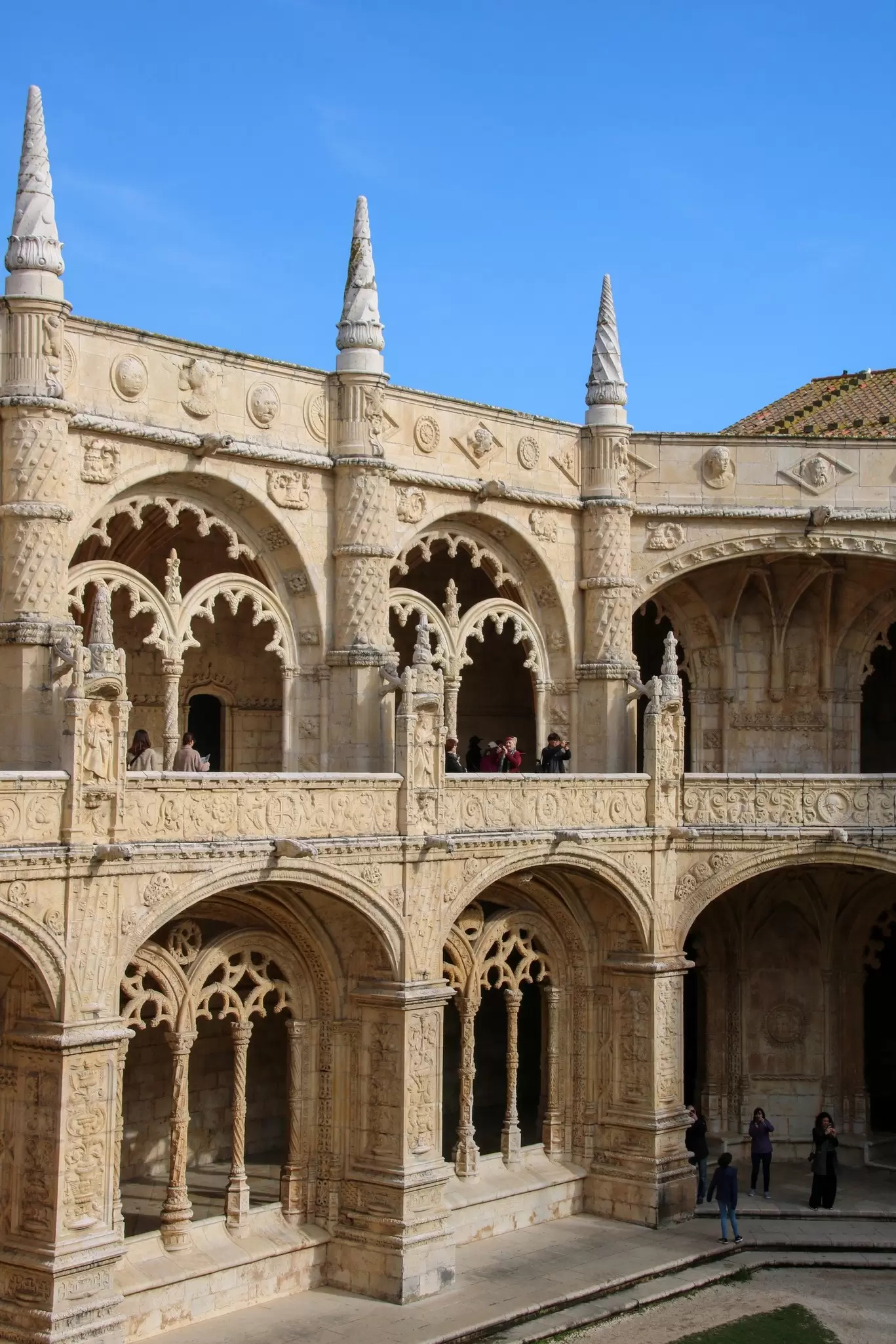
The marked path around the cloisters takes visitors through three must-see areas of the monastery, but although none of the other two are least valuable architecturally, it's the 16th-century Chapter Room that deserves extra time – the eyes are drawn to the elaborate door first and then to the tomb of 19th-century writer Alexandre Herculano in the center of the room.
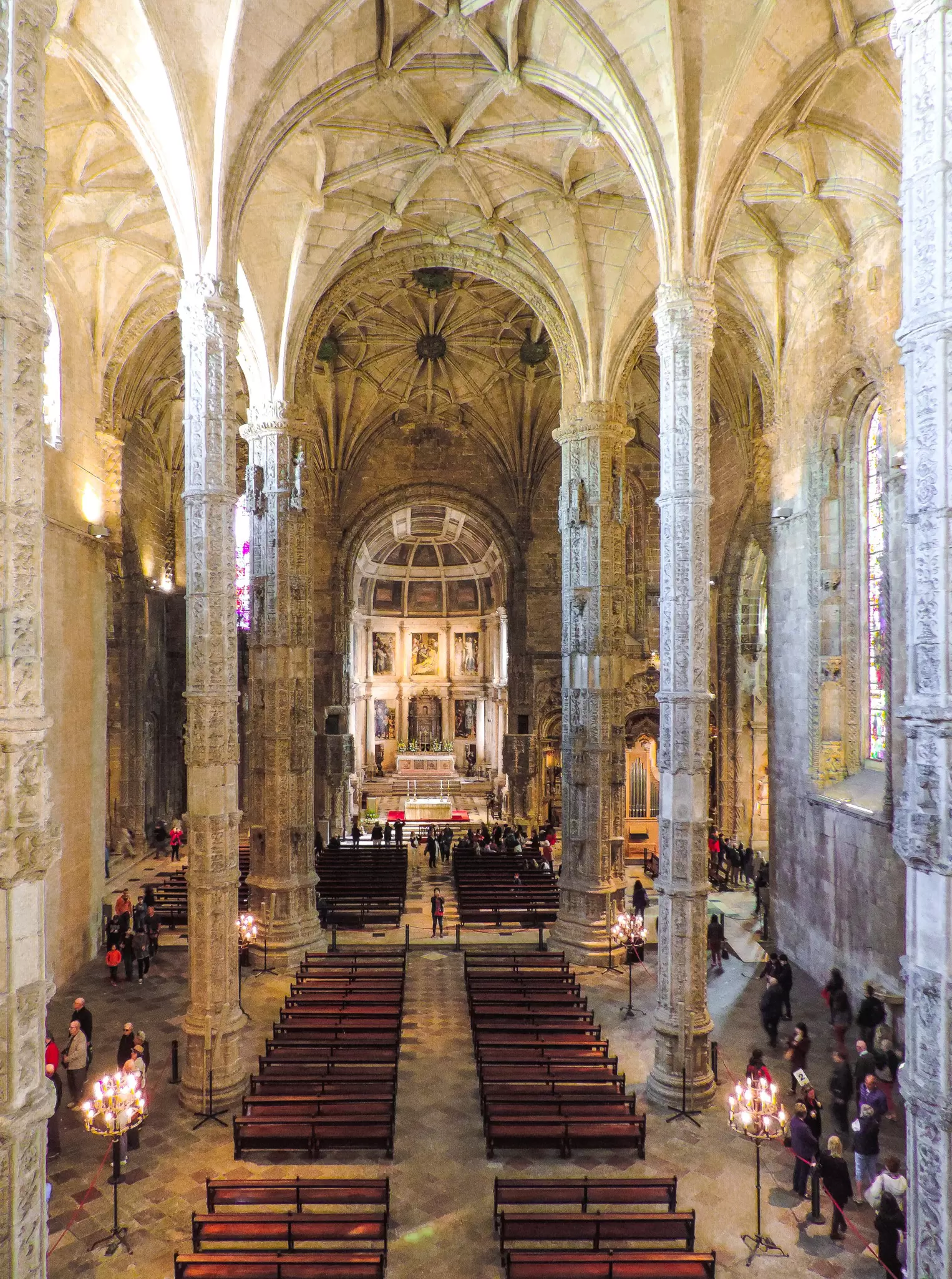
Don’t Skip the Church
If you’re pressed for time after admiring every inch of the cloisters, instead of skipping the church, carve out a few minutes to at least see the tombs of Camões and Vasco da Gama, sculpted in 1894 by Costa Mota. Design-wise, the building is a combination of styles added over the years, from the 16th-century high vaulted ceilings and detailed decor to the 20th-century stained-glass windows.