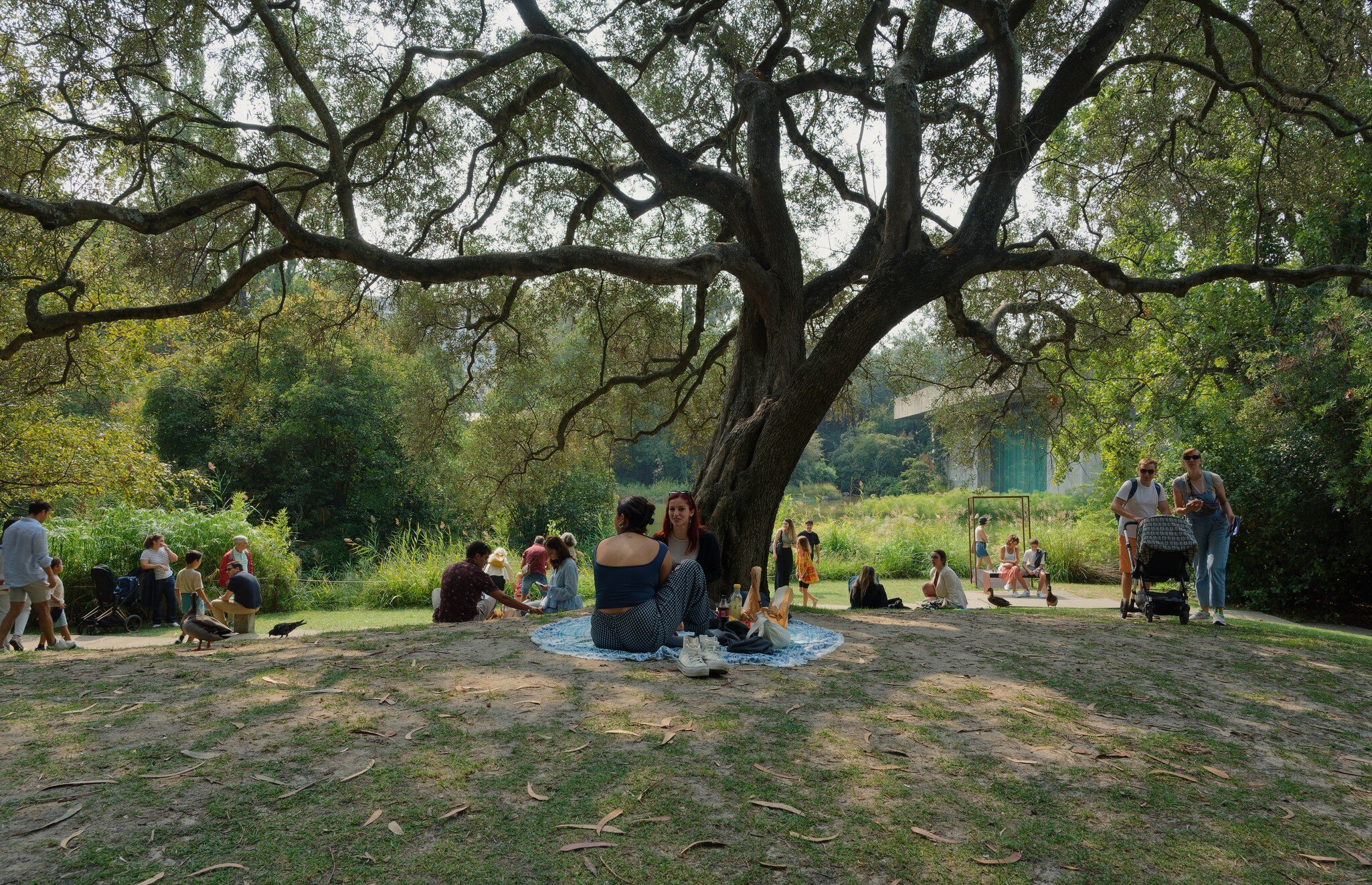
Fundação Calouste Gulbenkian is a cultural hub and quiet urban park that lisboetas hold dear – on weekdays around lunchtime, students and workers occupy the lawns, shaded tables and benches. Both museums hold Portugal’s most important art collection from the namesake Armenian-born founder. And although the city's most famous gardens surround the foundation, it never feels crowded.
Museu Calouste Gulbenkian
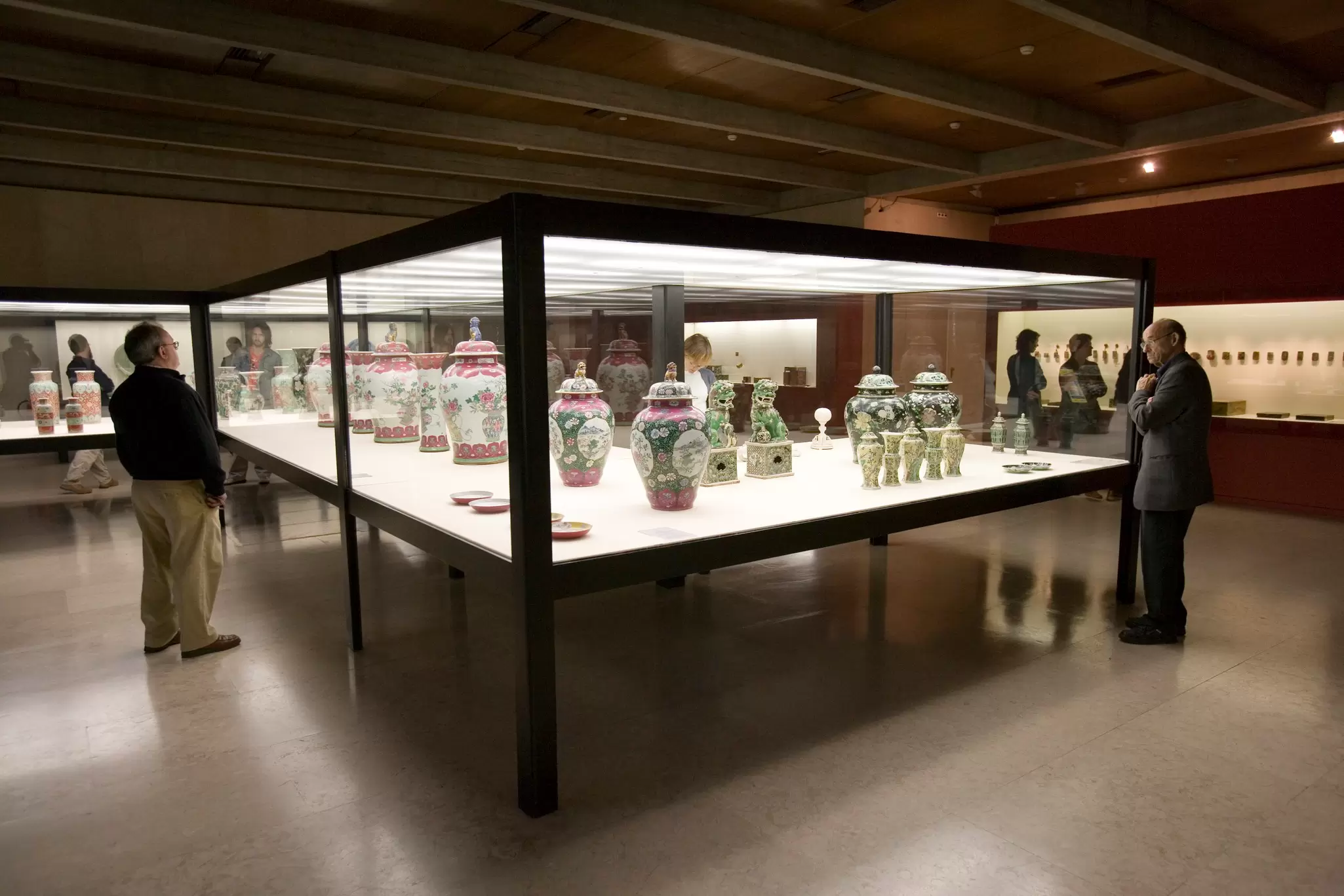
If you’re here for the famous artists, including Rubens and Degas (rooms 6 and 10) and René Lalique’s jewelry (room 11), don’t feel guilty about rushing through the first five rooms – the collections can easily be admired in a short time and, with all honesty, it’s the original paintings that draw visitors.
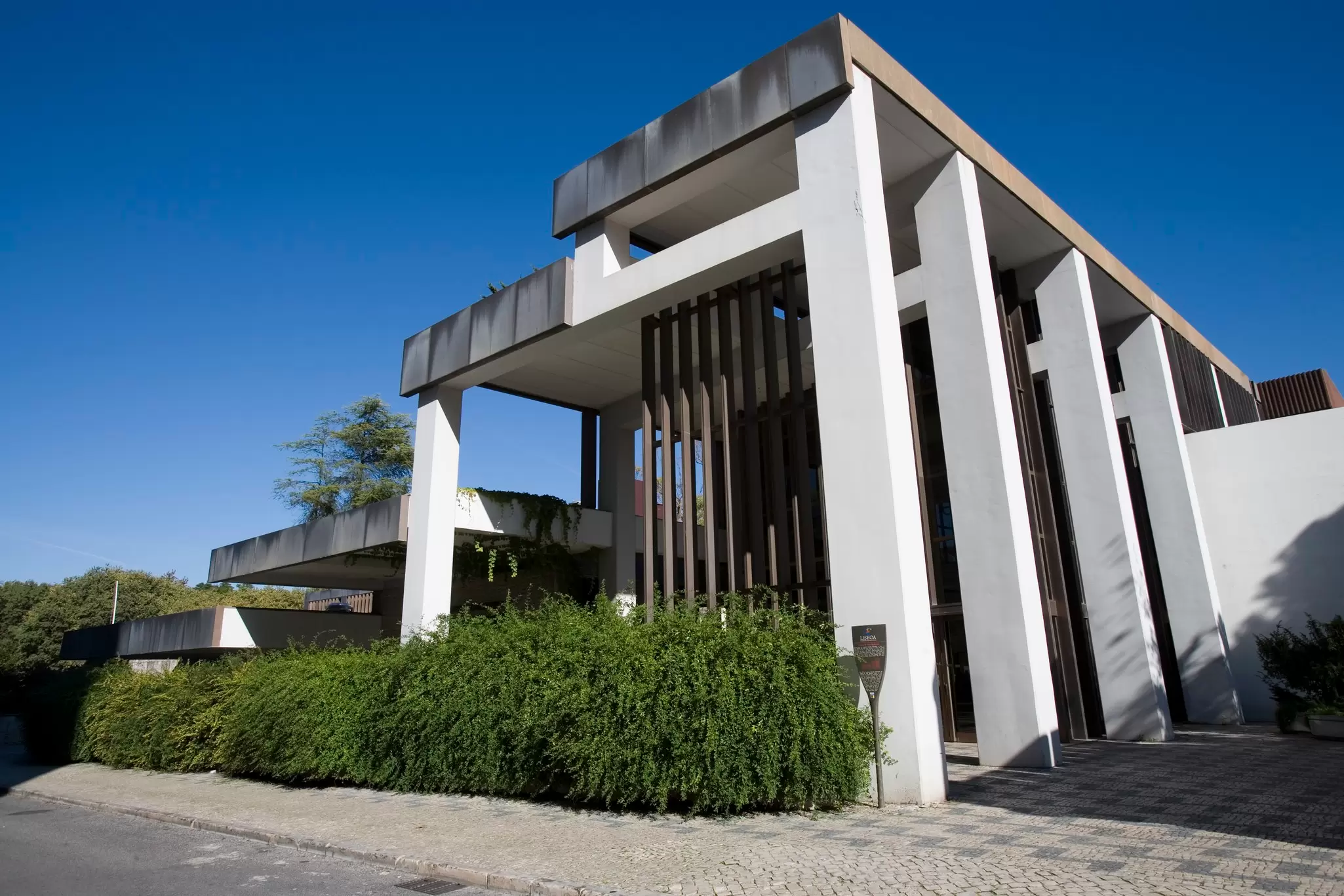
Centro de Arte Moderna
After four years of renovations, expectations around Centro de Arte Moderna’s reopening were high. Designed by Kengo Kuma, the new museum builds on the original project, blending in with the new South Garden created by landscape architect Vladimir Djurovic. The new flow allows for a more immersive experience with the art exhibitions. CAM now also has a new space for performance art and a room dedicated to drawings.
The Gardens
Jardim Gulbenkian offers a cool summer breeze and a surprisingly cozy atmosphere in the colder weather. It is mainly frequented by families and students on their breaks from class at nearby universities. The gardens attract diverse fauna by design, so bring a book or a picnic and relax in the company of the resident birds (but don’t feed the ducks, no matter how much they pester you).